
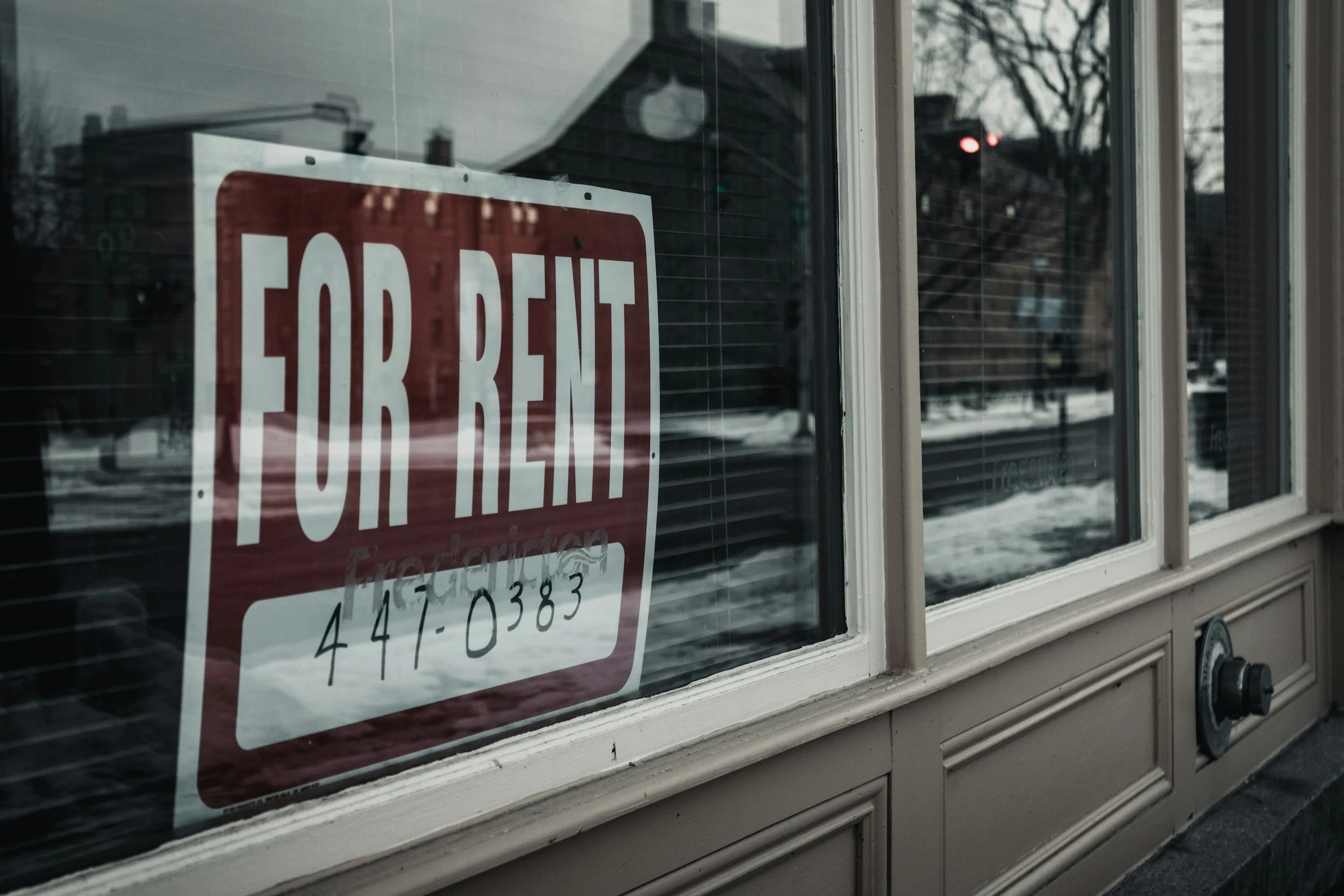
When Brittany Cormier began scrolling through rental ads in Charlottetown, she was not looking for a research topic. She was trying to help people keep a roof over their heads.
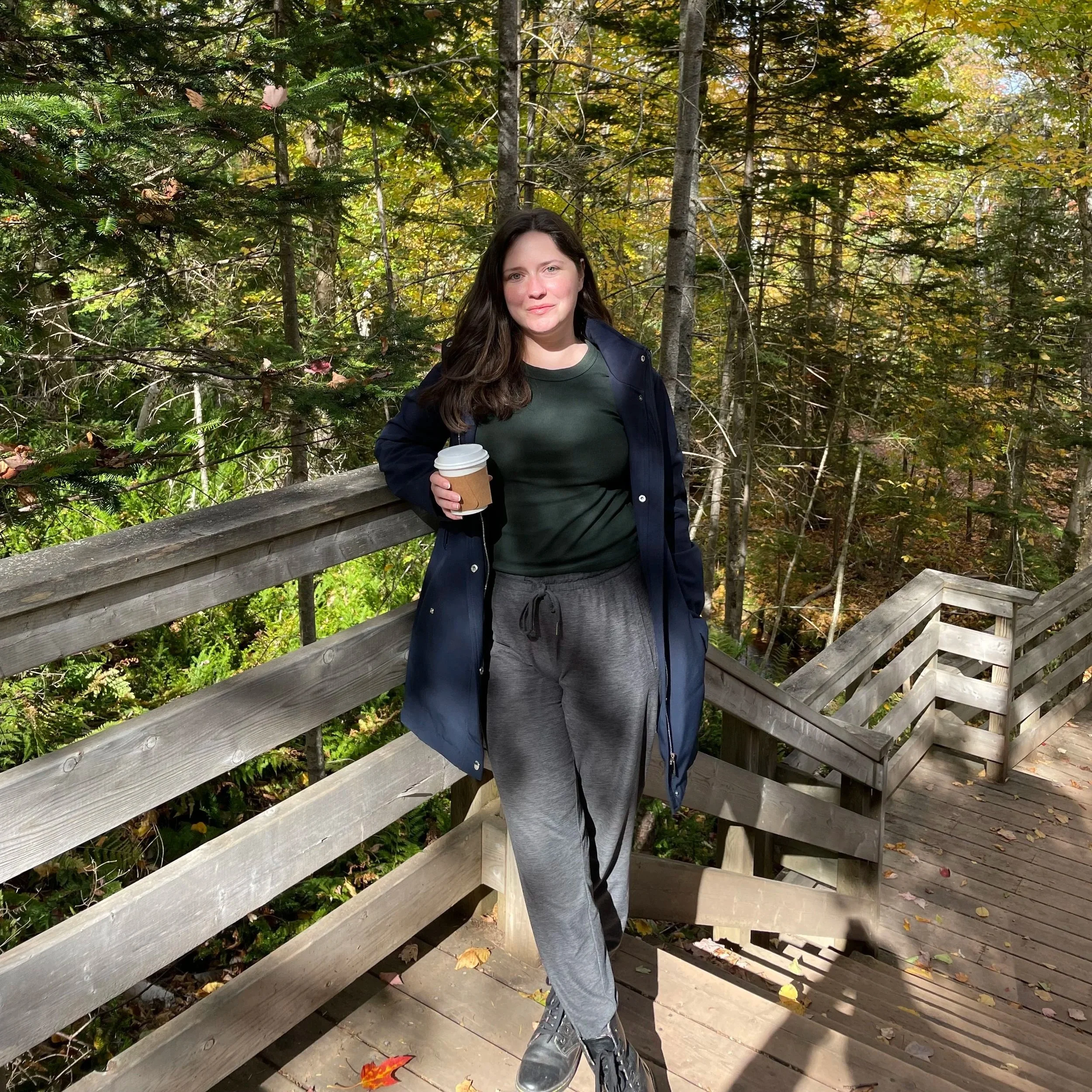
Brittany Cormier
At the time, Brittany was working in a rent-geared-to-income program on Prince Edward Island, supporting tenants who were being displaced by renovations, short-term rental conversions, or landlords reclaiming units for personal use. Helping people find alternative housing meant hours spent reviewing online rental advertisements.
What she noticed was language that quietly shaped who felt able to apply. “There were patterns that kept repeating,” Brittany recalls. “Requirements that seemed neutral, but in practice discouraged a lot of people before they ever had a chance.”
Those observations stayed with her. Years later, as a student in Saint Mary’s University’s Master of Applied Health Services Research (MAHSR) program, they became the foundation of a research fellowship through the Canadian Centre for Housing Rights (CCHR) and a published report examining discrimination and exclusion in rental housing advertisements across the capital region of PEI.
From lived experience to applied research
Brittany has been a student in the MAHSR program since 2018, with research focused on hidden homelessness, evictions and inequities in the rental sector. Her academic work has always been closely connected to her professional experience.
“I was already seeing these issues on the ground,” she says. “The fellowship gave me the opportunity to study what I had been observing for years, but in a systematic way.”
As part of the Canadian Right to Housing Research Fellowship, Brittany manually collected more than 1,800 rental advertisements over a 22-week period in 2023. Ads were gathered from Facebook Marketplace and Kijiji, the two primary platforms used for rental listings on the Island. From that larger set, a representative sample was analyzed in depth.
Each advertisement was reviewed individually, documenting rental type, pricing and language that could signal discrimination or exclusion. “That close reading is where patterns start to reveal themselves,” Brittany says.
What the ads revealed
The findings were striking.
Seventy-seven percent of the rental ads in the sample contained discriminatory or exclusionary language. More than half included multiple barriers. Some of that language fell within protected grounds under the PEI Human Rights Act, such as source of income or family status. Other language did not technically violate legislation, but still discouraged certain people or groups from applying at all.
“One of the most important distinctions in the study was between discrimination and exclusion,” Brittany explains. “Even when something is legal, it can still have real consequences for who is able to access housing.”
Even in the absence of evidence of intent or authorship, the findings highlight how the cumulative effect of exclusionary screening practices operating within a constrained housing market can meaningfully restrict access to housing.
The type of barriers also differed by housing arrangement. For example, language related to source of income and family or marital status was more prevalent in standalone unit ads, while language related to sex and gender expression or gender identity was more prevalent in shared accommodation ads.
Another unexpected finding was the volume of shared accommodation listings. Nearly half of all ads analyzed involved people seeking roommates. “To me, that really spoke to affordability constraints,” Brittany says. “People are sharing not because they want to, but because it’s the only way they can afford to live.”
Why it matters
While the research focuses on rental advertisements, Brittany is clear that the implications extend beyond housing. “Housing is foundational,” she says. “When people cannot access stable housing, the impacts show up everywhere, including health, education, and employment.”
She points to economic exclusion as particularly urgent. Even without discriminatory language, rising rents alone are preventing low-income individuals and families from participating in the private rental market. “When housing is financially out of reach, people are left with overcrowding, unsafe arrangements or homelessness,” she says.
For students and researchers, Brittany believes the study offers a clear example of how systemic barriers can operate quietly in everyday processes. “This isn’t just about bad actors,” she says. “It’s about how ordinary practices shape access.”
The Saint Mary’s influence
Brittany credits her experience at Saint Mary’s with shaping how she approaches this research.
Supervision for her MAHSR thesis – a separate project looking at hidden and at-risk homelessness – falls under the Department of Social Justice and Community Studies, which helped her develop a human rights-based lens over time.
“When I started my program, I didn’t fully understand the right to housing as a framework,” she says. “Through mentorship and coursework, that lens became central to my work.”
The MAHSR program’s emphasis on applied, community-grounded research also mattered. Brittany completed the fellowship while continuing to live and work in her home community. “It meant I could study housing issues while being embedded in the place I was studying,” she says. “Small communities experience housing challenges too, but they’re often understudied.”
Looking ahead
While the report stops short of policy recommendations, Brittany hopes it contributes to broader conversations about housing access and fairness.
“If we ignore barriers at the earliest stages of the housing search process, we miss a critical part of the problem,” she says. “Addressing housing supply alone isn’t enough if people are discouraged before they can even apply.”
For anyone searching for their first apartment, her advice is practical. Learn your tenant rights. Ask questions. Keep records. “It’s okay not to know everything,” Brittany says. “But having information can make a real difference.”
As for what she hopes readers take away: “Housing discrimination doesn’t always look dramatic,” she says. “Often, it’s quiet and easy to overlook, yet its effects can shape people’s lives in lasting ways.”