
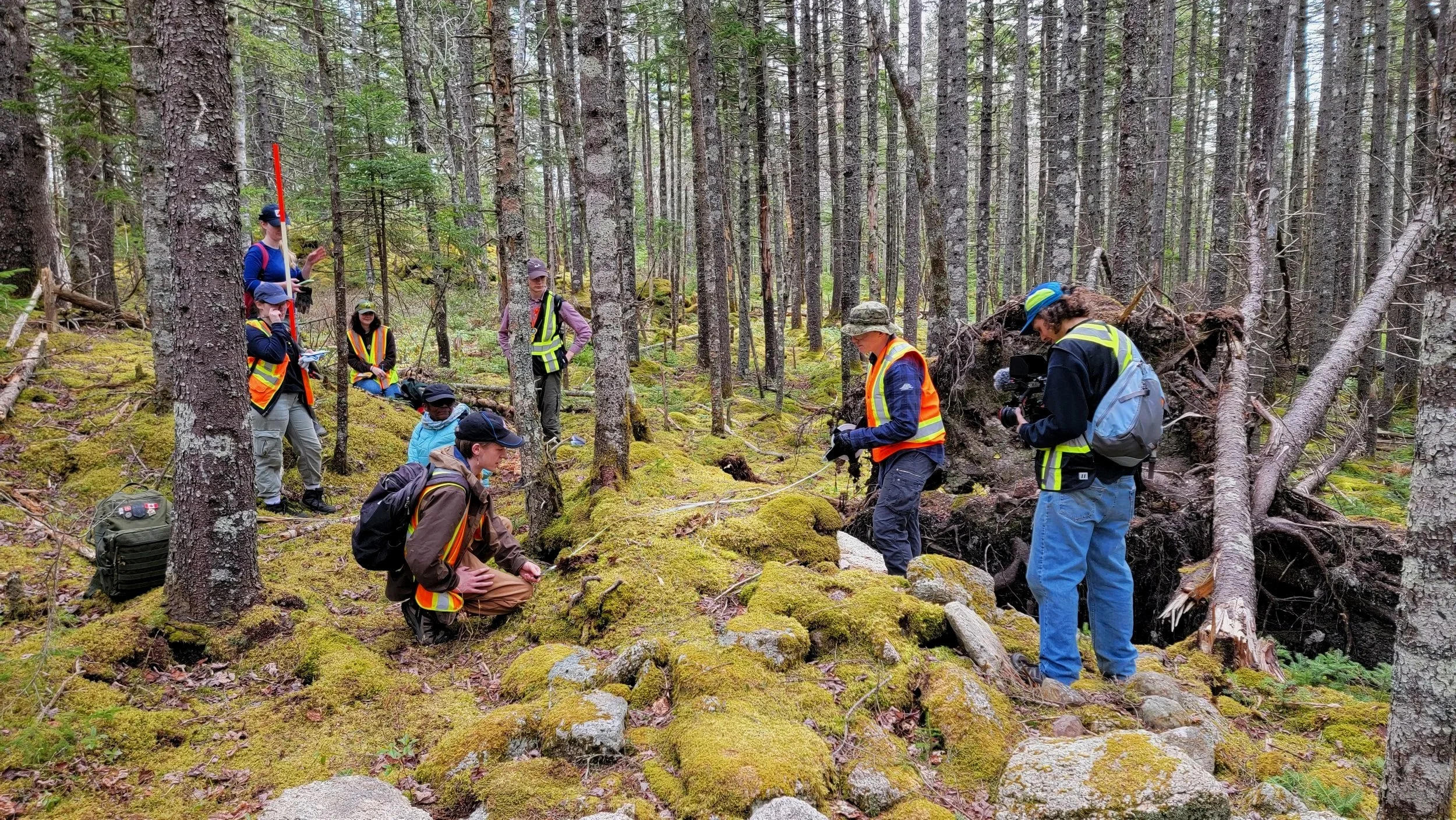
When Anthropology Professor Dr. Jonathan Fowler first walked into the community of Beechville over a decade ago, he thought he was taking on a small side project. "I began working at Beechville as an archaeologist in 2013," he says. "What began as just a little sidebar exercise grew over time."
The deeper he stepped into the woods with community members, students and new technology, the more he realized the work wasn't just about mapping the past – it was about reconnecting a community with its own history.
Beechville, founded just over 200 years ago by formerly enslaved people who self-emancipated during the War of 1812, carries a legacy that feels alive beneath the forest floor.
““Anytime we encounter the remnants of places that were formerly inhabited, we kind of encounter an echo of humanity. There’s this still resonant human story remaining in the things left behind.””
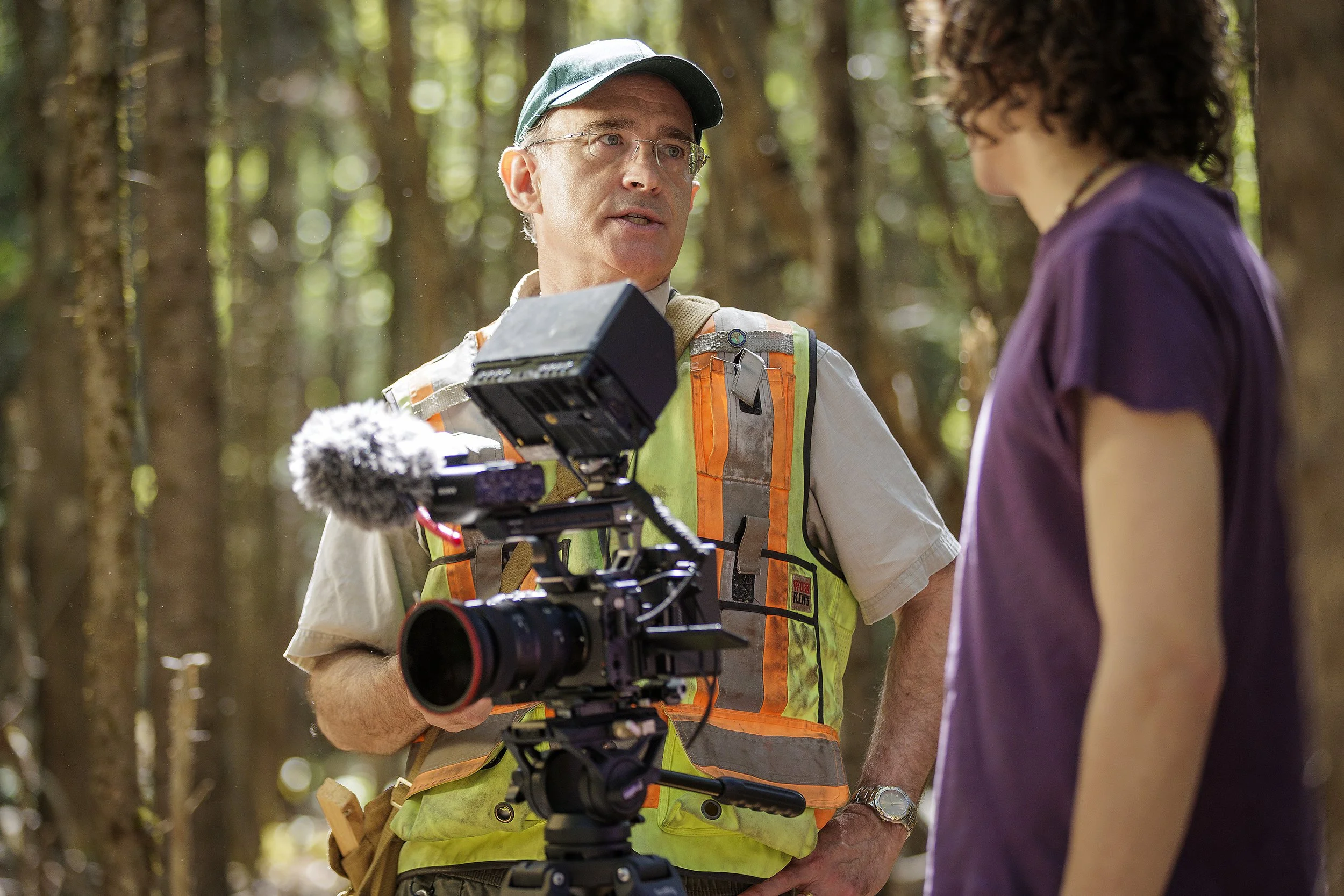
Dr. Jonathan Fowler with Ben Sheffar at Beechville
That story is especially powerful because many of today's Black Nova Scotians trace their connections back to these freedom fighters. "A lot of that story has been kind of lost through the process," Dr. Fowler says. That's why the Beechville community chose to work alongside Dr. Fowler and his students, as "collaborators and co-creators of knowledge," committed to uncovering and understanding the site together.
For Dr. Fowler, the project quickly became far more than research. "It's been really, really interesting and also very emotionally and personally satisfying," he says. "This is exciting work. It's academic work. It's community work… It's kind of soul craft."
A classroom under the canopy
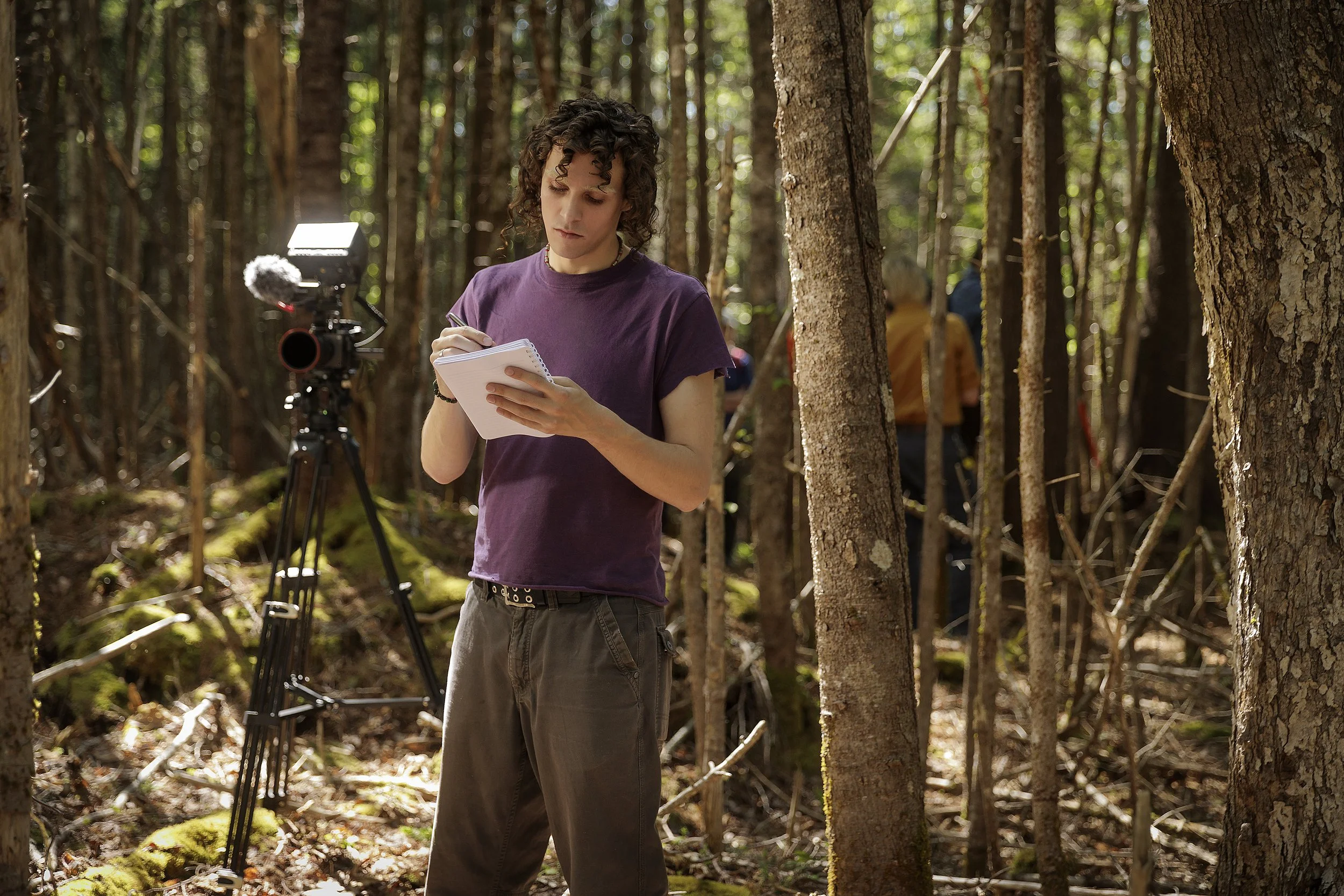
Recent graduate Ben Sheffar participated in Dr. Fowler’s Beechville field school
One of the first students to step into the thicket was anthropology student Ben Sheffar BA'25, whose academic path took a turn the moment they joined Dr. Fowler in the field.
Before working on the project, Ben admits their ideas of archaeology came from TV: a "dramatized version." But Beechville changed all that. "I did not fully grasp how systematic and organized everything truly is on archaeological sites," they say.
Even with museum experience under their belt, the reality of the work – deep brush, uneven terrain and the need for quick adaptation – came as a surprise.
Dr. Fowler remembers watching students like Ben transform. On day one, the forest was disorienting. Within days, something shifted.
““Seeing the students get out of the classroom, get into the brush...There’s a kind of experiential learning that takes place only in that environment. You can’t do it with PowerPoint on campus.””
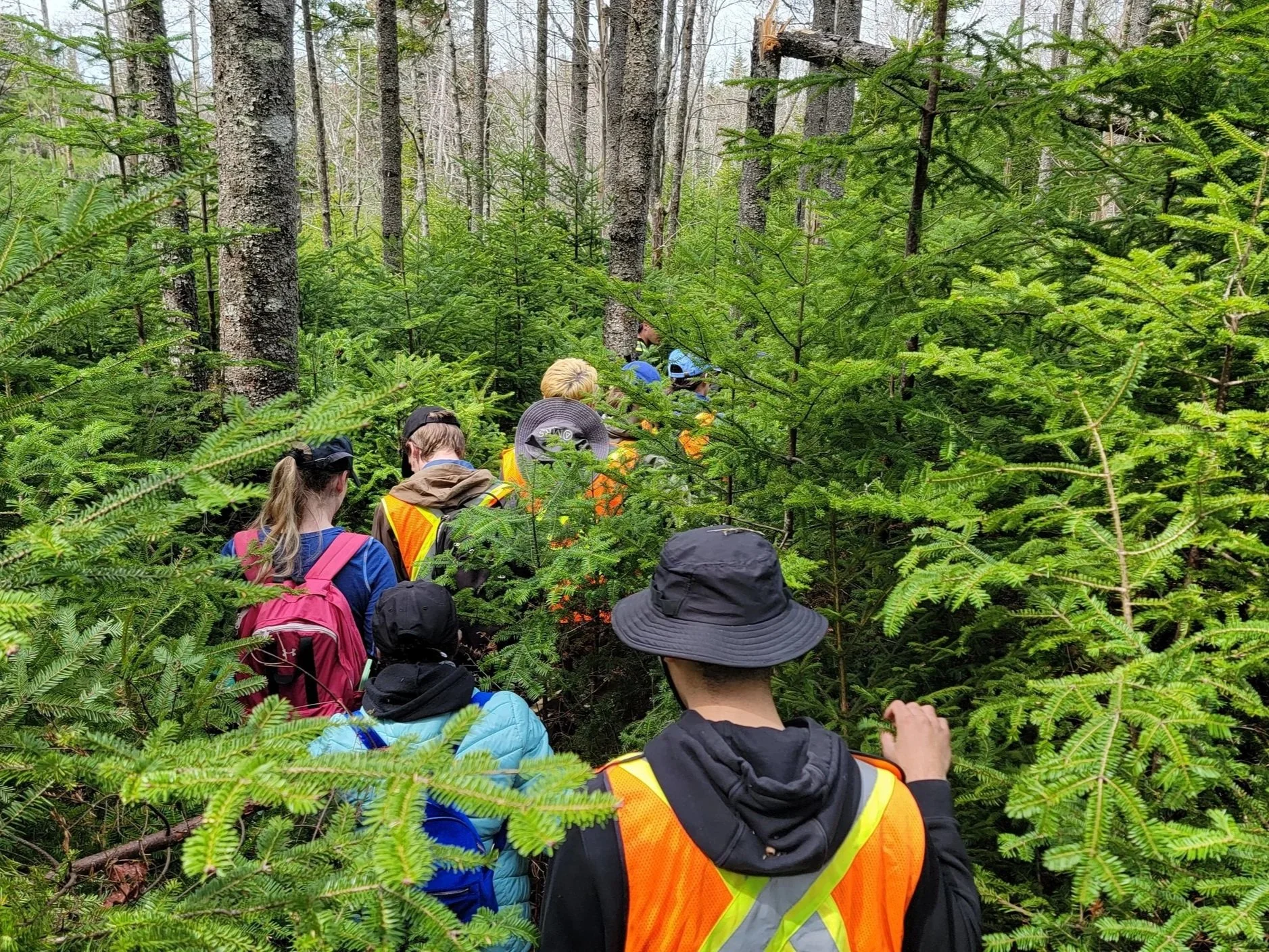
In the field, learning becomes hands-on in a way the classroom can't replicate. Students begin to recognize signs of the old community just by looking closely at the forest floor, such as shallow cavities in the earth where cellars were located, and linear stone features that once formed walls or boundaries. They even learn how to spot old gardening areas by noticing unusual piles or patterns of rocks. "All of this is without digging yet," Dr. Fowler explains. "We start with remote sensing and then move on to our bushwhacking."
Ben recalls the on-the-ground learning vividly. Technology that worked in the classroom was suddenly challenging to use in a dense forest. "This required us to adjust our strategy and use a different method in the field," Ben says. "That adaptation is central to the work."
When community brings the past to life
Both point to community connections as the heart of the project.
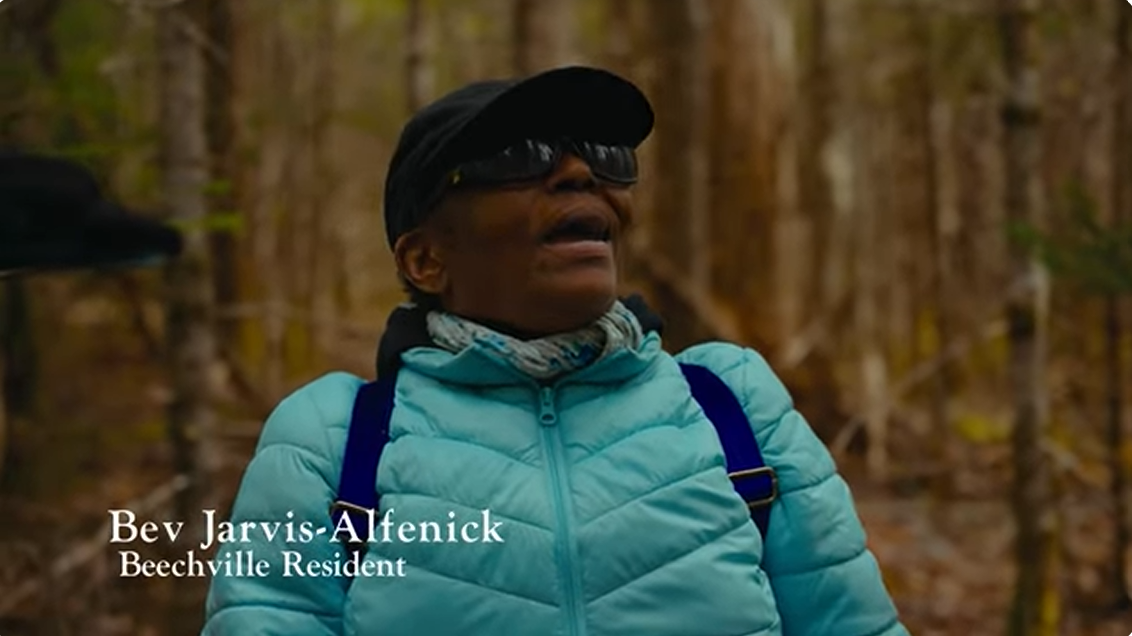
Beechville resident Bev Jarvis-Alfenick, seen in Ben’s video: Uncovering Beechville: Surveying a 19th century settlement built by Black Refugees
For Ben, the most powerful moment came when Beechville residents joined them on site. "Working with community members, specifically having them in the survey space and sharing personal experiences about the area where their families might have been for at least a hundred years — it made the work 10 times more important to be trusted with those stories."
Dr. Fowler says research becomes most meaningful when academic perspectives and community knowledge come together.
"Community has their own perspective, informed by its traditions, memories and experience; a very intimate kind of experience on the land," he explains. When that insight meets the archeological and archival work he brings to the project, something more profound emerges. "When you put those two things together, you get a resulting picture that brings together these two incomplete experiences."
A new kind of storytelling
For Ben, the Beechville project was a chance to merge two passions. "I had started making videos for classes… it began on a smaller scale in high school, but significantly increased," they say. So, when the field school came up, they saw an opportunity and approached Dr. Fowler about creating a video that could serve both the research and the community.
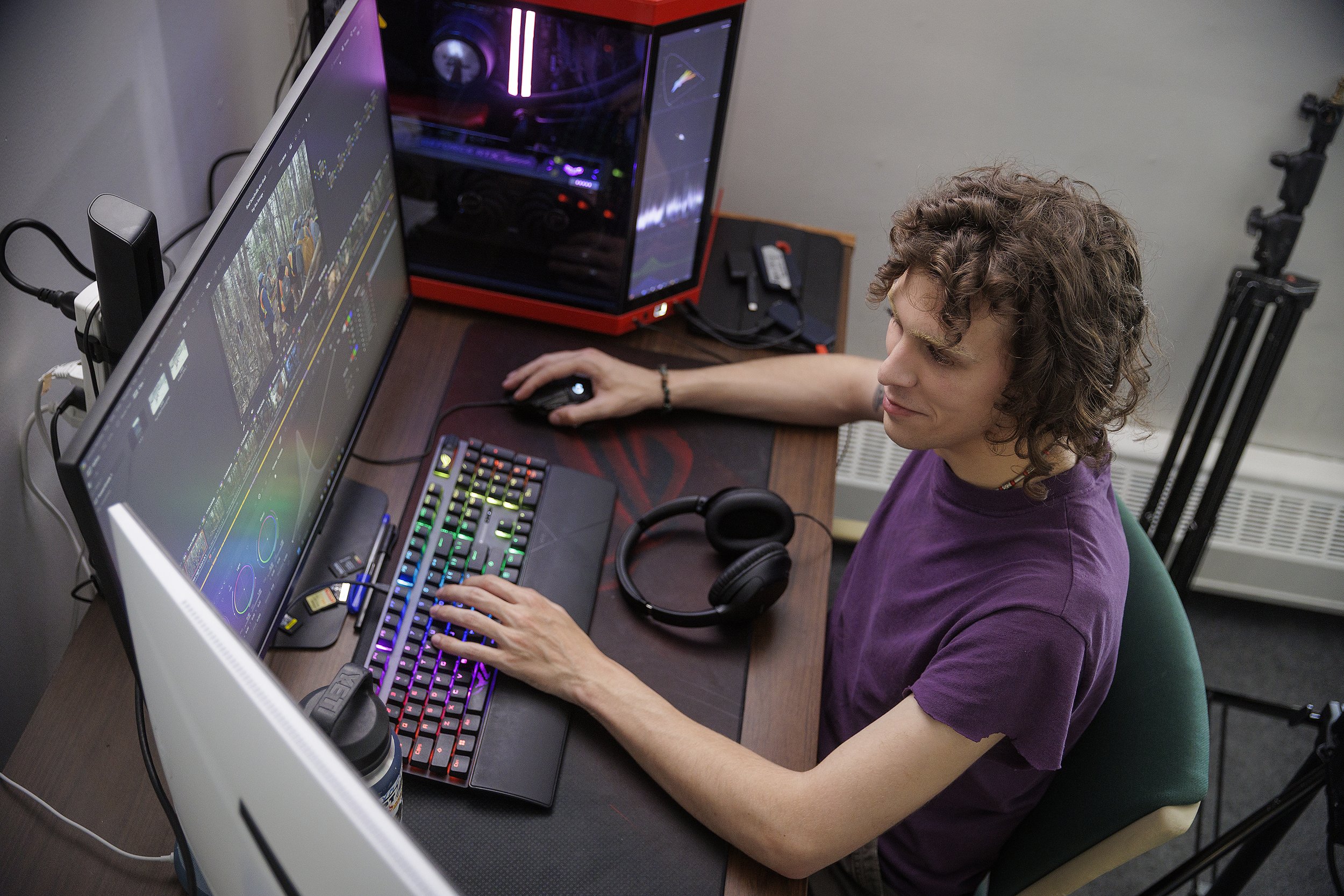
Ben used their passion for storytelling and video to highlight the Beechville project
Ben filmed almost every day in the forest, often carrying a large tripod and camera, and later sorted through over a terabyte of footage to shape the story. What mattered most was capturing lived experience: "I consciously included at least one person each day who could reflect on the topic, which makes the lessons highly valuable."
The process showed Ben what was possible. "It cemented my ability to perform this type of work if I commit to it," they share. For the community, the video became a bridge – a way to see and feel the research in a more accessible and human way.
Dr. Fowler believes this kind of storytelling is essential. "It's not enough to do good science in the field," he says. "You really have to put a lot of emphasis on knowledge mobilization and communication."
Lighting the spark
Dr. Fowler often says his job isn't simply to teach, but to ignite curiosity. "I'm just there trying to strike those sparks into the tinder. Job number one is: can I make a little flame? If the flame starts, everything else follows."
For Ben, that spark caught quickly. Their experience through the Beechville project – which combined fieldwork, community connection and filmmaking – clarified the kind of work they want to pursue. Today, the recent graduate works full-time as a media professional at Detect in Burnside, expanding their camera kit and even becoming a licensed drone operator. It's work that blends everything Ben loves, letting them keep growing as both a storyteller and a researcher at heart.
And in Beechville's forest, where history, community and curiosity meet, those sparks continue to shape students and the stories they help bring to life.
Watch Ben’s video: Uncovering Beechville: Surveying a 19th century settlement built by Black Refugees on YouTube.