
Grants and contracts awarded directly to researchers rose nine per cent, and every Psychology faculty member who applied won an SSHRC Insight Grant
What helps people thrive in emotionally demanding work? How is private investment shaping artificial intelligence? What can the history of families tell us about the societies we live in today?
Saint Mary's researchers will spend the next three to five years chasing answers to questions like these, with support from 11 new Insight Grants from the Social Sciences and Humanities Research Council (SSHRC). Spanning all three faculties and six departments, the projects show the range of research at Saint Mary's and the opportunities it creates for students and communities.
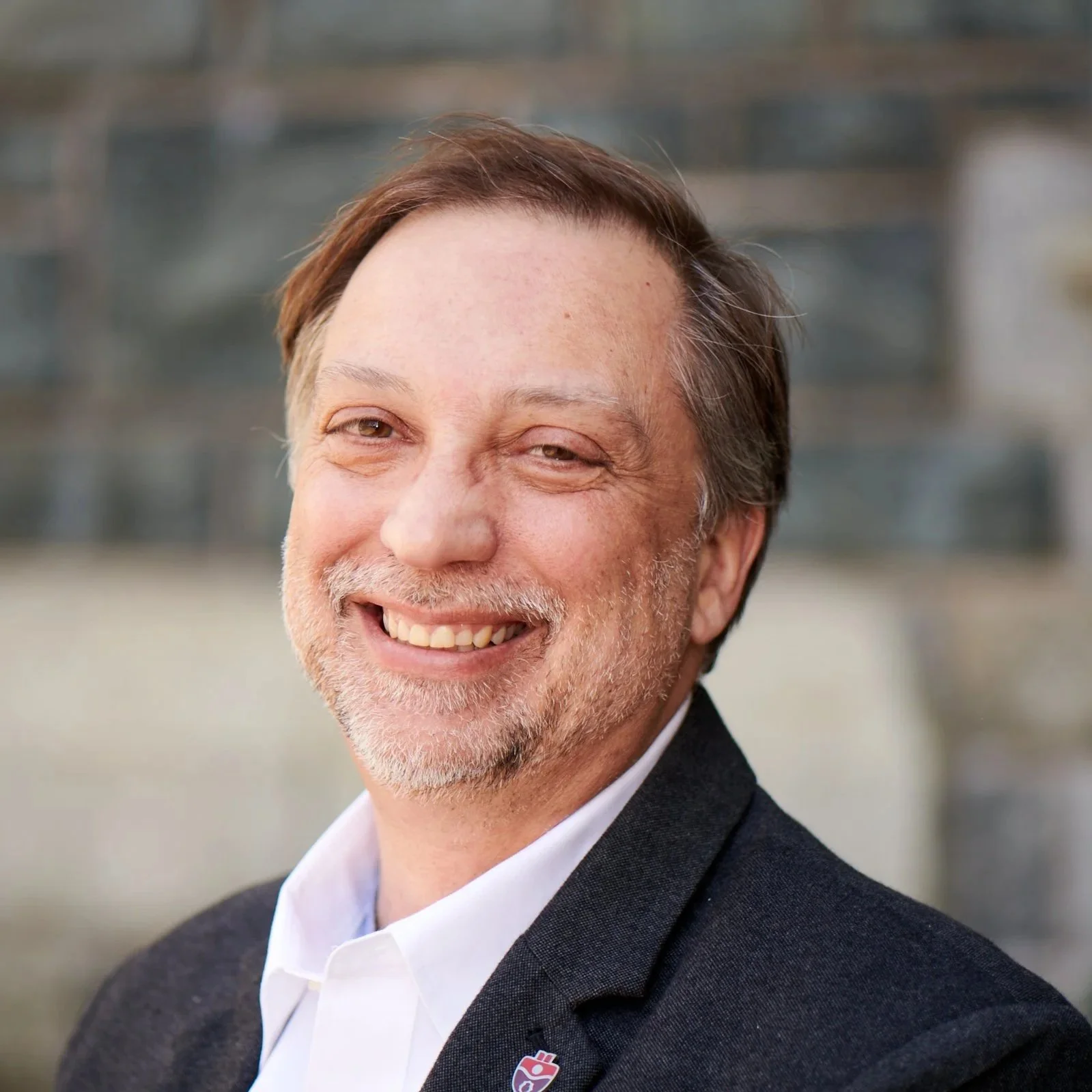
Dr. Adam Sarty
SSHRC is one of Canada's three federal research funding agencies, supporting research in the social sciences and humanities. Its Insight Grants fund projects of two to five years, worth up to $500,000 each. Expert reviewers judge each proposal on the importance of the question, the researchers' expertise and the strength of the plan, including how it will train and mentor students.
Between September 2025 and September 2026, 121 Saint Mary’s researchers received $11.04 million in grants and contracts, up about nine per cent from the year before. That’s 244 awards in all, a number that has grown by more than 20 per cent over the past seven years. The results were celebrated at Saint Mary’s ninth annual Research Recognition Reception.
“Every successful grant represents a compelling question, a strong research plan and a great deal of work,” said Dr. Adam Sarty, Associate Vice-President, Research and Dean, Faculty of Graduate Studies and Research. “Psychology's five-for-five result is an exceptional achievement within a wider story of research strength across Saint Mary's.”
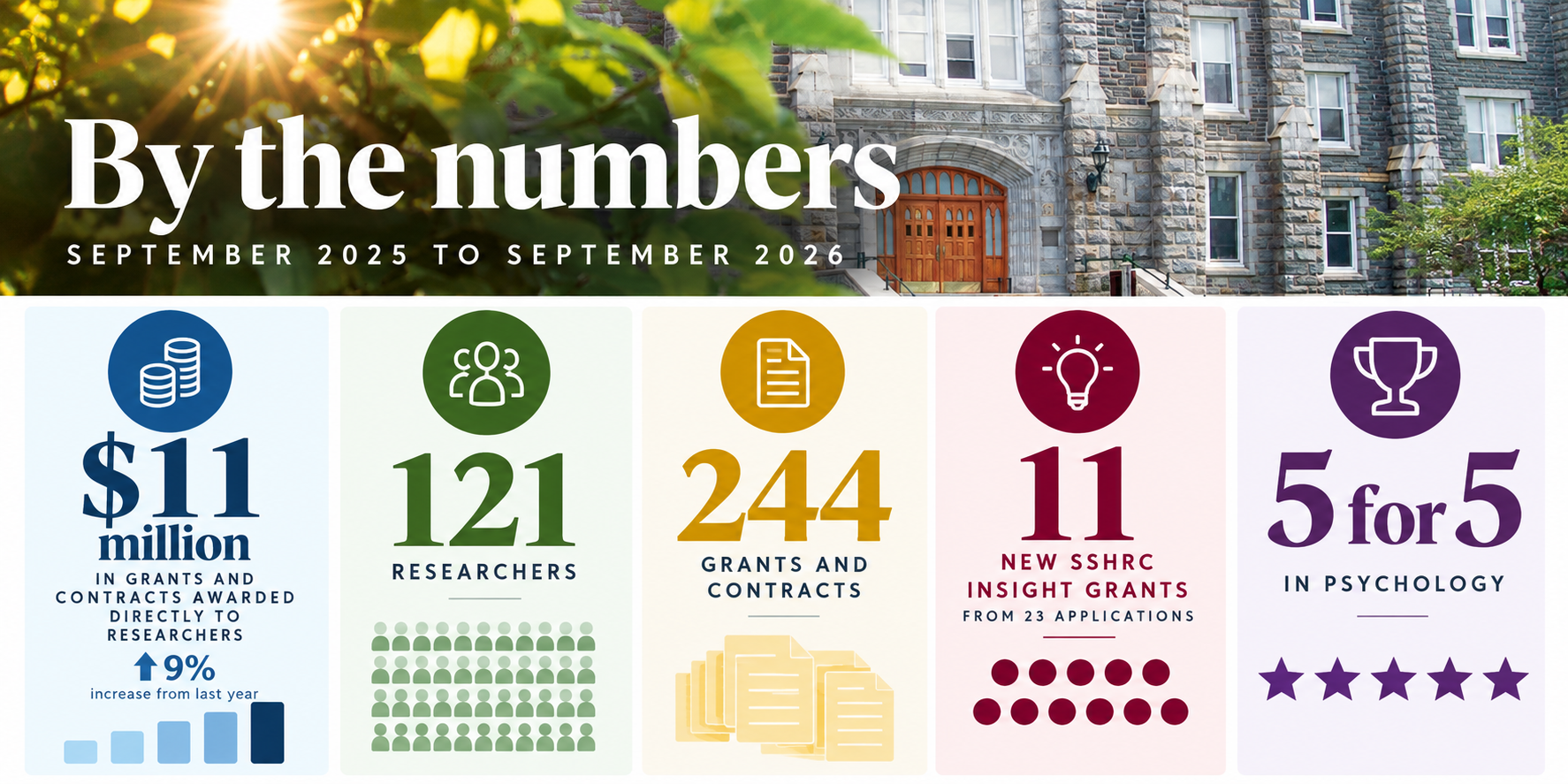
Saint Mary’s 2025-2026 SSHRC grants by the numbers
Five for five in Psychology
The five projects draw on two of the department's strengths: Industrial/Organizational Psychology, which is the study of people at work, and Forensic Psychology, where psychology meets the justice system. Students can study both, from undergraduate courses through graduate programs.
Why trauma professionals stay, or go. Dr. Debra Gilin will identify the empathy profiles linked to thriving in trauma work, or leaving it, to help organizations attract and keep these professionals.
Rudeness, gratitude and the boss. Dr. Camilla Holmvall will study how incivility and gratitude from employees shape whether supervisors thrive or merely survive.
AI in hiring. As AI tools change how employers screen applicants, Dr. Nicolas Roulin will study why some people and organizations embrace them while others reject them.
Second chances at work. Dr. Steven Smith will look for ways to overcome the barriers to employment that people with criminal records face.
Managing risk after a sexual offence. Dr. Skye Stephens will study how risk changes over time among people assessed as low risk after a sexual offence, and what predicts escalation, to help inform guidelines for managing it.
Together, the projects look at how people experience workplaces and institutions, and how evidence can inform decisions that affect their lives.
Questions across disciplines and centuries
Six more Insight Grants, in the Faculty of Arts and the Sobey School of Business, stretch from early Christian communities to the financing of artificial intelligence.
Stereotypes and leadership. “Stereotype threat” is the worry of confirming a negative stereotype about your group. Dr. Megan Walsh (Management) will develop a tool to identify gender stereotype threat in leadership, and a training program to address it.
Following the money behind AI. Dr. Mohammad Rahaman (Finance, Information Systems and Management Science) will examine how private credit markets fund investment in artificial intelligence, and what that means for innovation and productivity.
Island stories. Dr. Renée Hulan (English Language and Literature) will explore coastal islands in the literary culture of Atlantic Canada in her project, Water Worlds.
Rights and firearms. Dr. Blake Brown (History) will trace how conservative voices used the language of rights in Canada's firearms debates from 1970 to 2015.
Blended families aren't new. Dr. Lyndan Warner (History) will extend her research on the history of stepfamilies, the subject of two books she has edited.
Childhood in early Christianity. Dr. Margaret Y. MacDonald (Study of Religion) will study childhood, education and family relations in early Christian communities.
Students help find the answers
For students, research funding can turn an academic interest into a chance to investigate a question firsthand. Grants like these help employ undergraduate and graduate student researchers, as well as postdoctoral researchers and technical staff.
Working alongside faculty, students learn to weigh evidence, test an explanation and ask a better question—skills they carry into further study, careers and community life.
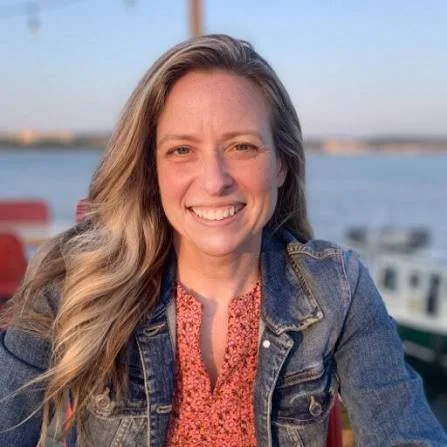
Dr. Debra Gilin
Dr. Debra Gilin's earlier study of burnout among Nova Scotia healthcare workers, for example, was carried out with a team of graduate students in Industrial/Organizational Psychology. It tested a six-week supportive leadership course with home-care nurses and healthcare leaders. Her new project focuses on people who work with trauma every day.
"People who work with trauma carry a heavy emotional load, and when they burn out and leave, the people who depend on them lose out too," says Gilin. “We want to understand how empathy shapes who thrives in this work, so organizations can recruit, train and support people better. Our students will be part of every stage of the research.”
Funding like this connects university expertise with the questions facing workplaces, communities and governments. It can give organizations evidence to improve how they work, help governments examine complex problems, and bring new ideas into classrooms and public conversations.
Why it matters beyond campus
Research funding doesn’t stay in a lab. It pays student researchers, builds partnerships with organizations and governments, and puts new evidence to work on the problems communities face.
Universities exist as places to keep learning—to test an idea, argue about it and change your mind. Students find that here first, in classrooms and on research teams. But the doors stay open long after graduation, through public lectures, conferences and professional programs, for anyone who needs to step out of the daily grind and learn something new. Developing skills like critical thinking is essential to navigating the future.
“At Saint Mary’s, students learn from people creating new knowledge—experts at the leading edge of their field,” says Dr. Sam Veres, Interim Provost and Vice-President, Academic and Research. “Research keeps our classrooms connected to the questions shaping the world right now, questions that our faculty and their students are helping to answer.”
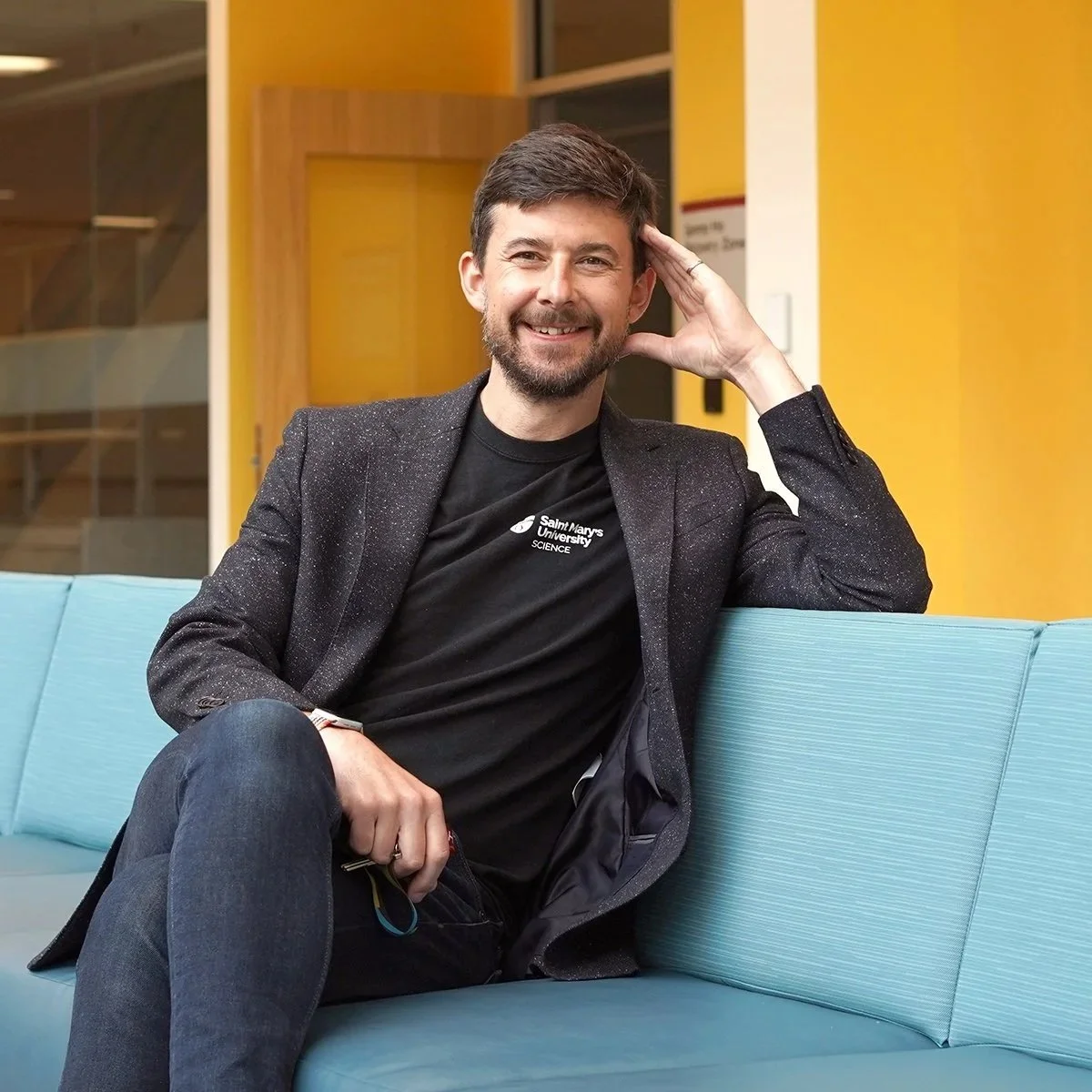
Dr. Sam Veres