For 20 years, Dr. Colleen Barber has been using a long-term study on European starlings to teach her students research skills
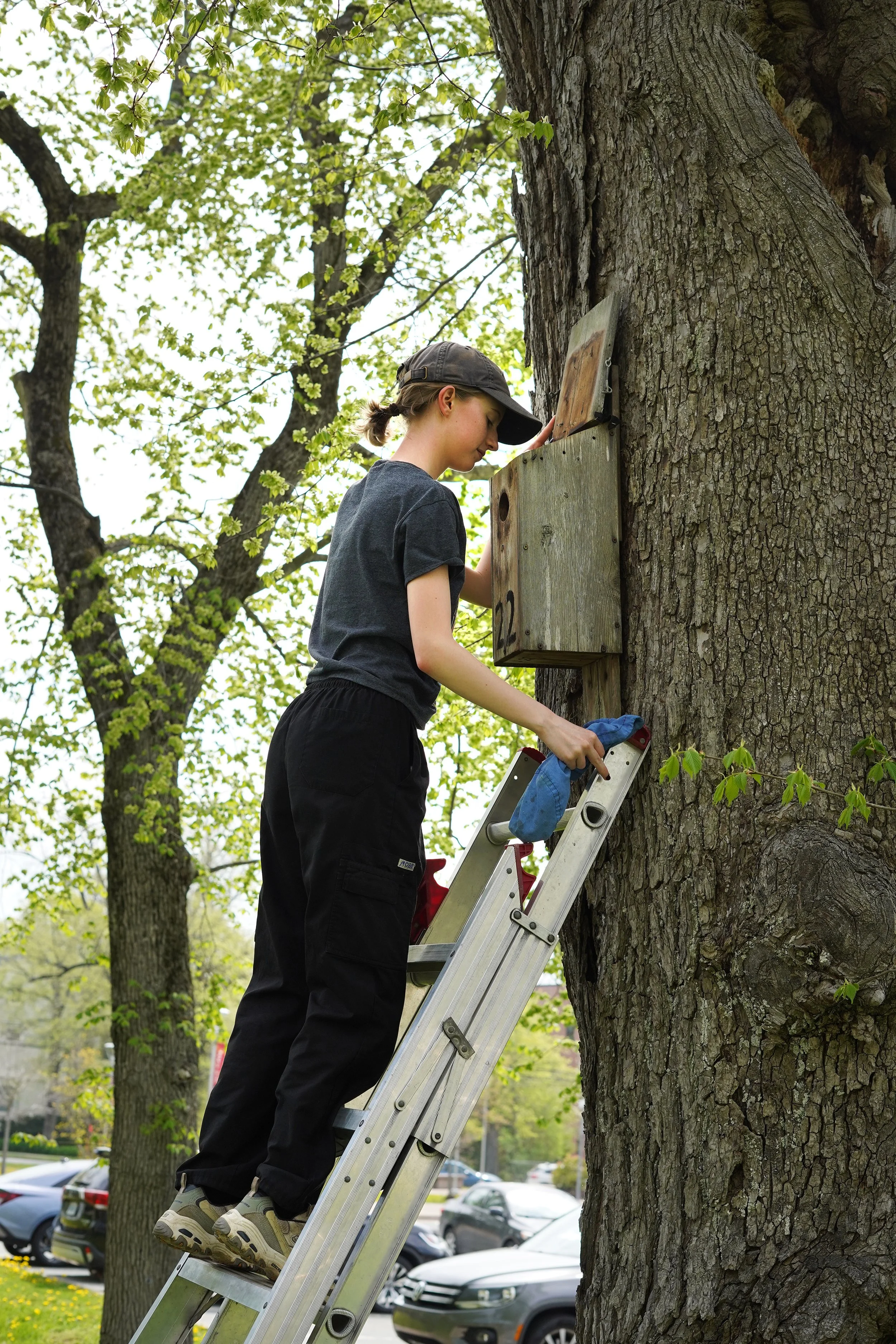
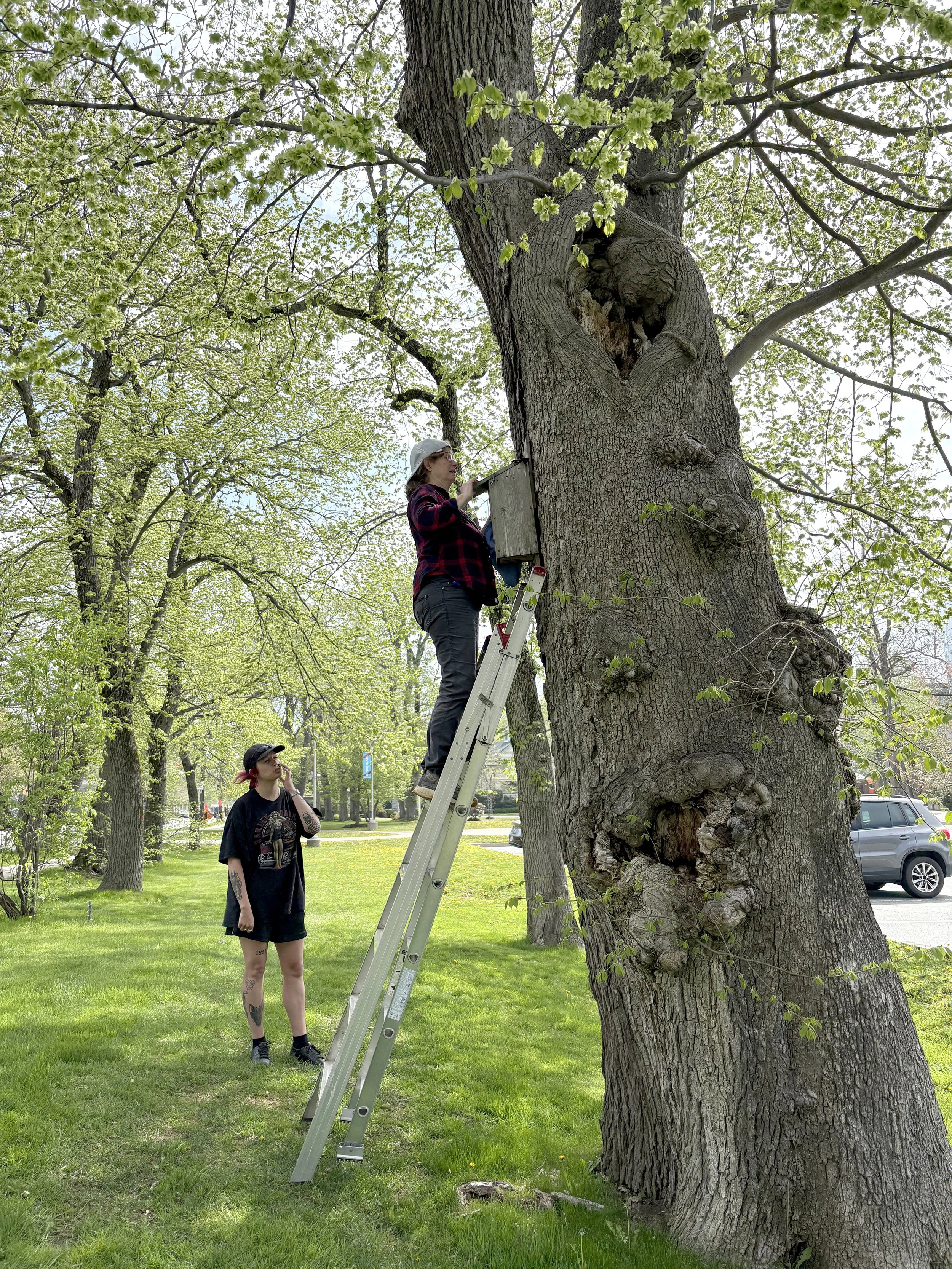
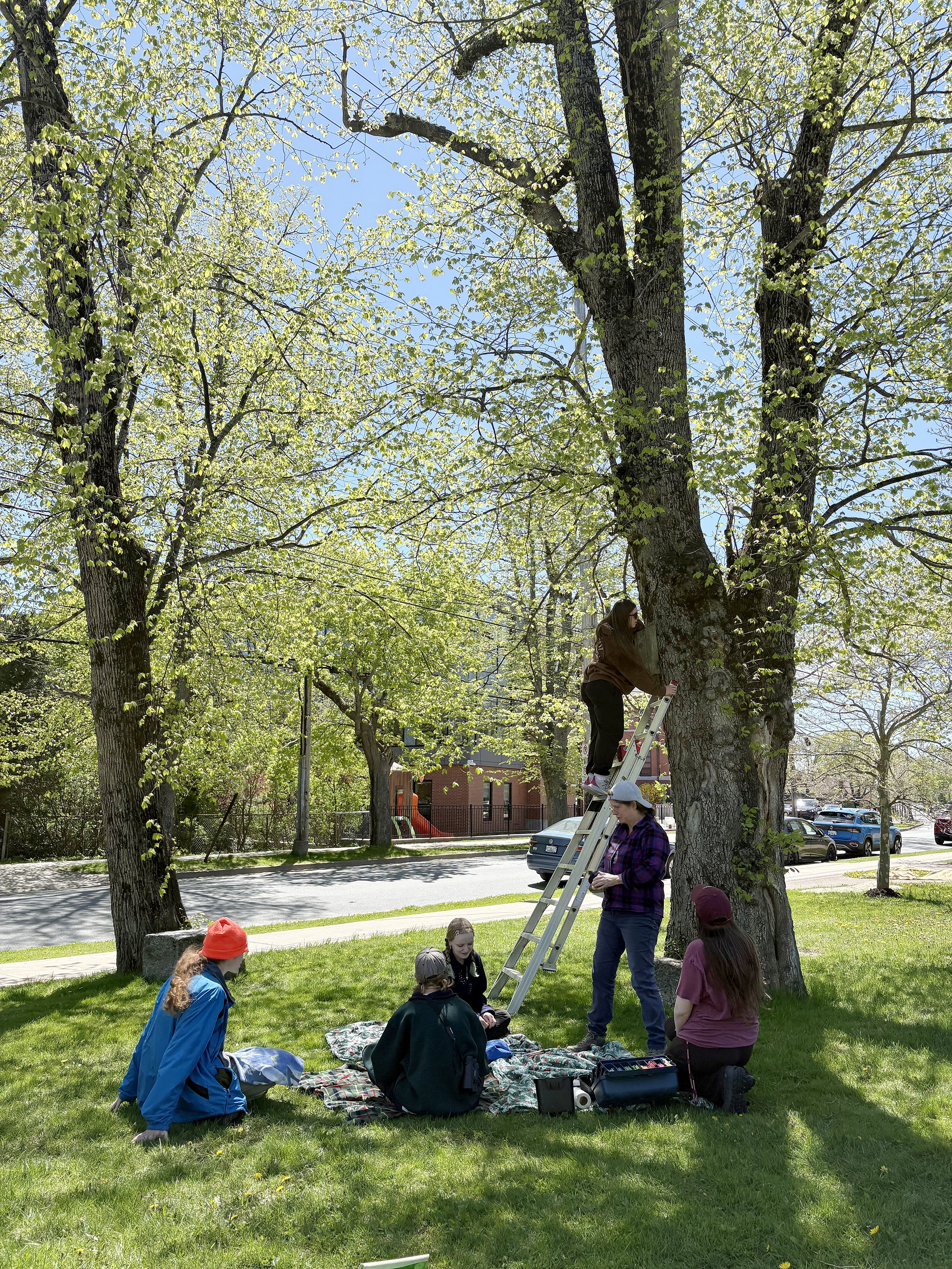
The Saint Mary’s University campus in Halifax’s south end is the perfect location for an interesting long-term research project on birds—specifically European starlings (Sturnus vulgaris), which thrive in urban settings. There are more than 40 nest boxes scattered across the campus.
Dr. Colleen Barber has been guiding her biology students in conducting research on these resilient birds for more than 20 years. They have produced theses and published papers on the effects of climate change on this species, its songs, mate choice, parental investment, and the types and abundance of garbage found in its nests.
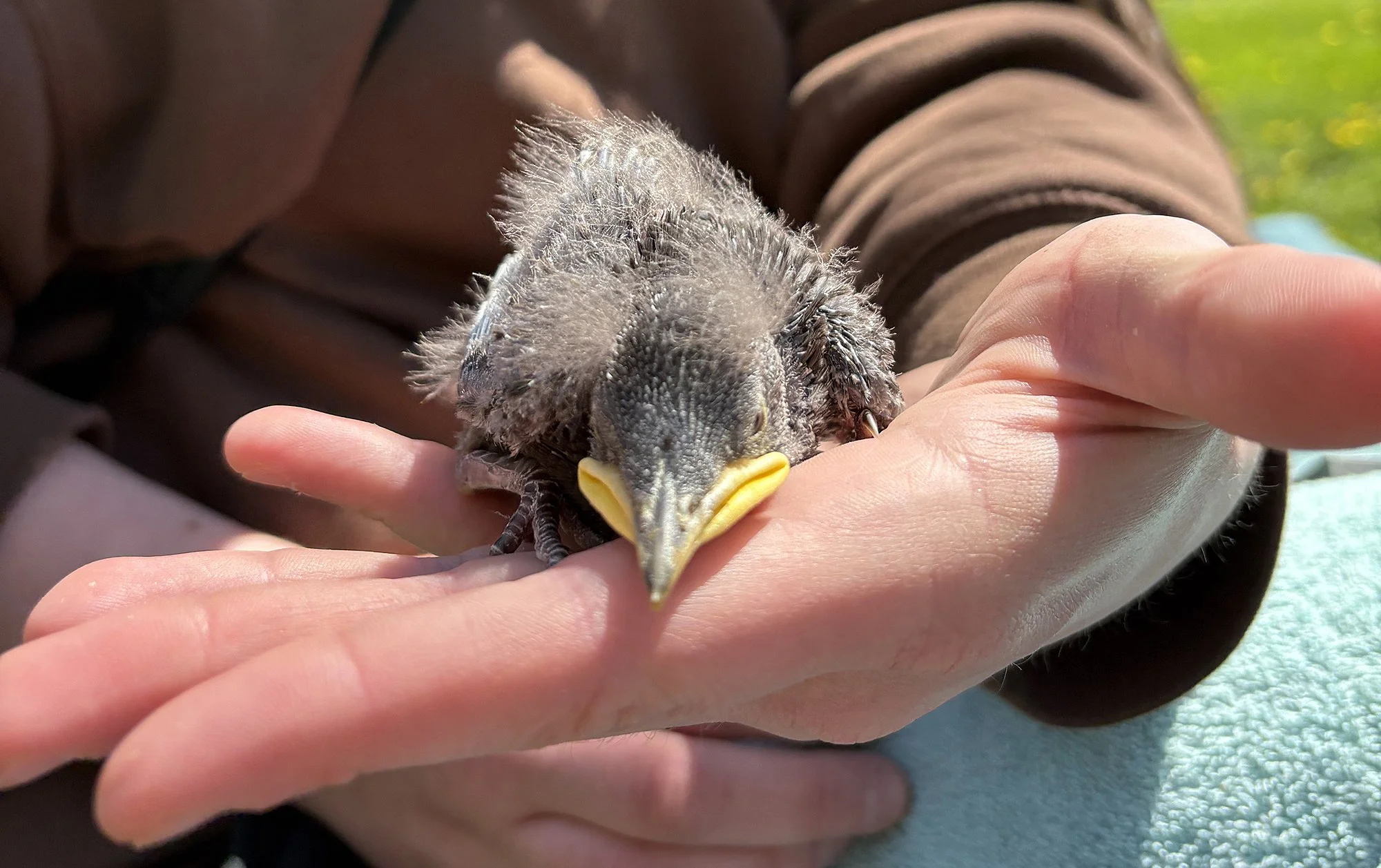
European starlings are not native to Nova Scotia but have been here for more than 100 years. They have adapted well to urban living, creating nests from natural and anthropogenic materials, including plastics and other litter.
“We have discovered that European starlings have many reproductive strategies—they have a very dynamic mating system,” says Dr. Barber.
“Some nestlings belong to both parents who are feeding them (within-pair young), while other nestlings genetically belong only to the mom or dad (extra-pair maternity or paternity), and some nestlings don’t genetically belong to either parent (intraspecific brood parasitism).”
Dr. Barber’s students have used campus nest boxes to research why the starlings use garbage and feathers in their nests. Others have studied why male starlings mimic the calls of blue jays, chickadees, crows and sirens. Student teams have also examined the effects of ectoparasites that live on the birds’ skin and feathers.
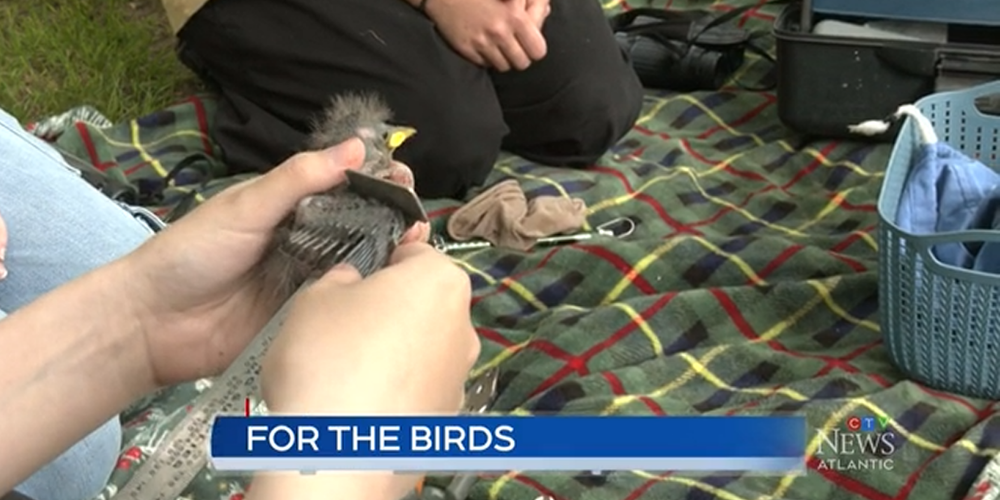
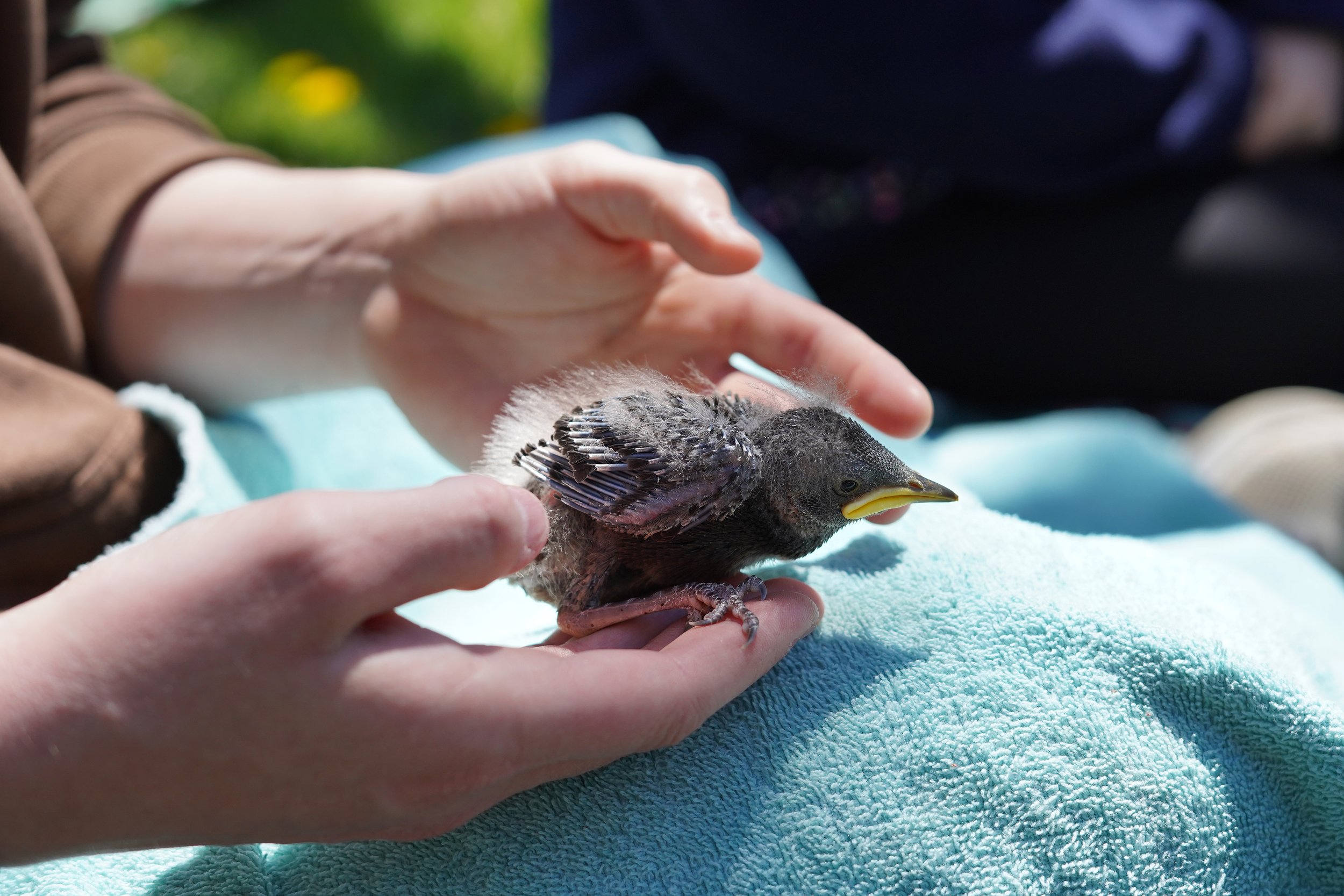
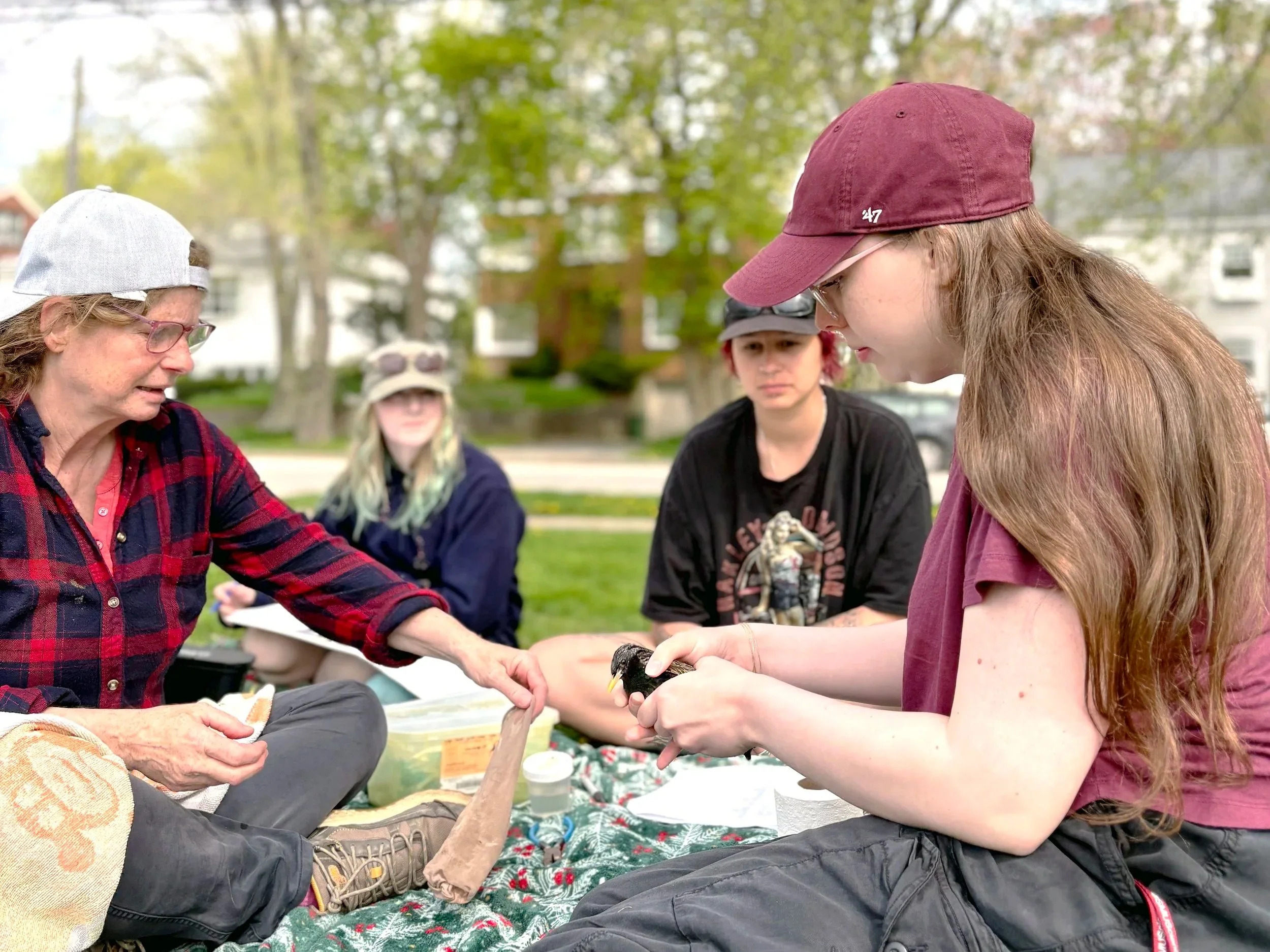
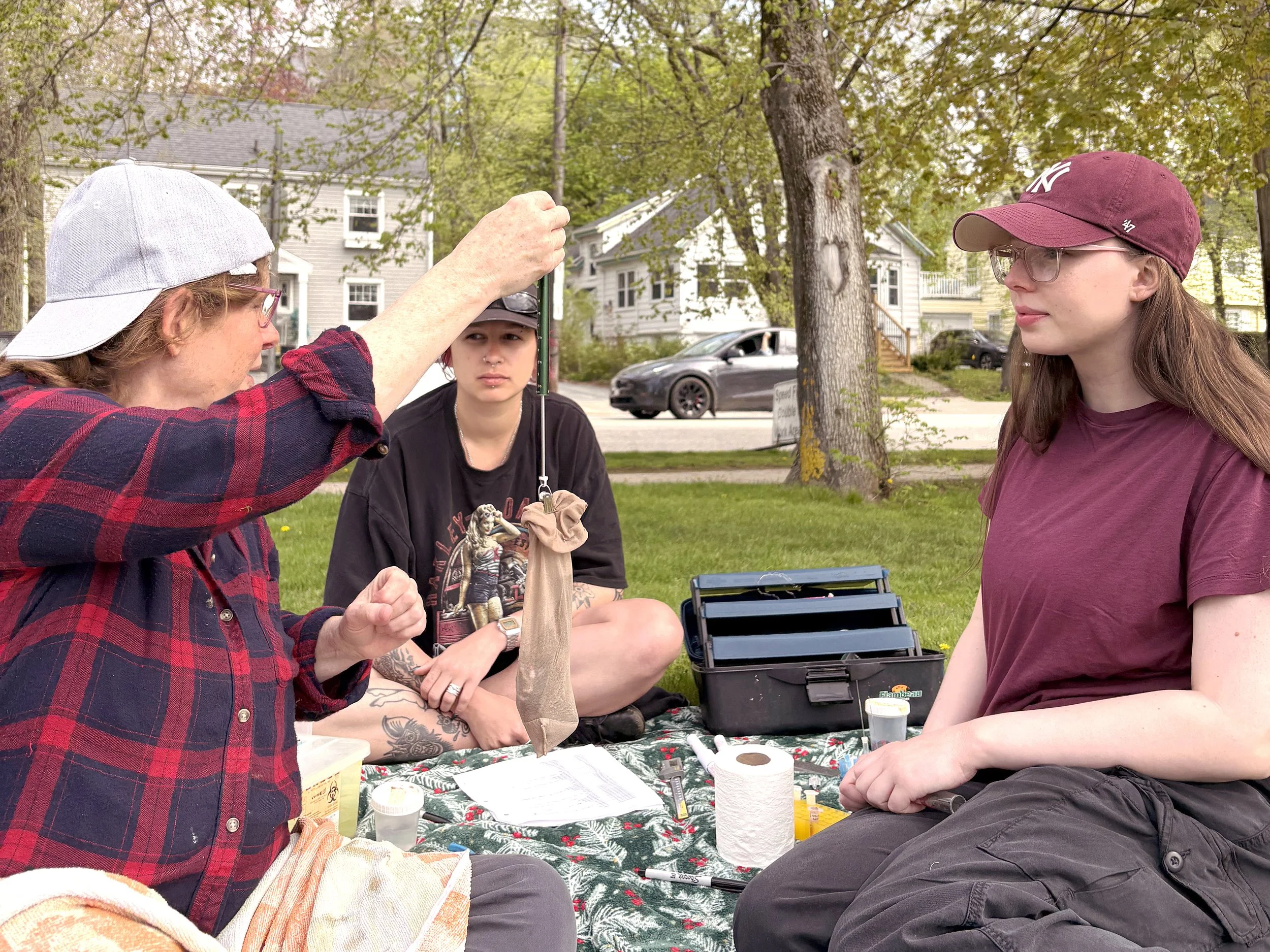
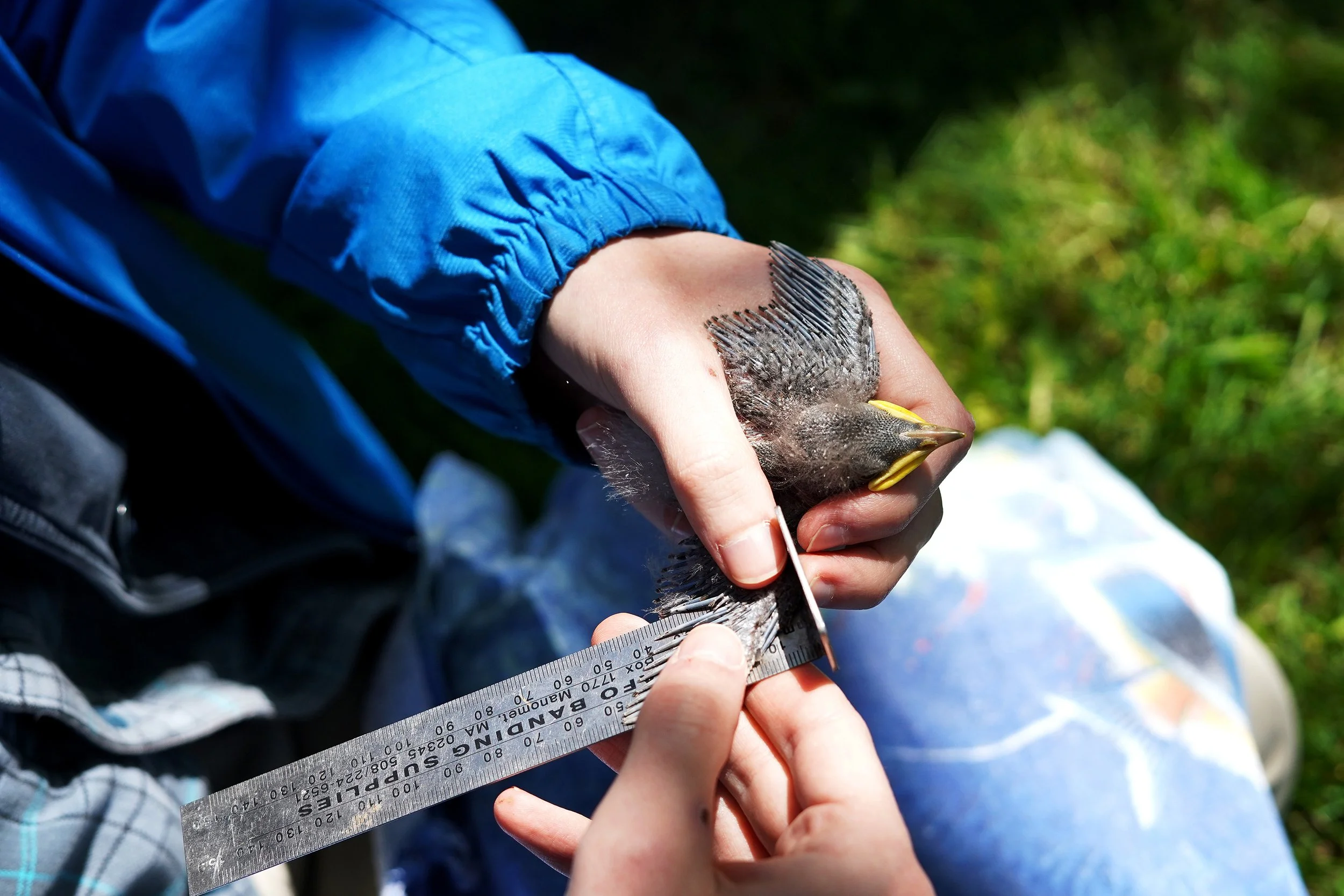
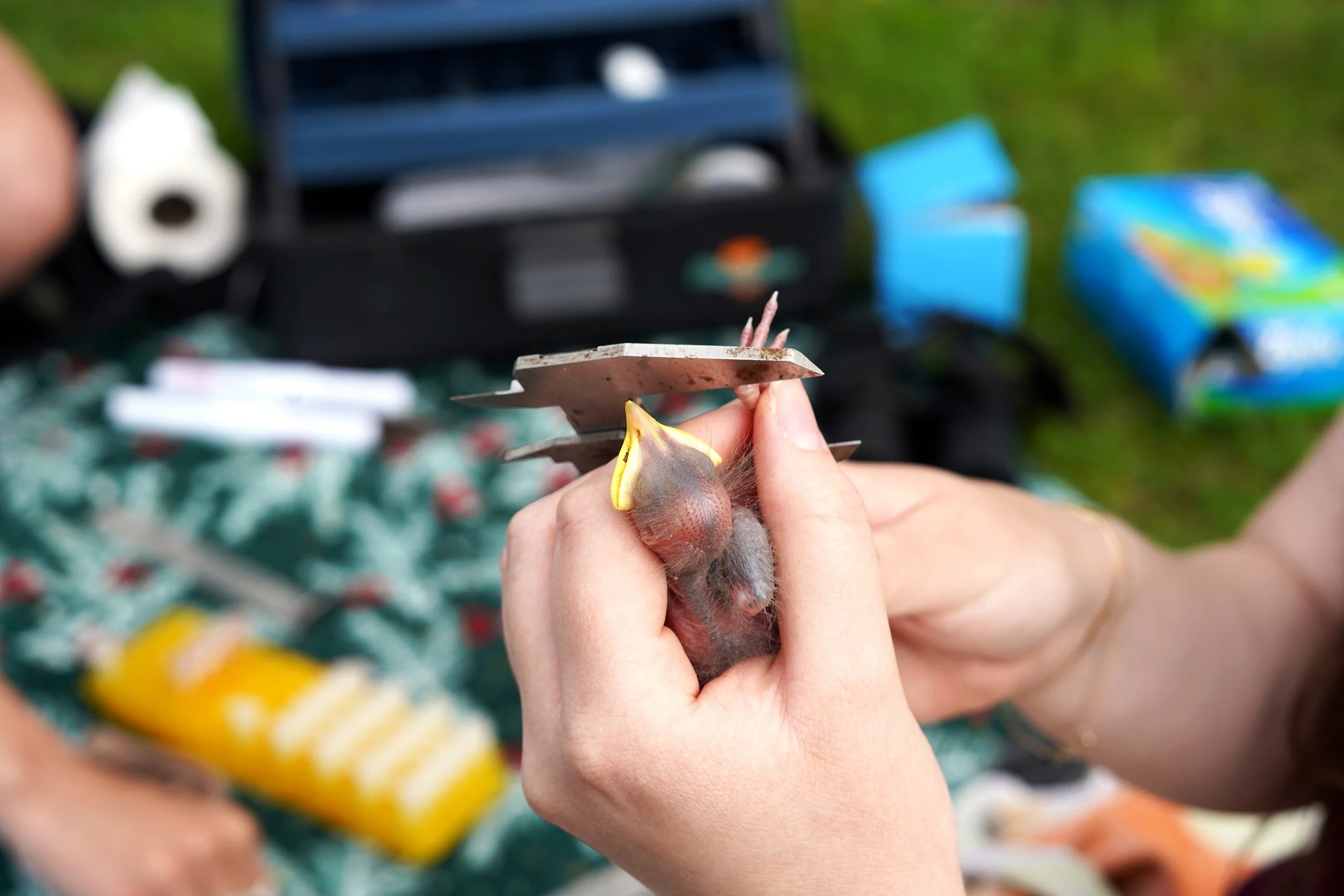
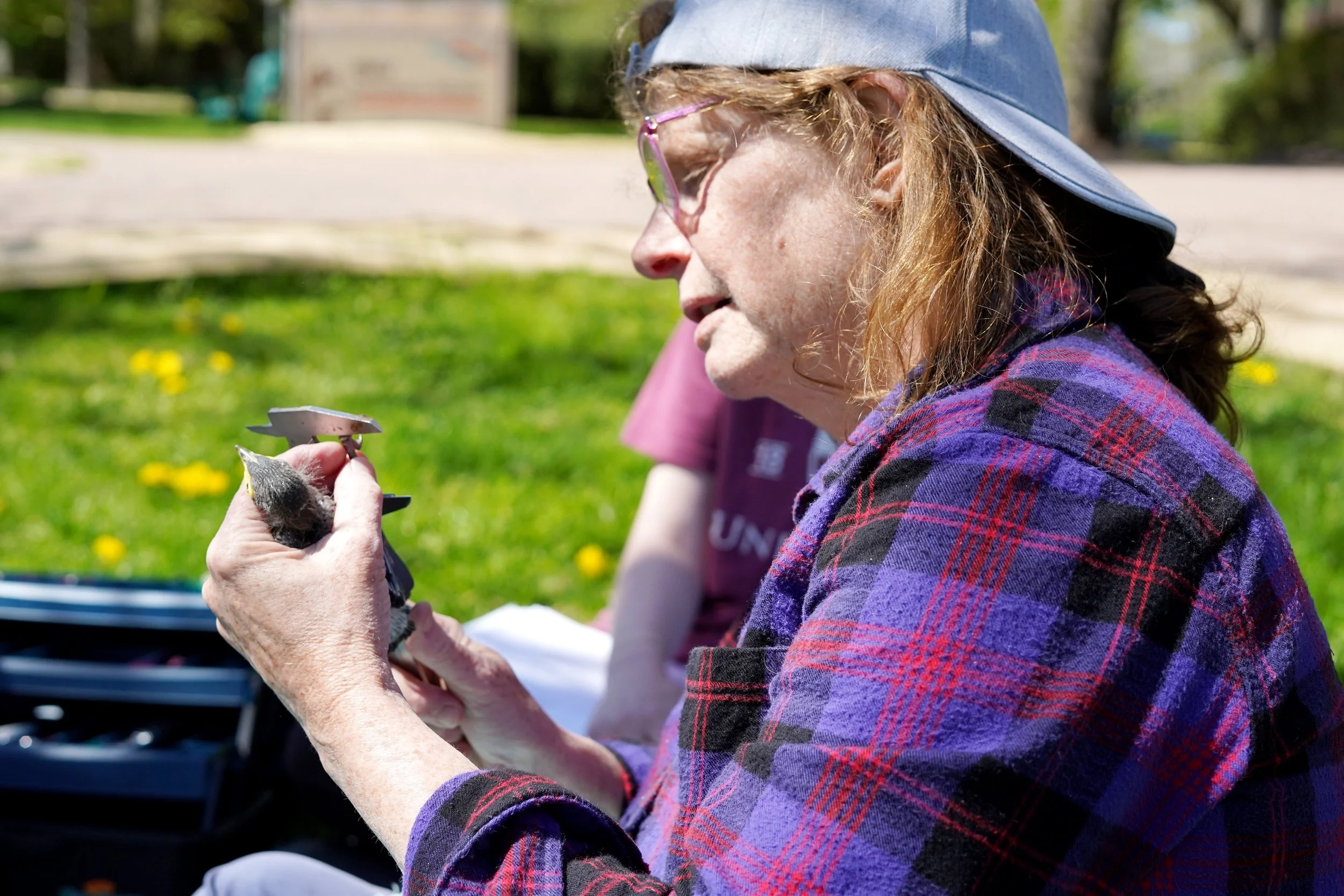
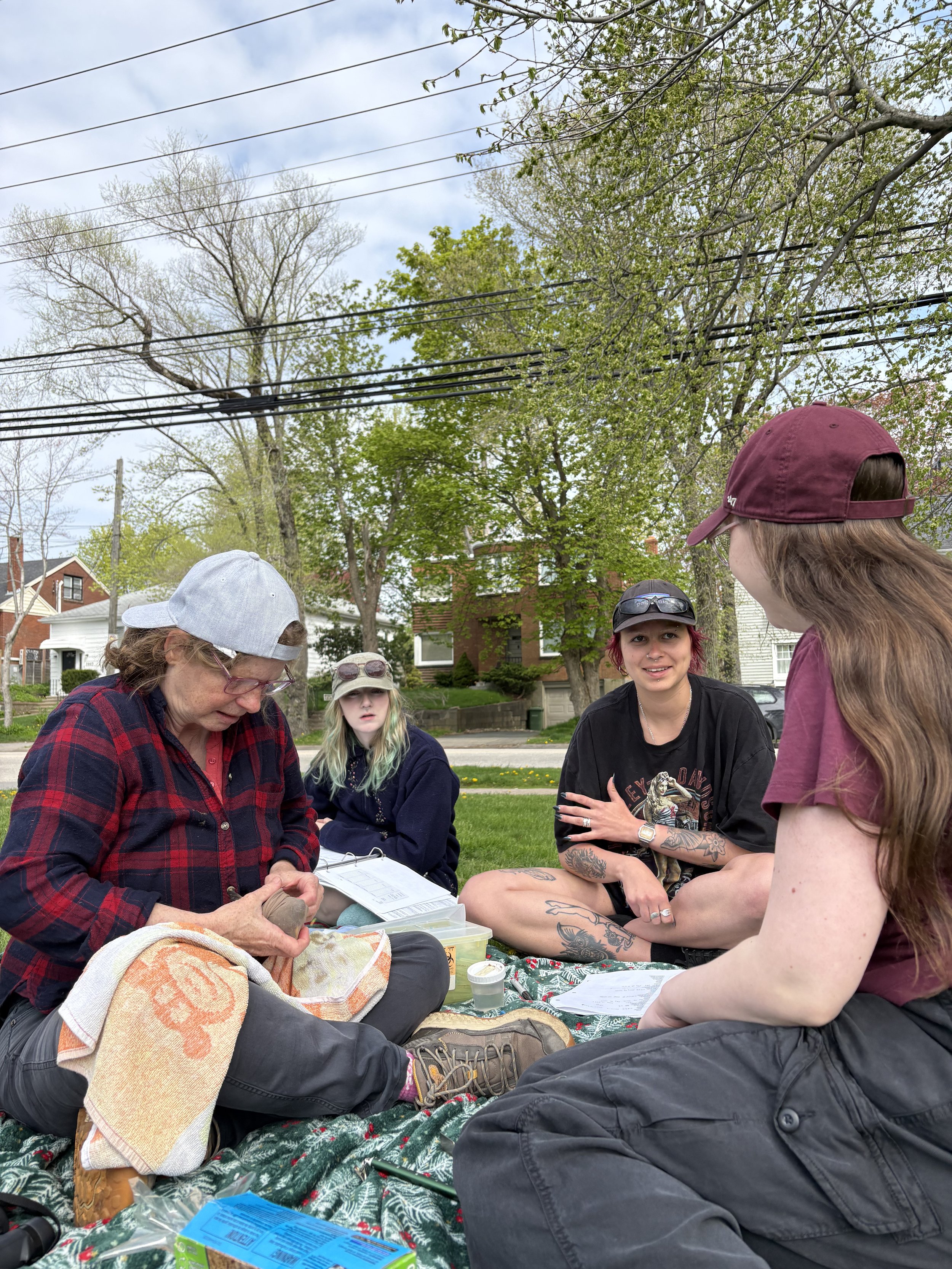
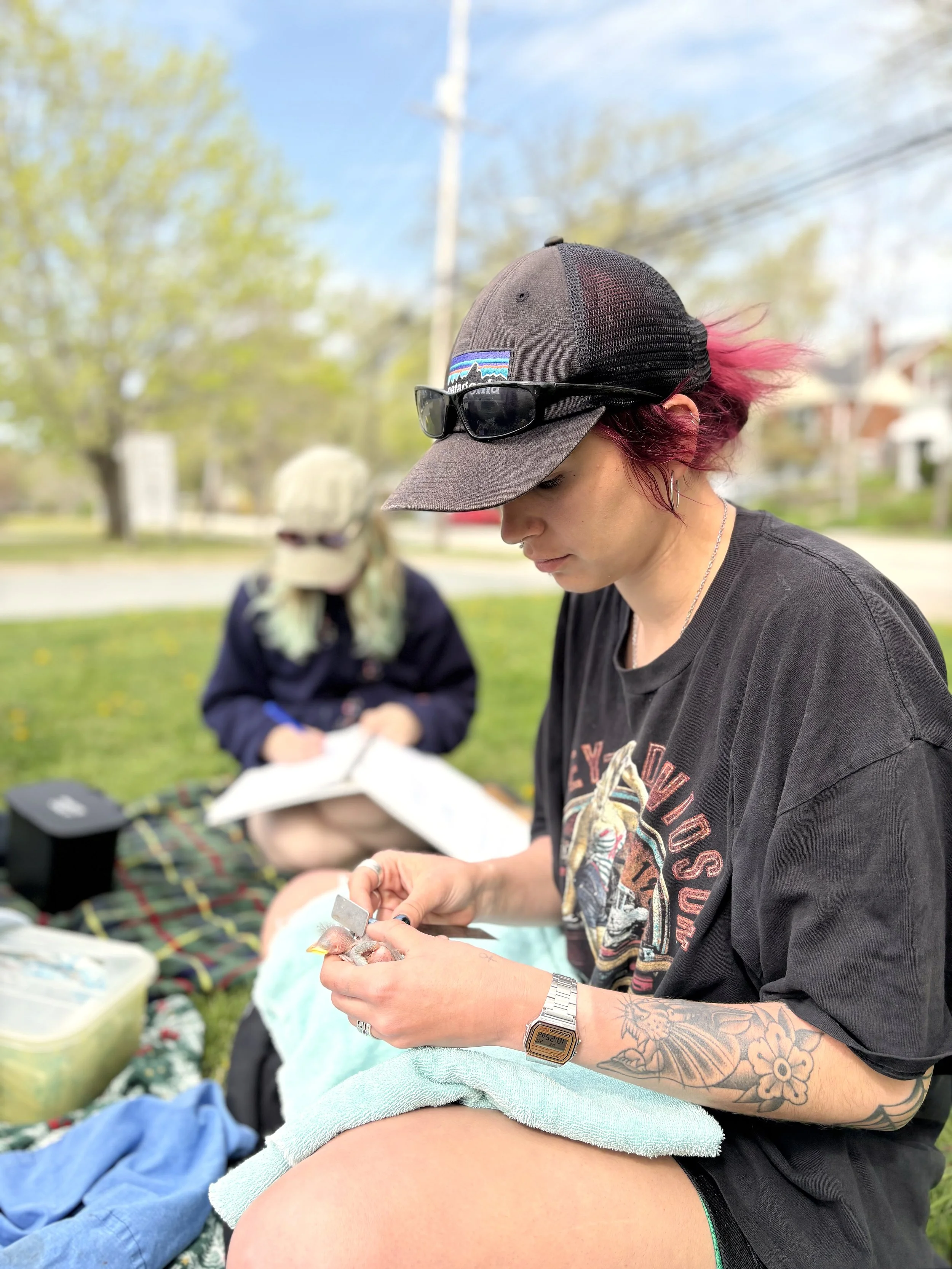
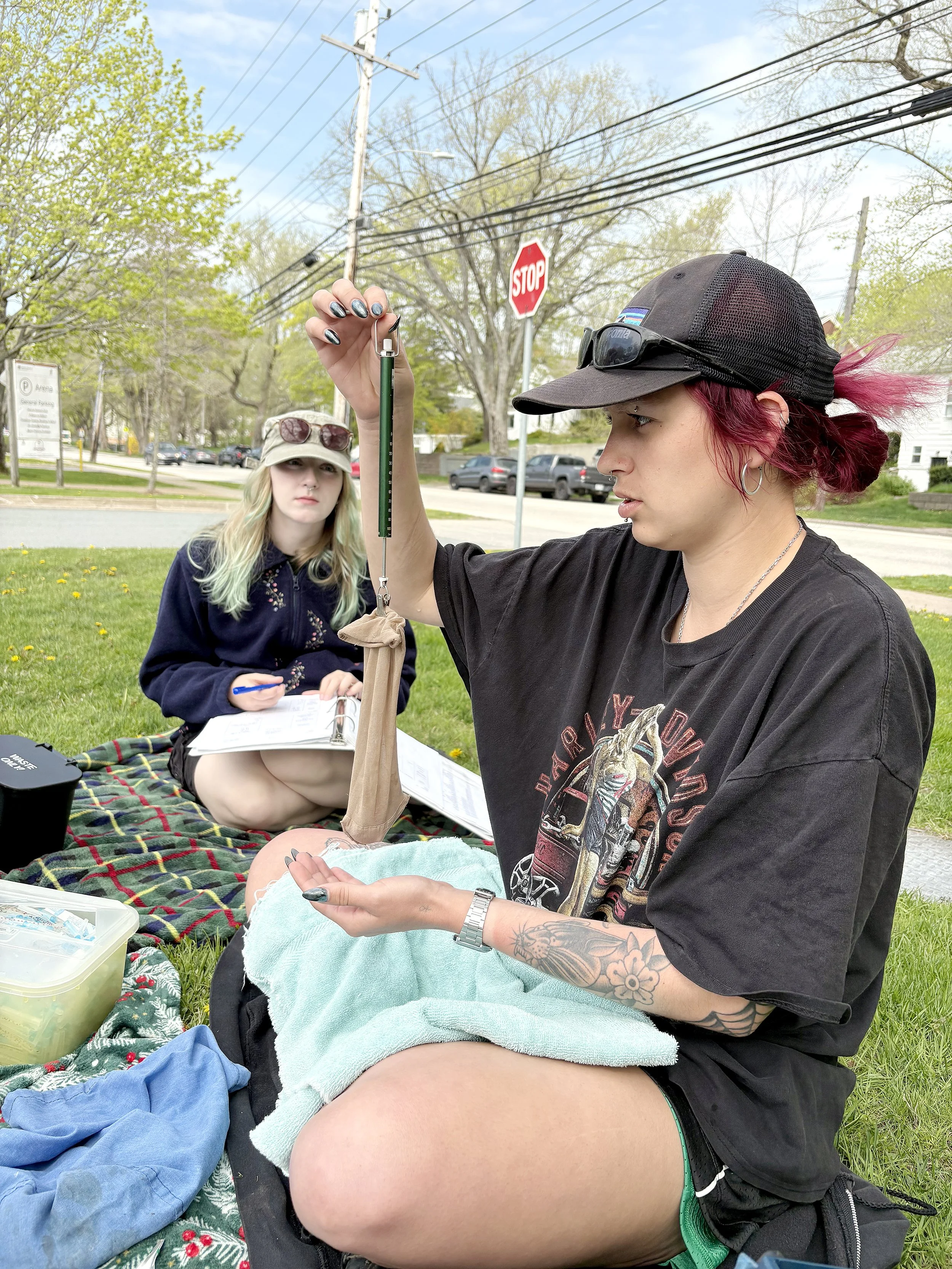
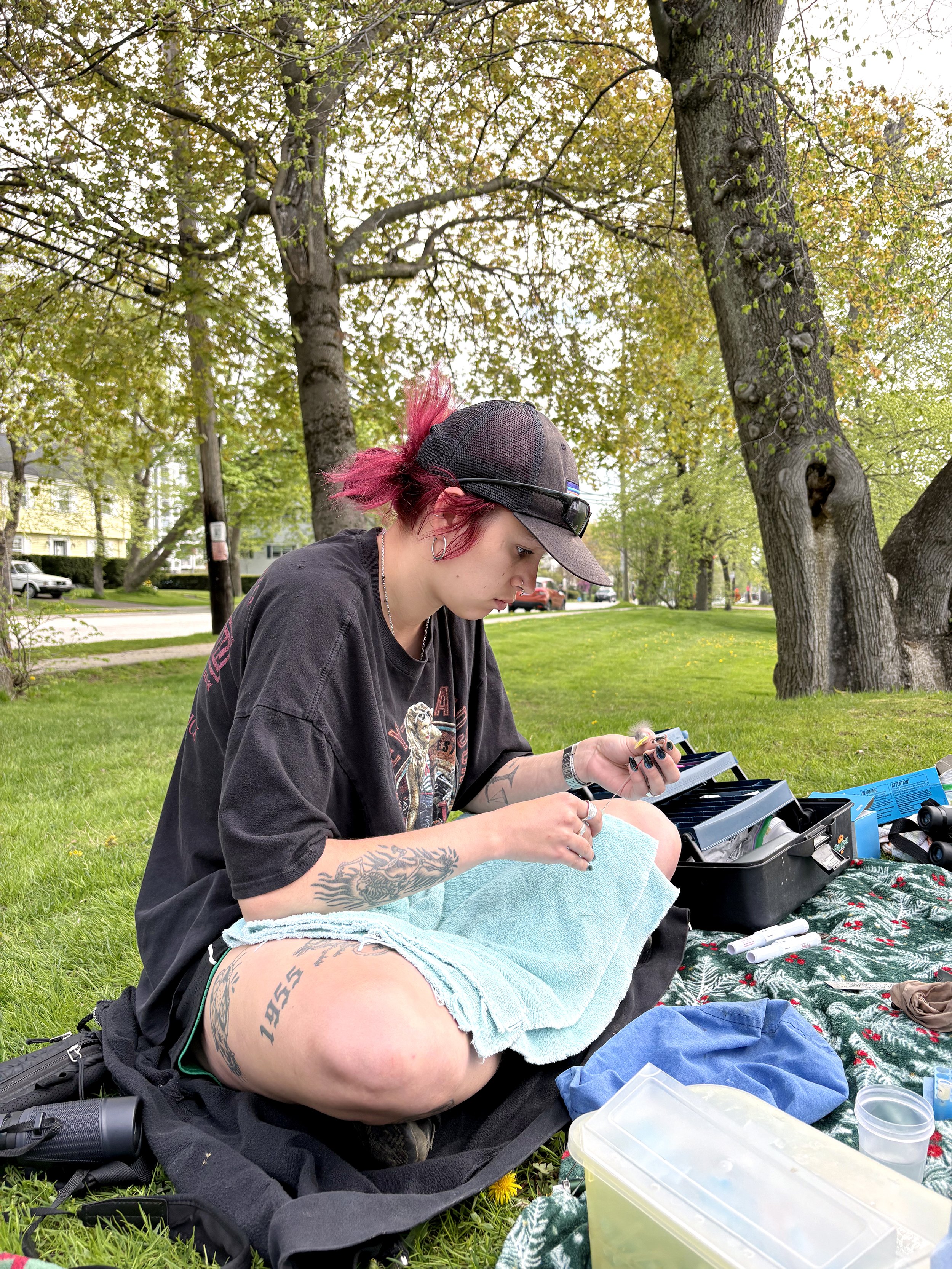
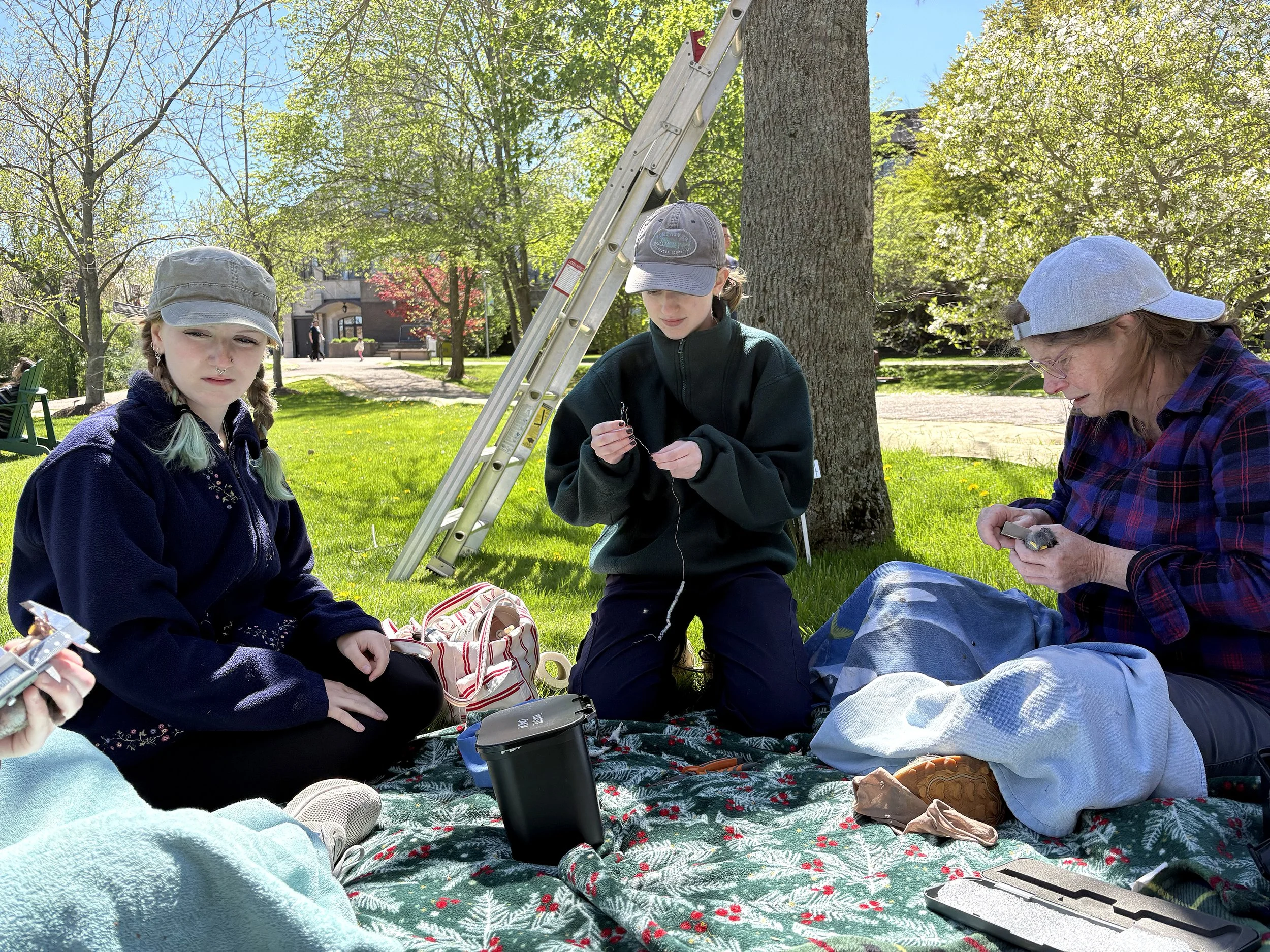
Students take their first set of measurements when the nestlings are five days old. They measure the birds’ size and weight and take small blood samples to determine parentage through DNA microsatellite analysis. They return to the nest boxes when the nestlings are 11 days old, taking the same measurements to record growth rate. They also capture the parents to band and measure them and to take a small blood sample.
The research is interesting—this species is the proverbial “canary in the coal mine,” displaying the effects of climate change in its nesting, reproductive strategies and breeding success.
Dr. Barber is a calm, reassuring presence as she instructs students in taking careful measurements, banding the birds’ legs, and recording data. For her, teaching students how to do research is the overarching goal of the project.
“Seeing my students become sure of themselves as researchers—learning to do the research and interpret their results accurately is gratifying as a teacher and a mentor,” says Dr. Barber.
SMU in the news: