Research

Saint Mary’s researchers receive funding as part of Nova Scotia COVID-19 Health Research Coalition

SMU+Crest.jpg

In this unprecedented time of local and global uncertainty, there has never been a greater need to conduct medical and health-related research to collect real-time evidence to inform practice, policy and decision making. The Nova Scotia research community has come together to respond to the COVID-19 global pandemic with a collective investment of just over $1.5 million in COVID-19 focused research. 

Today, the Nova Scotia COVID-19 Health Research Coalition announced the lead researchers who are receiving funding. Among the recipients are two Saint Mary’s University researchers: Dr. Yigit Aydede, and Dr. Debra Gilin.

“The researchers receiving funding as part of this announcement are tackling the impacts and spread of the COVID-19 virus, turning their expertise to this global problem,” says Dr. Adam Sarty, Associate Vice-President Research and Dean of the Faculty of Graduate Studies and Research. “Our researchers are tackling this problem with the tools of machine learning and data analytics to track the virus spread in one case, and the expertise of workplace training and interventions to prevent front-line burnout in the other case.  These projects provide a window into the breadth of the research we do at Saint Mary’s. We work collaboratively and engage in research that matters to our communities.”

This funding supports COVID-19 research that will inform health system decisions, facilitate vaccine development, identify novel treatments, develop devices, and influence social response to the pandemic. Funding will also leverage existing research capabilities to help rapidly respond to the urgent need to support further COVID-19 focused research right here in Nova Scotia.

The COVID-19 Health Research Coalition is dedicated to fostering a research environment that engages our academic partnerships and responds to the current needs of Nova Scotians and our health system, in addition to maintaining the expertise in innovative research, discovery science, population/social sciences, and health system improvement.

Dr. Yigit Aydede

Dr. Yigit Aydede


Funding recipient:
Dr. Yigit Aydede

Project: The Role of Environmental Determinants and Social Mobility in Viral Infection Transmission in Halifax

Description: This study will analyze the relationships between COVID-19 transmission rates, meteorological and air quality, and the fluctuations in social mobility in Nova Scotia to allow for better calibration of spatial spread in simulation models that are used to inform policy making.

Funding amount: $36,900

Dr. Debra Gilin

Dr. Debra Gilin

Funding recipient: Dr. Debra Gilin

Project: Preventing Burnout Among Front-Line Care Workers to Fight Covid-19: Screen and Intervene

Description: This study will rapidly develop tailored screening and intervention tools to support mental health and prevent elevated job burnout or safety risks in COVID-19-responding health care staff in Nova Scotia.

Funding amount: $47,640

Additional information:

Psychology researcher recruiting volunteers for online study on responses to the coronavirus pandemic

Covid.png

Survey: Canadian Responses to the Coronavirus Pandemic

A study designed by Dr. Jim Cameron, Department of Psychology professor and researcher at Saint Mary's University, will increase understanding of Canadians’ perceptions of the coronavirus pandemic and their actions in response to it.

Nations and communities are using social and physical distancing to slow the spread of the virus so that healthcare systems aren’t overwhelmed. The success of the physical distancing approach largely rests on individuals’ voluntary compliance with public health recommendations and legal regulations.

As the situation evolves in Canada, there have been concerns that physical distancing recommendations have been disregarded or not taken seriously enough by some individuals. National and provincial leaders have using various techniques to encourage public support for these initiatives.

“We hope that the study will contribute to social psychological science, and inform practices related to public health messaging,” said Dr. Cameron.

Canadian adults (18 years or over) are invited to participate in the survey, which takes approximately 10 minutes to complete. Click here to start the survey: 

https://smuniversity.qualtrics.com/jfe/form/SV_dhGoFhUpLBUtCS1

(SMU REB file #20-095)

Dr. Maryanne Fisher named guest editor of prestigious Psychology journal

Dr. Maryanne Fisher

Dr. Maryanne Fisher

Congratulations to Dr. Maryanne Fisher, who was chosen to be the guest editor of the January edition of the American Psychological Association’s journal Evolutionary Behavioral Sciences, a special edition which addresses women’s representation in evolutionary-based research and theory.

Dr. Fisher, a professor of Psychology at Saint Mary’s and an affiliate faculty member at the Kinsey Institute, is an evolutionary psychologist whose work explores human relationships through an evolutionary lens.

A well-known expert in her field, her primary research topic is the evolutionary foundations of human interpersonal relationships, female intrasexual competition, and women’s mating strategies. She is also interested in the intersection between feminist studies and evolutionary psychology.  

She was thrilled to take on the task of editing the special edition of the journal, a task she has some experience with; she was also the guest editor of the Oxford Handbook of Women and Competition in 2017 and Evolution’s Empress: Darwinian Perspectives on the Nature of Women in 2013.

When speaking about the selection process, Dr. Fisher said it was extremely difficult to narrow down the entries, even removing her own work from the contention.

“We had so many excellent papers submitted, we could have filled two journals,” said Dr. Fisher. “They were very good, very high quality.”

This special issue examines how women have been studied from an evolutionary perspective, and how the discipline both questions assumptions about women and has limited explorations of women and.

“Evolutionary perspectives have often been openly criticized in fields such as women’s, gender, and sexuality studies, to the point of being dismissed outright in favor of sociocultural explanations for behavior, motivation, emotions, and cognitions,” said Dr. Fisher.

“Collectively the articles show that women are not simply passive entities, but instead play significant and active parts in human evolution and theories about evolutionary bases of behavior.”

Evolutionary Behavioral Sciences publishes manuscripts that advance the study of human behavior from an evolutionary perspective, with an emphasis on work that integrates evolutionary theory with other approaches and perspectives from across the behavioral sciences, including the range of subdisciplines within psychology as well as the social sciences (e.g., sociology, political science, criminology) and humanities (e.g., history, literature studies).

Saint Mary’s researcher to study organizational response to disease outbreak with major new funding announcement

A closer look at how employers respond during disease outbreaks is part of a new research study underway at Saint Mary’s University.

A research team led by Saint Mary’s Professor of Psychology Dr. Kevin Kelloway has received a grant for $333,000 over two years from the Canadian Institutes of Health Research (CIHR) to study COVID-19.

Dr. Kevin Kelloway

Dr. Kevin Kelloway

“Dealing with a pandemic on this scale is a massive social challenge that has dramatically changed the nature of workplaces,” said Dr. Kelloway. “Our project examines the workplace changes and the effect that they have on individual employees.  How, for example, do organizational policies influence individual decisions such as decisions around hygiene or self-isolation? How is the mental health of employees affected by the disruptions and re-organizations, and what can organizations do to help employees cope at this time?”

This research funding is for a project titled “Organizational Response to Disease Outbreak,” which will look at how both public and private organizations are challenged with the need to protect and promote the health and health practices of their employees while maintaining operations during disease outbreaks.

The study will look at employee perceptions of their employers’ management of these two goals, with a focus on examining how the organizational response to disease outbreaks influences employees' own health and health-promoting behaviours.

Along with a large national survey representative of Canadian workers, which Dr. Kelloway says will be longitudinal, following employees as they go through this experience, the team is also planning more focused studies on the role of leaders (managers and supervisors) in managing this crisis as well as more in-depth studies of employees who have transitioned to working at home.

The research group will start the two-year study very quickly in order to get good data on how people are adjusting and reacting to the crisis as it unfolds.

“It’s a quickly changing environment, said Dr. Kelloway. “For example, when we wrote the grant, no one was thinking of social isolation on the scale that we are now experiencing.”

The team has launched a website (ohpdata.com) that will be continually updated with information for employers and employees on how to adapt to changing circumstances. As the results from the research start to emerge, they will be posted to that site as well.

This funding for this project is part of an investment of $25.8M from the Government of Canada to contribute to the global efforts to address the COVID-19 outbreak. This is a portion of the $275M in funding for research on medical countermeasures against COVID-19 announced by the Prime Minister on March 11, 2020.

Dr. Kelloway’s team also includes Dr. Jane Mullen (Mount Allison University), Dr. Stephanie Gilbert (Cape Breton University) and Dr. Jennifer Dimoff (University of Ottawa) as well as PhD students Tabatha Thibault, Rachael Jones Chick and Vanessa Myers – all PhD students in the Industrial/Organizational Psychology program at Saint Mary’s.

Speak to the people behind the research at the Saint Mary’s University Research Expo

reseach expo.jpg

What do black holes, spelling, the search for the size and shape of the universe’s smallest thing, and responses to climate change have in common? They are all research areas being discussed this Friday, March 6, at the 2020 Saint Mary’s University Research Expo.

“The Research Expo is a unique event at Saint Mary’s. Talk with our professors and graduate students, and listen to three-minute research pitches as they explain their work,” said Dr. Adam Sarty, Associate Vice-President Research and Dean of the Faculty of Graduate Studies and Research. “It’s an opportunity to learn about the exciting research happening across our campus, from our Science and Arts faculties, and the Sobey School of Business.”

The research being presented at the expo covers a wide range of disciplines in business, the arts and humanities, and science, including:  

  • Toxic metals and invasive species;

  • community adaptations in the face of climate change; and

  • a qualitative approach to nursing staff shortages in emergency rooms.

These are only a handful of examples of the topics being investigated by researchers at Saint Mary’s, and many more topics will be discussed at the expo.

The expo is taking place at the Loyola Conference Hall and begins at 1 p.m. From 3 p.m. to 4 p.m.; researchers will be centre stage for a series of short three-minute pitches on their work.

To learn more about the expo visit http://www.smu.ca/research/research-expo.html

Communities looking for expert advice receive a boost through latest CLARI investment

clari_header-min.jpg

Communities looking to connect with experts to address issues and solve problems received a boost today, March 5, after a new investment for research projects through the Change Lab Action Research Initiative (CLARI) at Saint Mary’s University.

“We are working more with business, academia and communities to create the conditions for opportunity, growth and social well-being in our province,” said Labour and Advanced Education Minister Labi Kousoulis. “This initiative lays the groundwork for Nova Scotians to bring forward their ideas and work with post-secondary experts to help our communities grow and prosper.” 

Recent projects have covered a wide breadth of topics from exploring and documenting the life and history of Mi’kmaw Elder Sister Dorothy Moore to improving food security for seniors in Cape Breton.

 “CLARI has gone from an idea for greater connection between post-secondary institutions and community groups to a shining example of the strength of that collaboration,” said Adam Sarty, Associate Vice-President Research and Dean of the Faculty of Graduate Studies and Research. “This latest investment is an affirmation of the importance of connecting researchers with our local communities to find solutions and opportunities in challenges.”

The funding for the projects comes from the Province of Nova Scotia’s Department of Labour and Advanced Education. The $150,000 investment will support 20 campus-community projects, connecting post-secondary experts with communities in need of their expertise. The Province also helps to support CLARI’s operations.

The CLARI network spans across Nova Scotia, combining the talents and resources of its seven founding partners. Those partners include Acadia University, Cape Breton University, Mount Saint Vincent University, St. Francis Xavier University, Saint Mary’s University, Université Sainte-Anne and the Nova Scotia Community College’s 13 campuses. CLARI partners assist communities in all parts of the province to develop social and economic change projects while providing enhanced learning opportunities for students.

For more information about CLARI, visit https://actionresearch.ca/

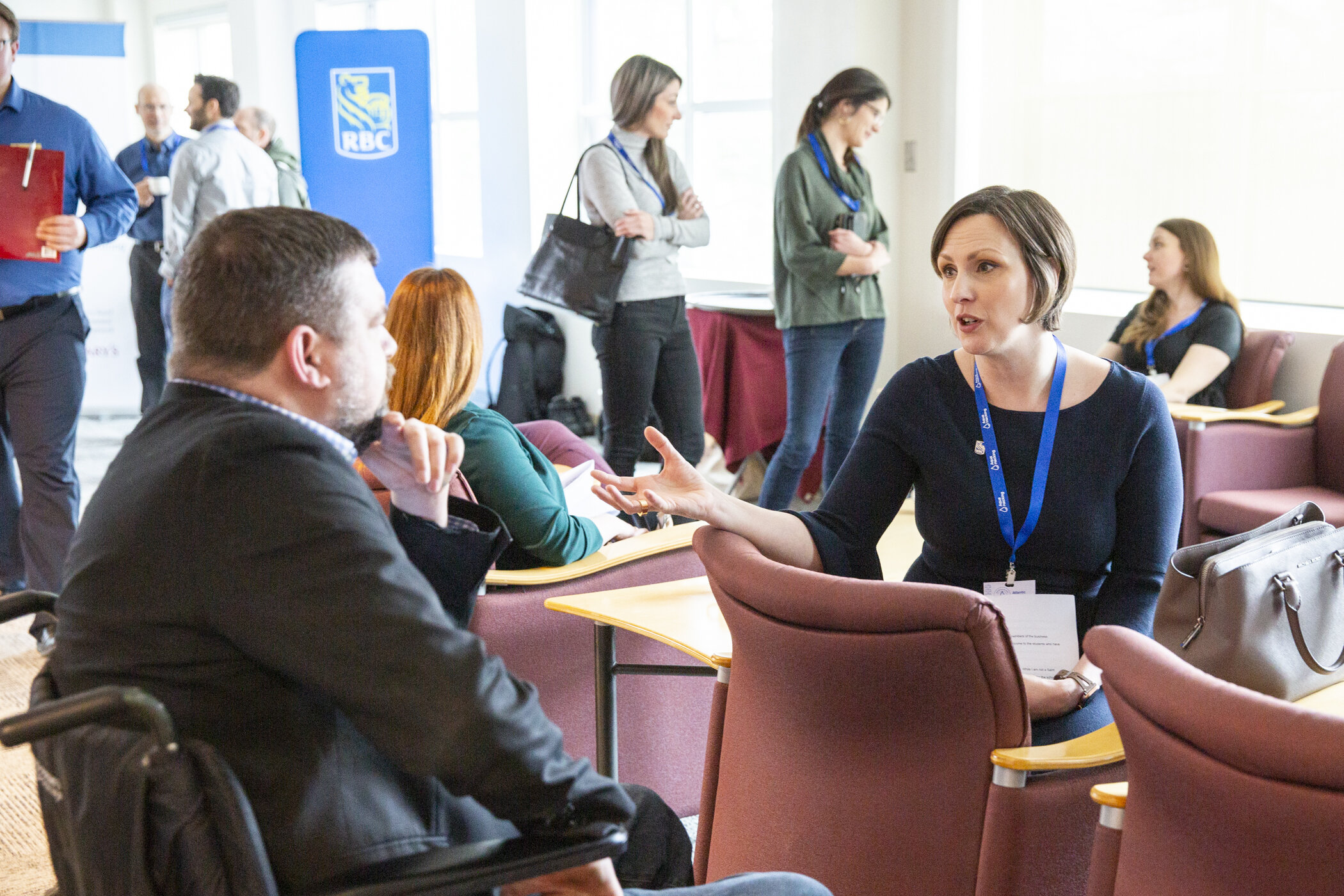
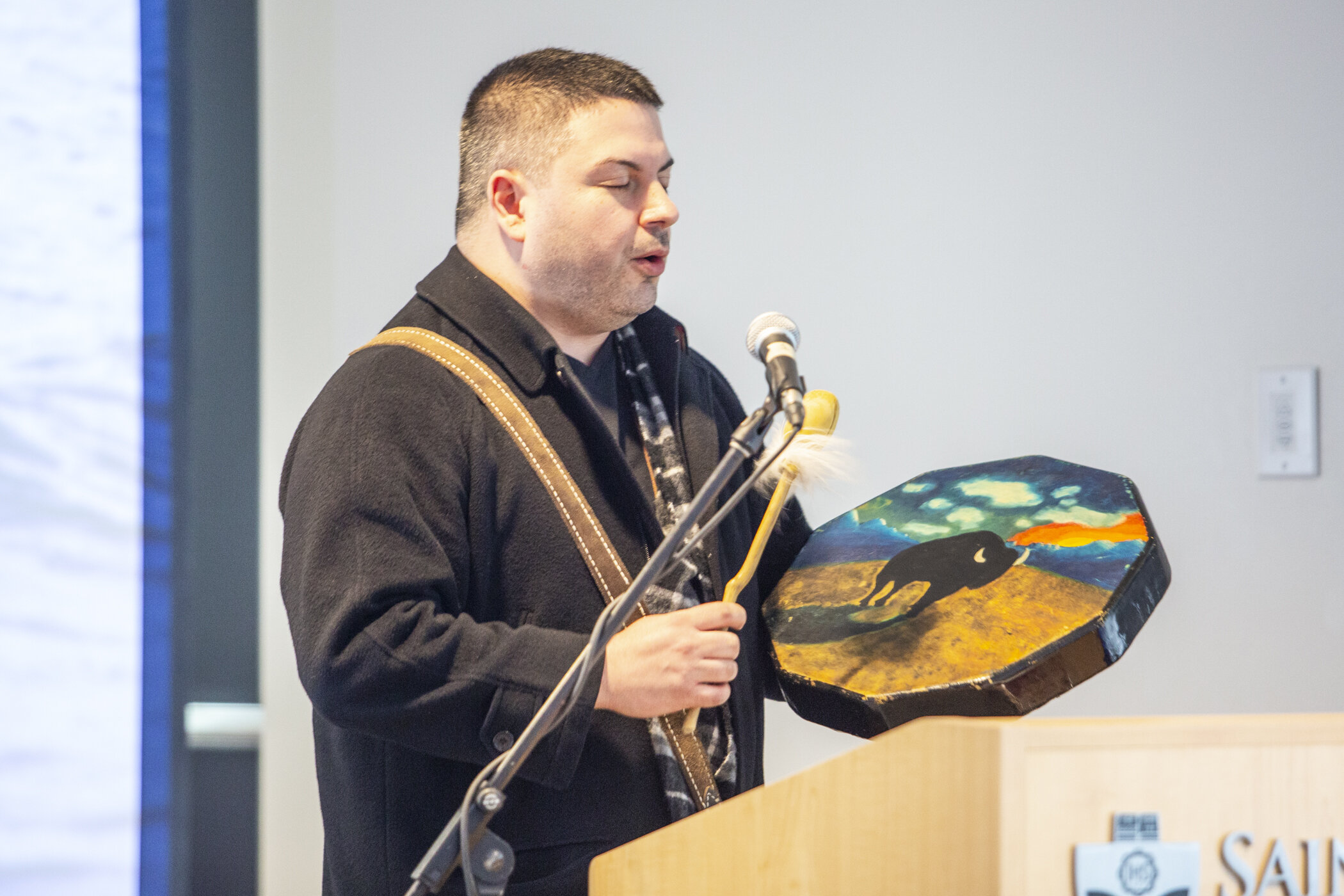
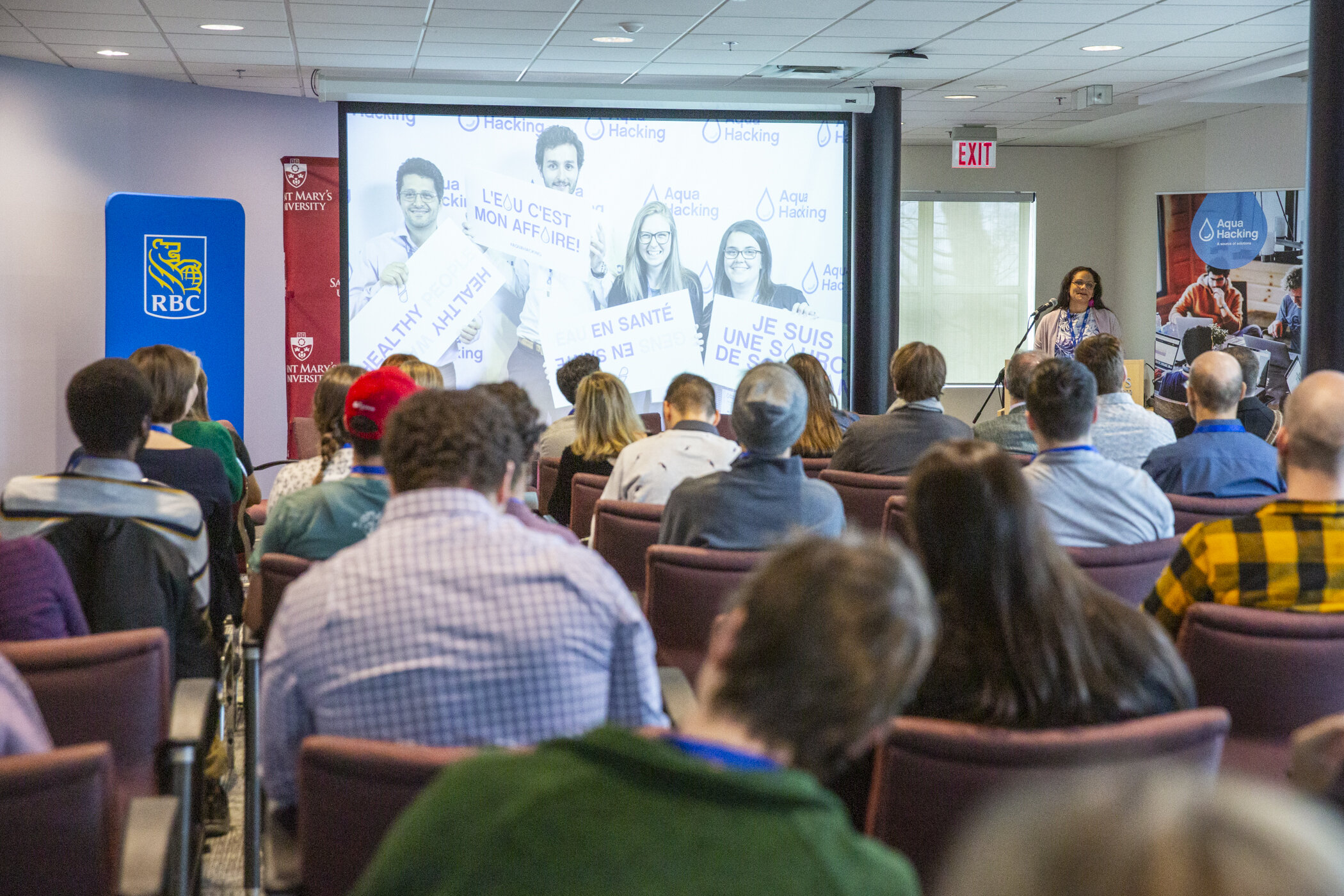
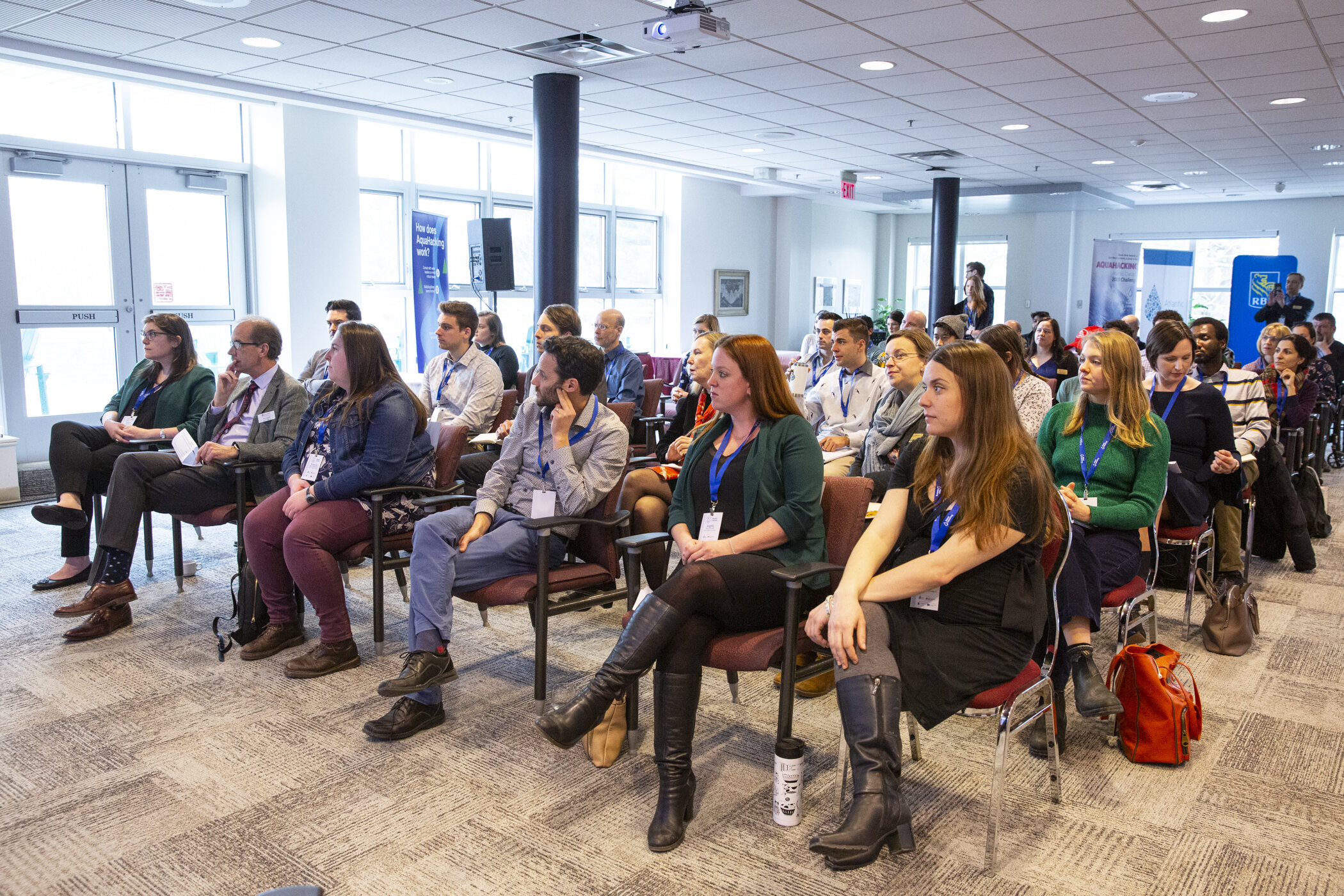
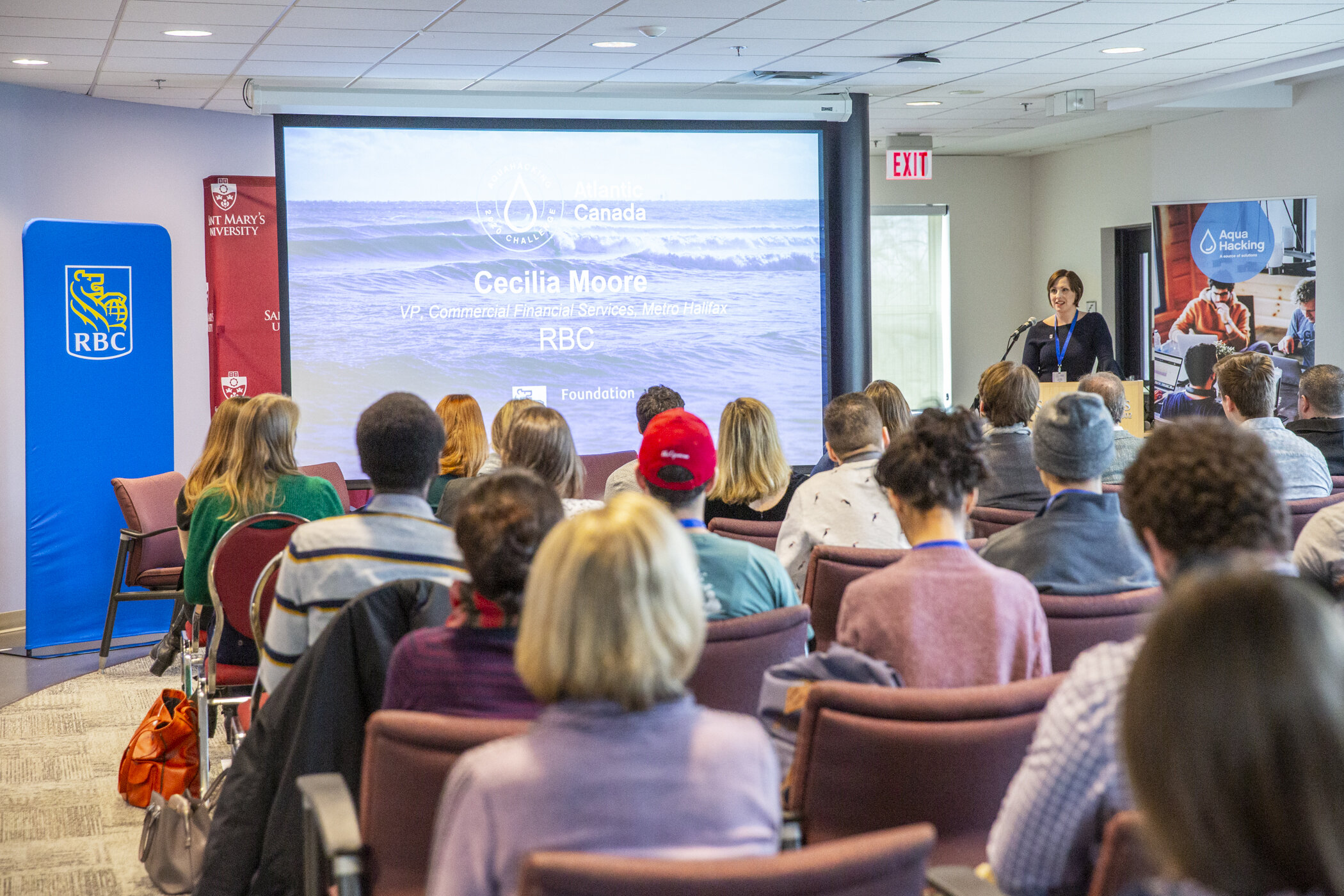
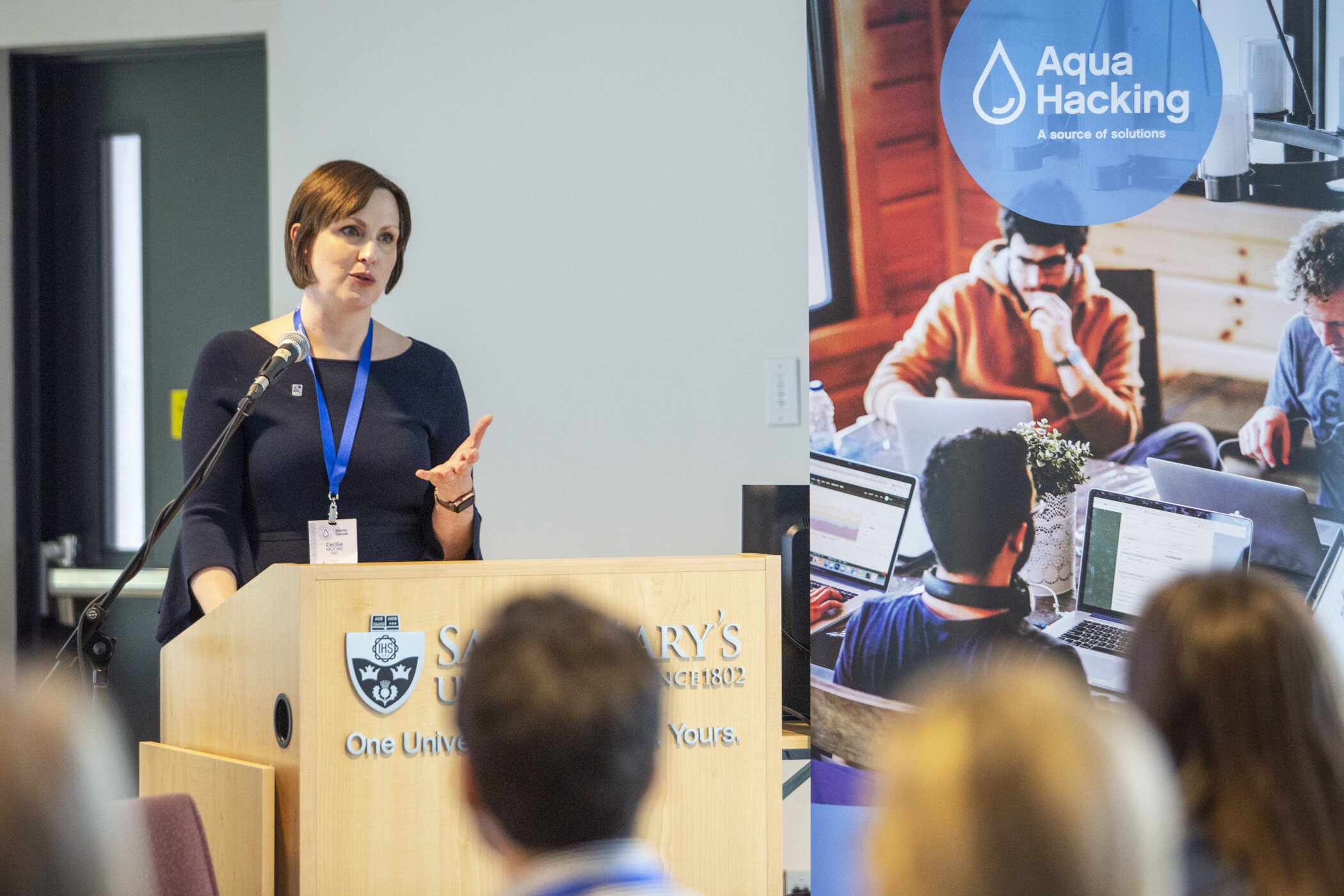
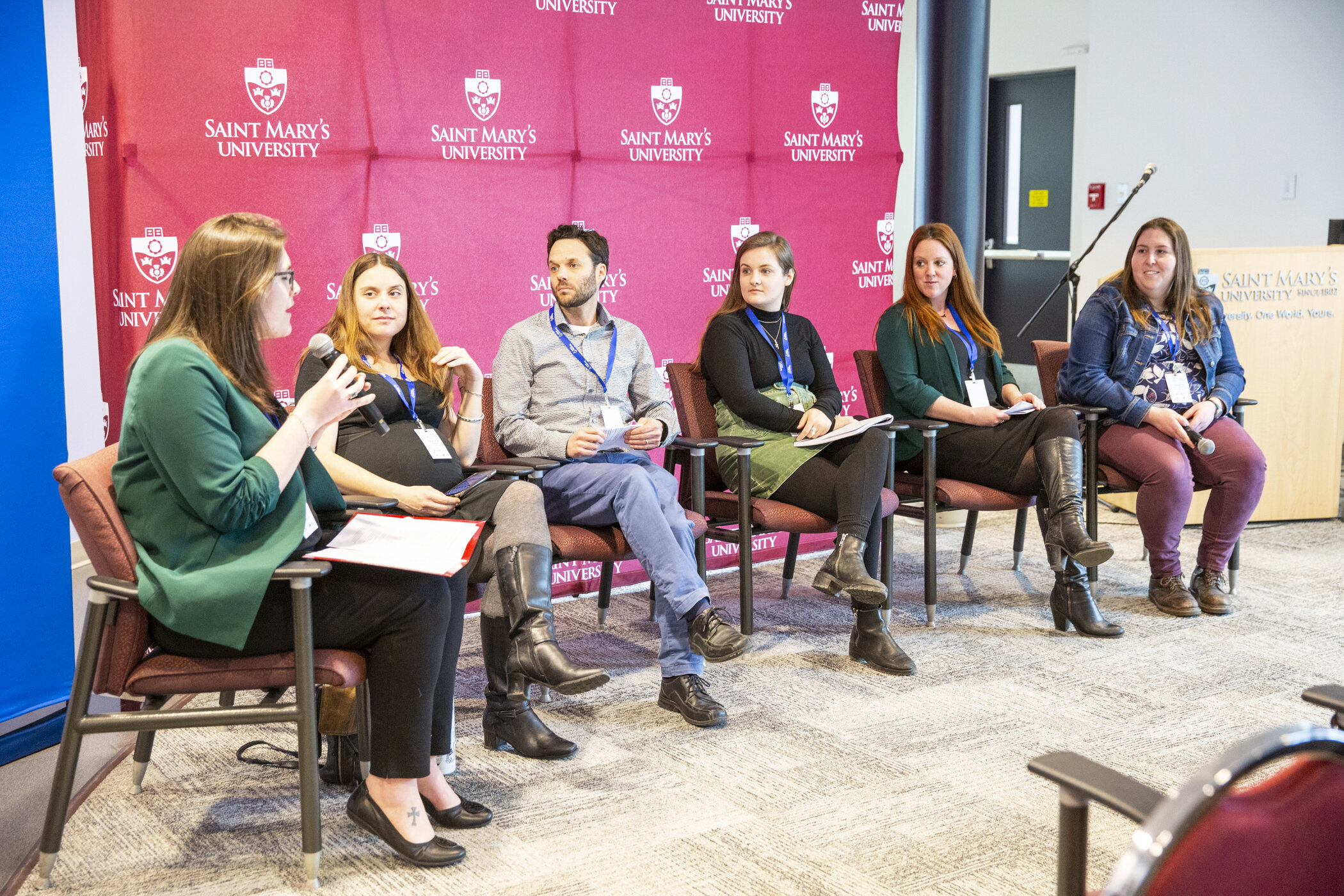
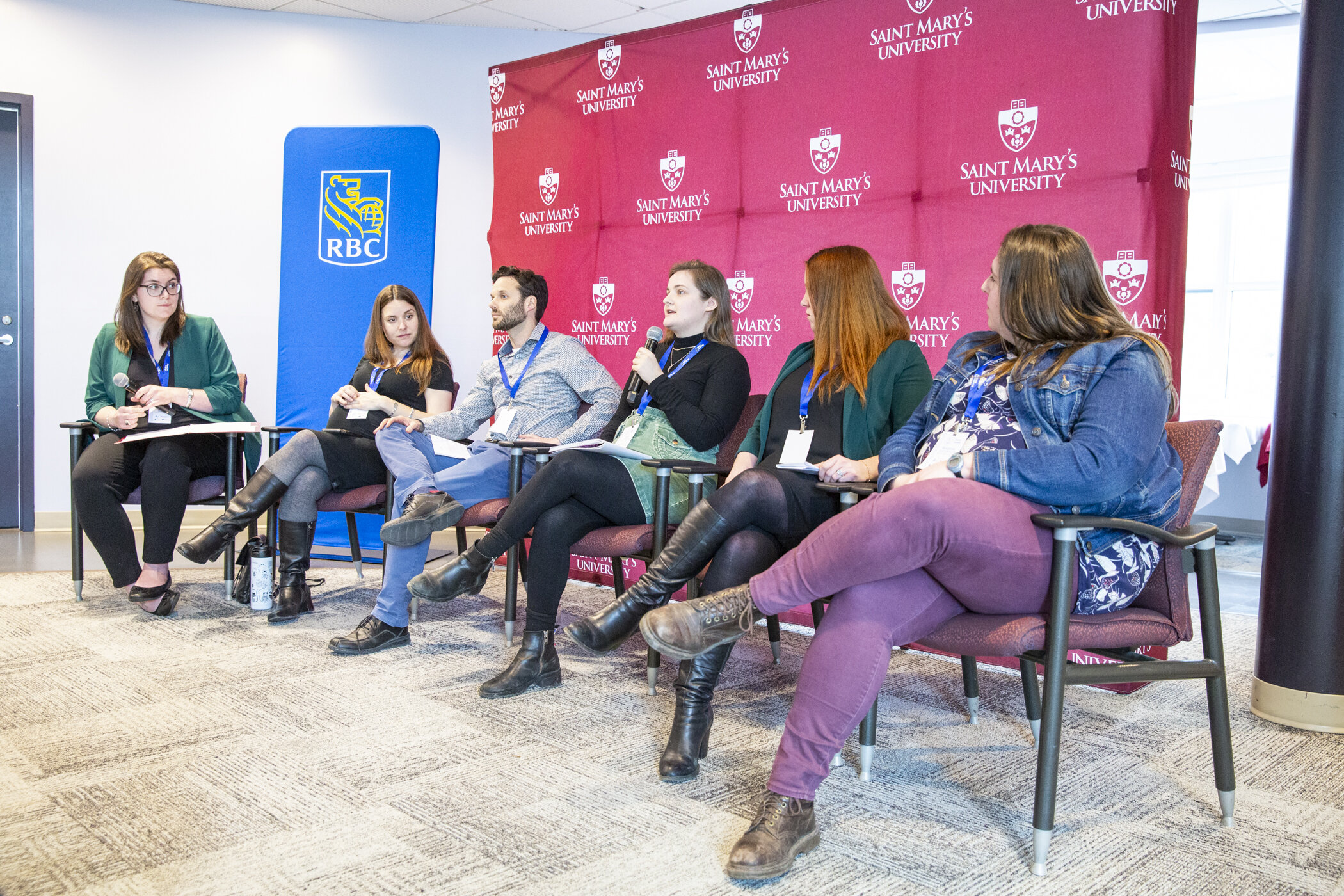
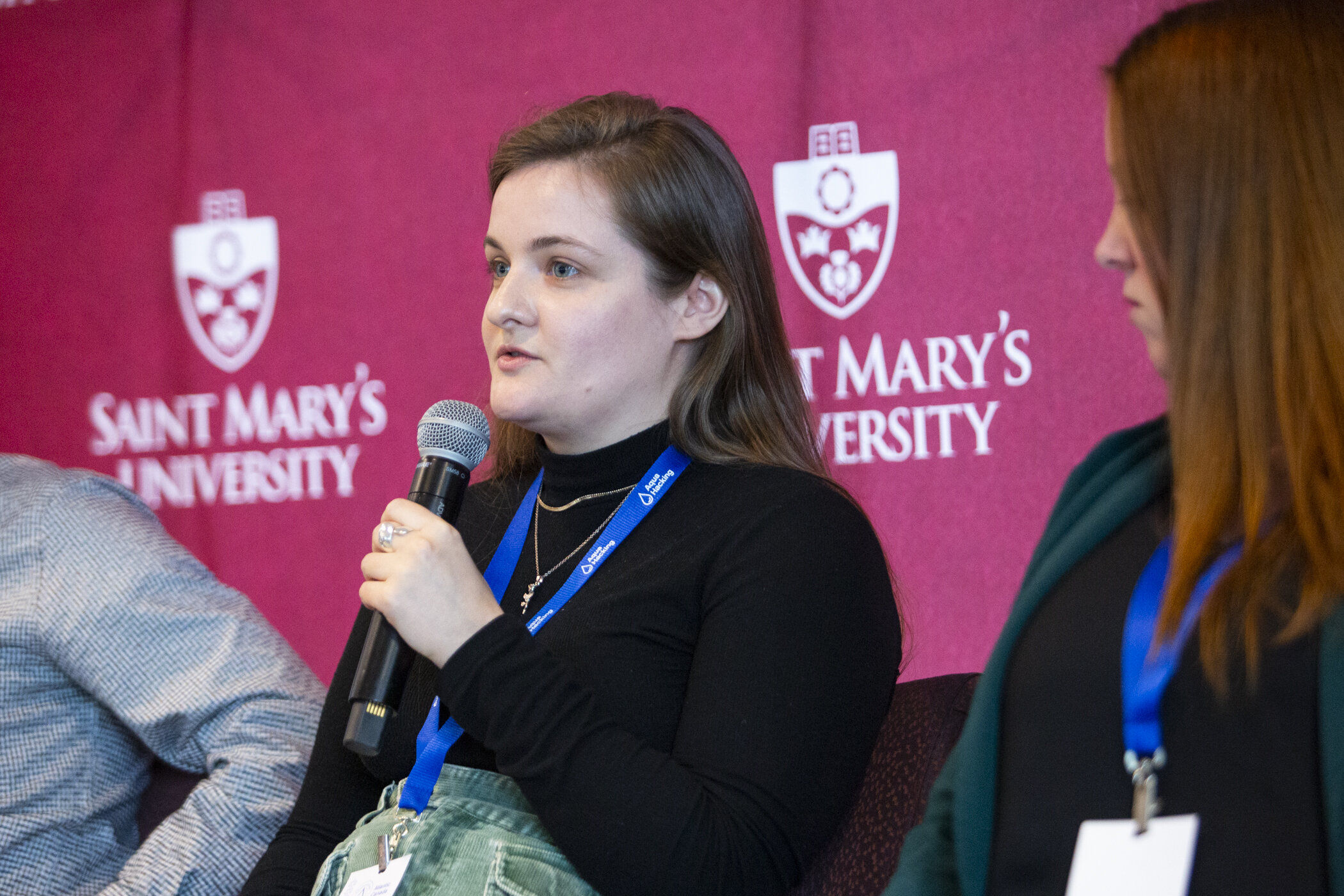
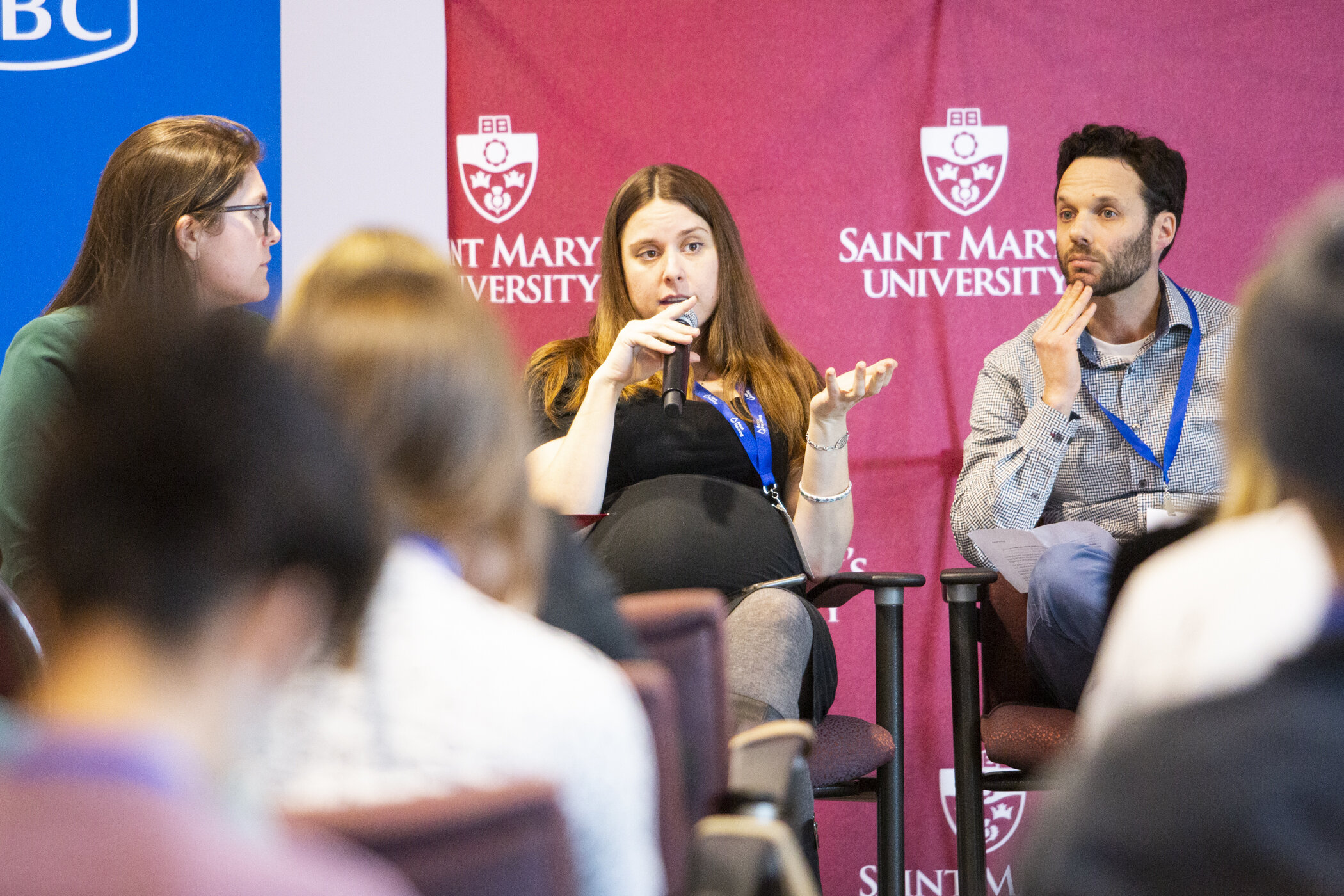
Competition to solve freshwater issues through technology and entrepreneurship begins in Atlantic Canada

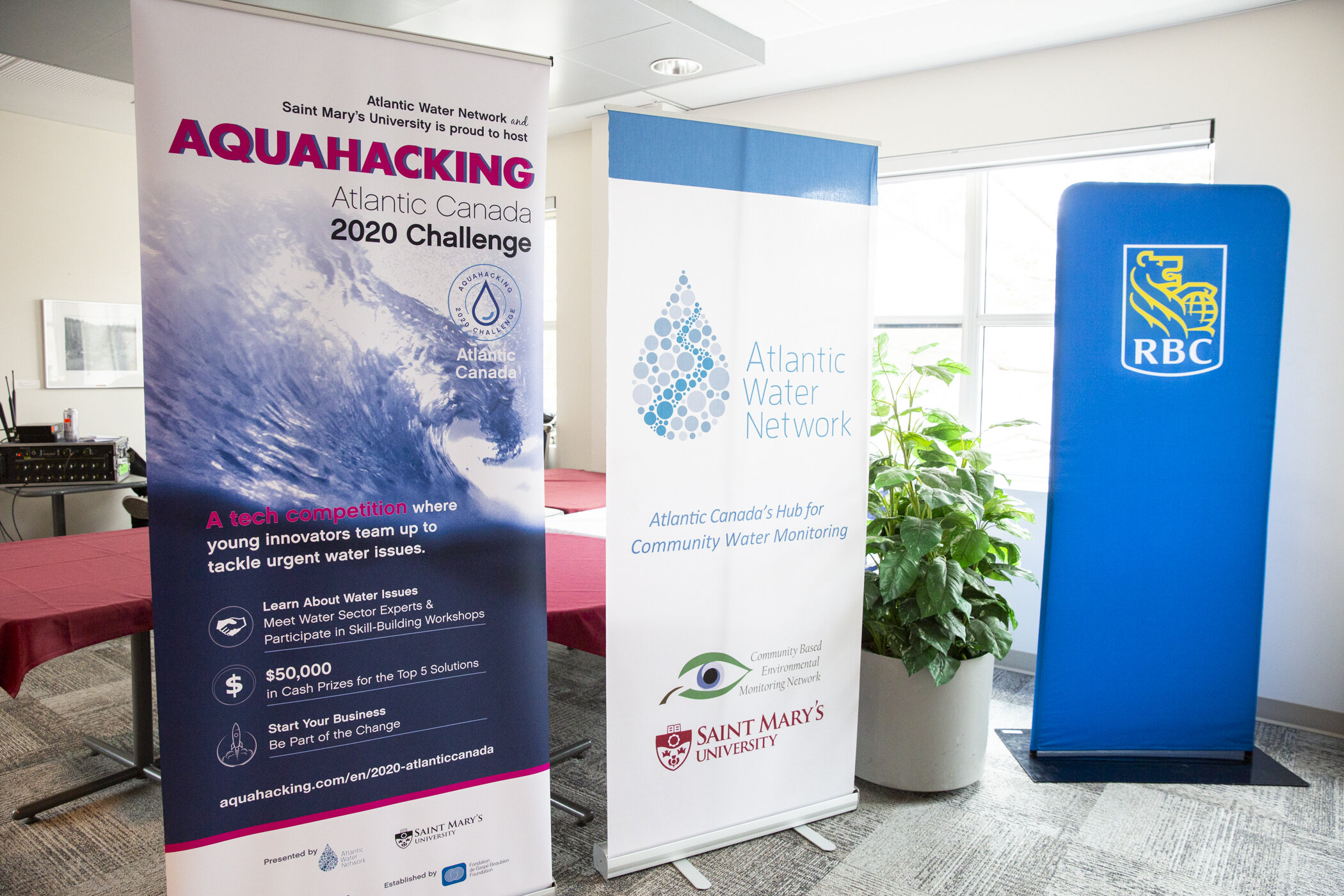
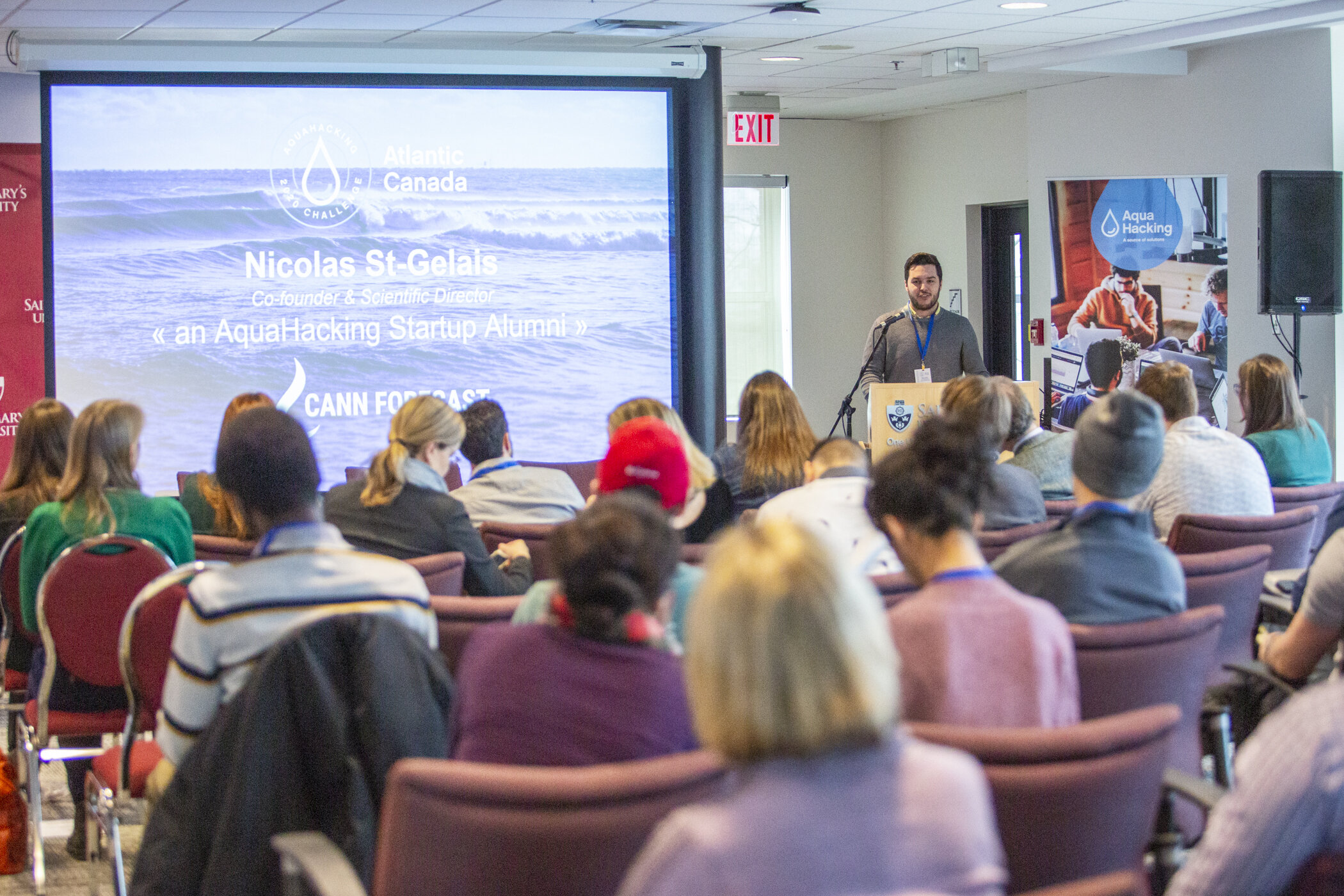
Solving freshwater issues across Atlantic Canada through technology and entrepreneurship is the theme of a new competition that began this week at Saint Mary’s University.

“We are extremely proud to establish AquaHacking in Atlantic Canada,” said Dominique Monchamp, interim CEO of AquaHacking. “We hope that our partnership with Saint Mary's University Atlantic Water Network will open the doors to new technological solutions. We are calling on the creative and committed minds of young Atlantic innovators to take up this challenge and develop sustainable water tech solutions.”

The AquaHacking Challenge brings students, developers, designers, scientists, programmers, engineers, technology enthusiasts and entrepreneurs together to form interdisciplinary teams to tackle five different water challenges.

The five issues they’ll be focusing on are:

•              algal blooms;

•              agricultural runoff;

•              drinking water treatment;

•              well water testing; and

•              microplastics.

“At RBC, we believe in the power of innovative technologies to address and scale solutions to some of the most pressing environmental issues of our time,” said Valerie Chort, vice-president, Corporate Citizenship, RBC. “We’re proud to be working alongside AquaHacking to develop real-world, scalable solutions to tackle the challenges that continue to plague our environment.”

Throughout the challenge, teams will have access to a variety of workshops and resources, as well as a dedicated group of mentors to help them develop their solutions and refine their pitches. The top teams will be determined at the AquaHacking semi-final in May 2020, after which successful teams will continue working on their solutions to present for a Dragon’s Den-style final in September 2020.

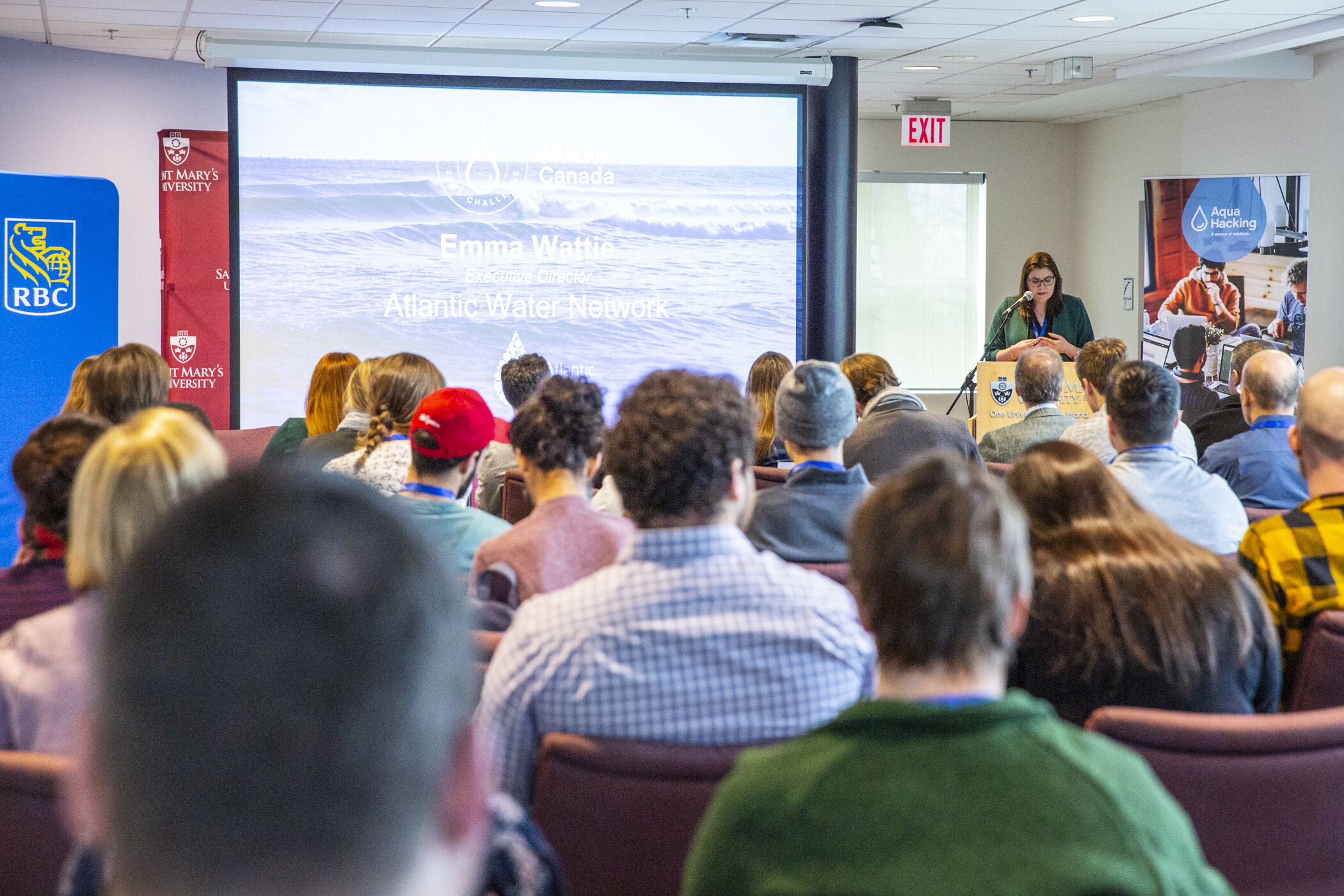
“We are thrilled to see AquaHacking come to the Atlantic Provinces,” said Emma Wattie, director of Saint Mary’s University’s Atlantic Water Network. “Our work with community-based monitoring organizations throughout the region has helped identify some of the water issues for this year's challenge. AquaHacking is a clear next step to help find solutions to some of the most pressing water issues facing Atlantic Canadians.”

The AquaHacking Challenge is an initiative of Aqua Forum that was founded by the de Gaspe Beaubien Foundation in 2015 to support technology and business development addressing environmental problems related to freshwater. After five successful years in the Great Lakes and St. Lawrence Basin, AquaHacking went national for 2020 with regional competitions across Canada.

The AquaHacking Challenge 2020 in Atlantic Canada is powered by the RBC Foundation, with support from the de Gaspé Beaubien Foundation along with other national and local sponsors.

Developing comprehensive mental health services for those attracted to minors

As a researcher and psychologist, I’ve always had a strong interest in violence prevention, particularly the prevention of sexual violence against children. Although it is a difficult subject that impacts many, we must conduct research on the causes of childhood sexual abuse if we want to reduce its occurrence.

Risk for sexual abuse can never be explained by one single factor, and we need a multi-pronged approach to prevent it. An example of one risk factor is a sexual interest in children; however, research shows that this is not the same as child sexual abuse. Not everyone with a sexual interest in children offends against children or is destined to do so.

The area my team and I have focused on is individuals with a sexual interest in children who reside in the community and are not involved in the criminal justice system. While it’s not common knowledge, there are people with a sexual interest in children who desire mental health services. It bears stating that there are others who are not struggling, are coping with this reality, and live offence free lives.

Of those interested in treatment, some seek support to help them avoid offending. Others would like treatment to address various mental health concerns.  Both treatment needs are important. Helping people to develop healthy coping strategies is vital so that people can live meaningful and offence free lives. Unfortunately, outside of the criminal justice system, there are significant barriers to accessing mental health services for this group.

My research has more recently focused on understanding treatment needs and barriers to treatment. The aim is to develop mental health programs for people with a sexual interest in children who are not involved in the criminal justice system. One of the areas that have been identified as a significant barrier for people who may desire these services is concern about negative attitudes that influence their desire to seek treatment and how these attitudes might impact their care.

We are currently conducting a survey to determine how to accurately measure the attitude of the general public on this topic. This survey is part of an unfunded study conducted by myself and two students. We hope that this will advance research in the area.

We can create an environment where people who are dealing with a sexual interest in children and want mental health services can access those services. I believe we have a moral and ethical responsibility to help anyone who wants these services, regardless of their identity.

I recognize that this topic evokes strong emotions in others, which is understandable given the nature of this matter. Sadly, strong emotions can prevent the tough conversations we must have if we hope to develop effective responses that can prevent sexual abuse.

Written by Skye Stephens, Ph.D. R.Psych, a psychologist and Assistant Professor at Saint Mary's University.


Coastal communities and their preparations for climate change at heart of new short film

The coastal community of Clare, Nova Scotia, that is featured in the film.

The coastal community of Clare, Nova Scotia, that is featured in the film.

A new short film about coastal communities and how they are preparing for the impacts of climate change and other hazards from the sea was released today, Feb. 11. The film, Coastal Communities… At the Ready, combines global perspectives with the experiences of two communities on the Atlantic and Pacific coasts of Canada. 

“Most of the world’s people live by the sea and are under the threat of a variety of marine hazards,” said Dr. Tony Charles, a professor at Saint Mary’s University and the director of the Community Conservation Research Network.  “Marine hazards are not new on the coast but they are becoming more common and more intense under the pressures of climate change. Where the sea meets the land in coastal communities, developing good responses to the impending threats is vitally important.” 

This 13-minute film is important for all those concerned about our oceans and coasts, our communities and the impacts of climate change and ocean hazards. This includes communities and community associations, citizen organizations, governments and policymakers. The film also serves as a starting point for climate change discussions in school and university classrooms.

The film was produced by the Marine Environmental Observation, Prediction and Response Network (MEOPAR), the Community Conservation Research Network (CCRN), and Saint Mary’s University, with support from the Networks of Centres of Excellence Canada.

The film is available at:

SMU researcher’s groundbreaking earthworm study on recent cover of Science Magazine

Discovery_Erin C.jpg

Dr. Erin Cameron, a researcher in the department of Environmental Science, has published a paper in the prestigious Science Magazine on her work studying the global diversity and biogeography of earthworms.

The study had two main findings: that local species richness (the number of earthworm species at a site) was higher in temperate regions of the world compared to tropical areas, and that climate is the strongest driver of earthworm diversity. This suggests that future climate change could significantly alter earthworm communities worldwide, threatening the many functions they provide.

“Having her research recognized by such a prestigious scientific publication is a testament to Dr. Cameron’s innovative work in the field of environmental science,” said Dr. Lori Francis, acting Dean of Science at Saint Mary’s University. “The huge scope of her collaboration with such a large international group of scientists is impressive, and this work will allow further collaborations with other leaders in this field and answer important questions about effects of global climate change on earthworm communities.”

Having her research recognized by such a prestigious scientific publication is a testament to Dr. Cameron’s innovative work in the field of environmental science.
— Dr. Lori Francis, acting Dean of Science at Saint Mary’s University

Dr. Cameron and her German collaborator Prof. Nico Eisenhauer were the senior authors on the paper, with their postdoc Dr. Helen Phillips as the lead author. The research, based at the German Centre for Integrative Biodiversity Research (iDiv) and Leipzig University in Germany, used research compiled from 140 researchers from across the globe to create the largest earthworm dataset worldwide, encompassing 6928 sites in 57 countries.

First conceived in 2014 at a global earthworm conference after a workshop discussing questions concerning diversity patterns of earthworms, this report has been years in the making. The researchers looked at questions about what factors drive global patterns of earthworm diversity: soil properties such as pH and the organic carbon content of soil, or habitat cover, or climate: i.e. temperature and precipitation. Dr. Cameron had previously looked at earthworm distributions in the boreal forest of northern Alberta, and was intrigued by earthworms found further north than expected.

Earthworms substantially shape the way ecosystems function: their burrowing creates holes, mixes soil components and they eat organic debris. By doing so, they drive a wide range of ecosystem services, including nutrient provision, water infiltration and run-off, carbon storage, climate mitigation and seed dispersal.

“Earthworms are ecosystem engineers; they are species with a large impact on the structure of ecosystems,” said Dr. Cameron. “While the impact of earthworms on their local ecosystems is fairly well known, until now there has been no research or data on the distribution of earthworms at a global scale.”

“A surprising result of this study was that the biodiversity patterns in above-ground organisms do not match those of soil organisms, with a greater local diversity found in more temperate climates compared with tropical locations,” Dr. Cameron explained. “As typically the highest number of species in a local area is found in the tropics, this result was not expected, however we suspect that the total number of earthworms across the tropics is still higher than other regions due to dissimilarity among sites.”

“This is a seminal accomplishment in climate change research which Dr. Cameron has achieved so early in her professional career, with this being the first time Saint Mary’s research has been featured on the cover of Science Magazine,” said Dr. Adam Sarty, Saint Mary’s University’s Associate Vice-President Research.  “Her ability to lead this large international collaborative project, and provide a truly global perspective, makes us excited to see where her next projects will lead as she joins the growing team of Saint Mary’s University researchers focusing attention on the impacts of, and responses to, the effects of climate change.”

The research also found that the biggest driver of diversity in earthworm communities was climate, namely precipitation and temperature. “These organisms are an important part of our ecosystem, and below-ground biodiversity must be considered when considering the effects of climate change on our ecosystems,” said Dr. Cameron.

The study and its resulting comprehensive global map used as much data on earthworm diversity, abundance and biomass as possible. Future stages of this work will project earthworm diversity levels in the future.


Dr. Erin Cameron is an assistant professor in the Environmental Science department at Saint Mary’s University. Her research examines effects of global change on species distributions, community composition, and ecosystem functioning. She uses a combination of field observations, experiments, citizen science, molecular approaches, data synthesis, and modelling to assess global change impacts across spatial and temporal scales. Dr. Cameron was recently awarded an NSERC Discovery Grant with a Northern Research Supplement.

National recognition for Saint Mary’s geographer

DvP+RCGS+group.jpg

Dr. Danika van Proosdij, whose research aims to help coastal habitats adapt to climate change, has just been elected as a Fellow of the Royal Canadian Geographical Society (RCGS).

“I’m really honoured and grateful for the nomination,” says the Professor of Geography and Environmental Studies. She was inducted to the esteemed organization during its College of Fellows Annual Dinner and 90th-anniversary celebration, held November 21 in the Canadian Museum of History in Gatineau, Quebec.

She joins two other geographers from Saint Mary’s who were previously elected as Fellows: Professor Emeritus Dr. Hugh Millward and the university’s President Dr. Robert Summerby-Murray. Having three Fellows here “speaks to the strength and depth of our program, and our commitment to the discipline as a whole,” says Dr. van Proosdij.

Dr. van Proosdij working at the Converse site.

Dr. van Proosdij working at the Converse site.

Just a few days after the gala ceremony, she was back out in the wetlands on a site visit to the Converse Marsh Managed Realignment Site, near Amherst.

She and the Saint Mary’s-based TransCoastal Adaptations team hosted the November 26 visit for a progress update to stakeholders on the five-year “Making Room for Wetlands” project, funded by the Department of Fisheries and Oceans’ Coastal Restoration Fund.

The team has been working collaboratively with Nova Scotia’s Department of Agriculture, CBWES Inc. and other partners in an effort to restore salt marshes in several areas. For coastal communities, salt marshes form the first line of defence against rising sea levels and storm surge, so restoring these ecosystems aims to help protect communities and coastal infrastructure. Work started a year ago at the Converse site, where sections of the old dyke were removed and realigned to allow tidal flow back into the area. Monitoring data collected by staff and students over the summer indicates that 15.4 hectares of salt marsh have been restored and the site is recovering well.

Saint Mary’s is a key player in the Atlantic region’s growing interdisciplinary hub for coastal adaptation research. In another project, “Making Room for Movement”, funded by NRCAN, Dr. van Proosdij and SMU students are exploring the social science element and working closely with Dalhousie’s School of Planning and its School of Resource and Environmental Management. Collaborating with other Saint Mary’s departments is also proving very beneficial.

“As we’re restoring some of these landscapes, a real added benefit has been the inclusion of archaeology,” says Dr. van Proosdij. “Getting an understanding of the historical use of that land helps to inform our restoration design, and to form better connection and communication with rights holders as well as stakeholders. It’s fascinating to be working on a landscape and looking at the juxtaposition between modern techniques and old techniques, and the value of the voices of those who have come before.”

Undergraduate Astrophysics student publishes a lead-author scientific paper

Saint Mary’s University Astrophysics student Sophia Waddell

Saint Mary’s University Astrophysics student Sophia Waddell

Publishing a lead-author scientific paper is always an exciting milestone for graduate students, one that comes after a lot of research, hard work and persistence to work through multiple edits with advisors and journal editors.  

Sophia Waddell has already achieved this goal after her third year of undergraduate studies, having published a paper with the Royal Astronomical Society. The Astrophysics student has also co-authored four other papers: one with a graduate student after her first year at Saint Mary’s, two with her supervisor Dr. Luigi Gallo, and another led by a postdoc.  

After coming up with the idea for the paper in her High Energy Astrophysics course, she wrote the paper and worked with Dr. Gallo on a series of revisions. She then submitted the paper to the Monthly Notices of the Royal Astronomical Society for an anonymous review, which resulted in just a few changes before the paper was accepted.  

“It’s very rare that an undergraduate student is able to publish a lead-author paper,” said Dr. Luigi Gallo, Professor of Astronomy at Saint Mary’s. “Sophia has an amazing work ethic that is driven by her passion for the subject matter.  She is constantly reading papers, working the data, asking questions, and often stumping me.”  

Waddell’s paper, titled Multi-epoch X-ray spectral analysis of the narrow-line Seyfert 1 galaxy Mrk 478, explores X-ray data from a supermassive black hole (SMBH) called Mrk 478. “This black hole in particular is called an active galactic nucleus (AGN), which means that it is actively sucking in material, forming an accretion disk around the black hole,” explained Waddell.  

“The material located closest to the black hole gets so hot, that rather than radiating optical light (light our eyes can see), it emits high-energy X-rays. Using special space-based observatories, we can study the X-rays coming from active black holes, which can tell us about the structure and properties of the innermost regions.” 

In her paper Waddell used different models representing different physical structures of the inner region of this SMBH, and applied them to data collected with X-ray satellites. 

“Using the models, and a couple of other techniques, we were able to determine the structure and geometry of the inner region of this black hole, which can help tell us more about the evolution of galaxies and the Universe itself,” she said. 

“Sophia is currently following up on her results and is now looking at the rapid variability on time scales of a day, to see if those fast changes are consistent with the same model,” said Dr. Gallo. 

Black Holes

A black hole is a region of space that has experienced a gravitational collapse leaving behind a region from which nothing can escape, not even light. Supermassive black holes are the largest type of these astronomical objects, and are considered to be at least hundreds of thousands of times the mass of the sun. The concept of black holes was first considered in the 18th century, and the formation of supermassive black holes, first mentioned in the 1960s, is still a topic being researched by astronomers. The first photo of a supermassive black hole was only captured in the spring of 2019.   

Plans for the Future

Waddell has “loved all things math and science” since she was a small child, and with two parents who graduated from the Engineering program at Saint Mary’s, she had plenty of support at home for her STEM interests. After a unit in astrophysics in a high school physics class she was hooked and now plans to pursue an academic career as a physics and astrophysics professor. She’s currently applying to grad schools and would like to continue studying X-ray astronomy.  

“I think it’s incredible that we get to work with data taken by satellites in outer space, studying some of the most extreme objects in the Universe,” said Waddell. “I also love talking about my research and science in general, and I can’t wait to keep sharing my science with others!”