Sobey School of Business

Saint Mary’s University to honour two distinguished alumni for leadership and service at home and abroad

Saint Mary’s University will award honorary doctorates at its 2026 Spring Convocation to two distinguished alumni whose leadership, service, and lasting contributions have shaped communities locally, nationally, and internationally.  

Spring Convocation will take place in May on Saint Mary’s campus, bringing together graduates, families, and the university community to celebrate achievement, leadership, and impact. Honorary degrees, which are among the university’s highest distinctions, recognize individuals whose accomplishments reflect Saint Mary’s values of excellence, service, and community engagement.  


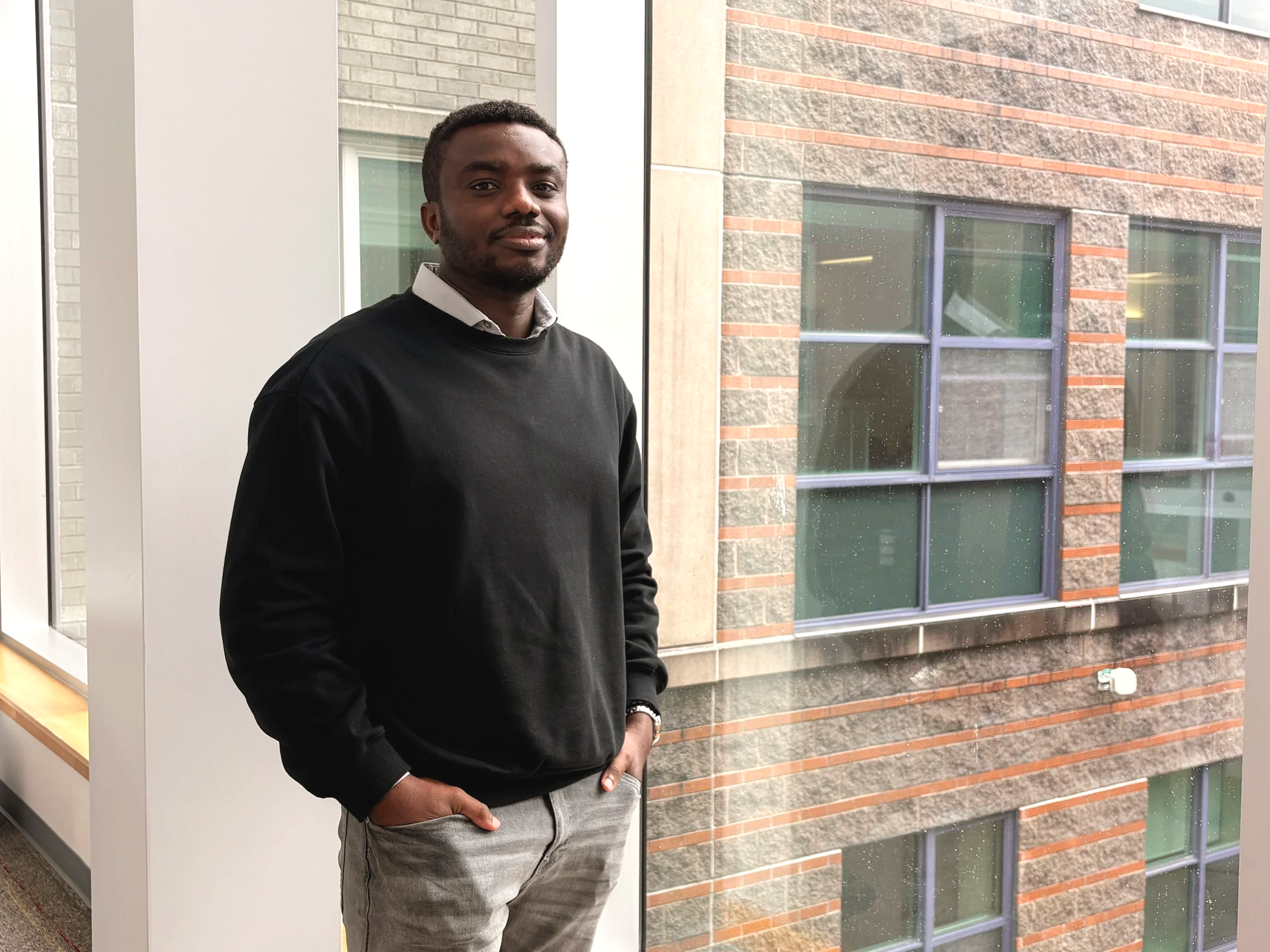
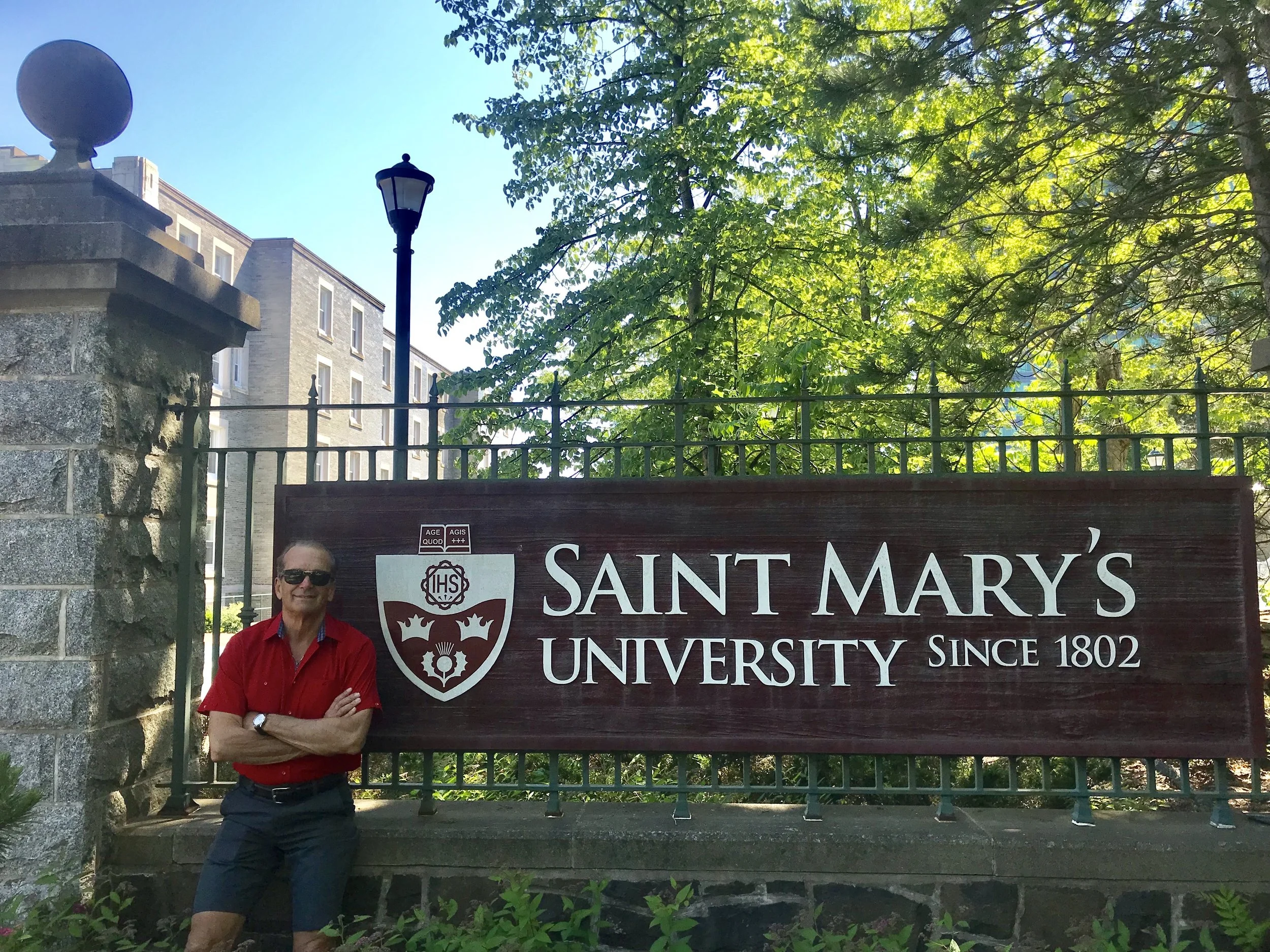
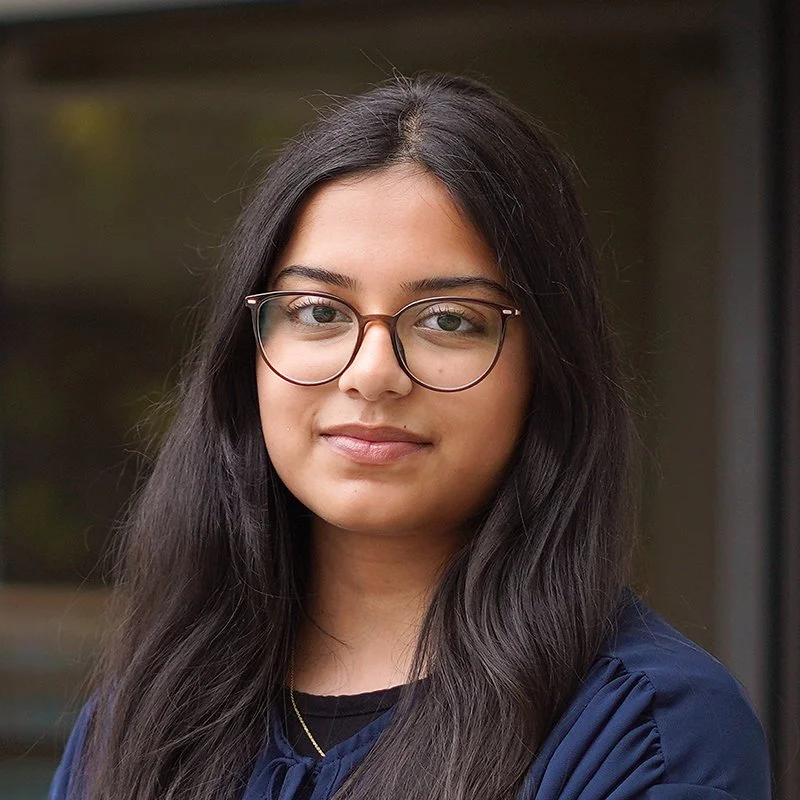
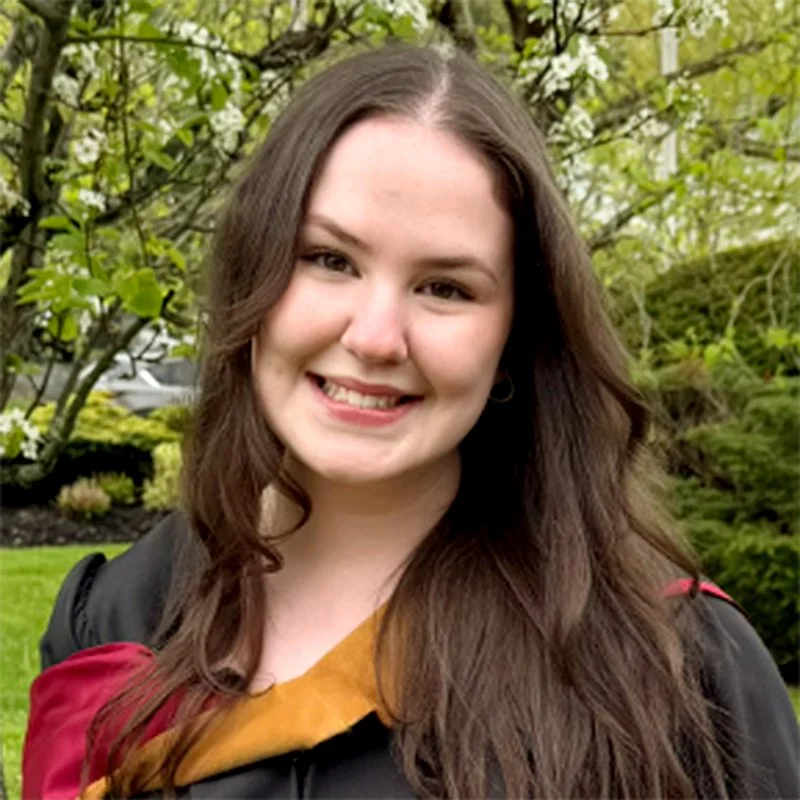
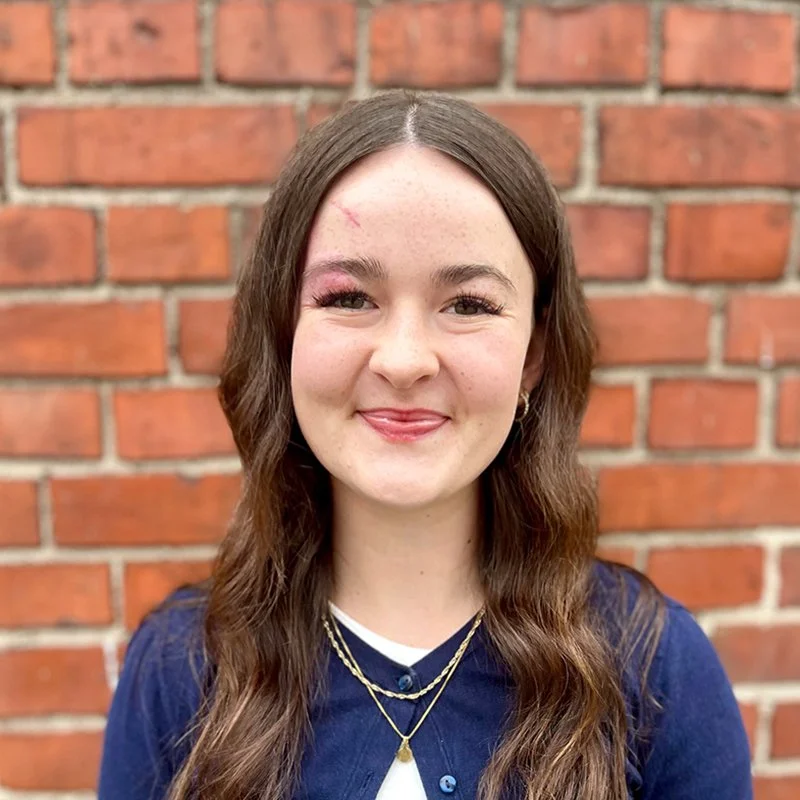
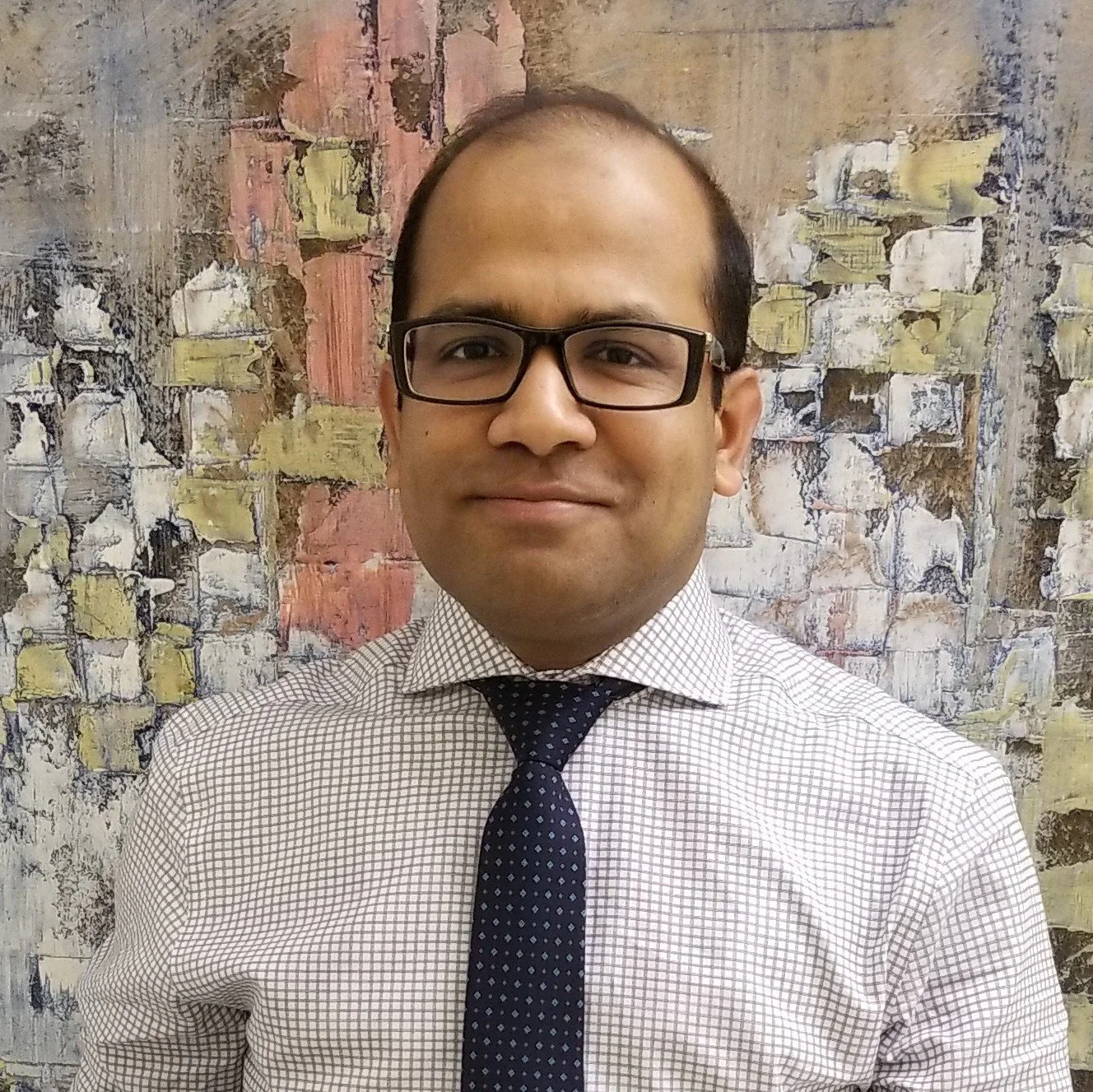
Sanjeev Chowdhury  

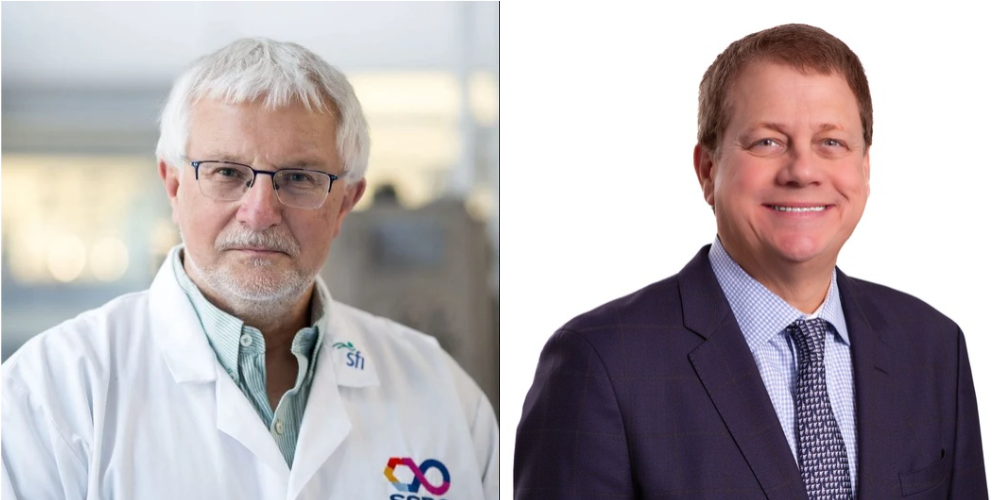
Sanjeev Chowdhury BComm’89, a graduate of Saint Mary’s University, has built an accomplished career in Canada’s foreign service, representing the country on the global stage for over three decades.  

Sanjeev Chowdhury 

After earning his Bachelor of Commerce from Saint Mary’s University, where he served as President of the Students’ Association, Chowdhury pursued graduate studies in international management before joining Canada’s diplomatic corps. Over the course of his career, he has served in key postings around the world, including Mumbai, Ho Chi Minh City, Rio de Janeiro, and Bangkok.  

As a Senior Trade Commissioner in Thailand, he played a significant role in advancing Canada’s international trade relationships, ultimately becoming the longest-serving Canadian diplomat at the Canadian Embassy in Bangkok. His diplomatic career also included appointments as Consul General and leadership roles during major international events, including the Rio 2016 Olympic and Paralympic Games.  

Chowdhury’s contributions have been recognized with numerous honours, including international medals and Canada’s Foreign Service Officer of the Year Award. His work reflects a sustained commitment to global engagement, public service, and strengthening Canada’s presence abroad.  

He will receive a Doctor of Civil Law, honoris causa, at the Sobey School of Business Convocation on May 27 at 2 p.m.  


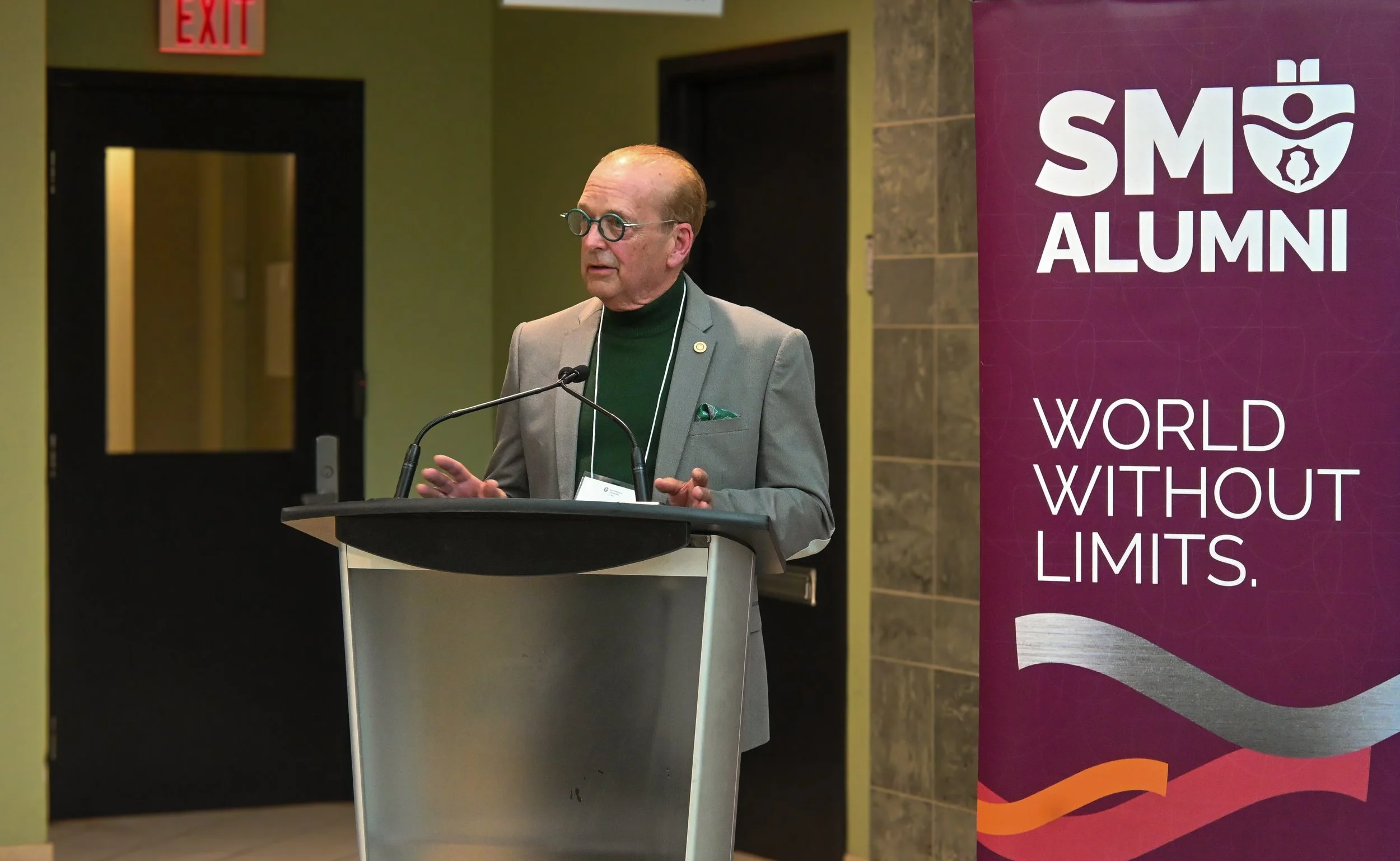
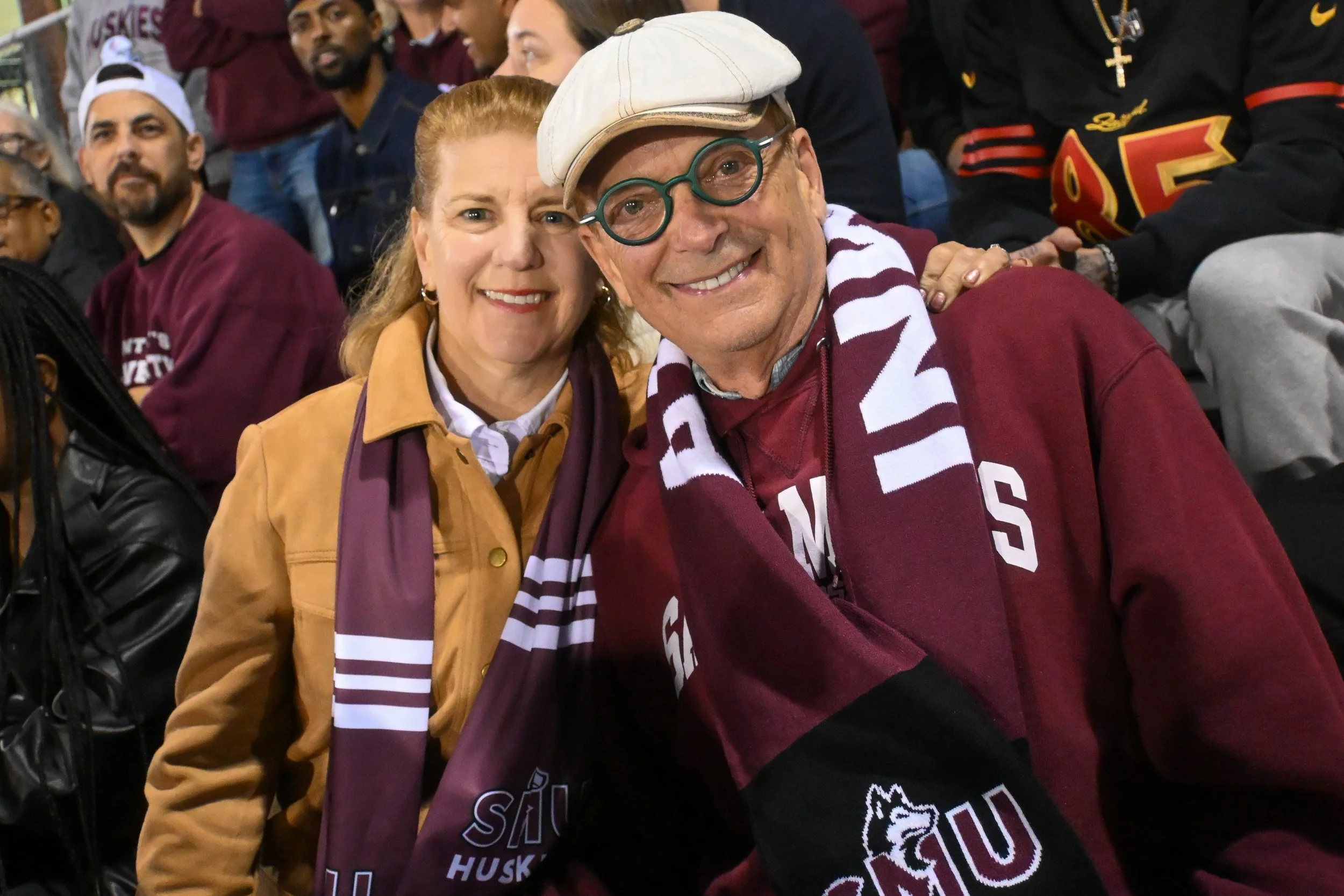
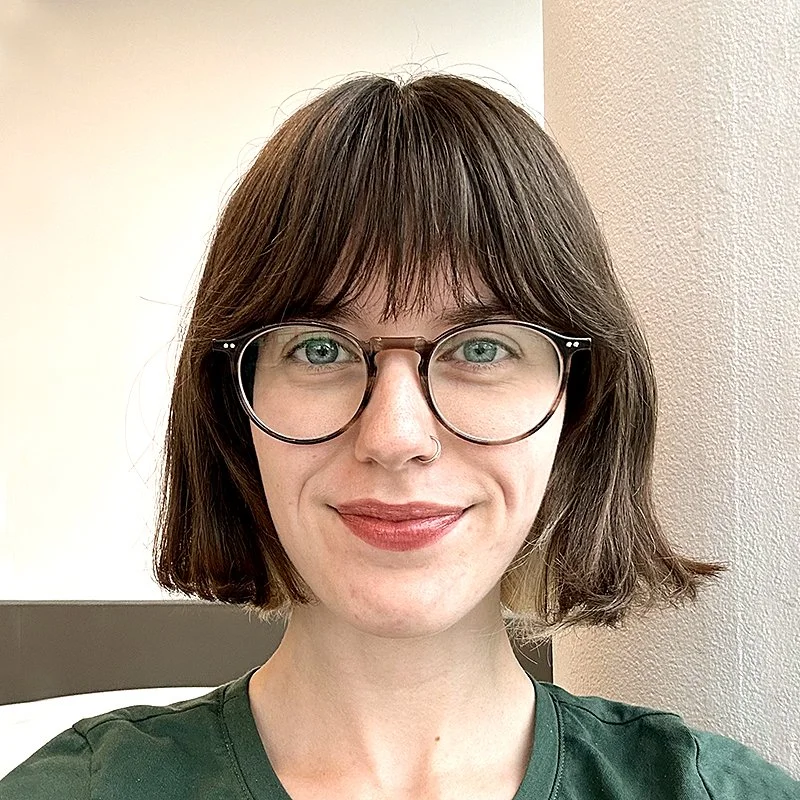
Charles (Chuck) R. Bridges  

Charles (Chuck) R. Bridges 

Charles (Chuck) R. Bridges EMBA’92 is a respected business leader, communications strategist, and long-term contributor to Saint Mary’s University and the broader Nova Scotia community.  

With a career span of more than four decades, Bridges has held senior leadership roles across major organizations, including the Discovery Center and Atlantic Lottery Corporation, where he led corporate affairs, stakeholder engagement, and strategic communications initiatives. Known for his ability to build partnerships across sectors, his work has had a lasting impact on organizational development and community collaboration.  

Bridges dedicated more than 20 years to Saint Mary’s University, serving in progressively senior roles, including Director of Public Affairs, Director of External Affairs, and Vice-President (Associate), External Affairs. During his tenure, he played a central role in advancing the university’s profile, leading a comprehensive branding initiative that strengthened its position as an internationally recognized institution and supporting major fundraising efforts that generated significant philanthropic investment.  

His commitment to community service is equally notable. Bridges has contributed to numerous initiatives at the municipal, provincial, and national levels, including leadership roles with the 2011 Canada Winter Games Host Society, the Halifax Commonwealth Games bid, and United Way Halifax. His contributions have helped strengthen cultural, civic, and economic development across the region.  

Recognized for his integrity, collaborative leadership, and enduring commitment to community, Bridges continues to exemplify the values of service and excellence that define Saint Mary’s University.  

He will receive a Doctor of Civil Law, honoris causa, at the Arts Convocation on May 29 at 10 a.m. 

Work that counts — literally

Diem Tien BComm’24, working as co-op student at Sobeys in the Summer of 2023

At one of Canada’s top business schools, co-op now counts toward the degree.

Co-op means paid work terms, career-launching connections and a résumé that stands out. That means students can gain meaningful paid work experience while staying on track to graduate on time. Sobey's co-op program is a valued bridge between campus and career. The model allows students to alternate between academic terms and paid placement.

Saint Mary’s University’s Sobey School of Business will be launching co-op for academic credit within the Bachelor of Commerce program. Eligible students who complete co-op work terms will now earn three credit hours per placement, up to nine credits across three work terms, counting toward elective requirements in their 120-credit degree.

Students being toured around a large industrial building

Prospective co-op students being given a tour of the Nova Scotia Power headquarters.

“This is a student-centred change that strengthens our degree without adding barriers,” says Dr. Vurain Tabvuma, Associate Dean, Undergraduate and Professional Graduate Programs. “I want to see students succeed both in and out of the classroom. A business degree should prepare students not just for their first job, but for a lifetime of leadership, adaptability and meaningful work.”

The new model creates dedicated, credit-bearing courses tied directly to co-op placements, with clear expectations, faculty oversight and assessed academic deliverables. Co-op for credit takes effect in 2026–27, with the first credit-bearing course expected in Spring 2027.

Students set goals at the start of their work term, then reflect in depth on what they learned, what they contributed, how they handled workplace challenges and how their coursework supported, or challenged, what they encountered on the job.

Faculty advisors and co-op office staff provide ongoing support, monitor progress and assess the final submission. While the courses are graded pass/fail and do not affect a student’s GPA, they count directly toward degree completion once credit is awarded.

The shift to credit does not change the support structure students already rely on. Saint Mary’s University’s co-op office will continue to provide professional development workshops, one-on-one coaching in résumé writing, interview preparation and workplace professionalism, along with employer coordination and the job-matching support that underpins the program.

Research shows that graduates who complete co-op programs are significantly more likely to secure full-time employment within two years of graduation compared to their non-co-op peers. National data suggests students with work-integrated learning experience have higher starting salaries and a stronger job-education match, landing roles directly related to their field of study.

For international students, co-op is often one of the fastest routes to gaining Canadian work experience and building professional networks while still in school. The credit-bearing model is expected to encourage more students to complete the full co-op sequence, deepening their skills across multiple placements and strengthening the local talent pipeline for Nova Scotia employers.

As the leading business school in Atlantic Canada, the Sobey School of Business has long-standing relationships with industry partners and a robust alumni network across the region and the country. These connections span key areas of business, including accounting, finance and banking, marketing, AI and machine learning, business innovation and human resource management. They have long supported student placements and will provide a strong foundation for the new co-op for credit model.

Those employer relationships can lead to meaningful long-term opportunities for students. Crowe MacKay LLP in Yellowknife, Northwest Territories, recently hosted Ananthkrishnan Natesan, a Bachelor of Commerce student majoring in accounting and co-op student, who will complete his third work term with the firm this summer before returning full-time after graduation.

“Ananth is very professional and meticulous in how he approaches his work. He is engaged, excited and eager to learn, always! He received comments from senior management on his first file since returning, noting that he was within budget and very positive. He was challenged with new sections he hadn’t seen before, like AR, Revenues and Investments, and met this challenge perfectly. Well done,” says Crowe MacKay LLP.

The co-op program connects students with employers of all sizes, from large corporations to smaller start-ups. Students may complete placements in Nova Scotia, elsewhere in Canada or internationally. Current co-op students are working in Toronto, Yellowknife and Calgary, and international students may also pursue co-op opportunities in their home countries.

Many graduates of the program also return as alumni employers, creating new pathways for Sobey students to gain experience, build confidence and enter the workforce with a stronger sense of what they can contribute.

Co-op available in every major at Saint Mary’s

The Co-operative Education option allows you to apply your knowledge, develop skills and gain confidence, while you earn money to help pay for tuition. Co-op consists of three, four-months work terms.

Learn more about co-op opportunities at Saint Mary’s.

Same hometown, similar degrees, different pathways

William Cook and Matthew Chapman

Teammates in business

Growing up, they became friends playing sports together. Now, William Cook and Matthew Chapman are engaged in the sport of finance, crushing major competitions in Canada and the USA. It’s been a journey for the two friends from Lunenburg, who now have networks in Toronto, Vancouver, Boston, New York and Montreal.  

“We’ve known each other since we were at least eight years old, through various sports during our junior high days,” said Will. “Our community’s pretty tight in that regard. We got to know each other really well at Park View Education Centre, and then we came here. And after first year, we were like, why don’t we room together, given we had so many similar interests?”

Same town, different families

Will and Matt’s families exposed them to different paths early on.

“My dad’s an entrepreneur who runs the Knot Pub in Lunenburg, and my mom is a nurse practitioner. So, I was partially interested in science because of my mom, but my grandfather ran a TD bank branch for 35 years, and my uncle was a managing director for CI’s private wealth Atlantic division, so that’s where my interest in finance started,” said Will.

“He mentors him as well,” adds Matt.

For Matt, “It was kind of the opposite. My dad has a civil engineering degree and a bachelor’s in physics. I think he wanted me to be an engineer, but I just did not like science. My sister went to Saint Mary’s ahead of me, and she took finance and liked it a lot. So, I was like, maybe that's something I might be interested in.”

Finance and economics proved to be the right combination for Matt. “My father wanted me to get a business degree because he knew that's where my passion lies. It worked out because we have a family construction company, Maritime Homes Ltd. He does the technical side, and I help with the business side.”

Competition successes: Impact Fund and Venture Grade

The two friends have been actively involved on campus since they arrived.

William Cook scored a coveted Research Associate spot with the Impact Fund team in his second year. In the history of the Fund, only one other student in memory has made it onto the team before third year. He completed his two years as a Fund Manager and travelled to Vancouver, New York and Toronto, taking part in competitions as part of the Impact Team. The largest of these competitions were the Rotman International Trading Competition (Toronto), the National Investment Banking Competition (Vancouver), and the Sauder Capital Markets Challenge (Vancouver). Now in his fourth year, he is part of Venture Grade, another student investment program.

Venture Grade Team at VCIC in Boston

Matthew Chapman is a fourth-year Finance and Economics student and is also with Venture Grade. He was part of the undergraduate Venture Grade team, with Lydia Ramsay, Katie Murray, Brennan Campbell and Vaishali Sachdeva, that travelled to Boston in February to compete in the New England regionals. The team took first place, besting prestigious American teams from New York University, Tufts University, and last year’s global champion, Dartmouth College. In late April, they will compete in the global competition.

“Yeah, we won. We were first in every category. The whole trip, we jelled well as a team. We're excited for Worlds.”

The value of competitions

Will and Matt acknowledged that the competitions were important for both building their networks and applying what they learned in the classroom.

“Stressful, but what a great opportunity to meet people from across the world who are doing the same kind of stuff,” said Will. “Competitions, being on new teams, it’s huge for relationship-building.” He notes that students competing in these high-level competitions form their own national network, recognizing one another from past events.

Matt says that after the VCIC competition Saint Mary’s hosted, he invited the other teams to socialize downtown.

“Every team except for one showed up. And that's where you really start to make good connections. The next day, I'm getting LinkedIn DMs saying, ‘that was awesome.’”

Matt also notes that the pressure of competition has helped them feel prepared for the work world.

“Going to these competitions, you know they're going to be tough. But you can come out of it knowing and learning so much more because of the time frame and the pressure you were put under. So that's kind of the trade-off. But it's a good one.” 


Will says, “It's almost like when you hear people talk about these high-pressure jobs. What you learn in those five days might have taken you three months if you had taken it slower. It's a sped-up version of learning for sure.”

The next challenge: launching their careers

With degrees in hand this May, and having trained and tested their skills in competition, Will and Matt are ready to level up as they head into their careers. What is ahead for these high achievers?

Will is headed to Montreal. “I am beyond excited to join Heward Investment Management and learn more about the family office industry. It’s the same place I interned last summer, an asset management firm, which has now transformed into a family office-style firm. I am fortunate that the new CEO, Eric Lapointe, brings an immense amount of industry experience, which is great for someone like me, just starting my career. Montreal is going to be different for me, because I'm from Lunenburg. And now I have to learn French.”


Matt will manage projects for his family’s business. “We are in a unique industry, modular construction. It's been growing in a big way. I'm going to be managing almost all our projects. So, I can get more into the technical side because that's where I'm not as strong. And obviously, Dad's going to help and mentor me there. He loves the sales side of our business. It'll be a good combination.”

Advice for future students

For other students coming to the Sobey School of Business, both say: get involved. The Impact Team is crucial, says Will, for anyone planning to pursue a career in corporate finance. “Because it’s real money, it makes it a little bit more serious. You need to do a full resume, cover letter and interview process to get in, so it's prestigious in that sense.”

And Matthew adds, take part in competitions. With the intensity of preparing and competing, when you get to the work world, “You kind of hit the ground running rather than taking that month or two to learn anything.”

Worlds colliding: Accounting, Science & Arts Interdisciplinary Colloquium

If you are an applied science researcher looking for solutions to combat environmental problems like, say, innovative ways to remediate legacy gold mining waste materials, the accounting standard for contaminated sites might not be on your go-to list of tools and methods.

But it could be.

This was the bold premise behind an innovative interdisciplinary event held at Saint Mary’s on April 10, 2026.  Researchers from Saint Mary’s Arts and Science Faculties were invited to share a piece of research they are working on. Professors of Geography, Environmental Science, Engineering and Astronomy and Physics took part: Linda Campbell, Valeria Montes Urrego, Karen Harper, and Athanasios Psaltis.

A team from the Accounting department of the Sobey School of Business then reflected on what methods, approaches and tools academic accounting might offer on the same project. These professors included organizers Vasiliki Athanasakou, Matthew Boland, Amna Chalwati Mohamed Drira, and Ming Liu, as well as Khin Phyo Hlaing.

Innovative insights presented

In the popular imagination, “accountant” is often positioned as an opposite to “creative”, but the presentations required enormous creativity. The event gleaned rich insights, as organizer Dr. Vasiliki Athanasakou pointed out:

“In particular, the vital role of accounting and disclosure in supporting remediation and more complete recognition of environmental liabilities; the importance of accounting and taxation in enabling the economic viability of innovative environmental solutions; the remarkable wealth of natural capital data that remains underexplored in reassessing ecosystem value; and the need to embrace a mix of methods to strengthen the external validity of complex, interdisciplinary phenomena.”

There is a certain kind of power in hearing an accountant speak about the real market values of biodiversity and its effects on GDP worldwide in conjunction with the scientist pointing out the value to the ecosystem.

Panelists call for stable funding and dialogue

The lunchtime fireside discussion engaged practitioners and academics who drilled into the real barriers of tackling long-term problems with evidence-based and practitioner-informed solutions. Panelists expressed frustrations with isolated policy development and implementation while ignoring the experience of practitioners. The gap can lead to unintended consequences or simply policy failure. For their part, researchers recognized the value of the findings brought by application. All agreed that unstable funding did not support long term outcomes.

Dr. Athanasakou noted, “The fireside discussion further emphasized the importance of clarity and certainty in investment projections as a key condition for translating evidence into action; the growing need to bring together scientists, companies, investor representatives and policymakers into shared dialogues; the central role of trust and governance in making those dialogues meaningful; and the importance of policy and governance consistency in supporting sustainable, long-term decision-making.”

Panelists were:

  • Adel Merabet, Professor of Engineering, SMU

  • Danika van Proosdij, Geomorphologist and Professor of Geography and Environmental Studies, SMU

  • Timothy Bachiu, Director of Research at Net Zero Atlantic

  • Donald G. LeBlanc, President of RDA Atlantic

  • Rob Rashotte, President, Global Training and Education, Cato Networks and student in the Sobey Executive Doctorate of Business Administration program.

  • Duncan P. Williams, President & CEO at Construction Association of Nova Scotia

Sparking new creative collisions

Interdisciplinary approaches really shine in an intimate community like Saint Mary's University. The day concluded with a cross-project discussion on opportunities for future research with doctoral students, which was also attended by a dual-credit co-op class of high school students. Interdisciplinary, intergenerational and reflecting a commitment to innovative ways to solve real-world problems.

The Accounting, Science and Arts Interdisciplinary Colloquium was, in many ways, a perfect distillation of the Saint Mary’s University promise of a world without limits.

First-year student launches travel startup LocalLink

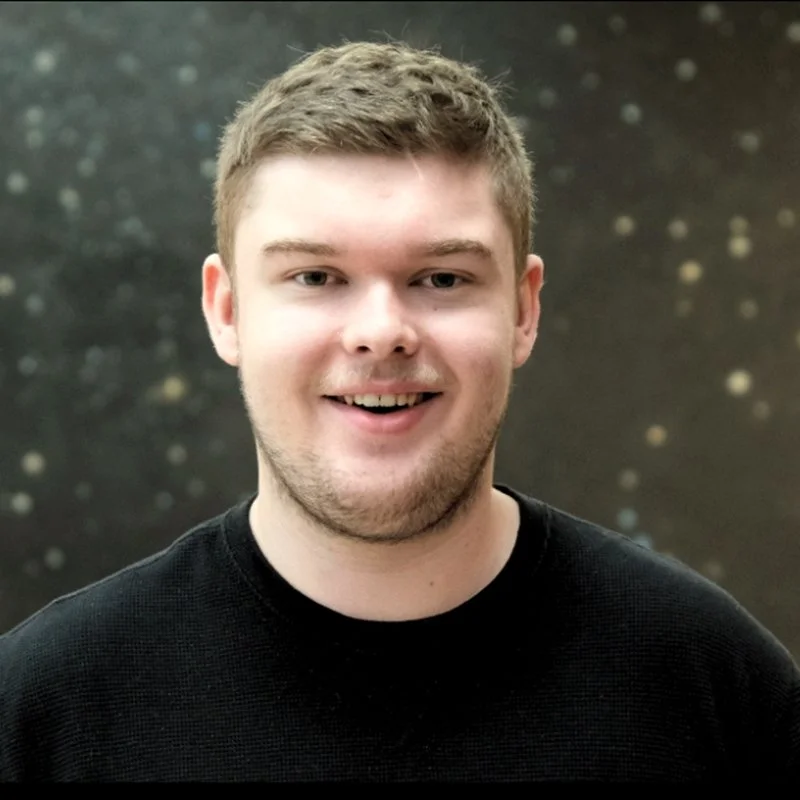
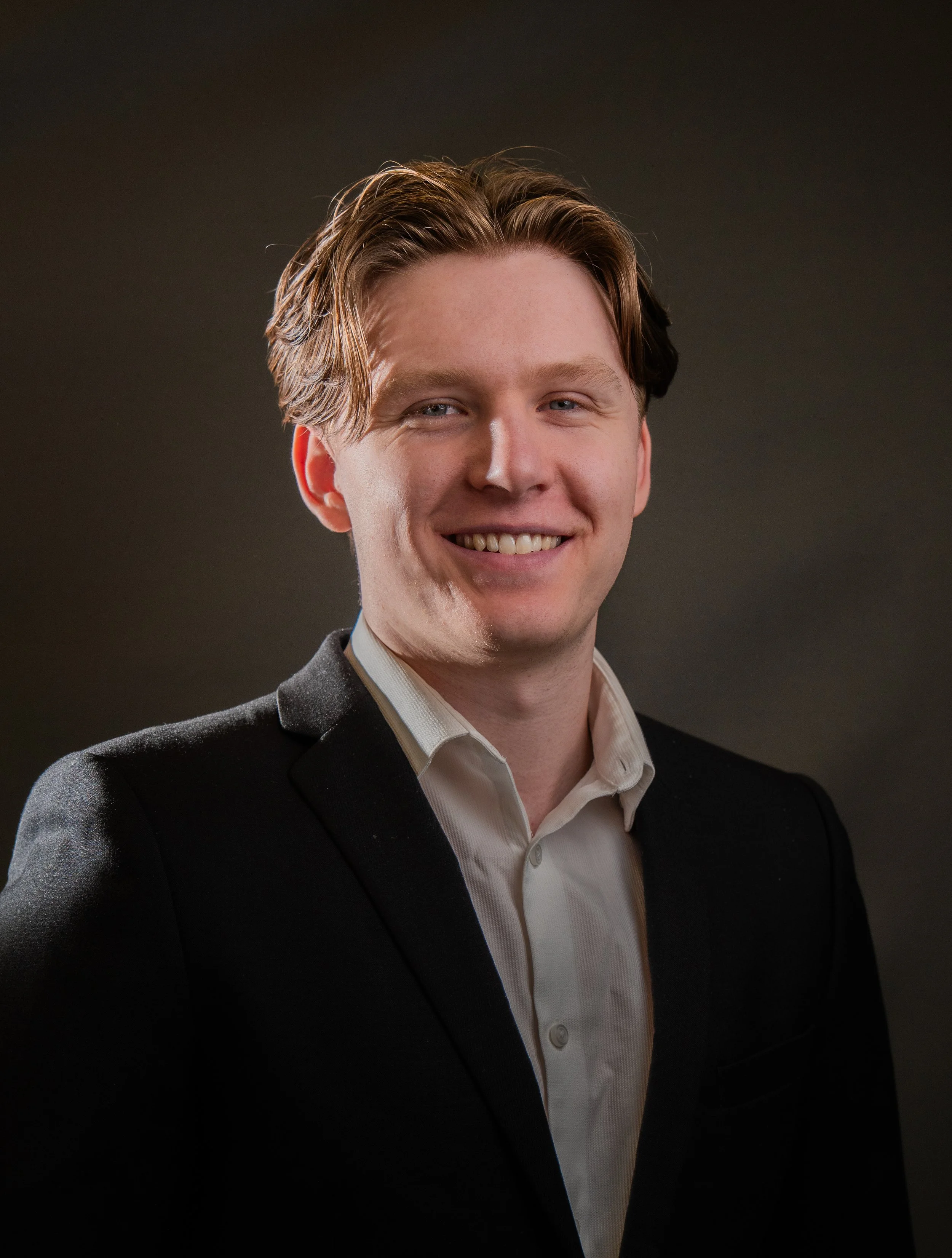
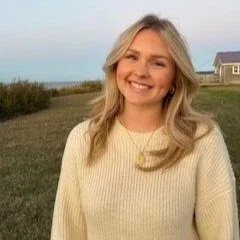
Noah is a young white man with blond hair. He wears a black sweater.

Noah Hemphill

Saint Mary’s student and Enactus Saint Mary's member Noah Hemphill is turning his passion for travel and entrepreneurship into a tech-driven solution designed to reshape how people explore new places.

Noah chose Saint Mary’s for its strong business reputation, supportive environment and the opportunity to experience a new city while staying connected to his home in Prince Edward Island. He also highlighted the value of the university’s highly accredited business program and the opportunities it provides, which made choosing the Bachelor of Commerce at Saint Mary’s an easy decision.

Now, as a student entrepreneur, Noah is building his venture LocalLink through Enactus SMU, with additional support from the Arthur L. Irving Entrepreneurship Centre. The project is a trip itinerary builder designed to create highly personalized travel experiences based on user preferences.

“LocalLink takes basic information about a user and asks a series of questions to build a hyper-personalized itinerary,” Noah explains. “Instead of only showing generic attractions you might find on TripAdvisor or Expedia, it highlights well-known destinations as well as hidden gems tailored to individual interests, budgets and preferences.”

Beyond curated itineraries, LocalLink is also being developed as an all-in-one travel platform. Users will eventually be able to book hotels, activities and flights directly through the site, keeping everything in one place and aligned with their personal budget and travel style.

His inspiration for LocalLink comes from years of hands-on experience in tourism. Having worked in the PEI tourism industry through his teen years, he noticed a consistent pattern: travellers often remember the lesser-known, unexpected experiences most, yet major platforms tend to prioritize larger, more established attractions.

Smaller businesses and unique experiences often get overlooked because they don’t have the same visibility. LocalLink is about changing that—helping people discover experiences they wouldn’t have otherwise considered, while also supporting small businesses.
— Noah Hemphill, SMU student and LocalLink founder

Noah and the LocalLink team recently won the Sobey Strategy Case Competition hosted by the SMU Accounting Society

As a member of Enactus SMU, Noah has also been inspired by the organization’s recent national and global success, which he sees as a reinforcement of his decision to study at Saint Mary’s. He credits the Enactus community with providing access to mentorship, resources and like-minded innovators who help strengthen his entrepreneurial journey.

Looking ahead, Hemphill sees strong alignment between his commerce studies and his venture. Skills learned in areas like data analytics and accounting are already being applied directly to LocalLink’s development.

“Everything I’m learning in my degree feeds back into my business,” he says. “It all connects.”

As LocalLink continues to grow, Noah is encouraging others to follow along on Instagram as the platform moves toward launch.

Interested in learning more about how entrepreneurship can blend with other areas of study? Explore programs and events at the Arthur L. Irving Entrepreneurship Centre.

New major in Sustainability Management launches at Saint Mary's

“Sustainability is a competitive advantage.” – Mary Barra, CEO General Motors

Environmental responsibility and equity are key career themes for today’s students. A new Sustainability Management major in the Sobey School of Business Bachelor of Commerce program will help students address real challenges, such as climate change, responsible resource use and social impact, through a business career. Students will learn how organizations balance environmental responsibility, community and societal well-being, and economic success.

The program includes courses like Sustainable Finance, Sustainability Accounting, Reporting and Assurance, Business Ethics and Responsibility, and Economics of Sustainability, as well as elective courses in Arts and Science. While the major is a standalone program, it has been specially designed to work well as a second major alongside other disciplines such as Finance, Management or Marketing.

The program will include important experiential learning elements that deepen a student’s understanding outside of the classroom, including opportunities to work hands-on with organizations on real sustainability challenges. Graduates may pursue careers in fields like responsible investing, corporate sustainability management, ESG analysis and sustainability consulting.

The new Sustainability Management major is a natural next step for the Sobey School, as our students and alumni have long demonstrated commitment to environmental and social sustainability, through building social enterprises like Square Roots; societies like Enactus, Women in Business and the new Sustainability Society; and through participating in national and international case competitions themed for ethics, responsible leadership and sustainability.

Commitment to sustainability

The Sobey School of Business is a signatory to PRME, a United Nations initiative. Its focus is ensuring that business schools equip future leaders with the skills needed to balance economic, social and environmental goals, with particular emphasis on the Sustainable Development Goals (SDGs). Sobey is a PRME Champion school, signalling a greater commitment and intention to be a thought leader in responsible leadership.

Our research centres focus on topics related to sustainability, including social entrepreneurship and impact, immigration economics, and co-operative businesses.

Saint Mary’s University has a reputation for environmental and social responsibility that is evident in everything from our research endeavours to our academic programs to many on-campus activities and initiatives. The new major joins a number of sustainability-focused undergraduate programs at the university.

VCIC sparks Atlantic venture capital ecosystem

Hosting international competition puts spotlight on Sobey School of Business

On March 6, Saint Mary’s University was proud to host the ninth annual VCIC Canada regional competition.

Ellen speaks in to a microphone at the event

Dr. Ellen Farrell. Photo: Katie Murray

“For me, this is a pinnacle in the competition landscape in Canada,” said Dr. Ellen Farrell, professor of management at the Sobey School of Business and VCIC organizer. “It’s international, it’s well-organized, it’s professional. We’re going into our 10th year. This is sparking the Atlantic VC ecosystem into national attention.”

VCIC is a layer cake

A Venture Capital Investment Competition (VCIC) is like a layer cake. From the top down, the three layers are entrepreneurs, students and judges.

High-performing founders are recruited to pitch to a group of students and VC judges for funding. The students, who compete as teams from across the country’s best universities, evaluate the founders. The third layer, the judges, are venture capitalists from eastern Canada, who then evaluate the student VCs.  

Over the course of one full day, the student teams participate in three events.  The student VC teams conduct due diligence with the founders, prepare a term sheet, and then defend their decision to the VC judges. 

At the VCIC Canada competition, the presenting entrepreneurs were six founders from across a range of startups:

This year’s undergraduate competition included teams from six universities across Canada, including the University of Guelph, University of New Brunswick, and the Lazaridis School of Business & Economics at Wilfred Laurier University. Acadia University ranked third in the competition, with University of Waterloo taking second and University of Alberta earning first place.

The graduate competition included teams from the University of New Brunswick and Dalhousie University, along with the third-place team from the University of Alberta, the second-place team from the Rotman School of Business at the University of Toronto, and the first-place team from the Smith School of Business at Queen’s University.

The Sobey School of Business was pleased to have three VCIC alumni among the 20 judges—Alejandro Sanchez-Avila from Deloitte, Kory Henn from RBCx, and Ugochi West from CEED. See the full list of judges’ profiles, along with competitor names at 2026 Undergraduate Canada (Sobey) – VCIC or 2026 MBA Canada (SMU Sobey) – VCIC.

Building the VC ecosystem in Canada

Organizing a VCIC is highly complex, with multiple stages and layers that need to be coordinated. A team of 15 volunteers supported the organizing committee in finding the right entrepreneurs and high-quality judges for the competition.

“The event is well-coordinated with our Master in Technology Entrepreneurship & Innovation (MTEI) degree program, where Venture Capital is the nexus of technology entrepreneurship and finance,” said Dr. Ellen Farrell.

Farrell sees the international Canada VCIC as integral to her longer-term vision of building the VC ecosystem in Canada and particularly in the Atlantic region. She describes the virtuous circle of benefits to all the types of participants: “The entrepreneurs are pitching in a room with venture capital professionals; the students practice their due diligence and analytical skills and can win prizes; and the judges get insight into innovative startups, plus an early look at potential new hires. Everyone is contributing to the VC ecosystem.”

A new tradition: Atlantic Sustainable Marketing Case Competition debuts at Saint Mary’s

The Sobey School of Business was buzzing as students from across Atlantic Canada gathered for the inaugural Atlantic Sustainable Marketing Case Competition (ASMCC).

Twelve undergraduate teams from Saint Mary’s University, Dalhousie University, the University of New Brunswick and the University of Prince Edward Island tackled real-world marketing challenges through a sustainability lens, with more than 80 students, faculty, judges, sponsors and volunteers participating.

From idea to reality

Katie and Chris welcome participants to the case competition

ASMCC started as a bold idea from student co-chairs Katie Murray and Chris Nemeskeri, aiming to give students hands-on experience solving real-world business challenges.

"I’m super proud of what Chris and I have built together from scratch," says Katie Murray. "Starting all of it was a learning curve, but it gave me so much experience for my future endeavours."

"Our goal was to create a platform for students to tackle real-world challenges through a sustainable and innovative lens," says Chris Nemeskeri.
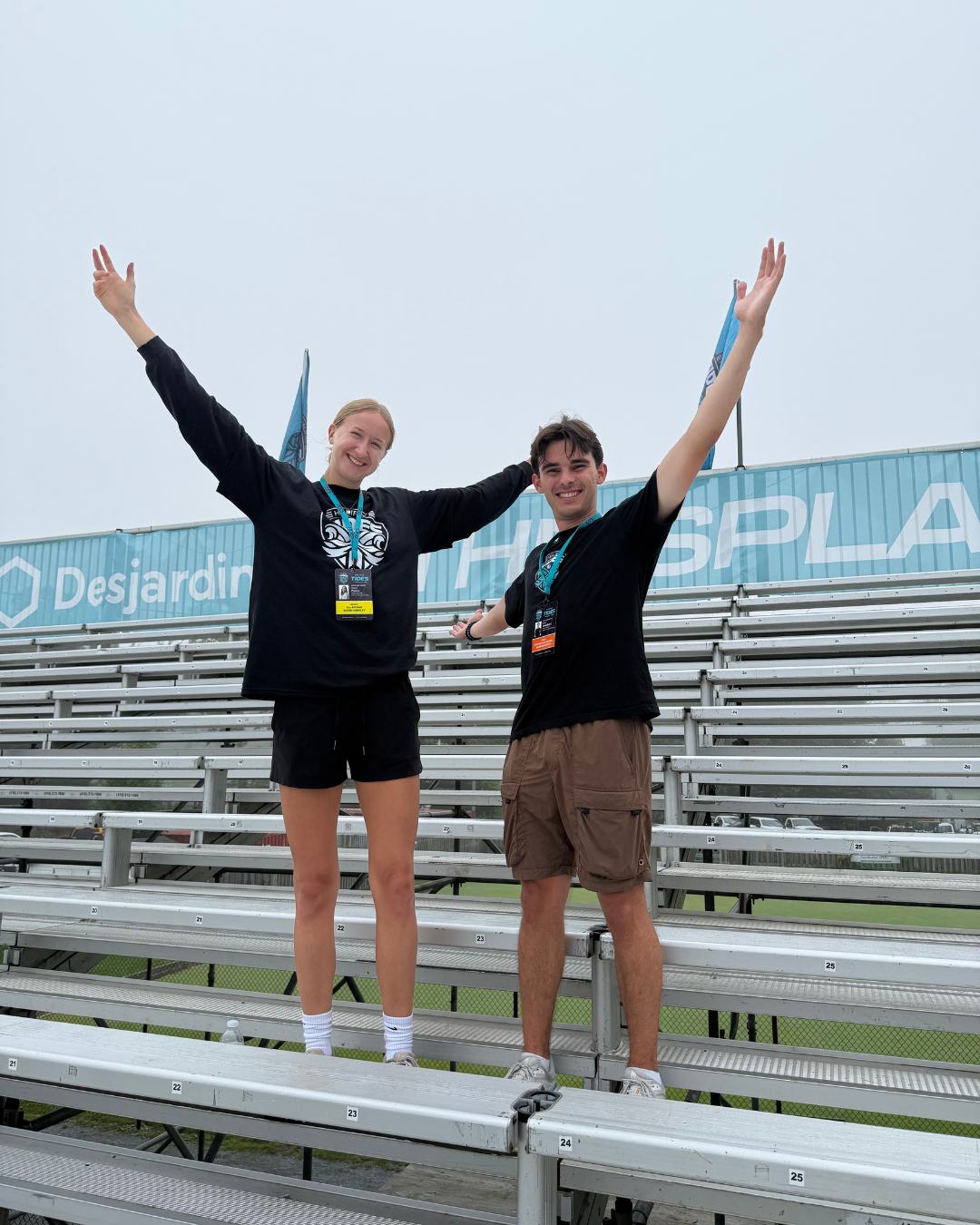
With support from advisor Dr. Hao Lu and Dean of the Sobey School Dr. Michel Delorme, the team managed everything—from branding and sponsorships to logistics—turning a student-led idea into a full-scale competition

The challenge

This year’s case partner, Sprout Dwellings, challenged teams to rethink their marketing strategy as the company transitioned from business-to-consumer to business-to-business marketing while expanding into larger developments.

Students had just three days to analyze the case, submit slide decks and present their solutions to a panel of judges. The case, designed by Jocelyn Grabke and Yanting Wu, has been submitted to the Sustainability Case Writing Awards through Ivey Publishing.

After preliminary rounds, six teams advanced to the finals, showcasing creativity, strategy and professionalism.

Top honours went to:

  • 1st Place – Saint Mary’s University: Vaishali Sachdeva, Trang Truong, Hazza Sujeer, Chloe Pobjoy-Ridolfo

  • 2nd Place – Dalhousie University: Ryan Ski, Jaime Mason, Naomi Johnston

  • 3rd Place – University of New Brunswick: Rahma Khanes, Domenica Vasco, Natalie Liscuna, Matthew Heans

Judges praised the level of preparation and insight. "The level of preparation and creative thinking was inspiring," said one judge.

Expanding sustainability in the Sobey School of Business

ASMCC highlights Saint Mary’s growing focus on sustainability and experiential learning. Building on the competition’s success, the Sobey School of Business will launch a new sustainability-focused major in Fall 2026.

The Sustainability Management Program will prepare students to integrate responsible practices throughout a business. Students will tackle real-world challenges, develop sustainable solutions and gain the skills to lead organizations with social and environmental impact in mind. Learn more here.

From Halifax to the Cayman Islands: Building a global career in accounting

Chase Gaudet BComm’19

After graduating from the Bachelor of Commerce in Accounting program at Saint Mary’s University in 2019, Chase Gaudet began his professional journey in Canada with BDO in Halifax. His academic experience provided a strong foundation in CPA-aligned competencies, including financial reporting, assurance, taxation and professional judgment, preparing him to navigate the early stages of his career with confidence. 

As his career progressed, Chase was motivated by the opportunity to gain international exposure and experience different business environments. In 2022, he moved to Deloitte in the Cayman Islands—a transition that has been both professionally and personally rewarding. 

In his current role as an Audit Manager, Chase manages audits for financial services clients, including hedge funds and private equity firms. His work involves coordinating cross-border engagements, reviewing complex accounting matters under US GAAP and IFRS, and ensuring compliance with local and international regulatory standards. 

Living and working in the Cayman Islands offers a dynamic and engaging lifestyle, with opportunities for networking, social events, and team-building that foster strong professional and personal connections. "The island’s year-round sunshine and vibrant expat community have made the experience especially rewarding. The proximity to Canada also allows me to easily travel home and stay connected with friends and family," says Chase. 

His advice to current students and new grads:

“Step outside your comfort zone and take advantage of opportunities that challenge you both professionally and personally.”

Saint Mary’s students earn recognition as 2026 Frank H. Sobey Award winners

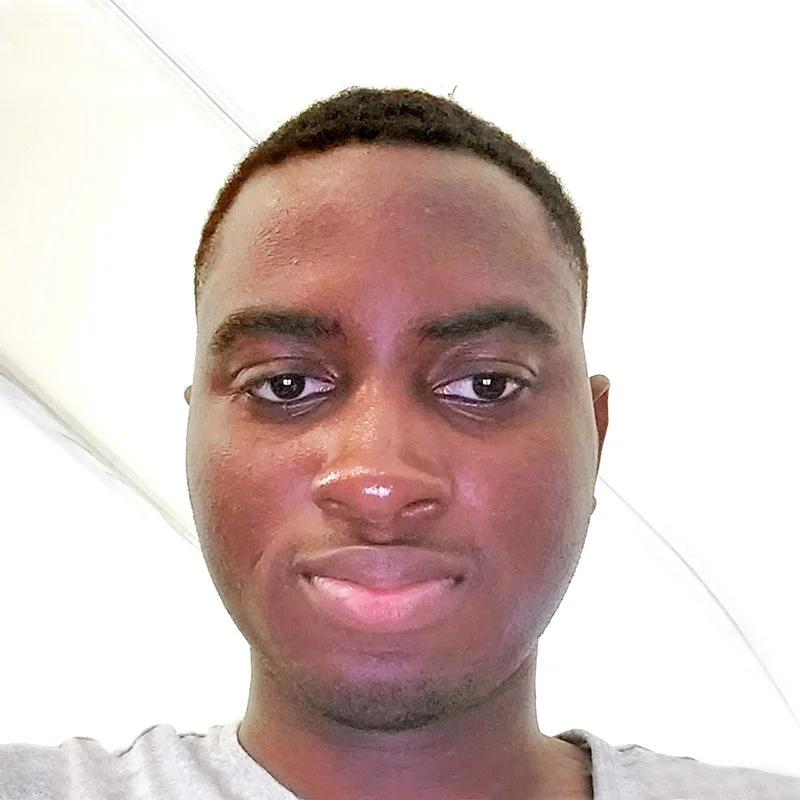
Olivian Sanderson

Conrad Scotchburn

Two students from Saint Mary's University have been named among the eight recipients of the prestigious Frank H. Sobey Awards for Excellence in Business Studies, recognizing their outstanding academic achievement, leadership, and commitment to community impact. 

Olivian Sanderson of Pugwash, Nova Scotia, a third-year student known for her strong academic performance and active engagement in the Saint Mary’s community, and Conrad Scotchburn of Dhahran, Saudi Arabia, a fourth-year student recognized for his leadership and commitment to excellence in business studies, are the University’s 2026 award recipients. Selected through a rigorous process, they were chosen from a competitive pool of 34 nominees put forward by business school deans across Atlantic Canada. 

Each year, the Frank H. Sobey Awards celebrate undergraduate business students who demonstrate excellence not only in academics but also in entrepreneurship, leadership, philanthropy and future career potential. This year’s cohort reflects a diverse and accomplished group of emerging leaders from across the region. 

As award recipients, they will each receive $50,000 and be paired with an experienced mentor through the program—an element consistently highlighted by past winners as one of the award’s most valuable aspects. 

Demonstrating leadership and peer support

During her time at Saint Mary’s, Olivian has been active in programs at the Arthur L. Irving Entrepreneurship Centre, including the award-winning Enactus team. This helped her create Sociable, an online community platform that helps students connect, get peer support and gain access to campus events. "The Frank H. Sobey Award gives me space and the resources needed to build my business or start other ventures that also contribute to the mission I have of helping young students," she said.

Conrad used his experience as a former varsity athlete and business student to create Sideline Reset, an app that connects student athletes with peers who share their unique mental health concerns. "Winning the Frank H. Sobey Award is an incredible honour and validation of the hard work I put in." Learn more about their businesses in the videos below.

In addition to the eight winners, 26 other finalists will receive $3,500 scholarships in recognition of their achievements. 

Established in 1989, the Frank H. Sobey Awards for Excellence in Business Studies support the development of future business leaders at universities across Atlantic Canada. Since its inception, the program has awarded more than $4 million to students. 

For Saint Mary’s, the recognition highlights the strength of its business students and their growing impact both locally and globally. 

Watch:

From Halifax to national policy: How Peter Mackenzie MAE’20 found his path in economics

Peter is a white man with short dark hair and a beard. He wears a business suit.

Peter MacKenzie graduated from the Master of Applied Economics program in the Sobey School of Business in 2020

When Peter Mackenzie MAE'20 first enrolled in the Master of Applied Economics program at Saint Mary's University, a PhD wasn’t part of the plan. Today, he’s helping shape national conversations on Canada’s economy as a Senior Policy Analyst at the C.D. Howe Institute—a journey he credits in large part to his time in Halifax.

“I honestly wasn’t sure exactly what I wanted to do after my undergraduate degree,” Mackenzie says. “But the MAE program stood out. It looked like a great opportunity to apply economics to real-world problems, and that really drew me in.”

Discovering a passion for economics

Originally from Ontario, Mackenzie came to Halifax for its strong academic reputation and the applied focus of the MAE program. What he found was something more transformative than expected.

“I liked economics before,” he explains, “but the program really deepened that interest. It got me to a point where I wanted to commit another five years to studying it.”

That decision led him to pursue a PhD at York University, specializing in econometrics, a field that combines statistical methods with economic theory to analyze data and inform policy decisions.

Learning by doing

A defining moment in Mackenzie’s academic journey came through his master’s thesis. This was the first time he led a full-scale research project from start to finish.

“That experience was huge,” he says. “Learning how to design research, analyze data and communicate findings clearly are skills I still rely on every day.”

Those skills carried him through his doctoral studies and into roles at institutions such as the Bank of Canada, where he worked as an economics PhD intern, and later into his current position at the C.D. Howe Institute.

Today, his work focuses on financial services research and economic analysis, including contributions to widely read commentary on Canada’s GDP performance and economic outlook.

Making sense of Canada’s economy

Mackenzie recently co-authored a piece examining Canada’s economic resilience in the face of global uncertainty. While many predicted a downturn, the economy proved more stable than expected.

“People were expecting a recession, and we didn’t see that,” he explains. “In some ways, the economy performed better than anticipated, but there’s still room for improvement.”

It’s this balance—combining data-driven analysis with real-world implications—that continues to motivate his work.

“One of the things I love about economics is how versatile it is,” he says. “You can apply it to almost any issue, especially when it comes to public policy.”

Advice for future economists

For current and prospective students, Mackenzie emphasizes both effort and genuine interest.

A group of 11 students sit together at a restaurant

Peter’s cohort in the Master of Applied Economics program

“Work hard, but also make sure you enjoy what you’re doing,” he advises. “The MAE program prepares you really well for careers in economics and public policy, but that passion is what carries you forward.”

Looking back, he credits not just the program, but the people and environment for shaping his path.

“The professors, my cohort, the city itself...it all contributed to an experience that really solidified my direction,” he says. “It’s a great place to study, and I’d highly recommend it.”

From uncertainty to impact, Peter Mackenzie’s journey is a testament to where curiosity, strong mentorship, and applied learning can lead—and how Saint Mary’s continues to prepare graduates to shape the world around them.

High school students explore leadership, AI and entrepreneurship in Saint Mary’s co-op

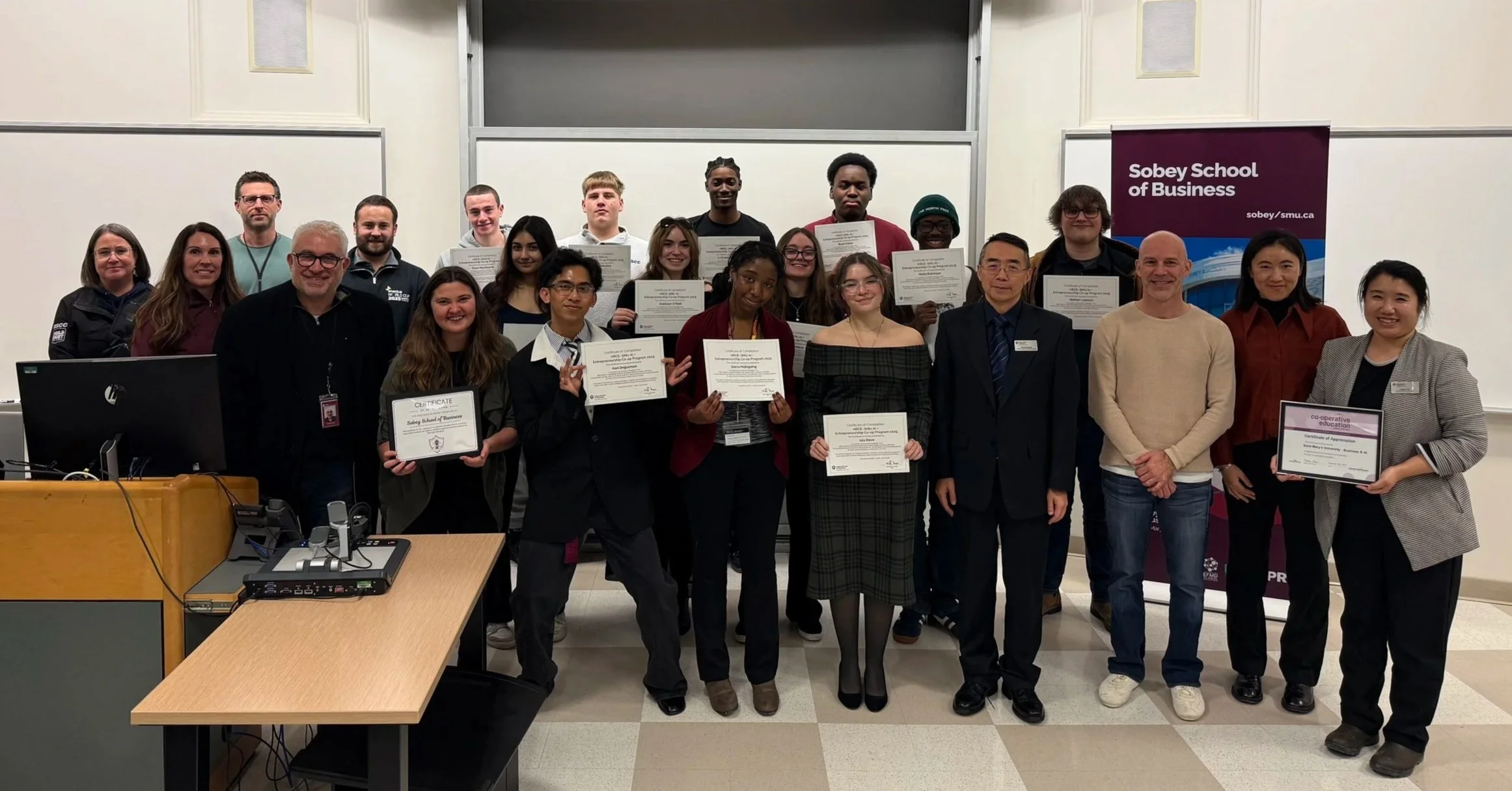
Last fall, Saint Mary’s University welcomed high school students from across the Halifax region to campus for a unique AI and Entrepreneurship High School Co-op Program, offering them early exposure to academic pathways, industry insights and hands-on learning opportunities at the Sobey School of Business.

Delivered in partnership with the local school board and more than 10 high schools, the program is designed to prepare students for the rapidly evolving AI space while introducing them to university life and post-secondary pathways.

As part of the experience, students participated in Leadership Day, which provided insights into leadership, innovation and emerging fields such as artificial intelligence and entrepreneurship.

A highlight of the program was a one-hour keynote and Q&A session led by Ben McDade, Investment Director with Invest Nova Scotia and a proud Sobey School of Business alum. McDade shared his insights from his career and discussed entrepreneurship fundamentals, offering students practical perspectives on innovation and leadership.

Throughout the program, students explored a wide range of topics including artificial intelligence, generative AI, data visualization and data analytics. Sessions were delivered by SMU professors, alumni and industry professionals, including a team lead from the Data Analytics Support Centre at the Department of National Defence.

One participant, Karl, credits the program with shaping his academic future. After receiving undergraduate offers from top Canadian institutions, including the University of Toronto’s Rotman School of Management and the University of British Columbia’s Sauder School of Business, Karl ultimately chose to pursue his undergraduate studies at the Sobey School of Business, influenced by his experience at the Saint Mary’s High School Co-op program.

Throughout the program, Karl earned credits applicable towards his future degree, gained early exposure to campus life and explored cutting-edge topics in AI and entrepreneurship.

Looking ahead, participating students will be invited to the Youth AI Pitch Competition in 2026, along with additional opportunities such as March Break camps, competition preparation programs and teaching assistant volunteer roles.


The next cohort of students recently began their High School Dual Credit Co-op at Saint Mary’s. This term, 20 local high school students will attend weekly on-campus sessions focused on AI and Data Analytics. The program is led by Dr. Michael Zhang and graduate students in the Master’s of Business Analytics program. Students will earn AI and Data Analytics career experience and attend sessions with various industry partners.