Media Release

Dr. Sam Veres appointed as Interim Provost and Vice-President, Academic & Research

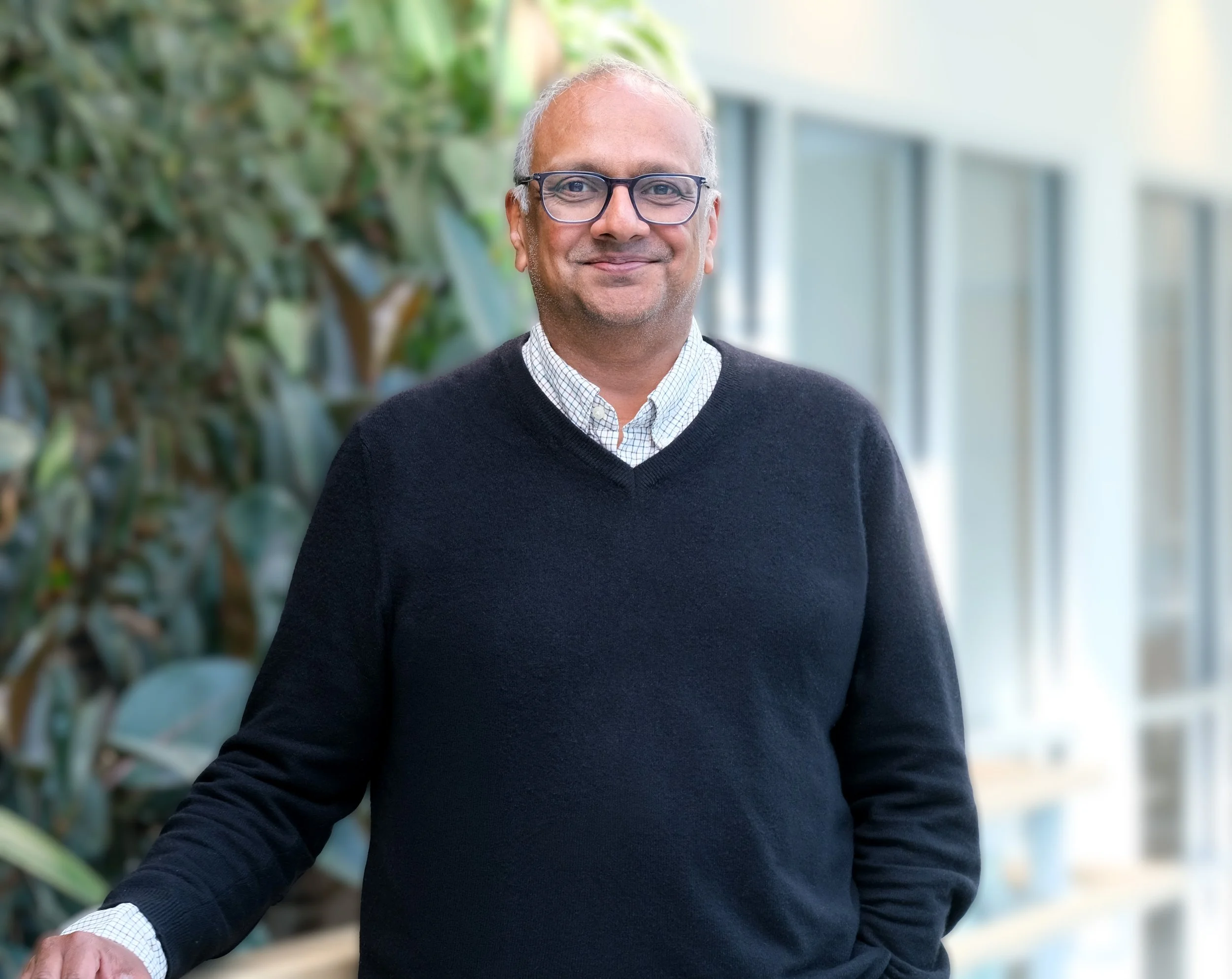
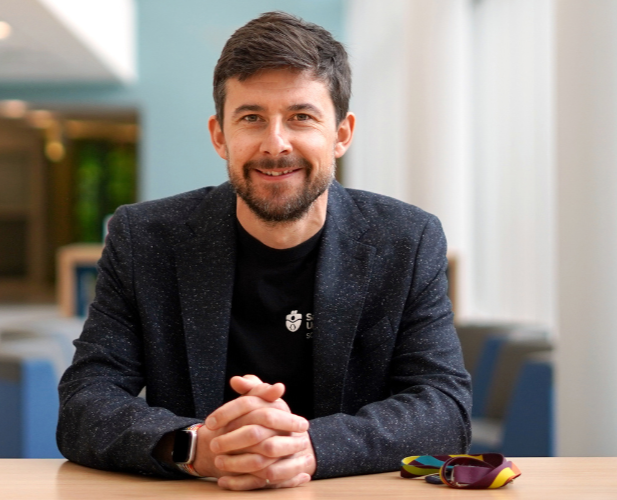
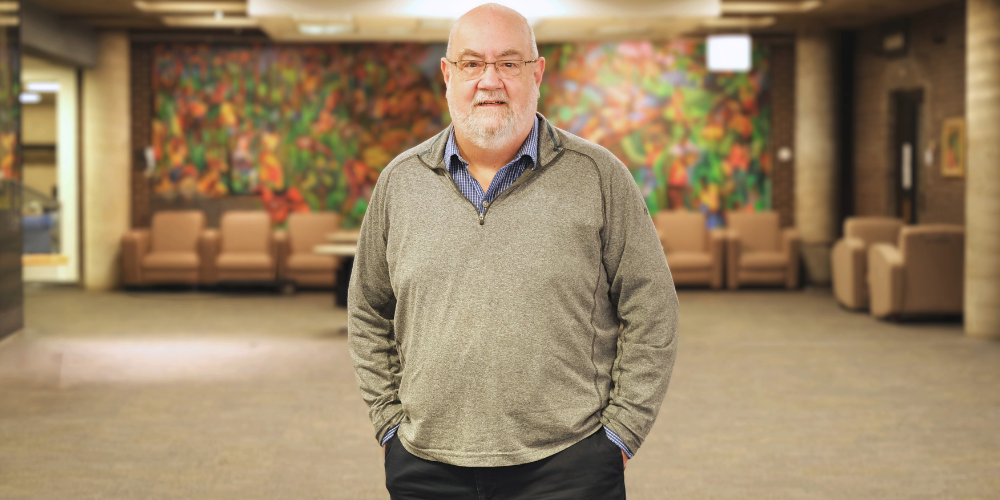
Dr. Sam Veres

Saint Mary’s University is pleased to announce the appointment of Dr. Sam Veres as Interim Provost and Vice-President, Academic & Research. Dr. Veres is a deeply respected leader within the Saint Mary’s community, bringing extensive administrative experience, thorough institutional knowledge, and a steadfast commitment to academic excellence. 

“I look forward to working closely with Dr. Veres,” says Michael Khan, President and Vice-Chancellor. “With strong leadership, a talented community, and a shared commitment to growth and success, we are well positioned to build on our strengths and seize the opportunities ahead.” 

Dr. Veres has been a part of the Saint Mary’s University community since joining the faculty in 2013. Prior to taking on the role of Interim Provost, he served with distinction as the Dean of the Faculty of Science, as well as an Associate Dean and a professor within the Division of Engineering. 

A professional engineer (P.Eng.) and a Full Professor, Dr. Veres is also an accomplished researcher in the field of biomedical engineering, leading multidisciplinary studies that combine engineering, physics, chemistry, biology, and medicine to study the mechanics and structure of load-bearing tissues and biomaterials. His notable scientific contributions include winning the prestigious International Society for the Study of the Lumbar Spine (ISSLS) Prize three times, most recently in 2020. 

Dr. Veres began his role as Interim Provost and Vice-President, Academic and Research, on July 8, 2026.

Designed for dignity: Saint Mary's expands accessibility in Patrick Power Library

At first glance, a washroom may seem like an unexpected place to start a conversation about belonging. For some, access to the right washroom is the difference between participating fully in university life and planning around what a space can or cannot provide.

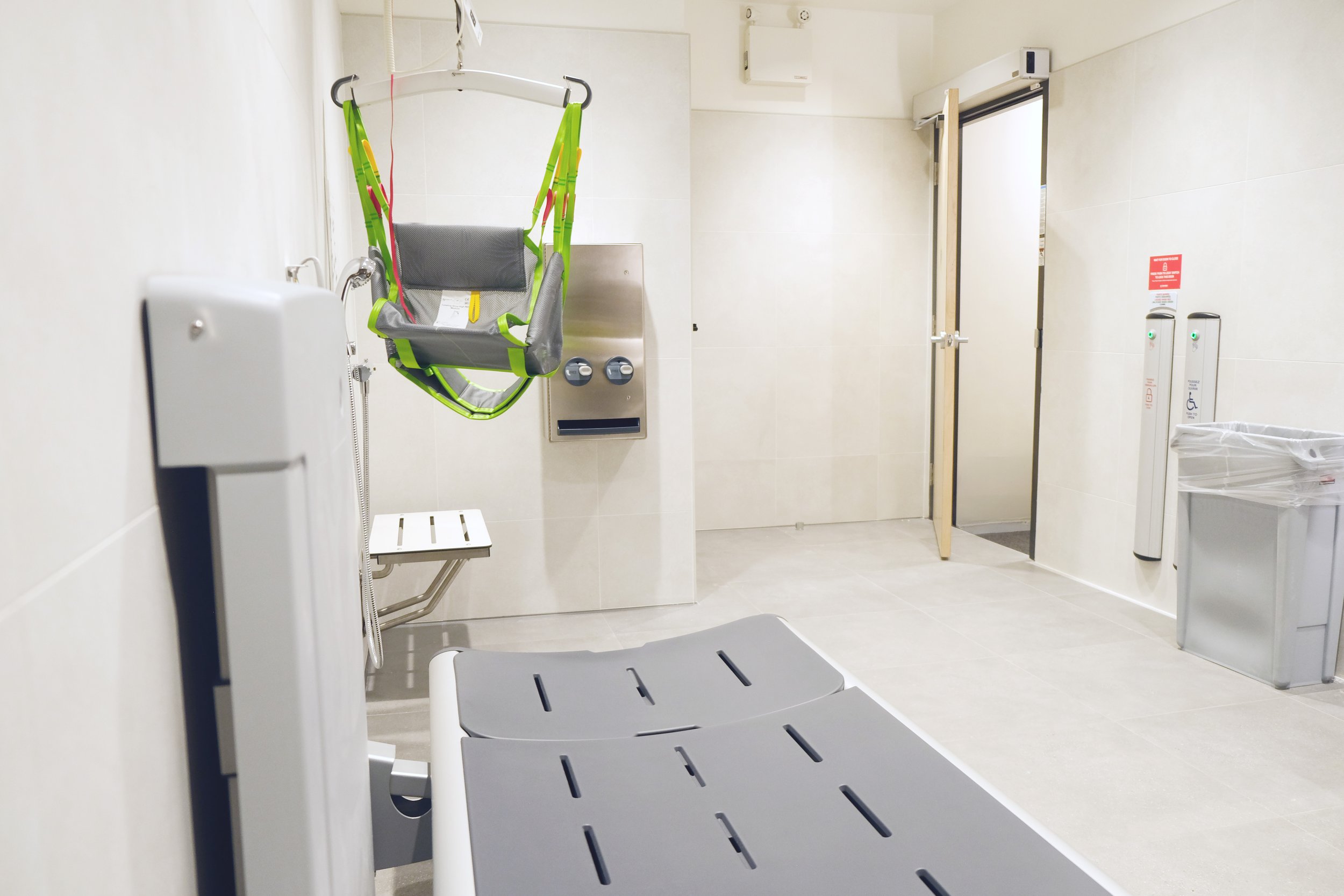
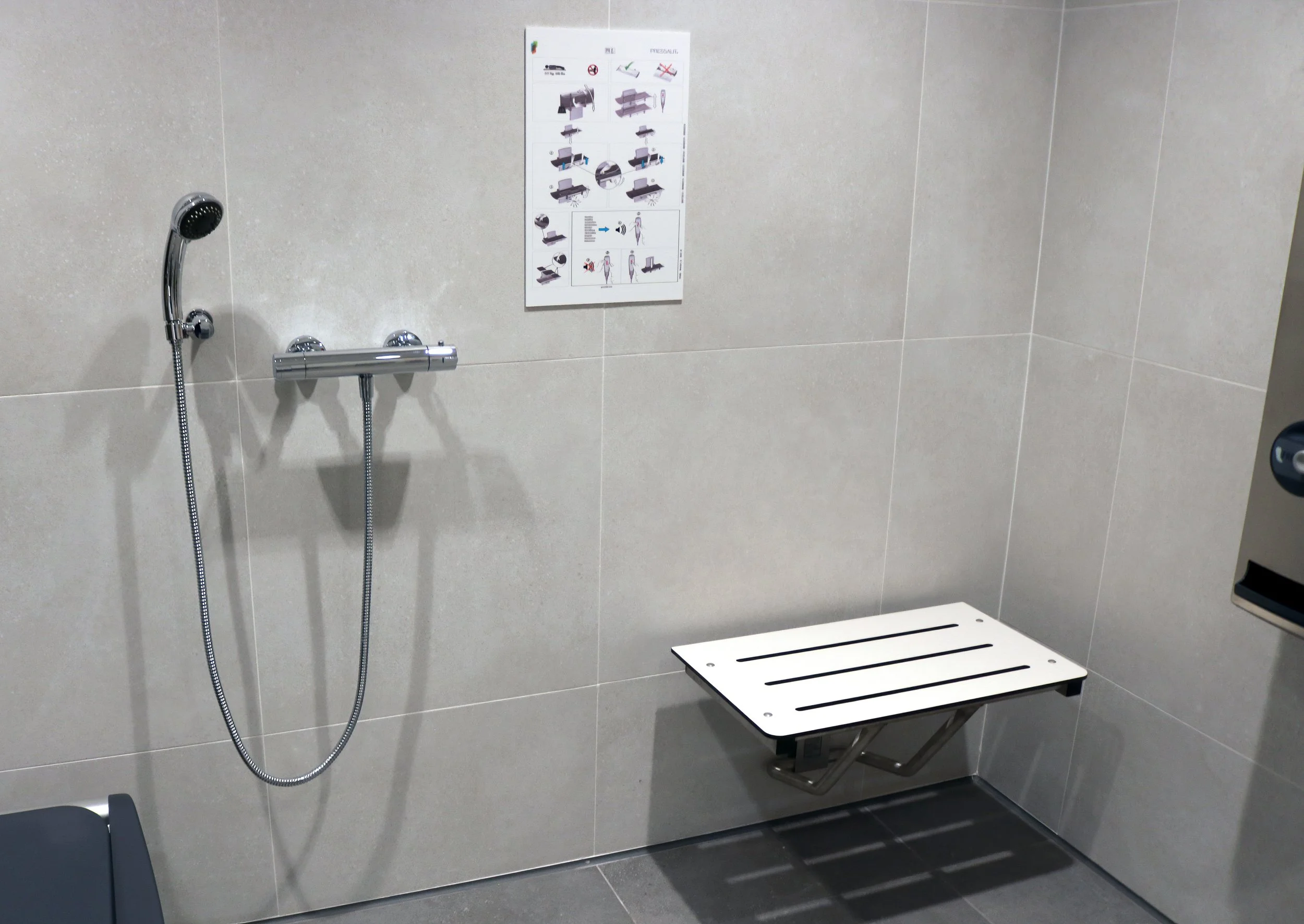
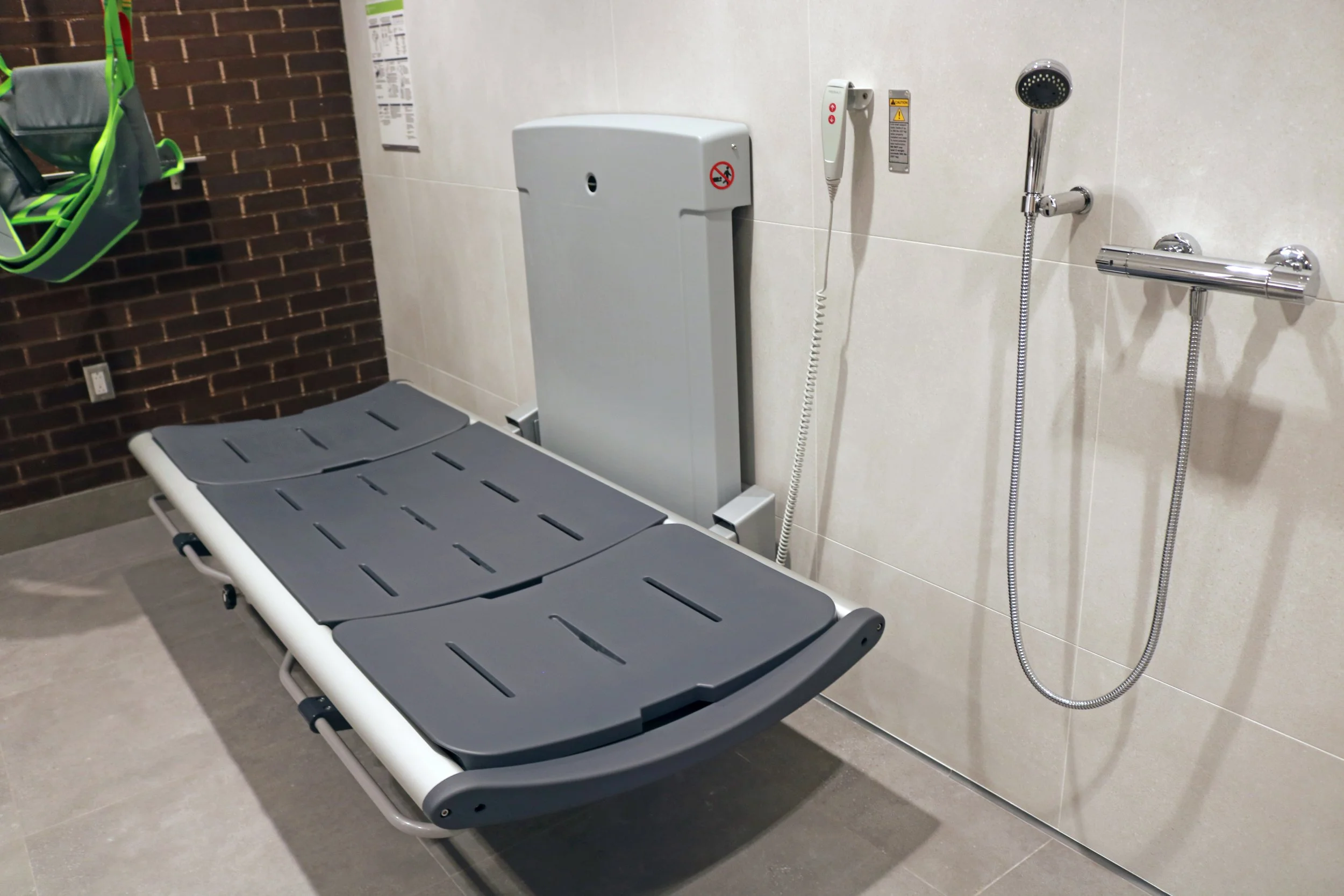
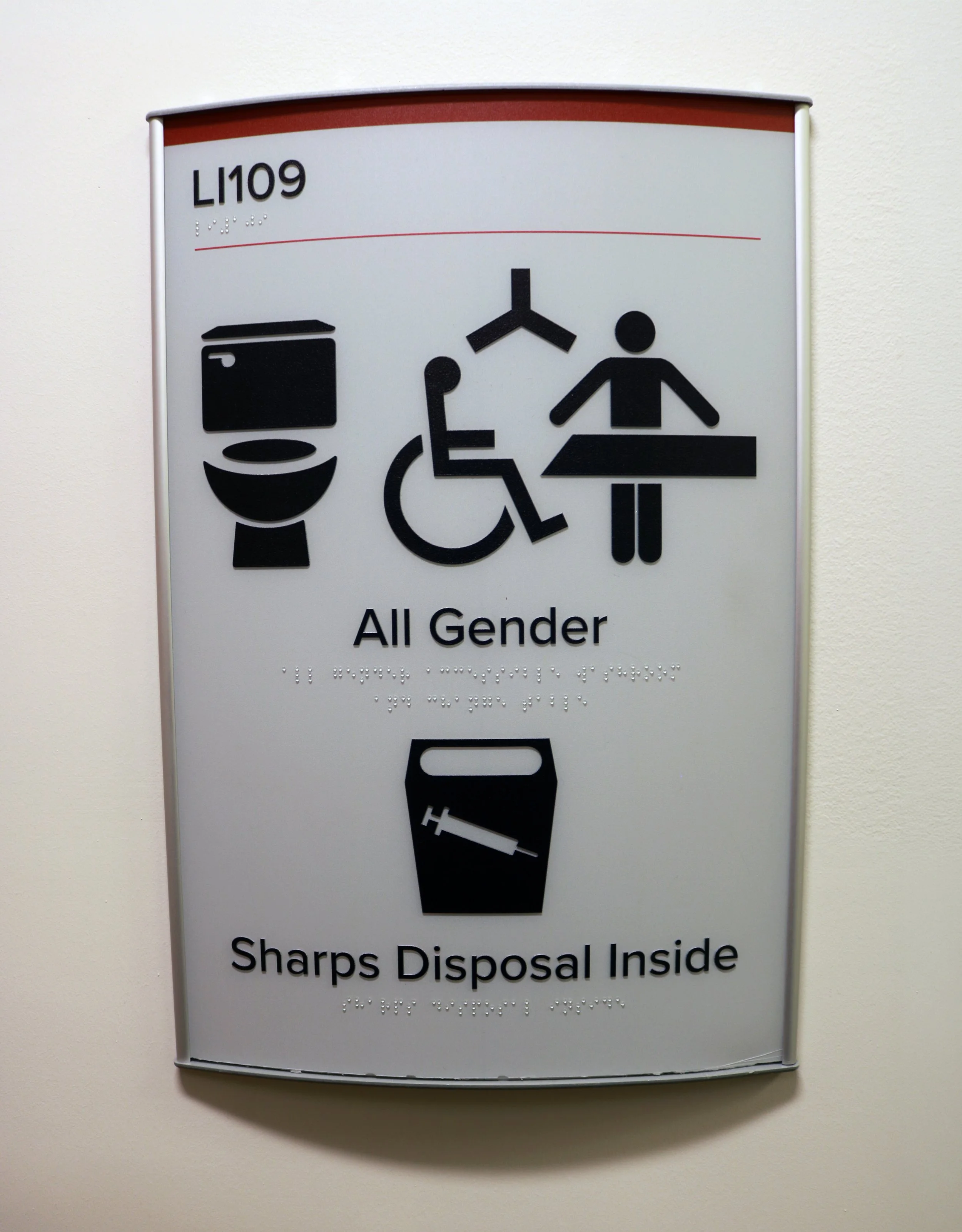
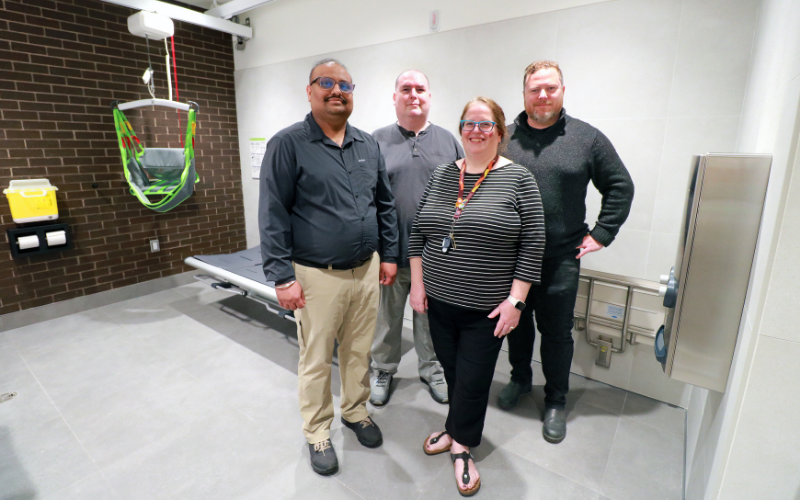
Saint Mary's University's new universal washroom in the Patrick Power Library was built with that reality front and centre. Designed to support a wide range of mobility and personal care needs, the space includes a ceiling lift, an adult-sized change table, accessible fixtures, room for power wheelchairs and mobility devices, and choices in lighting, materials, signage and acoustics intended to make the room genuinely welcoming.

It started with a single question asked in 2018, when a parent reached out to ask whether the campus had a washroom equipped with both a ceiling lift and an adult-sized change table. Saint Mary's was able to add a lift to the accessible washroom on the third floor of the Student Centre, but the room could not accommodate a change table. That gap became a turning point. It showed that accessibility is not only about meeting a minimum standard. It is about understanding what people need to move through campus with independence and confidence.

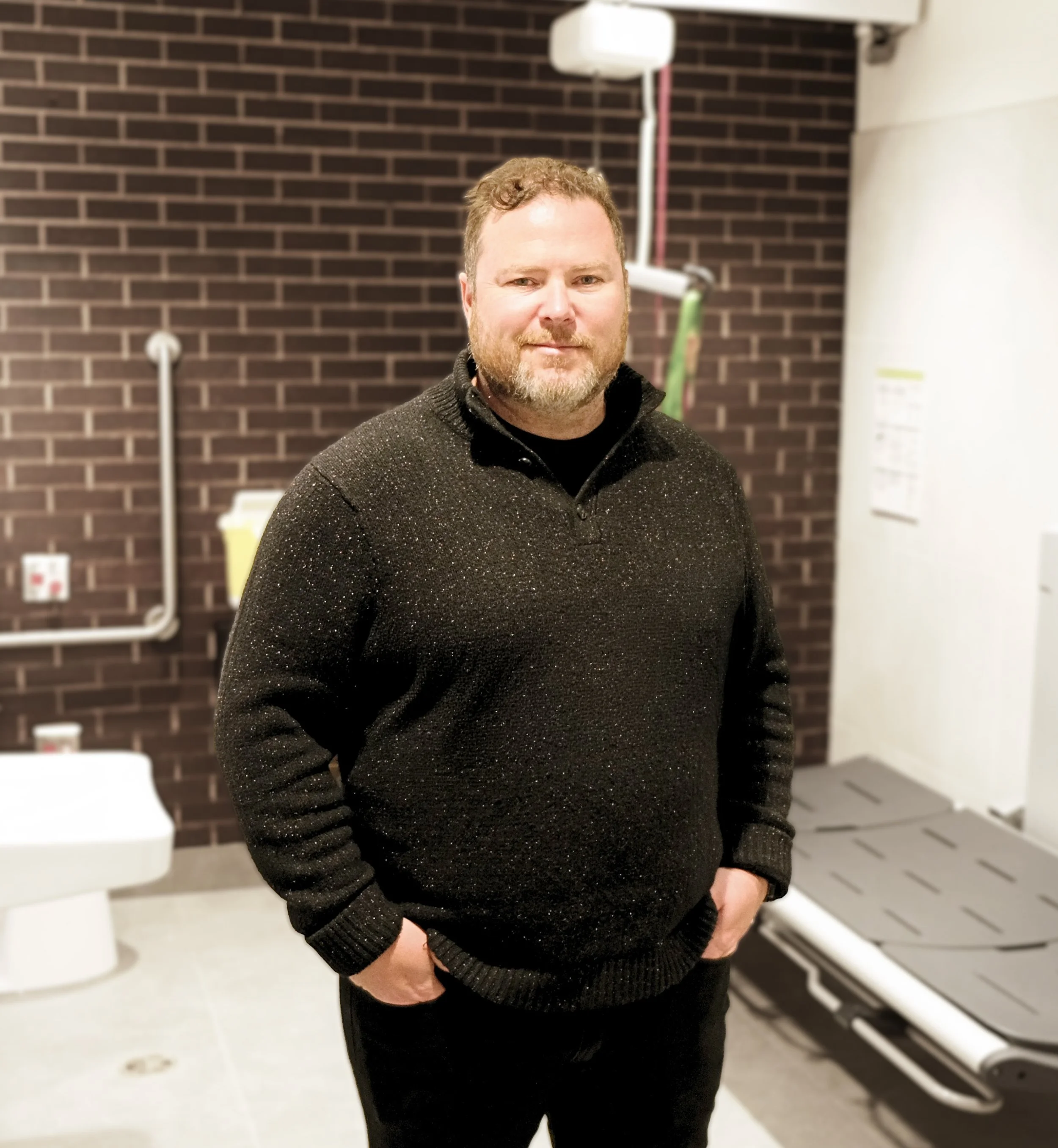
Project architect Glen Nicholson

"Universal design asks us to think beyond code compliance and consider the lived experience of the person using the space," says Glen Nicholson, project architect. "The best accessibility design should not feel exceptional to the user. It should simply feel like the building anticipated them."

The next step was finding the right location. Saint Mary's conducted a campus-wide review that examined at least 10 possible sites. The criteria were uncompromising: a large enough footprint, an accessible corridor, room for a lift and change table, space for mobility devices, and a location that would not reduce the number of available washroom stalls elsewhere on campus.

“We had to think carefully about how the space would function for the people using it, not just whether we could fit the required equipment into a room,” says Dennis Gillis, Senior Director of Facilities Management. “The Patrick Power Library emerged as the best option because it met the accessibility requirements while placing the washroom in one of the most central and frequently used spaces on campus.”

That last detail matters. A universal washroom tucked into a remote wing can technically satisfy a requirement. It does not offer the same welcome, visibility or message.

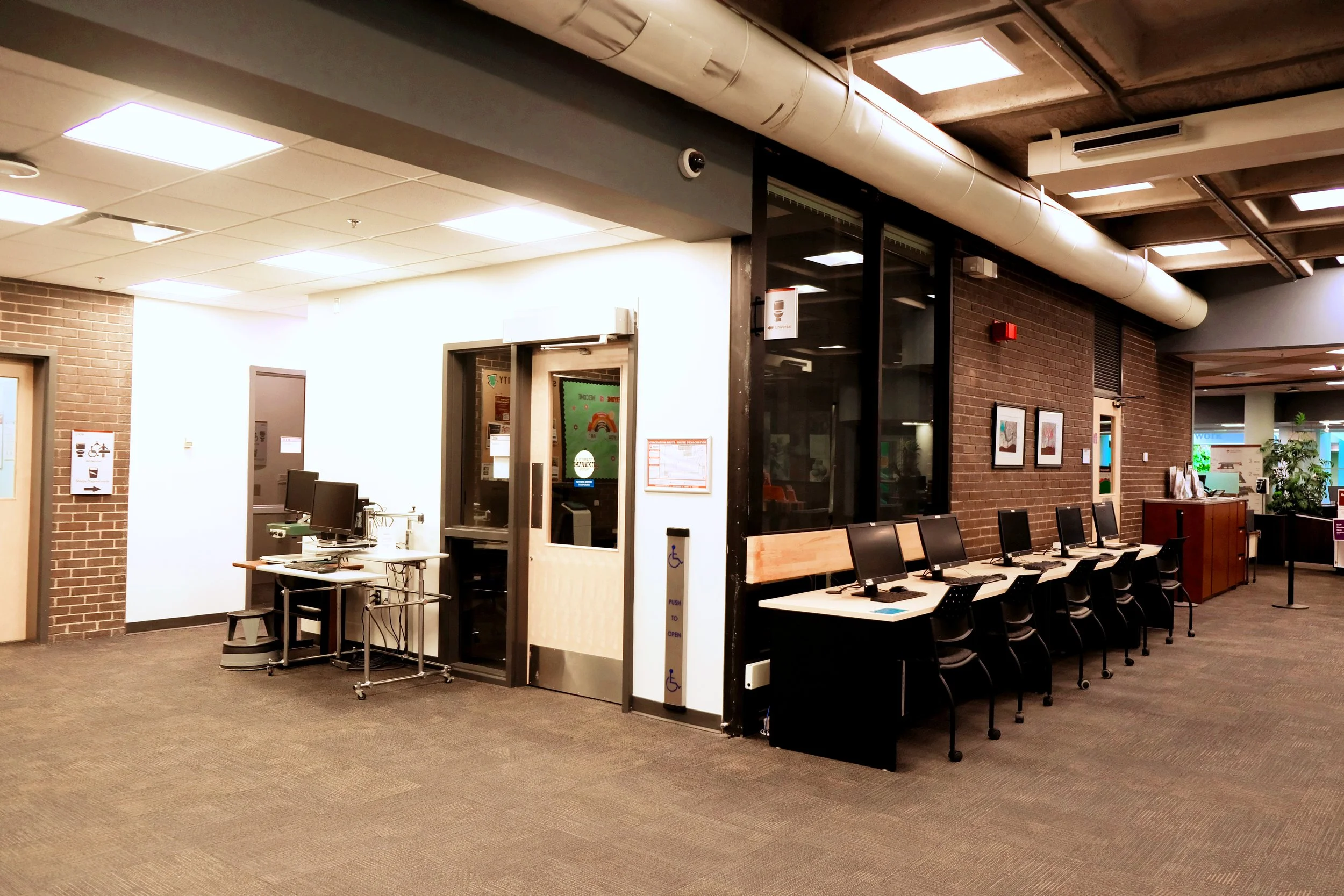
The new universal washroom is located on the first floor of the Patrick Power Library

“Libraries are spaces intended to serve everyone,” says Suzanne van den Hoogen, Dean, University Library and Archives. “Supporting this project was a natural extension of that commitment. By locating the universal washroom in the Library, we're helping to ensure that one of the most frequently used spaces on campus is also one of the most welcoming and inclusive.”

The project is supported by funding from the Nova Scotia Access-Ability Grant and the Government of Canada, supporting features that remain uncommon across regional post-secondary institutions.

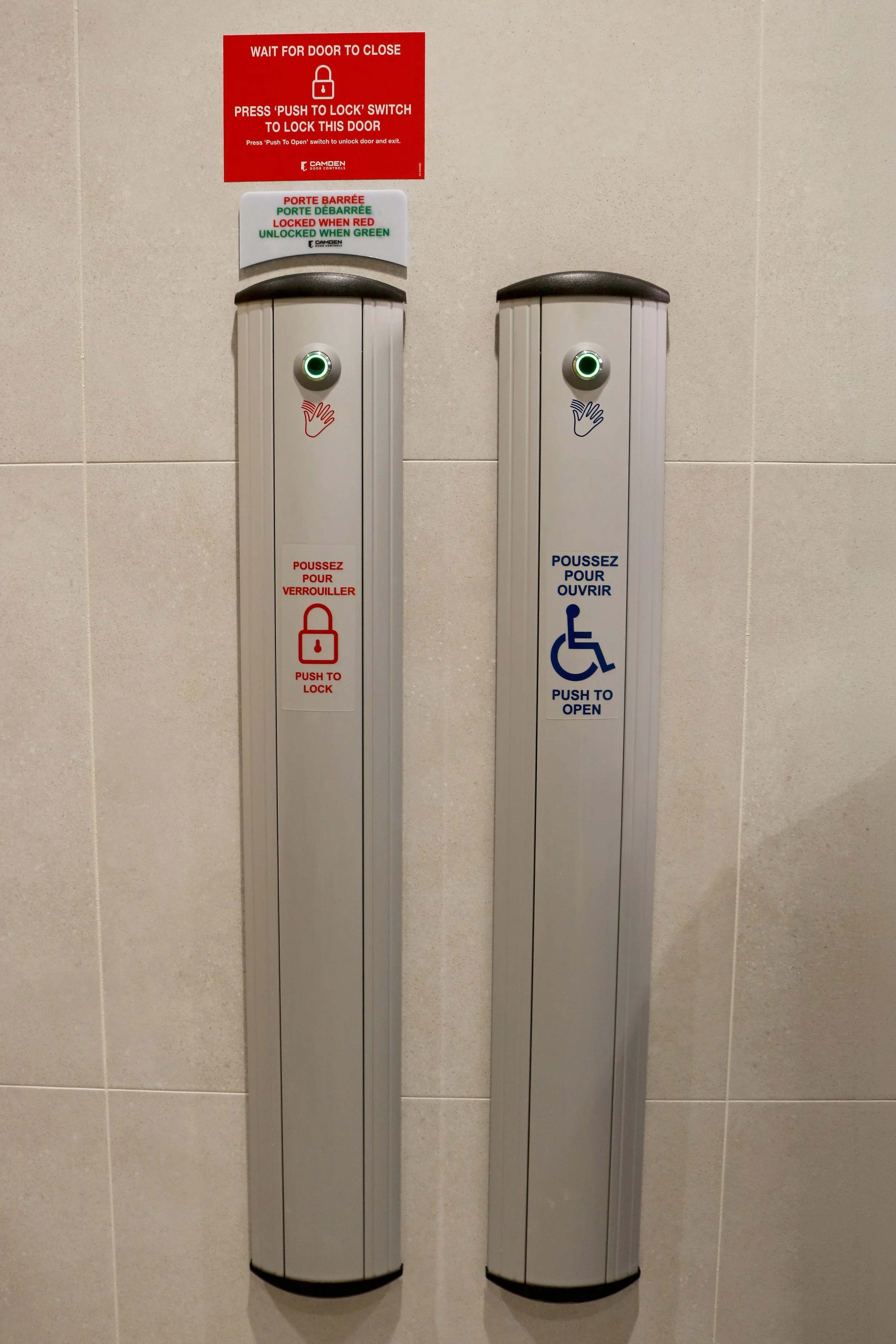
Inside the room, the details tell their own story. High-impact illuminated signage helps people identify the space. Contrasting finishes support visual navigation. Balanced task and ambient LED lighting reduces eye strain. Acoustic treatments provide privacy and discretion. A clear occupancy indicator removes the uncertainty of a locked door, while an emergency pull station connects to Campus Security and the Library service desk.

None of these features are flashy. Together, they communicate something important: that the people who will use this room were thought about, specifically and seriously, before the first wall went up.

For Kate McHugh, Manager of Student Accessibility and the Fred Smithers Centre, that kind of intentionality is invaluable. "Accessibility cannot live in one office or one service. The Fred Smithers Centre for Student Accessibility supports students directly, but the larger goal is a campus where accessibility is considered everywhere—in classrooms, common spaces, technology, events and washrooms. When the built environment removes barriers, people do not have to spend their energy negotiating access. They can spend it learning, working, connecting and belonging."

Saint Mary's is building this work within the broader context of the Nova Scotia Accessibility Act, which sets a goal of an accessible province by 2030. The university's Accessibility Framework will help guide continued efforts to identify, remove and prevent barriers across campus.

A single well-designed washroom is not the finish line. It is evidence that the work is moving in the right direction. The universal washroom supports students, employees, visitors and community members who come to campus for classes, events, research, meetings or simply to spend time in a public university space. It is one more example of architecture with intention at Saint Mary’s University.  

Dr. Carrie Dawson appointed Dean of Arts at Saint Mary’s University

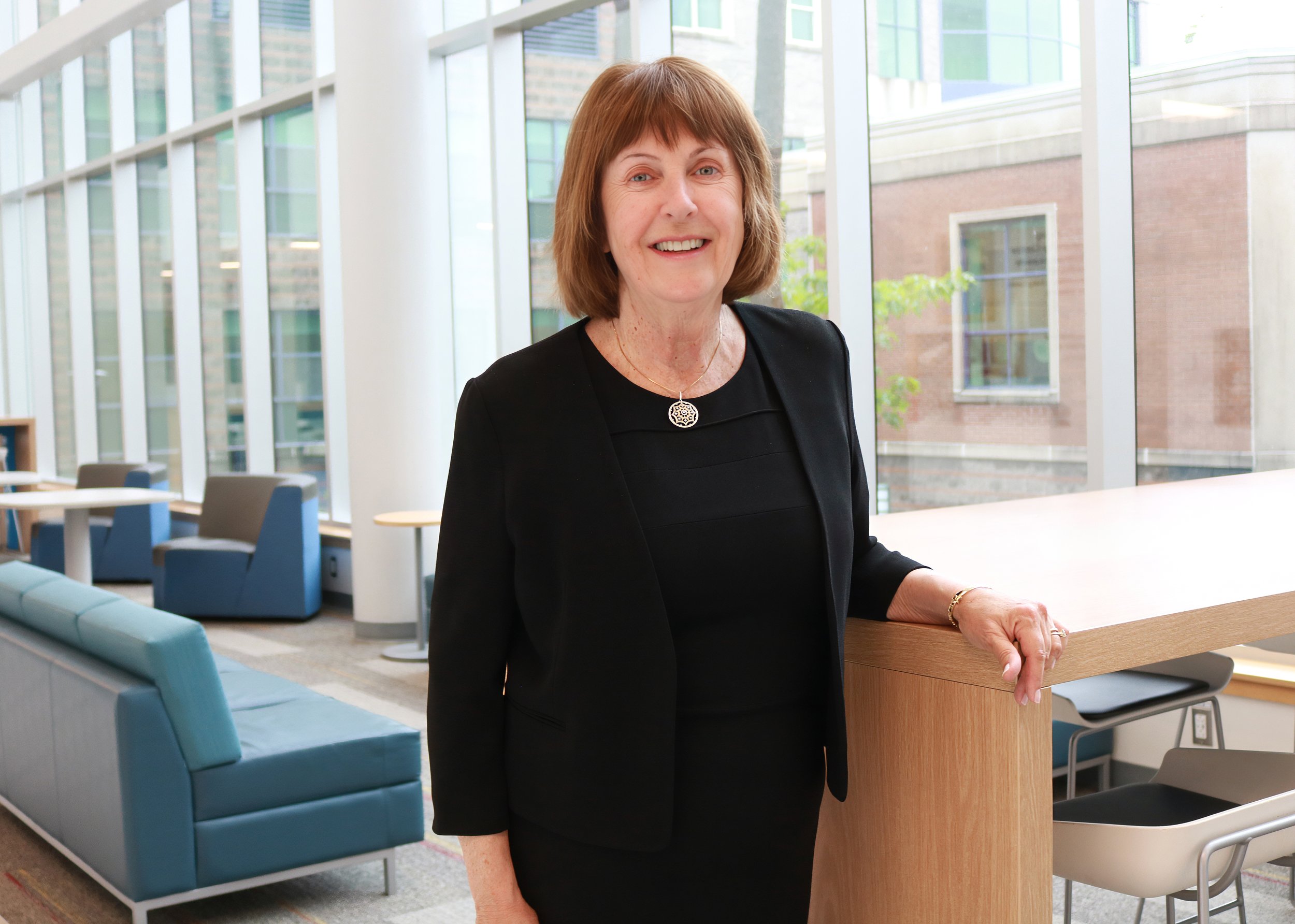
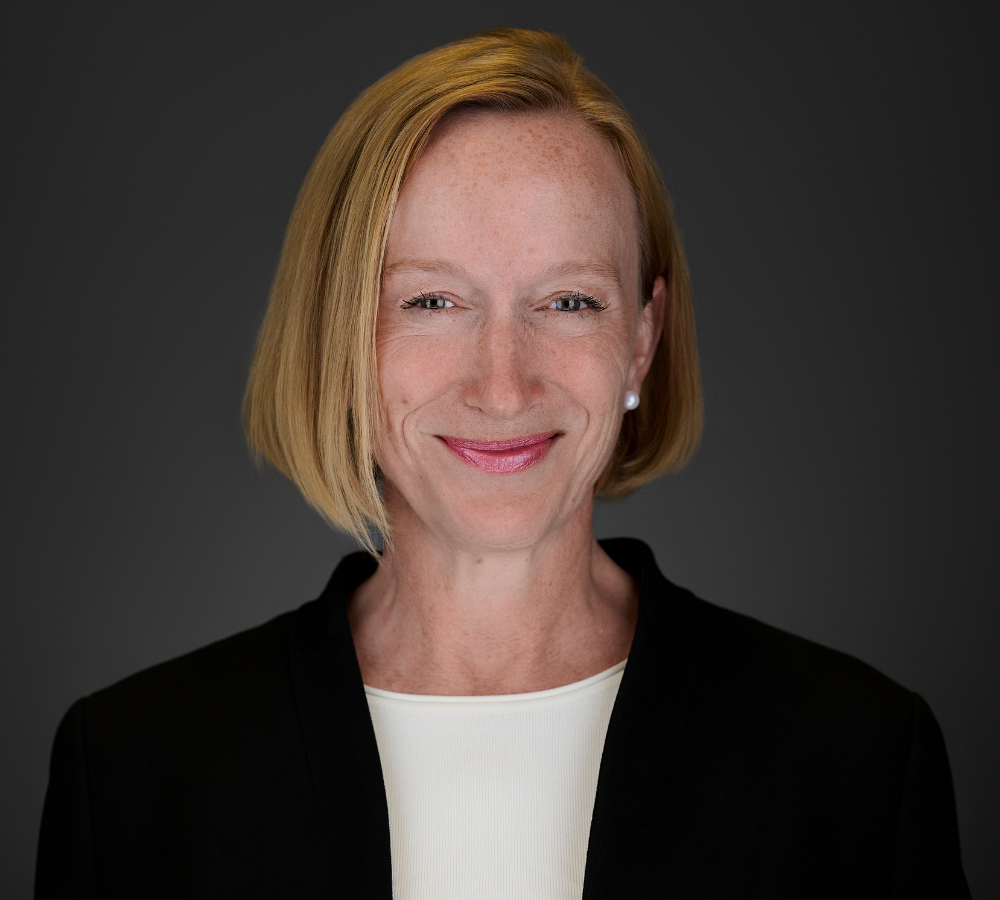
Carrie is a white woman with a blond chin length haircut

Dr. Carrie Dawson will assume the role of Dean of Arts on September 1, 2026

Saint Mary’s University is pleased to announce the appointment of Dr. Carrie Dawson as Dean of Arts. In this role, Dr. Dawson will provide strategic leadership for the Faculty, advancing its academic vision and mission while supporting excellence in teaching, research, and community engagement. She will oversee academic planning, faculty development, operational priorities, and serve as a strong advocate for the arts within the university and broader community. 

Dr. Dawson brings more than 25 years of experience in higher education, including seven years as Dean of Arts and Science at Mount Saint Vincent University, where she led a diverse faculty of more than 70 full-time members across multiple departments and interdisciplinary programs. She has extensive experience in academic governance, collective bargaining, strategic enrolment planning, and university-wide leadership initiatives. 

Throughout her career, Dr. Dawson has demonstrated a strong commitment to building inclusive, community-engaged academic environments. She has led major program development initiatives, advanced experiential learning opportunities, and strengthened partnerships with community organizations and Indigenous communities. Her accomplishments include securing significant philanthropic support for scholarships and fellowships, guiding curricular renewal across departments, and leading strategic responses to sector-wide challenges such as digital transformation and evolving student needs. 

“I would like to thank the search committee for their tremendous work throughout the search process. Dr. Dawson is a thoughtful and strategic leader who brings a deep commitment to inclusive excellence and community engagement,” says President and Vice-Chancellor, Dr. Michael Khan. “Her collaborative approach, strong academic leadership, and proven ability to navigate complex environments make her exceptionally well positioned to lead the Faculty of Arts at Saint Mary’s University.” 

An accomplished scholar of English literature, Dr. Dawson holds a PhD from the University of Queensland, along with degrees from the University of Sussex and the University of British Columbia. She is widely recognized for her research contributions, extensive academic service, and leadership in equity, diversity, inclusion, and accessibility initiatives. Her professional certifications include training in leadership development, advancement, and mental health first aid, reflecting her holistic approach to academic leadership. 

“I have long admired Saint Mary’s University’s commitment to international education, community-engaged learning, and inclusive excellence,” says Dr. Dawson. “I am excited to join a university that brings together strong academic programming with a clear sense of public purpose. I look forward to working collaboratively with faculty, staff, students, and community partners to support a vibrant, forward-looking Faculty of Arts.” 

Saint Mary’s University would like to extend its gratitude to the search committee for their time spent working with KBRS Executive Search on this critical hire. Dr. Dawson will begin her appointment on September 1, 2026. 

From card catalogues to AI: Peter Webster named Saint Mary’s University’s first Librarian Emeritus

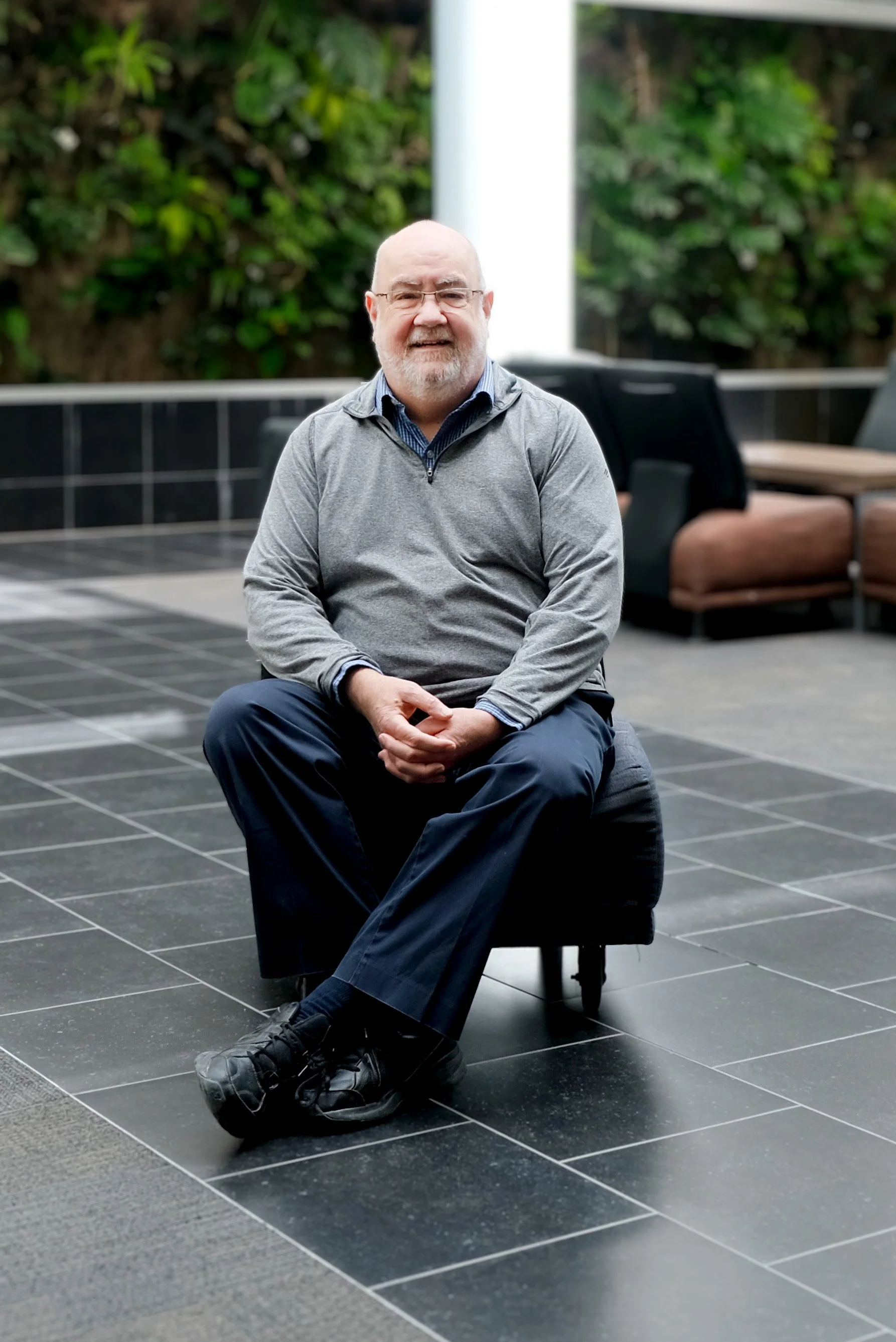
Peter Webster

Saint Mary’s is pleased to honour a distinguished career in library and information science with the naming of Peter Webster as its first-ever Librarian Emeritus. The title will be officially conferred at the Spring Convocation Ceremonies in May 2026. 

Webster is being recognized for a 32-year career defined by leadership and a lasting impact on the scholarly and research landscape at Saint Mary’s and beyond.   

“I can think of no one more deserving,” said Suzanne van den Hoogen, Dean, University Library and Archives, in a formal recommendation brought forward by the librarians and managers of the Patrick Power Library, citing Webster’s decades of service and national leadership in the field.  

With a special interest in technology, Webster played a central role in building powerful digital systems and collaborative networks for sharing and accessing academic research, while helping generations of scholars navigate an increasingly complex information environment. 

A transformational career 

Webster “fell into” library work when he took a job as a clerk at a city public library. “I loved the public service work and turned out to be good at working with technology,” he says, a combination that led him to pursue his MLS and would define the course of his career. 

Webster joined Saint Mary’s in 1993 as Information Technology Services Librarian and later served as Associate University Librarian from 2010 to 2023, as well as Acting University Librarian during key periods of transition. 

During his time at Saint Mary’s, he was instrumental in guiding the Patrick Power Library through one of the most significant periods of change in academic publishing and information access. From early work in electronic resource management to more recent leadership on artificial intelligence and scholarly search, Webster has been widely recognized as an expert in library systems, digital infrastructure, and information access. 

“It is an understatement to say that Peter’s career has spanned a period of massive change,” says Hansel Cook, Associate Dean, Library Strategy, Planning and Assessment. “Throughout it all, he has been at the forefront. With 35 published journal articles, book chapters, and other works, Peter’s impact has been spread to professionals, students, and academics around the world.”  

Expanding access to knowledge 

During his career, Webster witnessed firsthand the huge shift from primarily print collections to digital environments and was deeply involved in helping academic libraries make this transition. 

“There has been a remarkable transformation in scholarly information in my time,” says Webster. “The move from paper journals to almost exclusively online publishing, from on-site to almost constant 24/7 online access, and the sheer increase in information access have had enormous impacts.” 

Webster’s work has been central to expanding access to scholarly resources at Saint Mary’s. Through regional and national licensing agreements and collaborations, the number of journals, ebooks, and research materials available to Saint Mary’s scholars has grown exponentially. 

Webster also contributed to major national initiatives, including the Canadian Research Knowledge Network and the Canadian Digital Alliance, strengthening shared research infrastructure across Canada. Regionally, he served as President of the Atlantic Provinces Library Association and received its Merit Award for outstanding contributions to library services. 

Librarians in the age of AI

Webster’s career progressed alongside the rapid evolution of the information landscape, from the early days of the web to today’s AI-driven tools. 

While search technologies have made finding information easier, he notes that evaluating its quality has become more complicated. 

“The information environment is more complex than ever before,” he says. “Both students and faculty are confronting new challenges understanding the quality and credibility of all the information available to them.” 

This is where librarians have a key role to play.  

“The ‘one-stop shopping’ online searching that folks have come to rely on is dependent on a huge amount of librarian work under the hood,” he says. “This is doubly true for AI searching; the quality and accuracy are dependent on having consistent, standardized quality information to work with.  The future success of AI search will depend on a great deal of ongoing librarian work behind the scenes.” 

A lasting impact  

In addition to his leadership in systems and strategy, Webster has made a lasting impact through teaching and mentorship. Over his career, he has taught research skills of all levels to thousands of students and worked closely with faculty on complex research and data needs. 

“Peter has been the person faculty turn to for specialized research advice,” says Cook. “His expertise, generosity and collaborative spirit have made a lasting impact on both teaching and research at Saint Mary’s.” 

Colleagues describe him as a trusted mentor and an invaluable resource. One noted that he remains “the person his library co-workers, university faculty, and others in the field go to for advice and consultation.” 

For Webster, these relationships are the highlight of his career. 

“My fondest memory will be working with students and faculty on so many fascinating research projects,” he says. “Helping people solve challenging problems and find the information they need has always been the most rewarding part of the job.” 

Looking ahead 

Webster says he is “proud, honoured and more than a little humbled” to receive the Librarian Emeritus designation and is especially pleased to be the first at Saint Mary’s to be recognized in this way. 

In retirement, he plans to stay active through travel, cycling and volunteer work, while continuing his research and writing in library and information science. 

With his emeritus appointment, Webster will remain connected to the university community, continuing a career dedicated to advancing access to knowledge and supporting research excellence. 


Peter will receive his Librarian Emeritus designation during the FGSR ceremony on Tuesday, May 26. Spring Convocation ceremonies can be viewed via livestream. Visit our website for ceremony times, livestream link and more.

TRIUMF triumph: Two Saint Mary’s science students awarded prestigious fellowships

Two Saint Mary’s University science students, Tehya Mohammed and Clara Wrightman-Dillon, will be travelling to Vancouver this summer for the Richard E. Azuma Summer Fellowships at TRIUMF, Canada’s particle accelerator centre.

Only two of these prestigious fellowships are awarded each year to students from TRIUMF’s 21 member universities across Canada, making it extra special that both students will be representing SMU.

The fellowships support promising Canadian undergraduate students in pursuing careers in TRIUMF’s research fields, including accelerator science and technology, detectors and instrumentation, life sciences, molecular and materials science, particle, nuclear, and theoretical physics, and scientific computing.

“Watching students succeed is the greatest reward for an educator. Having two SMU stu-dents win the only two fellowships at TRIUMF, and knowing that they competed against students from much larger institutions makes this a very proud moment.” says Dr. Sam Veres, Dean of Science. “These wins are a testament to Tehya and Clara’s dedication to their studies, and the exceptional education that our faculty and staff in the Department of As-tronomy and Physics provide.” 

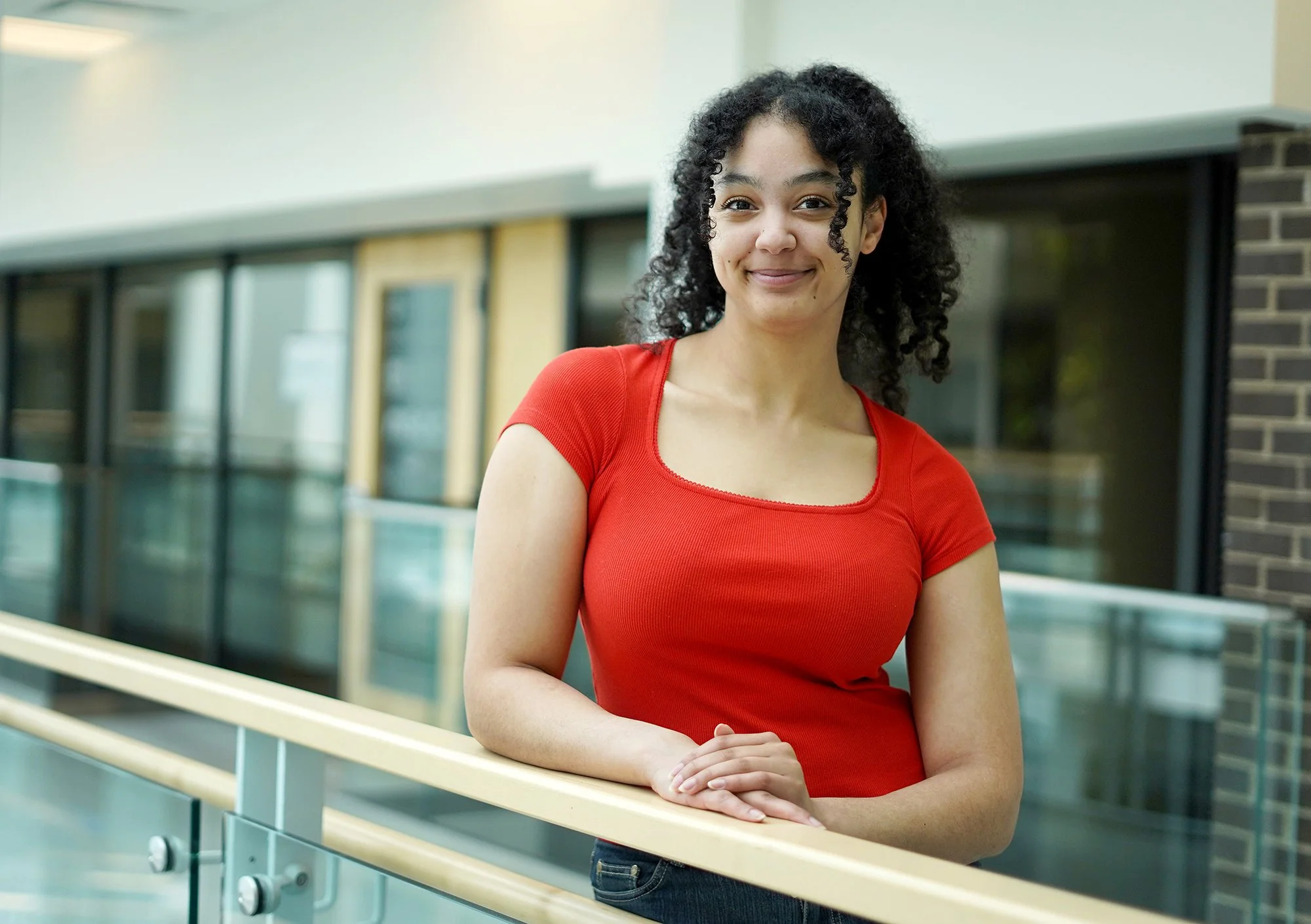
Tehya Mohammed

Tehya Mohammed, from East Preston, N.S., just completed her third year of a BSc in Physics with an honours in Chemistry. She is excited to start working on a research project titled “Antimatter Physics with the ALPHA Collaboration” with Dr. Makoto Fujiwara at TRIUMF and at the CERN scientific research laboratory in Switzerland.

When she graduates in spring 2027, Tehya plans to attend graduate school; longer-term goals may see her staying in academia, teaching and doing research, and she credits her experience at Saint Mary’s with helping her land the fellowship this summer.

“I’m grateful for the experiences I’ve had at Saint Mary’s,” says Tehya. “I was able to do research with my professors each summer starting after my first year. There are more opportunities available to undergraduate students at smaller schools like SMU.”

Chemistry professor Dr. Christa Brosseau is Tehya’s honours supervisor; she also worked with Dr. Rob Singer in chemistry, publishing a paper with him. She credits these experiences with helping to round out her resume for the fellowship.

Clara Wrightman-Dillon

Clara Wrightman-Dillon, a physics major from St. Andrews, N.B., will be working with Dr. Adam Garnsworthy and researchers at the University of York. Their project, titled “Decoherence of Quantum Entangled Photons,” will involve the collection, sorting and analysis of data for research that could affect PET medical imaging.

This won’t be Clara’s first visit to TRIUMF; she was there last year thanks to her work alongside Dr. Greg Christian, a professor in the Department of Astronomy and Physics at Saint Mary’s.

After graduating from Saint Mary’s, Clara intends to pursue a Master of Science in physics.

Tehya and Clara have both spent the previous two summers at Saint Mary’s conducting research with their professors in positions funded by the Natural Science and Engineering Research Council (NSERC)’s Undergraduate Student Research Awards program and the Faculty of Science at Saint Mary’s.

The paid, four-month fellowship includes travel and a week's stay at TRIUMF House, a “home away from home for TRIUMF’s national and international visitors”. When fellowship winners complete their undergraduate degrees, a $5,000 scholarship is available to any of the 21 TRIUMF schools in Canada.


Meson Hall at TRIUMF. Credit: triumf.ca

About TRIUMF

Established in 1968 in Vancouver, TRIUMF is Canada’s particle accelerator centre. The lab is a hub for discovery and innovation inspired by a half-century of ingenuity in answering nature’s most challenging questions.

From the hunt for the smallest particles in our universe to research that advances the next generation of batteries or develops isotopes to diagnose and treat disease, TRIUMF drives more than scientific discovery. Powered by its complement of top talent and advanced accelerator infrastructure, TRIUMF is pushing the frontiers in isotope science and innovation, as well as technologies to address fundamental and applied problems in particle and nuclear physics, and the materials and life sciences. 

New major in Sustainability Management launches at Saint Mary's

“Sustainability is a competitive advantage.” – Mary Barra, CEO General Motors

Environmental responsibility and equity are key career themes for today’s students. A new Sustainability Management major in the Sobey School of Business Bachelor of Commerce program will help students address real challenges, such as climate change, responsible resource use and social impact, through a business career. Students will learn how organizations balance environmental responsibility, community and societal well-being, and economic success.

The program includes courses like Sustainable Finance, Sustainability Accounting, Reporting and Assurance, Business Ethics and Responsibility, and Economics of Sustainability, as well as elective courses in Arts and Science. While the major is a standalone program, it has been specially designed to work well as a second major alongside other disciplines such as Finance, Management or Marketing.

The program will include important experiential learning elements that deepen a student’s understanding outside of the classroom, including opportunities to work hands-on with organizations on real sustainability challenges. Graduates may pursue careers in fields like responsible investing, corporate sustainability management, ESG analysis and sustainability consulting.

The new Sustainability Management major is a natural next step for the Sobey School, as our students and alumni have long demonstrated commitment to environmental and social sustainability, through building social enterprises like Square Roots; societies like Enactus, Women in Business and the new Sustainability Society; and through participating in national and international case competitions themed for ethics, responsible leadership and sustainability.

Commitment to sustainability

The Sobey School of Business is a signatory to PRME, a United Nations initiative. Its focus is ensuring that business schools equip future leaders with the skills needed to balance economic, social and environmental goals, with particular emphasis on the Sustainable Development Goals (SDGs). Sobey is a PRME Champion school, signalling a greater commitment and intention to be a thought leader in responsible leadership.

Our research centres focus on topics related to sustainability, including social entrepreneurship and impact, immigration economics, and co-operative businesses.

Saint Mary’s University has a reputation for environmental and social responsibility that is evident in everything from our research endeavours to our academic programs to many on-campus activities and initiatives. The new major joins a number of sustainability-focused undergraduate programs at the university.

New Bachelor of Engineering degree starting this fall

Saint Mary’s University is proud to announce the launch of an exciting new program, the Bachelor of Engineering (BEng) in Resource Engineering.

The first cohort of students will begin in September 2026 and will choose to specialize in one of two distinct streams: Mining Engineering or Renewable Energy Engineering.

Designed in collaboration with industry, the new degree builds on a 100+ year history of delivering foundational engineering education at Saint Mary’s. The BEng is modern, interdisciplinary and is squarely aligned with regional and national priorities.

From the materials used in buildings and technology to the energy that powers homes and cities, engineers play a critical role in designing systems that responsibly produce and manage the resources required to support society.

The Bachelor of Engineering in Resource Engineering equips students to address the full lifecycle of resource development, from land use planning to construction and operation to reclamation, with a balanced curriculum that addresses technical, environmental, economic and societal considerations.

The two program specializations feature common core programming, with education in areas such as environmental impact assessment and risk management, lifecycle cost analysis, project management, geomatics and engineering design.

Students who specialize in Mining Engineering will undertake additional study in surface and underground mining methods, structural geology and rock mechanics, and environmental contaminants. Students in the Renewable Energy Engineering stream study solar and wind systems, biomass utilization, grid integration and energy storage technologies.

Along with coursework, the program includes 16 months of integrated co-op work placements, allowing students to connect in-class learning with real-world experience and to begin building their industry networks prior to graduation.   

“Hands-on work experience is such a critical part of engineering education,” says Dr. Sam Veres, Dean of Science at Saint Mary’s. “We’ve created a co-op program structure that’s ideal for both students and employers, where students will be able to spend 16 continuous months with a single employer, or two consecutive eight-month terms with different employers and really have the opportunity to establish themselves in the workplace, be valuable employees, and build relationships that jumpstart their careers.”

Students will study in SMU’s Engineering building, which opened in 2024

The importance of hands-on learning is apparent throughout the engineering curriculum at Saint Mary’s, with students undertaking a range of laboratory experiences and design projects beginning in first year. Students in the Resource Engineering program will get to complete five courses focused on engineering design, including an industry-based design course connected to co-op, and a two-semester-long capstone project.

“Our class sizes are strategically kept small, which gives our students opportunities for one-on-one interactions with professors for support or extra challenges, or to think about next steps in their academic and future careers,” explains Don MacNeil, the director of the Division of Engineering.

“Working in small teams facilitates the creative thinking process and encourages students to consider other perspectives, allowing them to generate innovative solutions to tackle real-life and challenging problems.”

The Division of Engineering, part of the Faculty of Science at Saint Mary’s, is based in the university’s new Engineering Building, located on campus at 960 Tower Road, Halifax.

What A Sin: new exhibition at SMU Art Gallery celebrates matriarchal power

A pair of NSCAD profs are celebrating the matriarchy in an exhibition at the Saint Mary’s University Art Gallery.

What A Sin, which opened to a packed house on January 23, features the work of Craft division professors at NSCAD, Ali Nickerson and Leesa Hamilton. 

Nickerson presents a variety of media, including interactive soft sculptures, drawings, banners and paintings, while Hamilton offers quilted soft structures and banners. Together, their work creates a colourful, thoughtful, interactive immersion into women’s labour in its myriad forms, without judgment. 

“We started leaning into this idea of a feminist cult,” says Nickerson. “When you walk into the gallery, you’re met with banners and seating, an invitation to sit, reflect, and ‘pray’ to the feminist before us, thanking them for everything they’ve given us.”

The pair knew each other a little as colleagues, but after Nickerson saw an exhibition of Hamilton’s at the Anna Leonowens Gallery, she invited her to join the Saint Mary’s show. A partnership quickly formed, each artist responding to one another’s pieces and creating collaboratively. 

“We explore similar themes, we have an aesthetic that works together, but is really different,” says Hamilton. “Ali’s work is really free and playful and round, and I play within the lines. I love a grid.

‘The show isn’t about hierarchies, it’s about conversations.’

Hamilton’s large quilted patterned cones, cubes and cylinders were inspired by Maritime signal flags—a system of communication used between ships, i.e. “My position is doubtful”—while navigating work and parenting. “I was having trouble understanding and communicating my own needs, and the messages of distress were comforting in their simple requests and simple declarations of distress,” she says. “They felt humorously simple and true to my situation.”

Nickerson was influenced by the strong matriarchal culture of the south shore, where she grew up, “a collection of different, very strong matriarchs who lived within a setting of Shelburne County or Queens County and secretly ran these towns and were often dismissed,” she says. “Instead of talking about the dismissal, it’s more of a complete celebration of their power.”

The celebration of power extends into the traditional tenets of a gallery exhibition—instead of an artist talk, the pair will be hosting quilting circles on Fridays at the Gallery (check website for details). “The show isn’t about hierarchies,” says Nickerson, “it’s about conversations.”

Nickerson started quite the conversation with her students at the show’s opening when she explained the selfie station they were visiting: a banner featuring a combination of hand-printed fabric and nostalgic textiles with a circular opening at its center, surrounded by fluorescent pink fringe. 

At the exhibition’s opening, she explained that the piece functioned both as an invitation and a provocation—raising questions about visibility, participation, and the performance of self within feminist and communal spaces.

The audience conversations taking place now began as communion and then collaboration between the two artists.

“There was this beautiful thing that happened as we started to complete work — that we were able to make work that responded to each other,” says Hamilton, “and place the work in a way that we felt there was a conversation happening between the pieces.”

What A Sin is on until March 29, 2026, at the Saint Mary’s University Art Gallery.


This story was originally published on NSCAD.ca and shared with permission.

Saint Mary's-based Centre sets gold standard for shoreline protection in Atlantic Canada

Sometimes climate leadership looks like a homeowner choosing a thriving habitat over a quick-fix retaining wall.

TransCoastal Adaptations (TCA), the Saint Mary’s University-based Centre for Nature-Based Solutions, has announced a major milestone for coastal resilience: the first certified Green Shores for Homes projects in Atlantic Canada.

Two waterfront properties, located at Kingsburg Beach and Molega Lake in southwest Nova Scotia (Kespukwitk), have both achieved Gold-level certification, the highest standard under the program.

For decades, waterfront improvements have often involved installing rock walls or concrete that can unintentionally worsen erosion and destroy local ecosystems. The Green Shores for Homes program, coordinated in the Maritimes by the TCA team at Saint Mary’s, offers a different path.

Dr. Danika Van Proosdij, Saint Mary’s University Professor and Director of TransCoastal Adaptations

“These projects prove that climate adaptation and biodiversity protection can go hand-in-hand,” says Dr. Danika Van Proosdij, Coastal geomorphologist and professor in the Department of Geography and Environmental Studies at Saint Mary’s University, as well as the Director and Co-Founder of TCA.

“By working with natural processes rather than against them, these homeowners are protecting their properties while also strengthening the health of our coastlines,” she says.

Southwest Nova Scotia is a recognized biodiversity hotspot, home to many species at risk. These Gold-certified sites serve as practical models for how individual actions can contribute to broader environmental outcomes:

  • At Kingsburg Beach, erosion mitigation and sand-capture techniques were implemented to stabilize the shoreline while maintaining natural coastal dynamics.

  • At Molega Lake, a full riparian zone restoration was completed, creating a natural buffer that improves water quality and increases resilience to flooding.

“The impact of these projects extends past the property lines,” says Dr. Van Proosdij. “The homeowners on these two properties treated their certification as a starting point for advocacy, engaging with their neighbours and local communities on shoreline health.”

True to the Saint Mary’s mission of community-engaged research, these projects bring together a wide range of expertise. While TCA provided the framework, the work on the ground was supported by:

As climate pressures like rising sea levels and storm intensity continue to affect Atlantic Canada, the success of the Kingsburg and Molega Lake projects is a proven example that coastal living can be protected by working in partnership with nature, one shoreline at a time.

To learn more about Green Shores for Homes and how TransCoastal Adaptations is leading nature-based climate solutions, visit transcoastaladaptations.com.


Event on campus

Join Dr. Van Proosdij for an upcoming event with Dr. Jonathan Fowler: "Re-imagining resilience in Bay of Fundy Dykelands." 

Thursday, February 26, 2026
6-8:30 p.m.
Unilever Lounge, 4th floor Sobey School of Business
923 Robie St.

Welcome to the first annual fireside chat in the series Reimagining Rural Resilience: Changing Landscapes and Lifescapes. Hosted by The Gorsebrook Research Institute for Atlantic Canada Studies (GRI), the TransCoastal Adaptations Centre for Nature-Based Solutions (TCA) at Saint Mary's University, and the Community Conservation Research Network (CCRN), this series will showcase new research on and about Nova Scotia with the public.

This is a friendly fireside chat, open to everyone. Light refreshments provided. Together, let's learn about the latest research beyond barriers of university classrooms. Register here.

The Arena 2026—Canada’s premier national pitch competition for student entrepreneurs—now open for applications!

The Arena promotional image

Applications are now open for The Arena 2026, with a chance to compete for the $10,000 grand prize.  

Hosted by the Arthur L. Irving Entrepreneurship Centre at Saint Mary’s University, The Arena returns for its sixth year, bringing together 64 student entrepreneurs from across Canada for a fast-paced, high-energy pitch competition. Participants go head-to-head for the title of National Champion, with prizes awarded to the top four competitors. The winner will take home $10,000, second place will receive $5,000 and third- and fourth-place finishers will each earn $1,000. All prize money is awarded to support the student’s idea or business. 

Inspired by the NCAA March Madness tournament, The Arena takes place in a bracket-style format throughout March. Selected students compete in live, head-to-head pitch matchups, advancing round by round as judges make real-time decisions. Throughout the competition, participants receive coaching and mentorship to help refine their pitches and strengthen their ventures. All matchups are held online and live-streamed, allowing audiences across the country to tune in. 

Image of an Arena competitor and judges in an online presentation

“The Arena pushes students to think on their feet and clearly communicate their ideas,” says Michael Sanderson, Director of the Arthur L. Irving Entrepreneurship Centre. “It’s exciting to watch their confidence grow as their ideas start to take shape in a real competitive environment.” 

To be eligible, applicants must be current undergraduate, graduate or PhD students or recent alumni (within one year of graduation) from a recognized Canadian post-secondary institution. Participants must own or co-own a business idea that has generated no more than $10,000 in annual revenue and has received no more than $10,000 in external funding or investment. 

The Arena is proudly sponsored by Metronomics, a business growth system founded in 1995 by CEO Shannon Susko BComm’89 BSc’92. Metronomics helps leadership teams build clarity, alignment and momentum to drive sustainable growth. Susko has been widely recognized for her leadership, including being named one of Canada’s Top 100 Most Powerful Women multiple times and receiving the Universal Women’s Network Game Changer Award. 

People are encouraged to follow the competition live via the Centre’s Facebook and LinkedIn channels. For more information, please contact Fatima Zohora at fatima.zohora@smu.ca

Learn more about The Arena and apply today. 

EQUIS accreditation for Sobey School of Business

The Sobey School of Business at Saint Mary's University is proud to have achieved EQUIS re-accreditation. Awarded by the European Foundation for Management Development (EFMD), EQUIS is one of the most comprehensive and prestigious international accreditations for business and management education.

Institutions that are accredited by EQUIS must demonstrate not only high general quality in all dimensions of their activities but also a high degree of internationalisation. The scope of EQUIS encompasses all programs offered by an institution, from undergraduate to PhD.

With both EQUIS and AACSB accreditations, the Sobey School is unique in Atlantic Canada and recognized among the top 1% of business schools globally for quality and rigour.

"We are extremely proud to have achieved EQUIS re-accreditation,” said Dr. Michel Delorme, Dean of the Sobey School of Business. “This global recognition is a testament to the hard work and dedication of our faculty and staff, and it reaffirms our commitment to the highest international standards in management education. Our focus on responsible leadership, entrepreneurship, and sustainability ensures that our research and teaching are academically excellent and directly relevant to the societal and economic challenges facing our region and the world."

IKEA Canada CEO to headline Responsible Leadership in Retail event

Selwyn Crittendon, CEO and Chief Sustainability Officer of IKEA Canada

Sobey School of Business to host 7th Annual Responsible Leadership Day featuring keynote by Selwyn Crittendon

The Sobey School of Business at Saint Mary’s University will welcome Selwyn Crittendon, CEO and Chief Sustainability Officer of IKEA Canada, as the keynote speaker at its 7th Annual Responsible Leadership Day on Friday, November 21, 2025. Learn more and register here.

Crittendon will share insights into IKEA’s ongoing sustainability and inclusivity commitments, discussing how the company integrates responsible practices into every part of its business. During the event, he will also be presented with the David Sobey Retailing Centre Distinguished Retailer Award, which honours retail leaders whose contributions have a lasting impact on their organizations, customers, and communities.

“IKEA’s vision of creating a better everyday life for people aligns perfectly with the values of responsible leadership,” says Dr. Ramesh Venkat, Director of the David Sobey Retailing Centre. “Selwyn’s participation offers an unparalleled opportunity for our students and community to learn from a leader redefining retail’s role in sustainability.”

This year’s event theme, “Responsible Leadership in Retail,” will explore how retail leaders can drive meaningful change through sustainability, equity and innovation. Presented by the David Sobey Retailing Centre, the annual event brings together students, faculty, industry experts and policymakers to discuss how the retail sector can advance the United Nations Sustainable Development Goals (SDGs) through responsible operations, tackling issues such as waste reduction, responsible consumption, packaging and inclusive workplaces.

“Responsible Leadership Day showcases how business can be a force for good,” says Dr. Michel Delorme, Dean of the Sobey School of Business. “This year’s focus on retail recognizes the sector’s powerful role in shaping consumer habits and setting global sustainability standards.”

As a PRME (Principles for Responsible Management Education) signatory since 2016 and PRME Champion since 2020, the Sobey School of Business continues to lead in aligning education, research and dialogue with the SDGs. Responsible Leadership Day embodies this commitment by creating space for collaboration, reflection, and action.