Research

Saint Mary's science researcher part of global soil biodiversity network

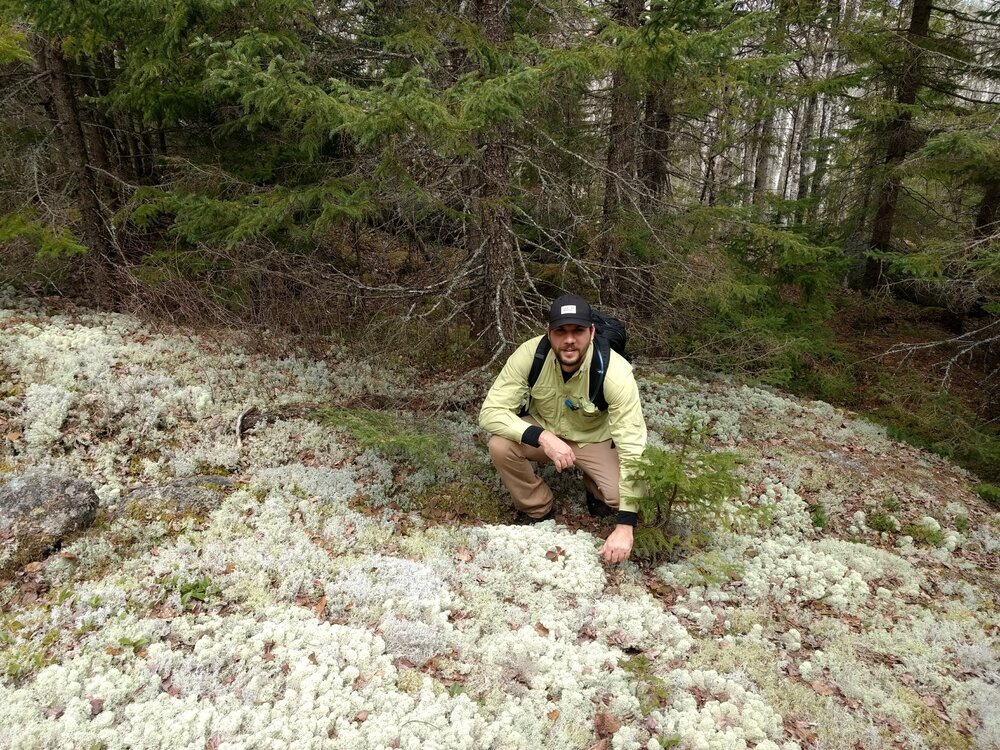
Dr. Erin Cameron

Dr. Erin Cameron

Dr. Erin Cameron, Saint Mary’s researcher and professor in the Department of Environmental Science, is a co-author of a just-published paper in Science Magazine titled “Tracking, Targeting, and Conserving Soil Biodiversity.”  

This international project follows a paper Cameron authored in Conservation Biology last year, which determined that there are mismatches between aboveground and soil biodiversity globally, and thus protecting aboveground diversity may not sufficiently reduce threats to soil biodiversity.

“We are working on building a global biodiversity network focusing specifically on soil,” says Cameron. “Tracking the biodiversity of soil is an important part of global environmental conservation work, and this is a long-term project that’s just beginning.” 

“There is still a lot to discover about soil biodiversity and how human activities are impacting it. Organisms that live in the soil are a vital part of a functioning ecosystem.”  

Cameron also had a paper published as the cover story in Science Magazine last year, in which she explained her work studying the global diversity and biogeography of earthworms. 

CFI funded CANREB project for rare isotopes rolls to success

The EBIS in the TRIUMF clean room. From left to right: Rituparna Kanungo; Christopher Charles; Paige Harford; Saint Mary’s Vice President Academic and Research, Malcolm Butler; Brad Schultz, and Mathieu Cavenaile.

The EBIS in the TRIUMF clean room. From left to right: Rituparna Kanungo; Christopher Charles; Paige Harford; Saint Mary’s Vice President Academic and Research, Malcolm Butler; Brad Schultz, and Mathieu Cavenaile.

A partnership between Saint Mary's University, TRIUMF, and the University of Manitoba for the Canada Foundation for Innovation (CFI) project CANREB, has borne significant fruit when it comes to radioactive isotope research.

Saint Mary's University leads this national CFI project for rare isotope research at Canada's particle accelerator centre, TRIUMF in Vancouver, British Columbia. On December 6, 2020, the CANREB (CANadian Rare isotope facility with Electron Beam ion source) team of scientists and engineers achieved a major milestone accelerating for the first time a radioactive isotope beam through the CANREB facility and delivered to the IRIS experiment in the ISAC-II experimental hall. The IRIS facility is also a SMU-led CFI project that unveils the secrets of the rare isotopes with nuclear reactions.

"CANREB opens an exciting new era for exploring the rare isotopes in nature. It enables the capacity to accelerate, with high-purity, high-mass isotopes," says Rituparna Kanungo, Principal Investigator for the CANREB project, Professor of Physics at Saint Mary's University and a TRIUMF Affiliate Scientist. "CANREB unlocks new opportunities for research and the training of students and postdocs from across Canada and around the world. The project has been a strong team effort from its conception to its realization. I am thankful to everyone in the team for making CANREB a success story."

The first beam – copper-59, at a charge state of +19 – was manoeuvred through a multifaceted sequence of several complex state-of-the-art, custom built components that were all designed by the CANREB team.

The Radio Frequency Quadrupole at the CANREB beamline.  From left to right: Rituparna Kanungo, Paige Harford, Brad Schultz, Friendhelm Ames, and Mathieu Cavenaile.

The Radio Frequency Quadrupole at the CANREB beamline.
From left to right: Rituparna Kanungo, Paige Harford, Brad Schultz, Friendhelm Ames, and Mathieu Cavenaile.

A key element of the successful beam delivery and the final piece to be commissioned in the CANREB puzzle was the electron beam ion source (EBIS) – a special device for enhancing the electrical charge ("charge-breeding") of isotopes.  It was developed in collaboration with researchers at the Max Planck Institute für Kernphysik in Heidelberg, Germany.

“I am proud to be a part of this exciting project,” says Saint Mary’s University Ph.D. student Mathieu Cavenaile who is working at TRIUMF on studying charge breeding of rare isotopes with the EBIS. “It is a tremendous opportunity to be working at TRIUMF with the highly skilled team.”

"We were particularly happy to record the successful function of the EBIS in terms of charge-breeding a high-purity radioactive isotope beam," said Friedhelm Ames, CANREB project coordinator, TRIUMF Scientist and Adjunct Faculty of Saint Mary’s University. "This was the first real test of the full system using a radioactive beam similar to those that we expect to be soon delivering to ISAC science experiments: a charge-bred, intense beam with very low levels of impurities. CANREB's beam delivery system functioned as expected, which is a tremendous achievement for the many hard-working teams that have contributed to its deployment."

“The CANREB project recognizes that the universities are integral partners to TRIUMF,” says Malcolm Butler, Vice President Academic and Research, Saint Mary’s University. “It has showcased TRIUMF’s role as a national laboratory in supporting opportunities for researchers from universities with good ideas to lead and bring exciting discoveries out from the lab.”

The High Resolution Separator (HRS) and part of the CANREB team.  Photo Credit : Stuart Shepherd, TRIUMF

The High Resolution Separator (HRS) and part of the CANREB team.
Photo Credit : Stuart Shepherd, TRIUMF

“This success is a testament to the people in the team and the broader TRIUMF community,” says Jonathan Bagger, Director of TRIUMF. “Completion of the CANREB facility represents an essential step towards building the TRIUMF of the future.”

“It is a fantastic to see the CANREB infrastructure come together, a great achievement of the whole team,” says Reiner Kruecken, Deputy Director of Research at TRIUMF. “We can now really start exploiting this innovative infrastructure for exciting science and I am happy to be a part of that myself.”

The inaugural beam of copper-59, originated in TRIUMF's ISAC target station and was the first radioactive beam to undergo charge breeding with CANREB and be post accelerated through to ISAC-II. At the IRIS experiment a snapshot of the beam was seen through the lens of energy deposited in a gas-filled detector.  In nature, copper-59 is among the many radioactive isotopes whose reactions power astrophysical phenomena like X-ray bursts and could potentially contribute to the creation of some heavy elements. Using such beams at TRIUMF, researchers directly or indirectly such processes in the laboratory to gain insight on nature’s working.

This has been a remarkable achievement, especially during this globally challenging year with the pandemic, further showcasing the well-coordinated capacity of the CANREB team. As a tough year ended with a happy note of success, the team is looking forward to gearing up on further advancement of the project.

The CANREB project is thankful for research funding from the Canada Foundation for Innovation, the Nova Scotia Research and Innovation Trust, the Manitoba Research and Innovation Fund. It was also supported by TRIUMF's commercialization arm, TRIUMF Innovations and TRIUMF.  

A screenshot of the CANREB virtual celebration on December 11. Credit: Stu Shepherd/Rituparna Kanungo

A screenshot of the CANREB virtual celebration on December 11. Credit: Stu Shepherd/Rituparna Kanungo

SMU researchers look at impact of COVID-19 on communities in Nova Scotia

A glimpse at the report’s title page.

A glimpse at the report’s title page.

A new study from a Saint Mary’s University-based research team into the impact of the COVID-19 pandemic on Nova Scotia’s communities was released today, Tuesday, Dec. 22, 2020. 

“What this research shows is communities coming together to help each other during a time of need,” says Dr. Tony Charles, a professor at Saint Mary’s University and the director of the Community Conservation Research Network. “The study reinforces what we already know about our communities, that they are resilient and can find community-based solutions to many problems. And for larger problems, they know the solutions needed but may need outside assistance to enact them.” 

When the pandemic came to Nova Scotia, Dr. Charles and his team were already looking at Nova Scotian communities, the issues they are facing, and their plans for the future. For each of 50 communities, they spoke to individuals in the community as well as elected municipal officials. When the pandemic appeared in 2020, the team decided to try to learn more about COVID-19 impacts and responses in communities.  

“We heard from people how very fortunate they felt to live in places that nourished them in so many ways – communities that rallied by reaching out and checking on one another, and supporting those who were more vulnerable,” adds Libby Dean, one of the researchers on the team.  

The study showed that all communities felt at least some impacts of the pandemic on their economic activities and social well-being. Sixty-seven percent of communities said they faced at least some moderate economic implications. Seventy-seven percent said there were social impacts, with 42 percent of communities feeling extremely affected by social and economic impacts. Environmental impacts of the pandemic ranged widely, with about a third of communities seeing little or no impact, a third noticing a low or modest impact, and one-third feeling environmental impacts were moderate to extreme.  

Of social impacts, the top ones identified were employment (listed by 58 percent of respondents), social and recreational activities (54 percent) and schools/schooling (50 percent). Of the top three impacts of the pandemic on economic sectors, most affected was the tourism industry (61 percent of respondents), followed by education/research (48 percent) and retail activities (39 percent). 

“The work of Dr. Charles and his team exemplifies one of the key pillars of research at Saint Mary’s University—working with our local communities to provide expert advice to address regional and global challenges,” says Dr. Adam J. Sarty, associate vice-president, Research and dean, Faculty of Graduate Studies and Research. 

“One thing that was clear from the survey was the importance of community-based groups to facilitate community solutions and responses,” says Dr. Charles. “Some of the themes noted in responses include access to services, financial aid, social connections, food security and volunteerism. In many cases, these responses were recognized as already an inherent part of the way of life in their community.”  

The community-based responses included supporting various services no longer as easily accessible, such as groceries and water, and dealing with concerns around food security and access, specifically for children and seniors. Communities also took action to address the need for social connections, such as through virtual religious services, take-out community dinners, and support for regional food banks and local community halls.  

Among the highlighted needs that communities require support to address was access to technology and, specifically, the internet. Much of what is being done now regarding education, recreation, arts, and even food services require robust and consistent internet access, which is a challenge in many -communities across the province.  

“Despite the uncertainty and the challenges, that sense of community is a strength for Nova Scotia,” says Dr. Charles. “While the forecast is not clear, strong communities help to weather all storms.”  

The research survey summary, Nova Scotian Communities & COVID-19: Challenges and resilience, was prepared by Dr. Tony Charles, Larissa Sweeney, Libby Dean, and Rebecca Zimmerman. For more information about the survey or to read the summary report, click here.

Saint Mary’s students benefiting from Mitacs Accelerate Program experience

The Mitacs Accelerate program allows Saint Mary’s University students to test their skills in a professional environment and earn the experience they need to thrive. Four Saint Mary’s student who participating share how they benefited from their Mitacs sponsored internships.

Graduate student Tabatha Thibault gained the confidence to assert herself as an expert in her field.

“I was applying exactly what I’ve been taught for four years,” says Thibault, who recentlyrecently started a second internship with Air Institutes. “It's helped me realize that I do have valuable skills and knowledge--that I have something to bring to the table.

Dr. Hugo Medeiros’s internship at Port Hawkesbury Paper helped him as a professional and as a newcomer, as he was able to practice his skills and improve his English.

“I now have work experience in Canada, which is important for a new immigrant, and a network outside of the academic setting. I have an opportunity to get a job that I don't know I would have without this internship,” says Dr. Dediros, postdoctoral fellow.

Even though his studies are focused on geology, graduate student Daniel Meagher jumped on the opportunity to challenge himself at an internship outside of his field at Dillon Consulting.

“It was a good opportunity to get something that was out of my comfort zone and expand my options. I could look into environmental jobs now as well as mining and exploration,” says Meagher.

After his internship at Clinical Logistics, Sree Babu Nukarapu, an M.Sc. in Computing & Data Analytics grad, says his profile became more appealing to recruiters.

“It has helped me gain expertise in the Canadian market, made me a much more confident person, and it has helped me prove my passion for analytics. I was able to secure a job at an MNC in Halifax,” says Sree.

For more information about the Mitacs Accelerate program, click here.


SMU named among top 50 Research Universities in Canada: Research Impact and Funding Rises

SMITHANDWHITTON-0566.jpg

The impact of Saint Mary’s University’s research continues to rise, according to a new report released this week detailing Canada’s top 50 research universities.  

“Saint Mary’s continues to maintain a strong position among Canada’s top 50 research universities,” says Dr. Adam J. Sarty, associate vice-president, Research and Dean, Faculty of Graduate Studies and Research. “The university shows continued excellent performance and growth in obtaining external research funding with an 18 percent growth in external research income compared to the year prior. It brings the university up to $10 million in external research funding, to rank 8th among other Canadian undergraduate universities.” 

The report comes from Research Infosource Inc., which releases a yearly list titled Canada’s Top 50 Research Universities. This year, Saint Mary’s ranked 48th overall and saw its ranking under ‘publication impact’ rise from 41st to 20th overall. 

“This strong growth in external research funding, coupled with the powerful impact of our research publications, continues to tell the story of Saint Mary’s University professors who are conducting top-level research,” says Dr. Sarty. “They are achieving research success while balancing a mission that is also dedicated to excellence in undergraduate education and support of select graduate programming.” 

Eight universities in Atlantic Canada were featured on the list, posting a combined research income of $408.9 million in Fiscal 2019. It marks a growth of 19.7 percent for Atlantic Canada in 2019, far surpassing the national increase of 5.7 percent. Saint Mary’s had the third-highest gain of all Atlantic universities. In Fiscal 2019, Atlantic universities accounted for 5% of the national research income total, up from 4% in Fiscal 2018. 

For more information on Canada’s Top 50 Research Universities list, visit https://researchinfosource.com/top-50-research-universities/2020

Supporting resilience and recovery focus of two new initiatives from the SMU Entrepreneurship Centre

960 Tower Road: Home of the Saint Mary’s University Entrepreneurship Centre (SMUEC) and the SMU Language Centre.

960 Tower Road: Home of the Saint Mary’s University Entrepreneurship Centre (SMUEC) and the SMU Language Centre.

The Saint Mary’s University Entrepreneurship Centre (SMUEC) is expanding its investment in the economic recovery and resilience of Nova Scotia with two new initiatives to support businesses and entrepreneurs amidst the pandemic.

“Saint Mary’s is known for our positive impact on the Atlantic economy through education, research, successful alumni, and our entrepreneurship centre helping people grow their businesses,” says Dr. Robert Summerby-Murray, President of Saint Mary’s University.  “As businesses closed due to COVID-19 to protect the health of our community, people’s livelihoods were in jeopardy. As a result, our entrepreneurship centre expanded its services. Now they are doing so again to help those directly impacted by the pandemic and to gather the information needed to build new programs and data-driven policy.”

The two new initiatives from SMUEC are an entrepreneurship certificate and research survey, which focus on the impacts of COVID-19 on business and entrepreneurship.

The Entrepreneurial Mindset Success Certification - COVID-19 Career Resilience Edition is a certificate made up of eight online workshops. It supports individuals who have found themselves unemployed or unable to find employment due to COVID-19. The certificate takes a customized approach to provide relevant skills training and exposure to entrepreneurship to help individuals feel prepared to re-enter a new and changed job market, return to work, or start their own business. Seven career experts from Job Junction, ISANS and the Career Service Centre of Sobey Business School act as mentors for the participants and deliver the workshops.  Registration is now open, and the workshops will run from Jan. 15 to Feb. 5, 2021.

The centre is also is studying the impacts of COVID-19 on Atlantic Canadian business through the COVID-19 Business Impact Survey. This longitudinal survey will collect quantitative and qualitative data using phone interviews and online surveys until the end of 2021. The main areas of interest are the use of government support, main challenge areas, and the tactics that businesses employ to respond to the specific challenges faced by their industries.

Since the beginning of the pandemic, the centre has focused on two questions: how can they support businesses and entrepreneurs to be resilient enough to weather this storm? And how can they help them recover?

The centre’s first step was to expand their free business coaching sessions with the help of their new entrepreneur-in-residence, prominent alumna and successful serial entrepreneur Shannon Byrne Susko BComm’89 BSc’92. A series of presentations and workshops on various topics supplemented those sessions. Then came the launch of the Sobey School of Business’s Sobey Community Revitalization & Prosperity Network, of which SMUEC was an active participant. Now the centre's focus is on collecting the data needed to inform future pandemic business policy and a new initiative working with those who have found themselves unemployed due to COVID-19.

“We know the importance of evidence-based decision making. That is why we are gathering the information needed for policymakers and program developers like ourselves to best support the business sector during the pandemic,” says Michael Sanderson, Director of the Saint Mary’s University Entrepreneurship Centre. "On the opposite end of that sector-wide view is the immediate impact the pandemic has had on employment. By adapting our existing Entrepreneurial Mindset Success Certification, we can help directly with the immediate recovery while keeping an eye on data-informed methods to increase resiliency for the long-term." 

For more information about the Saint Mary’s University Entrepreneurship Centre and its initiatives, visit https://smuec.ca/.

Dr. Skye Stephens receives New Health Investigator Grant from Research Nova Scotia

Dr. Skye Stephens

Dr. Skye Stephens

Saint Mary’s University researcher Dr. Skye Stephens is receiving a New Health Investigator Grant from Research Nova Scotia. Dr. Stephens is one of 21 recipients across Nova Scotia receiving funding for new health research.

The New Health Investigator Grant supports new health researchers engaged in work that aligns with Nova Scotia’s health research priorities. The grant aims to provide two years of support of up to $100,000 for researchers who are within the first five years of their academic appointment in Nova Scotia or who are new to the field of health research. For the 2020-21 academic year, funding for this grant comes from the Nova Scotia Department of Health and Wellness.

“There has never been a greater need to support new health researchers in Nova Scotia to help inform practice, policy and decision making,” says Stefan Leslie, CEO of Research Nova Scotia. “Today, we’re pleased to announce funding for these researchers and are confident their work will positively impact the health of Nova Scotians.”

Funding provided will support the establishment of independent research programs, support and expand the research productivity necessary for obtaining long-term funding from national and external agencies and expand the potential for early-career investigators to make significant contributions in their field.


Project title: The Feasibility of a Program for the Prevention of Childhood Sexual Abuse.

Project description: Childhood sexual abuse (CSA) is a universal public health problem impacting 18% of girls and 8% of boys worldwide. Children are overrepresented as victims of sexual abuse, as 56% of police-reported sexual assaults in Nova Scotia involved victims under 18. Rates of sexual abuse in Nova Scotia are above the national Canadian average. CSA contributes to a significant disease burden, as it connects to a wide range of adverse mental and physical health outcomes. Effective prevention programs could stop CSA from occurring in the first place and prevent adverse health outcomes. In Nova Scotia, a significant gap in prevention programming is delivering comprehensive mental health services to individuals who may be at risk of CSA perpetration. Previous research has suggested that there are individuals who have not offended but struggle to stay offence free and experience mental health challenges. Through her research, Dr. Skye Stephens and the team aim to enhance capacity to provide CSA prevention programming in Nova Scotia by exploring development barriers. Knowledge gained during this study will lay the groundwork for developing and evaluating a prevention program that could reduce the occurrence of CSA and associated adverse health outcomes. Overall, the project could increase the health and safety of Nova Scotians by proactively addressing risk factors for CSA perpetration.

Team members: Etta Brodersen, Loren Klein, Angela Connors, Christina Shaffer, Amy Ornstein, Ray MacNeil, Ian McPhail, Jamie Livingston & Ainslie Heasman


Research projects span a broad range of topics, including diabetes, cancer and dementia care, pre-term infant gut health, and food security during the COVID-19 pandemic. For a complete list of recipients and projects, visit https://researchns.ca/new-health-investigator-grant-recipients/.

Stayers and leavers: new SMU research looks closely at immigration in Nova Scotia

Dr. Ather Akbari

Dr. Ather Akbari

Who immigrates to Nova Scotia, who stays, leaves, and why is the focus of a recently released report from Dr. Ather Akbari, a professor with Saint Mary’s University’s Sobey School of Business. 

The report, Immigration in Nova Scotia: Who Comes, Who Stays, Who Leaves and Why?, was prepared for the Nova Scotia Office of Immigration. Its main purpose was to investigate why immigrants choose Nova Scotia as their destination in Canada and why some stay in the province while others leave.   

“Evidence-based research is important for policymakers to make the best decisions for Nova Scotians. They need to have a clear picture of what attracts immigrants to this province and what is their experience,” says Dr. Akbari. “My research helps to form a picture of the Nova Scotian immigrant experience, the successes and the areas that may need some changes.”  

This report marks the third report in a series of research reports. The first project report used 2016 Canadian Census data to study general mobility patterns of Nova Scotia immigrants. The second report presented a literature review on mobility motivations of individuals and their location choice. This third and final report analyzed the results of an online survey of 2,815 immigrants, representing a total of about 28,600 who arrived in Canada during 2011-2018 with either the intention to go to Nova Scotia or who lived in Nova Scotia at some point during the eight-year period. Focus group interviews were also held in Nova Scotia, Alberta and Ontario. 

When it comes to stayers and leavers, approximately 74 percent of immigrants who had arrived during 2011-2018 were still living in the province or 21,210 in total.  

“I think the most validating find for many Nova Scotians from this report is the positive comments from both immigrants who stayed and those who left, on the quality of life in our province and community safety,” says Dr. Akbari. “Both of these areas received the top satisfaction ratings from both those who stayed and those who left. When comparing Nova Scotia with other provinces, the top two features that received better ratings for Nova Scotia were community safety and cost of accommodation. If we can leverage these with increased employment opportunities and employer involvement in the immigration process, there is a real opportunity to continue to increase the immigration retention rate.”  

The main reason respondents gave for having left the province or for their intention to leave were to seek better employment opportunities.

The survey data indicates that economic opportunity is the most pervasive factor that encourages immigrants to remain in Nova Scotia. Many immigrants who leave Nova Scotia mention economic opportunities as the main reason they left. Many also note they reluctantly decided to go as they miss the positive social interactions and other aspects of living in the province. Opportunities are mainly related to finding a job and extending to finding the right position, or one that fits their level of education, skills and experience. 

The report recommends that immigrant attraction should focus on economic immigrants who come with their families. For their settlement and integration, employer involvement such as in the Atlantic Immigration Pilot Program, is an important step taken at federal and provincial levels. Initiatives to strengthen immigrants’ social connectedness by encouraging volunteering, sports and recreation activities can also help raise their and their family’s satisfaction with living in Nova Scotia. 

Dr. Akbari is the Chair of Atlantic Research Group on Economics of Immigration, Aging and Diversity (ARGEIAD). To read this report, or learn more about ARGEIAD, visit https://smu.ca/centres-and-institutes/atlantic-research-group.html.

SMU students lauded for Remembrance Day research

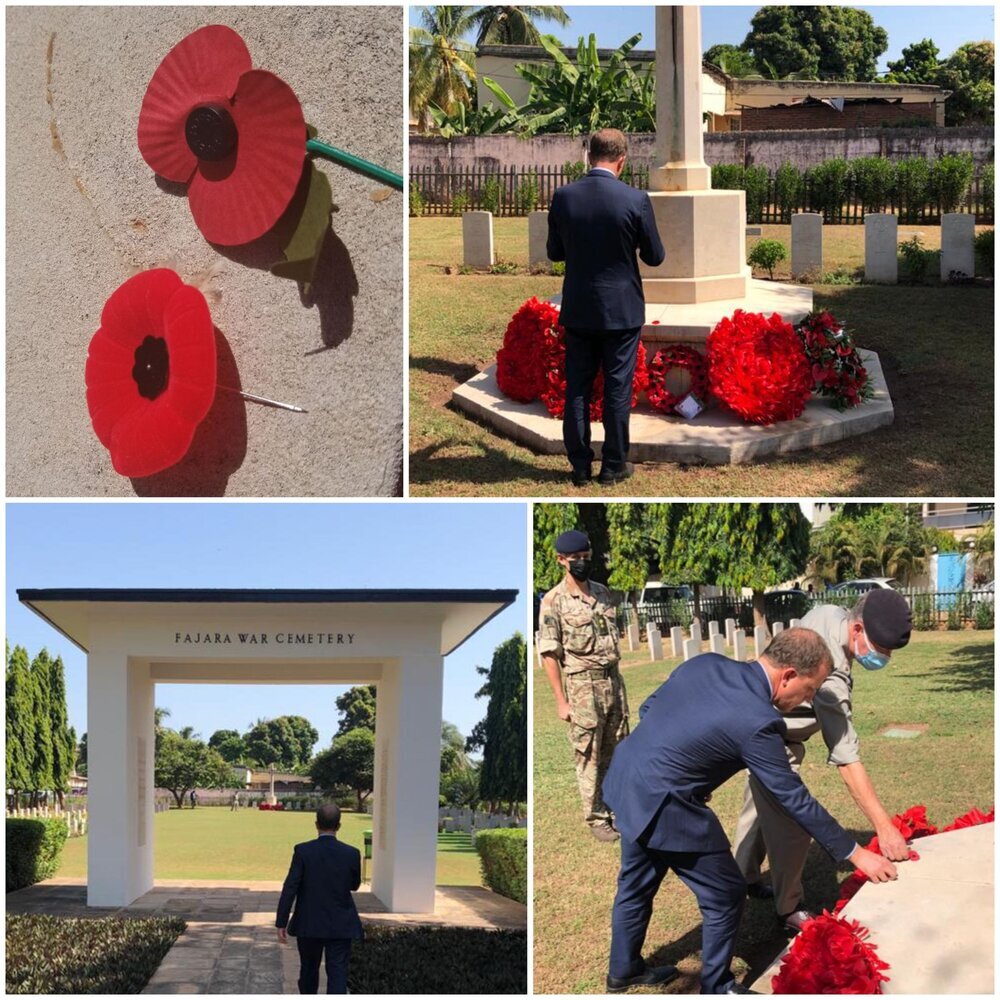
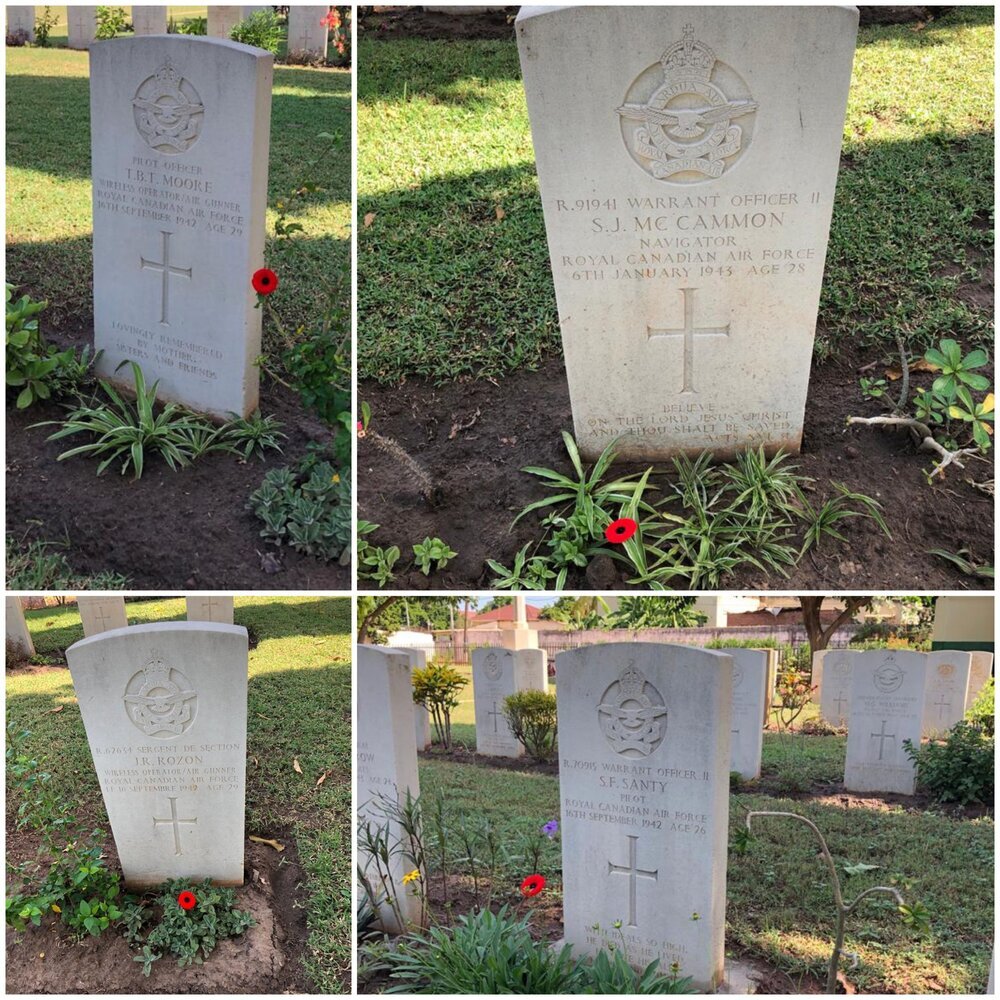
A Canadian diplomat has expressed appreciation for the work of a Saint Mary’s Geography class, following his participation in Remembrance Day ceremonies in West Africa.  

Sébastien Beaulieu, Ambassador-Designate to The Gambia, travelled this week to pay special tribute to 10 Royal Canadian Air Force servicemen who are buried at the Fajara Commonwealth War Graves Commission Cemetery. The airmen died in 1942 while serving with the 200 RAF Squadron and one had a Nova Scotia connection: Warrant Officer Basil Ralph Yorke was from Cumberland County.

It’s the first time an official Canadian delegation has honoured the fallen airmen. “Attending the ceremonies in person this week was important to me,” Ambassador Beaulieu said in an email exchange with Saint Mary’s.

“I find it very moving, as Canada's representative to The Gambia, that the many personal bonds between our two countries includes the fate of these brave Canadians from B.C. to Nova Scotia who died so far away from home, in WWII,” he said. “The research and field work of the students from Saint Mary's, led by Dr. Cathy Conrad, which was conducted in 2018, has helped connect the dots and contributed to ensure that these Canadians continue to be properly honoured and remembered.”

In the fall of 2018, Dr. Conrad’s Geography International Field School class did a lot of prep work in advance of their trip to The Gambia. They planned to honour Gambian veterans in a local Remembrance Day ceremony during their stay in Banjul, not realizing at first that Canadians were also buried in the cemetery. A flurry of research here on campus and during their trip helped them piece together a largely forgotten chapter of history that took place nearly 80 years ago.

The fallen airmen had served as part of an effort to supply troops in Northern Africa, and to combat German U-boats in the Atlantic Ocean. When Conrad and her students visited the gravesite, they generated quite a lot of media attention in Banjul and Halifax. They also met Sharon Wardle, then British High Commissioner to The Gambia, who shared photos of the students that day on her Twitter site.

“This is how the Canadian Ambassador learned of us,” recalls Conrad. “He emailed me to learn more and we have remained in contact ever since. I can only hope that we will be able to meet with him in the future on West African soil.”

Beaulieu, who grew up in Moncton, shared his own Remembrance Day highlights this week on his Twitter site at @Beaulieu_CAN. “As a fellow Maritimer, I'm so pleased to witness the rich connections between The Gambia and Canada, and the ties with Nova Scotia in particular,” he said.

Conrad plans to offer the next Gambia field school next fall, if COVID-19 travel restrictions allow by then. She’s hoping to forge new connections between Saint Mary’s and the University of the Gambia, and also to assist with plans for a commemorative plaque at the site where a Canadian warplane went down.

“I’m very grateful for my students who were so vigilant in connecting the pieces of our WWII history in The Gambia, and for participating in a wreath laying ceremony two years ago,” says Dr. Conrad. “They should feel enormous pride in the fact that a Canadian Ambassador went this year, acknowledging their work. Although we wish we could have been there to attend with him this year (as was the pre-COVID plan), the fact that he reached out to us to recognize our efforts is greatly appreciated.” 

New SMU lab tackles society’s wicked problems

aL_DKJww.jpeg

Saint Mary’s University’s new Wicked Problems Lab is a teaching, learning, and research hub that brings big data, software, analytic techniques, and resources together to tackle wicked problems.

Wicked problems are complex and multifaceted issues that are difficult, if not impossible, to solve. Saint Mary's aims to take on these challenges, evaluating the problems from various perspectives and offering potential solutions to address the issue.

Made possible by gifts from The Windsor Foundation, the Hewitt Foundation and Dr. Daniel McCarthy BComm'76 DComm'11, this new lab’s mandate is to help students and researchers across the university tackle some of society’s most wicked problems.

"Our lab is working to build capacity in employing the large quantities of data currently available and advanced analytical tools to track, assess, and tackle wicked problems both locally and globally," says Dr. Mathew Novak, a Saint Mary's associate professor and director of the Wicked Problems Lab. "We invite students and faculty to bring us their wicked problems, and we will work them to find a solution.  We can help find data and use a host of analytical software that will help in understanding the complexity of the problem and contribute to our pursuit of new knowledge and solutions."

"The resources and expertise of the lab will help our researchers and our students in every discipline. Students writing a term paper may want to include data to support their arguments," says Dr. Novak. "We can help them with the skills, tools and support needed to wade through the mountains of publicly available data and demonstrate how to look at that data in new ways."

The lab follows three critical facets to its resourcing: teaching, learning, and research.

As a teaching resource, the lab offers problem-based learning activities for undergraduate and graduate-level courses. Each exercise has students engage with data and analytical tools to assess a problem while posing questions about challenges in tackling the issue.  These virtual classroom sessions are available for instructors in all disciplines and are timely demonstrations of how Saint Mary’s is innovating in its delivery of courses online.

As a learning resource, the lab will deliver individual and group training to any Saint Mary's community member that wants to enhance their knowledge and use of data analytics and specialized software tools and databases. Training sessions with Geographic Information Systems (GIS) are already underway, demonstrating how the software may be employed in various disciplines across campus and offering participants hands on exercises in map making, data management, and spatial analysis. 

As a research resource, Saint Mary’s faculty and students can work with Dr. Khan Rahaman, the full-time research analyst, for free assistance in addressing their wicked problem.  Dr. Rahaman will work with the lab's clients and help them collect, manage, and analyze data for reports, theses, and other research outlets.

"We are very excited to be up, and we are embracing online learning and collaboration, offering our services remotely," says Dr. Novak. "We also look forward to when we can be back on campus, and our lab space will be available for in-person teaching and training as well as research assistance.”

“I also want to thank the people behind the gift that supports all of the work that we do,” adds Novak. “A special thanks to The Windsor Foundation, the Hewitt Foundation, and Saint Mary’s alumni Dr. Daniel McCarthy for making this possible.”

Recognizing research at Saint Mary’s

reception+photo.jpg

The Saint Mary’s community has many reasons to be proud. Over the last twelve months 95 researchers from across the faculties in Science, Arts and the Sobey School of Business have secured over $8 million dollars in external funding through Canada Research Chair positions, tri-council grants and research contracts.

The impressive diversity of research takes us from re-examining Roman Villas in Italy to implementing nature-based adaptation strategies along Nova Scotia’s coast. The research effects go beyond geographic boundaries to promoting gender equality and using storytelling as a key approach to climate communication.

While under a global pandemic, members of our research community have also pivoted their focus to the covid-19 virus. Researchers are aiming to understand how covid-19 is impacting immigrant populations, whether we can make medical grade pulp for N95 masks from trees in Nova Scotia, looking at environmental factors and how social mobility is transmitting the virus.

Our researchers at Saint Mary’s are exceptionally talented in their fields of work. We have so many reasons to be proud of the calibre of research happening here. Let’s see where the next twelve months take us.

Undergraduate Students Spend Summer Conducting Paid Scientific Research

Group-Summer-Research-2020.jpg

This summer, another crop of Science undergraduate students had the opportunity to conduct research with their professors at Saint Mary’s – despite unusual circumstances created by the Covid-19 pandemic. 

These awards, sponsored by the Natural Sciences and Engineering Research Council (NSERC), a Government of Canada agency, and the Dean of Science Office at Saint Mary’s University, are awarded to undergraduate students. They are intended to help students develop their potential for a research career in the natural sciences and engineering, and often lead to students pursuing graduate work in their chosen fields.

Across campus a total of 34 awards were granted from a pool of more than 200 applicants. These were 12 or 16-week terms, and each student was been approved by a supervising faculty member.

Applications for these awards are open to undergraduate students who have strong marks in their studies, and who have completed at least one year towards a bachelor’s degree. Students work for 16 weeks on a full-time basis. Click here for more details, a full list of this year’s award winners, and watch this space for opportunities to apply for next summer’s awards.

Congratulations to the award winners. Here is a selection of the projects our students worked on this summer:

Humaid Agowun, Mathematics/Computing Science (Supervisor: Dr. Hai Wang)

During my research my main task was to optimize a segmented linear regression algorithm. The algorithm is used for business intelligence research and helps find relationships between two variables. We used algorithm design principles to speed up the algorithm execution so that it could realistically be used on larger datasets.


Tanaka Akiyama, Engineering (Supervisor: Dr. Adel Merabet)

This summer I continued to work on a project for the Laboratory of Control Systems and Mechatronics from last summer. I helped program the vision system for an autonomous retail robot for inventory management. I specifically worked on counting the number of products on a shelf. 


Abigail Battson, Astrophysics (Supervisor: Dr. Vincent Hénault-Brunet)

I worked on a problem involving the models of globular clusters, which are massive, dense, spherical balls of stars which orbit galaxies like the Milky Way. The current predictions overestimate the clusters’ ratio of mass-to-light produced, compared to the mass-to-light ratio from the observations of stars. This overestimation is significant, and is for the clusters containing the largest amounts of elements heavier than helium. Globular clusters lose mass over time, which is incorporated into the models, however the models may not accurately match which stars are primarily being lost, which are the lowest mass stars. 

My work involved figuring out if properly accounting for the loss of these low-mass stars from the clusters could decrease the prediction vs. observational discrepancy, as the loss would decrease the mass-to-light ratio of the clusters. Accounting for this loss of low-mass stars did improve the discrepancy, however there are still other factors which can be updated or incorporated to improve residual discrepancies.


Samantha Bennett, Environmental Science (Supervisor: Dr. Erin Cameron)

This summer, I worked with Dr. Erin Cameron on the study of earthworm distribution and invasion potential. The purpose of this research is to see how human activity above soil level will impact the distribution of earthworm species around the globe and how it will impact the distribution of invasive earthworm species around the globe. Unfortunately, due to COVID-19 restrictions, the project was limited to literary review, during which I read various papers and worked on a database system that lists the earthworm species present in every individual country.


Adina Gherman, Psychology (Supervisor: Dr. Veronica Stinson)

This summer I had the amazing opportunity of working as a Research Assistant for the Victim Research Lab of the Psychology Department. I have read and coded from scratch about 190 sentencing rulings in English and French and filled the dataset for missing variables for over 500 rulings. I have also conducted research as a group and presented the results at the first Canadian Forensic Psychology Virtual Conference, at Saint Mary's. Our research focused on the relationship between victim impact statements and offenders' expression of remorse and apology. My work for the Psychology Department is ongoing; I am participating in weekly meetings to plan the next steps for various research projects and I am volunteering as a research assistant.


Sahana Kanabar, Environmental Science (Supervisor: Dr. Erin Cameron)

For the first part of the summer I collaborated on a global meta-analysis examining the effect of drivers (such as climate change, nutrient enrichment, etc.) on soil invertebrate biodiversity. The latter part of the summer was dedicated to planning my Honour projects, which is examining the impact of road salt on local lakes and the surrounding soil.  

Lindsay MacDonald, Biology (Supervisor: Dr. Anne Dalziel)

This summer Lindsay conducted research for her honours thesis topic on the mechanisms that lead to different breeding colouration in stickleback—small fish living across the northern hemisphere. In particular, we have a species that is only found here in Nova Scotia that becomes bright white when breeding, while closely related populations of fish become a blue/green/brown. Lindsay studied the pigment cells in the fish skin to determine what leads to these differences in breeding colouration.

Lindsay also played varsity soccer for four years while completing a very time-intensive degree.


Seamus MacInnes, Computing Science (Supervisor: Dr. Jiju Poovvancheri)

I received an NSERC USRA to continue research into different methods of modelling and tracking human movements with 3D cameras. The key aspect of the research was that the user would not be wearing any sensors or reflectors. Most of my time was spent developing the code that would model, render and mimic the position of the user.  


Jen McArthur, Psychology (Supervisor: Dr. Meg Ternes)

Worked on a variety of interesting projects with Dr. Ternes:

  • Deceptive motivations – how personality variables relate to the reasons people lie. Jen analyzed data for this project and took the lead on writing a manuscript for submission to a journal

  • Juror Instructions regarding the credibility of jailhouse informants – developed and collected data for this project, with plans to complete data analysis and writing this project even after the work term is over

  • Deception behind a mask – how the deceiver/truth-teller wearing a mask affects our ability to detect deception – helped to develop this project, data collection will begin in September

  • Alibi believability – how the strength of the alibi and the race and SES of the suspect affect the believability of an alibi –developed this research idea and project – we have recently gotten ethics clearance and plan to collect data in September.


Maiti McGrath, Astrophysics (Supervisor: Dr. Luigi Gallo)

My research this summer was a precursor to my honours thesis. I developed a few analysis techniques to be performed on a sample of radio loud black holes. With these analysis techniques and samples, we hope to see patterns in radio and x-ray emission that could potentially give us some insight into what processes could be the same across these similar sources.


Kaleigh McLeod, Chemistry (Supervisor: Dr. Christa Brosseau)

Kaleigh researched how to make an all wood-pulp N95 respirator as part of our COVID-19 project with Port Hawkesbury Paper. She is continuing the project on for the rest of this academic year as her honours project in Chemistry.

Mayara Mejri, Biology (Supervisor: Dr. David Chiasson)

After spending the first month reading scientific papers and reviews about the legume-rhizobia symbiosis, I spent the rest of my summer in the lab, applying the concepts that I learned, which was both exciting and overwhelming. I had the chance to work with DNA and plasmids, and I learned a lot of things related to genetics and microbiology. My experience was extraordinary;  I learned that the research community is so diverse yet united, as labs all over the world are working together to produce a “result,” for example, to sequence or synthesize a gene. I also felt that the research community is very welcoming. 


Terrell Roulston, Biology (Supervisor: Dr. Jeremy Lundholm)

This summer I helped complete a survey of insect pollinator (bees, wasps, hoverflies, etc.) populations on tidal saltmarsh and dykes in the Bay of Fundy dykelands. Surveying included laying pan traps to collect specimens to be identified in the lab; I also recorded other surrounding biotic and abiotic factors on each study sites. The objective was to compare the abundance and diversity of insect pollinators between these landscapes to better understand how each contributes to pollination services of adjacent agricultural land.

This project is part of a number of joint projects run by TransCoastal Adaptations; a collaboration of Saint Mary’s and other universities working to build a comprehensive list of ecosystem services (ES) that these dykelands provide.

These ES have implications for government and private stakeholders to make informed adaptation decision when facing potential dyke re-alignment and/or dyke breach as well as saltmarsh restoration as we continue to face rising sea levels. These ES surveys are also a part of a larger national strategic network (NSERC ResNet) across Canada. This is my third year being awarded the NSERC URSA and without these awards I would not have been able to have this amazing research experience.


Jacqueline Shaw, Psychology (Supervisor: Dr. Kevin Kelloway)

Over the summer, I worked with Dr. Kelloway and his research group to study organizational response to the Covid-19 outbreak. As part of the multi-study project, I helped gather, recode, and theme data, read papers for literature reviews, and interviewed participants. Additionally, with help from my supervisors I developed an experimental study to explore the effect of psychopathy on responses to workplace incivility (and is awaiting ethics approval).


Sophia Waddell, Astrophysics (Supervisor: Dr. Luigi Gallo)

This was my fourth summer working with Dr. Luigi Gallo, studying some of the most extreme, energetic, and massive objects in the known Universe supermassive black holes. In particular, we used the Japanese Suzaku satellite to look at X-rays, which come from the innermost regions of accreting supermassive black holes, known as active galactic nuclei (AGN). By studying the X-ray light, we can understand the geometry, composition and structure of the material closest to the black hole. We studied two different classes of AGN to search for similarities and differences in the X-ray light they emit. We found several differences, including some new and unexpected ones, which strongly suggest that the geometry and structure of the inner region is significantly different between the two classes. Our scientific article about this result was recently accepted for publication in the Monthly Notices of the Royal Astronomical Society Main Journal

Sophia is now a PhD student at the Max Planck Institute for Extraterrestrial Physics. 


Conor Waterfield, Subatomic Physics (Supervisor: Dr. Rituparna Kanungo)

This summer I worked on a project that is searching to find or rule out the existence of a tetraneutron state. My work was developing a computer simulation of the experiment using the Monte Carlo method. The result of my simulation will be compared to the real experimental data to determine if a resonant tetraneutron state is observed in the data or not. This work will be part of my honors thesis which I will complete this year.

Mac Zinck, Biology & Psychology (Supervisor: Laura Weir)

For my research on “Mate Value on Dating Profiles,” I examined how individuals displayed their mate values on dating profiles according to identified gender and the type of arrangement they were seeking (a relationship vs. no commitment). Specifically, I looked at how subjects displayed dependency, meaning whether they showed that they had a dependent (like a pet or child) as a potential advertisement of their quality as a long-term mate.  

Such traits are attractive in a mate as they are expected to increase the likelihood of survival and later reproductive success of their offspring.  We found that males and females seeking relationships displayed their dependents with similar frequency, and more than members of the same sex seeking no commitment.  

I would like to do more of this work as it ties into parental investment theory which is the basis of my thesis for this fall.