Research

MA graduate Grace McNutt finds the perfect hobby for a funny historian

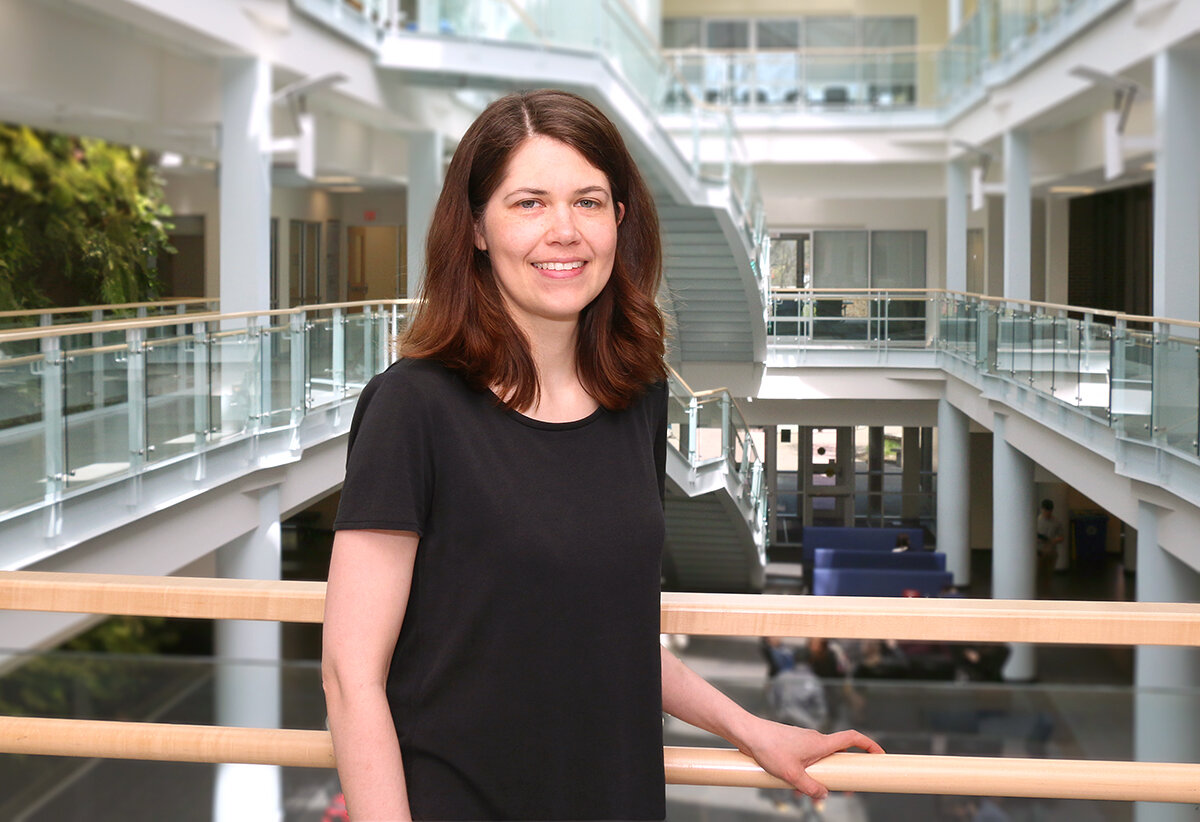
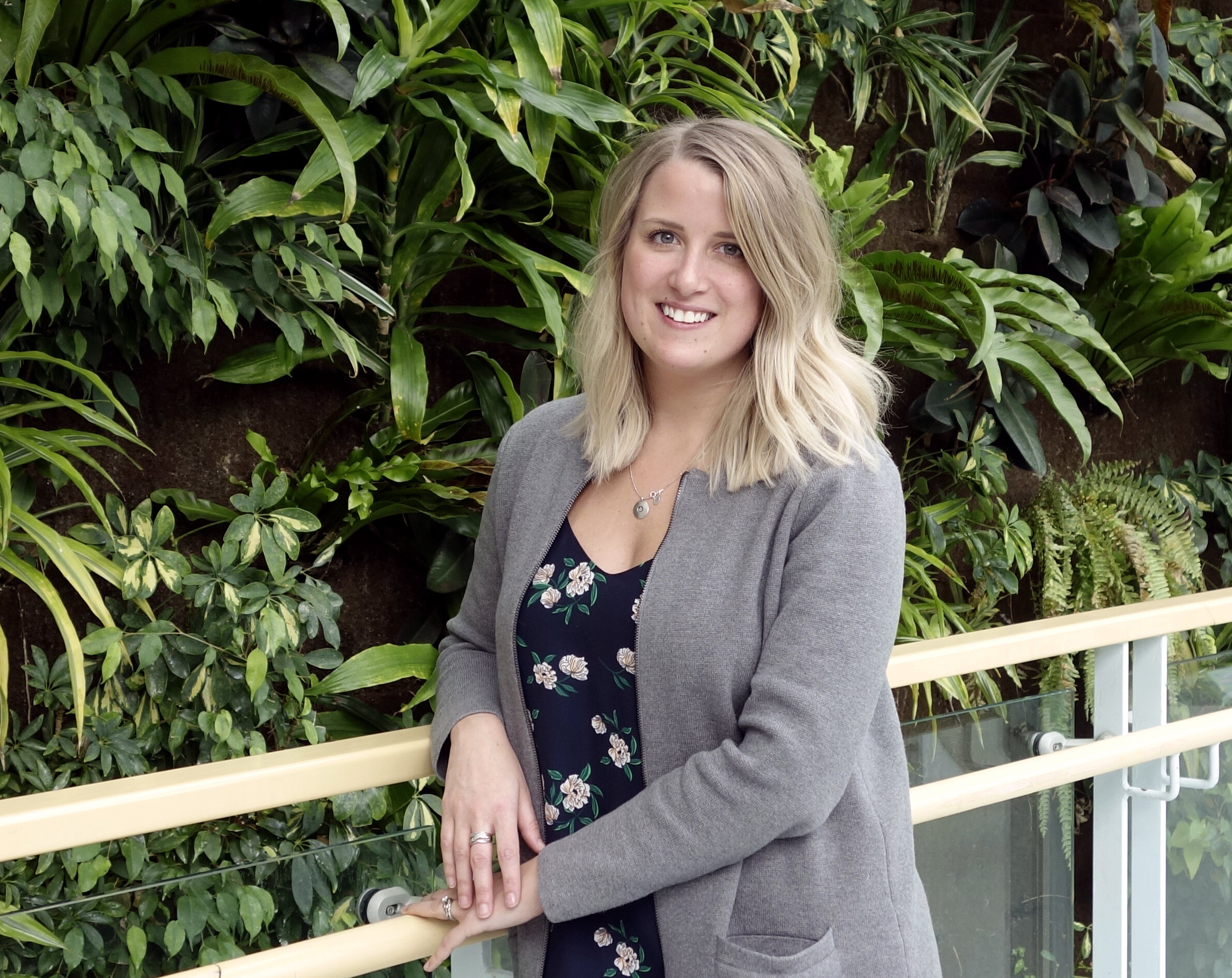
Grace McNutt

Grace McNutt

Finishing a graduate degree is a monumental task, one that requires dedication, perseverance, and the internal motivation to complete a self-directed thesis.

While working on her Master of Arts thesis, recent graduate Grace McNutt also found time for a side project, a history podcast which allows her to share her passion for Canadian history.

The arrangement happened by chance, when Grace’s friend and co-host Linnea Swinimer, who she met at the Halifax Curling Club, recommended her as “a funny person who likes history” to Halifax podcast producer Marc Boudreau at BNV Media. Grace took that offhand mention and ran with it, writing a successful proposal for a funny Canadian podcast— with a twist.

“This is my moment, this is my opportunity to do a hobby I’d love,” Grace said with a laugh. “I love podcasts and I love history podcasts.”

Grace’s take on Canadian history is unique; she uses iconic Canadian Heritage Minute ads as a launching point to dig deeper into interesting historical figures and topics.

“The most transcendental piece of Canadian history, that everyone from history buffs to history newbs knows about, are Canadian Heritage Minutes,” said Grace.

 “When you only have a minute to talk about a topic, what crazy stories do you have to leave out of Canadian history? We expand that minute to an hour-long story – what else is there about this person?”

The weekly podcast, with 30 episodes and counting, is called MinuteWomen. It uncovers the “funny, weird, and terrifying stories left out of Canada’s national history. Recent episodes on Nova Scotian activist Viola Desmond, basketball inventor James Naismith, Laura Secord (the hero, not the chocolate shop!), and the dark underworld of maple syrup are illuminating, clever, and funny.

Grace, co-host and resident historian, says “Linnea is my guinea pig audience, who I force to listen to things I find interesting. It’s such a fun hobby, it has kept me so engaged during the pandemic.”

 Her thesis, which she completed under the supervision of advisor Dr. Peter Twohig, explores the development of the Indian Affairs Department in Nova Scotia, the treatment of the Mi’kmaq and indigenous people of Nova Scotia, and compares their experience with the experience of indigenous peoples in the rest of Canada.   

After completing her Bachelor of Arts Honours in History at Cape Breton University, Grace followed in her parents’ footsteps to pursue a Master of Arts in Atlantic Canadian Studies at Saint Mary’s; her parents graduated with the same degrees in the 1990s. She’s now investigating PhD programs in Nova Scotia and Ontario where she can further pursue her Master’s thesis topic, after taking a well-deserved gap year.

Patrick Power Library gets bookable

87905418_3288847481129661_5631722162608930816_n.png

Starting next week, the Library is open for bookings for individual study space- including computer terminals, tables, carrels and study rooms- from 2-5pm, Monday-Friday. Local students can book space at https://outlook.office365.com/owa/calendar/PatrickPowerLibrary1@smuhalifax.onmicrosoft.com/bookings/

The Paging Service continues, in which members of the Saint Mary’s community (students, faculty and staff) can put a hold on a book through the online catalogue, and make an appointment for curbside pick-up. Pick-up appointments are available between 12-5 pm, Monday to Friday.

The University Archives is also open for appointments only. Appointments are limited to 2 hours and are available between 10 am and 4 pm, Monday to Friday, based on staff availability. Material to be viewed must be requested in advance, so library staff can retrieve the items. A minimum of 24 hours of notice is required for appointments.

At this time, appointments are limited to faculty, staff, and students of Saint Mary’s University.

On-site Archives staff may be able to provide remote research/reference services and limited scanning of certain materials; contact hansel.cook@smu.ca for details.

Summer research projects enhance education for Arts students

StudentResearchPoster.jpg

One of the many benefits of attending an institution such as Saint Mary’s is the research opportunities afforded to undergraduate students. This summer, five students from various departments in the Faculty of Arts were able to gain skills, knowledge and experience in their chosen fields of study – two will even end the summer with publications in their name.

Yingjun Chen, a fourth-year Honours French student, jumped at the chance to work with Dr. Rohini Bannerjee translating “Coupeuses d’azur,” a feature poem by Mauritian artist Khal Torabully, from French to English. “I’m finding it really enjoyable, because I’m doing something I love,” says Chen. She’s discovering many intricacies involved in translation, including appreciating the challenges of word choice, and whether to keep a rhyme or focus on the meaning. The goal is to send the 35-page poem to a publisher and use this experience as the basis for her Honours thesis. 

Fourth-year Honours Psychology student Le Khoi Anh Pham spent his summer conducting research alongside Dr. Nicolas Roulin and two graduate students, on asynchronous virtual interviews and cross-cultural personnel selection. “Contributing ideas to the research gave me confidence and insight into what post-graduate-level research and academic work are like.” He will be named as a third author in an upcoming article using the research, and has already been hired to complete another project with Dr. Roulin.

Bethany Leal just finished her first year of university, but that didn’t stop her from applying to work with Dr. Alexandra Dobrowolsky on a project critically examining Canada’s image of being a diverse, multicultural, welcoming nation. The project began with the Trudeau blackface scandal but expanded from there, considering this summer’s events. “Learning and self-reflection is a lifelong journey,” says Leal. “It can’t really be condensed into one summer or one research project, but it really helps to have had this opportunity.” This experience helped to solidify her future goals. Now majoring in Political Science, she hopes to specialize in systemic reform and holding governments to account – especially around issues of race and culture.

Fifth-year IDS and Political Science student Katheryn Lewis has been busy this summer on projects, also with Dr. Dobrowolsky. She is helping round out research on the Atlantic Immigration Pilot program, legislative responses to COVID-19 among the provinces, territories and national government overall, and feminist governance with regards to COVID-19, comparing and contrasting feminist institutions in Canada, the U.S. and Mexico.

Minoring in Film Studies, third-year student Andrés Guardia is researching Nova Scotia film director Margaret Perry, with Dr. Jennifer VanderBurgh. He has been working to create a more in-depth picture of Perry’s life and work – to show she is an auteur, not simply a director of industrial (tourism) films. “Now that I have watched them, I am really seeing the artistic elements to the films and Ms. Perry’s authorship. It’s very powerful and, as art, I can appreciate it,” says Guardia of the unexpected outcome of his work. He wants to create music once he finishes his degree – and this experience has given him a good base and understanding of the principles to apply to his own creations.

The robust research experience gained by all five students this summer has already greatly impacted their future careers and aspirations, thanks to funding through the Social Sciences and Humanities Research Council of Canada (SSHRC). These examples of undergraduate involvement in hands-on learning showcase the benefits and power of putting the motto “do what you do” into practice.

Two Saint Mary’s University scientists receive $795,000 in research funding

Two researchers in the Faculty of Science at Saint Mary’s have received a total of $795,000 in funding from two government organizations.

Dr. Erin Adlakha and Dr. Erin Cameron will have their work, on hydrothermal ore mineral deposits and soil invertebrates, respectively, funded in equal parts by grants from Canadian Foundation for Innovation John R. Evans Leaders Fund and from Research Nova Scotia.


Dr. Erin Cameron : “Global change impacts on soil invertebrates”

A researcher in the department of Environmental Science, Dr. Cameron’s work focuses on increasing understanding of the impacts of climate change and land use on below-ground ecosystems.

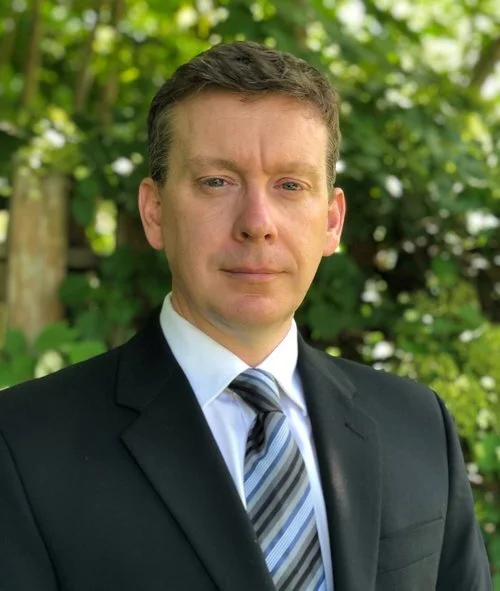
Dr. Erin Cameron

Dr. Erin Cameron

“Much of our understanding of these impacts in terrestrial ecosystems is based on aboveground organisms,” explained Dr. Cameron. “In contrast, although soils support high levels of biodiversity and provide key ecosystem services such as decomposition and carbon storage, we have a limited understanding of global change effects below ground.”

Her research seeks to address this gap in our knowledge by examining how climate change, land use change, and invasive species (earthworms) affect communities and ecosystem services (e.g., carbon dioxide flux) in Nova Scotia, Canada's North, and globally, using a combination of field observations, experiments, lab analyses, and modelling.

In Nova Scotia, her work will focus on examining how human disturbances may be affecting soil biodiversity and the ecosystem services provided by soil in forests, and on examining the spread and effects of non-native earthworms. This work will increase understanding of impacts of global change on soil biodiversity and ecosystem functioning and inform effective management of climate change and invasive species in Canada.

Read more about Dr. Cameron’s recent cover story in the prestigious Science Magazine, in which she studies the global diversity and biogeography of earthworms.


Dr. Erin Adlakha: “Characterizing Alteration Footprints of Hydrothermal Ore Deposits Using Super Light Element Micro-X-Ray Fluorescence” 

A faculty member and researcher in the Department of Geology at Saint Mary’s, Dr. Adlakha’s research focuses on hydrothermal ore mineral deposits, which we mine for the metals that we use in everyday life. Part of Dr. Adlakha’s research is to understand the source of fluids and metals, and identify the chemical or physical “traps” that cause ore deposition.

Dr. Erin Adlakha

Dr. Erin Adlakha

“These deposits precipitate from fluids (e.g. seawater, meteoric water, magmatic fluids) that circulate through Earth’s crust along structures — faults, fractures, mineral grain boundaries —and dissolve metals from the rocks that they pass through,” explained Dr. Adlakha. “When the fluids encounter a chemical and/or physical change, a reaction may occur that triggers the precipitation of economic minerals.”

“I am also interested in the mineralogy and chemical variation of un-economic alteration minerals that form as different fluids circulate through Earth’s crust, as they guide exploration geologists to find new deposits,” she added.

This CFI award will be used to purchase a Super Light Element Micro X-Ray Fluorescence Spectrometer to characterize the complex ore and alteration systematics of different ore systems, including polymetallic Co deposits in Nova Scotia, Canada; W skarn deposits of the Canadian Cordillera; and polymetallic deposits of the Nonacho Basin, Northwest Territories.

“The results of this research will be used to develop deposit models that describe how hydrothermal ore deposits form, and provide exploration vectors for these deposits, thus contributing to the longevity and sustainability of Canada's exploration and mining programs,” said Dr. Adlakha.


About the Canadian Foundation for Innovation

The Canada Foundation for Innovation (CFI) was built on the ideals of thinking big and investing in areas that matter to Canadians. Since its creation in 1997, the CFI has ensured Canadian researchers have the tools — the cutting-edge labs, facilities and equipment — they need to push the frontiers of knowledge in all disciplines, and to contribute to the full spectrum of research — from discovery to technology development.

The John R. Evans Leaders Fund enables excellent researchers to undertake leading-edge research by providing them with the foundational research infrastructure required to be or become leaders in their field. In turn, this enables institutions to remain internationally competitive in areas of research and technology development, aligned with their strategic priorities. 

Research Nova Scotia

Research Nova Scotia (RNS) is a not-for-profit corporation established to enhance research capacity and align research funding with provincial priorities. RNS invests in research that builds and translates knowledge to help ensure a sustainable and prosperous future for Nova Scotia. This support for the research community in our province helps to advance strategic growth in Nova Scotia, and contributes to innovation in the healthcare system in Nova Scotia. 

SMU Chemistry students, faculty help create rapid test kit for COVID-19

(L-R): Jacob Hoare, Thomas Steele, Olivia Singer, Kalei Crowell, and Jacob Campbell.

(L-R): Jacob Hoare, Thomas Steele, Olivia Singer, Kalei Crowell, and Jacob Campbell.

When students and faculty at Saint Mary’s were starting the winter 2020 term in January, the plan was for a normal busy university term of classes and labs. Two months later students, faculty and staff were adjusting to the new normal of working and studying from home during a quickly-evolving global pandemic, and the world looked very different by April.

That same month, a small team of Chemistry researchers, including undergraduate students, was quickly formed at Saint Mary’s to start working on a vital contribution to a rapid, point-of-care, Covid-19 test kit created by a startup company in Dartmouth, NS.

Sona Nanotech was creating a new test kit for the direct detection of the virus responsible for Covid-19 and required ready access to a critical precursor. Thanks to a chance conversation about chemistry at a student conference last summer, Sona Nanotech found their expert at Saint Mary’s, namely researcher and professor Dr. Rob Singer.

Dr. Singer has known Dr. Gerry Marangoni, a Scientific Advisory Board member at Sona Nanotech and Professor of Chemistry at St. Francis Xavier University, from previous collaborations. Dr. Marangoni knew that his colleague had the capability to create the critical precursor that Sona Nanotech needed to produce their inexpensive, point-of-care, rapid-response test kit in a matter of minutes.

A partnership was quickly formed between the company and the university, and within days testing and production of this critical material began in a Saint Mary’s lab. The work was also made possible by Springboard Atlantic, which contributed funding towards the research.

Crediting the collaborations that come from working within a small university for the success of this venture, Dr. Singer explained how beneficial it was to work with a local startup and collaborators. “It was so efficient, and most importantly, we were able to get undergraduate students involved right from the start.” he explained. “These students are involved in relevant, potentially world-changing research here at a small university.”

The team at Saint Mary’s, including undergraduate students Jacob Hoare and Olivia Singer, recent alumni Kalei Crowell and Jacob Campbell, and PhD candidate Thomas Steele, have so far created just over 6 kilograms of the critical precursor, and they have the ability to keep producing at this industrial level as needed. “Of course, we were going to help when they asked. Our mentality was that we were going to assist this company as much as, and in any way, we possibly could.” said Dr. Singer.

Sona Nanotech’s test uses its proprietary nanotechnology in a disposable lateral flow test platform to create a new rapid, point-of-care test kit for the direct detection of the virus SARS-CoV-2 that causes Covid-19. It works in a similar way to home pregnancy tests, by identifying the presence of a biological marker, but the technology can also be used to detect a range of viruses and infectious diseases including hepatitis, HIV and Ebola. This method is faster and cheaper than other testing technology, and could be used for in-home testing and by medical staff, and to screen people in large gatherings. Click here to read more.

Saint Mary’s research in psychology, management, and history receives federal funding

IMG_0521.JPG

Saint Mary’s University researchers have received federal funding for projects totaling $300,000 from the Social Sciences and Humanities Research Council’s Insight Grants competition.

“Research in the social sciences and humanities is a fundamental element of how society understands and interprets itself, providing the insight needed to critically explore the true impact of our established institutions, both positive and negative,” says Dr. Adam Sarty, dean of Graduate Studies and associate vice-president of Research at Saint Mary’s University. “These grant recipients are all challenging key aspects within our culture – from the criminal justice system, to sexual abuse cover-up within the Catholic Church, to workplace incivility, to examinations of medical malpractice. I am very proud of our recipients for their willingness to challenge conventions and engage in this research that enriches both our local and global communities.”


The following is a list of Saint Mary’s Insight Grant recipients:


Recipient: Dr. Meg Ternes (Psychology)
Title: Lie Detection in the Criminal Justice System: Exploring Deception Cues in Field and Laboratory Studies

Dr. Meg Ternes

Dr. Meg Ternes

Description: Most of us are not good lie detectors; lie detection accuracy is usually at chance level. Yet, lies accompanied by powerful emotions and false emotional displays can have major consequences, especially in the criminal justice system where the perceived credibility of an alleged victim’s distress or an offender’s remorse can inform decisions concerning verdicts, sentencing, or parole. For this project, Dr. Ternes and her team will examine the efficacy of nonverbal, verbal, and facial cues to deception (together and separately) using laboratory and field research approaches. The laboratory study will consider emotionally-laden lies and truths told by undergraduate students under controlled conditions, while the field study will consider lies and truths told by criminal suspects in police interviews. The results of these studies will improve our understanding of which combinations of cues contribute the most to deception detection. These results will be shared with professionals in the criminal justice system who have to make these important credibility judgements on a regular basis.


Dr. Cathy Driscoll

Dr. Cathy Driscoll


Recipient:
Dr. Cathy Driscoll (Management)
Title: Exploring Collective Moral Disengagement in Cover-up of Sexual Abuse in the Roman Catholic Church

Description: The broad aim of my research project is to better understand, and effect change in, organizations that are engaged in potentially contradictory practices to their principles, mission, and values. Specifically, this project will focus on institutional and leader moral disengagement in the context of the cover-up of clergy sexual abuse (CSA) of minors in the Roman Catholic Church (RCC). Using content and discourse analysis, I will study current and historic RCC leader discourse from 1990 to 2020 across four countries. Better understanding insights into the organizational dynamics and discourse strategies in this context can provide valuable applications to the RCC with an estimated 1 billion members, as well as to other organizations’ crises, control dynamics, corruption, and misconduct issues (e.g., banks and public sector).


Camilla.jpg

Recipient: Dr. Camilla M. Holmvall (Psychology and Management)
Title: Examining how workplace incivility impacts leader well-being: The moderating role of leader gender

Description: Workplace incivility has been highlighted as highly prevalent in organizations and also highly damaging to employee attitudes, behaviours, and well-being. Research has focused predominantly on mistreatment directed from supervisors toward subordinates, and between coworkers. However, supervisors, managers, and leaders can also be targets of disrespect. Understanding how, and when, leaders’ well-being is impacted by workplace incivility has significant implications, in part due to leaders’ influence on the achievement of the objectives of the organization as well as on their followers’ performance and well-being.  In this 5-year mixed-methods grant, we draw on relevant theory (e.g., selective incivility, stereotype activation and threat) to examine the possible different experiences of male and female leaders in terms of both their likelihood of experiencing incivility as well as on its impacts on their well-being. 


blake+brown.jpg

Recipient: Dr. Blake Brown (History)
Title: A History of Canadian Medical Malpractice Law, 1935-1980

Description: This research will break new and exciting ground in historical research in Canada. It will produce the first history of medical malpractice law in English Canada from 1935 to 1980. One of the most contentious areas of law in the mid twentieth century, malpractice law developed in significantly different ways in Canada than in the United States. The project will explain key changes and trends, and also consider the impacts of technology and the roles of gender, ethnicity and race in shaping the results of malpractice lawsuits. The study ends in 1980, by which time Medicare and the emergence of professional self-regulation complaint systems altered how governments, the medical profession, and individuals approached negligence issues. Focusing primarily on actions against physicians and surgeons, the research will also explore how hospitals and other medical professionals became entangled with litigation. This research will interest historians and also legal scholars, medical professionals, lawyers, policy makers and the general public, since medical malpractice is an important and pressing policy issue.


The Social Sciences and Humanities Research Council’s Insight Grants support research excellence in the social sciences and humanities. Funding is available to both emerging and established scholars for research initiatives of two to five years. Stable support for long-term research initiatives is central to advancing knowledge. It enables scholars to address complex issues about individuals and societies, and to further our collective understanding.

The Social Sciences and Humanities Research Council of Canada (SSHRC) is the federal research funding agency that promotes and supports postsecondary-based research and research training in the humanities and social sciences. By focusing on developing talent, generating insights and forging connections across campuses and communities, SSHRC strategically supports world-leading initiatives that reflect a commitment to ensuring a better future for Canada and the world.

The work SSHRC supports encourages the deepest levels of inquiry. It spurs innovative researchers to learn from one another’s disciplines, delve into multiparty collaborations and achieve common goals for the betterment of Canadian society. Research outcomes are shared with communities, businesses and governments, who use this new knowledge to innovate and improve people’s lives.

Unveiling the Sobey School of Business Community Revitalization & Prosperity Network

sobey%2Bschool.jpg

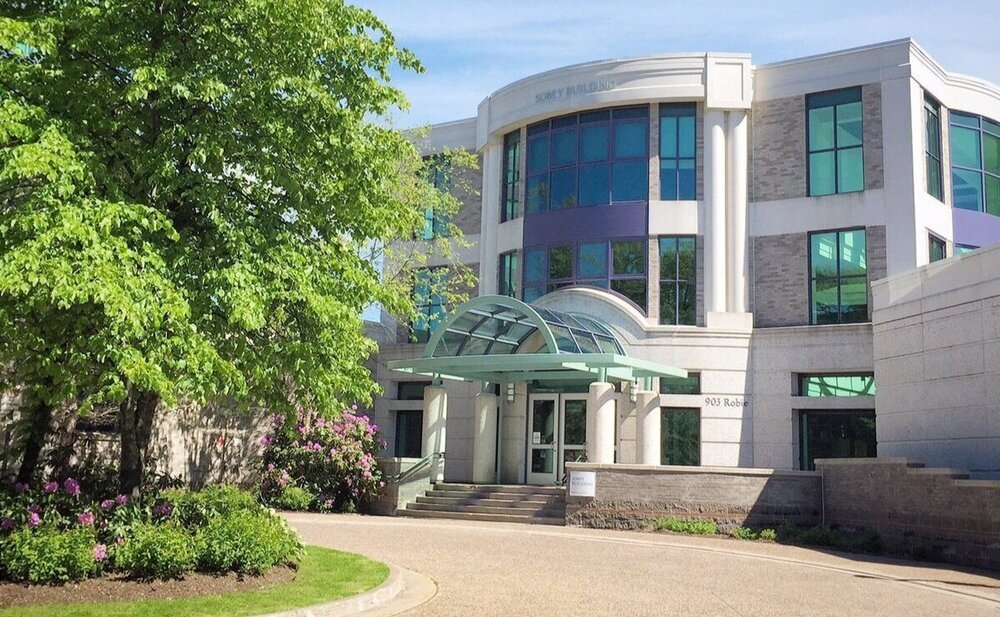
Saint Mary’s University has unveiled the Sobey School of Business Community Revitalization & Prosperity Network.

Established as a recovery network for communities and businesses, particularly small and medium-sized enterprises, the Sobey School Community Revitalization & Prosperity Network puts the university’s academic and industry experts’ perspectives into service, supporting the recovery of the regional economy. 

Experts are drawn from faculty, research centres, alumni and partners in industry. They will tackle subjects including how data analytics, machine learning and artificial intelligence can serve in business recovery; how retirement savings will be affected; and how the retail industry can recover.  

“People describe our current situation as unprecedented, but universities have come through these sorts of times before,” says Saint Mary’s University President Dr. Robert Summerby-Murray. “The successful universities have done so by embracing transformation and harnessing the dynamics of extraordinary circumstances to help their communities. This prosperity network brings our experts into the community at a time when they are needed most.”

Through this network, the University will foster a resilient community of innovation and support for Nova Scotia’s businesses and communities and provide resources for entrepreneurs and business leaders, including:

  • experts businesses and governments can consult to help navigate the economic recovery;

  • evidence-informed free webinars to help communities and businesses recover from the pandemic;

  • an opportunity to receive discussion papers and advance invitations to online events; and

  • blog posts and opinion editorials with which to engage, and share thoughts and knowledge.

Saint Mary’s University has been actively engaged in responding to the pandemic—providing  personal protective equipment, COVID-19 related research and free business coaching and expert advice for entrepreneurs, businesses and government. The Sobey School of Business and the Entrepreneurship Centre have been at the forefront of these efforts, in keeping with their roles and long tradition as a driver of business excellence, entrepreneurship and economic strength in the region.

“We must come out of this crisis stronger, and we know that will take a coordinated effort across all sectors of our economy,” says Harjeet Bhabra, Dean of the Sobey School of Business. “We anticipate this project will enable meaningful collaborations between our Sobey School researchers, industry experts and those on the frontlines, sparking the innovation that will revitalize our economy. We want our joint efforts to produce a more prosperous province for all Nova Scotians.”

Saint Mary’s University and the Sobey School of Business have long been committed to making a positive impact on local and global business practice and the region’s economy. In the Sobey School’s strategic plan, Elevating Impact, the school committed to “Engage with the broader community to enrich learning and discovery, and address issues of local and global significance.” The COVID-19 pandemic has had a drastic effect on the economy around the globe. Governments protected their citizens by curtailing public life, including commerce. Lives have been saved, and peoples’ health protected by these means. As the region begins the hard work of restarting the economy, the Sobey School of Business is prepared to play an essential role in helping Nova Scotia businesses and communities cope. 

The first free webinar is scheduled for July 16: Business in the COVID-19 Era and Beyond: Using Data Analytics to Achieve Sustainable Recovery and Growth.

In addition to the no-cost resources offered by the Sobey School of Business Prosperity Network, there are paid courses offered through the Sobey School of Business Executive and Professional Development program that address some of the specifics around coping with COVID-19, including financial planning during the pandemic’s uncertainty; mindfulness and stress; new manager skills; and leading virtually.

Exploring ways to help Nova Scotian pulp mills produce medical-grade pulp for N95 respirator production

Dr. Christa Brosseau (left)

Dr. Christa Brosseau (left)

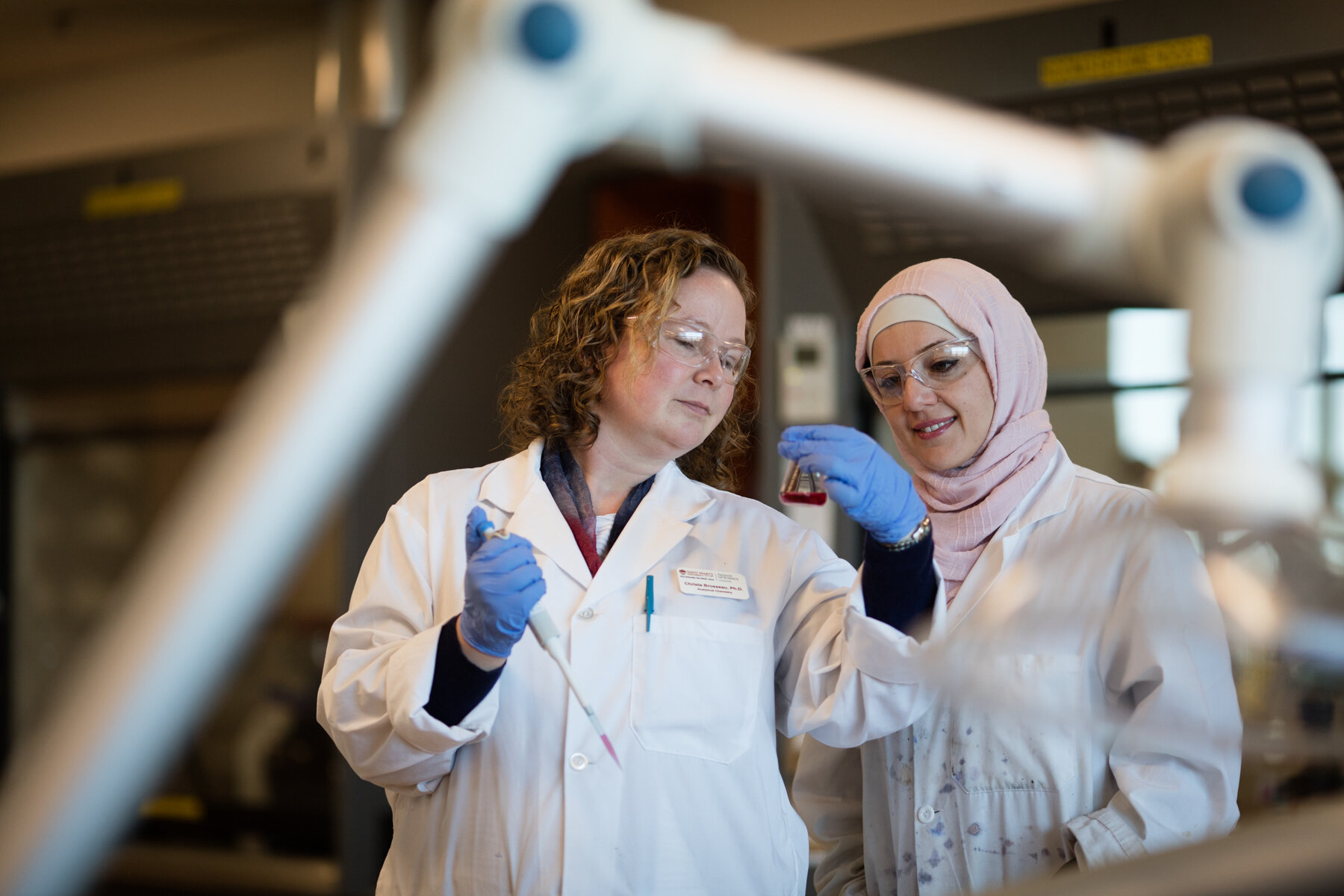
A Saint Mary’s University researcher is leading a project to help address a key support needed for the COVID-19 pandemic: personal protective equipment and their components.

“As a result of COVID-19, there is a massively increased global demand for N95 respirators,” says Dr. Christa Brosseau. “New technologies are urgently needed to help manage impending shortages, ideally with ’home-grown’ solutions.”

Dr. Christa Brosseau is a professor in Saint Mary’s University’s Faculty of Science and Canada Research Chair in Sustainable Chemistry & Materials. Her project will explore innovative chemical strategies to help determine if Nova Scotian pulp mills can produce medical-grade pulp for N95 respirator production. A recent grant from Research Nova Scotia will help propel this work forward.

N95 masks are typically composed primarily of synthetic polymer materials (polypropylene, polyester) with cellulose sometimes incorporated into one of the many layers that make up the respirator. At present, a single mill in Canada is producing medical grade pulp and they are struggling to keep up with the increased demand.

“Over the years, there has been an increased interest in making N95 respirators using only wood pulp”, says Dr. Brosseau. “However, wood pulp typically lacks certain properties that translate into effective respirator material.”

Dr. Brosseau’s team, in collaboration with the pulp and paper industry in Nova Scotia, will develop and test chemical additives that can address key challenges in the production of medical-grade pulp from thermomechanical pulp. Using combined expertise in the areas of chemical synthesis, materials characterization and process development, they will work towards an innovative “made-in-Nova Scotia” approach for creation of a product similar to the Western red cedar formulation currently produced in British Columbia.

If successful, this project could help meet the needs of frontline healthcare workers by supplying adequate PPE protection from COVID-19 while also supporting the Nova Scotian pulp and paper industry. The research team will work collaboratively with Port Hawkesbury Paper Mill who will provide thermomechanical pulp for experimentation.

“Although this research project was identified through our COVID research response initiative, it could also have a positive impact on the Nova Scotia forestry sector”, says Stefan Leslie, CEO of Research Nova Scotia. “As we pursue both a sustainable forestry industry and a response to the COVID pandemic, the research community is demonstrating its creativity and initiative.”

Note: This story originally appeared on the Research Nova Scotia website.

New international research study asks: Is COVID-19 changing the way we cook and eat?

smu+shield.png

It might sound familiar: flour, pasta and yeast are more difficult to find than in the past, and you cannot ignore the photos of homemade bread or desserts circulating on social media. It seems for many that the approach when it comes to meals is completely different than before the emergence of the coronavirus. This has not escaped the notice of several researchers, either.

This change in cooking habits has led to a partnership between Saint Mary's University and the Food, Media & Society (FOOMS) at the University of Antwerp in Belgium to launch a research study into the matter. The Corona Cooking Survey is a large-scale international survey study into the impact of COVID-19 on how people deal with food and food-related media. This study allows the shifts brought on by the coronavirus in terms of buying, cooking and eating habits, to be identified. More than 30 countries have already confirmed that they will participate in the research project. 

Dr. Maryanne Fisher

Dr. Maryanne Fisher

"This is a really exciting project to be involved with for many reasons. Academics around the world have very quickly come together to explore one of the most basic parts of our daily life: eating," says Dr. Maryanne Fisher, a professor of Psychology at Saint Mary's and part of the study's project team. "The number of people who have turned to baking bread - one of the most basic skills that has endured for centuries - is simply amazing. But how did they learn how to make that bread, and what prompted them to do so?"

In Belgium, the survey has received more than 6,000 respondents in less than two weeks.

"We know from previous research that family and friends play an important role in people's relationship with food. Just think of the typical "family classics" or all the tips that friends and colleagues share about food," says Dr. Charlotte De Backer, an Associate Professor at the University of Antwerp and the study's project leader. "Other sources, such as influencers on social media, celebrities on television or recipes in magazines also have an impact on our food choices. That's why we want to use this study to investigate whether our habits have changed since the preventative measures were taken, and what role various media and people play in these changes."

Interested in participating in the survey? Click here.


Preventing burnout among front-line care workers during COVID-19 focus of new Saint Mary's research project

Dr. Debra Gilin

Dr. Debra Gilin

Dr. Debra Gilin, a professor in Saint Mary’s University’s Faculty of Psychology, is leading a study that will rapidly develop tailored screening and intervention tools to support mental health and prevent elevated job burnout or safety risks in COVID-19-responding health care staff in Nova Scotia.

“For Nova Scotia to successfully fight COVID-19, front-line health care workers must be physically and mentally well, and feel safe at work over the long haul,” says Dr. Gilin.

Dr. Gilin’s research team is comprised of leading Canadian experts in occupational health psychology, patient and occupational safety, and job burnout (Dr. Lori Francis, Dr. Mark Fleming, and Dr. Dayna Lee-Baggley). A recent grant from the Nova Scotia COVID-19 Health Research Coalition will now help propel their work forward.

The team is poised to rapidly deliver research that will screen and intervene for job burnout among front-line health care workers and deliver a “COVID Pulse” staff screening tool to identify those at high risk of burnout. Currently, the team is actively collecting job burnout data from health care and trauma exposed front-line workers during the peak of the COVID-19 escalation in Canada and the US. From there, they will mine the data, finding the most diagnostic factors of workload, stress, personality, and life demands that predict elevated burnout. Partner groups can use “COVID Pulse” to triage the most at-risk employees for earlier and greater support and mitigation. The hope is that this tool will be available by summer.

“We know that the protection of our health care workers’ emotional well-being and safety is a critical priority to succeed in the fight against COVID-19 long-term,” says Dr. Gilin. “By leveraging in-progress research resources, we will deliver these important outcomes with minimal research burden on the front-line workers who are already shouldering a heavy toll for the good of all Nova Scotians.”

Dr. Gilin’s study will use physically-distant, confidential interview and survey methods to listen to emerging sources of stress, trauma, safety risks, and needs among key staff groups on the front lines. The team will then tailor a set of resources, supports, and direct brief interventions, to leaders and their staff.

“The healthcare system response to COVID-19 in Nova Scotia will be a marathon, rather than a sprint,” she says, “And our front-line health care workers’ physical and mental well-being is perhaps the most critical resource we must preserve to be successful in the fight.”

This research project was funded by the Nova Scotia COVID-19 Health Research Coalition. Partners include the Nova Scotia Health Authority, Dalhousie University, Dalhousie Medical Research Foundation, IWK Health Centre, IWK Foundation, QEII Health Sciences Foundation, Dartmouth General Hospital Foundation, and Research Nova Scotia. The Coalition is dedicated to leading and fostering a research environment that engages our academic partnerships and responds to the current needs of Nova Scotians and our health care system, in addition to maintaining the expertise in innovative research, discovery science, population/social sciences, and health system improvement. This funding partnership provides the opportunity to catalyze COVID-19 related research initiatives and achieve collective social impact.

Take the survey now

Researchers at Saint Mary’s are conducting this survey on empathy, burnout, and trauma among front-line workers during the COVID-19 response now, and they welcome your voice! Please consider responding, or sharing: https://traumaworksurvey.wordpress.com

For more information visit https://researchns.ca/covid19-health-research-coalition/

Note: This story originally appeared in the May Edition of the Research Nova Scotia Newsletter and has been republished with their permission.

Saint Mary’s researchers receive funding as part of Nova Scotia COVID-19 Health Research Coalition

SMU+Crest.jpg

In this unprecedented time of local and global uncertainty, there has never been a greater need to conduct medical and health-related research to collect real-time evidence to inform practice, policy and decision making. The Nova Scotia research community has come together to respond to the COVID-19 global pandemic with a collective investment of just over $1.5 million in COVID-19 focused research. 

Today, the Nova Scotia COVID-19 Health Research Coalition announced the lead researchers who are receiving funding. Among the recipients are two Saint Mary’s University researchers: Dr. Yigit Aydede, and Dr. Debra Gilin.

“The researchers receiving funding as part of this announcement are tackling the impacts and spread of the COVID-19 virus, turning their expertise to this global problem,” says Dr. Adam Sarty, Associate Vice-President Research and Dean of the Faculty of Graduate Studies and Research. “Our researchers are tackling this problem with the tools of machine learning and data analytics to track the virus spread in one case, and the expertise of workplace training and interventions to prevent front-line burnout in the other case.  These projects provide a window into the breadth of the research we do at Saint Mary’s. We work collaboratively and engage in research that matters to our communities.”

This funding supports COVID-19 research that will inform health system decisions, facilitate vaccine development, identify novel treatments, develop devices, and influence social response to the pandemic. Funding will also leverage existing research capabilities to help rapidly respond to the urgent need to support further COVID-19 focused research right here in Nova Scotia.

The COVID-19 Health Research Coalition is dedicated to fostering a research environment that engages our academic partnerships and responds to the current needs of Nova Scotians and our health system, in addition to maintaining the expertise in innovative research, discovery science, population/social sciences, and health system improvement.

Dr. Yigit Aydede

Dr. Yigit Aydede


Funding recipient:
Dr. Yigit Aydede

Project: The Role of Environmental Determinants and Social Mobility in Viral Infection Transmission in Halifax

Description: This study will analyze the relationships between COVID-19 transmission rates, meteorological and air quality, and the fluctuations in social mobility in Nova Scotia to allow for better calibration of spatial spread in simulation models that are used to inform policy making.

Funding amount: $36,900

Dr. Debra Gilin

Dr. Debra Gilin

Funding recipient: Dr. Debra Gilin

Project: Preventing Burnout Among Front-Line Care Workers to Fight Covid-19: Screen and Intervene

Description: This study will rapidly develop tailored screening and intervention tools to support mental health and prevent elevated job burnout or safety risks in COVID-19-responding health care staff in Nova Scotia.

Funding amount: $47,640

Additional information: