
SMU Community

Dr. Laura Weir named Interim Dean of Science

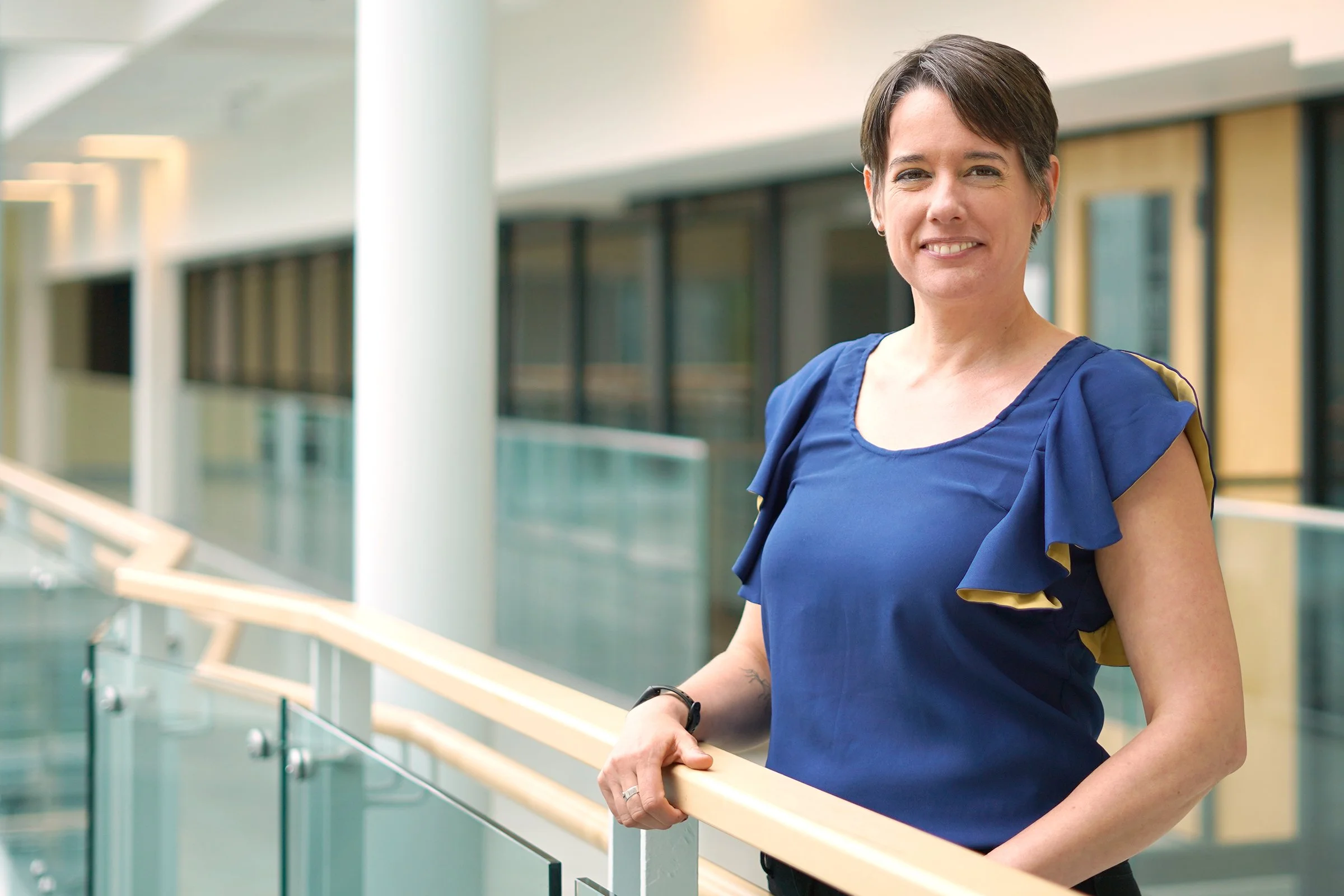
Laura is a white woman with short brown hair. She stands in the Atrium and wears a blue shirt.

Dr. Laura Weir

Saint Mary’s is pleased to announce that Dr. Laura Weir will serve as interim Dean of Science for the next year.

An accomplished scientist and Associate Professor in the Department of Biology since 2016, Dr. Weir researches fish behaviour and evolution, and collaborates with government scientists to identify the effects of climate change on fish population size and structure. She has received research funding from international, federal and provincial agencies to support her work. During her time at SMU, she has mentored over 40 students through undergraduate, graduate and postdoc research.

In the classroom and lab, Dr. Weir is an enthusiastic and thoughtful professor who has taught Biology courses at all undergraduate levels at SMU. She is particularly passionate about creating a positive experience for new students in first-year courses; her teaching focus this year is guiding students through their first-year biology laboratory activities.  

“Dr. Weir is a highly respected professor and administrator,” says Dr. Sam Veres, Interim Provost and Vice-President Academic and Research. “Laura is passionate about ensuring that Saint Mary’s students receive an exceptional educational experience, and as a colleague, Chairperson, and Associate Dean, I have seen her dedication to supporting faculty to help achieve this. The Faculty of Science is in excellent hands with her appointment as Interim Dean for the next year.” 

Most recently, Dr. Weir was Acting Associate Dean, Student Affairs and Supports, and previously served as the Chair of the Department of Biology.

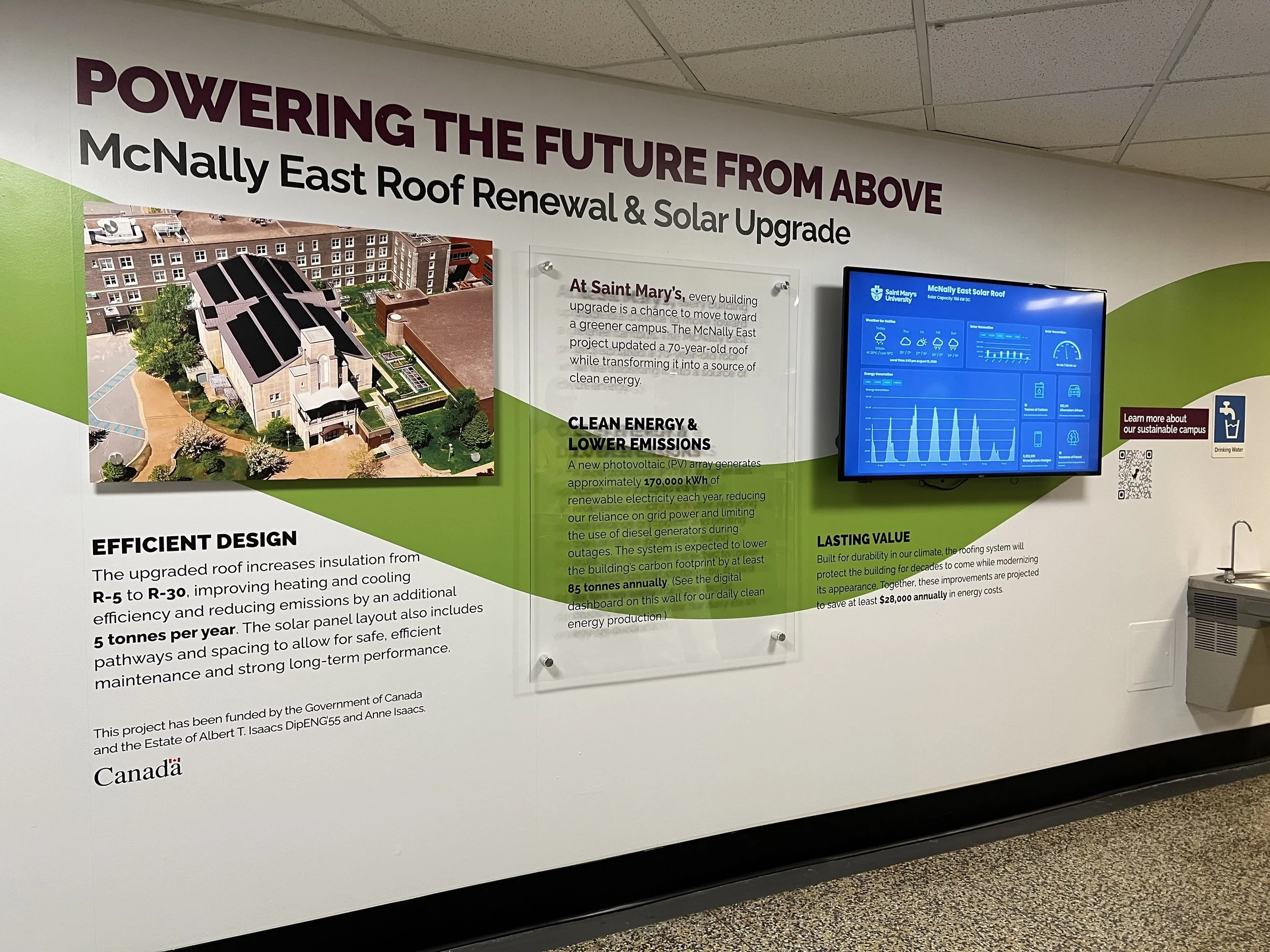
Powering the future from above

McNally East roof renewal turns a 70-year-old building into a clean energy engine

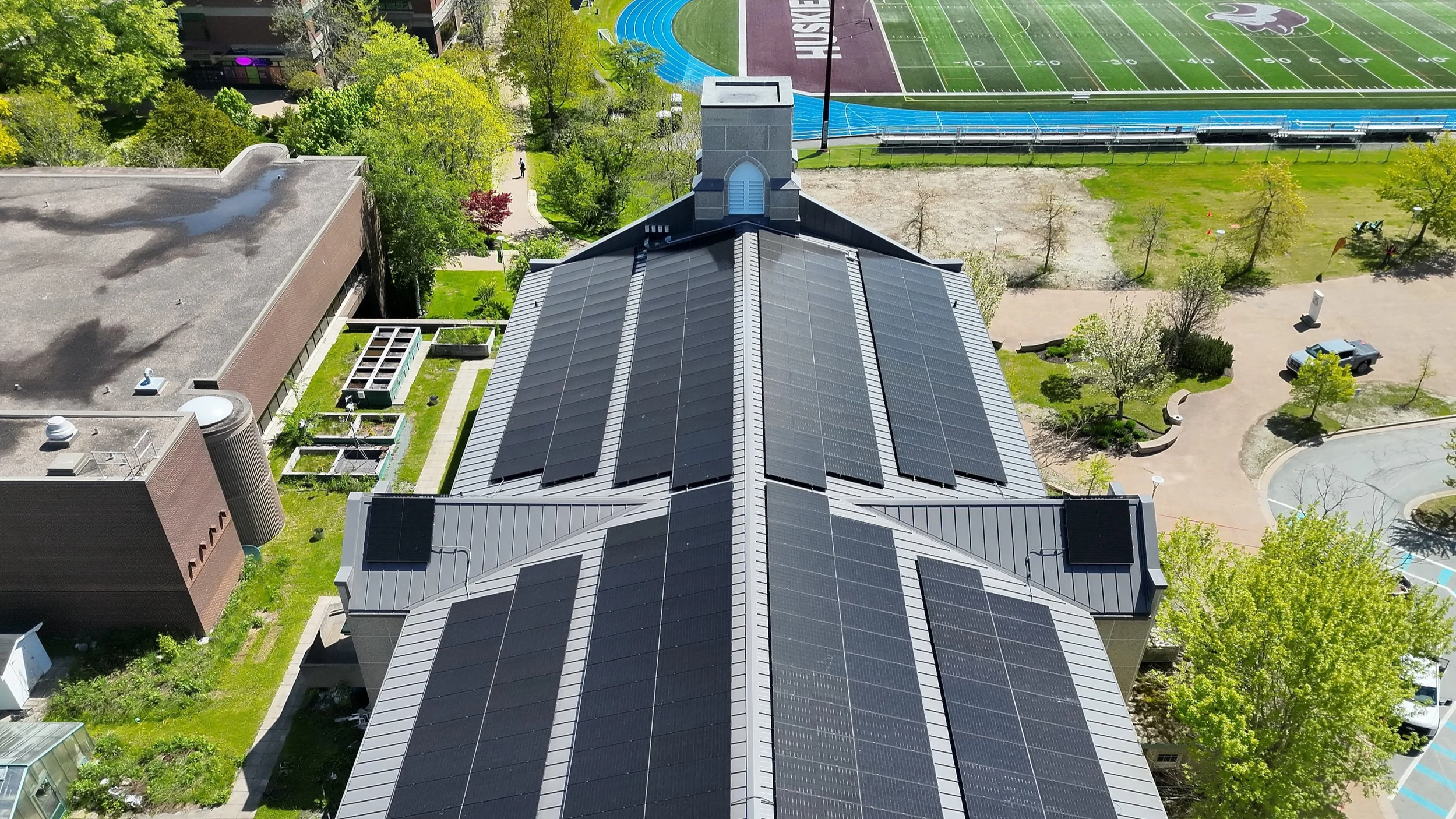
An aerial view of the McNally East roof with new PV panels

New PV panels on the rooftop of McNally East will generate electricity for the building

For seven decades, the roof of McNally East had exactly one job: keep the weather out. As of this summer, it has a second onepowering the building beneath it.

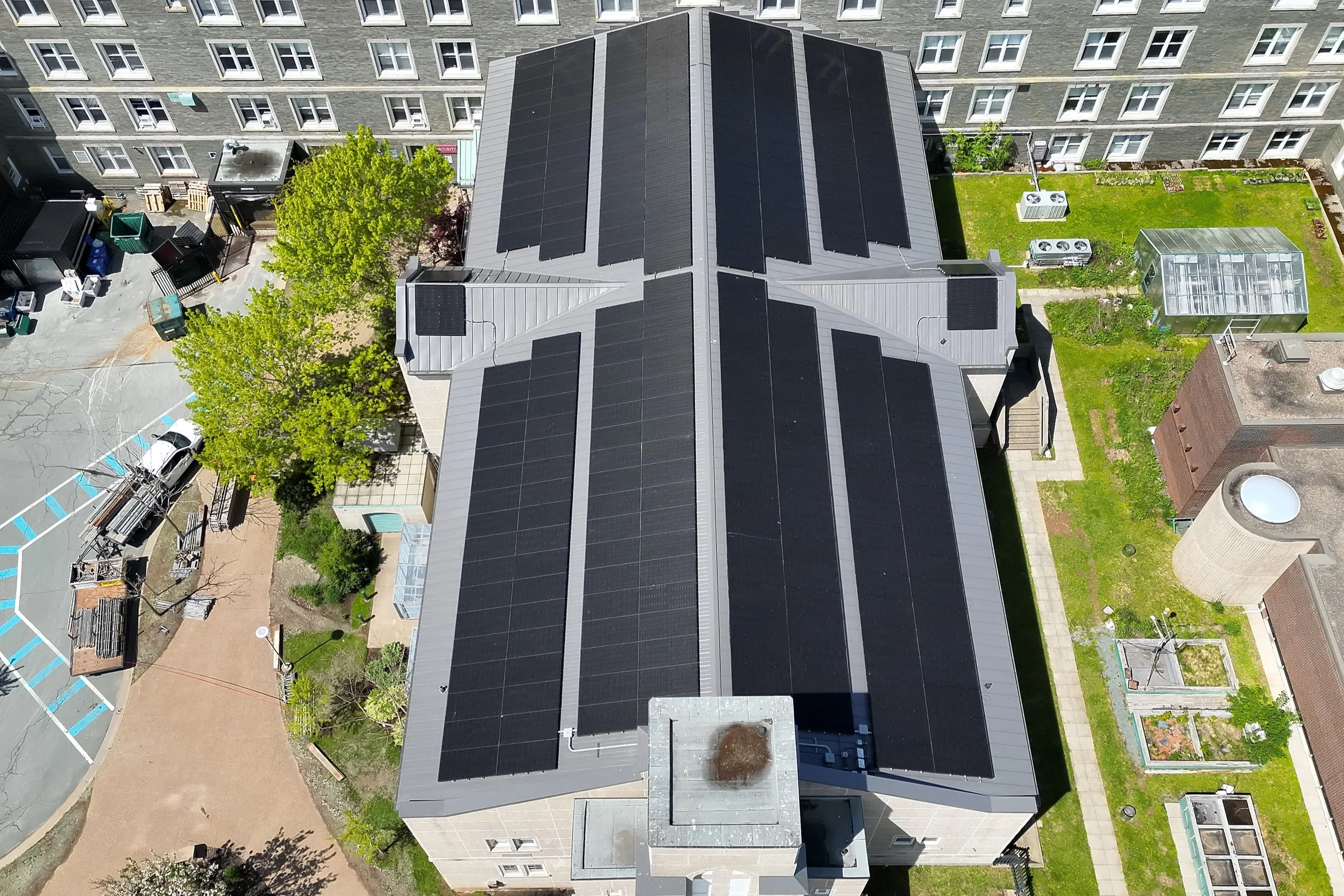
Saint Mary’s University has completed a full renewal of the 70-year-old roof on McNally East, part of the historic McNally complex at the heart of campus. The project pairs modern, climate-resilient construction with a new rooftop photovoltaic (PV) array.

The system will generate approximately 170,000 kilowatt-hours of renewable electricity each year, reducing the university’s reliance on grid power. The installation is expected to cut the building’s carbon footprint by at least 85 tonnes annually.

An aerial view of the McNally East roof

McNally East after rooftop upgrades

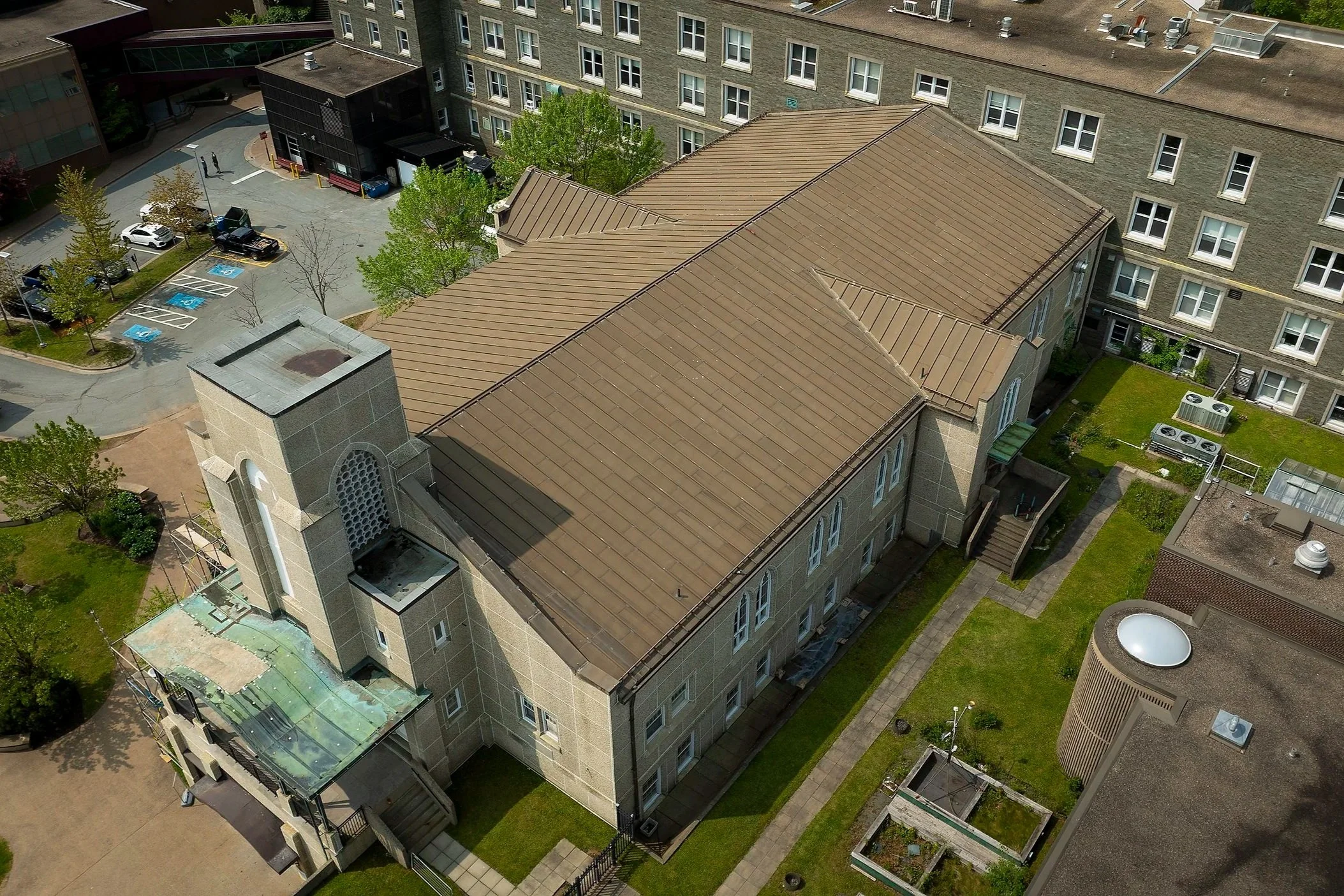
An aerial view of the roof before upgrades

McNally East before

"Every time we build or renovate on this campus, we ask the same question: how can this asset give more back?" says Dennis Gillis, Senior Director of Facilities Management at Saint Mary's. "McNally East needed a new roof either way. Now it keeps the weather out, keeps costs down and generates clean power every day. That's what responsible stewardship looks like in 2026."

The upgraded roof boosts insulation values six-fold, from R-5 to R-30, improving heating and cooling efficiency and eliminating a further five tonnes of emissions each year. Together, the improvements are projected to save at least $28,000 annually in energy costs.

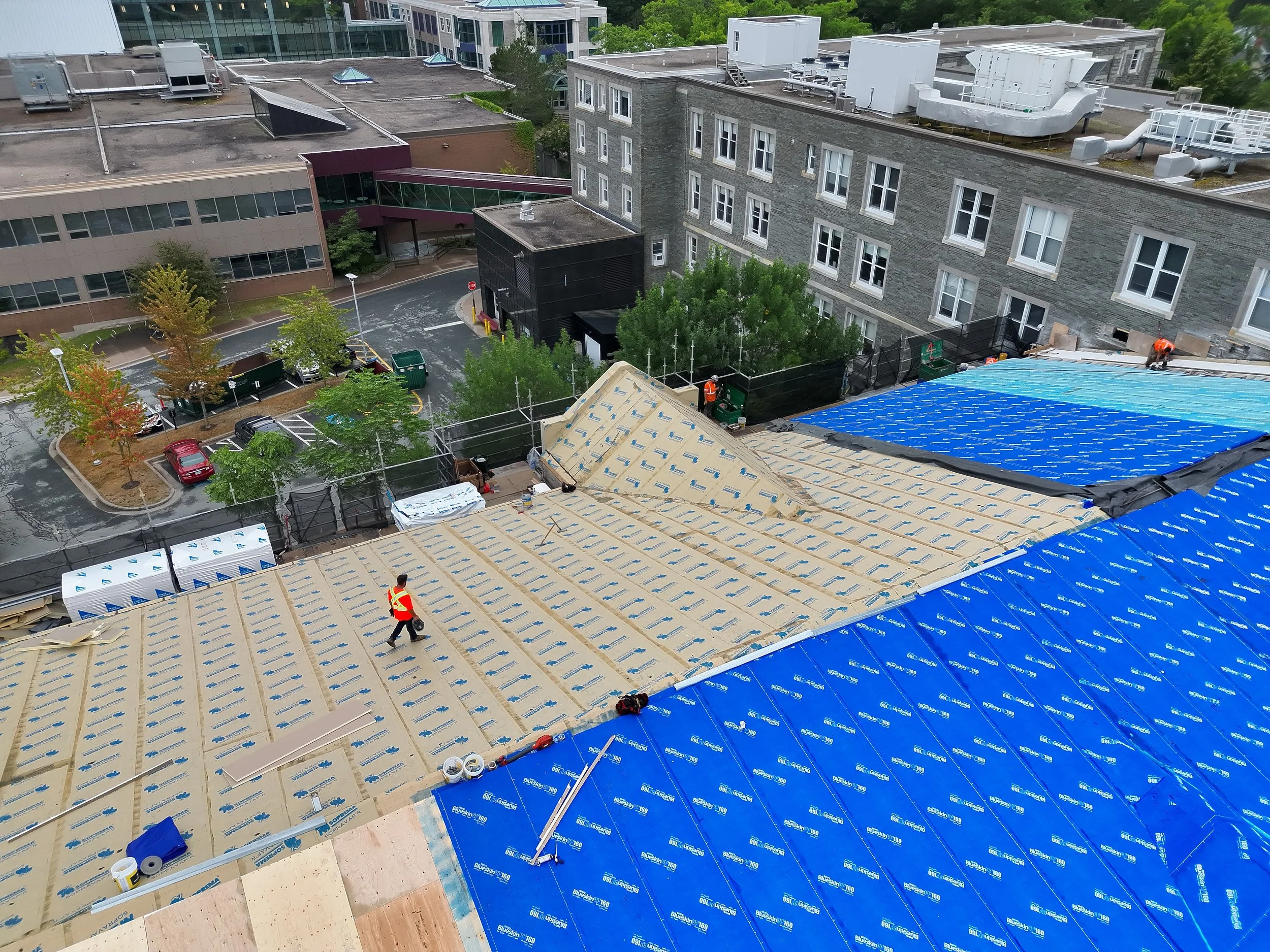
Construction material and a worker shown on the McNally East roof

McNally East roof under construction

Our goal is a campus that produces its own energy, and we are accomplishing that one building at a time.
— Dennis Gillis, Senior Director of Facilities Management

The roof and solar array were designed for Halifax’s demanding coastal climate. The panel layout includes dedicated pathways and spacing for safe, efficient maintenance, protecting the system’s performance over the long term. The new roofing system will shield the building for decades to come.

On campus, a digital dashboard inside McNally East displays the building's clean energy production in real time, allowing students, employees and visitors to track solar generation as it happens throughout the day.

A legacy seven decades in the making

The project was funded by the Government of Canada and the Estate of Anne J. and Albert T. Isaacs DipENG'55.

McNally East’s original roof was built around the same time Albert Isaacs was completing his engineering diploma at Saint Mary’s. Seventy years later, his legacy is helping transform that same building into a source of clean power for the campus where the university’s newest generation of engineers will begin their studies this fall.

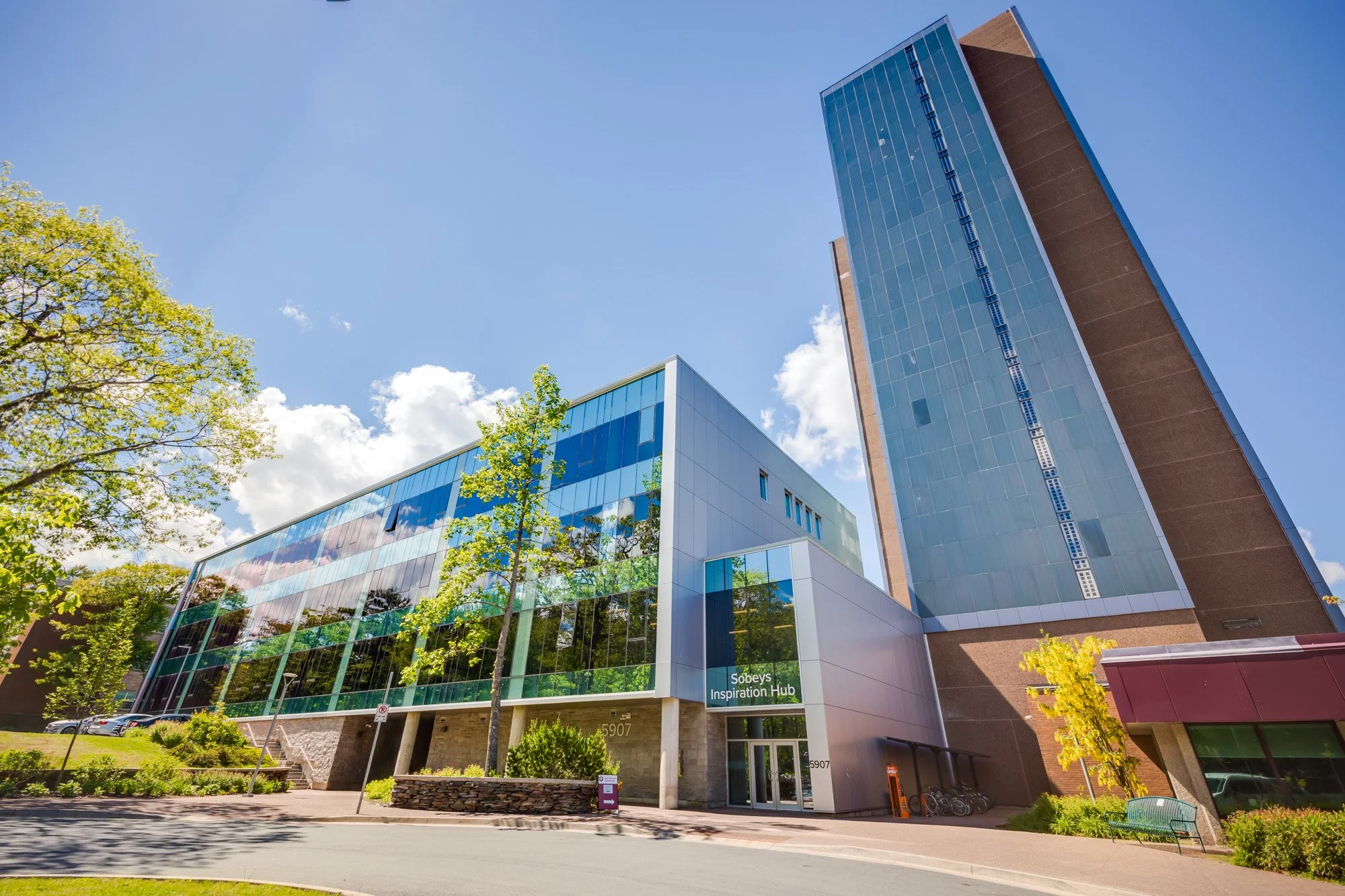
McNally East is the latest chapter in a clean energy story that has been drawing national attention to the South End campus for years. In 2024, Saint Mary's completed the recladding of the 22-storey Loyola Residence, wrapping the tower's south-facing wall in building-integrated photovoltaics (BIPV), solar technology that generates electricity while forming part of the building itself.

The south side of the Loyola residence tower and entrance to Sobeys Inspiration Hub

Loyola Residence was recladded with building-integrated photovoltaic panels in 2024

Rather than simply replacing deteriorating concrete on a 50-year-old residence, the university turned a maintenance challenge into a clean energy landmark. Delivered with Toronto-based Mitrex, the project earned Saint Mary's a Clean50 Top Project Award, recognizing it as one of Canada’s most innovative projects addressing climate change. It also drew national media coverage as the tallest solar-integrated building in North America.

Saint Mary’s has reduced its carbon footprint by 51.7 per cent since 2005 through a deliberate sequence of upgrades, including replacing its steam heating plant with a high-efficiency hot water system, switching from oil to natural gas for heating, converting campus lighting to LEDs, and benefiting from an increasingly renewable provincial electricity supply.

Future sustainability projects include a green roof for the Patrick Power Library, a new roof design for the Homburg Centre for Health & Wellness, and a solar canopy for the Science Building parking lot.

"A university's campus can teach as powerfully as its classrooms and show our values in action," says Dr. Michael Khan, President and Vice-Chancellor of Saint Mary's University. “Saint Mary's is part of the energy transition here in Halifax. We’re building it, measuring it and, starting this fall, teaching it through two brand-new programs."

In September 2026, Saint Mary's will launch two programs that connect the university's sustainability leadership with career-ready education on a campus that doubles as a working laboratory.

The new Sustainability Management major at the Sobey School of Business teaches students how organizations grow while protecting the environment and strengthening communities. Graduates will step into some of the economy's fastest-growing fields, from sustainable finance and ESG reporting to consulting and social enterprise.

The new Renewable Energy Engineering stream, one of two options in the just-launched Bachelor of Engineering in Resource Engineering, will train students to design, build and operate the clean power systems of the future. Coursework will cover solar and wind energy, biomass, grid integration and energy storage, supported by laboratory learning, fieldwork and paid co-op opportunities.

Carlos Fernando Aguilar Estavillo had planned to study industrial engineering while attending Saint Mary’s. That changed when he learned about the new Renewable Energy Engineering stream.

“When they announced it, I was super excited,” says Aguilar Estavillo. “I'm especially interested in wind energy here in Nova Scotia, but also battery storage and grid integration. I think universities should not only teach sustainability, but they should also demonstrate it. The new solar panels on campus let students see how renewable energy works in real life."

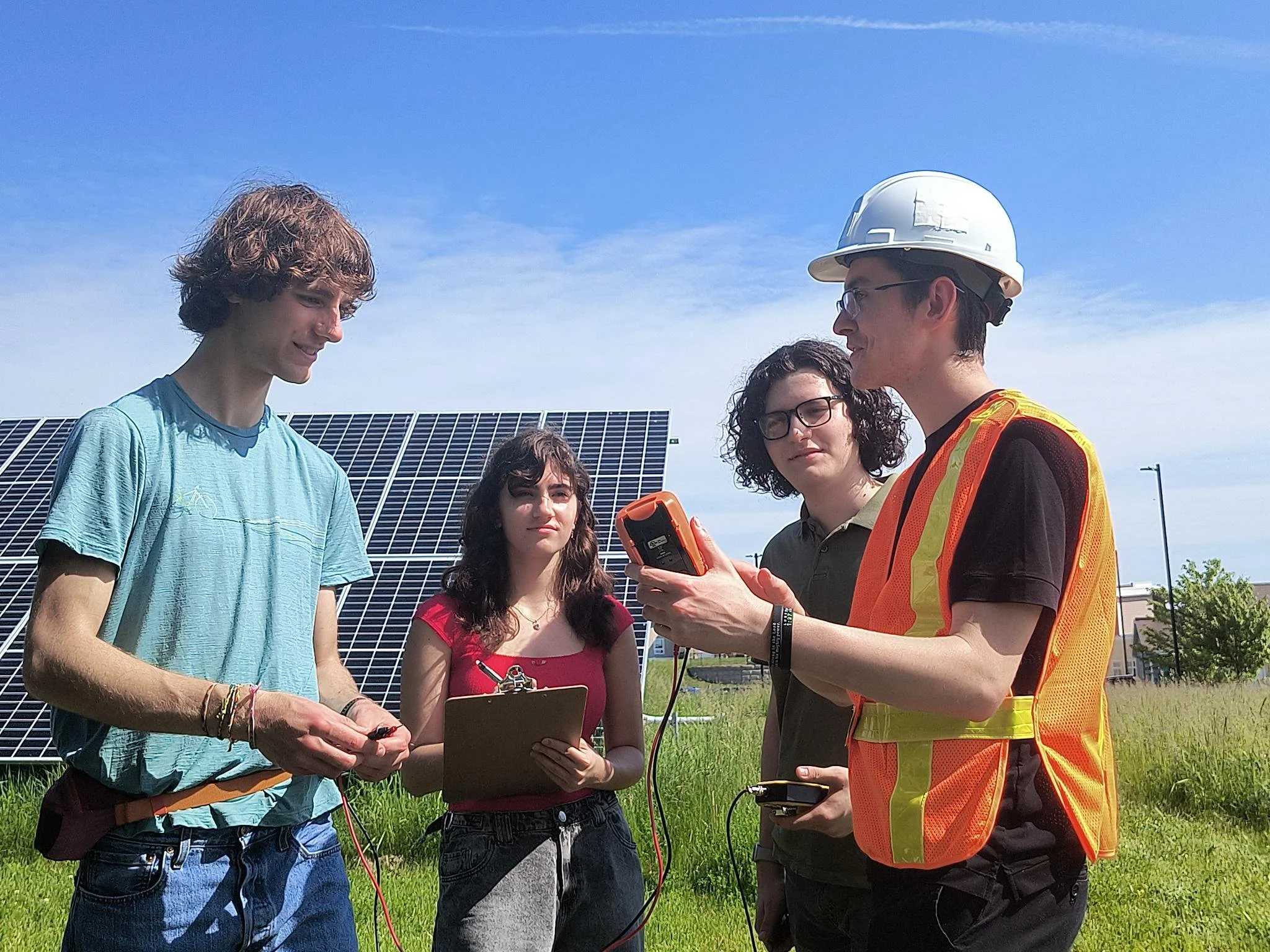
Four people stand outdoors near an industrial solar panel. Students take notes while the guide in safety gear gives a demonstration

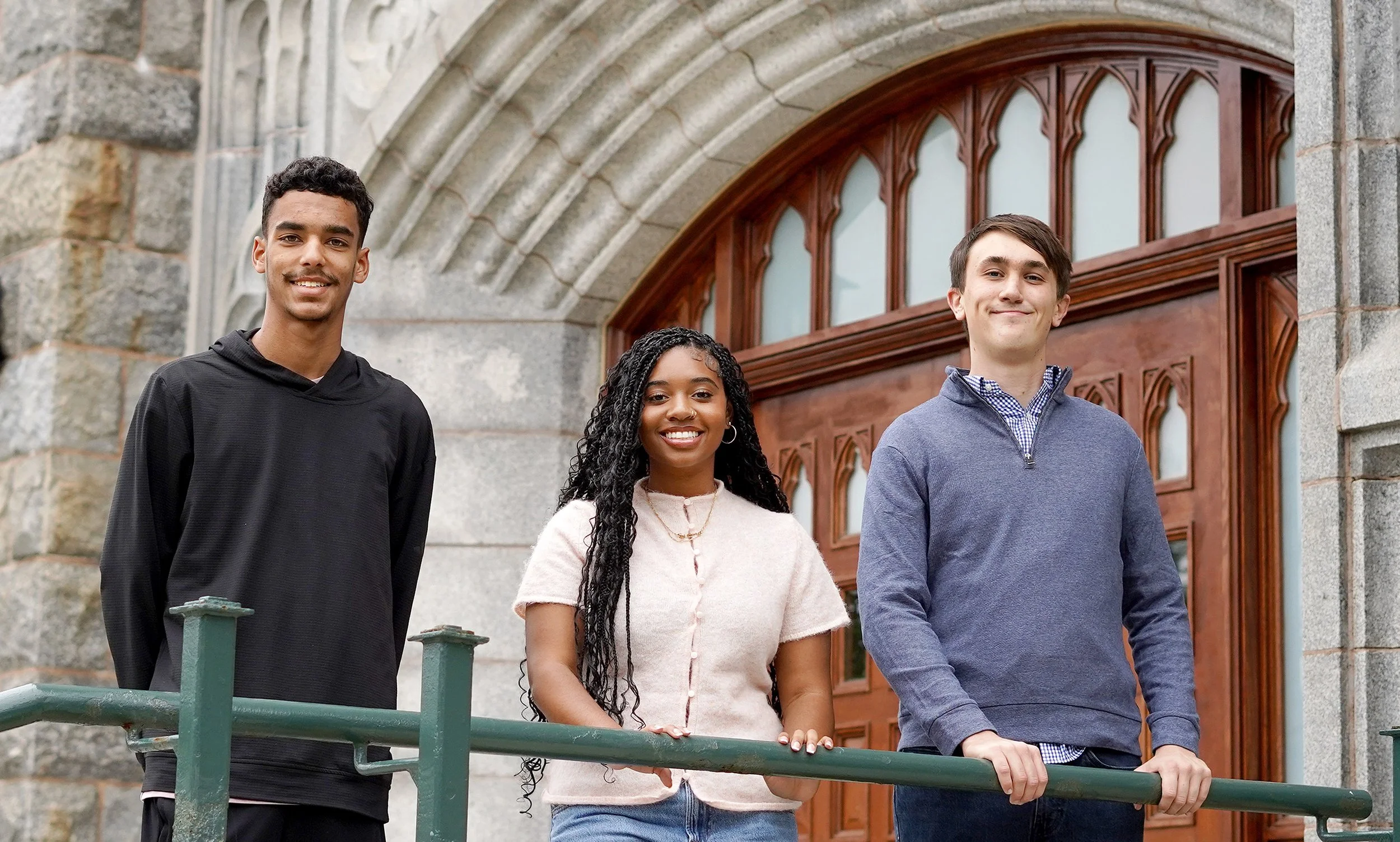
Carlos, second from right, visits a solar farm on a tour led by SMU alum Karsen Cain with SwitchPace. He’s joined by engineering classmates Aiden Sheppard and Anabella Ferrari. Students will start the new Renewable Energy Engineering program at SMU this fall.

I think universities should not only teach sustainability, but they should also demonstrate it.
— Carlos Aguilar Estavillo, SMU Engineering student

Saint Mary's sits in Halifax's historic South End, on a walkable peninsula minutes from the Atlantic Ocean, in a province working toward 80 per cent renewable electricity by 2030.[1] As Nova Scotia’s role in the clean energy transition grows, Saint Mary’s is helping shape that future, both through the infrastructure it builds and the students it prepares.

The next time you are in McNally East, look up and then look at the digital dashboard; it will tell you exactly what the sun has done for Saint Mary’s that day.

Learn more at smu.ca/sustainabilty


Saint Mary’s athletes make a splash at Halifax U23 World Paddle Championships

Students highlight support from professors during their demanding training schedule

If you noticed a busier-than-usual Canada Day celebration week this year, you weren’t imagining it.

642 athletes from 54 nations flocked to Lake Banook in Dartmouth for the 2026 ICF Junior and U23 Canoe Sprint World Championships, which took place July 1-5 in the HRM, bringing their A-game to a series of canoe and kayak events that brought the best of the best against each other to fight for gold on Canadian waters.

With singles, doubles and relays across multiple distances for both canoe and kayak athletes, there was no shortage of action at the championships – and Saint Mary’s athletes demanded attention throughout.

Alex Erith Ellwood, Brianna Smith, Duncan Giles and Ian Gaudet represented the university on the world stage—each one a talented athlete chasing their goals on the water while pursuing their education right here on the East Coast.

Alex in a kayak with another competitor behind him

Alex Erith Ellwood
Photo: ICF - Canada

Alex Erith Ellwood

Diploma in Engineering

The championship event marked the fourth international competition for SMU Engineering’s Alex Erith Ellwood, where he competed in the K2 500 meter, the K4 500 meter, and the mixed relay with fellow SMU engineering student Brianna Smith.

Alex qualified for worlds by placing Top 5 in Canada for the men’s 500 meter at national tryouts earlier this year. No stranger to competition travel, it was a real treat to compete here at home.

“It’s always cool to be able to go away and see other countries, but there’s always a time difference and new surroundings to get used to. It was great to be at home and comfortable on our own lake.”

Balancing his education with his travel schedule is no easy feat, but SMU profs have gone above and beyond every step of the way to make sure his goals are met on the water and in the classroom.

“I remember discussing my schedule with a prof in first year, and there was one calculus course that he recommended taking in the spring to accommodate my winter training camp. Little things like that make it easier to help balance everything.”

Alex isn’t slowing down anytime soon, as he immediately went on to the Canoe Sprint World Cup in Montreal on July 9-12, where he was able to get on the water with the Canadian senior men’s team to launch the next chapter of his athletic career.

Brianna carries a kayak into the water

Brianna Smith
Photo: ICF - Canada

Brianna Smith

Diploma in Engineering

Brianna Smith has been competing on the world stage since her late teens, competing at the ICF Olympic Hopes when she was 17 years old. In addition to pursuing her Diploma in Engineering at Saint Mary’s and travelling internationally to compete, she spends her summers coaching younger athletes to get them ready for the U16 category, when athletes start competing nationally to make international teams.

With two previous world championships under her belt, competing in a third here at home was a chance to show her community exactly what she’s made of:

“A bunch of the kids I coach were volunteering at the event or came to watch the races. That was a great experience for them, because they don’t usually get to see their coaches race. It’s cool for them to see what I do.”

During the school year, Brianna pursues her engineering diploma and is a member of the Engineering Society, while coaching the masters group at her club—all while prioritizing her own competition training.

“I went to SMU because of the smaller class sizes, so I could make deeper connections with my professors. When I had to miss classes to accommodate my training and competition schedule, it was easier to communicate with them.”

Duncan in a race canoe with his team of three others

Duncan Giles and team
Photo: ICF - Canada

Ian paddles his kayak

Ian Gaudet
Photo: ICF - Canada

Duncan Giles

BComm in Finance

Entering his third year at Saint Mary’s, Duncan is a recipient of the Sobey National Innovator Scholarship. When choosing a university, Duncan’s goal was to pursue his business education while continuing to train at the national and international level, and SMU offered the flexibility he needed to thrive as a student-athlete.

That academic flexibility has been a game-changer for him, as during the winter months, he completes online courses while travelling for three-month training blocks away from home, supported by professors who understand the demands of high-performance sport.

“I really like the community here at Saint Mary's,” says Giles. “Everybody feels important, and the professors are really flexible and understanding with my training schedule, which helps me balance all my responsibilities.”

At the world championships on Lake Banook, Giles competed in the four-person 500-meter event, helping guide his boat to a strong fifth-place finish. He’s looking forward to focusing on finance when he returns in the fall.

Duncan isn’t the only world champion in his family. His dad, Stephen Giles, has multiple world championships under his belt in the same sport and received a Bronze Medal in the C-1 1000m event at the Sydney Olympics in 2000.  

Ian Gaudet

BSc in Earth Science

“This was the first international competition I’ve gotten to do in Canada,” says Earth Science student Ian Gaudet. “Usually we have to deal with rental boats that aren’t our own. We have to deal with checking into hotels and long flights and dealing with the strain of jet lag and all that comes with international travel. So, to actually have the advantage of being at home and competing on our home lake was a big advantage for us.”

Gaudet delivered impressive performances on the water, placing sixth in the world in K4 500-meter kayak event. Following the world championships here in Dartmouth, he competed at the historic Olympic Basin in Montreal—the venue’s first international event since the 1976 Summer Olympics.
“I've been training and racing at the Olympic Basin since I was quite young, so it was really cool to be able to race with the Maple Leaf on my chest on home waters.”

Training for national kayak teams is a year-round commitment; when local lakes freeze over in the winter, he travels south to San Diego with the Canadian National Team to keep paddling, and the supports available in the Faculty of Science allow Ian to continue pursuing his academic goals while maintaining his competitive edge on the water.

Read more about Ian on the ICF website.

A World without limits, for athletes and beyond

Halifax is home to nationally acclaimed aquatics clubs, providing a rich environment for former and future Olympians to get the experience they need to make waves in the world. Saint Mary’s provides a space for these athletes to do what they do best—on the water and in the classroom.

Saint Mary’s University appoints Janis Sobey-Hames as Chancellor

Nursing graduate, foundation chair and governance leader brings decades of service to historic role

Janis Sobey-Hames stands in front of a wall of windows.

Janis Sobey-Hames

Saint Mary’s University’s Board of Governors is proud to announce the appointment of Janis Sobey-Hames as the university’s next Chancellor, the first woman to hold the role in Saint Mary’s nearly 225-year history.

A graduate of Mount Saint Vincent University with a Bachelor of Science in Nursing, Sobey-Hames began her career in health care before building a distinguished record as a philanthropic and governance leader. She currently serves as Chair of the David & Faye Sobey Foundation and as a Trustee of both The Sobey Foundation and The Sobey Art Foundation. Across these roles, she has helped advance initiatives in health care, higher education, the arts, conservation and community development throughout Atlantic Canada.

For me, a university is about its students; they are what bring a campus to life.
— Janis Sobey-Hames

Her governance experience spans hospital foundations, university boards and national cultural organizations. She served as a Director of the Aberdeen Hospital Foundation, a member of Mount Saint Vincent University’s Board of Governors and as National Director of the Fathers of Confederation Buildings Trust. She and her husband, Christopher Hames, also co-chaired the Pictou County United Way’s Leaders of The Way campaign.

“Janis brings a distinguished record of leadership across health care, education and community development,” says Dr. Michael Khan, President and Vice-Chancellor of Saint Mary’s University. “Throughout her career, she has brought people together and strengthened communities. Her deep connection to Saint Mary’s and genuine commitment to students make her exceptionally well suited to this role. She will be an inspiring presence at convocation and an exceptional ambassador for our university.”

As the ceremonial head of Saint Mary’s, the Chancellor presides over convocation and represents the university in the wider community. Working alongside university leadership and the Board of Governors, the Chancellor serves as an advocate for Saint Mary’s and helps strengthen its relationships. The voluntary appointment is for a three-year term.

“I am deeply honoured to take on this role and especially proud to become the first woman Chancellor of Saint Mary’s University,” says Sobey-Hames. “Saint Mary’s has so much to offer students. I have been struck by the way the university brings disciplines together, connects education with real-world experience and gives students different ways to succeed. I look forward to hearing more from students, faculty, staff and alumni.”

Sobey-Hames has developed her own close relationship with Saint Mary’s through years of direct service. She is a member of the David Sobey Centre Endowment Committee and the Sobeys Scholarship Endowment Fund Committee, through which she supports opportunities for students and the continued development of the Sobey School of Business.

In 2022, Saint Mary’s recognized her contributions to the university and the wider community with an Associate Alumni of the Year Award. Sobey-Hames describes receiving the award as one of the highlights of her long association with Saint Mary’s.

Her appointment also marks a historic chapter in a family connection with the university that spans generations. Her grandfather, Frank H. Sobey, received an honorary Doctor of Laws from Saint Mary’s in 1979. Her late father, Dr. David Sobey DComm’91, served as Saint Mary’s University Chancellor from 2008 to 2010. Her brother, Paul Sobey DComm'11 served as Chancellor from 2014 to 2019. Janis Sobey-Hames and her husband, Christopher Hames, have four daughters, all of whom are Saint Mary’s alumnae.

“For me, a university is about its students; they are what bring a campus to life,” says Sobey-Hames. “What I am looking forward to most is meeting them, hearing their stories and celebrating everything they have worked for. Convocation at Saint Mary’s feels so personal. You can see the pride of each graduate and of the family members, friends and mentors who helped them reach that moment.”

Sobey-Hames succeeds Michael Durland BComm’87 DComm’10, who served as Chancellor from 2019 to 2026.

Her appointment is effective on September 1, and she will be formally installed as Chancellor and preside over her first convocation ceremonies on November 13, 2026.

Dr. Linda Campbell wins James McGregor Stewart Award

The group of five post together, Linda and Kayla hold their awards

L-R: Gus Reed, Lois Miller and Kevin Murphy, Board Members of the James McGregor Stewart Society with Dr. Linda Campbell and Kayla MacKinnon.

Congratulations to Dr. Linda Campbell, co-winner of the 2026 James McGregor Stewart Award. This award recognizes the outstanding contributions of individuals living with a disability. 

Dr. Campbell is a Professor and Senior Research Fellow at Saint Mary’s University and Chair of the Department of Environmental Science. A staunch advocate for persons with disabilities, she was influential in having the Accessibility Act passed in Nova Scotia in 2017, and she received a Human Rights Award for her efforts. In 2026, she was also ranked the No. 1 deaf researcher in the world

She shares the award with wheelchair basketball athlete and coach Kayla MacKinnon, who won a gold medal for Canada at the Youth Parapan American Games last year.

“The James McGregor Stewart Award recognizes decades of work to prevent and remove barriers for people who live with disabilities,” says Dr. Linda Campbell. “This type of recognition lifts voices that aren’t always heard and I’m proud to share the award with Kayla MacKinnon, who is an impressive and inspiring member of the next generation of advocates.” 

The James McGregor Stewart Award was established in 2015 through the Community Foundation of Nova Scotia. It honours the accomplishments of James McGregor Stewart, a lawyer in this province who overcame many barriers.

Designed for dignity: Saint Mary's expands accessibility in Patrick Power Library

At first glance, a washroom may seem like an unexpected place to start a conversation about belonging. For some, access to the right washroom is the difference between participating fully in university life and planning around what a space can or cannot provide.

Saint Mary's University's new universal washroom in the Patrick Power Library was built with that reality front and centre. Designed to support a wide range of mobility and personal care needs, the space includes a ceiling lift, an adult-sized change table, accessible fixtures, room for power wheelchairs and mobility devices, and choices in lighting, materials, signage and acoustics intended to make the room genuinely welcoming.

It started with a single question asked in 2018, when a parent reached out to ask whether the campus had a washroom equipped with both a ceiling lift and an adult-sized change table. Saint Mary's was able to add a lift to the accessible washroom on the third floor of the Student Centre, but the room could not accommodate a change table. That gap became a turning point. It showed that accessibility is not only about meeting a minimum standard. It is about understanding what people need to move through campus with independence and confidence.
Project architect Glen Nicholson

"Universal design asks us to think beyond code compliance and consider the lived experience of the person using the space," says Glen Nicholson, project architect. "The best accessibility design should not feel exceptional to the user. It should simply feel like the building anticipated them."
The next step was finding the right location. Saint Mary's conducted a campus-wide review that examined at least 10 possible sites. The criteria were uncompromising: a large enough footprint, an accessible corridor, room for a lift and change table, space for mobility devices, and a location that would not reduce the number of available washroom stalls elsewhere on campus.

“We had to think carefully about how the space would function for the people using it, not just whether we could fit the required equipment into a room,” says Dennis Gillis, Senior Director of Facilities Management. “The Patrick Power Library emerged as the best option because it met the accessibility requirements while placing the washroom in one of the most central and frequently used spaces on campus.”

That last detail matters. A universal washroom tucked into a remote wing can technically satisfy a requirement. It does not offer the same welcome, visibility or message.

The new universal washroom is located on the first floor of the Patrick Power Library

“Libraries are spaces intended to serve everyone,” says Suzanne van den Hoogen, Dean, University Library and Archives. “Supporting this project was a natural extension of that commitment. By locating the universal washroom in the Library, we're helping to ensure that one of the most frequently used spaces on campus is also one of the most welcoming and inclusive.”

The project is supported by funding from the Nova Scotia Access-Ability Grant and the Government of Canada, supporting features that remain uncommon across regional post-secondary institutions.

Inside the room, the details tell their own story. High-impact illuminated signage helps people identify the space. Contrasting finishes support visual navigation. Balanced task and ambient LED lighting reduces eye strain. Acoustic treatments provide privacy and discretion. A clear occupancy indicator removes the uncertainty of a locked door, while an emergency pull station connects to Campus Security and the Library service desk.

None of these features are flashy. Together, they communicate something important: that the people who will use this room were thought about, specifically and seriously, before the first wall went up.

For Kate McHugh, Manager of Student Accessibility and the Fred Smithers Centre, that kind of intentionality is invaluable. "Accessibility cannot live in one office or one service. The Fred Smithers Centre for Student Accessibility supports students directly, but the larger goal is a campus where accessibility is considered everywhere—in classrooms, common spaces, technology, events and washrooms. When the built environment removes barriers, people do not have to spend their energy negotiating access. They can spend it learning, working, connecting and belonging."

Saint Mary's is building this work within the broader context of the Nova Scotia Accessibility Act, which sets a goal of an accessible province by 2030. The university's Accessibility Framework will help guide continued efforts to identify, remove and prevent barriers across campus.

A single well-designed washroom is not the finish line. It is evidence that the work is moving in the right direction. The universal washroom supports students, employees, visitors and community members who come to campus for classes, events, research, meetings or simply to spend time in a public university space. It is one more example of architecture with intention at Saint Mary’s University.  

Dr. Carrie Dawson appointed Dean of Arts at Saint Mary’s University

Carrie is a white woman with a blond chin length haircut

Dr. Carrie Dawson will assume the role of Dean of Arts on September 1, 2026

Saint Mary’s University is pleased to announce the appointment of Dr. Carrie Dawson as Dean of Arts. In this role, Dr. Dawson will provide strategic leadership for the Faculty, advancing its academic vision and mission while supporting excellence in teaching, research, and community engagement. She will oversee academic planning, faculty development, operational priorities, and serve as a strong advocate for the arts within the university and broader community. 

Dr. Dawson brings more than 25 years of experience in higher education, including seven years as Dean of Arts and Science at Mount Saint Vincent University, where she led a diverse faculty of more than 70 full-time members across multiple departments and interdisciplinary programs. She has extensive experience in academic governance, collective bargaining, strategic enrolment planning, and university-wide leadership initiatives. 

Throughout her career, Dr. Dawson has demonstrated a strong commitment to building inclusive, community-engaged academic environments. She has led major program development initiatives, advanced experiential learning opportunities, and strengthened partnerships with community organizations and Indigenous communities. Her accomplishments include securing significant philanthropic support for scholarships and fellowships, guiding curricular renewal across departments, and leading strategic responses to sector-wide challenges such as digital transformation and evolving student needs. 

“I would like to thank the search committee for their tremendous work throughout the search process. Dr. Dawson is a thoughtful and strategic leader who brings a deep commitment to inclusive excellence and community engagement,” says President and Vice-Chancellor, Dr. Michael Khan. “Her collaborative approach, strong academic leadership, and proven ability to navigate complex environments make her exceptionally well positioned to lead the Faculty of Arts at Saint Mary’s University.” 

An accomplished scholar of English literature, Dr. Dawson holds a PhD from the University of Queensland, along with degrees from the University of Sussex and the University of British Columbia. She is widely recognized for her research contributions, extensive academic service, and leadership in equity, diversity, inclusion, and accessibility initiatives. Her professional certifications include training in leadership development, advancement, and mental health first aid, reflecting her holistic approach to academic leadership. 

“I have long admired Saint Mary’s University’s commitment to international education, community-engaged learning, and inclusive excellence,” says Dr. Dawson. “I am excited to join a university that brings together strong academic programming with a clear sense of public purpose. I look forward to working collaboratively with faculty, staff, students, and community partners to support a vibrant, forward-looking Faculty of Arts.” 

Saint Mary’s University would like to extend its gratitude to the search committee for their time spent working with KBRS Executive Search on this critical hire. Dr. Dawson will begin her appointment on September 1, 2026. 

SMU Huskies staff scores once-in-a-lifetime FIFA opportunity

Mikayla Nassy-Wong

Attending a live World Cup soccer match is a dream come true for soccer fans everywhere. For Saint Mary University’s Mikayla Nassy-Wong, that dream didn’t just become a reality—it became a once-in-a-lifetime opportunity to be a part of the magic.

After a year-long process and a lot of hard work, Nassy-Wong, Marketing & Revenue Generation Coordinator with the SMU Huskies, was chosen to volunteer at the Toronto FIFA World Cup 26 this June, representing Saint Mary’s at one of the largest sporting events in the world.

The connection

Nassy-Wong applied through the Inclusion in Canadian Sports Network (ICSN), which highlights professional development opportunities in the Canadian sports ecosystem for BIPOC athletes and sports professionals through its Emerging BIPOC Leaders Program.

“I got involved with the ICSN about two years ago when I attended one of their events,” she says. “I got to know quite a few of the members, and when an opportunity with FIFA emerged, they reached out to me and said, ‘Hey, we remember you, and we know you have an interest in soccer, would you be interested in applying to volunteer with FIFA on our behalf?’”

Being a FIFA volunteer is a huge undertaking, and one that the organization takes very seriously. Nassy-Wong spent a year in the application and training process, learning a strict set of guidelines for the event. She was selected from a large pool of applicants to represent Canada and FIFA at the Toronto FIFA World Cup 26 volunteer centre.

A red wall of home supporters got behind Canada as they came back to draw with Bosnia and Herzegovina.Source: fifa.com

The experience

With 300,000 expected visitors to the city over the six matches taking place in Toronto Stadium, volunteers need to be prepared for anything—supporting travellers, athletes and other volunteers through all the demands of high-stakes live events. Nassy-Wong was given a logistics role helping to organize and distribute the “vibrant and unifying” official volunteer uniforms to other volunteers throughout the city.

Uniforms are a big deal at FIFA, and Nassy-Wong helped manage a multi-station setup for the city’s 3,000 volunteers and workers to pick up their uniforms and accreditation. With kits including t-shirts, pants, shoes, and special FIFA patches (unique to each host city), it was all hands on deck to make sure everyone was fully equipped and ready to go. Each shift meant a change in the station she handled, from fitting rooms to packing kits to handling checkout.

“This was the experience of a lifetime. If I ever get the opportunity to do it again, I will take that opportunity 100 percent.” - Mikayla Nassy-Wong

But the experience wasn’t all work and no play. Volunteers were given unique opportunities, from exclusive stadium access to attending the Toronto Fan Fest—FIFA's official, free public viewing and entertainment event for World Cup host cities. Fan Fest serves as the ultimate gathering spot for soccer fans to watch matches on massive screens and celebrate together as a global community.

“There are many memories I’ll take away from this experience, but a highlight for sure was getting to go to the Fan Fest. We got to see the Portugal game. That big victory for them in the group stage and being able to be there and celebrate with all the local and international Portugal fans was unbelievable.”

The impact

The sports world relies on volunteers—a reality that SMU’s Scott McCain & Leslie McLean Centre for Sport, Business and Health is researching with experts across Atlantic Canada. The FIFA World Cup is no exception, with volunteers chosen from around the world to help with all the events that make up World Cup season.

With energy rising as we hurtle towards the final rounds, the impact of the World Cup extends beyond the stadium to all the lives it touches, and for Nassy-Wong, that ability to bring people together is a key element of the game.

“Sport crosses political lines. It connects people from various cultures; it’s a place where everyone comes together to become a community.”

Armed with fresh international event experience and new connections from around the world, Nassy-Wong returns to Saint Mary’s University ready to channel that World Cup energy back into her work with the SMU Huskies.

Her journey stands as a powerful reminder of how passion, paired with the right advocacy networks, can bring talented professionals from local stadiums straight to the global stage.

ICD focuses on Indigenous Governance

Chief Terry Paul addresses Maritime ICD Chapter at day-long event at the Sobey School of Business

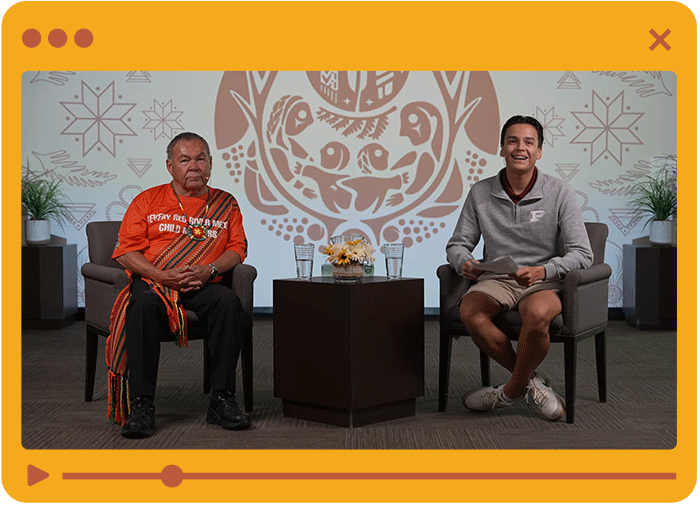
Kylar Johnson, the Saint Mary’s University Indigenous Student Advisor, and Cedar Pictou, a drummer and current Arts student, helped open the event.

Many Nova Scotians are aware that in 2021, Clearwater, a major exporter of seafood and one of Nova Scotia’s premier corporations, was acquired by a partnership between Premium Brands and the Mi’kmaq Coalition, comprised of seven Mi’kmaq communities in Nova Scotia and Newfoundland. But how many have considered what a shift to Indigenous leadership means, both for the business and for reconciliation?

On May 8, 2026, the Sobey School of Business hosted the Institute of Corporate Directors (ICD) Maritime Chapter for a special day-long event on Indigenous governance and the Clearwater purchase, and the dimensions of reconciliation that board directors can influence. Academic Director of the ICD-Rotman Directors Education Program, Margaret McKee, has been working with her counterparts at Rotman to draft a case study on the purchase.

The day opened with a blanket exercise led by one of Atlantic Canada’s Most Powerful Women in Business for 2026, Cheryl Copage Gehue. Cheryl is a Mi’kmaw leader and an experienced Indigenous Blanket Instructor with more than 10 years of facilitating learning and dialogue on Indigenous history, perspectives, and reconciliation. Cheryl serves as Director of Indigenous Relations at Clearwater Seafoods, where she helps position economic reconciliation as a measurable driver of business growth, industry change, and community prosperity. She leads the advancement of Clearwater’s Indigenous Strategy, embedding reconciliation into how the company builds relationships, grows its workforce, and creates shared value with Indigenous communities.

Ian Smith, who was the Valedictorian of the most recent cohort of Sobey School ICD-Rotman DEP graduates, co-led the exercise. Ian is the Chief Executive Officer of Clearwater Seafoods. He joined Clearwater in May of 2010, with over 36 years of international experience in the food and consumer products industry. He has been active in maintaining company momentum through the change in ownership.

Participants heard from keynote speaker Chief Terry Paul, who described, with candour and humour, his successes and failures on the path to building the economic success of his home community, Membertou. Taking on the leadership role in the 1970s, Chief Paul quickly realized that his community had a long list of needs that could be achieved through economic development. He implemented transparent financial practices and a corporate business-building approach, pairing them with an Indigenous respect for relationships and nature. From the construction of the Membertou Convention Centre to the Clearwater purchase, the purpose of helping to lift up the community has been central to Chief Paul’s business decisions.

Fiona Kirkpatrick led the final session, discussing board implications of reconciliation. Fiona is a consultant with 40 years of experience and a member of Lac La Ronge First Nation, Treaty 6 Territory, equally proud of her Woodland Cree and Scottish heritage. Her session was informed by her governance experience as the first woman to chair the North American Indigenous Games, NAIG 2023, in Kjipuktuk/Halifax. She also serves on the board of the Canadian Council for Indigenous Business and recently concluded service on the Board of the 2025 Canada Games.

Sociology grad receives prestigious SSHRC Research Scholarship

Sarah Delorme stands outdoors in a garden

Sarah Delorme BA’26

Sarah Delorme, a Sociology Honours graduate from Saint Mary's University, was recently awarded a $27,000 Canada Graduate Research Scholarship – Master's (CGRS-M) from the Social Sciences and Humanities Research Council of Canada (SSHRC). The scholarship will support her Master of Arts in Sociology at Concordia University beginning in Fall 2026. In addition, Sarah has been awarded a $6,000 Graduate Special Entrance Scholarship from Concordia University.

After completing the first two years of her Bachelor of Arts at Laurentian University in Ontario, Sarah transferred to Saint Mary's University, where she became deeply involved in academic and campus life. She first served as Secretary and later as Co-President of the SMU Sociology Society, helping to organize both small- and large-scale events for students.

Sarah also gained valuable research experience through several projects. She worked as a research assistant and newsletter assistant editor for the GBV-MIG Canada Research Program under the supervision of Dr. Evangelia Tastsoglou, contributing to research on gender-based violence and migration. Her broad interest in sociological issues also led her to work as a research assistant on Dr. Rui Hou's research on digital mental health interventions for Asian immigrant youth and on Dr. Pauline Hoebanx's research exploring misogynistic online movements.

Beyond her academic work, Sarah has contributed to the Saint Mary's community in numerous roles, including as a Sociology Teaching Assistant, Assistant for the Sobey School of Business Research Newsletter, Secretary of the SMUSA Board of Directors, Game Day Ticketing staff with Athletics & Recreation, and Peer Notetaker for the Fred Smithers Centre for Student Accessibility.

A consistent Dean's Honour List student, Sarah received a Bursary Award in 2022 and an Academic Excellence Award in 2023 from Laurentian University. At Saint Mary's University, she earned an Academic Achievement Award and several other merit awards. In 2026, she was awarded the Outstanding Graduating Sociology Student Award by the Canadian Sociological Association (CSA).

Inspired by her work with the GBV-MIG project, Sarah completed her Honours thesis on the resilience of migrant and refugee women who have experienced gender-based violence in migration contexts.

Sarah at Convocation in May 2026

Reflecting on the award, Sarah said she is grateful for the opportunities and mentorship she received throughout her time at Saint Mary's.

"Receiving this scholarship is incredibly exciting and affirming. My experiences at Saint Mary's gave me the opportunity to explore a wide range of sociological topics, work alongside inspiring faculty members, and contribute to research that addresses important social issues. Through those experiences, I discovered a passion for research and a desire to better understand how people navigate complex challenges. I'm excited to continue that work at Concordia and build on the foundation I developed at Saint Mary's."

Dr. Evie Tastsoglou, Professor of Sociology cross-appointed in Political Science and Global Development Studies, said Sarah's success reflects both her academic abilities and her commitment to meaningful research.

Dr. Evie Tastsoglou

"Sarah has distinguished herself through her intellectual curiosity, strong work ethic, and commitment to understanding issues that affect marginalized communities. Whether as a student, research assistant, or campus leader, she has consistently demonstrated thoughtfulness, professionalism, and a desire to make a positive contribution. This SSHRC award is a well-deserved recognition of her achievements and potential as a scholar."

As she prepares to begin her master's studies at Concordia University, Sarah looks forward to continuing her research and contributing to important conversations in sociology. Her achievements reflect a strong commitment to academic excellence, community engagement, and meaningful social research.

National Indigenous History Month

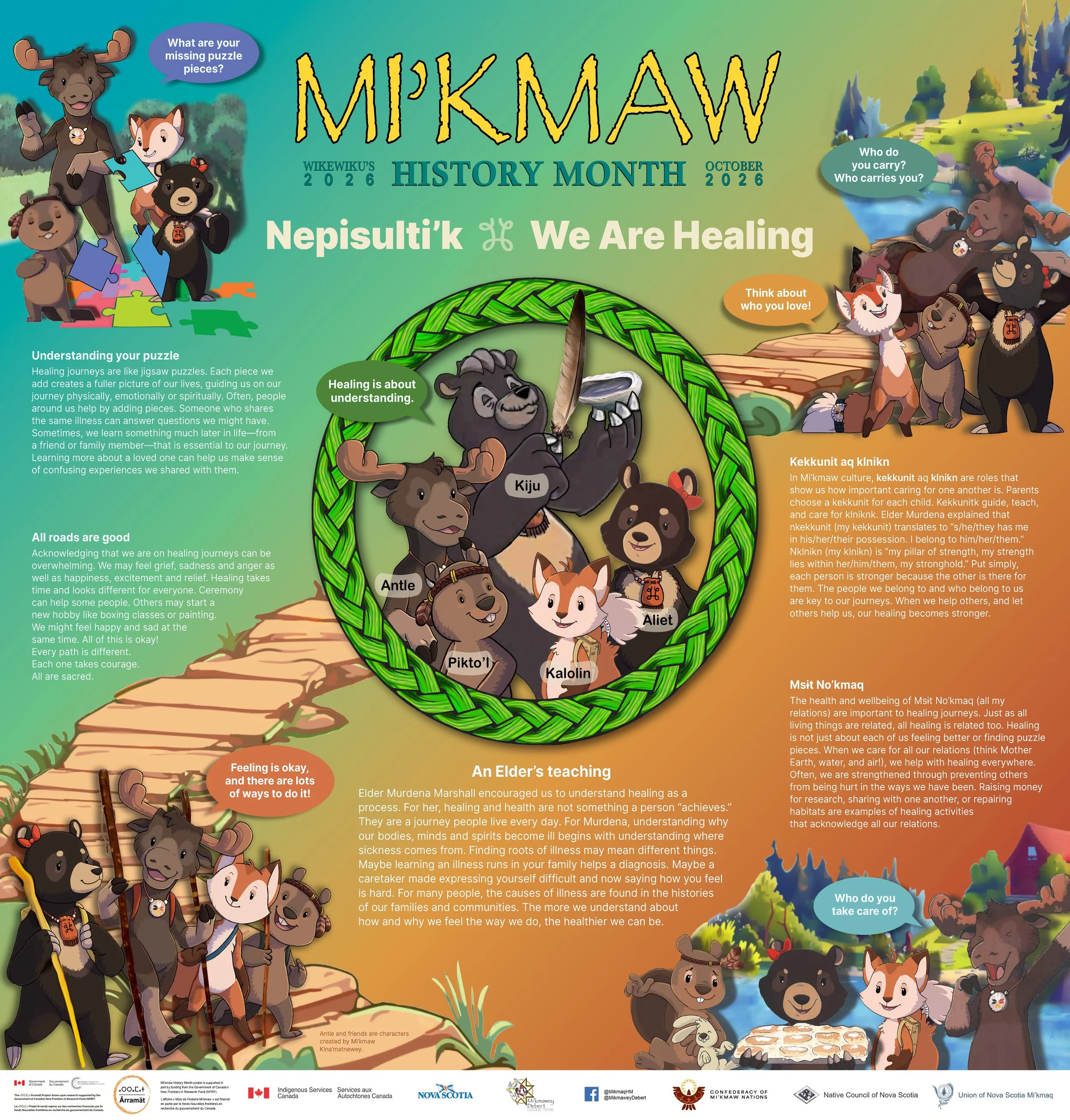
National Indigenous History Month in June is a time to learn about, celebrate and honour the cultures and traditions of Indigenous communities across the nation. Saint Mary’s University acknowledges its location in Mi’kma’ki, the traditional land of the Mi’kmaq Nation. The Mi'kmaq Grand Council Flag flies proudly on the university’s campus.

National Indigenous Peoples Day is June 21, the summer solstice and the longest day of the year. For generations, many First Nations, Inuit, and Métis communities have celebrated their cultures, languages and traditions at this time of year. The summer solstice holds deep spiritual and cultural significance for many Indigenous Peoples, marking a time of renewal, connection, and celebration. Learn more.

Visit SMU’s online Indigenous Community hub to see news, events and resources for students, faculty and staff.


Campus news

Sobey School of Business hosts ICD event focused on Indigenous Governance

On May 8, 2026, the Sobey School of Business hosted the Institute of Corporate Directors (ICD) Maritime Chapter for a special day-long event on Indigenous governance and the Clearwater purchase, and the dimensions of reconciliation that board directors can influence. The day included a blanket exercise led by Cheryl Copage Gehue and Ian Smith, a keynote with Membertou Chief Terry Paul, and remarks by Fiona Kirkpatrick. Read more.


Erin Denny BSc’25, center, drops the puck at a women’s hockey game during Indigenous Heritage Weekend

Huskies Indigenous Heritage Weekend creates space for community in sport

The SMU Huskies held a successful Indigenous Heritage Weekend in October during Mi’kmaq History Month, celebrating Indigenous contributions to athletics with a full lineup of home games. Teams showed support by playing the national anthem in Mi’kmaq and wearing “Every Child Matters” t-shirts to honour the National Day for Truth and Reconciliation. The weekend also featured a puck drop by SMU Huskies hockey alum Erin Denny BSc’25.  

Denny’s work as a champion of representation and belonging in hockey has been recognized by Hockey Nova Scotia with the Erin Denny Award and the Erin Denny Scholarship, which were launched earlier this year.  

Chief Wilbert Marshall, Isaiah Bernard and Kylar Johnson

Woven stories - dream catchers honour Mi'kmaq culture at Saint Mary's

The Mi’kmaq tradition of storytelling has long been a way of carrying culture, history and teachings across generations. At Saint Mary’s University, that same tradition is carried forward in two large dream catchers installed by son and father duo, Isaiah Bernard and Chief Wilbert Marshall of Potlotek First Nation.

More than art, the dream catchers are symbols of presence and visibility; threads of Mi’kmaq culture woven into the heart of campus.

Working with repurposed crab trap pipes and biodegradable rope, the pair created large dream catchers with two rings. “We put a little dream catcher in the middle—you’ll see the braided string that’s on there. It’s got the four directional colours on there also. Everything was done completely by hand.”


Saint Mary’s marks Red Dress Day with powerful display in the Patrick Power Library


Indigenous Student Advisor 

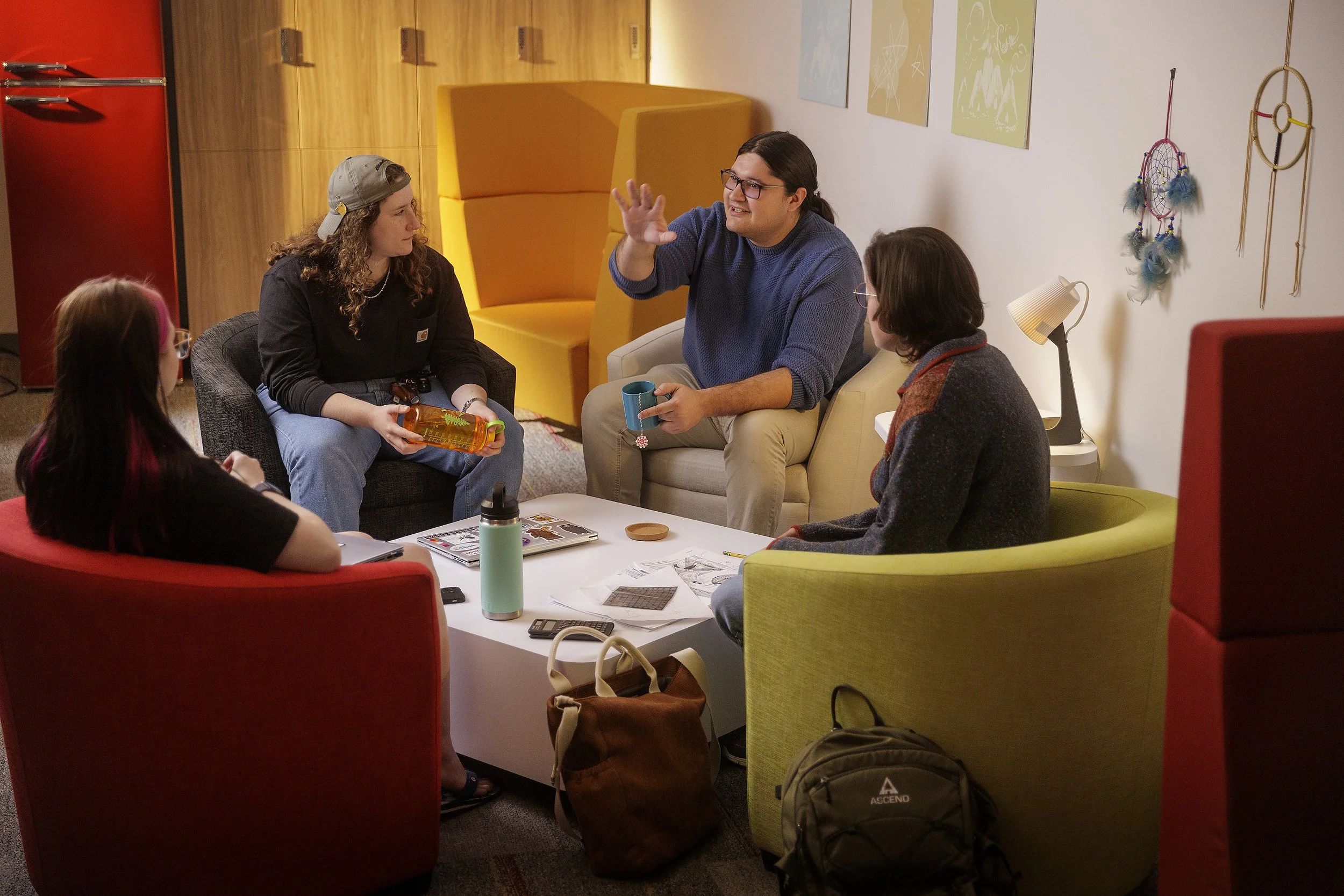
Kylar Johnson, shown in the blue sweater, chats with students in the Indigenous Student space

Kylar Johnson BComm’23 is from the Mi’kmaw community of Potlotek First Nation in Unama’ki. As the Indigenous Student Advisor for Saint Mary’s, Kylar connects with Indigenous students to provide resources, supports, and services broadly across Mi'kma'ki, community partners, and the Elder in Residence. Learn more about Kylar and his role.

Students can meet with Kylar in the Qomuti: Indigenous Student Space located in Loyola 286. Email Indigenous.Advisor@smu.ca to connect with Kylar.


Academic opportunity

The Sobey School of Business is currently seeking an Indigenous scholar to fill a Tenure-Track Assistant or Associate Professor position in the Department of Management.

The Sobey School invites applications from Indigenous scholars within a management discipline (such as cooperative management, sustainability, responsible leadership, entrepreneurship and innovation, organizational behaviour, strategy, business ethics, industrial relations, and human resource management).

Apply now


Explore our library collection

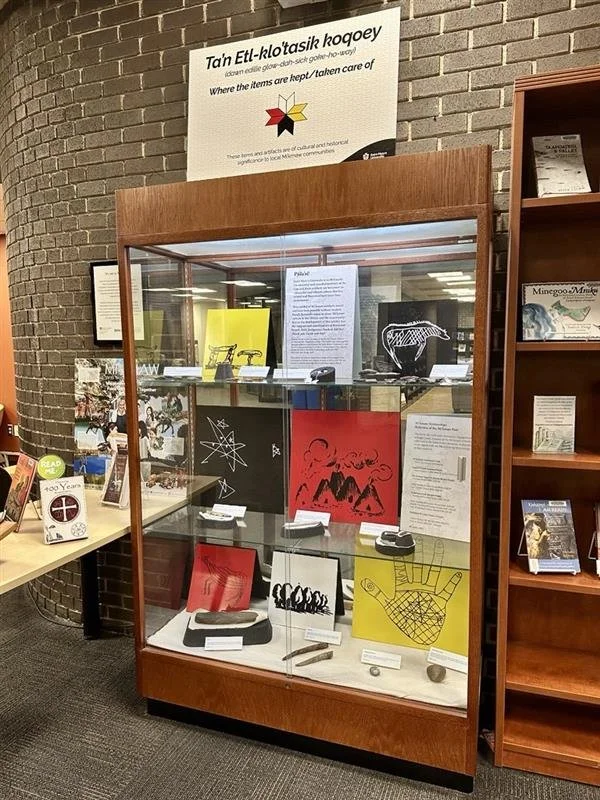
Bookshelf with Indigenous book display

The Patrick Power Library strives to reflect Mi’kmaw presence, history and knowledge within our spaces and collections. We are proud to be the home of exhibits that support this vision, a dreamcatcher created by former student Isaiah Bernard and his father, Chief Wilbert Marshall of the Potlotek First Nation in 2020, and a Mi’kmaw heritage exhibit with Library resources and Mi’kmaw cultural artifacts on display from the Nova Scotia Museum of Natural History.

A full circle moment: Celebrating the impact of Chancellor Michael Durland

Chancellor Mike Durland welcoming graduates during Spring Convocation

There’s a moment at every Saint Mary’s University convocation when the room settles, the energy shifts and all eyes turn forward.

A pause. A smile. “Well…”

And then: “You’ve done it!”

Mike Durland closed every convocation ceremony with great enthusiasm

For graduating students, it’s a moment that lands with meaning. One that signals both an ending and a beginning. And for Chancellor Michael Durland BComm'87 DComm'10, it became a defining part of how he connected with each graduating class.

“The closing gesture was quite involuntary at first,” he says. “I wanted to connect with them, give them a last jolt of energy, give them the sense that they have really arrived.”

As Mike concludes his term as Chancellor, it’s that ability to create meaningful, human moments that has come to define his time in the role.

The moments that matter

When asked what stands out most, Mike doesn’t point to a single milestone or announcement. Instead, he returns to a feeling. “It’s been an amazing experience. It’s actually hard to describe how fulfilling it’s been.” Much of that comes from convocation, the place where his role came to life most visibly and most personally. “You arrive on campus and feel the energy of the students and are reminded of the purpose of the university.”

Celebrating grads on stage at convocation

Over the course of his many ceremonies, he developed a habit of listening closely to valedictorian speeches, seeing them as reflections of something bigger. “They kind of tell the story of the time, for the university and for the students, and it’s often a story about challenges and support, and friendship, and it often reinforces the important, and often deeply personal, role a university plays in student’s life.”

But it was often the quieter, unscripted moments that stayed with him most—meeting families and supporters, hearing snippets of students’ journeys, witnessing pride in its purest form. “For many of them, they’re first-time graduates. There’s a lot of pride, a lot of emotion.” For Mike, these moments reinforced what he sees as the true privilege of the role. “You’re connected to a place that you love, and to all the members of that community in this really wonderful way.”

Coming full circle

Long before he stood on the convocation stage as Chancellor, Mike was a Saint Mary’s student himself. “Saint Mary’s was this amazing time in my life. I really found a love of learning here. I gained a lot of confidence here.” Looking back, he sees that transformation as foundational. “I could not have imagined the life I was about to lead and how much the university prepared me for that.”

It was also at Saint Mary’s where he met his wife, Catherine, something he describes as deeply intertwined with his experience of the university. “When you add it all up, meeting her was the most pivotal moment of my life and we both have very special memories of that time. Saint Mary’s is a constant in those memories.” Returning years later in the role of Chancellor brought that story full circle. “When we go back, it feels like home. It’s this really special place.” That sense of home became a thread throughout his time in the role, something he intentionally reinforces in how he speaks to students, particularly as they graduate.

Giving back with purpose

During his time as Chancellor, the Durland family made a transformative $3-million gift to support graduate research at Saint Mary’s. For Mike, the motivation was deeply personal. “When I look back at my journey, it was a special group of faculty members who really were at the heart of my experience.”

Mike and Catherine Durland met as undergraduate students at the Sobey School of Business

One of those faculty members still stands out vividly. While at Saint Mary’s, he approached professor Jan Bartholdy for a reference to law school, only to be met with a different idea. “He said, ‘I will give you a reference, but only if you apply to Queen’s for your PhD.’” What followed was more than guidance. The two worked together on a paper, and when Mike wasn’t accepted in the first round, Bartholdy took it upon himself to advocate directly, driving to Queen’s University in person to make the case. “He said, ‘You have to take this guy. He’s just a great kid.’”

It’s a moment that has stayed with him, not just because of where it led, but because of what it represented: a professor who saw potential, took the time and changed the trajectory of a student’s life. The gift, he explains, was a way to recognize that special relationship. “It was our attempt to bring back to our amazing faculty a special thanks.”

At the same time, it reflects a broader belief in the role of research and the importance of supporting both faculty and students. “I wanted to find something that would be beneficial to them, to encourage young graduate students to come and be part of their labs and to grow into our next generation of faculty.” Underlying that is a bigger question, and one he continues to think about: “How do we create an environment where all our students can flourish?”

Confidence in the next generation

After years of watching students cross the convocation stage, Mike is clear about what gives him confidence in the next generation. “They are amazing. You definitely walk away a little bit mind-blown.” In particular, he points to a sense of confidence and readiness—something he sees as especially meaningful in today’s world. “There could be a lot of reasons today to not be confident, but yet I think our students have a sense of confidence and readiness that’s truly inspiring.”

He also sees something else: energy. “They have more energy at the end than they had at the beginning of their journeys. They’ve done it.” For Mike, that combination matters. “If you have confidence and you have energy, you have a really good start to a winning formula.”

Advice for what comes next

Mike speaking at an alumni event

For graduates stepping into life beyond Saint Mary’s, Mike offers a perspective shaped by experience. “Many of our graduates feel a lot of pressure—they feel they should know exactly where that next leg of the journey is going to take them. When I left Saint Mary’s, I had no idea where my career would take me, and that was okay. That’s what makes the journey special—you work hard, absorb everything around you and the path eventually reveals itself.”

He often returns to an analogy his mother used. “Just because you have your driver’s license doesn’t mean you know how to drive a car.” The message is clear: learning doesn’t stop at graduation. “Keep educating, keep developing, keep having dreams. The day you graduate from university, you’re nowhere near through your journey. It’s really just begun.”

It’s advice rooted in patience, resilience and a willingness to embrace uncertainty. “Don’t fear failure. If you’re not failing, you’re not trying. That’s how you learn.”

A lasting connection

Ahead of his final convocation as Chancellor, Mike shared that the moment will be a meaningful one. “There’ll be a lot of mixed emotions.”

After years of standing at the front of the stage—welcoming, encouraging and celebrating each graduating class—it’s not just the ceremony he’ll reflect on, but the people behind it. The conversations, the stories, the moments of pride that unfolded between each name called. “You get to see the student’s moment of connection with their family and friends. Sometimes there’s a huge celebration, sometimes it’s more subtle. But there’s a lot of pride, a lot of emotion and you really get a sense of what it means to them.”

That connection, felt in those moments, has come to define his time as Chancellor. It’s something that reaches far beyond the stage, shaped by relationships, shared experiences and grounded in a deep appreciation for what Saint Mary’s represents in people’s lives.

A shared chapter

Throughout his term, Mike has worked closely with Saint Mary’s leadership, including former president Dr. Robert Summerby-Murray and Susan Summerby-Murray, whose presence helped shape the tone of campus life during his time as Chancellor. He has also supported the university through a period of transition, welcoming new president Dr. Michael Khan and the continued evolution of Saint Mary’s.

Being sworn in as Chancellor in 2019

Behind the scenes, he is quick to acknowledge the many people who make the university what it is, from its Board of Governors to faculty, staff and the broader campus community.

That spirit of shared leadership and collective care is something he has both experienced and contributed to, and something that will continue long after his term concludes.

And while he has spent years offering words of encouragement to graduating students, Saint Mary’s now has an opportunity to return the sentiment. For the time, energy and heart he has given to this role, for the moments he helped shape, the connections he strengthened and the community he championed…

Thank you, Mike. You’ve done it.


Mike and his wife, Catherine BComm'87, established the Durland Family Doctoral Convocation Award to support PhD students as they reach this important milestone in their academic journey—reflecting their shared belief in the power of education and student achievement.

As we mark the conclusion of his tenure (2019 – 2026), we invite members of the Saint Mary’s community to honour his contributions and leadership by making a gift to support the Durland Family Doctoral Convocation Award.

Your generosity is a meaningful way to recognize Mike’s lasting impact and to help ensure that future students continue to benefit from the opportunities he has championed. Thank you.

Make a Gift in Honour of Michael Durland BComm'87


This story was featured in the Spring edition of the Maroon + White alumni magazine. Visit the online magazine to read more alumni stories!