

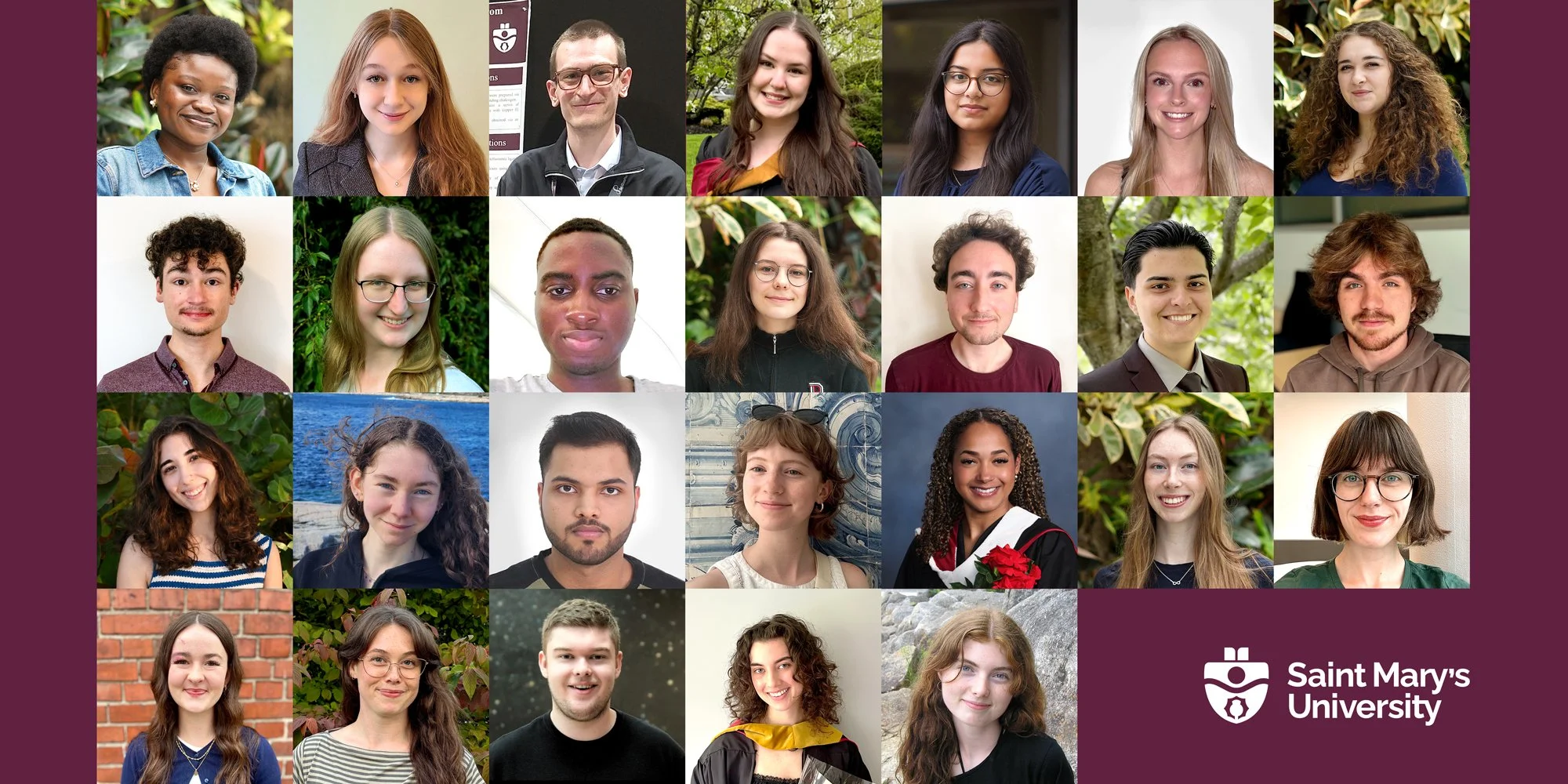
This summer, many Saint Mary’s Students were awarded paid positions to conduct research alongside their professors
With the fall term underway, we’re celebrating another successful summer of students working on research in their fields alongside their professors across campus.
These paid positions in labs and in the field are an excellent way for students to expand on the lessons learned in their undergraduate classes and apply their skills to real-world applications.
Students in the Faculty of Science are often found outside all summer—biology students wear hip waders to study fish, while others track birds as they grow and leave the nest. Chemistry students work on precision equipment in their labs, and psychology and environmental science students do key work that advances their fields of study. A team of astronomy and physics students focused on stars and black holes. Most plan to continue their research in subsequent summers and in graduate school.
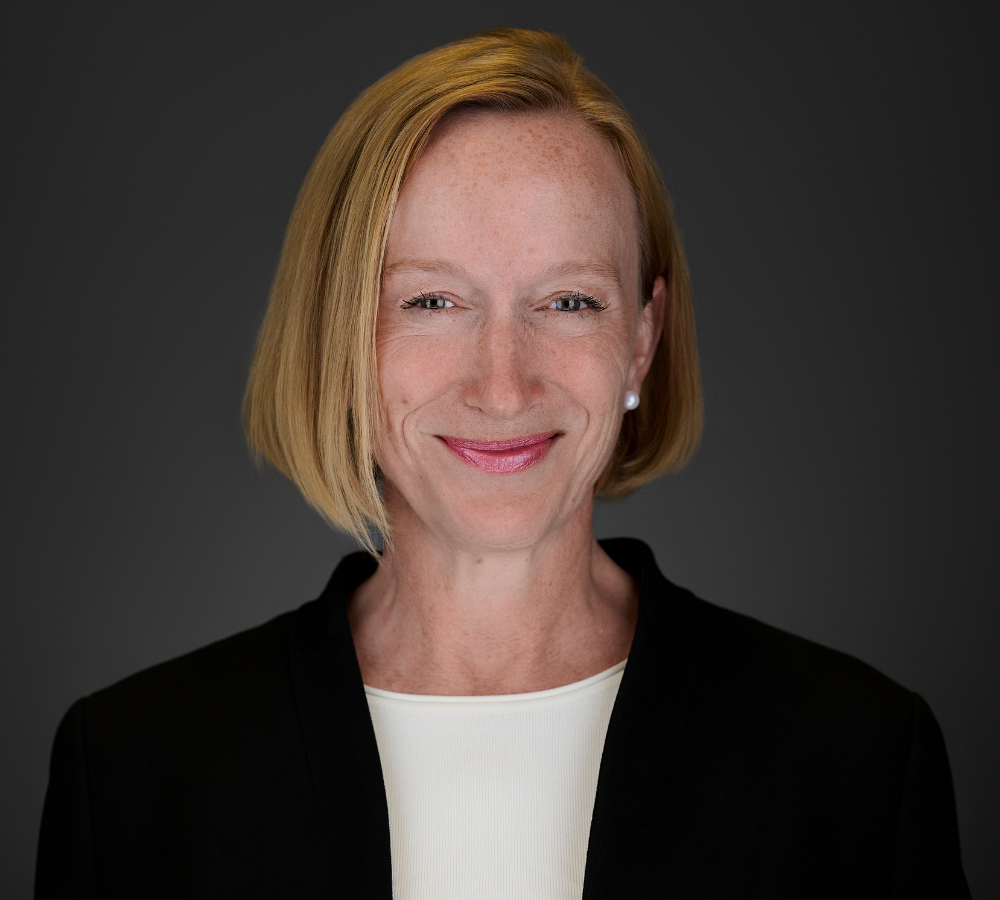
“Students are often part of long-term projects run by professors. The hands-on nature of this work advances their understanding of their chosen subjects beyond what they learn in the classroom,” says Dr. Laura Weir, interim Dean of Science.
“On top of conducting meaningful research with their team, this work gives our students the tools to think creatively and to test, analyze, and follow projects through to completion — skills they will use in their undergraduate classes, future research and in their careers.”
These paid research positions are funded by federal government agencies including the National Sciences and Engineering Research Council of Canada’s (NSERC) Undergraduate Student Research Awards program and the Social Sciences and Humanities Research Council (SSHRC). Others are offered thanks to generous donors, grants and funding from Saint Mary’s. In most cases, awards are made possible through contributions from professors’ research grants. Award recipients receive funding to undertake 12 to 16 weeks of full-time work between May and August.
To provide research opportunities to even more Saint Mary’s students, the Faculty of Science introduced a new award category for full-time students two years ago. Designed for student-professor teams who propose a research project together, the Dean of Science Access to Research Awards focus on the proposed research project; as long as the student is in good academic standing, their GPA is not a selection criterion. These awards are jointly funded by the Dean of Science Office and various faculty grants.
“Every year we are impressed with the background our most dedicated and capable students bring to these research positions,” says Dr. Adam Sarty, Associate Vice-President, Research and Dean, Faculty of Graduate Studies. “They add skills and a depth of knowledge that they can use immediately in their classes, but the true value is the way they strengthen students’ prospects for post-graduate studies and their careers. These invaluable experiences will serve them as they move through the workforce.”
“Many students further their academic careers through undergraduate research opportunities like these,” says Dr. Sarty. “The competitive salary is a boost to students who need to work to support their studies, easing their financial burden.”
How are students chosen?
Most positions are earned based on academic record, breadth of experience and background, and the student’s application letter. Students can apply after their first year of full-time study.
Interested in applying for a summer research award for next year? Visit this website for updates later in the term, and follow your faculty’s social media for news and deadlines.
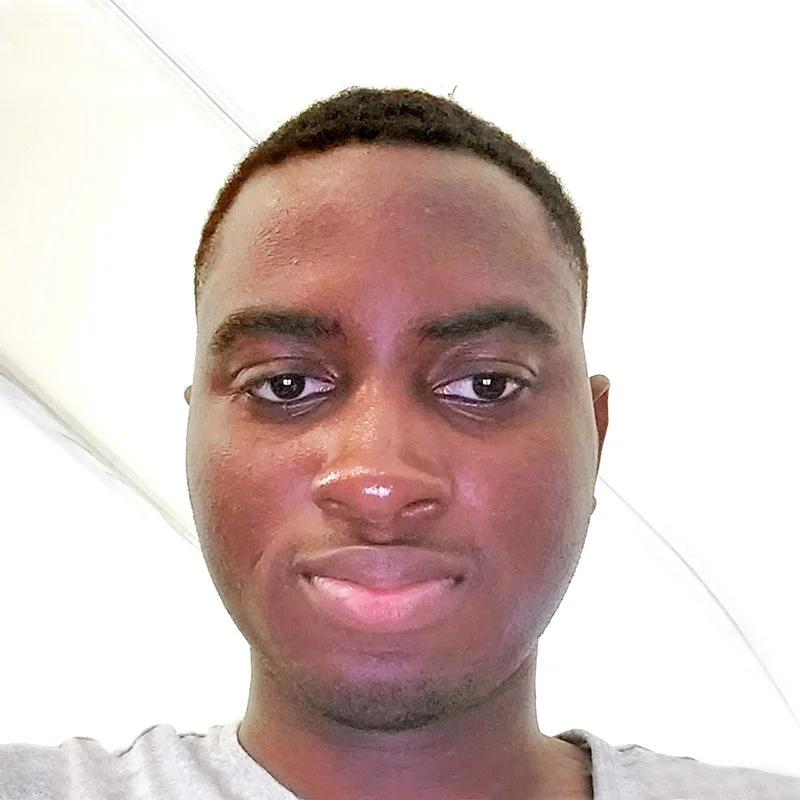
Iyinoluwa David Amore
Summer research award: First-Year Undergraduate Summer Research Award
Faculty supervisor: Dr. Robert Singer (Chemistry)
Project: I made lobster- and crab-shaped ligands that contain a pyridine group using a CEM microwave.
Favourite thing about SMU: The Tim Hortons in the Loyola Building.
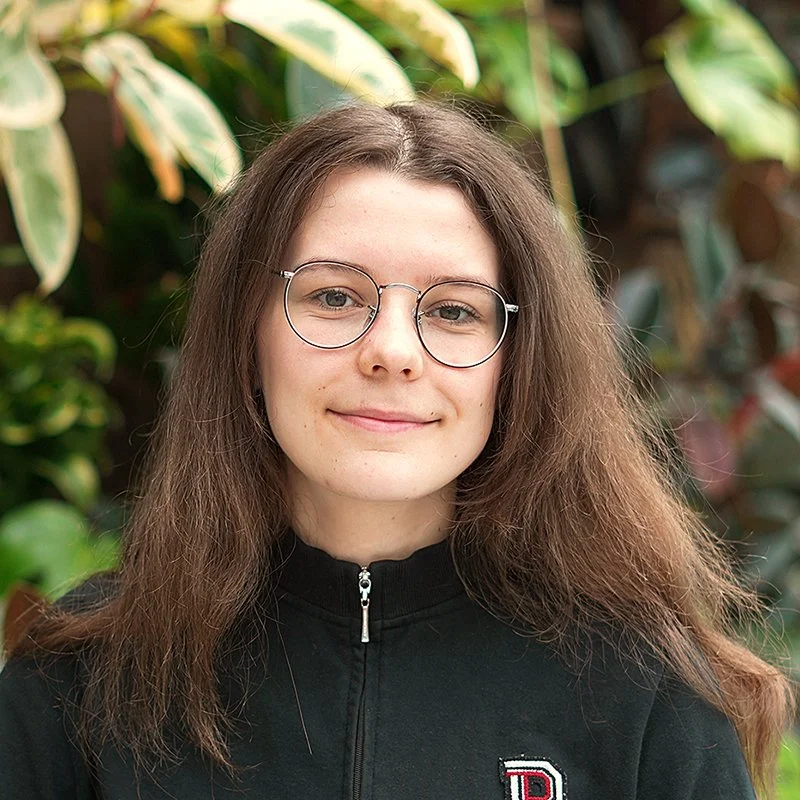
Laura Bartlett
Summer research award: Social Sciences and Humanities Research Council (SSHRC) Explorer Undergraduate Summer Research Award
Faculty supervisor: Dr. Vasiliki Athanasakou (Accounting)
Project: The project examines strategic partnerships between corporations and nonprofit organizations, with a particular focus on understanding why firms form cross-sector partnerships and how these collaborations contribute to corporate governance and sustainability. My responsibilities include conducting qualitative analyses of corporate partnership announcements, developing databases of nonprofit organizations, and reviewing the academic literature.
Future plans: I hope to complete a Masters of Economics and study abroad.
Favourite thing about SMU: The Fred Smithers Centre and the staff there.
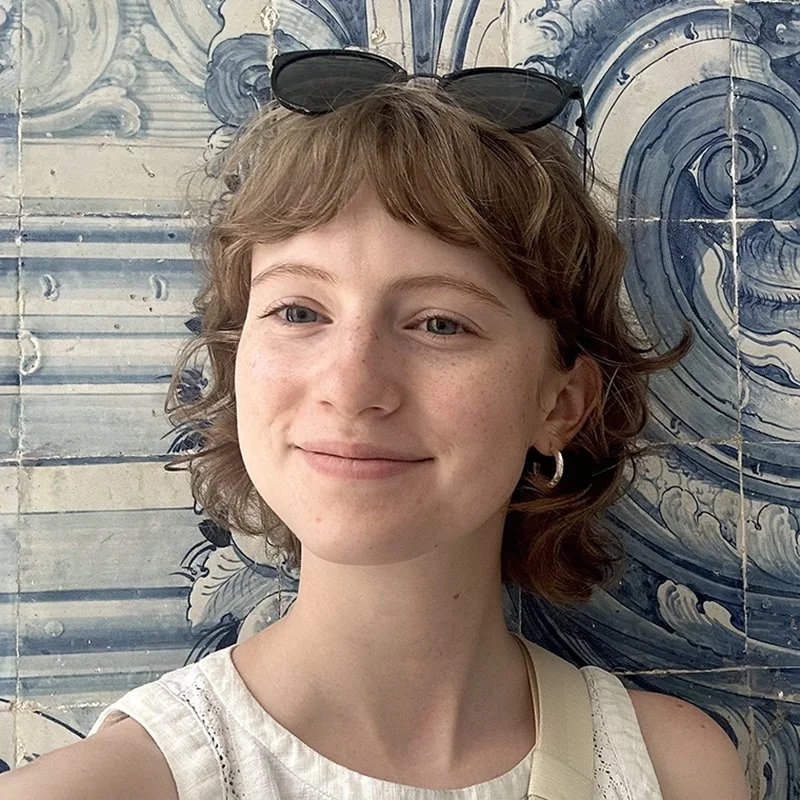
Sarah Chiasson
Summer research award: Natural Sciences and Engineering Research Council of Canada (NSERC) Undergraduate Student Research Award
Faculty supervisor: Dr. Colleen Barber (Biology)
Project: This summer, I studied the European starlings nesting on the campus of Saint Mary’s University. This work involved recording bird songs, documenting materials used for nest building, and analyzing DNA samples collected in the field. I am also continuing my honours thesis project, which examines a specific reproductive strategy used by European starlings whereby females lay eggs in the nest of other females.
Future plans: I am hoping to continue ornithological research as a graduate student.
Favourite thing about SMU: The lovely people I have met and the community I have built.
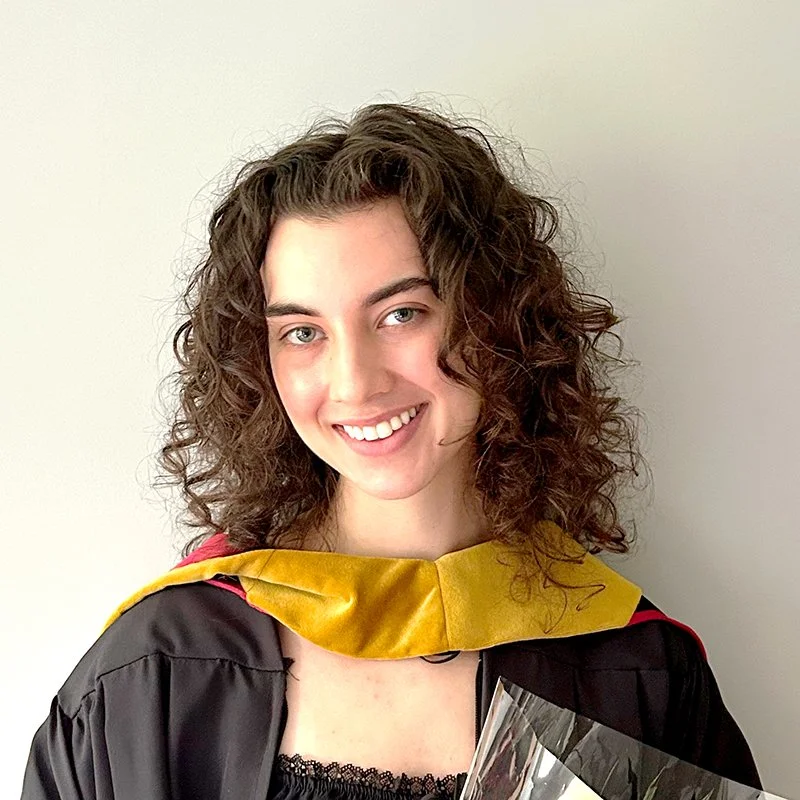
Claire Cullinan
Summer research award: Natural Sciences and Engineering Research Council of Canada (NSERC) Undergraduate Student Research Award
Faculty supervisor: Dr. Christa Brosseau (Chemistry)
Project: I am working on wrapping up my honours project, which focused on developing a sensitive, low-cost, surface-enhanced Raman spectroscopy-based diagnostic assay using nanobody-functionalized gold nanoparticles for the detection of HER2 (a breast cancer biomarker), to enable more accessible breast cancer diagnostics.
Future plans: I will be attending McGill University for a master's in the Integrated Program in Neuroscience. I will be working at the Douglas Research Centre examining whether alterations in cerebral blood flow network organization link modifiable lifestyle behaviours (e.g., physical inactivity, sleep disturbance, smoking) to persistent negative symptoms and cognitive deficits in severe mental illness.
Favourite thing about SMU: My favourite thing about SMU is the Dr. Brosseau student office (which has a kettle for tea!).
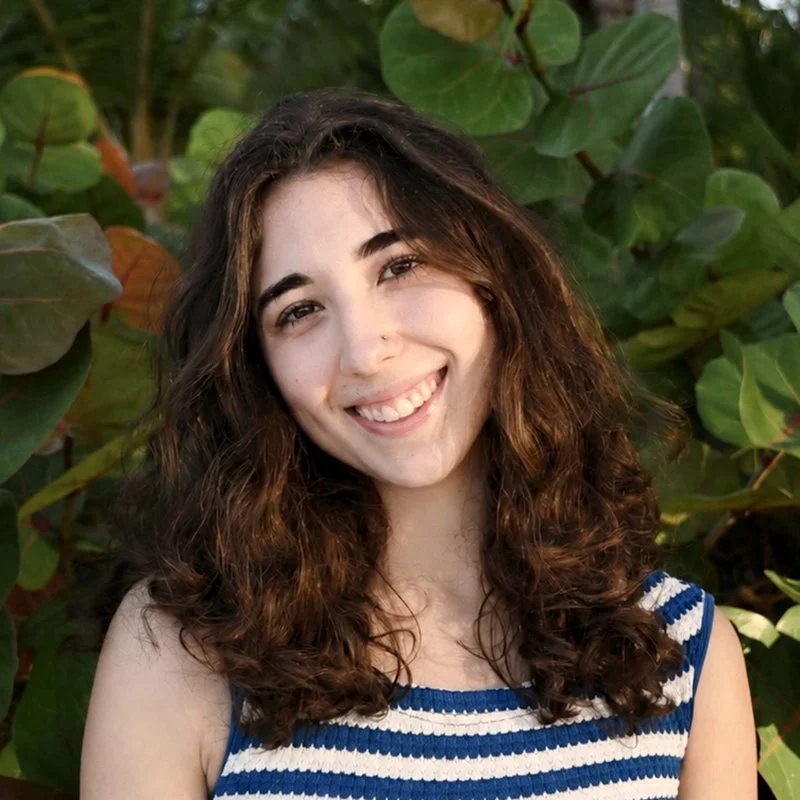
Chloe Delano
Summer research award: Natural Sciences and Engineering Research Council of Canada (NSERC) Undergraduate Student Research Award
Faculty supervisor: Dr. Jason Ivanoff (Psychology)
Project: My summer project is to support ongoing cognitive neuroscience research in the lab. Over the summer, I will create training materials for EEG equipment and data analysis, assist with participant recruitment and data collection, help program research experiments, and conduct literature reviews and meta-analyses to support current studies.
Future plans: I plan to continue my education by pursuing a master's degree in Sport Psychology, with the goal of expanding my knowledge and developing a career in this field.
Favourite thing about SMU: My favourite thing about SMU was the opportunities it provided to grow both personally and professionally. I was able to explore potential career paths, gain valuable experiences, and build lasting friendships and connections that made my time at SMU memorable.
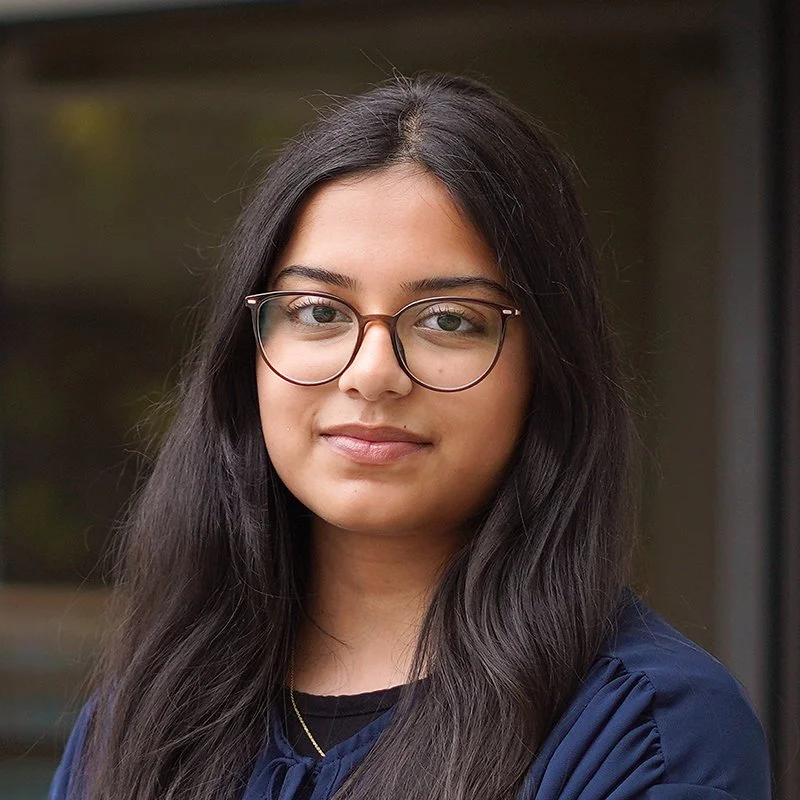
Mitra Gokulnath
Summer research award: Dean of Science Undergraduate Summer Research Award
Faculty supervisor: Dr. Aldona Wiacek (Astronomy and Physics / Environmental Science)
Project: Investigating the presence of tiny ice crystals known as "diamond dust" in the Canadian Arctic atmosphere and how they influence climate systems.
Future plans: To pursue an Honours degree building on this research and continue to graduate school after completing my undergraduate studies.
Favourite thing about SMU: My favourite thing about SMU is the support and encouragement I’ve received from professors. Feeling that my hard work is recognized has been incredibly motivating, and having mentors who genuinely believe in me has made a huge difference in my university experience. The opportunities I’ve been given and the confidence my professors have placed in me have made me feel truly valued as a student.
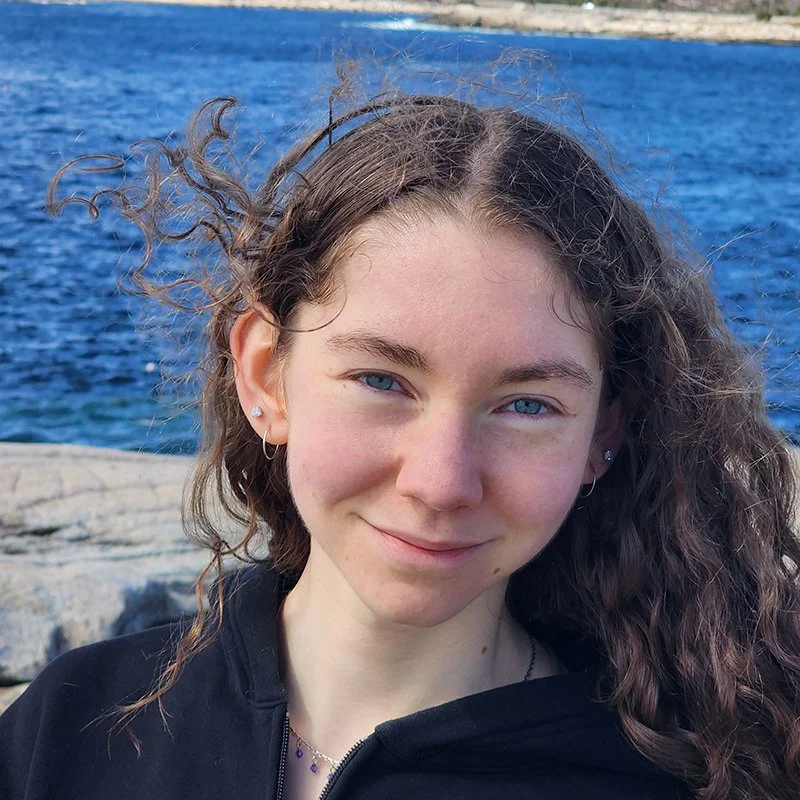
Mackenzie Hayduk
Summer research award: Natural Sciences and Engineering Research Council of Canada (NSERC) Undergraduate Student Research Award
Faculty supervisor: Dr. Vincent Hénault-Brunet (Astronomy and Physics)
Project: Intermediate-mass black holes could explain how supermassive black holes grow, but few convincing detections exist. This project finds the mass of an intermediate-mass black hole in the globular cluster Omega Centauri by modelling the orbits of five fast-moving stars.
Future plans: My undergraduate research and conference experiences have only made me more excited to take the next step toward my Ph.D. in astrophysics (hopefully in Germany/Korea) after I graduate. My extracurricular experiences through SMU as a Varsity athlete, BGO tour guide, and outreach officer have also added to my long-term career goals of continuing community engagement and athletics throughout my career in research.
Favourite thing about SMU: My favourite things are the communities I have been welcomed into as an astrophysics student, athlete, and outreach enthusiast. Whether discussing research-related problems with fellow undergrads, racing against my teammates, or meeting passionate high school students and teachers, I appreciate the opportunities SMU facilitates for building connections.
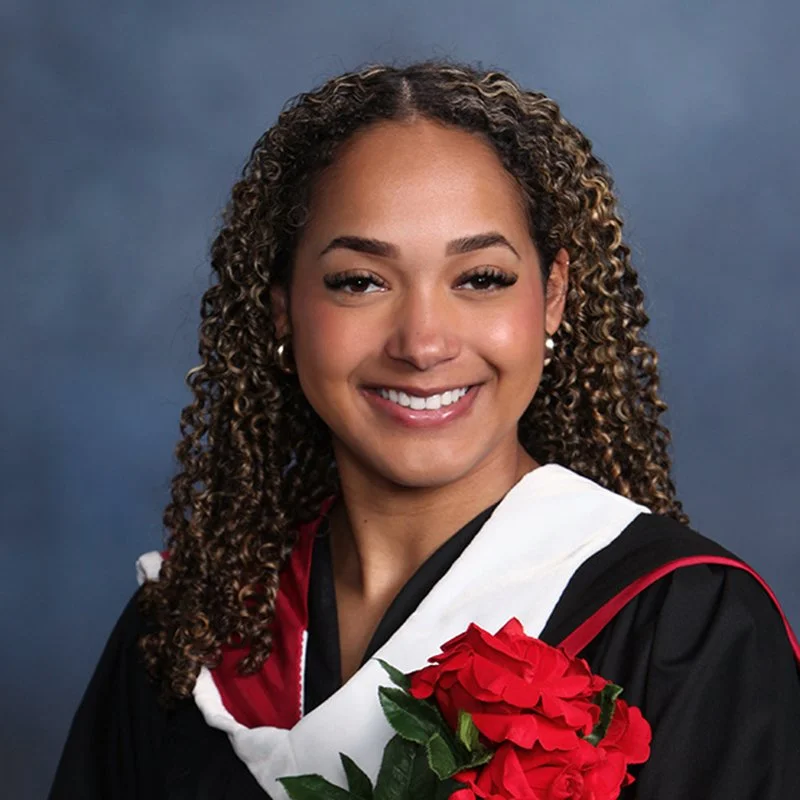
Alexa Ikejiani
Summer research award: Social Sciences and Humanities Research Council (SSHRC) Explorer Undergraduate Summer Research Award
Faculty supervisor: Dr. Nicole Conrad (Psychology)
Project: This summer, we are investigating different exogenous factors that promote good mental health outcomes in children with reading difficulties. This review uses a dynamic systems framework that understands mental health as an emerging interaction between the individual and their environment. This framework helps highlight the role of environmental supports and the potential barriers that individuals may face in accessing them.
Future plans: I plan to pursue a PhD in Clinical Psychology, with research focused on literacy development, early psychoeducational assessment, and improving the long-term outcomes for children with reading difficulties.
Favourite thing about SMU: My favourite thing about SMU is the welcoming and supportive community. This community has been a major driving force behind my success as both a student and an emerging researcher. Here at SMU, I feel very connected to my peers, professors, and supervisors, making me excited to come to campus every day, even during the slower summer months!
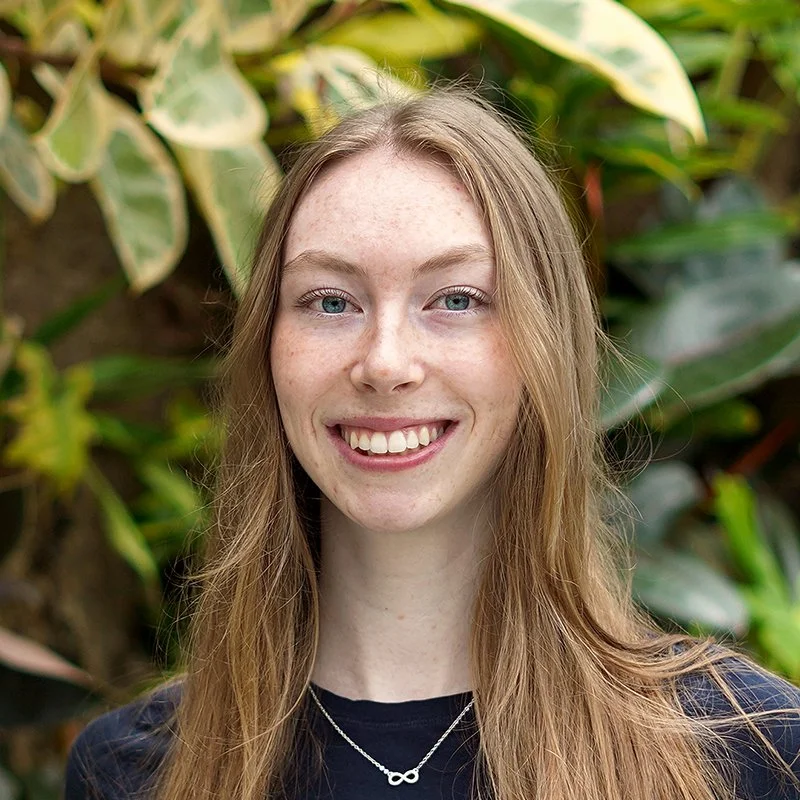
Sydney Lewis
Summer research award: Dean of Science Undergraduate Summer Research Award
Faculty supervisor: Dr. Danielle Tokarz (Chemistry)
Project: Used ultrafast laser microscopy to investigate the structure of biological samples, such as collagen fibrils and banana starch, under various conditions.
Future plans: Completing an Honours degree in Chemistry.
Favourite thing about SMU: The small class sizes.
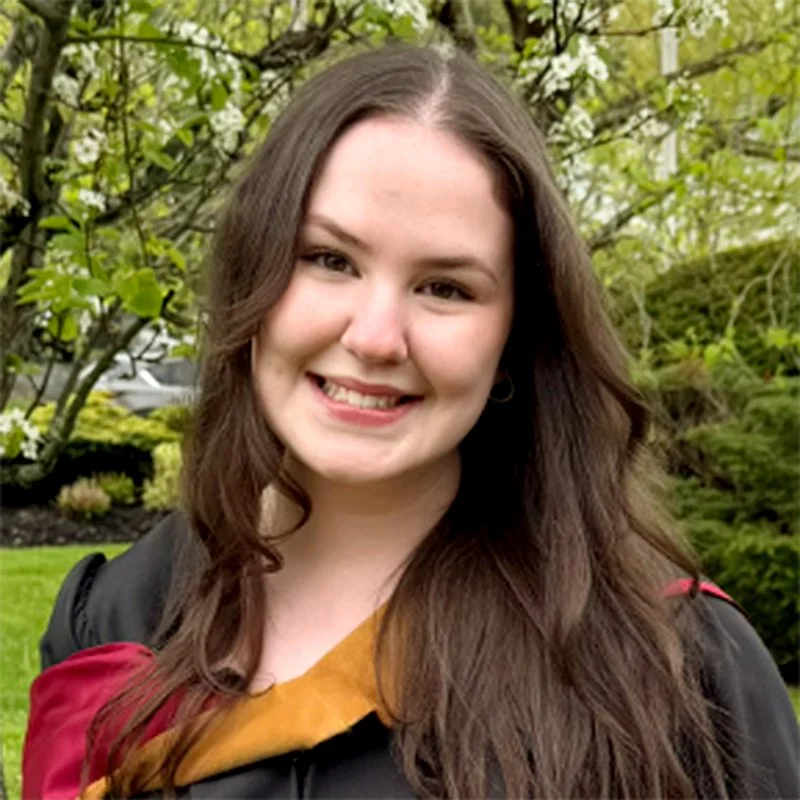
Claire MacLean
Summer research award: Natural Sciences and Engineering Research Council of Canada (NSERC) Undergraduate Student Research Award
Faculty supervisor: Dr. Christa Brosseau (Chemistry)
Project: Examining redox processes of natural methylxanthines using a technique called electrochemical surface-enhanced Raman spectroscopy.
Future plans: Gap year before continuing on with grad school
Favourite thing about SMU: The small class sizes and access to research opportunities
Benjamin McIsaac
Summer research award: Dean of Science Undergraduate Summer Research Award
Faculty supervisor: Dr. Rob Thacker (Astronomy and Physics)
Project: I am using computer simulations and statistical tools to study galaxy cluster mergers and how the gas within them mixes. More specifically, I am attempting to determine which regions are mixed primarily by diffusion and which regions are mixed primarily by folding.
Future plans: I am currently exploring my options after completing my degree, including the possibility of pursuing graduate studies in astrophysics or a related field.
Favourite thing about SMU: The smaller class sizes and the accessibility of professors

Keegan Riggs
Summer research award: Natural Sciences and Engineering Research Council of Canada (NSERC) Undergraduate Student Research Award
Faculty supervisor: Dr. Luigi Gallo (Astronomy and Physics)
Project: Using normalized excess variance to detect ultra-fast outflows in active galactic nuclei.
Future plans: I’m planning on getting my master’s degree, then PhD, and becoming a professor
Favourite thing about SMU: I like its location in the city.
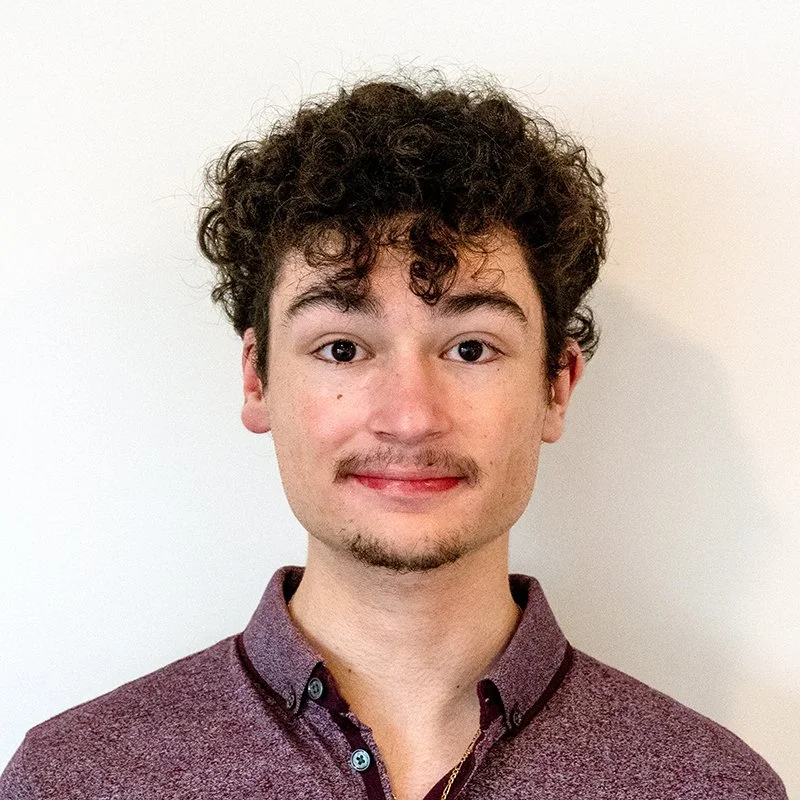
Daryan Schaefer
Summer research award: First-Year Undergraduate Summer Research Award
Faculty supervisor: Dr. Danielle Tokarz (Chemistry)
Project: This summer, I’m working on improving our laser imaging system so that it can use backward Second Harmonic Generation (SHG), a technique that allows us to study thicker samples such as teeth. Using backward SHG imaging, I hope to gain a better understanding of how regenerative endodontic treatments promote healing and tissue regeneration, and how the regenerated tissue compares to original tissue.
Future plans: Get my DDS at Dalhousie Dentistry and then complete an MD-integrated Oral and Maxillofacial Surgery residency.
Favourite thing about SMU: The piano in the Student Centre.
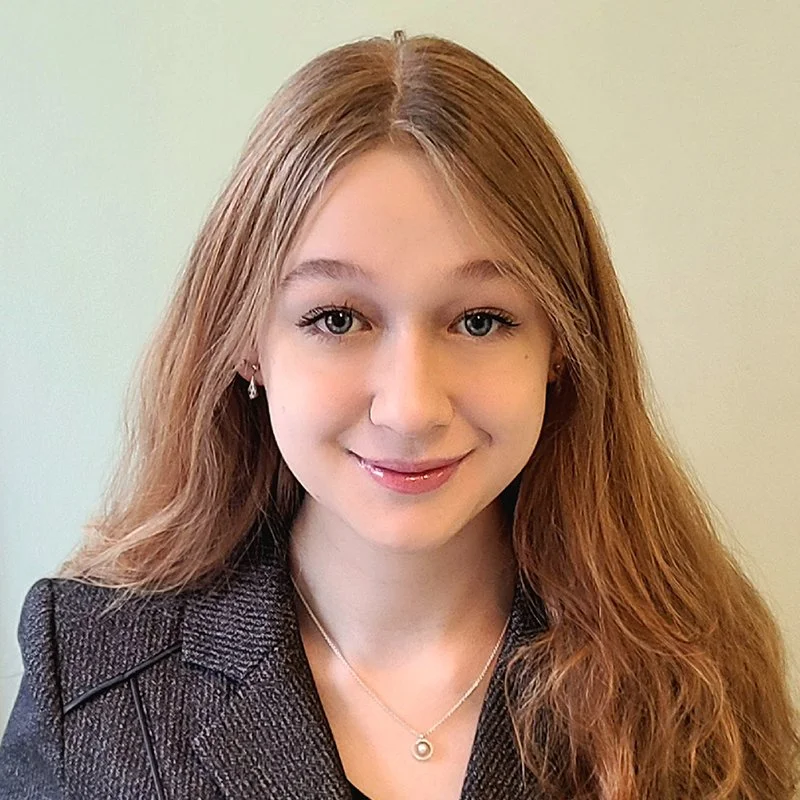
Chloe Staple
Summer research award: First-Year Undergraduate Summer Research Award
Faculty supervisor: Dr. Hany Fahmy (Economics)
Project: I'm helping my economics professor complete textual analysis. This means I'm assisting machine learning in constructing a news-based climate policy sentiment index. After labelling a few thousand sentences, we will be training the AI, which will later be used by him.
Future plans: As a first-year student, I'm still not completely sure of my future; however, I plan on doing a double major in Accounting and Finance, and after graduation, I will hopefully complete my CPA and CFA.
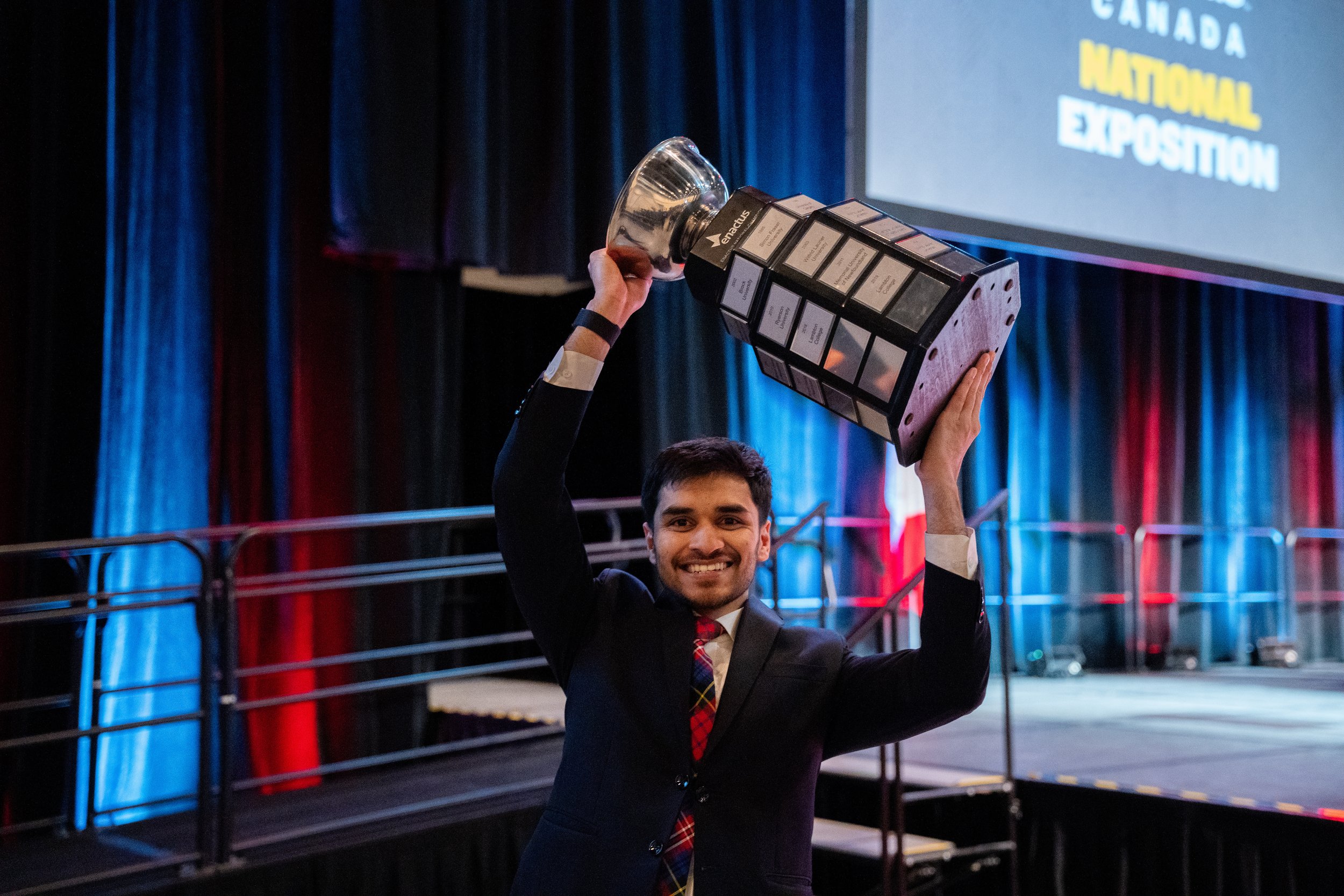
Favourite thing about SMU: My favourite thing about SMU is the Enactus team. Everyone is so kind there, and being surrounded by like-minded students makes me want to work even harder towards my goals. Participating in the Enactus Regionals and Nationals in Montreal this year was an amazing experience!
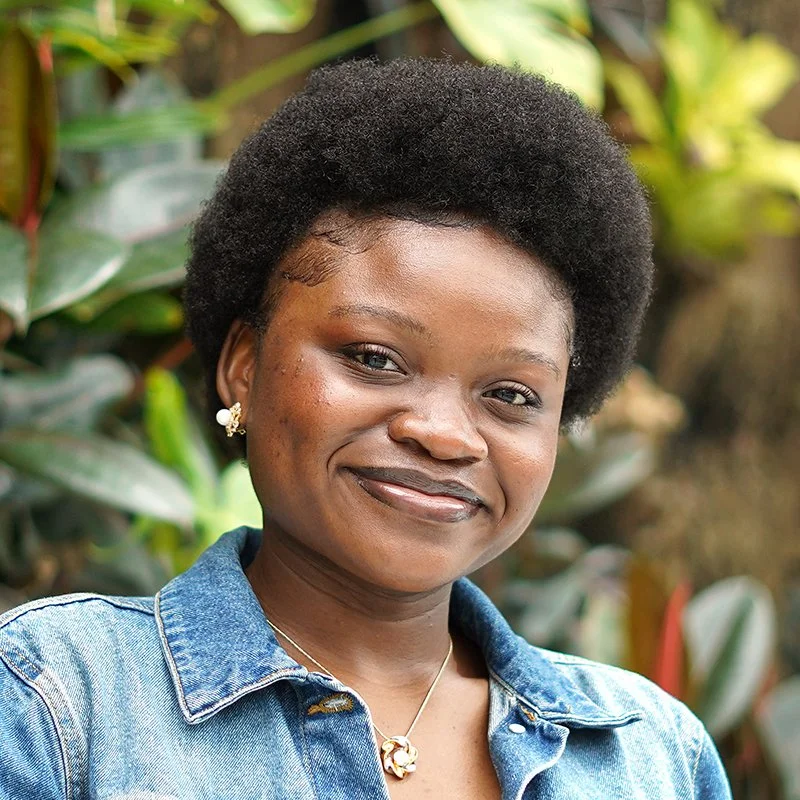
Benita Tabuku
Summer research award: Dean of Science Undergraduate Summer Research Award (BSc student in Computing Science)
Faculty supervisor: Dr. Hai Wang (Finance)
Project: I am working on a research project that analyzes risk-related information in public firms' 10-K reports. Using Python, we extract and analyze relevant disclosures to assess the firms' Enterprise Risk Management (ERM) maturity.
Future plans: I am currently considering career paths in either data analytics or computer networks and cybersecurity. This summer research position is a great opportunity for me to learn more about data analytics and gain hands-on experience, which will help me better understand the field and decide which career path is the best fit for me.
Favourite thing about SMU: My favourite thing about SMU is living in residence. I like being close to my classes, there is no need to commute, and I can even wear heels during the winter semester! I am also close to my friends and campus activities. Some of my favourite moments have been the simple ones, like playing Uno with my friends in the floor lounge. Living in residence has been one of the best parts of my university experience :)
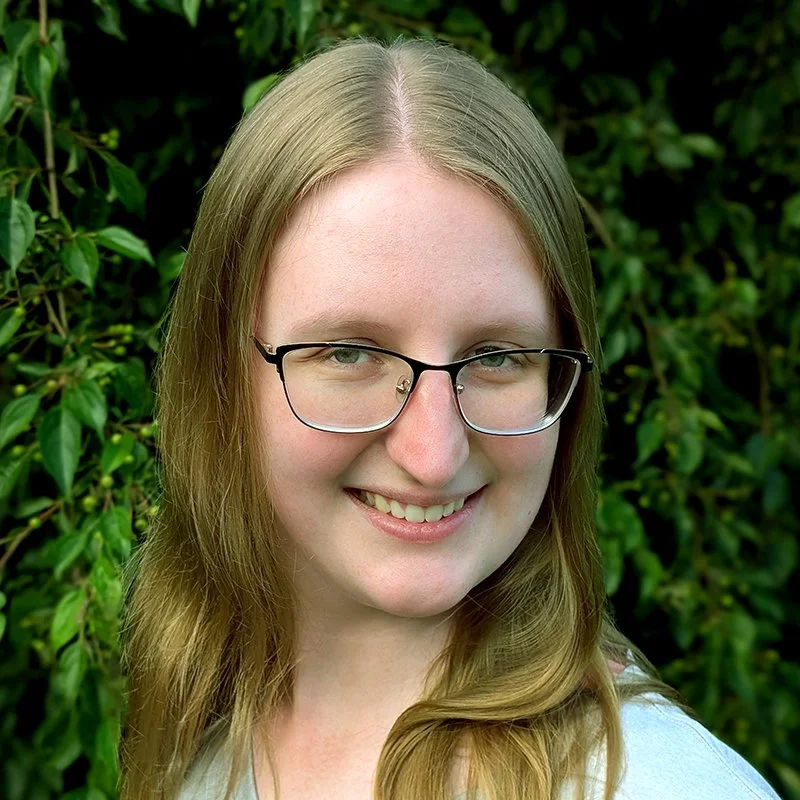
Megan Barkhouse
Summer research award: Natural Sciences and Engineering Research Council of Canada (NSERC) Undergraduate Student Research Award
Faculty supervisor: Dr. Anne Dalziel (Biology)
Project: This summer, I worked on my Honours project researching the persistent effects of low salinity exposure on the gene expression of Eastern oysters, and how this affects their performance when re-exposed to low salinity. I am learning and using a lot of new procedures and skills in the lab. I also feed and care for the fish in the SMU fish lab.
Future plans: I am very interested in medicine, and so I plan to continue my education and pursue a career in the medical field as either a researcher or a physician.
Favourite thing about SMU: The campus is very beautiful in the spring when all the flowers are blooming!
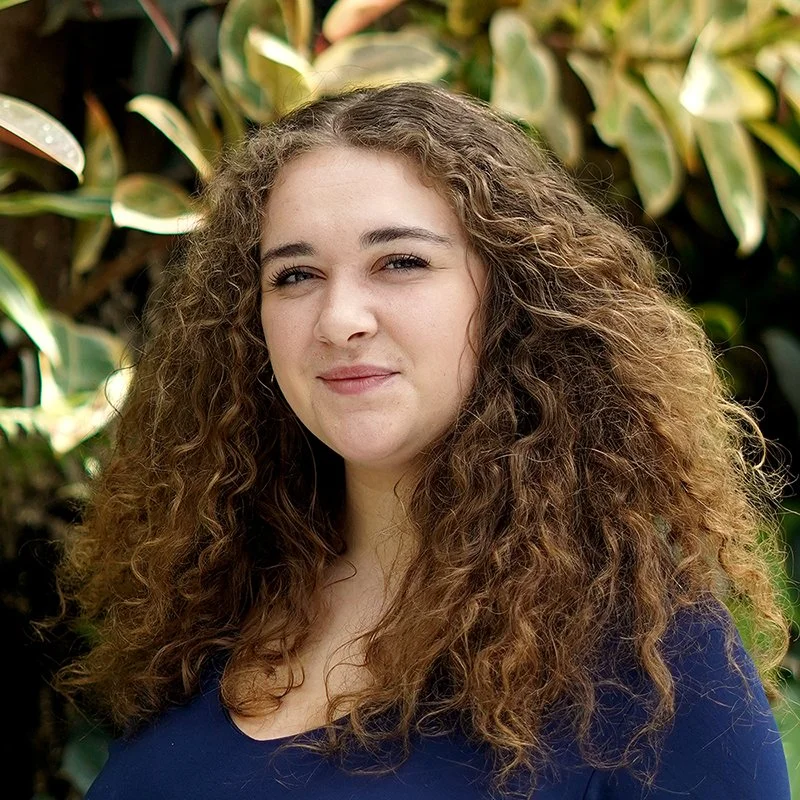
Kiera Blackadar
Summer research award: Social Sciences and Humanities Research Council (SSHRC) Explorer Undergraduate Summer Research Award
Faculty supervisor: Dr. Margherita Cameranesi (Psychology)
Project: This summer, I have been assisting with the FYRe-NS Finding Your Resilience study, researching gender-based violence experiences of young newcomers to Nova Scotia. Participants are surveyed about their experiences of resilience, community, mental health and service needs upon their arrival in Nova Scotia. This project aims to identify service gaps in education, healthcare and social services to detail areas for improvement.
Future plans: I plan to pursue a career in clinical psychology and am interested in both forensic and trauma therapy specializations. I hope to apply my educational experiences to advocate for policy and systemic changes, pushing for improved mental healthcare access and supports for justice-involved individuals.
Favourite thing about SMU: My favourite thing about SMU is the shared dedication of both faculty and students in creating learning opportunities outside of the classroom and in building community. Regardless of year of study or your desired level of campus involvement, there are so many ways to get engaged in campus life. Be it volunteering, guest lectures, research participation, or societies and clubs, there are numerous accessible ways to broaden your horizons and build your circle at Saint Mary's.
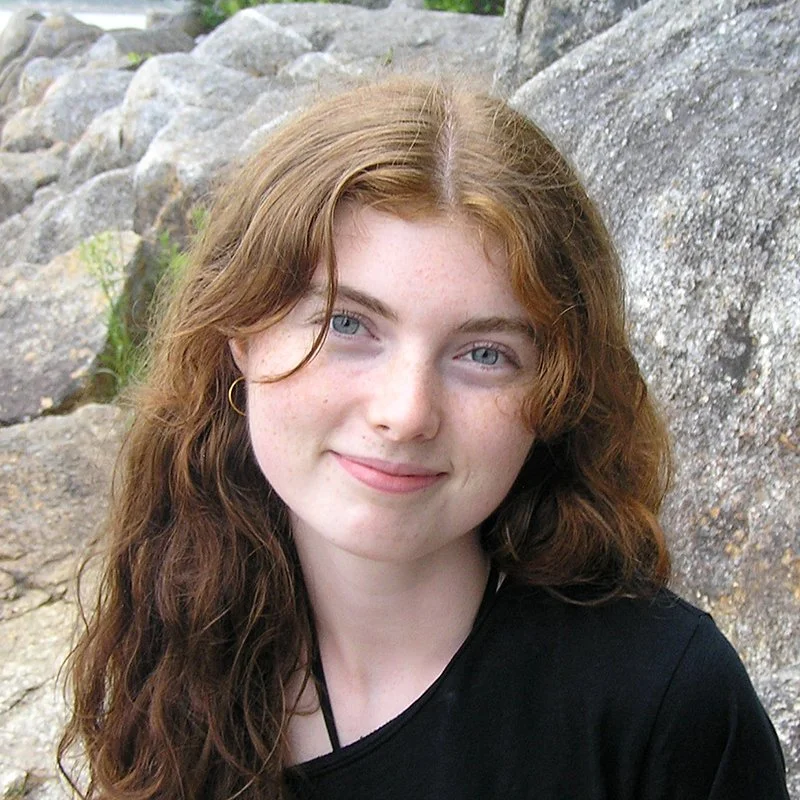
Zane Collins
Summer research award: Natural Sciences and Engineering Research Council of Canada (NSERC) Undergraduate Student Research Award
Faculty supervisor: Dr. Ellie Goud
Project: I investigated the effects of liming on lakeshore sphagnum moss physiology and growth. In the field, I used an instrument known as the Licor 600 to measure chlorophyll fluorescence parameters in sphagnum moss growing in different lime treatments. To measure differences in morphology, I collected shoots from each treatment and measured select functional traits, including capitulum area, dry mass, and fascicle density. The final part of this project will be sending samples off for isotope analysis to gain information on their lifetime photosynthesis.
Future plans: Once I have completed my undergrad, I hope to pursue a master’s degree and continue to work on research in the field of plant ecology.
Favourite thing about SMU: My favourite thing about SMU is the people.
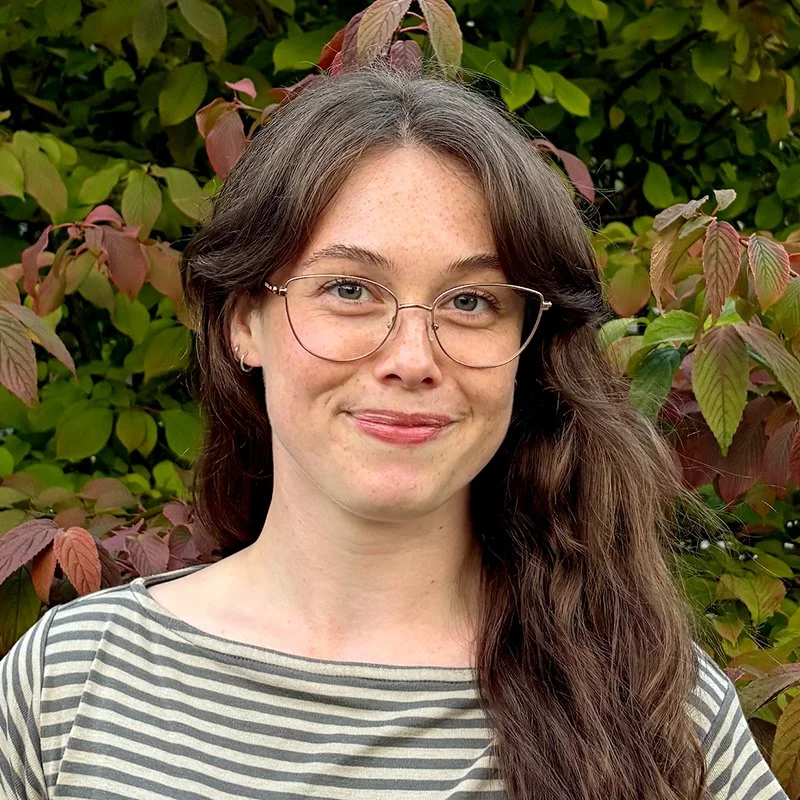
Kristen Cowan
Summer research award: Dean of Science Undergraduate Summer Research Award
Faculty supervisor: Dr. Vincent Hénault-Brunet (Astronomy and Physics)
Project: This research project investigated the effect of forming fewer low-mass stars early on in Milky Way-like globular clusters. This distribution of stellar masses, known as a bottom-light initial mass function (IMF), is thought to fit observational data well and may be more suitable for studying globular clusters than the universally adopted Kroupa IMF (2001). 24 N-body simulations were run using the Cluster Monte Carlo Code (CMC) comparing the two IMFs to quantify their effect on long-term evolutionary properties of the cluster, and the Black Hole populations that form within.
Future plans: I hope to further the scope of this study in future research and obtain a Master of Science in Astronomy. I hope to build a career in research on black hole formation channels and star cluster dynamics, as well as science communication and education.
Favourite thing about SMU: The plant wall in the Atrium
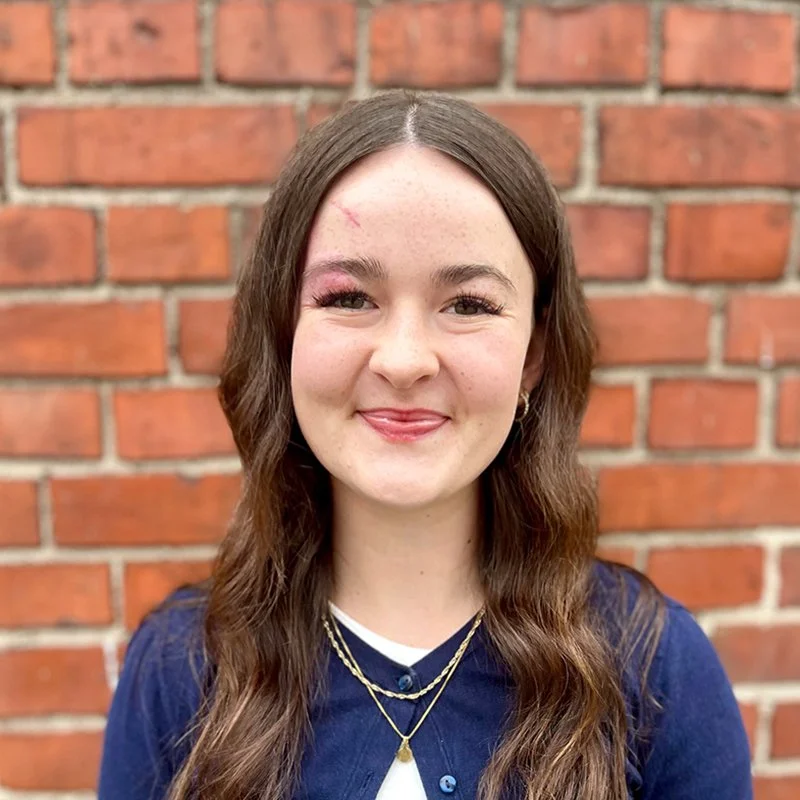
Ariel Day
Summer research award: Social Sciences and Humanities Research Council (SSHRC) Explorer Undergraduate Summer Research Award
Faculty supervisor: Dr. Veronica Stinson (Psychology)
Project: I am working on several ongoing projects focusing primarily on victim impact statements (VIS) and offender character evidence (OCE) in court sentencing decisions. We are looking at how the submission of VIS and OCE impact the sentencing decision (length, 'severity', considerations) across Canada, as well as investigating the demographics of individuals who submit victim impact statements, to identify the barriers that victims face in the court process. We are also working on a project that explores the use of virtual or hybrid components in court proceedings in Nova Scotia.
Future plans: I want to get my Master’s degree and PhD in forensic psychology.
Favourite thing about SMU: The community
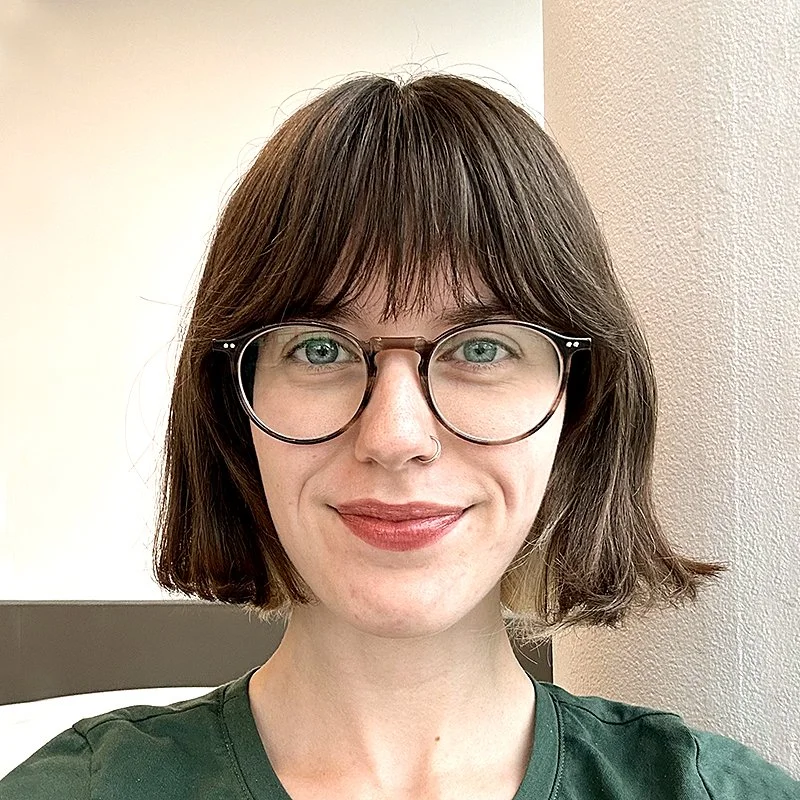
Grace Hallewell
Summer research award: First-Year Undergraduate Summer Research Award
Faculty supervisor: Dr. Nicole Conrad (Psychology)
Project: This summer I have been a research assistant as part of Dr. Conrad’s Literacy Lab in the Department of Psychology. Our main research this summer has focused on children who experience difficulties with reading. The aim of this research is to review previous studies and identify which aspects of these children’s environments have been shown to improve or maintain good mental health.
Future plans: I plan to graduate from SMU in 2028 with Honours in Psychology and a minor in English. Afterwards, I will continue my education in the field of psychology by completing a master’s degree and a PhD. I am interested in pursuing a career that involves both research and working with clients.
Favourite thing about SMU: I like SMU's size because it lets you get to know other students and faculty members better.
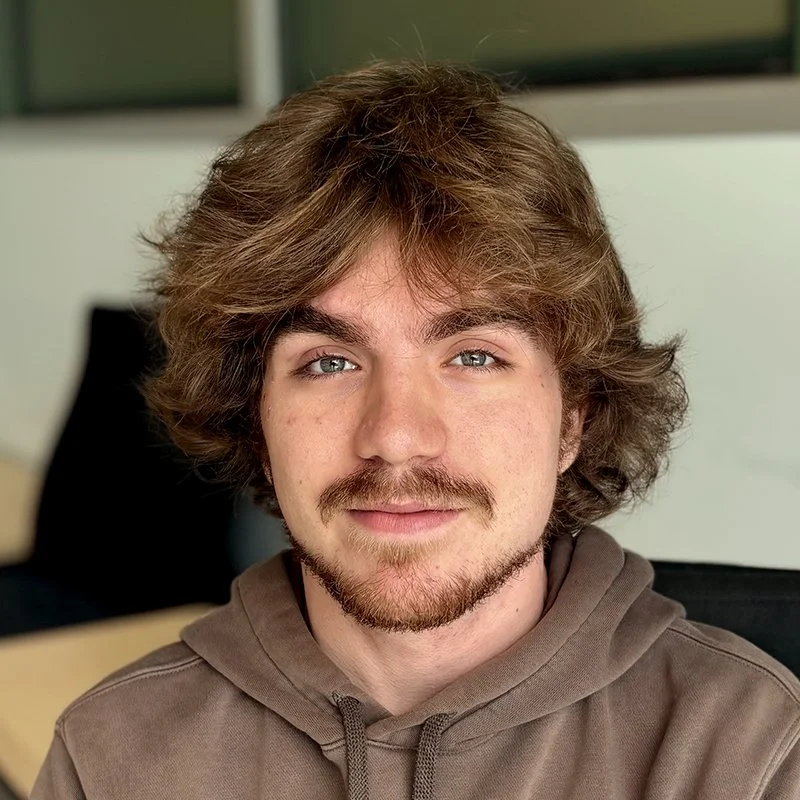
Rohen Hayne
Summer research award: Natural Sciences and Engineering Research Council of Canada (NSERC) Undergraduate Student Research Award
Faculty supervisor: Dr. David Chiasson (Biology)
Project: I am working on a project aimed at identifying key factors that support nitrogen-fixing symbiosis in legume plants. We use molecular biology, genetics, and microbiology techniques to study this relationship.
Future plans: Explore future opportunities in science and healthcare.
Favourite thing about SMU: The Atrium
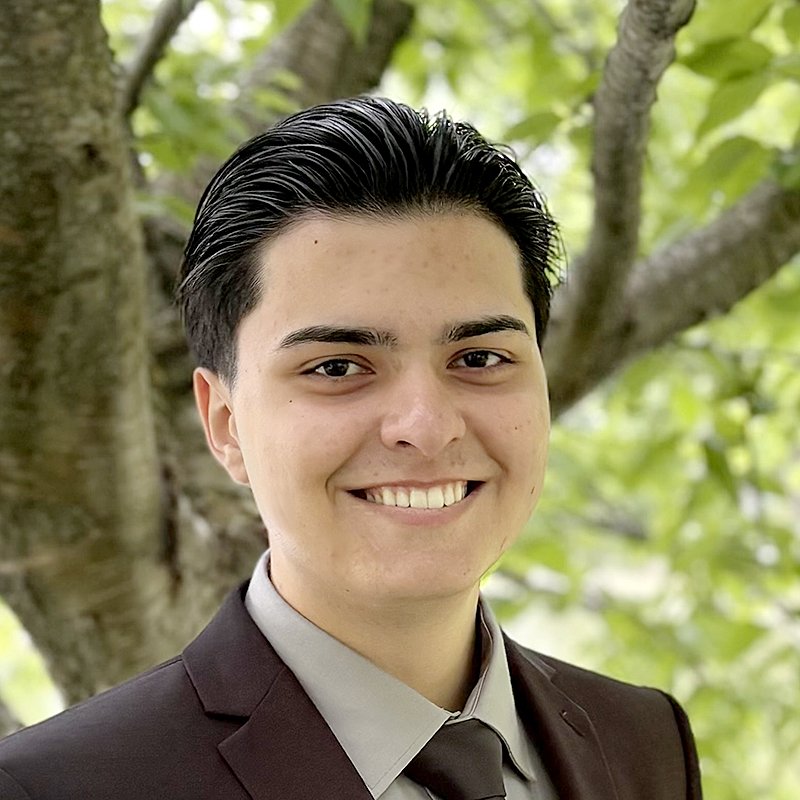
Enrique Jaldo
Summer research award: Dean of Science Undergraduate Summer Research Award
Faculty supervisor: Dr. Greg Christian (Astronomy and Physics)
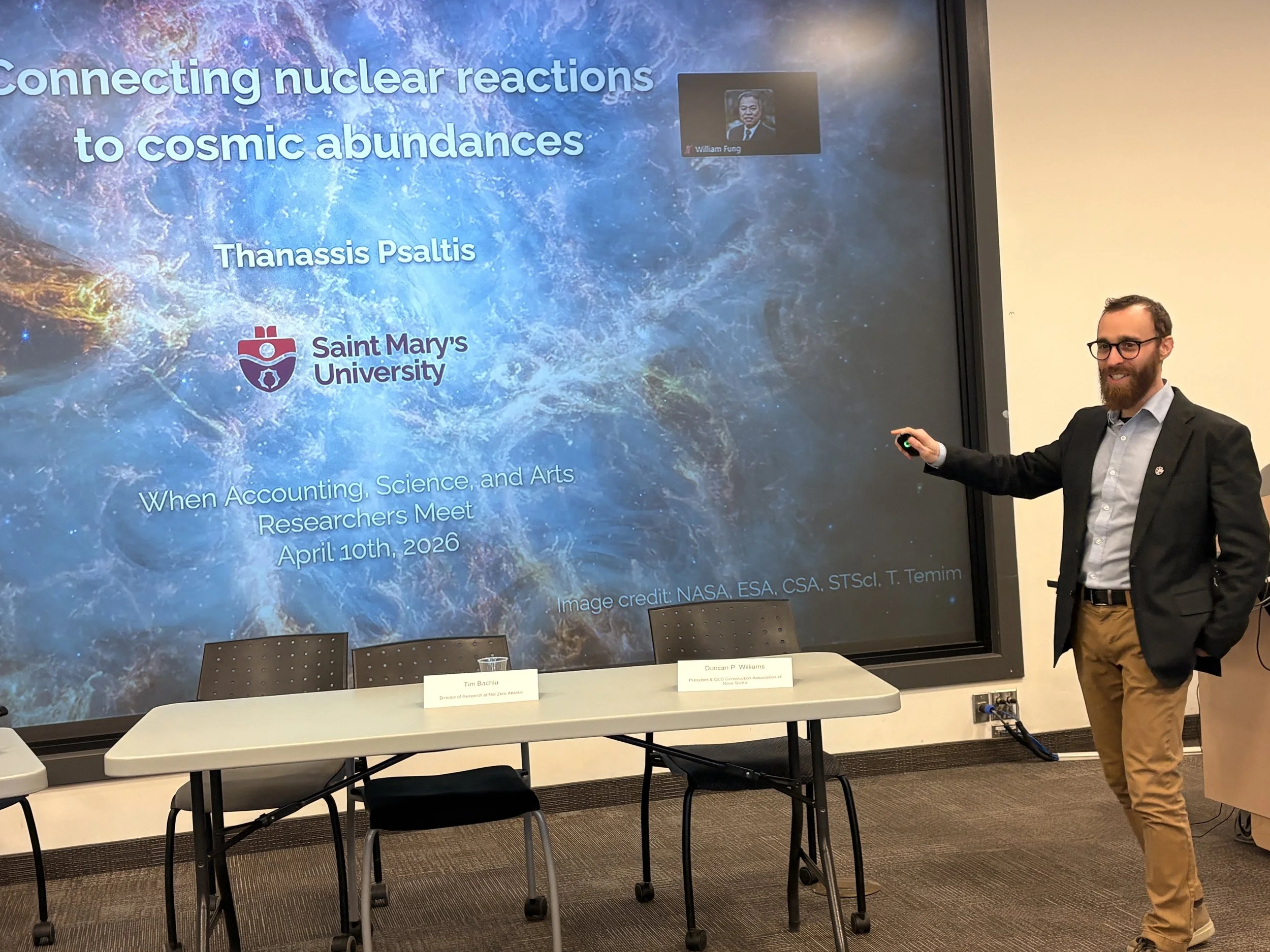
Project: Working together with my professor to understand the 26Al(P,y)27Si reaction that occurs in stars, by simulating them in particle accelerators and trying to determine the most optimal angle for neutron detectors
Future plans: Astrophysicist
Favourite thing about SMU: Working with a close-knit community that is always open to helping each other out

Maddie Lloyd
Summer research award: Natural Sciences and Engineering Research Council of Canada (NSERC) Undergraduate Student Research Award
Faculty supervisor: Dr. David Chiasson (Biology)
Project: Contributing to research on how plant signals influence bacterial gene regulation through protein expression, purification, and the study of protein–DNA interactions.
Future plans: Become a dentist.
Favourite thing about SMU: The campus.
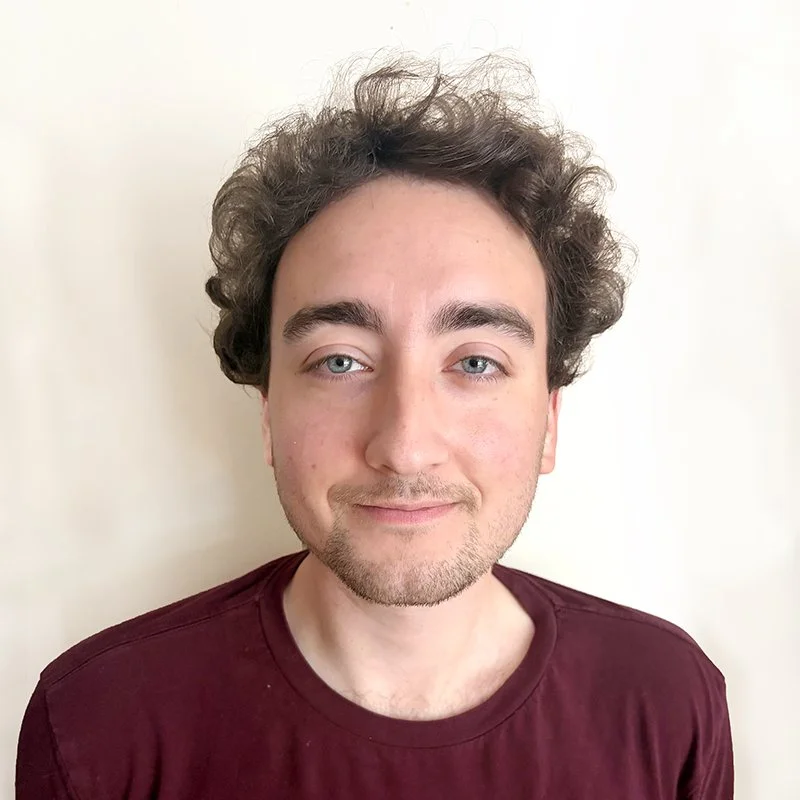
Dylan Main
Summer research award: Social Sciences and Humanities Research Council (SSHRC) Explorer Undergraduate Summer Research Award
Faculty supervisor: Dr. Jamie Livingston (Criminology)
Project: Along with Dr. Livingston, I am conducting a scoping review to examine how civilian (non-police) mental health crisis response programs define and operationalize the concept of a crisis. As these programs continue to expand as alternatives to police-led responses, there is considerable variation in how crisis situations are understood, assessed, and managed. I am looking for evidence on definitions of crisis, eligibility and exclusion criteria, risk and safety assessments, and the circumstances under which police involvement is required.
Future plans: Psychologist / Counsellor
Favourite thing about SMU: The cool study spots around campus and great experiences with professors (shoutout Dr. Cameron and Dr. Bourgeois)
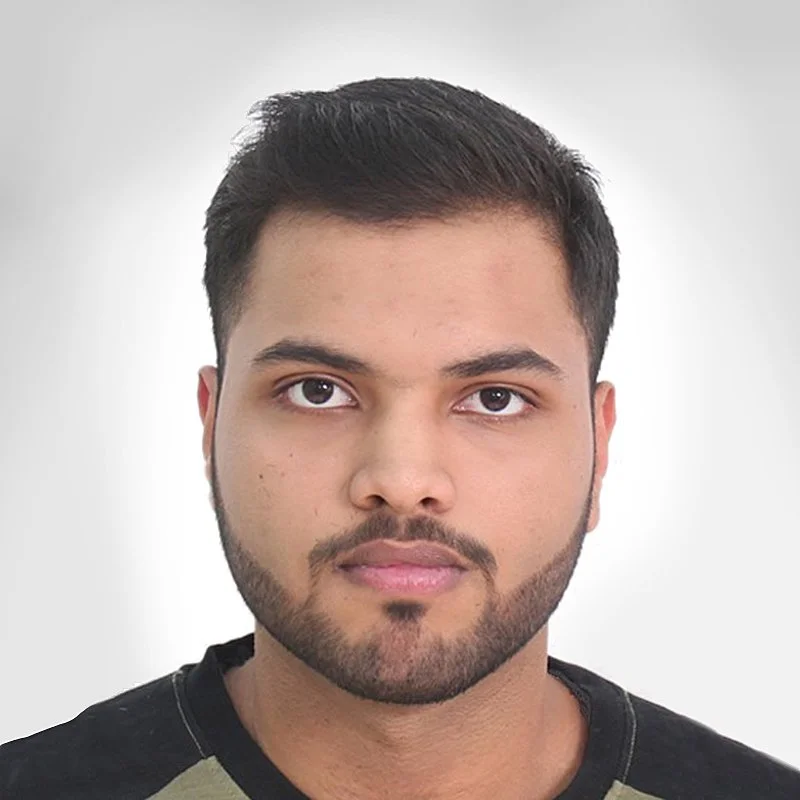
Muhammad Arham Mussawar
Summer research award: Dean of Science Undergraduate Summer Research Award
Faculty supervisor: Dr. Stavros Konstantinidis (Mathematics and Computing Science)
Project: This summer project will explore new ways to find patterns in two related pieces of information at the same time.
Most existing research looks at how to match a pattern within a single word or sequence. In this project, we will study how to match two-dimensional patterns to pairs of words. These pairs could represent related data, such as two genes, two programming expressions, or two connected strings of information.
The goal is to develop and analyze algorithms, using ideas from pattern expressions and finite-state machines, that can recognize these kinds of paired patterns efficiently. This work could help identify relationships between paired data in areas such as biology, programming languages, and data analysis.
Future plans: I am entering my fourth and final year of an Honours Computer Science degree. My main academic interests are algorithms, theoretical computer science, and artificial intelligence. This summer research project connects closely to my future plans because I hope to continue studying this area through my honours thesis, especially topics related to pattern matching, finite-state machines, and formal languages.
After completing my undergraduate degree, I am considering pursuing a master’s degree to further develop my research skills and deepen my knowledge in theoretical computer science and AI. In the future, I could see myself working either as a software engineer or continuing in academia with the goal of becoming a professor. Through this project, I hope to strengthen my skills in algorithm design, coding, research writing, and presenting research.
Favourite thing about SMU: My favourite thing about SMU is the supportive academic community. As a Computer Science student, I appreciate the opportunity to learn from amazing professors who are approachable and passionate about their fields. The welcoming environment at SMU has made it a great place to learn, ask questions, and grow as a student.
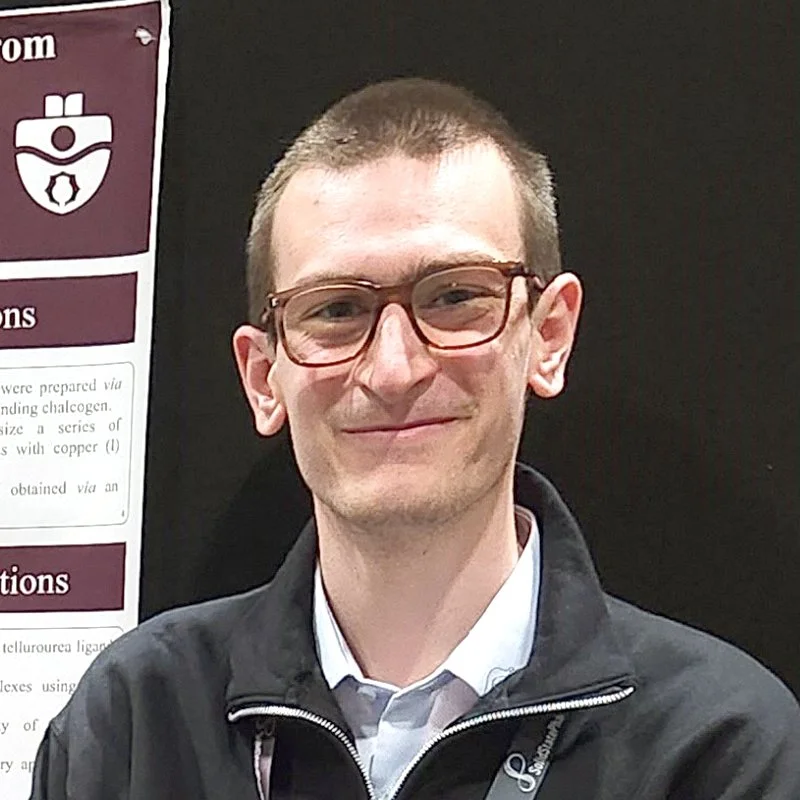
Evan Spencer
Summer research award: Dean of Science Undergraduate Summer Research Award
Faculty supervisor: Dr. Robert Singer (Chemistry)
Project: The project is focused on the synthesis of N-heterocyclic carbene derived ligands with main group donors and studying their coordination to various transition metals and main group atoms. The main goal of the research is to study the bonding and geometry of these coordination complexes and discover structures that have never been synthesized before. This is made possible by characterization by single crystal X-Ray diffraction which provides data regarding the exact location of the atoms in a given crystalline material which can be used to determine the structure of the compound.
Future plans: After finishing my Honours in Chemistry at SMU next year, I plan to attend graduate school to obtain my PhD in chemistry focusing on inorganic chemistry and X-Ray crystallography. I hope to stay in academia for my career as well, with the goal of becoming a professor of chemistry. I am passionate about teaching and research and hope to apply that to my own research group in the future, which would be directed towards providing undergraduate students with opportunities to perform meaningful research.
Favourite thing about SMU: My favourite thing about SMU is access to research for undergrads. This is an opportunity that most students across Canada do not have, but due to the size of our institution, students are able to contribute to meaningful research and run their own research projects, which is not the case at larger institutions. My other favourite part about SMU is the size of my department. The chemistry department is small enough that I know all the professors and they know me, and most of the students as well. This allows for easier access to support and guidance while also having the ability to form connections much more easily.