
Dr. Pat Bradshaw appointed Professor Emerita

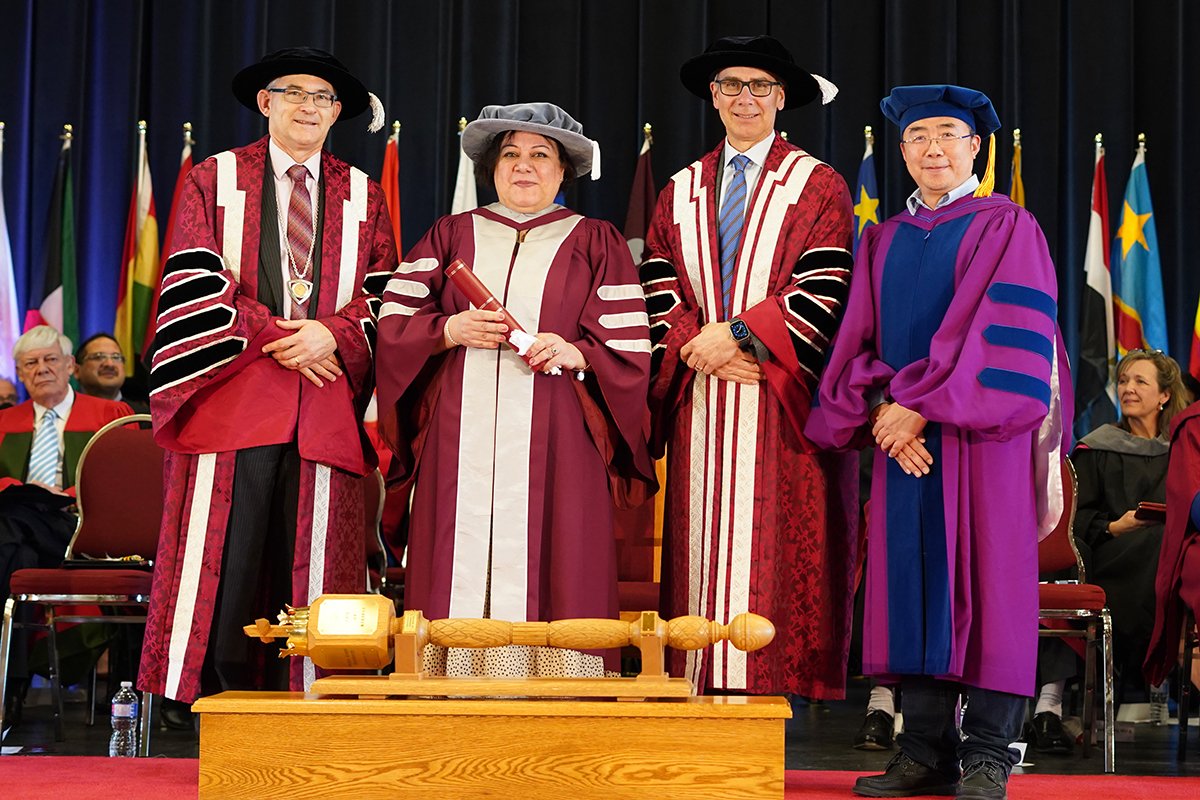
Dr. Pat Bradshaw (center) with President Robert Summerby-Murray and Dr. Jeff Power at Spring Convocation

Dr. Patricia (Pat) Bradshaw was appointed Professor Emerita at the Spring 2023 convocation ceremonies. This distinction is an honorary rank awarded to members of the university who have served with excellence, upon or following retirement from full-time academic duties.

Dr. Bradshaw completed her term as Dean of the Sobey School of Business in May of 2018, celebrating with a special event with alumni and colleagues. She taught as a Professor of Management, retiring in September 2022. She received the Associate Alumni of the Year award in 2017 for her dedication and support to the university.

As Dean, she was responsible for building consensus around a compelling mission for the school and establishing strategic priorities to ensure 80 full-time faculty, 3200 students, key donors, community leaders and more than 20,000 alumni felt aligned with the School’s direction.

With an annual economic contribution to the province of Nova Scotia of over $329 million by this AACSB accredited School, her position was focused on creating an impact with purpose and ensuring that resources of the School were mobilized to help build prosperity in the province.

Previously, Bradshaw was an Organizational Behaviour Professor at the Schulich School of Business, York University and held roles such as the Chair of the University Senate, Treasurer of the faculty union and Chair of the Organization Studies Area. Her research interests include governance of non-profit organizations, change management and organizational power and politics from an intersectional feminist and social justice lens.

Bradshaw is currently on the board of Feed Nova Scotia and has been on the Board of the Atlantic Provinces Economic Council as well as being Chair of the Board of the Community Sector Council of Nova Scotia. She was one of the founding co-chairs of the Nova Scotia Nonprofit COVID-19 Coalition, and is currently active as a consultant and facilitator in the areas of strategic planning and non-profit governance.

Watch a recording of the Spring 2023 Bachelor of Commerce convocation ceremony here.

Q&A with Bachelor of Arts graduate and activist Trayvone Clayton

Trayvone Clayton is a member of the Spring 2023 graduating class. He graduates with a Bachelor of Arts, majoring in Criminology with a minor in Social Justice and Community Studies. A founding member of GameChangers902, Trayvone has made a positive impact on youth in the African Nova Scotian community. His advocacy work has been recognized with the 2019 Peace Medal from the YMCA of Greater Halifax/Dartmouth, and two 2019 Nova Scotia Human Rights Awards

In May, he was the recipient of the first Edna and Velma Thomas Kane Writers Award. Valued at $30,000, it’s one of the most substantial student awards in the university’s history. Launched in the fall of 2021, it was created through the generosity of donor Floyd Kane BA’92, a writer, filmmaker, lawyer and TV producer from East Preston.

Q&A with Trayvone Clayton

How did you feel when you found out you were the first winner of the Edna and Velma Thomas Kane Writers Award? I was speechless. My mouth just dropped. It was such a big surprise. I’m still shocked about the award, and what it can do for my future.

How will this award help in your next chapter ahead? Honestly, it’s going to push me more to continue to do what I do. I’m going to keep doing everything I can to give back to my community and create opportunities for youth in my community.

What were your thoughts on graduating? It’s such a humbling but exciting moment. I’m just the third person in my family to graduate from university. My uncle (Dekota Clayton, a local audiologist) and my older brother Marquis were the first. Ever since I was a kid and saw them walk across the stage, it was always like, ‘ok, I’m going to do this’. My whole family played a big role. My parents are hardworking people. I’ve seen them always pushing to do more so I guess it’s in the DNA, that’s where I get it from. Marquis plays basketball too—he won the championship with SMU, so he’s a well-known man around here.

What courses or instructors had the biggest impact on you? Rachel Zellars is such a great prof. If students have a chance to take her Community Organizing course, they should. It can apply to anything, from local issues to worldwide issues.

Any thoughts to share about the Huskies and your teammates? I didn’t play this past year but in previous years, my teammates always made me feel welcome and comfortable. I built great friendships with people from all over and now it’s brotherhood. Basketball definitely got us all to where we are now.

What’s next for you? I’m going to continue on with community organizing. A lot of people call me an activist but I just like to do things for my community and to be a role model for youth. I’m planning to go to law school in the future, so that will be another big part of my life

What will you miss the most about SMU? Definitely Timmys. And one thing about SMU, it’s all right here. Especially in the wintertime, when you don’t even have to step outside … man, I’m grateful for that. Not too big, not too small, everything is here.

What advice do you have for new students at Saint Mary’s? Go talk to your profs. They can be a great source of help and support. And talk to other students. Make some new friends with people who are from another part of the world, it expands your horizons.

Be yourself, for yourself and nobody else. Accept people for who they are, too. Don’t come to university thinking, ‘I’m only going to hang with the cool kids.’ Everybody has their own ways of being cool. Even if they have a notebook in their pocket. Carry a notebook, always! Not for school or class, carry a notebook so you can jot down and document what’s going on in your daily life.

Science grads make SMU history with four-way Gold Medal tie

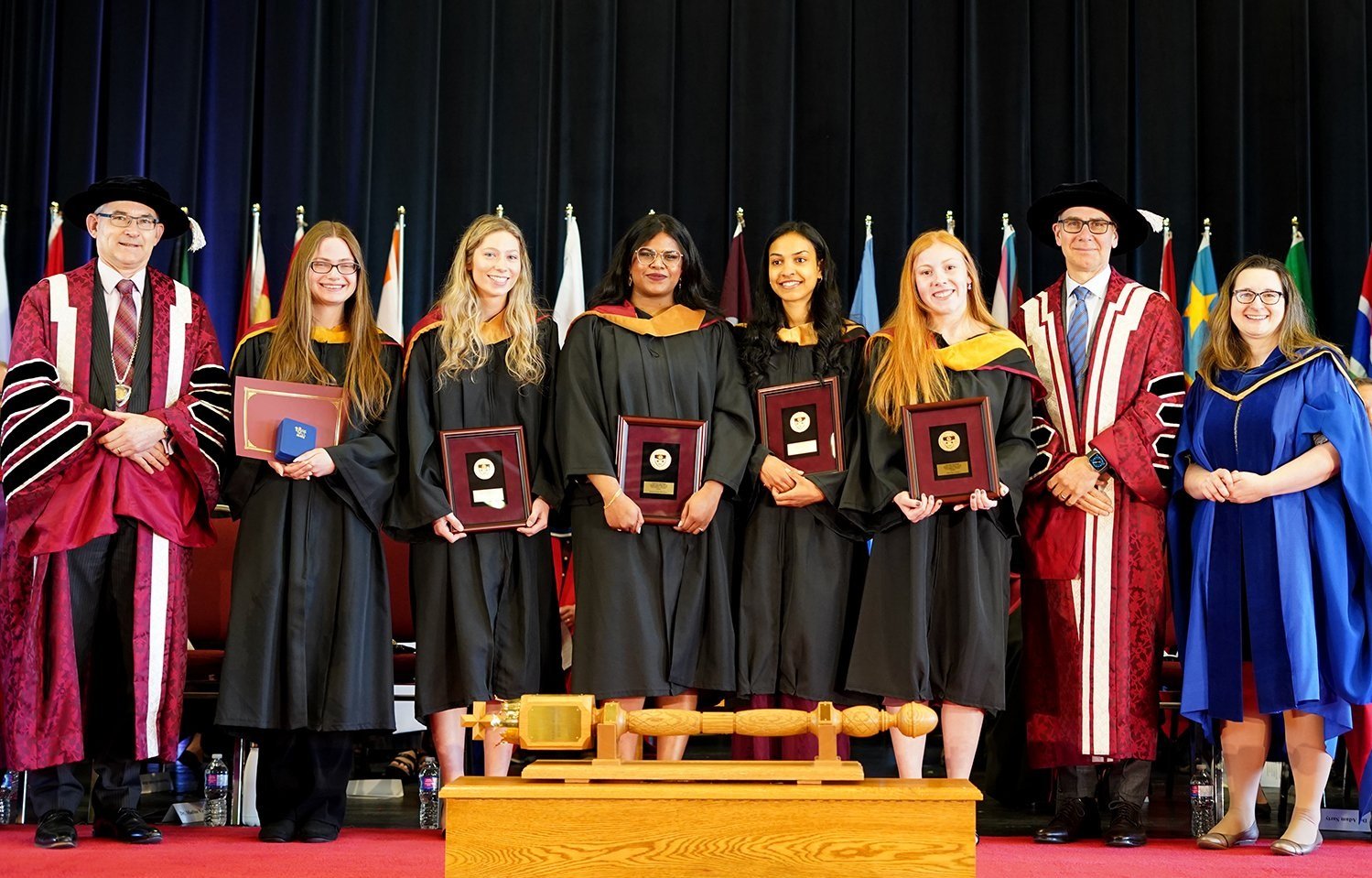
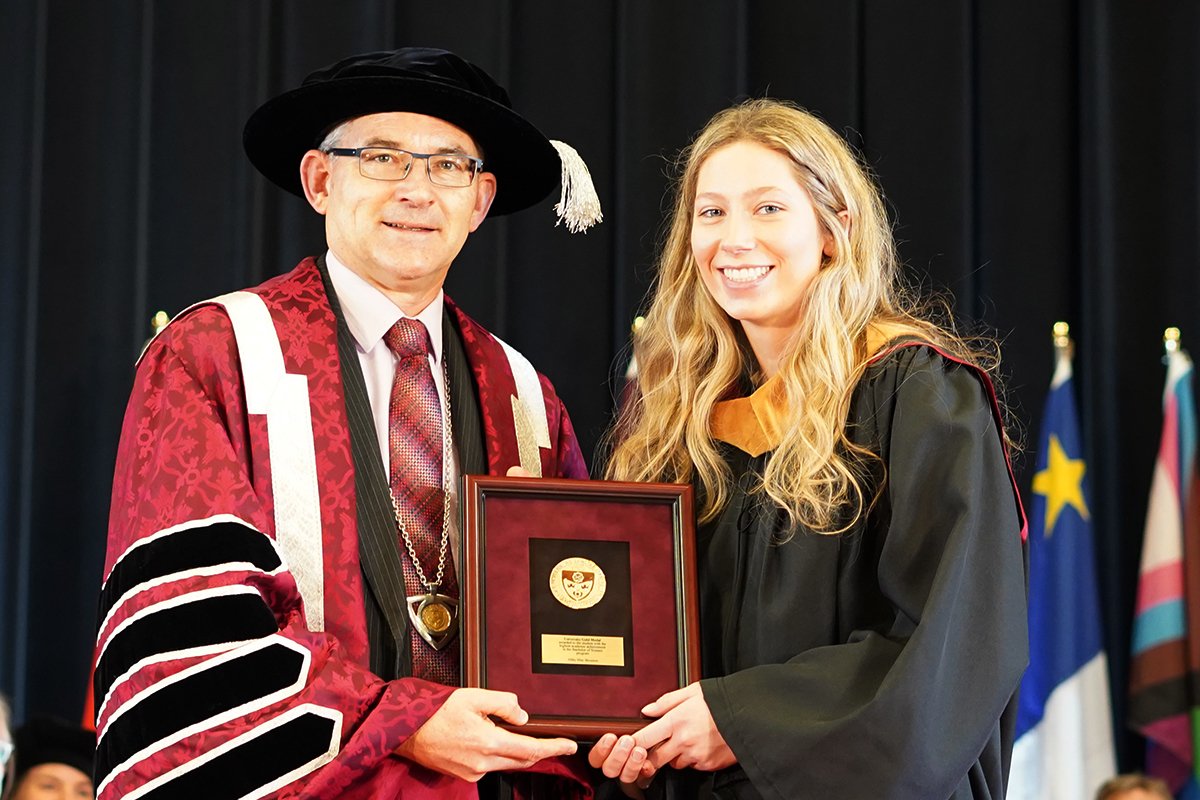
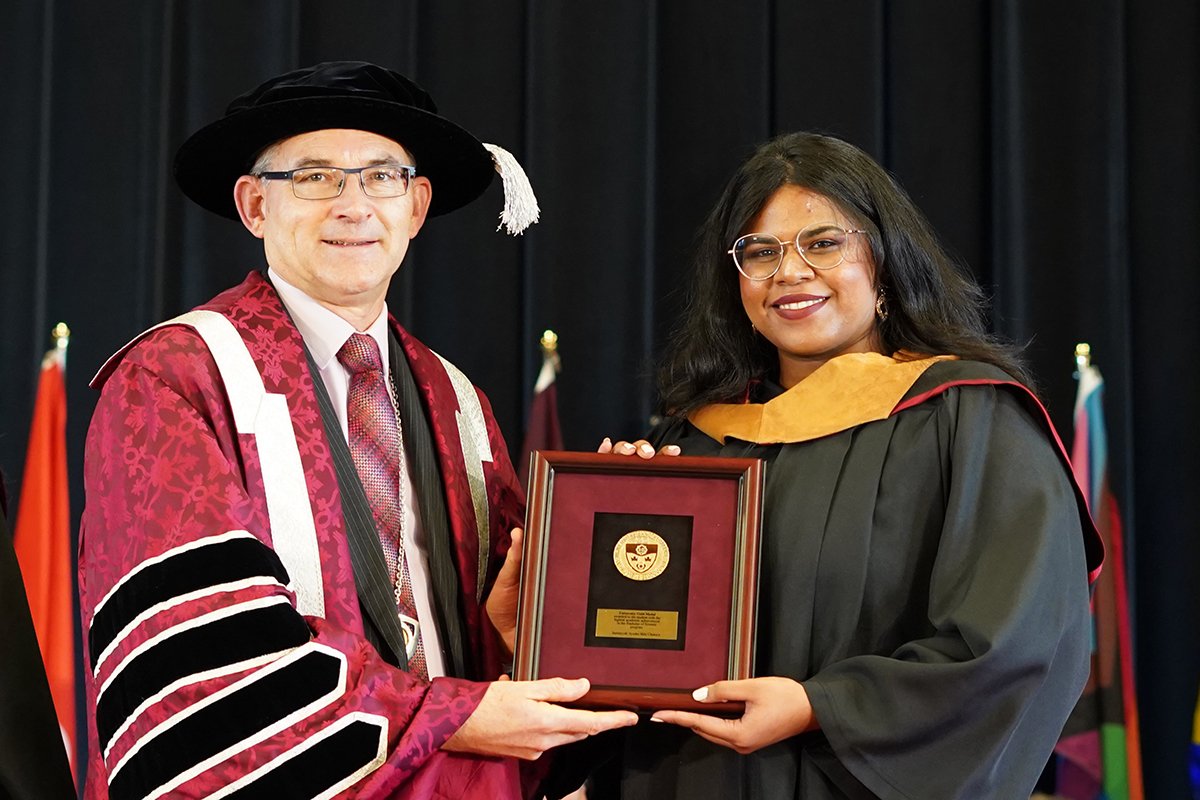
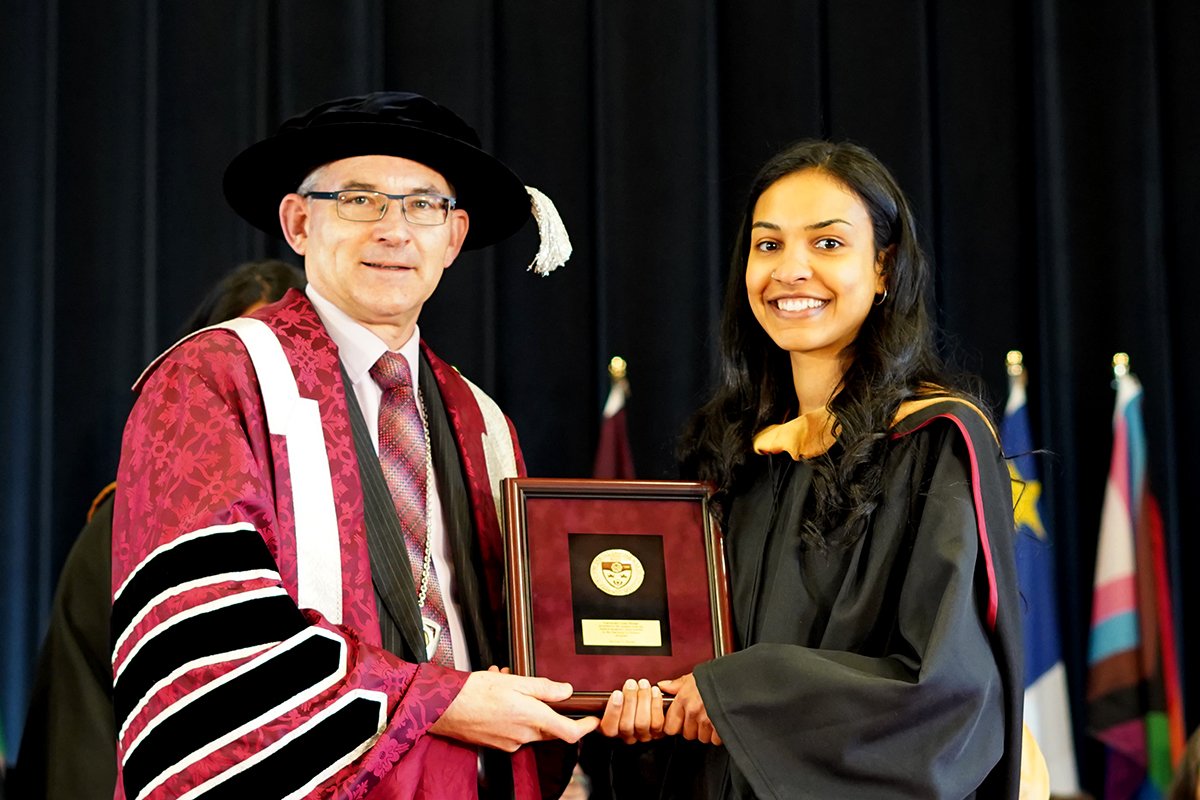
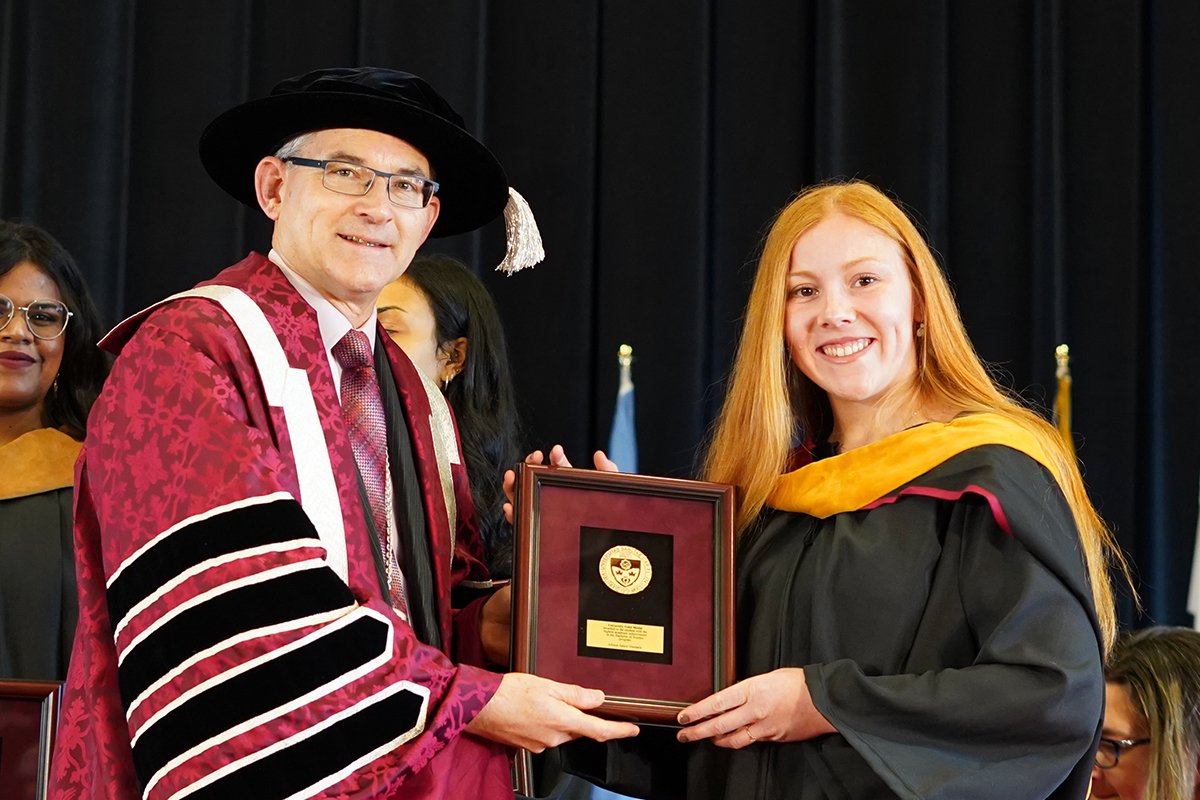
In a first in Saint Mary’s University history, four Spring graduates tied for the Bachelor of Science Undergraduate Gold Medal, earning the top GPA marks in the program. Abby Brouwer, Sumayyah Chotoye, Jaylynn Skeete and Allison Vandaele received their medals at the recent May convocation ceremony. Typically, only one undergraduate student in each faculty receives this award.

“We could have approached this four-way tie as a problem, but instead we celebrate the outstanding performance of these hardworking graduates whose commitment and perseverance are an inspiration to us all,” said Interim Vice-President, Academic and Research Madine VanderPlaat at the May 18 ceremony.

All four graduates received numerous awards and scholarships during their time at Saint Mary’s. Brouwer, from Hammonds Plains, NS, majored in Biology and plans to attend dental school. Chotoye, from Port Louis, Mauritius, majored in chemistry (honours) with a minor in French and is currently in the Master of Science, Applied Science program at Saint Mary’s. Skeete, from Dartmouth, NS, majored in psychology (honours) and will be entering a Masters/PhD program in clinical psychology. Vandaele, from Montague, PEI, majored in psychology (honours).

Congratulations, graduates!

More awards in the Faculty of Science

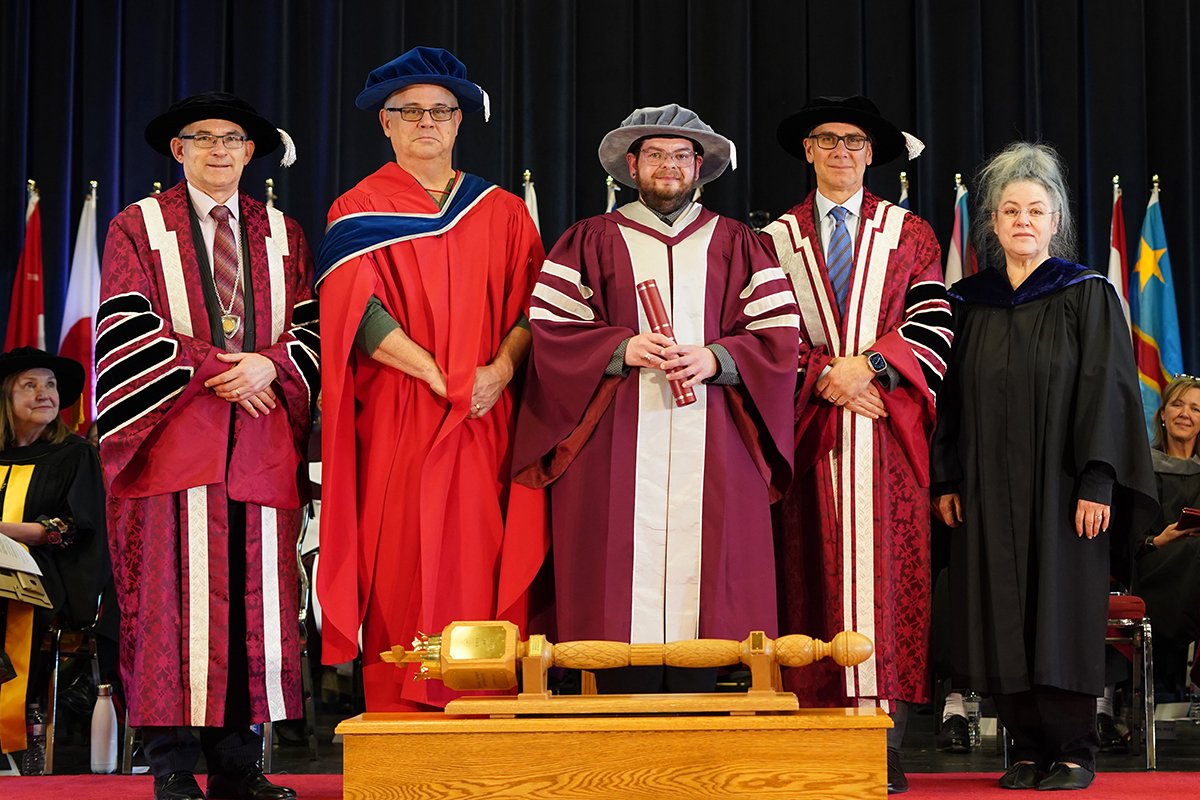
Two graduates in the Faculty of Science, Abigail Battson and Martin Hellmich, were awarded the Governor General’s Silver and Gold Medals. These awards recognize exceptional academic achievement and are given to the top undergraduate and graduate students in the academic year. Abigail graduated with a Bachelor of Science, honours astrophysics, while Martin graduated in Fall 2022 with a Master of Science, Applied Science (co-operative education). Hellmich also received the Georgia Pe-Piper Medal for Excellence in Applied Science.

Michael MacNeil received the Diploma in Engineering Gold Medal.

Natania Blair represented the Faculty of Science as the Valedictorian for the Bachelor of Science ceremony. The biology major received the John and Heather Fitzpatrick Valedictorian Award.

Three graduates, Dr. Zainab Mahdi Almukhtar, Dr. Meftah Mohamed Elsaraiti and Dr. Thomas J. Steele, graduated with a PhD in Applied Science and received the Durland Family Doctoral Convocation Award. Dr. Almukthar also received the J. Kevin Vessey Award in Applied Science.

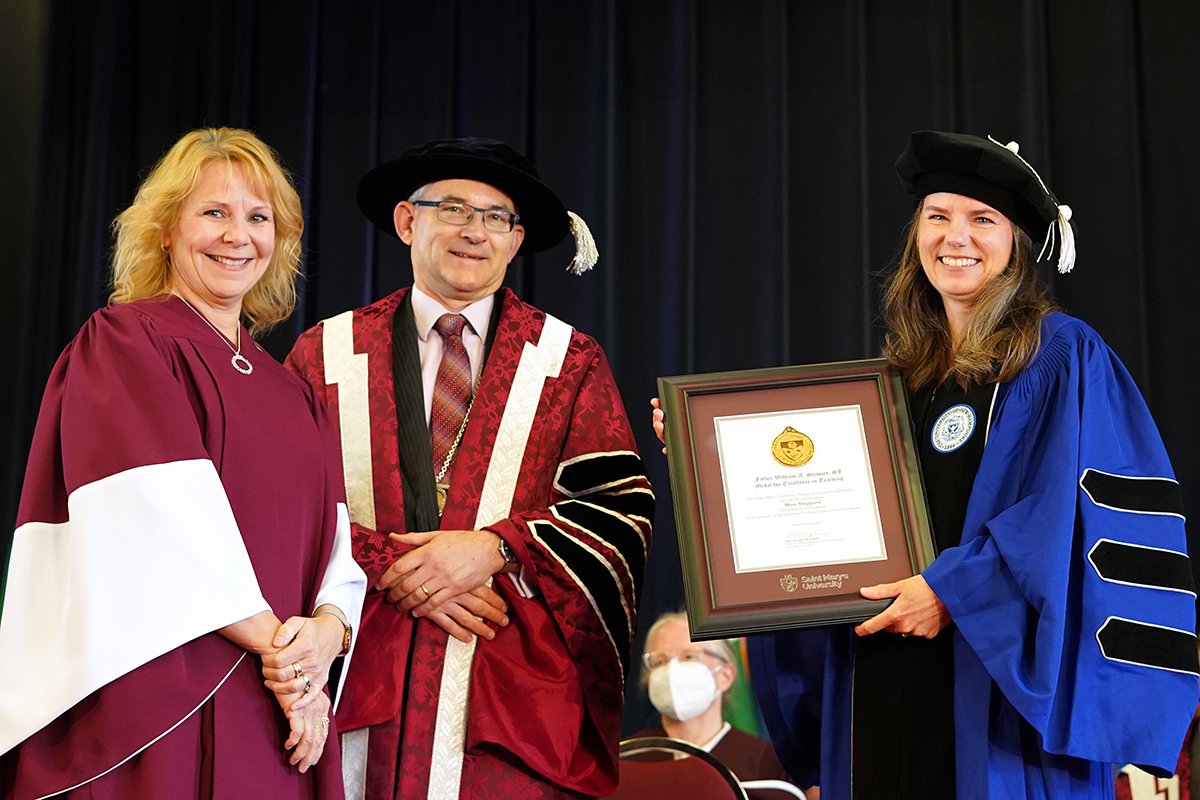
Faculty were also recognized at Spring Convocation, with professor Mary Sheppard receiving the Father William A. Stewart, SJ Medal for Excellence in Teaching. This award, given by the Saint Mary’s University Alumni Association and Faculty Union, was determined by nominations from current and former students and colleagues.

For a full list of convocation award recipients and Spring 2023 graduates, read the Spring Convocation program or watch recordings of the ceremonies.

Documentary by Dr. Kate Ervine reveals the unseen ways we contribute to greenhouse gas emissions

Dr. Kate Ervine, The Carbon Cage

When you think of your carbon footprint, you may think of your daily commute or home energy consumption. One Saint Mary’s professor is shedding light on the other unseen ways we contribute to greenhouse gas emissions every day.

Kate Ervine is an associate professor of Global Development Studies. Last November, her short documentary, “The Carbon Cage,” was published by Scientific American

“Perhaps we can start reimagining a world where we reprioritize things that contribute to people’s well-being” - Dr. Kate Ervine

Ervine co-created the documentary with journalist and documentary filmmaker Duy Linh Tu through a grant from the Global Reporting Centre. It highlights how wealthy countries like the United States and Canada have become trapped in a cycle of fossil fuel reliance, and how attempts to combat climate change sometimes don’t address the root of the problem.

“I set out to explore the global political economy of climate change and the centrality of carbon to our economies, our society and our lives, and why that makes climate change hard to address,” says Ervine. 

“It's not that we're not doing some effective things, but there’s a lot of delay and distraction.”

Ervine traces the roots of contemporary climate change to the rise of our current economic system during the Industrial Revolution. Since then, demands for unchecked growth in production, consumption and energy use have contributed to record-high CO2 emissions.

Ervine’s documentary shows that the last time Earth experienced similar levels of atmospheric CO2 was more than four million years ago.

“Fossil fuels have become central to powering economic growth,” says Ervine. “They still provide roughly 80 per cent of global energy.” 

Changing this system is no easy task. Ervine worked her way through university and graduate school with jobs at an automotive assembly plant and steel mill in her home province of Ontario. These jobs were in carbon-intensive industries, but they provided her—and other families—with a secure livelihood. 

“It's a challenge when we're talking about the kinds of deep transformations that need to happen because so many people's lives are going to be impacted in profound ways,” Ervine says. “It can provoke a lot of fear because you're asking, ‘What does this mean for my job? What does it mean for my family?’”

Ervine’s research looks at how just transitions and sustainable development for all might be possible within the context of carbon dependency. 

For Ervine, cutting emissions is key to combatting climate change. But as the effects of climate change have worsened, she says these reductions are not happening fast enough.

Ervine points to investments in things like carbon offsets as a way businesses and governments are delaying real, lasting change. In recent years, voluntary carbon offsetting has ballooned to a more than $2-billion industry. But research shows significant problems with carbon offsetting, which doesn’t actually lower emissions. 

“Part of my research has been about saying, when we know what needs to be done and how significant the problem is, why do we design policies that are not particularly effective?” says Ervine. 

As we look forward to a changing future, Ervine says more investments need to be made in phasing out fossil fuels and laying the groundwork for transformative and equitable change.  Democratic green energy, accessible mass public transit and sustainable food systems are just some of our many options. 

“Perhaps we can start reimagining a world where we reprioritize things that contribute to people’s well-being,” says Ervine. “It does require change, but we might actually get some pleasure and joy out of it.”

The Carbon Cage by Kate Ervine and Duy Linh Tu

Construction of temporary Huskies stadium seating

Work began this week on the construction of temporary stadium seating in preparation for the CFL Touchdown Atlantic game that will be held on campus on July 29, 2023.

This work is expected to run from May 10 until May 24. During this time, there may be some noise and activity associated with the construction. Additionally, the Homburg members’ parking lot (see 9 on Campus Map below) will be closed to vehicle and foot traffic while construction is completed.

Thank you for your understanding and support as we prepare for this very exciting event at Saint Mary’s. If you have any questions, please feel free to contact Greg Knight, Assistant Director, Athletics & Recreation (greg.knight@smu.ca) or Janelle McNulty, Director, Quality Initiatives & Transformation (janelle.mcnulty@smu.ca).

Meet your Valedictorian: Flynn Walthour BA'23

Flynn Walthour BA’23

Four years ago when she was getting ready to graduate from high school in Oregon, Flynn Walthour didn’t have a clear plan for her next steps. She knew where she was heading, though—across the continent to Halifax, and Saint Mary’s University.

Flynn was intrigued with the possibilities of exploring the opposite coast, living in a new country and creating new experiences for herself. Along with her studies, she gained valuable leadership skills as co-president of the SMU History Society. Now the Dean’s List student is graduating magna cum laude and heading back home with plenty of memories and lifelong friendships formed here.

Q&A with Flynn Walthour

Where is your hometown? I was born in Carmel, California and was raised there until I was 14. I then moved to Portland, Oregon where my family still lives.

Why did you choose Saint Mary’s? I chose Saint Mary’s due to its small class sizes and international student population. I wanted to come to the East Coast of Canada and SMU offered me everything I wanted from a school.

What programs did you study? I majored in History with a minor in Geography. They are interconnected in so many ways and I find a knowledge of both to be necessary. I love human geography, and learning how humans affect the environment and how the environment affects us culturally and historically. I have always been drawn to history ever since California history in elementary school. I love learning about the past and how it affects us today.

Which instructor had the biggest impact on you? Although I have loved many professors here at SMU, I constantly chose courses with Dr. Heather Green. Her classes are always interactive and captivating. I appreciate all I have learned from her.

What can you say about the value of studying arts and humanities? We need writers, historians and philosophers just as much as we need doctors and engineers. The arts teach critical thinking, empathy and understanding. They ask us to dig deeper and find out the true story. They teach us how to better understand the world we live in and how to make it better.

Were you involved in any campus activities? I got involved with the SMU History Society. My friend Lydia signed on for the executive team and needed another person to help restart the society, which had been absent since 2018. It required a lot of work but we wanted an outlet on campus where history lovers could meet other like-minded individuals. Although we restarted it late into our education and didn’t get to hold many events, I’m happy that we were able to bring the society back for future students.

What’s your favorite space on campus? The third floor of the library. I have spent many days up there working and reading. I love the bright windows and the quiet atmosphere. Other than my room, I doubt I have spent more time anywhere else.

What was it like to live in residence? I lived in residence for all of my in-person years at SMU and I feel as though it was the best fit for me. As an international student, entering a lease seemed difficult, given the fact that I do not live here year-round. My roommate Ashlyn and I found fun and a sense of home in Rice, and I appreciated the stability of having a home in residence.

Can you share any thoughts on our student supports and services? The support systems at SMU are better than anybody could imagine. I received nothing but support and help from residence staff, the Financial Aid office and the Student Health Clinic.

What are your goals for the future? I would like to become a high school history teacher. Saint Mary’s has set me on that path through the education I have received. I am confident in my ability to pass on my knowledge to the next generation.

What advice do you have for new students? My advice for new students is to get involved. Life is what you make it so put yourself out there, make friends, join societies and make your experience at SMU one you can look back on with pride.

Spring Convocation for the Faculty of Arts takes place on May 19, 2023. Watch the ceremonies live at smu.ca/graduation or on our Facebook page.

Survivor Love Letters: A show of support in honour of Sexual Assault Awareness Month

Sexual Violence Prevention Initiative team (Left to right, top to bottom): Dee Dooley, Sally Oppong, Jordyn Monaghan, Krystal Lowe, Olivia Landy

April was Sexual Assault Awareness Month (SAAM), a time for communities to come together to talk openly about sexual assault, increase knowledge and awareness, and help to make survivors feel acknowledged and supported.

As part of the annual awareness campaign, the Saint Mary’s Sexual Violence Prevention Initiative (SVPI) participated in a movement called “Survivor Love Letters”.

The initiative was started by artist and survivor, Tani Ikeda, who has become a well-known spokesperson for the survivor community. In 2012, Ikeda penned a letter to her younger self that closed with the words, “This is my survivor love letter.” From there, a letter-writing campaign rippled through survivor and ally communities.

This year, the SVPI encouraged members of the SMU community to pen similar letters to survivors sharing their heartfelt messages of support and validation. Faculty, staff and students submitted anonymous messages which were then posted around campus to demonstrate support and help start open conversations.

“We wanted to engage in the Survivor Love Letters movement at SMU to foster a sense of community while letting survivors know that they are not alone and that they are believed,” explains Krystal Lowe, Coordinator, Sexual Violence Prevention Initiative. “By sharing these letters and talking openly about sexual violence, we help create survivor-centered resources and reinforce messages of resilience, resistance and hope that can be accessed all throughout the year”

The Sexual Violence Prevention Initiative, under the Sexual Violence Support Centre (SVSC) is a team of students who are passionate about the education and prevention of sexual violence at Saint Mary’s and beyond. “Creating awareness at an institutional level is crucial,” explains Dee Dooley, Sexual Violence Advisor, SVSC. “Campaigns like Sexual Assault Awareness Month and support initiatives like Survivor Love Letters help bring these issues to light and improve perceptions that can lead to a shift in cultural attitudes towards sexual violence.”

The SVPI received overwhelming support in the Survivor Love Letters movement. “The community engagement throughout this initiative has highlighted how much power there is in our collective voice,” states Lowe. “It honours survivors in the community and emphasizes the importance of sharing experiences in a way that lets survivors empathize with one another and realize that they are not alone.”

The letters resounded with expressions of affirmation that survivors are valid, loved, worthy and believed. “Regardless of what happened, your experience, emotions, and trauma are valid,” shares one anonymous author. “Our experiences do not define us,” writes another author. “Our voices matter.” The letters will be made available for viewing through the Sexual Violence Support Centre.

The Sexual Violence Support Centre at Saint Mary’s provides support, learning resources and events for students.

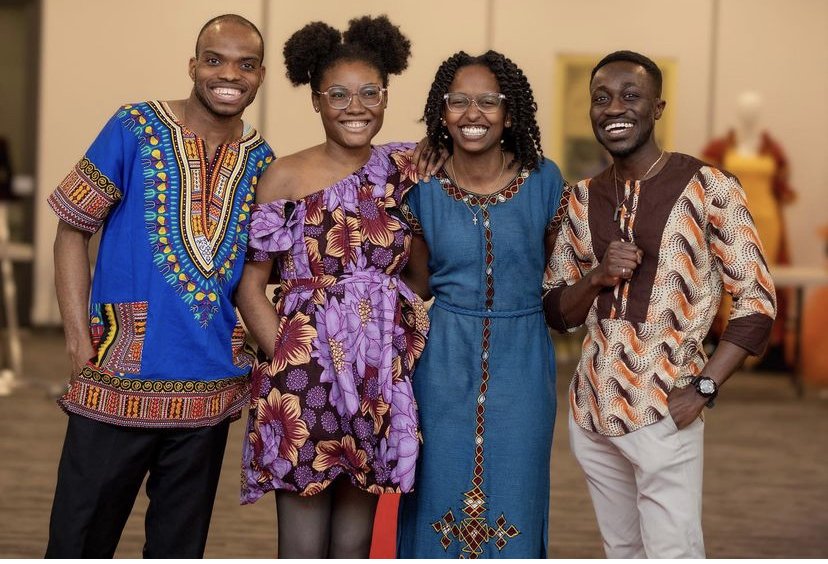
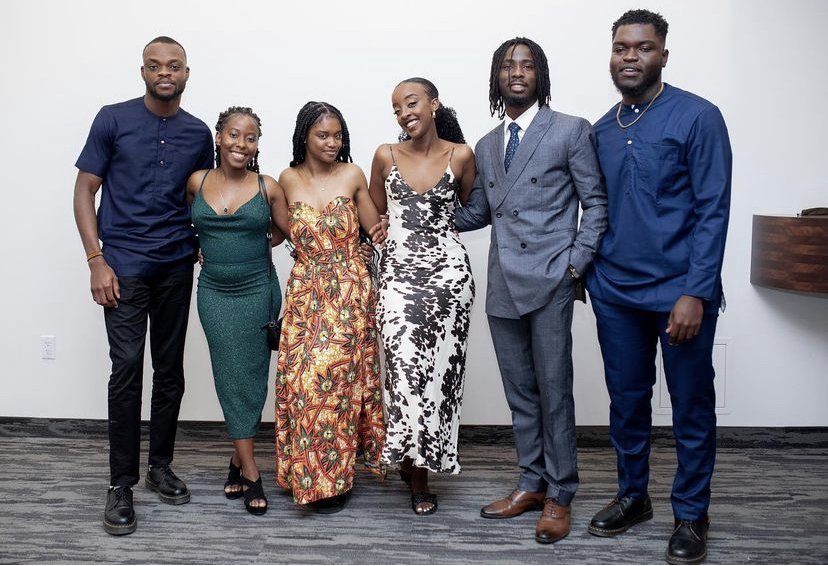
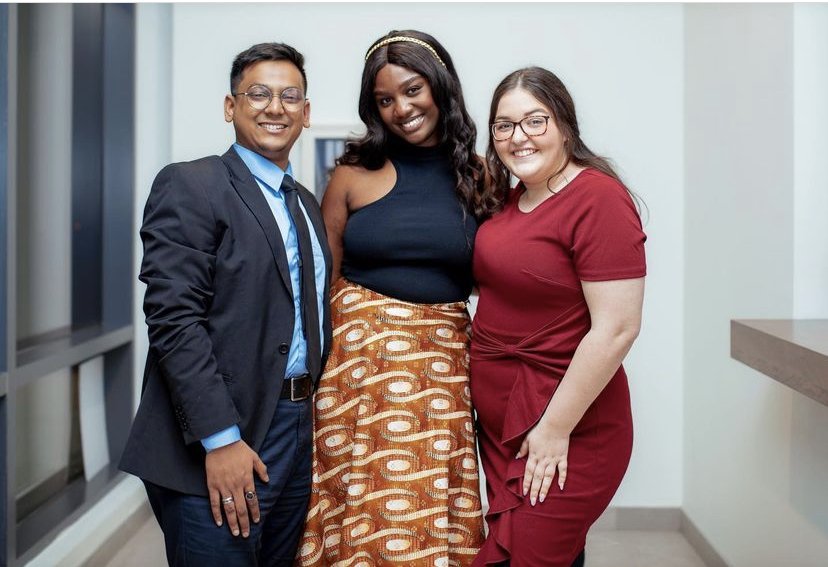
Saint Mary’s African Student Society brings back African Night

Amid COVID-19 and a virtual university experience, the Saint Mary’s African Student Society (SMASS) noted that African-descended students, like so many, were feeling lonely and disconnected. As Saint Mary’s returned to an in-person environment, the African Student Society wanted to bring back the experience of African Night.

“Having this event back at Saint Mary’s was so meaningful for us,” shares Holly Kanyamunyu, Creative Director/Social Media Executive, Saint Mary’s African Student Society (SMASS). “It evoked such a sense of nostalgia for home and reminded everyone of the good times and great sense of community we can have here.”

African Night was a collaboration between SMASS and the Dalhousie African Student Association (DASA) that had many supporters across Saint Mary’s to help bring the event back to life. Notable contributors included the International Student Centre and Residence Life from Student Affairs and Services (SAAS), the Department of Social Justice and Community Studies, the Sobey School of Business, the Saint Mary’s Students Association (SMUSA) and SMU Alumni.

“It is so important that Saint Mary’s continues to support events like these,” explains Ysaac Rodriguez, Manager, International Student Centre, SAAS. “It helps students feel connected and at home here while sharing and celebrating where they come from.”

The event focused on creating an opportunity for African and African-descended students to connect in the diaspora and share their cultures together. “This year, our goal was to reestablish an interconnected community for our students,” explains Aba Owusu-Biney, Vice-President, SMASS. Starting with a vibrant red-carpet welcome, guests made their entrance in a colourful array of traditional and African-inspired attire. “Fashion is a big part of how we express ourselves,” describes Owusu-Biney. “It represents many different traditions and cultures, so having the event centered around fashion really set the stage for the entire night.”

The more than 250 attendees were fully immersed into a Sub-Saharan African experience with cultural performances in song, dance, poetry, Nigerian inspired cuisine and a show-stopping fashion show, all incorporating local, Black-owned businesses from Halifax.

“African Night is not just an event for Africans but an event for everyone,” says Sally Oppong, 4th year student and former SMASS president. “Having such a diverse group of people come together to celebrate, share and learn felt like bringing a piece of home to the new community I’ve found myself in--merging my identities of an African woman, a SMU student and a temporary Canadian resident.”

Saint Mary’s is a dynamic campus with roughly 30% of students coming from outside of Canada. “Cultural events and initiatives like these are important in fostering social connections and engagement, which enhance the student experience and academic success,” states Lynn Cashen Basso, Assistant Director, Student Culture and Experience, SAAS. “African Night gave students an incredibly valuable opportunity to feel a stronger sense of community here at SMU and to extend their network of support with folks from Dalhousie and across Halifax.”

SMASS wishes to thank their co-hosts, DASA, along with the sponsors, vendors and performers for their respective contributions towards African Night. “We are thrilled to have restored African Night after several years on hiatus,” shares Owusu-Biney. “We wanted to establish a new legacy for African students to support their well-being and success through connectedness. We look forward to seeing future SMASS executives carry on the revived tradition.”

For more information on SMASS, African descended/Black student events and supports, visit the African Descended/Black Student supports page.

Meet your Valedictorian: Karla Kenny BA'23

Karla Kenny BA’23

Time is never wasted when you’re chasing your dreams, says Karla Kenny, who knows from experience that dreams change and grow along the way.

Karla began university 20 years ago to obtain her first Bachelor of Arts degree in her home province of Newfoundland and Labrador. She has since built a meaningful career in the human services industry, working with non-profit organizations supporting people with intellectual and developmental disabilities, as well as at-risk youth and members of the LGBTQ+ community.

Now a mother of three sons and a small business owner in Halifax with her wife Erin, Karla returned to school to enhance her commitment to working toward a more equitable and inclusive society. She looks forward to representing the Class of 2023 and she’s no stranger to public speaking. At the recent Science Atlantic Psychology Conference, she won the Science Communication Award for her presentation titled, "Oh, that's so cringy! Exploring the Evolutionary Roots of Embarrassment".

Q&A with Karla Kenny

Where is your hometown? Cape Broyle, Newfoundland, though Nova Scotia has been home for the past decade.

What’s your major? Honours Psychology. I have a degree in gender studies from Memorial University and a photojournalism diploma from Loyalist College. The honours program here allowed me to gain valuable research experience that will help pave the way for me to pursue graduate studies.  

What was it like to be a more non-traditional student here at SMU? For me, the experience was wonderful because I never felt like I was out of place. I had a lot of great dialogue with younger students who could offer me a perspective on their experiences and in turn, allowed me to share mine.  

What courses or instructors had the biggest impact on you? Advanced Seminar in Evolutionary Psychology with Dr. Maryanne Fisher was hands down my favourite course. She has been instrumental in my next steps to continue exploring queer theory from an evolutionary lens. Her openness in discussing the importance of creating dialogue regarding queer experiences and representation within the area of psychology research leaves me with the utmost respect for her as a professor and a human.

It's not something that was openly talked about in class when I was in my twenties. To see how that has changed is wonderful. I also really enjoyed Contemporary Readings in Psychology with Dr. Marc Patry, who also led a discussion-based class that got a roomful of people from different demographics engaged in dialogue.  

What are your future goals? Dr. Fisher recognized my interest in the field of evolutionary psychology and the elements I can bring from the queer experience. I’m currently working on applying this perspective to topics such as mating strategy, flirting, self-promotion, jealousy patterns and parental investment, all through a queer lens. I’m also beginning research on the evolutionary roots of embarrassment! Future areas will also likely involve the social, personality and developmental psych realms.

How will your passion for research help to enhance your advocacy work? I believe that working hands-on my entire life within marginalized populations, and having my own lived experience, I will always continue to work toward promoting visibility, equity and inclusion. In doing so from a research perspective, I hope to keep bringing awareness that differences are to be celebrated. As one species on this planet, we all deserve the same rights and safeties as others. 

What advice do you have for new students at Saint Mary’s? Find what you love and chase a life in it. If your path ever seems to become less clear, just know that it's ok. Whether you are 18 or 80 years old, know that you have the power to choose a different path and pursue the life that is good for you.   

Spring Convocation for the Faculty of Arts takes place on May 19, 2023. Watch the ceremonies live at smu.ca/graduation or on our Facebook page.

2023 poetry and fiction prizes announced

The Department of English Language and Literature is delighted to announce the winners of this year’s Joyce Marshall Hsia Memorial Poetry Prize and Margó Takacs Marshall Prize for Excellence in Short Story Writing.

First place in the short fiction category goes to Jaya Joshi, an English major, for a wistfully lyrical story about the afterlife. Melissa Dalley, an Anthropology major, took first prize in the poetry category for a sequence of connected poems on the themes of loss and grief, and fourth prize in the short story contest.

The Awards Committee reviewed a strong pool of entries this year, in both the poetry and fiction categories, says Dr. Luke Hathaway. Submissions included spoken/sung and written pieces, and work in a dizzying array of genres: “contemplative lyrics, mythopoeic epyllia, speculative fictions, small-town dramas...we had it al!”.

Here is the full list of winners:  

Joyce Marshall Hsia Memorial Poetry Prize

  • First prize ‘Die Young’ and others, by Melissa Dalley; majoring in Anthropology; minors in Biology and Ancient Studies

  • Second prize – ‘Oviparous’, by Capitu Petersen; Anthropology major; minor in Women, Gender and Sexuality Studies; Forensic Sciences certificate

  • Third prize ‘My Biggest Fears’, by Connor Hattie; English major; Psychology minor  

  • Honourable mention – ‘Salamander’ by Ryan Sanderson; English major; Creative Writing minor

Margó Takacs Marshall Prize for Excellence in Short Story Writing

  • First prize ‘The Exit Interview’, by Jaya Joshi; English major; French minor  

  • Second prize ‘Don’t Stay Too Long’, by Andrew Stilwell; English major  

  • Third prize ‘The Place We Can Never Get Back To’, by Melanie Hattie; Anthropology major  

  • Fourth prize – ‘The Delay’, by Melissa Dalley; Anthropology major; minors in Biology and Ancient Studies  

The judges would like to extend their gratitude to all students who submitted their work, and to the sponsors of these awards. The annual creative writing contests are open to any student currently enrolled at Saint Mary’s University. Next year’s deadline for submissions will be in March 2024. Some of the previous winners have gone on to become nationally celebrated writers, such as Sue Goyette, Jenny Haysom, Jill MacLean and Danny Jacobs.

President Dr. Robert Summerby-Murray has been appointed Chair, Association of Atlantic Universities (AAU)

President, Dr. Robert Summerby-Murray

Halifax, N.S. – Dr. Robert (Rob) Summerby-Murray, President and Vice-chancellor Saint Mary’s University, Halifax, N.S., has been appointed Chair, Association of Atlantic Universities (AAU).

Dr. Summerby-Murray will serve a two-year term as Chair, effective immediately.

In addition to Dr. Summerby-Murray, AAU Council (Presidents) appointed the following to the AAU Executive Committee:

  • Dr. Denis Prud’homme, Recteur, Université de Moncton, Vice-chair 

  • Dr. Paul Mazerolle, President, University of New Brunswick

  • Dr. Greg Keefe, Interim President, University of Prince Edward Island

  • Dr. Neil Bose, President Pro Tempore, Memorial University of Newfoundland and Labrador

  • Dr. Andy Hakin, President, St. Francis Xavier University

  • Dr. Peggy Shannon, President, NSCAD University

Upon his appointment, Dr. Summerby-Murray, noted that the core values of the region’s universities are centred upon research and innovation, student success, social mobility, community engagement, leadership, and accountability.

“These core values are central to the contribution of strong public universities to regional prosperity and social and cultural development,” said Dr. Summerby-Murray.

“Ensuring our campuses are innovative, accessible, safe, secure and welcoming to all students is fundamental to making Atlantic Canada an education destination, locally, nationally and internationally,” he said. An important continuing agenda item for the AAU will be the fostering of its positive working relationship with Immigration, Refugees and Citizenship Canada (IRCC) to facilitate the efficient processing of international student visa applicants accepted by our universities and to ensure alignment between immigration policies and the social and economic growth aspirations of Atlantic Canada.

“Universities play a significant role in regional population growth by attracting, educating, and helping retain international students in communities across Atlantic Canada. We will continue to work collaboratively and cooperatively with our provincial and municipal governments to create affordable student housing on and off campus as well as reliable and efficient public transit systems,” said Dr. Summerby-Murray.

He also noted that, “our university leaders know that improving access to healthcare is a top priority for Atlantic Canadians. In addition to graduating thousands of students annually who have been educated and trained to work in all aspects of healthcare delivery, our institutions are also focused on promoting healthy and active lifestyles among our students, values that will remain with them, their families, and communities in which they reside into the future.” 

The Association of Atlantic Universities (AAU) represents the interests of universities across the region, ensuring public visibility for the important role they play in preparing future leaders of our communities, in path-breaking research and innovation, and in contributing to the economic, cultural and social prosperity of life in Atlantic Canada.