
AI

Automating for the future

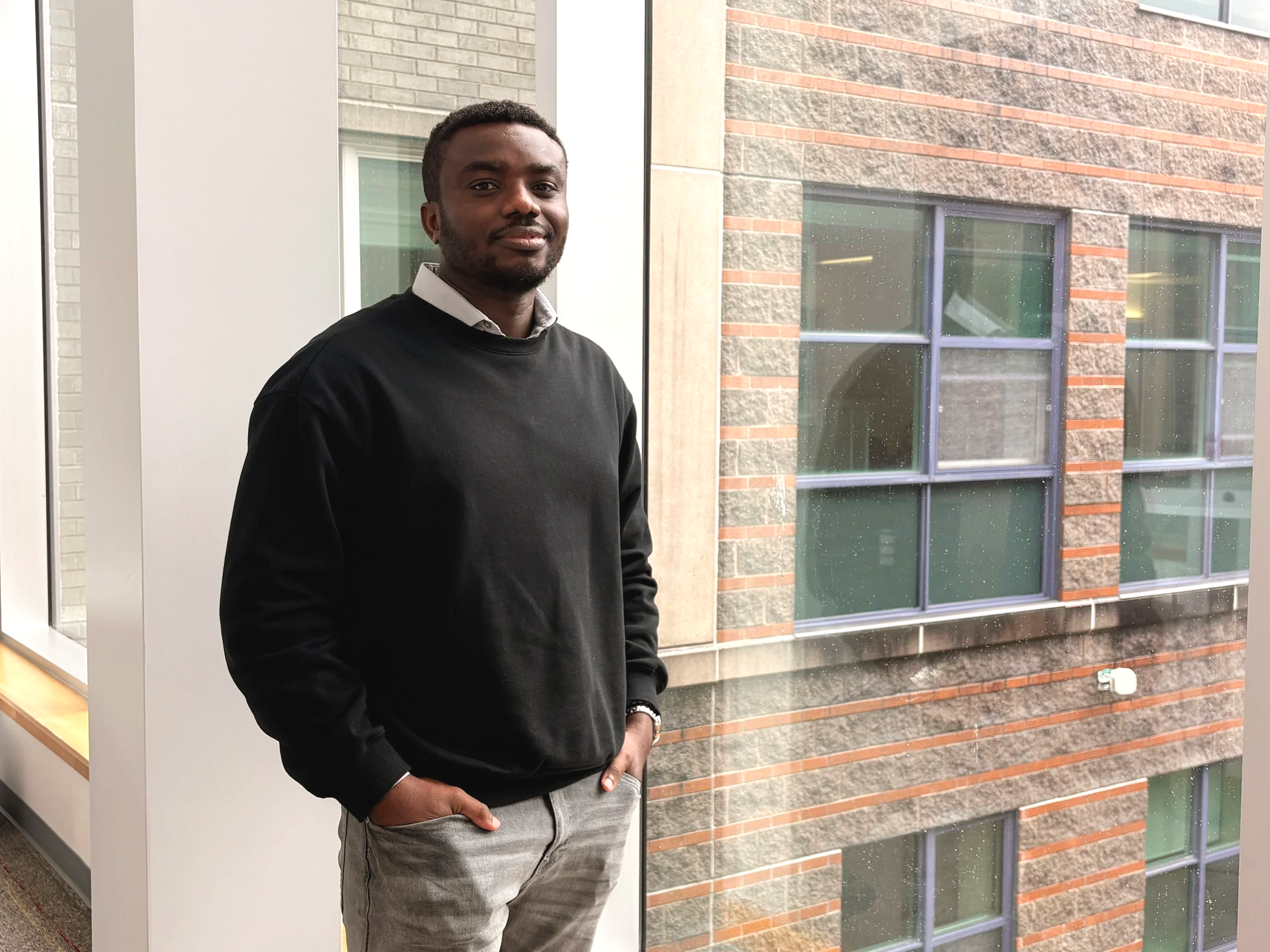
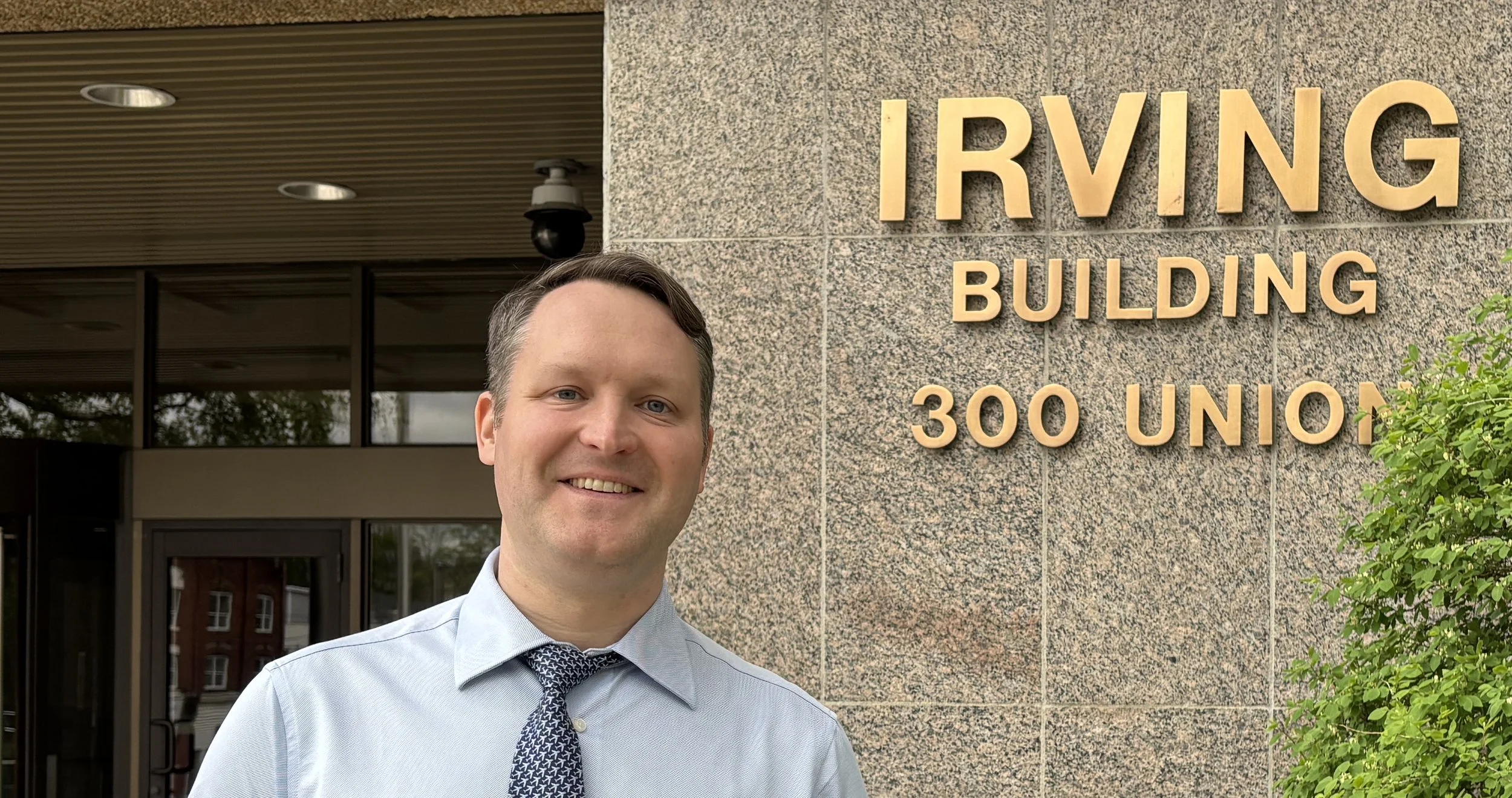
Michael pictured in from of the Irving building

Michael Toner has a restless drive to streamline and improve data analysis through AI automation

When Michael Toner completed his Screen Arts and Cultures degree at the University of Michigan, he didn’t anticipate that every job he would get would end up being about data.

The Los Angeles native says, “Whether it was ingesting footage for reality TV, mapping demographics for the city, or managing financial accounts at LA Metro, I kept finding myself automating the work and eventually realized that was the part I actually loved.”

He set out to identify a Master’s program that would let him focus on the intersection of business and data. A factor he had to consider was that he did not have a traditional STEM background, something many programs were looking for.

The Sobey Master of Business Analytics (MBAN) program was the right fit for Michael.

“Saint Mary's stood out in a narrow field. Only a handful of universities offer an MBAN program — most institutions go the MBA or Master of Data Science route,” says Michael. He plans to pursue a career in financial automation. He notes, “Financial data is unusually clean and structured compared to most domains, which means someone with the right skills can move fast and have real impact. And the demand is everywhere. Every company has a finance function.”

Testing his mettle

During the program, Michael has enjoyed competition opportunities to explore his enhanced skillset with coding and AI, developing promising innovative solutions for long-term intractable problems like food insecurity and emergency department wait times.

“At RBC Hubhacks, my team built an AI-powered financial engineering solution for food insecurity in Nova Scotia. We did well enough that we were invited to present to Halifax Partnership and then to Feed Nova Scotia directly. At CGI Datajam, we placed third out of 30 teams with an AI screening tool that cut emergency department wait times by roughly two hours per patient.”

Bringing automation to research insights

In January 2026, professor Chantal Hervieux hired Toner to work with the Centre for Leadership Excellence as a research assistant. CLE had built a relationship with a company called TrendAI, which was looking for background and industry research. TrendAI is an AI-powered demand planning and supply chain tool aimed at small to medium fashion retailers in Canada. It was founded by longtime friends, one with a background in textile manufacturing, the other in software-as-a-service.

Michael describes his research assistant role this way: “I ran background research on the Canadian fashion industry to identify TrendAI's best point of entry, surveyed small and medium enterprises, and from that built the product specifications, business model, development roadmap, and pathway to profitability.”

The survey was challenging. Response rates were so low, Michael needed thousands of contacts to reach statistical significance. When databases available through the library were insufficient, he created a solution: “I wrote Python to pull contacts from the Google Maps API and ended up with about 6,500 emails. The takeaway I'll carry forward is to think about response rates and outreach scale upfront, and to reach for technical solutions earlier rather than grinding manually.  Automating outreach was the only way the research worked at all.”

A glimpse of the future

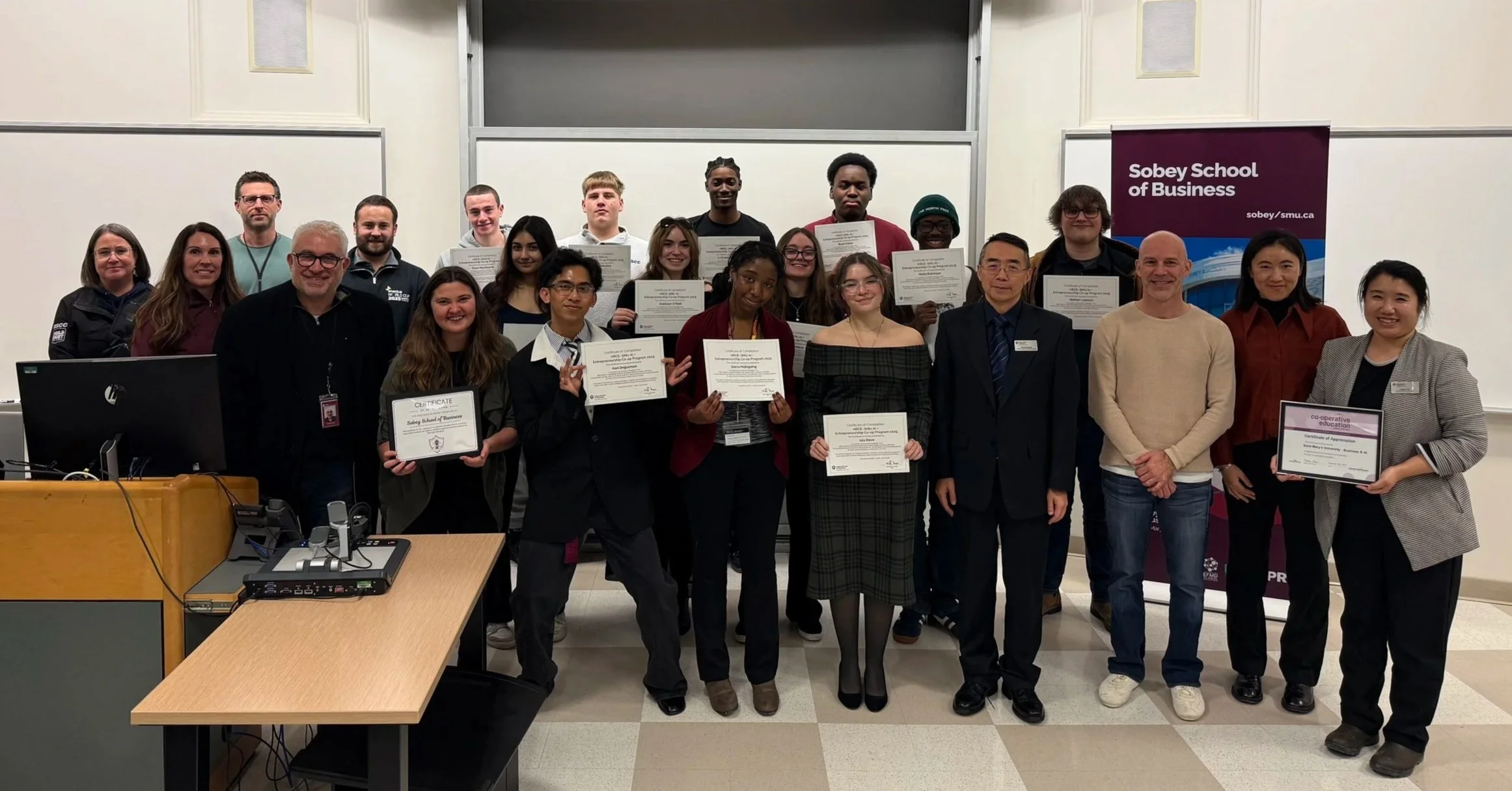
High school students participated in SMU’s AI co-op

Michael shares that there was a surprise for him in the research. “I interviewed three Canadian business owners running operations out of their garages with fewer than five employees. Twenty years ago, that same output would have required a hundred people. The headline finding from the surveys was that AI is acting as an equalizing force for small businesses, not a threat — and these three were proof. That's the future I want to help build.”

He is already working on building the future – last winter, he was one of the MBAN students who taught a cohort of high school co-op students about AI. Michael is currently doing an internship with JD Irving in Saint John while completing his degree. He will graduate next winter.

Saint Mary’s University Joins National AI Workforce Readiness Program

Saint Mary’s University has joined the national AI Workforce Readiness program, a major initiative led by the Alberta Machine Intelligence Institute (Amii), one of Canada’s three national AI institutes, with support from Google.org.

The program aims to equip Canadian post-secondary students with foundational AI literacy and help close Canada’s AI skills gap. As part of a growing consortium of 29 institutions representing more than 500,000 students nationwide, the initiative supports students in developing the knowledge and confidence to use AI critically, ethically, and responsibly.

SMU students, faculty, and staff now have access to Module 0, a self-paced, three-hour introduction to AI literacy. The module covers topics including what AI is and is not, responsible and ethical use, writing effective prompts, and critically evaluating AI outputs.

Faculty and staff are also welcome to enrol and explore the module, especially if they are interested in sharing it with students in upcoming courses. No technical background is required.

How to enrol

Log in to Brightspace, select Discover, and search AI Workforce Readiness or check New. Choose the appropriate course, enrol, and complete Module 0. The module takes approximately three hours to complete.

Participants who finish the confirmation quiz will receive a badge.

If you have any issues logging into Brightspace, please contact SAS@smu.ca.

Saint Mary’s University launches AI Playground in the Sobeys Inspiration Hub

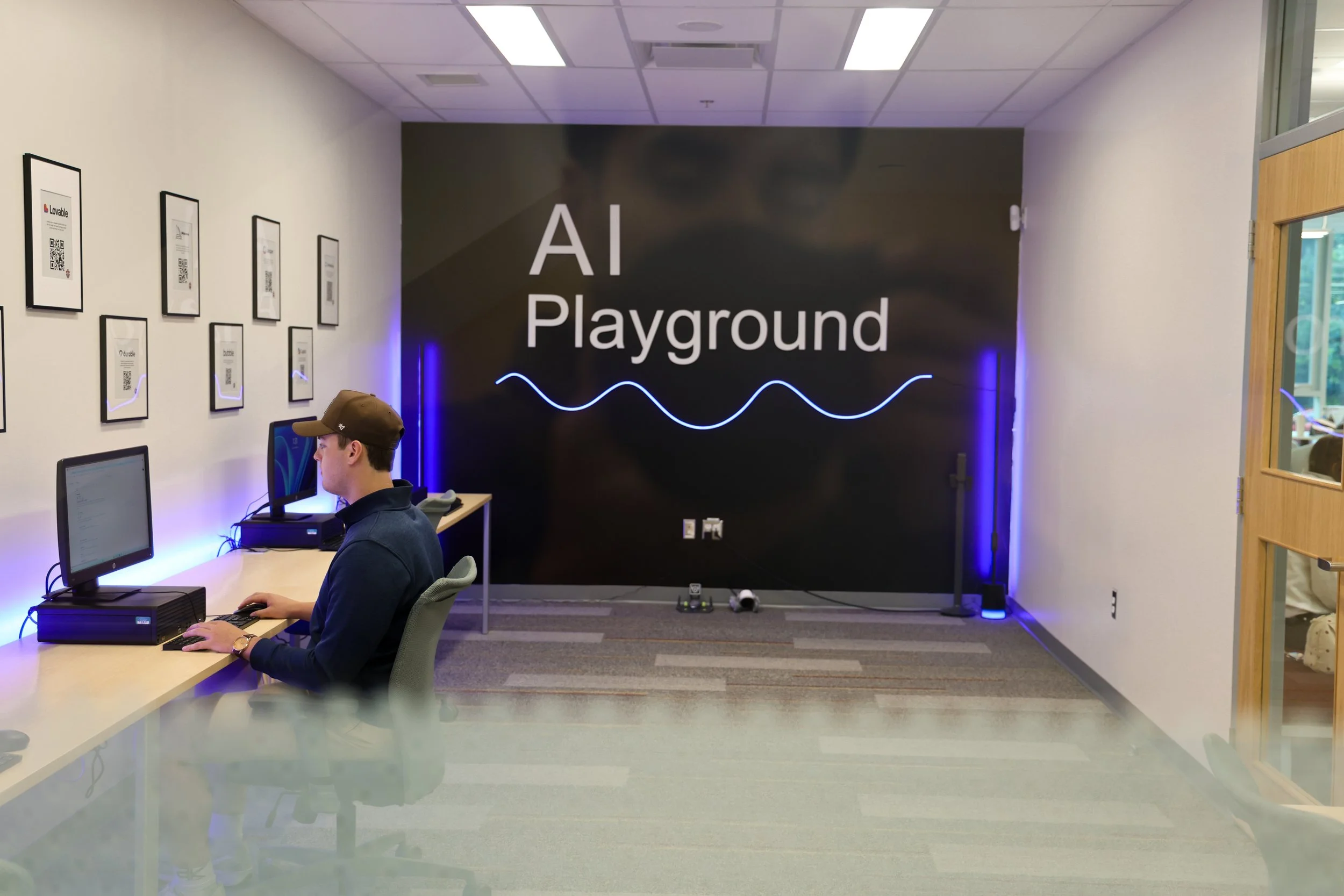
A student sits at a computer in the AI Playground room

The new AI Playground space is located in the Arthur L. Irving Entrepreneurship Centre

Saint Mary’s University has officially unveiled the new AI Playground, an innovative resource space designed to provide students, faculty and community members with hands‑on experience in artificial intelligence.

Located in the Sobeys Inspiration Hub within the Arthur L. Irving Entrepreneurship Centre, the room offers a collaborative environment for learning and development.

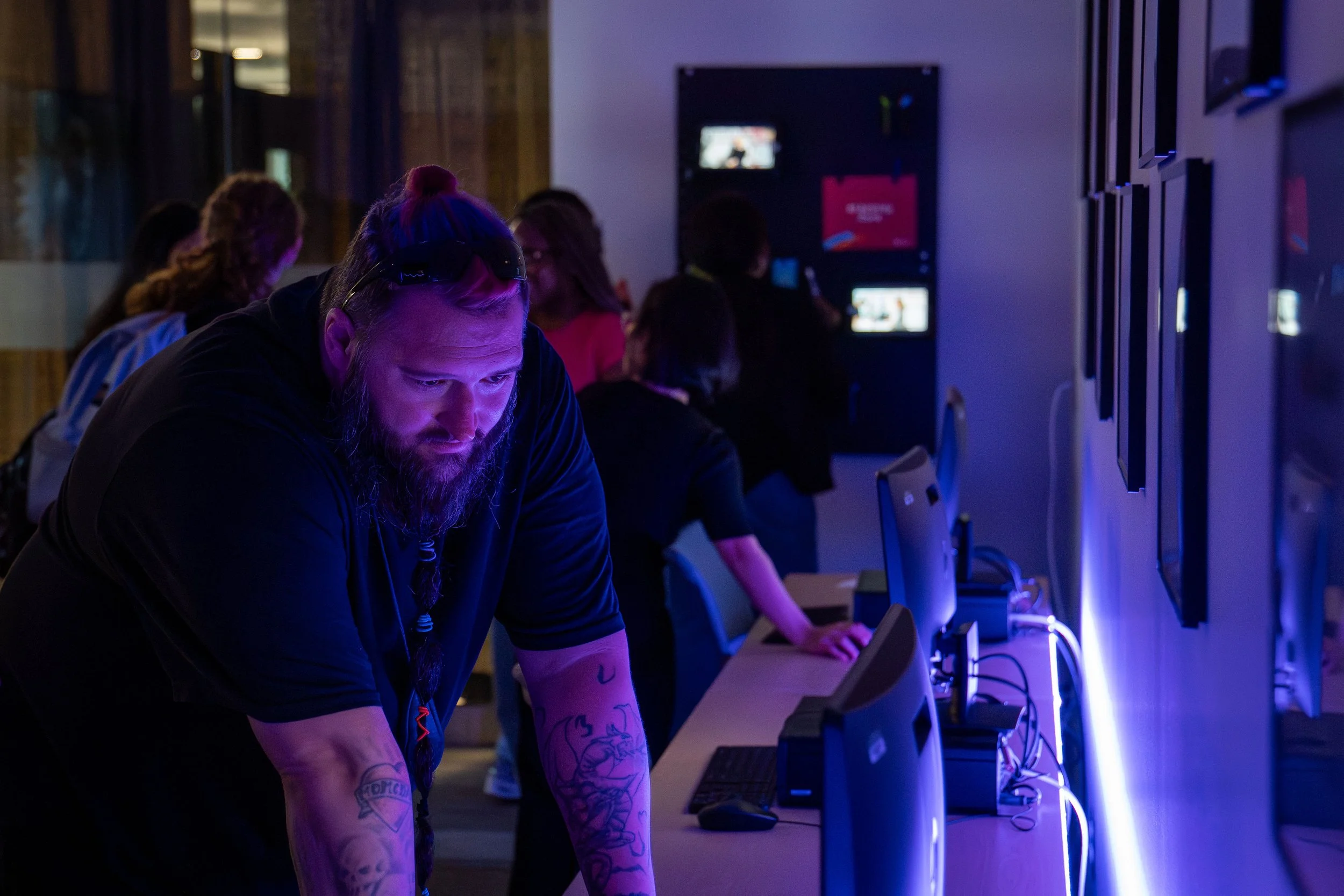
A man scans a QR code on the wall

The space provides free access to different AI platforms and programs

People using the computers and screens inside the room

The AI Playground is open to students, faculty, staff, businesses and community members

The space features 11 AI‑powered applications, supporting everything from organization and note‑taking to creating simple websites for small businesses. Beyond software, the room incorporates voice‑command lighting, a smart TV and visual displays.

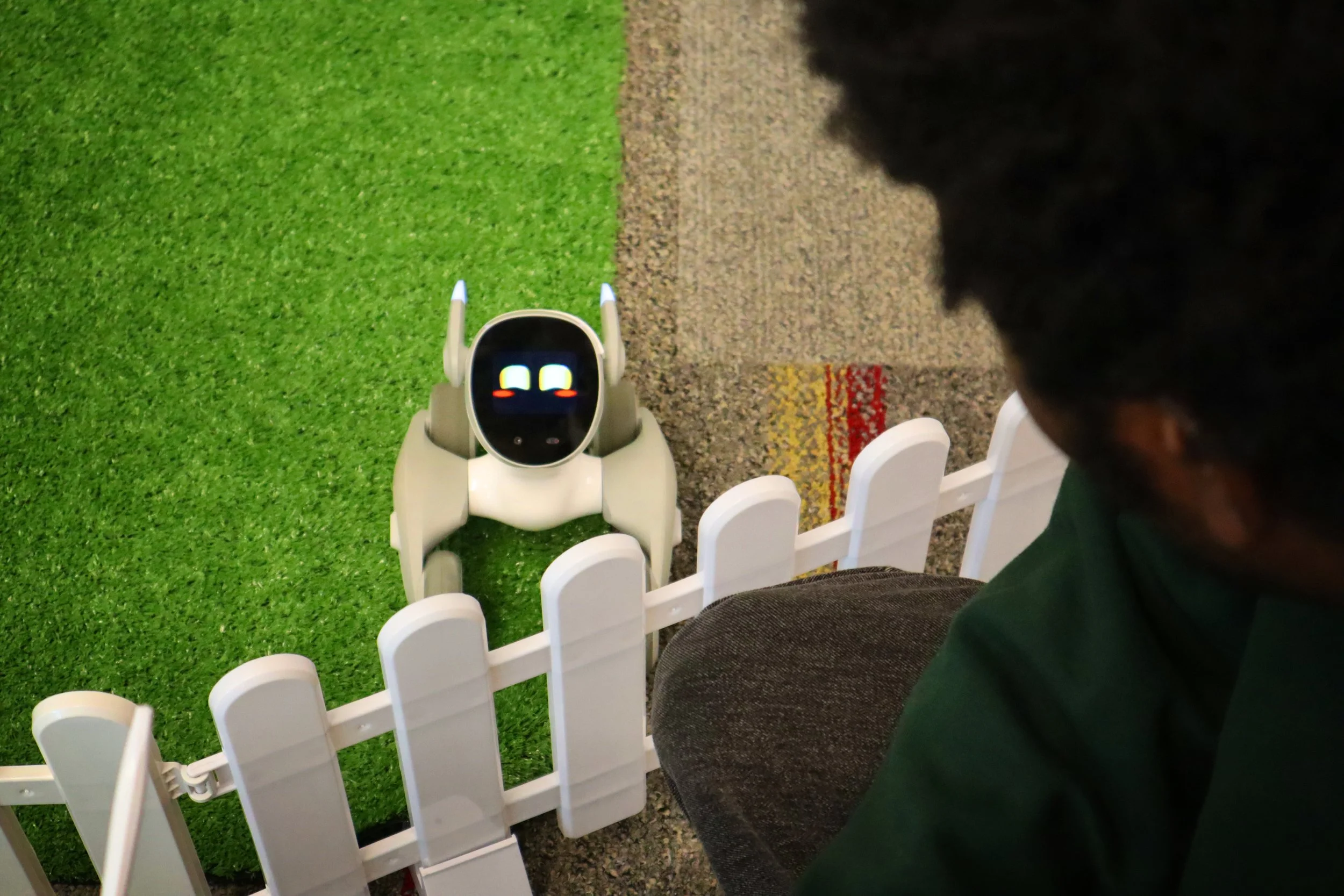
A small white and grey robot dog sits on the floor

Loona, the robot dog

A crowd‑pleaser is Loona, a smart robot dog that’s continually learning new tricks and commands, adding a playful element to the playground.

“We are thrilled to open our new AI Playground, a space where students actively tackle complex problems and innovate,” says Michael Sanderson, Director of the Arthur L. Irving Entrepreneurship Centre. “Students won’t just learn about AI, they’ll use it as a tool to shape the future. This space is a launchpad for the next generation of problem‑solvers.”

The AI Playground is open to all students, faculty, and community members Monday through Friday, noon to 8 p.m. To support responsible use, first‑time users must complete staff training and an AI ethics course before gaining access.

This approach reflects Saint Mary’s commitment to responsible innovation and critical thinking across teaching and community outreach.

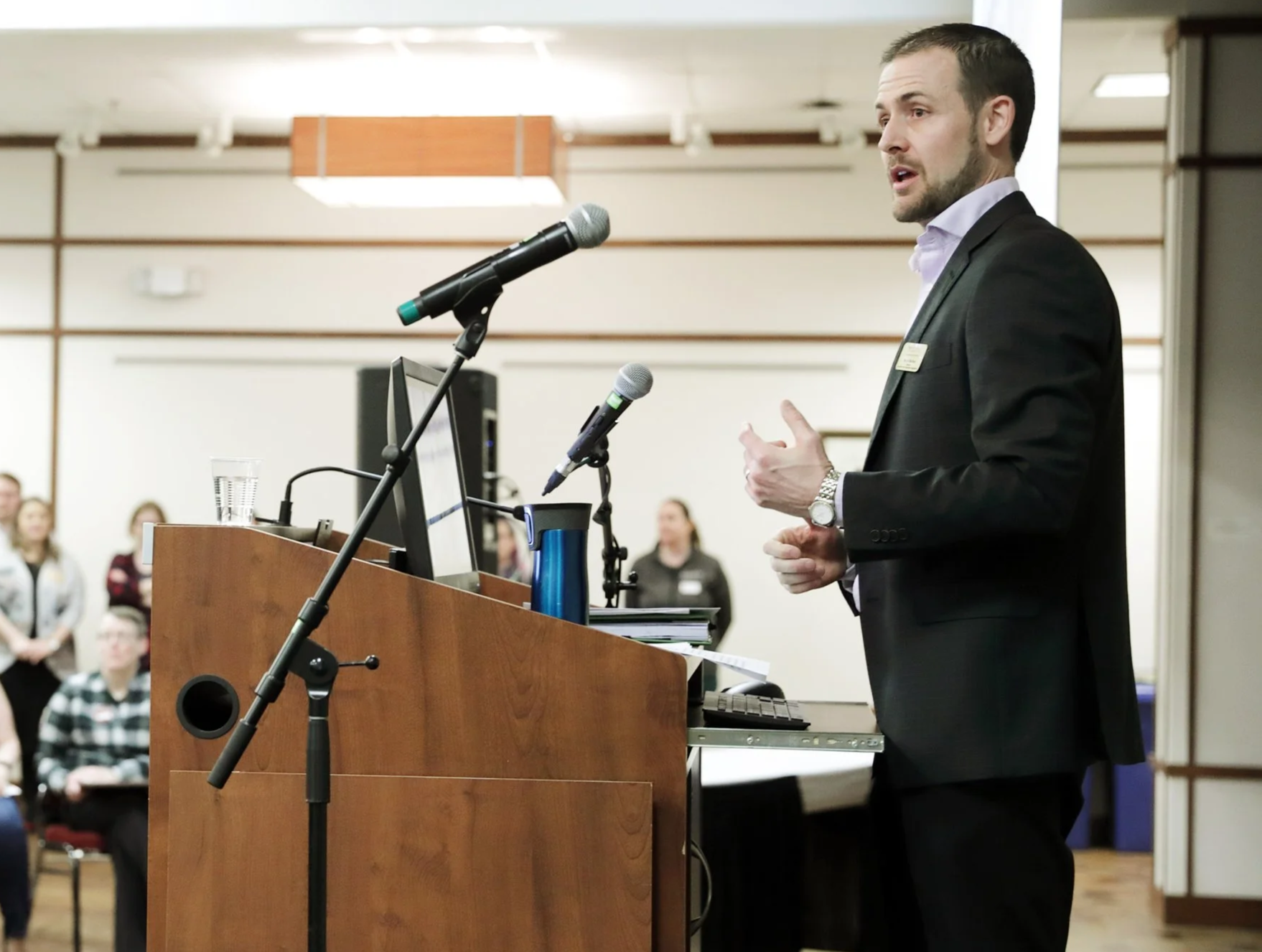
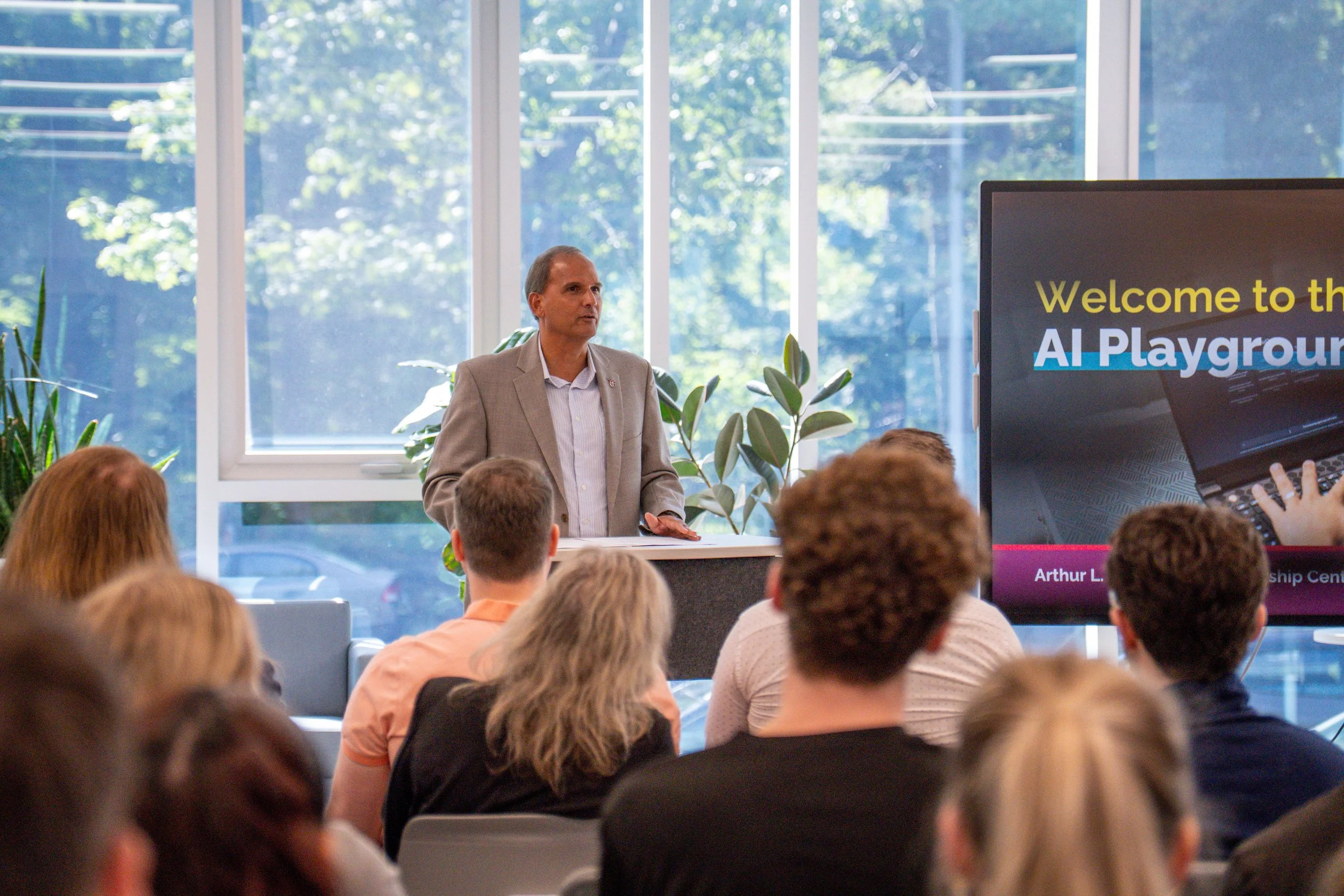
Michael Khan stands behind a podium

President Michael Khan welcomes community members to the opening of the AI Playground

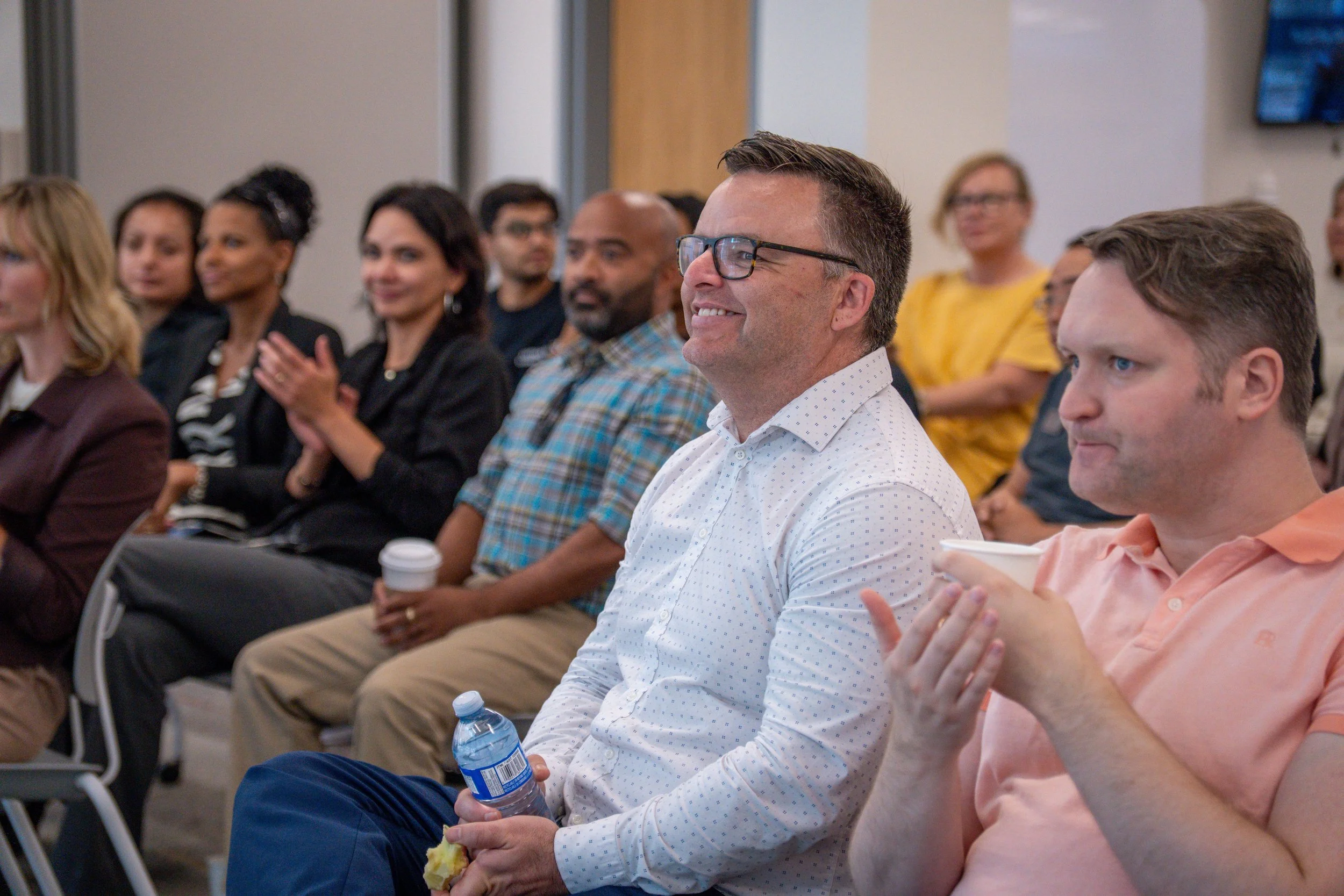
Brendan Maguire sits amongst a crowd of people

The Honourable Brendan Maguire, Minister of Advanced Education, was in attendance.

Visit the AI Playground

  • Where: Sobeys Inspiration Hub, Arthur L. Irving Entrepreneurship Centre

  • Hours: Monday–Friday, noon–8 p.m.

  • Open to: Students, faculty and the public

  • How to access: Take a brief orientation + AI ethics module on your first visit

Smart maps & smart phones: Virtual guides transform tourist experiences

Dr. Somayeh Kafaie and John Read, CEO and Founder, Fundy Language Analytics

Strollopia, a virtual tour guide designed to help locals and visitors explore using their phone, is an interactive, community-driven app.

Its creator, Fundy Language Analytics Inc., specializes in artificial intelligence and machine learning for language applications. They found that keeping these maps current and engaging was a challenge, as manual updates are time-consuming and costly, especially for smaller communities.

When Fundy Language Analytics presented their challenge to Dr. Somayeh Kafaie a Professor in Mathematics and Computer Science, it was a perfect match for her expertise.

The research team utilized Large Language Models to engage visitors at geographic locations, sparking dialogues that generate user-driven insights. These insights are then transformed into map content, making the maps more dynamic and reflective of real experiences. The research expanded into AI-driven content generation, using real visitor impressions to create map content. The impressions were analyzed, stored, and curated by the map administrator for potential publication.

“Working with Professor Kafaie and Saint Mary’s University has been extremely rewarding for our company,” said John Read, CEO and Founder, Fundy Language Analytics. “Dr. Kafaie’s team brings a great deal of experience and enthusiasm to the project, and together we are making great progress on our research topic in AI and diverse uses of the technology for our business.”

With AI-powered tools like Strollopia, Fundy Language Analytics is paving the way for enhanced travel experiences, where visitors and local insights help shape the very maps they use.


The Office of Innovation and Community Engagement (OICE) at Saint Mary’s University facilitates research partnerships between the University and companies, government departments and community organizations. OICE is the initial point of contact for faculty members and external partners wishing to collaborate. The office assists with finding suitable expertise, contract development and advising on funding opportunities.

This project highlight is from the 2025 OICE Report, which features researchers from Saint Mary's University and their external partners.

From classroom to career: empowering responsible AI leaders

Looking in to a classroom with an instructor and students using laptops

Artificial intelligence (AI) is rapidly transforming higher education, not only reshaping how students learn in university classrooms but also driving innovative research across disciplines. At Saint Mary’s, our instructors are playing a pivotal role in bridging the gap between cutting-edge AI advancements and the broader business community by integrating AI tools into curriculum and community-based research projects.

Find out how Saint Mary’s is supporting students and the business community navigate the fast-paced world of AI.


Atlantic Canada AI Summit: May 1-3 at Saint Mary’s University

Atlantic Canada AI Summit logo

Organized by leading institutions, including Saint Mary’s University, Dalhousie University, the University of New Brunswick, Acadia University, Memorial University of Newfoundland, and the University of Prince Edward Island, the Atlantic Canada AI Summit fosters collaboration across academia and industry in Atlantic Canada. 

The Summit will showcase cutting-edge AI research, facilitate industry-academia collaboration, and highlight exceptional AI talent in the region. It will feature three days of programming, including research presentations, workshops, a healthcare data competition and a youth AI pitch competition.

Youth AI Pitch Competition poster

The Youth AI Pitch Competition on May 3 invites youth ages 13-18 to use AI and creativity to improve the Children’s Emergency Department at the IWK hospital.

We are looking for AI-driven solutions to enhance the ER experience for kids and their families. Whether it’s making ER visits more fun, improving parent experience or advancing patient care, your ideas can make a difference!


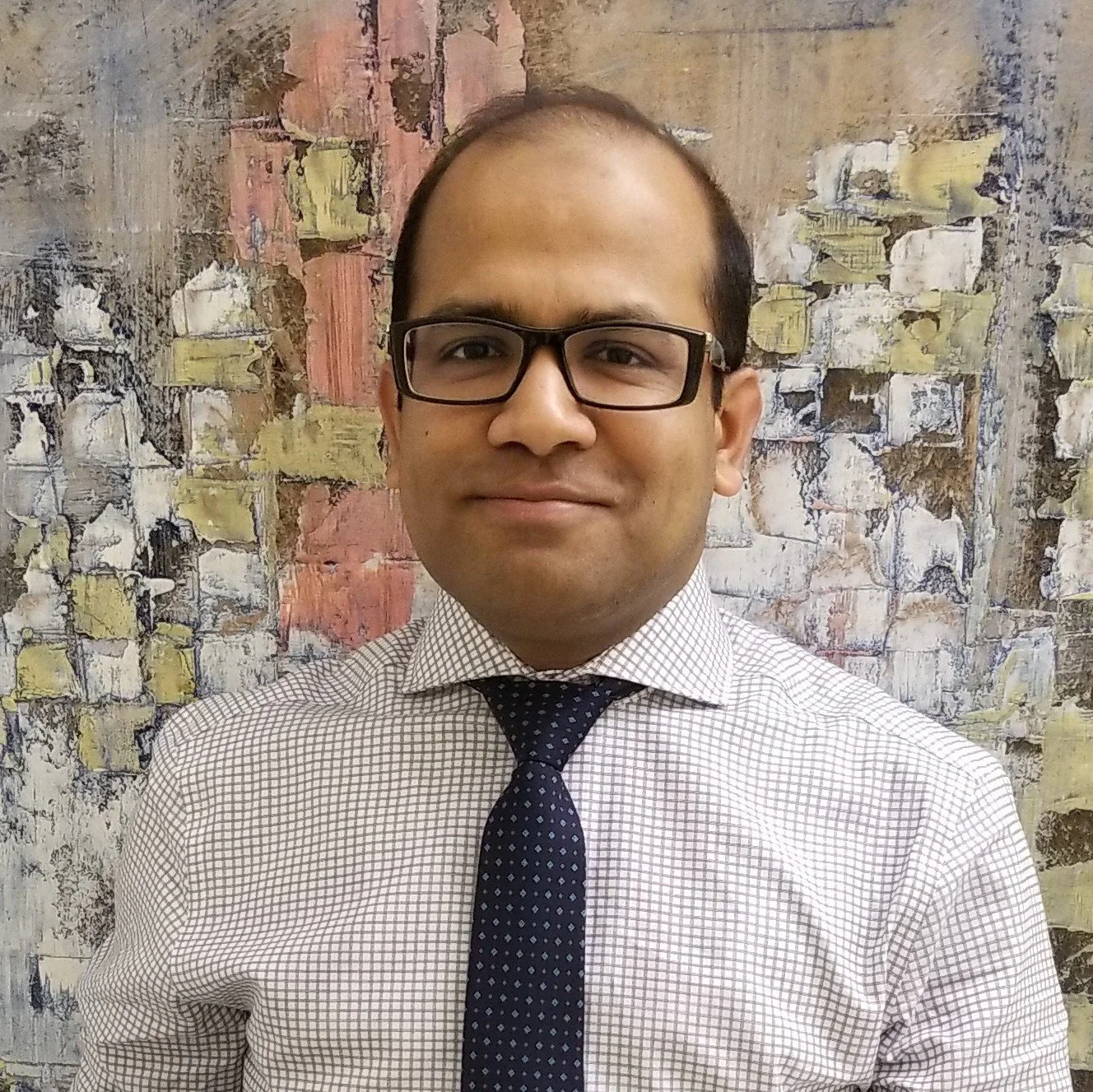
Anubhav and Bryce pose behind a laptop. They stands in front of a colourful mural.

Anubhav Gupta and instructor Bryce Cross

Under the guidance of Sobey School of Business Lecturer Bryce Cross, who heavily incorporates large language models (LLMs) into his PhD research, Anubhav Gupta and his classmates are getting unique exposure to AI tools like ChatGPT and Copilot.

“Professor Cross loves talking about his research, and he tries to integrate it with the concepts he’s teaching,” Gupta shared.

This approach has allowed students to engage with AI in practical ways, such as using ChatGPT to analyze mystery companies, prompting the model to match anonymous balance sheets to the correct industry. “It was an interesting experience to see how AI and LLMs work and their limitations. You can use it, but you can’t replace the knowledge you’re learning at university.”


Shelagh stands beside a podium with fall leaves behind her

Dr. Shelagh Crooks

With political turmoil, social divides, economic instability and the complexities of AI, the global landscape is full of challenges.

Philosophy teaches students how to think about concepts like fairness, autonomy and justice, skills that are increasingly important as we interact with AI-driven systems in the workplace. Understanding the societal impact of AI is not just a technical challenge—it’s a moral one.

“If we consume AI, we have to consume it with a critical eye,” says Saint Mary’s Philosophy professor Dr. Shelagh Crooks. “One of the things you learn in all philosophy classes is to be a skeptic…ask yourself, ‘Why should I accept this as truth?’ That is not something people do naturally.”


Through SMU’s Youth Business Analytics & AI Co-op Program, students earn a high school credit while spending several Fridays on campus, learning from the university’s faculty, student mentors and industry professionals. Organized by the Sobey School of Business, the program exposes students to university-level academics while building foundational skills in AI, machine learning, data analytics and visualization.

"I am learning about how AI is being used by businesses to visualize and interpret data,” said Peter Lutz, a grade eleven student at Charles P. Allen High School. “I am hoping to learn more about market trends and what generative AI is. I am new to this, and we are living in a time when AI is being revolutionized. I want to be able to utilize it."


Interested in working in the growing industry of business analytics and AI? The Saint Mary’s Masters of Business Analytics (MBAN) program equips students with cutting-edge expertise and practical knowledge, emphasizing the development, evaluation, refinement and implementation of AI-powered analytics solutions to transform data into actionable insights, driving business innovation and success.

Students are eligible for an 8-month paid internship, offering hands-on experience with AI-driven tools and methodologies, strengthening their expertise and establishing a solid foundation for a successful career in business analytics and AI.


Researchers using AI to solve real-world problems

Two men in blazers look to Pawan Lingras who expresses with his hands. Behind them is a large screen showing computer code.

Chris Mitchell and Shahriar Swapni of Citco with Dr. Pawan Lingras

The Office of Innovation and Community Engagement (OICE) facilitates research relationships between Saint Mary’s University and external partners, such as companies, government departments and community organizations. In their 2025 report, OICE highlights a number of completed and ongoing research projects which benefit from integrating AI systems.

Harnessing Data to Reduce Food Waste

Easy Platter, a meal-planning and personal chef service, partnered with Mathematics and Computing Science professor Dr. Yasushi Akiyama to design a framework to calculate ingredient costs, potential food waste and nutritional value for selected meal plans.

Virtual Guides Transform Tourist Experiences

Fundy Language Analytics Inc., which specializes in artificial intelligence and machine learning for language applications, partnered with Mathematics and Computer Science professor Dr. Somayeh Kafaie to use Large Language Models to enhance their virtual tour guide app, Strollopia.

A Partnership to Diversify Revenue and Reduce Risk

Citco, a global network of independent firms, partnered with Dr. Pawan Lingras, Director of the Master of Science in Computing and Data Analytics (CDA) Program and his team of graduate students. Together, they developed a document scraping application powered by generative AI to diversify their revenue streams within the fund administration sector.

AI-Powered Animation Enhancing Creativity One Frame at a Time

Moonshot Rights Inc., a Canada/UK-based animation company, partnered with Dr. Jason Rhinelander, an Associate Professor in the Division of Engineering and Head of Technology and Innovation at the David Sobey Retailing Centre. Together, they are pioneering a new approach to animation by accelerating the generation of Ultra-High-Definition (UHD) computer-generated frames.


Sharing AI insights with the business community and beyond

Arjun stands on stage behind a Saint Mary's University podium

Arjun Asokakumar speaks at the 2024 Responsible Leadership Day

Driving responsible leadership of AI

The Sobey School of Business brought together inspiring leaders and forward-thinking students for its sixth annual Responsible Leadership Day in November 2024: The Future of Responsible Work in an AI-Driven World. As artificial intelligence becomes more prevalent, the need for specialized knowledge remains high. Understanding how to judge the information AI provides you—and being able to evaluate its output critically—is key to using the technology responsibly.

The event included a thought-provoking keynote by Arjun Asokakumar, Director of Data Science at Royal Bank of Canada (RBC), on how AI-driven automation may reshape job roles and skill requirements.


Event poster

Demystifying AI for businesses

In March, Sobey School of Business professor Dr. Yigit Aydede hosted a half-day conference titled Beyond the Code: Demystifying AI. The event featured three engaging sessions designed to educate, demonstrate and inspire action around the transformative power of AI.

Sessions covered simplifying AI concepts for both technical and non-technical users, demonstrating AI in action to illustrate how the technology is applied to solve real-world challenges, and a practical discussion with key stakeholders on how small and medium-sized businesses can effectively leverage AI to drive growth, boost productivity, and achieve long-term success.


The Wonder Guard app shown on two mocked-up phone screens

SMU competition supports AI innovation in healthcare

The Arthur L. Irving Entrepreneurship Centre at Saint Mary’s hosted The Arena, an annual pitch competition, in March. More than 60 student entrepreneurs from across Canada participated.

The winning project was Wonder Guard—an AI-powered Catheter Bag Module, created by McMaster University PhD student Manak Bajaj. Wonder Guard is capable of detecting and predicting urinary tract infections (UTIS), integrating electrochemical biosensors for real-time detection, quantification, and prediction of UTIs. This allows immediate diagnostic feedback to users and health information systems for AI-driven clinical decisions.


A photo of Theresa wearing a red scarf is edited into a podcast screen with podcast logo beside it

Considering the impact of AI development

In fall 2024, Faculty of Arts professor Dr. Teresa Heffernan joined UofT Jackman Humanities Institute Humanities at Large podcast host Melissa Gismondi for a conversation about AI. They discuss topics like the public's perception, limitations, environmental impact, and AI’s relationship with fiction. They also touch on the need for regulation and ethical considerations in AI development.


Guidance for students and faculty

Students sit in a  lecture hall

The Patrick Power Library's Artificial Intelligence (AI) guide is designed to help students use AI responsibly and ethically in their academic work.

The Studio for Teaching & Learning has helpful guides and resources for instructors here: Generative AI in Higher Education. They also host learning events and share resources from other institutions, including an upcoming webinar series titled Mind the (Bias) Gap: Ethical AI for Inclusive Teaching, from May 28-30.

Saint Mary's research projects with big industry impact

The Office of Innovation and Community Engagement at Saint Mary’s is a small office that delivers a big impact.

A recently-released progress report highlights a few projects that Saint Mary’s faculty members have been working on in collaboration with industry partners, including:

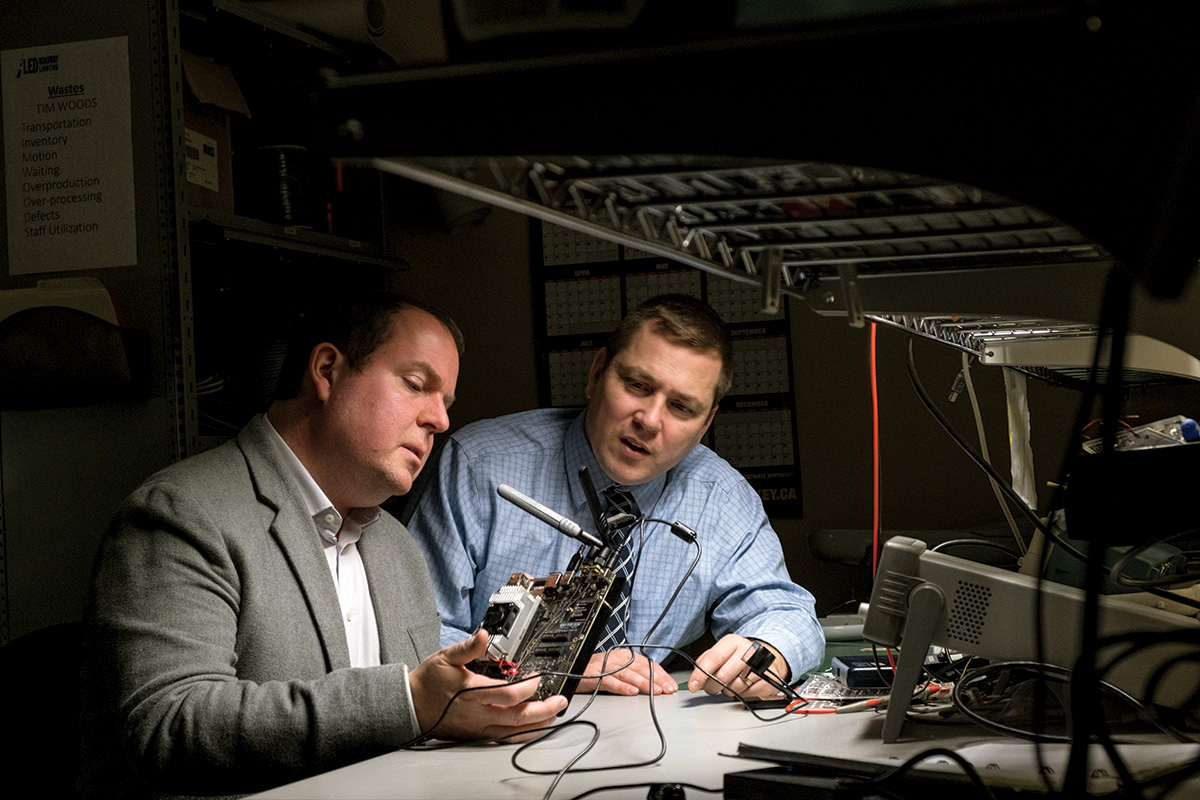
  • Dr. Jason Rhinelander’s partnership with LED Roadway Lighting has allowed him to lend his expertise in artificial intelligence and object recognition to evaluate the accuracy of an adaptive radar-based sensor platform for pedestrian and vehicle recognition at streetlight intersections.

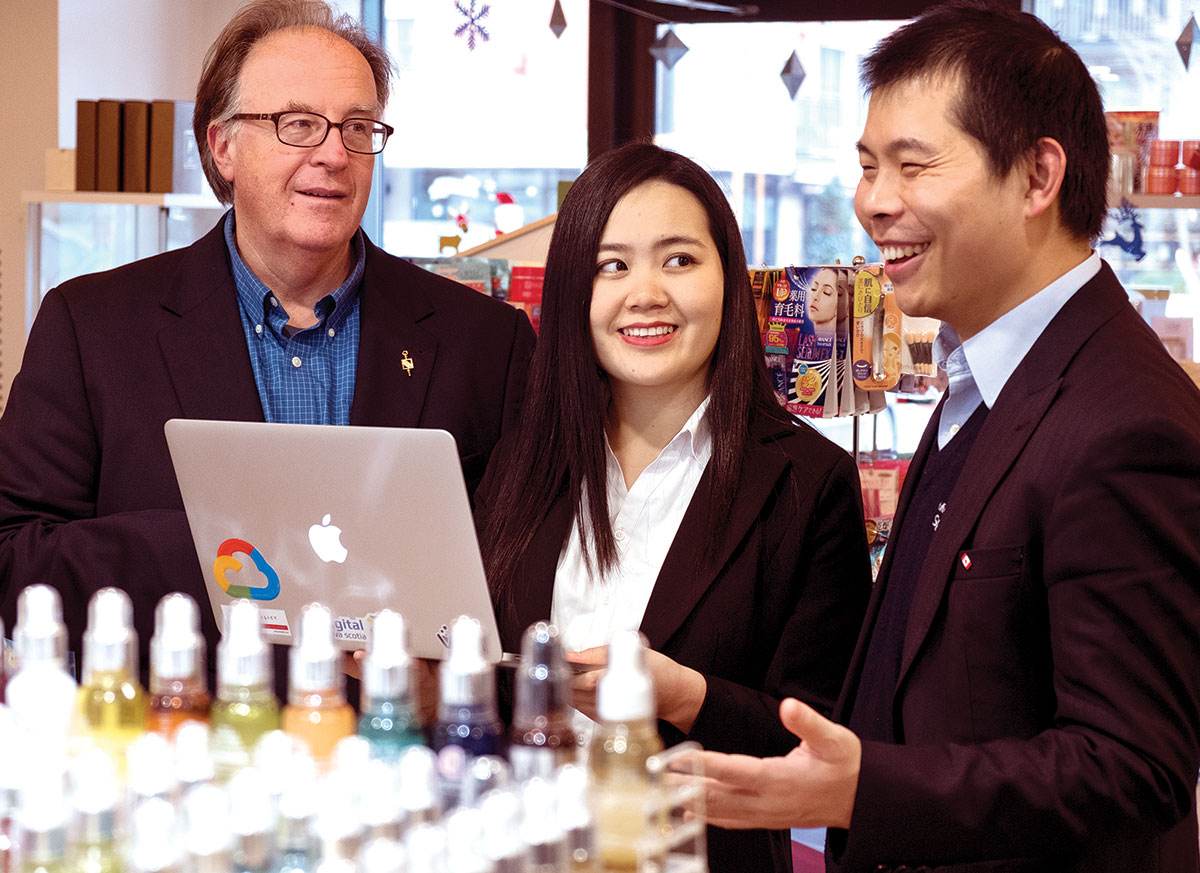
  • RetailDeep uses innovative facial recognition software to enhance the shopping experience in stores, collect data from clients, and pinpoint opportunities to innovate within the retail space.

  • A partnership between Coloursmith Labs and Saint Mary’s researcher Dr. Danielle Tokarz has led to a breakthrough in treatment for colour blindness. Along with her team, Dr. Tokarz helped the startup company refine the focus of their research efforts and identify the appropriate nanoparticles and gels for the lenses. 

“Our office also takes pride in pairing faculty members with industry, helping to facilitate solutions to local companies’ problems using academic expertise, said Kevin Buchan, Director of the Office of Innovation and Community Engagement. “It’s also a great opportunity for students, the next generation of researchers, to work on applied projects in their fields.”

“We’re encouraged by the success we’ve had so far, and we look forward to doing more of these innovative projects,” said Buchan.  

 Click here to read the progress report, featuring researchers from all faculties at Saint Mary’s, and their partners, click here.

 ABOUT OICE:

The Office of Innovation and Community Engagement (OICE) facilitates research relationships between Saint Mary’s University and companies, government departments, and community organizations. OICE is the initial point of contact for faculty members and external partners wishing to collaborate. The office assists with finding suitable expertise, contract development, and advises on funding opportunities.