


Faculty and staff play a crucial role in supporting student mental health and wellness. The Counselling Centre is here to support you navigate these conversations!
Our Mental Health Series is a 4-part training opportunity that equips you with the knowledge, resources, and tools to better support student mental health. The Fall 2023 dates for the Mental Health Series are below. Please Register here!
Mental Health 101: Recognizing and Responding to Students in Distress
Monday, October 16,1:30–3:30 p.m. (in-person)
Mental Health 202: Practical Approaches for Supporting Students Who Are Stressed, Anxious and/or Depressed
Monday, October 30,1:30–3:30 p.m. (hybrid!)
Mental Health 303: Suicide Risk and Facilitating Referrals for Students
Monday, November 20,1:30–3:30 p.m. (in-person)
Mental Health for International Students
Monday, November 27, 1:30–2:30 p.m. (in-person)
You can now access Mental Health 101 on demand! This course is now offered virtually through Brightspace, in addition to in-person sessions. Email counselling@smu.ca to register or if you have any questions.
Saint Mary's community gathers for Campus Reflection Walk
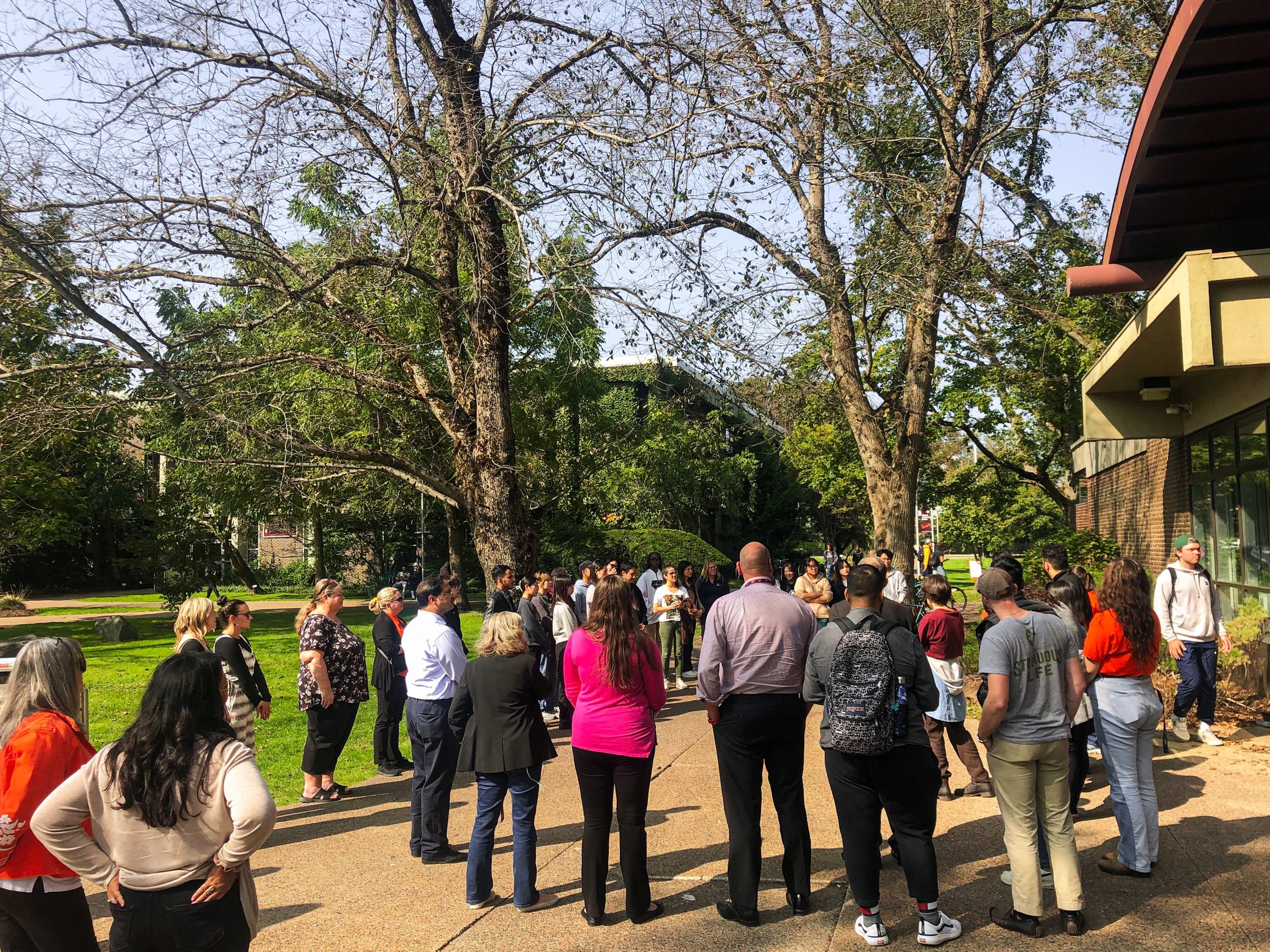
On Thursday, September 28, members of the Saint Mary’s community gathered for a Campus Reflection Walk in advance of the National Day for Truth and Reconciliation.
Dr. Robert Sumerby-Murray, Saint Mary’s President, and Dr. Rohini Bannerjee, Associate Vice-President (Diversity Excellence), welcomed more than 80 students, staff and faculty as they gathered for an opportunity to connect with and acknowledge Mi’kma’ki, the ancestral and unceded territory of L’nu, on which Saint Mary’s is located.
The collaborative event consisted of an accessible route, marked with ten posters, each prompting questions or statements for reflection, as Treaty people, in considering the 94 Calls to Action brought forward by the Truth and Reconciliation Commission of Canada. “Everyone took their time on the walk,” says Dr. Bannerjee. “There were moments of silence and moments of deep conversation.”
In particular, Dr. Bannerjee made note of the student participants who joined from The Language Centre, noting, “their presence embodied curiosity and a commitment to better understanding T&R from the point of view of visitors to the land.”
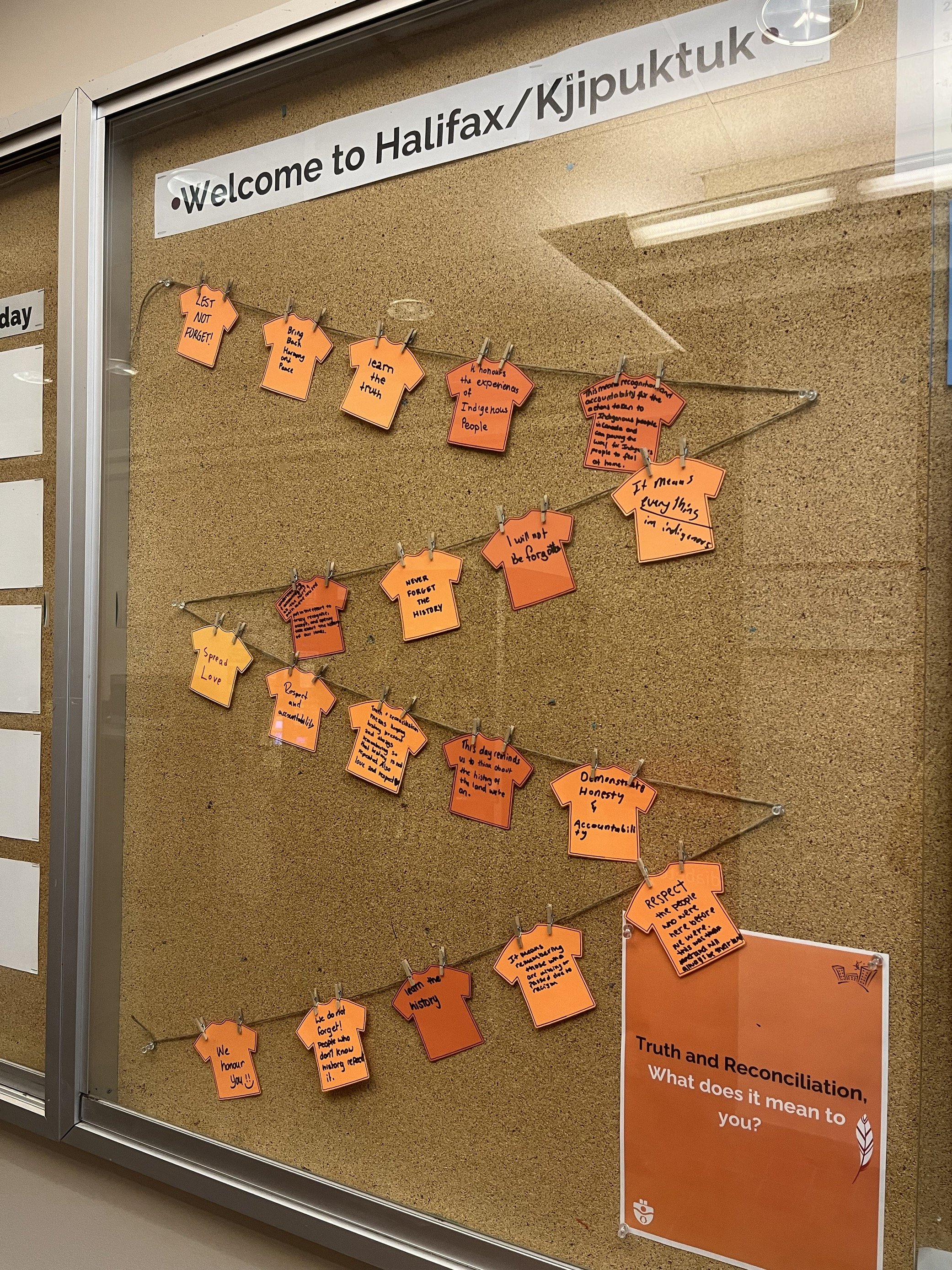
At the end of the route, members of the Residence Life team hosted a final reflections table, with orange t-shirt paper cut-outs for people to write their thoughts, express their gratitude toward the land or highlight something from the walk that resonated with them. The reflections will be on display on the bulletin board across from Loyola Residence (LR) 108 for the month of October, with new pieces being added throughout the month.
Can’t find a parking spot? Here's why.
Anyone who drives to campus might have noticed that parking is trickier than usual at Saint Mary’s.

At the September 28 University Town Hall, Michelle Benoit, VP Administration and Finance shed some light on the situation, noting there are several factors impacting parking availability.
“A significant factor is changes to neighborhood street parking. Many areas around campus that were once 2-hour parking now require a permit,” she said.
Construction around the campus area is also having an impact. “Road construction on Inglis Street has reduced the availability of street parking, with about 20 construction crew typically arriving at 6 a.m. to park on adjacent streets for the day,” she added.
“Additionally, up the street, the IWK has reduced parking due to construction, which means that more of their employees are parking in the neighborhood.”
Part of ensuring availability is the ability to use parking enforcement tools like ticketing and parking boots. Facilities management and the Security team are actively monitoring parking throughout the day, and issuing tickets as needed to unauthorized vehicles, which has led to some improvement.
Regulations for use of parking boots have changed, and currently SMU is not permitted to use them. The university is working with the HRM to obtain required designation.
Some good news: the parking lot in front of Inspiration Hub should be paved within the next two weeks and be turned over for use shortly after, opening up 12 to 15 parking spots.
ICCM celebrates 20 years of co-operative management education and research excellence

Graduates of the 2023 MMCCU class
This year marks 20 years since the launch of the International Centre for Co-operative Management’s (ICCM) flagship Master of Management, Co-operatives and Credit Unions program. Today, ICCM has grown to offer a suite of online, part-time graduate programs, short courses, a credit union leadership program, international co-op study tours and special topics webinars.
Since their creation, ICCM’s education programs have engaged more than 1,100 co-operative professionals in over 360 organizations from 41 nations. Additionally, ICCM is acknowledged as a global leader in co-operative research, which has culminated in symposia, books, journal articles and reports.
Read the 2023 ICCM Impact Report
On September 21 and 22, 2023, more than seventy founders, faculty, staff, students, alumni, partners and friends gathered at Saint Mary’s University to mark ICCM’s 20-year anniversary. This event focused on learning, networking, visioning and celebrating and featured:
A day of storytelling, reflexivity, visioning and knowledge-sharing;
Local co-operative tours with Glitter Bean Café Co-operative, Bus Stop Theatre Co-operative, Healthy Minds Cooperative and Halifax Circus Co-operative;
A harbour boat tour and networking social;
Convocation ceremony for the 2023 class followed by an evening of revelry.
“During my time with ICCM, I can see the impact of our work within the co-operative sector,” says Karen Miner, ICCM Managing Director and Adjunct Professor. “We have built a global network of partners, been meaningfully involved in key areas of research, and provided a wide spectrum of education opportunities for working professionals. We continue to innovate and adapt to meet the needs of co-operative enterprises of all sizes, types, sectors, and locations. Marking 20 years is a significant achievement.”
ICCM exists to elevate the global co-operative sector through education and research that is by, for and about co-operatives.
Celebrating Mi'kmaq History Month at Saint Mary's

October is Mi’kmaq History Month! This year marks the 30th anniversary of this important celebration of Mi’kmaq culture and heritage.
This year, there is a special focus on highlighting traditional sports, games and pastimes central to Mi’kmaw culture. These activities help young people develop their understanding of Mi’kmaw culture and carry those teachings into adulthood.
Visit mikmaqhistorymonth.ca to learn more and to download a copy of the 2023 poster!
Saint Mary's University acknowledges that the university is located on the traditional land of the Mi’kmaq Nation. This territory is covered by the "Treaties of Peace and Friendship" which Mi’kmaq and Wolastoqiyik peoples first signed with the British Crown in 1725.
Resources and related links:
The Patrick Power Library's Mi'kmaq History Month collection is on display throughout the year. Access the collection on campus or online this month to learn more about Mi'kmaw culture and history. The Library is also proud to host an exhibit of Mi'kmaw cultural artifacts on loan from the Nova Scotia Museum. These important artifacts represent a range of landscapes, sites, traditional activities and cultural periods in Mi'kma'ki. Everyone is welcome to visit the exhibit!
The library has also created an online Indigenous Studies guide. This guide is a resource for research and study in the interdisciplinary aspects of Indigenous studies. It particularly focuses on Nova Scotia and Atlantic Canada.
Saint Mary's University shines at Atlantic Schools of Business Case Competition
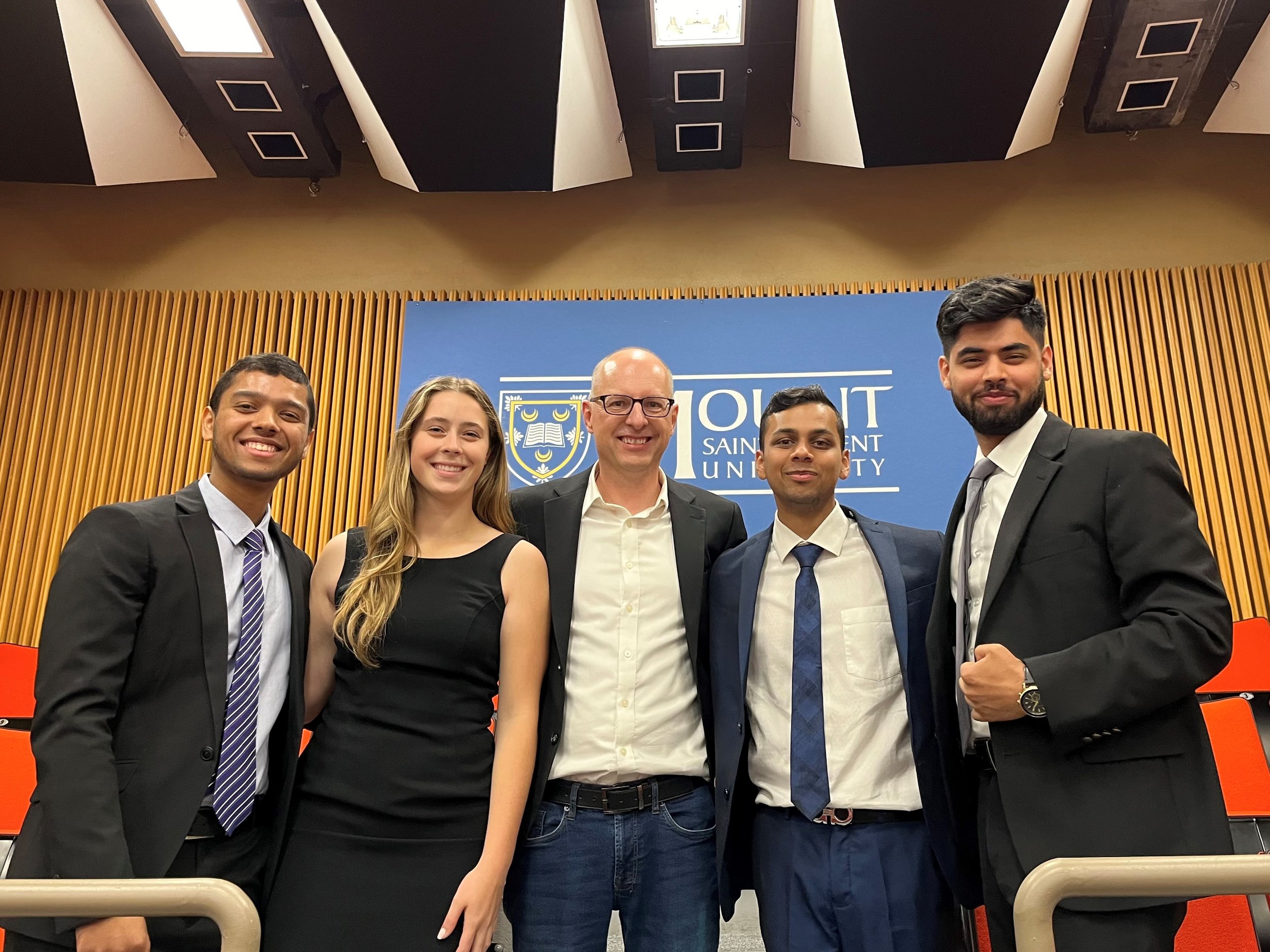
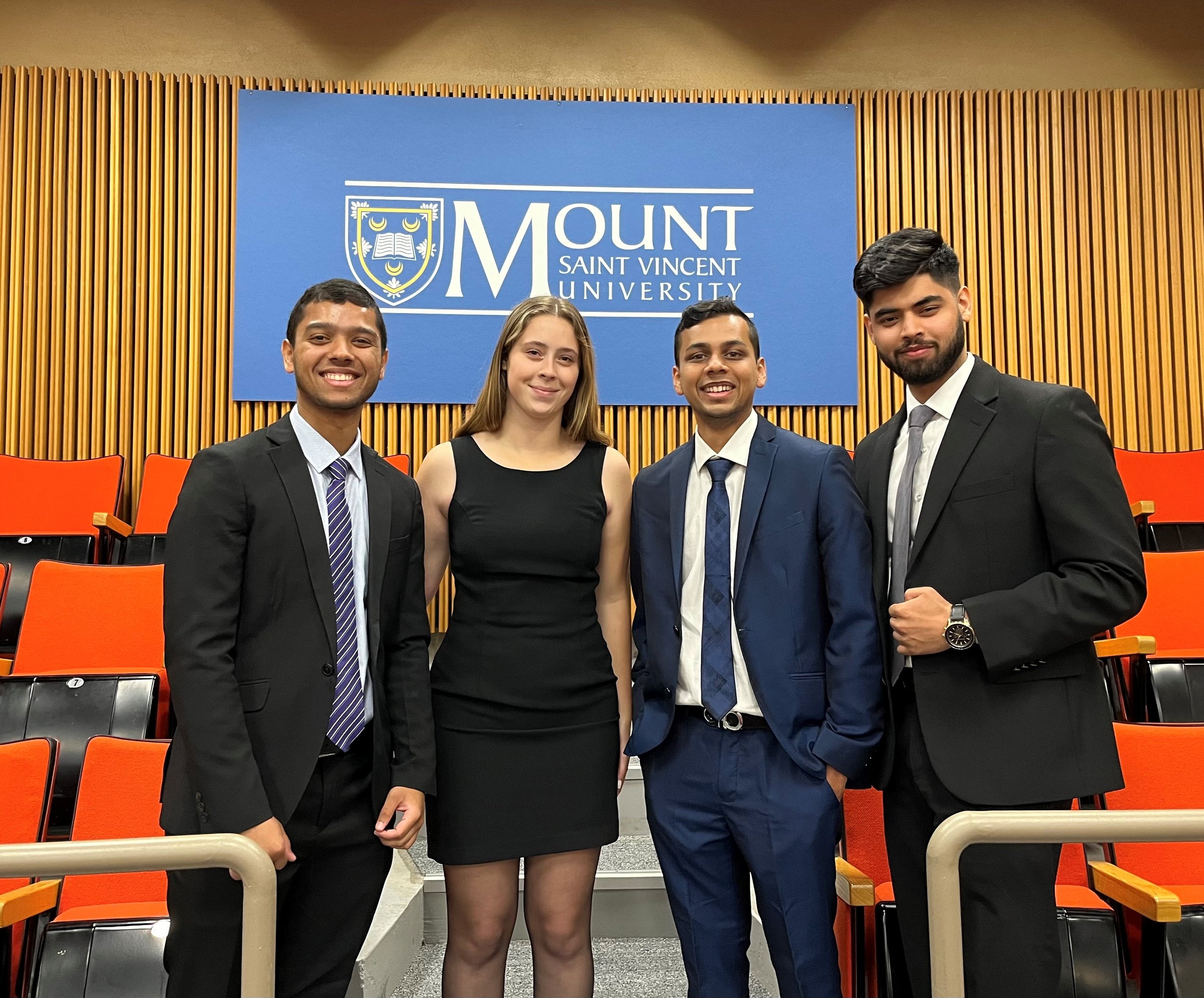
On September 24, Sobey School of Business Bachelor of Commerce students Lauren Golding, Shiva Kakkar, Ramji Srinivasan and Ashish Ganapathy walked away with a second-place win at the Atlantic Schools of Business (ASB) Case Competition sponsored by Grant Thornton LLP (Canada), hosted by Mount Saint Vincent University. The competition was part of the annual ASB Conference—one of Canada’s longest-running academic business conferences.
“I had a wonderful, enriching and insightful experience at the ASB Case Competition,” said Ganapathy, a third-year BComm student majoring in Accounting and Finance. “I prepared forecasts using financial analysis techniques and improved my public speaking and financial analysis skills.”
Teams representing universities across the Atlantic provinces participated in a competition where students were asked to analyze and create a solution to a business case (a narrative about a real-life company and the problems it’s facing) and present it to a judging panel. This year’s business case was centered around a Newfoundland-based Childcare Cooperative in need of expansion to meet the overwhelming demand for such services.
“It was a proud moment for our team. Our case was based on real challenges faced by Atlantic Canadians—immigration and population growth. We were tested on an array of skills like critical thinking, quantitative and analytical skills.” said Shiva Kakkar, a second-year BComm student majoring in Finance. “Jeff Muton, professor for the BCOM 4481 Business Case Competition course, provided excellent mentoring throughout our preparation for the competition. The learning experience was exceptionally valuable, as we acquired a solid framework for effectively tackling business cases.”
The Bachelor of Commerce Business Case Competition course takes students from classroom learning to real-world challenges. Students get to test their abilities to think on their feet and compete against other students, in consultation with industry leaders.
At the Sobey School of Business, students will not only learn how to do business well, they’ll learn how to do business for good.
Re-cap: Fall Convocation 2023

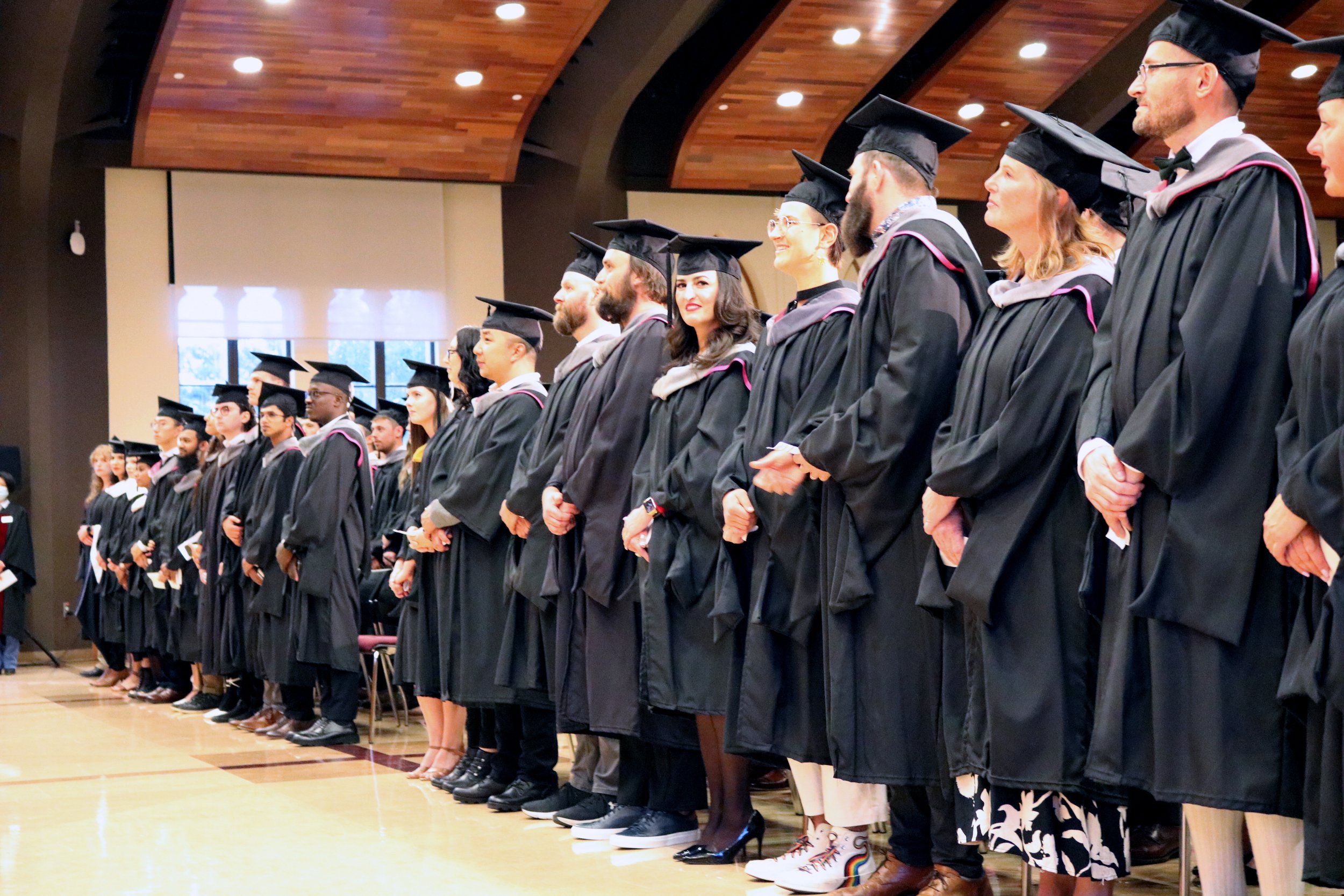
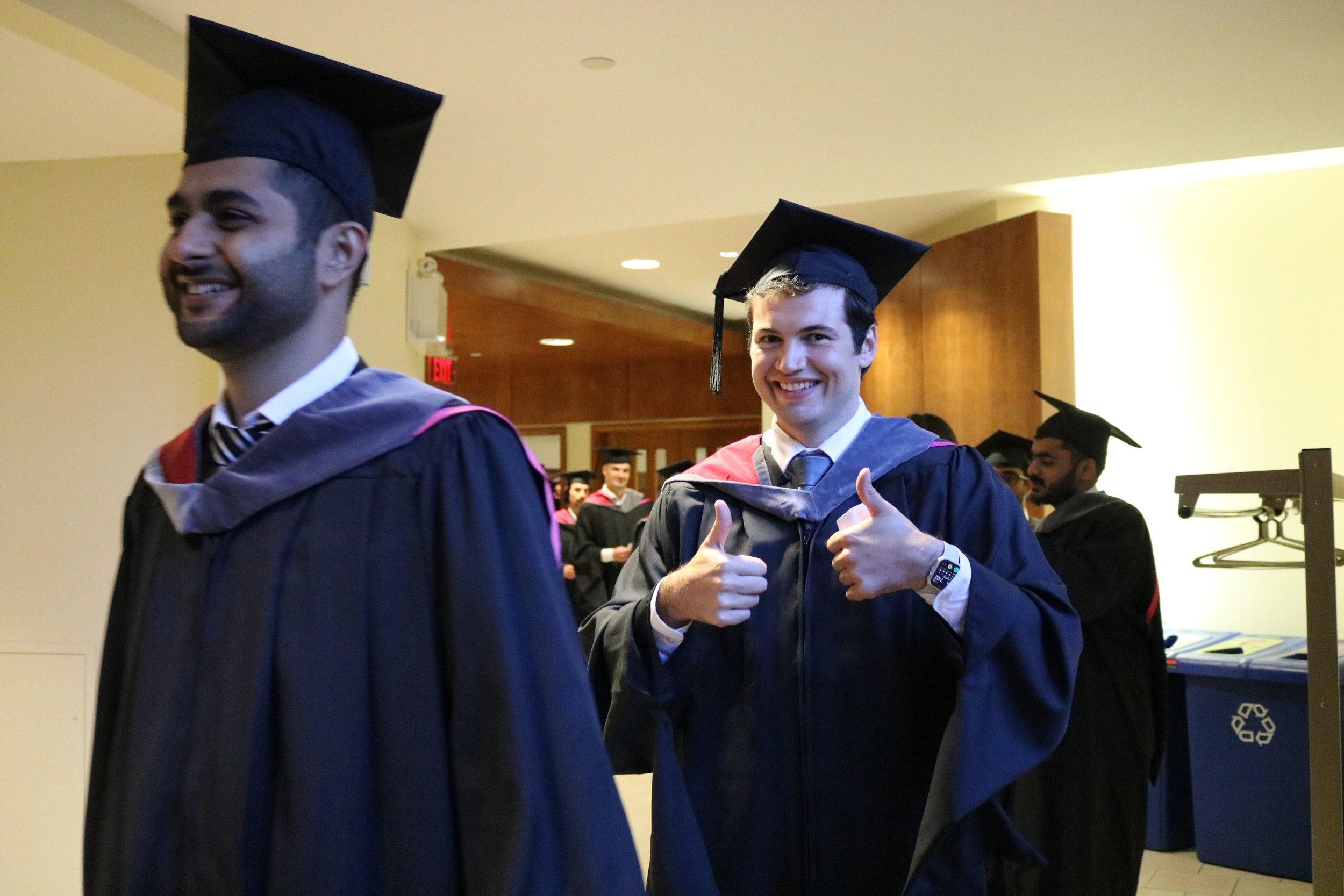

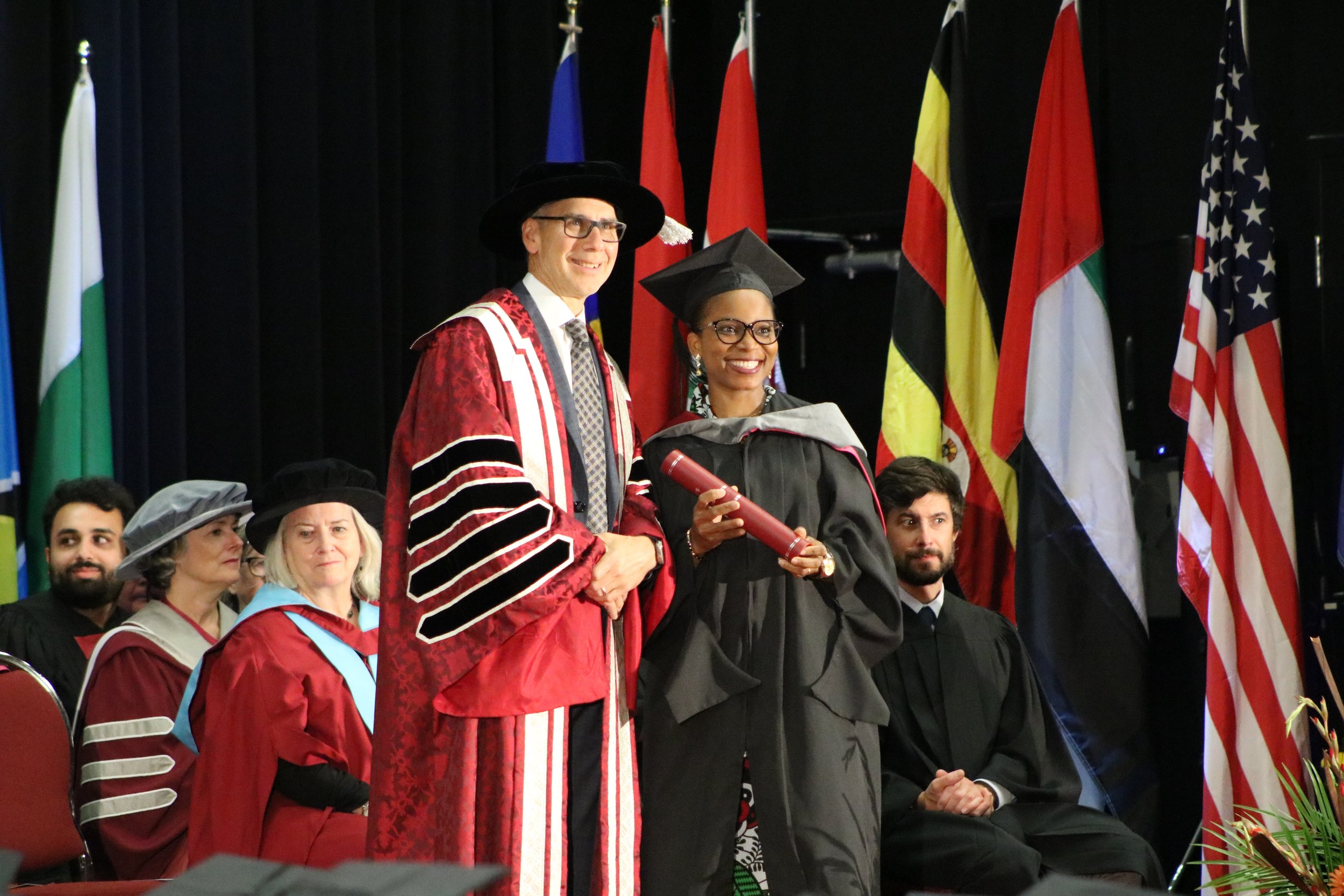
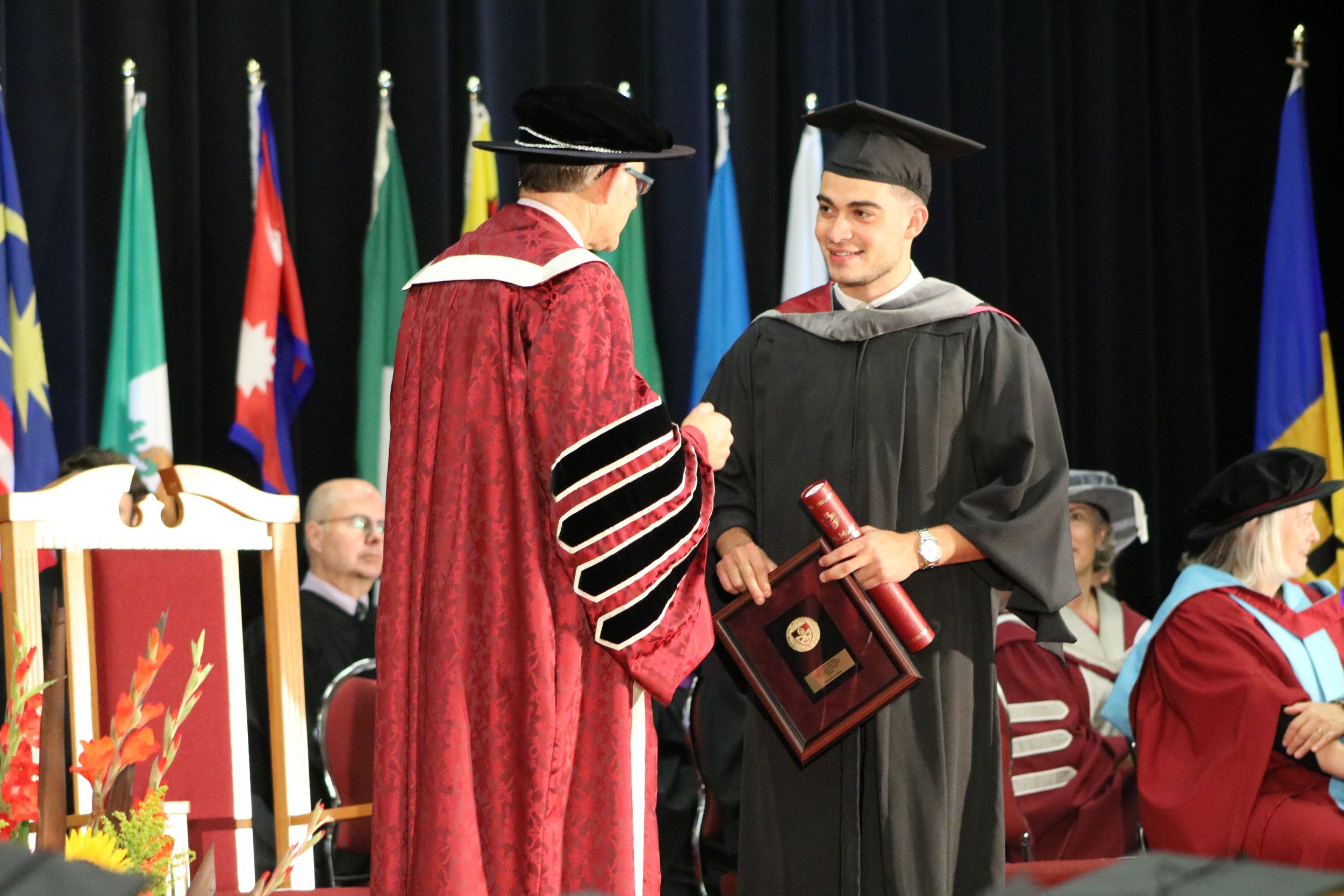
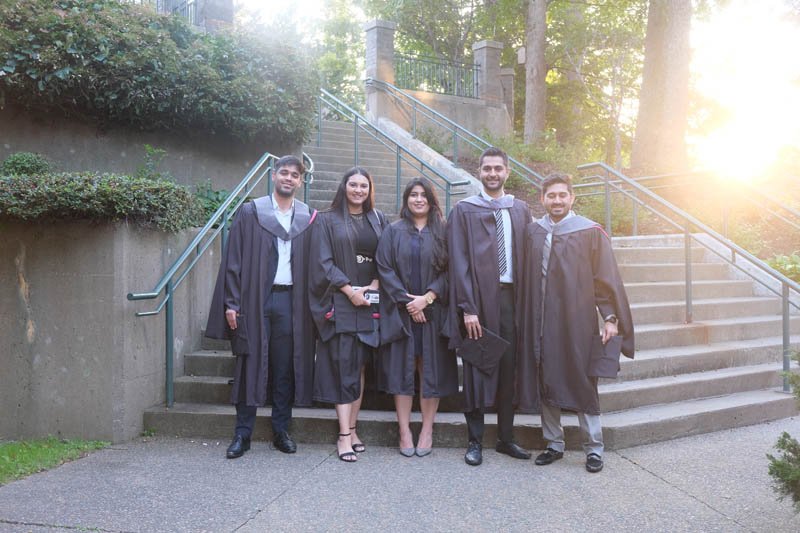
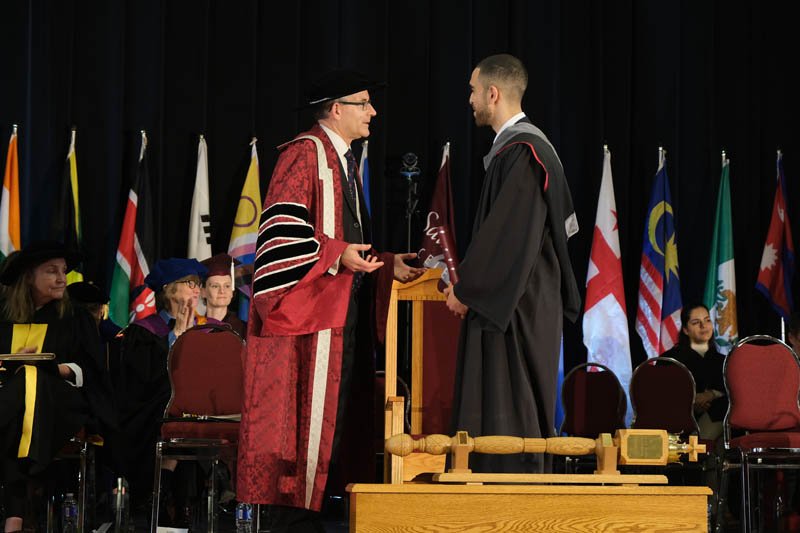
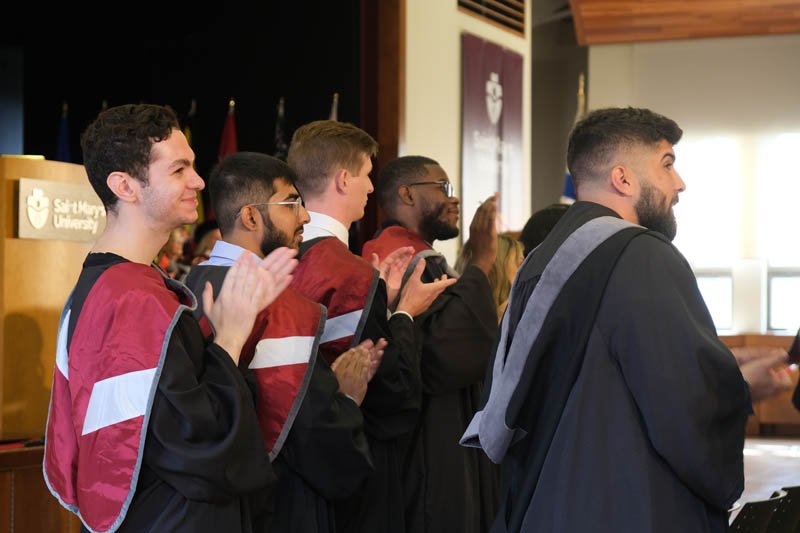
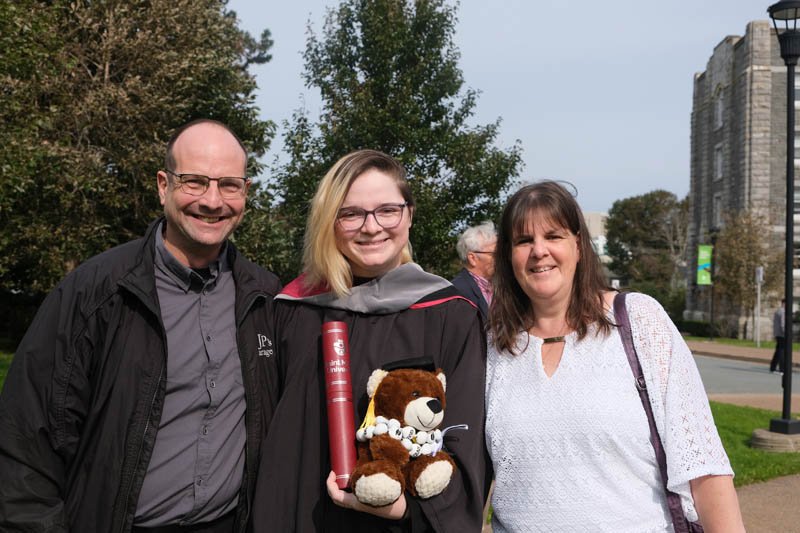

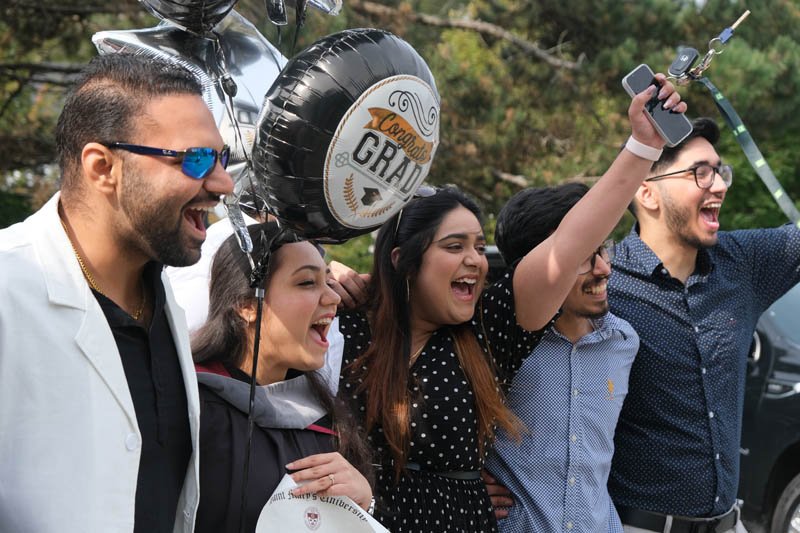
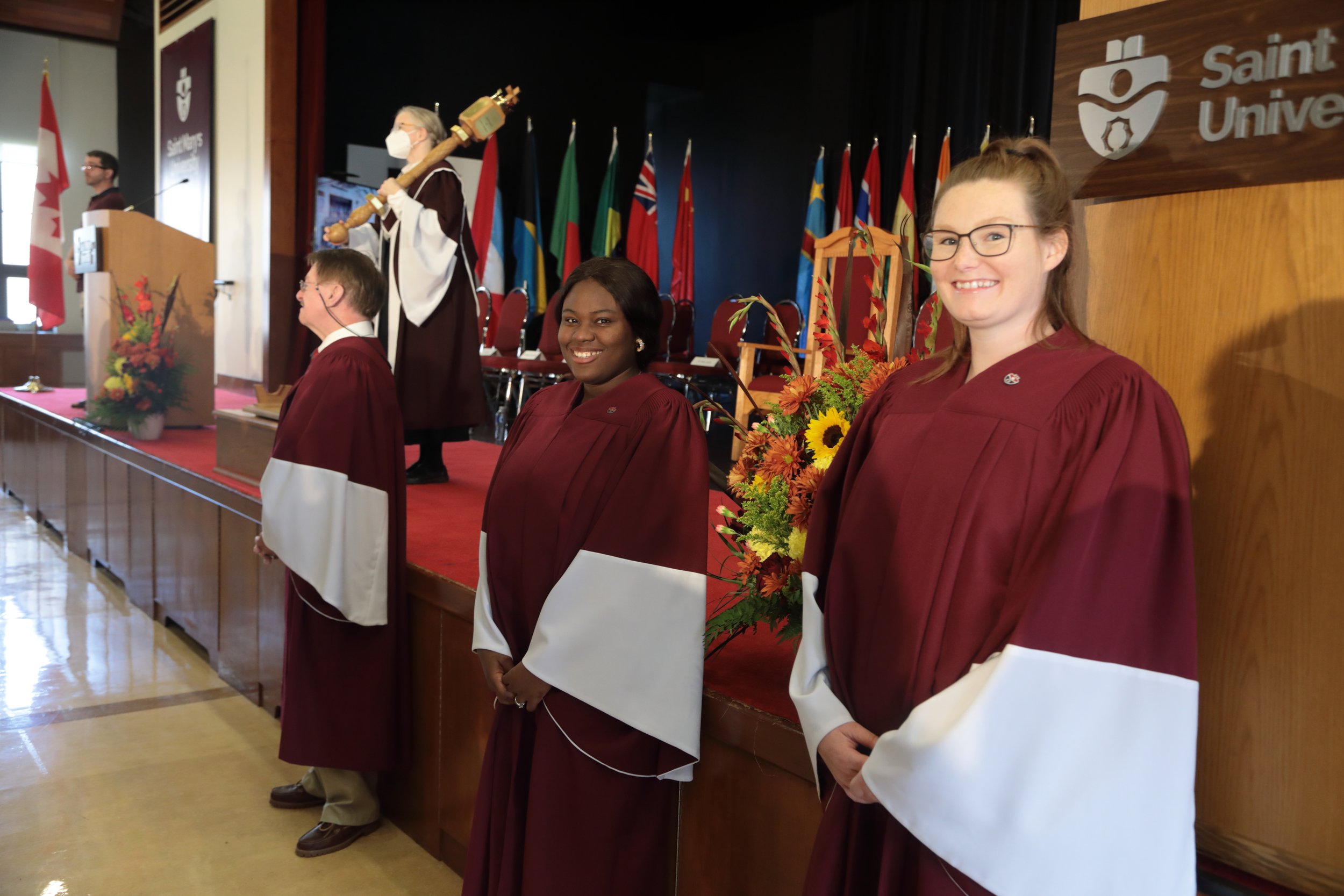


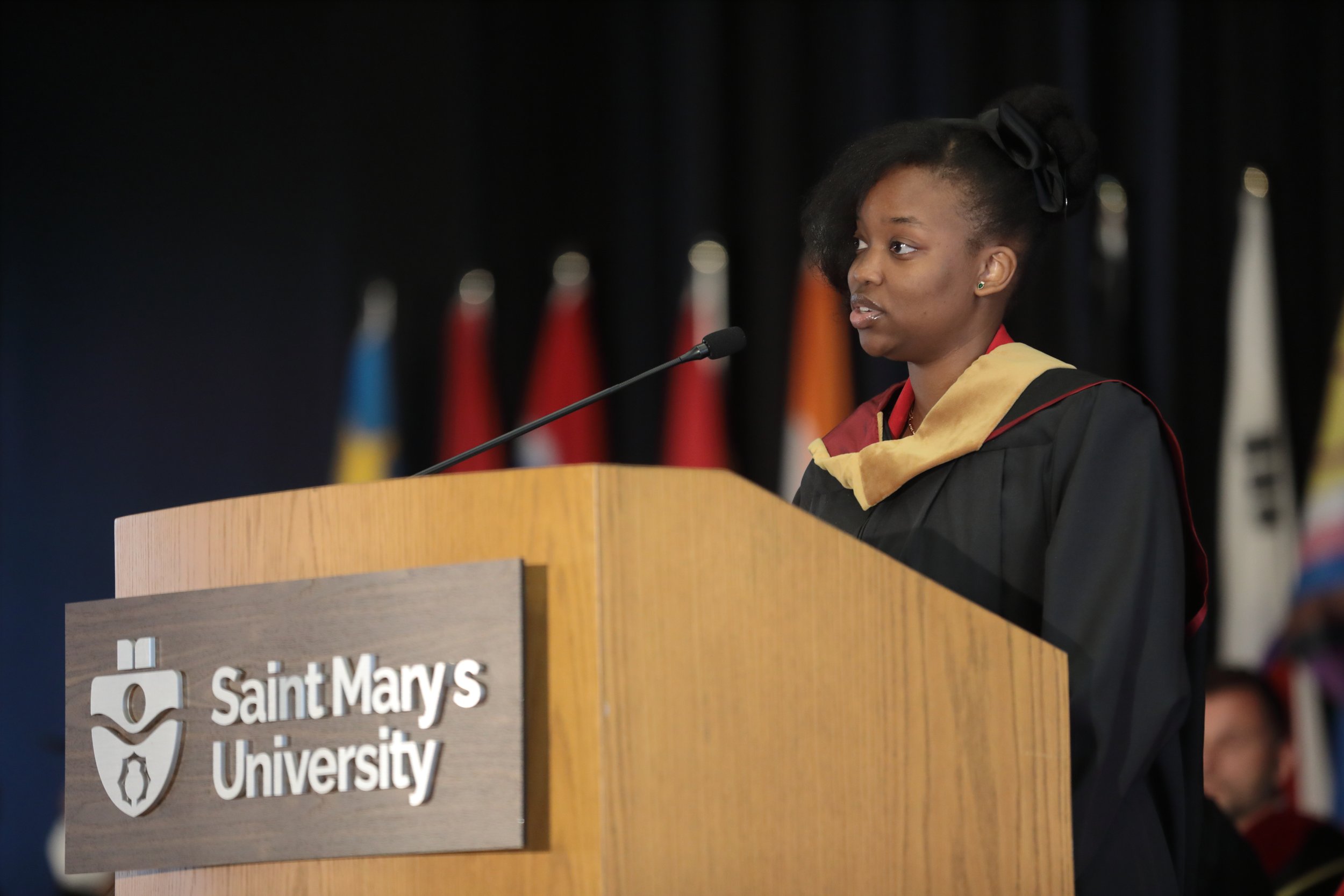
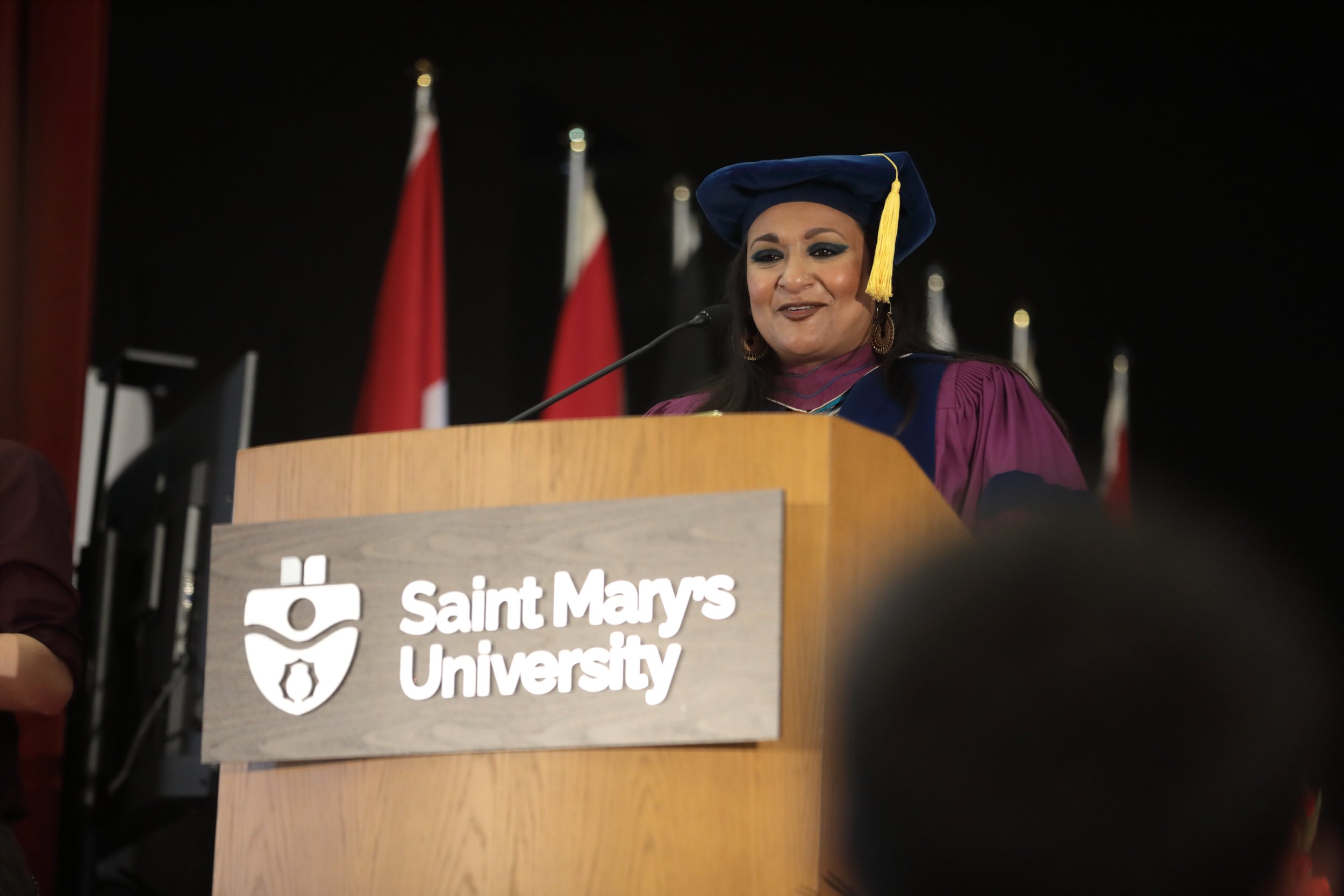
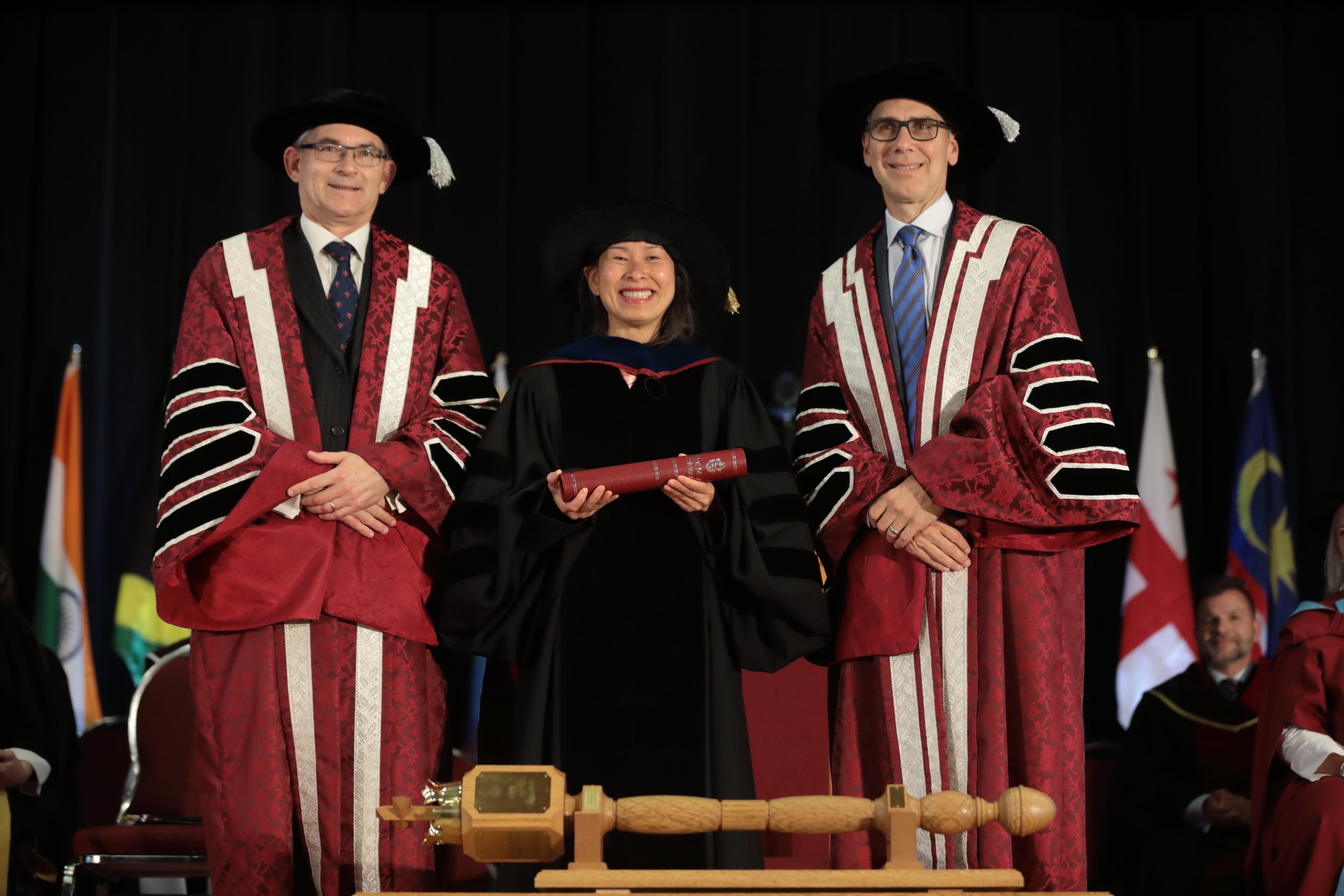


The university community celebrated more than 300 graduates at Fall Convocation on September 22 and 23. Among the graduates were several award winners and an inspiring speech by the honorary degree recipient, Dr. Kim Thúy.

Thúy shared stories of her family’s arrival to Canada, and the kindness that has helped shape her success, to an auditorium of Arts and Science graduates on Saturday afternoon where she was awarded a Doctor of Letters, honoris causa. The Vietnamese author has made a significant impact on Canadian literature, earning the Governor General’s Literary Award in 2010 for her novel about her experience as a refugee.

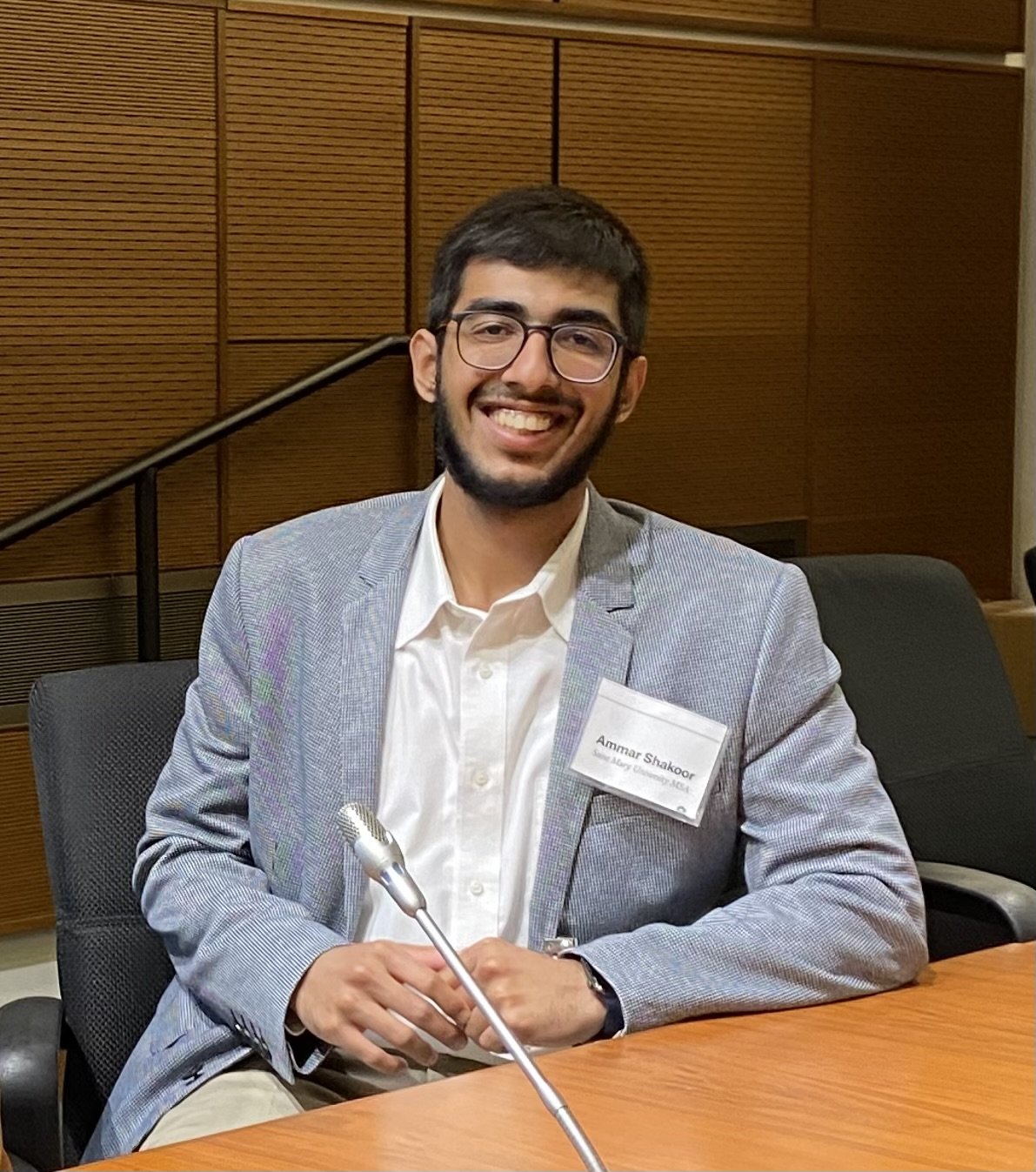
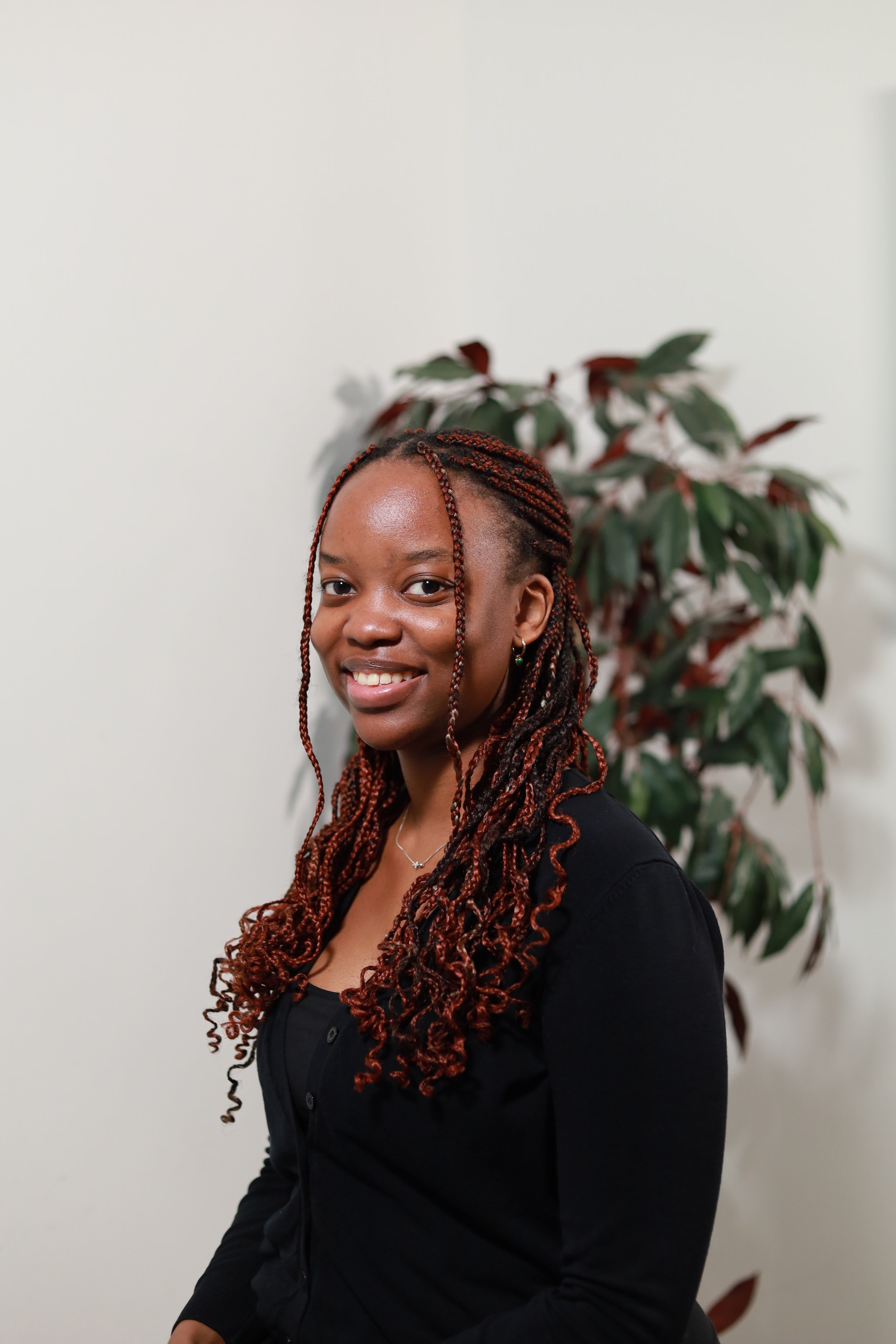
Representing fall graduates were Valedictorians Myles Davidson, Ammar Shakoor and Stephanie Kansiime.
“Let us always continue to do the things we love, and fight for the things we believe in. Let us give back to our community by sowing seeds of kindess and compassion,” said Shakoor as he addressed an eager group of Bachelor of Commerce graduates. Each valedictorian received the John BA’81 DCL’17 and Heather Fitzpatrick Valedictorian Award.
Other award winners included Richard Abbass and Christopher Fanning, who received Master of Finance Gold Medals, and Stephen Gill, who received the Pobihuschy Medal for the Master of Management - Co-operatives and Credit Unions, a program which celebrated its’ 20th anniversary over the weekend. PhD graduates Abdlmutaleb Boshanna and Kerry Ann Watson were recognized with the Durland Family Doctoral Convocation Award.
Two faculty members, Dr. Bruce Anderson and Dr. Cathy Driscoll, were granted the status of Professor Emeritus at convocation.
Dr. Bruce Anderson began teaching at Saint Mary’s in 2001, during which time he taught political science courses and then business law to over 5,000 undergraduate and graduate students in the Sobey School of Business. He served as Chair of the Department of Accounting, the Bachelor of Commerce Program Coordinator and a member of Saint Mary’s Faculty Union’s Grievance Committee. He received the SMUSA Teaching Excellence Award in 2007. Bruce’s research is interdisciplinary and includes work in legal theory/legal philosophy, economics, ethics and visual art. He is one of the leaders in investigating legal reasoning. His scholarship includes three books, forty book chapters and scholarly articles, review articles, magazine articles, book reviews for publishers, conference and seminar presentations and sculpture installations.

Dr. Cathy Driscoll developed and taught the first business ethics courses in the BComm and MBA programs and has integrated community-based service learning into her MBA courses since 1994. Beginning in 1996, she initiated, developed, and managed the MBA Internal Case Competition, which later became the annual Bob Shaw Case Competition. In 2017, she received the Atlantic Schools of Business Award of Excellence for Outstanding Service to Business Scholarship. Cathy has an international reputation as a scholar who has bridged business studies with religion and spirituality. Her recent work has focused on institutional moral disengagement in the context of clergy sex abuse. Cathy has also been an active contributor to many university, school, and departmental committees over the past 30 years and has been committed to outreach in the business community through board memberships, speaking engagements, and training seminars.
Recordings of the convocation ceremonies are available to watch at smu.ca/graduation. See the full photo album on the SMU Halifax Facebook page.
Dr. Joshua Nichols to deliver the 2023 Marshall Lecture in Public Philosophy

Dr. Joshua Nichols
Questions of truth and reconciliation in law will be the focus of the 2023 Marshall Lecture in Public Philosophy, taking place September 28 at Saint Mary’s University.
Dr. Joshua Nichols of McGill University’s Faculty of Law will deliver this year’s lecture, titled “Undoing the Colonial Double-Bind: Interpretation and Justification in Aboriginal Law”. Dr. Nichols is Métis from Treaty 8 Territory in British Columbia. His research centers on the legacy of British Imperialism and the conflictual constitutional relationship between Canada and Indigenous peoples.
Nichols is the author of A Reconciliation without Recollection: An Investigation of the Foundations of Aboriginal Law in Canada (University of Toronto Press, 2020), which has been lauded as a “truly significant contribution” to the understanding of reconciliation today.

In the book, he "investigates the idea of reconciliation through a brilliant exploration of its use and misuse in Canadian legal discourse," says a review by Mark D. Walters, Dean and Professor of Law, Queen’s University. "In eloquent and powerful terms, he argues that genuine reconciliation demands that we remember our shared histories and see in law redemptive possibilities based on the kind of intercultural dialogue and respect that shaped treaty relationships in the past.”
In his lecture in Halifax/Kjipuktuk, Nichols will discuss the idea that Aboriginal law in Canada is caught in a colonial double-bind. On the one hand, the courts have acknowledged the pre-existing sovereignty of Indigenous peoples. On the other hand, the courts have accepted the sovereignty and legislative power of the Crown as against and over Indigenous peoples. By appealing to legal reasoning found within relevant case law, including the Quebec Court of Appeal’s recent reconsideration of Van der Peet in the C-92 Reference, Nichols aims to provide a way to deal with the double-bind using legal tools the courts already possess.
“The Marshall Lecture in Public Philosophy has been a great forum for bringing academics to campus to discuss topics of interest to the general public,” says Dr. Todd Calder, a faculty member in the Department of Philosophy and Chair of the Marshall Lecture Committee.
“We are particularly excited this year to have a speaker whose presentation is directly relevant to questions of truth and reconciliation, in the days just prior to the National Day for Truth and Reconciliation.”
The annual lecture series tackles complex contemporary questions through a philosophy lens. Last year, Dr. Hallie Liberto of the University of Maryland discussed “Three kinds of victim blame: and what is wrong with each?” Previous speakers have explored such topics as climate change ethics, the dilemmas of protecting religious freedoms, and the delegation of human decision-making to machines.
This free public lecture is presented by the Department of Philosophy, with support from The Rowland Marshall Public Philosophy Lecture Fund. It begins at 7 p.m. in the Scotiabank Conference Theatre in the Sobey School of Business, with a reception to follow. All are welcome to attend.
Fall Valedictorian: Stephanie Kansiime, Bachelor of Science

Stephanie Kansiime, Valedictorian for the Faculty of Science
Quoting my mother’s wisdom, “Everything you do, do it well. Your work is the only thing that speaks of and for you when you're not in the room.”
These words have guided my journey from my birthplace in Uganda to my pursuit of a brighter future in Canada, which eventually led me to Saint Mary's University.
My lifelong aspiration, both personally and professionally, is to make a positive impact on people’s lives. To pursue this goal, I actively engaged with the international community throughout my academic career. These interactions have transformed me into a more open-minded and versatile individual, preparing me for a future where I intend to work on a global scale. The invaluable skills I have acquired, such as leadership and effective communication, have been nurtured here at Saint Mary’s, which I consider a cultural melting pot.
My defining traits include an insatiable curiosity and a deep commitment to serving my community. These qualities guided me toward a career in biology, with a specific focus on immunology research. Since high school, I have volunteered at hospitals in my home country and secured an internship studying biopolymers. Armed with the knowledge and skills gathered throughout my degree and work experiences, I am poised to innovate and collaborate with multidisciplinary teams to develop efficient solutions, benefiting both my Canadian and Ugandan communities, with a long-term vision of global impact.
I owe my success not only to my dedication but also to the unwavering support of those around me. My mother’s sacrifices, my father’s steadfastness during challenging times, and the constant encouragement from my siblings Kristen and Andrew have been my pillars of strength. Additionally, the support of my parents’ friends and extended family has played a crucial role in my journey. Last, but not least, the faculty and friends I’ve encountered during my time at Saint Mary’s have been instrumental in my growth and success. To all of them, I express my deepest gratitude.
In the wise words of my mother, “It is not always the smartest people who achieve success, but the people who are organized and willing to put in the effort.” These words continue to motivate and inspire me on my path to greatness.
Q&A with Stephanie
Hometown: I grew up in Kampala Uganda, but my native village is in Hoima, Uganda.
Degree: Bachelor of Science majoring in Biology
Favourite class: Cell Biology. It still fascinates me today that cells as multiple single units work together in massive numbers to make me a functional human today typing this out and for you to read and comprehend it. The human body is remarkable!
Why did you choose Saint Mary’s?: Saint Mary’s offered me cultural diversity. So much as I was coming to Canada, I would experience a host of different cultures and nationalities while I pursued my education. I was also interested in the professor-student ratio, the professors would easily be accessible for help.
What are your future plans?: I intend to pursue a Masters in Immunology or Biomedical Engineering. Following that, I will pursue research in academia, focusing on immunology because of my interest in communicable diseases that still plague my home country.
Favourite spot at Saint Mary’s: My first room at the Rice residence! I was a little timid when I first arrived in Halifax, but my room on the 17th floor gave me a great view of campus ongoings and games and I loved people-watching!
Advice for new students that you wish you knew when you started university: When choosing electives, be explorative. My second favorite class is Astronomy, which I have always been passionate about but did not necessarily want to pursue as a degree. There is a whole host of very interesting classes far from your main focus. Make room to have fun with your degree 🙂. Always ask for help—even when you think you know, there might be a different perspective that will enhance your work.
Fall Convocation takes place on September 22 and 23, 2023. Watch the ceremonies live at smu.ca/graduation or on our Facebook page.
Fall Valedictorian: Myles Davidson, Master of Applied Psychology

Myles Davidson BA’21, Valedictorian for the Faculty of Graduate Studies and Research
Myles is an emerging research professional who was raised in St. Peter’s on the island of Cape Breton. He obtained his Bachelor of Arts in Criminology (Honours) and Psychology from Saint Mary’s University in 2021. Having a strong passion for both research and academia, Myles chose to stay at Saint Mary’s and enroll in the Master of Applied Psychology program. In his seven years at Saint Mary’s, Myles has been involved in various research projects centered on the prevention of sexual abuse, child sexual abuse and substance abuse.
With ten publications to his credit, Myles’ research contributions have led to real-world changes, most notably as a member of the research team that informed the current vaping legislation in Nova Scotia.
Myles has participated in several academic conferences to date, with his presentation at the 2023 Canadian Psychological Association conference winning second place amongst all graduate presentations. In addition to his research, Myles has been a teaching assistant at Saint Mary’s for the last five years specializing in research methods and statistics. For this work, he was recognized with an excellence in teaching award from the Council of Canadian Departments of Psychology in 2022. During his master’s degree, Myles received research funding from several notable organizations including Research Nova Scotia and the Social Sciences and Humanities Research Council.
Aside from his education, Myles is an accomplished professional musician. To date, he has released two studio albums and has performed extensively throughout the Maritimes. Some of the highlights of his career include performing at the Celtic Colours International Festival and the East Coast Music Awards, as well as having one of his songs featured in a museum in Barra, Scotland. Despite the demands of school, Myles has ensured that music continues to be a central focus in his life. In the future, Myles intends to pursue a doctorate in forensic psychology and carve out his own path in academia by conducting impactful research.
Q&A with Myles
Hometown: St. Peter’s, N.S.
Thesis title: Consent in vanilla and BDSM sexual encounters: conceptualization, violations, and repercussions
Thesis description: This thesis sought to understand how consent is negotiated in BDSM encounters, whether practicing in an organized BDSM community is protective against consent violations, and whether having an interest in sexual sadism is a reliable predictor of consent violation perpetration.
Why did this type of research appeal to you? A lot of my undergraduate and graduate work was in sexual abuse prevention, specifically, the role that sexual sadism plays in sexual abuse perpetration. I believe it is critical to understand what causes sexual abuse and what researchers can do to prevent it. Additionally, since there has been very little research conducted on BDSM, I was motivated to contribute in this area.
Why did you choose Saint Mary’s for your graduate studies? I completed my undergraduate degree at SMU and loved every minute of it. The community at SMU is supportive, collaborative and welcoming no matter who you are and what your interests are. When I chose to pursue a master's degree in forensic psychology, I knew there was no better place for me.
Any other successes you’d like to share, or difficulties you were able to overcome? In terms of successes, SMU not only allowed me to conduct research that led to publications, but it also allowed me to work on projects that had a positive impact on the lives of others. In terms of difficulties, I spent the end of my undergraduate degree and the start of my graduate degree in the height of the pandemic. I commend SMU for how they went above and beyond to ensure that no student was left behind.
Future plans? I plan to pursue my PhD in forensic psychology, followed by a career in academia.
Any advice for new students?
Build strong connections with your professors. A seemingly inconsequential conversation can lead to the opportunity of a lifetime.
Don't be afraid to step out of your comfort zone.
Most importantly, have fun with your degree. If you do what you love, you'll love what you do.
Fall Convocation takes place on September 22 and 23, 2023. Watch the ceremonies live at smu.ca/graduation or on our Facebook page.
New Self-Service Banner 9 features will simplify name changes, self-identification

Enrolment Services is proud to share that the Student Systems and Strategic Projects team has taken steps to improve and enhance Self-Service Banner 9 (SSB9) as it pertains to personal autonomy, including name changes and self-identification.
The Studio for Teaching and Learning (The Studio) has developed an excellent instructional resource that reflects SSB9’s new capabilities. The previous process of submitting a preferred name change form is no longer required. Please refer to the Preferred Name Change Guide found on The Studio site or access it through the Resources section of the 2SLGBTQIA+ Community Hub for instructions.
We are also pleased to announce that further upgrades are happening this term, including:
1. Confidential and voluntary self-identification opportunities
Having a more fulsome view and understanding of our dynamic community will allow Saint Mary’s to better support and further an equitable, diverse and inclusive institution. Self-identification opportunities are confidential and completely voluntary. Data reports will focus on big-picture snapshots of populations and will not identify individuals. These reports will help drive initiatives, strategies and systems that better reflect and serve Saint Mary's students.
2. Gender identification opportunities
In offering students an opportunity to identify with a gender descriptor, Saint Mary’s will be better able to provide services, enhance interactions and support consistencies in how we engage with students. Gender identification will be a voluntary option for students using Self-Service Banner. As we capture data on population representations, Saint Mary’s will be in a position to improve its awareness and continue strengthening a community of belonging.
We look forward to launching these enhanced capabilities this fall. We welcome feedback and questions; please connect with Enrolment Services via registrar@smu.ca.
Researchers use the James Webb Space Telescope to view growing “baby galaxy”
Team co-led by Saint Mary’s astronomer uses the James Webb Space Telescope to get a detailed view of a “baby galaxy” undergoing an intense growth spurt

Artist conception of the James Webb Space Telescope. Credit: NASA GSFC/CIL/Adriana Manrique Gutierrez
Answering the question of how galaxies form and grow over time has been a driving reason for the construction of the James Webb Space Telescope (JWST).
Now, a team of researchers led by graduate student Yoshi Asada and Dr. Marcin Sawicki at Saint Mary’s University used JWST to make an exciting discovery that will help explain the structure of the Universe. They discovered a highly magnified “baby galaxy” which is being assembled from “building blocks” created early in the history of the Universe. This galaxy is a perfect poster child of a galaxy’s early stages of growth, and its study will help scientists better understand this crucial part of a galaxy’s life. The galaxy is the result of an ongoing collision and merger of two smaller galaxies named ELG1 and ELG2. The remnants of these two smaller galaxies can still be seen in the JWST images.
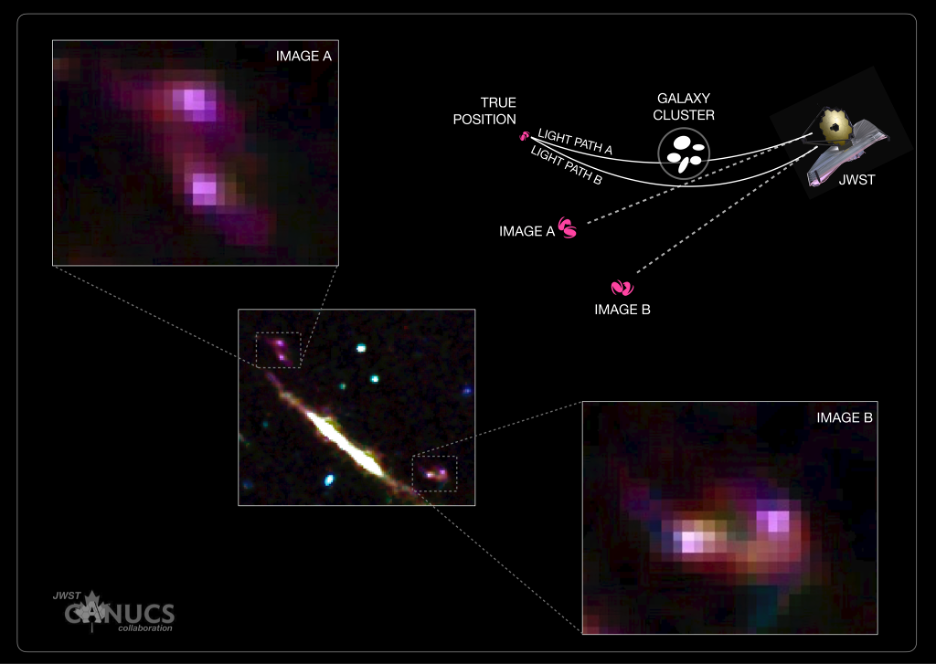
The graphic shows the two images (Image A and Image B) of the merging galaxy taken by JWST. The two images of the same system are produced by Einstein’s gravitational lensing effect, which here is caused by the bending of light around the mass concentration of the galaxy cluster MACS 0417 that lies between the observers and the merging galaxy pair. Light from the distant galaxy pair takes two separate pathways to reach JWST. This results in two images of the merging galaxy system. The purple hue of the light coming from the merging galaxies is due to the hydrogen gas within them that’s made to glow by the large numbers of hot young stars that are forming within the young galaxies.
Image credit: Yoshi Asada, Marcin Sawicki and the CANUCS collaboration.
The baby galaxy discovered by the astronomers is particularly exciting because its JWST images have been highly magnified by a phenomenon called Einstein’s gravitational lensing effect. Due to the presence of other massive galaxies that lie between the telescope and the target baby galaxy which act like a cosmic magnifying glass, the baby galaxy’s light has been warped.
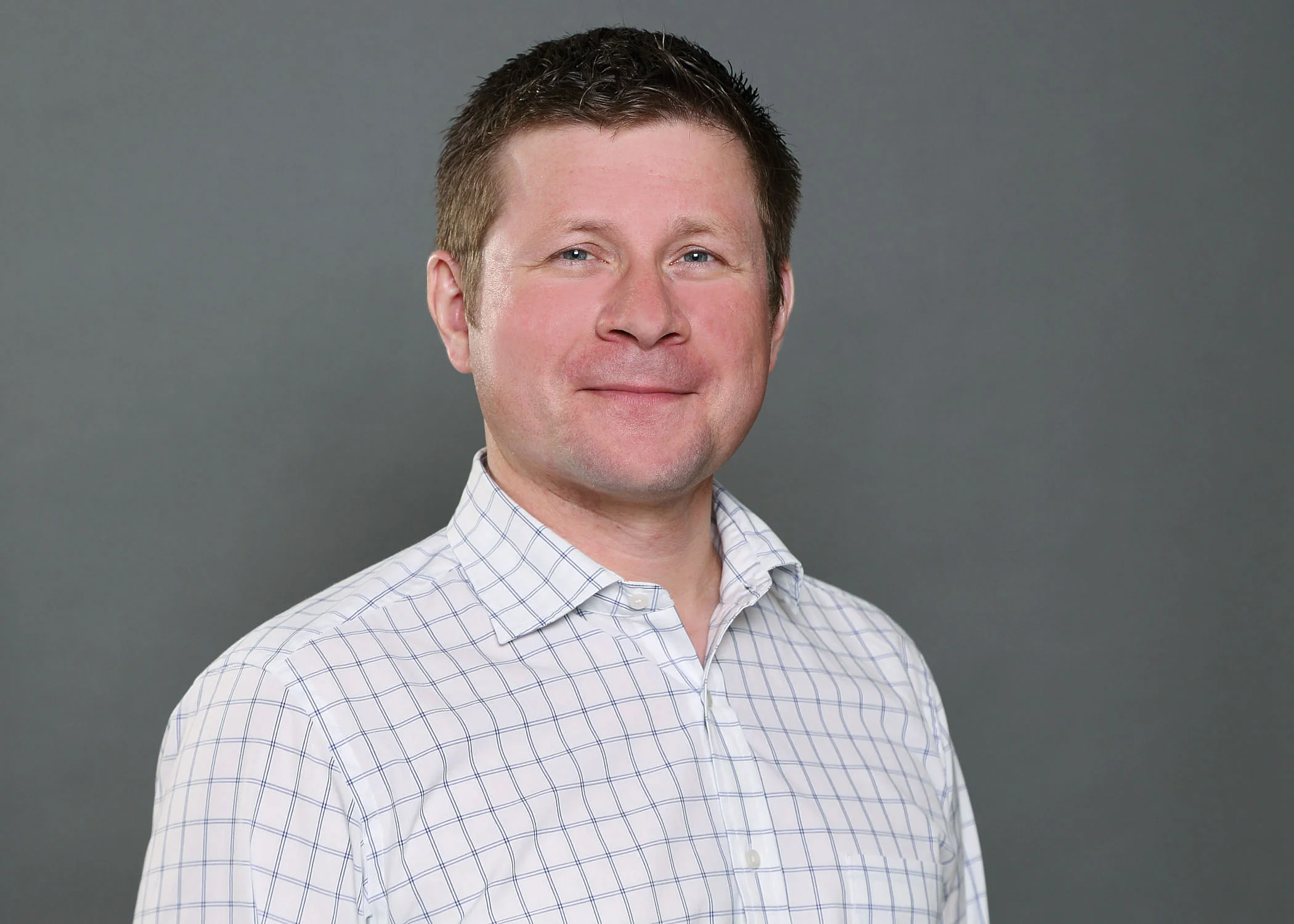
Dr. Marcin Sawicki
There’s an upside, notes Dr. Sawicki, Canada Research Chair and Professor of Astronomy and Physics. “Because of Einstein’s lensing effect, we see the galaxy twice in two slightly different places in the sky. It’s like seeing a mirage in the desert – we see the same image twice because light takes two paths to reach our eye.” The galaxy’s light also appears up to 15 times brighter, making it easier to observe and study.
The images of the baby galaxy were taken earlier this year using the NIRCam instrument aboard the JWST, which was launched in December 2021. The astronomers’ study of this system was published recently in the peer-reviewed journal Monthly Notices of the Royal Astronomical Society.
Combining the power of JWST and gravitational lensing has allowed the astronomers to get an intensely close look at this poster-child baby galaxy. “Studying this object has allowed us to gain some important insights about how young galaxies form. We learned that they get built from the merging of smaller sub-components and that during their assembly, the galaxies can undergo intense growth spurts of star formation,“ says Asada, a Kyoto University PhD student who is the lead author of the study and who is spending a year in Canada working on JWST data with Canadian astronomers.
Both Asada and Sawicki are members of the CANUCS collaboration which uses the power of JWST boosted by Einstein’s gravitational lensing to study the details of some of the smallest, youngest, and most distant galaxies in the Universe. “The combination of JWST and gravitational lensing is letting us get a glimpse of the early Universe that was not possible until now. With our JWST CANUCS observations in hand, we look forward to many more discoveries about how galaxies such as our own Milky Way grew over cosmic time,” adds Dr. Sawicki.
Related links: