Commemorating the National Day for Truth and Reconciliation

In honour of the National Day for Truth and Reconciliation, administrative offices will be closed, and there will be no classes or labs on Friday, September 29.

The National Day for Truth and Reconciliation responds to one of the Calls to Action from the Truth and Reconciliation Commission, which calls for a day to “honour survivors, their families,  and  communities, and ensure that public commemoration of the history and legacy of residential schools remains a vital component of the reconciliation process.” 

September 30 is also known as Orange Shirt Day , which began in 2013 to honour Indigenous children forced to leave their families to attend residential schools. Orange t-shirts are available for purchase at the Campus Store, with proceeds going to a local Indigenous organization.

To help commemorate this day and to provide opportunities for learning, reflection and action, the following events will take place:

Events

Orange background with text: Truth and Reconciliation, what does it mean to you?

Reconciliation, what does it mean to you?
September 27, 2023
10 a.m.
Loyola Colonnade

Stop by the Loyola Colonnade (across from Tim Horton’s) and share what reconciliation means to you. The Residence Life Multicultural Committee will display input from the SMU community on a display board of mini orange t-shirts.


Reflective Campus Walk
September 28, 2023
2-3 p.m.
Meet at the O’Donnell Hennessey Student Centre
All members of the Saint Mary’s community are invited to join Elder Debbie Eisan for a reflective walk around campus.


Moving from reconciliation to reconciliACTION: Engaging and supporting Indigenous communities
September 28, 2023
2-3 p.m.

Webinar

Join us for this panel discussion with Indigenous leaders and allies alike as we ask the question: where should organizations focus their resources and energy to ensure the longevity and health of those connections and start to create safer working environments for Indigenous employees?

Registration is free for anyone with a smu.ca email address.


The Marshall Lecture in Public Philosophy
September 28, 2023
7-8:30 p.m.
Scotiabank Conference Theatre

Undoing the Colonial Double-Bind: Interpretation and Justification in Aboriginal Law

Dr. Joshua Nichols (McGill University, Faculty of Law) is Métis from Treaty 8 Territory in British Columbia.

In this lecture, Dr. Nichols discusses the idea that Aboriginal law in Canada is caught in a colonial double-bind. On the one hand, the courts have acknowledged the pre-existing sovereignty of Indigenous peoples. On the other hand, the courts have accepted the sovereignty and legislative power of the Crown as against and over Indigenous peoples. By appealing to legal reasoning found within relevant case law, including the Quebec Court of Appeal’s recent reconsideration of Van der Peet in the C-92 Reference, Nichols aims to provide a way to deal with the double-bind using legal tools the courts already possess.

Read more about this year’s Marshall Lecture in Public Philosophy.


Resources and related links

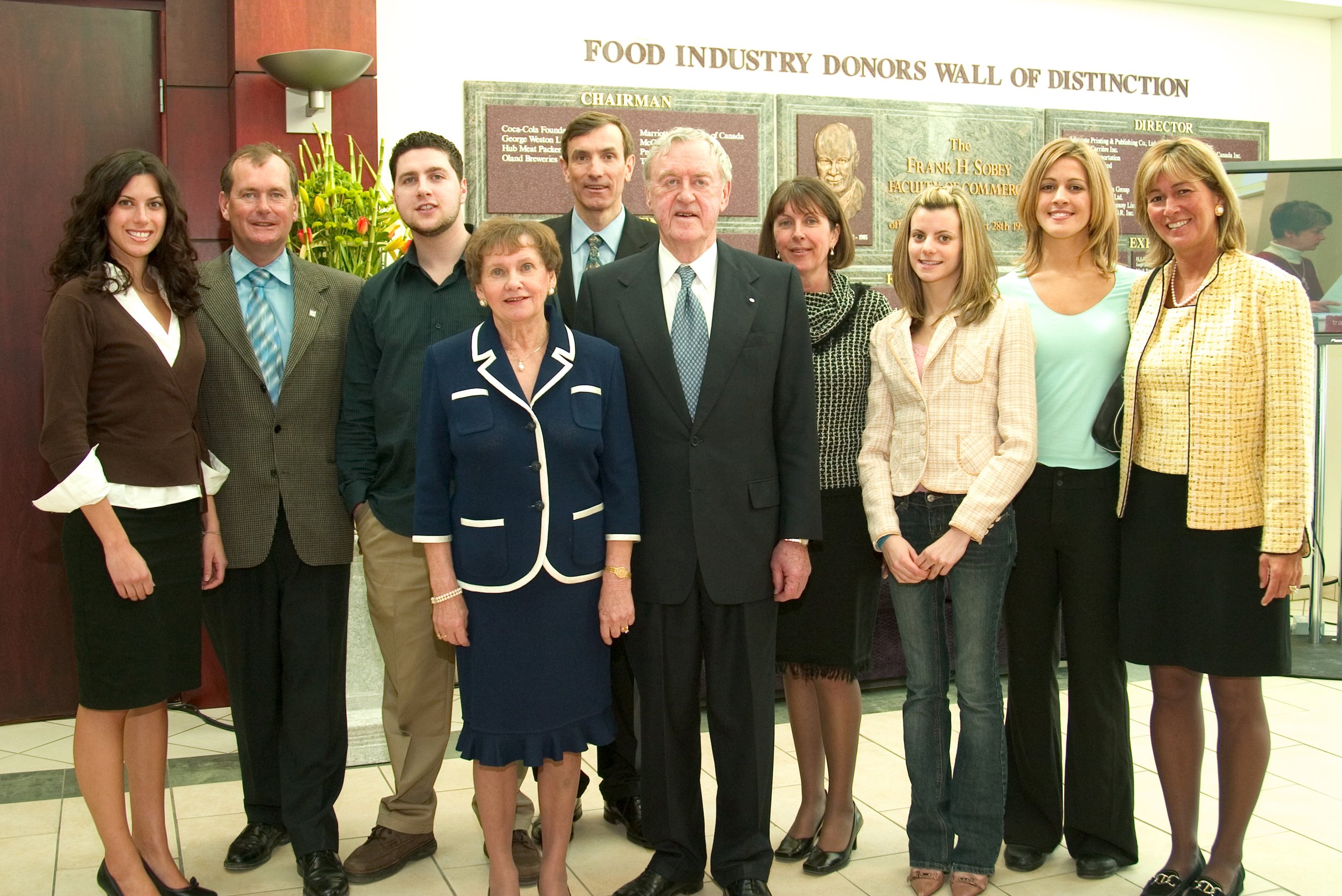
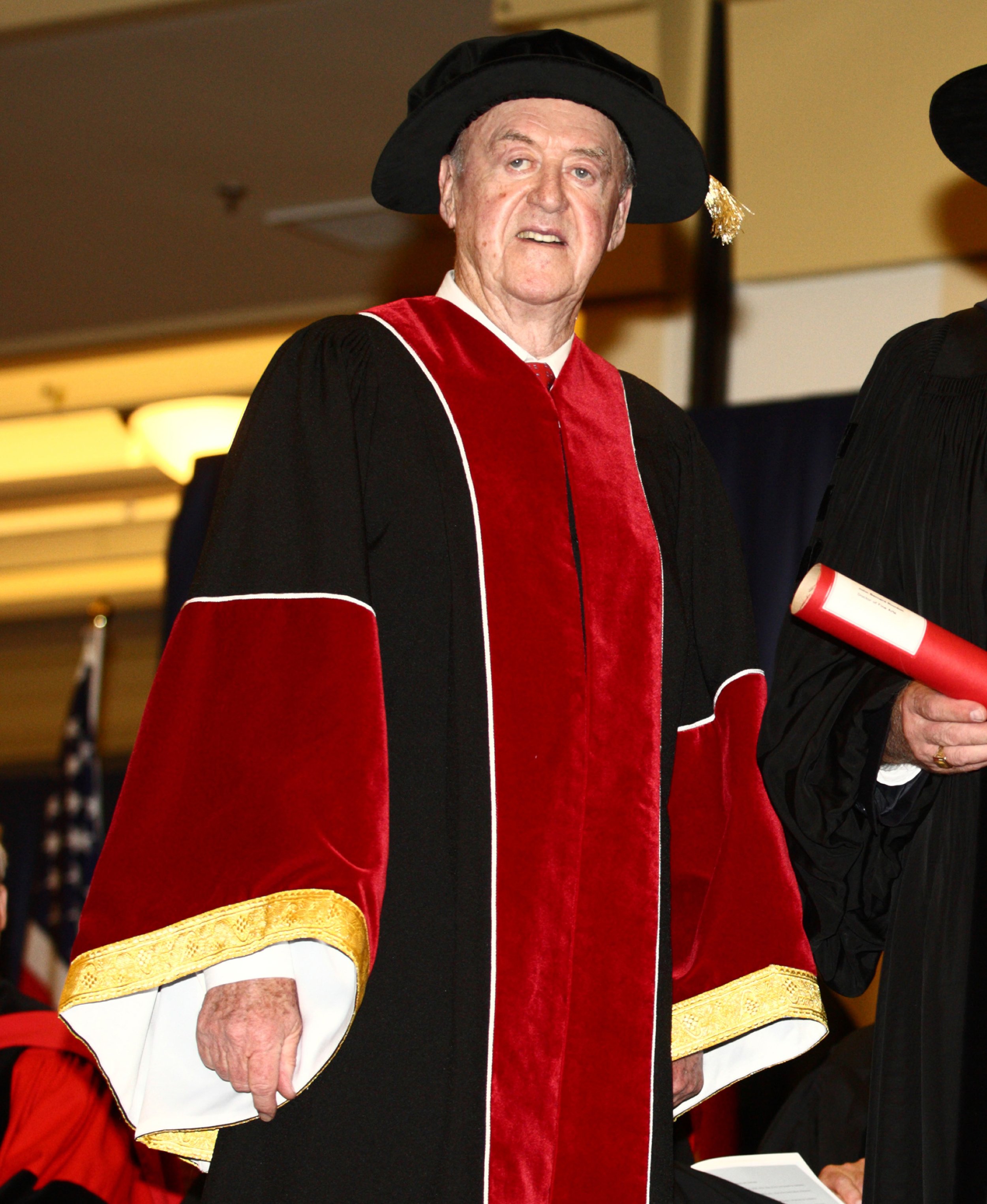
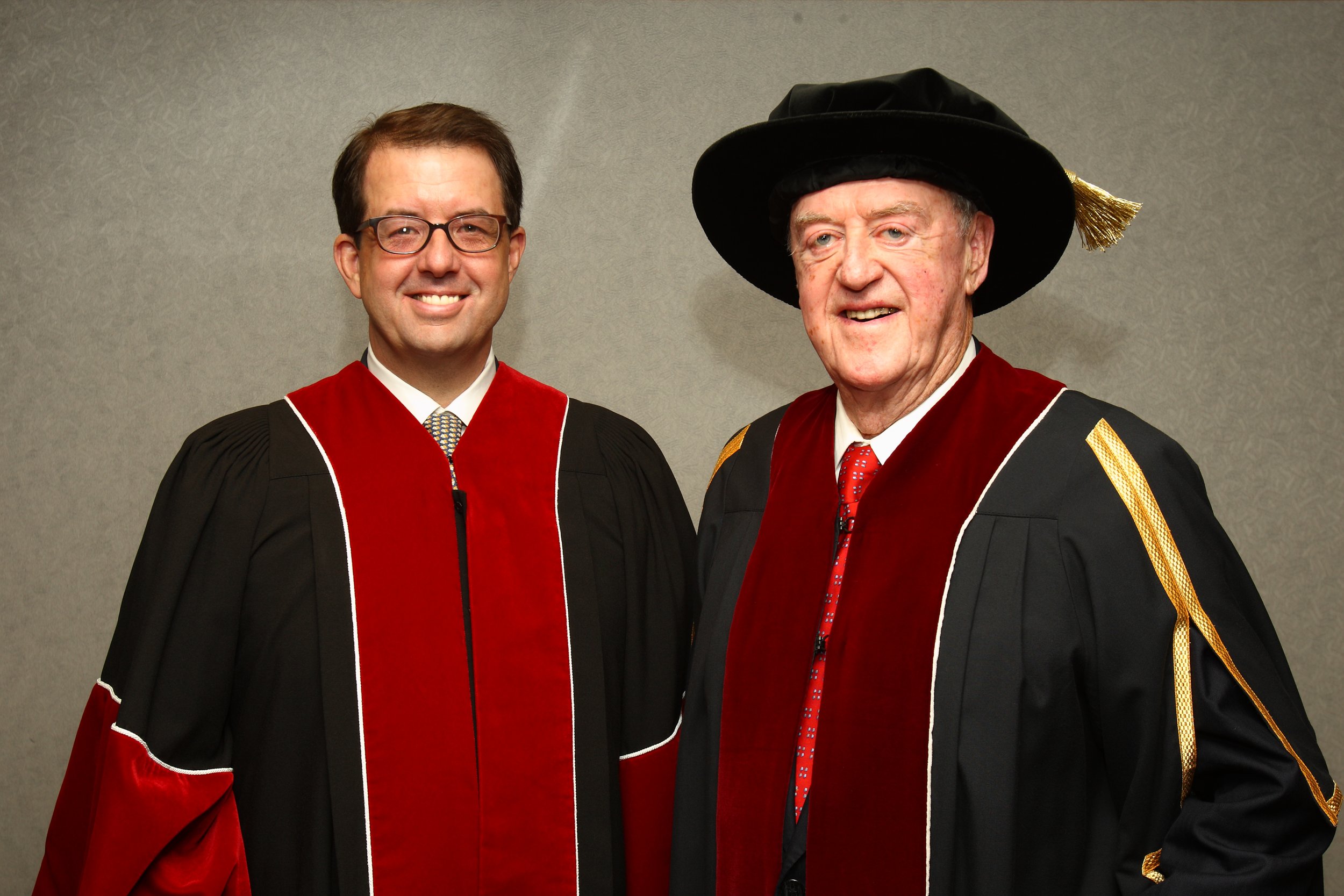
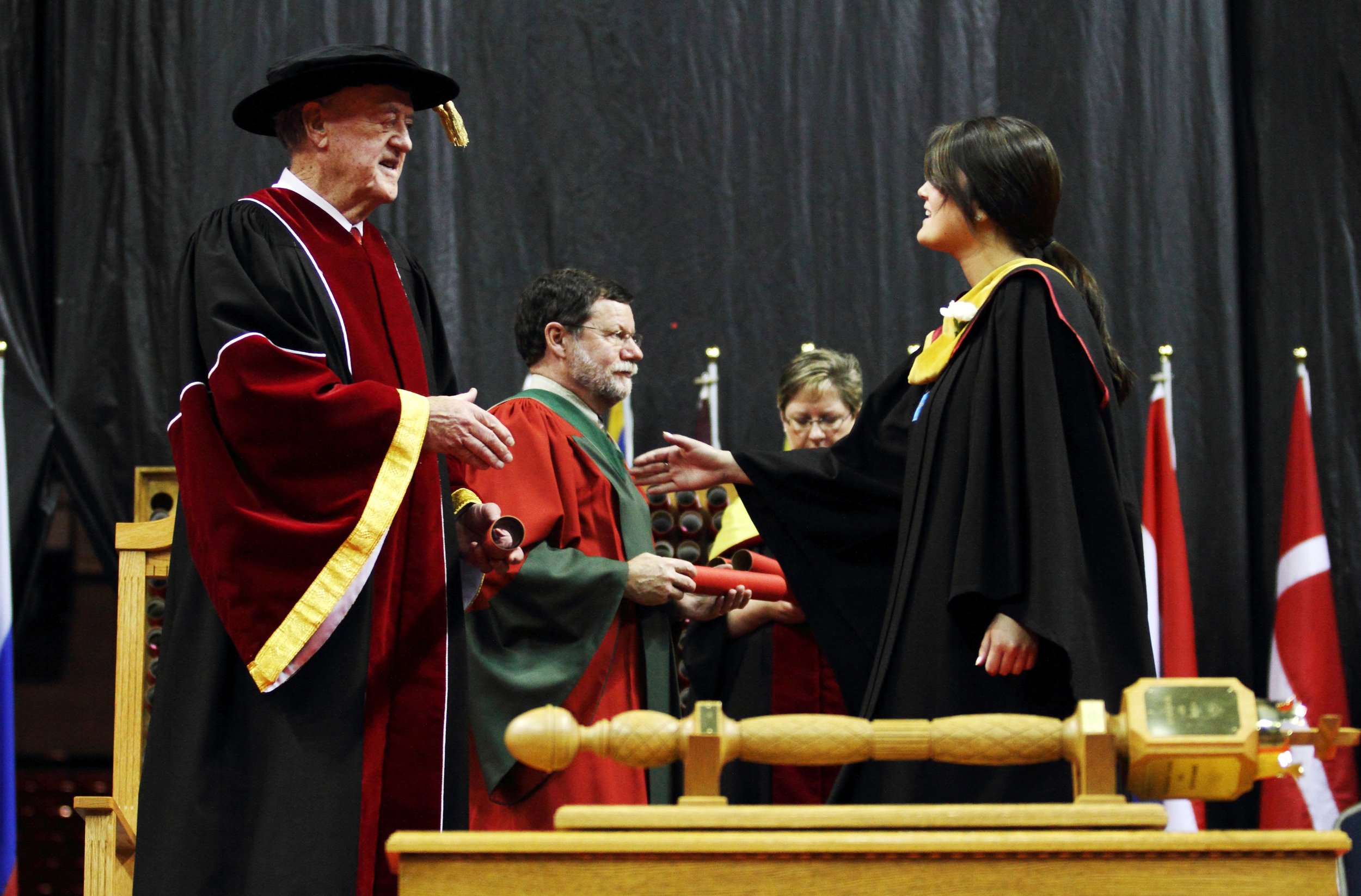
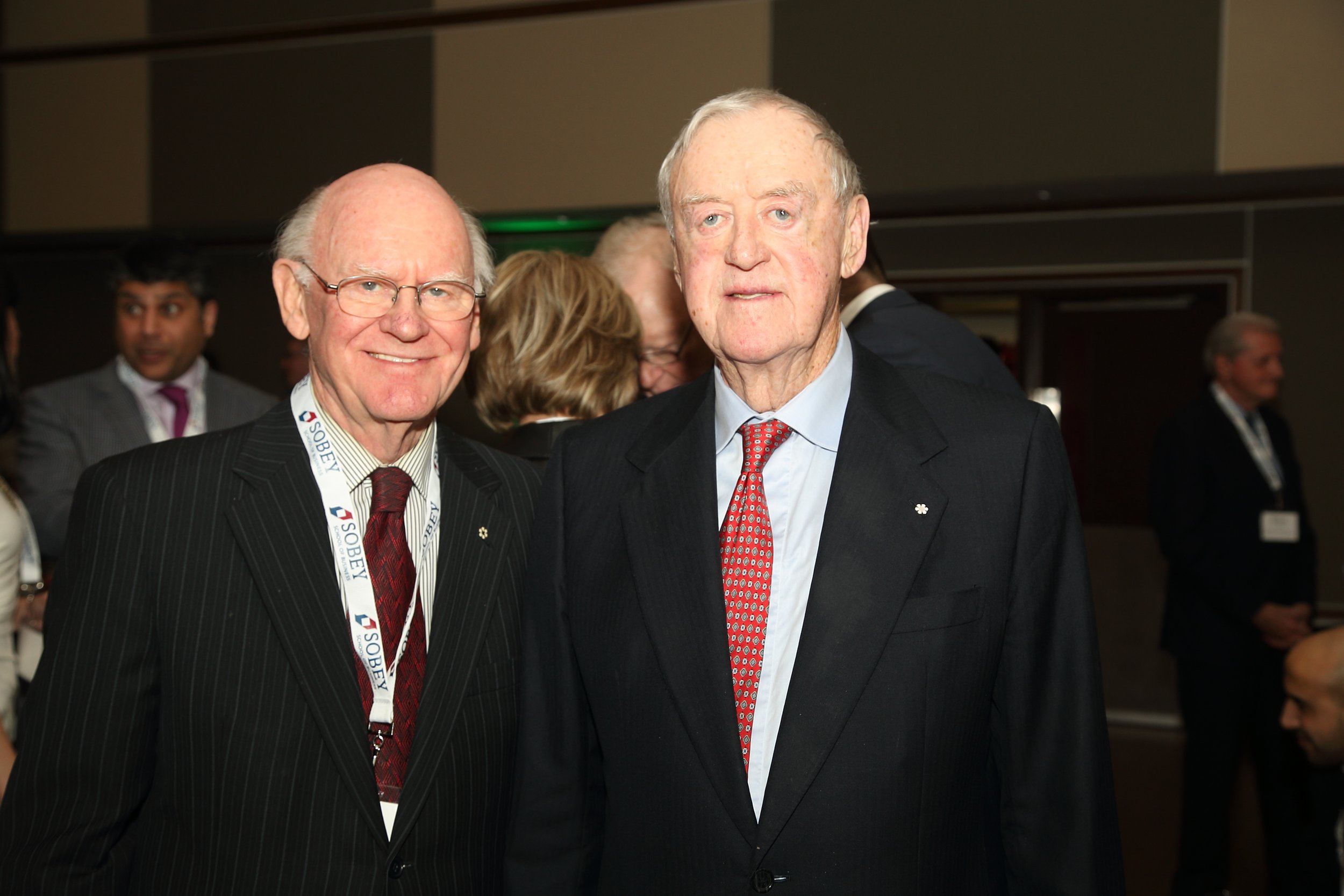
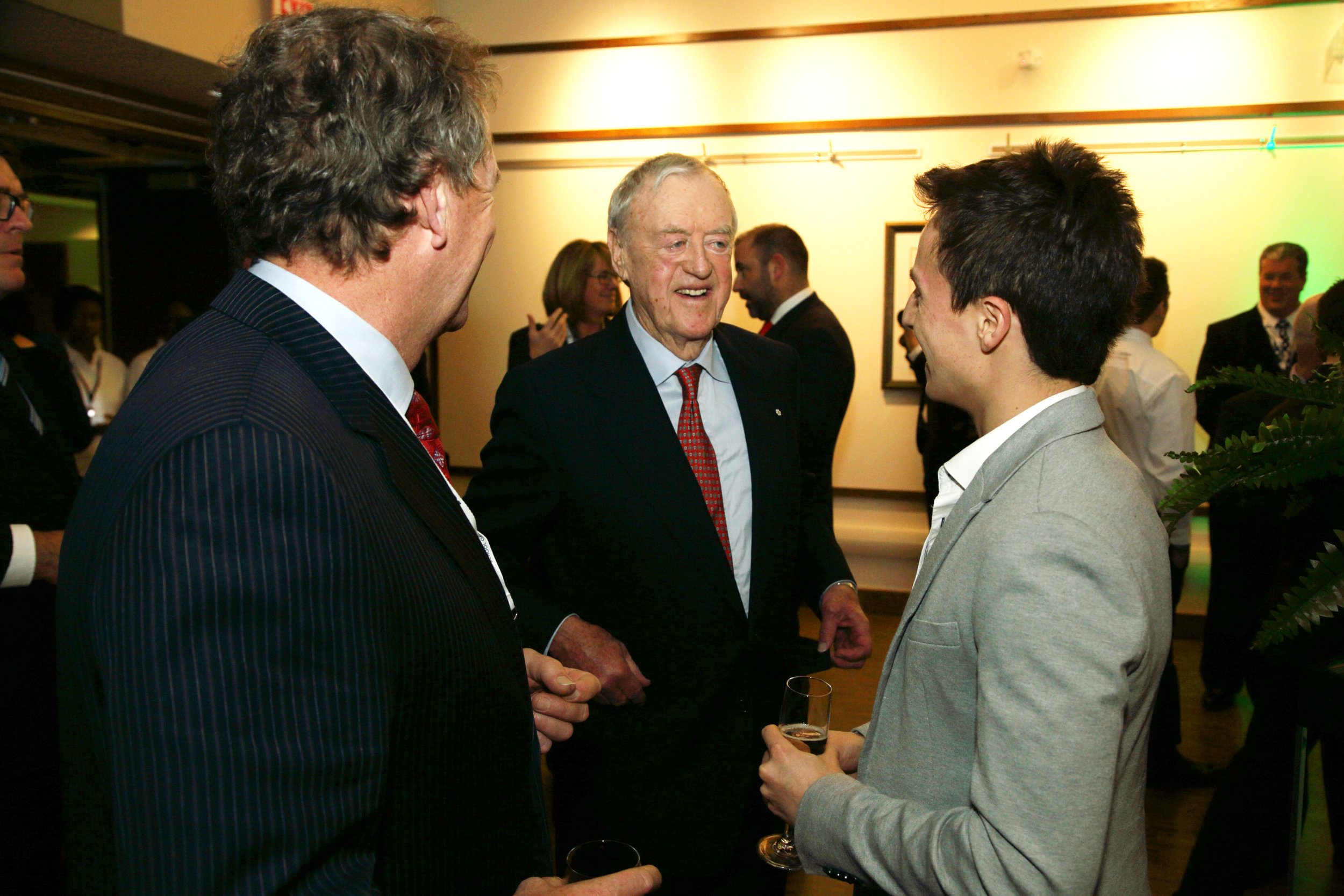
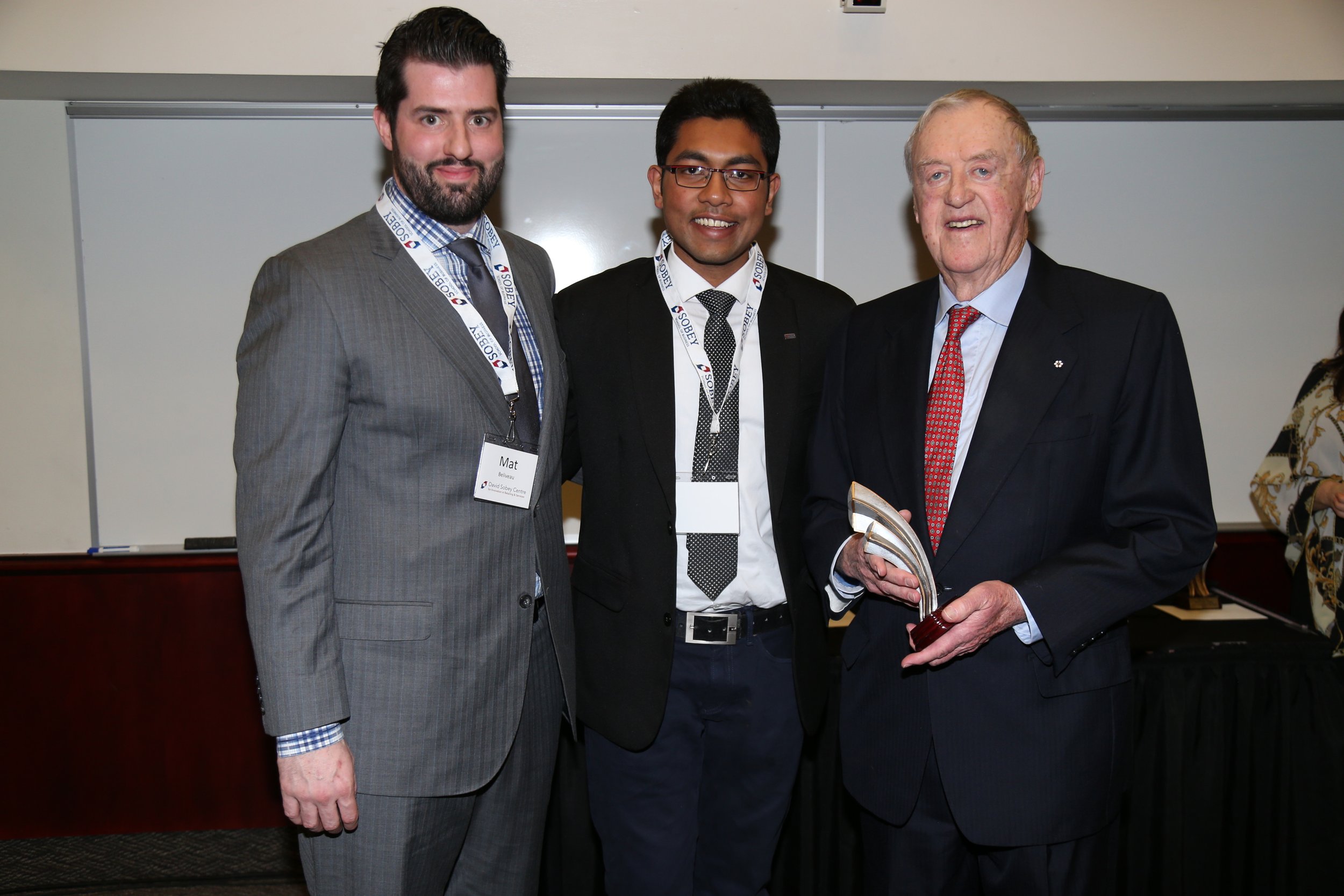
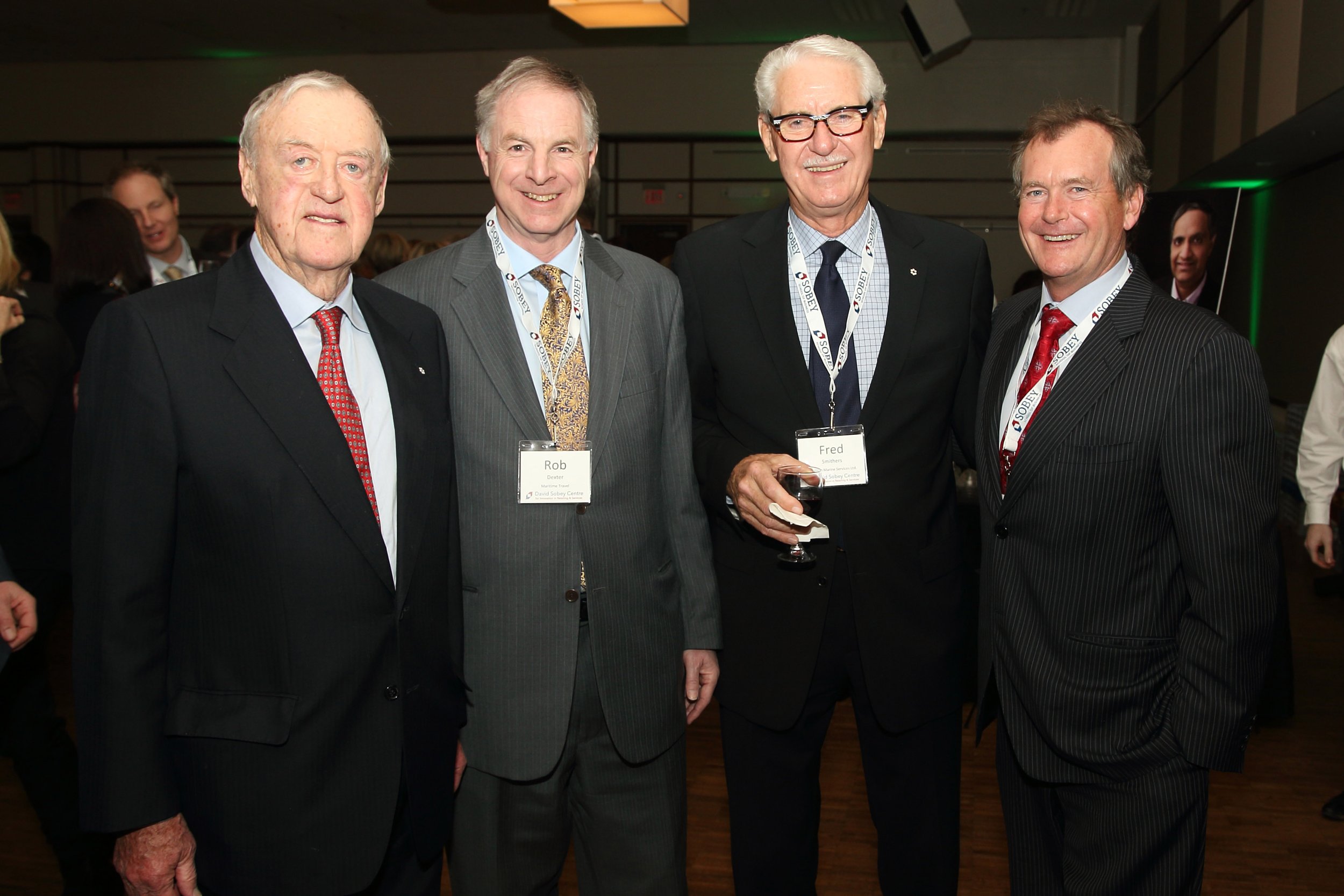
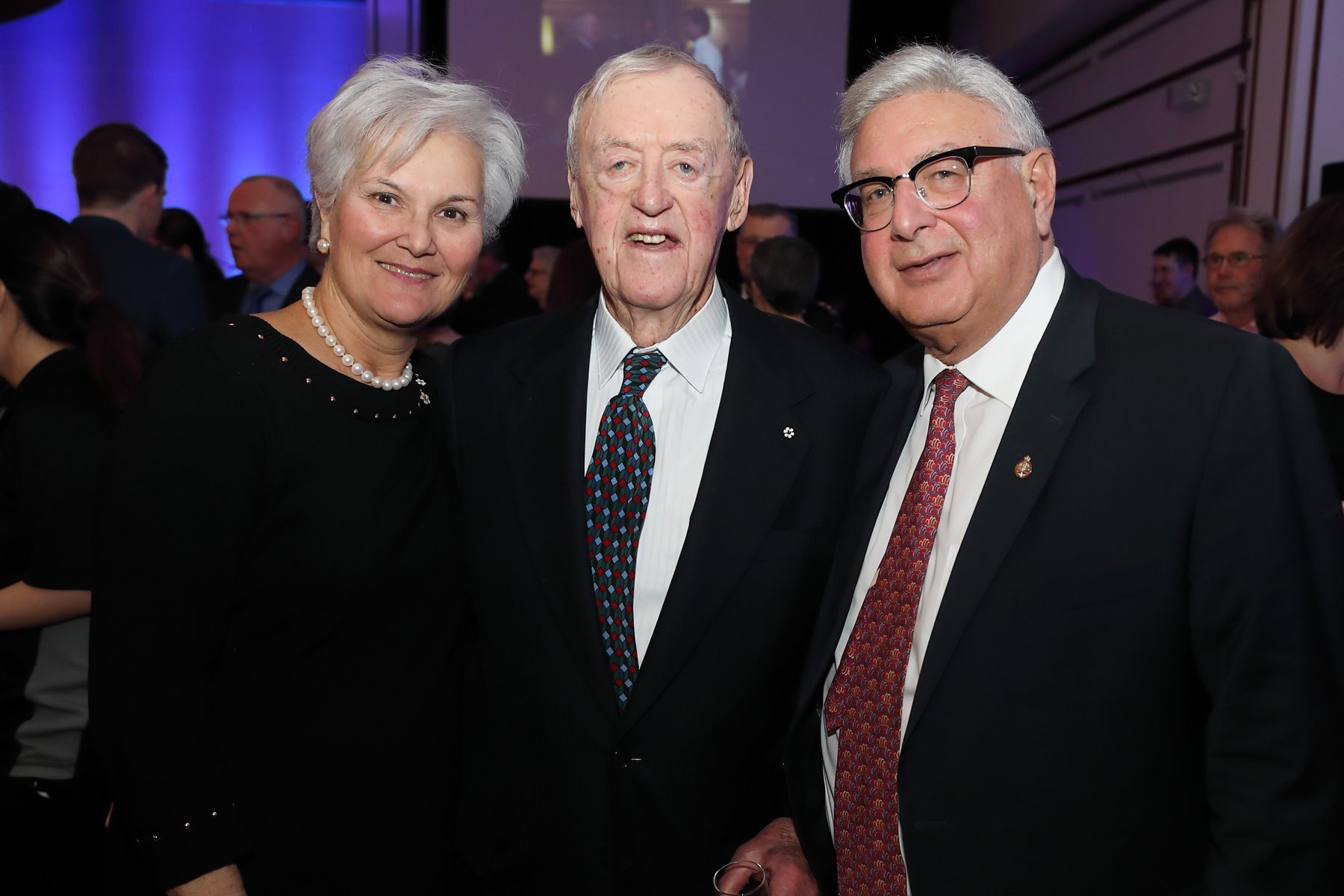
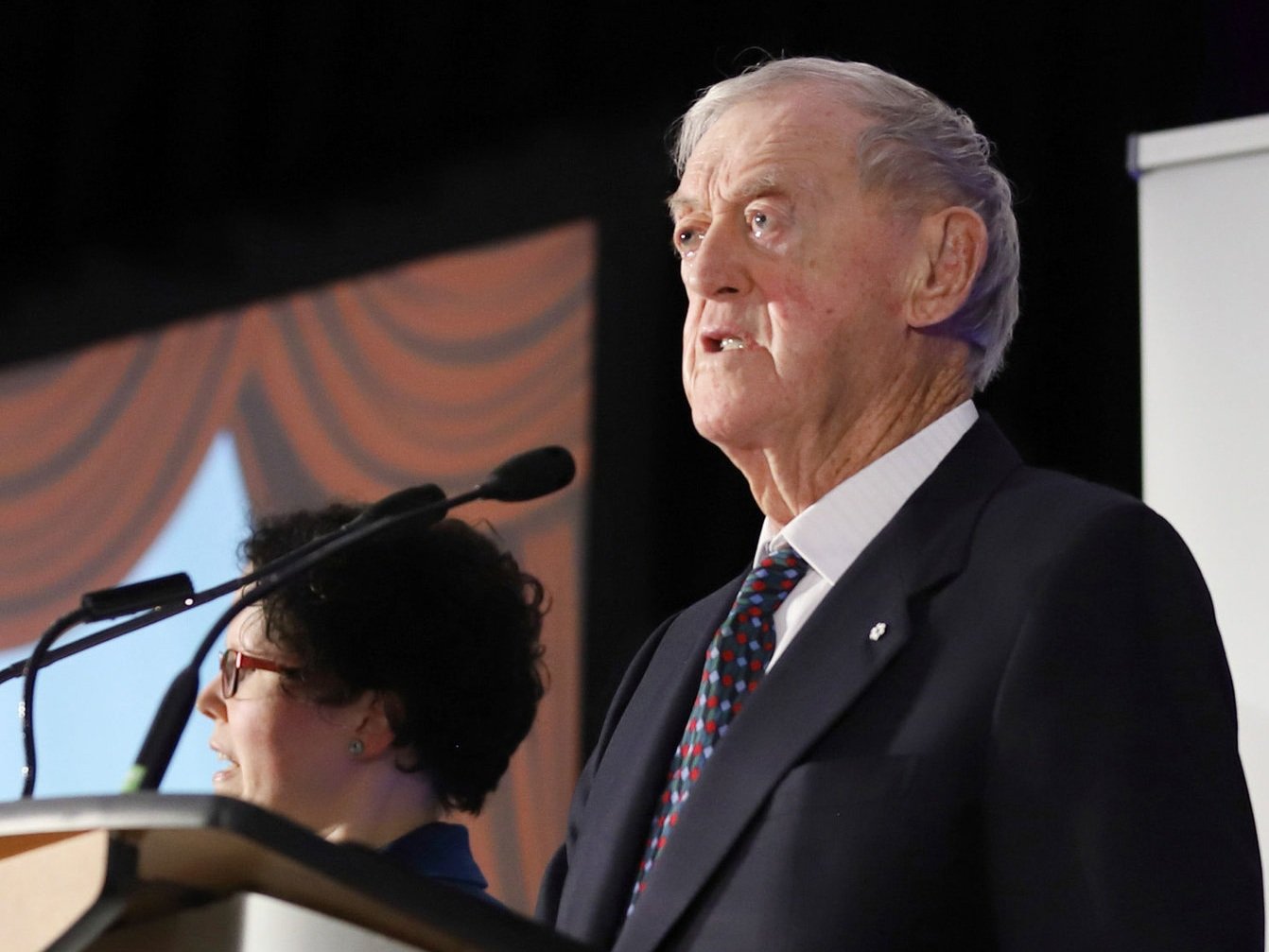
Remembering Dr. David Sobey, C.M., DComm'91, Chancellor Emeritus

Dr. David Sobey, CM, DComm’91, Chancellor Emeritus
1931-2023

David Sobey

The Saint Mary’s University community mourns the passing of Dr. David Sobey, C.M., DComm’91, Chancellor Emeritus of Saint Mary’s University. We join with his family, friends and colleagues in sharing their grief and honouring the life of this steadfast Nova Scotian and exemplary Canadian.

David has left an indelible mark on the lives of students, faculty and staff at Saint Mary's University. His unwavering generosity and guidance over the years have transformed the university and the Sobey School of Business. His legacy will continue to shine through the countless students he has empowered to pursue their dreams and through the David Sobey Centre for Innovation in Retailing and Services established through David’s generosity and vision.          

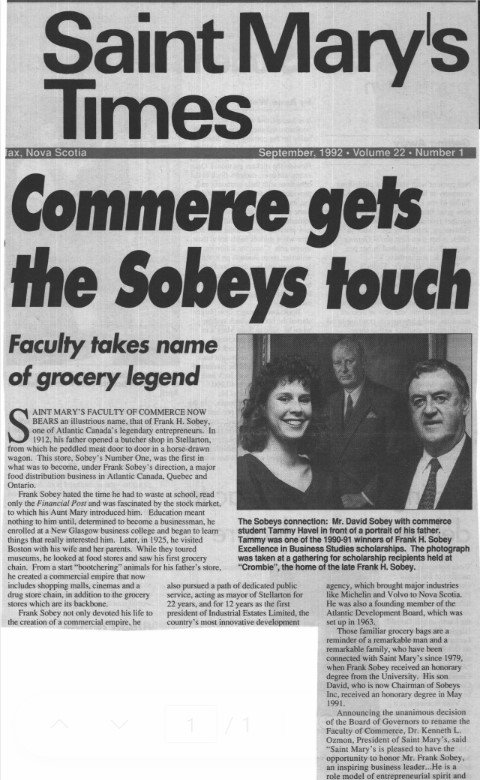
David Sobey had a long and warm association with the university and in particular with the Sobey School of Business named in honour of his father, Frank H. Sobey. David received an Honorary Doctorate of Commerce in 1991 and cut the ribbon for the new Sobey Building in 1998.  Along with his wife, Faye, he was a strong supporter of Saint Mary’s for more than three decades, beginning in 1986 with his service on the Board of Governors. From 1991 to 1998, he chaired the Building on Strength Capital Campaign, helping to raise $24 million. When the Sobey School of Business Advisory Committee met for the first time in 2002, David was a member. From 2008 to 2010, he served as Saint Mary’s first lay chancellor, conferring degrees to thousands of students at convocation.

In 2019, David announced the $18 million gift from the Sobey family, The Sobey Foundation, Sobeys Inc. and Empire Company Limited. As part of that gift, the Sobeys Inspiration Hub is opening this fall, another stellar tribute to the legacy of David Sobey, the Sobey family, The Sobey Foundation, Sobeys Inc. and Empire Company Limited.

“We are very saddened to hear the news of David’s passing,” said President and Vice-Chancellor Dr. Robert Summerby-Murray. “We are honoured to count David Sobey as a friend and guide over many years. He visited campus not only for important events and meetings but often came to watch the progress of the latest building project or meet with faculty, staff and students and hear about their achievements. I will miss his presence and thoughtful leadership that have touched the lives of so many.”

We invite the campus community to sign a book of condolences that will be in the lobby of the Sobey School of Business.

Learn more about David Sobey

Kim Thúy, renowned author, to receive Honorary Doctorate

Saint Mary’s University will bestow an honorary doctorate on award-winning author Kim Thúy at the 2023 Fall Convocation.

Kim Thúy

Kim Thúy’s story began when, at age ten, she fled post-war Vietnam with her parents and siblings. In 1978, the Thúy family joined the mass migration of more than a million Vietnamese known as Thuyền nhân Việt Nam, the “boat people”, who took to the sea in makeshift boats. After living in a refugee camp in Malaysia, Thúy and her family settled in Granby, Québec. 

Thúy held several careers over the years as a seamstress, interpreter, lawyer and restaurant owner before she decided to write about the refugee experience. Her debut novel, Ru, first published in French in 2009, tells the story of her family’s long journey from Vietnam to Québec and the discovery of their new home in Canada. Ru — which translates as "lullaby" in Vietnamese — won the 2010 Governor General’s Literary Award and was shortlisted for the New Academy Prize in Literature. Thúy’s published oeuvre includes her 2017 collection of cross-stories of exile titled À toi, with French-Slovakian-Swiss author Pascal Janovjak.

Thúy’s novel mãn in 2013 explored the power of cuisine and connection to family and identity. It was in 2016 that Vi was published, navigating the migratory experience from Thúy’s mother’s experience. Beyond her creative work, Thúy assumed the role of the Québec representative for Le Petit Robert and was a contributor to the book L’Autisme expliqué aux non-autistes. In October 2017, Thúy wrote Le secret des Vietnamiennes, a cookbook containing recipes from Vietnam. 

Thúy’s books have been distributed across 43 countries and territories and have been enjoyed in 31 languages. Thúy lives in Montréal where she devotes her time to writing. She holds a degree in linguistics and translation and a degree in law from the Université de Montréal. In 2015, she was a recipient of the Top 25 Canadian Immigrant Awards. Among the many honours she has received, Thúy was knighted Chevalière de l’Ordre national du Québec by the Government of Québec in 2015, and knighted Chevalière de l’Ordre des Arts et des Lettres by the French Republic in 2023.

“Saint Mary’s University is honoured to recognize Kim Thúy,” says President Dr. Robert Summerby-Murray. “Her writing illuminates the immigrant experience and Canada is enriched by her contributions to literature and to society.”

Thúy will receive an Honorary Doctor of Letters at Fall Convocation on September 23, 2023. The convocation ceremonies will be live-streamed at www.smu.ca/graduation and on the SMU Halifax Facebook page.

Meet the new face of retail: the Saint Mary's retail robot

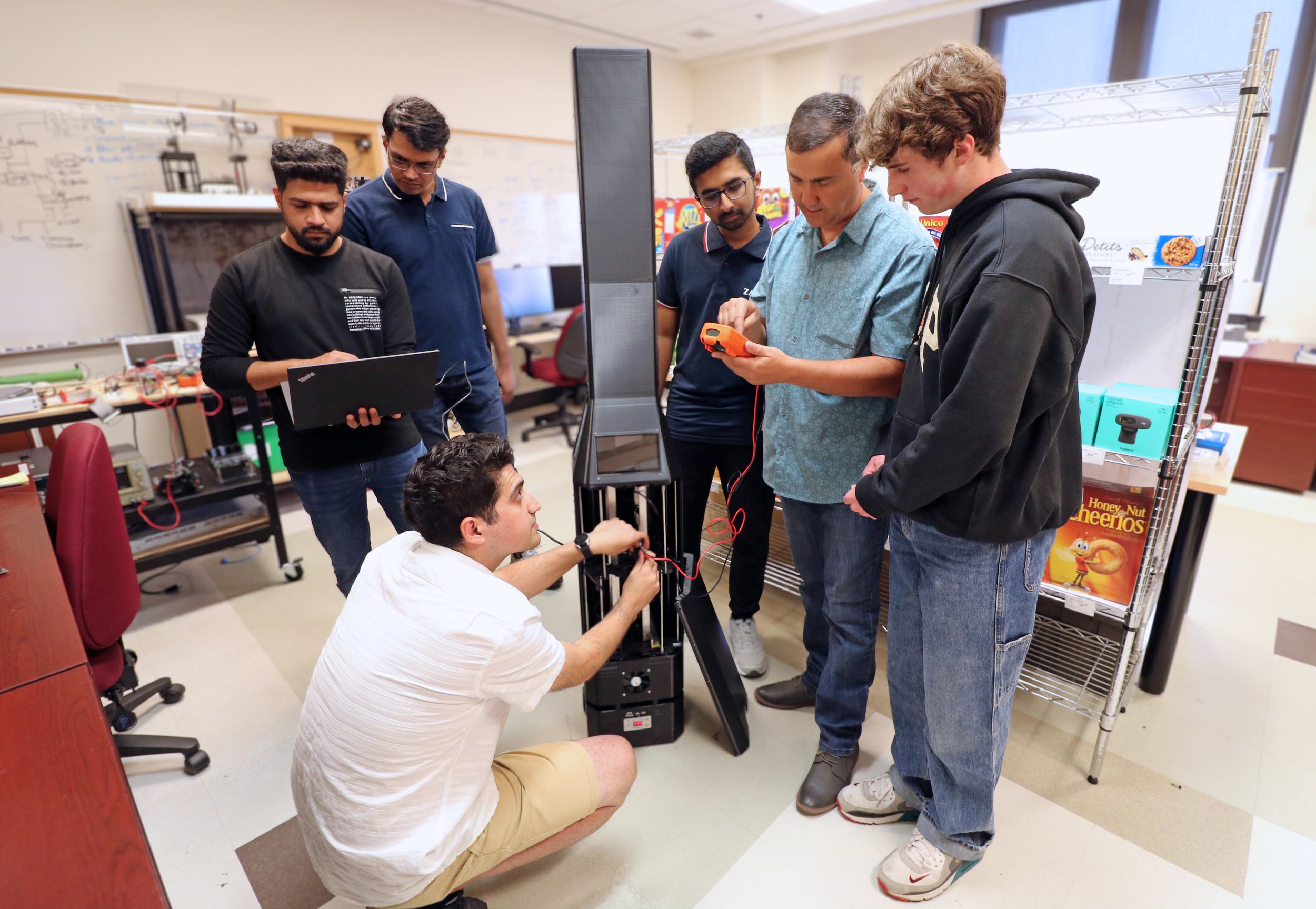
A group of male students stand with Dr. Merabet in a hallway with their retail robot in the foreground. The robot is a tall slim black object.

L-R, Mohammad Rahimipour MSc in Applied Science; Professor Adel Merabet; Lucas Orychock first-year Diploma of Engineering; Uzair Tahir MSc in Applied Science; Abhishek Vijayakumar Latha MSc in Computing and Data Analytics; Francis Kuzhippallil MSc Computing and Data Analytics.

Students are arriving to Saint Mary’s University from Nova Scotia and around the world to create the next generation of robots.

Uzair Tahir

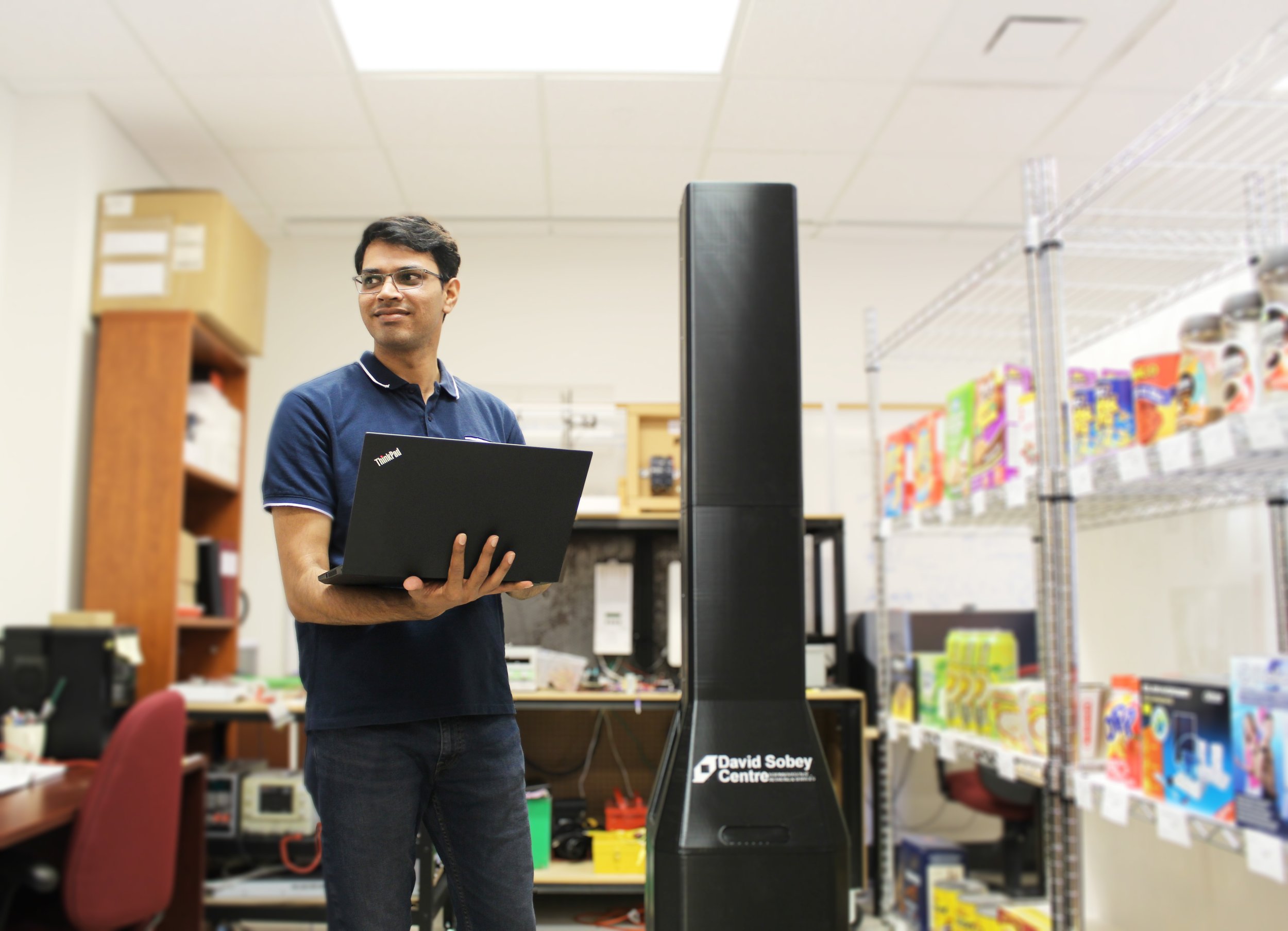
“It was a very big decision to leave my country, my family, come to Canada and start from zero,” says Uzair Tahir, a Master of Science in Applied Science student who left Pakistan to join the team in Dr. Adel Merabet’s lab on the third floor of the McNally Building. Only three months into his studies, he is enhancing his skills in computer vision and machine learning and can see a bright future. “My work here leads to a career in robotics and I see the potential for commercial application.”

The Saint Mary’s robot is the brainchild of the university’s David Sobey Centre for Innovation in Retailing and Services. The robot is just one of several technology-based innovations currently being pioneered at the Centre, all designed to transform our everyday shopping experience. The robot will certainly free up retail employees from humdrum tasks, but that is only the beginning. The real advantage is its ability to capture voluminous data about customers’ buying habits, which can lead to greater efficiency in inventory management and eventually enable retailers to anticipate shopper demands. Combine the robot with machine learning and AI, as the Saint Mary’s team is doing, and we are entering the Fourth Industrial Revolution which will transform how we work, conduct business and how we shop for goods and services.

Does this mean robots will commandeer grocery aisles or replace humans at your favourite big box store? No, but robots are finding their niche by enabling better data capture before and after point of sale, allowing managers to respond more quickly to customer demands for everything from potato chips to batteries.

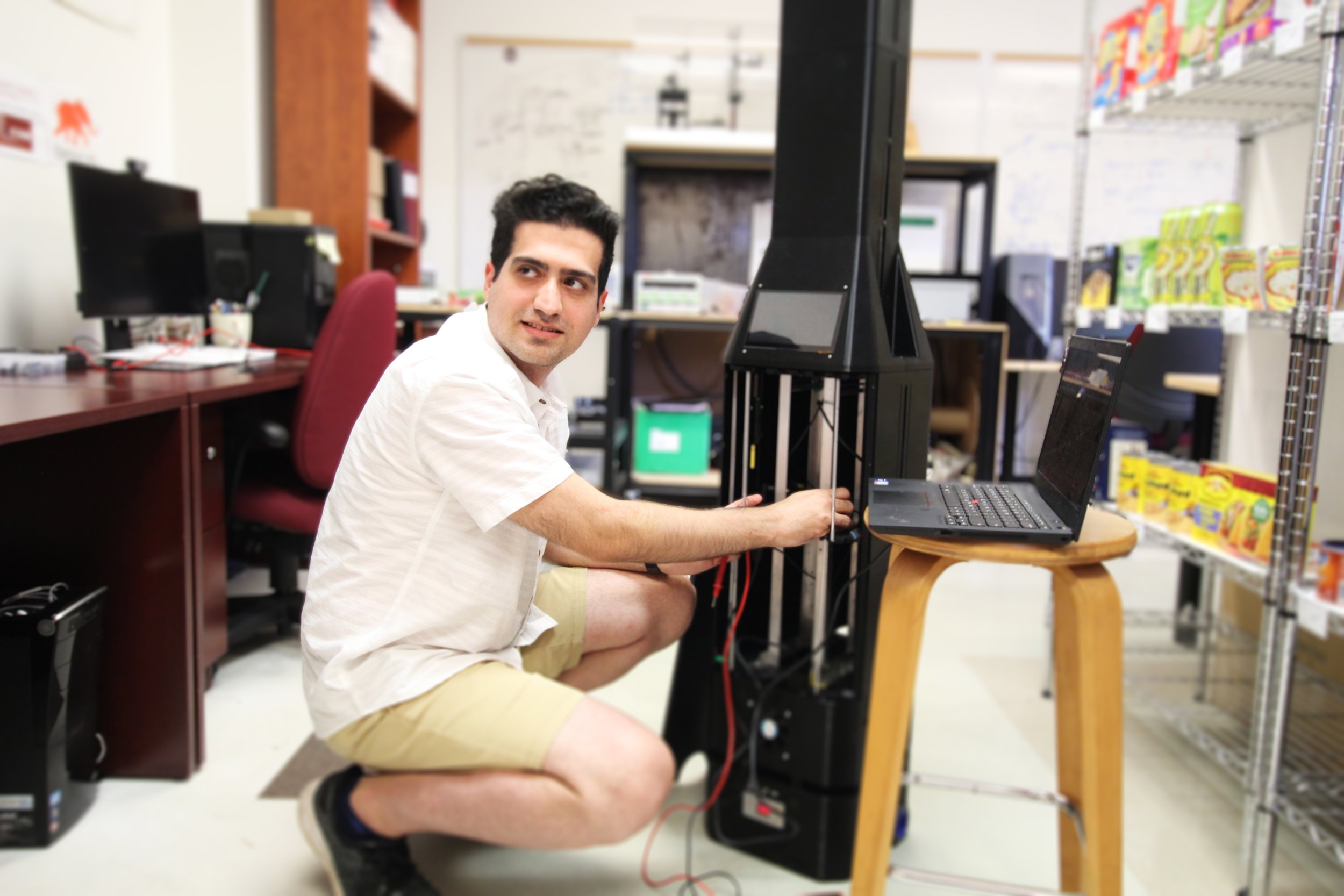
Students work together on the retail robot in Professor Merabet’s lab

Francis Kuzhippallil and Abhishek Vijayakumar Latha, both current students in the Master of Science in Computing and Data Analytics program, see the project as a great gain for their future careers. They contributed to the development of algorithms and codes that enable the robot to take photos of products on store shelves and transmit the information without overlap or duplication, a key factor in planogram compliance, which lets retailers know exactly which products have been moved or purchased and when to restock.

“I want to be one step ahead and this project gives me that opportunity,” says Latha. For Francis Kuzhippallil, the project has boosted his portfolio. “Interviewers and colleagues are always interested to know more about this project. I am honoured to have a role.”

Francis Kuzhippallil

Abhishek Vijayakumar Latha

Mohammad Rahimipour, who is in the Master of Science in Applied Science program, came to Saint Mary’s from Iran in 2022. “My experience here has been amazing,” says Rahimipour. “Saint Mary’s University is very multi-cultural. The environment is collaborative; students know their input is valued and the professors support us.”

Mohammad Rahimipour

Rahimipour is the team leader—he has led the construction of version 3, a robot that is autonomous and able to operate without a human controller. New cameras allow it to take accurate photos at a greater distance, all advantages for a machine that will need to navigate around bargain shoppers or avoid a ‘cleanup on aisle two.’

“I have made a lot of changes to the robot. I see my progress every day as the robot performs and the project improves. I can’t wait to try out the robot in a real store. That’s the next step,” says Rahimipour.

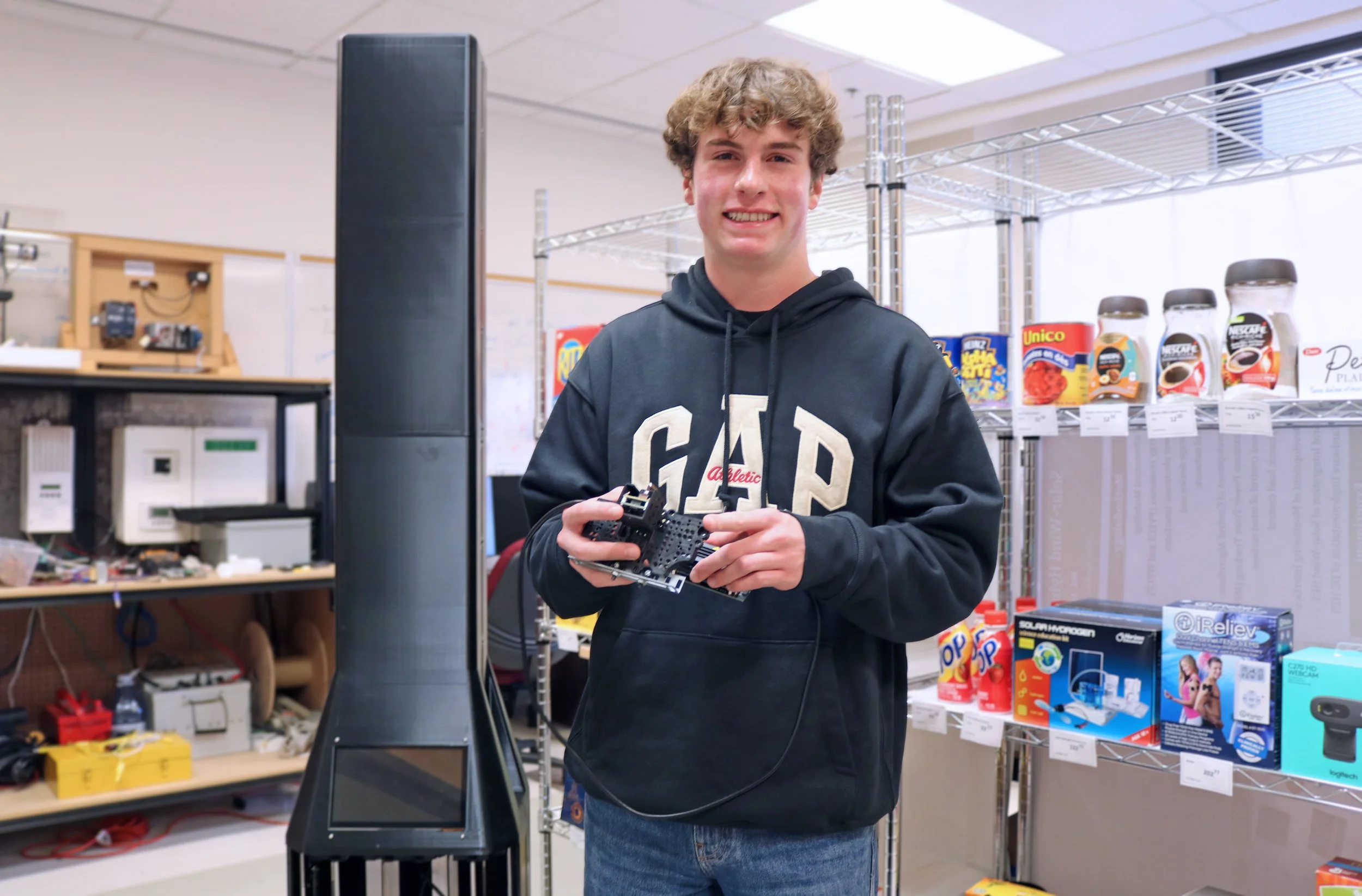
Lucas Orychock

Entering his second year in Engineering at Saint Mary’s, Lucas Orychock from Bedford, Nova Scotia, knows it is unusual for an undergraduate student to gain this type of first-hand experience. During his summer work with Dr. Merabet’s team, he had the opportunity to learn how to use sophisticated tools to capture photos from high-quality cameras. “Achieving this level of exposure to hands-on research is motivating. There is a place for everybody’s input.”

For Professor Adel Merabet, the collaboration with the David Sobey Centre for Innovation in Retailing and Services and the participation of many students from programs such as Engineering, the Master of Science in Applied Science and Computing and Data Analytics, is the perfect example of a project that is interdisciplinary, combining the talents of many researchers and pragmatic, demonstrating real-world application and commercial potential.

Learn more about the David Sobey Centre

Update: The Sobeys Inspiration Hub

Fall term has begun, and the countdown is on for the opening
of the Sobeys Inspiration Hub.

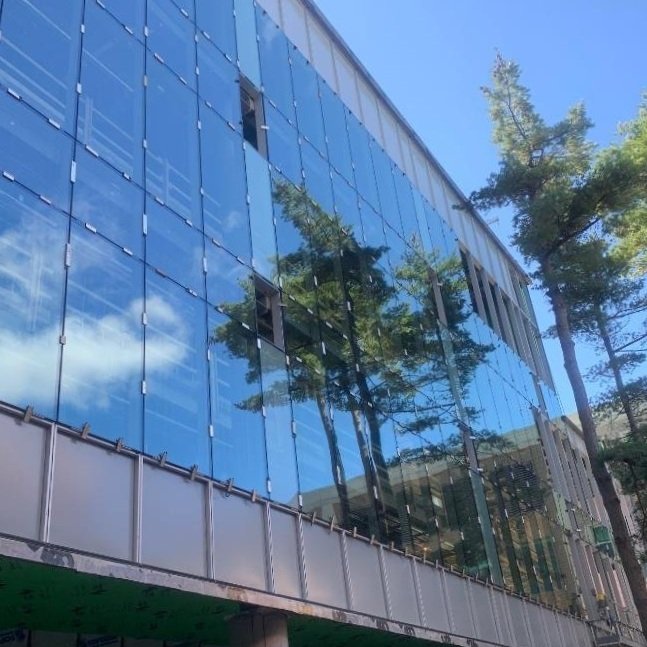
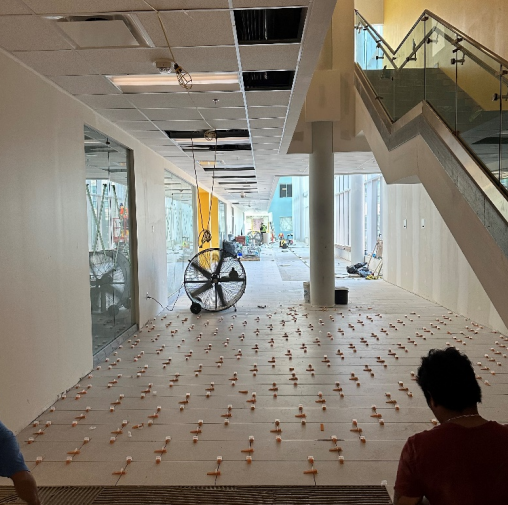
The building is on track to be open soon for faculty, staff and students to walk through and enjoy the bright, open spaces.
During the week of September 11, the finishing architectural touches will be complete and all four floors will be open.

Work will continue on installing technology in spaces such as the highly specialized labs on the third and fourth floors. Nearby and attached to the Loyola Academic Complex, more new spaces, including the Anne J. and Albert T. Isaacs Commons, will be opening towards the end of term.

Stay tuned for more updates!

Saint Mary's researcher part of international astronomy mission XRISM

High-energy astronomy mission will further understanding of the extreme universe

Saint Mary’s professor Dr. Luigi Gallo is one of two Canadians involved in an exciting new three-year mission, a collaboration led by JAXA (Japan Aerospace Exploration Agency) with important contributions from NASA (National Aeronautics and Space Administration) and the European Space Agency.

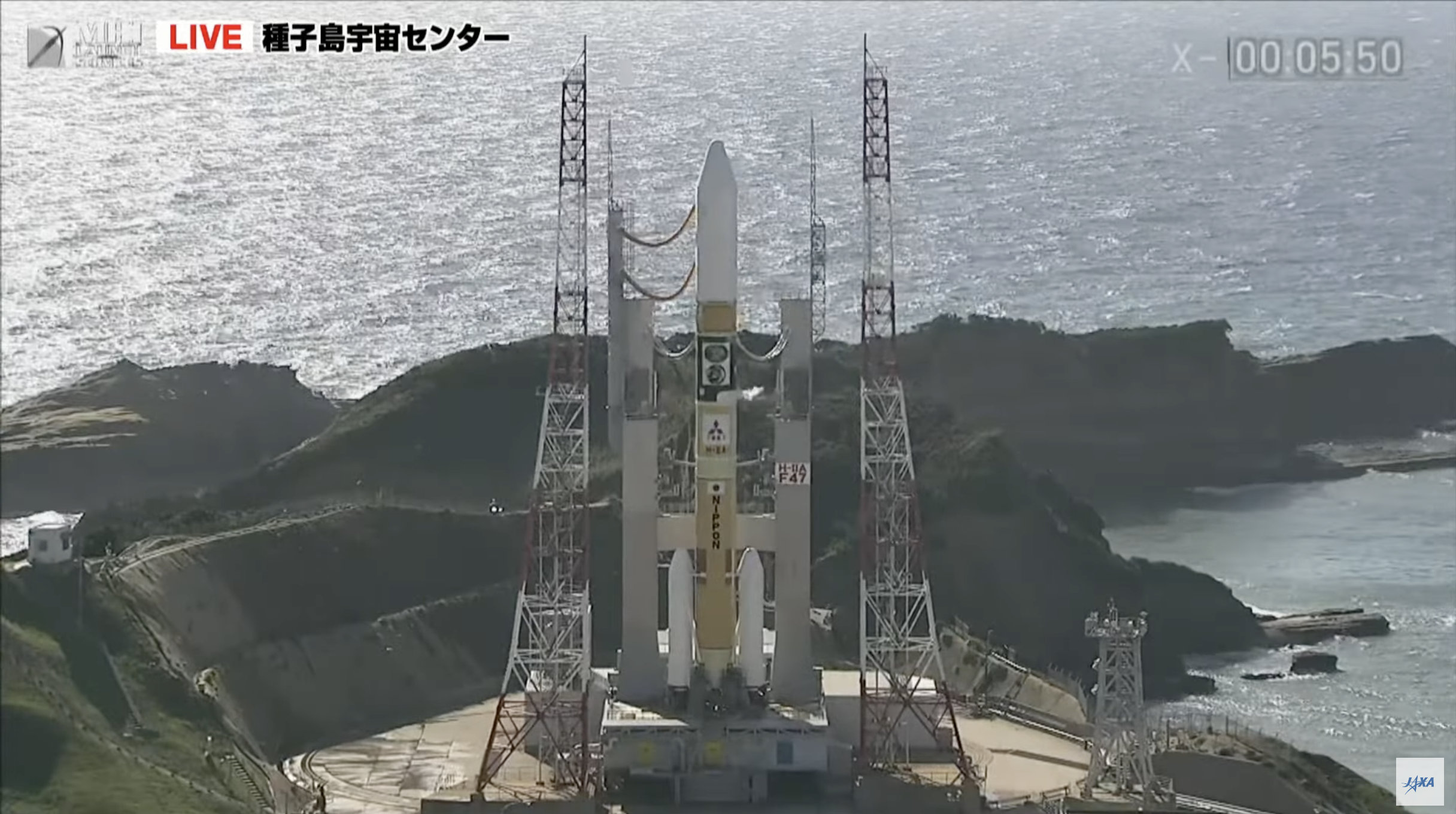
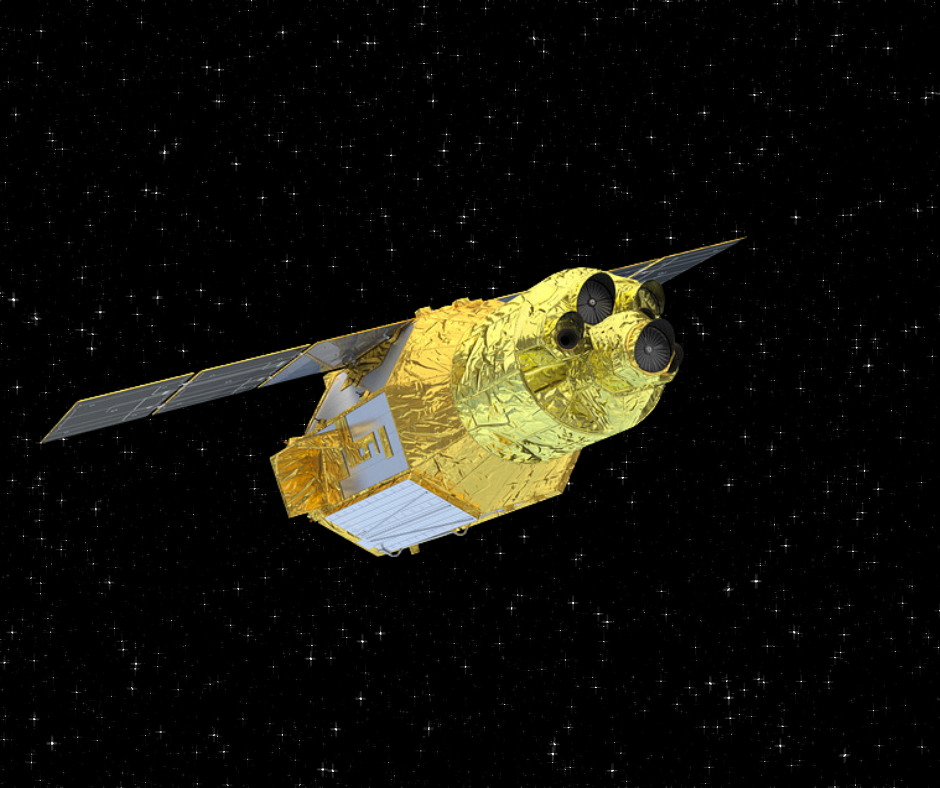
On Wednesday, September 6 at 8:42:11 p.m. ADT, a powerful satellite called XRISM (X-ray Imaging and Spectroscopy Mission) was launched on a rocket from the Tanegashima Space Center in Japan.

Watch the launch video (via SciNews):

A video screenshot of a rocket launch

Source: YouTube via SciNews

This new space observatory will contain two scientific instruments: Resolve, an X-ray spectrometer contributed by NASA; and Xtend, an X-ray imager. Some filter calibration for Resolve was carried out by NASA at the Canadian Light Source, a synchrotron facility in Saskatoon, SK.

XRISM is eight meters long, with the telescopes mounted at one end focusing X-ray light onto the detectors at the other end. To study X-ray sources in the universe, the XRISM satellite must be launched into space above the atmosphere, as X-rays cannot penetrate Earth’s atmosphere. XRISM was launched into space on the JAXA HII-A rocket; it will take several months to get it tested and calibrated before science data starts flowing.

The mission itself is essentially going to look at X-ray spectra with very high resolution—analogous to seeing very fine differences in the colours of optical light we can see with our eyes, explains Dr. Gallo. X-rays are a high-energy form of light that is undetectable to the human eye. The regions around black holes, as well as massive stars, supernovae and clusters of galaxies all emit X-rays.

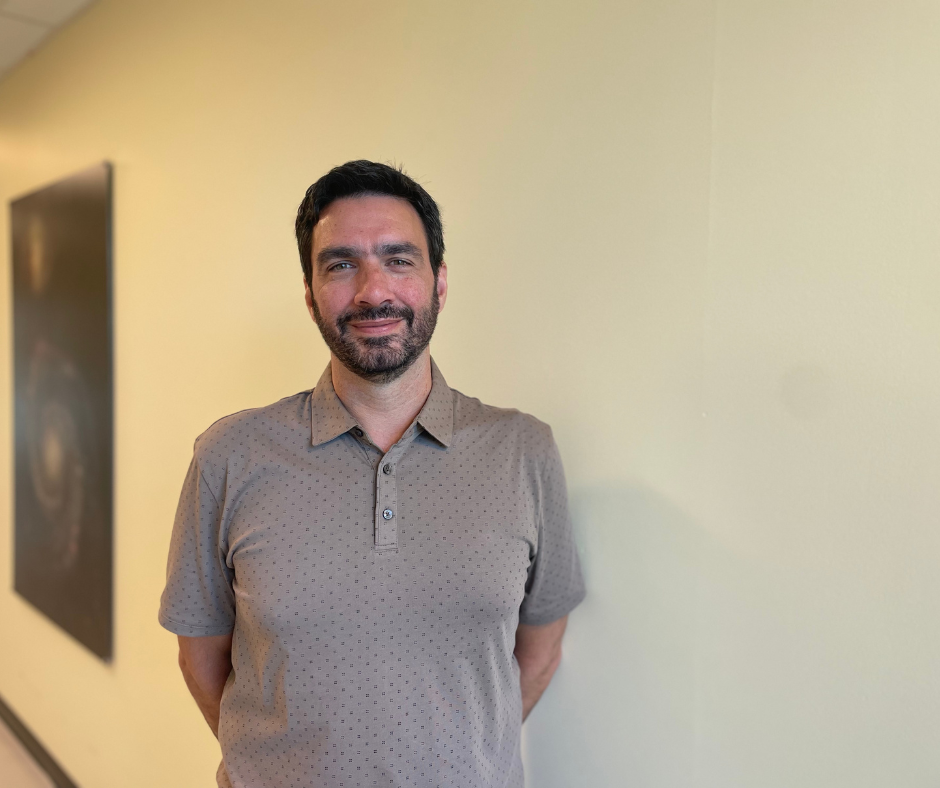
Luigi wears a brown collared tshirt. He has short black hair.

Dr. Luigi Gallo

“The X-rays are basically produced in the hottest and most volatile environments in the universe,” says Dr. Gallo. “We’re studying extreme events like black holes, neutron stars, supernovas, and giant galaxy clusters. I’m looking at the black holes. That's what I study, and I'm looking at the X-rays coming from the regions closest to the black hole—basically, the material just before it disappears and falls beyond the black hole event horizon.”

Because these extreme events can’t be replicated in laboratories on Earth, these missions are crucial to furthering our understanding of the universe.

“We’re looking at extreme gravity, extreme temperatures, and huge magnetic fields—you can't produce those kinds of environments on Earth,” explains Dr. Gallo. “You can't study the physics and understand what happens to matter under those extreme conditions. The only way we can do that is by looking out into space.”

This work done by scientists on this mission, the previous 2016 Hitomi (ASTRO-H) satellite mission and others, pushes the limits of our understanding, and it’s important for generations to come.

“In science, we are always building on our current understanding,” says Dr. Gallo. “What we're doing today is building on the successes, and failures, of previous work over the past centuries, and we're just taking one relatively small step forward. As revolutionary as XRISM will be, ultimately, it’s one step forward that future generations will build on. There are always bigger things to come.”

Dr. Gallo completed his PhD at the prestigious Max Planck Institute in Garching, Germany, followed by postdoctoral research in Japan. He later joined the Saint Mary’s faculty and works with the Canadian Space Agency. He has been a professor in the Department of Astronomy and Physics at Saint Mary’s University since 2007. As part of the XRISM program at Saint Mary’s, graduate student Margaret Buhariwalla and postdoc Dr. Adam Gonzalez have also been able to participate in this research with Dr. Gallo.  


Sobey School undergrad contributes to COVID research for Scientific Reports

Kyle Morton BComm’23

Kyle Morton had yet to complete his undergraduate degree at Saint Mary’s University when he used machine learning in a ground-breaking study of the COVID-19 virus for Scientific Reports. To contribute to an article in the world’s largest scientific journal would be an accomplishment for more experienced researchers. For Morton, it was a miracle.

 “I remember when my economics professor, Yigit Aydede, told me the article had been accepted,” said Morton. “I jumped out of my seat and clapped my hands. It was another fantastic experience that Saint Mary’s made possible.”

Morton participated in the research project over six months during 2022, when he linked two large data sets, one from Statistics Canada and the other from Nova Scotia’s 811 system that recorded influenza symptoms during the first four months of the COVID-19 pandemic.

Yigit and Kyle sit in orange chairs looking at a laptop

Dr. Yigit Aydede and Kyle Morton work together examine data for their research

The resulting article by Saint Mary’s University’s Dr. Yigit Aydede, and Jan Ditzen, Free University of Bolzano, Italy, Identifying the regional drivers of influenza-like illness in Nova Scotia, Canada, with dominance analysis - Scientific Reports, unveils a new methodology, one that may assist health officials to both predict where viruses will spread and target interventions to halt them. Read more about the study.

“Working with large data sets, it is easy for errors to go unnoticed, because you cannot visually inspect them. The challenge was: How do you make sure there are no mistakes that will end up leading to the wrong conclusions when you actually perform your analysis?”

Morton sees machine learning as a third form of statistics, one that is predictive. Once he had prepared the data, making sure it was clean and free from errors, Professor Aydede and the research team used powerful algorithms to combine both sets. The results revealed the spatial as well as the temporal spread of the virus in real-time, something that was only possible due to the extraordinary and detailed data concerning COVID-19 symptoms, unparalleled access to Nova Scotia’s 811 records and the unique adaptation of algorithms originally designed for the finance industry.

The opportunity to study and work alongside Dr. Aydede in the Sobey School of Business has transformed Morton’s career aspirations, inspiring him to use machine learning to solve problems.

“I chose Saint Mary’s because it had a very good reputation for its business school. I liked the smaller yet international campus and the undergraduate focus. I gained a lot more experience, working with my peers and my professors one-on-one; I would not have had the same opportunity at other, larger institutions.”

While studying in the Bachelor of Commerce program at the Sobey School of Business, Morton was the recipient of two scholarships from donors to Saint Mary’s University: The Chrysler Canada Scholarship and the KPMG Future Leaders Scholarship. He also received the Fred and Ruth Stork German Studies Award from Waterloo University. This Fall, Morton begins his Master’s in Data Science at the London School of Economics, something he describes as “a dream come true.”

Learn more about the BComm program

Sobey School of Business launches new Bachelor of Commerce curriculum

Leadership and innovation in sustainability and entrepreneurship

The Sobey School of Business has launched its new Bachelor of Commerce (BComm) curriculum in time for the Fall 2023 academic term. After extensive consultation with students and stakeholders including alumni, business leaders and entrepreneurs, new core courses have been developed in sustainability, entrepreneurship and operations management to complement Saint Mary’s exceptional foundational business courses in management, finance and accounting.  

“Business is constantly changing, and we have adapted our curriculum to respond to demands from industry and students alike,” says Interim Dean Mark Raymond. “Today’s students are extremely conscientious and mindful of their place in the world. Here, students learn the fundamentals of good business as well as how to do business for good.”

BComm student Adrianna Timmons (left) speaking at the 2023 PRME Global Forum

BComm student Adrianna Timmons learned about the UN’s Sustainable Development Goals in her first-year classes and then travelled with her professors to New York to speak at an international conference supported by the United Nations. Back in Halifax, she is planning a new student society to promote sustainable business practices.

“It was eye-opening. There were people from institutions around the world, all dedicated to making a change and developing groundbreaking tools, everything from software to management practices. It really gives me hope for the future.”

One of the most unique aspects of the Sobey School of Business BComm program is the extent of customization and flexibility. There is the option to participate in the co-op program, international learning experiences and students can choose majors and minors relevant to them such as marketing, economics and entrepreneurship, integrating elective courses from Arts and Science in everything from Indigenous culture to computing science. The result is a contemporary program, providing students with knowledge and skills to make a positive impact on people, organizations and the planet.

The Sobey School of Business is one of the most highly respected business schools in Canada, one of only seven business schools in Canada and the only school in Atlantic Canada to be awarded accreditation with AACSB and EQUIS–global organizations that conduct rigorous quality reviews of business schools around the world.  

Saint Mary’s University is known for providing students with unparalleled access to knowledgeable faculty, academic and peer support, hands-on learning opportunities and research opportunities. In keeping with providing an exceptional student experience, the university will open new buildings in Fall 2023. The Sobeys Inspiration Hub will foster innovative multidisciplinary work and entrepreneurship, bringing together BComm students and students from Arts, Science and Graduate Studies along with professors, researchers, entrepreneurs and business executives.

Learn more about the BComm program

The Counselling Centre: Regulating emotions during stressful times

A person walks along a woods path wearing running clothes

The team at the Counselling Centre is pleased to welcome new and returning students to Saint Mary’s! We know that transitioning from summer life to the academic term can come with challenges such as navigating new environments, changing routines, disrupted sleep schedules and even impacts on nutrition. These changes can cause physical and/or emotional stress that can wear us down and leave us feeling dysregulated.

PL.E.A.S.E. Skills are a great way to help you regulate your emotions and energy during stressful times, like the start of a new semester. Have you ever had a bigger reaction to a stressor than was necessary? Maybe something small happened, and you found yourself snapping at others or becoming overly upset. Emotional regulation skills can help. PL.E.A.S.E. is an acronym that stands for:

PL – Physical symptom treatment
Some physical symptoms are easier to manage than others – do what you can!

E – Eat food that makes you feel good
Eating at regular intervals throughout the day will help you maintain your energy levels.

A – Avoid substances
Some substances like alcohol or cannabis can have lasting effects hours or days after using it. Be mindful of how substance use might impact your other commitments.

S – Sleep
Good sleep hygiene and a consistent sleep schedule will help with memory, cognitive functioning and much more!

E – Exercise
Move your body in a way that feels best for you: dancing, walking, weight training, running…you name it!


Want to talk to someone? The Counselling Centre provides one-on-one, professional therapy for students actively enrolled in classes. You can also reach out to our Peer Supporters, Accessibility Wellness Ambassador, or 2SLGBTQ+ Wellness Ambassador for peer-based support.

Contact the Counselling Centre

Email:


Phone:
902-420-5615
Location: Fourth Floor, O'Donnell Hennessey Student Centre
Hours: 8:00 a.m. to 4:00 p.m., Monday-Friday

Visit the Counselling Centre webpage

MTEI researcher passionate about innovation, growth and social impact in the Atlantic Region

KJ is a black man with a short beard and glasses. He stands addressing a room wearing a scarf that says Youth Council

Kjeld “KJ” Mizpah Conyers-Steede

Hailing from Bermuda, KJ—short for Kjeld Mizpah Conyers-Steede—has spent the past nine years in Atlantic Canada, primarily in New Brunswick and Nova Scotia. Presently rooted in Windsor, NS, KJ is passionately committed to driving economic progress in rural communities.

"My work revolves around social innovation and policy, designed to nurture a thriving innovation culture in these settings," shares KJ. "Having experienced life in both urban and rural areas, I strongly believe that rural communities hold untapped potential for innovation and growth."

During the COVID-19 pandemic, while working as a policy advisor for Spring Garden Business Association, KJ witnessed the challenges small businesses faced. This experience ignited his interest in economic development, which he had previously explored at an academic level. He further expanded his expertise in change management while working with Hockey Nova Scotia.

KJ established Catalyst Conversation Strategies, a consulting firm aimed at tackling complex challenges in collaboration with clients and municipalities. Through this venture, he engaged in solving significant problems through innovative approaches, bridging the gap between policy, academia and economic growth.

Inspiring Communities led KJ to his current research position, working alongside Dr. Chantal Hervieux, Director, Centre for Leadership Excellence – Impactlab at Saint Mary’s University, in the realm of regional innovation ecosystems. This journey has shed light on the lack of Black and Indigenous people of color (BIPOC) representation in economic development research, prompting KJ to strive for a more inclusive academia.

“Engaging in research has instilled in me a newfound confidence, spurring aspirations of teaching and bridging the gap between socially conscious mindset and business success. It’s a vehicle for transformation, allowing me to create a playground of ideas and engage with like-minded individuals who share my passion.”

KJ’s connection to Saint Mary's is deeply personal. His father's experience as an alumnus and the impact SMU had on his career inspired KJ to pursue his own journey at the university. KJ is enrolled in the Master of Technology, Entrepreneurship, and Innovation program in the Sobey School of Business. The program aligns with his interests in innovative implementation and understanding social impact. His broader vision revolves around connecting Atlantic Ocean-facing regions for collaborative problem-solving, particularly regarding economic resilience, climate change and social issues.

“Saint Mary's University. It's a place where I can harmonize my diverse background and unconventional approach to academia, while also contributing to the broader narrative of Canadian higher education.”

Learn more about the MTEI program

Saint Mary’s launches 2SLGBTQIA+ digital community hub

Saint Mary’s is thrilled to announce the launch of the 2SLGBTQIA+ digital community hub!

The 2SLGBTQIA+ Hub was developed to address a gap in readily accessible and easily navigable resources, supports and information of interest for an important population within the SMU community.

The digital hub was developed primarily by members of the 2SLGBTQIA+ community who sought out a wide variety of community consultation, including undergraduate and graduate students, faculty and staff, alongside those who offer services and courses that may be directly or indirectly connected with the community. Feedback through community consultation was a priority and updates and revisions were made based on the insights received.

The digital community hub is where you can find news and events for and about SMU’s 2SLGBTQIA+ community, information about support services and spaces on campus, and updates during Pride season. It’s designed to continue evolving and growing, with the SMU community offering contributions as new information, programming and resources are developed.

Have feedback or questions? Contact student.services@smu.ca. We'd love to hear from you!

SMU Professor examines virus spread in Nova Scotia

Article by SMU Professor Dr. Yigit Aydede, published in Scientific Reports, examines virus spread in Nova Scotia

Dr. Yigit Aydede

Understanding how influenza and other viruses such as COVID-19 migrate from one community to the next is key to predicting where disease will spread and determining how to curtail its progress. A new article by Saint Mary’s University’s Dr. Yigit Aydede, and Jan Ditzen, Free University of Bolzano, Italy, published in Scientific Reports unveils a new methodology, one that may assist health officials to both predict where viruses will spread and target interventions to halt them.

The COVID-19 pandemic put mapping at the forefront of both the general public’s and public health experts’ tracking of the outbreak. Dr. Aydede’s research demonstrates the essential role of spatial and temporal analysis when tracking and predicting outbreaks between and within communities.
— Dr. Mathew Novak, Director, Wicked Problems Lab, Saint Mary’s University and Associate Professor, Department of Geography & Environmental Studies

The study, Identifying the regional drivers of influenza-like illness in Nova Scotia, Canada, with dominance analysis - Scientific Reports, is hailed by the journal’s editors as the first epidemiological study of its kind because it combines data concerning geographical or spatial spread with temporal spread (incidents over time), as opposed to more common epidemiological studies which examine temporal spread alone. 

The research was only possible due to a unique set of circumstances: unparalleled access to unique provincial healthcare data, new methodology, and the use of machine learning.

“Research Nova Scotia was proud to support Dr. Aydede’s work through the Nova Scotia COVID-19 Health Research Coalition,” says Stefan Leslie, CEO of Research Nova Scotia. “Better understanding relationships between viral transmission rates, air quality, and social mobility will help inform public health decision making, optimize allocation of healthcare resources, and ultimately benefit Nova Scotians.”

The ideal circumstances for data collection arose in Nova Scotia during the first four months of the COVID-19 pandemic. From March to July 2020, health officials asked Nova Scotians to report their symptoms to the province’s 811 telehealth system, where nurses painstakingly recorded and referred citizens reporting a minimum of four influenza-like symptoms. When the data was made available to researchers at Saint Mary’s University, they realized it was exceptional. Far more detailed than COVID-19 PCR tests which only confirm the presence or absence of disease, the symptom data from the 811 records reveals how viruses, in real-time, spread across Nova Scotia’s neighbourhoods and communities.

“This type of data that records symptoms as they arose, early in the pandemic, simply does not exist anywhere else in the world and is due to decisions taken by provincial health authorities that turned the Province of Nova Scotia, in effect, into a living laboratory,” says Dr. Aydede, Sobey Professorship in Economics and the study’s principal investigator. 

Dr. Mat Novak, Dr. Yigit Aydede and student, Kyle Morton BComm’23

The inability of scientists and health officials to predict where COVID-19 would strike was a key feature of the disease, one that remained a constant source of frustration throughout the pandemic. “We could watch the overall trajectory of the disease as the number of incidents rose and fell, and we understood the R factor (degree of virulence) but there was no ability to predict the spread of the disease on the ground,” says Dr. Aydede. “Thanks to the Nova Scotia COVID-19 Research Coalition and a grant from Research Nova Scotia we had an unbelievable data set that allowed us to look back at what occurred and identify the communities or locations that were driving the spread in Nova Scotia and further identify key socio-economic factors as well.” 

Dr. Aydede adapted algorithms recently developed for the finance industry to analyse economic ‘shock waves.’ “It is not always clear which features or factors are essential and which ones can be dropped without compromising predictive or statistical power,” says Dr. Aydede.  “Machine learning, particularly Tree-based methods such as the Random Forests algorithm used here, helps identify relevant predictors in large complex data sets with complex variables and factors.” 

The study analysed 112 Nova Scotian communities identified by postal codes and found that 18 communities were drivers of viral spread and then analysed 1,400 socio and economic factors, such home mortgage ownership, employment status and use of public transit that all coincided with the spread. 

“This important health-related study led by Dr. Aydede is a terrific example of many elements that allow our Saint Mary’s professors to establish research leadership in areas that may seem unexpected for our university,” says Dr. Adam Sarty, Dean of the Faculty of Graduate Studies and Research. “By applying methods used in economics to health-related problems and drawing on the expertise of both his international colleagues and the technical data-visualization talents of our multi-disciplinary research lab at Saint Mary’s, Dr. Aydede was able to partner with Research Nova Scotia and the provincial health authority to illustrate the power of such interdisciplinary networking.” 

Want to learn more about Machine Learning? 

Professor Aydede has just published his book for students of business and social science. Machine Learning Toolbox for Social Scientists | Applied Predictive An (taylorfrancis.com) 

About Scientific Reports 

Scientific Reports are open-access journals publishing original research from all areas of the natural sciences, psychology, medicine and engineering. It is the fifth most cited journal in the world and its editorial team, in partnership with an extensive network of peer reviewers, provides expert and constructive peer review. Scientific Reports is part of the Nature Portfolio.