Undergraduate students gain valuable experience with summer research

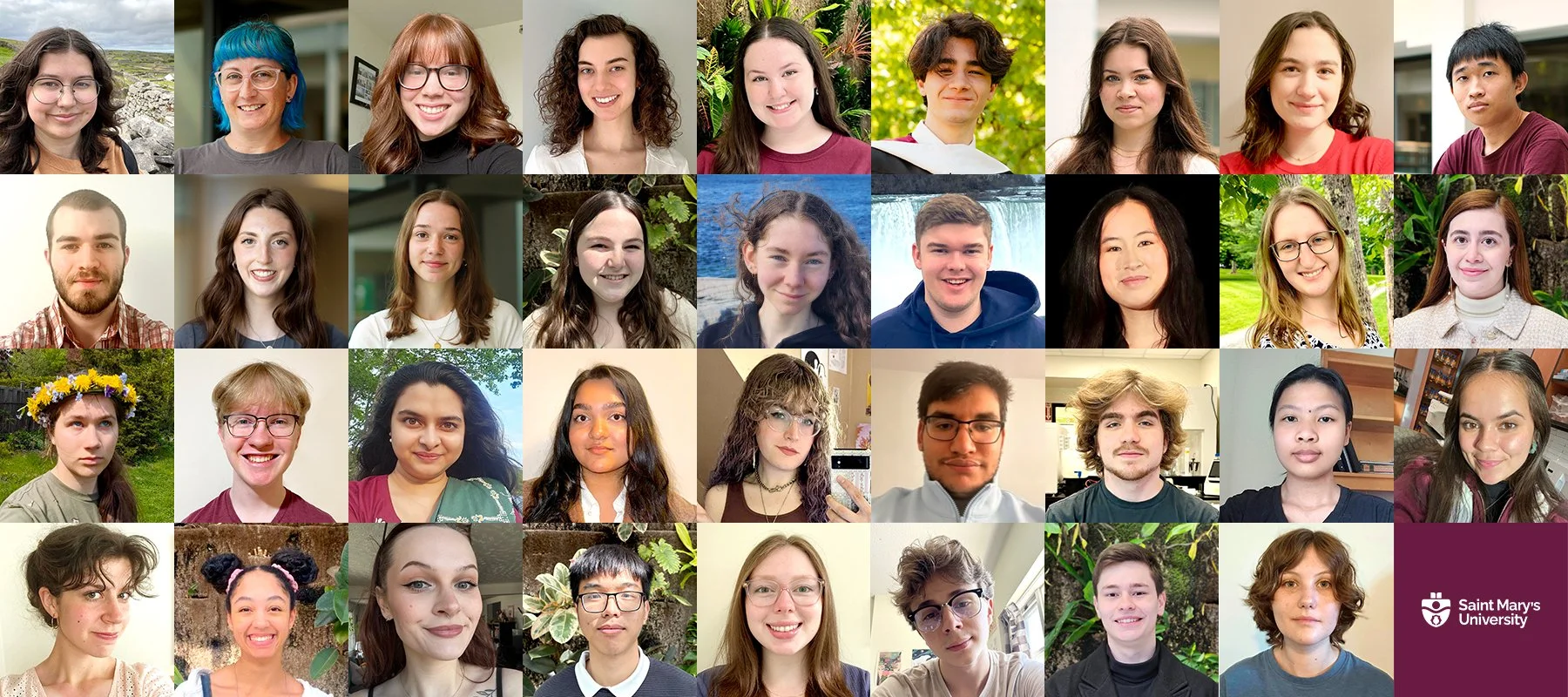
A grid of student photos

Saint Mary’s students conduct research with professors in labs across campus every year

With the start of the fall term, we’re pleased to share highlights of another successful summer of undergraduate research in labs across campus.

Every summer, students are chosen to receive research awards, which allow them to conduct research and scholarly projects with professors in their fields. These paid internships are an opportunity for undergraduate students to learn valuable skills that will serve them well in upper-level courses and eventually in their own honours or graduate-level research.

Many of these award positions are funded by federal government agencies, including the National Science and Engineering Research Council of Canada’s (NSERC) Undergraduate Student Research Awards program and the Social Sciences and Humanities Research Council (SSHRC). Others are offered thanks to generous donors, grants and funding from Saint Mary’s. In most cases, awards are made possible through contributions from professors’ research grants. Those who receive awards are provided funding to undertake 12 to 16 weeks of full-time work between May and August.

Now in its second year, Saint Mary’s also offers the Access to Research Program, a unique option for summer research for students whose grades are in good standing after a year of study. These awards are jointly funded by the Dean of Science Office and various faculty grants.

“The Access to Research Program is designed for students who are ready to be engaged in an interesting project with a professor,” says Dr. Sam Veres, Dean of Science. “These projects are proposed by professor-student teams, and are intended to spark an interest in a discipline that may lead to future educational and career opportunities in science.”

This range of summer research award programs is an excellent opportunity for our students; however, there are many other opportunities for students to work alongside professors. Our professors conduct research year-round in labs and the field, and students are encouraged to connect with professors to discuss additional opportunities!

 Benefits

“Every summer our research award programs give students an opportunity to engage in research that complements their academic learning, and each year we are more and more impressed with the calibre of student resumes and their enthusiasm for taking on challenges,” says Dr. Adam Sarty, Associate Vice-President, Research and Dean, Faculty of Graduate Studies and Research. “These awards give our most dedicated and capable students valuable experiences that have an immediate effect on their skill and depth of knowledge in their upcoming courses—while also strengthening their prospects when pursuing graduate education or entering the workforce.”

“Many professors begin their academic careers through undergraduate research opportunities like these,” says Dr. Sarty, adding that offering a competitive salary for these roles helps to level the playing field for students who need to work each summer to support their studies. “This way, we are helping reduce their financial burden as they balance their finances and education.”

How are students chosen?

Most positions are earned based on academic record, breadth of experience and background, and the student’s application letter. Students can apply after their first year of full-time study. Applications for all faculties are funnelled through one portal, with students indicating their academic background and department preferences. If chosen, they are matched with a professor whose work is a fit for their desired research.

Can students win multiple times?

Previous wins aren’t considered in the selection process; however, strong students with top academic records can earn positions in multiple years. Many Saint Mary’s students have gone on to pursue graduate studies, thanks in part to the experience gained during their summer work on campus.

Interested in applying for a summer research award for next year? Visit this website for updates later in the term, and follow your faculty’s social media for news and deadlines.


This year’s team of student researchers includes:

Mohammed Abbas
Year at SMU:
 Third
Major: Biology
Supervisor: Dr. Laura Weir
Description: I studied Japanese medaka fish by measuring anal fins and recording their behaviours to better understand their biology.


Melissa Alvarez Del Angel
Year at SMU: 
Fourth
Major: Bachelor of Science, Honours in Psychology 
Supervisor: Dr. Margherita Cameranesi 
Description: I contributed to a SSHRC-funded research project in the city of Winnipeg, MB, where I co-facilitated 20 walking interviews with racialized refugee youth. These interviews sparked conversations and visual storytelling about the people, places, and resources that support well-being after resettlement. We analyzed the data to uncover the everyday strengths and supports that help refugee youth thrive. This project demonstrated the impact of community-engaged learning and student leadership in advancing mental health equity and refugee inclusion.
Plans: My plans are to complete my thesis, continue learning, and immerse myself in spaces where I can help create meaningful change, even if it’s just in a small corner of the world.


Madelaine Arsenault
Year at SMU:
Fourth
Major: Chemistry
Supervisor: Dr. Jane Ferguson
Description: Studied how rare earth elements behave in water by measuring their electrical conductivity. The rare earth elements are widely used in clean energy technologies, and understanding their properties can help create a more environmentally friendly extraction process and can support the safe management of nuclear waste.  
Favourite spot at SMU: the 2nd floor of the science building


Megan Barkhouse
Year at SMU: 
Third
Major: Biology
Supervisor: Dr. Anne Dalziel
Description: I studied how fourspine stickleback fish adapt to different salinities by looking at marine and freshwater populations.
Favourite spot at SMU: The atrium


Sarah Chiasson
Year at SMU:
Fourth
Major: Environmental Science
Supervisor: Dr. Colleen Barber
Description: I studied European Starlings as part of my Honours project, which examines a reproductive strategy whereby females lay eggs in the nest of other European Starlings. The project will involve DNA analysis to identify females that take part in this reproductive strategy and to determine the potential motivation behind this strategy. 
Favourite feature at SMU: The trees in the campus quad, especially during the spring when they're all blooming.


Claire Cullinan
Year:
Fourth
Major: Biology with a Certificate in Forensic Science 
Supervisor: Dr. Christa Brosseau
Description: I am working on developing a sensitive, low-cost, and visually detectable colorimetric and surface-enhanced Raman spectroscopy based diagnostic assay using nanobody functionalized gold nanoparticles for the detection of HER2 (a breast cancer biomarker) to enable more accessible breast cancer diagnostics.
Favourite spot at SMU: the quiet floor of the library.


Lila Gechtman
Year at SMU:
 Graduated with a Diploma of Engineering, spring 2025
Major: Mechanical Engineering 
Supervisor: Dr. Mitja Mastnak
Description: Researching simultaneous triangularization (linear algebra) with the hopes of gathering material to write a paper.
Favourite spot at SMU : The second booth in the Atrium (love the sunlight)
Plans: Continuing my Bachelor of Mechanical Engineering at Dalhousie University


Mackenzie Hayduk
Year at SMU:
Second
Major: Astrophysics
Supervisor: Dr. Vincent Hénault-Brunet
Description: Orbital modelling of high-velocity stars in Omega Centauri to investigate an Intermediate-Mass Black Hole.
See Mackenzie’s day-in-the-life video on @smuhalifax!


Rohen Hayne
Year:
Second
Supervisor: Dr. David Chiasson
Description: Assisted with research projects aimed at identifying key regulators and transporters involved in bacteria-legume symbiosis.
Favourite spot at SMU: The Atrium
See Rohen’s video about his day-to-day as a summer researcher on @smuhalifax!


Noha Jereen Hoque
Year at SMU:
 Fourth
Major: Physics
Supervisor: Dr. Marcin Sawicki
Description: Since the start of its science operations in 2022, the James Webb Space Telescope (JWST) has revolutionized our understanding of the early universe. Building on this success, my research aimed to push even further into the cosmic frontier by uncovering galaxies so faint and distant that they are virtually invisible, even in JWST’s deep images. This research explores existing, ultra-deep multi-wavelength JWST datasets to detect such elusive galaxies using image stacking techniques. By combining observations taken through different filters, we will enhance the signal-to-noise ratio and reveal sources too faint to be seen at individual wavelengths. We will strategically group filters to isolate specific spectral lines at various redshifts, letting us identify and characterize ultra-faint populations of early ‘baby galaxies’ in the very distant universe.
Favourite spot at SMU: 
My favourite spot is the undergraduate common room in the Department of Astronomy and Physics. It’s a space that feels both intellectually energizing and personally comforting.


Yacklin Huang
Year at SMU:
Third
Major: Computing Science
Supervisor: Dr. Somayeh Kafaie
Description: Enhancing NL2Cypher via Out-of-LLM system design and Fine-Tuned LLM combined Approach, under a bigger project mentioned in Can AI Make Medications Safer? Saint Mary’s Prof Says Yes.
Favourite spot at SMU: My Lab (SH420)


Ella Jackson
Year at SMU: 
Second
Major: Double Major in Astrophysics and Math
Supervisor: Dr. Vincent Hénault-Brunet
Description: Used spectroscopic data to determine the central velocity dispersion and binary fraction of the globular cluster Palomar 5, in attempt to discern between models which explore the initial conditions of the cluster.


Katie Kennedy
Year at SMU:
Third
Major: Chemistry
Supervisor: Dr. Jason Masuda
Description: My research this summer involved synthesis and characterization of novel ligands.
Favourite spot at SMU: 5th floor of the student centre.


George Lawless
Year at SMU:
Fourth
Plans: Master’s degree
Your major: Chemistry w/ forensic science certificate
Supervisor: Dr. Jason Clyburne
Description: Synthesizing and characterizing novel compounds via organic spectroscopy.
Your favourite spot or feature at SMU: 2nd floor of the Patrick Power Library.


Alicia MacDonald
Year at SMU: 
Fourth
Plans: Starting my honours degree 
Major: Psychology 
Supervisor: Dr. Nicole Conrad
Description: We conducted research about childhood and adult literacy skills such as reading and spelling.
Favourite spot at SMU: My favourite spot is the Atrium! 


Sarah MacDonald
Year at SMU:
 Third
Your major: Biology
Supervisor: Dr. Laura Weir
Description: Studied and cared for medaka in the SMU Fish Lab
Favourite spot at SMU: the Library quiet zone or the campus Tim’s!


Zoë MacDonald
Year at SMU:
Fourth
Major: Honours psychology
Supervisor: Dr. Nicole Conrad
Description: Investigated the science of reading! We're testing some newly developed comprehension stories as a team and collating data from a few years back to be analyzed later. Individually, I've been reading more specifically about dyslexia and its relation to mental health as well as resiliency research.
Plans for next year: Graduating spring 2026, deciding between various grad school options or working for a year in a social work/helping professional position.
Favourite spot at SMU: 
The staff/environment at the Fred Smithers Centre is one of the reasons I opted for SMU and my favourite study spot is either the quiet floors of the library or the newer area next to Tim’s with all of the natural lighting!


Claire MacLean
Year at SMU: 
Fourth
Your major: Chemistry
Supervisor: Dr. Christa Brosseau
Description: Used a technique called electrochemical surface-enhanced Raman spectroscopy to examine various inorganic complexes in nonaqueous environments.
Favourite spot at SMU: The fifth floor of the Student Center


Kaley MacMullin
Year at SMU
: Graduated with a Bachelor of Arts ‘25 
Major: Honours in Sociology with a minor in history
Supervisor: Dr. Heather Green 
Description: This summer I worked with Dr. Green on her mining dangers research. I looked at Black Lung Disease, accidents and injuries, and mining disasters in Nova Scotia coal mines. I sourced both secondary and primary resources for this project. What I enjoyed most about this topic is getting to know all about Nova Scotia's once thriving economic sector of coal mining, while focusing in on how miners were affected by their working conditions within the mines. 
Favourite spot at SMU: I thoroughly enjoy studying in the quiet zones within the Patrick Power library as they provide a space where students can go and truly focus without many distractions. I also enjoy studying in the cubicle chairs by the windows in the Entrepreneurship Centre. This spot allows me to focus on my work at hand while enjoying the very comfortable chairs and the view of the trees. 

Becky Mason
Year at SMU: 
Fourth
Major: Accounting/Economics
Supervisor: Dr Thomas/Dr Hlang
Description: We created an experiment to see how people report their financial earnings compared their taxable earnings, and I learned how to program an experiment in Otree.
Favourite spot at SMU: I love sitting in the Atrium by the living wall and studying. 


Jorge Meza
Year at SMU: 
Fourth
Your major: Astrophysics
Supervisor: Dr. Rob Thacker
Description: I have begun using computer simulations to study how galaxies and clusters of galaxies form, starting from a few hundred thousand years after the Big Bang to today. The simulations need very accurate starting conditions, so my research focuses on reducing unwanted structure in the starting conditions that can affect the final results. I have developed tools for creating 3D visualization movies of the simulations and will be using these movies to better understand the underlying physics of how cosmological structures, like galaxies, form.


Tehya Mohammed
Year at SMU:
Third
Major: Chemistry and Physics Major
Supervisor: Dr. Christa Brosseau
Description: I made very thin, functional surfaces on copper metal to prevent corrosion or to use for detection purposes, then analyzed these surfaces with a laser. 
Favourite spot at SMU: The Oaks


Janine Mombourquette
Year at SMU: 
Graduated Bachelor of Science ‘25
Major: Honours Biology
Supervisor: Dr. Colleen Barber
Description: I worked in the field and laboratory, studying the genetic relationships between adult European Starlings and their nestlings. I also conducted regular nest checks, including surveying for anthropogenic materials.
Favourite spot at SMU: Any tree on campus with a nest box!
Plans: I started a Master of Science in Applied Science at Saint Mary's University in September 2025.


Jacqueline Moore
Year at SMU: 
Fourth
Major: Honours Psychology
Supervisor: Dr. Margherita Cameranesi
Description: I contributed to a SSHRC-funded research project in the city of Winnipeg, MB, where I co-facilitated 20 walking interviews with racialized refugee youth. These interviews sparked conversations and visual storytelling about the people, places, and resources that support well-being after resettlement. We analyzed the data to uncover the everyday strengths and supports that help refugee youth thrive. This project demonstrated the impact of community-engaged learning and student leadership in advancing mental health equity and refugee inclusion.


Molly Munroe (she/her)
Year at SMU: Fourth
Major: Linguistics
Supervisor: Dr. Marisa Brook
Description: The focus of my research placement was sociolinguistics, the study of how language and society interact. In particular, I collected interviews from speakers of the local English dialect, known as Canadian Maritime English or CME. We collected data and analyzed it for features of speech and vocabulary particular to the local community, with a view to create the most comprehensive account yet of our city’s unique variety of English.
Favourite spot at SMU: In warmer weather, I love sitting outside on the quad under the shade of the trees, watching the sunshine filter through the leaves and sipping a coffee while I do my work.


Douglas Mutch
Year at SMU:
Graduated, Bachelor of Arts ‘25
Major: Sociology
Description: Qualitative analysis of a large sample of newspaper articles relevant to multiculturalism in Canada, to produce a research paper on the subject.
Favourite spot at SMU: Much of my time at SMU has been spent in the McNally Arts Commons so it holds a special place in my heart.
Plans: Graduate school in Toronto


Khoi Nguyen 
Year at SMU:
Second
Major: Engineering
Supervisor: Jane Ferguson
Description: Determining the density of molten salt using customized apparatus.
Favourite spot at SMU: Engineering 301


Jeremy O'Connell
Year:
Fourth
Plans: I graduate in 2026 and then pursue a master's in mathematics.
Major: Mathematics and Economics 
Supervisor: Dr. James Rickards 
Description: I worked on Apollonian circle packings, which are a bunch of circles tangent to one another packed inside of a larger circle in a way which depends on the radius of each circle. I am trying to prove that in each circle packing that allows, there are more perfect square radii than what we expect there to be.
Favourite spot at SMU: room AT214 (The math room)


Chloe Oxner
Year at SMU: 
Fourth
Major: Earth Science
Supervisor: Jacob Hanley (jacob.hanley@smu.ca)
Description: My work involved producing geological maps with GIS software, sample preparation and organization, petrographic analysis completed by optical and electron microscopes, conducting field work to collect rock samples for projects, and data management. The work helped with the projects in Dr. Hanley’s lab group. These projects are focused on understanding the factors that influence the deposition of tin and tungsten in granitic magmatic systems in the Appalachians, which will help revise exploration models for these types of systems.
Favourite spot at SMU: The Oaks! It's the perfect quiet spot on campus to enjoy some of the nature on campus. The Geology department has made an interactive installation that shows all the different rocks and how they were formed!  


Rozana Rashid
Year at SMU:
Fourth
Major: Global Development Studies
Supervisor: Dr. Gavin Fridell
Description: Assessed fair trade on SMU campus to create a report for the SMU community.
Favourite spot at SMU: The community room at the Homburg Centre


Keegan Riggs
Year at SMU: 
Third
Major: Astrophysics
Supervisor: Dr. Luigi Gallo
Description: Used the fractional variability spectrum to detect ultra-fast outflows in AGN.
Favourite spot at SMU: Burke Building


Sarina Scoville
Year at SMU: 
Graduated with a Bachelor of Science, Spring 2025 
Major: Biology
Supervisor: Dr. David Chiasson 
Description:
My research encompassed isolating and characterizing proteins of the symbiosome membrane to further understand the symbiotic relationship between legumes and nitrogen-fixing bacteria. 
Favourite spot at SMU: Sobeys Inspiration Hub
Plans: Genetics Technology Program at The Michener Institute


Minh Vo
Year at SMU:
Second 
Major: Economic
Supervisor: Hany Fahmy
Description: Performed textual analysis to construct a news-based measure of Generative Artificial Intelligence (GAI) risk and assess its impact on financial markets.
Favorite spot at SMU: I like to go to the library. I usually go there when I need to study or run on deadlines.


Lucas Wright
Year at SMU:
Second
Major: Biology
Supervisor: Dr. Laura Weir 
Description: Fish facility maintenance & observed mating-related behavioural patterns among different sex ratios of Japanese Medaka.
Favourite spot at SMU: The atrium! The skylight is awesome. 


Clara Wrightman-Dillon
Year at SMU: 
Third year
Major: Astrophysics
Supervisor: Dr. Greg Christian
Description: I used a combination of experimental data and simulations to determine a resonance energy of the 22Ne(α,γ)26Mg reaction by analyzing gamma-ray spectra. This reaction occurs in AGB and massive stars, and is important for the synthesis of elements heavier than iron. The recoil mass spectrometer, DRAGON, at TRIUMF supplied the experimental data while simulations were run using GEANT.
Favourite spot or feature at SMU: Currently, the physics undergrad room in the Atrium is my favourite spot. It’s a nice, cool room to get work done with other research students around.


Laryssa Wysoczanskyj
Year at SMU:
Second 
Major: Anthropology
Supervisor: Dr. Margaret MacDonald
Description: Research for Dr. MacDonald's upcoming book on the education of Christianity in the Early Roman Empire. My work involved a lot of reading and organization of photographs of artefacts and features.
Favourite spot at SMU: 2nd floor of Patric Power library, where all my favorite books that I will never have time to read are. (But if you ask the librarians, they will say my favorite spot is doing the library puzzle...)


 Katherine Zinck
Year at SMU:
 Fourth
Major: Chemistry
Supervisor: Dr. Danielle Tokarz
Description: Used laser microscopy to investigate the structure of biological samples, including starch, collagen fibrils, and teeth.
Favourite spot at SMU: The second floor of the science building.
Plans: Dental school at Dalhousie University


Saint Mary’s Enactus team to represent Canada at the World Cup Exposition in Thailand

A group of Enactus students holds a trophy

Enactus Saint Mary’s won the National Championship in 2025

Saint Mary’s students head to Bangkok, Thailand, to represent Canada for the second year in a row at the Enactus World Cup Exposition

Last May, Enactus Saint Mary’s competed against 50 Canadian schools to win the Enactus Canadian National championship and the honour of being the only university to represent Canada at the Enactus World Cup Exposition from September 25-28 in Bangkok, Thailand. It is the second year in a row that the Saint Mary’s team has been named national champions and represented Canada on the world stage.   

Enactus, the world's largest student leadership organization, empowers its members to use entrepreneurial action to solve environmental, social and economic issues. Teams from around the world tackle global problems and showcase their successes in regional, national and worldwide competitions.  

“Enactus Saint Mary’s University is a model for innovation and social entrepreneurship, and we are proud to have them represent Canada at the Enactus World Cup,” says Catherine Fowler, President and CEO, Enactus Canada. “From their leadership on Square Roots to their innovation on alternatives to single-use plastics with Alaagi, we are confident the team will be a top competitor amongst the 32 countries represented at the World Cup.” 

Enactus Saint Mary’s entrepreneurial actions enabled them to create social, environmental and economic impact. This year, their success comes from a passionate commitment to fostering positive change through two key ground-breaking projects: 

Alaagi 

Launched in July 2024, Alaagi is redefining the future of packaging. This student-led initiative has created a durable, fully compostable bioplastic made from seaweed. This innovative material can be used to make items like sandwich bags and grocery bags.  

Now, Alaagi is pioneering the world’s first industry-standard 10K Oxygen Transmission Rate bioplastic film suitable for meat and seafood packaging—an innovation with enormous commercial potential.  

Most recently, Alaagi has secured over $155,000 in non-diluted funding and was one of the top 24 teams in the world competing for the Hult Prize of $1 million in start-up funding.  

Alaagi founder in a chem lab
A hand holds the natural plastic material

Square Roots 

Square Roots is a standout Enactus Saint Mary’s initiative and one of the longest-running projects in the Enactus Canada network. Founded in 2016, this Community Interest Corporation tackles two major issues—food waste and food insecurity—by rescuing surplus produce and providing it to customers in need at reduced prices.  
The project sources “seconds”—fresh produce that’s often discarded due to slight imperfections in appearance—directly from local farmers. Square Roots Community Managers then distribute it affordably across Nova Scotia.   

Starting with two locations in Halifax, Square Roots has expanded to 27 locations across Nova Scotia and has provided over 1 million pounds of fresh produce to community members. 

A student hands out produce at a table
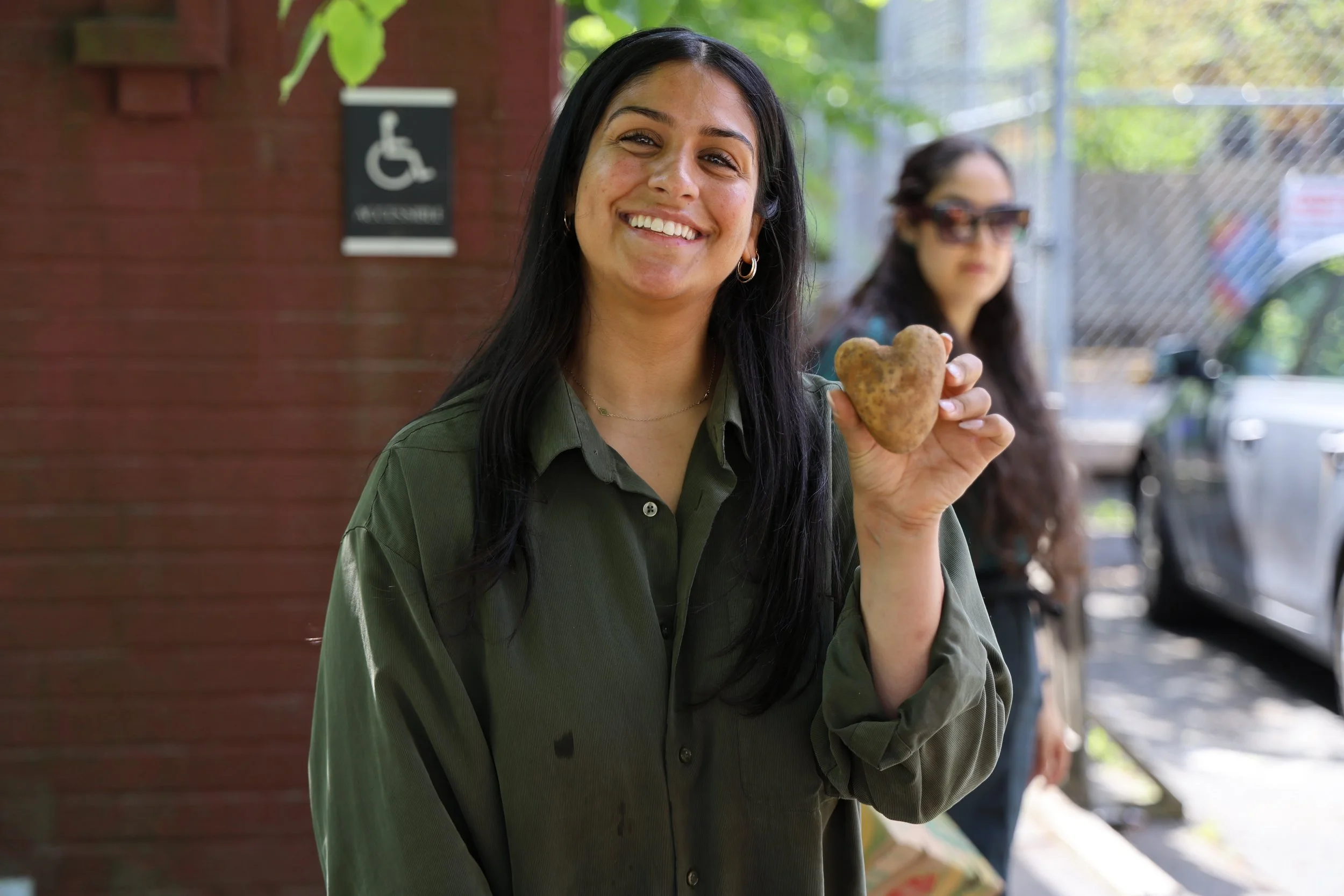
A student holds a heart-shaped potato

The team, led by Co-Presidents and accounting students Courtney Dingle and Sarah Wheeler, along with Gabe Martin BA’25, features 62 students from the Sobey School of Business, Faculty of Arts and Faculty of Science. Twenty-one students will make the trip to the World Cup, along with staff from the Arthur L. Irving Entrepreneurship Centre. Saint Mary’s is the only university representing Canada in this competition. 

“We are incredibly proud of the efforts of every student who has made up this team,” says Co-President Courtney Dingle. “Their dedication to making the world around them better has earned us the title of National Champion for the second consecutive year, and we are excited to watch them take on the 2025 Enactus World Cup in Thailand.” 

This year, third-year accounting student and team captain Olivian Sanderson, third-year accounting and global business management student Becca Sullivan and second-year engineering student Mia Makhlouf take center-stage along with tech team Maya Campbell BComm’25 and criminology student Prateek Tamta. The team will compete in three rounds before a world champion is named. In addition, Saint Mary’s University will also represent Canada in the early-stage competition, comprised of account and business management student Kavya Shah, finance and accounting student Zach Collier and the tech team, accounting and finance student Hanna Johnson and marketing student Leah McNamara.

Follow the team’s journey on the Arthur L. Irving Entrepreneurship Centre and Enactus Canada social media channels.   

Active transportation update: Bird e-scooters now on campus

Scooters and bikes parked on campus

Saint Mary’s is making active transportation more accessible, affordable and appealing to the campus community. With new initiatives and infrastructure in place, SMU is encouraging students, staff and faculty to choose greener, healthier ways to get around. 

A new addition is the Bird Canada e-scooter program, launched in July with two dedicated locations on campus—the Burke Building and the canopy of the Engineering building (960 Tower Road). SMU students can enjoy exclusive perks, including 10 minutes free on their first ride (promo code: FORFREE, valid until October 1), and ongoing discounts with a SMU email address.  

Bird also offers semester subscriptions with $3 flat-rate rides, plus flexible ride passes for frequent users. Parents can even load funds directly into student accounts, making it easier to budget for sustainable travel. To get started, download the Bird app.

Cyclists can use the bike repair stations and secure bike lockers, which are available for rent. Lockers are located near the Dauphinee Centre and can be reserved online. These amenities are also visible on the Campus Map.

For faculty and staff, the Smart Trip Program offers a discounted Halifax Transit EPass, making public transit a more affordable commuting option. Learn more about this program.

In keeping with the sustainable transportation theme, on October 2, HRM will host a Halifax Urban Greenway engagement kiosk in the Loyola Colonnade from 1-4 p.m. This multi-use trail will pass through The Oaks property on campus. As an active project partner, SMU invites the campus community to share input and help shape this important addition to Halifax’s active transportation network. 

Together, these initiatives reflect Saint Mary’s commitment to sustainability, wellness and a more connected campus.

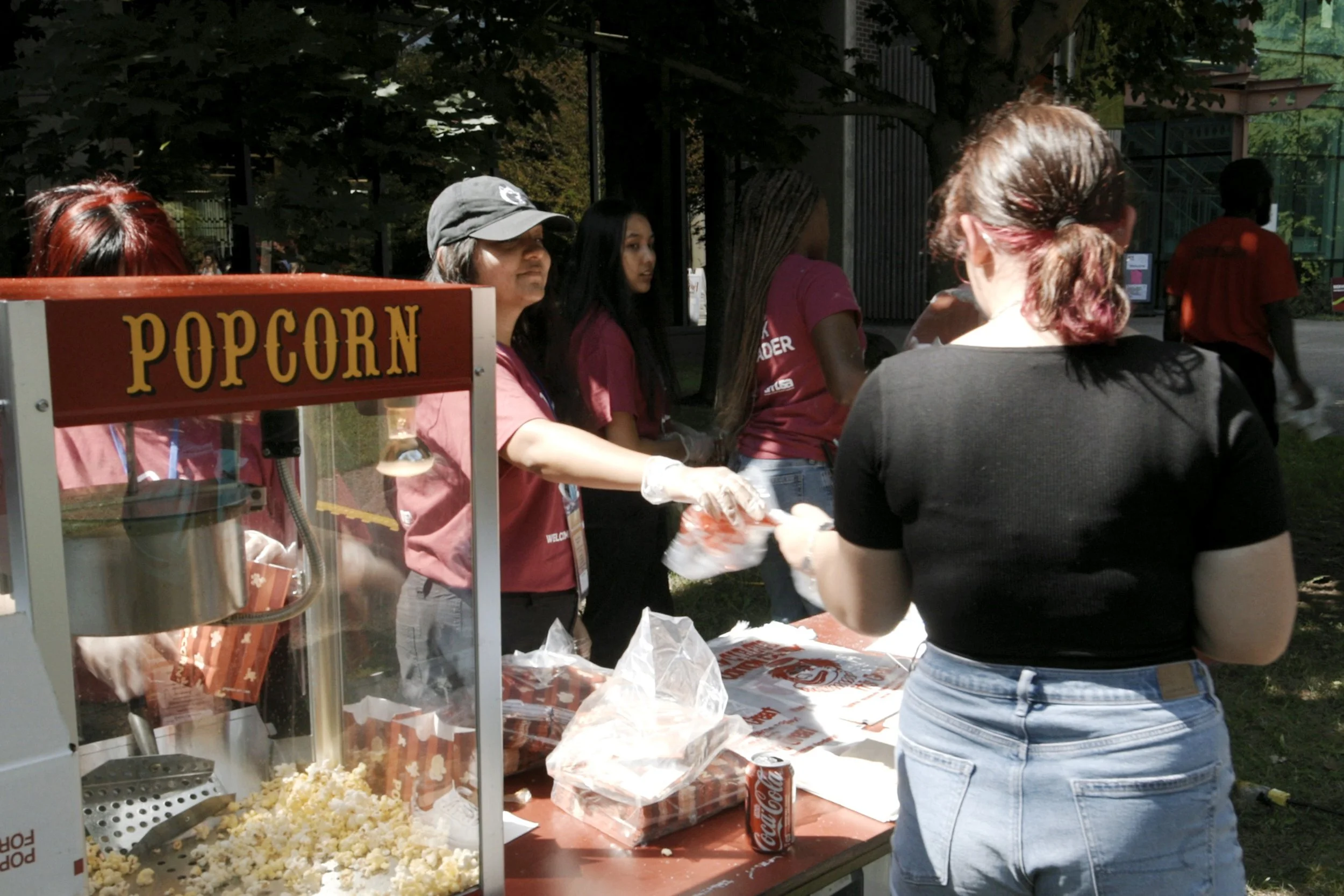
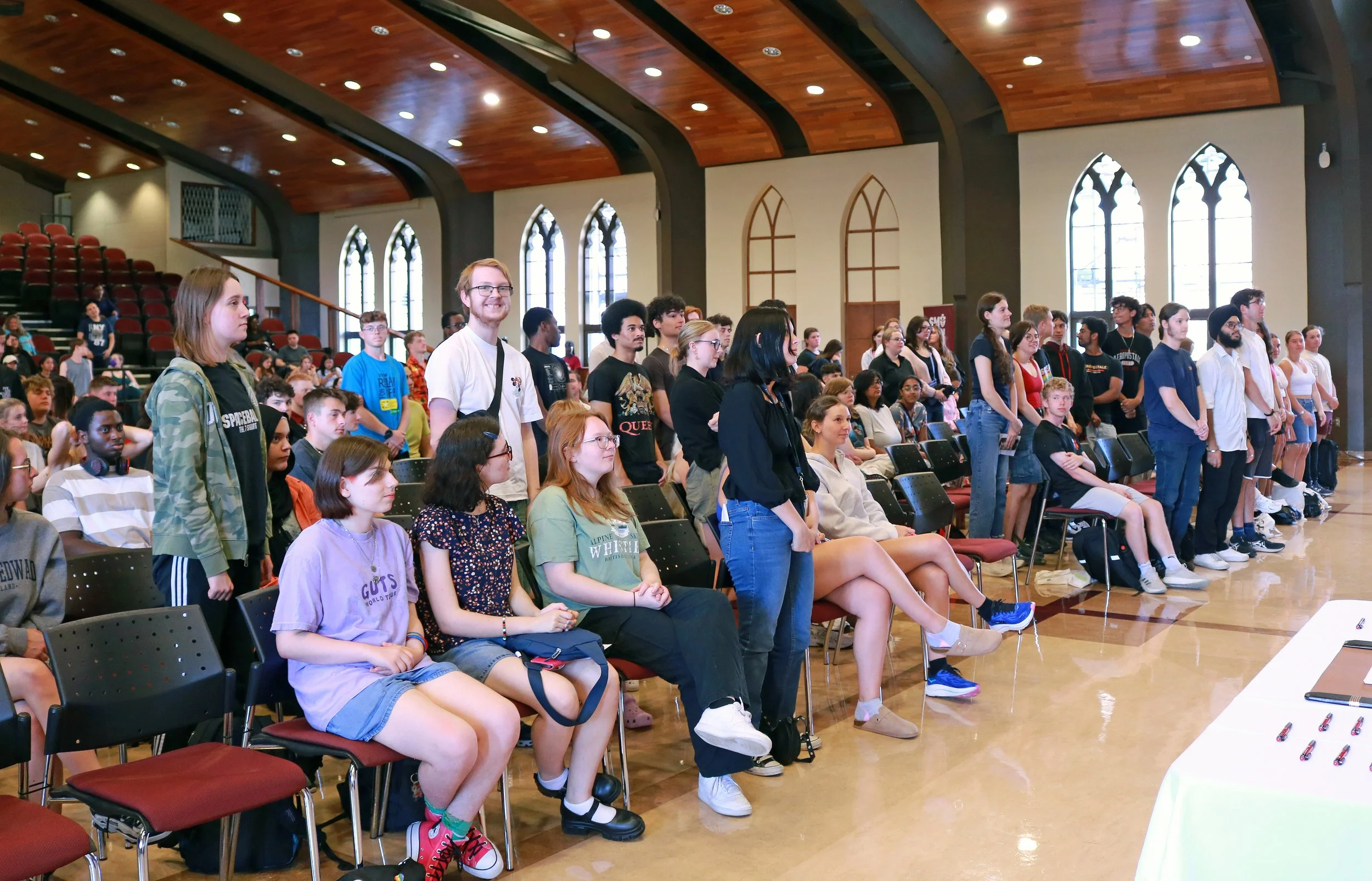
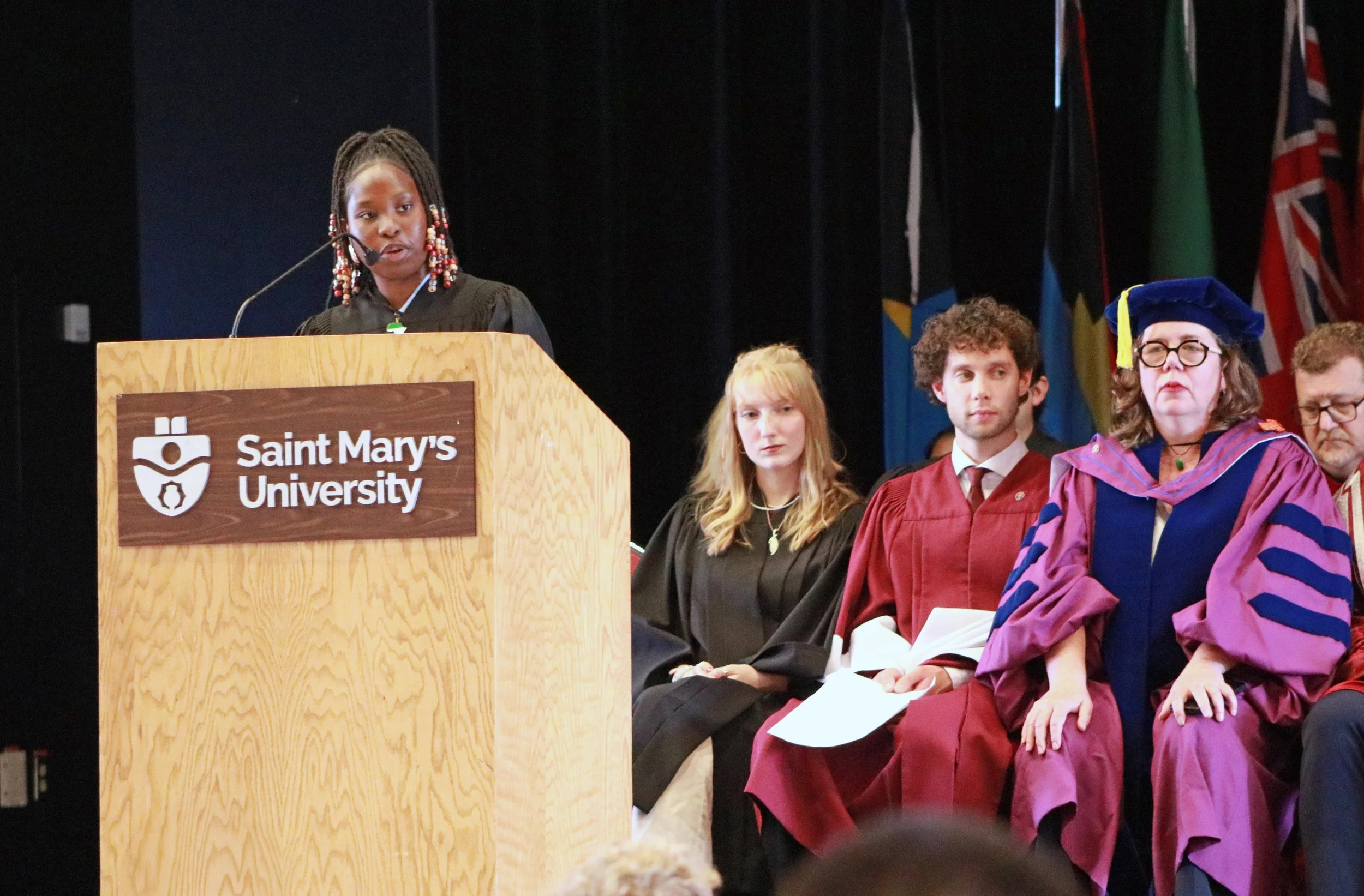
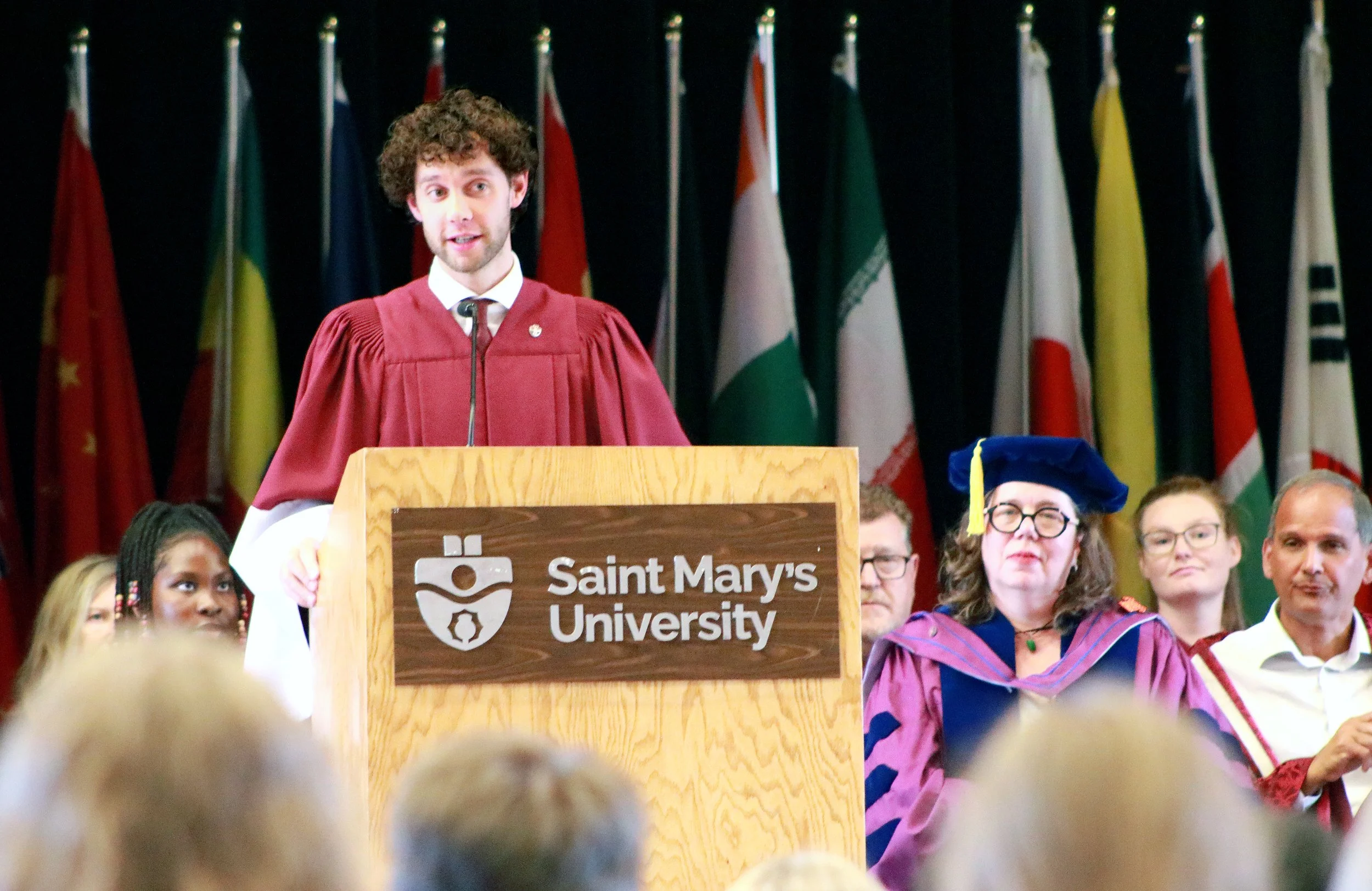
Welcome Weeks demonstrates community, support and fun!

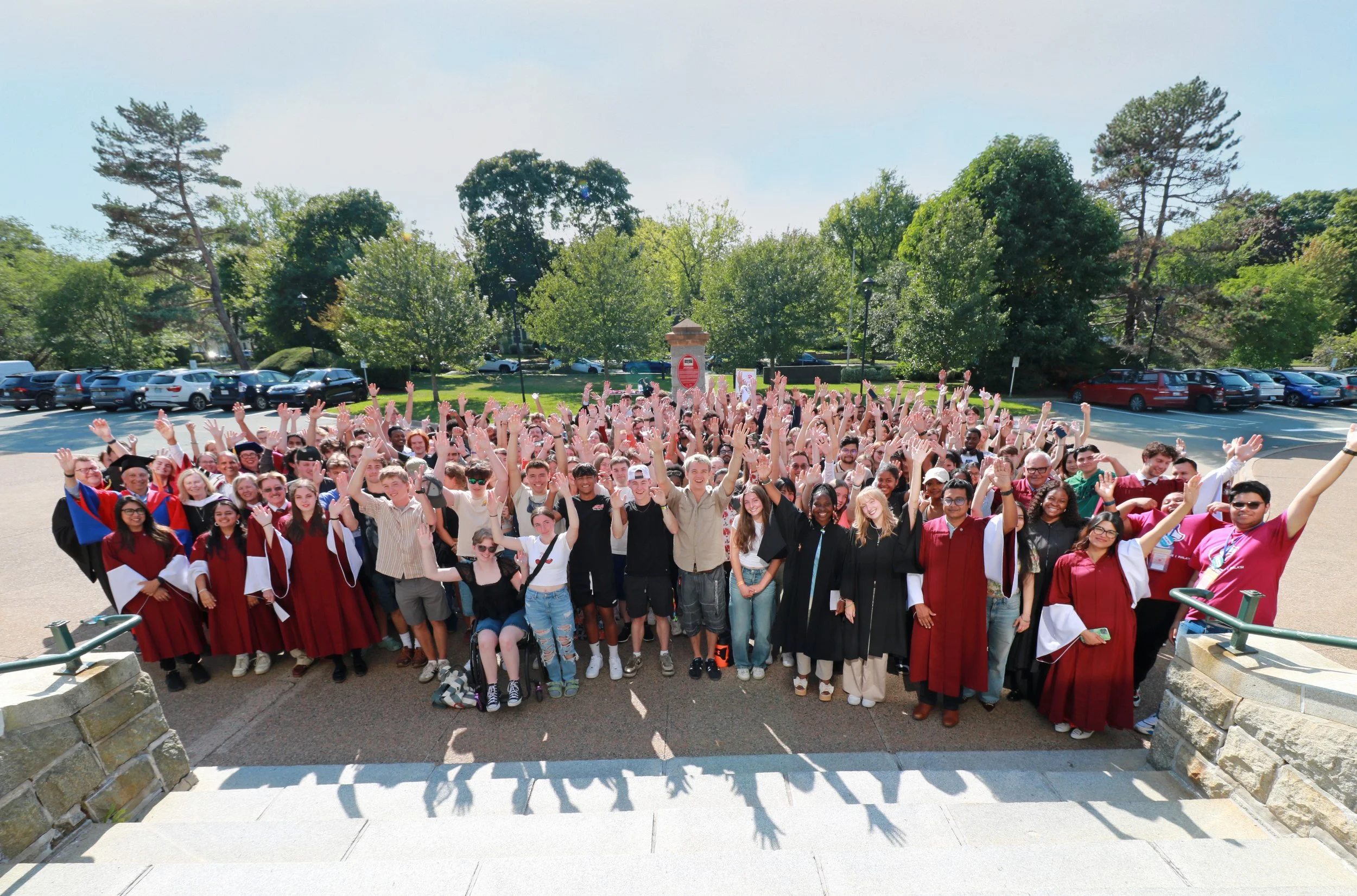
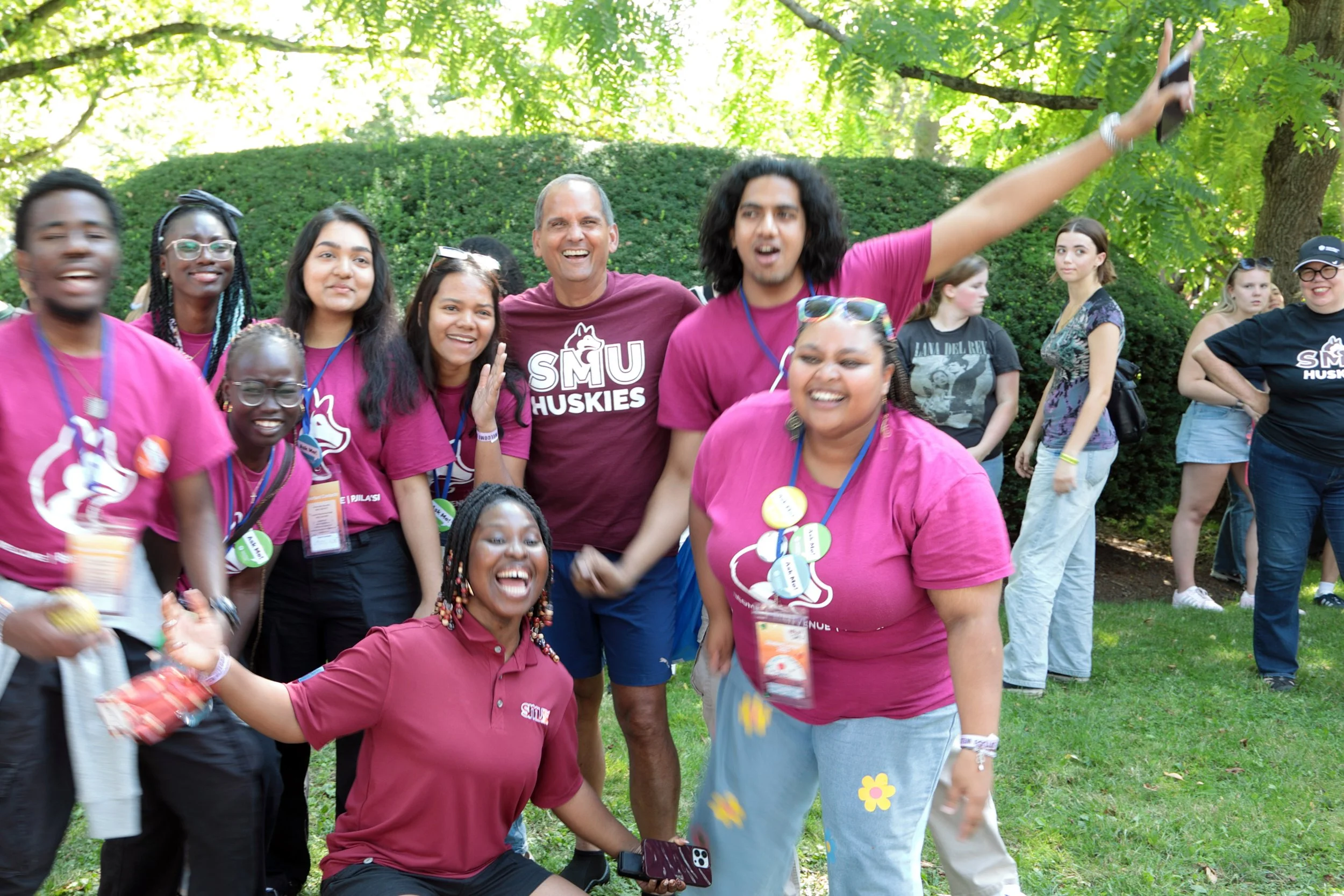
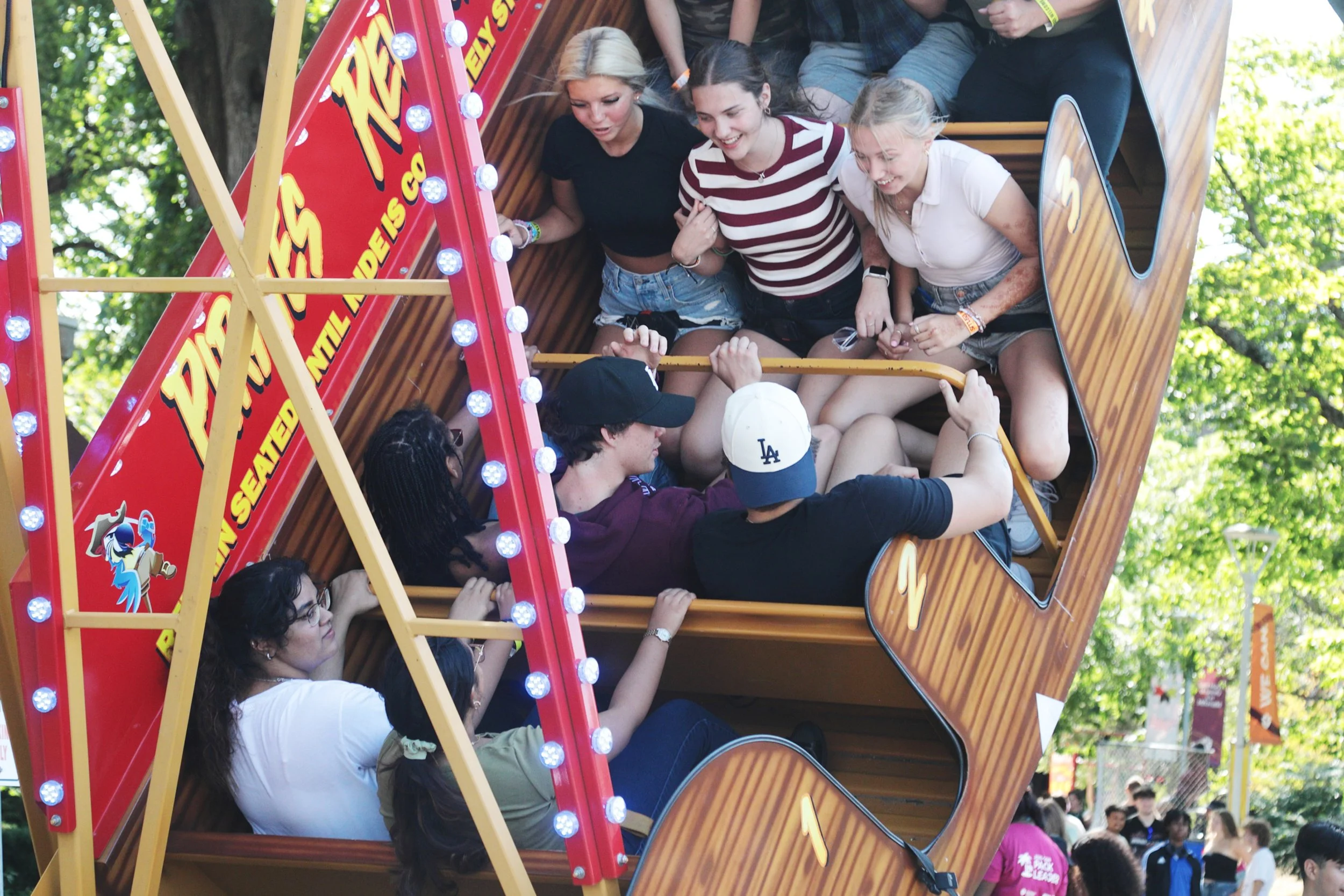
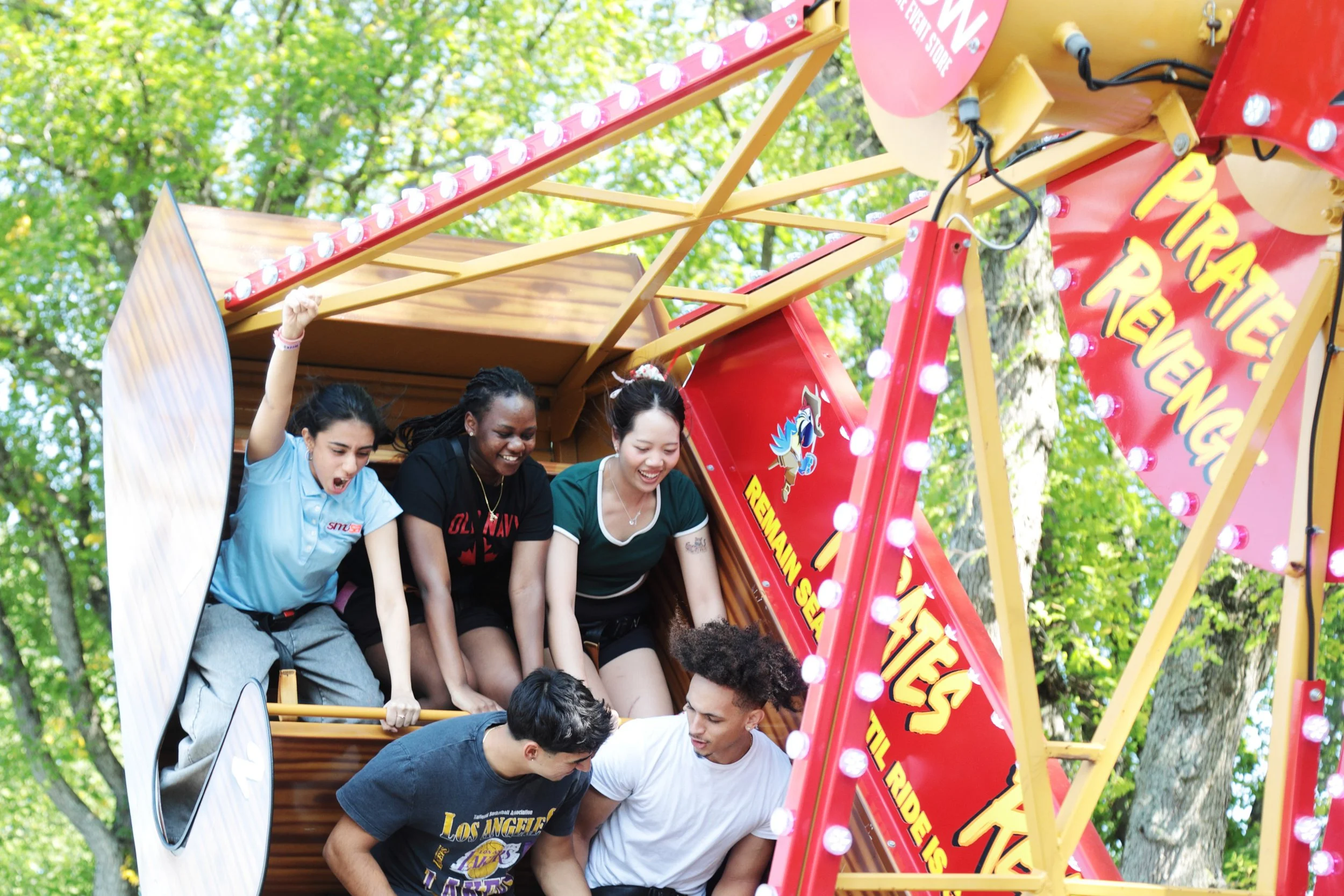
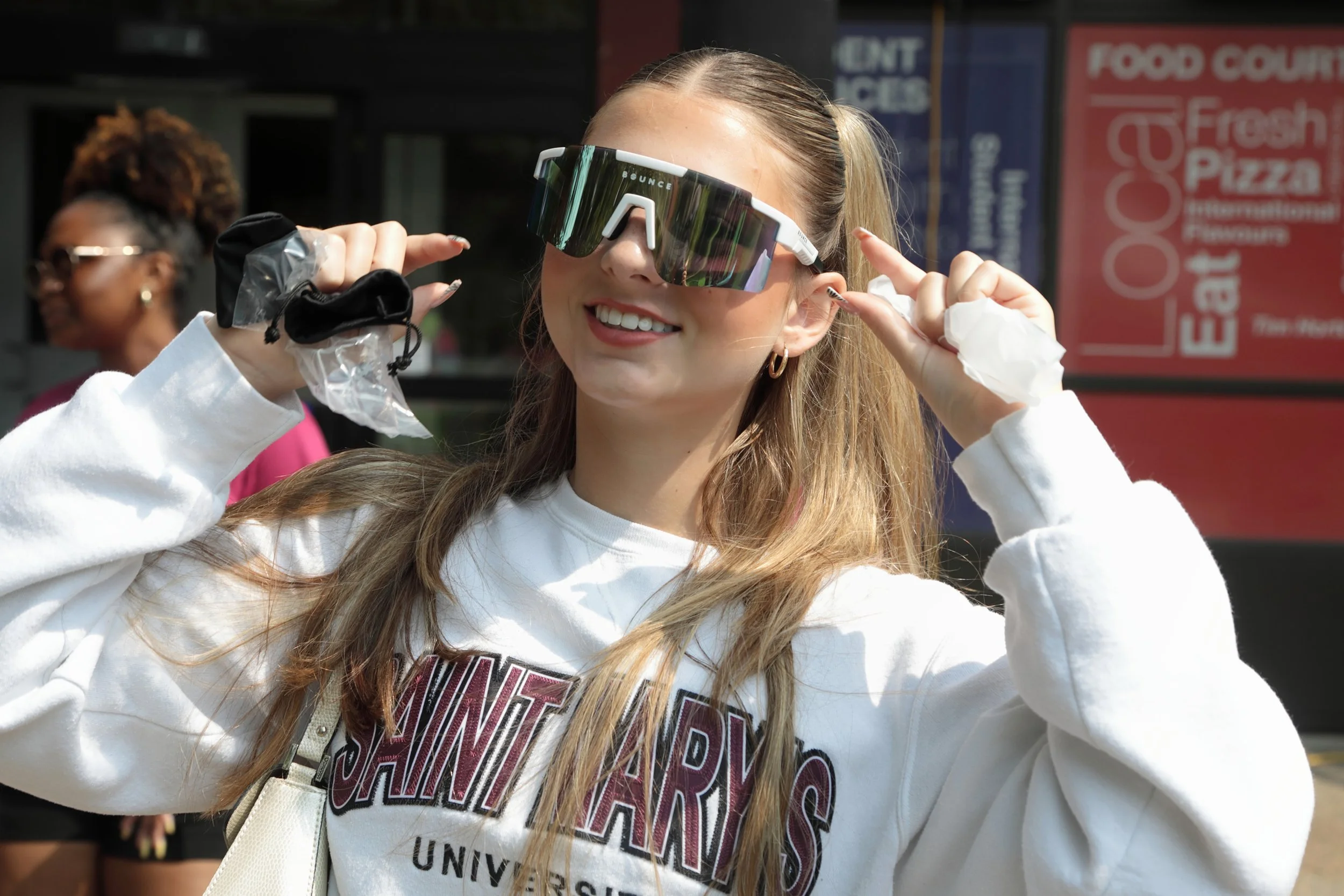
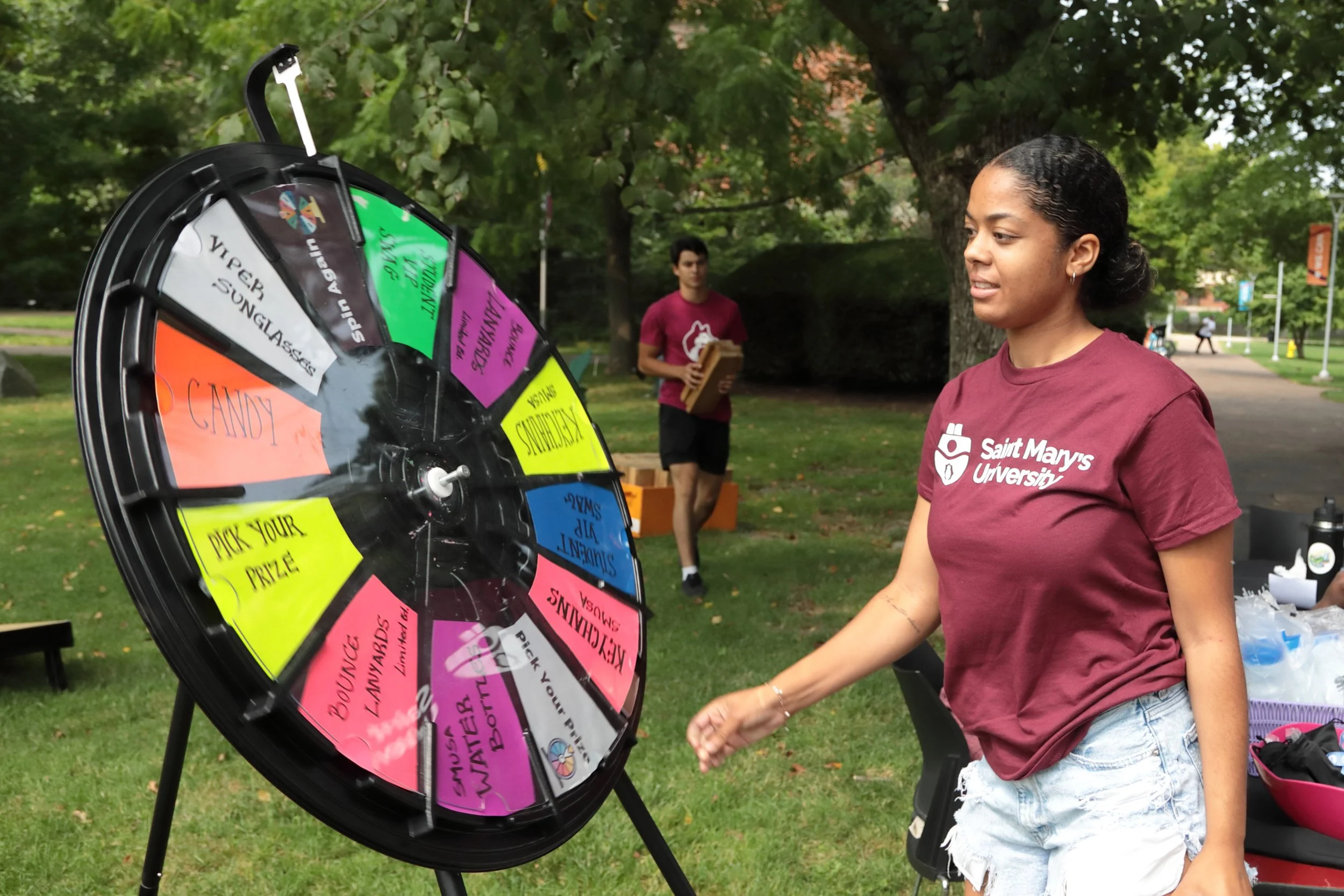
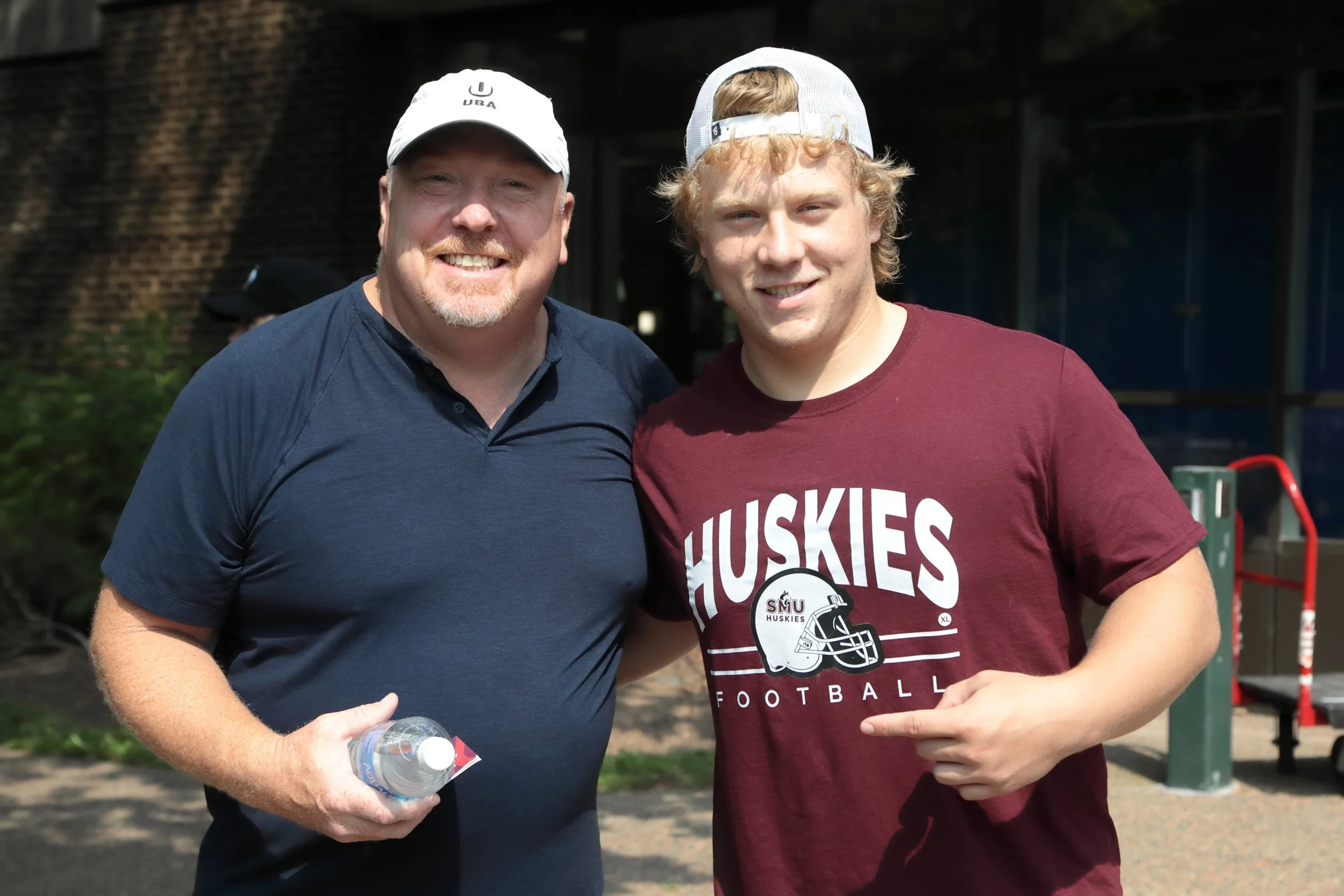
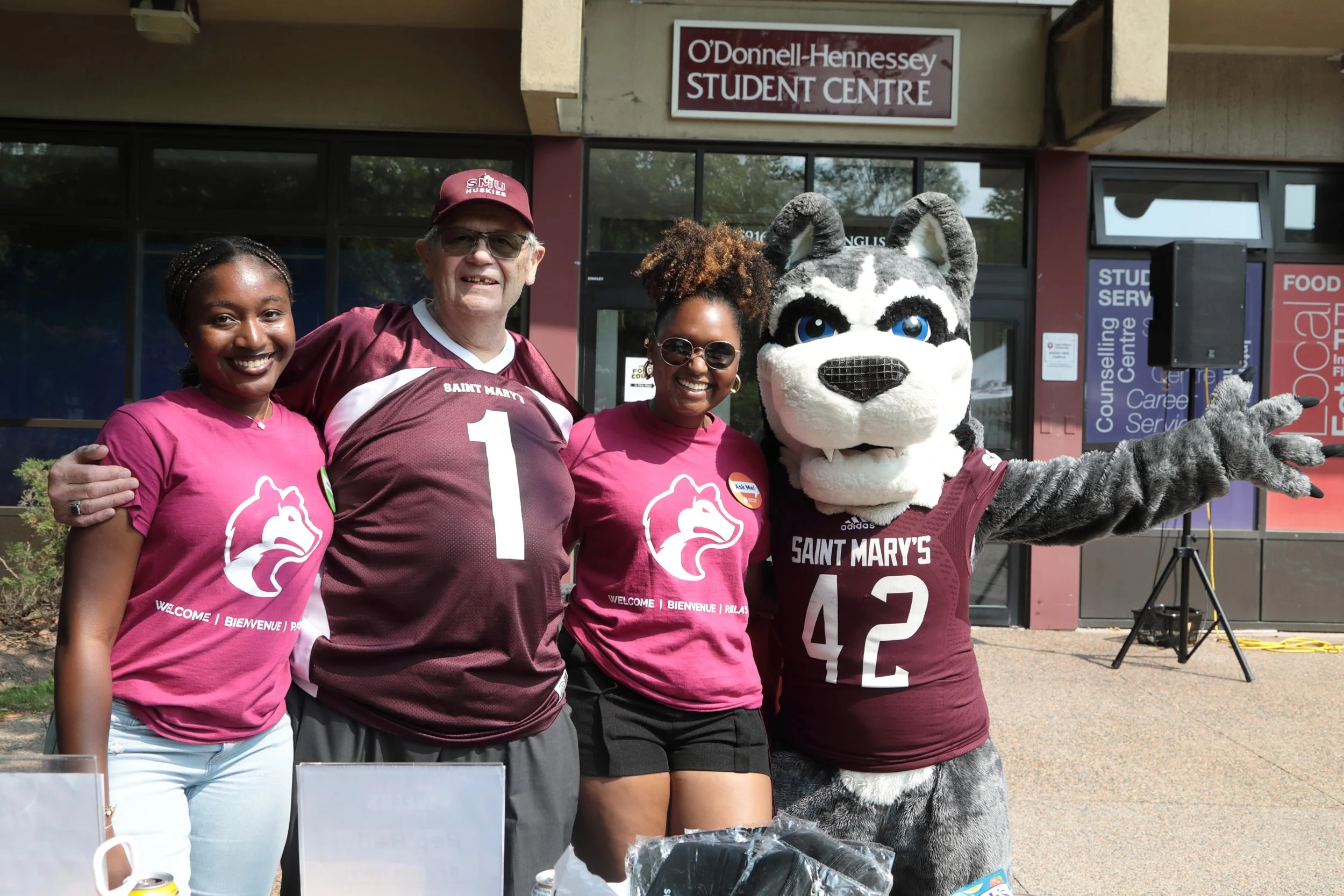
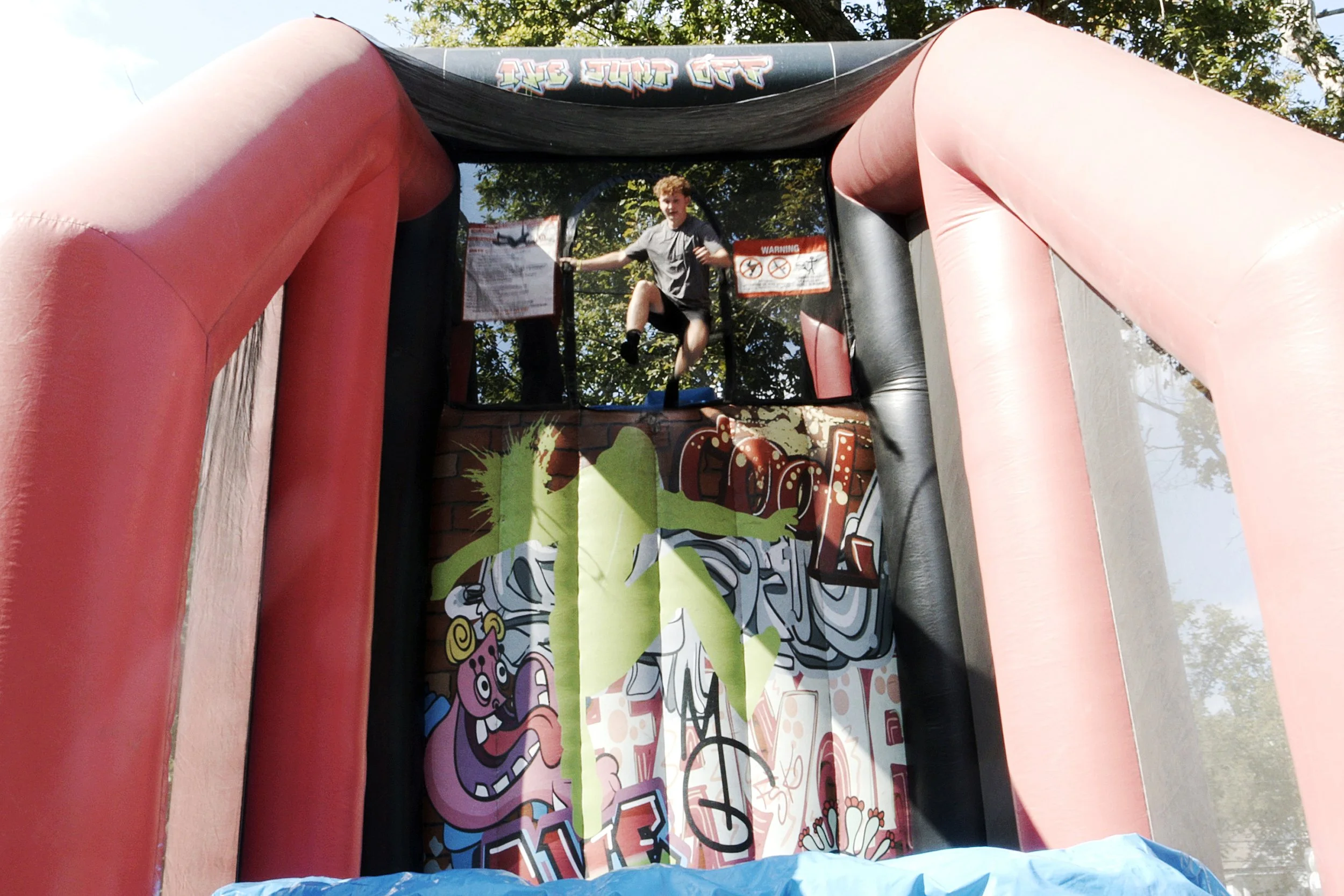
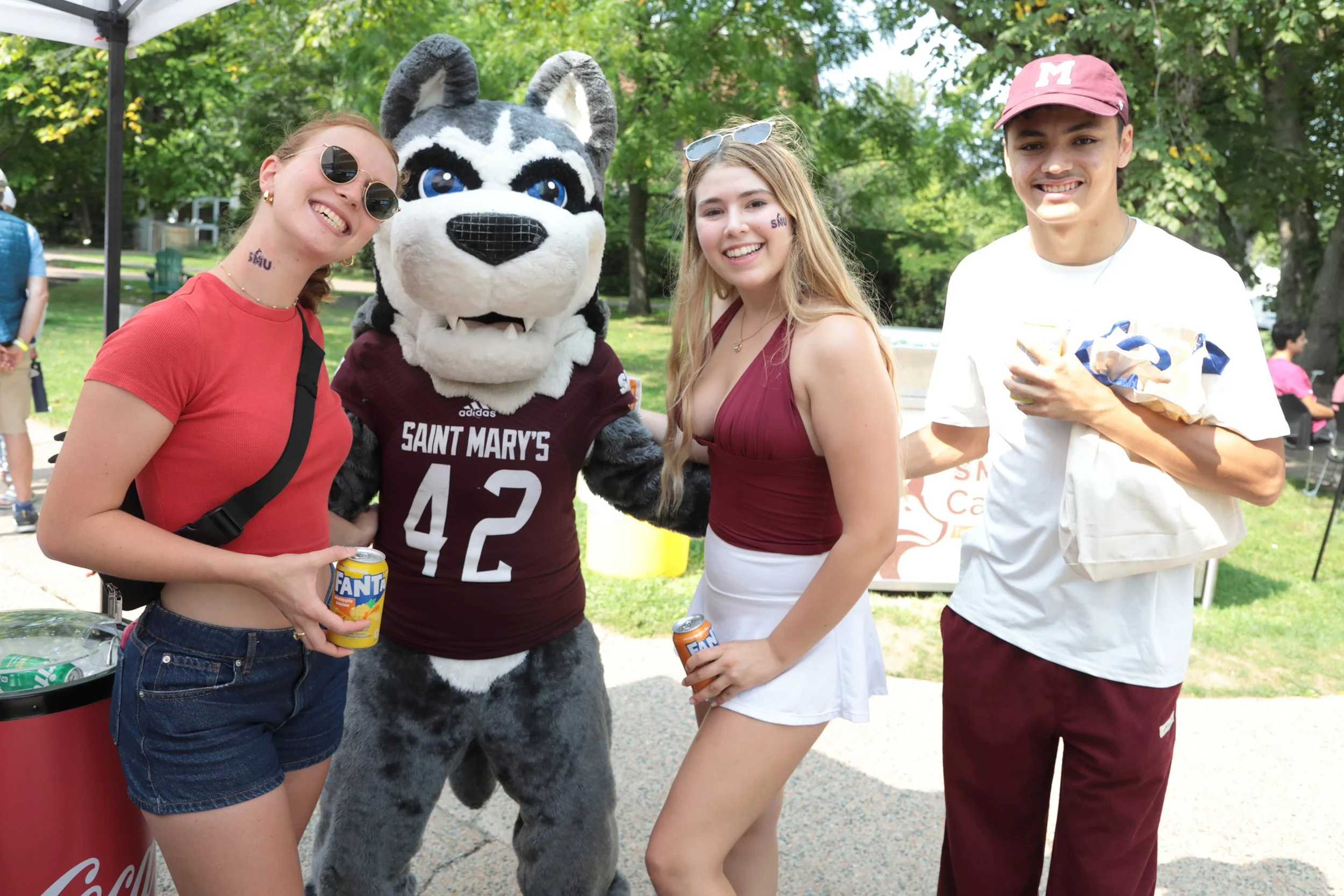
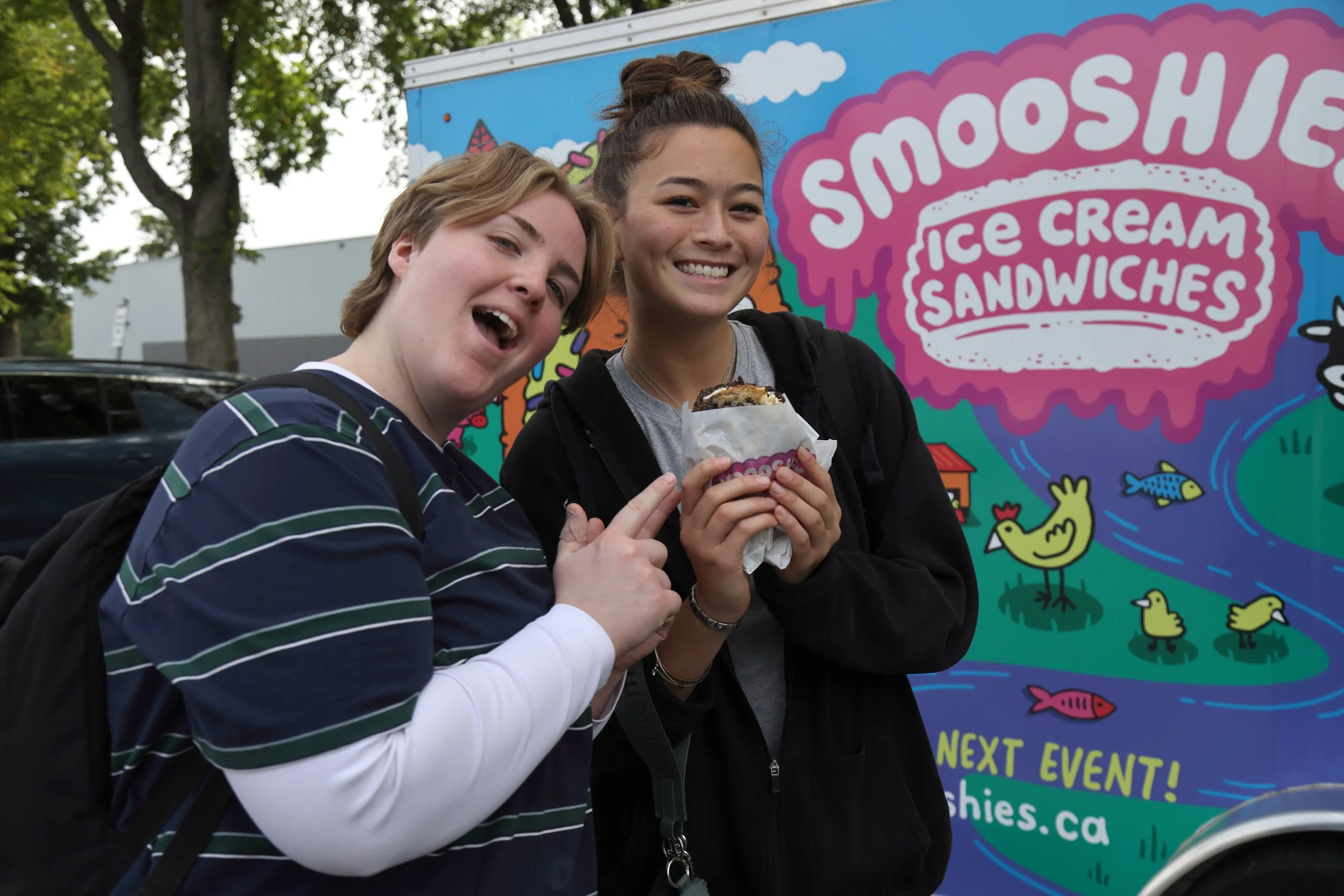
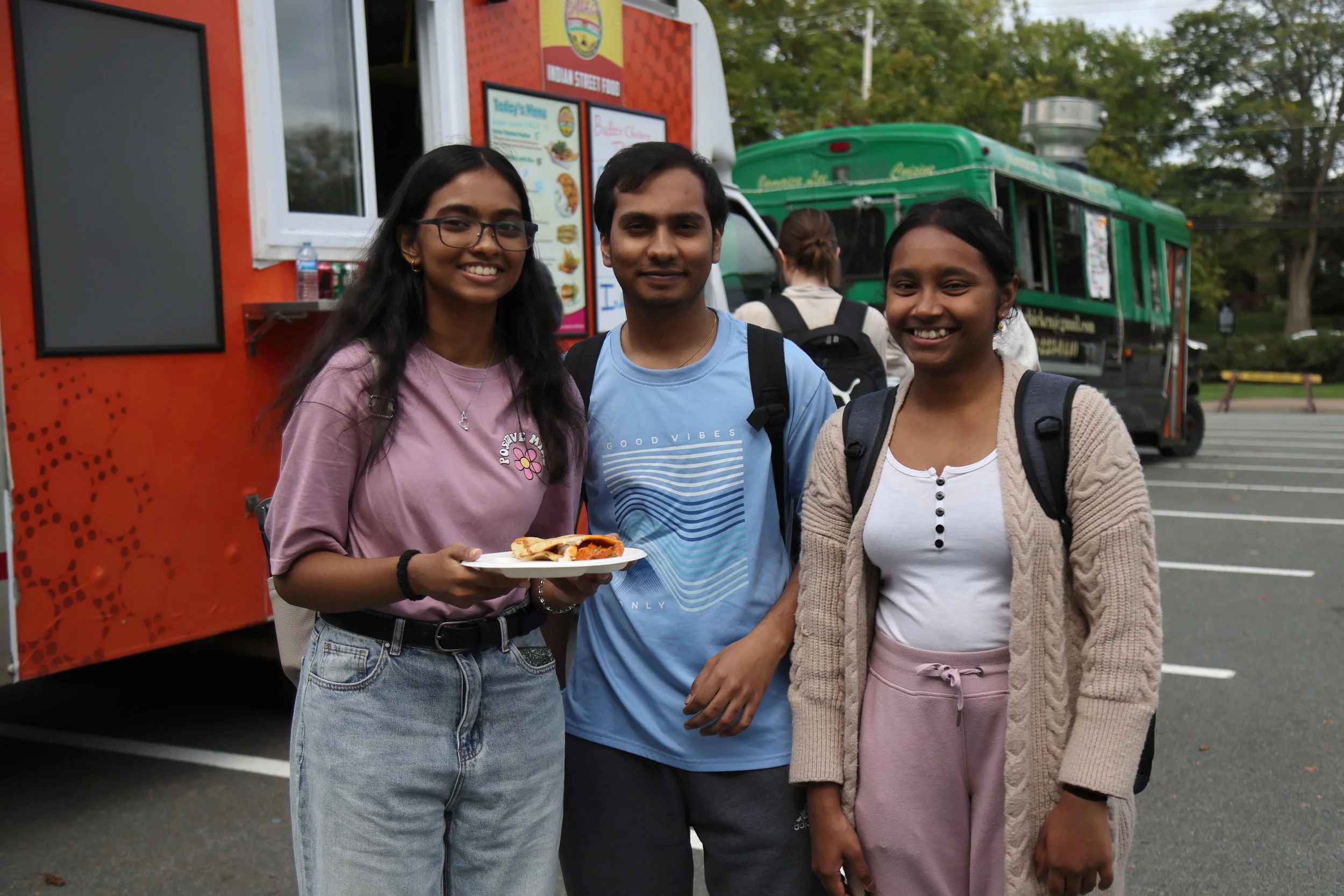
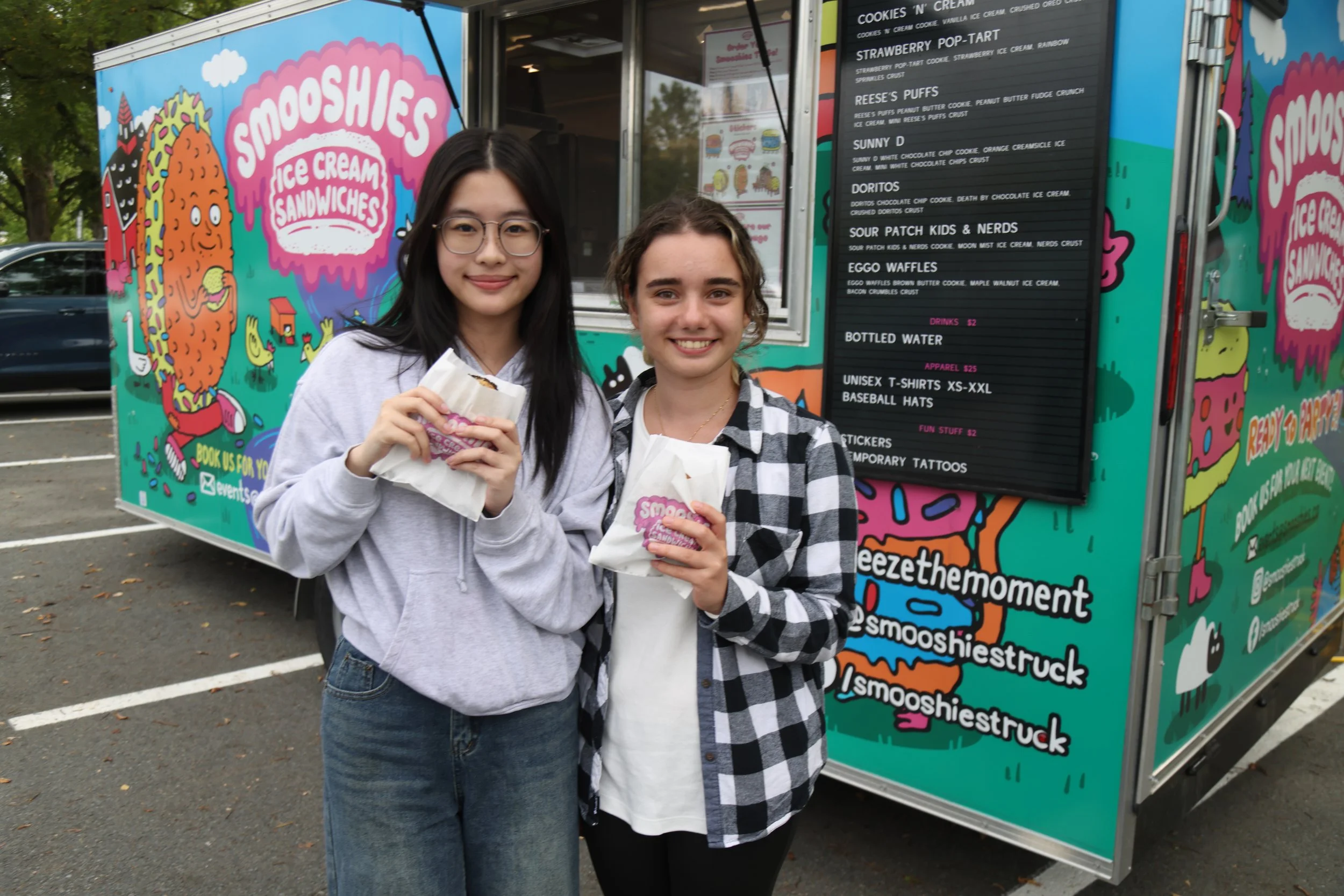
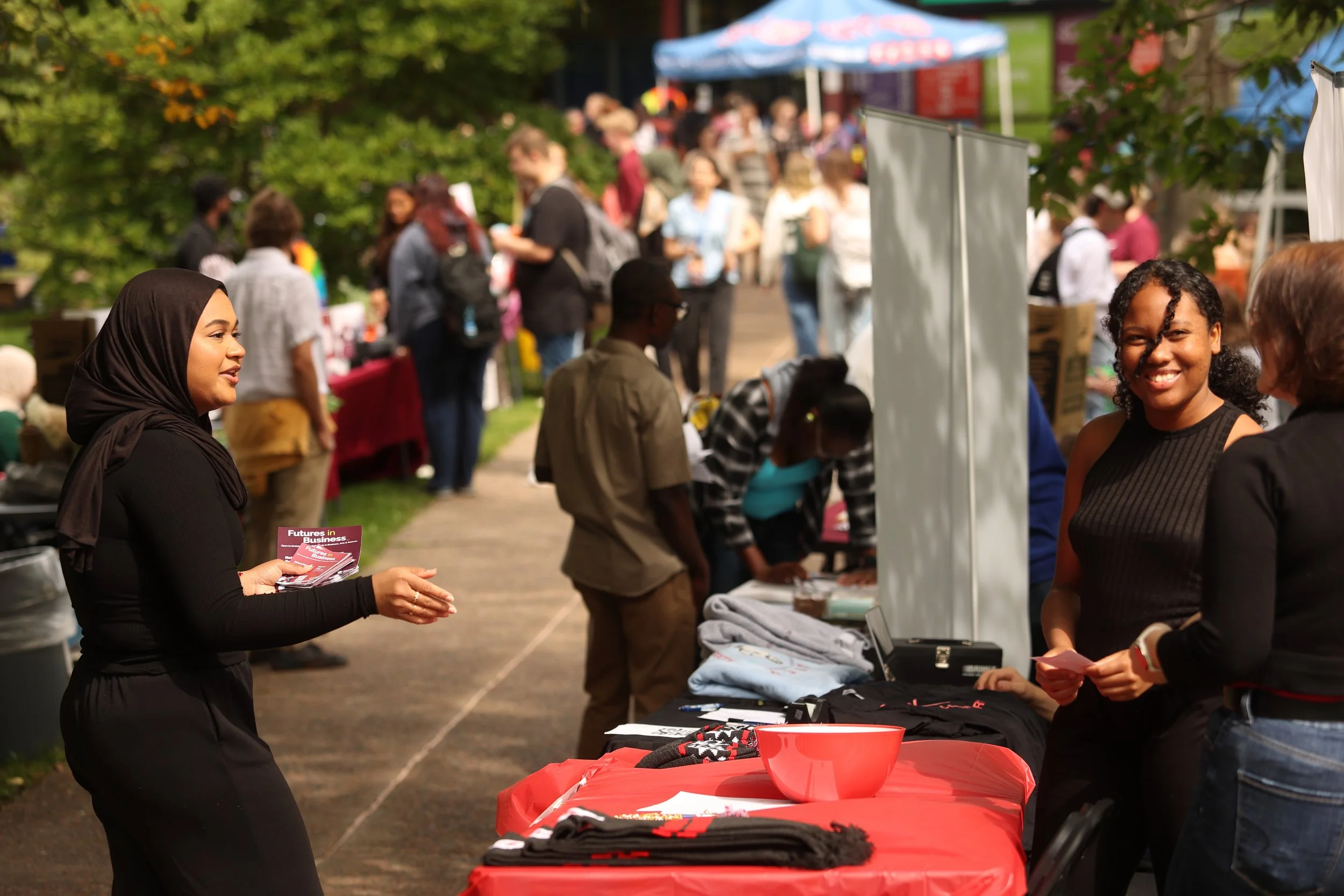
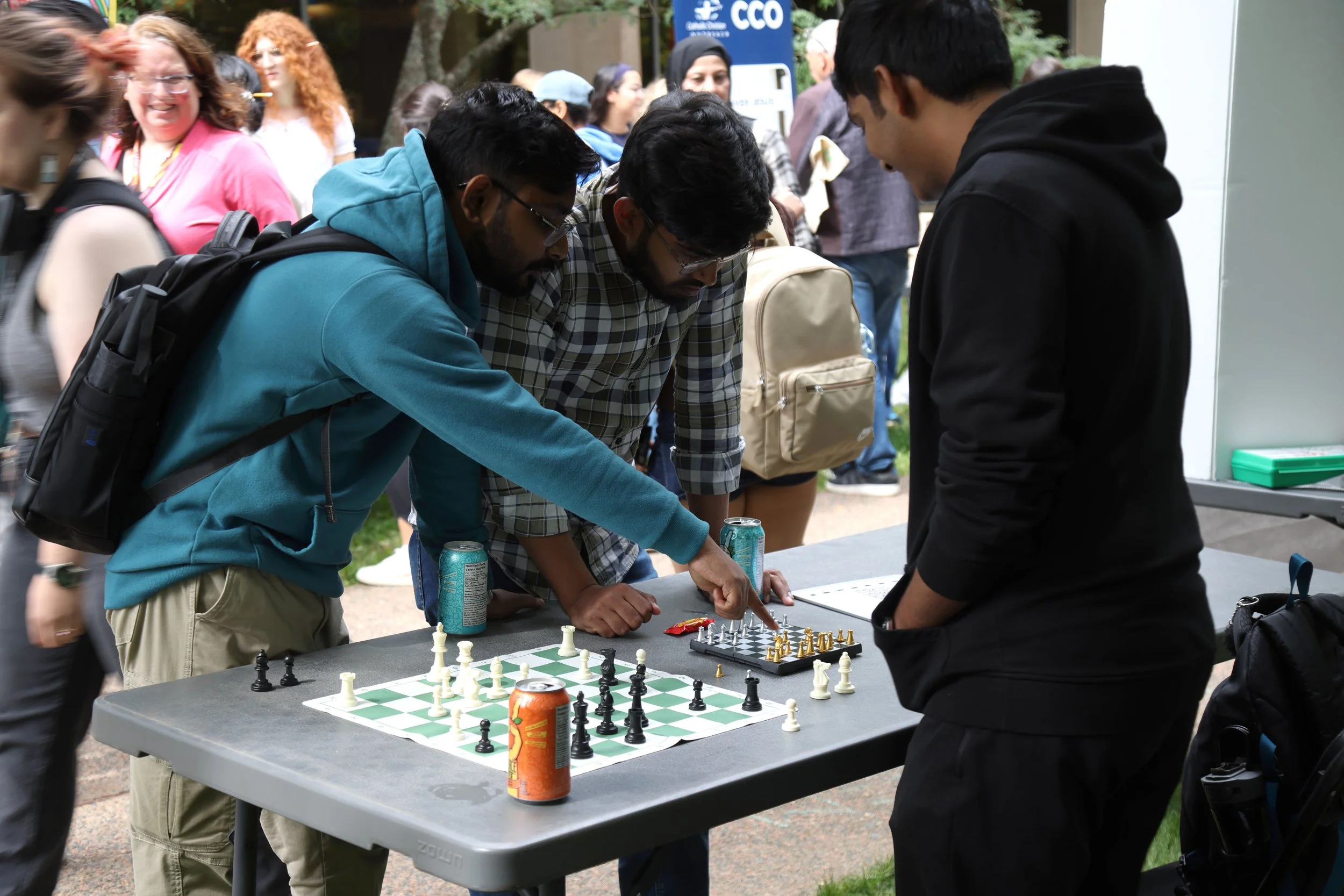
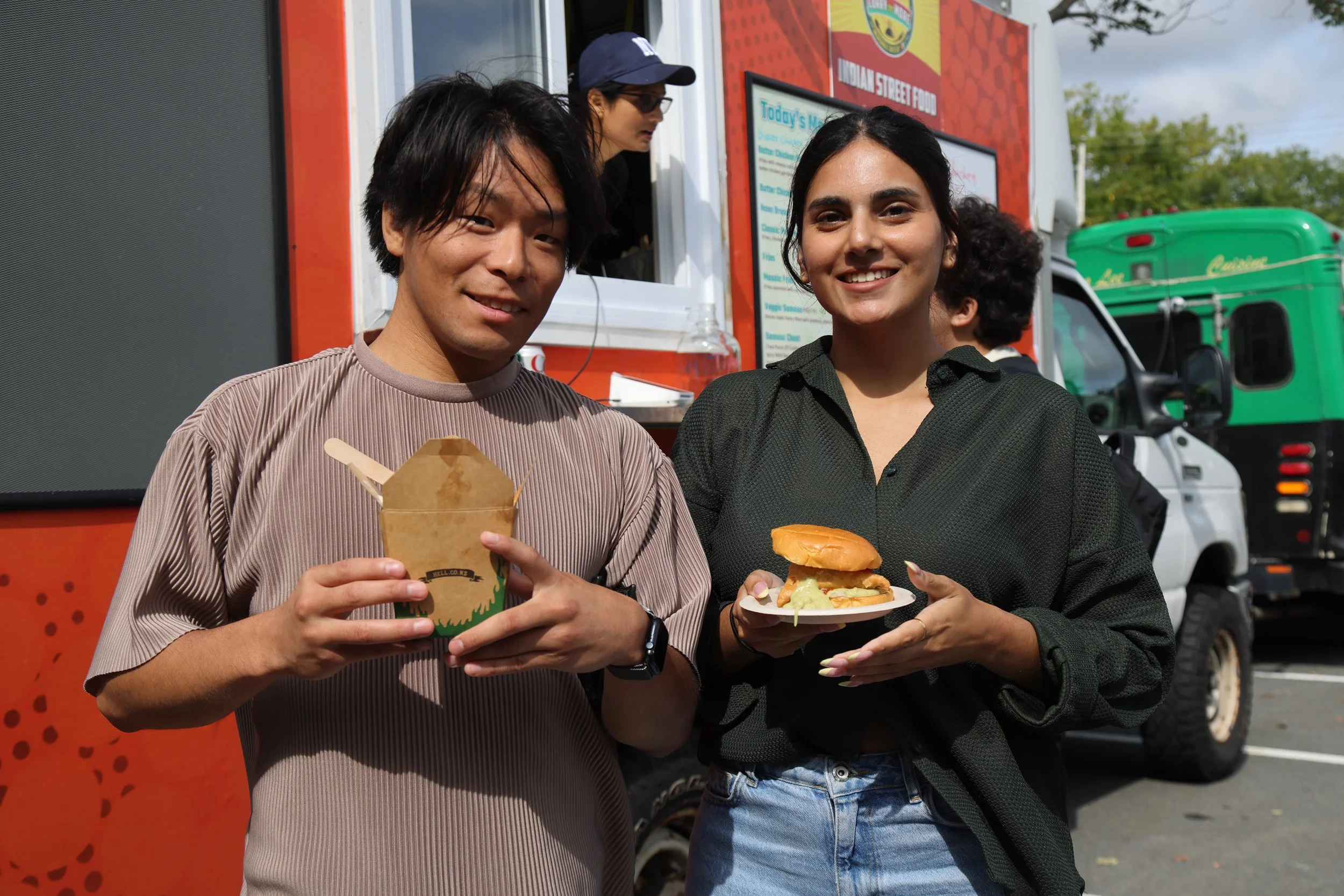
Fall term is underway and the SMU community has come together to make the transition to university easy, safe and fun for new students during New to SMU’s Welcome Weeks. Check out the photo album above showcasing just a few of the great events on campus!

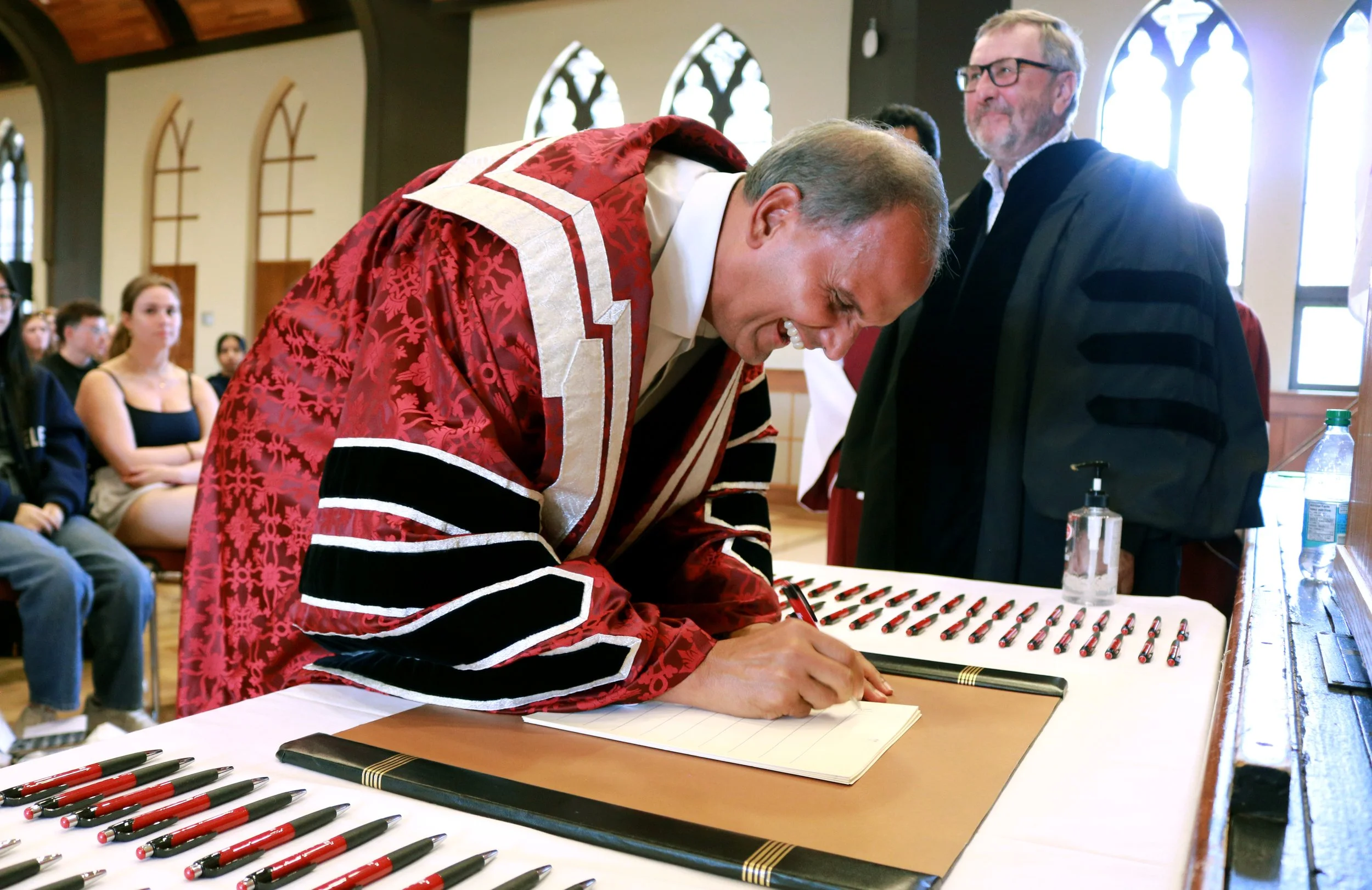
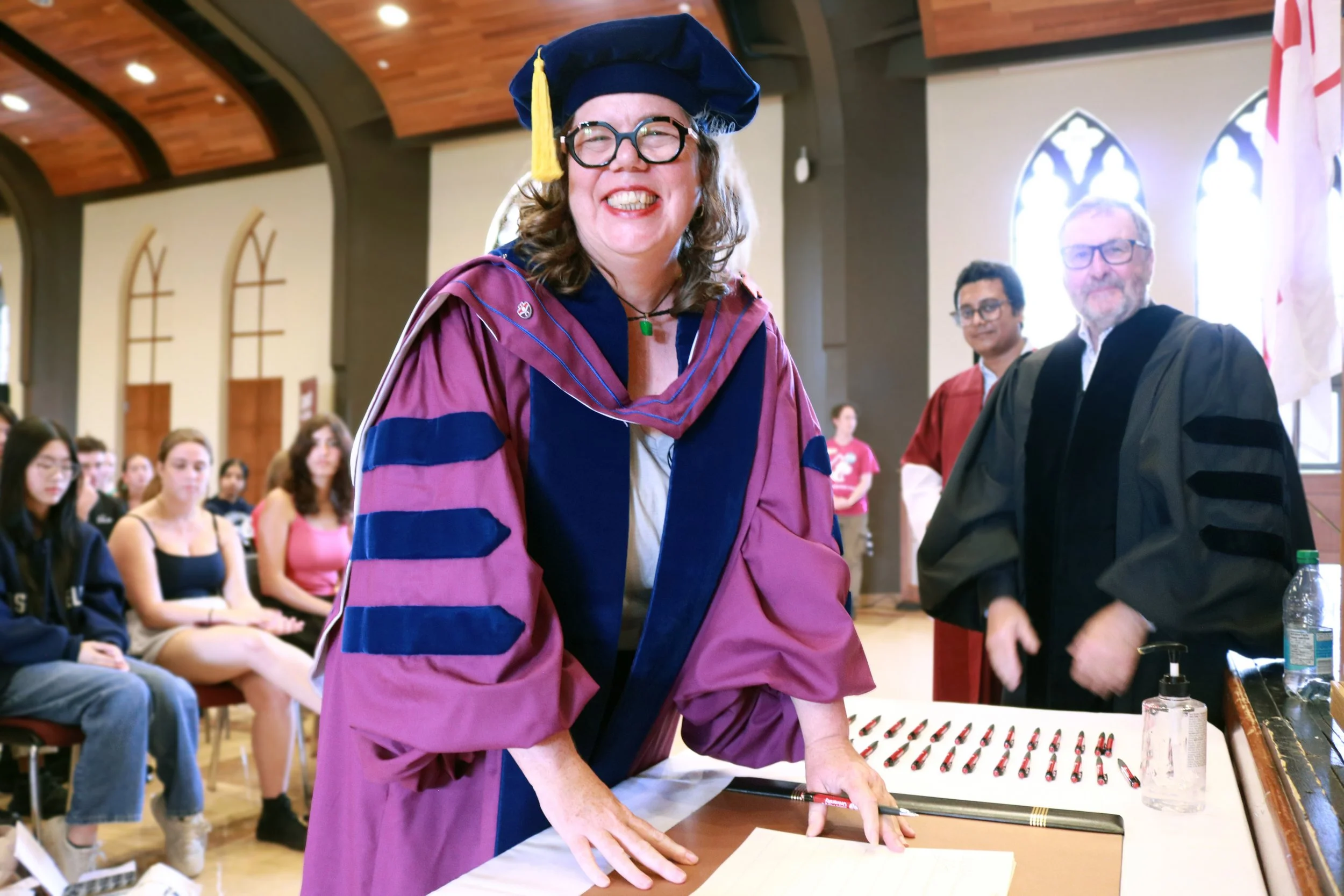
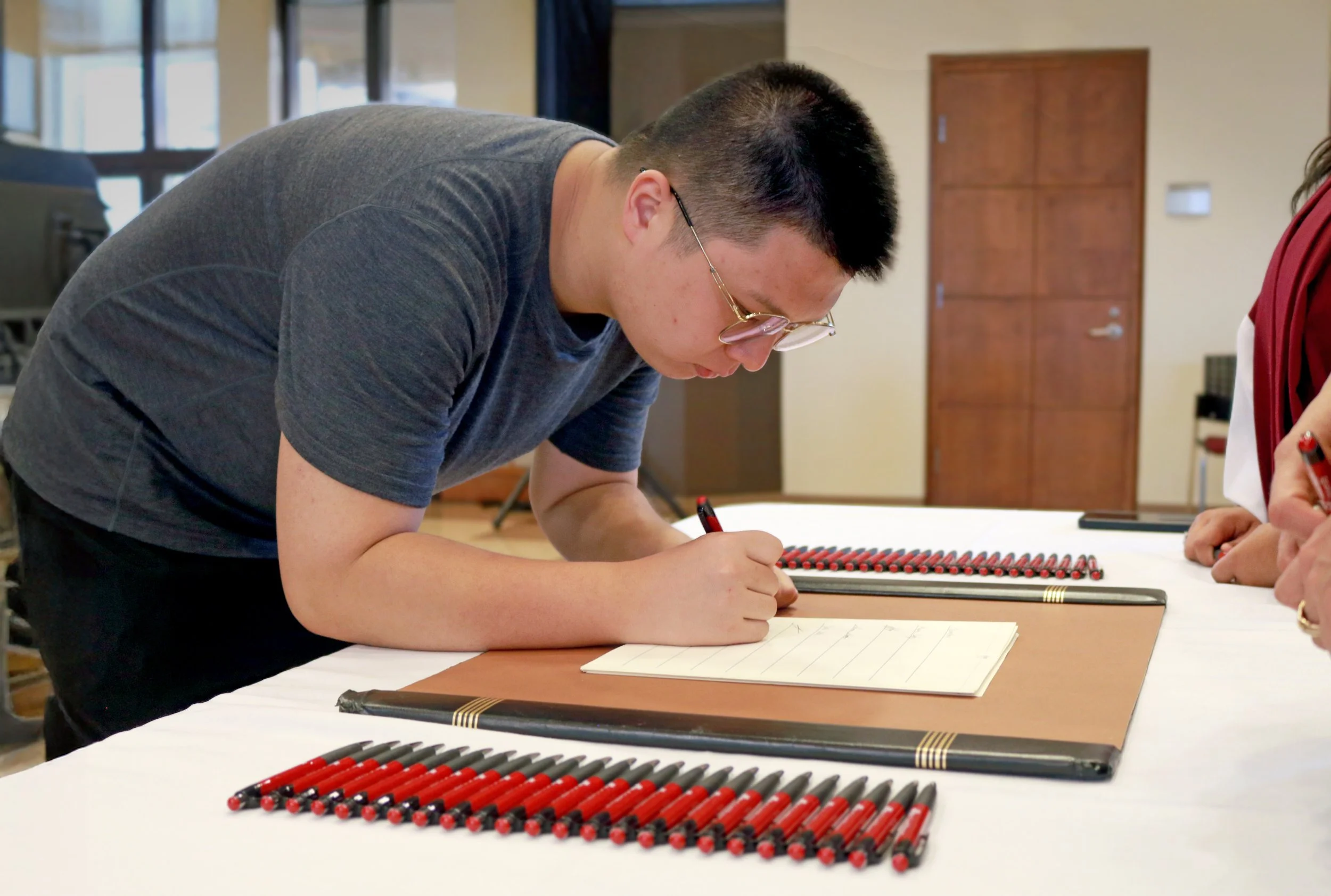
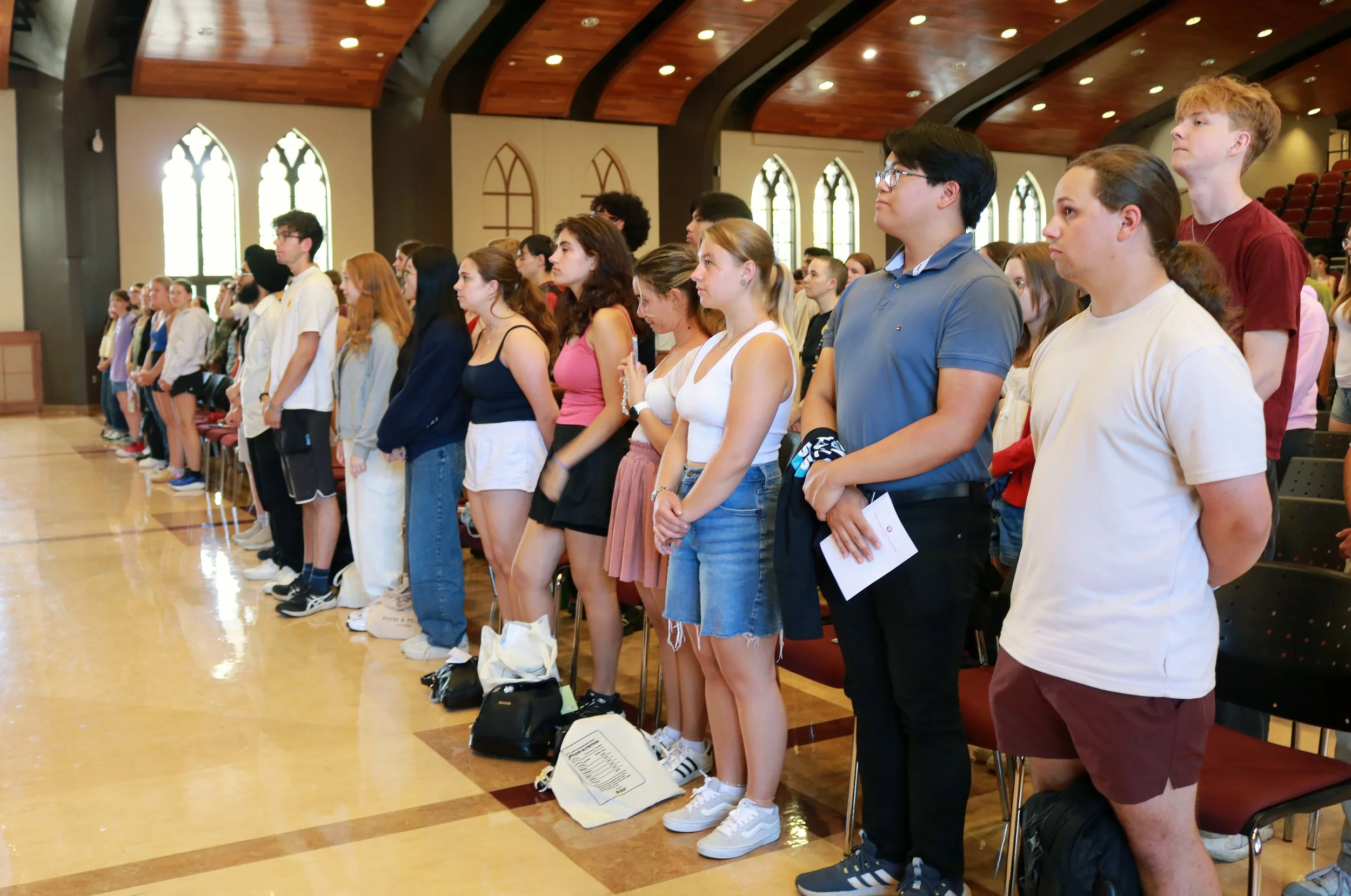
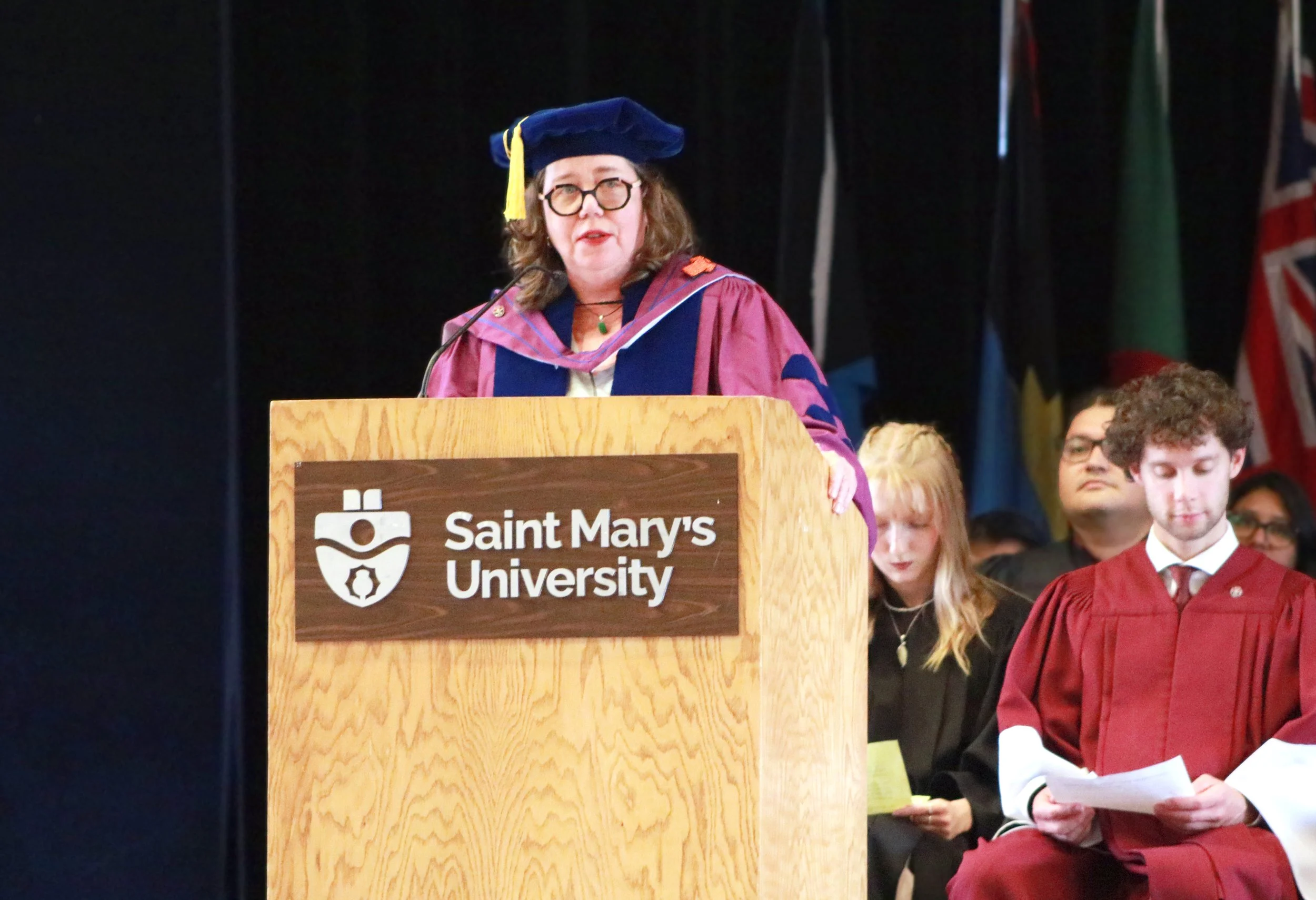
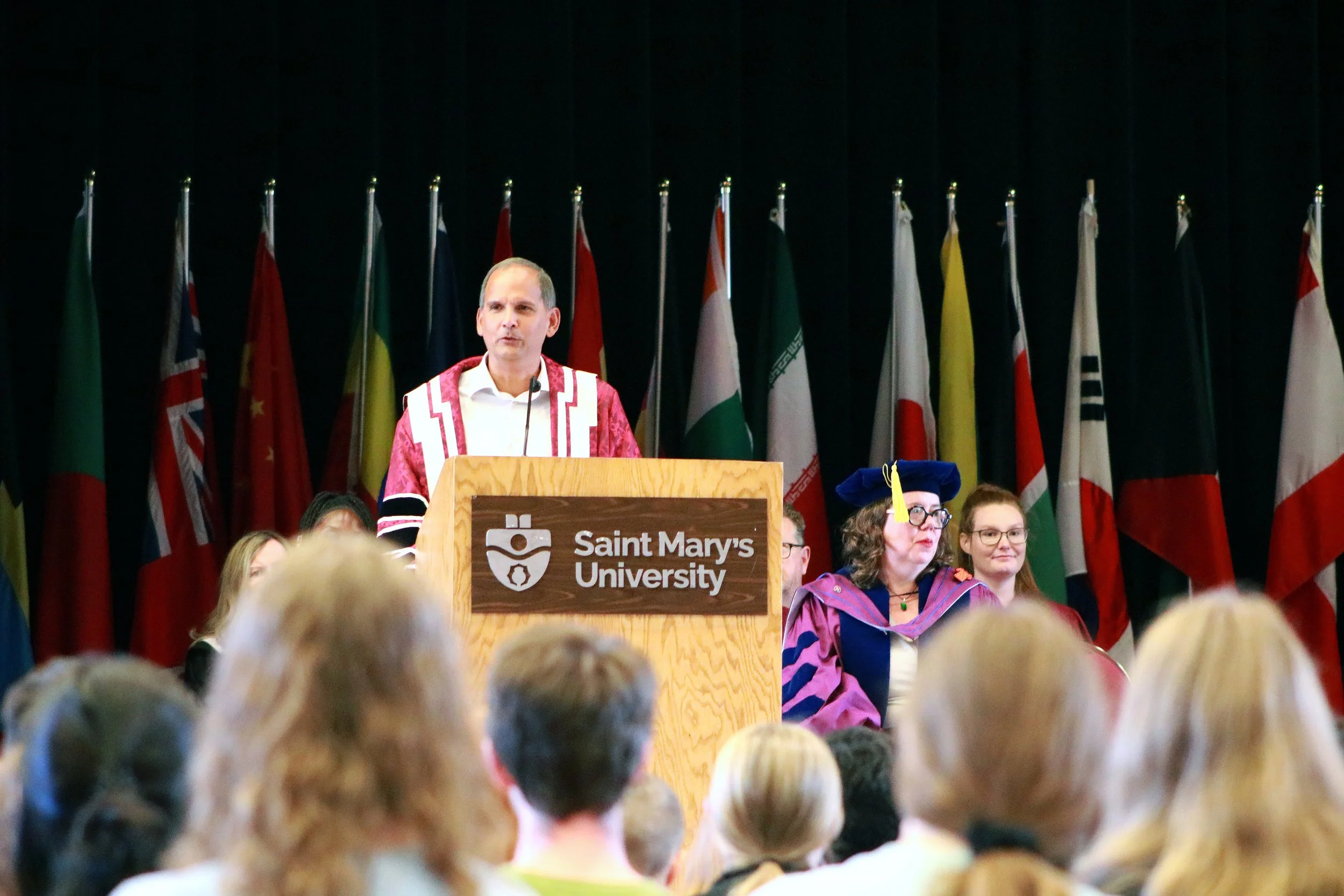
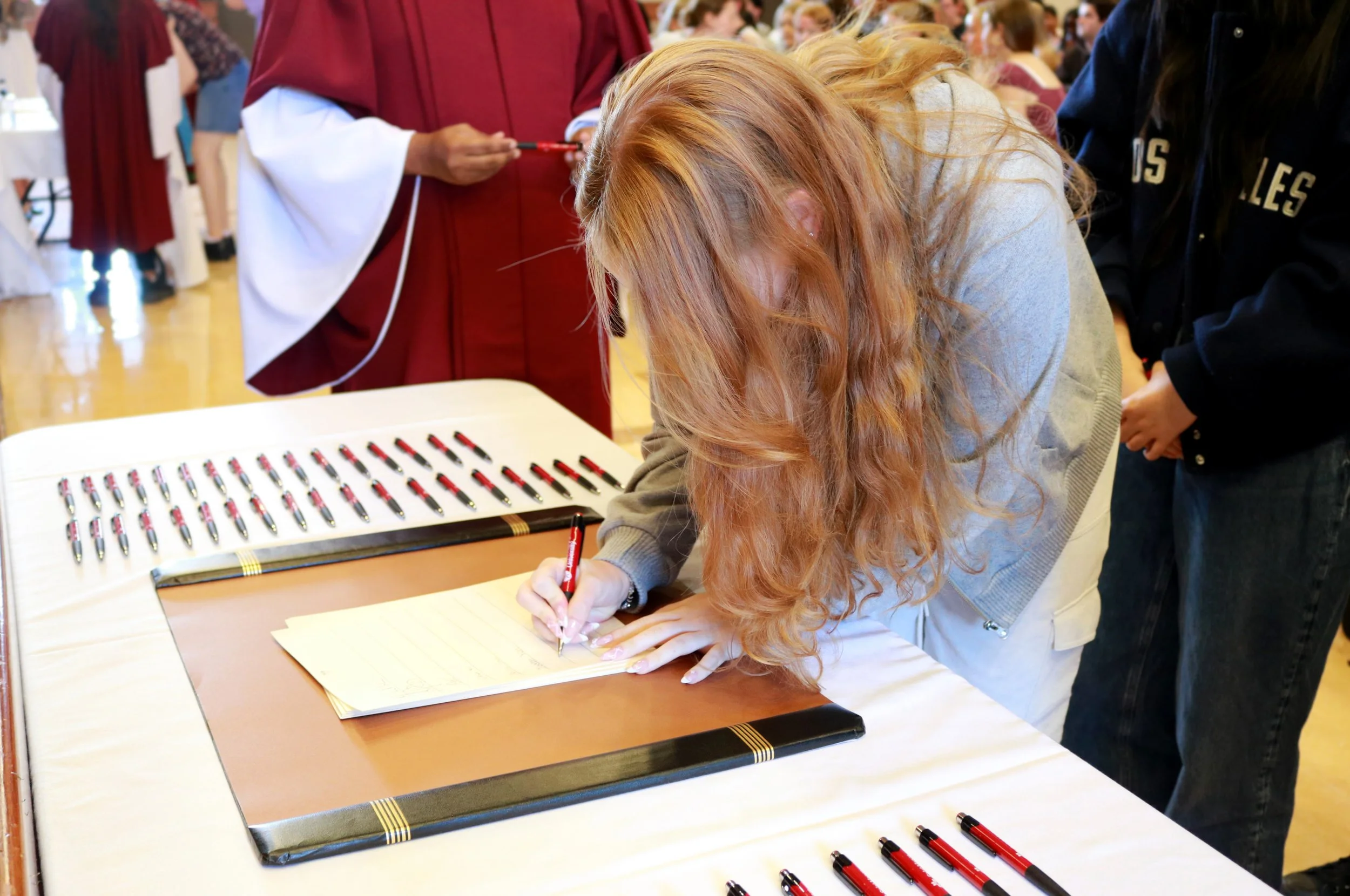
Welcome Weeks kicked off with residence move-in, meet-and-greets and the high-energy P.U.M.P. and SMUSA Husky Festival. New students signed the university register during the Santamarian Ceremony, where President Michael Khan, faculty, staff, alumni and student leaders shared the values of Saint Mary’s and advice for the exciting journey ahead.

Events for International, Black, Indigenous, and 2SLGBTQIA+ students and the Fred Smithers Centre for Student Accessibility gave students an opportunity to learn about campus supports and connect with community.

Students also attended academic welcome events, explored Halifax and cheered on the Huskies. Departments and Pack Leaders provided many chances to learn about SMU, meet new friends and most importantly, have fun!

There are still a few days of Welcome Weeks activities left! Here’s what’s coming up:

For new student advice, please visit the New to SMU website. Follow @smu_studentlife and visit the Student Life Events Calendar for information on events and programming throughout the year.

New to SMU website

From student to mentor: how Experience Ventures came full circle for Hayden Ennis

Hayden stands next to his business truck

Hayden Ennis BComm’25 participated in the Experience Ventures program for entrepreneurship. He now owns Downstream Exterior Cleaning.

When Hayden Ennis BComm’25 first signed up for Experience Ventures through the Arthur L. Irving Entrepreneurship Centre at Saint Mary’s University, he had no idea how the opportunity would shape his career path or that, just a few months later, he’d find himself on the other side of the experience—this time as a small business owner welcoming a student into his company.

“I saw the program as a great chance to put everything I’d learned into practice,” Hayden recalls. “I was placed with CanNova Construction in Halifax, and suddenly I was doing social media, content creation and graphic design — things that were totally new to me at the time.”

Hayden sits in his Downstream business truck

That placement wasn’t just a one-off learning opportunity. The skills Hayden gained during the project stuck with him. Now, they’re part of the foundation of Downstream Exterior Cleaning, the business he officially launched in January 2025.

Based in Nova Scotia’s Annapolis Valley, Downstream has already served nearly 100 customers since beginning operations in April, and it’s just getting started.

This summer, Hayden stepped into a new role in the Experience Ventures program, not as a student, but as a business owner. Through the same initiative that helped him gain hands-on experience, he’s now providing that opportunity to Alexi Melanson, a double honours student in finance and accounting at the University of New Brunswick.

And just like Hayden, Alexi didn’t waste a moment.

“Drawing on my background in corporate finance, I was able to step into a consulting-style role with Downstream,” Alexi explains. “I worked on refining the company’s approach to financial planning, building out cash flow projections, setting budgets and streamlining existing practices. It was amazing to work so closely with a small business and actually see my ideas implemented.”

For Hayden, watching Alexi’s impact has been a full-circle moment. “It’s surreal, honestly,” he says. “Experience Ventures gave me the space to learn and grow as a student. Now, I get to pass that on. Even if a student walks away with just one new skill or lightbulb moment, that’s a win.”

This story also highlights something bigger: the growing reach of Experience Ventures across Atlantic Canada. Hayden, based in rural Nova Scotia and Alexi, from New Brunswick, show how the program fosters meaningful cross-provincial connections by bridging classrooms with real businesses and students with entrepreneurs who were once in their shoes.

As Hayden looks ahead to 2026 with big goals for Downstream, he credits programs like Experience Ventures for helping him build the confidence and the community to take the leap.

“It’s more than just a resume line. It’s real growth, real people and real impact,” he says. “I’m proof of that.”


Powered by the Hunter Hub for Entrepreneurial Thinking at the University of Calgary and funded in part by the Government of Canada’s Innovative Work-Integrated Learning Initiative (I-WIL), Experience Ventures enables students to make an impact alongside real-world innovators through entrepreneurial thinking placements. See our upcoming Hackathons and Challenges. Honorariums are available for students.

Visit our website to learn more.

International team of 70 astronomers makes new observations about massive stars

Massive stars observed in the Small Magellanic Cloud. Of the stars studied, seventy percent (the orange diamonds) appear to accelerate and decelerate, indicating the presence of a companion. Credit: ESO/Sana et al.

Saint Mary’s University Astronomer Dr. Vincent Hénault-Brunet is part of a team of researchers who observed that massive stars in metal-poor galaxies often live in pairs 

In humans, twins or higher multiples are relatively rare, with single births being the norm. For massive stars, however, the opposite seems to be true: most are born and live as pairs. This was already known for massive stars in our own metal-rich Milky Way, but new observations reveal that massive stars in metal-poor galaxies also frequently have close companions.

Dr. Vincent Hénault-Brunet

The discovery was made by the BLOeM (Binarity at LOw Metallicity) collaboration, an international team of 70 astronomers that includes Dr. Vincent Hénault-Brunet from Saint Mary’s University. Using the European Very Large Telescope in Chile, the team monitored the velocities of massive stars in the Small Magellanic Cloud. Their findings are published in Nature Astronomy.

In recent years, astronomers have realized that interactions between stellar companions play a crucial role in the evolution of massive stars in the Milky Way. Until now, however, it was unclear whether massive stars in more distant, metal-poor galaxies were also part of binary systems.

“We used the Small Magellanic Cloud as a time machine,” explains Hugues Sana from KU Leuven (Belgium), the lead author of the study. “The Small Magellanic Cloud is a relatively nearby metal-poor galaxy, an environment representative of that of much more distant galaxies when the universe was only a few billion years old.”

Studying massive stars outside of the Milky Way is difficult because the stars are far away and we receive little light from them. The researchers used the FLAMES spectrograph on the Very Large Telescope of the European Southern Observatory in Chile. It is one of the largest telescopes on Earth. FLAMES has 132 fiber optics, each of which can be directed at a different star, which can then be observed simultaneously.

Over a period of 3 months, the researchers observed the acceleration and deceleration of 139 massive O-type stars at 9 different times. These stars have masses between 15 and 60 times that of our Sun. They are hot, shine brightly, and end their lives in supernova explosions. In the process, the star's core collapses into a black hole. The results show that over 70 percent of the observed stars accelerate and decelerate. That is a sign of a close companion.

“The fact that massive stars in the Small Magellanic Cloud have a partner suggests that the first stars in the universe, which we suspect were also massive, had partners, too," says co-author Julia Bodensteiner of the University of Amsterdam (the Netherlands). "Perhaps some of those systems end up as two black holes orbiting each other. It’s an exciting thought."

These black holes are of particular interest to Dr. Vincent Hénault-Brunet and his research group at Saint Mary’s, who study their subsequent evolution in dense clusters long after their progenitor massive stars have exploded as supernovae.

Scientific article: A high fraction of close massive binary stars at low metallicity. By: Hugues Sana, Tomer Shenar, Julia Bodensteiner, et al. In: Nature Astronomy, 2 September 2025. [original | preprint (pdf)]

Saint Mary’s University announces Dr. Karly Kehoe as Fellow of the Royal Society of Canada

Karly has long blonde hair. She stands in the hallway of McNally wearing a white shirt and black blazer.

Dr. Karly Kehoe, Faculty of Arts

Saint Mary’s University is proud to announce that Dr. Karly Kehoe, a distinguished scholar in the Department of History, has been named a Fellow of the Royal Society of Canada (RSC). This prestigious honour recognizes Dr. Kehoe’s groundbreaking historical research on the displacement and migration of religious minorities from the Scottish Highlands and Ireland, and their settlement in Atlantic Canada.  

“By examining these communities’ roles in the process of colonization, she illuminates the broader consequences of socioeconomic and religious exclusion,” said the RSC’s September 4 announcement. “Her influential scholarship and exceptional public outreach informs global migration and integration strategies, including world-leading initiatives to support displaced academic researchers.” 

From Margaree Forks, Cape Breton, Dr. Kehoe holds the esteemed Canada Research Chair in Atlantic Canada Communities at Saint Mary’s. She is the board chairperson and academic lead of the Gorsebrook Research Institute for Atlantic Canada Studies. 

She served as president of the RSC’s College of New Scholars, Artists and Scientists (2020-2022), and received the King Charles III Coronation Medal this past April after being nominated by the RSC. She is the founder and lead of the RSC’s At-Risk and Displaced Academics and Artists (ARDAA) program, among other programs to support researchers whose work has been disrupted by war, conflict and threats of violence.  

“We are very proud of Dr. Kehoe’s achievements and her election to the Royal Society of Canada,” said Dr. Adam Sarty, Associate Vice-President, Research and Dean of the Faculty of Graduate Studies and Research. “Through her pioneering research and advocacy leadership, she is making a profound impact on policymakers and the global academic community, while highlighting the high calibre of scholarly work here at Saint Mary’s.” 

Kehoe is currently on a two-month research fellowship at the University of Edinburgh's Institute for Advanced Studies in the Humanities, working on her project “Activating Colonial Privilege: The Imperial Strategies of Highland Catholics, 1750-1820”.  

Kehoe is a fellow of both the Royal Historical Society and the International Science Council (ISC). She is the convenor of the Scottish Historical Review Trust and co-edits the Histories of the Scottish Atlantic book series with Edinburgh University Press. Recent publications include Empire and Emancipation: Scottish and Irish Catholics at the Atlantic Fringe (University of Toronto Press, 2022), and The Scottish Highlands and the Atlantic World: Social Networks and Identities (Edinburgh University Press, 2023; co-edited with Annie Tindley and Chris Dalglish).  

Cover of Empire and Emancipation book
Cover of Scottish Highlands and the Atlantic World book

The Royal Society of Canada Fellowship is among the highest honours a Canadian scholar can receive, celebrating outstanding achievement in the arts, humanities and sciences. 102 new Fellows have been elected by their peers for their outstanding scholarly achievements.  

On Friday, November 14, the RSC will induct the 2025 Fellows and Members of the RSC College at a ceremony in Montréal as part of its annual Celebration of Excellence and Engagement

Star Finder program prepares NS teachers with astronomy lesson plans

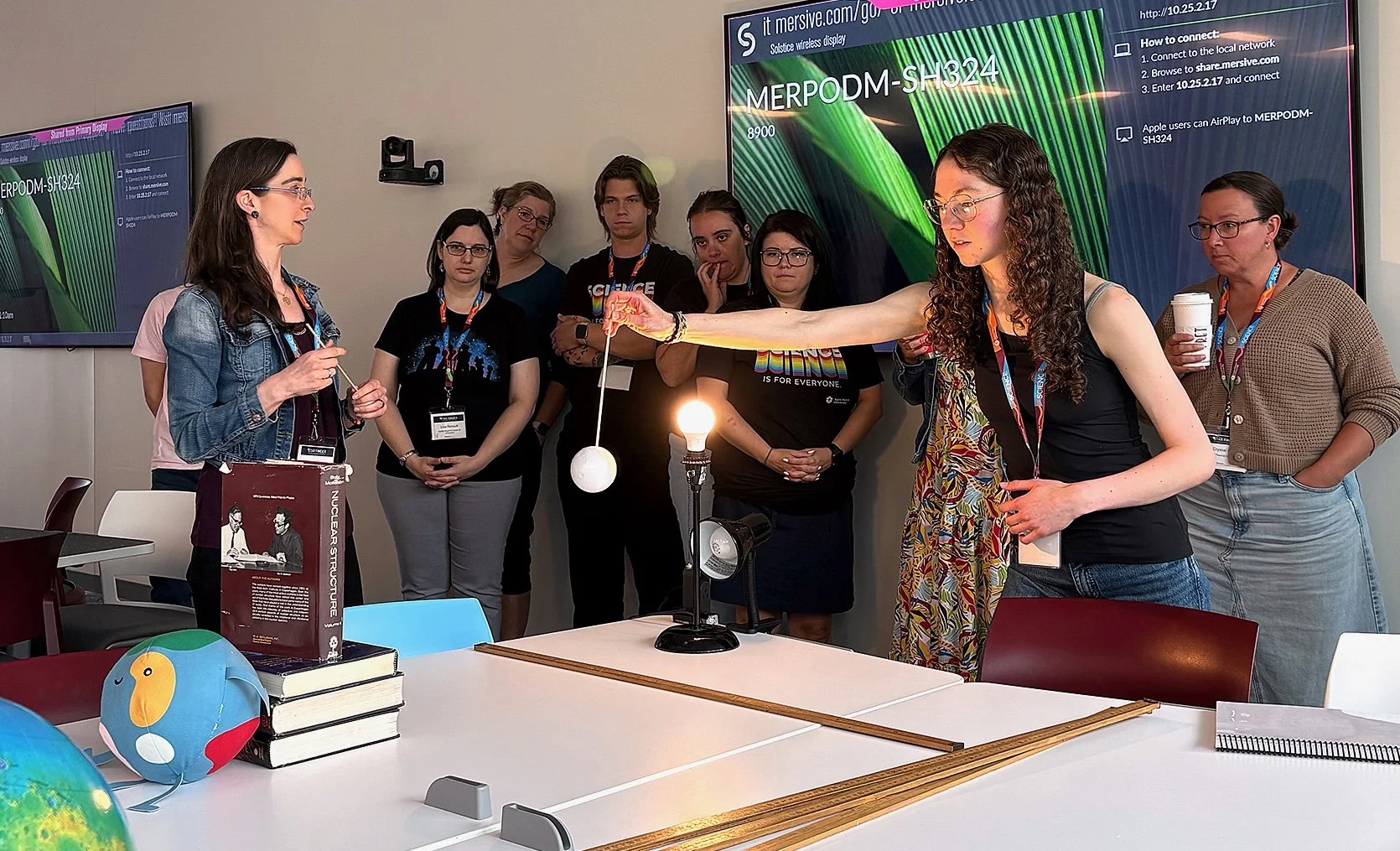
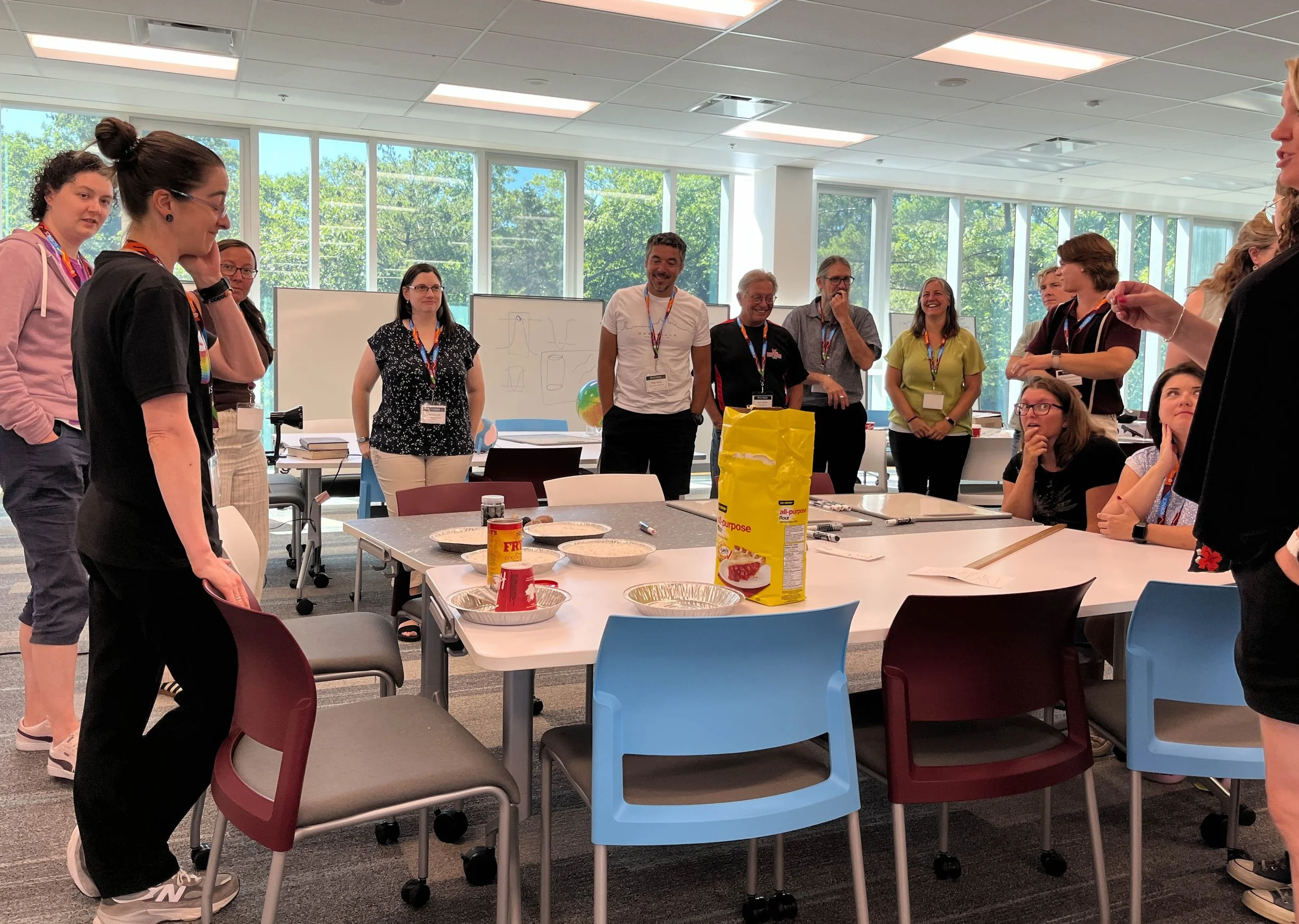
Teachers participate in an experiment during the workshop

The inaugural Star Finders Teachers’ Workshop was held at Saint Mary’s University for elementary and junior high teachers

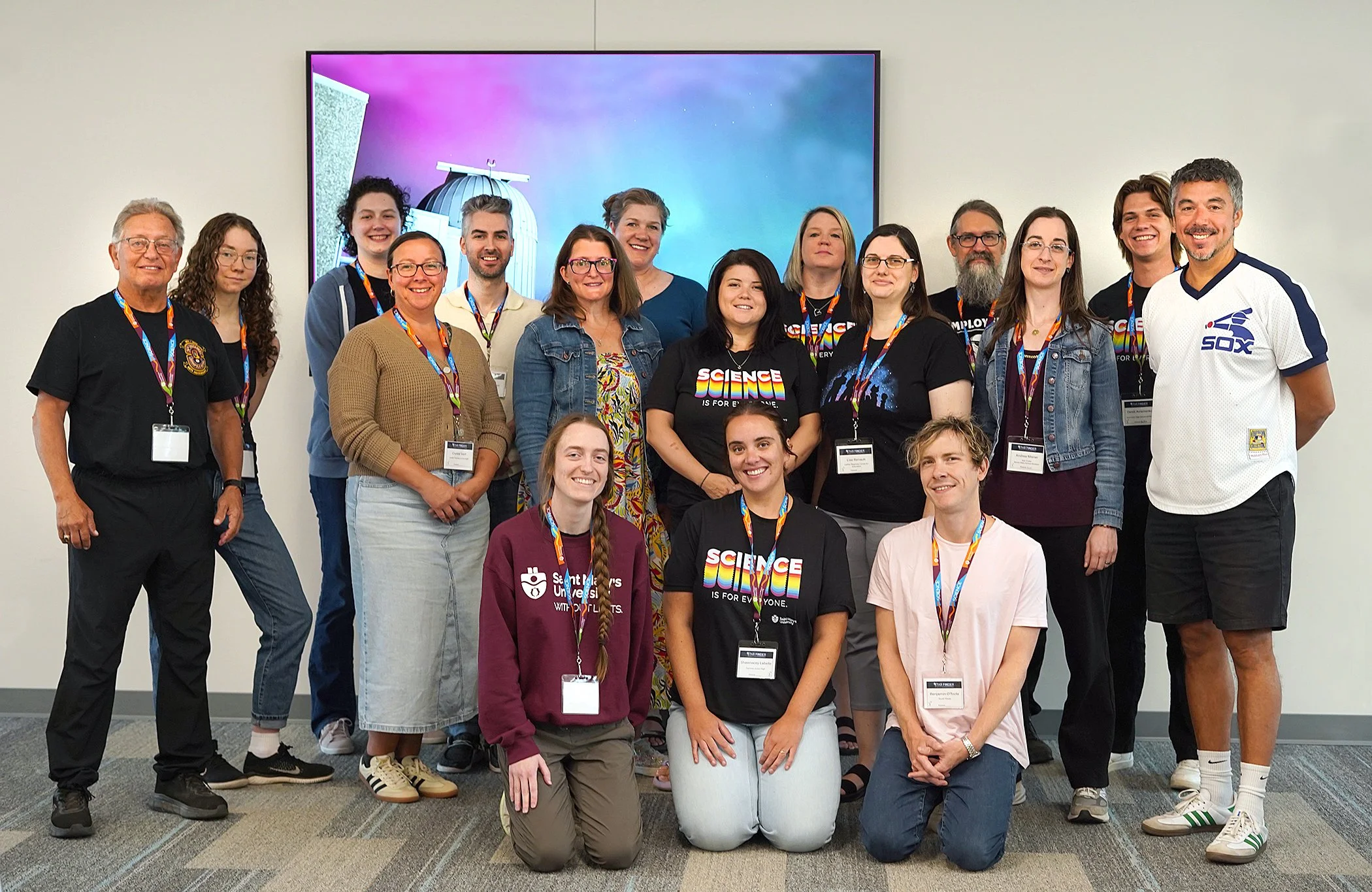
An enthusiastic group of elementary and junior high educators attended the first Star Finder Teachers’ Workshop in August, and they are now ready to share an appreciation of astronomical understanding and discovery with their students across Nova Scotia.

During the two-day course the teachers were introduced to the lesson plans, performed hands-on experiments and demonstrations, attended talks by astronomers from the Department of Astronomy and Physics, learned to use the Burke-Gaffney Observatory (BGO) and took part in stargazing activities.

All teachers and their classes in Nova Scotia now have access to use the BGO remotely from their classrooms, plus an extensive archive of the observatory’s data and images.

Hands-on experiments were part of the two-day workshop

Star Finders Teachers’ Workshop participants

The Star Finder lessons were developed by Saint Mary’s University alum Andrea Misner BSc’06,  along with Astronomy & Physics undergraduate student Mackenzie Hayduk, Astronomy Technician Tiffany Fields and Director of the Burke-Gaffney Observatory Dr. Vincent Hénault-Brunet. Focusing on space exploration and astronomy, the goal of the lesson plans is to foster enthusiasm, engagement and understanding of astronomy among school children—especially in rural and underserved communities in the province. 

Ms. Misner studied astrophysics at Saint Mary’s and later earned a master’s in education from the University of Manitoba. She teaches high school general sciences, physics and astronomy in Winnipeg, and is a recipient of a 2024 Prime Minister’s Award for Teaching Excellence.    

Star Finder – The David Lane Astronomy Outreach Program is funded by a $250,000 philanthropic gift from the late David and Michelle Lane. During his 29-year career as the Astronomy Technician in the Department of Astronomy and Physics and the Director of the Burke-Gaffney Observatory at Saint Mary’s, Dave single-handedly automated the Observatory, making it available to users worldwide through social media accounts.

Dave Lane passed away in March 2024; he is survived by his wife, Michelle. The Star Finder project was created as a way for the couple to give back to the community and share Dave’s passion for astronomy with the next generations.

“We were thrilled to connect with such passionate and dedicated educators during the two-day workshop,” says Dr. Vincent Hénault-Brunet, Director of the Burke-Gaffney Observatory. “We hope this workshop is just the beginning of building a vibrant community of teachers eager to bring astronomy-related activities to their students and use the observatory remotely.”


For teachers wanting to learn more about this program and to download the lesson plans, click here and visit the Star Finder web page for updates. These lesson plans are focused on the Grade 9 Space Exploration unit of the Nova Scotia curriculum, but they are also tied to the Grade 9 Math curriculum and can easily be adapted for other levels.

Do not hesitate to email the Star Finder team at starfinder@smu.ca with ideas and questions about accessing the Burke-Gaffney Observatory remotely, or to share your experiences after trying out some of our lesson plans and projects with your classes.

You can also sign up for the Star Finder newsletter to receive all the latest news about the program.

Related:

Wicked problems, innovative solutions

L-R): Sophie Kent-Purcell, Dr. Patricia Matsumoto, Dr. Peter Bush, Miranda Frison and Md Moniruzzaman

The Wicked Problems Lab serves as a learning hub for preparing undergraduate and graduate students for their careers

To tackle the complex environmental challenge of understanding and measuring forests effectively, the Nova Scotia Department of Natural Resources and Renewables (NSDNRR) teamed up with the Wicked Problems Lab at Saint Mary’s University. This partnership leverages advanced software and datasets to create innovative solutions for this local, national and global problem.

Wicked Problems Lab research analyst Dr. Patricia Matsumoto and Dr. Mathew Novak, Director, lead research focused on identifying old-growth forests, mapping forest changes over time, and forest landscape connectivity.

The research team is using several geospatial datasets to develop an Old Growth Forest Potential Index tool, which can be used to plan field activities and support land management decisions related to development proposals such as wind farms. The research team has also been focused on applying the latest methodologies in remote sensing, geographical information systems (GIS) and machine-learning algorithms to understand forest gain and loss in the province in a historical time-series.

The seven students employed by the Lab for the forestry project have learned how to interpret remote sensing images, create, manipulate and edit large GIS datasets, use the latest geospatial software and write reports and scientific manuscripts.

“Collaborating with the lab and students means we’re using the latest geomatics tools and research methods, which aren’t always accessible to our staff,” said Dr. Peter Bush, Provincial Landscape Forester at NSDNRR.

Through its partnership with NSDNRR, the Wicked Problems Lab exemplifies how academia and government can work together to create innovative, data-driven solutions for environmental sustainability and resource management in Nova Scotia and beyond.


The Office of Innovation and Community Engagement (OICE) at Saint Mary’s University facilitates research partnerships between the University and companies, government departments and community organizations. OICE is the initial point of contact for faculty members and external partners wishing to collaborate. The office assists with finding suitable expertise, contract development and advising on funding opportunities.

This project highlight is from the 2025 OICE Report, which features researchers from Saint Mary's University and their external partners.

Read the 2025 OICE Report

Nova Scotia’s next gen entrepreneurs shine at the Summer Entrepreneurial Experience Bootcamp

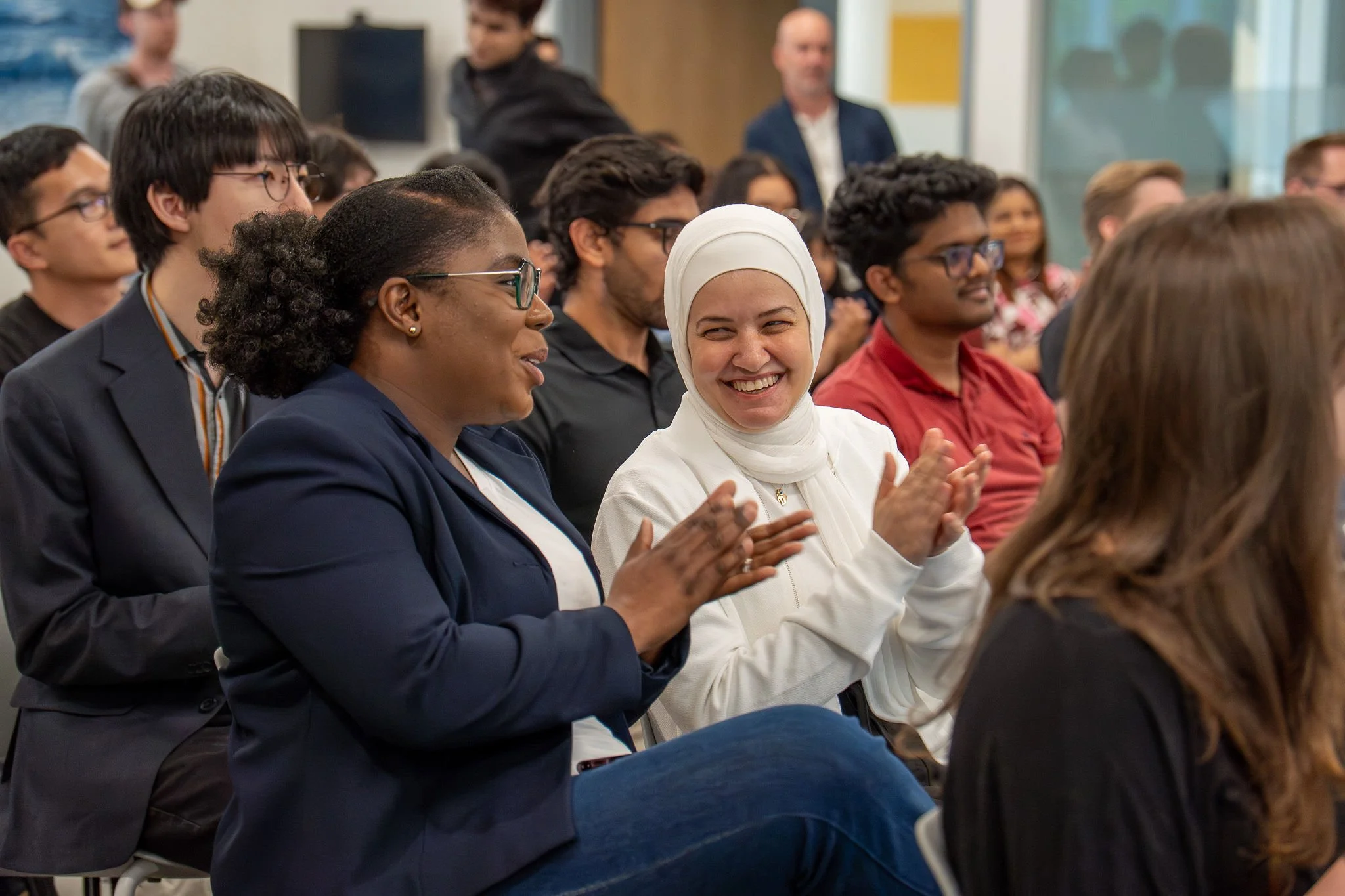
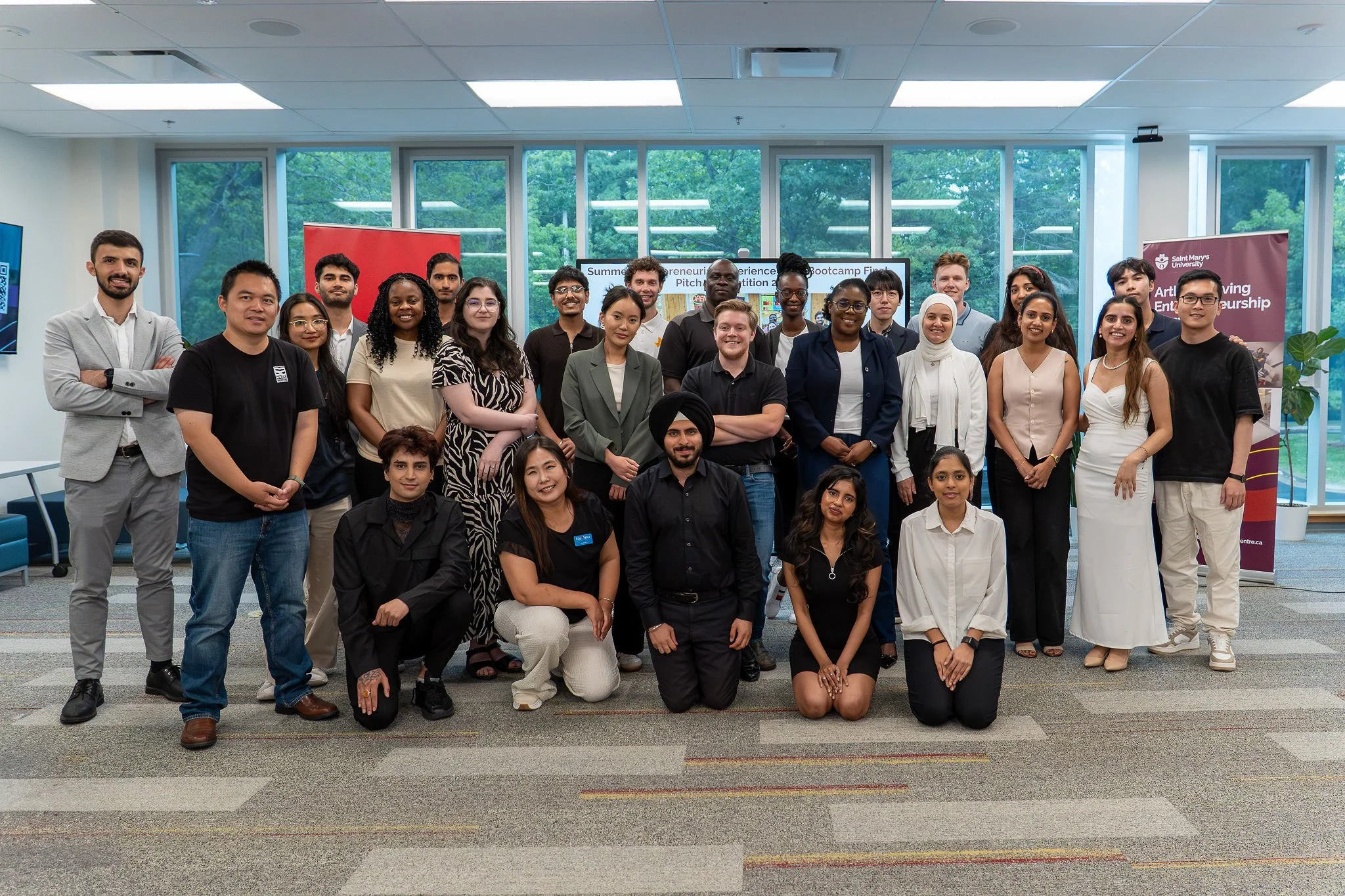
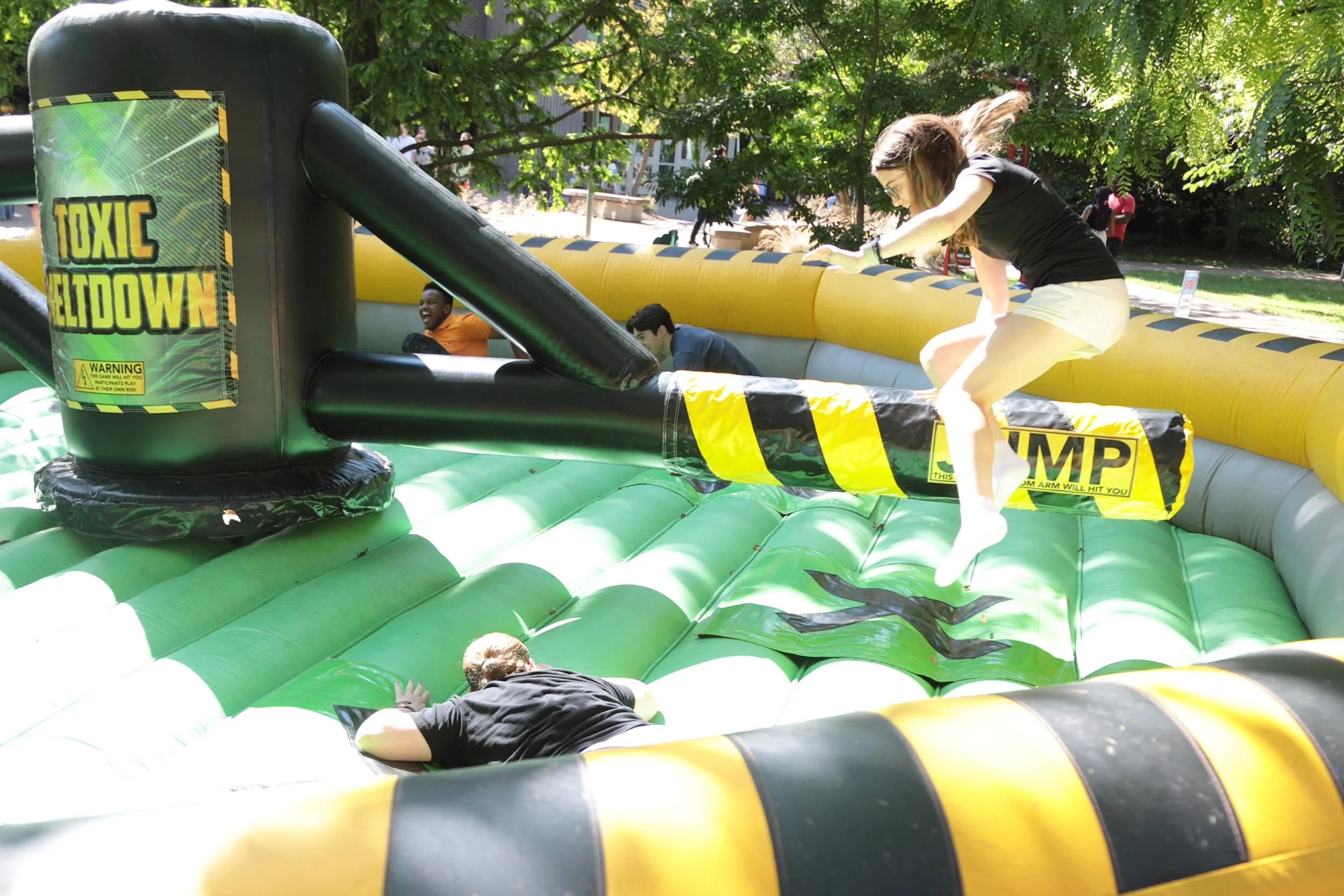
This summer, Nova Scotia’s brightest student entrepreneurs came together for the Summer Entrepreneurial Experience (SEE) Bootcamp 2025, a month-long program designed to equip students with the skills, mentorship and connections they need to turn ideas into action. Hosted by Saint Mary’s Arthur L. Irving Entrepreneurship Centre in partnership with the TD Entrepreneurship Inclusion Initiative, EduNova and the Black Entrepreneurship Knowledge Hub (BEKH), SEE 2025 provided a launchpad for the next generation of innovators.

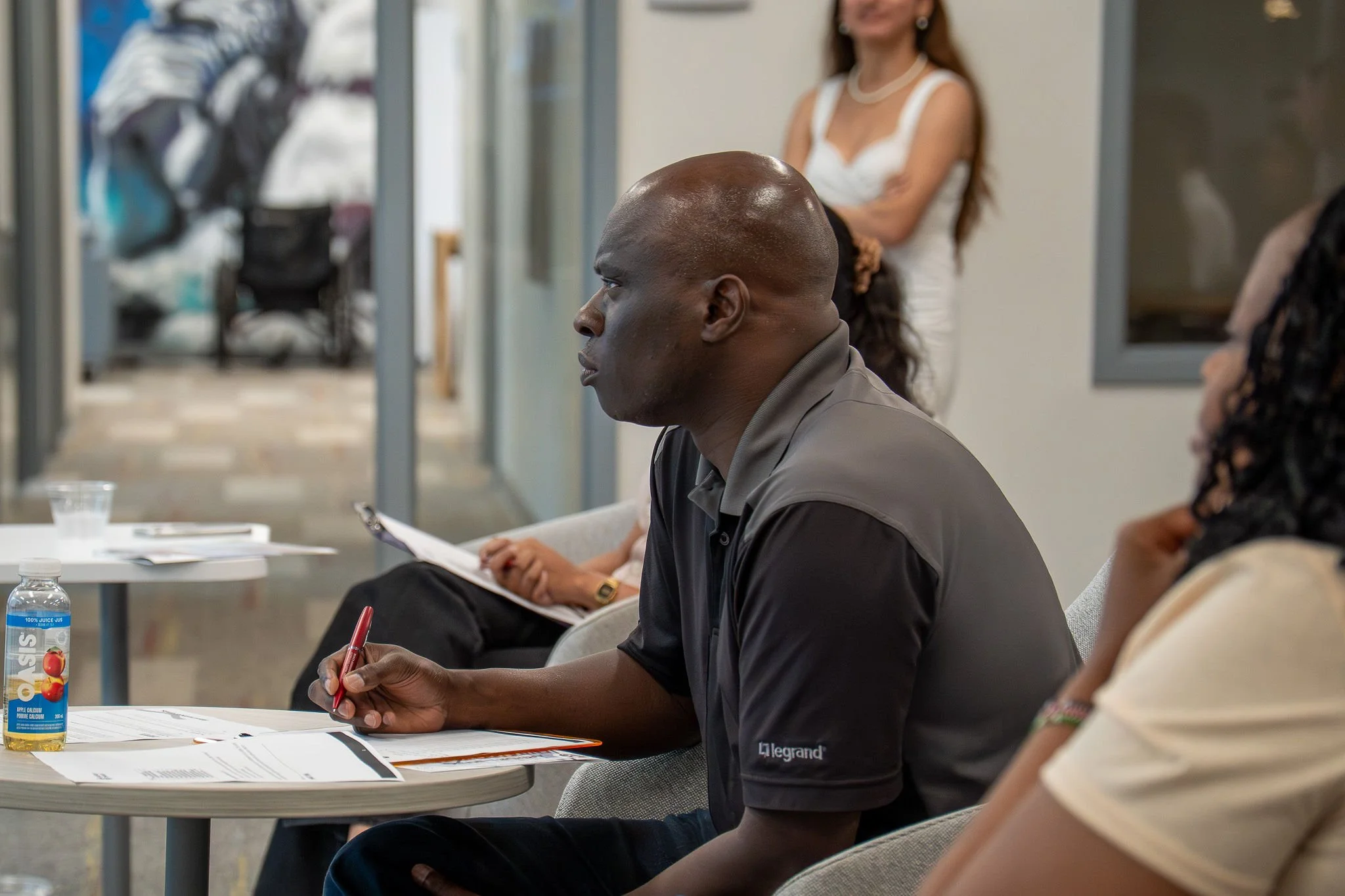
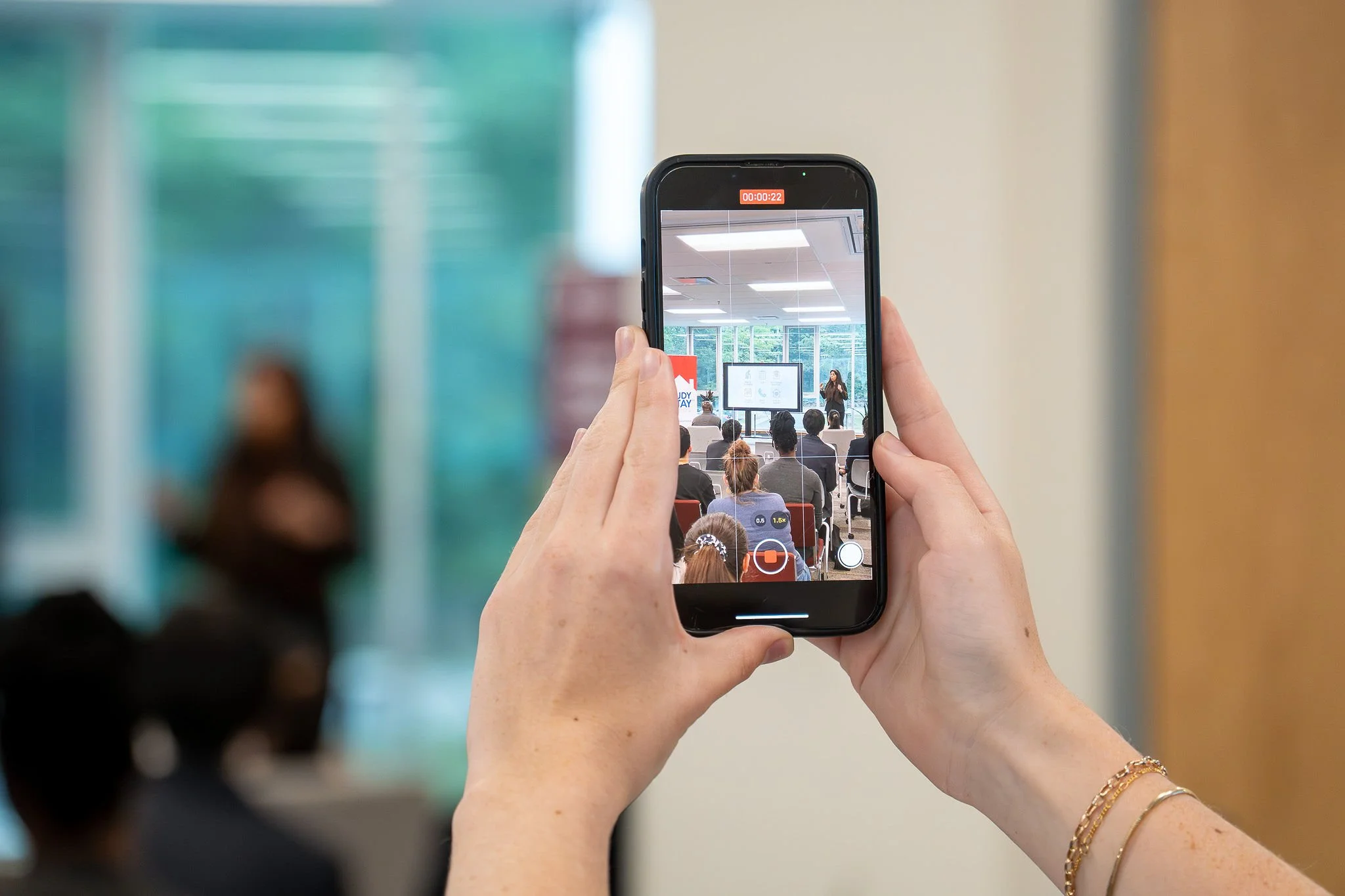
This July, 33 student entrepreneurs from across Nova Scotia participated in intensive workshops, collaborative sessions and mentorship opportunities. These sessions covered the full spectrum of entrepreneurship, from business planning and marketing to finance and pitching. The top 18 students advanced to the final pitch competition, where they presented their business ideas to a panel of judges, competing for recognition and prize funding to kickstart their ventures.

The winners were:

  • First Place ($2,000): Stuti Sandhu, SMU arts student - Being There

  • Second Place ($1,000):

    • Gabriel Martin SMU BA'25 - ScoutRoom

    • Asmita Ale, SMU commerce student - Alaagi

  • Third Place ($500):

    • Avery Cote, NSCC commerce student - TrekIQ

    • Adeb Arianson, Dalhousie University arts student - Fund a Life
Special scholarships of $1,000 each were also awarded through the Black Entrepreneurship Knowledge Hub to support Black student entrepreneurs. MSVU master’s student Lotoya Forde (THRIVEDRIVE), and SMU commerce student Aquilya Smith (ScholarConnect), received the scholarships.

For participants like BComm student Amita Ale, the experience was both inspiring and practical. “The SEE Bootcamp covered a wide range of topics relevant to starting a business. The variety of speakers and insights helped me build confidence and clarity as an aspiring entrepreneur,” she said. “You also get to meet other like-minded entrepreneurs and build your community. I highly recommend this bootcamp to anyone with a business idea or in the early stages of launching one. It’s an excellent starting point to turn your idea into action!”

SEE 2025 brought together students from multiple institutions, including Dalhousie University, Saint Mary’s University, Nova Scotia Community College and Mount Saint Vincent University, creating a diverse environment for idea-sharing and collaboration. The bootcamp also tied into broader initiatives, like the Study and Stay™ program, which focuses on retaining international talent in Nova Scotia and supporting students in building ventures that contribute to the province’s economy. By the end of the program, students had not only refined their ideas but also gained a sense of what it takes to launch and scale a business.

The SEE Bootcamp shows the growing movement behind student entrepreneurship in Nova Scotia. By providing early-stage entrepreneurs with mentorship, resources and a platform to pitch their ideas, the program is helping to create a startup ecosystem within academic institutions, bridging the gap between classrooms and real-world business opportunities.

As first-place winner Stuti Sandhu reflects, SEE 2025 was more than just a competition. It was a journey that empowered students to dream bigger, act bolder and connect with a network that will support them long after the bootcamp ends.

Interested in learning more about the Summer Entrepreneurial Experience (SEE) Bootcamp? Follow this link to learn more.

Hands-on entrepreneurship at SMU

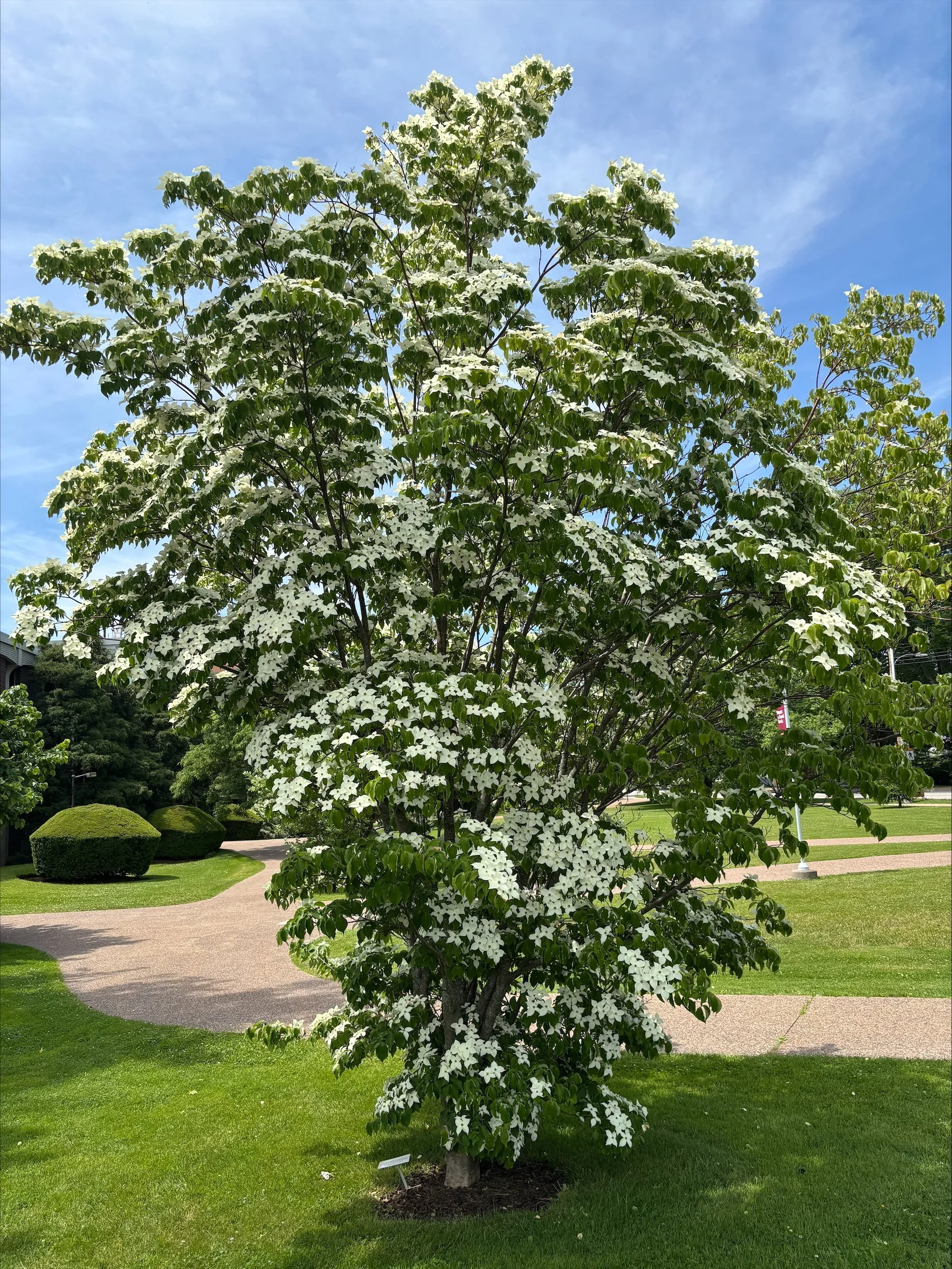
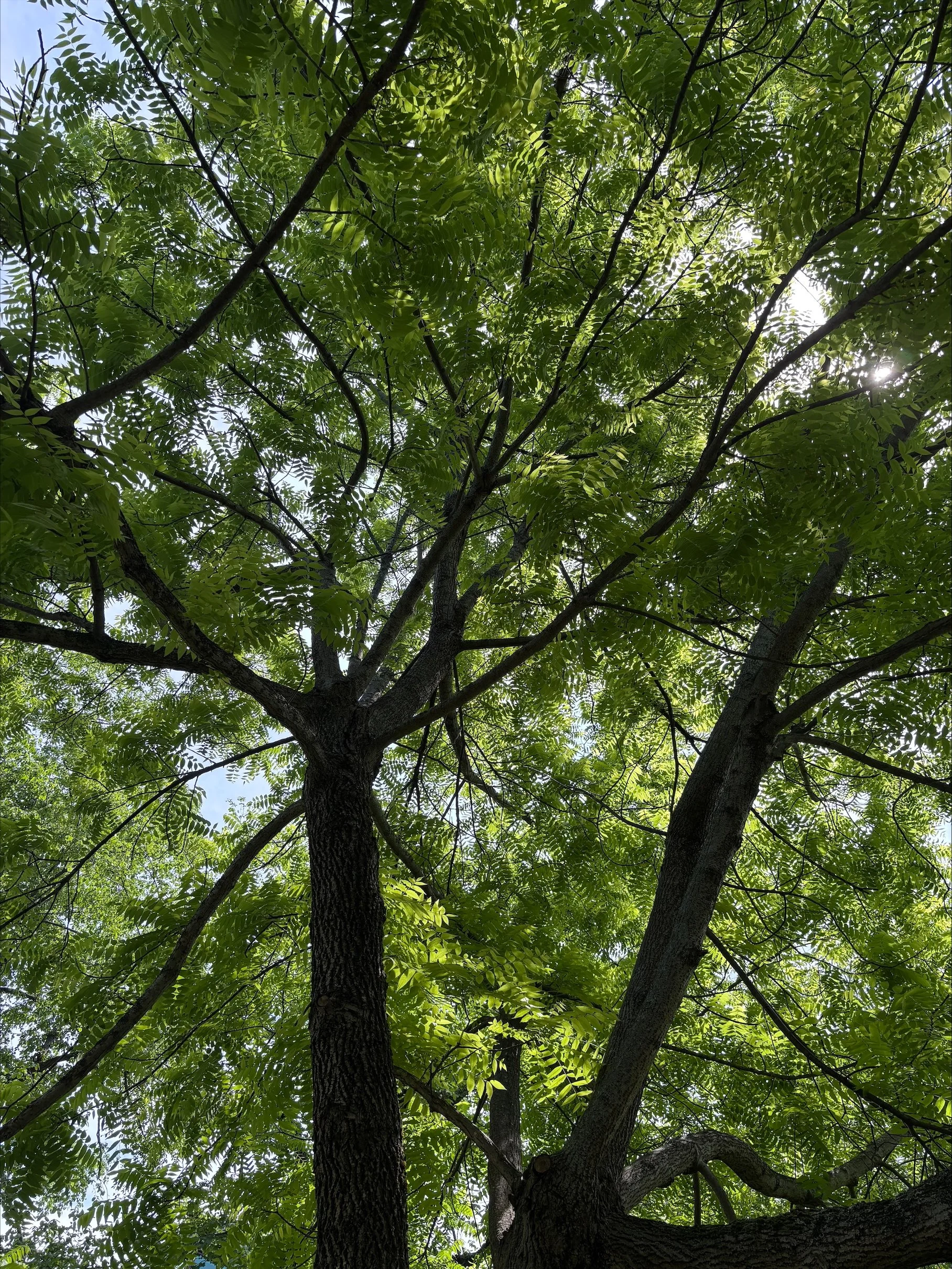
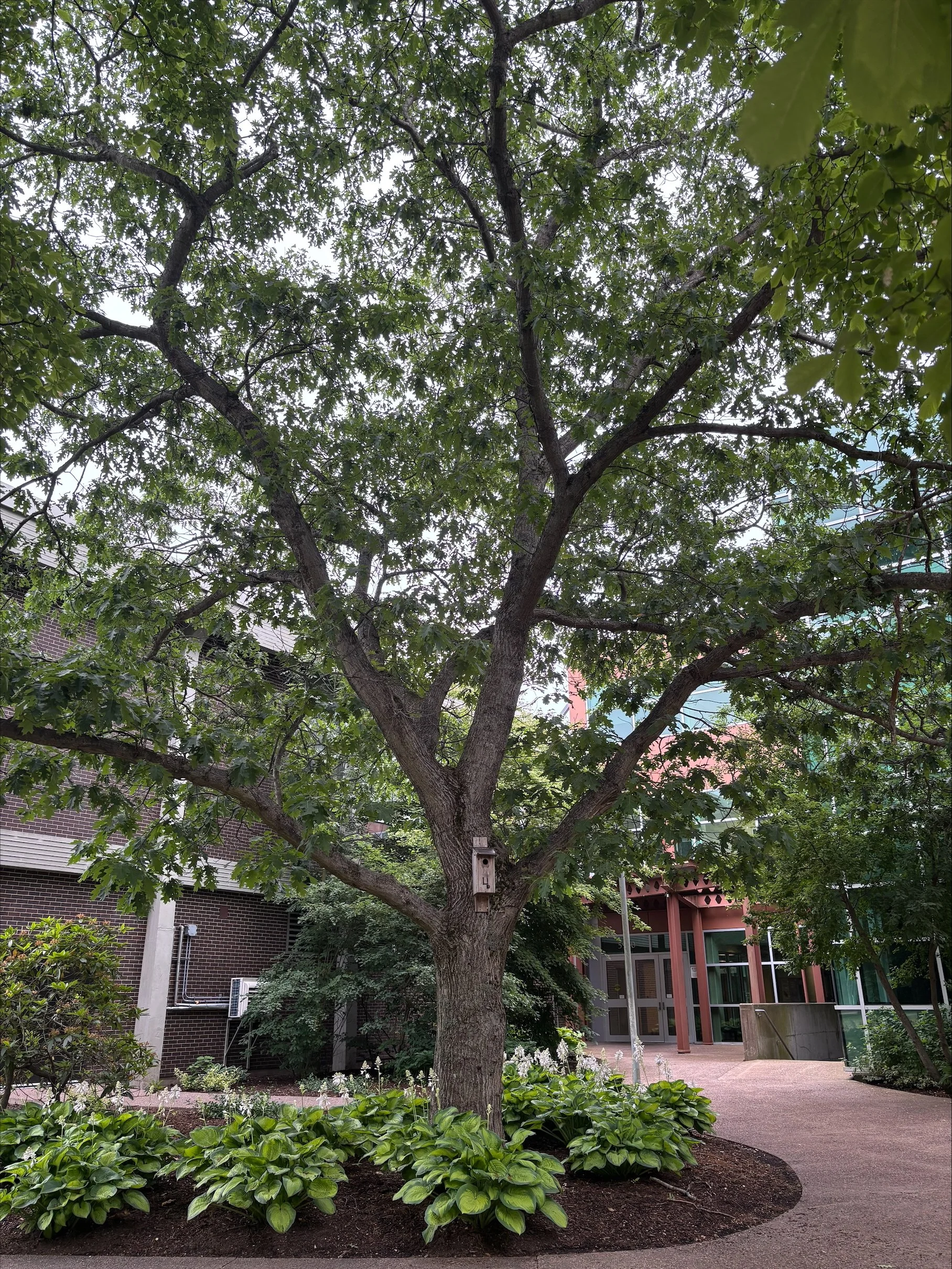
The trees of Saint Mary's…and the Dean who helped plant them

A sustainable, living laboratory in Halifax’s South End

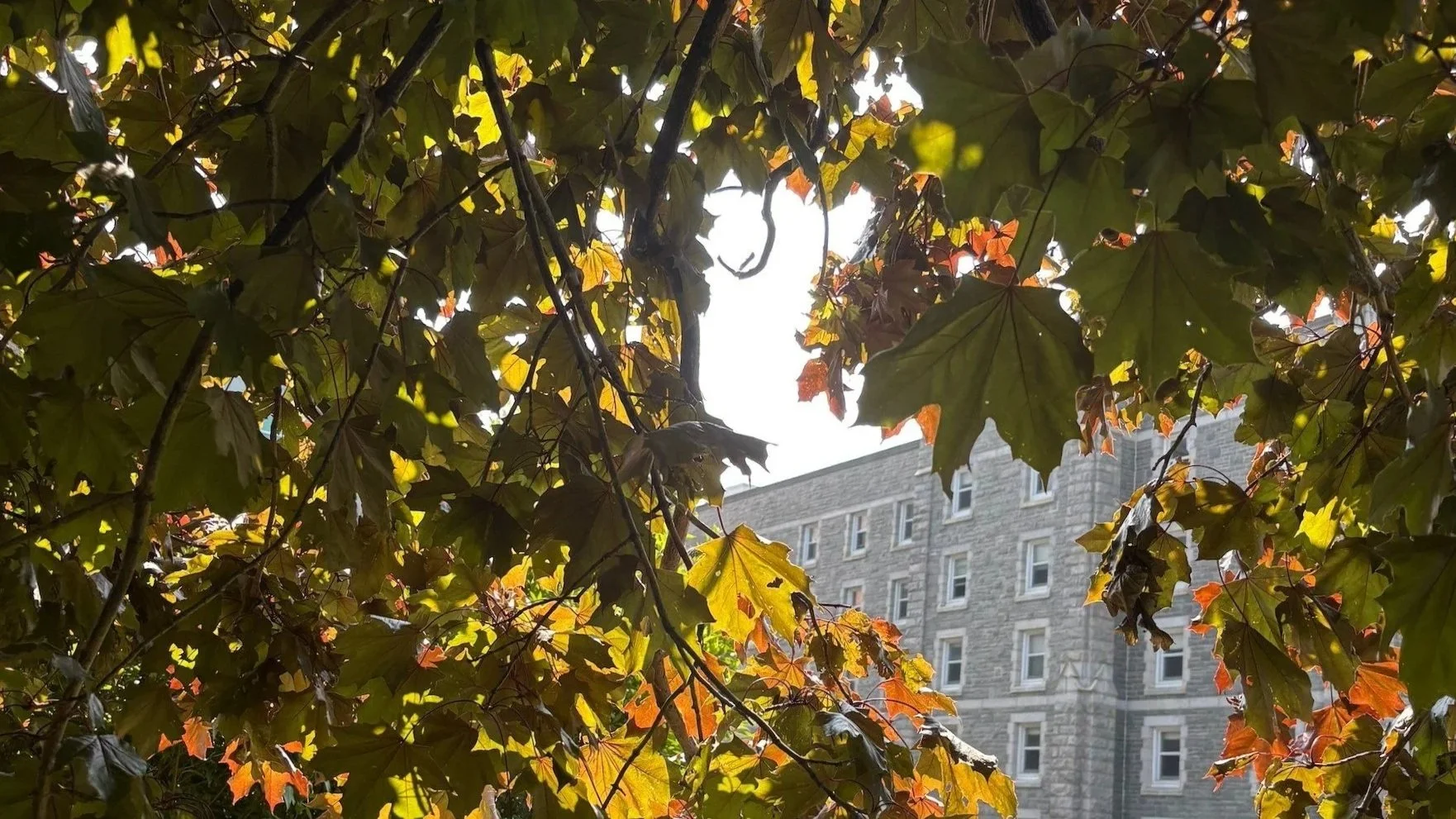
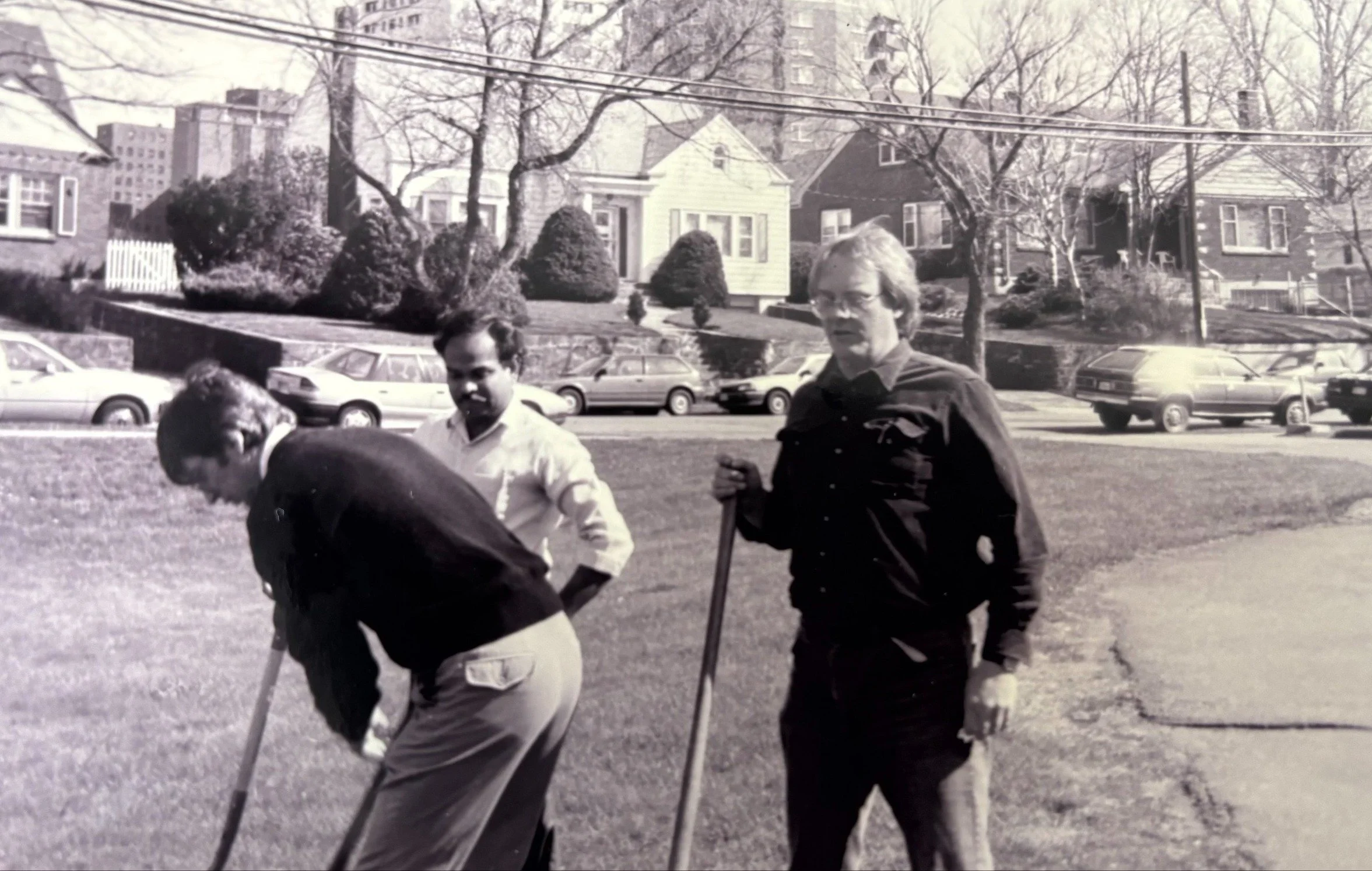
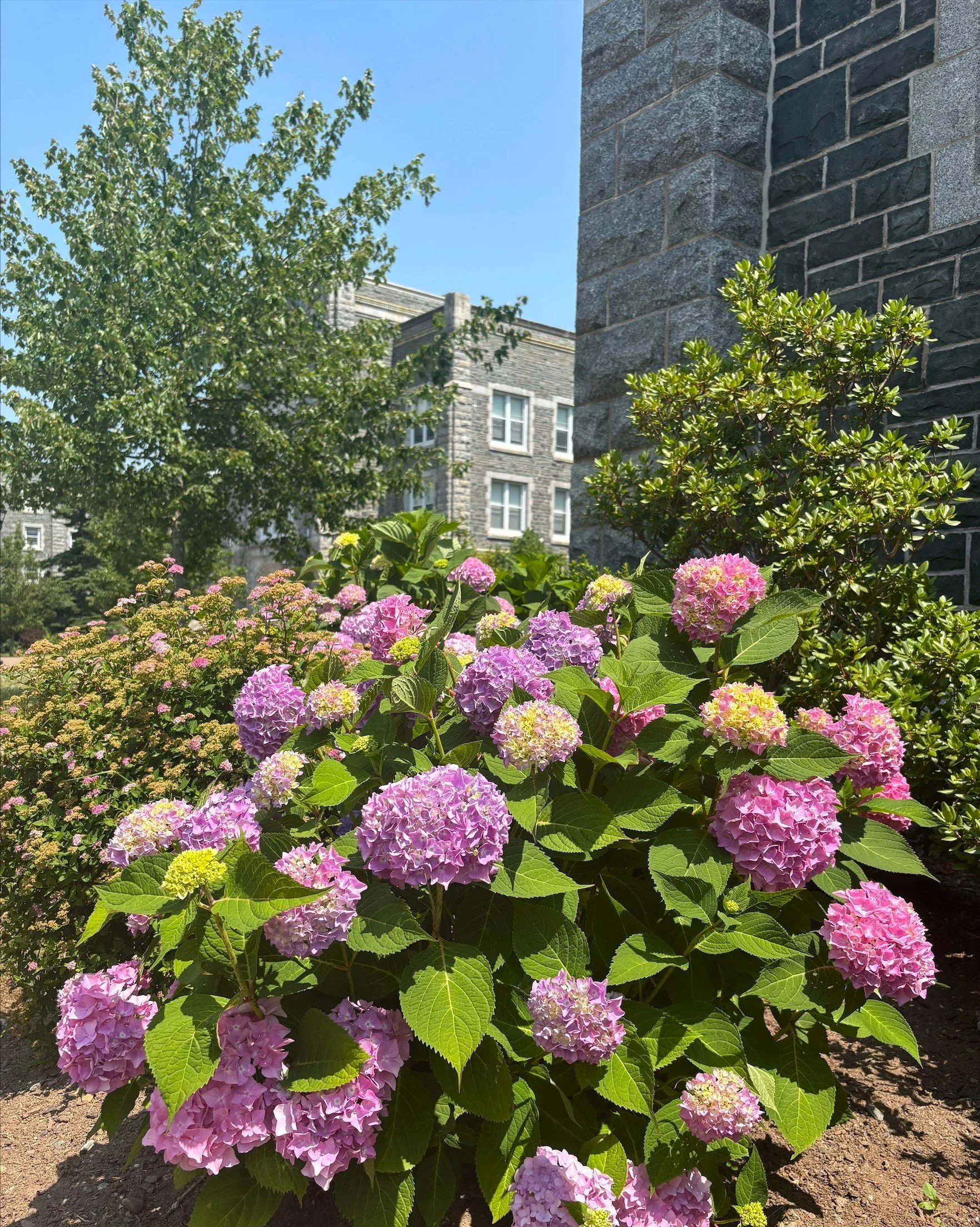
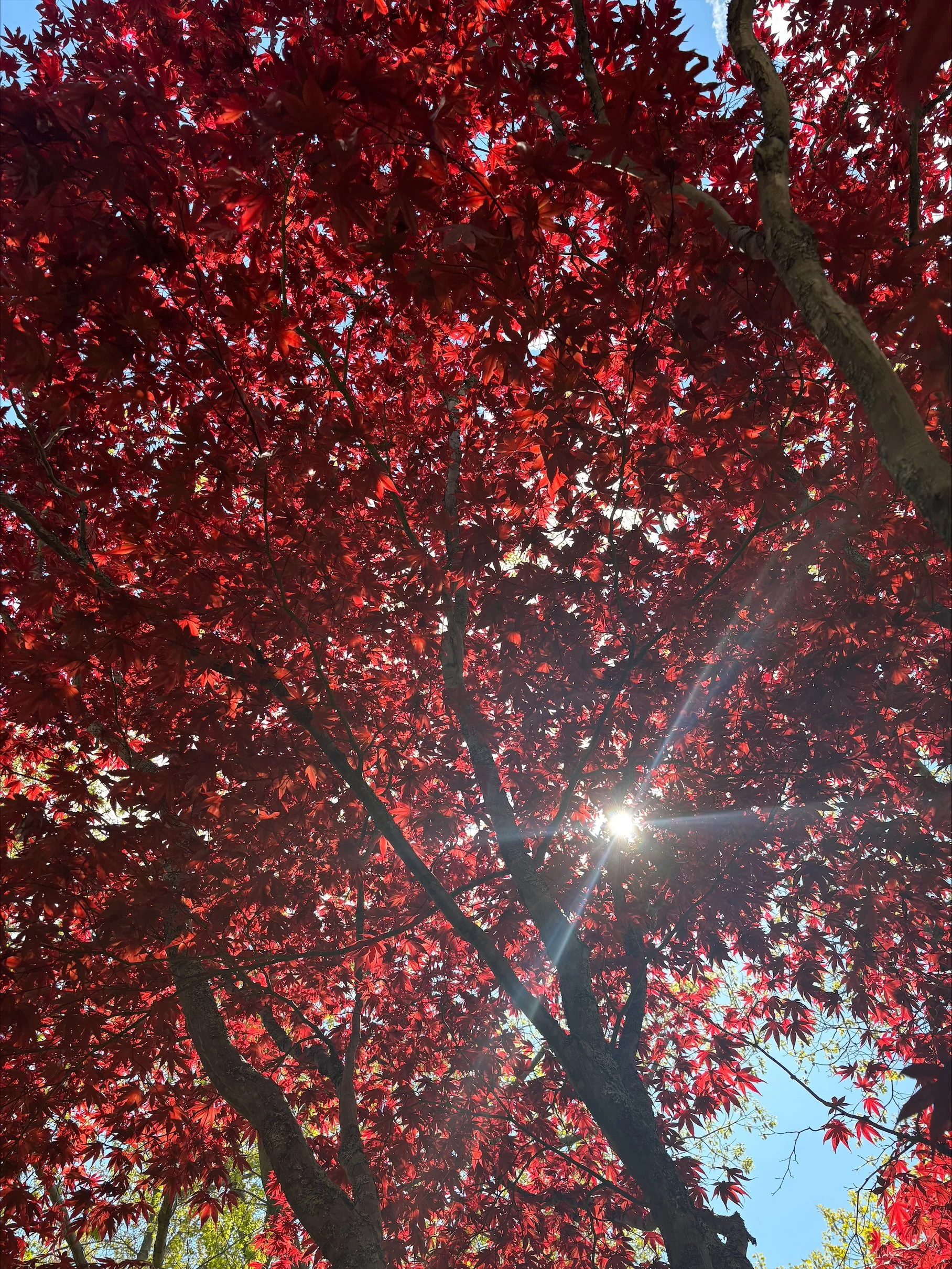
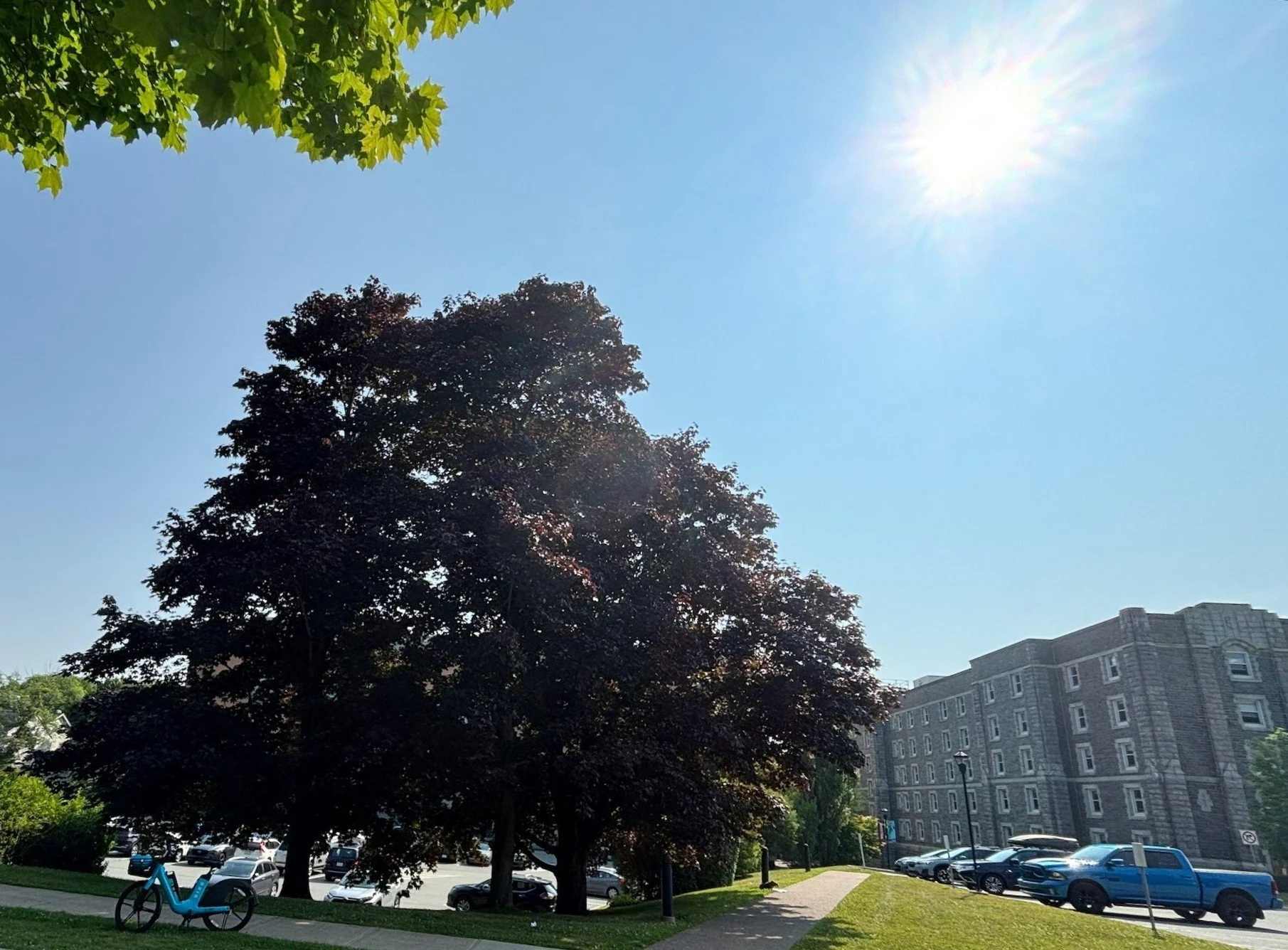
Saint Mary’s campus feels more like a park than a university. Tall trees cast long shadows across the walkways and flowering shrubs bloom near the residences, while living canopies shelter songbirds overhead. But it wasn’t always this way.

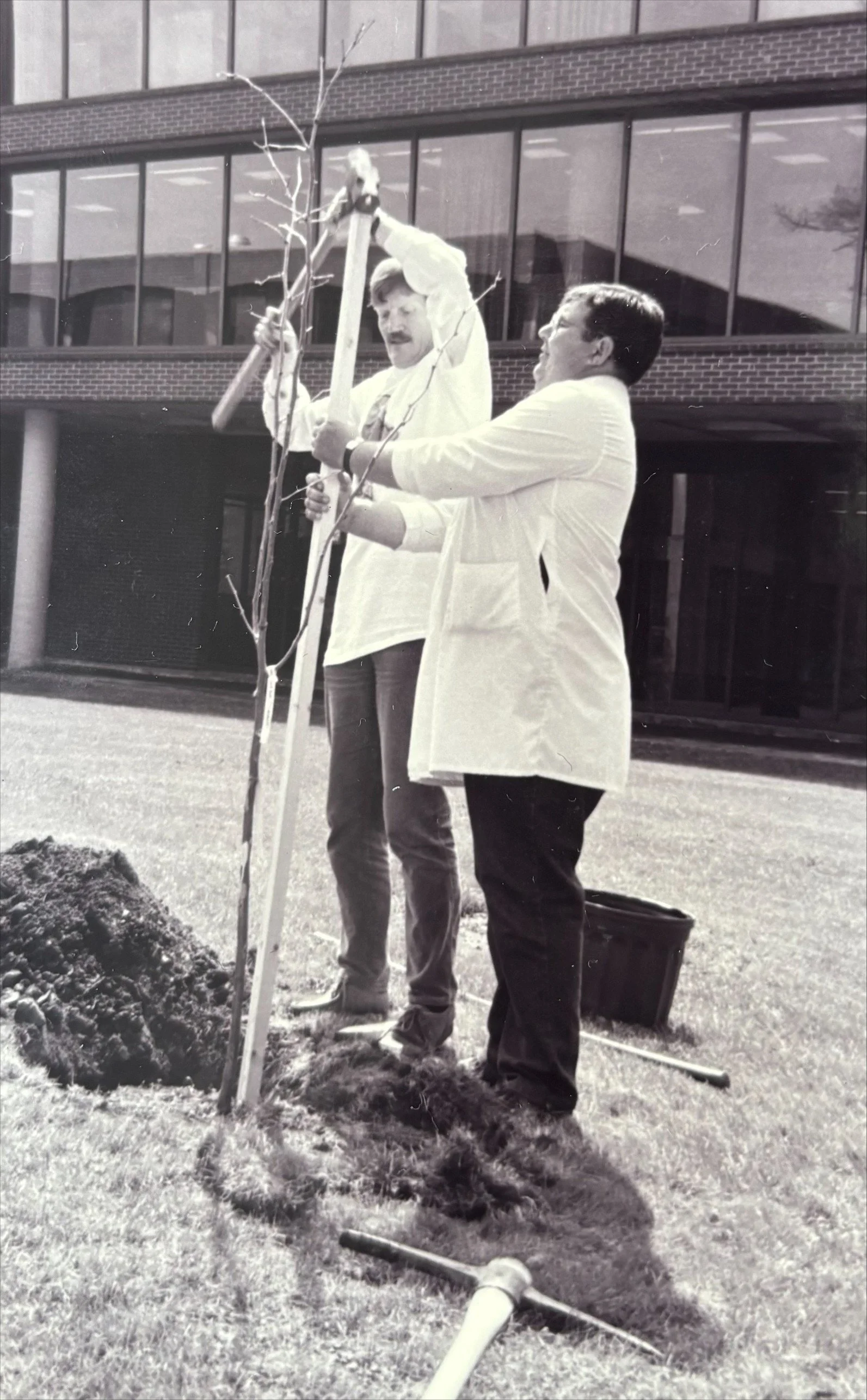
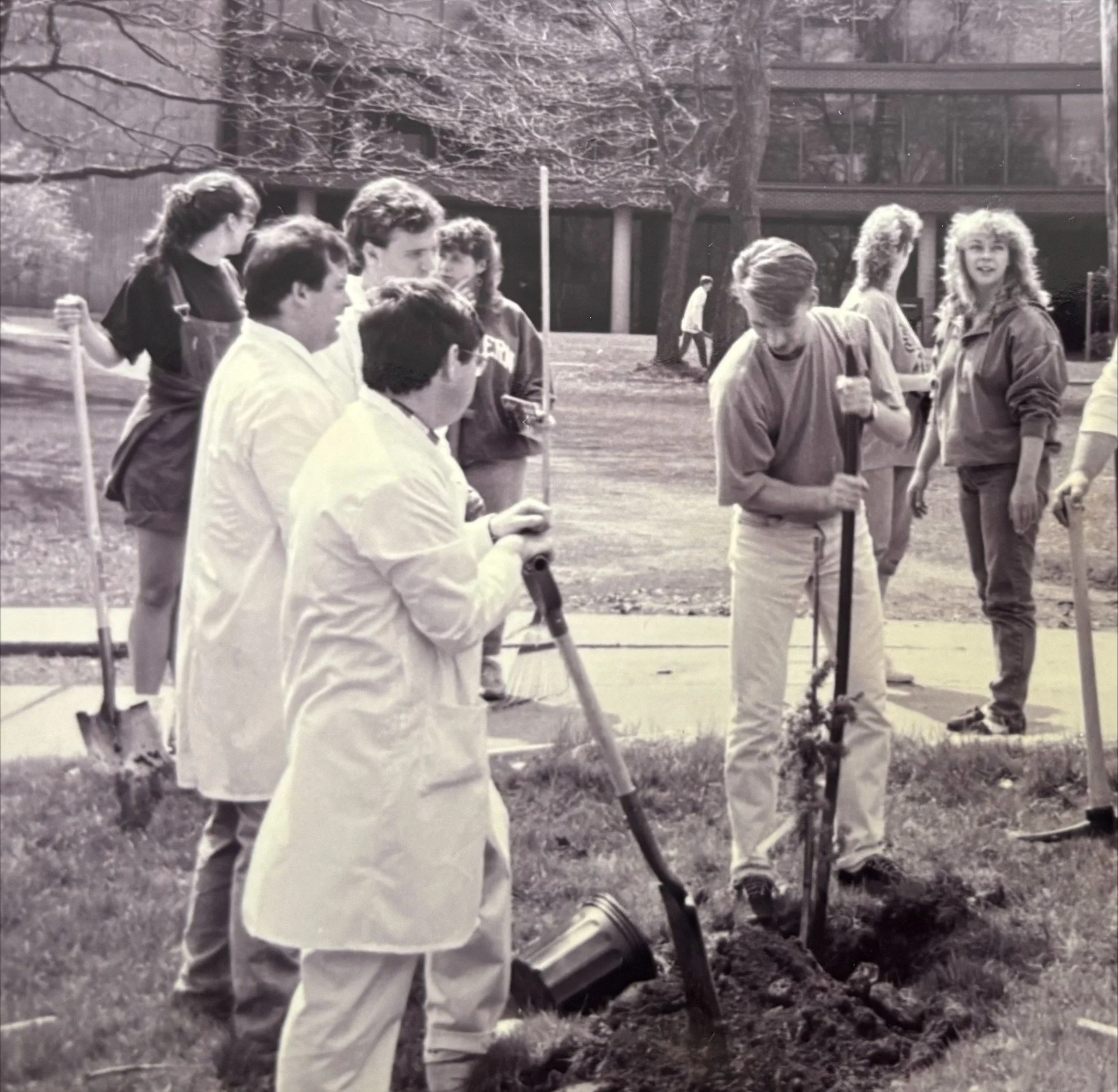
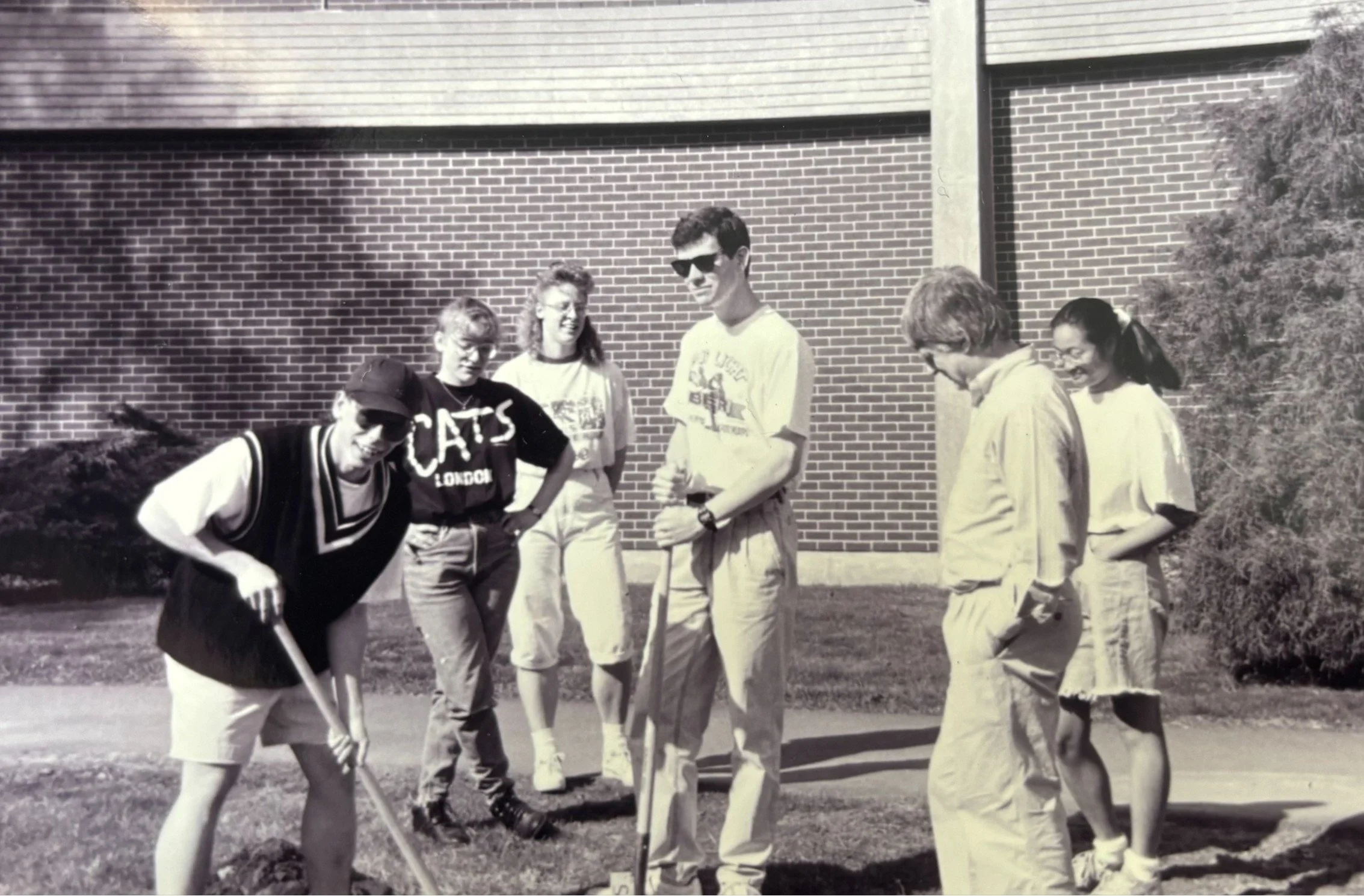
When Dr. David Richardson arrived at Saint Mary’s University in 1992 as Dean of Science, he found a campus with very few trees and little shade. Many existing trees were mature with limited species diversity. Recognizing the need for change, he spearheaded a campus greening initiative that began in 1993. It was supported by dedicated volunteers that included student technicians and science faculty.

“When I first came to Saint Mary’s, there were few trees; now there are trees of all shapes and sizes,” says Dr. David Richardson, Dean Emeritus at Saint Mary’s University. “The initial plantings cost little, often around $20 to $30 per tree, so we were able to plant quite a lot.”

A view of the McNally building

Victorian-era homes, tree-lined avenues, and coastal walks make the historic south end of Halifax and the area around SMU one of the most desirable neighbourhoods in the city. The proximity of Point Pleasant Park, just a five-minute walk away, and the Public Gardens, ten minutes in the other direction, gives Saint Mary’s University students access to green spaces unmatched by most campuses in Canada.

“There is a harmony between urban life and nature. Such an environment enhances academic life, attracting students and staff who value both education and quality of life.”

Dr. Richardson’s British accent, very much a part of his identity, underscores the international influence he has brought to campus. He studied at the University of Oxford, known for its architecture, picturesque landscapes and botanical gardens. It was the tree-planting initiative that brought a touch of that same timeless magic to Saint Mary’s University.

The greening efforts over the decades have turned Saint Mary’s into a living showcase of more than 100 different tree species. This biodiversity provides habitats for birds and other wildlife. The overall impact is not just aesthetically pleasing but also supports sustainability and ecological balance.

Dr. Richardson is internationally recognized for his research on lichens, small but remarkable organisms that respond to shifts in their environment.

He has published more than 100 research papers and three books, The Vanishing Lichens, The Biology of Mosses and Pollution Monitoring with Lichens, which emphasize the importance of plant diversity and how it can serve as an indicator of environmental health.

His work has been recognized with the Lawson Medal from the Canadian Botanical Association, a decade of service with the Committee on the Status of Endangered Wildlife in Canada (COSEWIC), and even the naming of a species in his honour, Skyttea richardsonii.

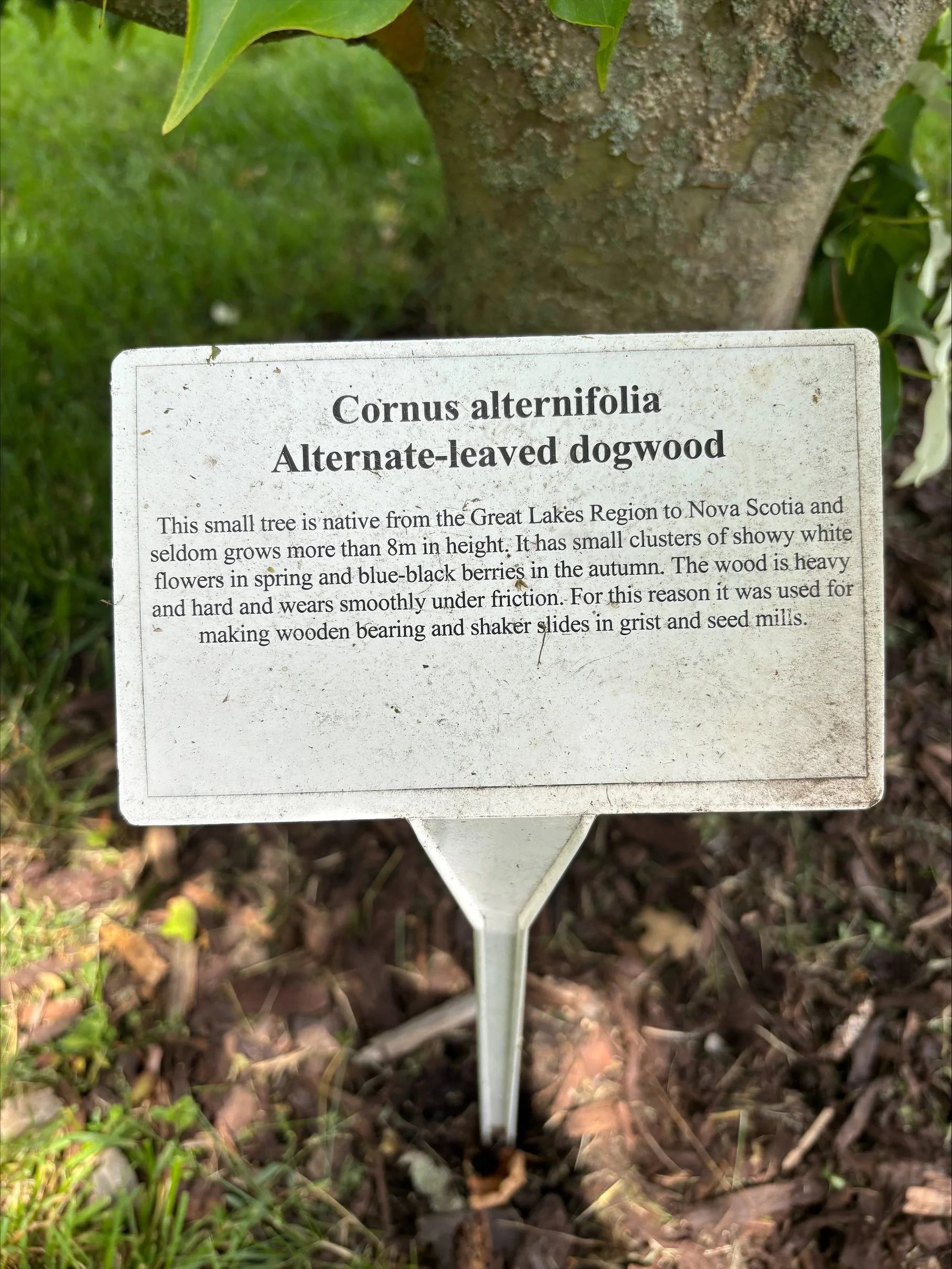
Dr. Richardson describes the campus as "a living laboratory”, where students can learn firsthand about sustainability, ecology and environmental stewardship. Greg Baker, Research Instrumentation Technician in the Department of Geography, has produced a list of campus trees along with their GPS location.

"Every spring there are labels placed at the base of the trees. Walking across the campus you pick up a little knowledge along the way."

Saint Mary’s can stand proudly alongside universities celebrated for their beauty and botanical richness—such as the University of Western Ontario, the University of British Columbia, and the University of Victoria. Saint Mary’s is firmly part of this Canadian tradition of green campuses.
“Walking through campus can change your day. It grounds you. But things never stand still with respect to our trees. They have to withstand droughts, hurricanes, and alien diseases. It’s our responsibility to care for and cherish the natural world.”
Meet Bert, Engineering’s Chief Morale Officer

Bert makes school more fun—and lowers the stress levels of students with a wag of his tail

A key figure in the new Engineering Building at Saint Mary’s, the Chief Morale Officer has an important role in brightening the days of students and faculty.  
Bert, Chief Morale Officer in Engineering

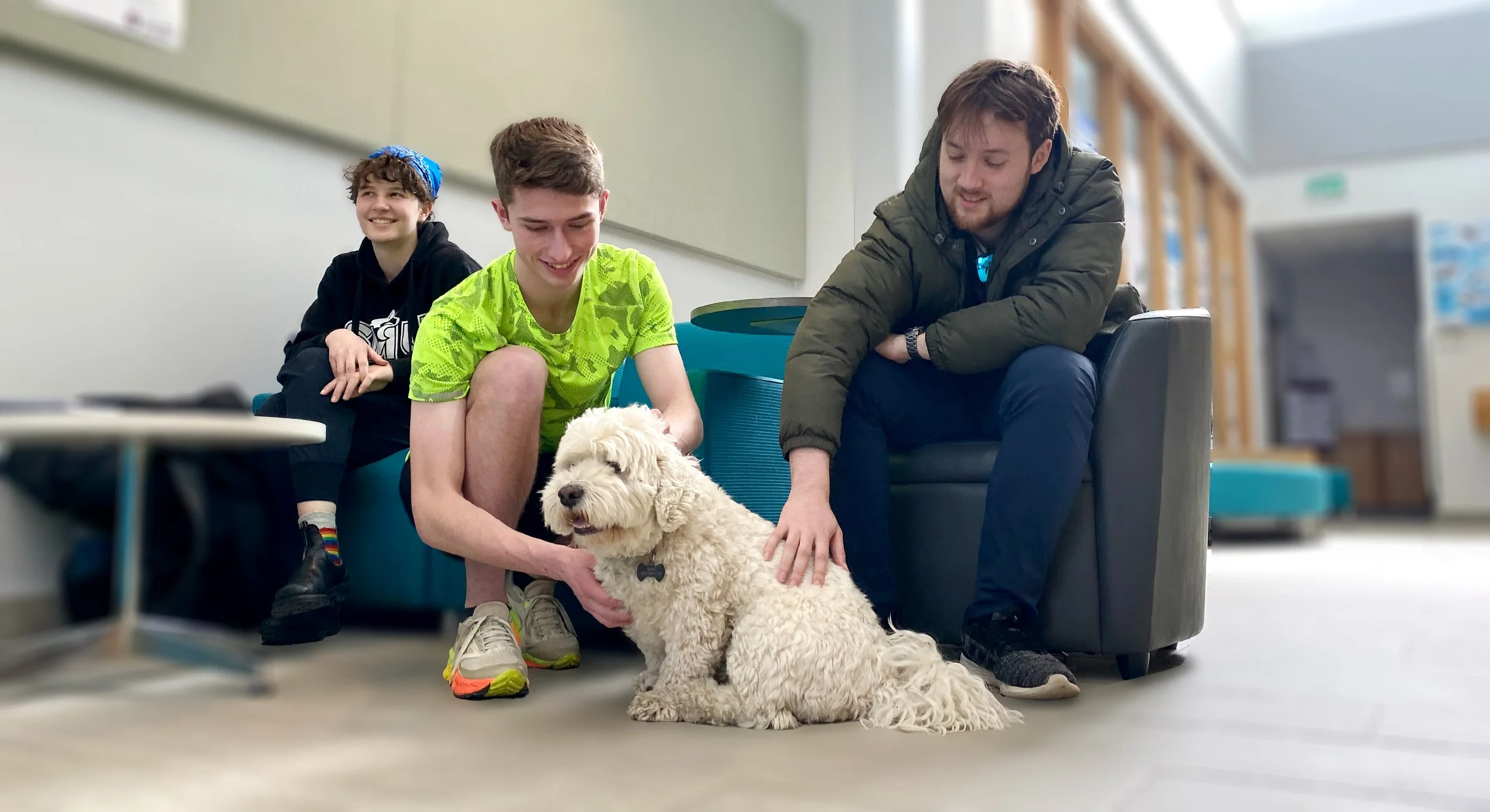
Bert, a four-year-old Havanese-Poodle mix, rushes through the door to see his favourite students when he arrives on campus. On the third floor, he makes a beeline out of the elevator to classrooms and labs, where he provides emotional support.

“Bert is a calming presence for students, and he loves to be here,” says professor Don MacNeil, who is Bert’s owner. “Many of our students are living away from home for the first time and they’re missing home and adjusting to a new school environment. Bert really brings down the stress levels of students.”

For some students, meeting Bert is their first positive interaction with a dog.

“Several people have told me that Bert is the first and only dog they have ever petted,” says MacNeil. “They say they’re scared of all dogs—except Bert.”

Always ready for a party, Bert joined the students in dressing up for Halloween—sporting a vampire costume that matched Prof. MacNeil’s—as the students designed and 3D-printed pumpkin candle holders.

Don McNeil and Bert on Halloween

Bert supervising the robotics design competition

On a busy day near the end of term, Bert watched as second-year students raced to finish their final design assignments. As the designers worked on their remote-controlled robots to earn class points and bragging rights, he was the centre of attention—and in the centre of the track—as ping pong balls flew from the robots in the friendly competition. Adding to the excitement, a group of visiting elementary students watched the competition…and Bert, who stole the show.

Emma Smith with Bert

Bert enjoyed meeting family and friends at a gathering in the Engineering Building after convocation in the spring, and it was a chance for one last belly rub from students who will be moving on to other educational opportunities and careers.

“Even if you place last, Bert will be there; after exams, he’s there,” says Emma Smith, who recently graduated with a Diploma in Engineering. “He’ll do some zoomies and then fall asleep under a desk. We’ll be back to see him.”

Fellow graduate James Nowell agreed: “He’s an absolute legend.”


Flexible education, personalized support and a contemporary learning environment—learn why the Diploma in Engineering Program at Saint Mary’s might be right for you!