Enactus Saint Mary’s returns to Nationals to defend championship title

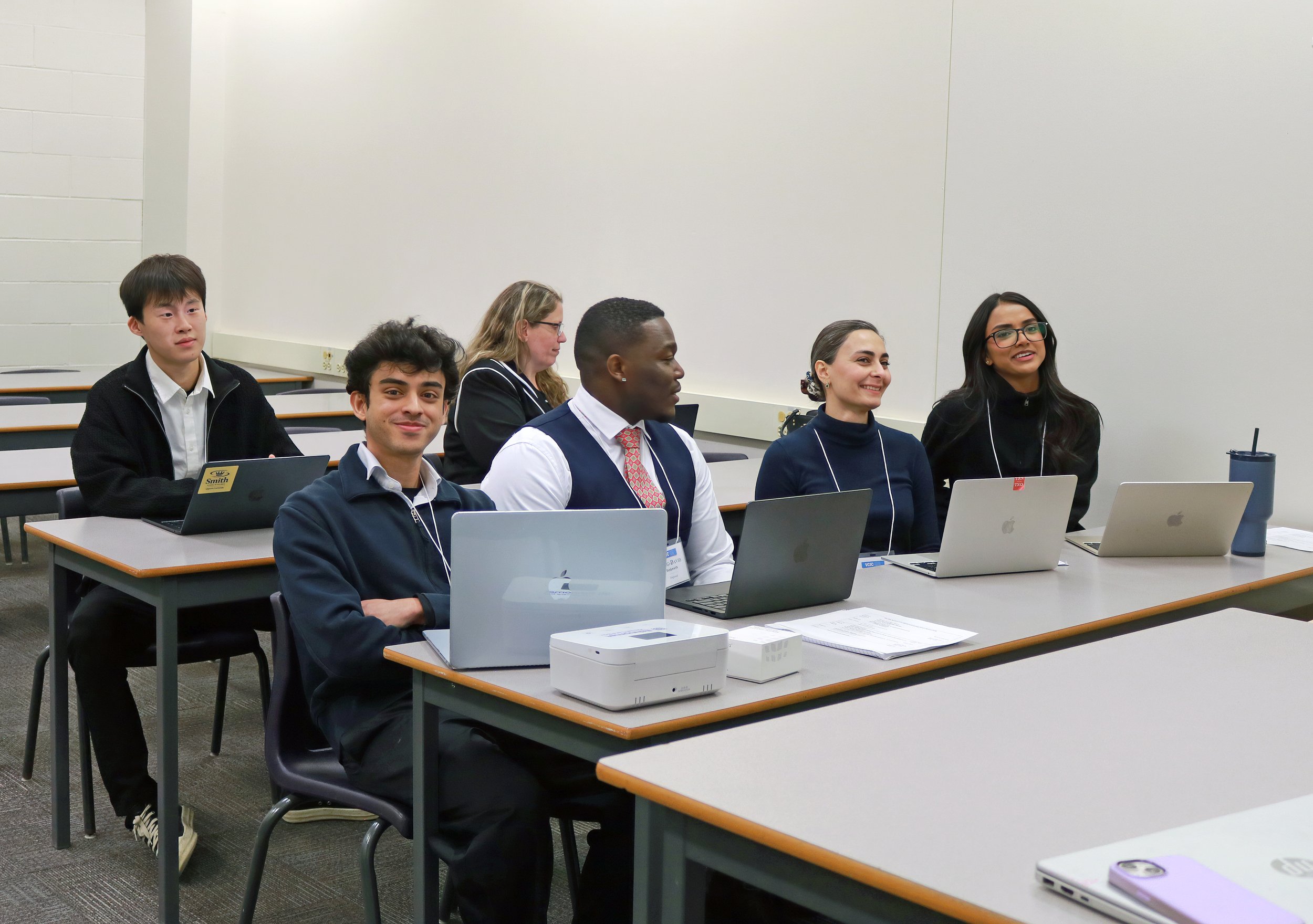
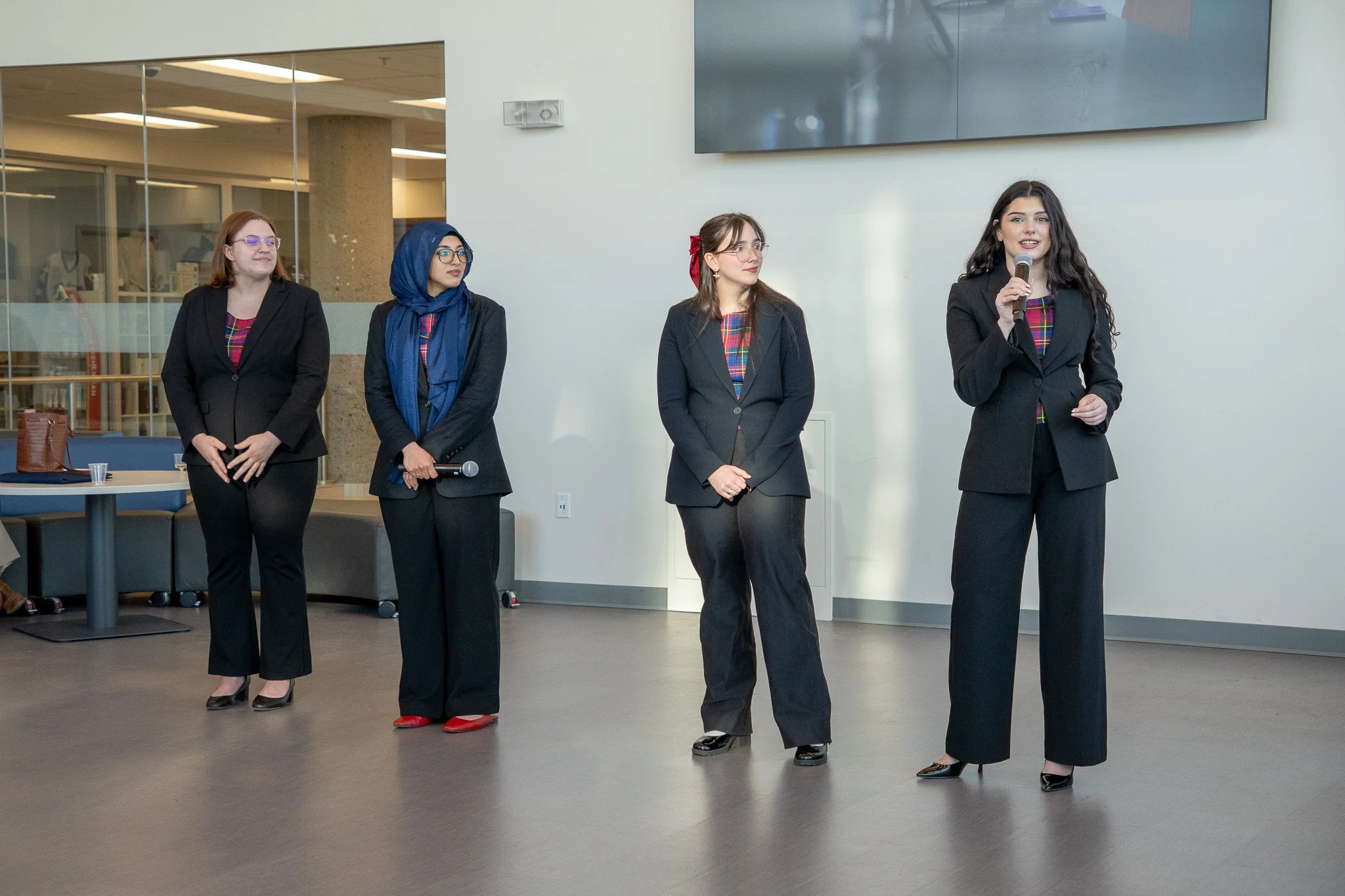
Enactus national competition presenters: Becca Sullivan, Mariam Ahmed, Ava Doiron and Mia Makhlouf.


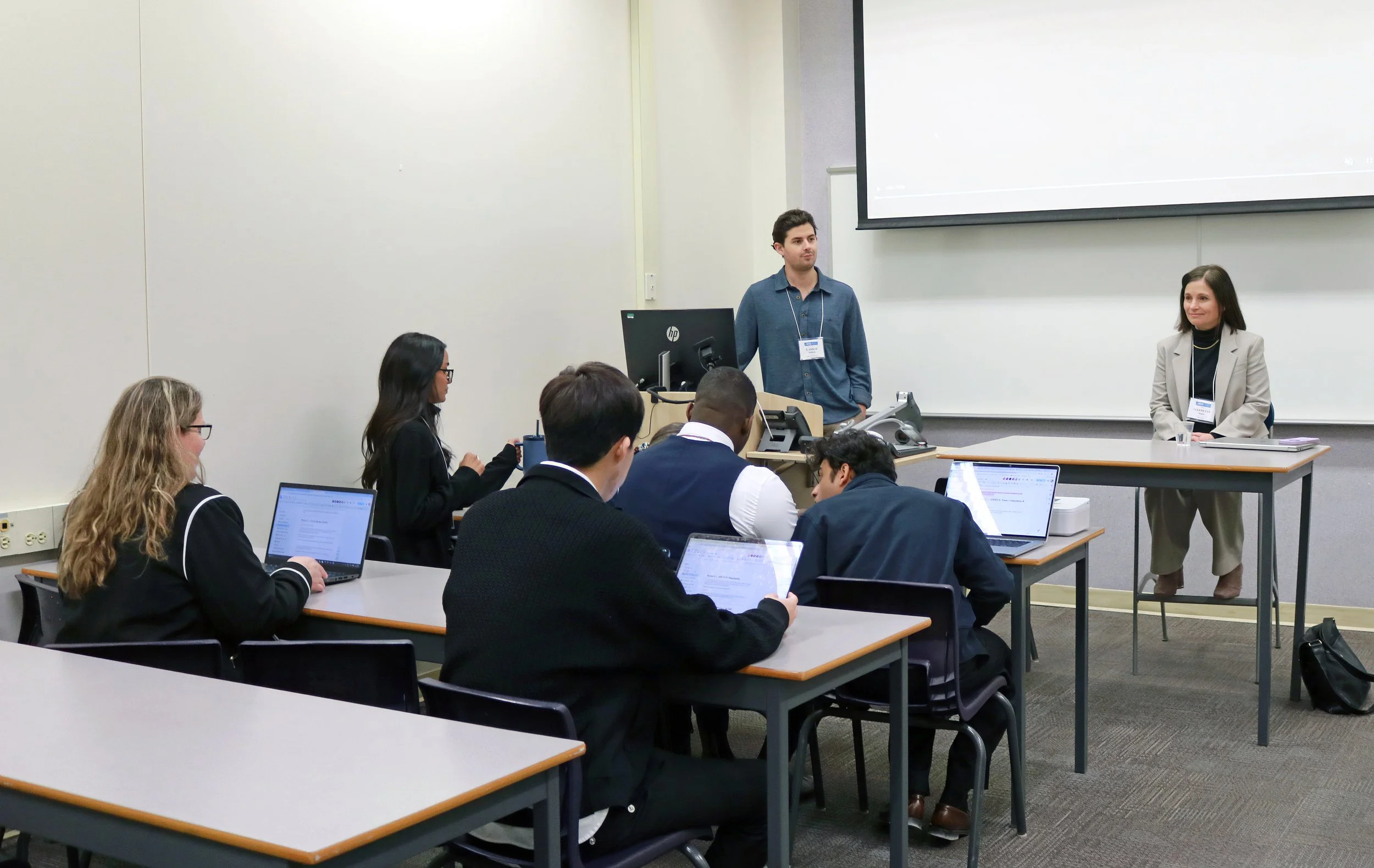
Last week, the Enactus Saint Mary's team at Saint Mary's University showcased their 12-minute presentation to a room full of students, alumni, donors and supporters at the Enactus Saint Mary’s Send-off Event. After the presentation, the crowd was invited to ask questions to help the team prepare for the Enactus Canada National Exposition. 
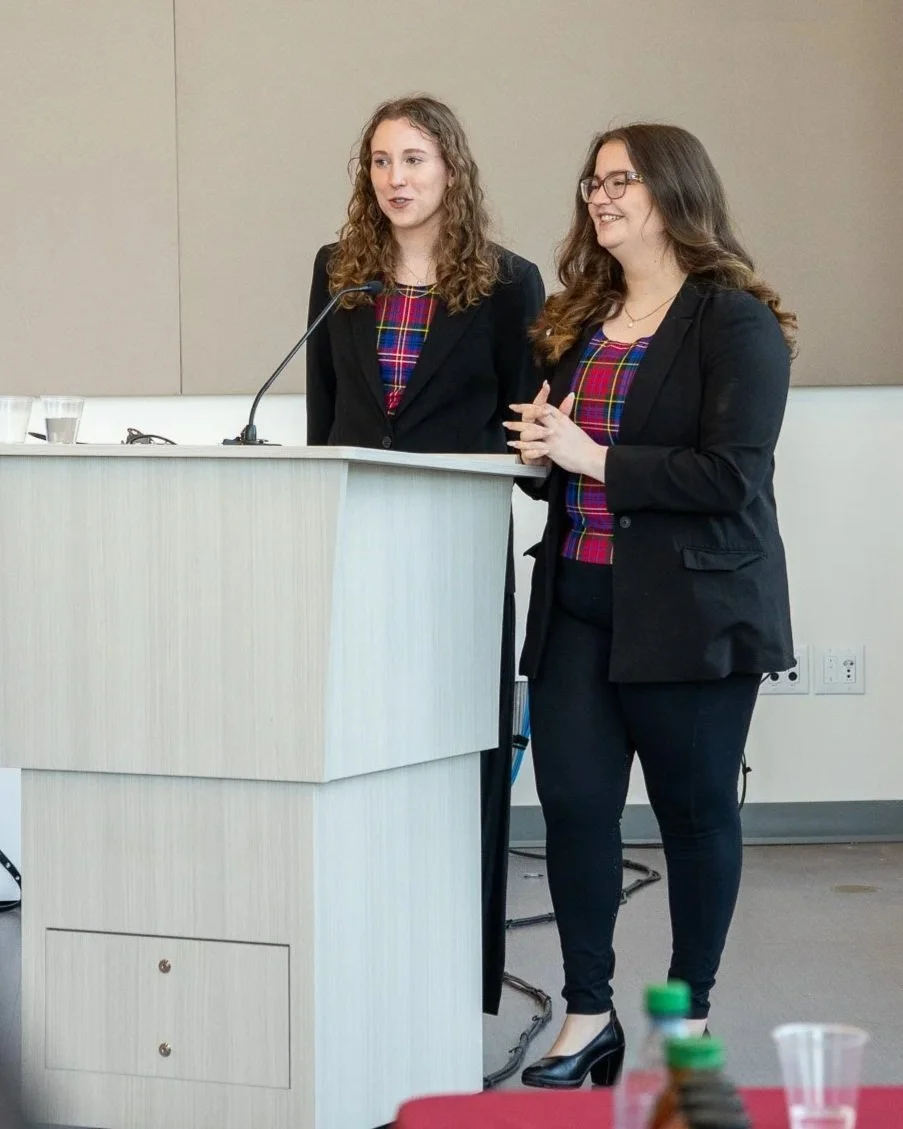
Sarah Wheeler and Courtney Dingle, Co-Presidents of Enactus Saint Mary’s

From May 6 to May 8, 42 students from Saint Mary’s University will head to Montreal for the Enactus Canada National Exposition, where they’ll compete against 50 post-secondary teams from across the country. With their national title on the line, the team is focused on defending it and returning to the world stage. 

The Enactus team, comprised of over 100 students, representing all faculties at Saint Mary’s University, operates a total of 11 projects. This year, the team will be highlighting two of those projects, Square Roots and Alaagi.

"It has been rewarding to watch our team deliver a 12-minute presentation that showcases the success of Alaagi and Square Roots, just two of the 11 projects the team operates. says Sarah Wheeler, Co-President of Enactus Saint Mary’s. She adds “We’ve spent the year really focused on creating positive and impactful change in the communities we serve.” 

Square Roots 

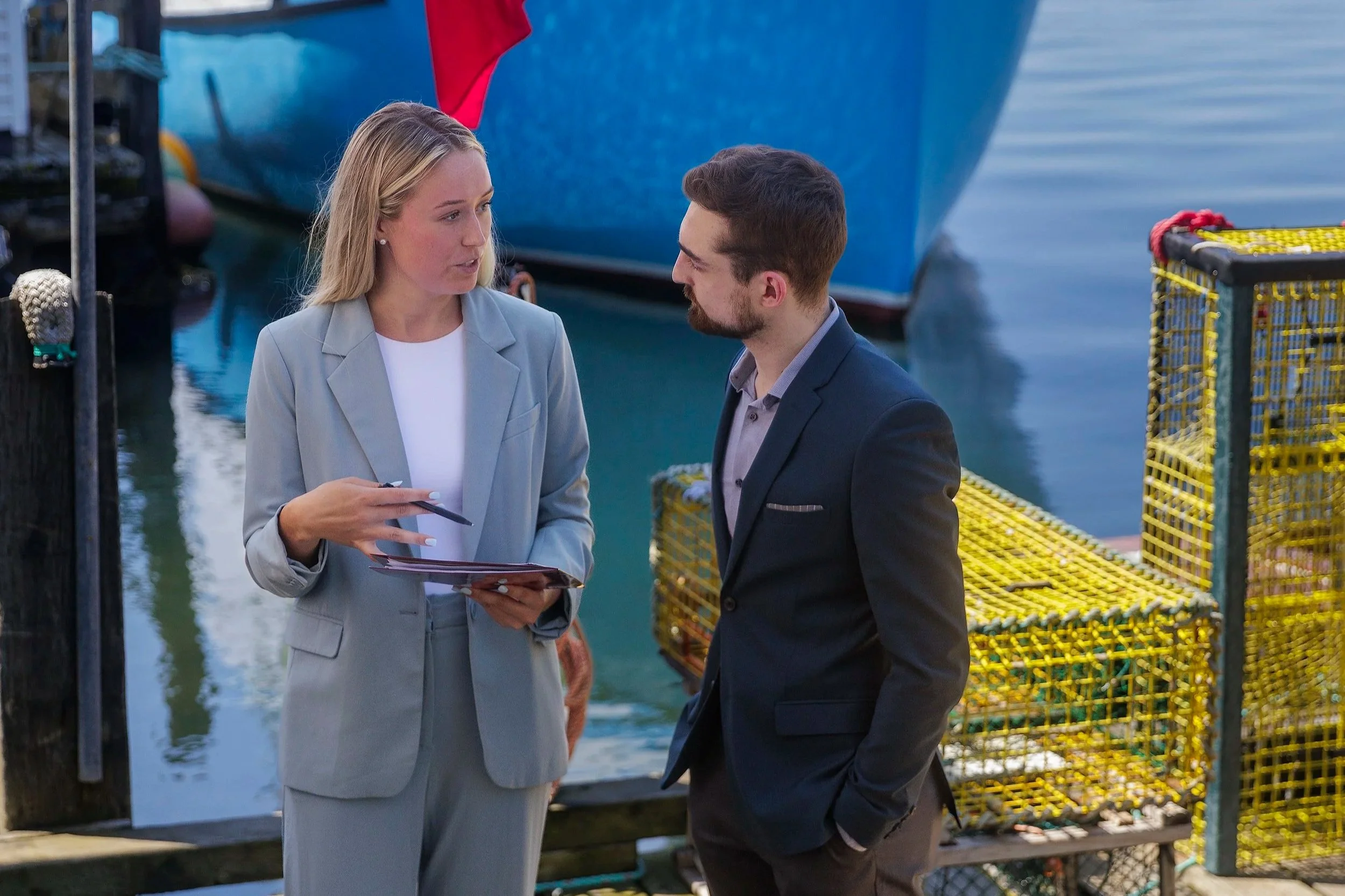
Square Roots is a standout Enactus Saint Mary’s initiative and one of the longest-running projects in the Enactus Canada network. Founded in 2016, this Community Interest Corporation tackles two major issues—food waste and food insecurity—by rescuing surplus produce and providing it to customers in need at reduced prices. 

The project sources “seconds” —fresh produce that’s often discarded due to slight imperfections in appearance—directly from local farmers. Square Roots Community Managers then distribute it affordably across Nova Scotia.   

Started with two locations in Halifax, Square Roots has expanded to 23 locations across Nova Scotia and has provided over 1-million pounds of fresh produce to community members.  

Alaagi  

Launched in July 2024, Alaagi is redefining the future of packaging. This student-led initiative has created a durable, fully compostable bioplastic made from seaweed. This innovative material can be used to make items like sandwich bags and grocery bags.  

Now, Alaagi is pioneering the world’s first industry-standard 10K Oxygen Transmission Rate bioplastic film suitable for meat and seafood packaging—an innovation with enormous commercial potential. 
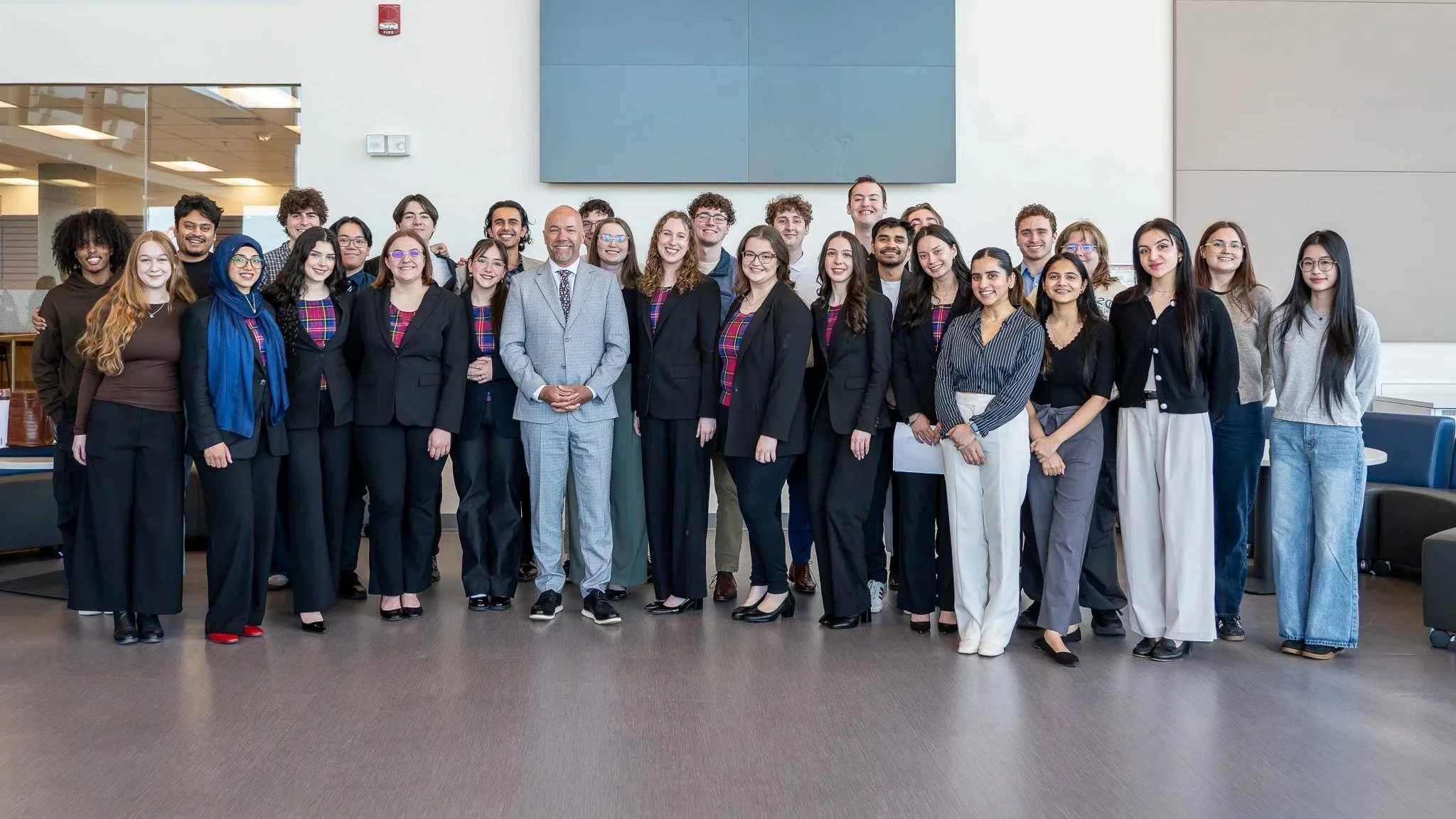

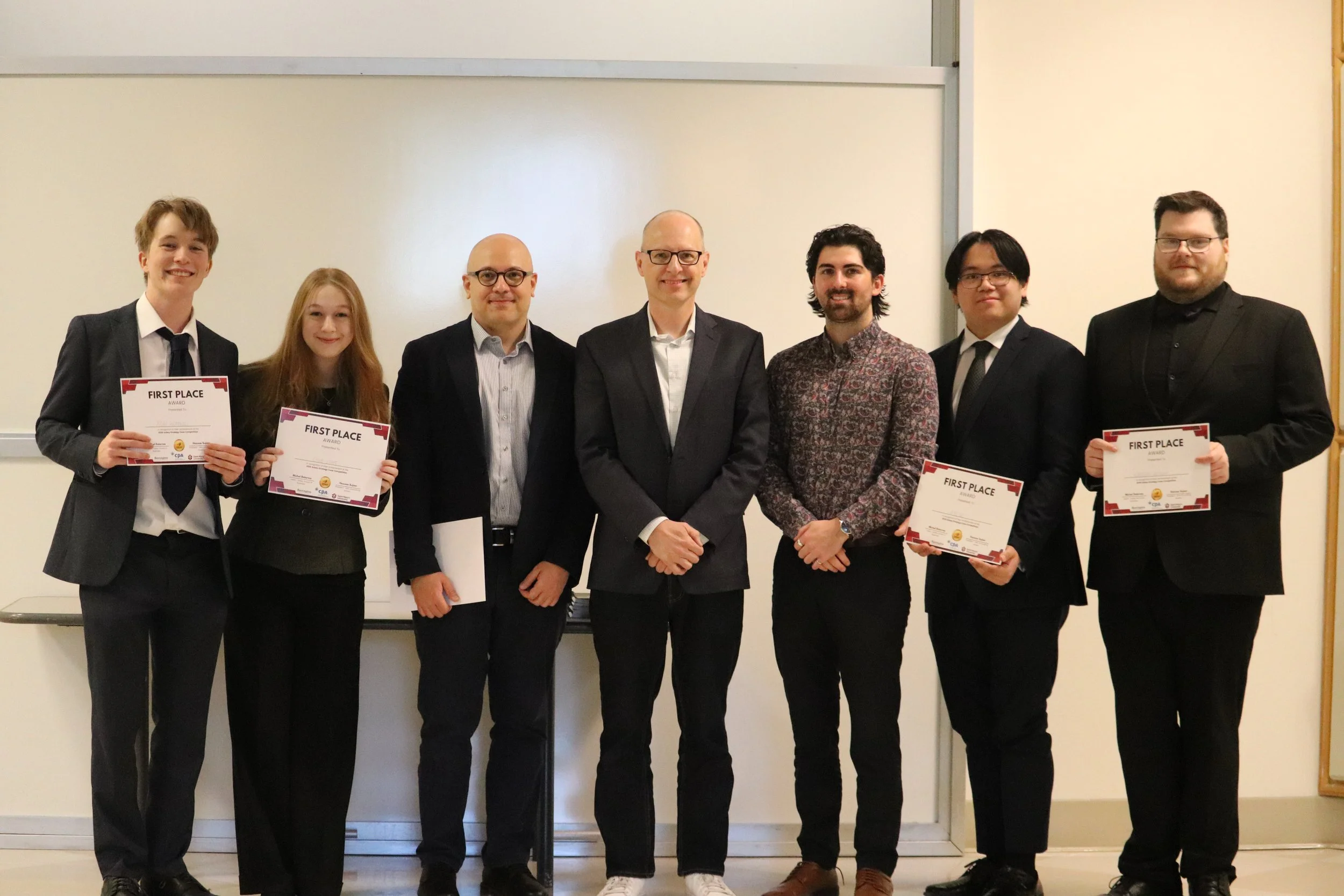
The 2026 Enactus team with Halifax Mayor Andy Filmore, centre.

2025 World Champions

In 2025, students from Enactus Saint Mary's were named world champions at the Enactus World Cup in Bangkok, Thailand. Standing out among student entrepreneurs representing 28 countries from across the globe for their innovative, impact-driven projects. It was a defining moment not just for the team, but for the broader Saint Mary’s community. 

To become Team Canada again this year and defend their World Championship title, the Enactus Saint Mary’s team must first compete at the Enactus Canada National Exposition. Pitching against 50 teams, Enactus Saint Mary’s will be vying for the networks first ever three-peat. If crowned National Champion, the team will then proceed as representatives of Canada for the third time in a row, defending their World Cup title in San Palo, Brazil in Sept. 2026.  

But for the students involved, this journey is about more than just competition. 

Enactus Saint Mary’s focuses on creating real-world solutions to social, environmental and economic challenges. Their projects are built around impact, supporting communities, launching sustainable initiatives and applying business principles to drive meaningful change.  

As the team heads into nationals, there’s a mix of excitement, pressure and pride. They’re not just representing themselves, they’re representing Saint Mary’s on a national stage once again. 

And if things go their way in Montreal, they’ll be right back where they were last year: competing against the best in the world, with another opportunity to make history. 

Follow the Arthur L. Irving Entrepreneurship Centre and Enactus Saint Mary’s on social media for more updates:   
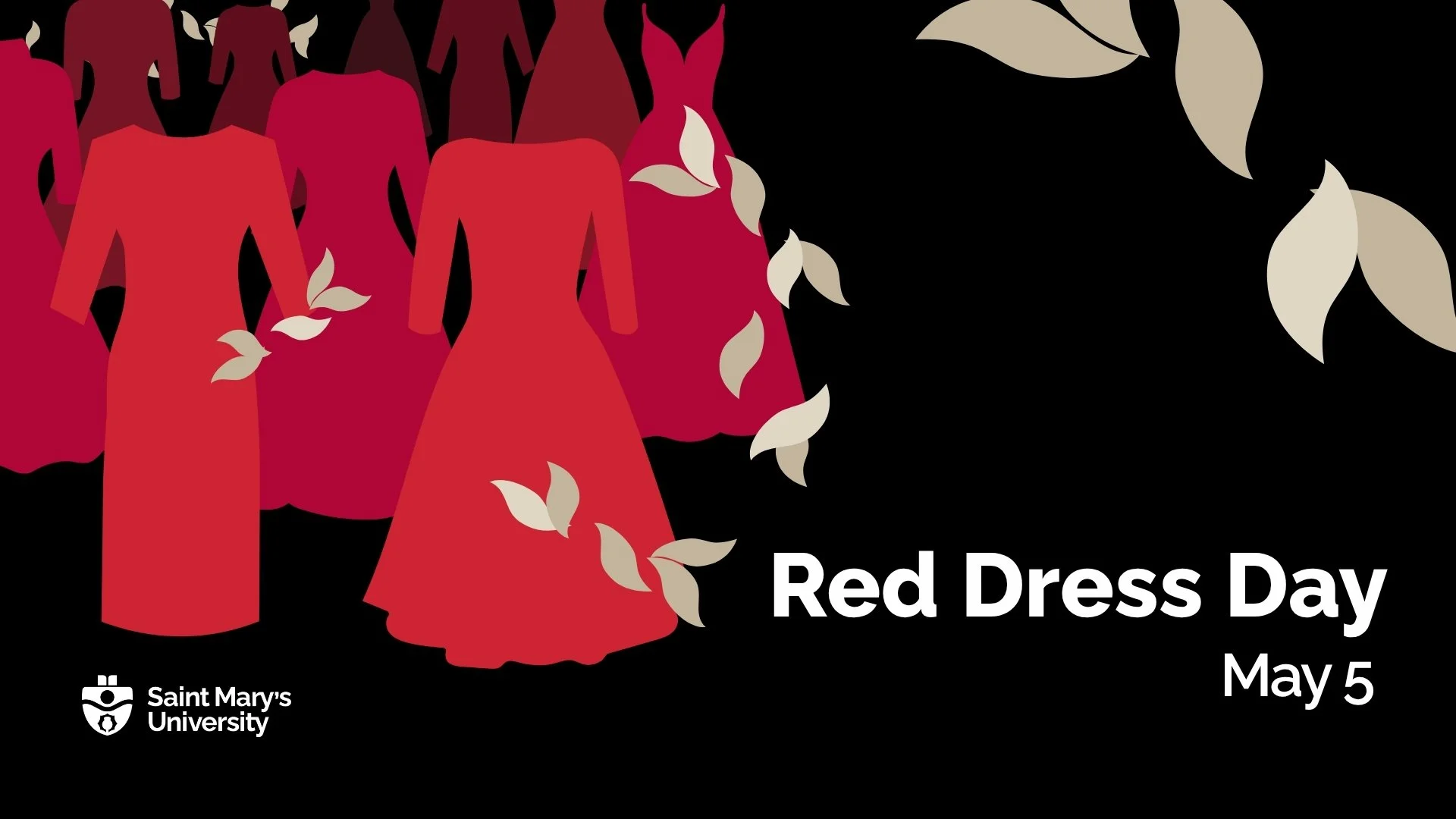
No more stolen sisters: Red Dress Day 2026

May 5 is Red Dress Day, the National Day of Awareness and Remembrance for Missing and Murdered Indigenous Women, Girls and 2SLGBTQI+ people (MMIWG2S). 

Inspired by Métis artist Jaime Black’s REDress Project, red dresses will hang in various locations within the Patrick Power Library as a symbol of those who never returned home and to bring awareness to the ongoing violence against Indigenous communities.

 The SMU community is encouraged to visit the Library to view the dresses and the related book display, to support learning and reflection on Indigenous culture and experience.


Additional resources


Outreach and Engagement Librarian Sarah West and Indigenous Student Advisor Kylar Johnson worked together to create a refreshed installation in the Patrick Power Library for 2026. To further honour Red Dress Day and raise awareness, a video was created for SMU’s social media channels, capturing the display and featuring powerful messages that reflect the impacts of the ongoing crisis.

The Red Dress Day video has received more than 800K views at last count, extending the reach of this powerful and poignant message well beyond our campus.

Students tackle dual-venture challenge at Innovation Sprint

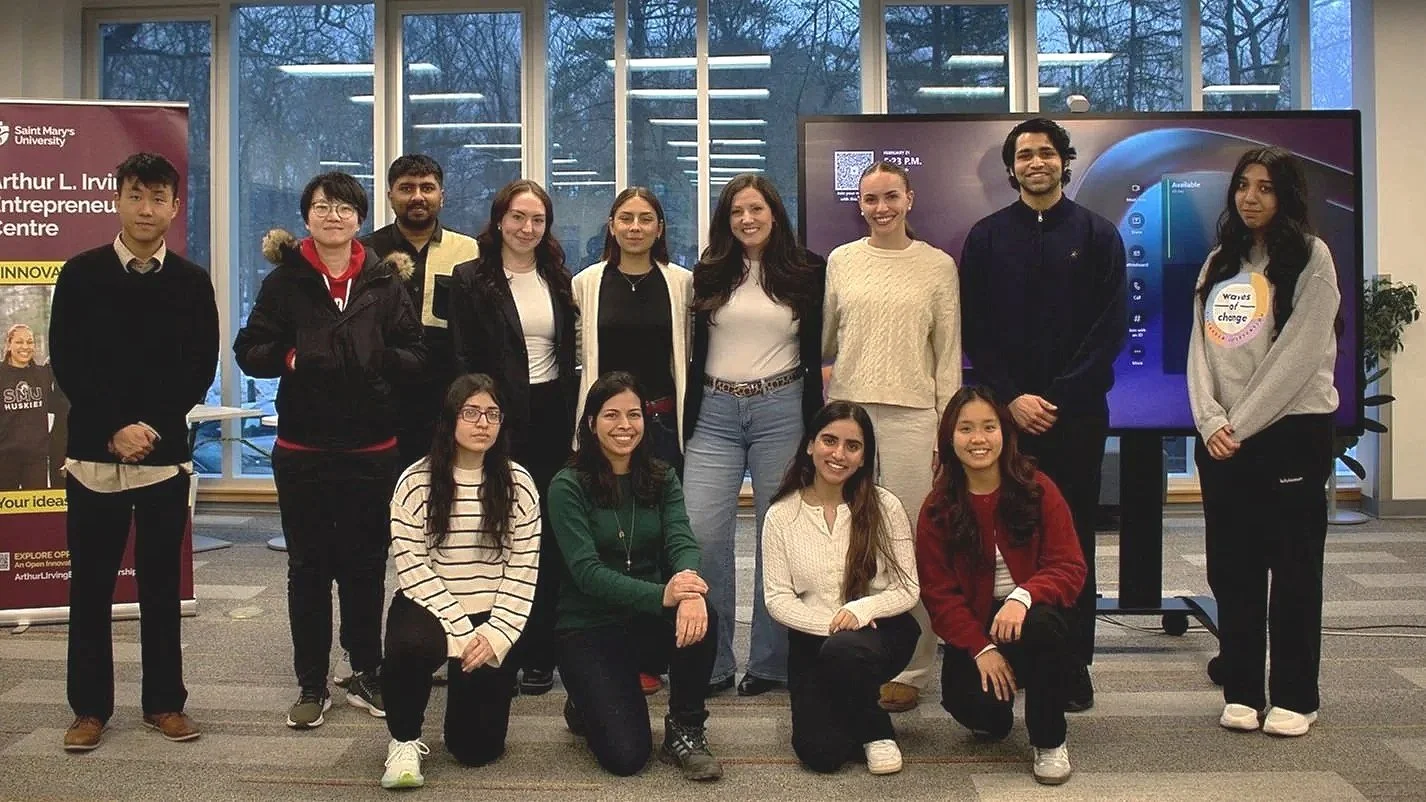
Innovation Sprint participants from Saint Mary’s and Dalhousie

It’s not every day that students are asked to build strategies for two completely different ventures at the same time, but that’s exactly what made this Innovation Sprint stand out.

Hosted in collaboration with the Arthur L. Irving Entrepreneurship Centre and New Leaf GSI with the BraveArt Project, the sprint brought together 13 students, six from Dalhousie University and seven from Saint Mary's University, to tackle a unique challenge: building strategies for not one, but two ventures operating side by side. 

New Leaf is a strategy-driven business focused on helping organizations scale through rigorous operations and leadership. The BraveArt Project, by contrast, is a social enterprise brand rooted in creativity, storytelling and advocacy. 

However, they are deeply linked by a shared mission of impact: a percentage of all revenue generated by New Leaf Fractional COO Services is donated directly to The BraveArt Project, the non-profit founded by founder Jessie Taylor. This unique model ensures that every operational success at New Leaf directly fuels the creative advocacy and community work of BraveArt. 

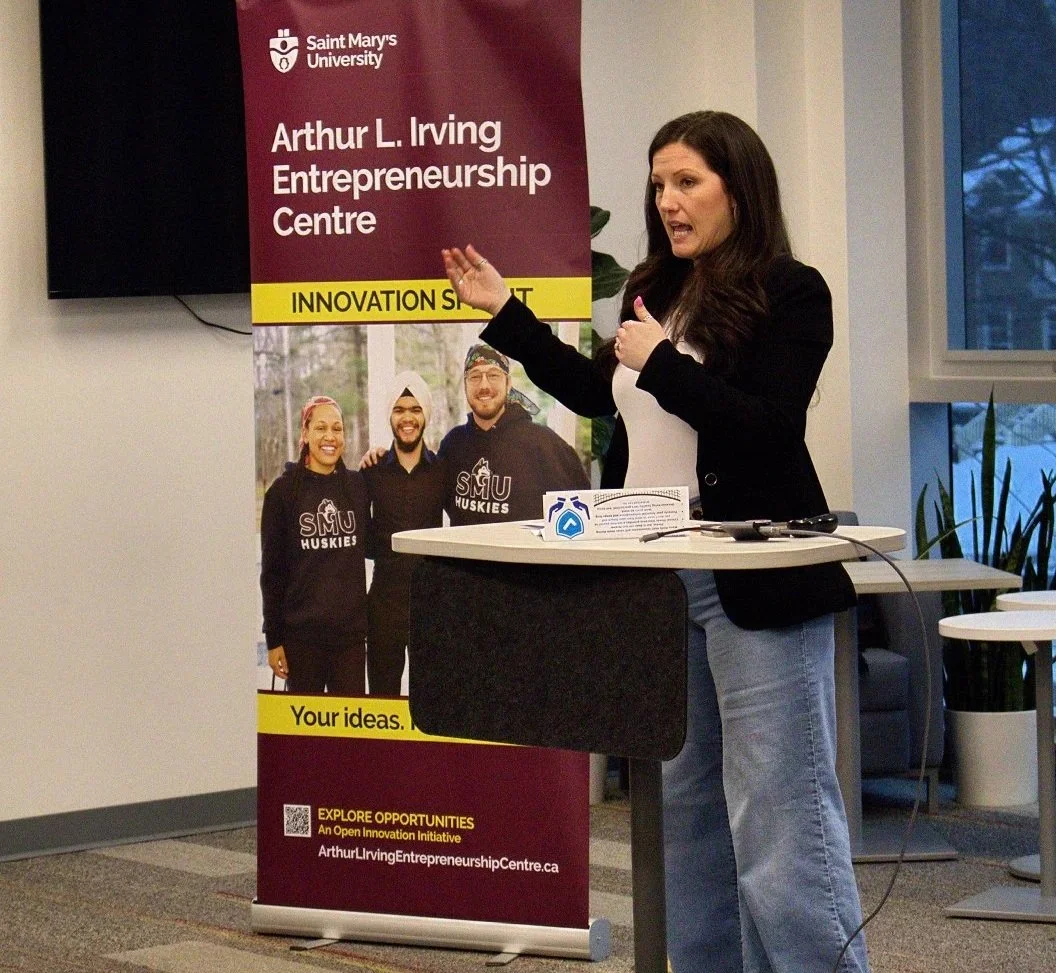
Jessie Taylor

Taylor, the founder of both organizations, set up the tone early, sharing her journey to launching both ventures, along with the challenges, pivots and momentum that shaped them. Her energy carried through the day, especially as she spoke about her continued collaborations, including her work with a previous sprint partner, The Wine Spa, showing students how these experiences can extend far beyond a single event. 

What made this sprint stand out was how quickly ideas turned into real opportunities. Some students even expressed interest in applying for open roles with New Leaf, turning their solutions into potential next steps for their own careers. 

By the final presentations, the level of thought and execution was clear. 

First place went to Patricia Tagliapietra and Mila Souilliere (Dalhousie University students), who delivered a comprehensive plan for New Leaf, covering communication, revenue generation, community growth and a full implementation roadmap. 

Second place was awarded to Hinesh Patel and Swapnil Kanade (Dalhousie University students) for their deep dive into revenue generation, including three scalable models and a creative proposal for a community-driven podcast. 

Taking third place, Stuti Sandhu (Saint Mary’s University) presented a powerful concept focused on workplace equity, financial independence and using both ventures as a platform for advocacy and consulting. 

Beyond the competition, Jessie’s growing list of recognitions, including being a 2026 Canada’s Choice Award Finalist and a nominee for multiple national and regional awards, added another layer of inspiration for participants. 

If you’re interested in learning more about the next Innovation Sprint, sign up for our newsletter

TRIUMF triumph: Two Saint Mary’s science students awarded prestigious fellowships

Two Saint Mary’s University science students, Tehya Mohammed and Clara Wrightman-Dillon, will be travelling to Vancouver this summer for the Richard E. Azuma Summer Fellowships at TRIUMF, Canada’s particle accelerator centre.

Only two of these prestigious fellowships are awarded each year to students from TRIUMF’s 21 member universities across Canada, making it extra special that both students will be representing SMU.

The fellowships support promising Canadian undergraduate students in pursuing careers in TRIUMF’s research fields, including accelerator science and technology, detectors and instrumentation, life sciences, molecular and materials science, particle, nuclear, and theoretical physics, and scientific computing.

“Watching students succeed is the greatest reward for an educator. Having two SMU stu-dents win the only two fellowships at TRIUMF, and knowing that they competed against students from much larger institutions makes this a very proud moment.” says Dr. Sam Veres, Dean of Science. “These wins are a testament to Tehya and Clara’s dedication to their studies, and the exceptional education that our faculty and staff in the Department of As-tronomy and Physics provide.” 

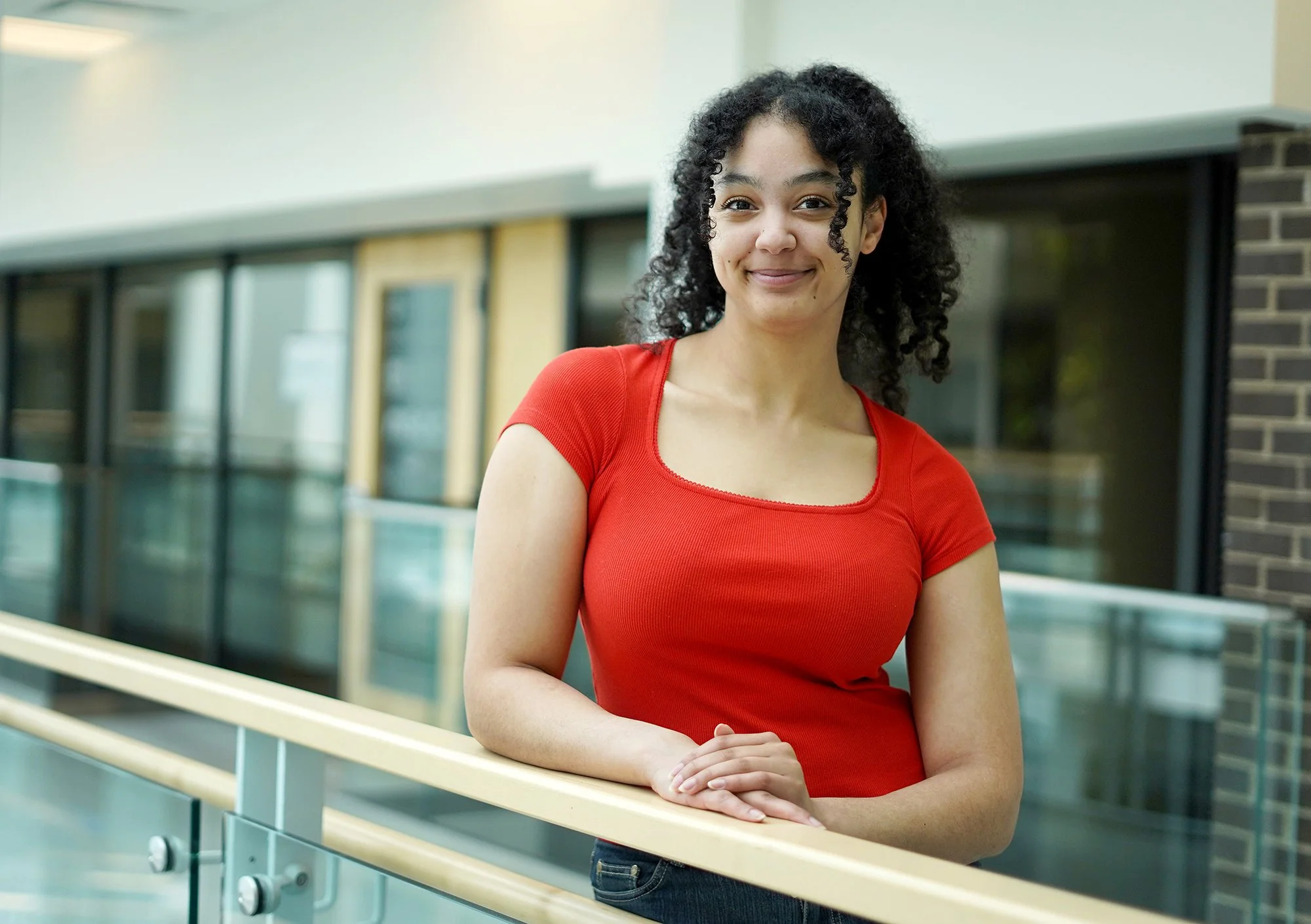
Tehya Mohammed

Tehya Mohammed, from East Preston, N.S., just completed her third year of a BSc in Physics with an honours in Chemistry. She is excited to start working on a research project titled “Antimatter Physics with the ALPHA Collaboration” with Dr. Makoto Fujiwara at TRIUMF and at the CERN scientific research laboratory in Switzerland.

When she graduates in spring 2027, Tehya plans to attend graduate school; longer-term goals may see her staying in academia, teaching and doing research, and she credits her experience at Saint Mary’s with helping her land the fellowship this summer.

“I’m grateful for the experiences I’ve had at Saint Mary’s,” says Tehya. “I was able to do research with my professors each summer starting after my first year. There are more opportunities available to undergraduate students at smaller schools like SMU.”

Chemistry professor Dr. Christa Brosseau is Tehya’s honours supervisor; she also worked with Dr. Rob Singer in chemistry, publishing a paper with him. She credits these experiences with helping to round out her resume for the fellowship.

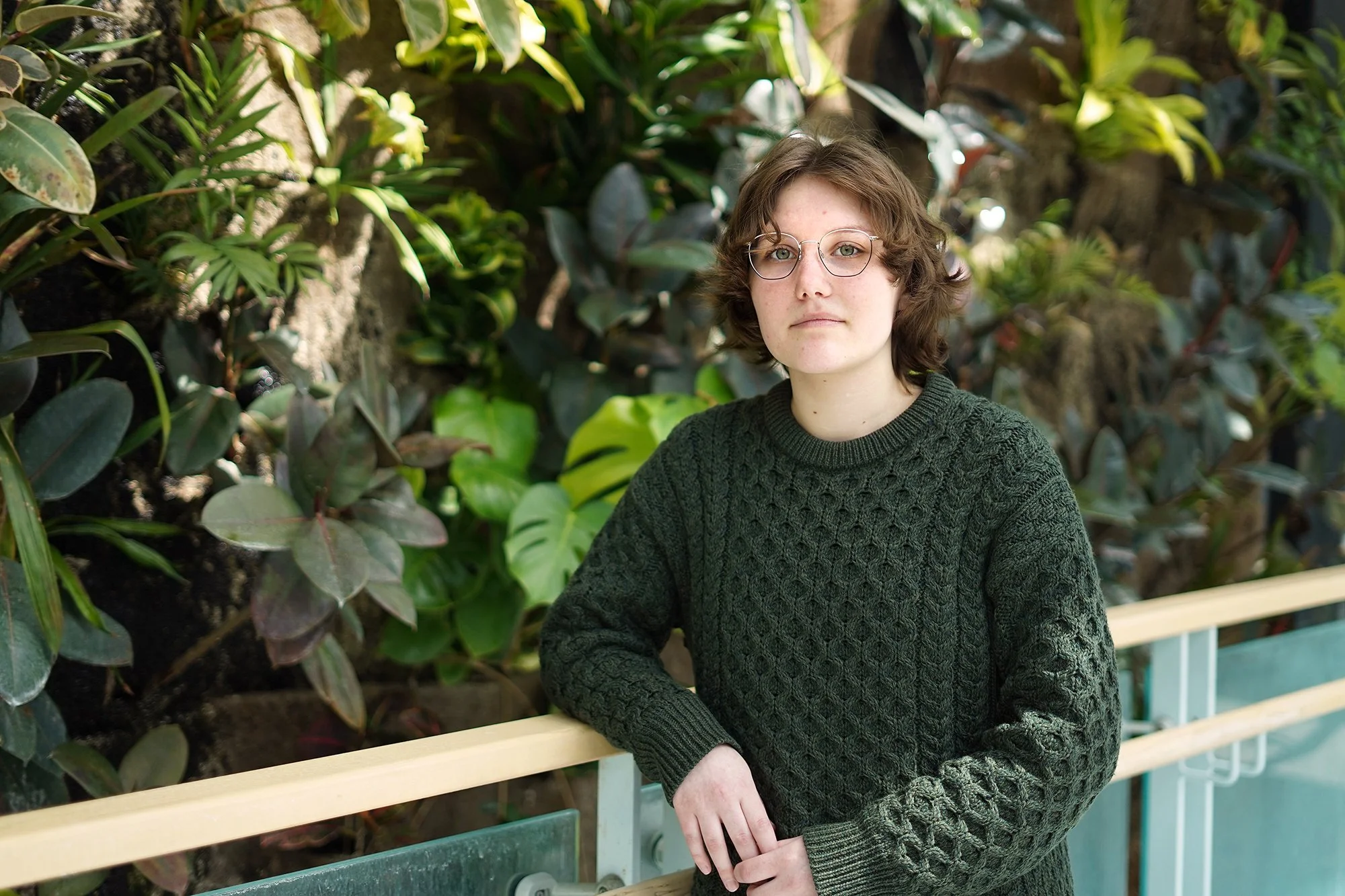
Clara Wrightman-Dillon

Clara Wrightman-Dillon, a physics major from St. Andrews, N.B., will be working with Dr. Adam Garnsworthy and researchers at the University of York. Their project, titled “Decoherence of Quantum Entangled Photons,” will involve the collection, sorting and analysis of data for research that could affect PET medical imaging.

This won’t be Clara’s first visit to TRIUMF; she was there last year thanks to her work alongside Dr. Greg Christian, a professor in the Department of Astronomy and Physics at Saint Mary’s.

After graduating from Saint Mary’s, Clara intends to pursue a Master of Science in physics.

Tehya and Clara have both spent the previous two summers at Saint Mary’s conducting research with their professors in positions funded by the Natural Science and Engineering Research Council (NSERC)’s Undergraduate Student Research Awards program and the Faculty of Science at Saint Mary’s.

The paid, four-month fellowship includes travel and a week's stay at TRIUMF House, a “home away from home for TRIUMF’s national and international visitors”. When fellowship winners complete their undergraduate degrees, a $5,000 scholarship is available to any of the 21 TRIUMF schools in Canada.


Meson Hall at TRIUMF. Credit: triumf.ca

About TRIUMF

Established in 1968 in Vancouver, TRIUMF is Canada’s particle accelerator centre. The lab is a hub for discovery and innovation inspired by a half-century of ingenuity in answering nature’s most challenging questions.

From the hunt for the smallest particles in our universe to research that advances the next generation of batteries or develops isotopes to diagnose and treat disease, TRIUMF drives more than scientific discovery. Powered by its complement of top talent and advanced accelerator infrastructure, TRIUMF is pushing the frontiers in isotope science and innovation, as well as technologies to address fundamental and applied problems in particle and nuclear physics, and the materials and life sciences. 

Ben Gaunce BA’17: Giving back to the community that shaped him

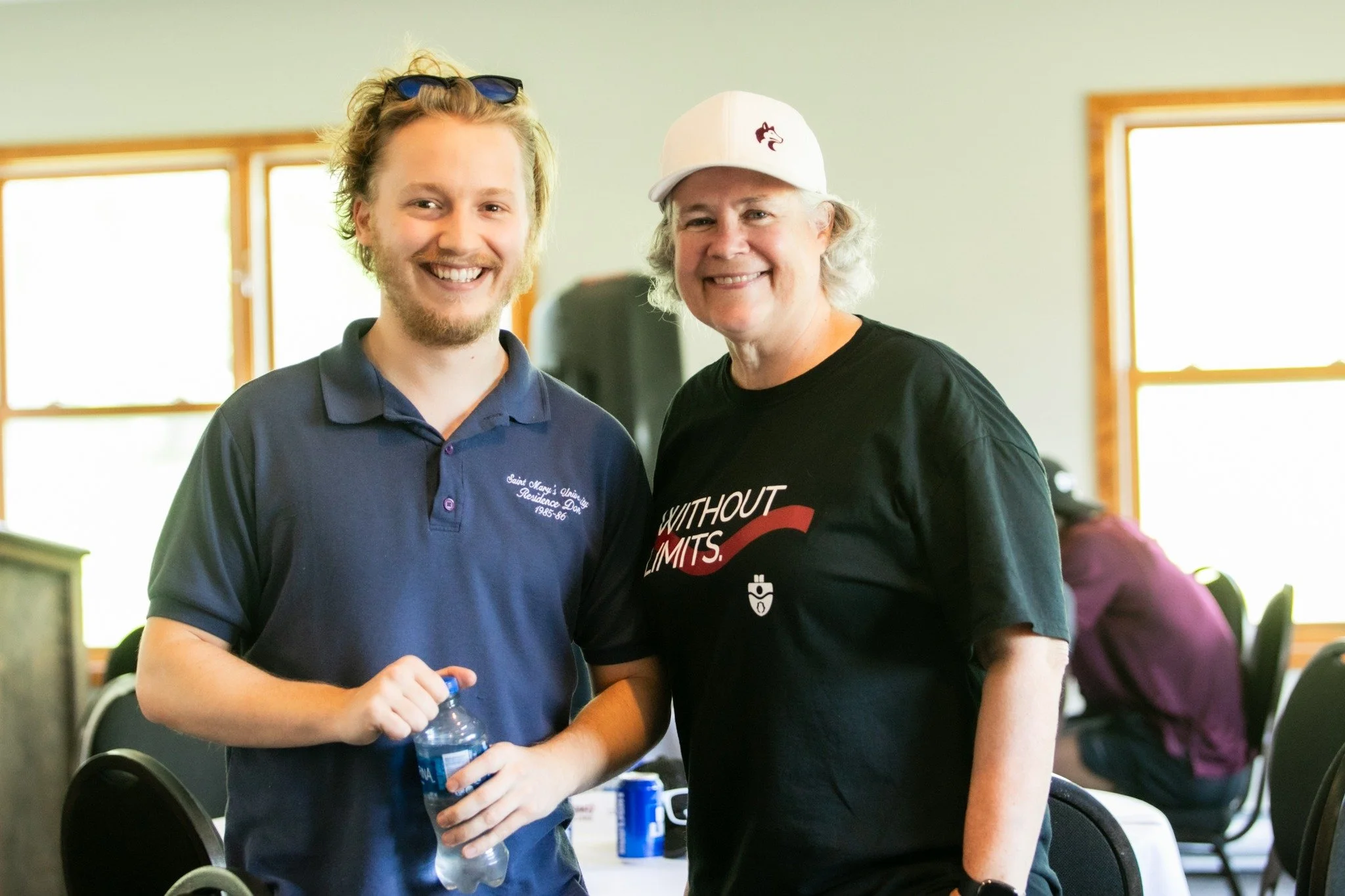
Ben Gaunce with Mary Ann Daye, Director of Alumni Engagement at the SMU Alumni Golf Tournament

“My time as a student at SMU was invaluable. It was filled with new experiences, opportunities, and learning, both inside and outside the classroom.”

For Ben Gaunce BA‘17, those experiences didn’t stop at graduation. They’re what brought him back.

Now, as a SMU alum and dedicated volunteer, Ben focuses on helping create those same experiences for others. Whether he’s connecting with students or taking the stage as a co-host for the 2024 Alumni Awards, he is committed to keeping the Husky sense of community strong.

Ben discovered his passion for advocacy, serving as the Board Representative on the SMUSA Council in 2017. Today, he continues to draw on that experience to ensure students and alumni have a seat at the table, helping shape the decisions that shape the university’s future.

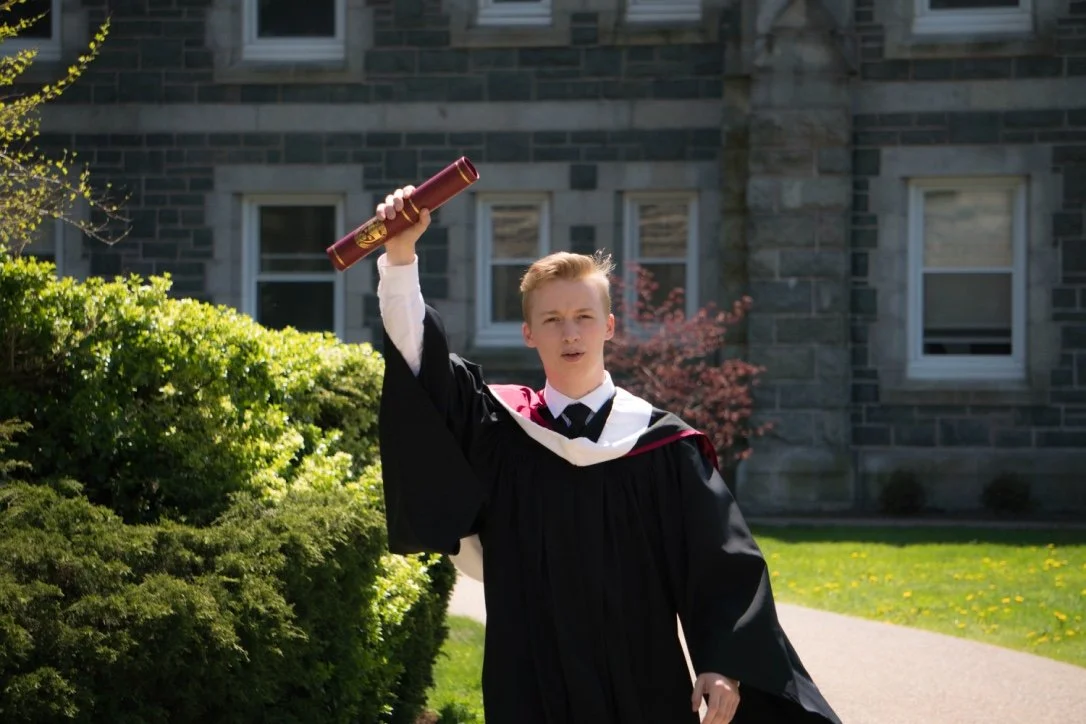
Ben graduated with a BA in 2017

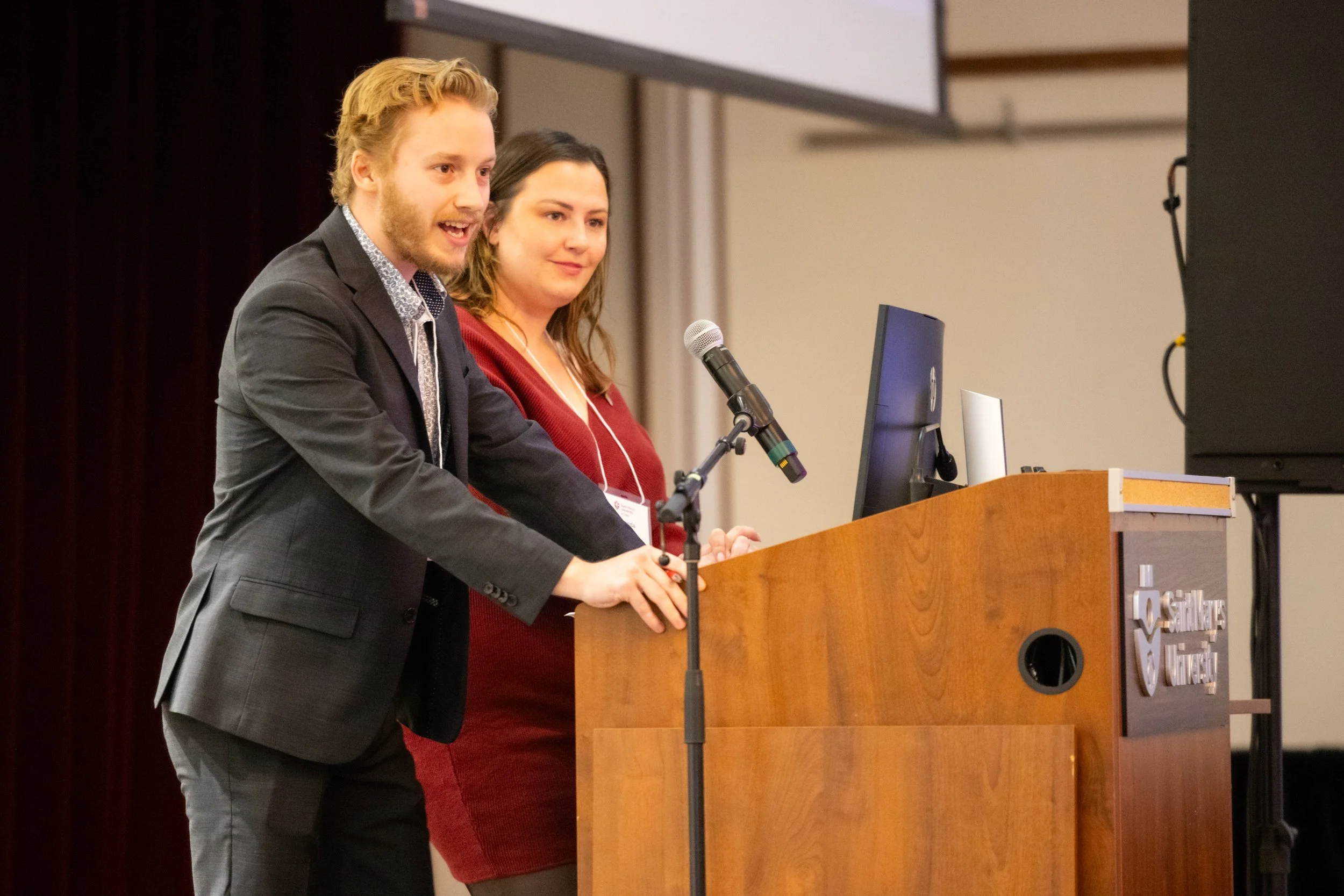
Co-hosting the Alumni Awards in 2024

From volunteering at his favourite event, Homecoming, or showing up for the community,  Ben views investing his time in SMU as his way of showing gratitude for the place that helped shape his journey.

When asked what advice he has for those looking to get involved, Ben keeps it simple: Show up to events and games, connect with others, don’t be afraid to reach out, and, most of all, wear maroon!

Worlds colliding: Accounting, Science & Arts Interdisciplinary Colloquium

If you are an applied science researcher looking for solutions to combat environmental problems like, say, innovative ways to remediate legacy gold mining waste materials, the accounting standard for contaminated sites might not be on your go-to list of tools and methods.

But it could be.

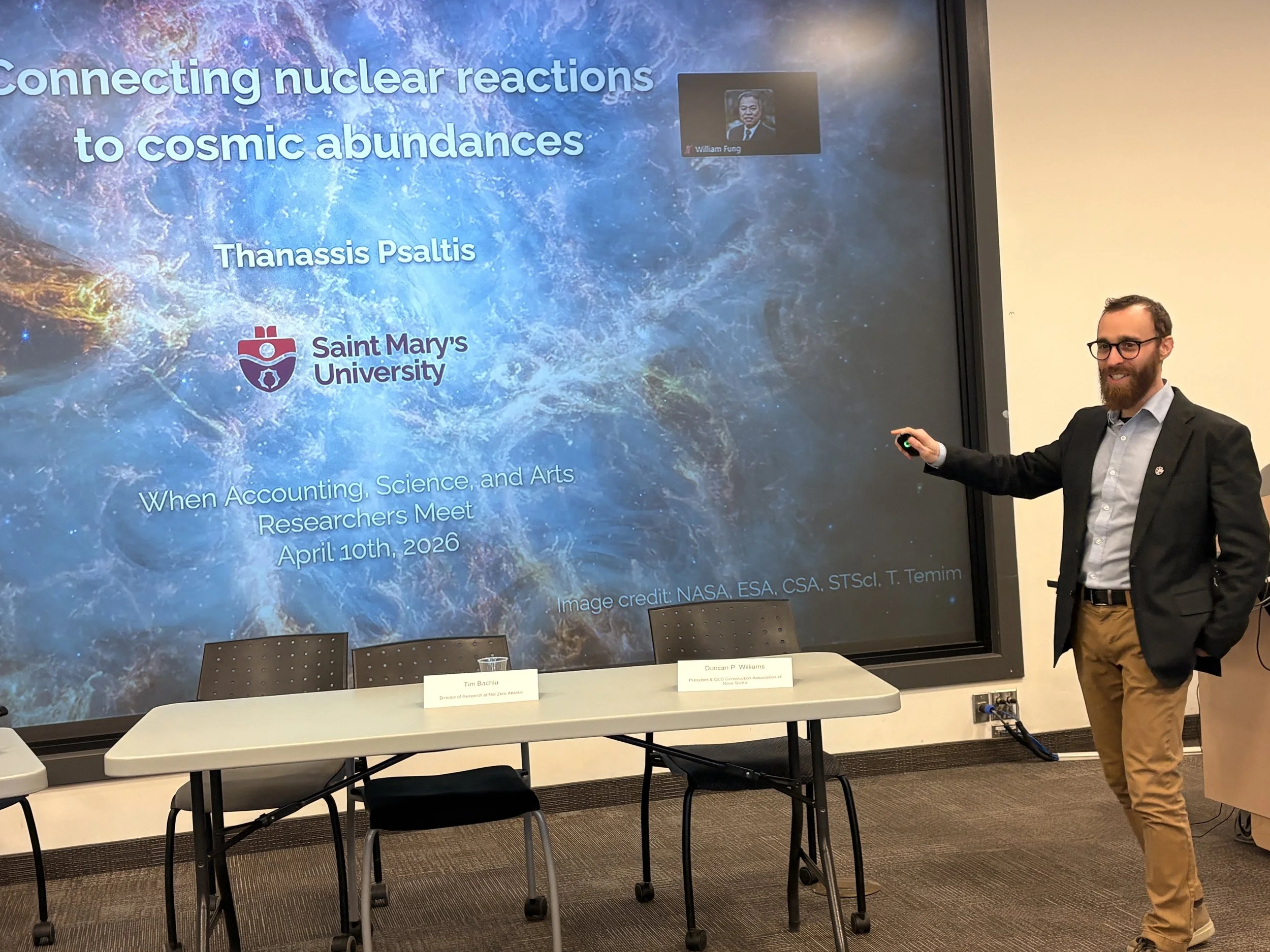
This was the bold premise behind an innovative interdisciplinary event held at Saint Mary’s on April 10, 2026.  Researchers from Saint Mary’s Arts and Science Faculties were invited to share a piece of research they are working on. Professors of Geography, Environmental Science, Engineering and Astronomy and Physics took part: Linda Campbell, Valeria Montes Urrego, Karen Harper, and Athanasios Psaltis.

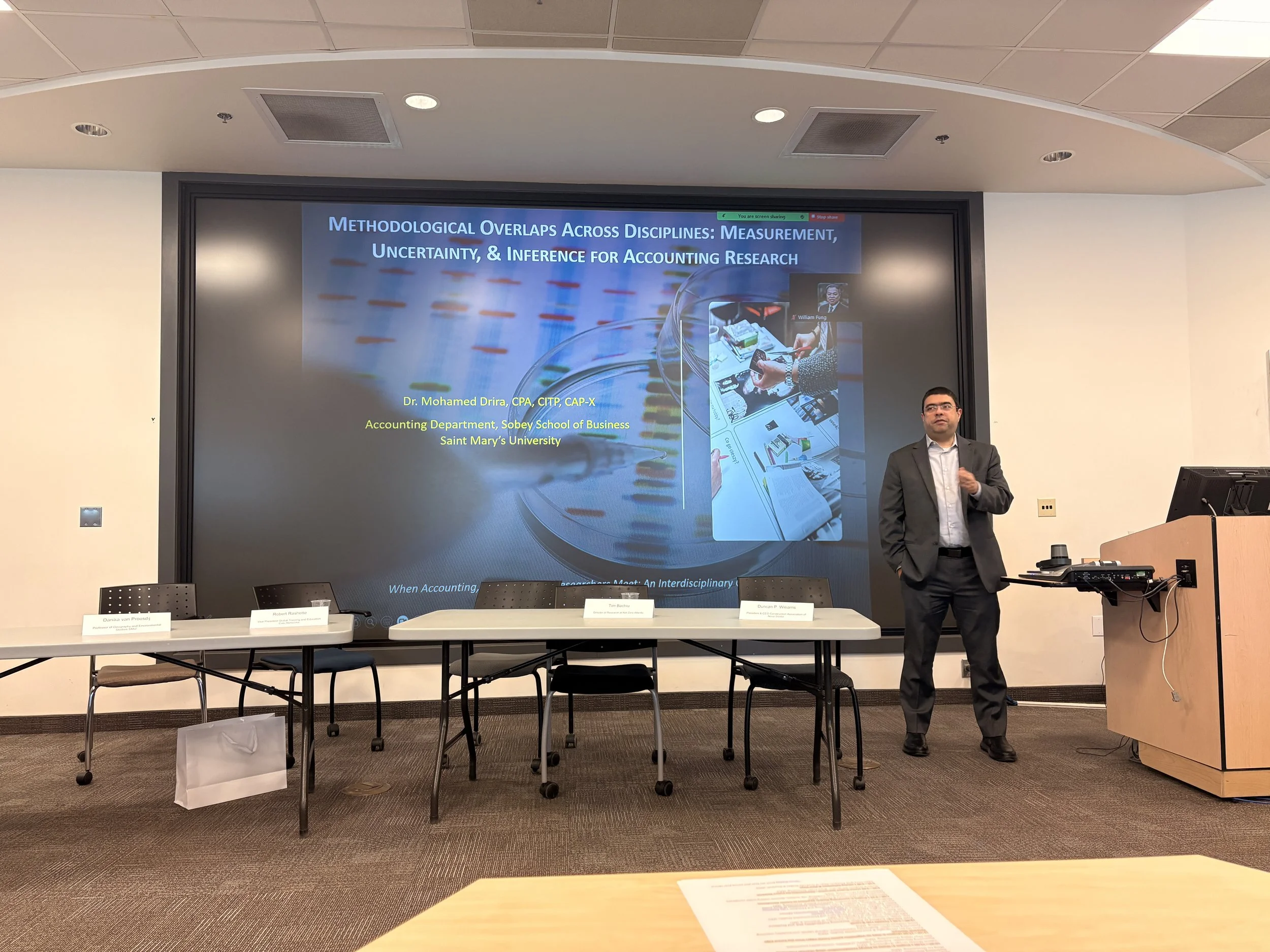
A team from the Accounting department of the Sobey School of Business then reflected on what methods, approaches and tools academic accounting might offer on the same project. These professors included organizers Vasiliki Athanasakou, Matthew Boland, Amna Chalwati Mohamed Drira, and Ming Liu, as well as Khin Phyo Hlaing.

Innovative insights presented

In the popular imagination, “accountant” is often positioned as an opposite to “creative”, but the presentations required enormous creativity. The event gleaned rich insights, as organizer Dr. Vasiliki Athanasakou pointed out:

“In particular, the vital role of accounting and disclosure in supporting remediation and more complete recognition of environmental liabilities; the importance of accounting and taxation in enabling the economic viability of innovative environmental solutions; the remarkable wealth of natural capital data that remains underexplored in reassessing ecosystem value; and the need to embrace a mix of methods to strengthen the external validity of complex, interdisciplinary phenomena.”

There is a certain kind of power in hearing an accountant speak about the real market values of biodiversity and its effects on GDP worldwide in conjunction with the scientist pointing out the value to the ecosystem.

Panelists call for stable funding and dialogue

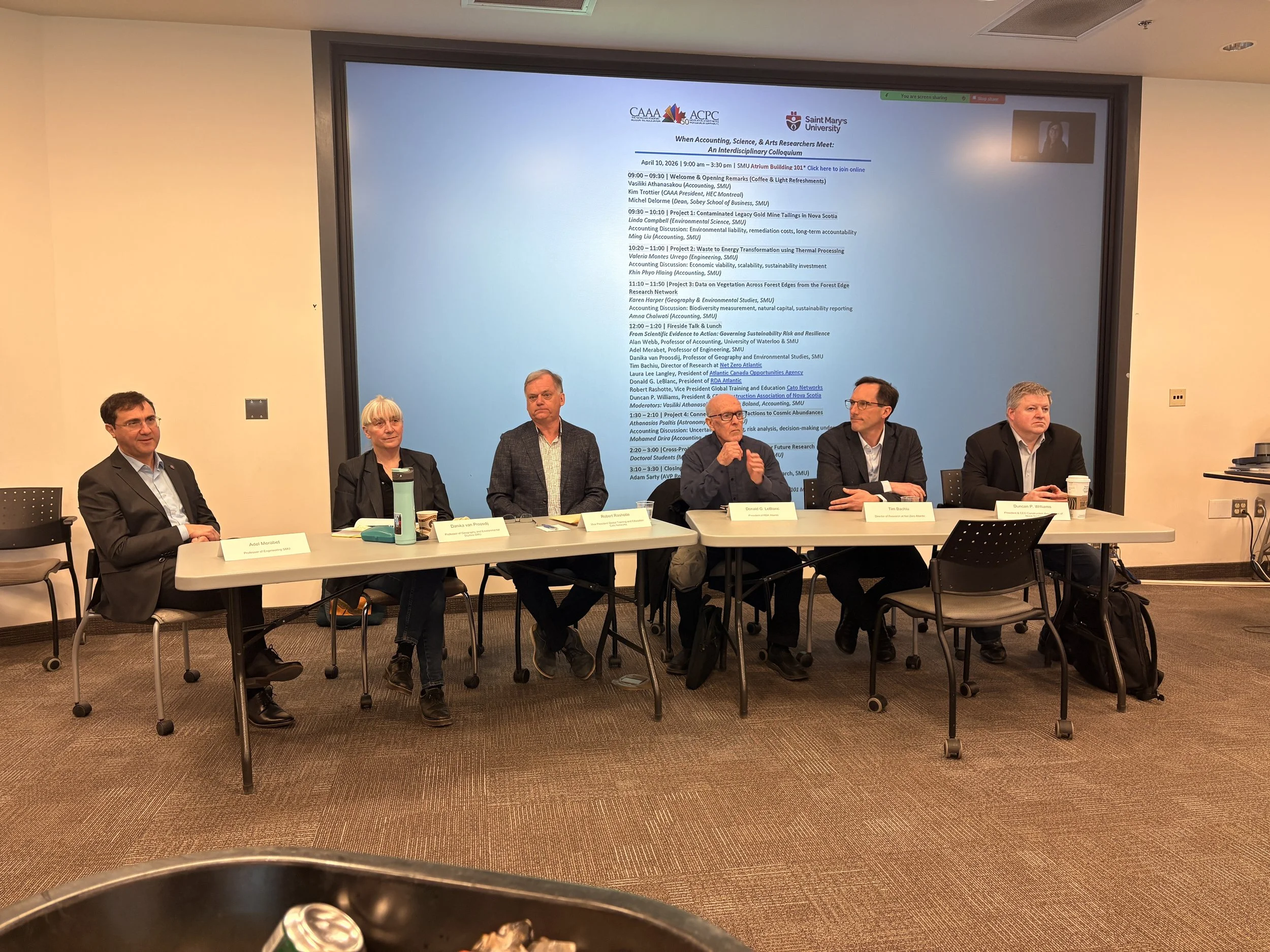
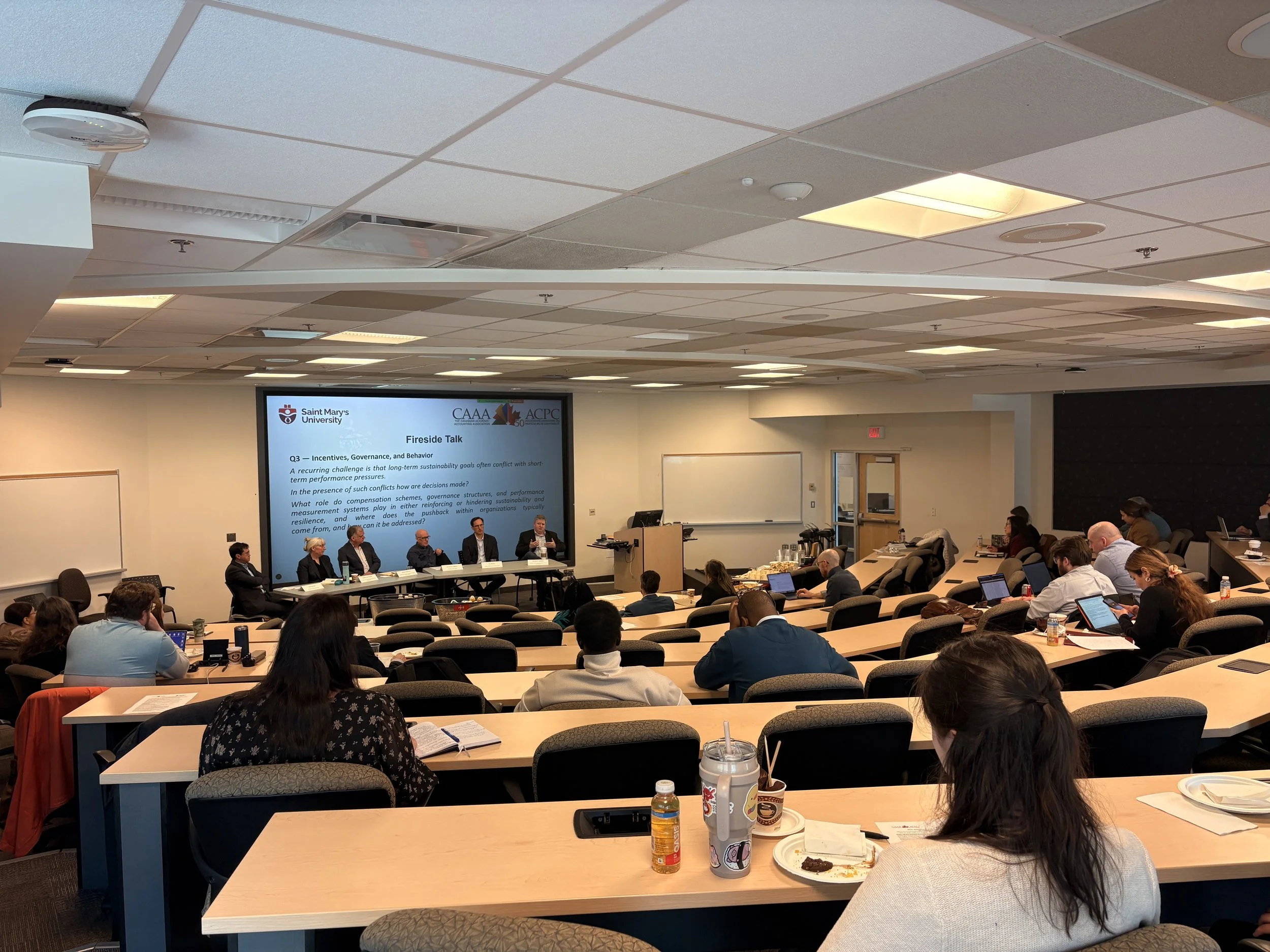
The lunchtime fireside discussion engaged practitioners and academics who drilled into the real barriers of tackling long-term problems with evidence-based and practitioner-informed solutions. Panelists expressed frustrations with isolated policy development and implementation while ignoring the experience of practitioners. The gap can lead to unintended consequences or simply policy failure. For their part, researchers recognized the value of the findings brought by application. All agreed that unstable funding did not support long term outcomes.

Dr. Athanasakou noted, “The fireside discussion further emphasized the importance of clarity and certainty in investment projections as a key condition for translating evidence into action; the growing need to bring together scientists, companies, investor representatives and policymakers into shared dialogues; the central role of trust and governance in making those dialogues meaningful; and the importance of policy and governance consistency in supporting sustainable, long-term decision-making.”

Panelists were:

  • Adel Merabet, Professor of Engineering, SMU

  • Danika van Proosdij, Geomorphologist and Professor of Geography and Environmental Studies, SMU

  • Timothy Bachiu, Director of Research at Net Zero Atlantic

  • Donald G. LeBlanc, President of RDA Atlantic

  • Rob Rashotte, President, Global Training and Education, Cato Networks and student in the Sobey Executive Doctorate of Business Administration program.

  • Duncan P. Williams, President & CEO at Construction Association of Nova Scotia

Sparking new creative collisions

Interdisciplinary approaches really shine in an intimate community like Saint Mary's University. The day concluded with a cross-project discussion on opportunities for future research with doctoral students, which was also attended by a dual-credit co-op class of high school students. Interdisciplinary, intergenerational and reflecting a commitment to innovative ways to solve real-world problems.

The Accounting, Science and Arts Interdisciplinary Colloquium was, in many ways, a perfect distillation of the Saint Mary’s University promise of a world without limits.

First-year student launches travel startup LocalLink

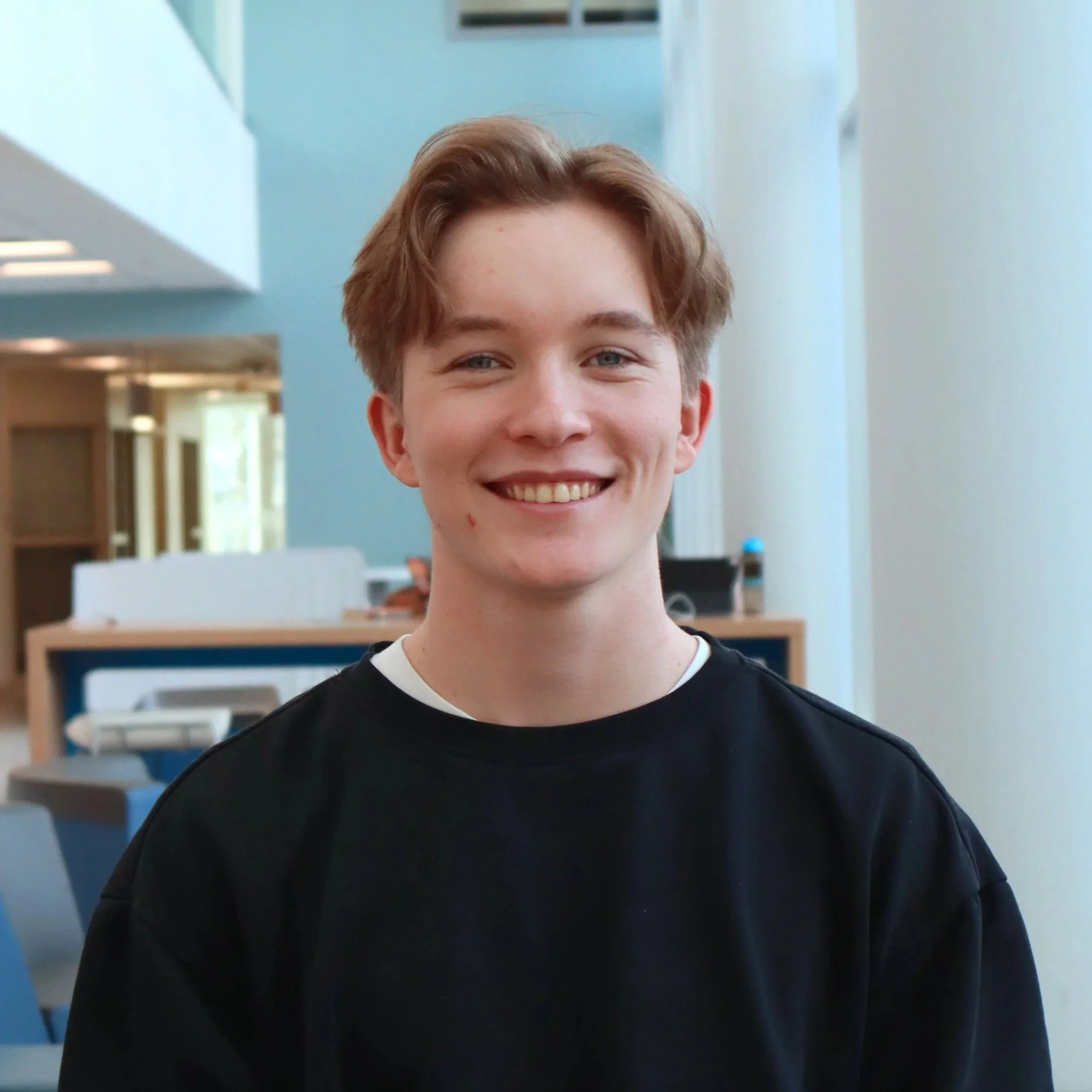
Noah is a young white man with blond hair. He wears a black sweater.

Noah Hemphill

Saint Mary’s student and Enactus Saint Mary's member Noah Hemphill is turning his passion for travel and entrepreneurship into a tech-driven solution designed to reshape how people explore new places.

Noah chose Saint Mary’s for its strong business reputation, supportive environment and the opportunity to experience a new city while staying connected to his home in Prince Edward Island. He also highlighted the value of the university’s highly accredited business program and the opportunities it provides, which made choosing the Bachelor of Commerce at Saint Mary’s an easy decision.

Now, as a student entrepreneur, Noah is building his venture LocalLink through Enactus SMU, with additional support from the Arthur L. Irving Entrepreneurship Centre. The project is a trip itinerary builder designed to create highly personalized travel experiences based on user preferences.

“LocalLink takes basic information about a user and asks a series of questions to build a hyper-personalized itinerary,” Noah explains. “Instead of only showing generic attractions you might find on TripAdvisor or Expedia, it highlights well-known destinations as well as hidden gems tailored to individual interests, budgets and preferences.”

Beyond curated itineraries, LocalLink is also being developed as an all-in-one travel platform. Users will eventually be able to book hotels, activities and flights directly through the site, keeping everything in one place and aligned with their personal budget and travel style.

His inspiration for LocalLink comes from years of hands-on experience in tourism. Having worked in the PEI tourism industry through his teen years, he noticed a consistent pattern: travellers often remember the lesser-known, unexpected experiences most, yet major platforms tend to prioritize larger, more established attractions.

Smaller businesses and unique experiences often get overlooked because they don’t have the same visibility. LocalLink is about changing that—helping people discover experiences they wouldn’t have otherwise considered, while also supporting small businesses.
— Noah Hemphill, SMU student and LocalLink founder

Noah and the LocalLink team recently won the Sobey Strategy Case Competition hosted by the SMU Accounting Society

As a member of Enactus SMU, Noah has also been inspired by the organization’s recent national and global success, which he sees as a reinforcement of his decision to study at Saint Mary’s. He credits the Enactus community with providing access to mentorship, resources and like-minded innovators who help strengthen his entrepreneurial journey.

Looking ahead, Hemphill sees strong alignment between his commerce studies and his venture. Skills learned in areas like data analytics and accounting are already being applied directly to LocalLink’s development.

“Everything I’m learning in my degree feeds back into my business,” he says. “It all connects.”

As LocalLink continues to grow, Noah is encouraging others to follow along on Instagram as the platform moves toward launch.

Interested in learning more about how entrepreneurship can blend with other areas of study? Explore programs and events at the Arthur L. Irving Entrepreneurship Centre.

New major in Sustainability Management launches at Saint Mary's

“Sustainability is a competitive advantage.” – Mary Barra, CEO General Motors

Environmental responsibility and equity are key career themes for today’s students. A new Sustainability Management major in the Sobey School of Business Bachelor of Commerce program will help students address real challenges, such as climate change, responsible resource use and social impact, through a business career. Students will learn how organizations balance environmental responsibility, community and societal well-being, and economic success.

The program includes courses like Sustainable Finance, Sustainability Accounting, Reporting and Assurance, Business Ethics and Responsibility, and Economics of Sustainability, as well as elective courses in Arts and Science. While the major is a standalone program, it has been specially designed to work well as a second major alongside other disciplines such as Finance, Management or Marketing.

The program will include important experiential learning elements that deepen a student’s understanding outside of the classroom, including opportunities to work hands-on with organizations on real sustainability challenges. Graduates may pursue careers in fields like responsible investing, corporate sustainability management, ESG analysis and sustainability consulting.

The new Sustainability Management major is a natural next step for the Sobey School, as our students and alumni have long demonstrated commitment to environmental and social sustainability, through building social enterprises like Square Roots; societies like Enactus, Women in Business and the new Sustainability Society; and through participating in national and international case competitions themed for ethics, responsible leadership and sustainability.

Commitment to sustainability

The Sobey School of Business is a signatory to PRME, a United Nations initiative. Its focus is ensuring that business schools equip future leaders with the skills needed to balance economic, social and environmental goals, with particular emphasis on the Sustainable Development Goals (SDGs). Sobey is a PRME Champion school, signalling a greater commitment and intention to be a thought leader in responsible leadership.

Our research centres focus on topics related to sustainability, including social entrepreneurship and impact, immigration economics, and co-operative businesses.

Saint Mary’s University has a reputation for environmental and social responsibility that is evident in everything from our research endeavours to our academic programs to many on-campus activities and initiatives. The new major joins a number of sustainability-focused undergraduate programs at the university.

VCIC sparks Atlantic venture capital ecosystem

Hosting international competition puts spotlight on Sobey School of Business

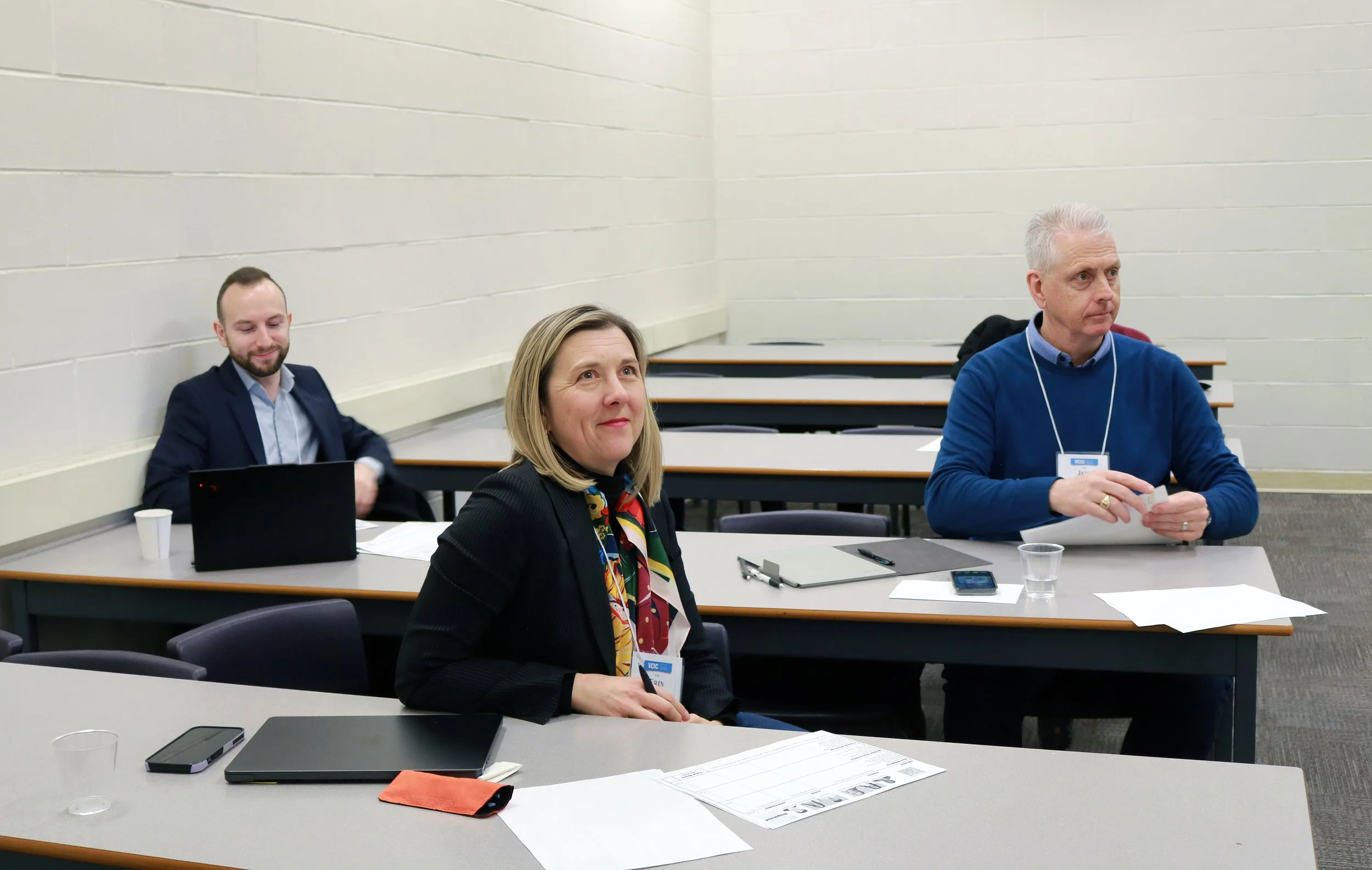
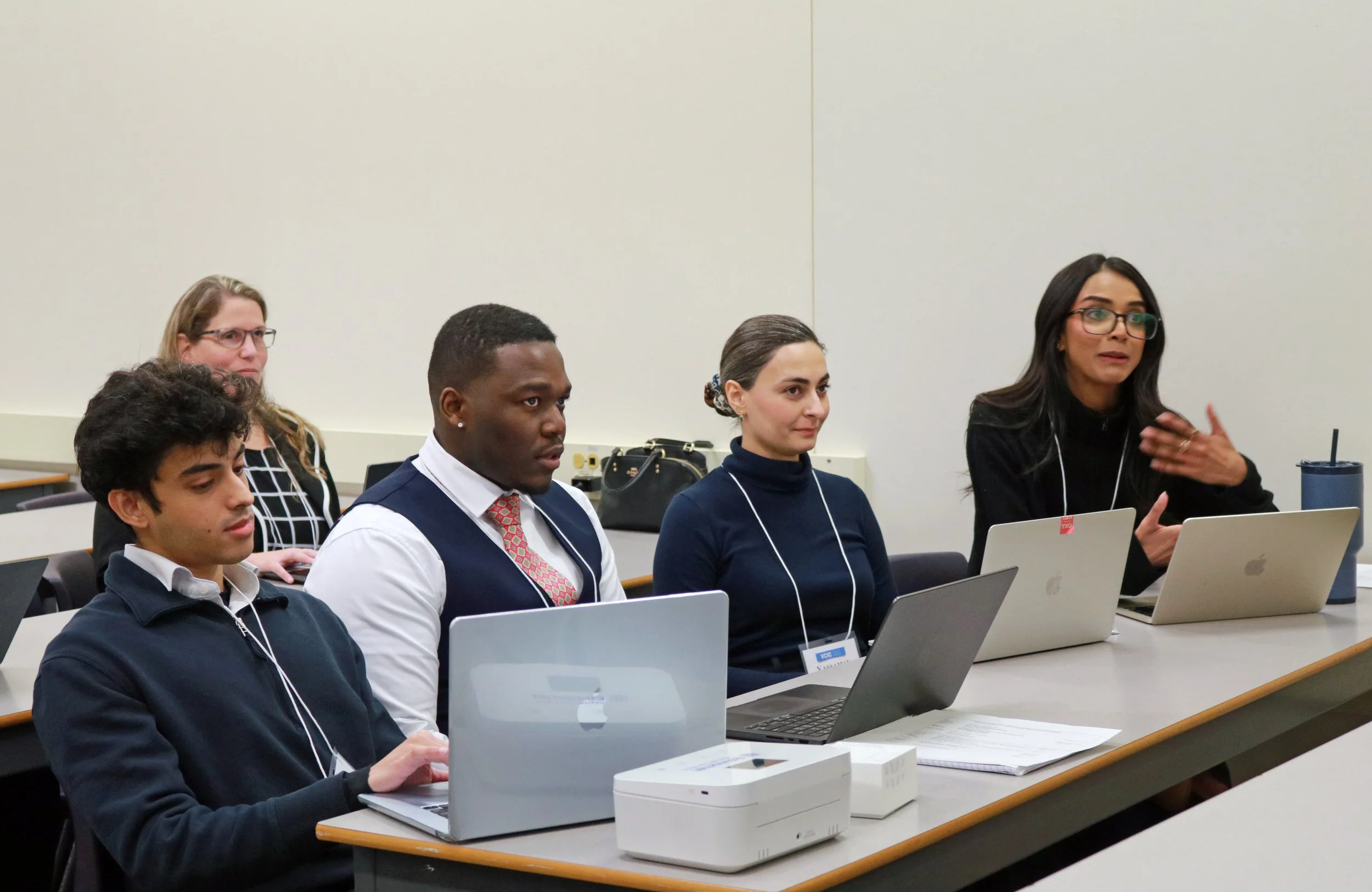
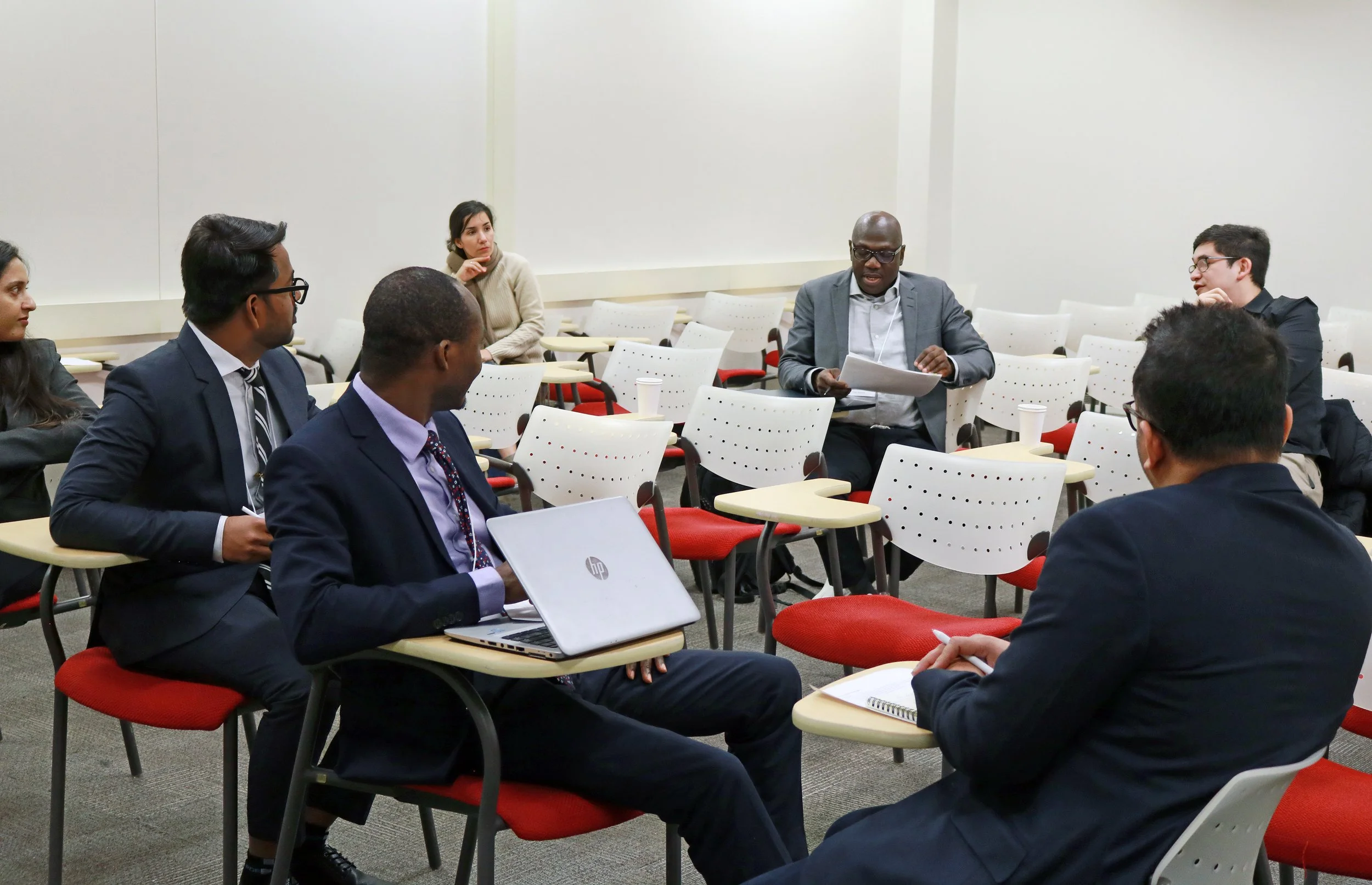
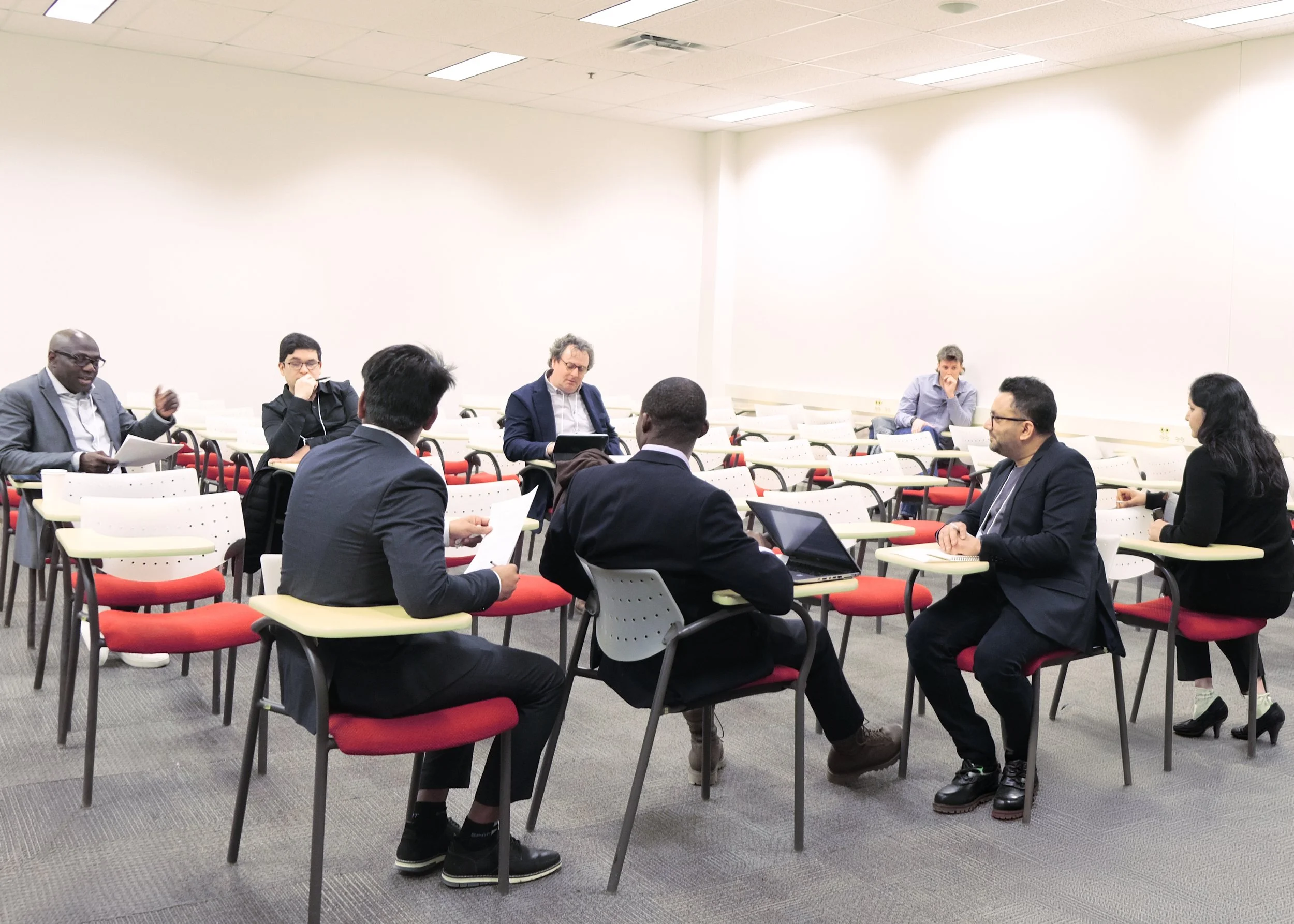
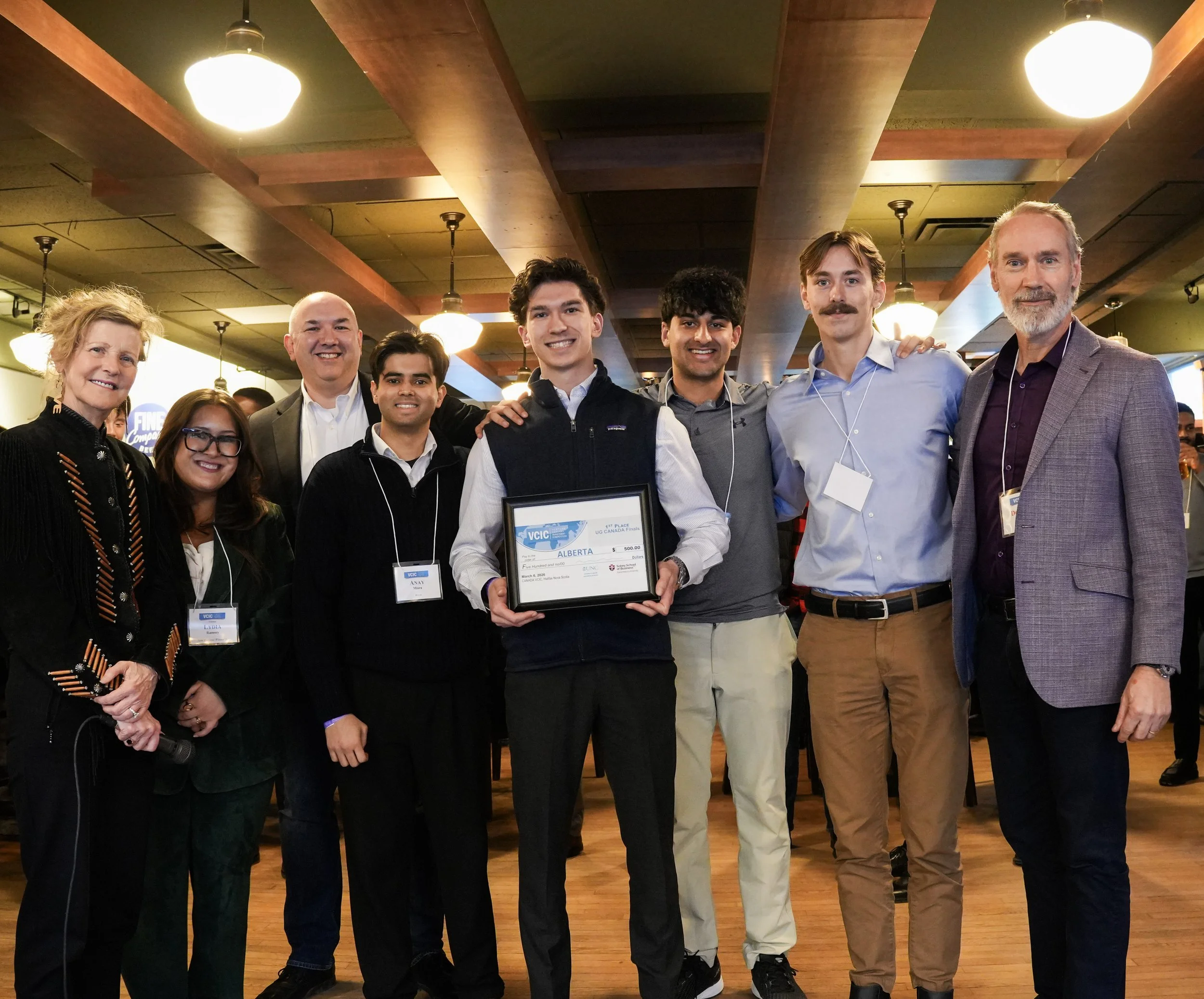
On March 6, Saint Mary’s University was proud to host the ninth annual VCIC Canada regional competition.

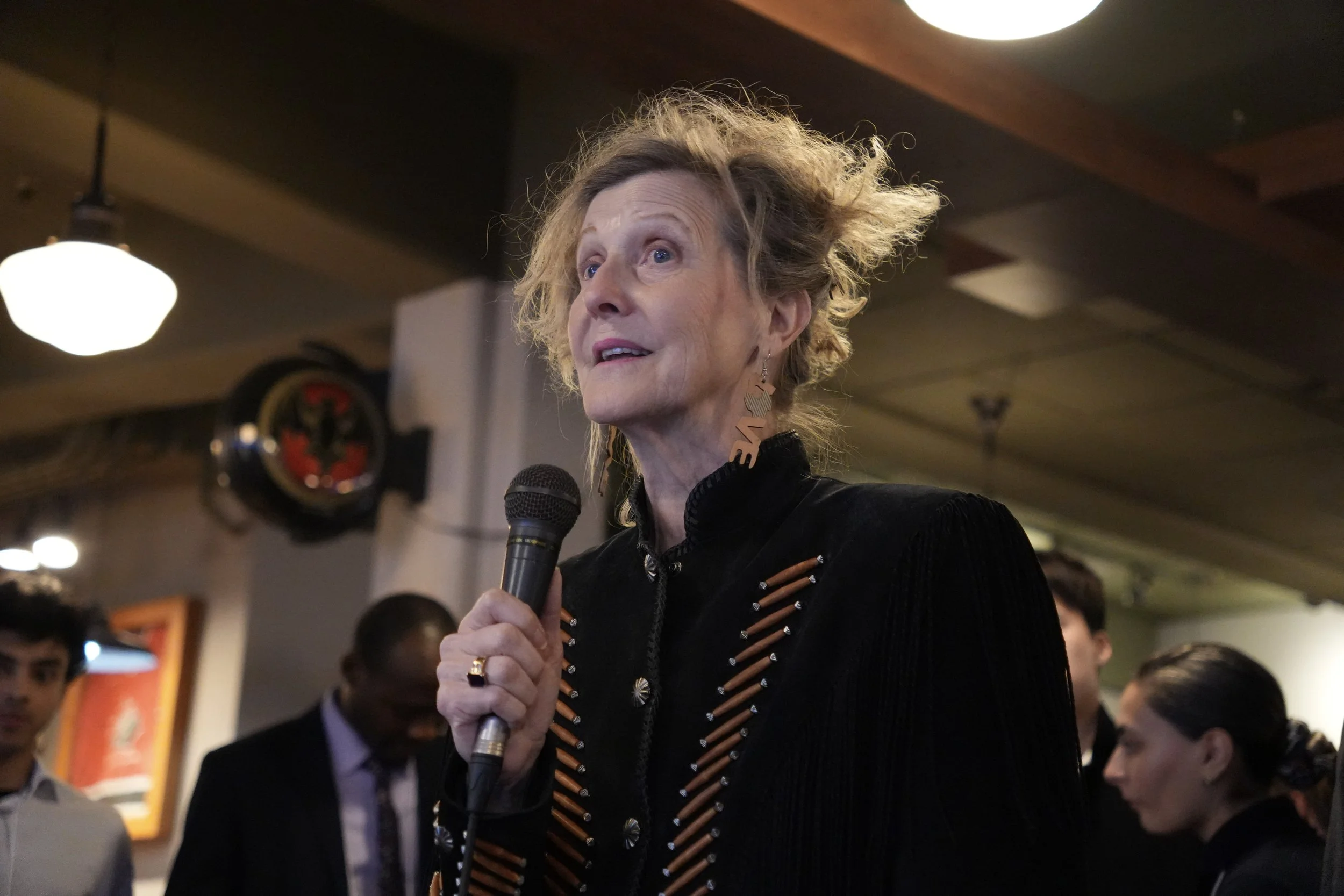
Ellen speaks in to a microphone at the event

Dr. Ellen Farrell. Photo: Katie Murray

“For me, this is a pinnacle in the competition landscape in Canada,” said Dr. Ellen Farrell, professor of management at the Sobey School of Business and VCIC organizer. “It’s international, it’s well-organized, it’s professional. We’re going into our 10th year. This is sparking the Atlantic VC ecosystem into national attention.”

VCIC is a layer cake

A Venture Capital Investment Competition (VCIC) is like a layer cake. From the top down, the three layers are entrepreneurs, students and judges.

High-performing founders are recruited to pitch to a group of students and VC judges for funding. The students, who compete as teams from across the country’s best universities, evaluate the founders. The third layer, the judges, are venture capitalists from eastern Canada, who then evaluate the student VCs.  

Over the course of one full day, the student teams participate in three events.  The student VC teams conduct due diligence with the founders, prepare a term sheet, and then defend their decision to the VC judges. 

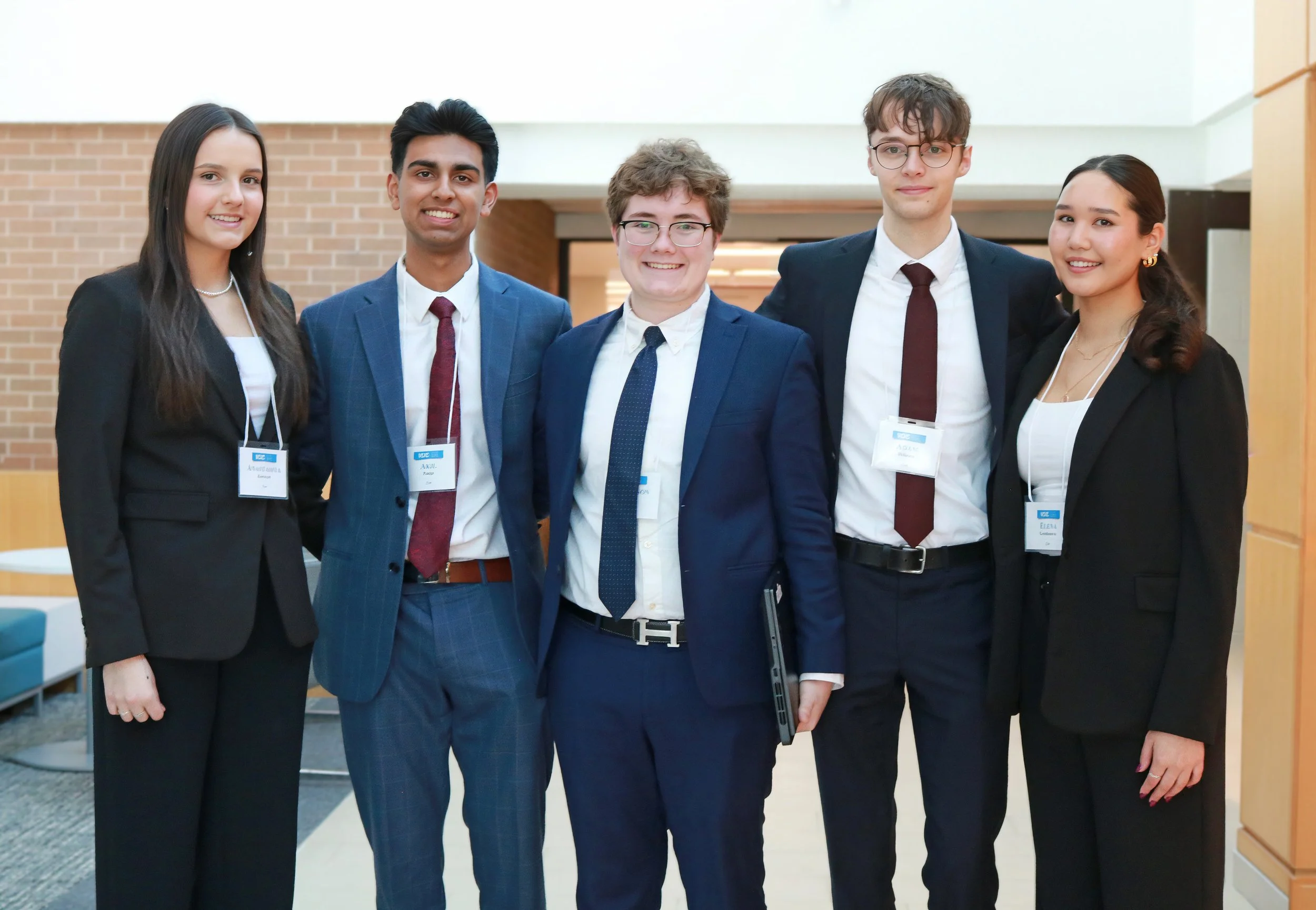
At the VCIC Canada competition, the presenting entrepreneurs were six founders from across a range of startups:

This year’s undergraduate competition included teams from six universities across Canada, including the University of Guelph, University of New Brunswick, and the Lazaridis School of Business & Economics at Wilfred Laurier University. Acadia University ranked third in the competition, with University of Waterloo taking second and University of Alberta earning first place.

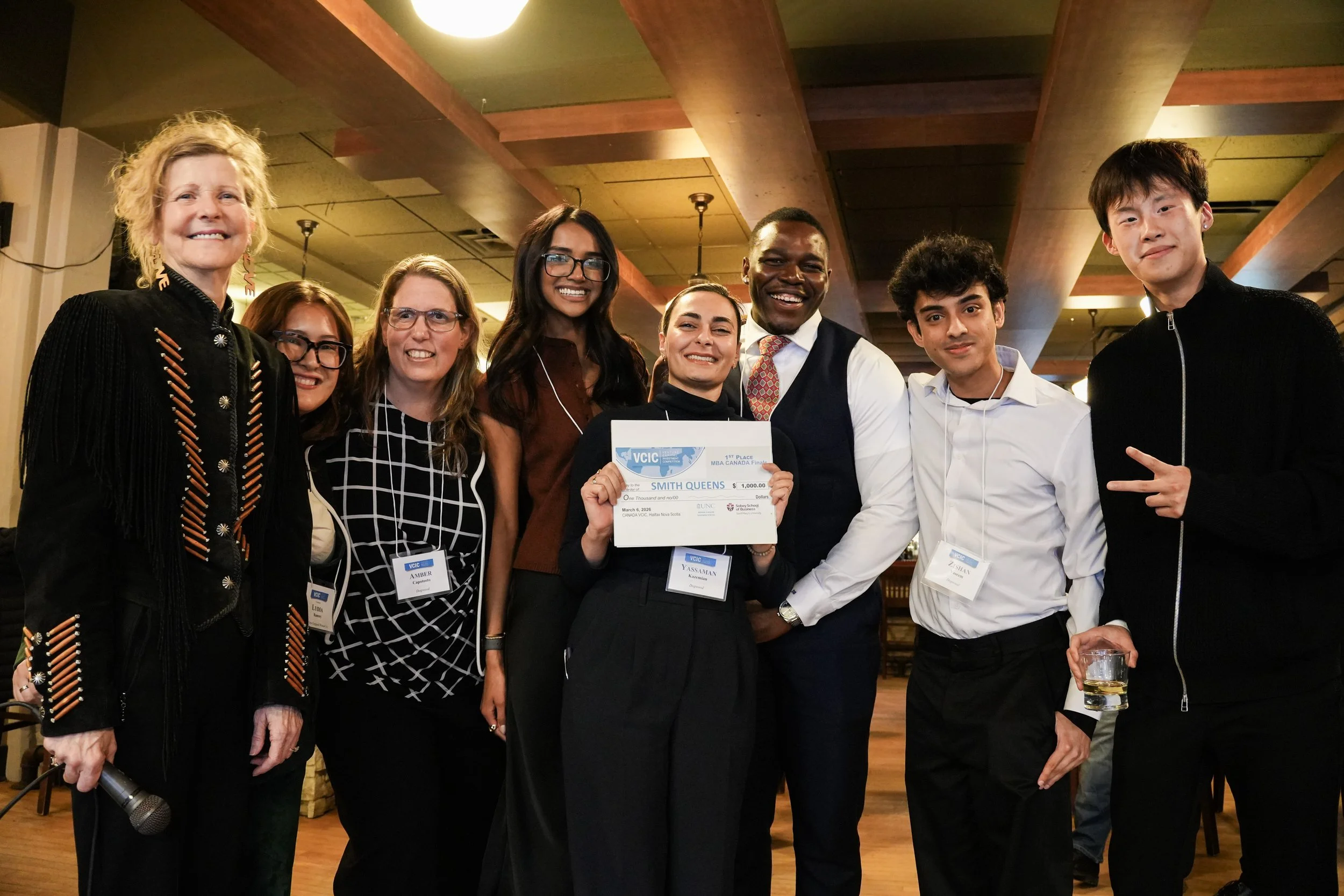
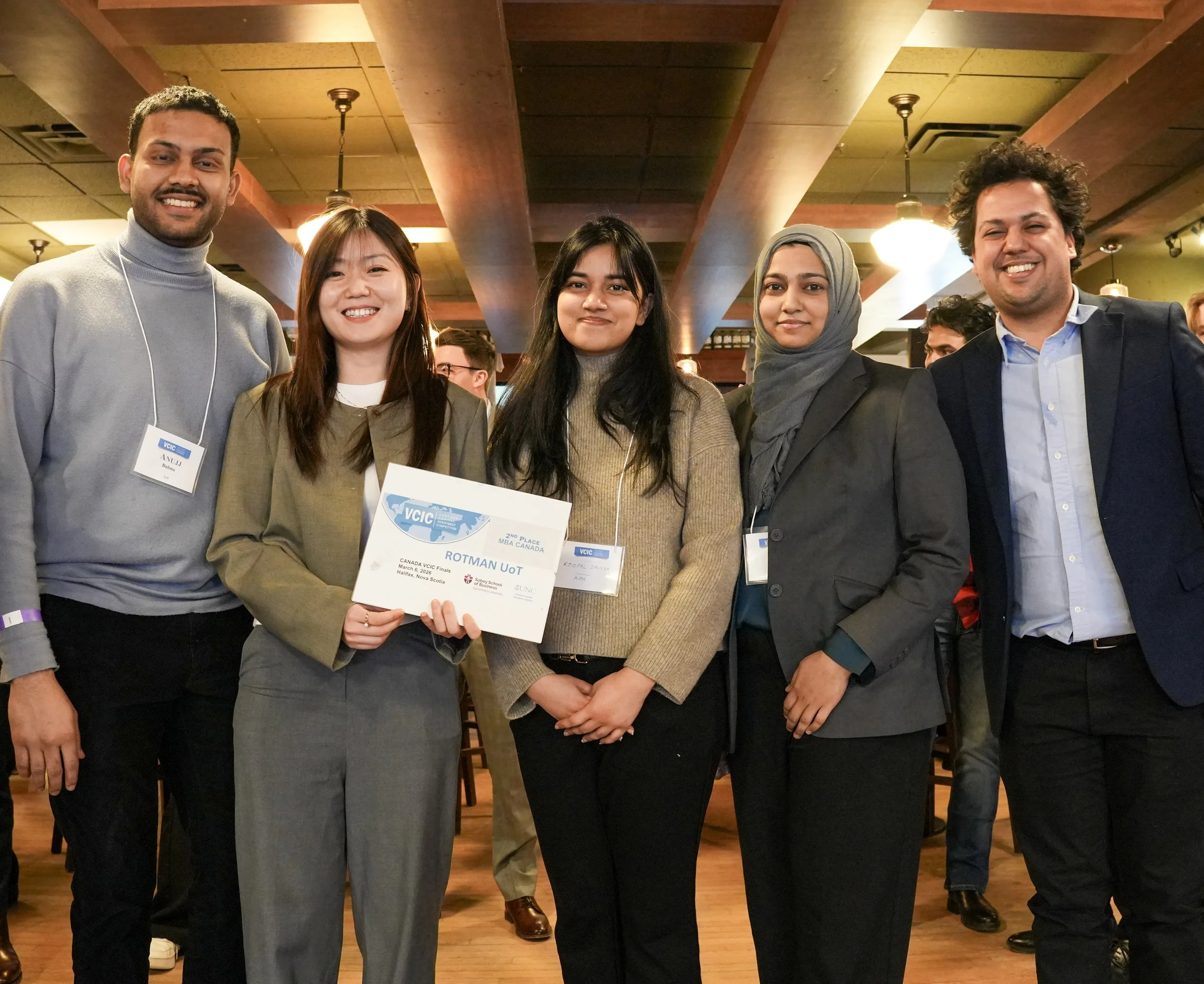
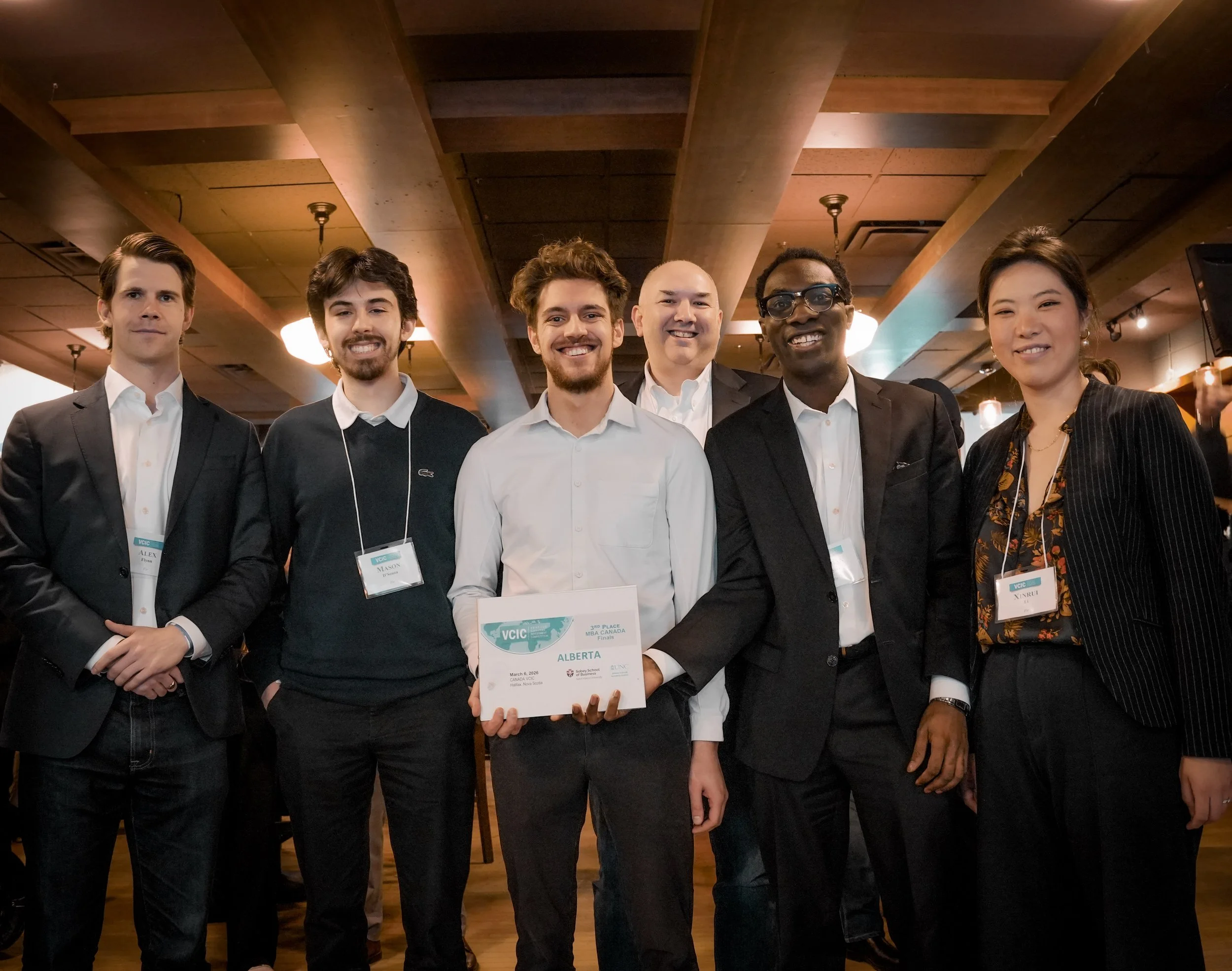
The graduate competition included teams from the University of New Brunswick and Dalhousie University, along with the third-place team from the University of Alberta, the second-place team from the Rotman School of Business at the University of Toronto, and the first-place team from the Smith School of Business at Queen’s University.

The Sobey School of Business was pleased to have three VCIC alumni among the 20 judges—Alejandro Sanchez-Avila from Deloitte, Kory Henn from RBCx, and Ugochi West from CEED. See the full list of judges’ profiles, along with competitor names at 2026 Undergraduate Canada (Sobey) – VCIC or 2026 MBA Canada (SMU Sobey) – VCIC.

Building the VC ecosystem in Canada

Organizing a VCIC is highly complex, with multiple stages and layers that need to be coordinated. A team of 15 volunteers supported the organizing committee in finding the right entrepreneurs and high-quality judges for the competition.

“The event is well-coordinated with our Master in Technology Entrepreneurship & Innovation (MTEI) degree program, where Venture Capital is the nexus of technology entrepreneurship and finance,” said Dr. Ellen Farrell.

Farrell sees the international Canada VCIC as integral to her longer-term vision of building the VC ecosystem in Canada and particularly in the Atlantic region. She describes the virtuous circle of benefits to all the types of participants: “The entrepreneurs are pitching in a room with venture capital professionals; the students practice their due diligence and analytical skills and can win prizes; and the judges get insight into innovative startups, plus an early look at potential new hires. Everyone is contributing to the VC ecosystem.”

Discovering new worlds of possibilities: Jillian Taylor BSc'22

By Krista Keough

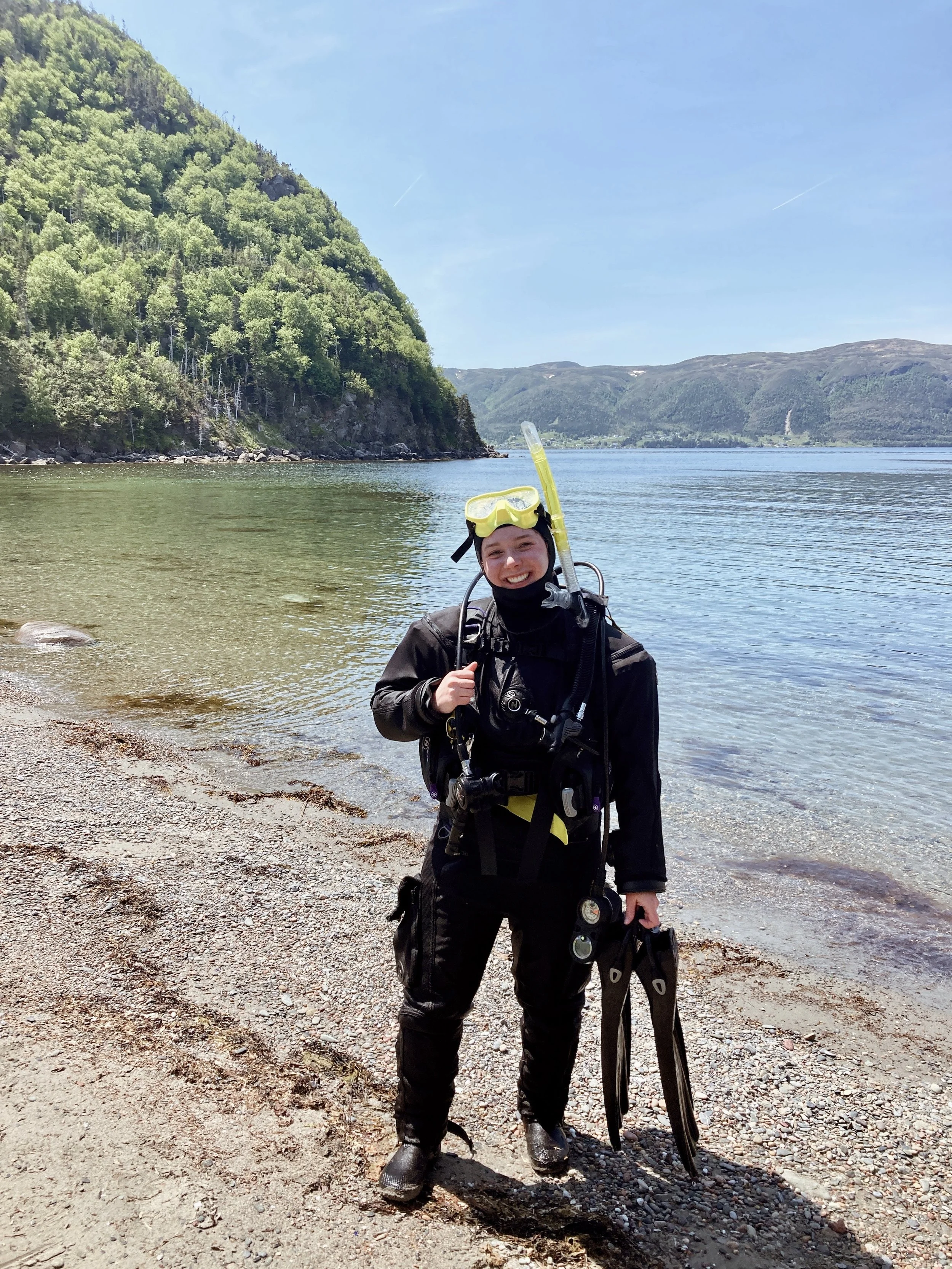
Jill poses in full diving gear on a shoreline

Jill Taylor BSc’22

The first time Jillian Taylor BSc’22 went to Saint Mary’s, it was to watch a football game with her family. “I must have been seven or eight,” she said. “There’s a photo of me holding boomsticks that you clap together…my mom’s kept it.”

Little did they know that Taylor would return to Saint Mary’s as a student, and this time, she would be the one on the field.

Born and raised in Halifax, Nova Scotia, Taylor excelled in science and played rugby throughout high school. Her former coach, Amber Davidson, was also coaching Saint Mary’s Huskies Women’s Rugby and encouraged her to apply to the university and join the team. Taylor is quick to note that the built-in friend group of players made the move to campus easier.

“What a great community of girls. To come in and have fourth-years who – this isn’t their first rodeo – they know the ropes and are able to show you around. That was really nice to have.”

Taking a step back from athletics in the years to follow to focus on her studies took Taylor in many directions.

“I switched my programs a lot. Trying to figure out my major was not linear at all. I ended up taking a lot of courses in different departments, which meant I took a little longer to finish my degree, but I got a good, well-rounded education.”

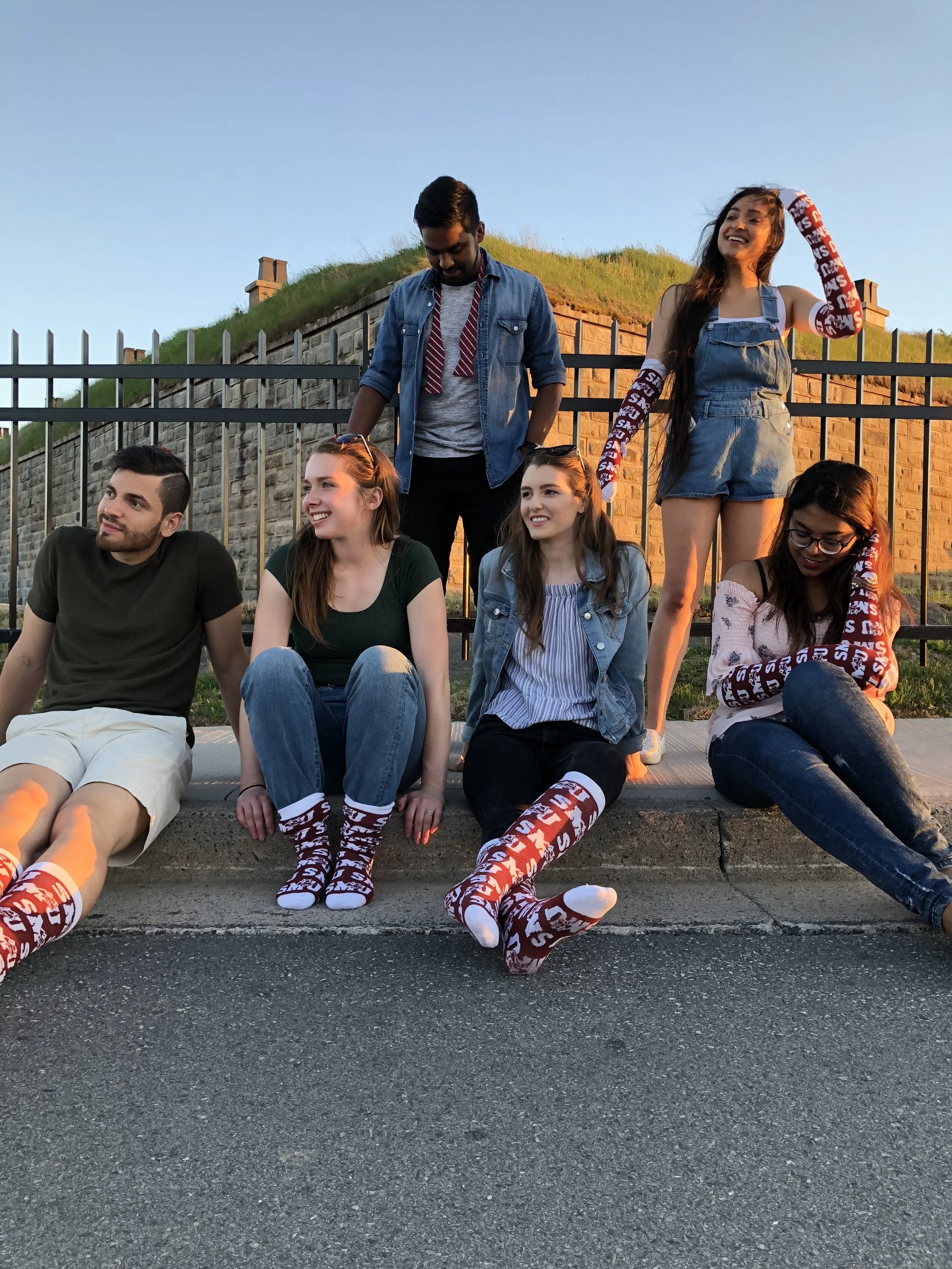
Jill with other students wearing SMU socks at Citadel Hill

Jill participated in a SMU photoshoot

Taylor made time for extracurricular activities, such as scuba diving and participated in Model United Nations, an international conference where students learn about the UN system. “We actually went to the UN headquarters in New York City,” she said, where she made long-lasting friendships.

Ultimately, her credentials reflect her varied interests: Taylor graduated with a Bachelor of Science, double major in Biology and Psychology, Co-operative Education (Honours) and minor in Political Science.

“I feel like the whole point of an undergrad is to learn how to learn, and to try to learn what you don’t know.”

Taylor’s passion for exploration led her to achieve her scuba diving certification, unlocking a new world of possibilities. “I was doing biology courses, and I thought, 'This is so cool! The ocean’s in my backyard, I want to see what it’s like’.”

Scuba diving ignited her passion for underwater videography and photography. Despite the harsh conditions, she documented our “colourful, very biodiverse waters” in the Atlantic Ocean during her time at Saint Mary’s and in St. John’s, where she later moved to pursue her Master of Science at Memorial University.

Promotional poster for Dive with Jill Taylor

Dive with Jill Taylor aired on Bell. Image: tv.bell.ca

While living in Newfoundland, she attended a networking event and met a director and a producer. They had watched some of her underwater scuba diving videos and pitched the idea of making a TV show together.

“That was something I’d never even thought about or conceptualized. It just honestly fell into my lap, and I’m really glad it did because it was so much fun.”

Taylor worked with the crew at Right There Productions and her partner and fellow diver, Tanner Stein, to host, produce and shoot footage for the six-episode series called Dive Newfoundland with Jill Taylor, which aired in April and May 2025 on Bell Media.

In each episode, they feature a different community and Taylor interviews local people before going underwater to film marine life.

“I think a common misconception of the North Atlantic is that there’s nothing to see here, that you have to hop on a plane and go somewhere tropical to see really cool fish species. And that’s just not the case.”

The co-operative education component of her degree at Saint Mary’s helped Taylor transition from the classroom to begin her career. “Having work terms interspersed with my school terms was the best decision I made.”

One work term, in particular, she credits with helping her land her current position as a science communicator for Coastal Action, a non-profit environmental organization based in Mahone Bay. “I worked for them as a field technician and now I’m back as permanent staff.”

These days, the 27-year-old is prioritizing her full-time job and completing her master’s degree, while honing her craft as a videographer and sharing her adventures via Instagram. Last summer, she assisted with the underwater diving portion of a major documentary and thinks it would be fun to do a second diving TV show series set in Nova Scotia.

“If the opportunity arose, I’d definitely jump at it,” she said, ready and eager to dive right in.


This story was featured in the Fall edition of the Maroon + White alumni magazine. Visit the online magazine to read more alumni stories!

Applications open: the Access Ability Incubator returns for 2026

The Access Ability Entrepreneurship Incubator, facilitated through the Arthur L. Irving Entrepreneurship Centre and funded by the Government of Canada’s Opportunities Fund for Persons with Disabilities, is returning for 2026, continuing its mission to support entrepreneurs who self-identify as living with a disability. Following the success of previous cohorts, the program renewal marks another step forward in creating more inclusive pathways into entrepreneurship.

Since its launch, the incubator has supported over 40 participants in starting and running their own businesses, providing not only the tools to build viable ventures but also a strong sense of community and confidence. The program is designed to reduce common barriers to entrepreneurship by offering structured support, mentorship and financial resources.

The 2026 extension will run from May through December and be delivered across two 14-week cohorts, with 11 participants per group. Throughout the program, participants will engage in hands-on, participant-centred learning that focuses on validating business ideas, developing practical skills and building sustainable plans for growth.

Participants receive compensation throughout the program, aligned with minimum wage, as well as $1,000 in seed funding to support early-stage business development. In addition, they gain access to one-on-one mentorship, peer collaboration and a supportive network tailored to their needs.

By combining financial support with guided learning and mentorship, the Access Ability Entrepreneurship Incubator empowers participants to move forward with clarity and confidence in their entrepreneurial journey.

Applications for the 2026 cohorts are now open. Interested individuals are encouraged to apply here and take the next step in bringing their business ideas to life.

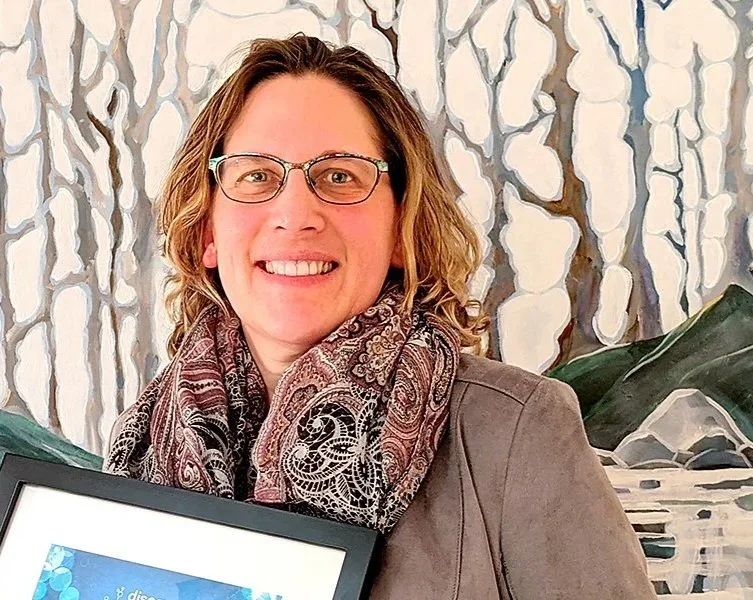
Dr. Linda Campbell ranked the No. 1 Deaf researcher in the world

Dr. Linda Campbell, a professor and researcher at Saint Mary's University, has recently been ranked as the top Deaf researcher in the world by research impact.

Dr. Linda Campbell

It’s an outstanding achievement to be recognized among such a strong group of colleagues in the Deaf research community.

The ranking is published by the website Unusualverse Stats, a site focused on key statistics about the global Deaf community and sign languages. The site measures scholarly impact and provides a view of academic activity. The website notes that the rankings may not provide the full story; the focus is to “highlight the important research contributions of Deaf scholars, many of whom face unique challenges and remain under-recognized globally.”

Dr. Campbell’s dedication to both Environmental Science and advocacy is inspiring and important for students and our community. As a key member of the Bill 59 Community Alliance, Dr. Campbell's advocacy led to the Accessibility Act being passed in Nova Scotia in 2017. Nova Scotia was the third province to enact a comprehensive accessibility law. She received a Human Rights Award for her contributions. In recognition of her work as an environmental scientist, Dr. Campbell was awarded a Professional of Distinction award at the annual Discovery Awards ceremony in Halifax in 2020.

Her lab at Saint Mary’s University, the Dynamic Environmental & Ecosystem Health Research (DEEHR) Group, studies aquatic and contaminated ecosystems in Canada and worldwide. In recent years, Dr. Campbell and her students have conducted research on the remediation of historical gold mine tailings, invasive species in lakes and ponds. She has supported many students as an advisor through their undergraduate, graduate, and PhD-level studies.

Congratulations, Dr. Linda Campbell!