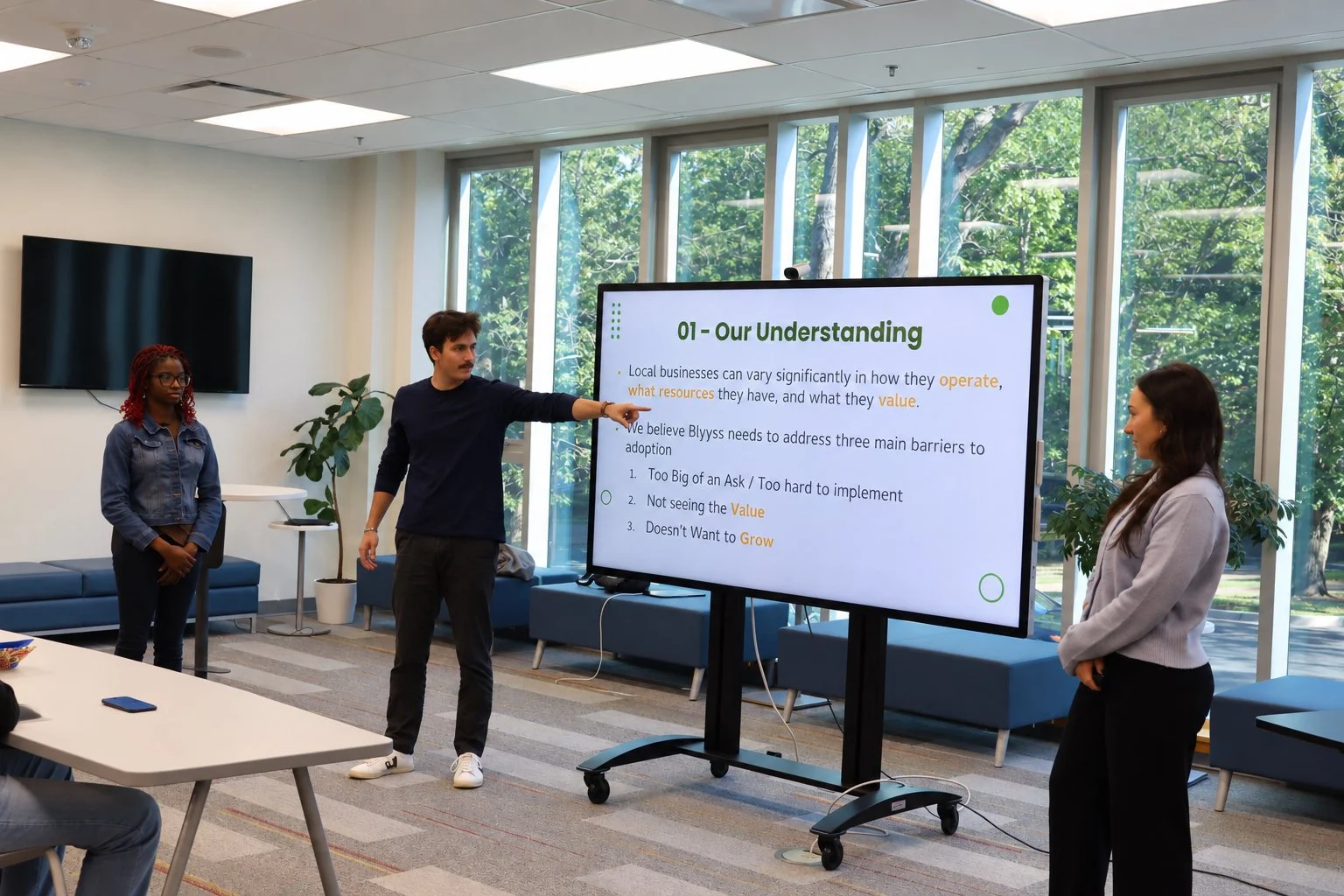
Saint Mary’s Enactus team to represent Canada at the World Cup Exposition in Thailand

A group of Enactus students holds a trophy

Enactus Saint Mary’s won the National Championship in 2025

Saint Mary’s students head to Bangkok, Thailand, to represent Canada for the second year in a row at the Enactus World Cup Exposition

Last May, Enactus Saint Mary’s competed against 50 Canadian schools to win the Enactus Canadian National championship and the honour of being the only university to represent Canada at the Enactus World Cup Exposition from September 25-28 in Bangkok, Thailand. It is the second year in a row that the Saint Mary’s team has been named national champions and represented Canada on the world stage.   

Enactus, the world's largest student leadership organization, empowers its members to use entrepreneurial action to solve environmental, social and economic issues. Teams from around the world tackle global problems and showcase their successes in regional, national and worldwide competitions.  

“Enactus Saint Mary’s University is a model for innovation and social entrepreneurship, and we are proud to have them represent Canada at the Enactus World Cup,” says Catherine Fowler, President and CEO, Enactus Canada. “From their leadership on Square Roots to their innovation on alternatives to single-use plastics with Alaagi, we are confident the team will be a top competitor amongst the 32 countries represented at the World Cup.” 

Enactus Saint Mary’s entrepreneurial actions enabled them to create social, environmental and economic impact. This year, their success comes from a passionate commitment to fostering positive change through two key ground-breaking projects: 

Alaagi 

Launched in July 2024, Alaagi is redefining the future of packaging. This student-led initiative has created a durable, fully compostable bioplastic made from seaweed. This innovative material can be used to make items like sandwich bags and grocery bags.  

Now, Alaagi is pioneering the world’s first industry-standard 10K Oxygen Transmission Rate bioplastic film suitable for meat and seafood packaging—an innovation with enormous commercial potential.  

Most recently, Alaagi has secured over $155,000 in non-diluted funding and was one of the top 24 teams in the world competing for the Hult Prize of $1 million in start-up funding.  

Alaagi founder in a chem lab
A hand holds the natural plastic material

Square Roots 

Square Roots is a standout Enactus Saint Mary’s initiative and one of the longest-running projects in the Enactus Canada network. Founded in 2016, this Community Interest Corporation tackles two major issues—food waste and food insecurity—by rescuing surplus produce and providing it to customers in need at reduced prices.  
The project sources “seconds”—fresh produce that’s often discarded due to slight imperfections in appearance—directly from local farmers. Square Roots Community Managers then distribute it affordably across Nova Scotia.   

Starting with two locations in Halifax, Square Roots has expanded to 27 locations across Nova Scotia and has provided over 1 million pounds of fresh produce to community members. 

A student hands out produce at a table
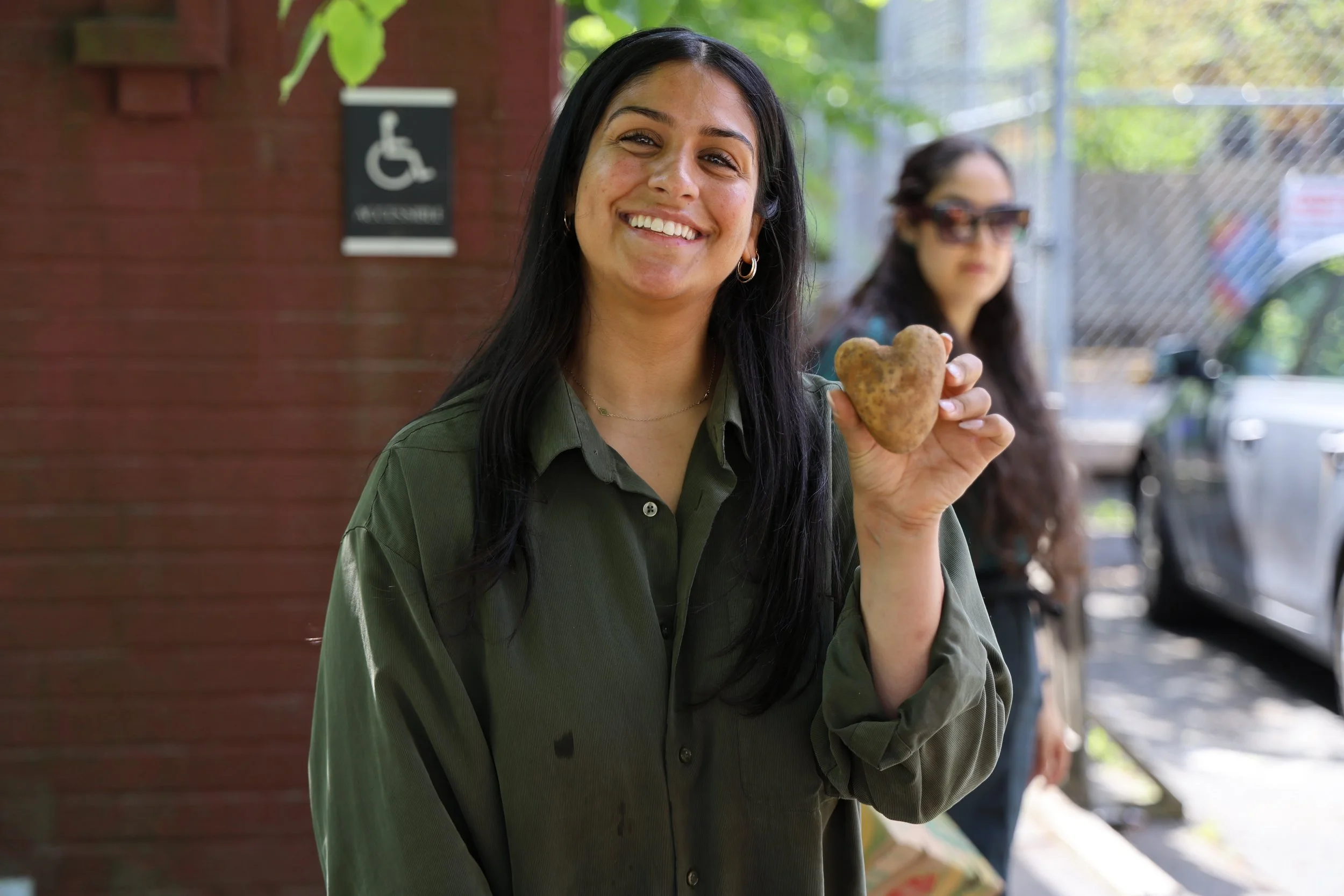
A student holds a heart-shaped potato

The team, led by Co-Presidents and accounting students Courtney Dingle and Sarah Wheeler, along with Gabe Martin BA’25, features 62 students from the Sobey School of Business, Faculty of Arts and Faculty of Science. Twenty-one students will make the trip to the World Cup, along with staff from the Arthur L. Irving Entrepreneurship Centre. Saint Mary’s is the only university representing Canada in this competition. 

“We are incredibly proud of the efforts of every student who has made up this team,” says Co-President Courtney Dingle. “Their dedication to making the world around them better has earned us the title of National Champion for the second consecutive year, and we are excited to watch them take on the 2025 Enactus World Cup in Thailand.” 

This year, third-year accounting student and team captain Olivian Sanderson, third-year accounting and global business management student Becca Sullivan and second-year engineering student Mia Makhlouf take center-stage along with tech team Maya Campbell BComm’25 and criminology student Prateek Tamta. The team will compete in three rounds before a world champion is named. In addition, Saint Mary’s University will also represent Canada in the early-stage competition, comprised of account and business management student Kavya Shah, finance and accounting student Zach Collier and the tech team, accounting and finance student Hanna Johnson and marketing student Leah McNamara.

Follow the team’s journey on the Arthur L. Irving Entrepreneurship Centre and Enactus Canada social media channels.   

Active transportation update: Bird e-scooters now on campus

Scooters and bikes parked on campus

Saint Mary’s is making active transportation more accessible, affordable and appealing to the campus community. With new initiatives and infrastructure in place, SMU is encouraging students, staff and faculty to choose greener, healthier ways to get around. 

A new addition is the Bird Canada e-scooter program, launched in July with two dedicated locations on campus—the Burke Building and the canopy of the Engineering building (960 Tower Road). SMU students can enjoy exclusive perks, including 10 minutes free on their first ride (promo code: FORFREE, valid until October 1), and ongoing discounts with a SMU email address.  

Bird also offers semester subscriptions with $3 flat-rate rides, plus flexible ride passes for frequent users. Parents can even load funds directly into student accounts, making it easier to budget for sustainable travel. To get started, download the Bird app.

Cyclists can use the bike repair stations and secure bike lockers, which are available for rent. Lockers are located near the Dauphinee Centre and can be reserved online. These amenities are also visible on the Campus Map.

For faculty and staff, the Smart Trip Program offers a discounted Halifax Transit EPass, making public transit a more affordable commuting option. Learn more about this program.

In keeping with the sustainable transportation theme, on October 2, HRM will host a Halifax Urban Greenway engagement kiosk in the Loyola Colonnade from 1-4 p.m. This multi-use trail will pass through The Oaks property on campus. As an active project partner, SMU invites the campus community to share input and help shape this important addition to Halifax’s active transportation network. 

Together, these initiatives reflect Saint Mary’s commitment to sustainability, wellness and a more connected campus.

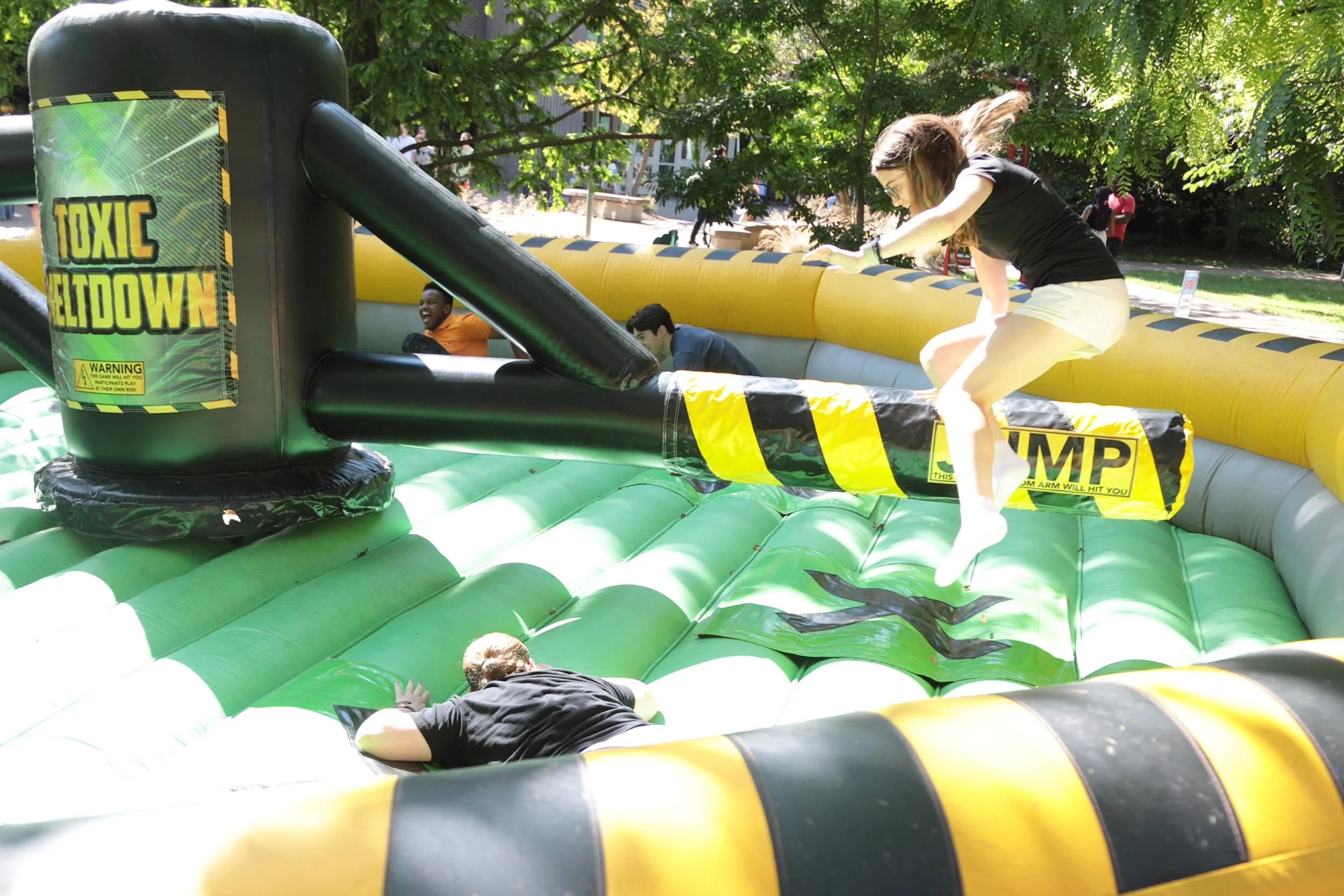
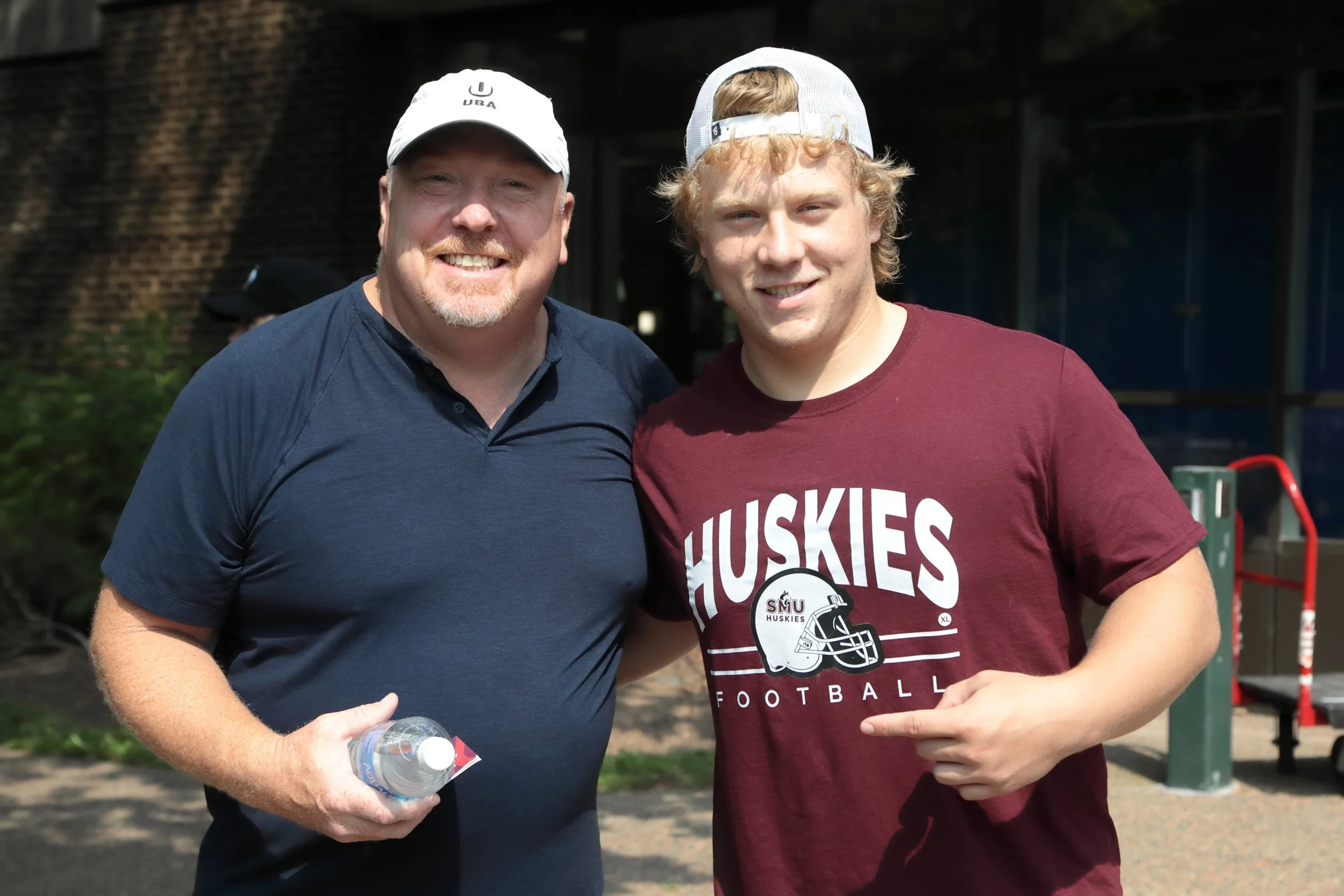
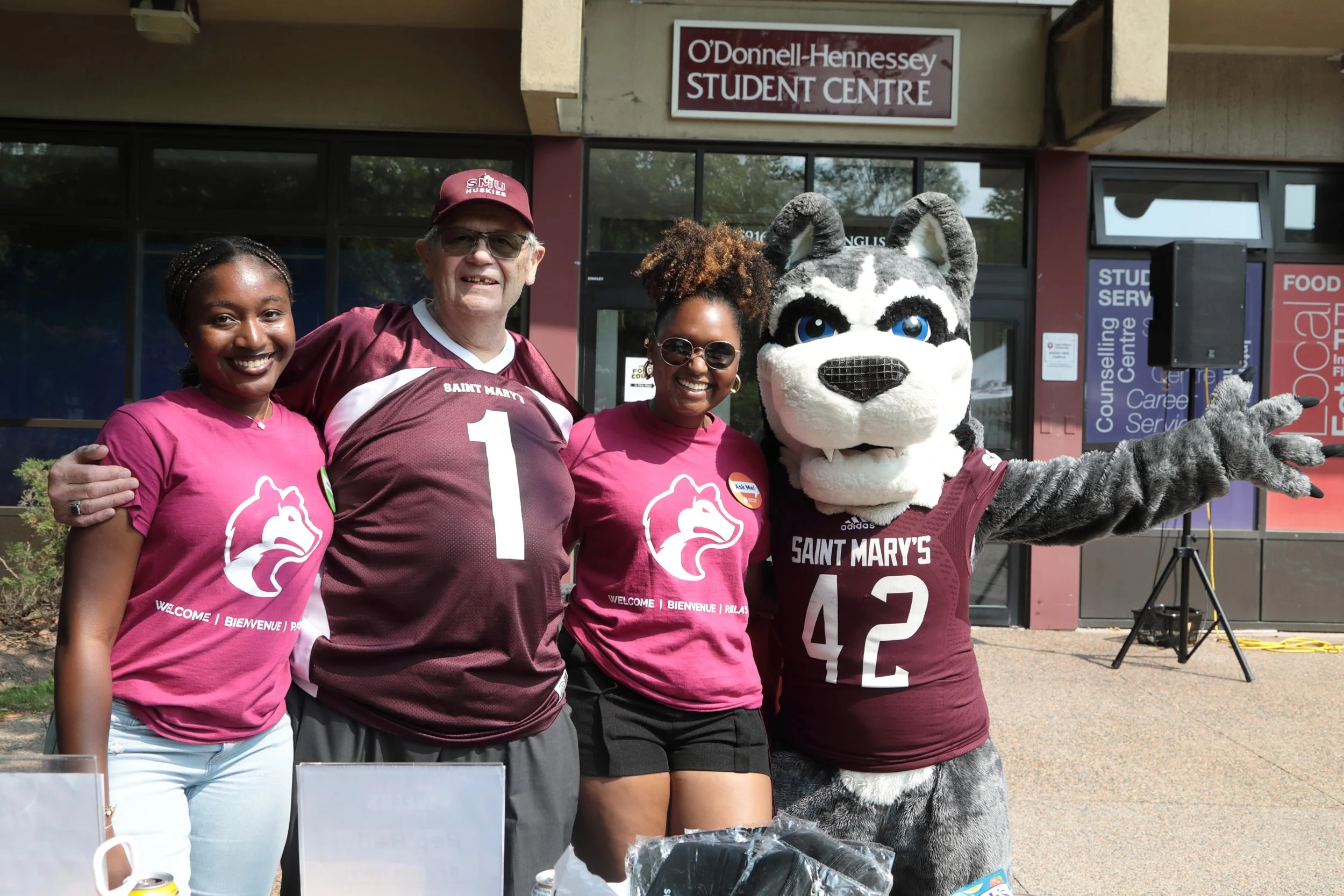
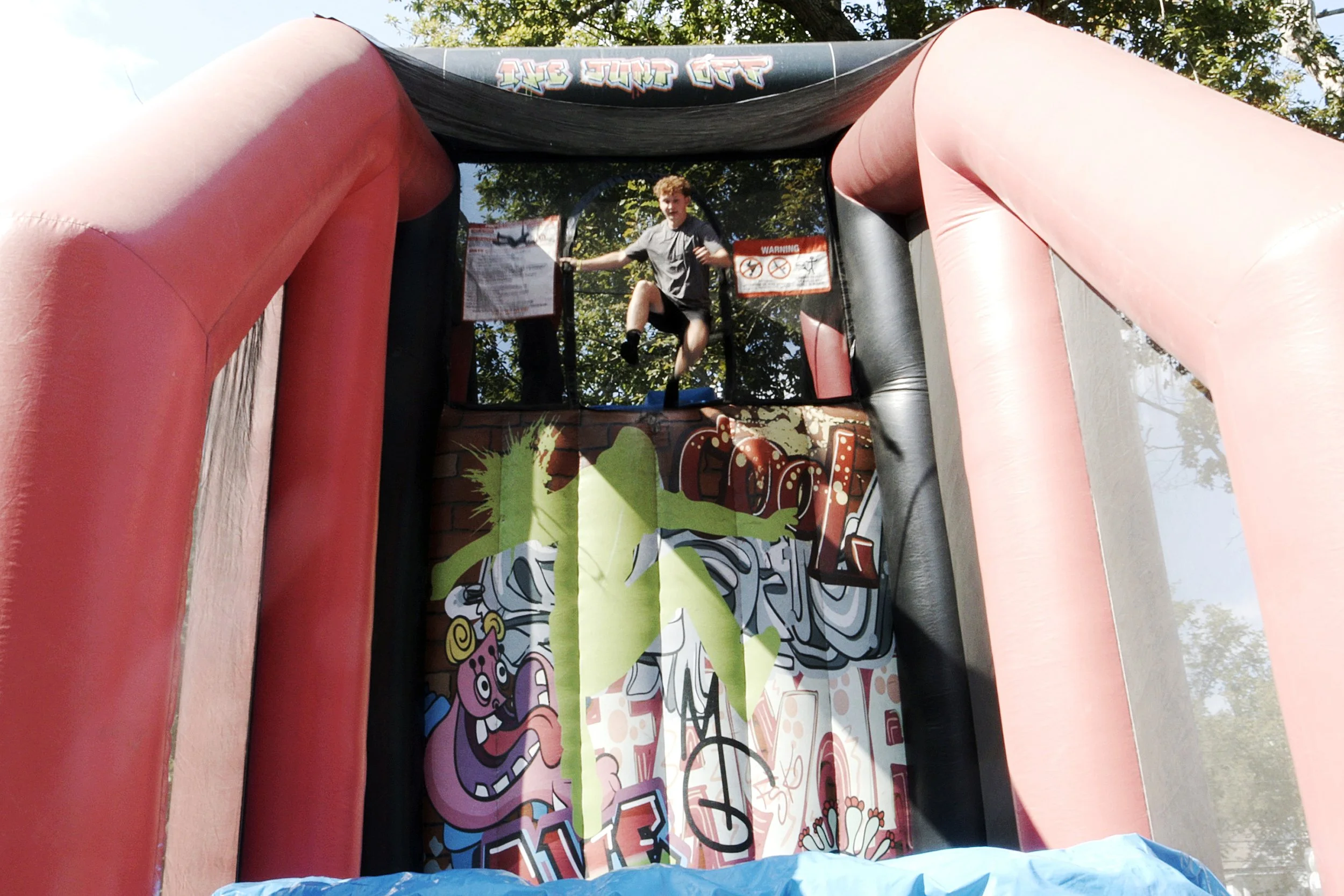
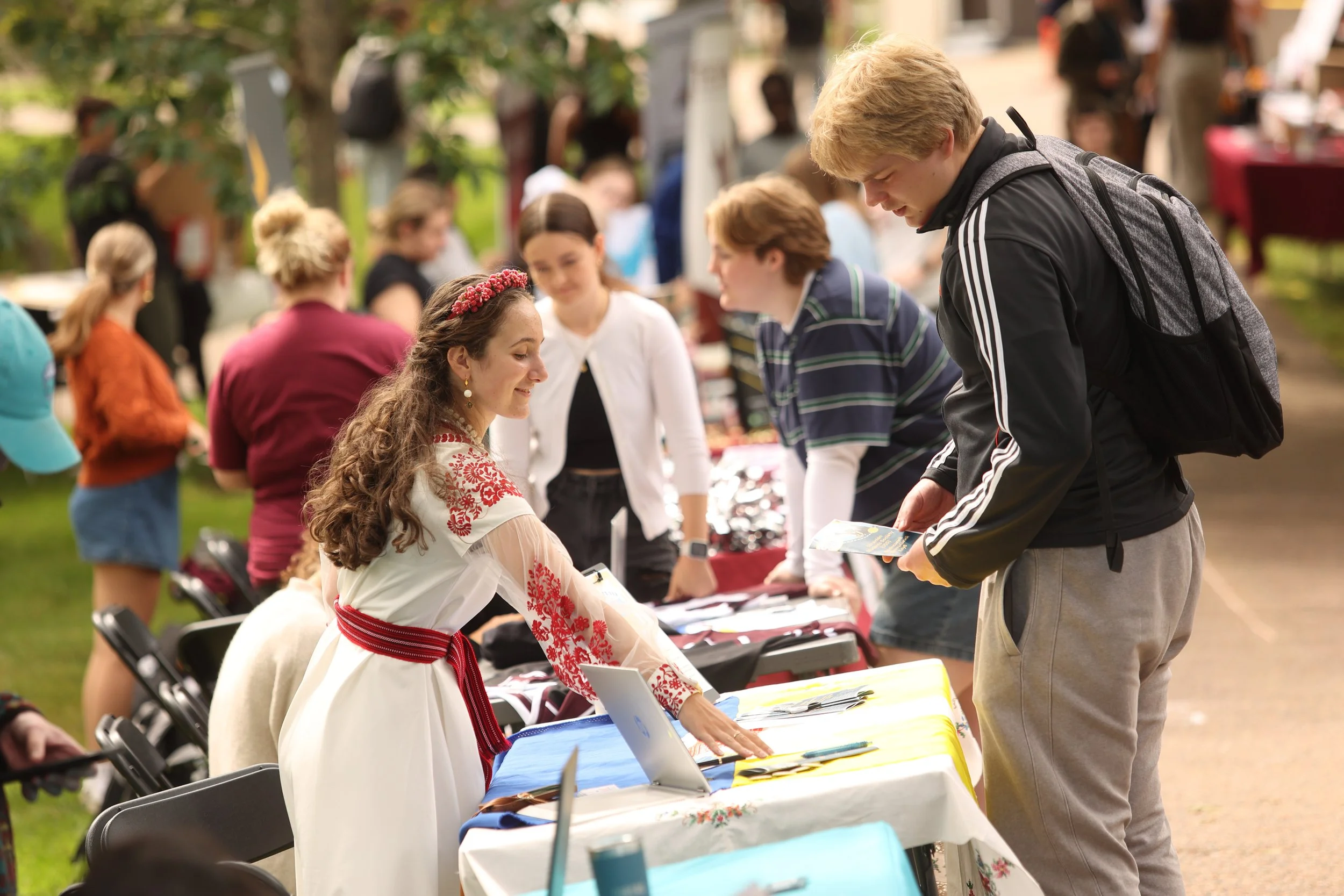
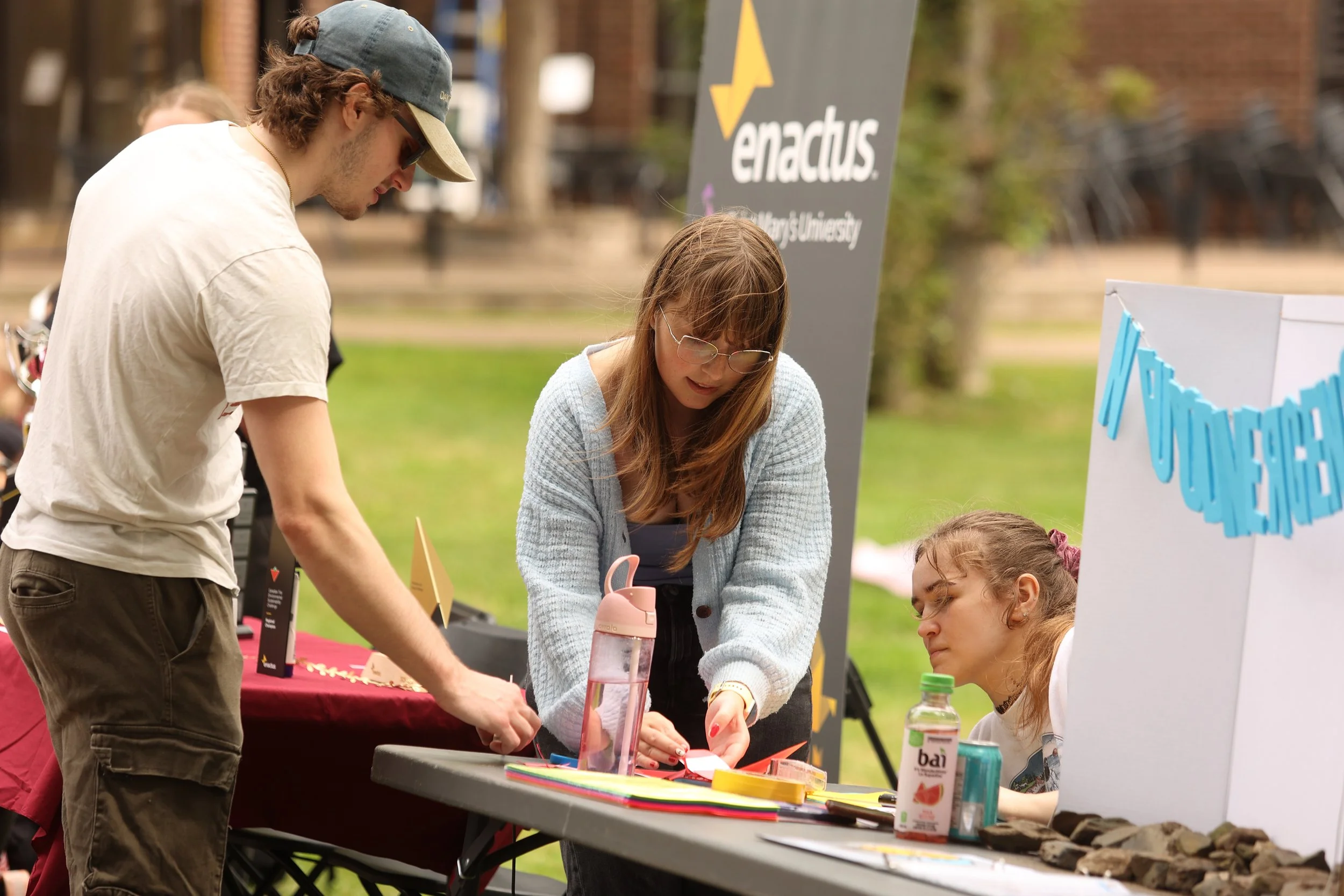
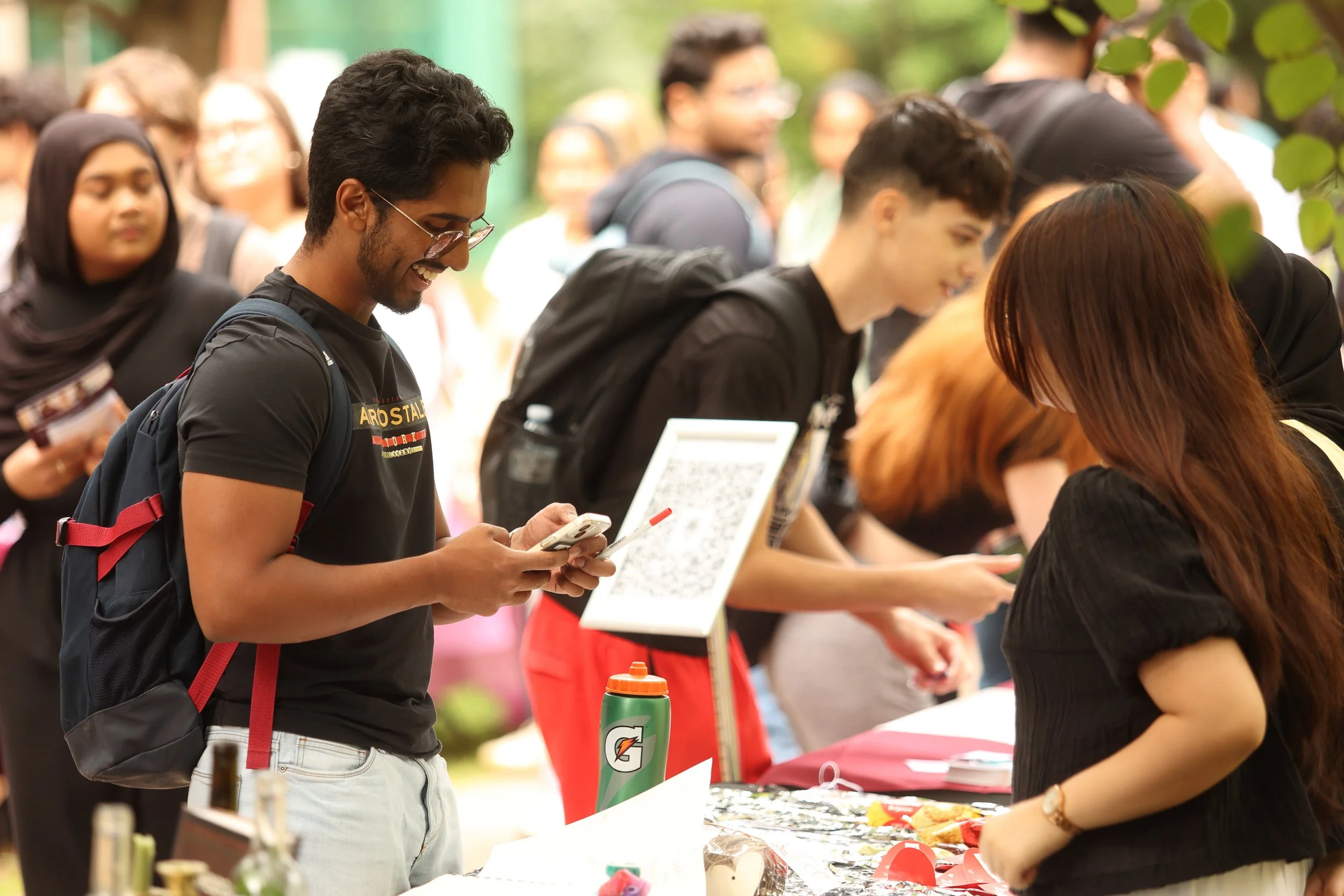
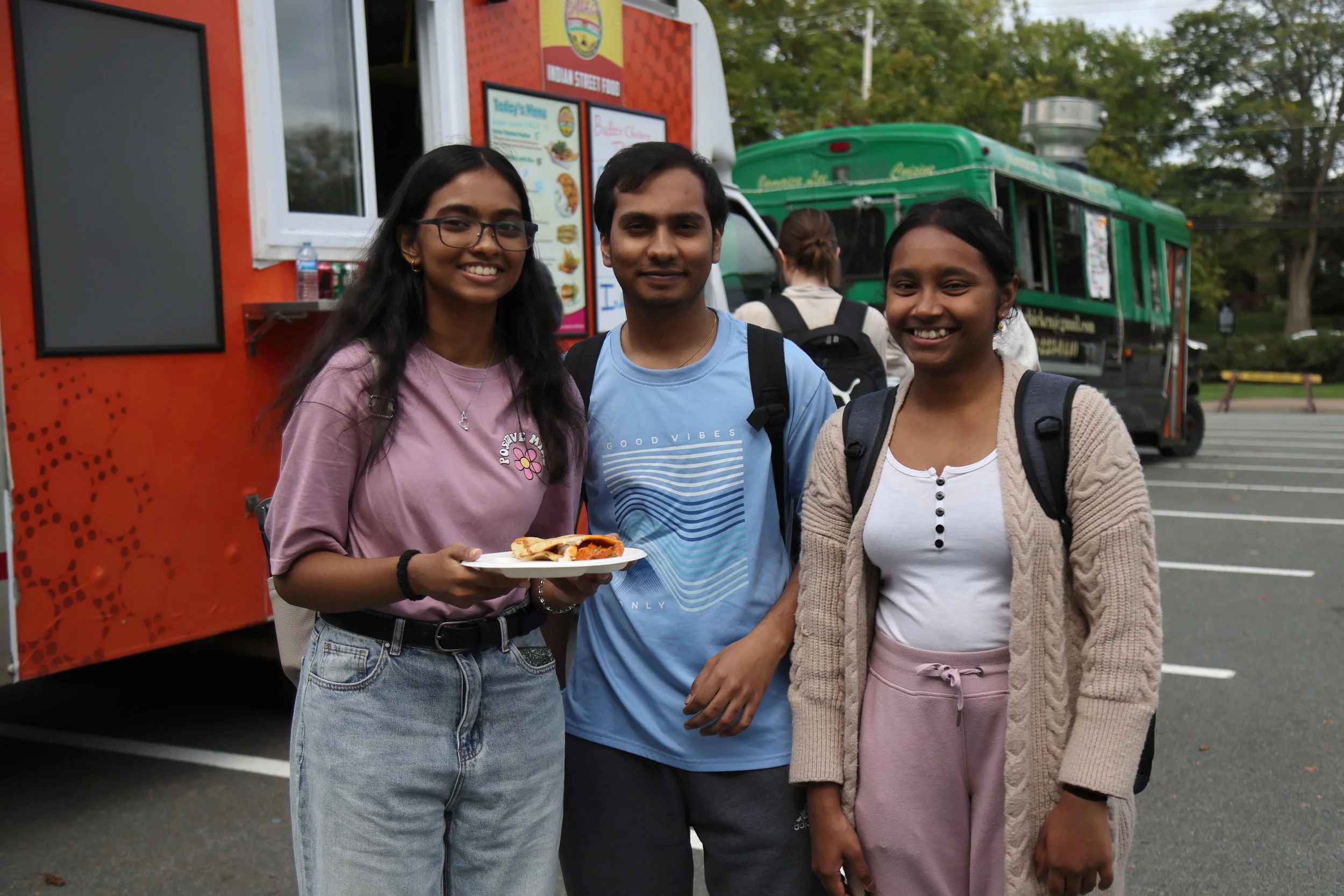
Welcome Weeks demonstrates community, support and fun!

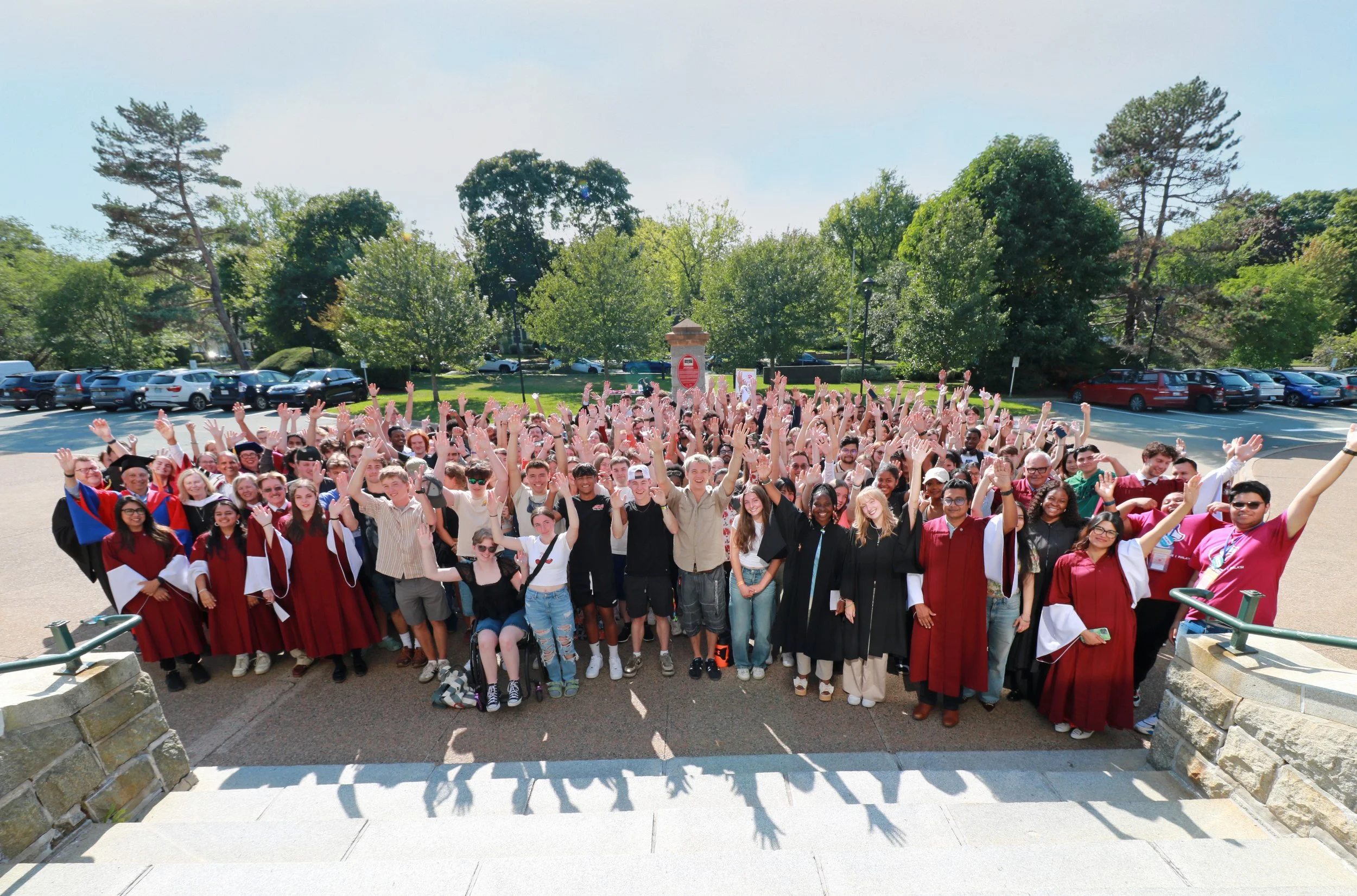
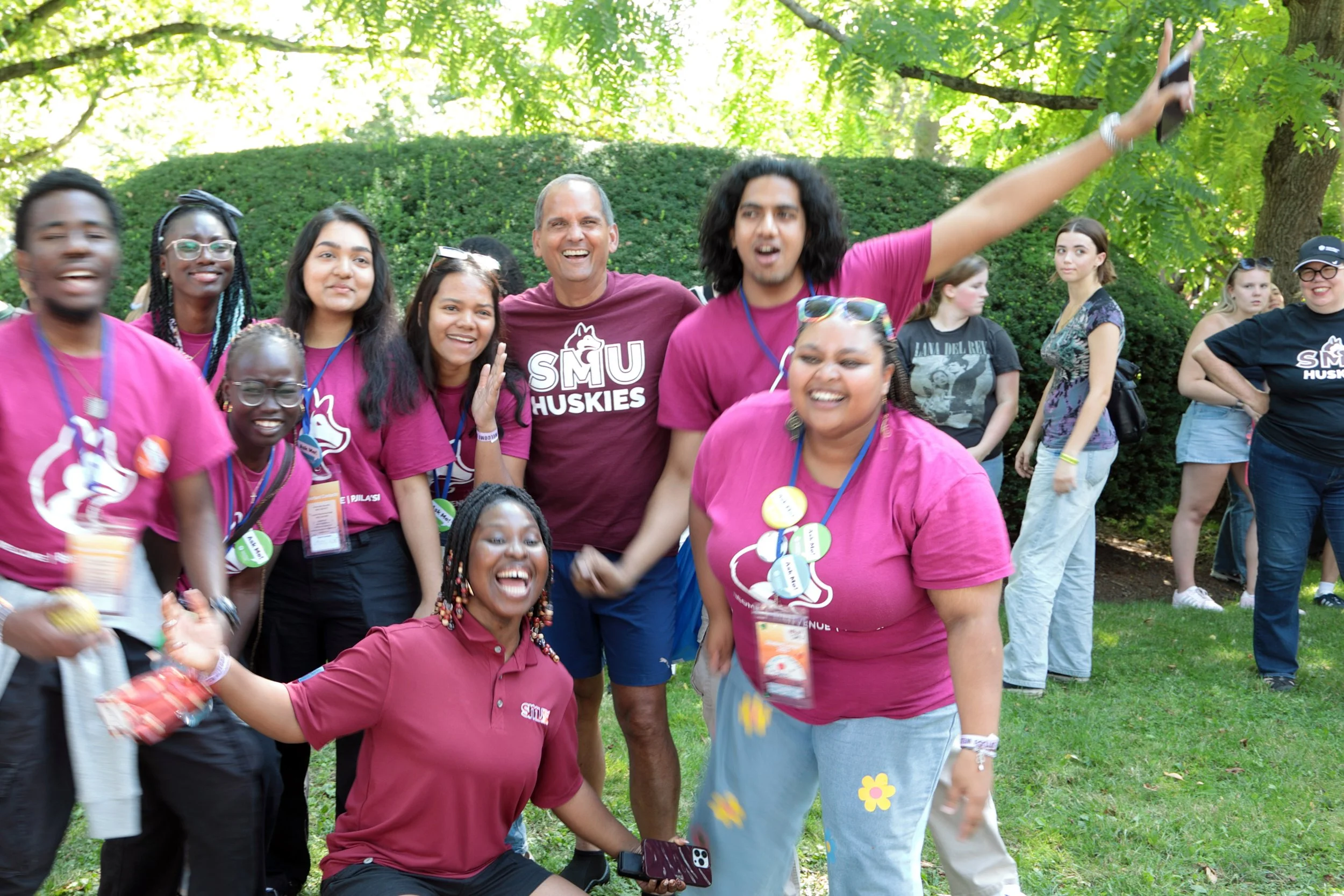
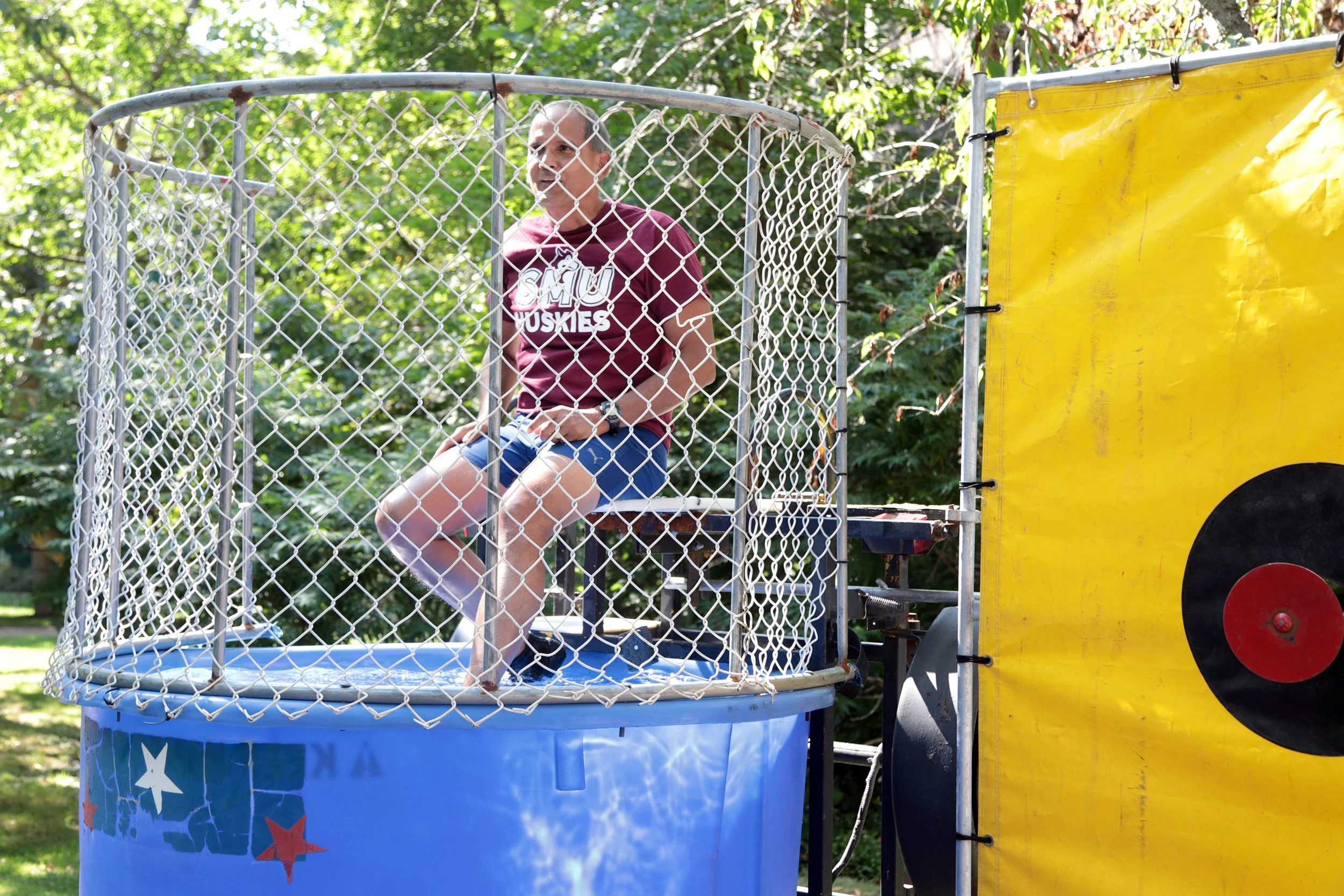
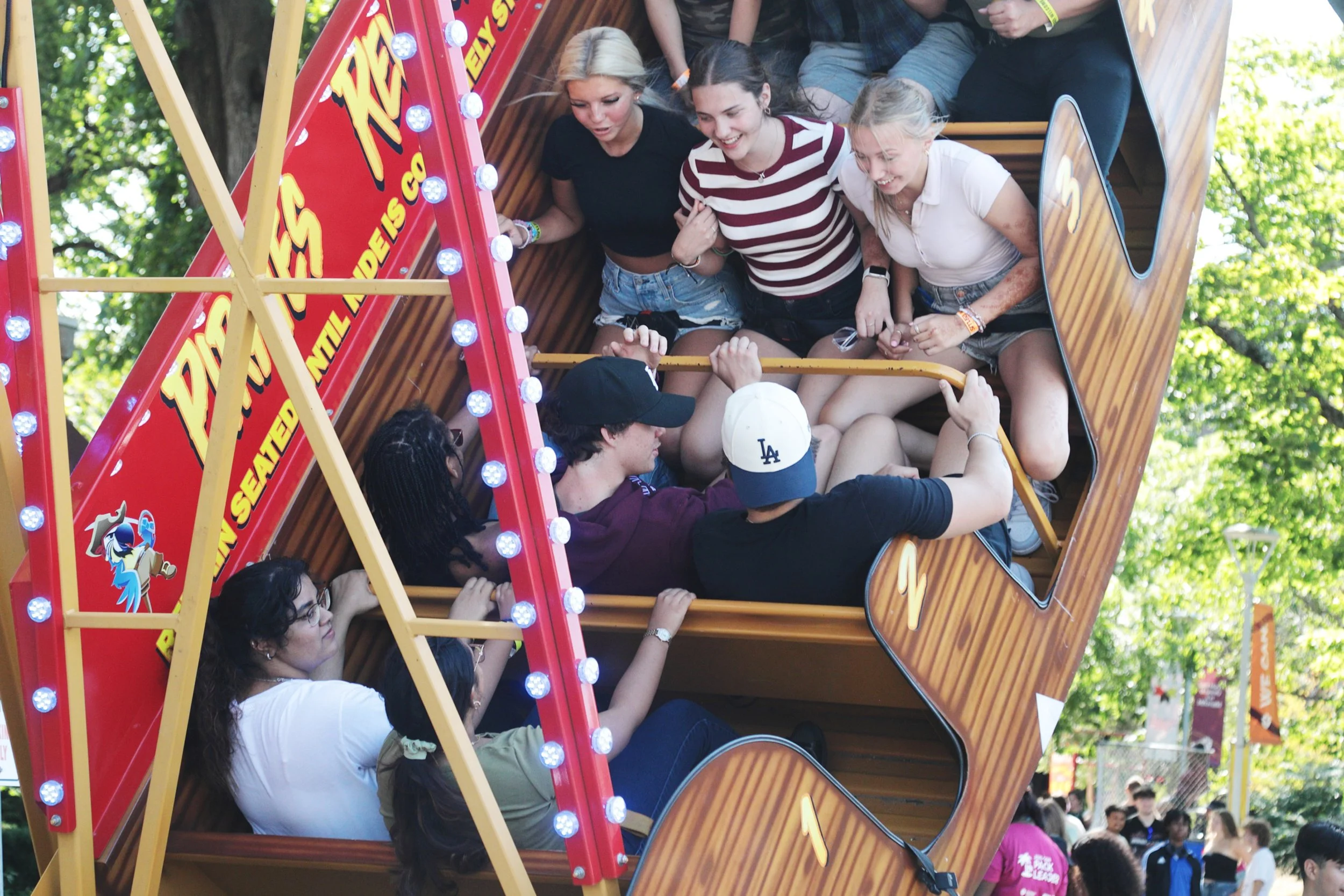
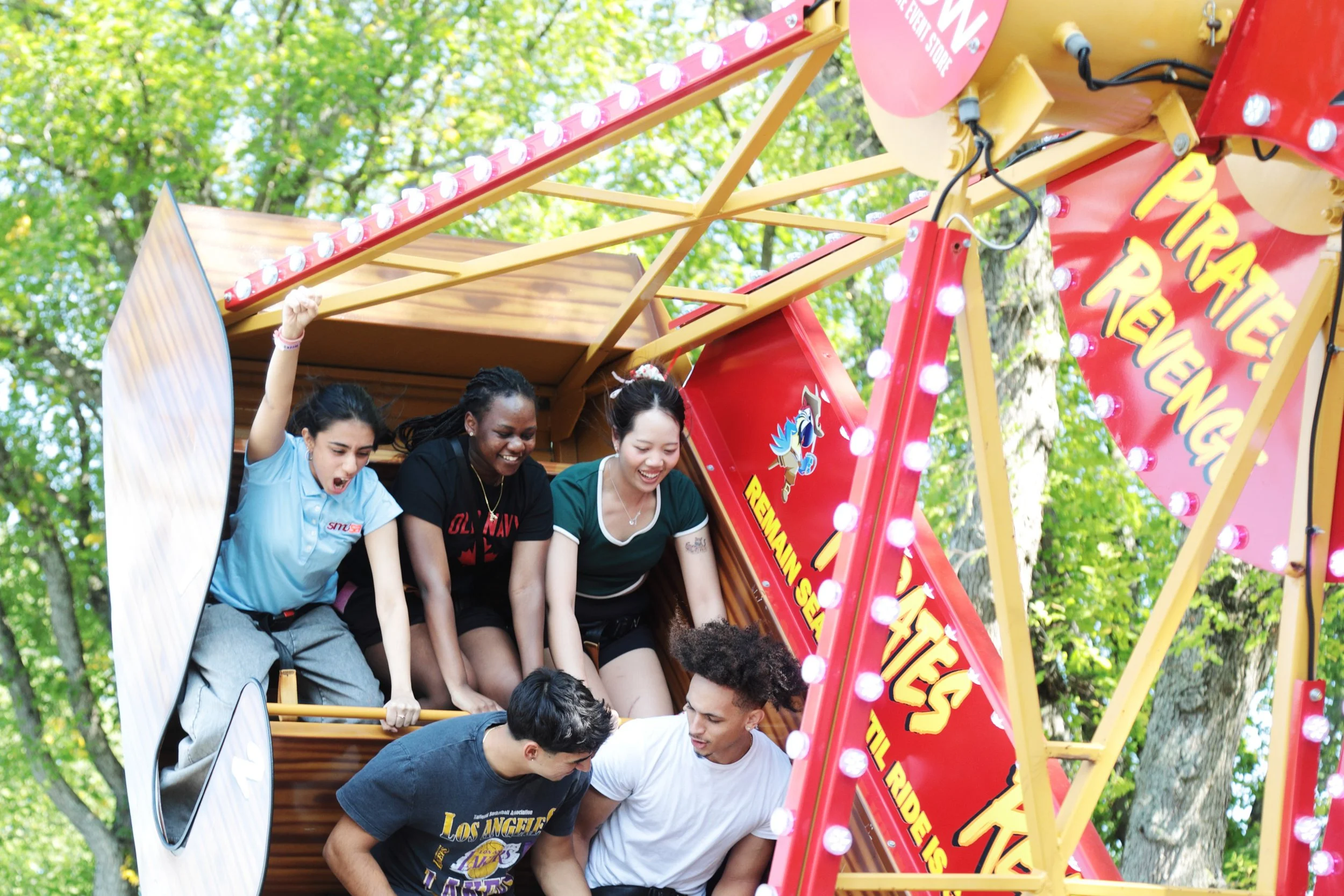
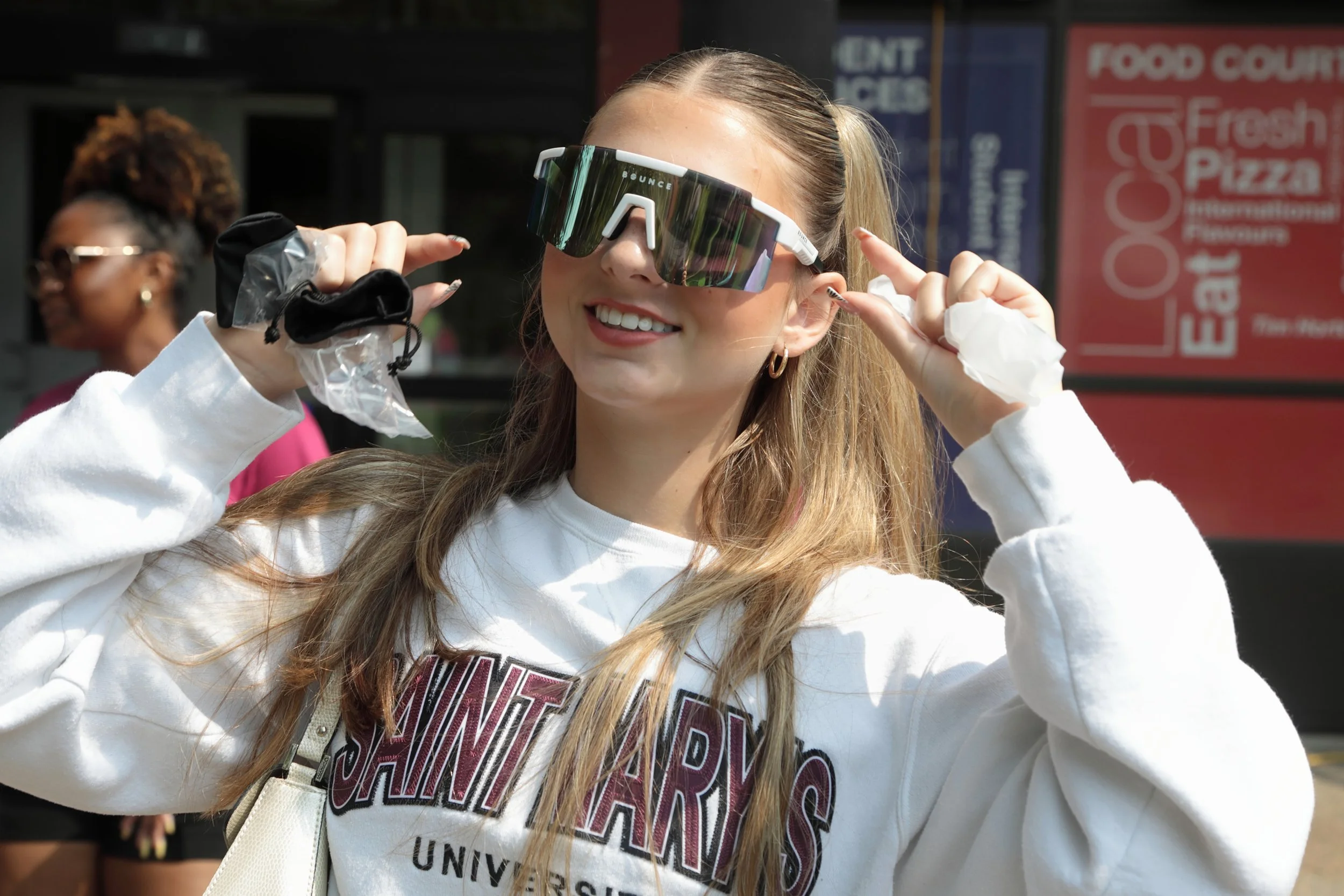
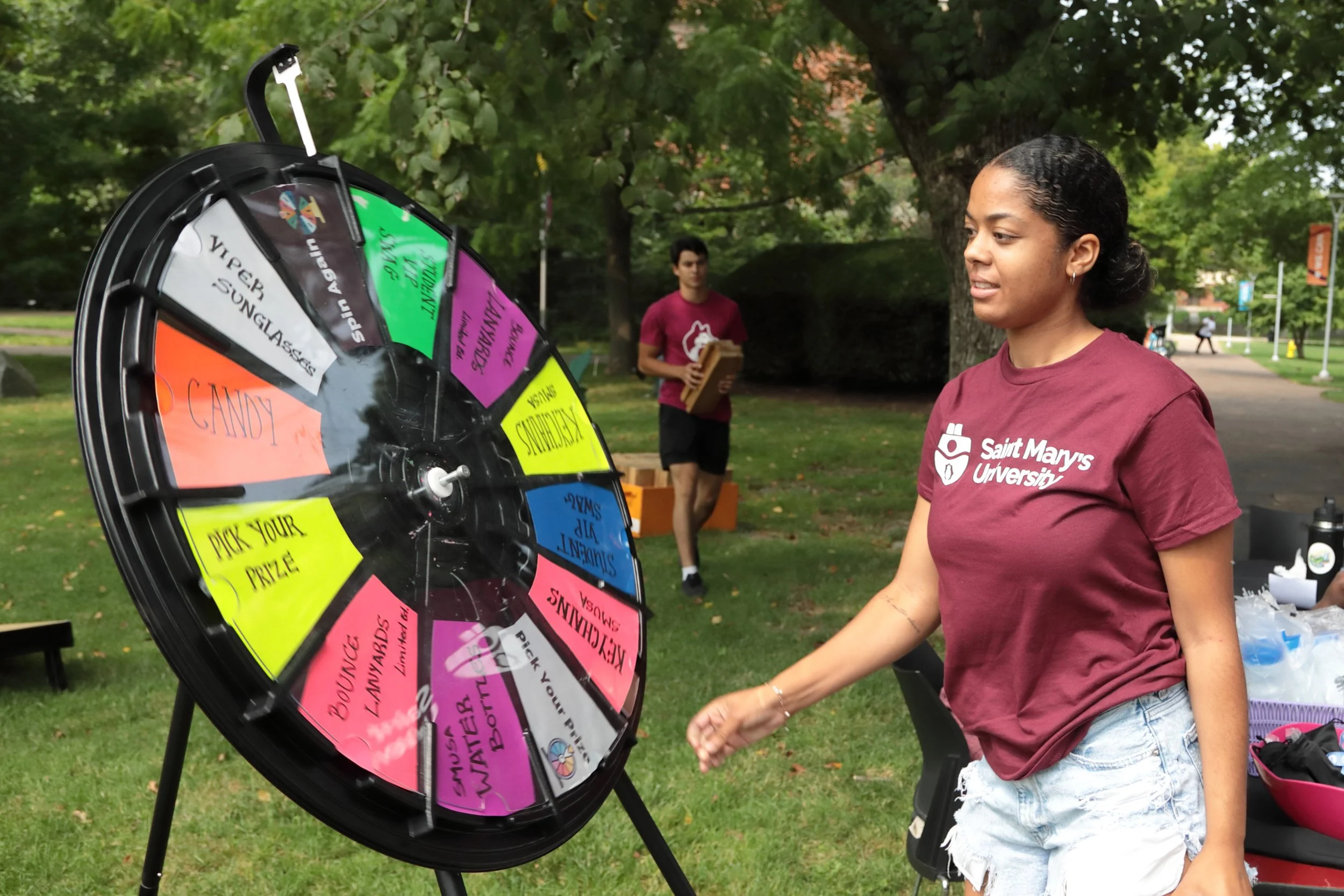
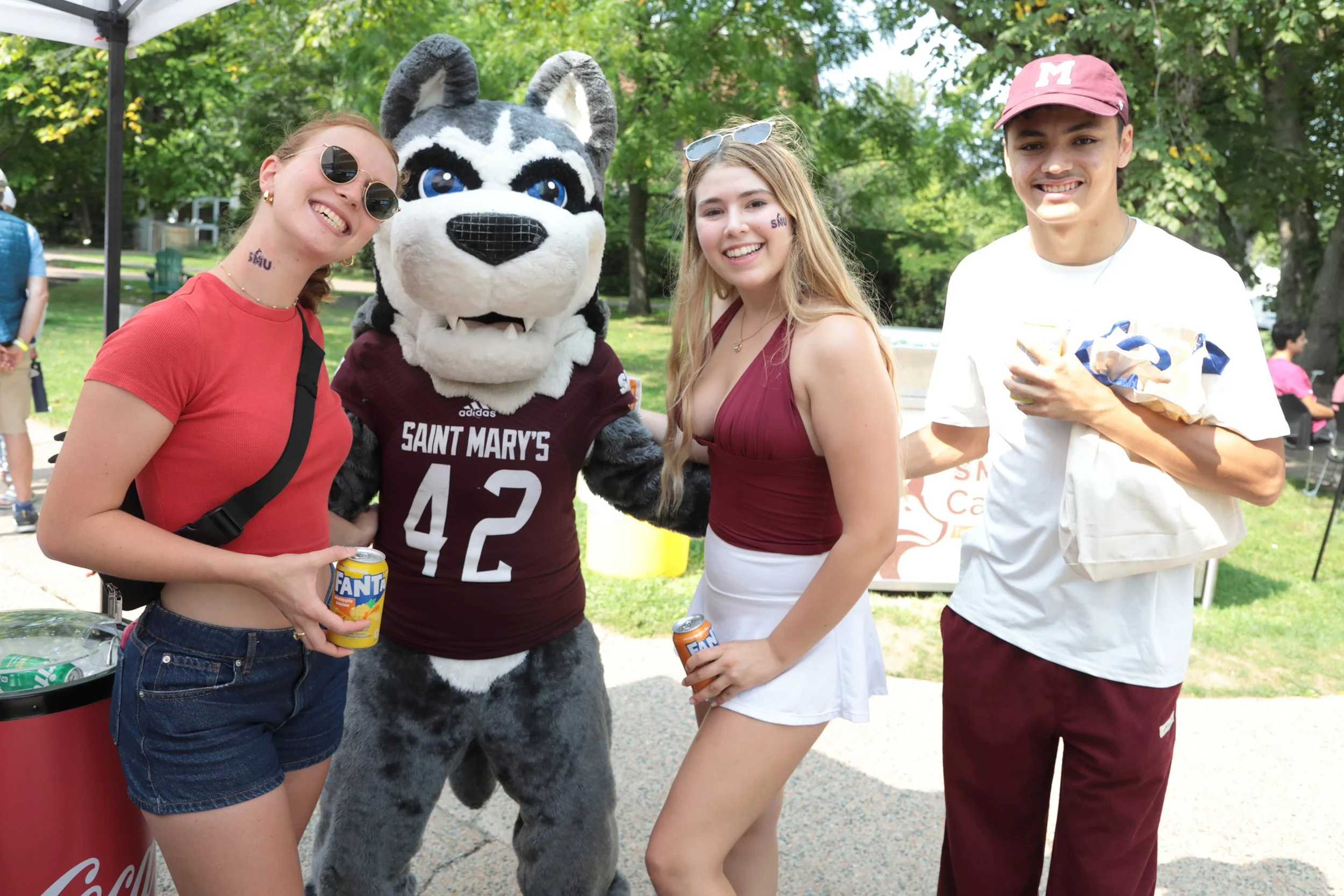
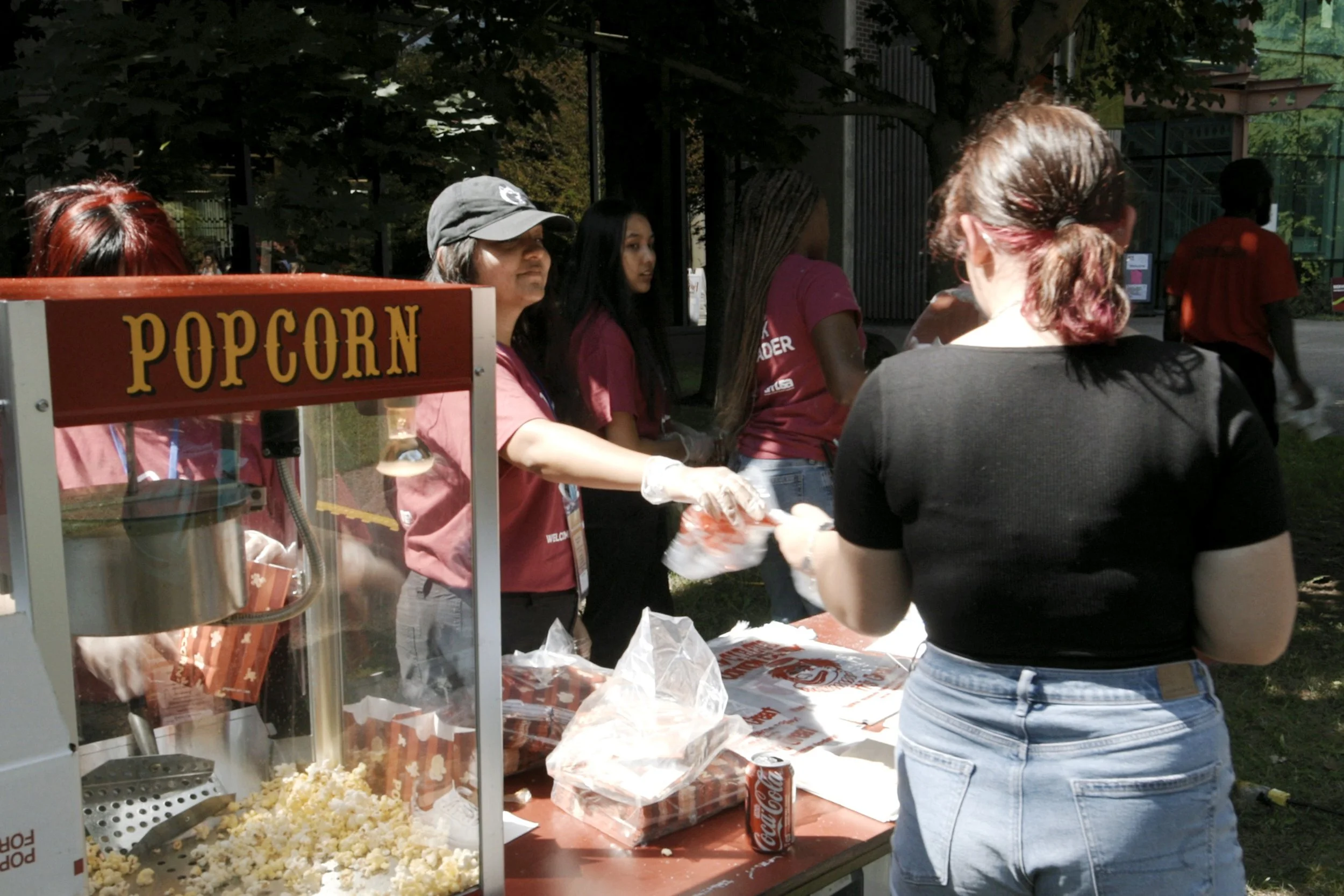
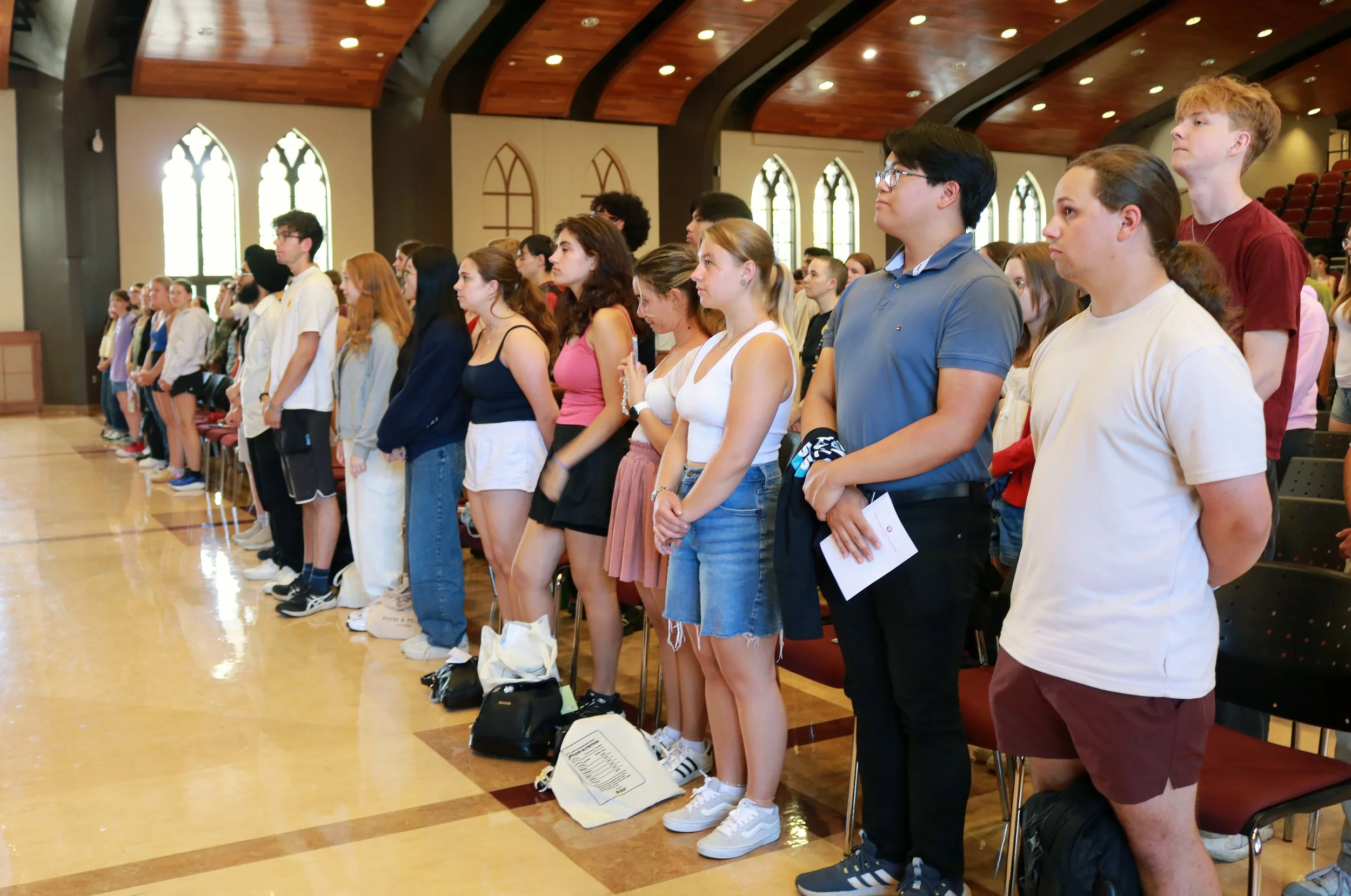
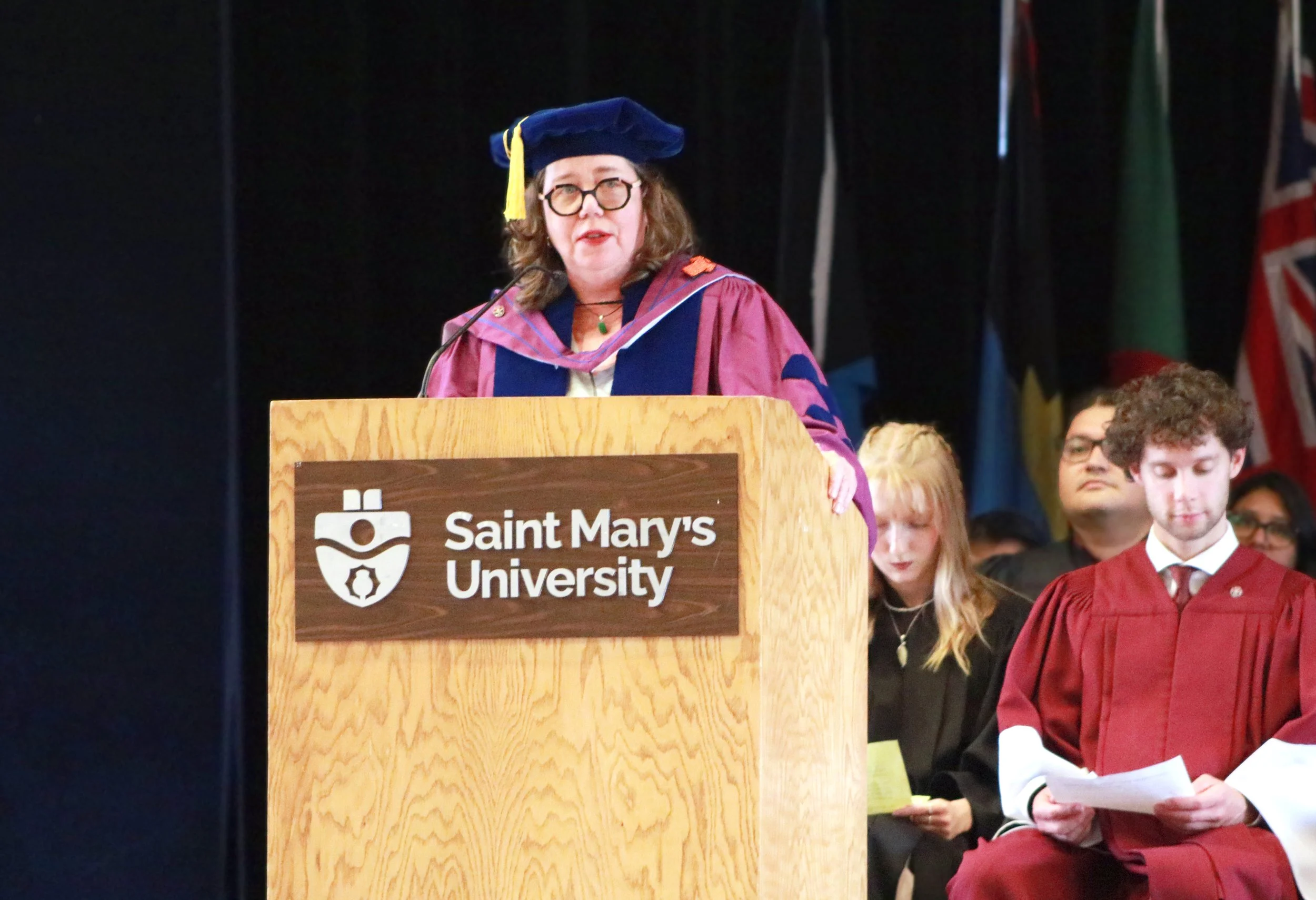
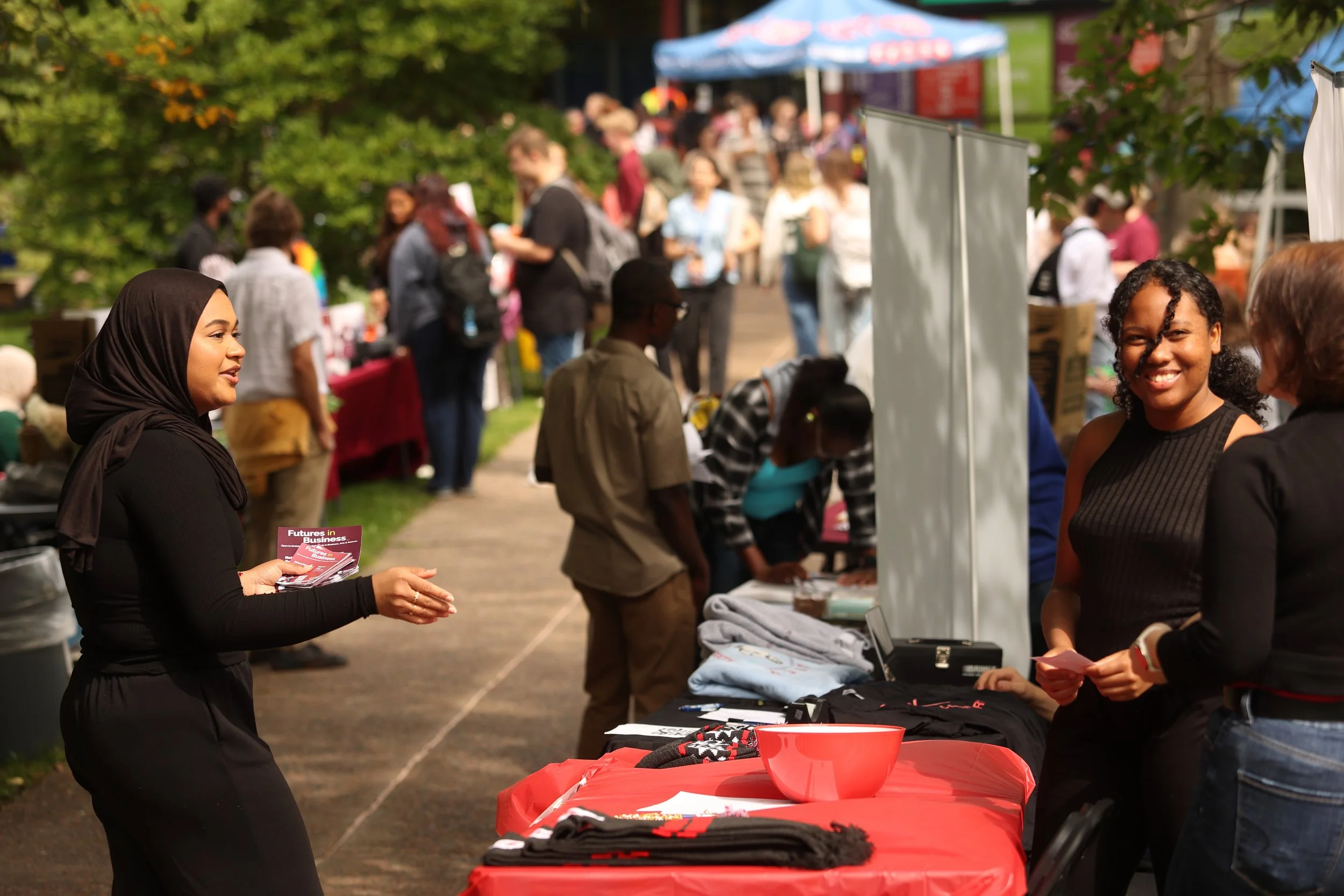
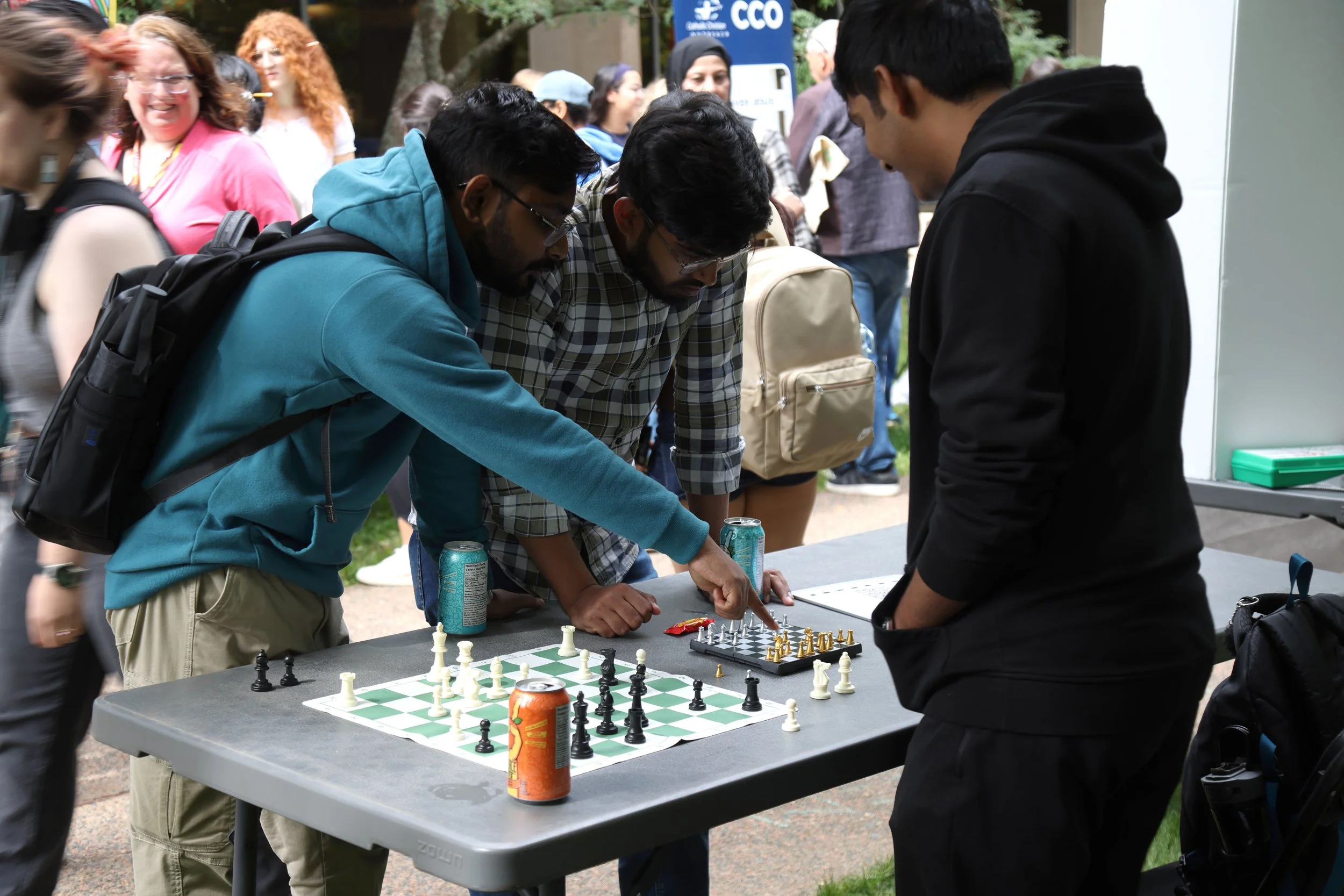
Fall term is underway and the SMU community has come together to make the transition to university easy, safe and fun for new students during New to SMU’s Welcome Weeks. Check out the photo album above showcasing just a few of the great events on campus!

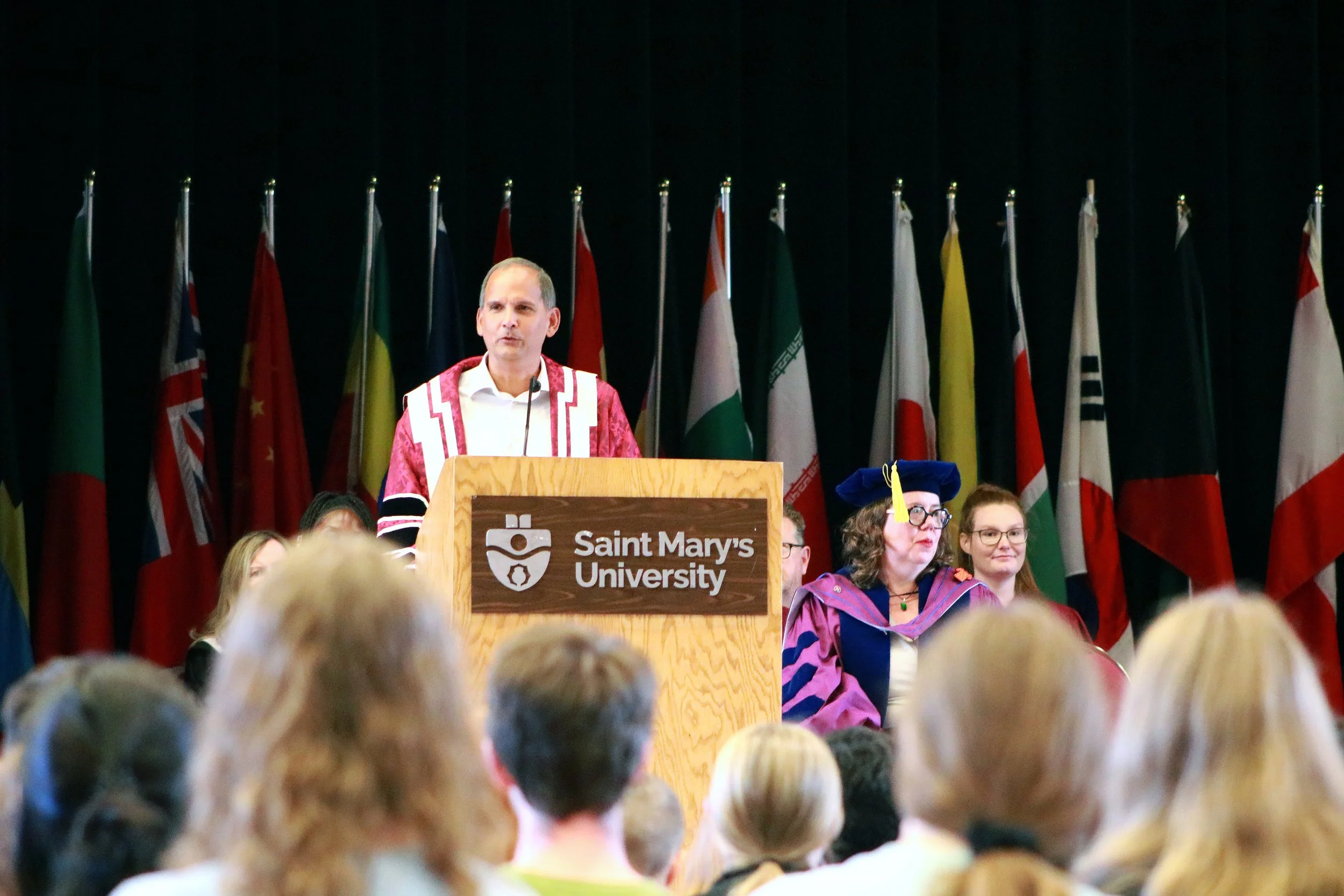
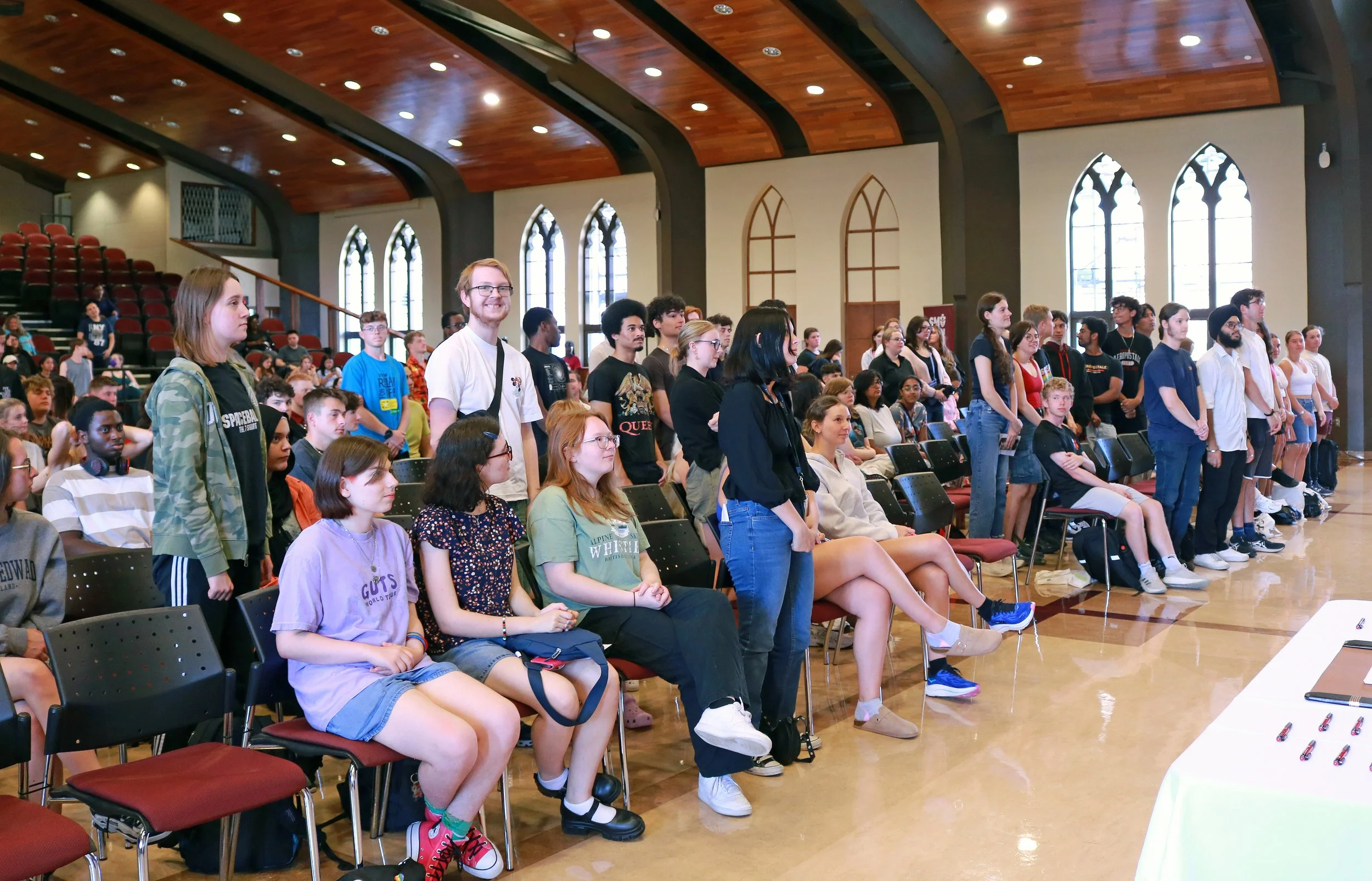
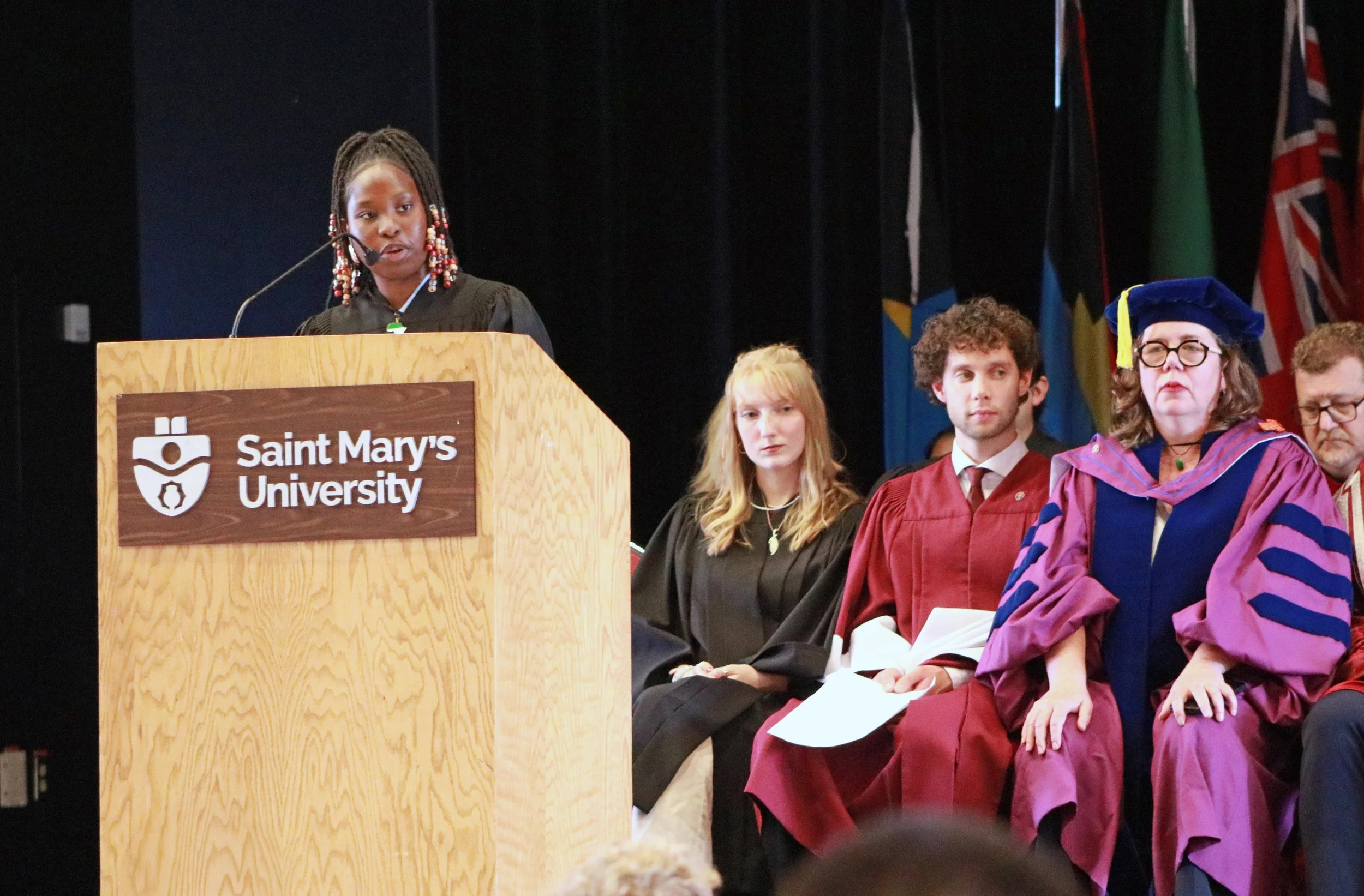
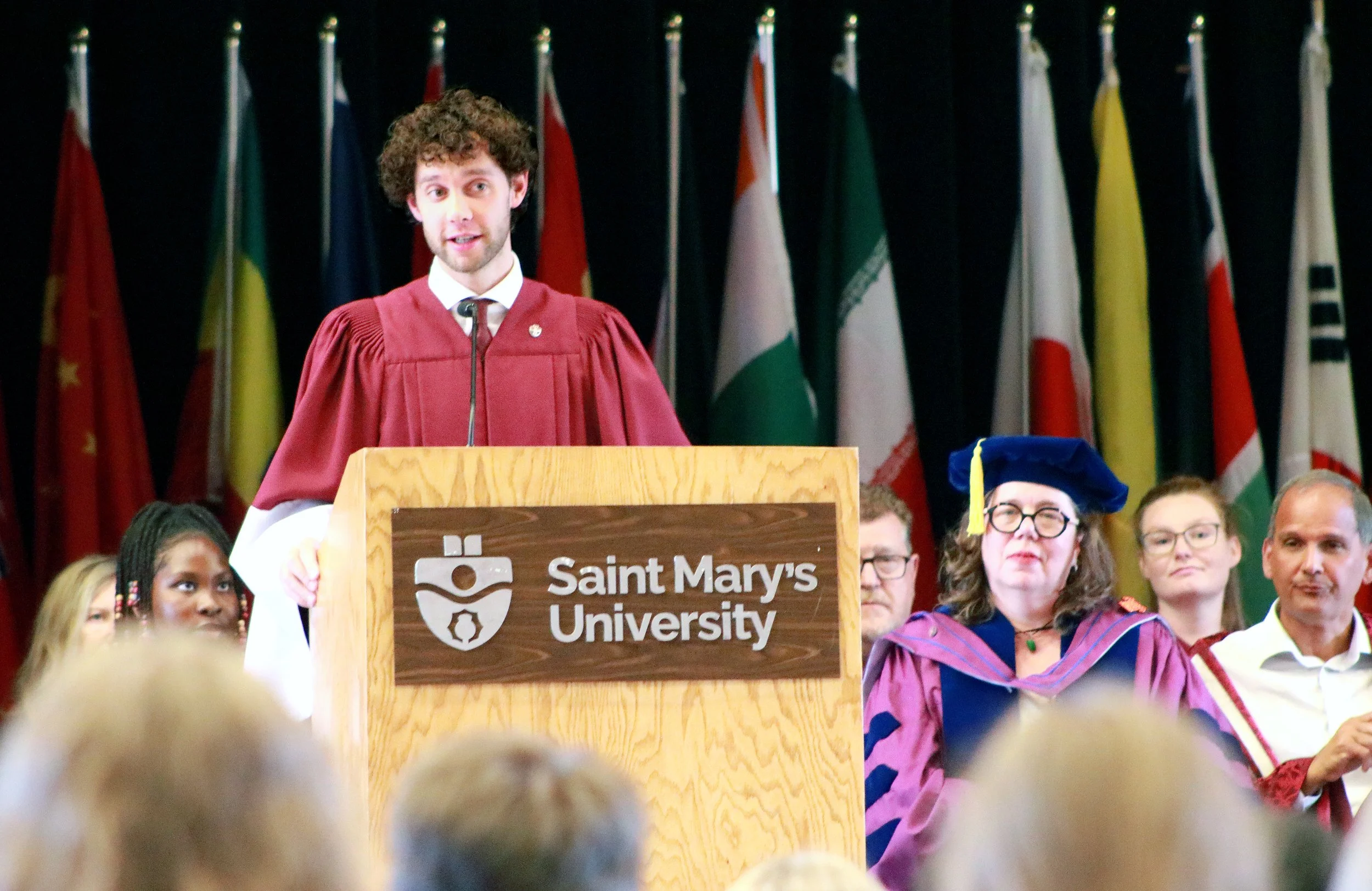
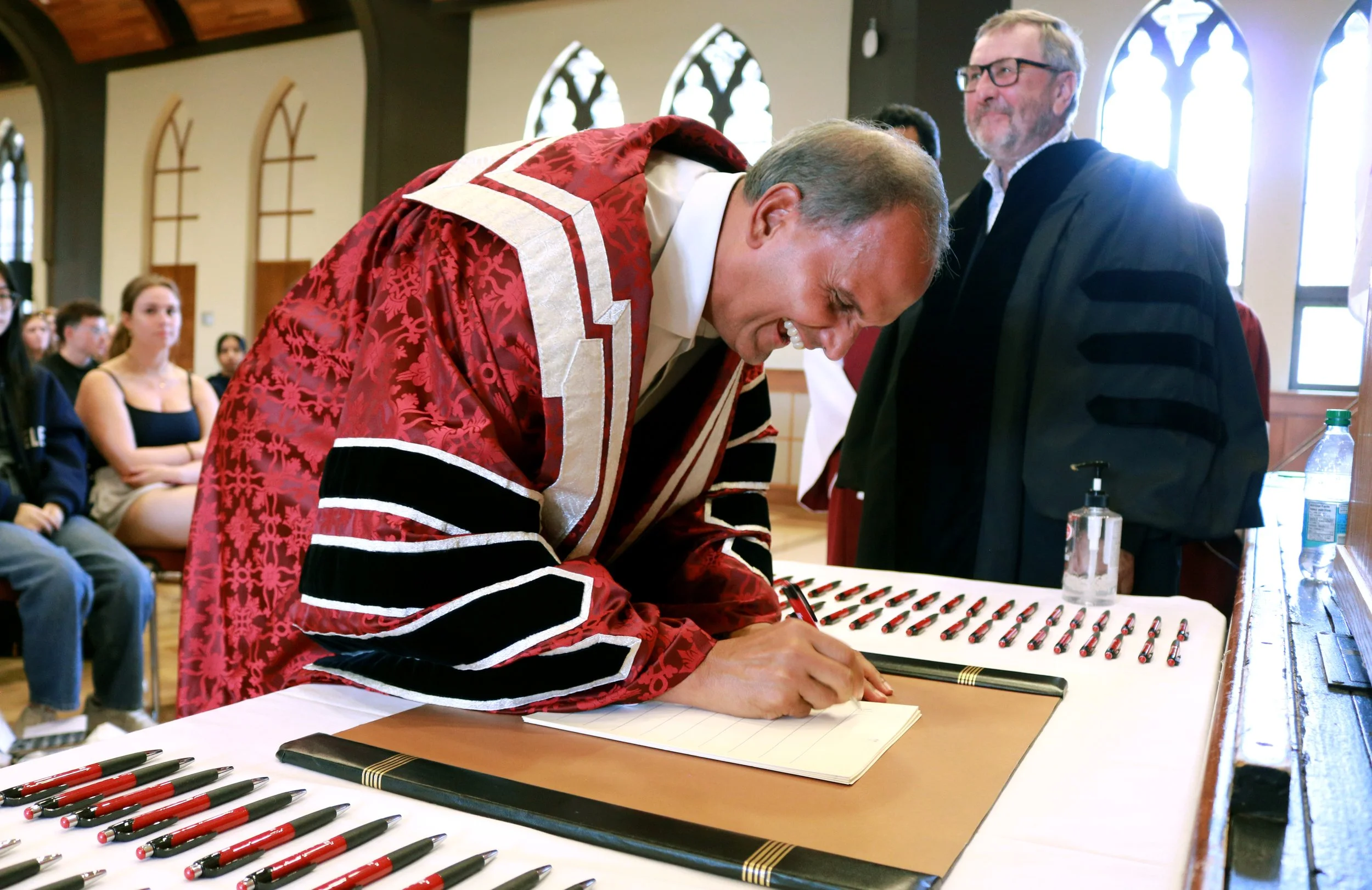
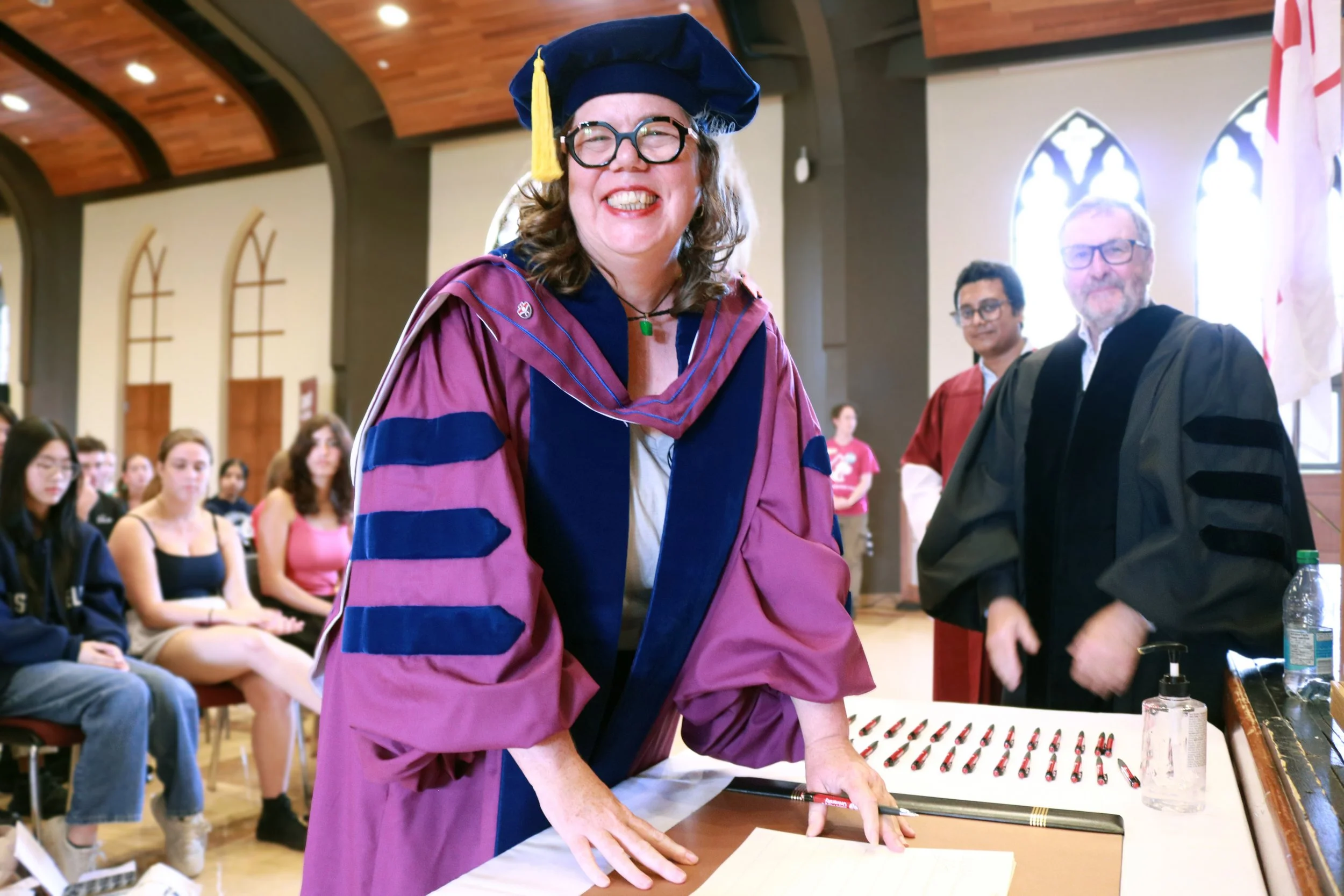
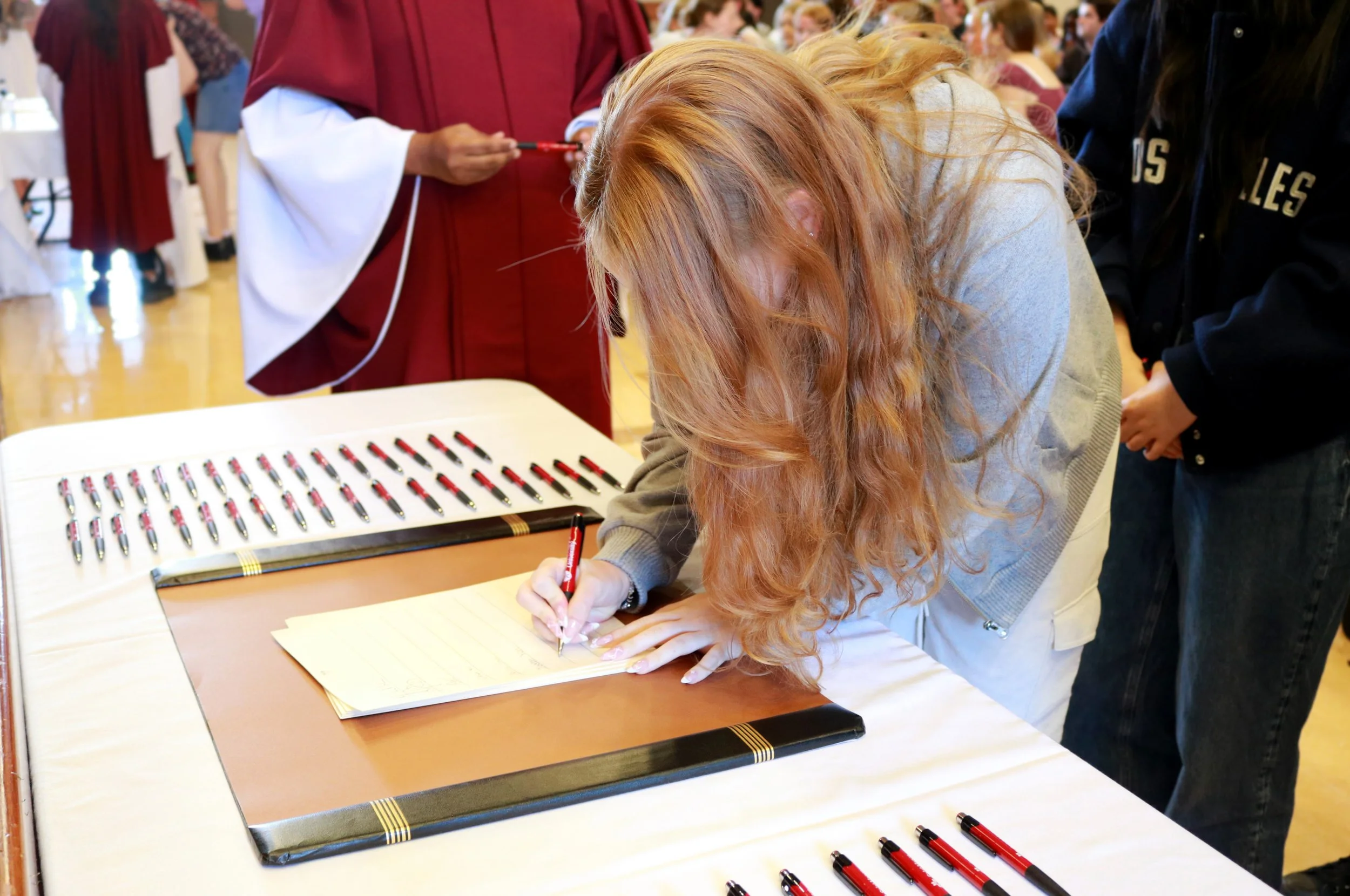
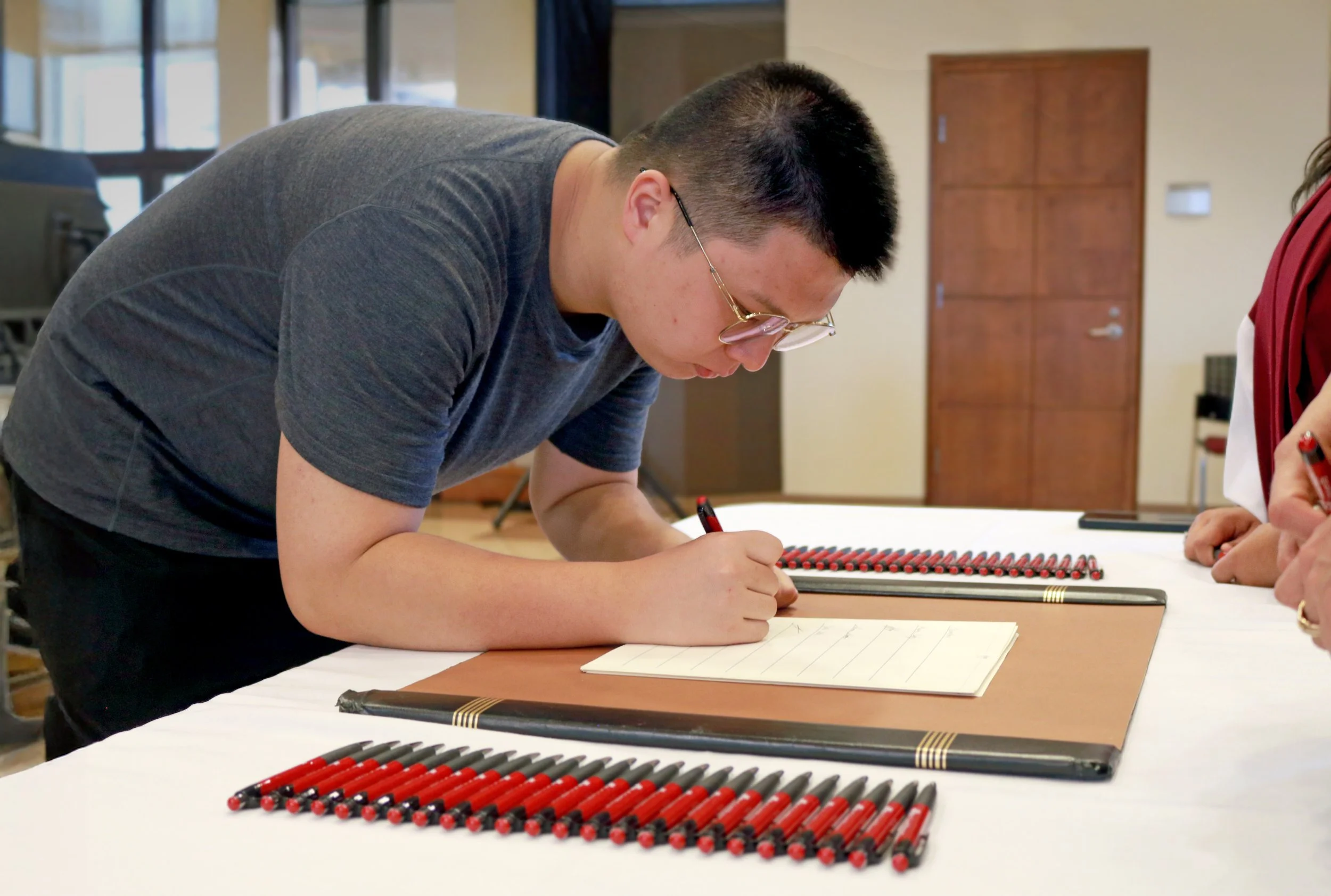
Welcome Weeks kicked off with residence move-in, meet-and-greets and the high-energy P.U.M.P. and SMUSA Husky Festival. New students signed the university register during the Santamarian Ceremony, where President Michael Khan, faculty, staff, alumni and student leaders shared the values of Saint Mary’s and advice for the exciting journey ahead.

Events for International, Black, Indigenous, and 2SLGBTQIA+ students and the Fred Smithers Centre for Student Accessibility gave students an opportunity to learn about campus supports and connect with community.

Students also attended academic welcome events, explored Halifax and cheered on the Huskies. Departments and Pack Leaders provided many chances to learn about SMU, meet new friends and most importantly, have fun!

There are still a few days of Welcome Weeks activities left! Here’s what’s coming up:

For new student advice, please visit the New to SMU website. Follow @smu_studentlife and visit the Student Life Events Calendar for information on events and programming throughout the year.

From student to mentor: how Experience Ventures came full circle for Hayden Ennis

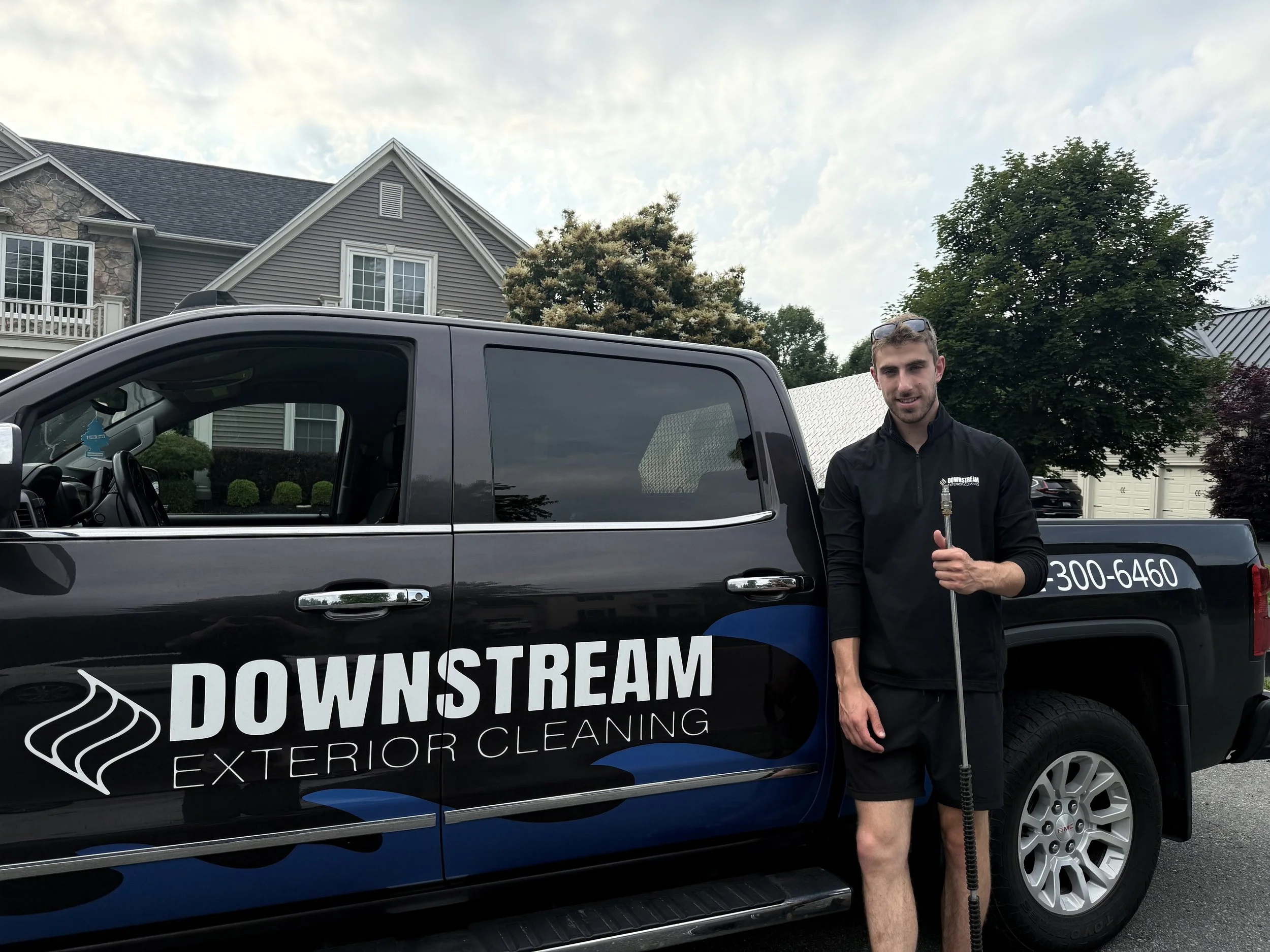
Hayden stands next to his business truck

Hayden Ennis BComm’25 participated in the Experience Ventures program for entrepreneurship. He now owns Downstream Exterior Cleaning.

When Hayden Ennis BComm’25 first signed up for Experience Ventures through the Arthur L. Irving Entrepreneurship Centre at Saint Mary’s University, he had no idea how the opportunity would shape his career path or that, just a few months later, he’d find himself on the other side of the experience—this time as a small business owner welcoming a student into his company.

“I saw the program as a great chance to put everything I’d learned into practice,” Hayden recalls. “I was placed with CanNova Construction in Halifax, and suddenly I was doing social media, content creation and graphic design — things that were totally new to me at the time.”

Hayden sits in his Downstream business truck

That placement wasn’t just a one-off learning opportunity. The skills Hayden gained during the project stuck with him. Now, they’re part of the foundation of Downstream Exterior Cleaning, the business he officially launched in January 2025.

Based in Nova Scotia’s Annapolis Valley, Downstream has already served nearly 100 customers since beginning operations in April, and it’s just getting started.

This summer, Hayden stepped into a new role in the Experience Ventures program, not as a student, but as a business owner. Through the same initiative that helped him gain hands-on experience, he’s now providing that opportunity to Alexi Melanson, a double honours student in finance and accounting at the University of New Brunswick.

And just like Hayden, Alexi didn’t waste a moment.

“Drawing on my background in corporate finance, I was able to step into a consulting-style role with Downstream,” Alexi explains. “I worked on refining the company’s approach to financial planning, building out cash flow projections, setting budgets and streamlining existing practices. It was amazing to work so closely with a small business and actually see my ideas implemented.”

For Hayden, watching Alexi’s impact has been a full-circle moment. “It’s surreal, honestly,” he says. “Experience Ventures gave me the space to learn and grow as a student. Now, I get to pass that on. Even if a student walks away with just one new skill or lightbulb moment, that’s a win.”

This story also highlights something bigger: the growing reach of Experience Ventures across Atlantic Canada. Hayden, based in rural Nova Scotia and Alexi, from New Brunswick, show how the program fosters meaningful cross-provincial connections by bridging classrooms with real businesses and students with entrepreneurs who were once in their shoes.

As Hayden looks ahead to 2026 with big goals for Downstream, he credits programs like Experience Ventures for helping him build the confidence and the community to take the leap.

“It’s more than just a resume line. It’s real growth, real people and real impact,” he says. “I’m proof of that.”


Powered by the Hunter Hub for Entrepreneurial Thinking at the University of Calgary and funded in part by the Government of Canada’s Innovative Work-Integrated Learning Initiative (I-WIL), Experience Ventures enables students to make an impact alongside real-world innovators through entrepreneurial thinking placements. See our upcoming Hackathons and Challenges. Honorariums are available for students.

Visit our website to learn more.

International team of 70 astronomers makes new observations about massive stars

Massive stars observed in the Small Magellanic Cloud. Of the stars studied, seventy percent (the orange diamonds) appear to accelerate and decelerate, indicating the presence of a companion. Credit: ESO/Sana et al.

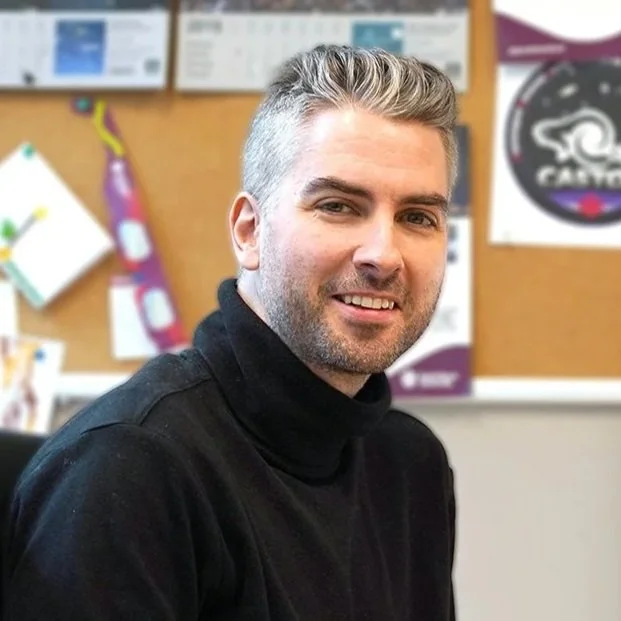
Saint Mary’s University Astronomer Dr. Vincent Hénault-Brunet is part of a team of researchers who observed that massive stars in metal-poor galaxies often live in pairs 

In humans, twins or higher multiples are relatively rare, with single births being the norm. For massive stars, however, the opposite seems to be true: most are born and live as pairs. This was already known for massive stars in our own metal-rich Milky Way, but new observations reveal that massive stars in metal-poor galaxies also frequently have close companions.

Dr. Vincent Hénault-Brunet

The discovery was made by the BLOeM (Binarity at LOw Metallicity) collaboration, an international team of 70 astronomers that includes Dr. Vincent Hénault-Brunet from Saint Mary’s University. Using the European Very Large Telescope in Chile, the team monitored the velocities of massive stars in the Small Magellanic Cloud. Their findings are published in Nature Astronomy.

In recent years, astronomers have realized that interactions between stellar companions play a crucial role in the evolution of massive stars in the Milky Way. Until now, however, it was unclear whether massive stars in more distant, metal-poor galaxies were also part of binary systems.

“We used the Small Magellanic Cloud as a time machine,” explains Hugues Sana from KU Leuven (Belgium), the lead author of the study. “The Small Magellanic Cloud is a relatively nearby metal-poor galaxy, an environment representative of that of much more distant galaxies when the universe was only a few billion years old.”

Studying massive stars outside of the Milky Way is difficult because the stars are far away and we receive little light from them. The researchers used the FLAMES spectrograph on the Very Large Telescope of the European Southern Observatory in Chile. It is one of the largest telescopes on Earth. FLAMES has 132 fiber optics, each of which can be directed at a different star, which can then be observed simultaneously.

Over a period of 3 months, the researchers observed the acceleration and deceleration of 139 massive O-type stars at 9 different times. These stars have masses between 15 and 60 times that of our Sun. They are hot, shine brightly, and end their lives in supernova explosions. In the process, the star's core collapses into a black hole. The results show that over 70 percent of the observed stars accelerate and decelerate. That is a sign of a close companion.

“The fact that massive stars in the Small Magellanic Cloud have a partner suggests that the first stars in the universe, which we suspect were also massive, had partners, too," says co-author Julia Bodensteiner of the University of Amsterdam (the Netherlands). "Perhaps some of those systems end up as two black holes orbiting each other. It’s an exciting thought."

These black holes are of particular interest to Dr. Vincent Hénault-Brunet and his research group at Saint Mary’s, who study their subsequent evolution in dense clusters long after their progenitor massive stars have exploded as supernovae.

Scientific article: A high fraction of close massive binary stars at low metallicity. By: Hugues Sana, Tomer Shenar, Julia Bodensteiner, et al. In: Nature Astronomy, 2 September 2025. [original | preprint (pdf)]

Saint Mary’s University announces Dr. Karly Kehoe as Fellow of the Royal Society of Canada

Karly has long blonde hair. She stands in the hallway of McNally wearing a white shirt and black blazer.

Dr. Karly Kehoe, Faculty of Arts

Saint Mary’s University is proud to announce that Dr. Karly Kehoe, a distinguished scholar in the Department of History, has been named a Fellow of the Royal Society of Canada (RSC). This prestigious honour recognizes Dr. Kehoe’s groundbreaking historical research on the displacement and migration of religious minorities from the Scottish Highlands and Ireland, and their settlement in Atlantic Canada.  

“By examining these communities’ roles in the process of colonization, she illuminates the broader consequences of socioeconomic and religious exclusion,” said the RSC’s September 4 announcement. “Her influential scholarship and exceptional public outreach informs global migration and integration strategies, including world-leading initiatives to support displaced academic researchers.” 

From Margaree Forks, Cape Breton, Dr. Kehoe holds the esteemed Canada Research Chair in Atlantic Canada Communities at Saint Mary’s. She is the board chairperson and academic lead of the Gorsebrook Research Institute for Atlantic Canada Studies. 

She served as president of the RSC’s College of New Scholars, Artists and Scientists (2020-2022), and received the King Charles III Coronation Medal this past April after being nominated by the RSC. She is the founder and lead of the RSC’s At-Risk and Displaced Academics and Artists (ARDAA) program, among other programs to support researchers whose work has been disrupted by war, conflict and threats of violence.  

“We are very proud of Dr. Kehoe’s achievements and her election to the Royal Society of Canada,” said Dr. Adam Sarty, Associate Vice-President, Research and Dean of the Faculty of Graduate Studies and Research. “Through her pioneering research and advocacy leadership, she is making a profound impact on policymakers and the global academic community, while highlighting the high calibre of scholarly work here at Saint Mary’s.” 

Kehoe is currently on a two-month research fellowship at the University of Edinburgh's Institute for Advanced Studies in the Humanities, working on her project “Activating Colonial Privilege: The Imperial Strategies of Highland Catholics, 1750-1820”.  

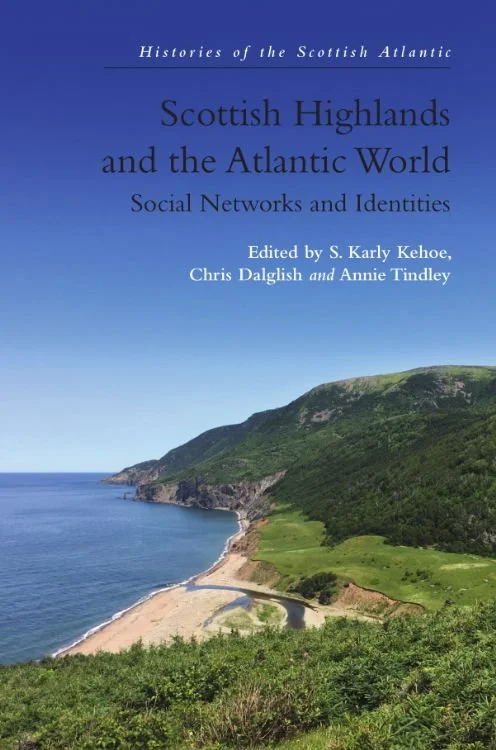
Kehoe is a fellow of both the Royal Historical Society and the International Science Council (ISC). She is the convenor of the Scottish Historical Review Trust and co-edits the Histories of the Scottish Atlantic book series with Edinburgh University Press. Recent publications include Empire and Emancipation: Scottish and Irish Catholics at the Atlantic Fringe (University of Toronto Press, 2022), and The Scottish Highlands and the Atlantic World: Social Networks and Identities (Edinburgh University Press, 2023; co-edited with Annie Tindley and Chris Dalglish).  

Cover of Empire and Emancipation book
Cover of Scottish Highlands and the Atlantic World book

The Royal Society of Canada Fellowship is among the highest honours a Canadian scholar can receive, celebrating outstanding achievement in the arts, humanities and sciences. 102 new Fellows have been elected by their peers for their outstanding scholarly achievements.  

On Friday, November 14, the RSC will induct the 2025 Fellows and Members of the RSC College at a ceremony in Montréal as part of its annual Celebration of Excellence and Engagement

Star Finder program prepares NS teachers with astronomy lesson plans

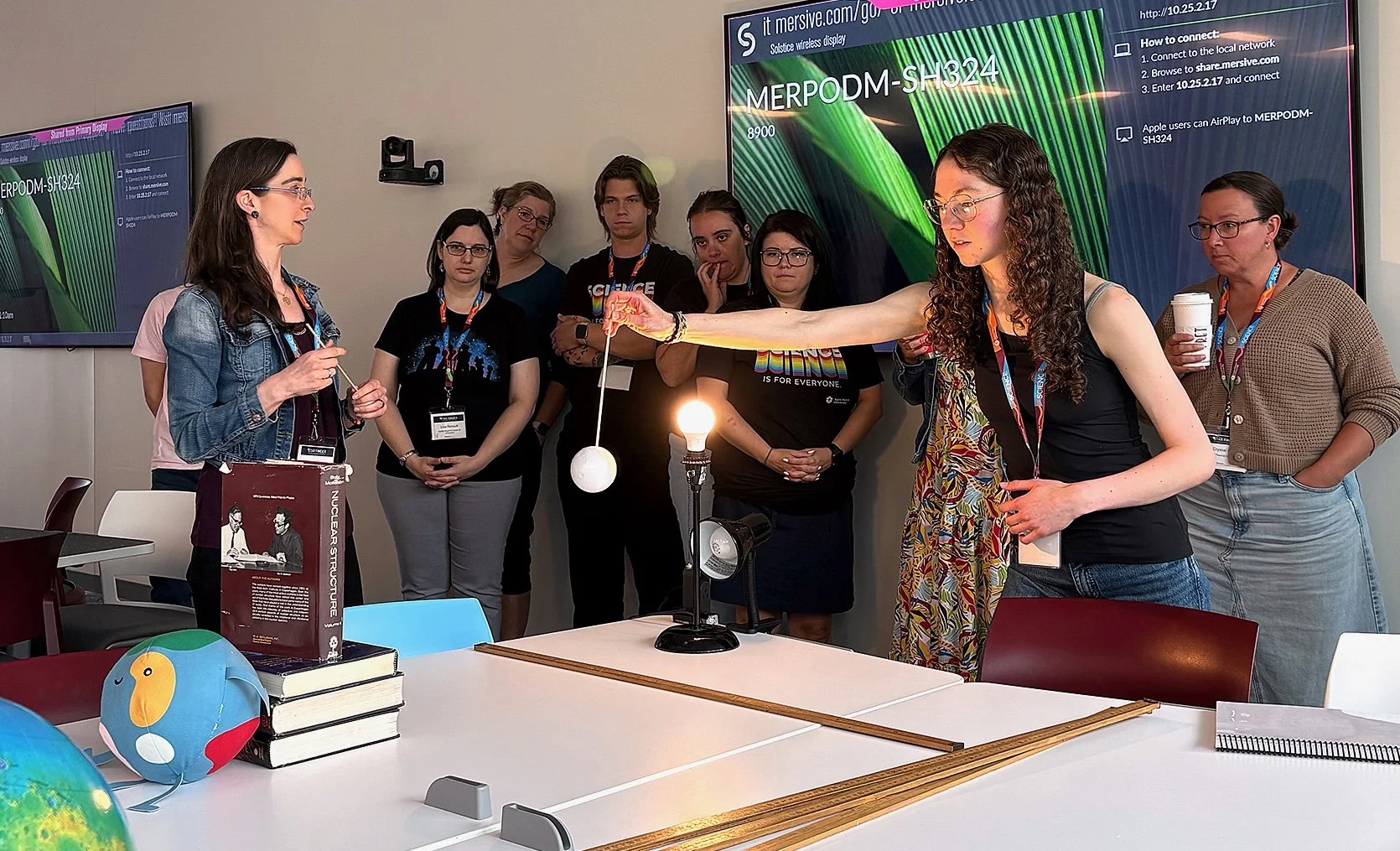
Teachers participate in an experiment during the workshop

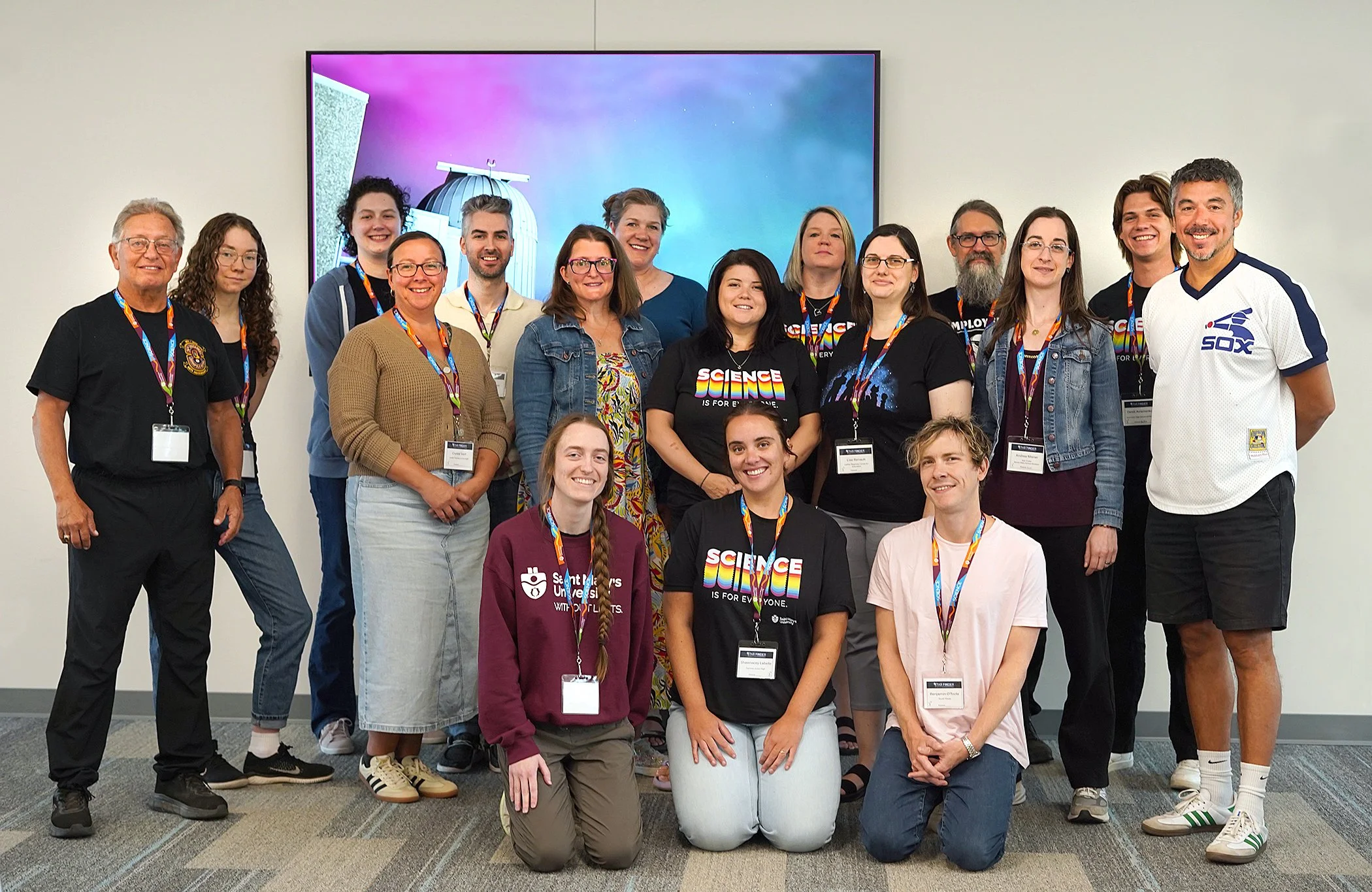
The inaugural Star Finders Teachers’ Workshop was held at Saint Mary’s University for elementary and junior high teachers

An enthusiastic group of elementary and junior high educators attended the first Star Finder Teachers’ Workshop in August, and they are now ready to share an appreciation of astronomical understanding and discovery with their students across Nova Scotia.

During the two-day course the teachers were introduced to the lesson plans, performed hands-on experiments and demonstrations, attended talks by astronomers from the Department of Astronomy and Physics, learned to use the Burke-Gaffney Observatory (BGO) and took part in stargazing activities.

All teachers and their classes in Nova Scotia now have access to use the BGO remotely from their classrooms, plus an extensive archive of the observatory’s data and images.

Hands-on experiments were part of the two-day workshop

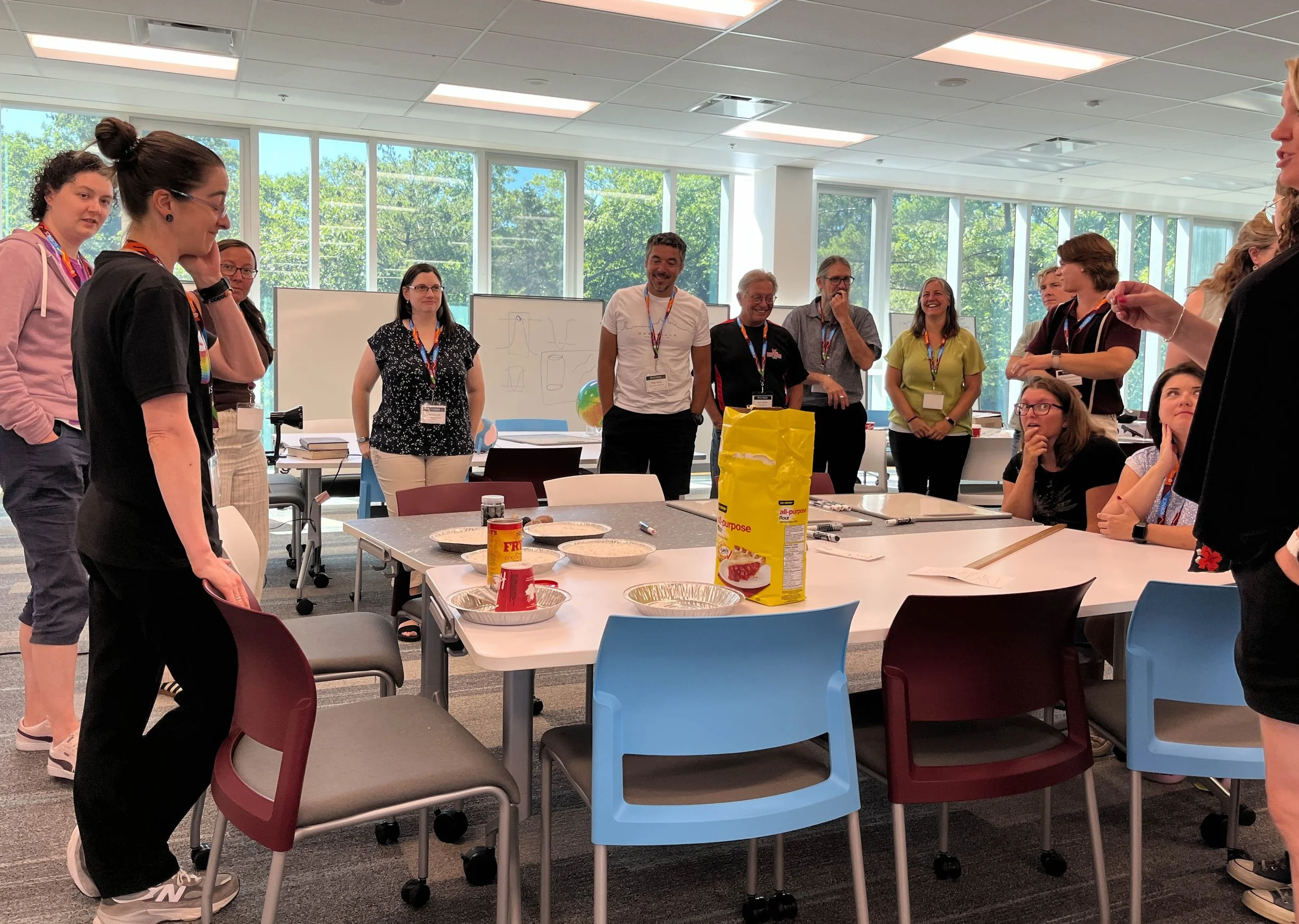
Star Finders Teachers’ Workshop participants

The Star Finder lessons were developed by Saint Mary’s University alum Andrea Misner BSc’06,  along with Astronomy & Physics undergraduate student Mackenzie Hayduk, Astronomy Technician Tiffany Fields and Director of the Burke-Gaffney Observatory Dr. Vincent Hénault-Brunet. Focusing on space exploration and astronomy, the goal of the lesson plans is to foster enthusiasm, engagement and understanding of astronomy among school children—especially in rural and underserved communities in the province. 

Ms. Misner studied astrophysics at Saint Mary’s and later earned a master’s in education from the University of Manitoba. She teaches high school general sciences, physics and astronomy in Winnipeg, and is a recipient of a 2024 Prime Minister’s Award for Teaching Excellence.    

Star Finder – The David Lane Astronomy Outreach Program is funded by a $250,000 philanthropic gift from the late David and Michelle Lane. During his 29-year career as the Astronomy Technician in the Department of Astronomy and Physics and the Director of the Burke-Gaffney Observatory at Saint Mary’s, Dave single-handedly automated the Observatory, making it available to users worldwide through social media accounts.

Dave Lane passed away in March 2024; he is survived by his wife, Michelle. The Star Finder project was created as a way for the couple to give back to the community and share Dave’s passion for astronomy with the next generations.

“We were thrilled to connect with such passionate and dedicated educators during the two-day workshop,” says Dr. Vincent Hénault-Brunet, Director of the Burke-Gaffney Observatory. “We hope this workshop is just the beginning of building a vibrant community of teachers eager to bring astronomy-related activities to their students and use the observatory remotely.”


For teachers wanting to learn more about this program and to download the lesson plans, click here and visit the Star Finder web page for updates. These lesson plans are focused on the Grade 9 Space Exploration unit of the Nova Scotia curriculum, but they are also tied to the Grade 9 Math curriculum and can easily be adapted for other levels.
Do not hesitate to email the Star Finder team at starfinder@smu.ca with ideas and questions about accessing the Burke-Gaffney Observatory remotely, or to share your experiences after trying out some of our lesson plans and projects with your classes.
You can also sign up for the Star Finder newsletter to receive all the latest news about the program.
Related:

Wicked problems, innovative solutions

L-R): Sophie Kent-Purcell, Dr. Patricia Matsumoto, Dr. Peter Bush, Miranda Frison and Md Moniruzzaman

The Wicked Problems Lab serves as a learning hub for preparing undergraduate and graduate students for their careers

To tackle the complex environmental challenge of understanding and measuring forests effectively, the Nova Scotia Department of Natural Resources and Renewables (NSDNRR) teamed up with the Wicked Problems Lab at Saint Mary’s University. This partnership leverages advanced software and datasets to create innovative solutions for this local, national and global problem.

Wicked Problems Lab research analyst Dr. Patricia Matsumoto and Dr. Mathew Novak, Director, lead research focused on identifying old-growth forests, mapping forest changes over time, and forest landscape connectivity.

The research team is using several geospatial datasets to develop an Old Growth Forest Potential Index tool, which can be used to plan field activities and support land management decisions related to development proposals such as wind farms. The research team has also been focused on applying the latest methodologies in remote sensing, geographical information systems (GIS) and machine-learning algorithms to understand forest gain and loss in the province in a historical time-series.

The seven students employed by the Lab for the forestry project have learned how to interpret remote sensing images, create, manipulate and edit large GIS datasets, use the latest geospatial software and write reports and scientific manuscripts.

“Collaborating with the lab and students means we’re using the latest geomatics tools and research methods, which aren’t always accessible to our staff,” said Dr. Peter Bush, Provincial Landscape Forester at NSDNRR.

Through its partnership with NSDNRR, the Wicked Problems Lab exemplifies how academia and government can work together to create innovative, data-driven solutions for environmental sustainability and resource management in Nova Scotia and beyond.


The Office of Innovation and Community Engagement (OICE) at Saint Mary’s University facilitates research partnerships between the University and companies, government departments and community organizations. OICE is the initial point of contact for faculty members and external partners wishing to collaborate. The office assists with finding suitable expertise, contract development and advising on funding opportunities.

This project highlight is from the 2025 OICE Report, which features researchers from Saint Mary's University and their external partners.

Nova Scotia’s next gen entrepreneurs shine at the Summer Entrepreneurial Experience Bootcamp

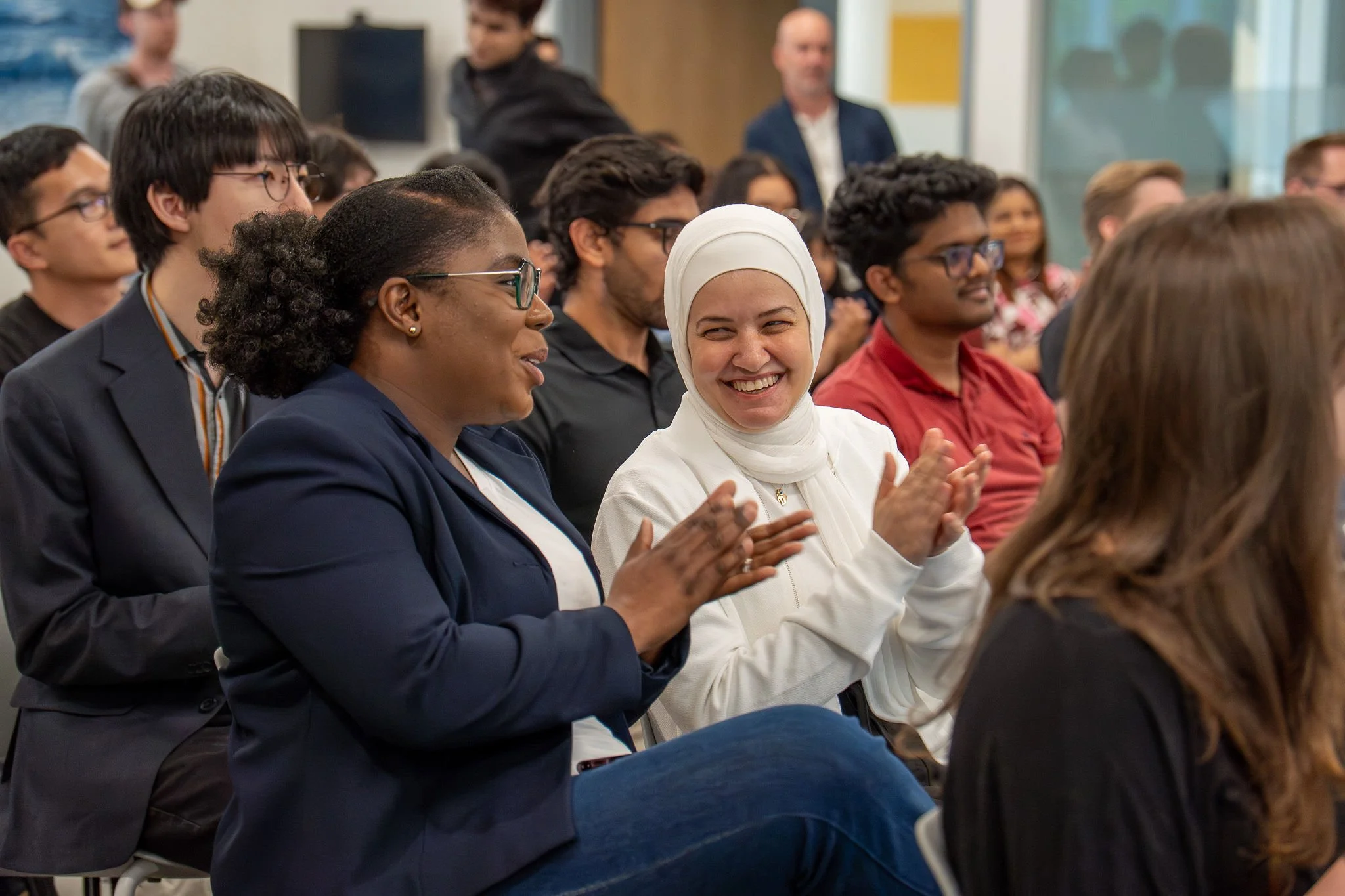
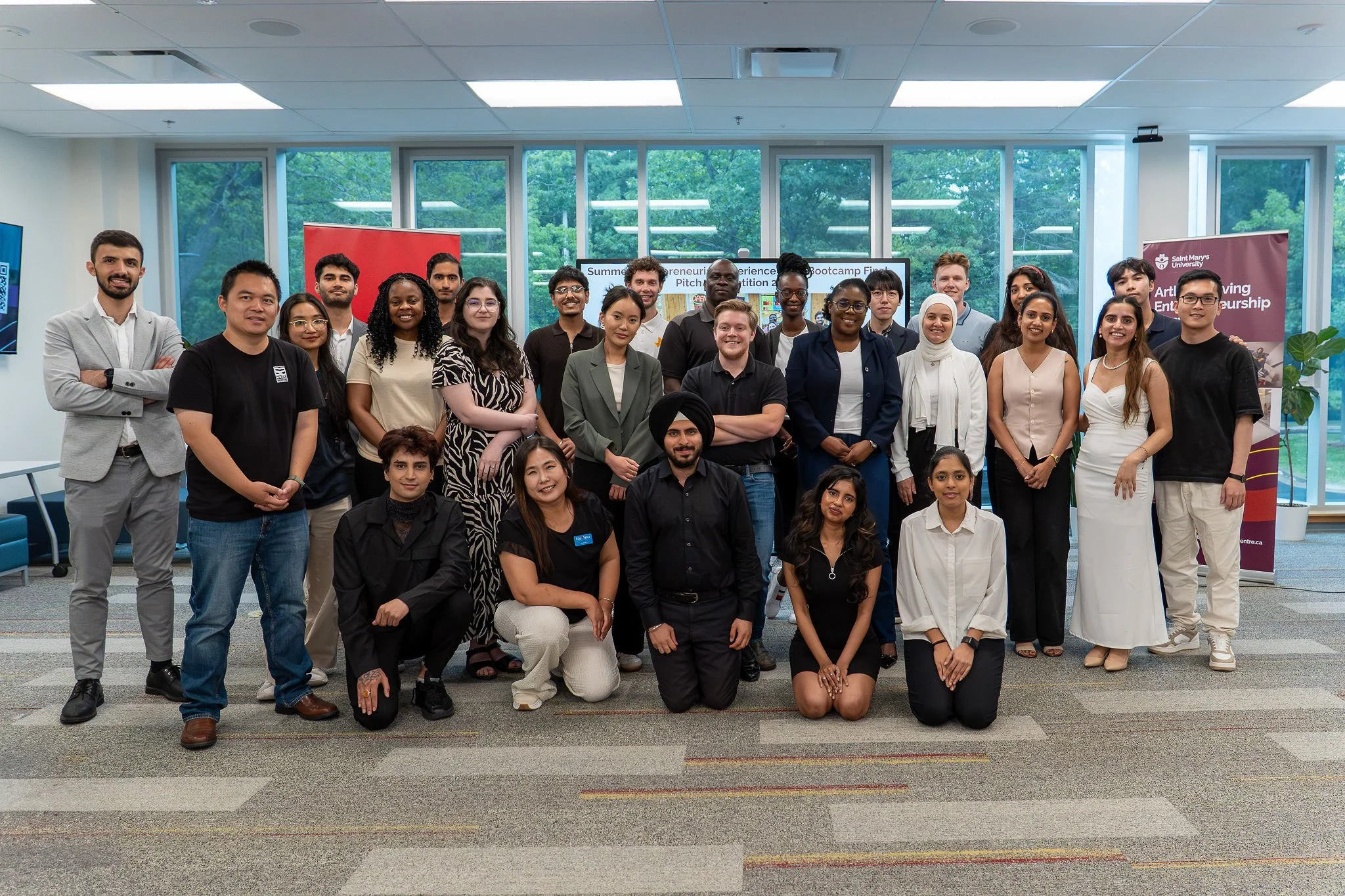
This summer, Nova Scotia’s brightest student entrepreneurs came together for the Summer Entrepreneurial Experience (SEE) Bootcamp 2025, a month-long program designed to equip students with the skills, mentorship and connections they need to turn ideas into action. Hosted by Saint Mary’s Arthur L. Irving Entrepreneurship Centre in partnership with the TD Entrepreneurship Inclusion Initiative, EduNova and the Black Entrepreneurship Knowledge Hub (BEKH), SEE 2025 provided a launchpad for the next generation of innovators.

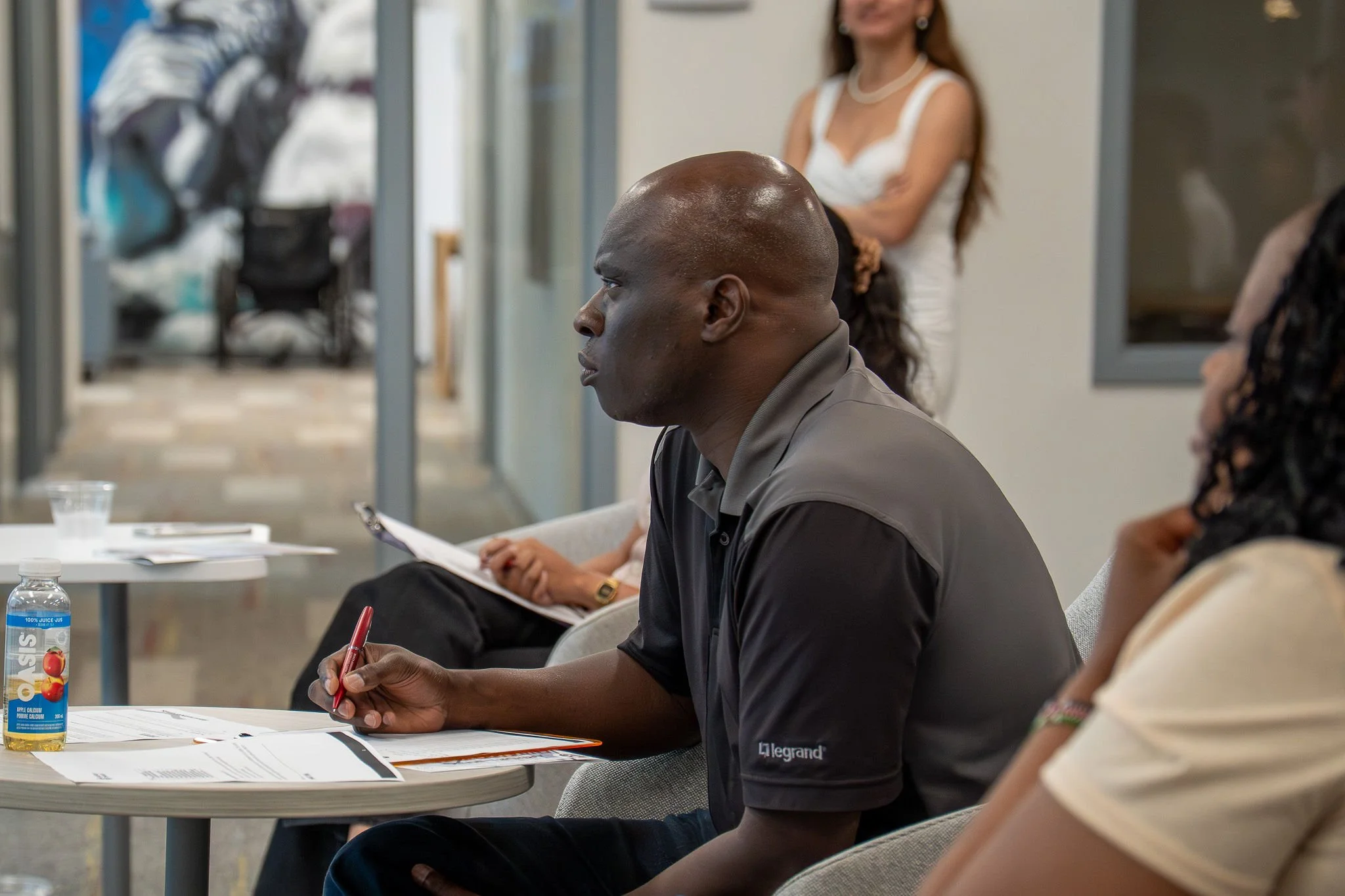
This July, 33 student entrepreneurs from across Nova Scotia participated in intensive workshops, collaborative sessions and mentorship opportunities. These sessions covered the full spectrum of entrepreneurship, from business planning and marketing to finance and pitching. The top 18 students advanced to the final pitch competition, where they presented their business ideas to a panel of judges, competing for recognition and prize funding to kickstart their ventures.

The winners were:

  • First Place ($2,000): Stuti Sandhu, SMU arts student - Being There

  • Second Place ($1,000):

    • Gabriel Martin SMU BA'25 - ScoutRoom

    • Asmita Ale, SMU commerce student - Alaagi

  • Third Place ($500):

    • Avery Cote, NSCC commerce student - TrekIQ

    • Adeb Arianson, Dalhousie University arts student - Fund a Life

Special scholarships of $1,000 each were also awarded through the Black Entrepreneurship Knowledge Hub to support Black student entrepreneurs. MSVU master’s student Lotoya Forde (THRIVEDRIVE), and SMU commerce student Aquilya Smith (ScholarConnect), received the scholarships.

For participants like BComm student Amita Ale, the experience was both inspiring and practical. “The SEE Bootcamp covered a wide range of topics relevant to starting a business. The variety of speakers and insights helped me build confidence and clarity as an aspiring entrepreneur,” she said. “You also get to meet other like-minded entrepreneurs and build your community. I highly recommend this bootcamp to anyone with a business idea or in the early stages of launching one. It’s an excellent starting point to turn your idea into action!”

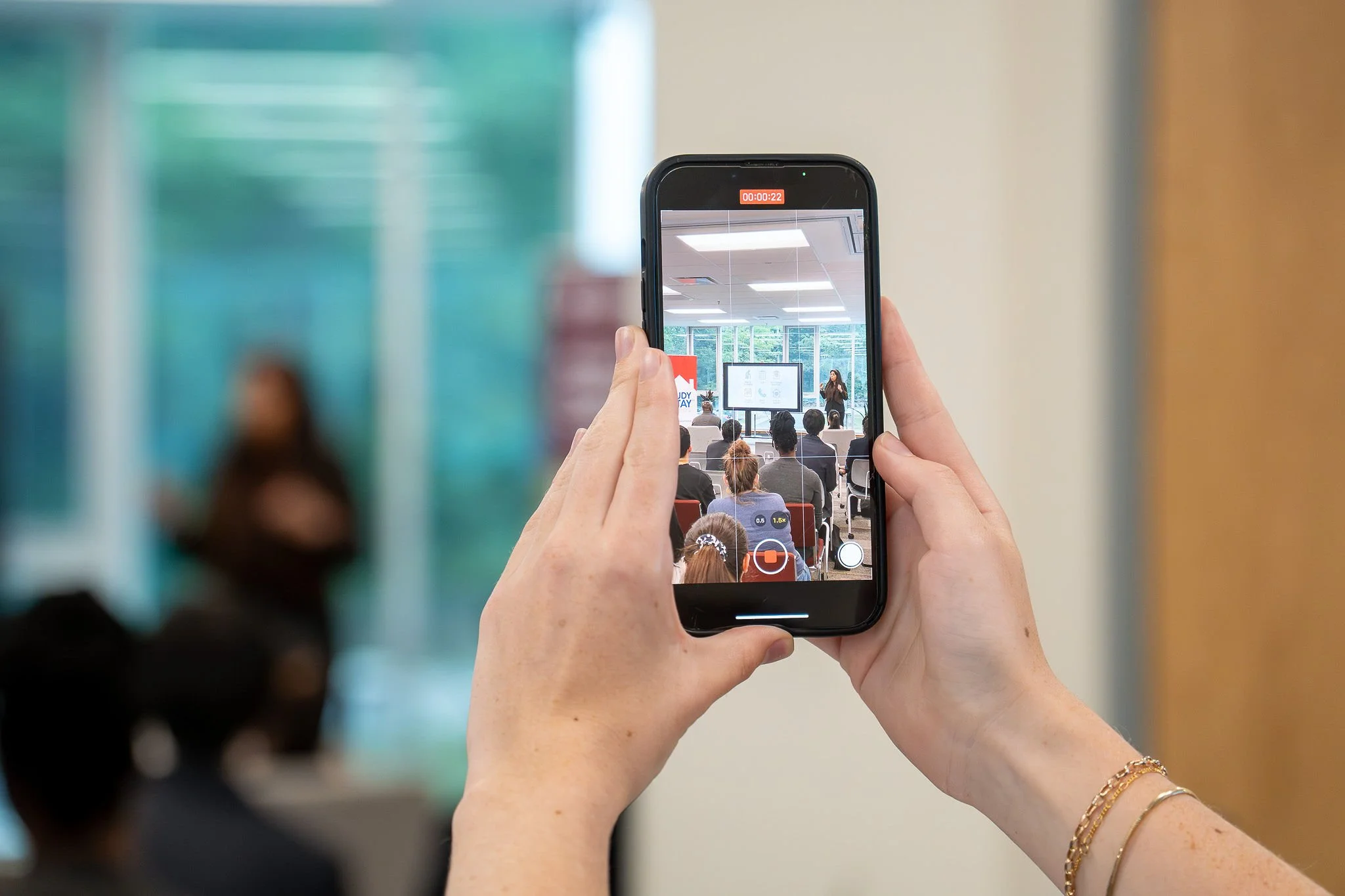
SEE 2025 brought together students from multiple institutions, including Dalhousie University, Saint Mary’s University, Nova Scotia Community College and Mount Saint Vincent University, creating a diverse environment for idea-sharing and collaboration. The bootcamp also tied into broader initiatives, like the Study and Stay™ program, which focuses on retaining international talent in Nova Scotia and supporting students in building ventures that contribute to the province’s economy. By the end of the program, students had not only refined their ideas but also gained a sense of what it takes to launch and scale a business.

The SEE Bootcamp shows the growing movement behind student entrepreneurship in Nova Scotia. By providing early-stage entrepreneurs with mentorship, resources and a platform to pitch their ideas, the program is helping to create a startup ecosystem within academic institutions, bridging the gap between classrooms and real-world business opportunities.

As first-place winner Stuti Sandhu reflects, SEE 2025 was more than just a competition. It was a journey that empowered students to dream bigger, act bolder and connect with a network that will support them long after the bootcamp ends.

Interested in learning more about the Summer Entrepreneurial Experience (SEE) Bootcamp? Follow this link to learn more.

The trees of Saint Mary's…and the Dean who helped plant them

A sustainable, living laboratory in Halifax’s South End

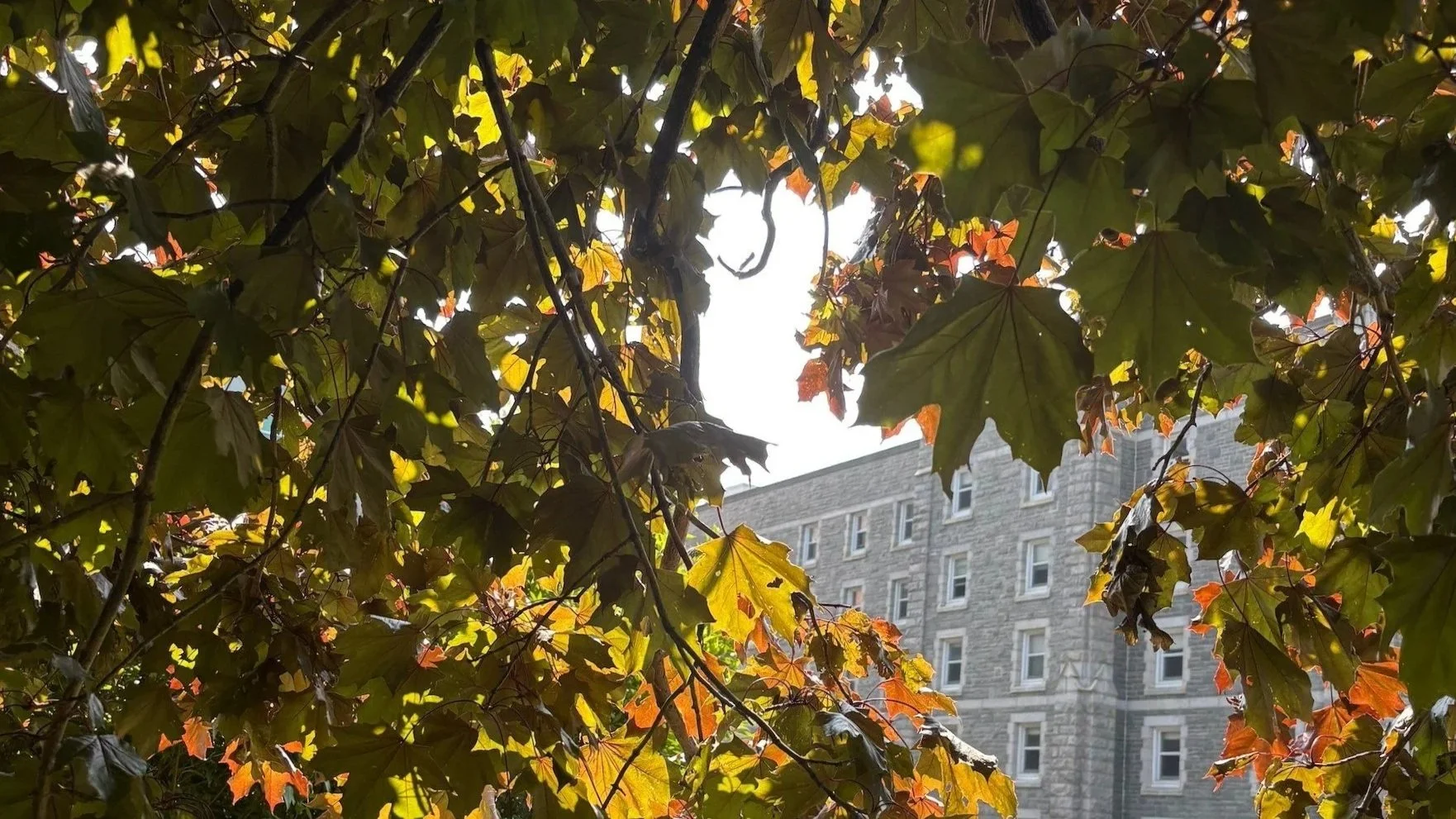
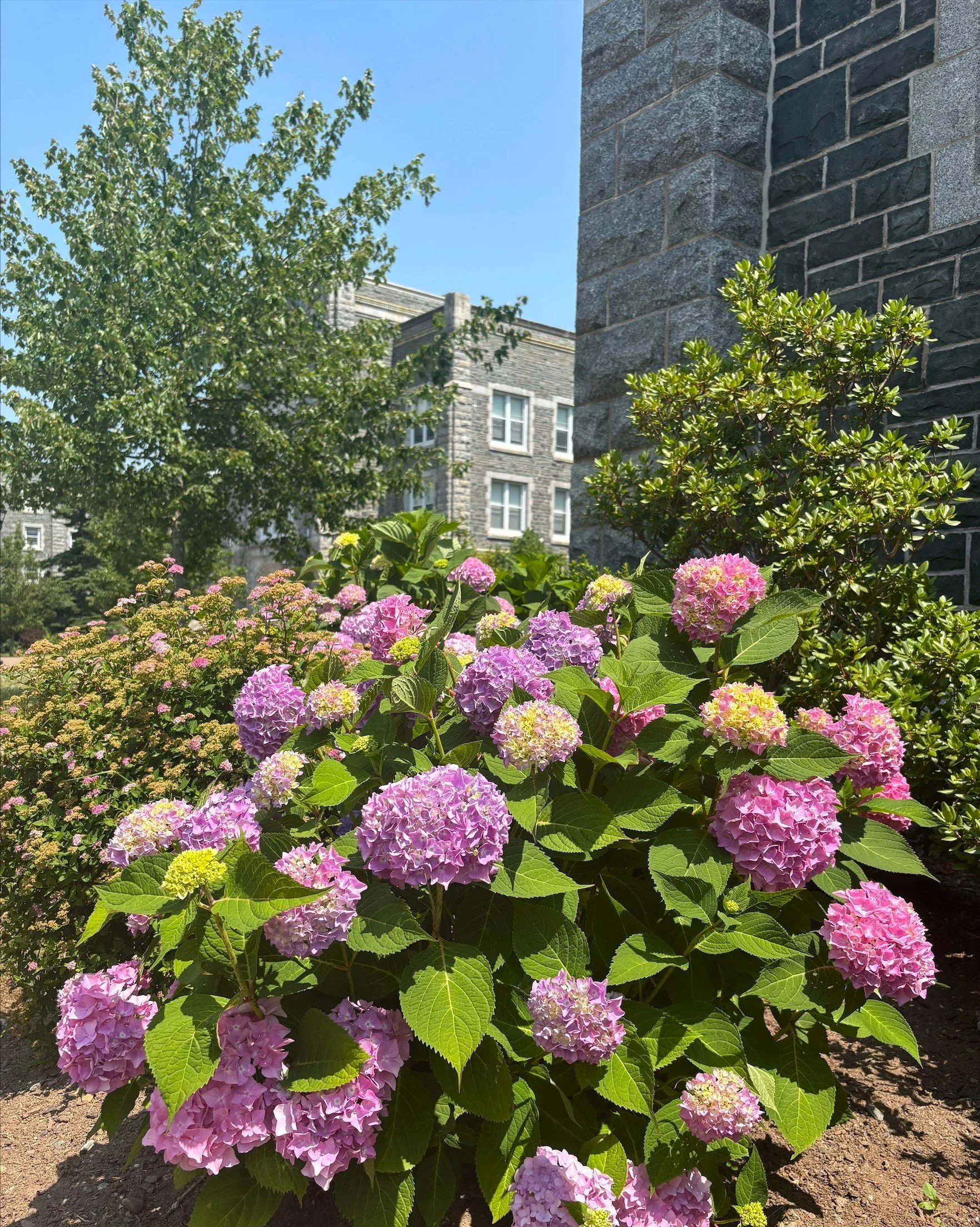
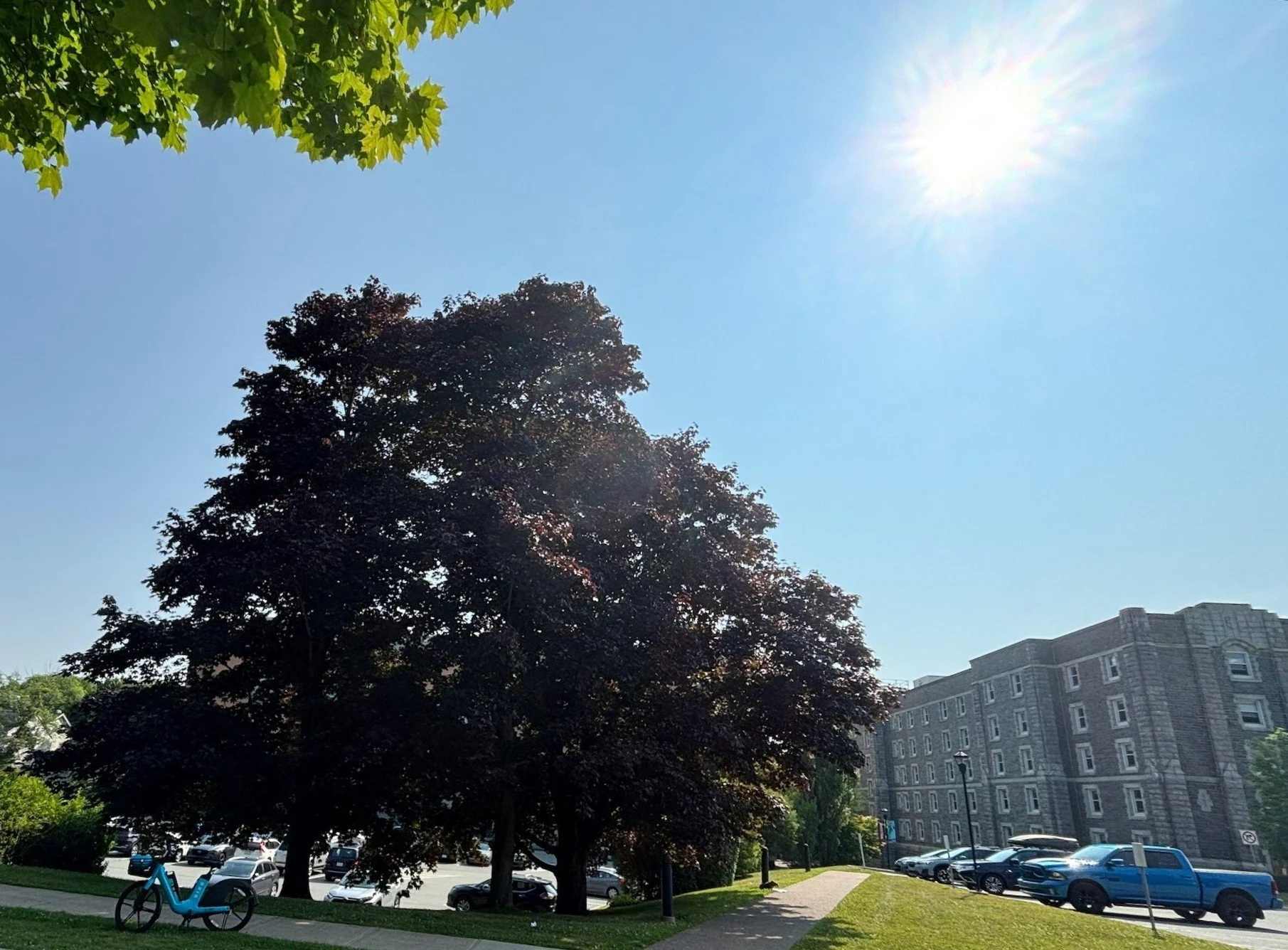
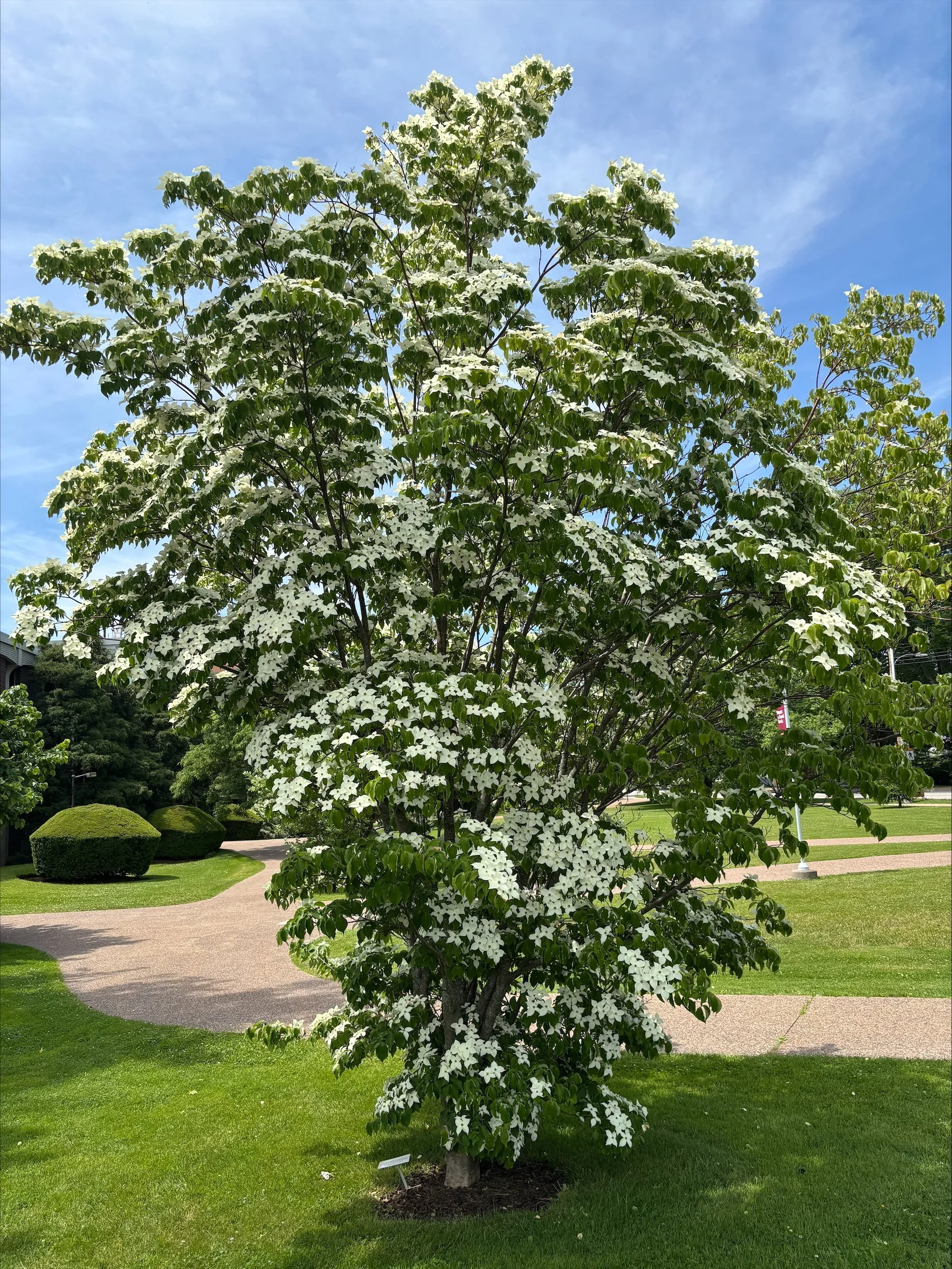
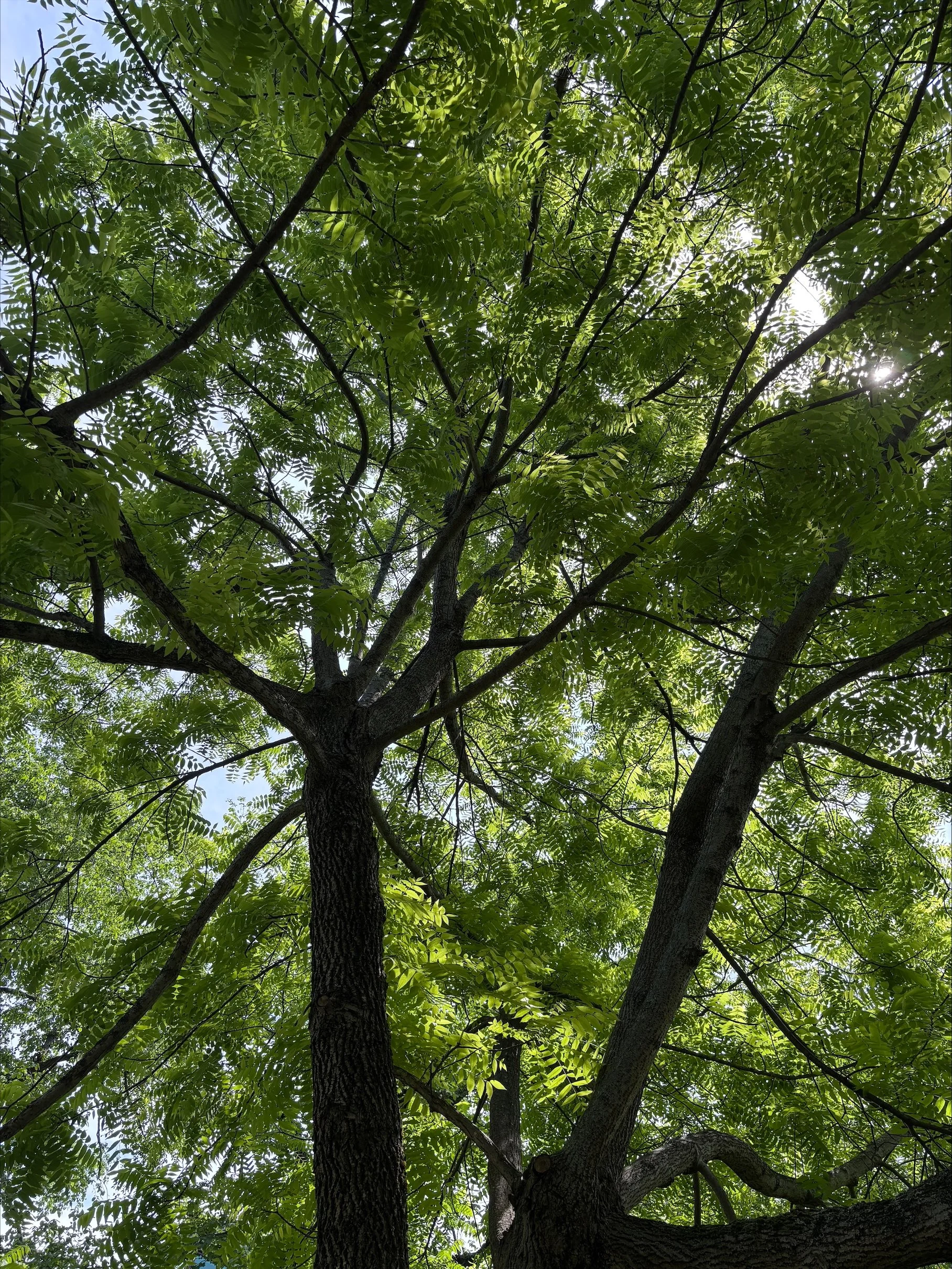
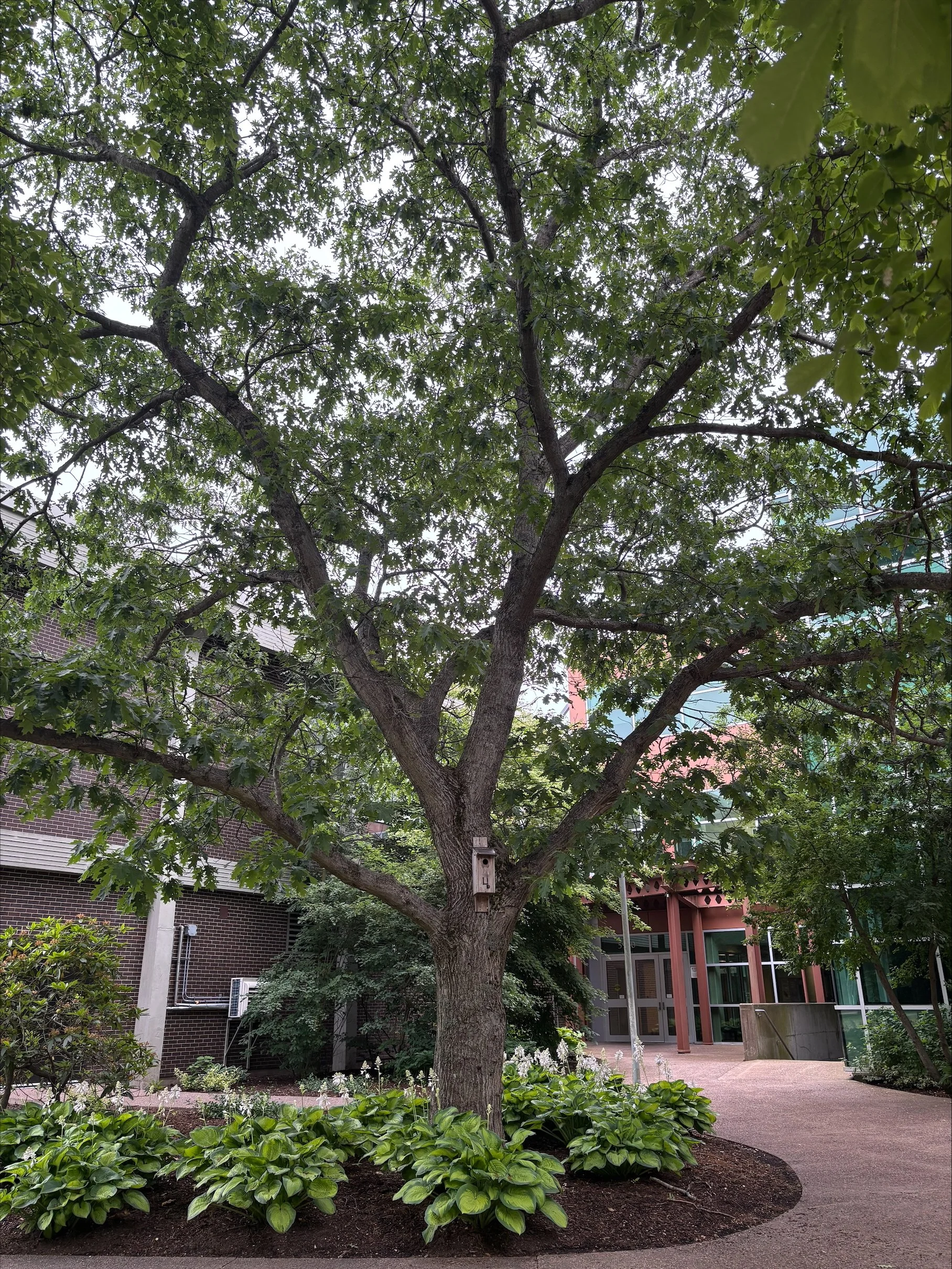
Saint Mary’s campus feels more like a park than a university. Tall trees cast long shadows across the walkways and flowering shrubs bloom near the residences, while living canopies shelter songbirds overhead. But it wasn’t always this way.

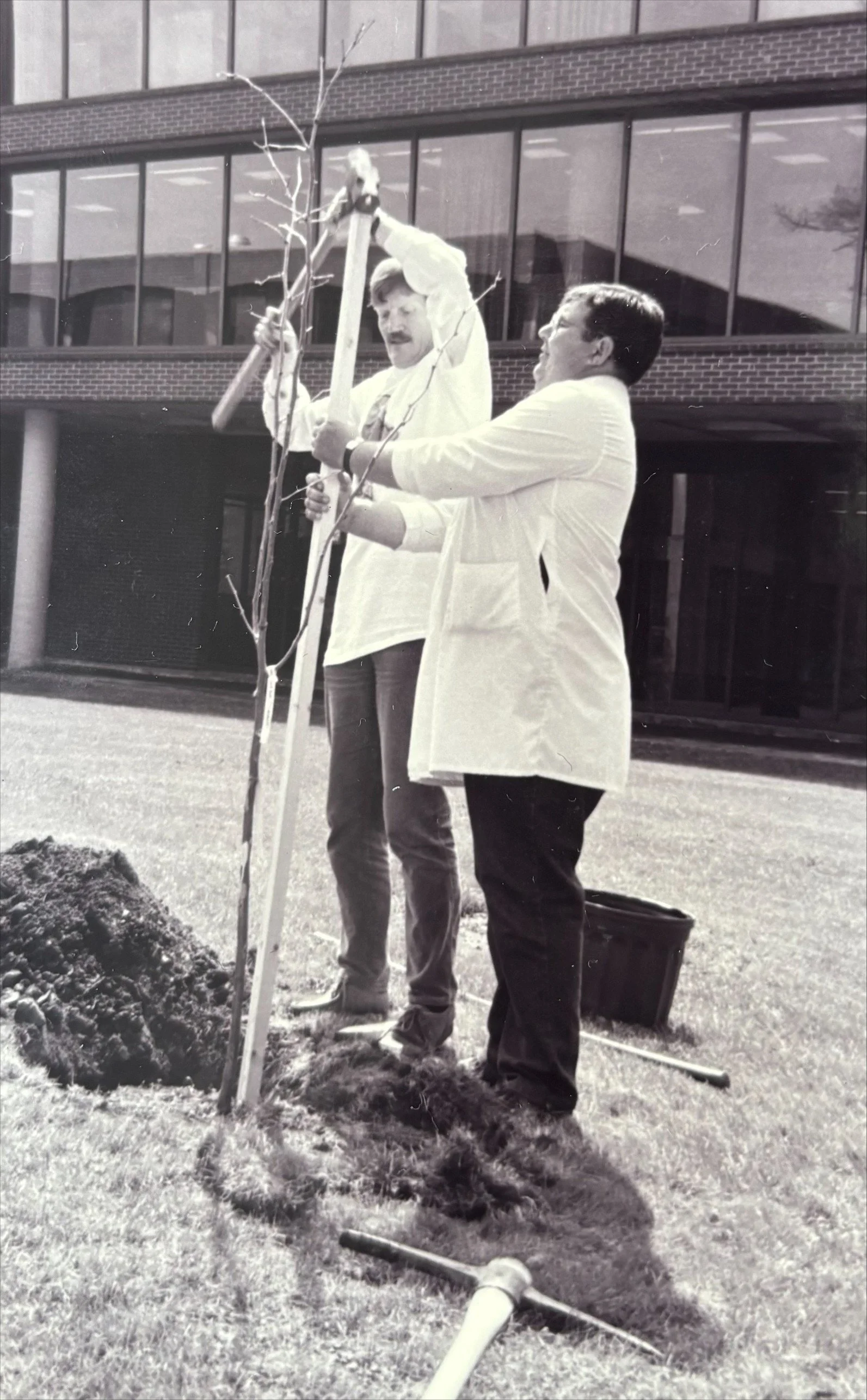
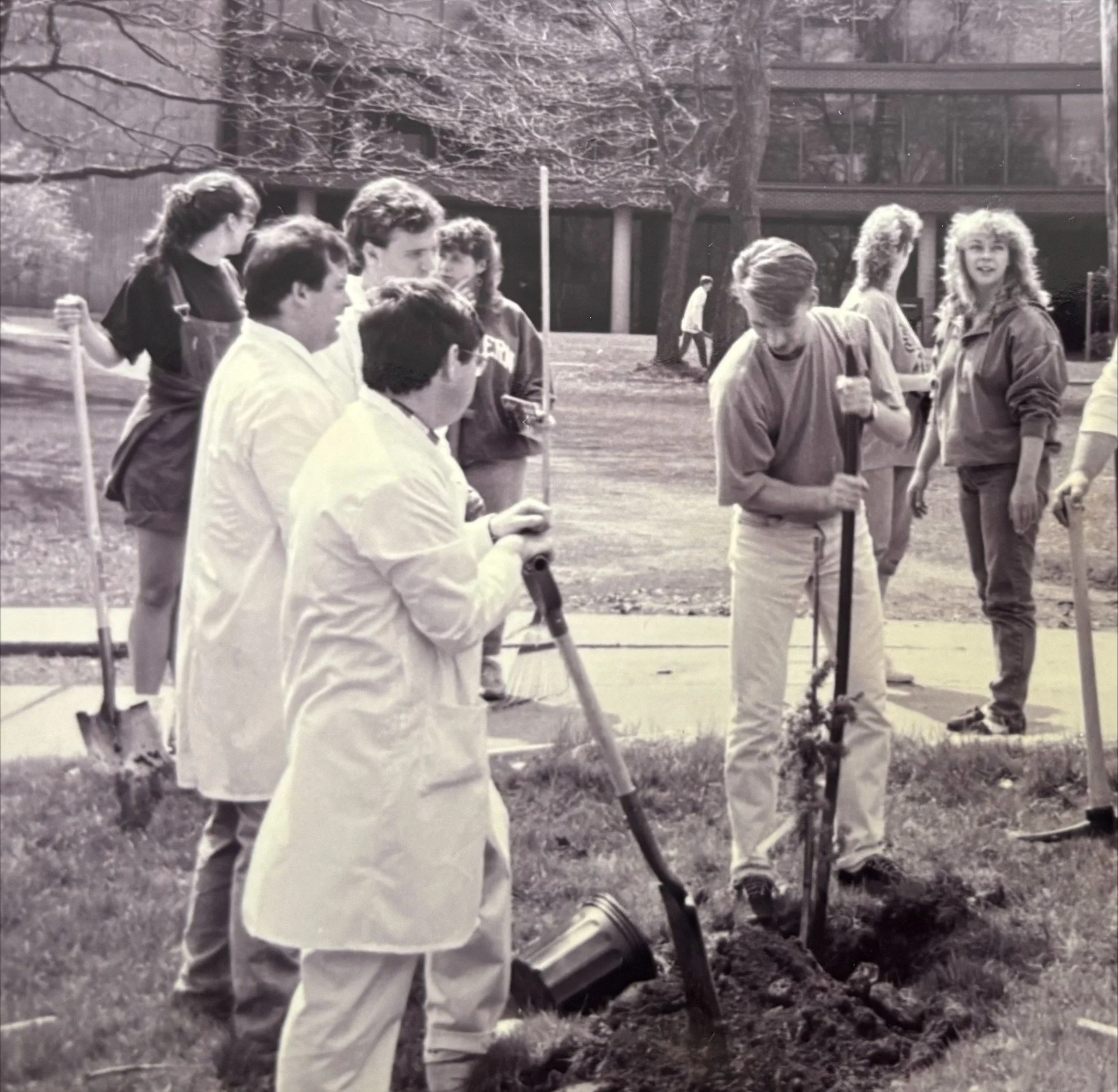
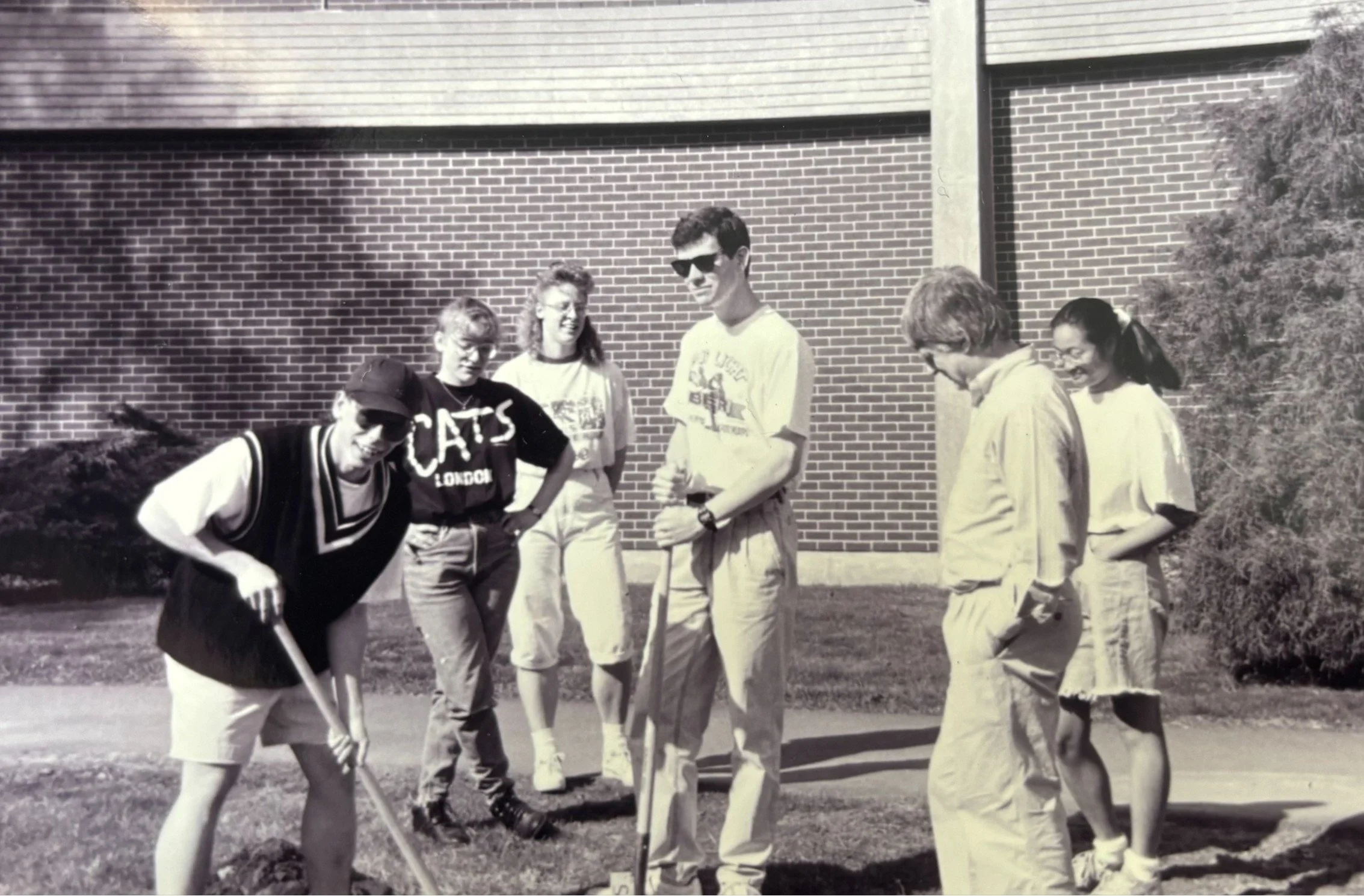
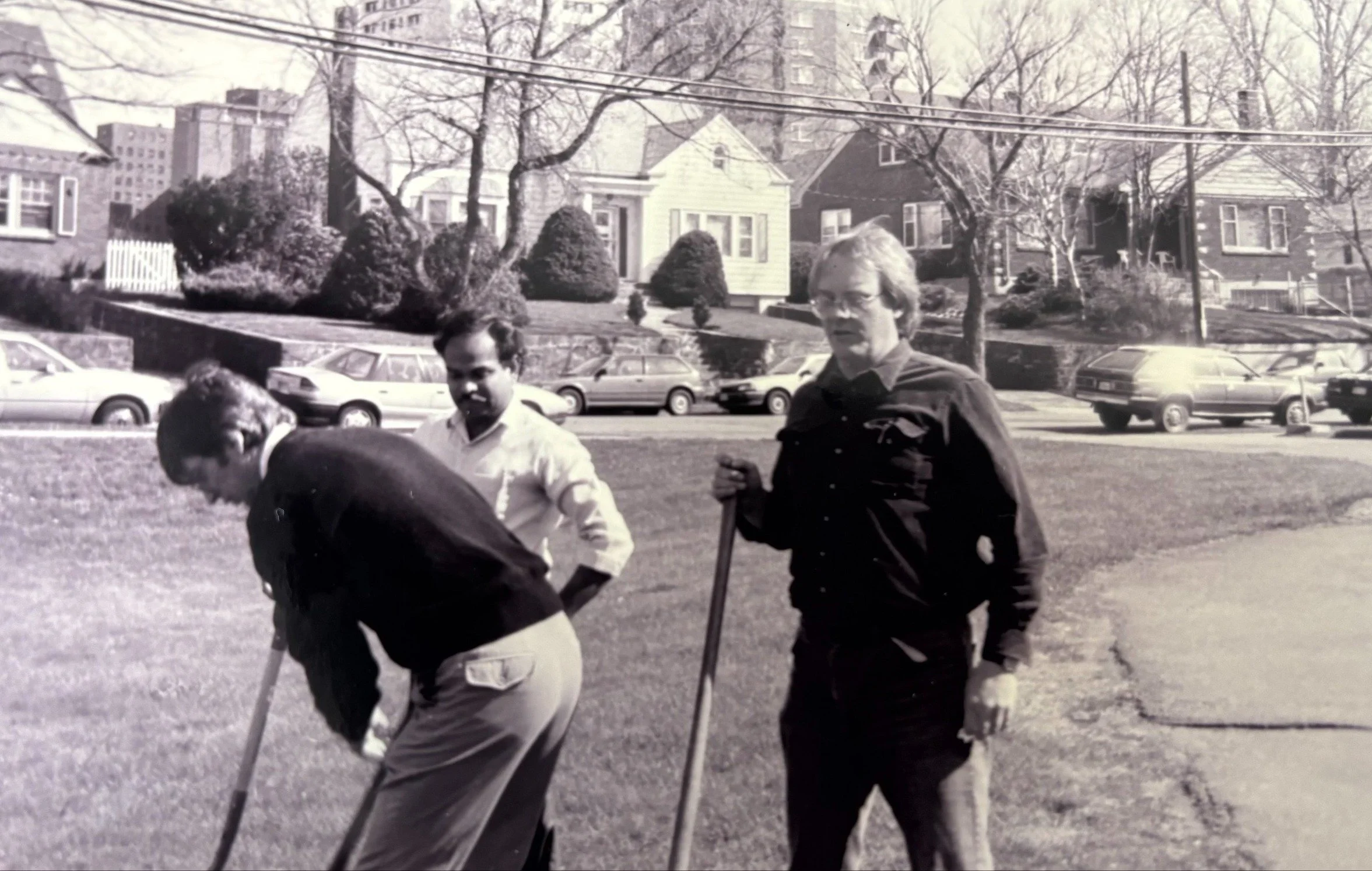
When Dr. David Richardson arrived at Saint Mary’s University in 1992 as Dean of Science, he found a campus with very few trees and little shade. Many existing trees were mature with limited species diversity. Recognizing the need for change, he spearheaded a campus greening initiative that began in 1993. It was supported by dedicated volunteers that included student technicians and science faculty.

“When I first came to Saint Mary’s, there were few trees; now there are trees of all shapes and sizes,” says Dr. David Richardson, Dean Emeritus at Saint Mary’s University. “The initial plantings cost little, often around $20 to $30 per tree, so we were able to plant quite a lot.”

A view of the McNally building

Victorian-era homes, tree-lined avenues, and coastal walks make the historic south end of Halifax and the area around SMU one of the most desirable neighbourhoods in the city. The proximity of Point Pleasant Park, just a five-minute walk away, and the Public Gardens, ten minutes in the other direction, gives Saint Mary’s University students access to green spaces unmatched by most campuses in Canada.

“There is a harmony between urban life and nature. Such an environment enhances academic life, attracting students and staff who value both education and quality of life.”

Dr. Richardson’s British accent, very much a part of his identity, underscores the international influence he has brought to campus. He studied at the University of Oxford, known for its architecture, picturesque landscapes and botanical gardens. It was the tree-planting initiative that brought a touch of that same timeless magic to Saint Mary’s University.

The greening efforts over the decades have turned Saint Mary’s into a living showcase of more than 100 different tree species. This biodiversity provides habitats for birds and other wildlife. The overall impact is not just aesthetically pleasing but also supports sustainability and ecological balance.

Dr. Richardson is internationally recognized for his research on lichens, small but remarkable organisms that respond to shifts in their environment.

He has published more than 100 research papers and three books, The Vanishing Lichens, The Biology of Mosses and Pollution Monitoring with Lichens, which emphasize the importance of plant diversity and how it can serve as an indicator of environmental health.

His work has been recognized with the Lawson Medal from the Canadian Botanical Association, a decade of service with the Committee on the Status of Endangered Wildlife in Canada (COSEWIC), and even the naming of a species in his honour, Skyttea richardsonii.

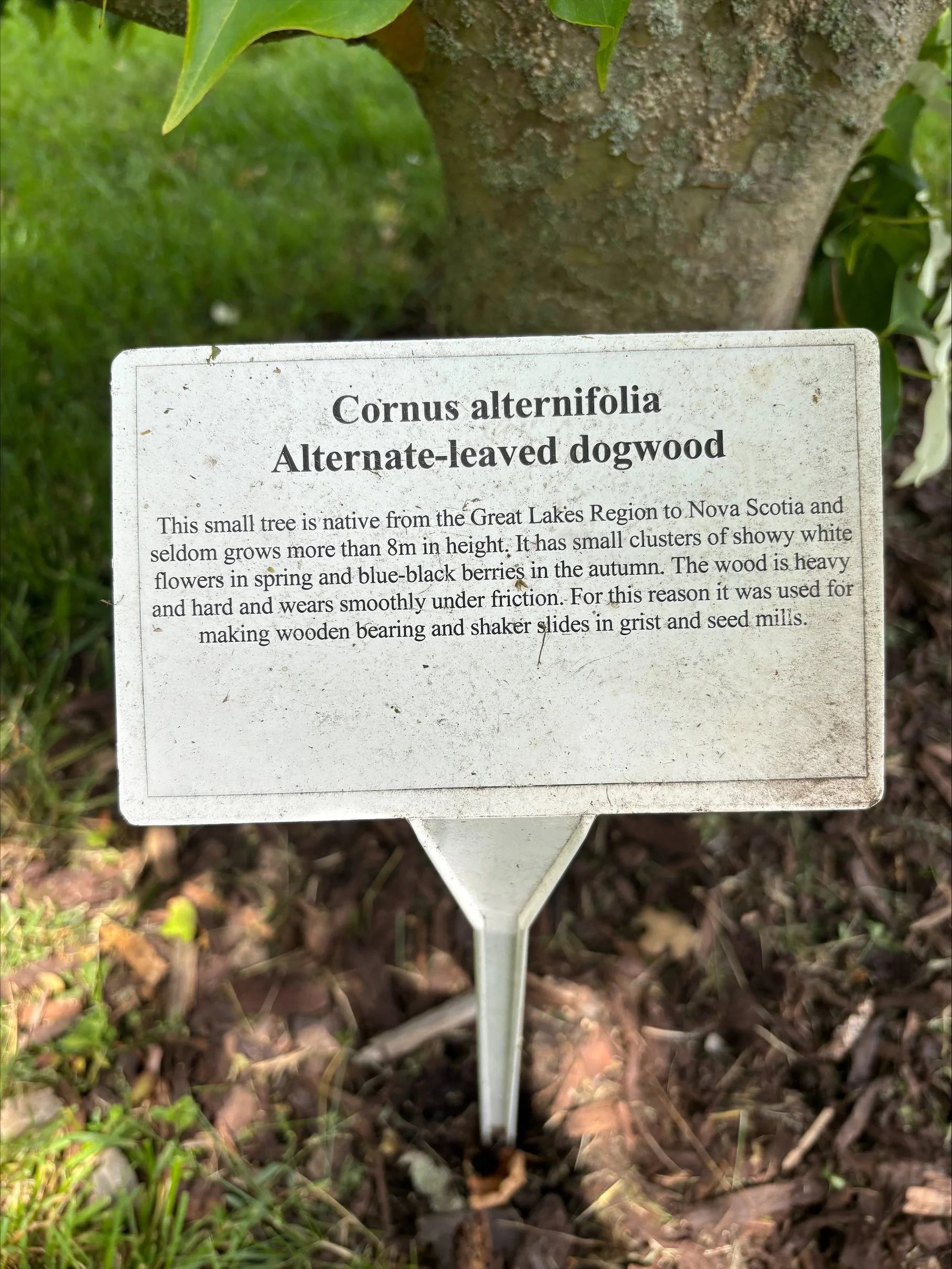
Dr. Richardson describes the campus as "a living laboratory”, where students can learn firsthand about sustainability, ecology and environmental stewardship. Greg Baker, Research Instrumentation Technician in the Department of Geography, has produced a list of campus trees along with their GPS location.

"Every spring there are labels placed at the base of the trees. Walking across the campus you pick up a little knowledge along the way."

Saint Mary’s can stand proudly alongside universities celebrated for their beauty and botanical richness—such as the University of Western Ontario, the University of British Columbia, and the University of Victoria. Saint Mary’s is firmly part of this Canadian tradition of green campuses.

“Walking through campus can change your day. It grounds you. But things never stand still with respect to our trees. They have to withstand droughts, hurricanes, and alien diseases. It’s our responsibility to care for and cherish the natural world.”

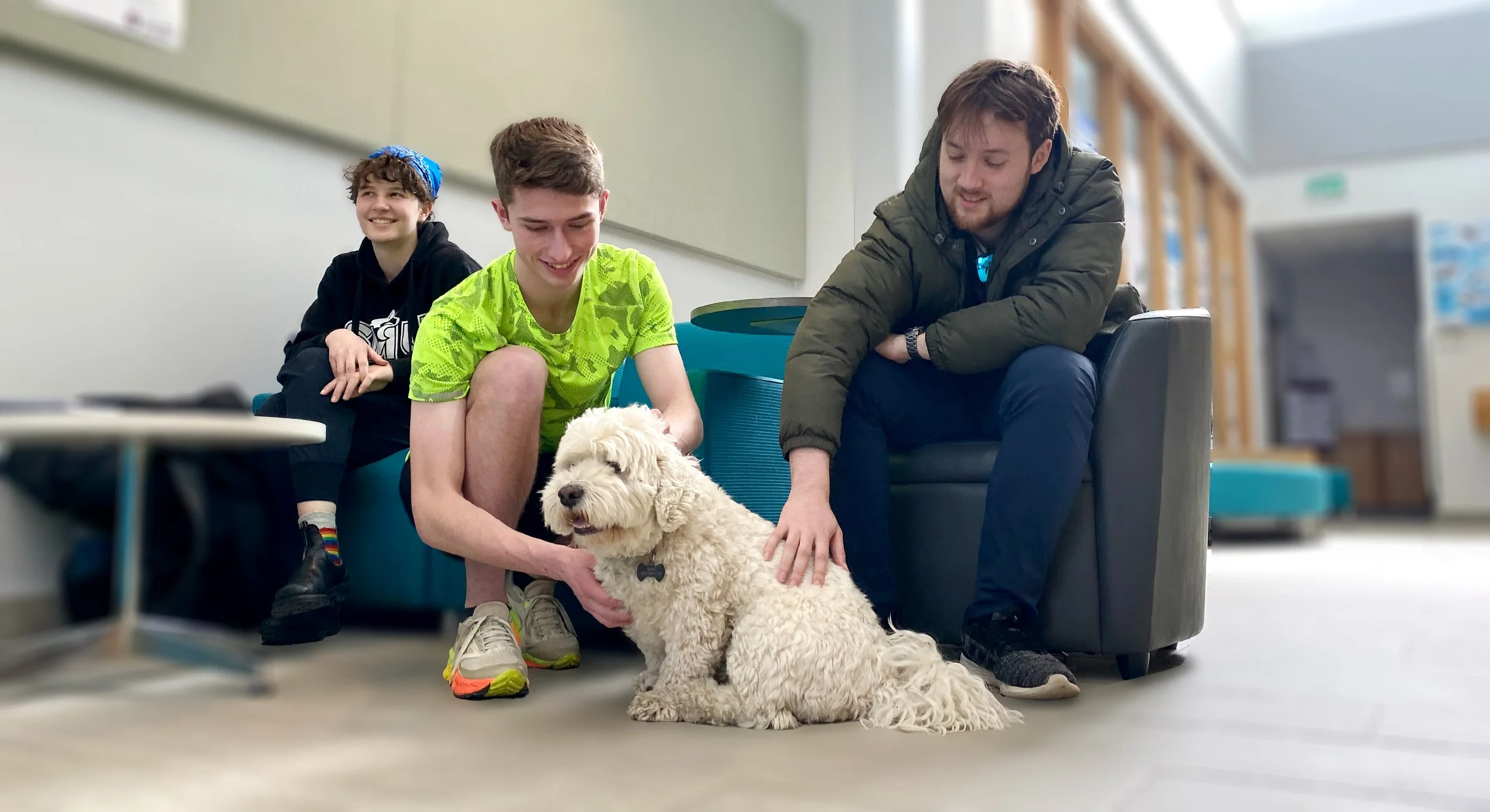
Meet Bert, Engineering’s Chief Morale Officer

Bert makes school more fun—and lowers the stress levels of students with a wag of his tail

A key figure in the new Engineering Building at Saint Mary’s, the Chief Morale Officer has an important role in brightening the days of students and faculty.  

Bert, Chief Morale Officer in Engineering

Bert, a four-year-old Havanese-Poodle mix, rushes through the door to see his favourite students when he arrives on campus. On the third floor, he makes a beeline out of the elevator to classrooms and labs, where he provides emotional support.

“Bert is a calming presence for students, and he loves to be here,” says professor Don MacNeil, who is Bert’s owner. “Many of our students are living away from home for the first time and they’re missing home and adjusting to a new school environment. Bert really brings down the stress levels of students.”

For some students, meeting Bert is their first positive interaction with a dog.

“Several people have told me that Bert is the first and only dog they have ever petted,” says MacNeil. “They say they’re scared of all dogs—except Bert.”

Always ready for a party, Bert joined the students in dressing up for Halloween—sporting a vampire costume that matched Prof. MacNeil’s—as the students designed and 3D-printed pumpkin candle holders.

Don McNeil and Bert on Halloween

Bert supervising the robotics design competition

On a busy day near the end of term, Bert watched as second-year students raced to finish their final design assignments. As the designers worked on their remote-controlled robots to earn class points and bragging rights, he was the centre of attention—and in the centre of the track—as ping pong balls flew from the robots in the friendly competition. Adding to the excitement, a group of visiting elementary students watched the competition…and Bert, who stole the show.

Emma Smith with Bert

Bert enjoyed meeting family and friends at a gathering in the Engineering Building after convocation in the spring, and it was a chance for one last belly rub from students who will be moving on to other educational opportunities and careers.

“Even if you place last, Bert will be there; after exams, he’s there,” says Emma Smith, who recently graduated with a Diploma in Engineering. “He’ll do some zoomies and then fall asleep under a desk. We’ll be back to see him.”

Fellow graduate James Nowell agreed: “He’s an absolute legend.”


Flexible education, personalized support and a contemporary learning environment—learn why the Diploma in Engineering Program at Saint Mary’s might be right for you!

Empowering small-scale producers

A partnership for global food security and sustainability

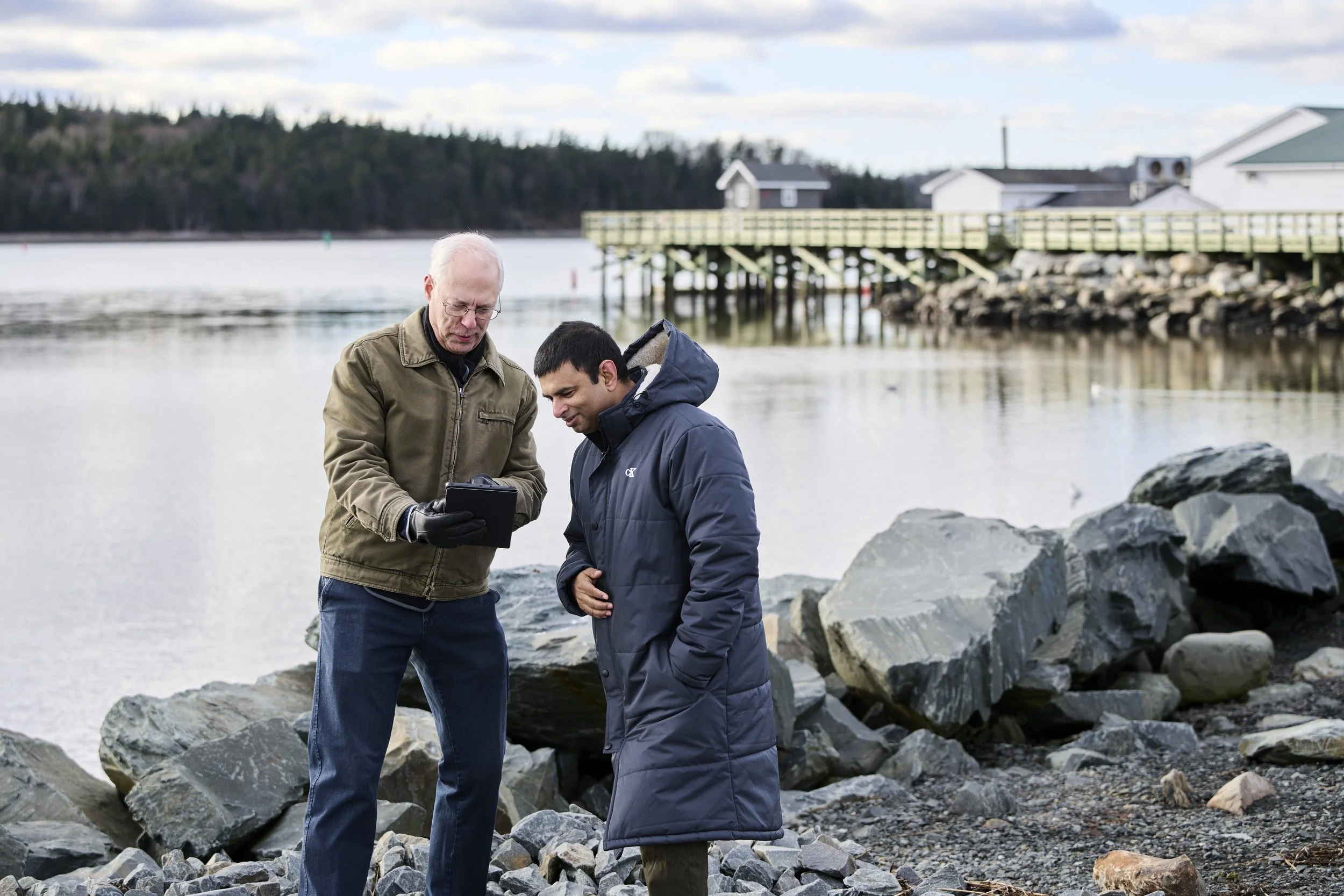
Dr. Tony Charles and Hasan Latif

A specialized agency of the United Nations that leads international efforts to defeat hunger, Food and Agriculture Organization of the United Nations (FAO) is working toward food security for all by ensuring regular access to sufficient, high-quality food for active, healthy lives.

Saint Mary’s University is engaged in a partnership with FAO through Dr. Tony Charles, Director of SMU’s School of the Environment and a professor in the Sobey School of Business.

Dr. Charles has a long history of supporting local communities worldwide in their stewardship activities, protecting the environment while maintaining their livelihoods, and connecting with governments to advance policies that support these grassroots initiatives.

Working with FAO, Dr. Charles created a stewardship database and a framework to assess conservation practices and environmental stewardship among small-scale producers in fishing communities. The impressive range of such stewardship achievements has been published by Dr. Charles in FAO’s report Environmental Stewardship by Small-Scale Fisheries.

“Dr. Charles’s work on small-scale fisher stewardship, community-based management, and the link between climate change and poverty has been pivotal in removing obstacles faced by small-scale producers,” said Dr. Daniela Kalikoski, Fishery Officer and Leader of FAO’s Priority Area on Small-Scale Producers’ Equitable Access to Resources, and Social Protection in Fisheries. “Saint Mary’s University has fostered a unique environment that integrates scientific and local knowledge, offering critical insights for policy creation and governance that emphasize openness, collaboration, and inclusion.”

This collaborative effort demonstrates the profound impact that integrating research, local knowledge, and global initiatives can have in empowering local people and their communities worldwide and building a more sustainable and food-secure future.


The Office of Innovation and Community Engagement (OICE) at Saint Mary’s University facilitates research partnerships between the University and companies, government departments and community organizations. OICE is the initial point of contact for faculty members and external partners wishing to collaborate. The office assists with finding suitable expertise, contract development and advising on funding opportunities.

This project highlight is from the 2025 OICE Report, which features researchers from Saint Mary's University and their external partners.