Experiential Learning

Digging deeper: Unearthing Beechville's past through research and real-world learning

Students in the archeology field school survey grounds in Beechville

When Anthropology Professor Dr. Jonathan Fowler first walked into the community of Beechville over a decade ago, he thought he was taking on a small side project. "I began working at Beechville as an archaeologist in 2013," he says. "What began as just a little sidebar exercise grew over time."

The deeper he stepped into the woods with community members, students and new technology, the more he realized the work wasn't just about mapping the past – it was about reconnecting a community with its own history.

Beechville, founded just over 200 years ago by formerly enslaved people who self-emancipated during the War of 1812, carries a legacy that feels alive beneath the forest floor.

“Anytime we encounter the remnants of places that were formerly inhabited, we kind of encounter an echo of humanity. There’s this still resonant human story remaining in the things left behind.”
— Dr. Jonathan Fowler
Jonathan and Ben seen in the woods with camera equipment

Dr. Jonathan Fowler with Ben Sheffar at Beechville

That story is especially powerful because many of today's Black Nova Scotians trace their connections back to these freedom fighters. "A lot of that story has been kind of lost through the process," Dr. Fowler says. That's why the Beechville community chose to work alongside Dr. Fowler and his students, as "collaborators and co-creators of knowledge," committed to uncovering and understanding the site together.

For Dr. Fowler, the project quickly became far more than research. "It's been really, really interesting and also very emotionally and personally satisfying," he says. "This is exciting work. It's academic work. It's community work… It's kind of soul craft."

A classroom under the canopy

Ben in the woods with camera equipment

Recent graduate Ben Sheffar participated in Dr. Fowler’s Beechville field school

One of the first students to step into the thicket was anthropology student Ben Sheffar BA'25, whose academic path took a turn the moment they joined Dr. Fowler in the field.

Before working on the project, Ben admits their ideas of archaeology came from TV: a "dramatized version." But Beechville changed all that. "I did not fully grasp how systematic and organized everything truly is on archaeological sites," they say.

Even with museum experience under their belt, the reality of the work – deep brush, uneven terrain and the need for quick adaptation – came as a surprise.

Dr. Fowler remembers watching students like Ben transform. On day one, the forest was disorienting. Within days, something shifted.

“Seeing the students get out of the classroom, get into the brush...There’s a kind of experiential learning that takes place only in that environment. You can’t do it with PowerPoint on campus.”
— Dr. Jonathan Fowler
Study Arts at SMU
Students walk through the brush

In the field, learning becomes hands-on in a way the classroom can't replicate. Students begin to recognize signs of the old community just by looking closely at the forest floor, such as shallow cavities in the earth where cellars were located, and linear stone features that once formed walls or boundaries. They even learn how to spot old gardening areas by noticing unusual piles or patterns of rocks. "All of this is without digging yet," Dr. Fowler explains. "We start with remote sensing and then move on to our bushwhacking."

Ben recalls the on-the-ground learning vividly. Technology that worked in the classroom was suddenly challenging to use in a dense forest. "This required us to adjust our strategy and use a different method in the field," Ben says. "That adaptation is central to the work."

When community brings the past to life

Both point to community connections as the heart of the project.

Bev speaks to the camera in the woods

Beechville resident Bev Jarvis-Alfenick, seen in Ben’s video: Uncovering Beechville: Surveying a 19th century settlement built by Black Refugees

For Ben, the most powerful moment came when Beechville residents joined them on site. "Working with community members, specifically having them in the survey space and sharing personal experiences about the area where their families might have been for at least a hundred years — it made the work 10 times more important to be trusted with those stories."

Dr. Fowler says research becomes most meaningful when academic perspectives and community knowledge come together.

"Community has their own perspective, informed by its traditions, memories and experience; a very intimate kind of experience on the land," he explains. When that insight meets the archeological and archival work he brings to the project, something more profound emerges. "When you put those two things together, you get a resulting picture that brings together these two incomplete experiences."

A new kind of storytelling

For Ben, the Beechville project was a chance to merge two passions. "I had started making videos for classes… it began on a smaller scale in high school, but significantly increased," they say. So, when the field school came up, they saw an opportunity and approached Dr. Fowler about creating a video that could serve both the research and the community.

Ben sits at a computer desk with two monitors

Ben used their passion for storytelling and video to highlight the Beechville project

Ben filmed almost every day in the forest, often carrying a large tripod and camera, and later sorted through over a terabyte of footage to shape the story. What mattered most was capturing lived experience: "I consciously included at least one person each day who could reflect on the topic, which makes the lessons highly valuable."

The process showed Ben what was possible. "It cemented my ability to perform this type of work if I commit to it," they share. For the community, the video became a bridge – a way to see and feel the research in a more accessible and human way.

Dr. Fowler believes this kind of storytelling is essential. "It's not enough to do good science in the field," he says. "You really have to put a lot of emphasis on knowledge mobilization and communication."

Lighting the spark

Dr. Fowler often says his job isn't simply to teach, but to ignite curiosity. "I'm just there trying to strike those sparks into the tinder. Job number one is: can I make a little flame? If the flame starts, everything else follows."

For Ben, that spark caught quickly. Their experience through the Beechville project – which combined fieldwork, community connection and filmmaking – clarified the kind of work they want to pursue. Today, the recent graduate works full-time as a media professional at Detect in Burnside, expanding their camera kit and even becoming a licensed drone operator. It's work that blends everything Ben loves, letting them keep growing as both a storyteller and a researcher at heart.

And in Beechville's forest, where history, community and curiosity meet, those sparks continue to shape students and the stories they help bring to life.

Watch Ben’s video: Uncovering Beechville: Surveying a 19th century settlement built by Black Refugees on YouTube.

Learn more about hands-on Arts programs

How students reimagined sustainable retail for Hope Blooms

As part of Responsible Leadership Day, the Arthur L. Irving Entrepreneurship Centre partnered with the David Sobey Retailing Centre and the Sobey School of Business to host the final Sustainable Retail Hackathon of the semester. The event brought together students from Saint Mary’s University and Mount Saint Vincent University to tackle a real challenge faced by Hope Blooms, a local social enterprise known for its youth-led urban agriculture, community impact and inspiring history.

What made this hackathon especially meaningful was the story that sits at the heart of Hope Blooms. Many people in Nova Scotian remember the moment in 2013 when six youth from the organization appeared on Dragon’s Den to pitch their dream of building a greenhouse that would allow them to grow produce all year long. They asked for $10,000. They walked away with $40,000 and a deal that kept 100% of the profits in their community. One of those six youth was Kolade Boboye, who returned over a decade later to join the hackathon as a representative and judge.

The hackathon brought together 11 students from marketing, management, entrepreneurship and general business programs. While the event primarily targeted undergraduate business students interested in sustainability and retail innovation, the group brought a mix of perspectives and problem-solving styles that helped fuel collaboration.

After Hope Blooms presented their challenge—finding ways to increase public awareness of the social enterprise side of their organization—students had just three days to research, ideate and build out their recommendations. Teams then gathered to pitch strategies such as impact-based loyalty programs, QR codes that highlight real youth stories and campaigns amplifying youth voices directly. The goal wasn’t to choose a winner but to generate meaningful, actionable ideas that could support the next phase of Hope Blooms’ growth.

“The students’ attention to detail was nice to see and so was their commitment to doing the work,” said Jesse Jollymore, Executive Director at Hope Blooms.  

Students shared their own reflections as well, with MSVU student Joshua Foster explaining, “For me, it was more than the money, I was focused on the challenge and wanted to make an impact. This is a good business, and the business is smart to get students involved.” SMU student Jonah Bucci added, “I enjoyed interacting with a real business and its problems, and the short timeframe made it exciting.”

The hackathon was hosted as part of the Experience Ventures program, supported by the Hunter Hub for Entrepreneurial Thinking at the University of Calgary. As the final hackathon of the semester, it offered students a chance to apply entrepreneurial thinking in a hands-on way and support one of Halifax’s most inspiring community organizations in the process.

Learn more about Experience Ventures at SMU.

Student-led ideas drive WorkSource Alliance Innovation Sprint

WorkSource Alliance, an organization based in Prince Edward Island, is dedicated to helping international students and graduates build meaningful careers in the region. Through professional development support, EDI-focused corporate consulting and regular events and webinars, they work to connect students with opportunities while also helping employers create inclusive workplaces.

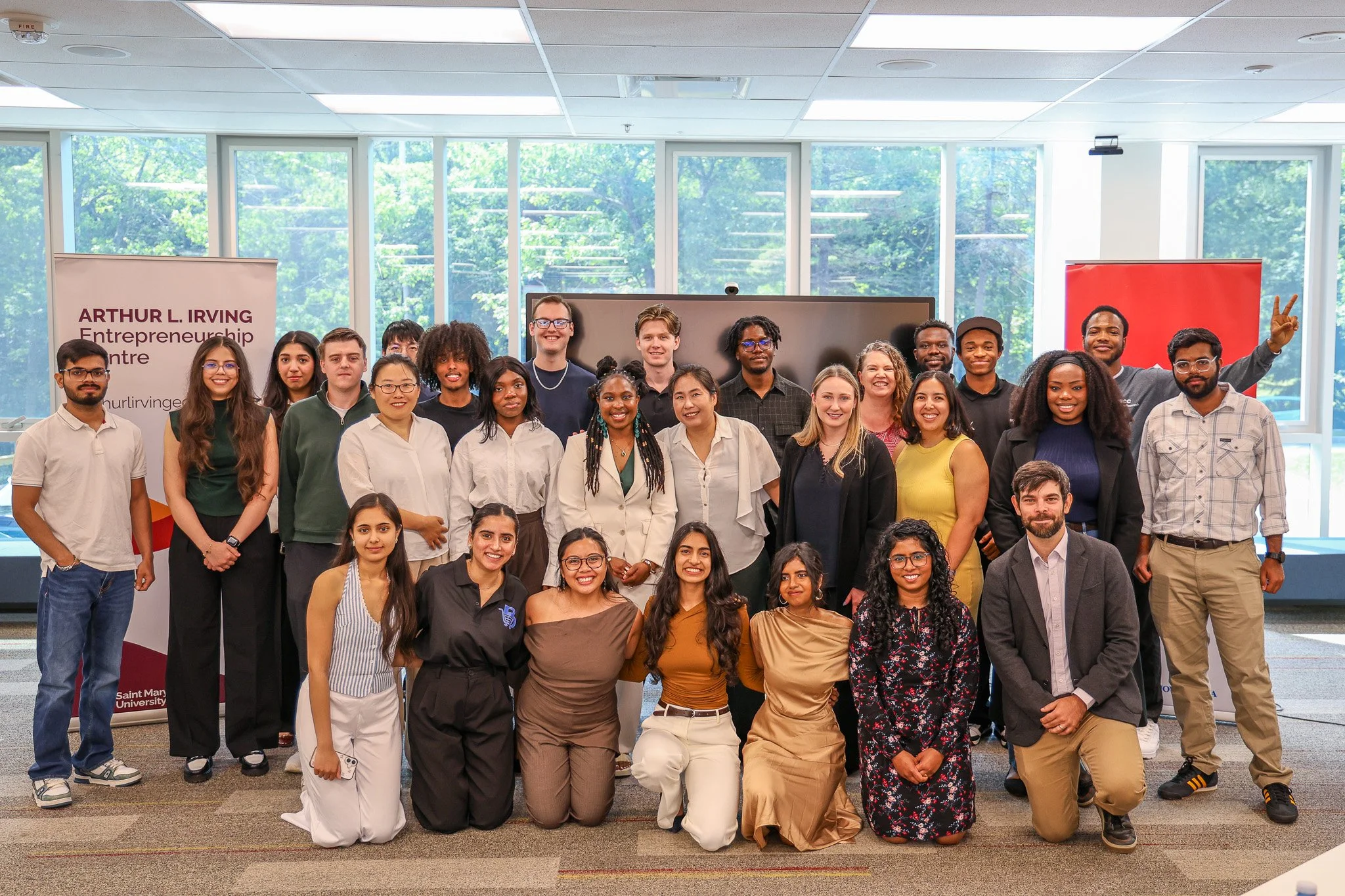
This fall, WorkSource Alliance partnered with students at Saint Mary’s University and Dalhousie University for an Innovation Sprint held at the Arthur L. Irving Entrepreneurship Centre. The session brought together 12 international students who were invited to share their ideas on how the organization could strengthen and expand its platform.

The organization’s Co-Founder and Executive Director, Daniel Ohaegbu, is currently an MTEI student at SMU. His own experience navigating the international student journey helped shape the early vision for WorkSource Alliance. Identifying a clear gap in accessible, tailored support for international graduates, Daniel set out to build something that would make entering the workforce easier, more transparent and more equitable.

During the Sprint, students worked in teams and presented a range of thoughtful solutions. Some focused on ways to help students gain more hands-on experience, such as a Business Assisted Learning model that offers micro-placements or short-term opportunities to help build résumés more quickly. Other teams recommended adding “gig-style” roles in partnership with local employers to give students more flexible options. There were also suggestions for new marketing approaches, updates to the organization’s consulting services and ideas for expanding the variety of work opportunities on the platform.

At the end of the session, WorkSource Alliance selected three teams as winners:

  • First Place: Hazzaa Sujeer and Chloe Pobjoy-Ridolfo (SMU)

  • Second Place: Ibrahim Haddad and Hassan Rashid (Dal)

  • Third Place: Nguyen Thu Trang Truong and Boluwatife Erogbogbo (SMU)

First place team

Second place team

Third place team

The WorkSource Alliance team shared that they were impressed by the quality and practicality of the ideas presented. They also offered an additional $500 in prize money to the teams that did not place, noting that every group contributed valuable insight. The organization expressed interest in continuing to build on the recommendations shared throughout the sprint.

Learn more about Innovation Sprints on our website.

Community, creativity and vintage fashion come together at an Innovation Sprint!

For the final internal Innovation Sprint of the fall term, students from across Nova Scotia came together at the Arthur L. Irving Entrepreneurship Centre to collaborate with KingsPIER Vintage, a local business known for its luxury vintage and sustainable apparel, footwear and accessories. Founded by Mount Allison and NSCAD alum Laura MacNutt, KingsPIER has become a go-to spot in Halifax for people who appreciate high-quality, curated vintage pieces. Laura’s passion for sustainability began during her academic years and it now guides every part of her business. 

This Sprint carried a special excitement, especially because some students were already familiar with KingsPIER and were eager to support Laura’s work. The session brought together a diverse mix of 28 students from Saint Mary’s University, Dalhousie University and Memorial University. The group included undergraduate students, MTEI students, and master’s students from programs such as nursing, computer science, and engineering. Their variety of backgrounds created a collaborative environment filled with fresh perspectives and innovative thinking. 

Shane Sayge Powell-Hayward, a SMU student from the faculty of science, says: “It was an amazing time. I really enjoyed thinking creatively and working with the team through challenges, and I would participate again.” 

Hosted in the Sobeys Inspiration Hub at the Arthur L. Irving Entrepreneurship Centre, the Sprint invited students to explore real challenges that KingsPIER is facing in inventory management, marketing and customer engagement. Students brainstormed a wide range of ideas, including hosting virtual workshops, partnering with Elevate Media (a business from a previous Provincial Innovation Sprint) and collaborating with the KingsPIER to connect with cruise ship customers visiting Halifax. 

Laura MacNutt, founder of KingsPIER Vintage, says: “I had a worthwhile afternoon at the Innovation Sprint. I learned a lot and loved seeing the creative responses and cooperation among students.” 

The winning team — Prabhath Sundarapalli and Hinesh Jayeshkumar Patel from Dalhousie University — stood out with an idea focused on virtual tours for KingsPIER’s website. Their concept included online walkthroughs, workshops and educational content to help spread awareness about the sustainable vintage market and consignment shopping. They also proposed a better inventory model that preserves the story behind each unique item. 

Second place went to the team of Jane Truong (SMU), Mo Li (Dal), and Ibrahim Haddad DipENG’23, who presented thoughtful ideas centered on customer connection and operational improvements. Third place was awarded to Adam Traore and Benjamin Harper from SMU, along with Dal student Aiden Sheppard, who suggested a membership model designed to engage loyal customers and encourage sustainable purchasing habits while also supporting consistent cash flow. Laura left with new strategies to explore, and students walked away with valuable experience working on a real local business challenge. 

Visit our website to learn more about Innovation Sprint.

Atlantic Canada students team up with the Ecology Action Centre to tackle energy and climate challenges

This fall, the Saint Mary’s University Experience Ventures team partnered with the Ecology Action Centre (EAC) on a Social Impact Challenge aimed at driving meaningful change in Nova Scotia’s energy and climate landscape. This unique challenge spanned across Atlantic Canada, as students from Saint Mary’s, St. Thomas University, Cape Breton University, NSCAD, Mount Saint Vincent University, and Dalhousie University came together to collaborate virtually, share knowledge and build solutions for a more sustainable future.

The Ecology Action Centre’s Energy & Climate Team focuses on phasing out fossil fuels and creating a clean, reliable and affordable electricity system through research, advocacy and innovative collaboration. Through this challenge, 15 students joined forces to tackle pressing issues such as:

Energy Poverty in Nova Scotia:
Nearly 43% of Nova Scotians spend more than 6% of their income on energy costs. How can we reduce this burden and help families heat their homes without sacrificing essentials?

Green Trades and Energy Retrofitting in Cape Breton:
How can nonprofit organizations or social enterprises build green trades skills and retrofit homes to create sustainable jobs and cleaner communities?

Incentivizing Energy Retrofits in Multifamily Housing:
What policies or incentives can motivate landlords to make buildings energy-efficient, while keeping rent affordable for tenants?

Student deliver their final presentations to the Ecology Action Centre

The challenge began with a virtual kickoff on October 6, where students heard directly from the EAC’s Energy & Climate team about the challenges facing Nova Scotia’s energy future.

Over the course of one month, students conducted research, collaborated in diverse teams and developed strategic, data-informed recommendations. Weekly virtual office hours with EAC mentors ensured students had ongoing guidance, and participation was impressive; every session was filled with engaged, passionate students eager to refine their ideas and make a real impact. On November 3, students delivered their final presentations and written solutions, showcasing creative approaches that demonstrated both entrepreneurial thinking and deep social awareness.

Experience Ventures empowers students to think like entrepreneurs, digitally, creatively and impactfully. This Social Impact Challenge not only gave students valuable hands-on experience, it also strengthened connections between universities, industries and communities across the Atlantic region. Through challenges like this, students become mini-consultants, collaborating with real organizations to explore meaningful, innovation-driven solutions.

Robert (Rob) McLellan, a student from SMU, said. “I really enjoyed working on the project, analyzing case studies and energy data taught me a lot about Canada’s energy use and how to make it more affordable.”

Cierrah Smith, a second-year student at Dalhousie, said the program helped her develop skills in communication, collaboration and time management. “Balancing the project with other responsibilities was rewarding. I’d recommend this experience to other students!”

A partner from the Ecology Action Centre, Hannah Minzloff, said, “From start to finish, the team made the journey engaging and enjoyable. Engaging with students from different universities added depth, and we’ll be using their findings in our work. We highly recommend this initiative to other organizations!”

Interested in taking part in future challenges like this one?

Join the Experience Ventures interest list to gain early access to opportunities that let you learn by doing, work with real partners and make a difference in your community.


Experience Ventures, powered by the Hunter Hub for Entrepreneurial Thinking at the University of Calgary, enables post-secondary students to make an impact alongside real world innovators through entrepreneurial thinking placements. EV is funded by the Government of Canda and is delivered in partnership with post-secondary institutions nationwide.

Learn more about the Ecology Action Centre and discover how the EAC is leading Nova Scotia's transition to clean energy: EAC Website | Instagram | LinkedIn | Bluesky

Students develop fresh ideas for Elevate Media in Provincial Innovation Sprint

Students from Saint Mary’s University, NSCC, Dalhousie University, Cape Breton University and St. Francis Xavier University came together at the end of October for the second Provincial Innovation Sprint, a high-energy problem-solving event designed to connect students with industry. The Sprint invited participants to support Elevate Media, a growing social media management agency based in Sydney, NS, by developing ideas that could strengthen the company’s reach and long-term growth.

A composite image of students on screen via zoom

Participants of the virtual Provincial Innovation Sprint

The virtual session allowed broader participation, bringing together students from across the province. This created a collaborative environment where students from different institutions engaged meaningfully with each other and the business.

Elevate Media is co-owned by Ethan MacLean, an NSCC alumnus and Brooke McDonald, a current NSCC student. Together, they help businesses improve their digital presence by adapting content to current trends and maintaining clear and consistent brand storytelling.

Ethan and Brooke challenged students to develop a plan for expanding their services across Canada while preserving their authentic, creative approach and strong client relationships.

Students were introduced to the challenges of helping Elevate Media scale its business to serve clients across Canada, ensuring that the agency could maintain authentic connections, uphold consistent brand storytelling and deliver the creative quality clients have come to expect, even without being physically present for every piece of content creation.

Drawing from diverse academic backgrounds, the students worked to create solutions that combined creativity with strategic business thinking. Ideas included building partnerships with freelancers and designing automated systems to streamline client outreach. Several teams also explored Elevate Media’s brand positioning and recommended developing a more distinctive name to stand out in a competitive market.

Dalhousie student Omar Dahleh

Dalhousie student Omar Dahleh earned first place for presenting a clear and future-focused approach to supporting Elevate Media’s growth. Cape Breton University student Ryan Drohan and St. Francis Xavier University student Emma Jewkes placed second for their thoughtful recommendations around partnerships and expansion. Third place went to Saint Mary’s students Martino Elias and Jaxon Yon for their creative ideas related to workflow improvements and brand identity.

Ethan and Brooke expressed their appreciation for the students’ professionalism and insight. They shared that the ideas generated during the Sprint offered valuable direction for the company’s next stage of growth and demonstrated how impactful student perspectives can be when applied to real business challenges.

The Provincial Innovation Sprint continues to bring motivated students together with Nova Scotia businesses that want to innovate and grow. For Elevate Media, the ideas presented open new opportunities for expansion. For students, the Sprint provided practical experience in supporting a fast-growing digital agency in an evolving industry.

Learn more and get involved with Innovation Sprint

Ancient Olympics shines the spotlight on Arts

Students dusted off their togas and olive branches this fall, taking history to the field for a dynamic outdoor reenactment of the Ancient Olympics as part of Dr. Sveva Savelli’s popular course “Sport and Leisure in the Ancient World.”

Cross-listed in both the Ancient Studies and Health, Wellness, Sport and Society (HWSS) majors, Dr. Savelli’s course draws attention to the historic origins of the sports we know today and examines the impact they had on the societies that shaped them.

Dr. Savelli is an associate professor of Ancient Studies and Intercultural Studies in the Department of Languages and Cultures. She also runs the Metaponto Archaeological Field School in southern Italy—so she is no stranger to providing opportunities for hands-on learning.

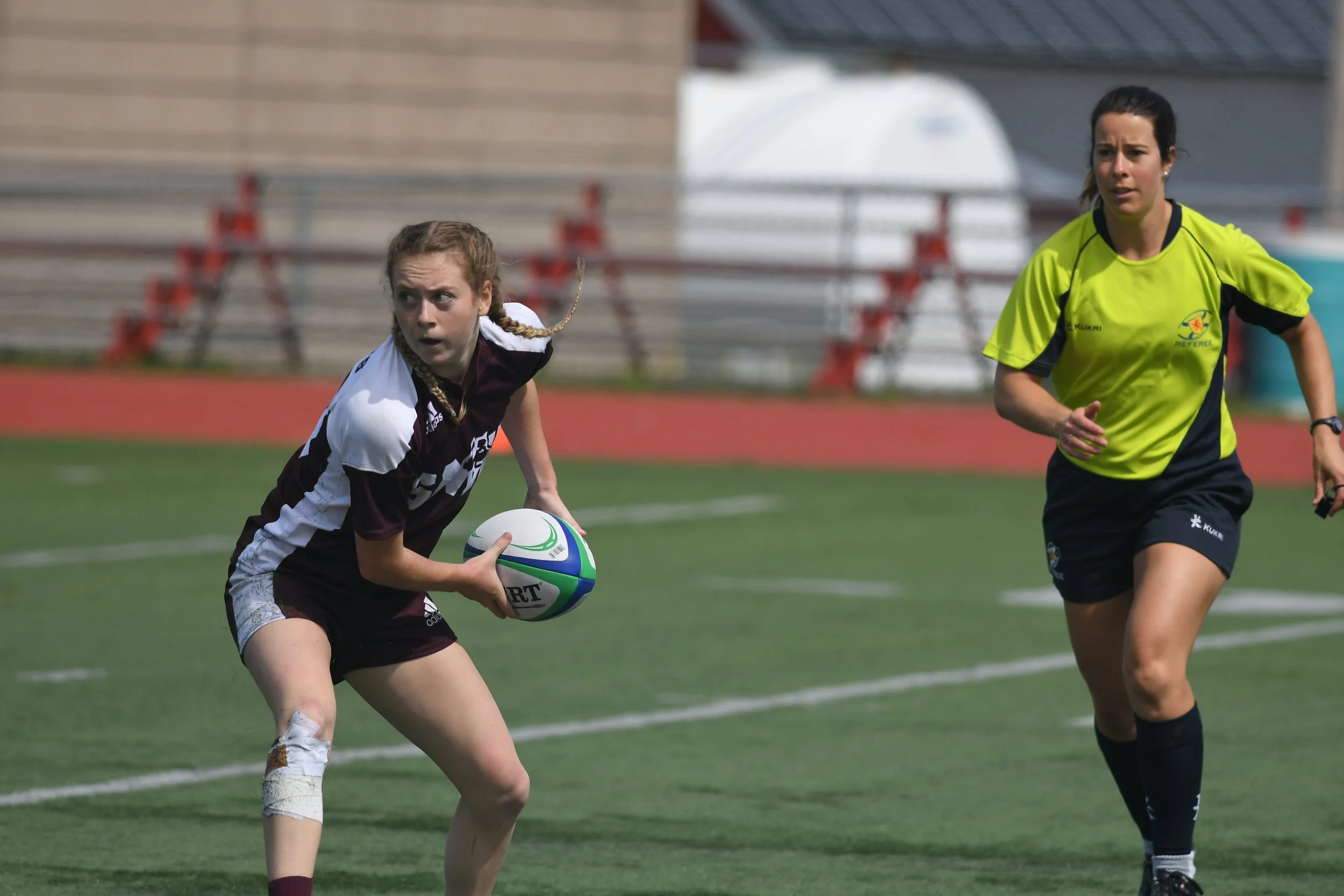
The Ancient Olympics demonstration was featured on CTV News, Global News and The Chronicle Herald

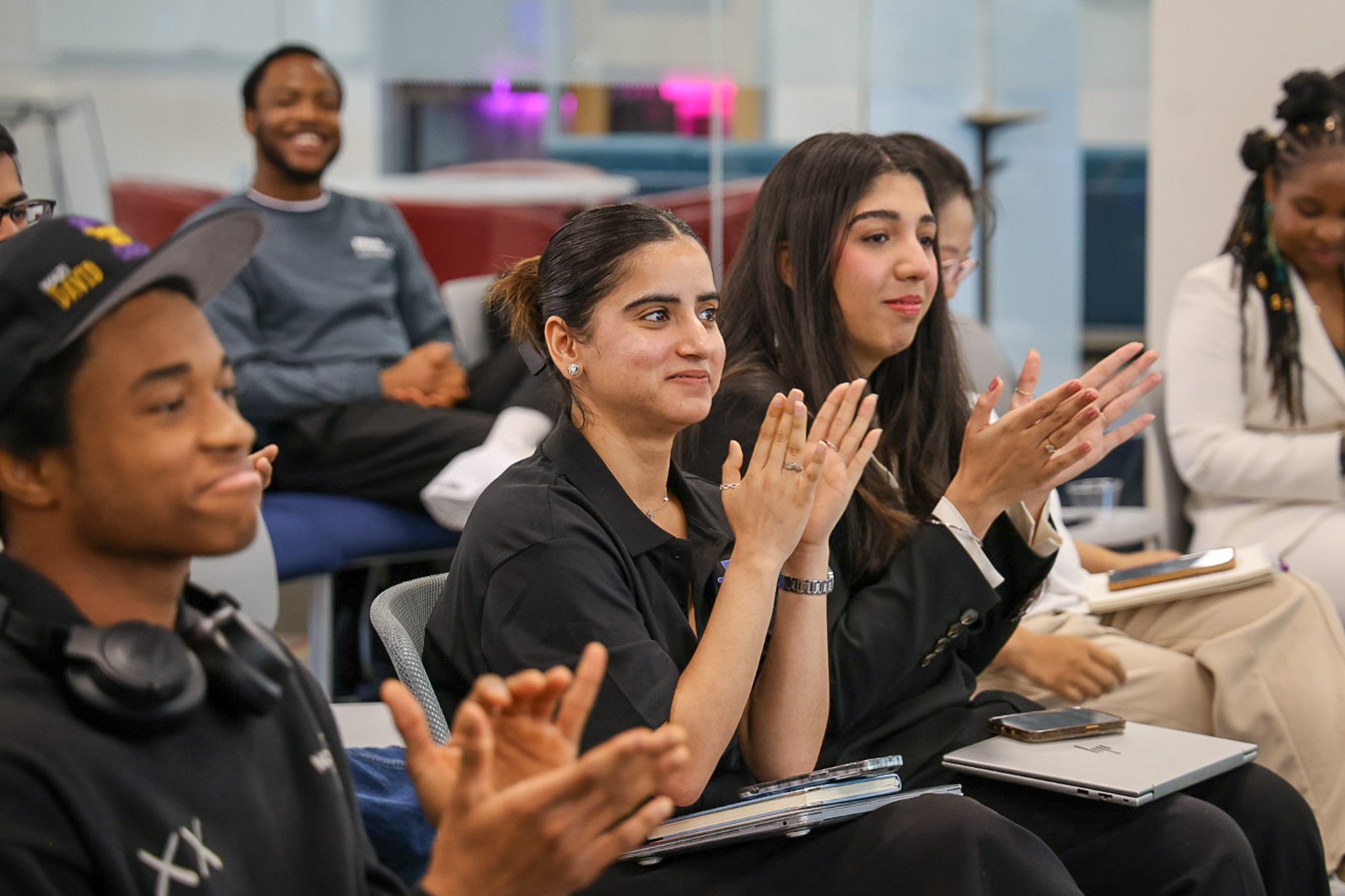
During the demonstration, students performed reenactments of the Ancient Olympics on the field at Huskies Stadium, bringing history to life for their peers, their professor, and the media.

Their hard work, dedication, and exemplary presentation skills attracted the attention of CTV, Global News and the Chronicle Herald, as they showcased the unique education opportunities available in the Faculty of Arts.

“While I was developing this class, I was thinking about the students who are not able to participate in the field school,” says Dr. Savelli.

“Here at Saint Mary’s, we provide many opportunities for students to experience the ancient world, and this is a way to experience it on campus.”
— Dr. Sveva Savelli

Dr. Sveva Savelli

Courses like these are part of the curriculum for the HWSS major in the Bachelor of Arts— accompanying a new wave of sports-related programming supported by the Scott McCain & Leslie McLean Centre for Sport, Business and Health.

The HWSS Major is geared towards students looking to launch a career in sport and ensures they are equipped to approach the industry from all angles: historical, political, social, psychological and more. Knowing where sport has been equipping students to take the industry to new heights, and the material is already resonating with students.

“Doing this Ancient Olympics project has really shown how these sports have changed over time,” says Liam Van Loon, fourth-year Environmental Studies major and varsity hockey player.

“Being an athlete myself, I see what modern-day athletics is like and how the culture operates, and it's neat to throw it in rewind and see what’s... laid the foundation for what we have today.”

Interested in more sports education? Check out the Health, Wellness and Sport in Society major and certificate and Sports Business major and certificate. Apply now for Fall 2026!

Scott McCain & Leslie McLean Centre for Sport, Business and Health

Students team up to boost local pet business through Innovation Sprint

Students from Saint Mary’s University and Dalhousie University recently teamed up to help East Coast Dog, Halifax’s premium boutique pet store and grooming salon, strengthen its community engagement and brand presence. The challenge was part of the Innovation Sprint program held at the Arthur L. Irving Entrepreneurship Centre, where students collaborate with local businesses to apply creative problem-solving and entrepreneurial thinking to real-world needs.

Founded and operated by Jenn Marotta, East Coast Dog has quickly become a trusted name in the local pet care community. With a background in animal care and customer service, Jenn built her business around one goal: to create a safe, welcoming and enjoyable experience for both pets and their people. Combining professional on-leash dog walking, expert grooming and high-quality retail, she’s built a space that reflects her passion for animal well-being and community connection.

When Jenn joined the Innovation Sprint, she brought her dog Winston, who quickly became the star of the event. Students connected deeply with East Coast Dog’s mission and were curious to learn about the certifications and training programs that make the business unique. Over the course of the session, they worked in small teams to brainstorm ways to expand community engagement, attract new customers and build brand loyalty through creative programs and partnerships.

Ideas ranged from dog run clubs and reward programs to rehab coaching for retired K-9s and community training events. Many teams focused on initiatives that would deepen local connections and create memorable experiences for pet owners, while also introducing new revenue streams for the business.

The winning team took home the program’s $1,000 grand prize. To close the session, Jenn also awarded $170 in gift cards to the top three teams and $5 gift cards to all participants-a thoughtful gesture that reflected her commitment to appreciation and community spirit.

The winning team, Mila Souilliere and Patricia Tagliapietra from Dalhousie University, impressed Jenn with their creative approach to community engagement. In fact, one of the winning ideas even sparked a potential collaboration. A student who runs a local club caught Jenn’s attention and the two discussed partnering on a future event.

Learn more about the Innovation Sprint

From experience to employable: new Experiential Badges recognize student achievements

Tom Brophy, Associate Vice President, Student Affairs and Services; Lyra Telles; Emily Fisher; Christy Starkey, Co-Curricular & Career360° Lead

Saint Mary’s University’s Career & Experiential Learning (CEL) team recently launched the Experiential Badge Program, a new initiative that helps students showcase their learning and leadership experiences gained outside the classroom.

These digital badges recognize students for the meaningful skills and competencies gained through campus involvement, community engagement, co-op placements, micro-experiential learning, and more. The badges appear directly on a student’s Experience Record and can easily be shared on LinkedIn or with future employers, helping to demonstrate their professional growth and employability.

“The Experiential Badges are a bridge between what students learn through applied experiences and what employers are looking for,” says Christy Starkey, Co-Curricular & Career360° Lead. “They help make the transferable skills gained at Saint Mary’s visible and credible, giving students a competitive edge on the path towards their career goals.”

What are Experiential Badges?

The Experiential Badge Program enables students to earn recognition in five distinct experience categories, each with four different levels of achievement.

  • Community Leader: Demonstrate exceptional leadership and personal growth while contributing to the Saint Mary’s campus or broader community.

  • Career Explorer: Learn to identify, articulate and communicate the professional skills and experiences developed throughout their degree in résumés, cover letters and interviews.

  • Equity, Diversity, Inclusion & Accessibility (EDIA) Champion: Engage in practices that promote inclusion, challenge inequity and advocate for social justice.

  • Sport Leader: Build teamwork, organization and communication skills through sport and community engagement (open to all students, not just varsity athletes).

  • Entrepreneurship: Explore how to create, evaluate and pitch innovative business ideas through experiential learning opportunities.

To start earning a badge, students can log into Career360° and track their experiences through the Experience Record, which includes Co-Curricular Recognition, Community Service Learning, Co-op, Micro Experiential Learning, and the Student Employment Initiative program.

“Keeping my record updated has been incredibly helpful when requesting reference letters,” explains Melissa Maria Alvarez, Experiential Badge recipient. “It provides supervisors with a clear, detailed overview of my roles and responsibilities, making it easier for them to write a letter on my behalf.”

Meet the First Badge Recipients

The CEL team recently awarded the first Platinum Experiential Badges to Lyra Telles and Emily Fisher at a recognition lunch with Tom Brophy, Associate Vice President, Student Affairs and Services. These inaugural recipients – along with another early badge earner, Melissa Maria Alvarez Del Angel – are setting an inspiring example for how students can use the Experiential Badge Program to reflect on their learning and tell their stories in meaningful ways.

Melissa Maria Alvarez Del Angel
Badge: Bronze Equity, Diversity, Inclusion, & Accessibility (EDIA)

A fourth-year Psychology Honours student from Mexico, Melissa is passionate about mental health, belonging, and community care. Through her research on post-traumatic growth among newcomers and her leadership as a Senior Residence Assistant, she’s committed to supporting others through advocacy and research.

Her advice for building experiences: “Start small, follow your curiosity, and say yes to opportunities that feel meaningful, even if they scare you a little. Every role teaches you something new about yourself.”

Lyra Telles
Badge: Platinum Community Leader

A fourth-year Environmental Science student, Lyra’s roles as a Residence Assistant, Pack Leader, and Peer Success Coach have helped him build essential leadership and teamwork skills. He is also involved in other societies such as Saint Mary’s University Astrophysics and Ancient Studies Society.

“The CCR is such a valuable tool,” Lyra says. “It lets you record everything you’ve done in one place – your hours, skills, and references – so you’re ready for whatever comes next!”

Emily Fisher
Badge: Platinum Community Leader

A fourth-year Honours Astrophysics student, Emily has held roles such as President of the SMU Astronomy and Physics Society, Contributor for the SMU Journal, Residence Assistant, and Executive with the Ancient Studies Society. She has found confidence and connection through involvement.

“Log into Career360 and take a look at the CCR,” she says. “It only takes a few minutes, and you can create a permanent record of everything you’ve done at SMU. You might even discover new opportunities along the way.


Congratulations to all the inaugural badge recipients for leading the way and inspiring others to take their university journey beyond the classroom!

To learn more or begin earning your own Experiential Badge, visit the Experiential Badges page on Career & Experiential Learning online.

Meet your Valedictorian: Lipika Kharbanda, BSc

Lipika Kharbanda

Originally from New Delhi, India, Lipika Kharbanda is graduating from Saint Mary’s University with a Bachelor of Science in Biology. Since joining SMU in 2021, she has earned a place on the Dean’s List and served multiple times as a Chemistry Lab Demonstrator, helping her peers gain confidence in the subject through her guidance and enthusiasm.

Lipika’s time at Saint Mary’s has been guided by empathy and a belief in the value of human connection. She aspires to become a doctor and has recently begun her journey in healthcare as an Early Childhood Educator, continuing to demonstrate kindness and care in everything she does.

Learn more about Lipika in the Fall Convocation Program.

Q & A

Why did you choose Saint Mary’s University?
I chose Saint Mary’s University because of its small size and diverse community. The smaller campus environment allows students to focus more effectively, while professors can offer more individual attention. This creates a more personal and productive learning experience, rather than one that simply revolves around completing coursework.

How did you get involved in the SMU community?
I participated in numerous societies, contributed to the SMU Food Room, and served multiple times as a Chemistry Lab Demonstrator for various chemistry courses since my second semester. I accumulated over 900 hours of volunteering within the Saint Mary’s campus. Additionally, I have completed several online workshops that have enhanced my academic and personal growth.

Do you have a favourite space on campus?
Definitely the Patrick Power Library. Somehow, I always find myself sitting in the same spot I’ve occupied for the past four years. That library is more than just a study space; it’s a home filled with memories, friendships, meaningful conversations, and cozy corners. It truly feels like a second home to me, holding a lot of emotional significance.

Looking back, what was your favourite SMU memory?
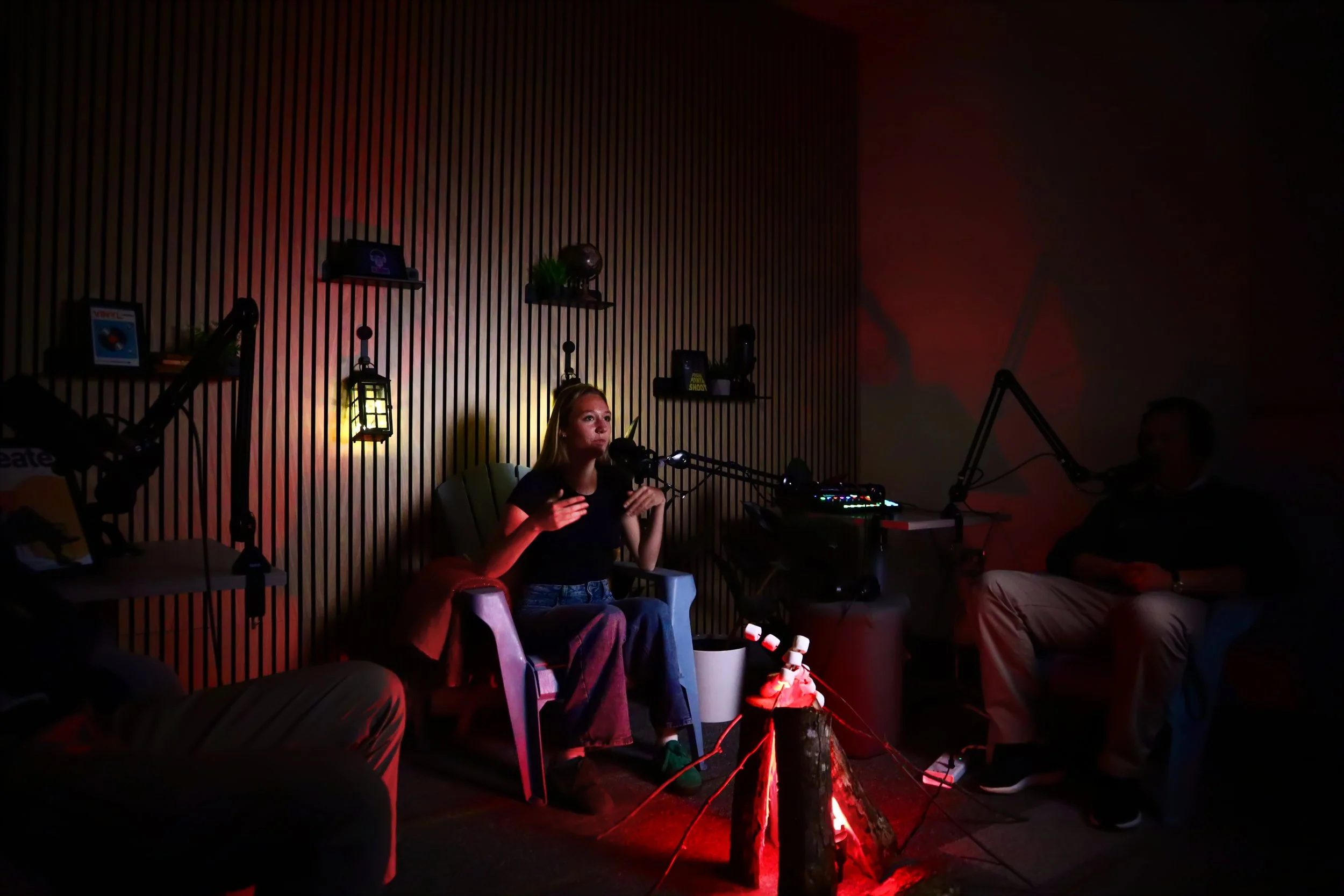
My Pack Leader days and the fun evenings spent with students and staff, especially the bonfire nights with marshmallows and laughter, stand out as some of my best memories. I also cherish my time with the SMU Boat Club and all the experiences that came with the Pack Leader role.

What are your goals for the future?
I plan to pursue a career in healthcare, most likely in medicine, though I’m also open to following wherever life leads me. Saint Mary’s has played a meaningful role in preparing me for the future, providing a strong academic foundation, valuable volunteering opportunities, and essential life skills. It has also taught me important lessons and values that I will carry forward.

Did you or do you currently volunteer with any organizations?
I have volunteered with several organizations, including IWK Health Centre, Nova Scotia Health Authority, St. John Ambulance, Vedanta Hindu Temple, and the Maritime Sikh Society.

What advice would you give your younger self who was starting university?
Attend Welcome Weeks! It’s incredibly helpful and provides all the resources and guidance you need to start university life on the right foot. You’ll meet new people, find answers to your questions, and feel part of the SMU community right from the beginning.


Fall Convocation takes place November 13 & 14. See the schedule, live stream links and more information here: smu.ca/graduation

From Pugwash to the World Cup stage: BComm student champions community, entrepreneurship and global impact

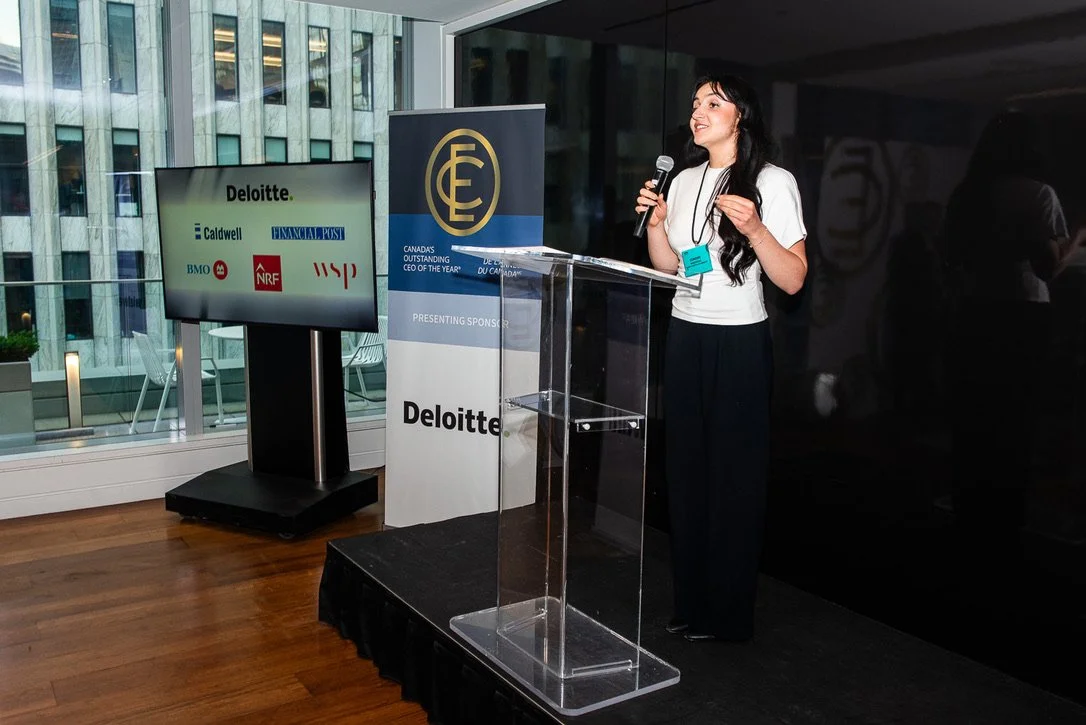
Olivian is a white woman with long dark hair. She speaks into a microphone on a stage

BComm student Olivian Sanderson presents at the Enactus World Cup stage in Bangkok, Thailand

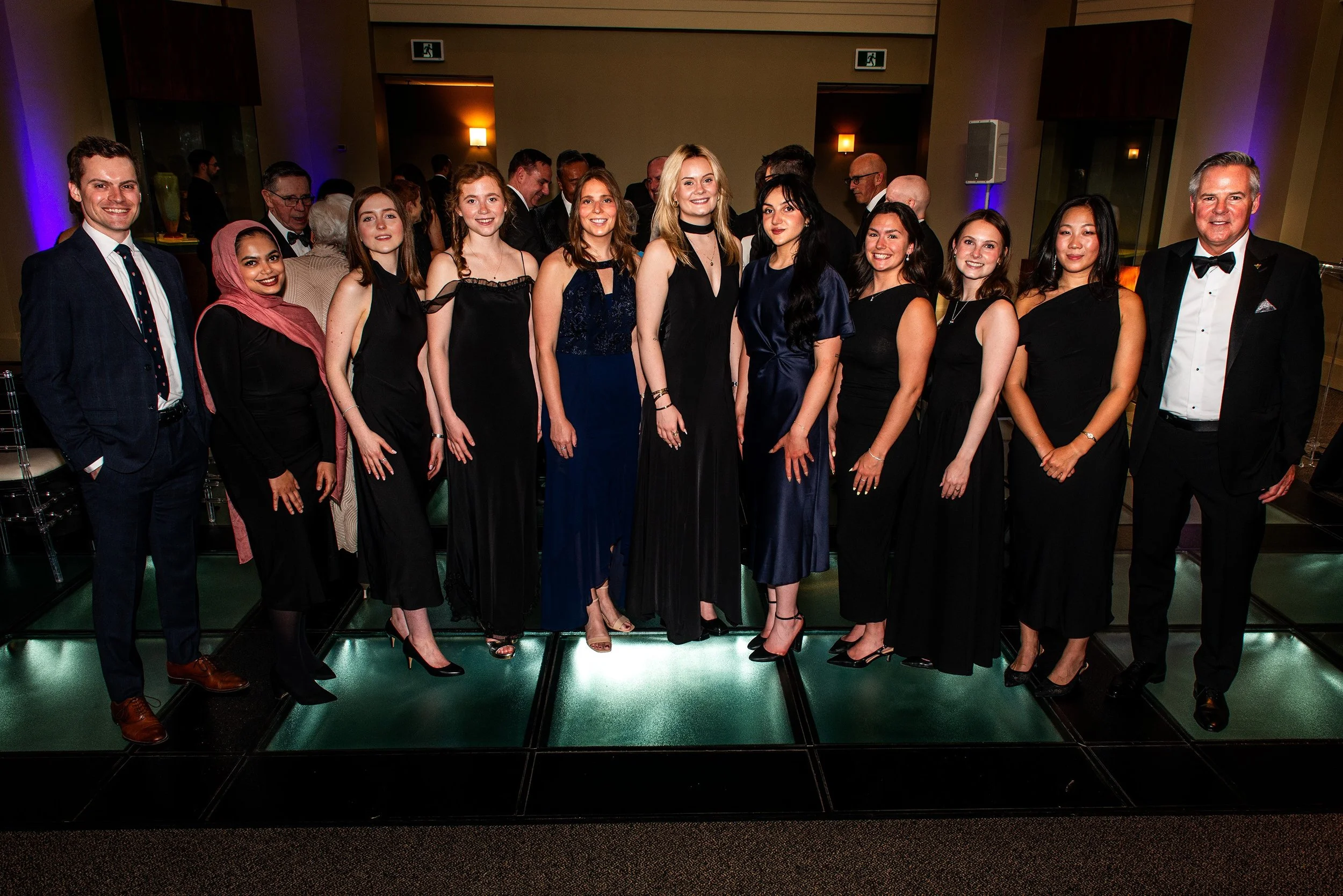
Olivian Sanderson grew up in Pugwash, Nova Scotia—a rural, picturesque fishing village with approximately 800 full-time residents. In just a few short years since coming to Saint Mary’s, she’s had the chance to travel the world and make a meaningful impact in the community through her involvement with Enactus Saint Mary’s and the Arthur L. Irving Entrepreneurship Centre.

Growing up, Olivian learned from her parents the importance of hard work, community and seizing opportunities. She made an impression during her high school years as Chair of the Cumberland County Youth Council, Student Council President, Ambassador for the Nova Scotia International Student Program and recipient of the Lieutenant Governor of Nova Scotia Award (2022) and Governor General’s Academic Medal of Canada (2023).

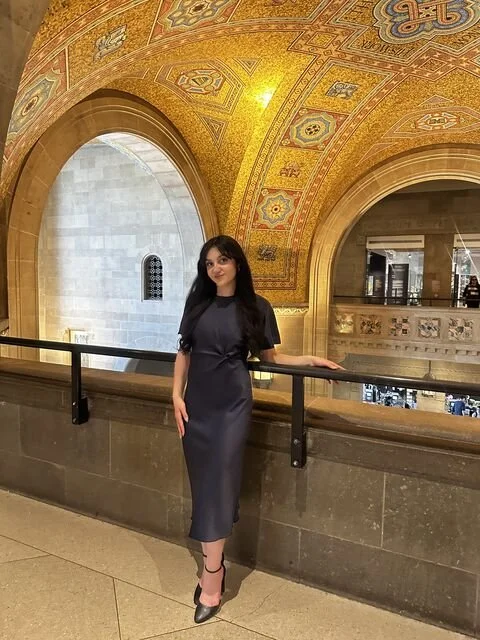
Olivian poses in front of a building in Thailand

When considering universities, Olivian knew she wanted to experience city life and find a program that would allow her to pursue her passion for business and community building. Knowing its reputation as one of Canada’s best business schools, she applied to the Sobey School of Business at Saint Mary’s.

Apply to the BComm program

She was the successful recipient of a Sobey National Innovator Scholarship, including on her application: “Looking to the future, I have big dreams and aspirations. I am passionate about understanding how the economy works and plan to use my skills to be involved in projects that support the community, as it has provided so much for me. I want to make the best world for myself and the people around me.”

Now a third-year accounting and management student, she’s made great strides toward her goals as the Co-Founder of the Sociable start-up and presenter for the global award-winning Enactus team.

Launching Sociable

Despite being very involved in high school, Olivian found the first few weeks of university difficult and lonely. Determined to find her place at Saint Mary’s, she dove headfirst into everything – trying out multiple societies and volunteering. Ultimately, it was Enactus and the Arthur L. Irving Entrepreneurship Centre where she found her place among people who shared her passion for big dreams and doing business for good.

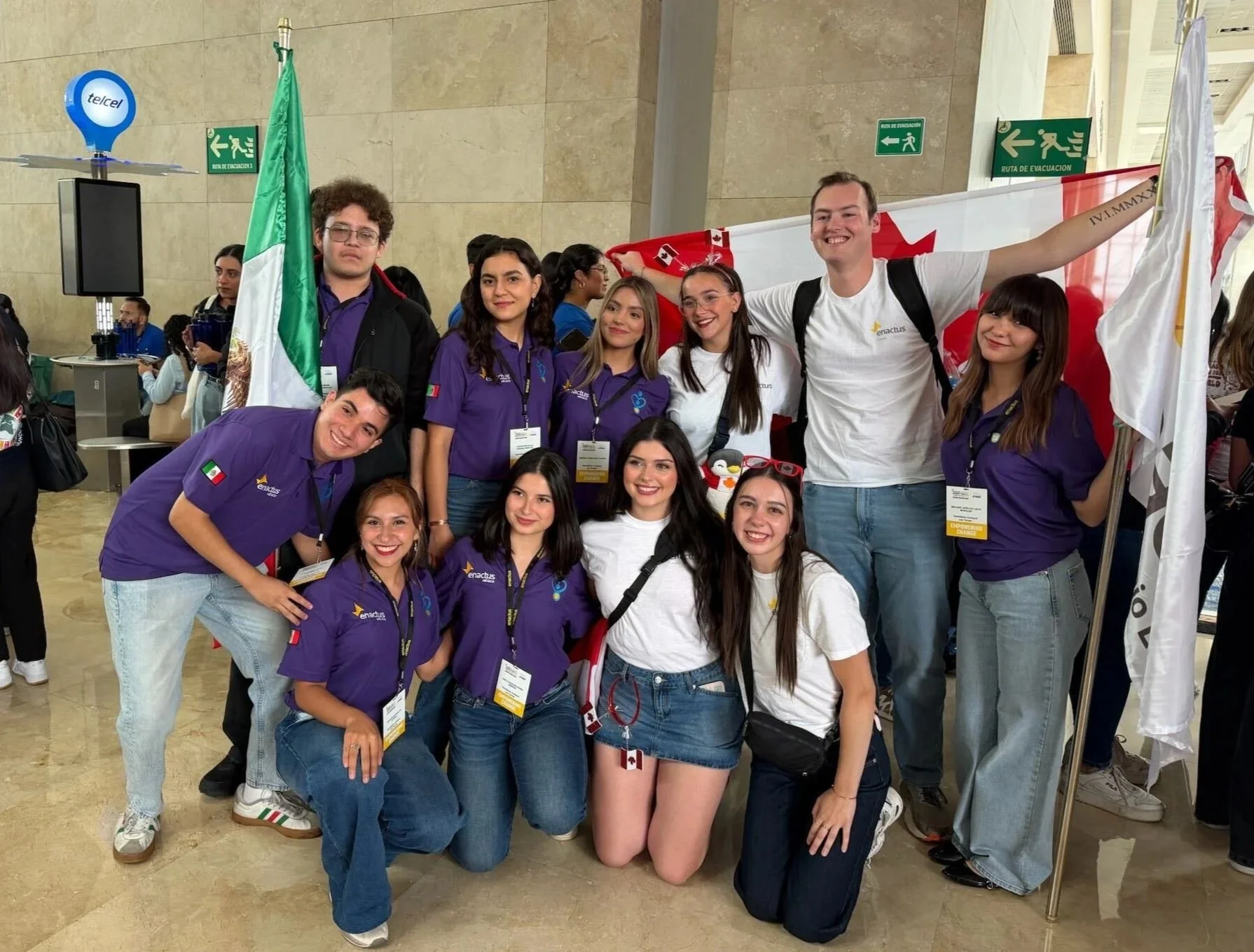
Olivian and a group of students in Enactus tshirts

Olivian found community and leadership opportunities through the Arthur L. Irving Entrepreneurship Centre

During a session with Enactus Saint Mary’s, the idea for the Sociable start-up was formed. Sociable is an online community platform that helps students connect, get peer support and gain access to campus events. It builds student engagement, boosting student retention, wellness and success. Olivian and co-founder of Sociable, Jason Phonchareon BSc’25, developed the start-up to address student loneliness and mental health concerns, something they both experienced.

In 2024, Sociable won the Dream Chaser Change Maker (DCCM) Foundation Social Impact Award, which included a $10,000 prize to support business development – bringing Olivian one step closer to making a positive impact on students’ lives.  

Seeing the world with Enactus

In 2024, Enactus Saint Mary’s won the National Enactus Championship for the first time. As a member of the presentation team, Olivian had the opportunity to travel to Astana, Kazakhstan, to represent Canada in the World Cup competition. While they didn’t win in Kazakhstan, it was an incredible learning experience for Olivian and her teammates.

In 2025, during Olivian’s second year as presentation team captain, the Saint Mary’s team earned their second National Championship win. This time, they travelled to Bangkok, Thailand, to compete against 28 of the best teams from around the world in the Enactus World Championship.

The team worked around the clock on their presentation about two student-run social enterprises—Alaagi and Square Roots—practicing, editing and preparing to answer questions. Olivian applied her work ethic and passion to the Enactus presentation, sharing the inspiring work being done by students at Saint Mary’s. Facing finalists from Zimbabwe, Tunisia and Germany, their presentation wowed the judges, and the team was crowned Enactus World Champion – the first world title for Saint Mary’s University.

Olivian with two presenters on stage

Olivian on stage at the Enactus World Cup in Thailand

Enactus team holds a trophy and Canadian flag

Enactus Saint Mary’s celebrates winning the World Cup

Reflecting on her first two years at Saint Mary’s, Olivian sometimes shakes her head at how much she has experienced. Her advice to new students: get as involved as you can.

“Classes are great, but you will have life-changing experiences in extra-curricular activities. The mentorship, the soft skills, and the network – so very valuable. It’s thanks to those experiences that I’ve been able to see the world.”


Opportunities at the Arthur L. Irving Entrepreneurship Centre are open to all Saint Mary’s students – check out their programs and events here.
Engineering students tackle real-world medical challenge in hybrid hackathon

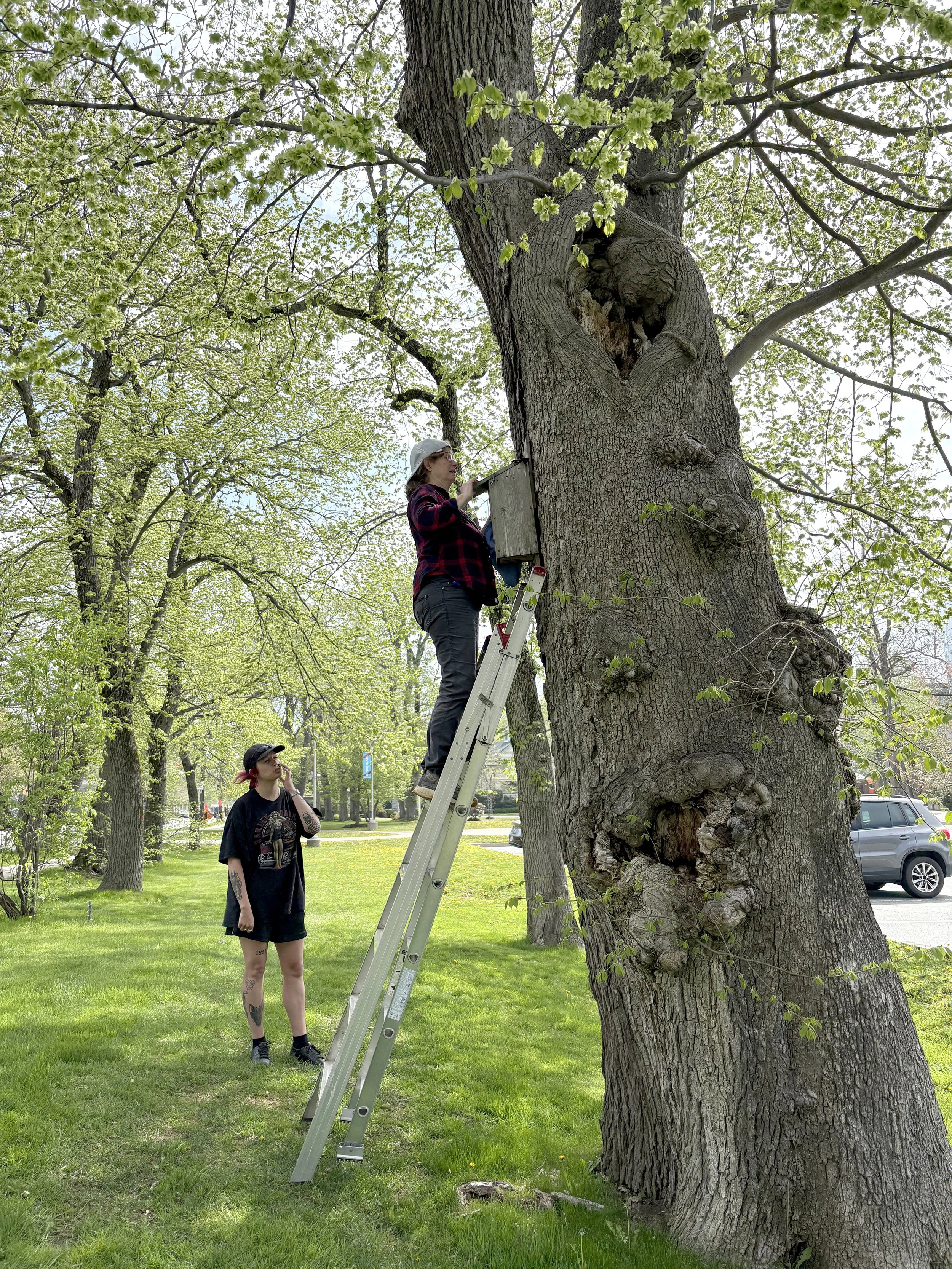
When 18 undergraduate students from Saint Mary’s University and Dalhousie University joined a week-long engineering hackathon this September, they weren’t just tackling a school project, they were helping shape the future of cancer care.
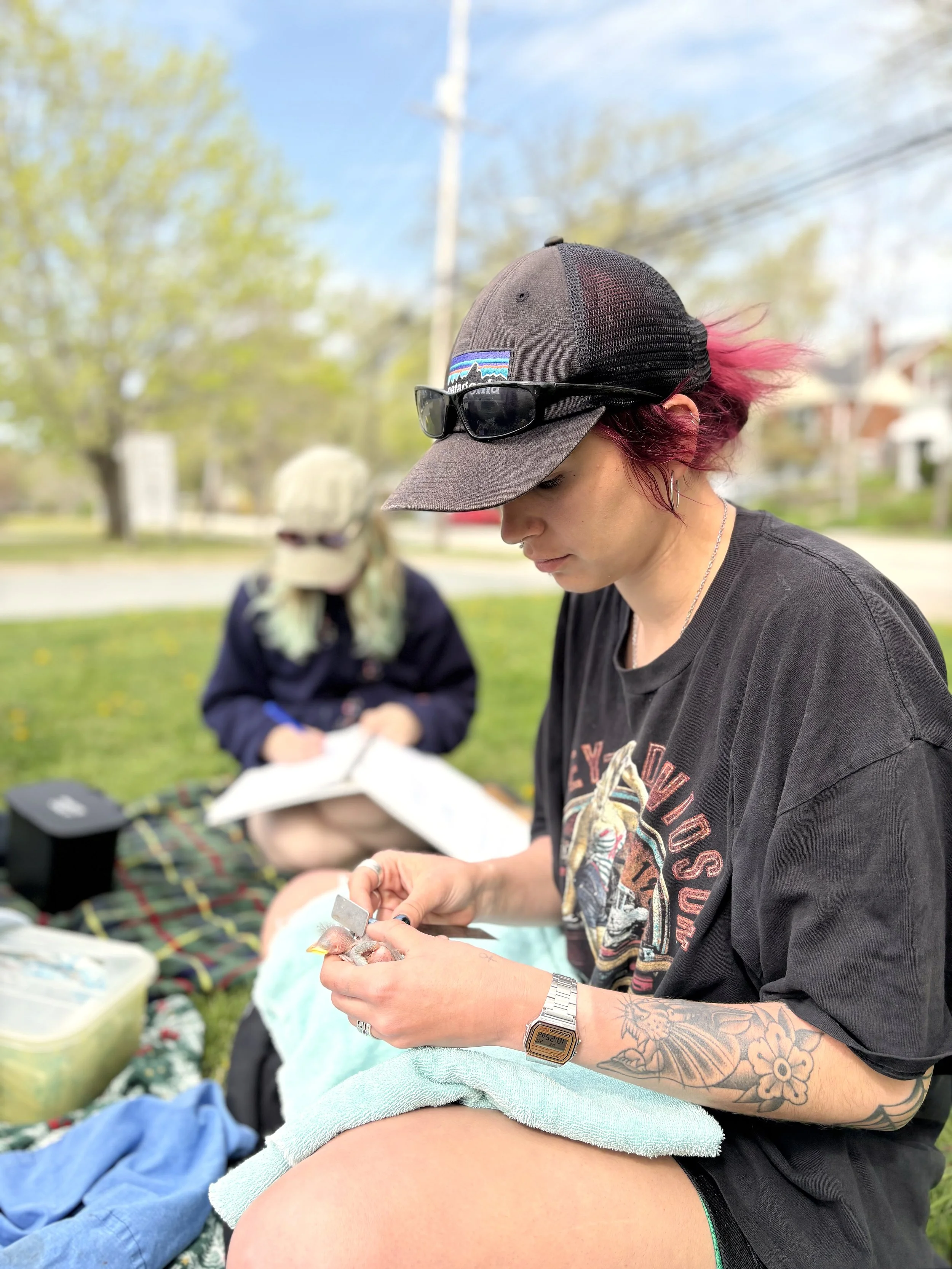
Through the Experience Ventures program at the Arthur L. Irving Entrepreneurship Centre, students took part in a hybrid Engineering Hackathon in partnership with Qalam Health Solutions, an Atlantic Canadian startup developing a product called the Osteoprobe: an AI-powered medical device that helps surgeons detect remaining bone cancer tissue in real time. The innovation could one day help reduce unnecessary amputations and lower relapse rates.
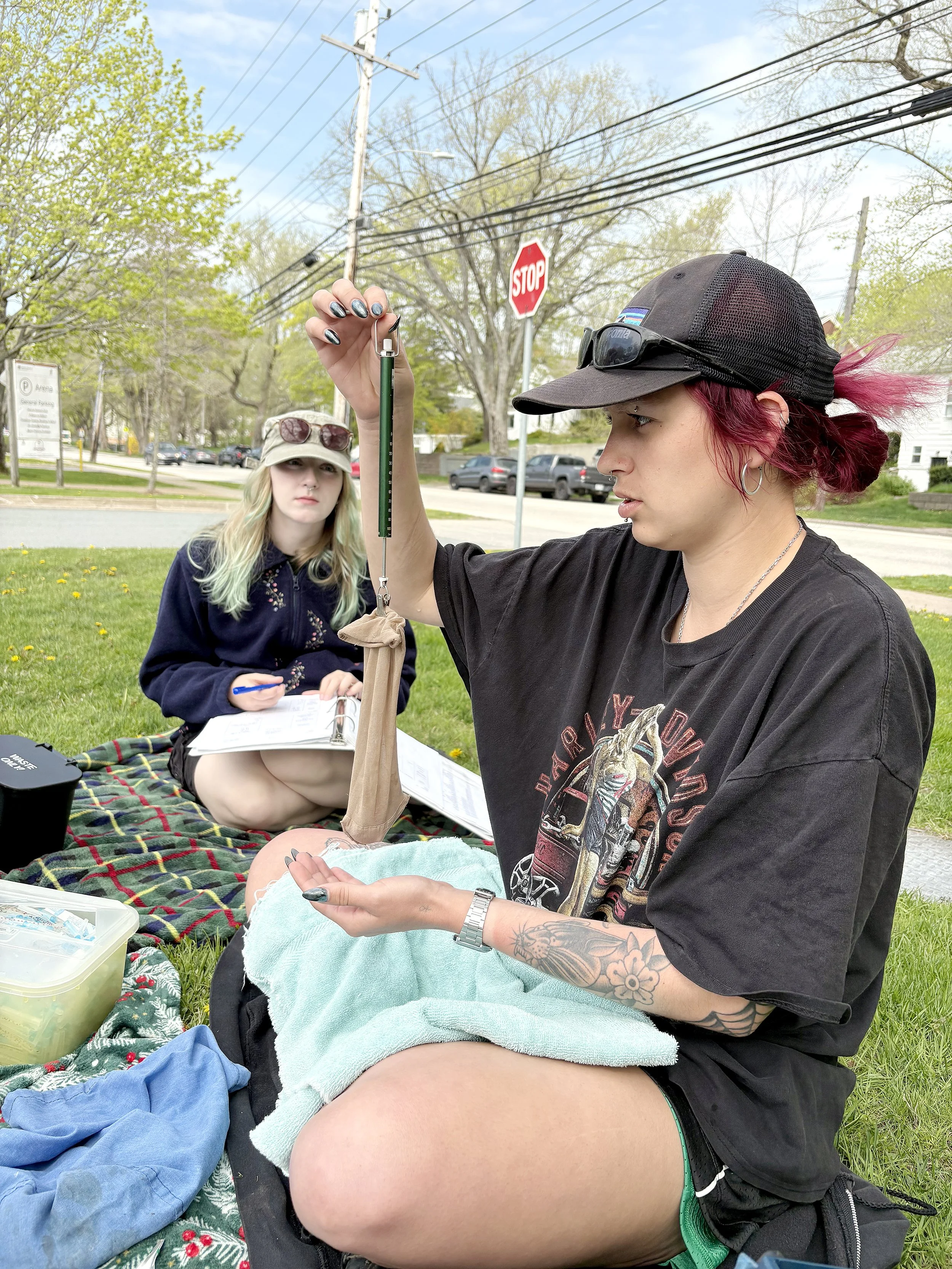
From September 19–26, students worked in small teams to design creative solutions for Qalam’s challenge — developing ways to improve their AI-powered medical device that helps surgeons detect bone cancer tissue in real time during surgery. Guided by Qalam’s founder and CEO, Haitham Shoman, the teams brainstormed, tested ideas and presented their final pitches at the end of the week.

One team stood out for more than just their idea. The winning team impressed Qalam so much that they were offered the chance for a future internship, a powerful reminder of how meaningful connections can be built.

“This program has been valuable to Qalam Health Solutions,” said Qalam’s founder and CEO, Haitham Shoman. “Students dove into real technical challenges mechanical, electrical and design to came up with solutions worth exploring.”

For many students, the experience was their first chance to apply classroom learning to real-world problems, working side by side with industry mentors.

“This hackathon helped me connect theory with practice,” said Aweer Yuang, a second-year Engineering student at Dalhousie. “It taught me to think like an entrepreneur and to keep finding solutions, even when things didn’t go as planned.”

The event was organized by Experience Ventures, which serves as the regional lead for Atlantic Canada. The program focuses on making hands-on opportunities accessible to all students. Over 80% of its experiences are offered virtually, allowing learners from across the region to participate and build valuable industry connections.

If you want to be a part of the Experience Ventures program or learn more, click here.