
Exciting developments in healthcare programming at Saint Mary’s

When Saint Mary’s received a landmark investment of $25 million from the provincial government in 2023, the university leveraged existing expertise towards a new purpose and to support an area of life that impacts Nova Scotians every day: healthcare.  The university got to work developing academic and professional programming and pathways for healthcare leaders and innovators of the future.

The resulting Healthcare Pathways Initiative is a university-wide project, aligned with the Province of Nova Scotia's Action for Health strategy. Since 2023, a dedicated team of faculty and staff have worked to build programming, certificates and courses that apply our expertise in data analytics, management, and leadership to the healthcare sector.

Recent developments include the Healthcare Professional Development series, a suite of certificate and course offerings launched in June 2024, including:

•       Innovation in Healthcare with Design Thinking
•       Leading the Healthy Healthcare Workplace: The R.I.G.H.T Way
•       Data Literacy Intro in Healthcare Series
•       Conflict and Negotiations Certificate
•       Healthcare Leadership Certificate

Interest has been high; spots for the Fall sessions filled quickly, and the 2025 Winter/Spring courses are fully subscribed with a waiting list. 

The brand-new Master of Applied Health Services-Professional Stream also started in September with an inaugural cohort of 8 students, and an additional master's program and graduate diploma are in development.

Additionally, the team has been working to create pathways between the Nova Scotia Community College (NSCC) and Saint Mary’s. Since 2023, agreements have been made between the two institutions, including pathways in Occupational Health and Safety and Disability Support Services programs.

Interested faculty and staff are encouraged to learn more and follow updates at the  Healthcare Pathways Initiative website.

Halifax Memory Maps research offers a new look at city’s heritage

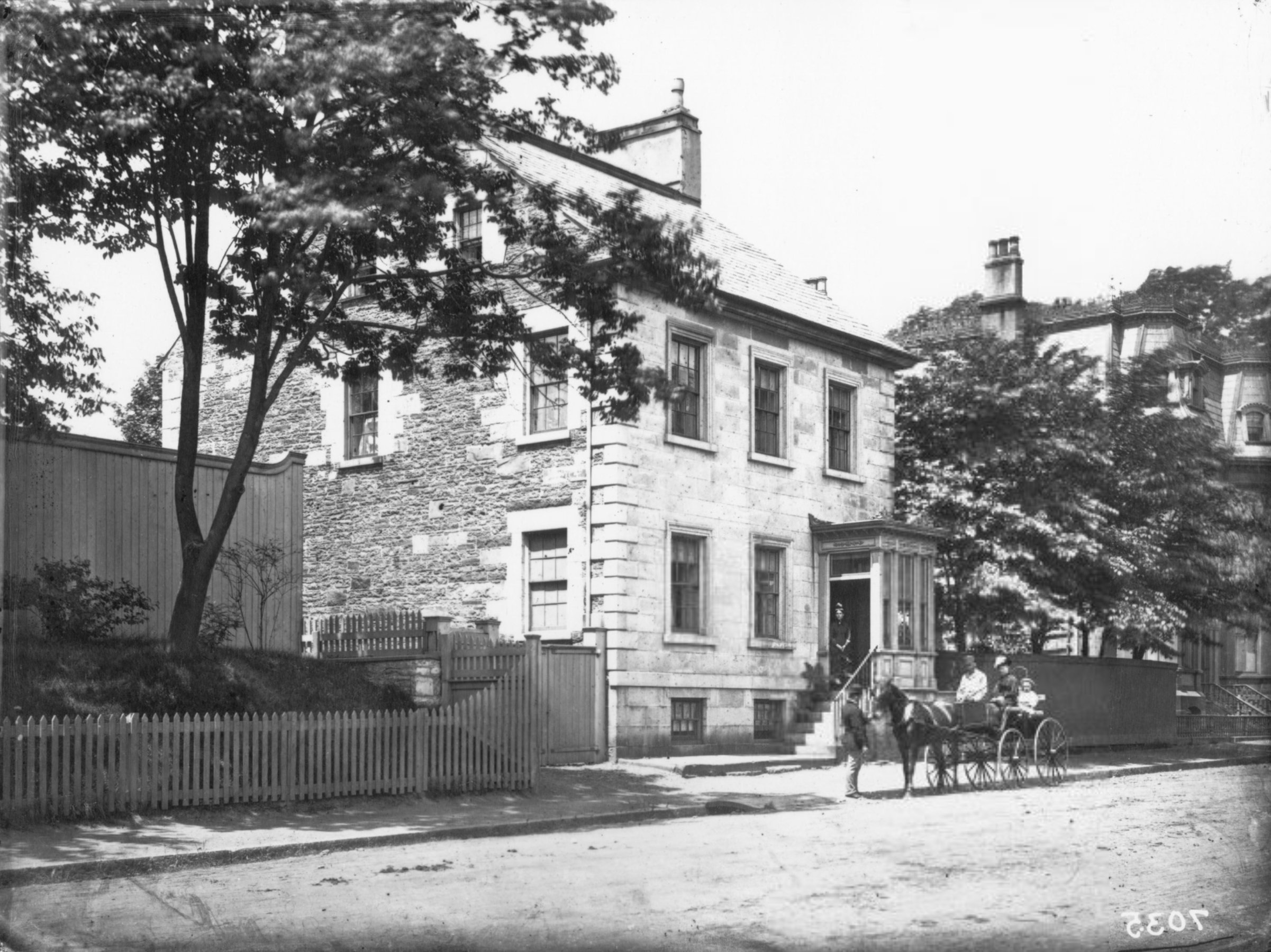
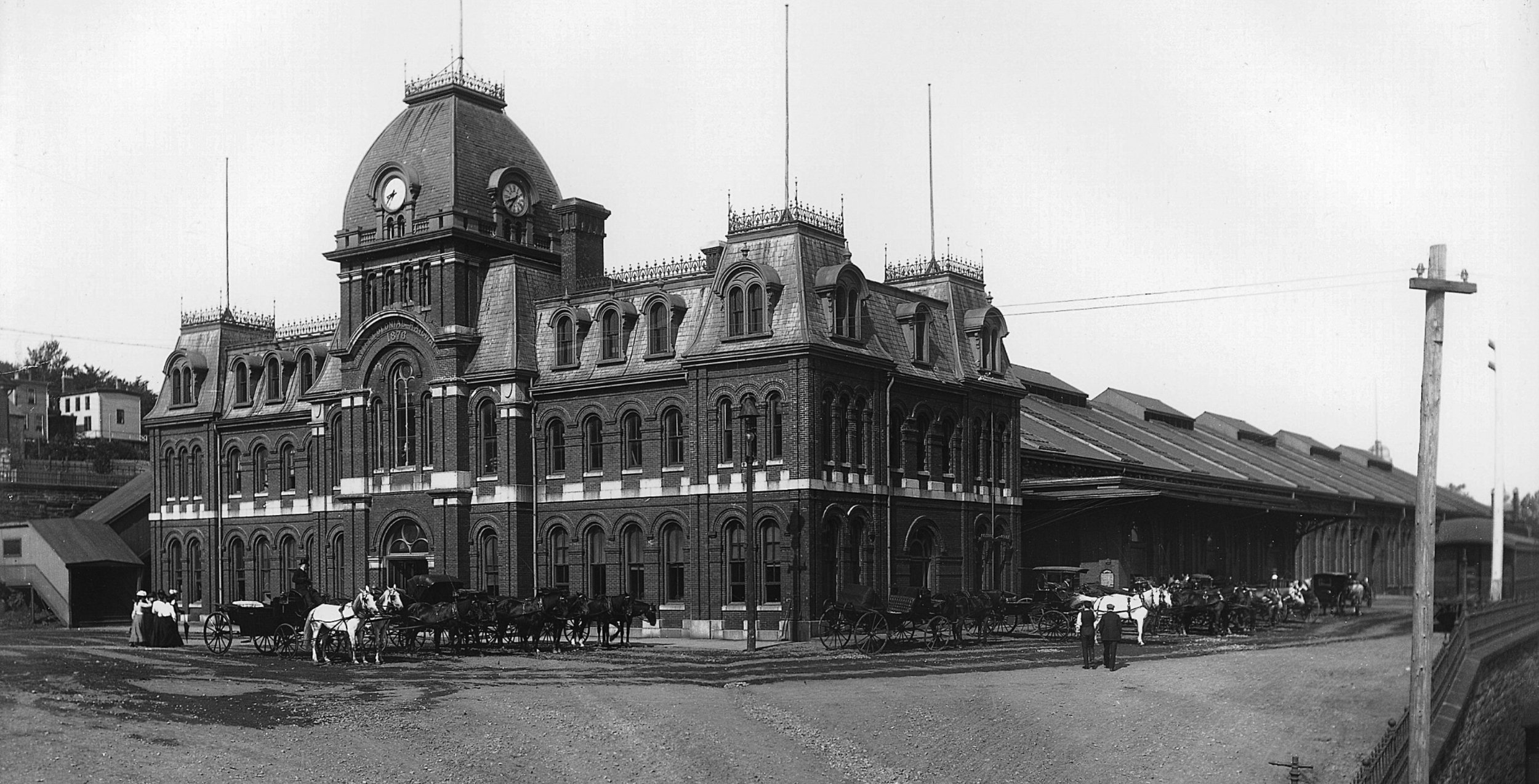
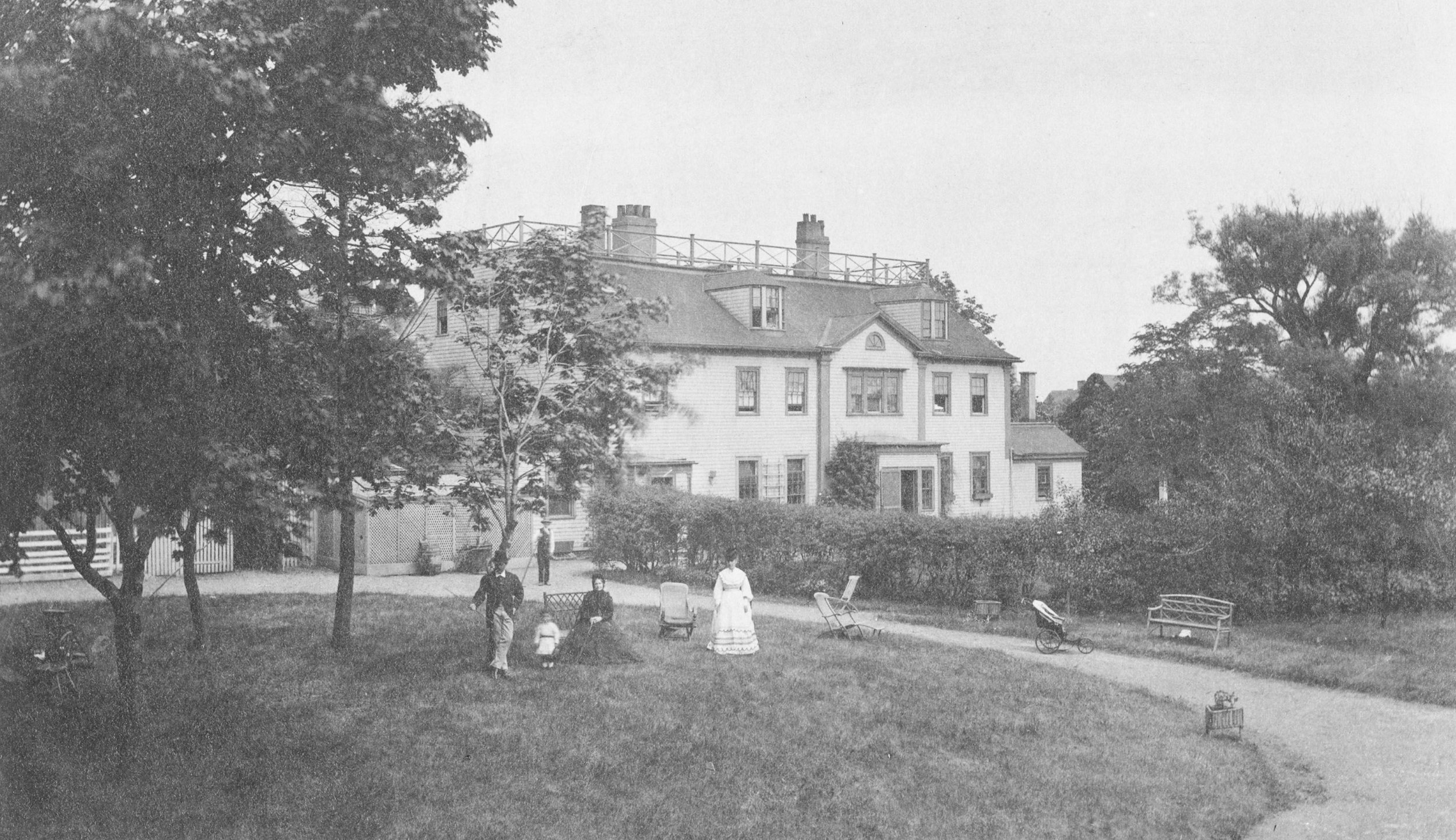
A new study by researchers in the Department of Anthropology at Saint Mary’s University has found that 87 per cent of Halifax buildings that were standing in 1878 have since been demolished. The first phase of the Halifax Memory Maps project used archival maps and geographic information system (GIS) software to measure the loss of heritage buildings in the urban environment.

The study’s results were published online November 12 in the form of an ArcGIS StoryMap called Halifax Heritage: 1878, which can be accessed at mapsofmemory.com

“We hope these findings will encourage Haligonians to reconsider the extent and value of Halifax’s rich architectural inheritance before it vanishes forever,” Dr. Jonathan Fowler says on behalf of the research team.

Student and professor look over a historic map in a classroom

Emily Davis BA’24 works with Dr. Fowler in the Archaeology Lab

Recent graduates Emily Davis BA’24 and Gillian Bonner BA’24 were key players in the project as student researchers while finishing their Bachelor of Arts degrees.

“I think the Memory Maps project is valuable to the public in general because it allows people to engage and connect more with the city that they live in,” says Davis, who grew up in Sydney Mines, Cape Breton. “The digital maps make the heritage and history of the city more accessible…that’s sort of the point of archaeology, to share it with the community and the public.”

Project background

Halifax is one of Canada's fastest-growing cities and will soon have over half a million residents. The bustle and new builds are evident to all, with construction cranes and traffic detours across the city.

“In times of rapid and transformational change, it is important to carefully consider what we choose to keep and what we choose to discard,” says Dr. Fowler. “Recognizing that change is necessary for growth and that heritage architecture is an important part of Halifax's distinctive vibe and character, we need to find a balance. How much of Halifax's rich and unique architectural heritage should be carried into the future, and what can be let go?”

Prior to the Halifax Memory Maps project, there has been no systematic survey of Halifax's architectural heritage. The research team felt that an inventory of built heritage assets is an essential part of any meaningful discussion of this subject: “We cannot properly manage and steward what we have not first measured and mapped,” says Dr. Fowler.

Starting with the first large-scale map of the city, the 1878 Hopkins’ City Atlas of Halifax, the team examined the Halifax peninsula, street by street and building by building, to see what survived and what has been lost. The results of this first phase of the project revealed that whole neighbourhoods have vanished from some areas of the city, while in others, large parts of old Halifax remain intact. Some well-seasoned buildings have acquired municipal or provincial heritage status and thus a measure of official protection. In most cases, however, they have not and could face the risk of being demolished.

A section of downtown Halifax shown in historical context

This image from the Halifax Heritage 1878 map shows “a vanished neighbourhood, a Victorian gasworks, and the Tobin estate beneath what is now the Barrington St. Superstore and Peace and Friendship Park.”

The challenge moving forward

A recent HRM staff report reveals that from 2009 to 2019, 33 of 104 buildings with potential for municipal heritage designation were demolished, an attrition rate of 32 per cent in just 10 years.[1] This report relates to just a small area of downtown Halifax.

Until now, planners—and the public—have not had a comprehensive map of peninsular Halifax’s oldest buildings. Along with raising awareness of our built heritage, the researchers hope the Halifax Memory Maps project offers a helpful tool for managing current and future growth.

“As our newly elected mayor and Council are seated, and as the pace of change continues to drive the city to grow bigger and busier than ever before, Haligonians need to decide what kind of Halifax they want to bequeath to future generations,” says Dr. Fowler. “For that is the essential nature of heritage: it is what we inherit from our ancestors. And it is what we value enough to preserve and pass on to others.”

The research team was recently invited to present findings at a special meeting of the HRM Planning and Development Office and will continue to share results with municipal staff and the public in the months ahead. In development now are a map of Late Victorian Halifax and a map of grave markers in The Old Burying Ground, one of Canada's oldest marked cemeteries.

The team will release its next map – Halifax 1899 – in Spring 2025. Team members include:

  • Gillian Bonner BA’24, an Anthropology graduate who now works in cultural resource management;

  • Emily Davis BA’24, a graduate of the Anthropology honours program; she has an interest in industrial, landscape and historical archaeology;

  • Dr. Jonathan Fowler, an archaeologist who ‘loves old maps’ and teaches in the Department of Anthropology;

  • Sheheryar Khan, a Bachelor of Science and Diploma of Engineering student at Saint Mary's; he is interested in civil engineering and environmental issues; and

  • Wesley Weatherbee, the Anthropology Laboratory Technician at Saint Mary’s, where his research focuses on coastal archaeology and climate change.

Davis hopes the research project will help to guide her toward a career in the archaeology field. “I would like to keep working in this area of study,” she says. “I find it to be very rewarding and I’m also quite passionate about it. I think it’s important work, so I would like to go further with my education and do a master’s, and then kind of see where life takes me from there.”

Emily sits with a TV reporter inside the archelogy lab

Emily Davis talks with Global TV about the Memory Maps project

[1] Heritage Advisory Committee and Community Planning and Economic Development Standing Committee, 31 January 2019. Case H00437: Strategy for the Protection of Potential Heritage Resources Downtown

Halifax, Item No 9.3.


Holiday closure: What's open, what’s not

With exams wrapping up on December 19 and university administrative offices closing their doors at 5 p.m. on December 23 for the holiday break, here’s a handy reference of what services will be available for those on campus:

Food services

For a full schedule of food service operation hours during the exam period and the holiday closure (until January 8), click here.

Wellness services and supports

The Health Clinic, Counselling Centre and Sexual Violence Support Centre will be closed from 4 p.m. on December 23 to 8 a.m. on January 6. Additionally, the SMU Community Food Room will be closed from December 13 to January 8.

Students in need of support during the holiday closure can access the following resources:

  • The Mental Health Mobile Crisis Team at 1-888-429-8167

  • Good2Talk at 1-833-292-3698 or text Good2TalkNS to 686868

  • The 9-8-8 Suicide Crisis Help Line can be reached by call or text to 9-8-8

  • The Sexual Assault Nurse Examiner (SANE) program at 902-425-0122

  • Dial 211 for community and social services. For police, fire and medical emergencies, please call 911 and engage SMU Campus Security.

  • For non-emergency health care, visit your nearest walk-in health clinic or access the NS Mobile Primary Care Clinics

Safety services

SMU Security and safety services will remain operational throughout the holiday closure. SMU Campus Security will maintain 24/7 operations.

  • For campus emergencies, call 904-420-5000 or dial 5000 from any campus landline phone.

  • For campus non-emergency support call 902-420-5577 or dial 5577 from any campus landline phone.

  • The Loyola Residence Desk will also maintain 24/7 operations and can be reached by phone at 902-420-5591.

  • The SMUSA Husky Patrol services will pause on December 17and resume on January 8, 2025. 

    A more complete list of important dates is available at the Academic Calendar of Events. Have a safe and restful holiday!

New web home for merged Political Science and Global Development Studies departments

The Department of Political Science and Global Development Studies is excited to welcome the SMU community to its new departmental web pages! The update emerges from the recent merger of Political Science and Global Development Studies into a single department, with students now able to benefit from enhanced course offerings, expanded faculty expertise and supervision, and added collaborative events and initiatives.

The new department offers undergraduate majors, minors and honours programs in both areas of study; graduate degrees in Global Development Studies; and, in collaboration with the Department of Geography and Environmental Studies, a Minor in Global Environmental Politics (GEP).

Faculty members in the department pursue leading-edge research across a wide range of fields, offering students the knowledge and skills required to intervene in the world in bold and positive ways, encouraging intellectual curiosity, research skills, analytic thinking and practical engagement. 

Explore the department's new website at smu.ca/polisci-gds.

Mia Makhlouf receives 2024 Montreal Women’s Memorial Scholarship

Engineering student Mia Makhlouf.

Congratulations to Mia Makhlouf, the recipient of the 2024 Montreal Women’s Memorial Scholarship. This award was presented at a National Day of Remembrance and Action on Violence against Women ceremony at Saint Mary’s University. Mia is a first-year student in the Diploma in Engineering program.

Presented each year to a female Engineering student, the scholarship honours the memory of the 14 women who were killed on December 6, 1989 in an anti-feminist attack at the École Polytechnique, the engineering school at the Université de Montréal.

The event was part of 16 Days of Activism Against Gender-Based Violence at Saint Mary’s, commemorative days that served as a prompt to contemplate our collective past, celebrate our accomplishments, and work towards a better future for all.

Health Data Analytics Symposium showcases student innovation

How can data transform healthcare? Can data help us make better decisions around patient care and even help manage the overall healthcare system in Nova Scotia?

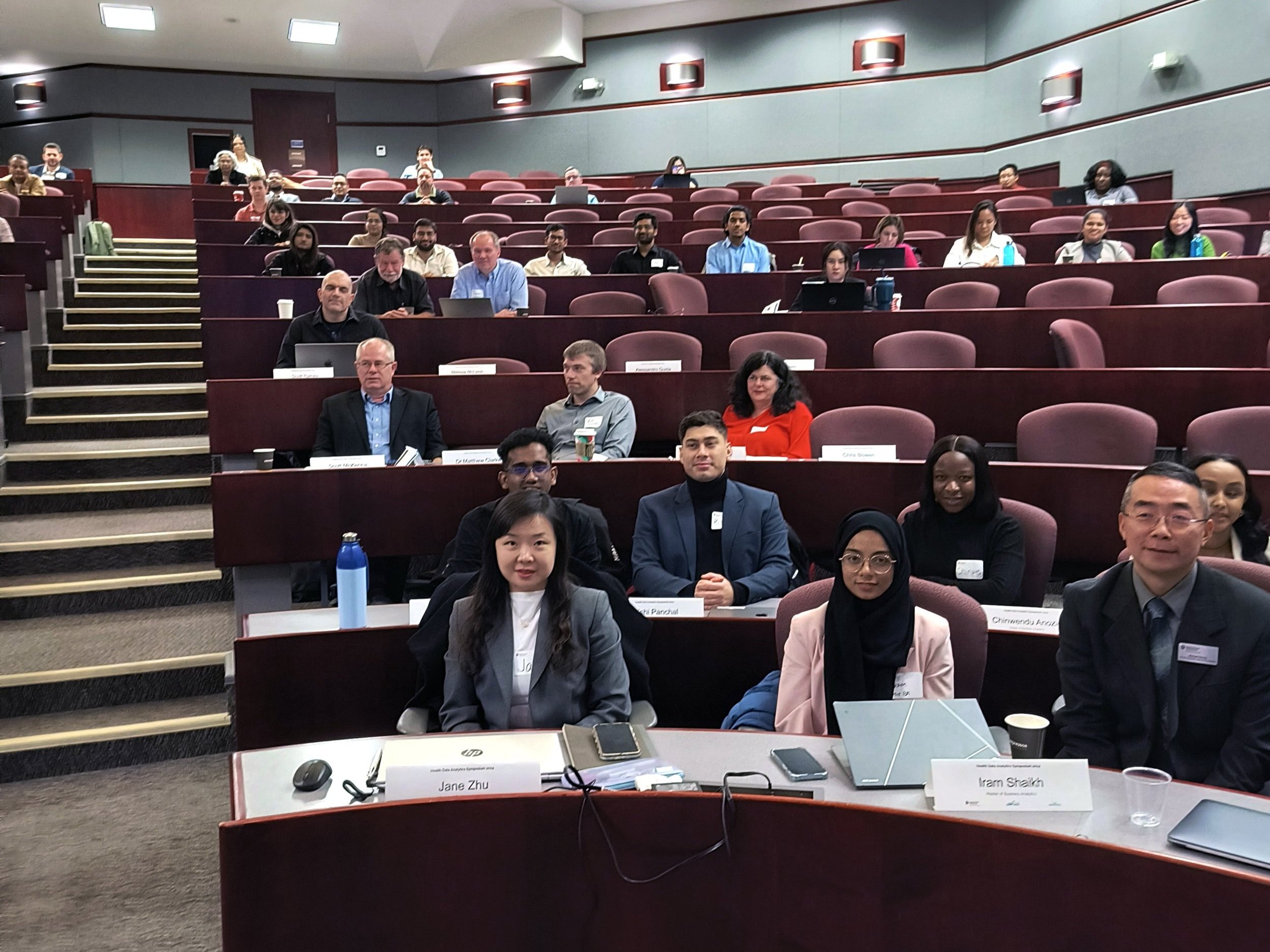
Those were the central questions at the Health Data Analytics Symposium, which was recently held at Saint Mary’s University. The symposium brought together a diverse group of experts from government, healthcare, and business.

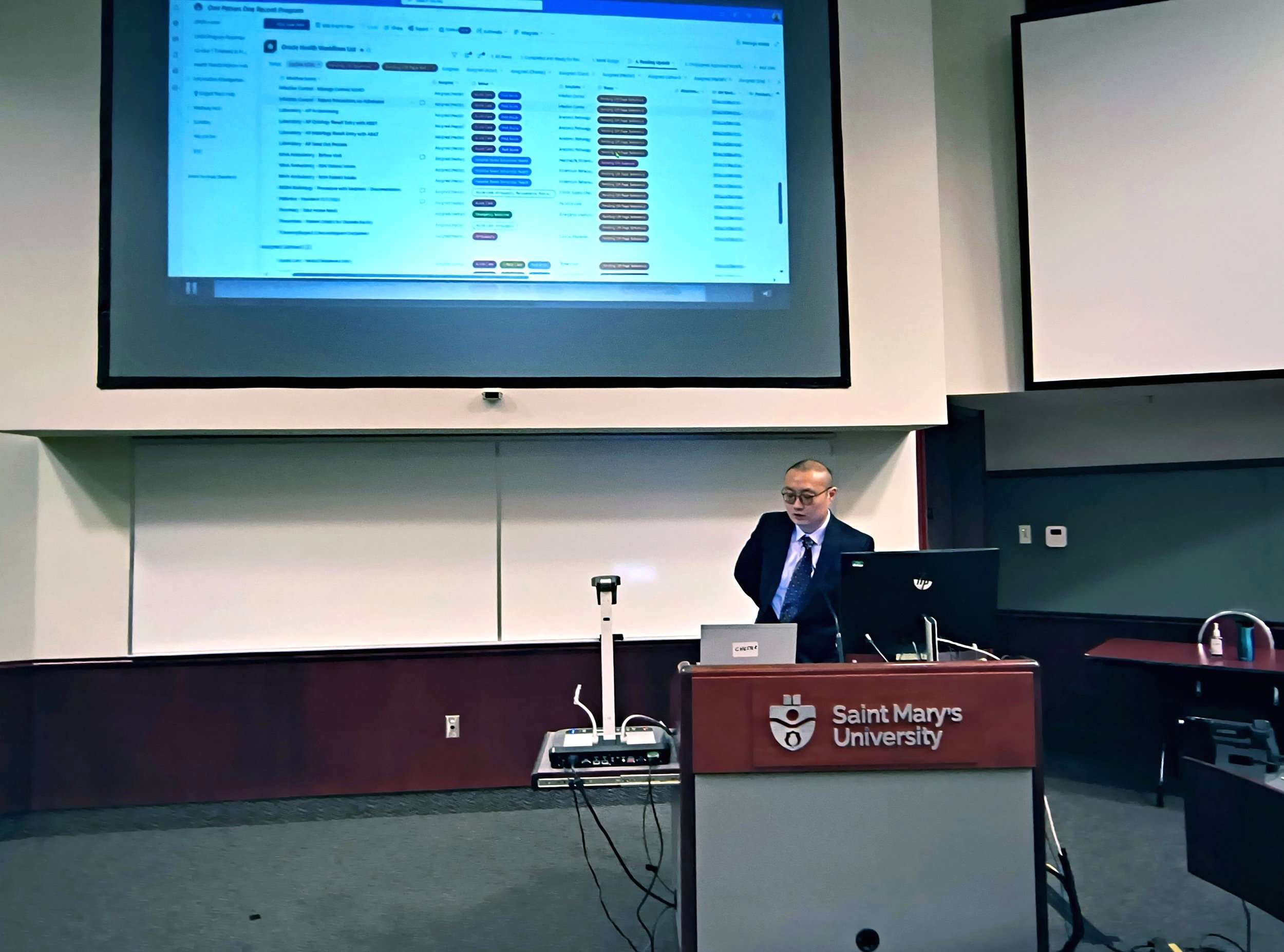
This annual event provides a platform for SMU graduate students in the Master in Business Analytics (MBAN) program to present their groundbreaking research. It is a place for them to share the results of their internships and co-ops with some of Nova Scotia’s largest healthcare providers, including Nova Scotia Health, the IWK and the Nova Scotia Department of Health and Wellness. This symposium is aimed at fostering partnerships between academia and healthcare, driving innovations that directly benefit Nova Scotians.

MBAN student Farhat Roopkatha

“My work with the IM/IT Business Intelligence Team at Nova Scotia Health […] has been a transformative experience, setting new standards for capacity planning and organizational transparency in healthcare,” says MBAN student Farhat Roopkotha.

“From customizing workflows to fostering collaboration across diverse teams, this project has demonstrated how tailored tools can drive impactful change. By integrating Agile methodologies, we’ve empowered teams to optimize resources and align goals for better outcomes across Nova Scotia Health.”

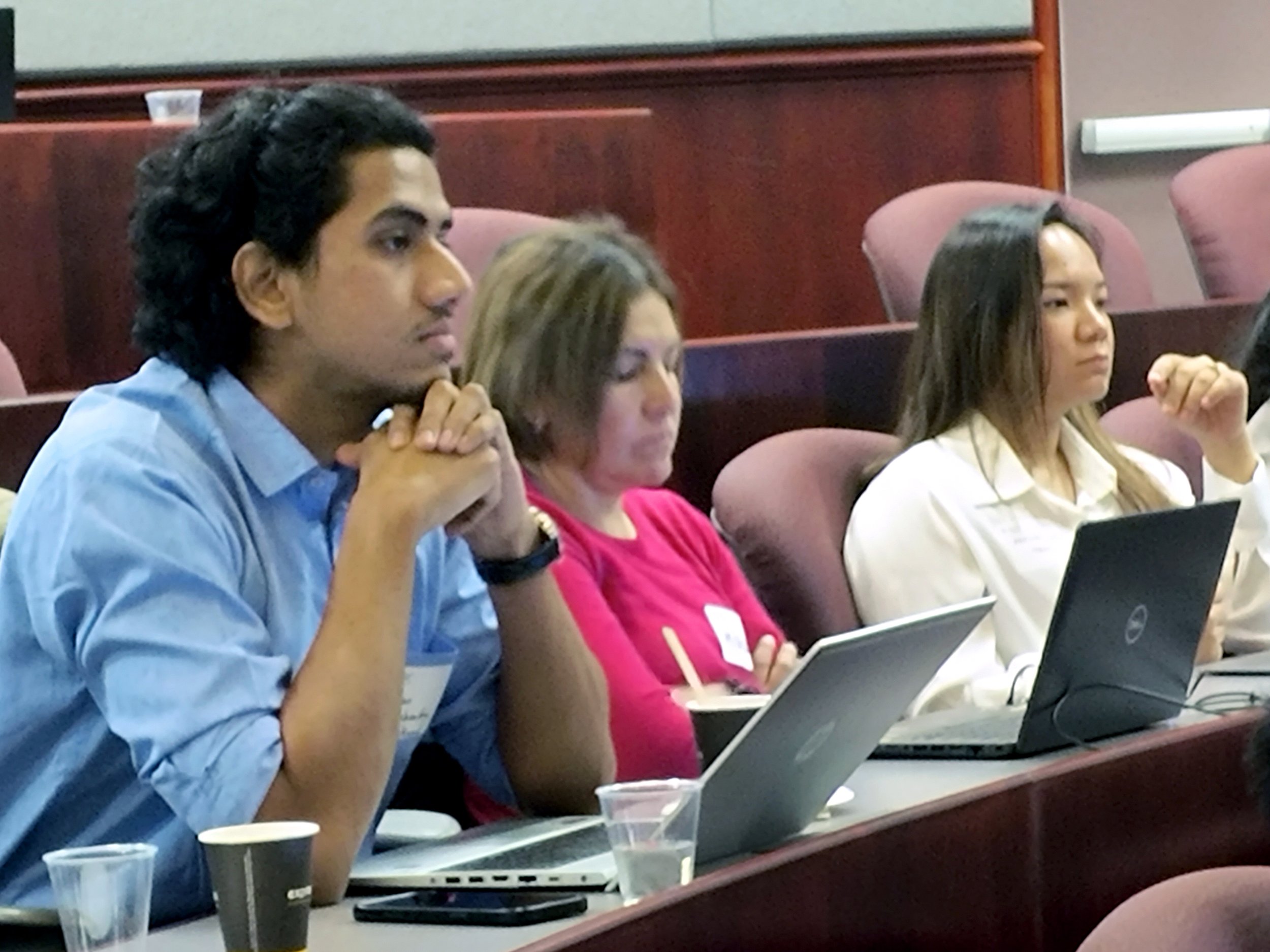
Healthcare experts questioned the students about the practical applications of data insights into various aspects of healthcare, from daily medical routines to long-term planning. These discussions highlighted examples of how data is being used to enhance patient care and streamline healthcare operations in local emergency rooms, long-term care facilities, and prescription management.

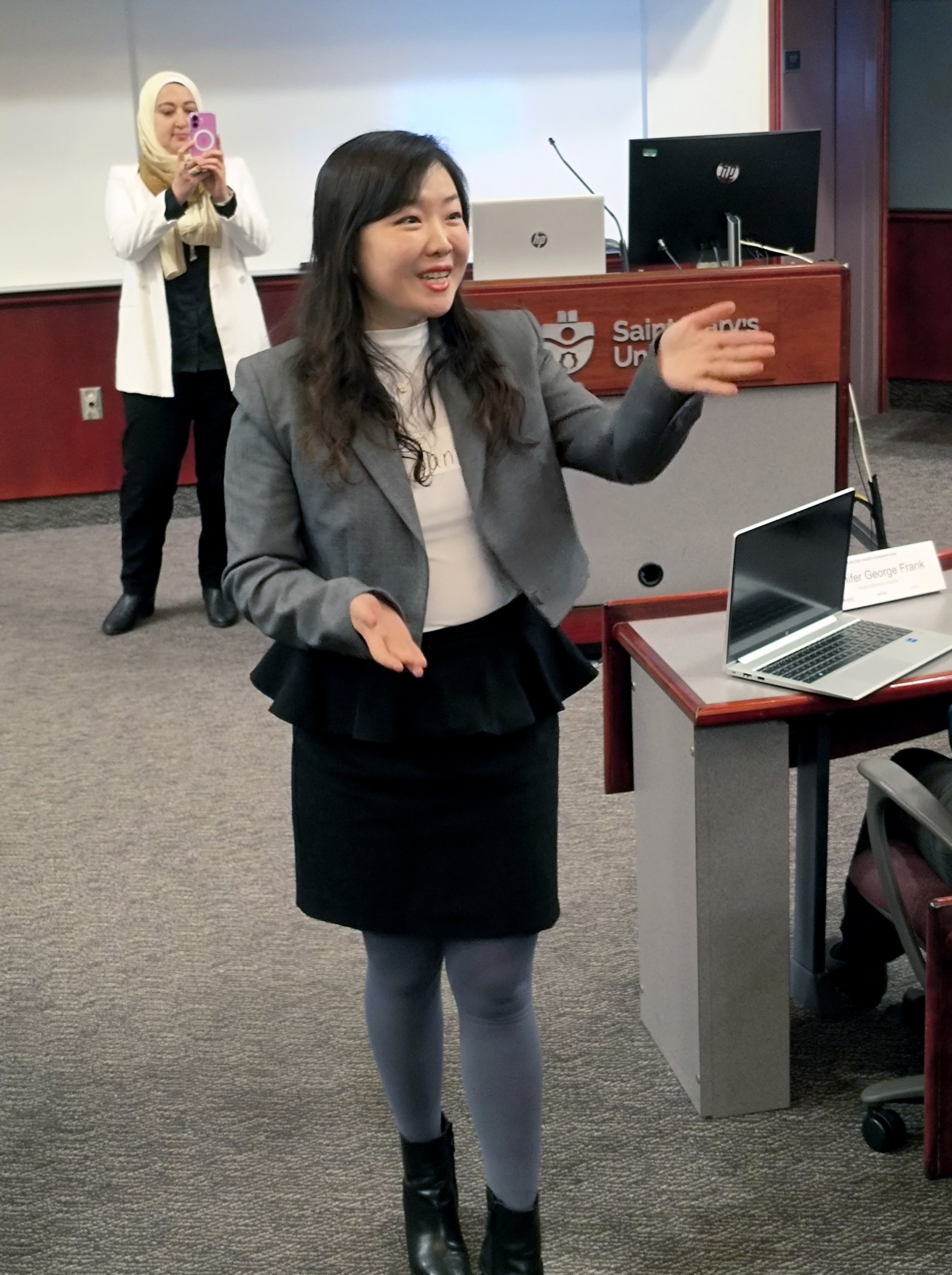
“The feedback from the Nova Scotia Health community was truly inspiring, reaffirming the importance of this project in improving data collection and patient outcomes,” says MBAN student Fana Abaynew Mandefro, who presented her work with the Wound Care Registry Project with the Nova Scotia Health Innovation Hub.

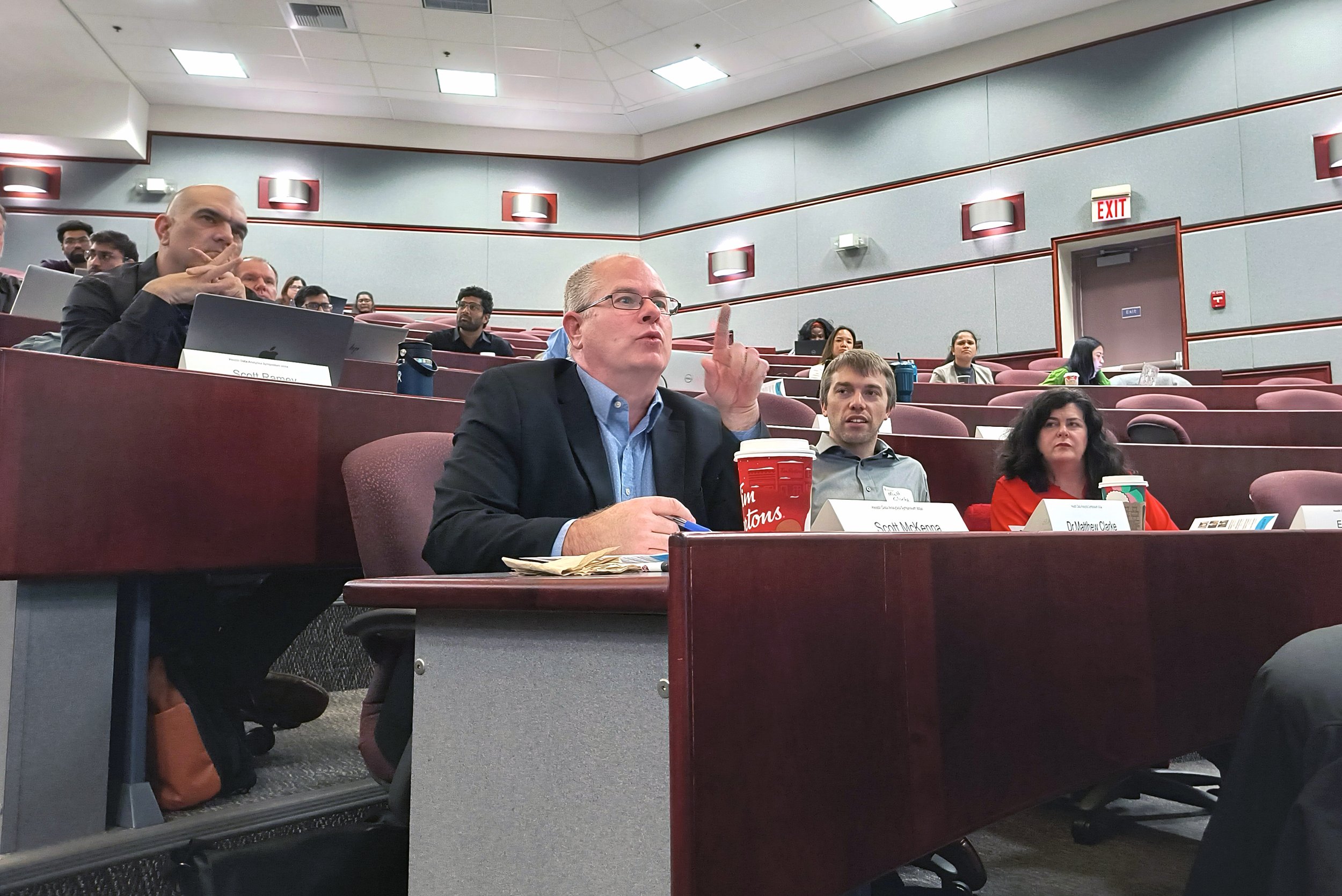
A notable session delved into the role of data in understanding the social determinants of health. Scott McKenna, Chief Information Officer, Nova Scotia Health and IWK, stressed the importance of analyzing social factors such as income and education. “Data and analytics have the power to bring tremendous insight to the health system.  Layering in important socio-economic information can give us a whole different perspective and influence how we design solutions for citizens and tailor them to respond to unique needs.”

Jordan Warford, Executive Director of Planning and Performance, Department of Health and Wellness

Jordan Warford, Executive Director of Planning and Performance, Department of Health and Wellness, posed the question, “How can we harness the power of data to plan for the longer term?”

Warford emphasized the importance of data analytics in uncovering hidden patterns and trends, which can lead to more informed decisions. “Data is the compass guiding us through healthcare’s complexities, revealing insights that turn information into better care and healthier communities. These students are proving that the smart decisions we make today can shape a stronger, more sustainable system for tomorrow.”

As the symposium progressed, attendees gained valuable insights into the critical role of data in shaping the future of healthcare. The event underscored SMU’s commitment to fostering innovation and preparing the next generation of healthcare leaders.

Matthew Murphy, Chief Data Officer, Nova Scotia Health Authority, expressed his deep appreciation for the partnership and commitment to further advancing internship programs with SMU. Saint Mary’s University continues to lead the way in equipping students with the tools to revolutionize healthcare through data. "Partnerships like the one between Nova Scotia Health and Saint Mary’s University are pivotal in shaping the future of healthcare. By leveraging the power of data, we are not only equipping students with practical skills but also creating real-world solutions that enhance care and improve outcomes for Nova Scotians.”

The work underway in SMU's health analytics space reflects the ecosystem's commitment to building a healthcare system that meets today’s demands and is prepared to adapt to future challenges with data at its core.

Master of Business Analytics at SMU

Gain skills with Experience Ventures this Winter Term

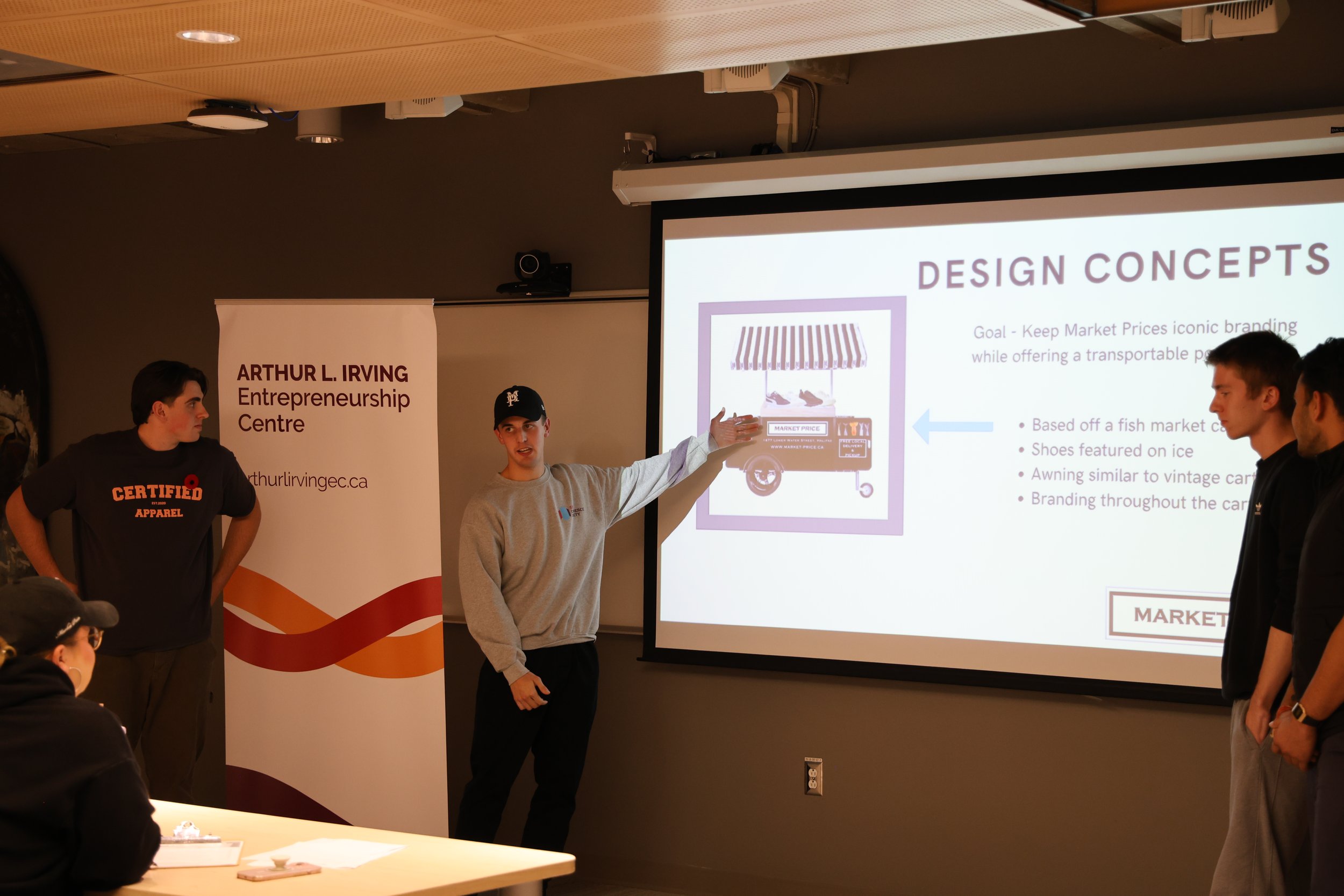
Students present a slide called Design Concepts

At the halfway mark, Experience Ventures celebrates success and adds opportunities for students for the winter term

The Arthur L. Irving Entrepreneurship Centre and the Hunter Hub for Entrepreneurial Thinking at the University of Calgary are delighted with the response to the Experience Ventures program launched this fall. To date, 97 students are participating in various entrepreneurial projects. In response to the interest, the program has expanded and has 70 placements available for the Winter Term.


Opportunities for Students

Students across Atlantic Canada can apply to Experience Ventures to work hands-on with innovative businesses on real-world projects, develop valuable skills, and build professional networks.

One participant says, “Being able to work with real business owners while getting direct input on our ideas really gave us a taste of the entrepreneurial world.”

Sign up now! Those interested in upcoming Winter Term programs can submit a form and receive email notifications.  


Enthusiastic response from business partners

We are thrilled with the response from the business community—all 66 opportunities are now assigned. This speaks to the value businesses place on connecting with the innovative talent, contemporary skills, and fresh thinking they gain by partnering in this program.

One of the founders and owners of Market Price, Lauren Ferguson BComm’20, reflects on her participation with Experience Ventures. "It was great to be part of it. We learned a lot from the students, and it was really nice to get involved with the community and our alumni connection [at Saint Mary’s University]," says Lauren. “I definitely recommend other businesses participate in the Experience Ventures Hackathon, especially small businesses in the community—it really gets you involved and sparks some great ideas.”


About Experience Ventures

Experience Ventures is a national program that pairs students with startups and businesses, providing unparalleled opportunities for experiential learning. The program offers a variety of placements, including hackathons, challenges, project experiences, student-in-residence positions, and interdisciplinary team projects.

For more information on Experience Ventures, please visit our website or contact:

Engineering students embrace entrepreneurial thinking at Experience Ventures Hackathon

A team of students present their ideas on a screen

Engineering students pitch their ideas at the Hackathon

Entrepreneurial thinking is not just for business students—it’s a valuable mindset that transforms every field, as demonstrated by the Experience Ventures Hackathon. Hosted by the Arthur L. Irving Entrepreneurship Centre in partnership with The Hunter Hub for Entrepreneurial Thinking at the University of Calgary and the Government of Canada, the recent hackathon brought together 30 engineering students from Saint Mary’s and Dalhousie University to solve a real-world challenge from Payzant Home Hardware. 

What was the challenge? Students were tasked with designing innovative solutions to enhance quality control at Payzant Home Hardware’s roof truss manufacturing facility. Using cutting-edge technologies like AI, robotics, and 3D prototyping, the students worked in teams for a week starting on November 23 and culminating in a compelling presentation on November 30.

A team of students presents their ideas

“This Hackathon taught me that engineering is not just about solving technical problems—it is about finding creative solutions that make a real impact,” said one student participant. 

Greg Smith, a Payzant Home Hardware representative, praised the students’ ingenuity, calling their ideas transformative for the manufacturing industry. The event highlighted how entrepreneurial thinking can inspire innovation across disciplines, proving that the principles of entrepreneurship are universal tools for progress. 

Experience Ventures, powered by the Hunter Hub for Entrepreneurial Thinking at the University of Calgary, enables post-secondary students to make an impact alongside real-world innovators through entrepreneurial thinking placements. Experience Ventures is funded by the Government of Canada and is delivered nationwide in partnership with post-secondary institutions. Saint Mary’s University’s Arthur L. Irving Entrepreneurship Centre is the Regional Lead Atlantic Canada partner in Experience Ventures. Find out about student opportunities with honorariums available through Experience Ventures.

Sign up now to receive emails about upcoming programs.

Entrepreneurship stories

Saint Mary's student team wins $10,000 in second annual Innovation Cup

Jason Phonchareon, Olivian Sanderson, Stuti Sandhu — Innovation Cup 2024 winner, Sociable team

Sociable, a modern and innovative student engagement platform developed by three Saint Mary’s students, was the grand prize winner in the Arthur L. Irving Entrepreneurship Centre’s second annual Innovation Cup Final Competition held Friday, November 29. 

Olivian Sanderson (BComm, Accounting and Management) Jason Phonchareon (BSc, Psychology) and Stuti Sandhu (BA, Psychology) developed the start-up to address student loneliness within universities. Sociable helps students connect with each other, get peer support and gain access to campus events. A standout feature is “Pre-Connect,” which allows students to join group chats before an event. What sets Sociable apart is limiting the range of connections to students within the same school, promoting meaningful interactions and relationships within a campus community.

“When I came to university, I found it hard to make friends, and I did not have many like-minded people around me,” says Olivian Sanderson, one of the three members of the Sociable team. “Luckily, I found a group of people who aligned with me, including my co-founder, Jason Phonchareon, and we started talking about this issue.”

“The vision of Sociable is to be the platform that ends student loneliness. We want to be in every school, giving as many students as possible the opportunity to meet people that they mesh with. In a digital world, it is so important to ensure we are still fostering those in-person relationships, which is why this platform is a necessity.”

Innovation Cup finalists and judges

Ten Weeks, Ten Teams, Ten-Thousand-Dollar Prize

This is the second year for the Arthur L. Irving Entrepreneurship Centre’s Innovation Cup—a 10-week experiential learning program for Saint Mary’s students, where ten teams compete for the grand prize of $10,000. Each team is made up of three students from across the three faculties of Arts, Commerce and Science.

“During the ten weeks of the program, students have weekly training sessions and workshops, connect with industry experts to increase their business understanding, skills and network,” says Michael Sanderson, Director, Arthur L. Irving Entrepreneurship Centre. “All while turning their start-up idea into tangible ventures.”

Judges listen to the Alaagi pitch

After three elimination rounds, three teams make it to the final round, where they give their best pitches to a panel of expert judges and a live audience. The judges for this year’s final competition were Katerina Msafari, Founder Success Lead at Tribe Network and COO of Adrigo Insights; Mike Rothenburg, Economic Development Officer at ACOA; and Bethany Deshpande, Founder of SomaDetect and business and leadership coach.

Rothenberg praised the high calibre of the pitches, saying, “The three pitches today were truly impressive, showcasing high-calibre and innovative business ideas. The presentations were polished and well-structured, highlighting each team's vision for growth and development.”

Deshpande seconds his comments and reflects, “The decision-making process was incredibly difficult, as each team demonstrated a deep understanding of their market and a compelling vision for the future. It was a pleasure to witness their hard work and dedication come to fruition."

The Sociable team will use the $10,000 towards completing their UX design, as well as legal fees, marketing and cloud storage. 


A Diverse Field of Innovators

Beyond Sociable, the competition featured a diverse range of innovative ideas. One of the finalists, Alaagi, a startup presented by Sheheryar Khan (BSc and Dip. Chemical Engineering), S M Sourav Rabbi (BComm, Finance and I.T.), and Rida Naqvi (BA, Psychology and Entrepreneurship), addresses environmental concerns by developing innovative, biodegradable bioplastics derived from seaweed.

Another finalist, Bean, an AI-powered food assistant, impressed the judges with its potential to revolutionize meal planning and reduce food waste. The Bean team, consisting of Vaishali Sachdeva (BA, Entrepreneurship), Varshitha Venkatesh (BSc, Computer Science), and Anushka Kalantri (BComm, Accounting and Finance), garnered significant audience support, earning them the “People’s Choice” award and a $1,000 prize.

Alaagi team: Sheheryar Khan, S M Sourav Rabbi, Rida Naqvi

Bean team: Varshitha Venkatesh, Anushka Kalantri, Vaishali Sachdeva

The Innovation Cup will be back next fall for young entrepreneurs to pitch their innovative business ideas! Visit the Arthur L. Irving Entrepreneurship Centre website for upcoming events, work and learning experiences in the Winter term.

Winter walking safety tips

Falling temperatures and snowy weather increase the risk of slips and falls. Follow these tips to help you navigate icy paths safely!   

  • Wear boots or overshoes with grip soles. Slick leather or plastic soles on shoes will increase the risk of slipping.  

  • When getting out of your vehicle, look down at the surface. If it’s coated with ice, you might want to try to park in a different place. Call Facilities Management at 902-420-5572 and advise of icy areas.  

  • Take care when entering or exiting vehicles and use the vehicle for support. Before standing, brace yourself with the vehicle door and seat back for added stability.  

  • Ice grippers on footwear can help you walk on hard-packed snow and ice. But be careful! Grippers become dangerously slippery and must be removed before walking on smooth surfaces such as stone, tile, and ceramic.  

  • Don’t walk with your hands in your pockets; this reduces the ability to use your arms for balance if you slip.  

  • Take short shuffling steps in extremely icy areas.

  • Place your full attention on walking. Digging in your pocketbook or backpack while walking on ice is dangerous.  

  • Test potentially slick areas by tapping your foot on them. 

  • Practice a balancing act indoors if you are unsure of your balance. Practice single-leg balance exercises (for example, stand on one foot first, then the other) near a support until you feel more confident.  

  • Slow down and take your time. Do not take risks, like climbing over snow banks.  

Reduce potential injury when falling with these tips: 

  • Roll with the fall. Try to twist and roll backwards, rather than falling forward. 

  • If you are falling backwards, tuck your chin to your chest to help prevent your head from hitting the ground.  

  • Relax as much as possible when you begin to fall. 

  • If you are carrying a load, just toss it. Protect yourself instead of the objects being carried.  

Jacob Hanley: 2024 winner of President’s Award for Excellence in Research

Dr. Jacob Hanley, recipient of the 2024 winner of President’s Award for Excellence in Research at Saint Mary’s.

As a global leader in the field of geochemistry and mineral resource geology, Dr. Jacob Hanley’s research conducted on campus at Saint Mary’s and nationally and internationally has been an influential force for faculty, students, industry partners and the scientific community.

Always happy to mentor the next generation of researchers, Dr. Hanley has supervised more than 50 BSc honours theses and graduate theses at SMU, with alumni moving on to successful careers in industry, government and academia. His lab’s active, varied research scope includes considerable student involvement, many industry and government funding sources, and spans a continent and centuries of data.

In a partnership with the Nova Scotia Museum, Dr. Hanley is currently engaged in an interdisciplinary collaboration with archaeologists, geochemists, and community members that may rewrite the understanding of pre-contact copper trade across North America. Using the chemical composition of copper from protohistoric sites in Nova Scotia, this research group is also tracking copper from its place of origin in 16th and 17th century Swedish mines to the Maritimes Basin of Canada, where it was repurposed by Indigenous peoples.

Another major research theme focuses on the geochemical origin of deposits of critical metals such as tin, tungsten, cobalt and lithium. Dr. Hanley’s team has developed ways of measuring concentrations of these metals at their source, deep in the Earth’s crust, by analyzing microscopic samples of trapped magma in crystals that are transported to surface during eruption. The supply of these metals is threatened, a concern that Canada has recognized as they are essential to national economic security and the transition to a low-carbon economy.

Recognized for his research excellence, Dr. Hanley has won national awards, contributed to dozens of peer-reviewed publications and has received significant research funding, including $2.6 million as Principal Investigator from industry and government sources.

His career has already been exceptionally productive, creative, and influential, and we anticipate even more interesting work from him as it progresses.

Dr. Hanley earned his PhD in Geology from the University of Toronto, where he also earned a Bachelor of Applied Science (Honours) in Mining Engineering and a Master of Science (Geology). Now a full-tenured professor, he has held increasingly senior faculty roles in the Department of Geology at Saint Mary’s since 2007.

The President's Award for Excellence in Research honours continued exceptional contributions to research and scholarship conducted by a full-time Saint Mary's University faculty member. More information can be found atsmu.ca/fgsr/presidents-award.

Saint Mary’s University unveils ambitious new Strategic Plan, “World Without Limits”

Aerial view of campus surrounded by greenery and the halifax harbour

Saint Mary’s University has launched its latest strategic plan, “World Without Limits,” setting a transformative vision for the next five years. The plan builds on the university’s strengths in student experience and in equity, diversity, inclusion and accessibility while fostering community engagement and faculty and staff success. 

Vision for the future 

The strategic plan outlines five key priorities that will guide the university’s efforts: 

  1. Discovery and Learning with Purpose: Saint Mary’s commits to fostering a vibrant culture of research, teaching and learning that reflects our core values. 

  2. Healthy and Successful Community: Saint Mary’s will create a community that is accessible and inspiring, providing support and strengthening the university experience for students, faculty and staff.

  3. Sustainability: The university is committed to long-term fiscal sustainability through careful and strategic management of institutional resources, while embracing environmental sustainability in the design of buildings and shared spaces.

  4. Equity, Diversity, Inclusion and Accessibility: The university will promote a safe and welcoming place of learning, working and belonging that is equitable, inclusive and accessible for Black and Indigenous people, people of colour, people with disabilities, members of the 2SLGBTQIA+ community and other equity-deserving groups.

  5. Community Relationships and Philanthropy:  Saint Mary’s will enhance relationships with alumni, donors, government and other community partners. 

Reflecting on the plan, President and Vice-Chancellor Dr. Robert Summerby-Murray said, “Saint Mary’s occupies a unique position in Canada; our students and our alumni know this. We stand out by providing an exceptional student experience full of opportunity, while providing a warm and supportive environment. We will build on our distinction and grow our strengths by acting on this strategic plan.”  

A commitment to community 

Saint Mary’s University has a long-standing tradition of community engagement. The new strategic plan reinforces this commitment by promoting initiatives that benefit both the local and global communities. From collaborative research projects to a fundraising campaign to community service programs, the university aims to make a positive impact beyond its campus. 

Development of the strategic plan began in 2021 and involved 730 individuals who took the opportunity to provide input through 60 workshops and five focus groups.  

The strategic plan was endorsed by Senate and approved by the Board of Governors and is now being shared with the broader community and all of SMU’s stakeholders.  

As Saint Mary’s University embarks on this new chapter, the strategic plan serves as a roadmap for the future. By prioritizing people and sustainability while seeking to make a positive impact in the greater community, the university is poised to achieve its vision and build on its position as one of Canada’s best primarily undergraduate universities. 

Read the strategic plan online