
Healthcare

Hope in code: How machine learning is shaping the future of lung cancer care

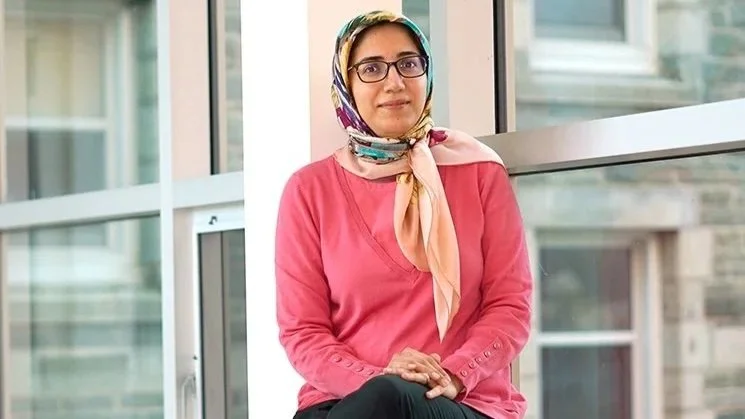
Somayeh wears a pink sweater and colourful head scarf

Dr. Somayeh Kafaie, Assistant Professor in Mathematics and Computing Science at Saint Mary’s University

Behind every lung cancer diagnosis is a family holding its breath, waiting for scans, for plans, for decisions, for the next step. What if advanced technology could help deliver those answers more quickly and tailored to each patient? At Saint Mary’s University, that possibility is becoming clearer. 

Data science meets patient need 

When Dr. Somayeh Kafaie speaks about her research, her voice softens. “For me, my research is about hope and progress,” she says. “It’s about making sure every patient receives the right treatment at the right time.”

An assistant professor in Mathematics and Computing Science at Saint Mary’s University, Dr. Kafaie leads the GraphML Lab, a space where data science meets human need. Supported by a Legacy Research Grant from the Lung Association of Nova Scotia & Prince Edward Island (LungNSPEI), her project applies machine learning to one of the most complex challenges in modern medicine: how to make radiation treatment for lung cancer faster, safer and more personalized. 

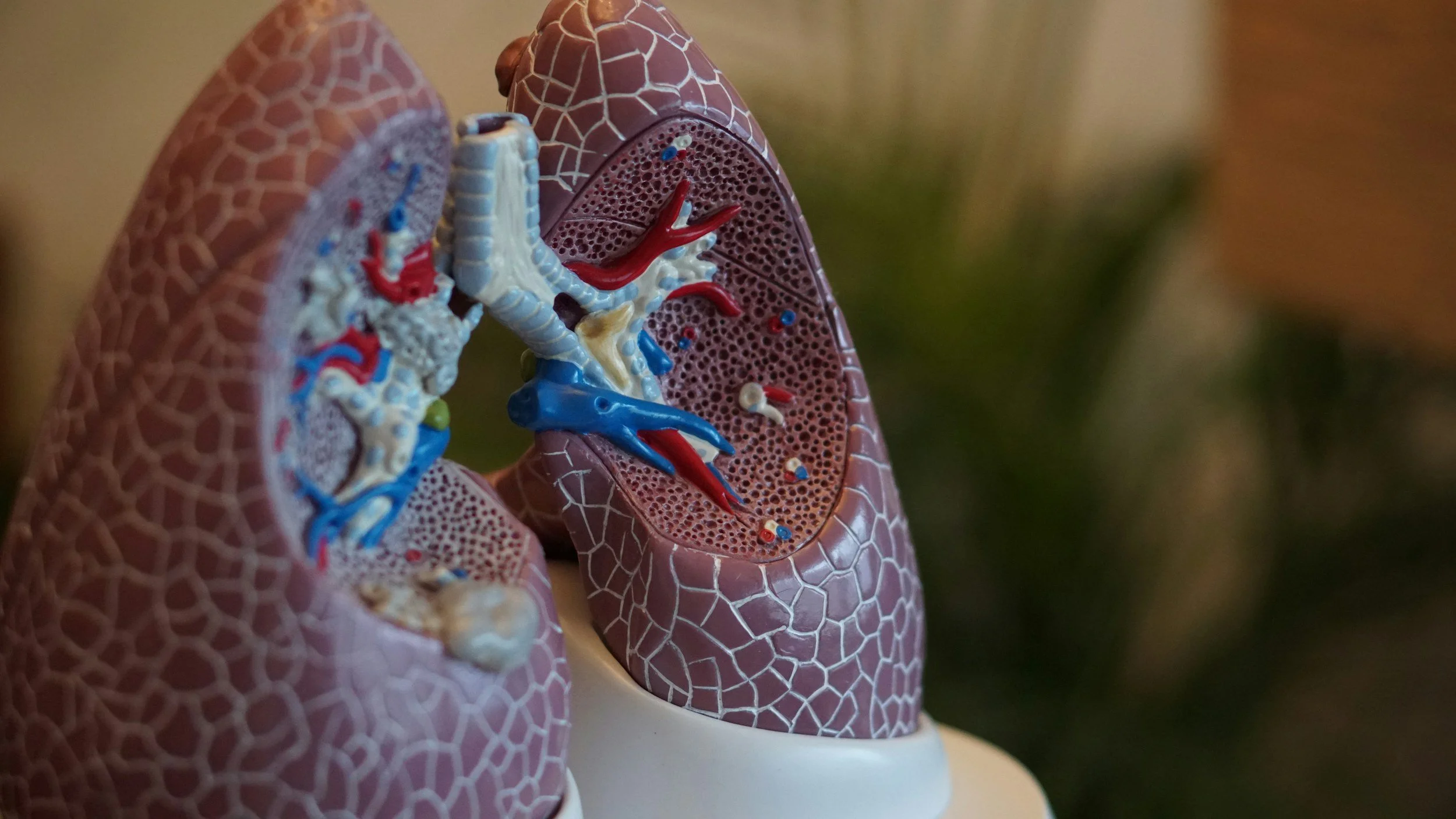
A model of a set of lungs

Dr. Kafaie and her team are working to help physicians improve radiation treatment plans for lung cancer patients

The work, titled “Machine Learning for Optimized Lung SBRT Dose Prescription”, explores whether artificial intelligence can help doctors predict the best radiation treatment plan for each patient based on their anatomy, medical history and the unique position of their tumour.

In collaboration with Nova Scotia Health and Cape Breton University, Dr. Kafaie and her team are using data-driven models to help physicians design more precise, individualized care plans, reducing delays and minimizing risk to surrounding organs. 

“Right now, creating a radiation treatment plan can take several days,” she explains. “It requires multiple rounds of adjustment by medical teams before it’s finalized. We’re exploring how machine learning can act as an intelligent assistant; not replacing doctors but helping them predict the right settings more efficiently and with greater confidence.” 

Improving care where it’s needed most 

Her path to this work was shaped early by her father, whose quiet encouragement to “do something meaningful” stayed with her. “He dreamed of me working at a university,” she recalls. Today, that same drive to teach, learn and help others anchors her research, utilizing knowledge to improve care where it is needed most. 

Dr. Kafaie’s passion for healthcare innovation took hold during her postdoctoral studies, when she began to see how data could drive real-world impact. “You can actually see how your work affects people,” she says. “That’s what keeps me going.”  

She grew up far from major hospitals and research centres, in a community where advanced treatment often meant travelling long distances. “Even here, in Nova Scotia, people sometimes have to travel hours or even to other provinces for specialized care,” she reflects. “If we can bring technology and expertise closer to smaller or rural communities, the impact will be enormous.” 

It’s a sentiment that resonates far beyond academic walls. Lung cancer remains one of the most aggressive and least forgiving cancers, touching almost every family in some way. For patients and their loved ones, waiting for treatment can be excruciating. A technology that shortens that wait time while improving accuracy could change outcomes and lives. 

Expanding the impact of innovation 

Dr. Kafaie’s collaboration with Dr. Mike Sattarivand at Nova Scotia Health began with a simple question: Can we make lung cancer treatment planning faster and more precise? That question has since evolved into a cross-disciplinary partnership combining medical expertise with advanced analytics.

“This is what science is. Tiny steps built on the shoulders of others, each of us adding one small improvement that, together, makes a big difference.”
— Dr. Somayeh Kafaie
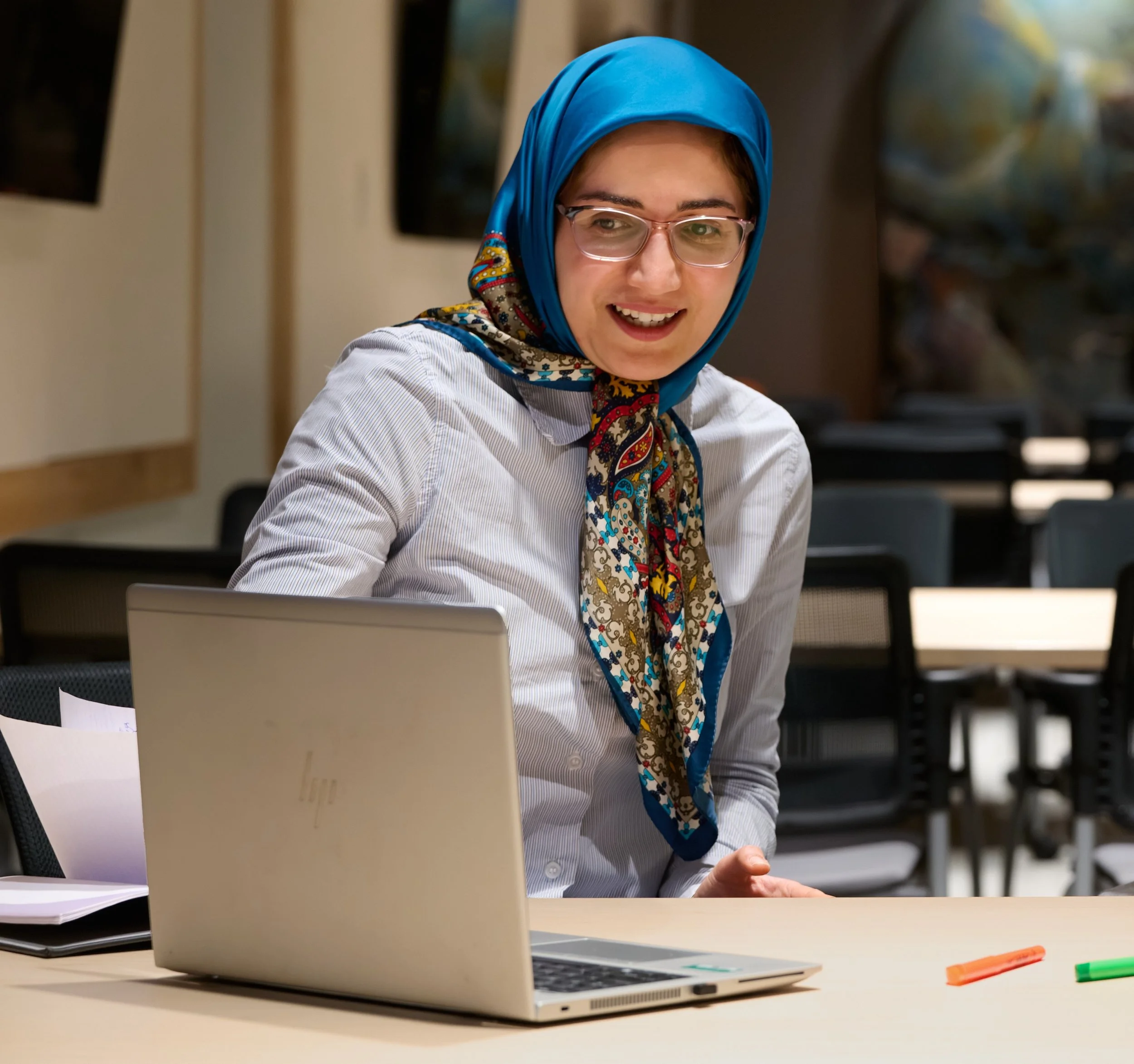
Somayeh works on a laptop

At Saint Mary’s, the project also bridges disciplines and communities. Students in Dr. Kafaie’s lab gain first-hand experience in using data science to solve real-world problems, while the collaboration with Nova Scotia Health strengthens the connection between academic research and patient-centred innovation. It’s a model of what SMU does best: combining human insight with technical excellence to create tangible public value. 

“SMU provides the academic foundation in data science and machine learning that makes this research possible,” says Dr. Kafaie. “Our students work closely with clinical experts, attending our lab meetings and contributing to the computational models. It’s truly a bridge between the university and the health-care system.” 

Although the project currently focuses on lung cancer, its potential reach extends far beyond. The same algorithms could one day inform treatment planning for other cancers, or even other diseases where personalized care is critical.  

“This is just the beginning,” she says. “AI can be a support system for doctors across many areas of medicine.” 

Still, for all the science and computation, what lingers after speaking with Dr. Kafaie is the humanity. She speaks of patients she has never met with the tenderness of someone who has known loss, and of research as a quiet act of care. “We live in a world where many people feel alone,” she says. “But if we each do a little bit, in our own way, we can make things better. That’s what I want my work to say.” 

For Saint Mary’s University, this project is one of many that show how innovation and compassion can move hand in hand. In labs like Dr. Kafaie’s, data becomes more than numbers. It becomes connection, progress and, most importantly, hope.       


Data with heart: A new pathway for healthcare innovators

When healthcare and data meet, the possibilities extend far beyond numbers—they shape the future of how we care for one another. That belief sits at the core of the Graduate Diploma in Health Data Analytics (GDHDA), Saint Mary’s newest graduate offering through the Sobey School of Business, designed for professionals ready to use data as a force for better health outcomes. 

Launching this winter, the GDHDA is a 12-month, weekend-format graduate diploma created for working professionals who want to remain in their roles while developing advanced analytical and leadership skills. The program responds to a growing need in healthcare: leaders who understand both people and data. 

“Healthcare is undergoing a profound transformation,” says Dr. Michael Khan, President and Vice-Chancellor of Saint Mary’s University. “This program reflects our commitment to collaboration and innovation, connecting academia, the healthcare sector and our broader community to address real-world challenges that matter to Canadians.” 

Developed in partnership with Nova Scotia Health, the GDHDA bridges the expertise of data scientists, healthcare administrators and policy leaders. Students learn to connect analytics to real-world decision-making through courses in data governance, predictive modeling and visualization, all grounded in the ethics of responsible innovation. 

Dr. Shannon Dea, Provost and Vice-President Academic and Research, highlights how the diploma aligns with Saint Mary’s University’s broader academic strategy. “Programs like the GDHDA showcase how interdisciplinary education can have direct social and economic impact,” she says. “It gives professionals the tools to translate complex data into knowledge that improves patient care and system performance.” 

For Dr. Michel Delorme, Dean of the Sobey School of Business, the diploma captures Sobey’s mission in action. “The GDHDA represents what the Sobey School stands for: education that connects business, technology and community impact,” he notes. “It builds capacity in a sector that touches every Canadian and shows how data-driven leadership can improve lives.” 

One of the program’s most distinctive features is its pathway to the Master of Business Analytics (MBAN). Students earn graduate credits transferable toward the MBAN, allowing them to continue their studies and deepen their technical and strategic expertise. 

For Sobey MBAN alumnus Ryan Campbell, that pathway represents real opportunity. “The MBAN completely changed how I think about data, not just as numbers, but as a language for solving problems,” he says. “For healthcare professionals, the GDHDA offers that same transformation, but through the lens of health and human impact.” 

As the first cohort prepares to begin in September 2026, the GDHDA underscores Saint Mary’s ongoing commitment to driving innovation that serves people and communities. “It’s an investment in leadership that advances both healthcare and society,” says Dr. Khan. 

Saint Mary’s invites its alumni, partners and community to help amplify this milestone by sharing the opportunity and championing the program within their networks. 

Learn more or apply at smu.ca/gdhda 

Engineering students tackle real-world medical challenge in hybrid hackathon

When 18 undergraduate students from Saint Mary’s University and Dalhousie University joined a week-long engineering hackathon this September, they weren’t just tackling a school project, they were helping shape the future of cancer care.

Through the Experience Ventures program at the Arthur L. Irving Entrepreneurship Centre, students took part in a hybrid Engineering Hackathon in partnership with Qalam Health Solutions, an Atlantic Canadian startup developing a product called the Osteoprobe: an AI-powered medical device that helps surgeons detect remaining bone cancer tissue in real time. The innovation could one day help reduce unnecessary amputations and lower relapse rates.

From September 19–26, students worked in small teams to design creative solutions for Qalam’s challenge — developing ways to improve their AI-powered medical device that helps surgeons detect bone cancer tissue in real time during surgery. Guided by Qalam’s founder and CEO, Haitham Shoman, the teams brainstormed, tested ideas and presented their final pitches at the end of the week.

One team stood out for more than just their idea. The winning team impressed Qalam so much that they were offered the chance for a future internship, a powerful reminder of how meaningful connections can be built.

“This program has been valuable to Qalam Health Solutions,” said Qalam’s founder and CEO, Haitham Shoman. “Students dove into real technical challenges mechanical, electrical and design to came up with solutions worth exploring.”

For many students, the experience was their first chance to apply classroom learning to real-world problems, working side by side with industry mentors.

“This hackathon helped me connect theory with practice,” said Aweer Yuang, a second-year Engineering student at Dalhousie. “It taught me to think like an entrepreneur and to keep finding solutions, even when things didn’t go as planned.”

The event was organized by Experience Ventures, which serves as the regional lead for Atlantic Canada. The program focuses on making hands-on opportunities accessible to all students. Over 80% of its experiences are offered virtually, allowing learners from across the region to participate and build valuable industry connections.

If you want to be a part of the Experience Ventures program or learn more, click here.

Not your typical research project

A faculty member and student work together

The CLARI space on Saint Mary’s campus allows faculty, students and community groups to work together on research projects

CLARI starts with community need, not a thesis

The Change Lab Action Research Initiative (CLARI) at Saint Mary’s University is quietly reshaping how research meets real-world needs. From mapping dementia care gaps and tackling housing insecurity to revitalizing Nova Scotia’s wool industry, CLARI-supported projects are as diverse as the communities they serve.

This spring, CLARI marks a major milestone: more than $1 million in provincial funding invested in over 130 projects. The initiative brings together faculty and students from post-secondary institutions across Nova Scotia with community partners to address local social and economic challenges.

“This funding milestone reflects significant investment of post-secondary resources in Nova Scotia communities,” says Ray MacNeil, Network Manager at CLARI. “That investment includes not only funding, but also the research expertise of faculty and students. More than 150 students have gained real-world experience working directly with community partners.”

At the heart of CLARI’s model is a simple shift: community groups—not researchers—set the priorities. CLARI helps identify faculty collaborators, provides grants and supports the partnerships through to completion.

“These projects show what’s possible when we stop asking, ‘What research do we want to do?’ and start asking, ‘What support do our communities need?’” says Dr. Adam Sarty, Dean of the Faculty of Graduate Studies and Research at Saint Mary’s. “CLARI flips the usual model. It’s not about showcasing expertise, it’s about sharing it.”

Examples of projects supported through CLARI include:

Therapy dog

CLARI researchers investigate how therapy animals can reduce isolation

  • Investigating the role of therapy animals in reducing isolation in long-term care

  • Creating resources to support men re-entering society after incarceration

  • Making arts-based entrepreneurship programs more accessible to rural youth

  • Developing trauma-informed responses for survivors of gender-based violence

  • Collaborating with Mi’kmaw communities on land-based education and knowledge-sharing

CLARI is a pan-university initiative headquartered at Saint Mary’s and built on collaboration between six founding universities: Acadia, Cape Breton, Mount Saint Vincent, St. Francis Xavier, and Université Sainte-Anne, as well as the Nova Scotia Community College. The network builds partnerships together, sharing knowledge, and helping uncover issues.

As CLARI enters its next phase, the focus remains the same: helping Nova Scotians solve problems that matter with research that doesn’t stay on the shelf.

For more information on CLARI and its network or how to get involved, visit actionresearch.ca.

Can AI make medications safer? Saint Mary's prof says yes.

Medication errors cost billions and risk lives, but Dr. Somayeh Kafaie, Assistant Professor at Saint Mary’s University, says artificial intelligence can help solve the problem.

Nova Scotia is home to one of Canada’s oldest populations, creating significant challenges for its healthcare system. By 2030, more than 25% of the province’s residents will be over the age of 65.[1]

Many older adults rely on multiple prescriptions to manage chronic illnesses, a practice known as polypharmacy. While often necessary, taking several medications simultaneously significantly increases the risk of harmful drug-drug interactions (DDIs), potentially causing serious complications and hospitalizations.

In Canada, nearly two-thirds of Canadians aged 65 and older living in long-term care facilities take ten or more prescription drugs.[2] Globally, medication errors and harmful interactions cost approximately $42 billion USD annually in avoidable healthcare expenses.[3]

Dr. Kafaie poses in front of a leafy wall. She wears a pink shirt and floral head scarf

Dr. Somayeh Kafaie is developing AI tools for healthcare providers to help reduce the risk of harmful drug interactions in patients

Dr. Somayeh Kafaie, Assistant Professor in the Department of Mathematics and Computing Science at Saint Mary’s University, is addressing this challenge using artificial intelligence (AI).  

“Our goal is not simply to use AI to flag risky drug interactions,” says Dr. Kafaie. “We want healthcare providers to clearly understand why certain interactions are problematic. By unifying drug databases and applying AI, we can identify potential issues early.”

A core component of the project is a dynamic knowledge graph, visually representing complex drug relationships and translating dense medical data into clear, actionable insights. Knowledge graphs have demonstrated promise in effectively predicting drug interactions by integrating extensive medical information.[4]

Additionally, Dr. Kafaie’s team is developing an AI-powered Q&A tool designed specifically for healthcare providers, allowing instant access to evidence-based medication guidance.

“When a doctor or pharmacist has questions about a medication interaction, our program can deliver quick, clear answers based on the latest research. AI should never replace human judgment but instead support it. Clinicians face overwhelming complexity managing medications for older patients, and our platform aims to lighten that cognitive load.”

Supported by the New Health Investigator Grant from Research Nova Scotia, Dr. Kafaie’s research aims to transform how healthcare professionals predict and prevent harmful drug interactions. Although still in early stages, the AI-driven platform has significant potential to reduce medication errors, shorten hospital stays and enhance overall patient care.

“This grant isn’t just financial support—it’s a vote of confidence,” says Dr. Kafaie. “Support like this shapes the future of healthcare research, drives innovation and develops the next generation of scientists.”

As demographics shift globally, pioneering efforts like Dr. Kafaie’s illustrate how local research at Saint Mary's University can generate meaningful, far-reaching impacts, positioning SMU as a leader in innovative healthcare solutions.

About the New Health Investigator Grant

Research Nova Scotia’s New Health Investigator Grant supports early-career health researchers who are engaged in research that is focused on the efficient and effective delivery of healthcare to Nova Scotians. Funding is provided by the Nova Scotia Department of Health and Wellness.


Breaking the silence: student leader speaks up for mental health

Manya Chawla, a second-year Bachelor of Arts student in Psychology with a minor in French and President of the SMU Mental Health Society

May is Mental Health Awareness Month in Canada. It is a time dedicated to starting the conversation and creating safe, open spaces to talk and learn about the ways mental illnesses can affect people’s lives. The goal is to reduce barriers to seeking support by breaking down the stigma of mental health.

For second-year Psychology student Manya Chawla, mental health advocacy is deeply personal. At an early age, she witnessed firsthand how isolating it can feel to experience mental health struggles, especially when it feels like no one is talking about it.

“Stigma thrives in silence,” Manya claims. “When we don’t talk about mental health, the myths, misconceptions and fears build up. Unchecked, these can grow into feelings of shame, which can often drive people to isolation or deeper struggles.”

Manya was recently named this year’s David G. Smith Memorial Award recipient for the work she is doing, both at Saint Mary’s and within her community, to support those facing mental health and illness challenges. The award, named in memory of David G. Smith, “is designed to recognize students whose endeavours help to reduce the stigma often associated with mental illness and/or mental health concerns, through lived experience, support, advocacy and/or celebration of others.”

SMU Mental Health Student Society at the Societies Expo

Manya is the President of the Mental Health Society at Saint Mary’s, a student-led group that focuses on creating inclusive events and peer-led conversations that normalize seeking help. “One of the biggest highlights for our society this year was our week-long initiative, Let’s talk SMU, where students were invited to share their mental health stories through art and spoken word,” Manya describes. The society also hosted collaborative events with The Counselling Centre and other student societies, aiming to foster open conversations about mental health and intersectionality.

“Receiving the David G. Smith Award is an honour and a reminder of the importance of the work we’re doing here at SMU, through initiatives like our peer support, awareness campaigns and community engagement,” Manya exclaims. “This award reaffirms my commitment to mental health advocacy and motivates me to keep challenging stigma and creating space for people to feel seen and supported.”

Outside of Saint Mary’s, Manya is heavily involved in mental health and mental illness-based community work, volunteering for organizations including Nova Scotia Health and Autism Nova Scotia. “This work allows me to support individuals with diverse backgrounds and needs, while also advocating for system-level change,” Manya notes.

If stigma lives in silence, Manya is using her voice to break that silence at every opportunity. “I aim to make mental health dialogue more approachable and to help reduce the burden of perceived shame,” Manya shares. “Creating a culture of awareness means making mental health a regular part of the conversation. Whether it’s checking in with each other, being open about our lived experiences, having discussions in classrooms and work environments, or promoting resources to spread awareness, we need to be talking about this year-round.”

Before taking on the world as a catalyst for change, Manya hopes to expand the peer support network of the Mental Health Society at Saint Mary’s, making mental health resources more intersectionally inclusive and integrated more broadly across campus.

 “My coursework in psychology and my hands-on leadership through the society have given me a great foundation,” Manya states. “Meanwhile, SMU Community Service Learning placements and research opportunities have allowed me to build upon this by exploring systemic issues and community-based solutions.”

At Saint Mary’s, there is a breadth of health and wellness resources available, including professional and peer-based supports. Visit Health, Wellness and Supports to learn about resources on campus. If you’re looking to get involved, reach out to the SMU Mental Health Society of The Counselling Centre for opportunities.

“You don’t need to be an expert to make a difference,” Manya encourages. “Start small. Listen, learn and speak up. Caring and showing up is a powerful first step.”

New majors at SMU blend sport, health, business and social impact

A student in business attire speaks with a hockey player inside an arena

Career-ready skills, real-world interdisciplinary learning, co-op opportunities

This September, Saint Mary’s University is launching two innovative majors, Health, Wellness and Sport in Society and Sports Business, blending innovation and opportunity in a way that feels unmistakably of this moment.  

These new interdisciplinary programs are shaped by conversations across faculties and a clear-eyed view of what students—and the job market—need next. 

Built on Saint Mary’s longstanding strengths in community engagement, athletics and business, the programs offer real-world skill-building and co-op placements and will prepare students for high-impact careers in sport.

“These majors were developed with today’s world in mind—and tomorrow’s in sight,” says Dr. Augie Westhaver, associate professor of sociology and co-creator of the new majors. “We wanted to create something practical and forward-thinking, where students leave not just with a degree, but with a resumé and a sense of how to lead real change.” 

Flexible paths, focused careers 

A student wears a Halifax Wanderers jacket and works inside their merch store

Students can complete co-op placements relating to Sports Business and Health, Wellness and Sport in Society

The Health, Wellness and Sport in Society major, housed in the Faculty of Arts, draws on the social sciences, humanities and business to examine health, sport, equity and wellness through a broad, socially responsible lens. Students will explore everything from ethical leadership to diversity in sport, connecting their studies to global challenges like inclusion and sustainability. 

Offered through the Sobey School of Business, the Sports Business major combines marketing, data analytics, and management with big-picture thinking around ethics, leadership, and sustainability. The program prepares students to lead in a dynamic sports industry, whether in professional sport teams, corporate partnerships, or non-profit community organizations.

The programs see sport not just as a competition, but as a platform for equity, inclusion, and global citizenship. Both majors are aligned with the UN Sustainable Development Goals and emphasize socially responsible leadership.

“I wasn’t just looking for theory. I wanted something that would connect me to real careers, real communities and real change. This program brings everything together. I’ve already started exploring the business side of sport, and next year I’ll dive into the health and social issues that really matter. It’s equipping me with practical, relevant skills—and a degree that feels practical, relevant and truly interdisciplinary.”  
— Kyler Knocton, a current Bachelor of Commerce student who plans to declare Sport Business as his major.

The majors also build on SMU’s existing Certificates in Sports Business and Health, Wellness and Sport in Society, allowing students to stack credentials or shift into the full major as their interests evolve. 

Real-world learning starts here 

At the heart of both majors is a commitment to learning by doing, built on an interdisciplinary structure. Throughout their studies, students will engage with guest speakers, explore industry discussions, and analyze case studies, gaining insights from professionals working in the sport industry. Sample courses will include Sports Marketing, Human Resources in Sports, Sports Law, Data Analytics in Sports, and Sport, Diversity and Inclusion.

Through co-op placements, community projects and capstone courses, students will collaborate with sports teams, health organizations and non-profits on projects that reflect real industry challenges.  

Potential career paths for graduates include Health Promotion Specialist, Facility and Recreation Manager, Sports Marketing Manager, Wellness Program Director, Performance Analyst, and Diversity and Inclusion Officer in Sport.

Connecting academics and community through sport and wellness

Both majors are anchored by the Scott McCain & Leslie McLean Centre for Sport, Business and Health, of which Dr. Westhaver is the director. The Centre is an interdisciplinary hub connecting academic research, community engagement, and student learning.

A person gives a presentation. Halifax Wanderers FC is shown on a projection screen.

In March 2024, the Scott McCain & Leslie McLean Centre for Sport, Business and Health hosted “Sport Studies Outside the Classroom”, an experiential learning symposium in support of the development of sport studies on campus.

Over the years, the Centre has become a touchstone for students and scholars alike, championing mental health initiatives and creating space where community work and academic inquiry intersect. It has a rich history of hosting international conferences, supporting student-led wellness projects, and building industry partnerships that now help power these new majors.

The programs also arrive at a time when mental health in sport is gaining long-overdue attention. The Centre has supported initiatives like the Student Athlete Mental Health Initiative and Here for Peers, and both majors are designed with wellness, not just performance, in mind.

“In designing these programs, we aimed to reflect the interconnectedness of sport, health, and business in today's global landscape,” says Dr. Miguel Morales, associate professor of marketing and co-creator of the new majors. “Our goal was to equip students with the skills to navigate and lead in diverse environments, understanding that success in the sports industry now requires a blend of cultural insight, ethical leadership, and a commitment to social impact.”

Within the classroom, students are encouraged to explore the ethics of wellness, and its role in shaping both individuals and systems. Conversations around resilience, burnout and the emotional weight of high-performance sport are central to the learning, viewed through a socially conscious lens.

Learn more about the new programs

New talent helping to guide centre’s growth

Jacob has white skin and brown hair and a beard. He sits on a chair and holds his hands together.

Jacob Glover, Managing Director at the Scott McCain & Leslie McLean Centre for Sport, Business and Health

Jacob Glover is thrilled to join the Scott McCain & Leslie McLean Centre for Sport, Business and Health at such a pivotal time in the expansion of its programs. Well poised to support the centre’s vision as its new managing director, Glover brings experience in sport governance and policy work along with a background in law, philosophy and restorative justice.

Since arriving at Saint Mary’s in January 2025, he has focused on working with the university community “to think about nuanced ways of proactively attending to the well-being of our student athletes,” he says. “This includes working with academic supports as well as Student Affairs and Services and Athletics and Recreation, to connect our students to the resources that help to build a culture of holistic well-being.”

Enhancing the centre’s engagement with other sport institutions and organizations is another priority. In one project funded by the Canadian Olympic Committee, Glover is working with the Restorative Lab at Dalhousie University and Sport Nova Scotia to integrate a restorative approach to Team Nova Scotia’s culture and commitment to well-being at the Canada Games.

Glover joins the centre’s Academic Director Dr. Augie Westhaver and Operations Support Specialists Quinn MacDonald BA’24 and Cedric Ralph BA’25. On deck to help launch the new academic programs is Teaching Fellow Dr. MacIntosh Ross MA’08, whose own research explores the intersections of sport and human rights. Three students are on staff for the summer as varsity student-athlete research assistants: Ashley Brady, Ashley Penney and Chad Enwright. Learn more about the centre’s team.

AI device predicting UTIs wins $10K at The Arena

A banner with a photo of Manak Bajaj in the center labelled Winner 2025

Manak Bajaj, a second-year PhD student from McMaster University, has been awarded the $10,000 grand prize in The Arena, Saint Mary’s University’s national pitch competition, for his breakthrough product, Wonder Guard—an AI-powered catheter bag module capable of detecting and predicting urinary tract infections (UTIs).

After 29 days of intense competition, with over 60 participants from 37 post-secondaries across Canada, Manak Bajaj won the grand prize of $10,000 for his product called Wonder Guard—an AI-powered Catheter Bag Module capable of detecting and predicting urinary tract infections (UTIs). Wonder Guard integrates electrochemical biosensors for real-time detection, quantification, and prediction of UTIs. This allows immediate diagnostic feedback to users and health information systems for AI-driven clinical decisions.

Four phone screens show different areas of the app

Wonder Guard app

“The Arena was a fantastic event! I profoundly enjoyed the challenges brought on by each round, and each iteration taught me so much about how to share the story of Wonder Guard,” said Bajaj. “I am grateful to be the Champion of The Arena 2025, and I’m eager to advance our efforts to create a lasting impact on patients’ lives. Thank you to all the judges who participated in my rounds—your feedback has given Wonder Guard a stronger pathway to market.”

The Arena, presented by the Arthur L. Irving Entrepreneurship Centre at Saint Mary’s University, is Canada’s premier national pitch competition for student entrepreneurs. This year’s event welcomed 64 students from leading institutions, including the University of Toronto, McGill University, Queen’s University, University of Alberta, University of Calgary, University of Waterloo and universities throughout Atlantic Canada.

During the month of March, students competed in a head-to-head pitch format, presenting their business ideas to panels of expert judges. In total, $17,000 in prizes were awarded: $10,000 to the first-place winner, $5,000 to the runner-up, and $1,000 each to third and fourth place.

“The calibre of world-changing ideas from these young entrepreneurs is impressive. They are inspired and inspiring,” said Michael Sanderson, Director of the Arthur L. Irving Entrepreneurship Centre. “These students are going to make their mark on our world, and the Centre is delighted to help them realize their dreams.”

The Arena is generously sponsored by Metronomics, a company founded by Shannon Byrne Susko BComm’89 BSc’92, a Saint Mary’s University alumna and successful serial entrepreneur. Susko has been recognized among Canada’s Top 25 Inspirational Women Leaders and Canada’s Top 100 Most Powerful Women.

Since its launch in 2021, The Arena has awarded $95,000 in prizes and showcased more than 320 student business ideas from across the country. With a focus on growth, innovation and cultivating the entrepreneurial mindset, the Arthur L. Irving Entrepreneurship Centre is Atlantic Canada’s premier hub for cultivating entrepreneurial mindsets and driving open innovation.

Transforming healthcare: Saint Mary’s Experience Ventures partners with Nova Scotia Health Innovation Hub

A unique collaboration driving change in healthcare

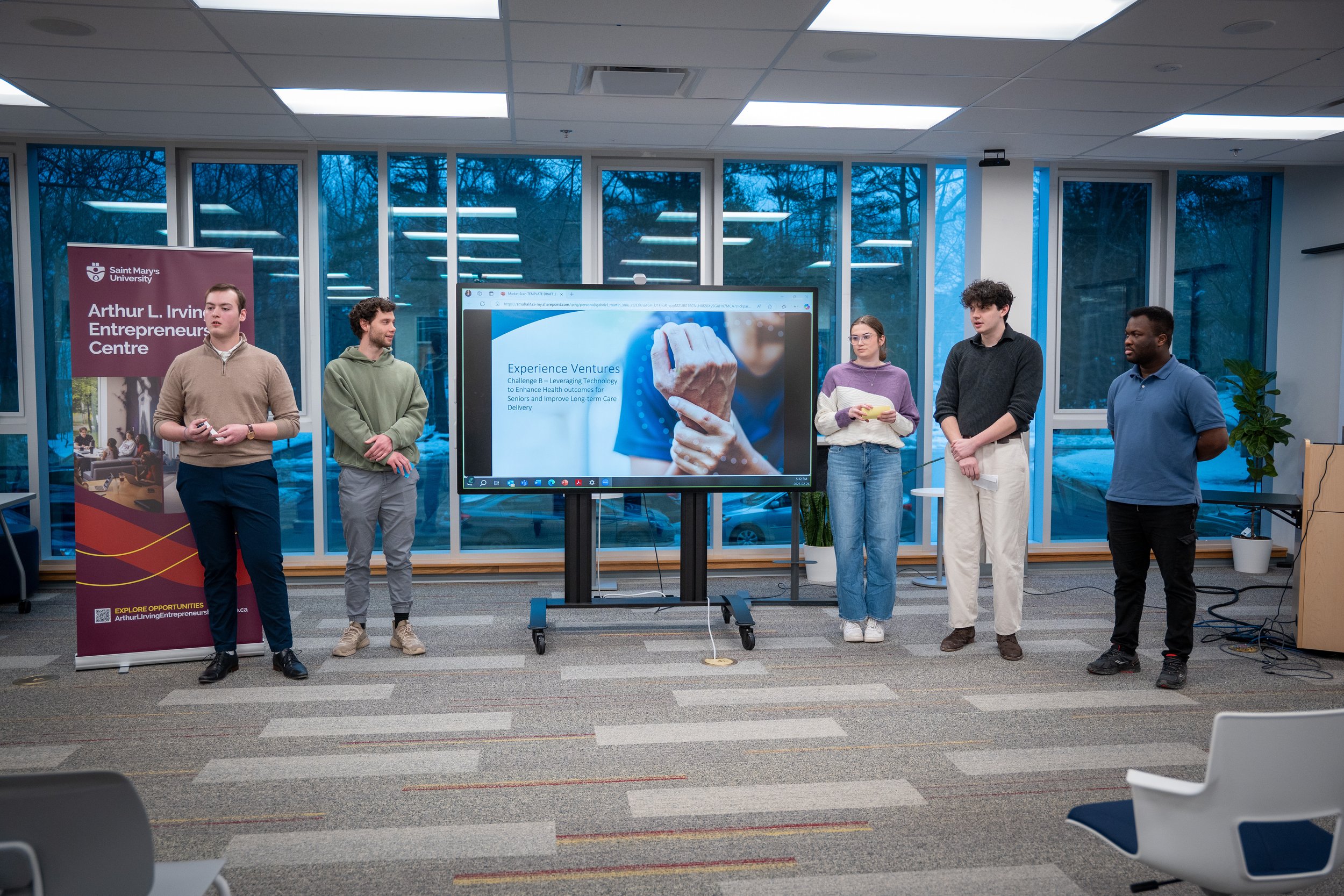
From January 22 to February 26, 2025, Saint Mary’s University’s Experience Ventures program embarked on an exciting collaboration with the Nova Scotia Health Innovation Hub, engaging 15 students across Atlantic Canada. This initiative provided students with hands-on experience tackling some of the province’s most pressing healthcare challenges.

The Nova Scotia Health Innovation Hub was established to do the right things for the right reasons. As the front door for innovation and partnerships within Nova Scotia’s healthcare system, it is shaping a methodical approach to innovation and bringing together partners (patients, clinicians, industry leaders, healthcare foundations, governments and academic institutions) to take the best local and global ideas and make them a reality in the pursuit of better health for all Nova Scotians.

The Experience Ventures Challenge presented three challenges to students to build solutions:

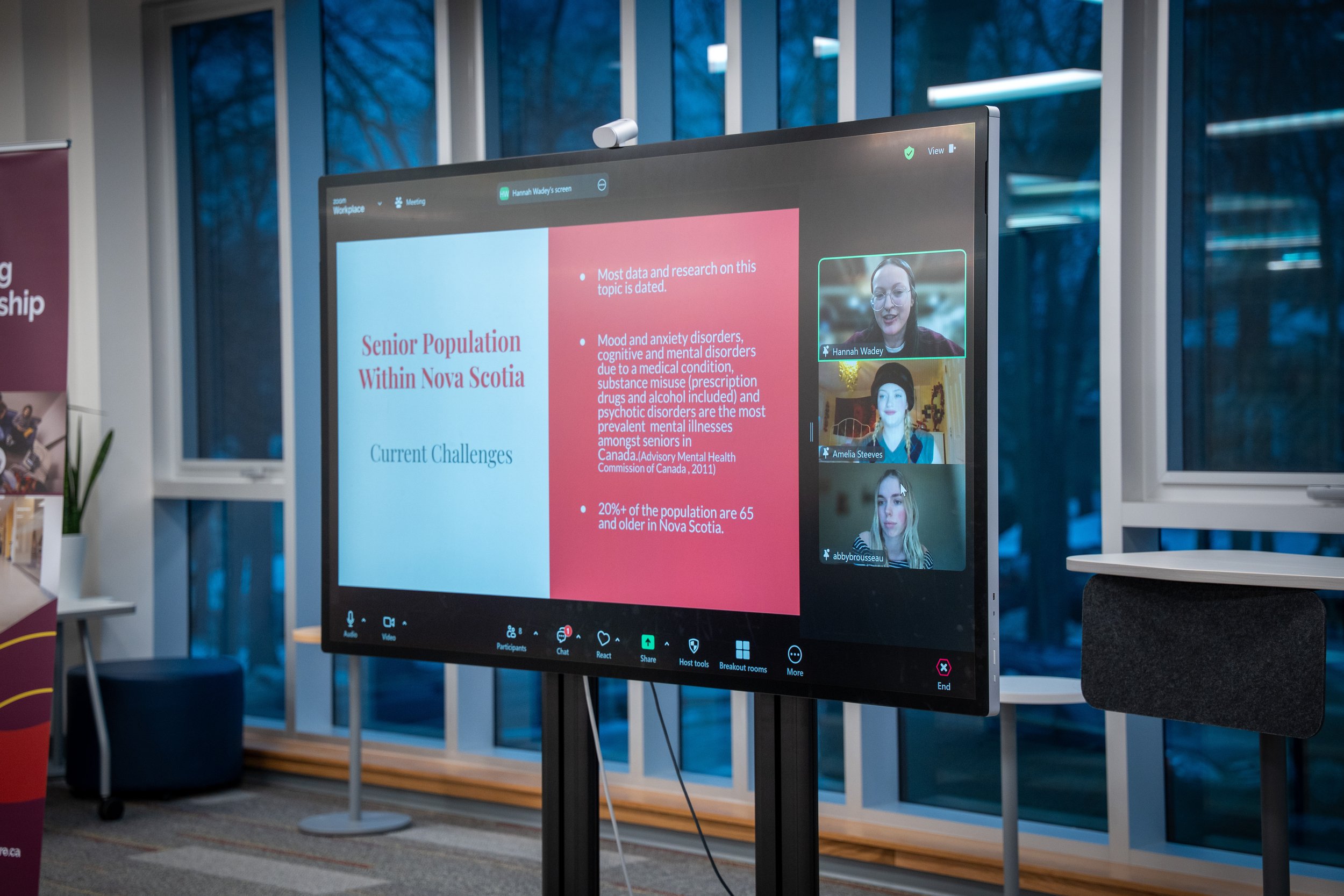
  • Challenge A: Exploring innovative approaches to address mental health challenges in senior populations.

  • Challenge B: Leveraging technology to enhance health outcomes for seniors and improve long-term care delivery.

  • Challenge C: Identifying best-in-class frameworks, strategies, and practices from other Canadian and global jurisdictions to advance public healthcare systems.

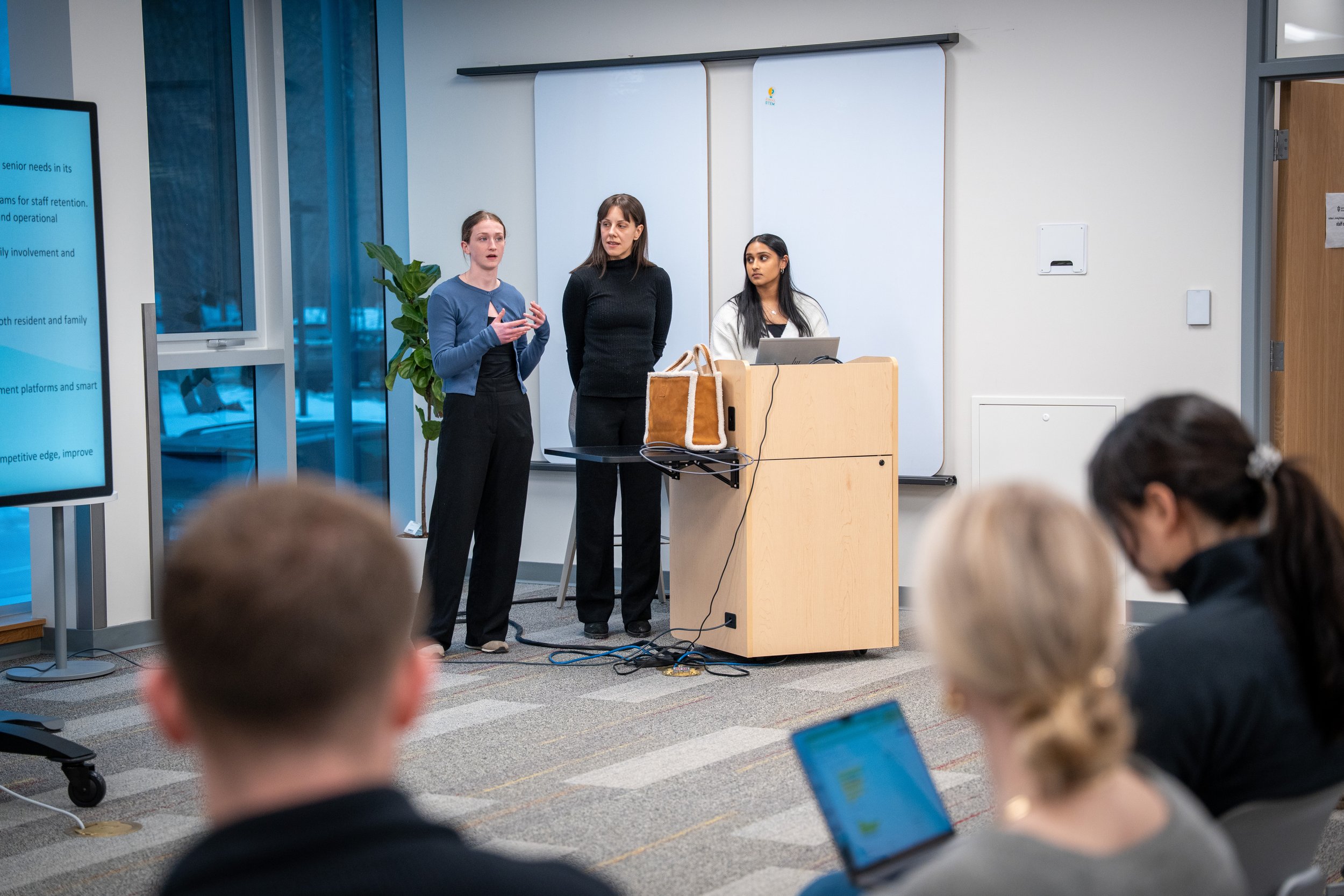
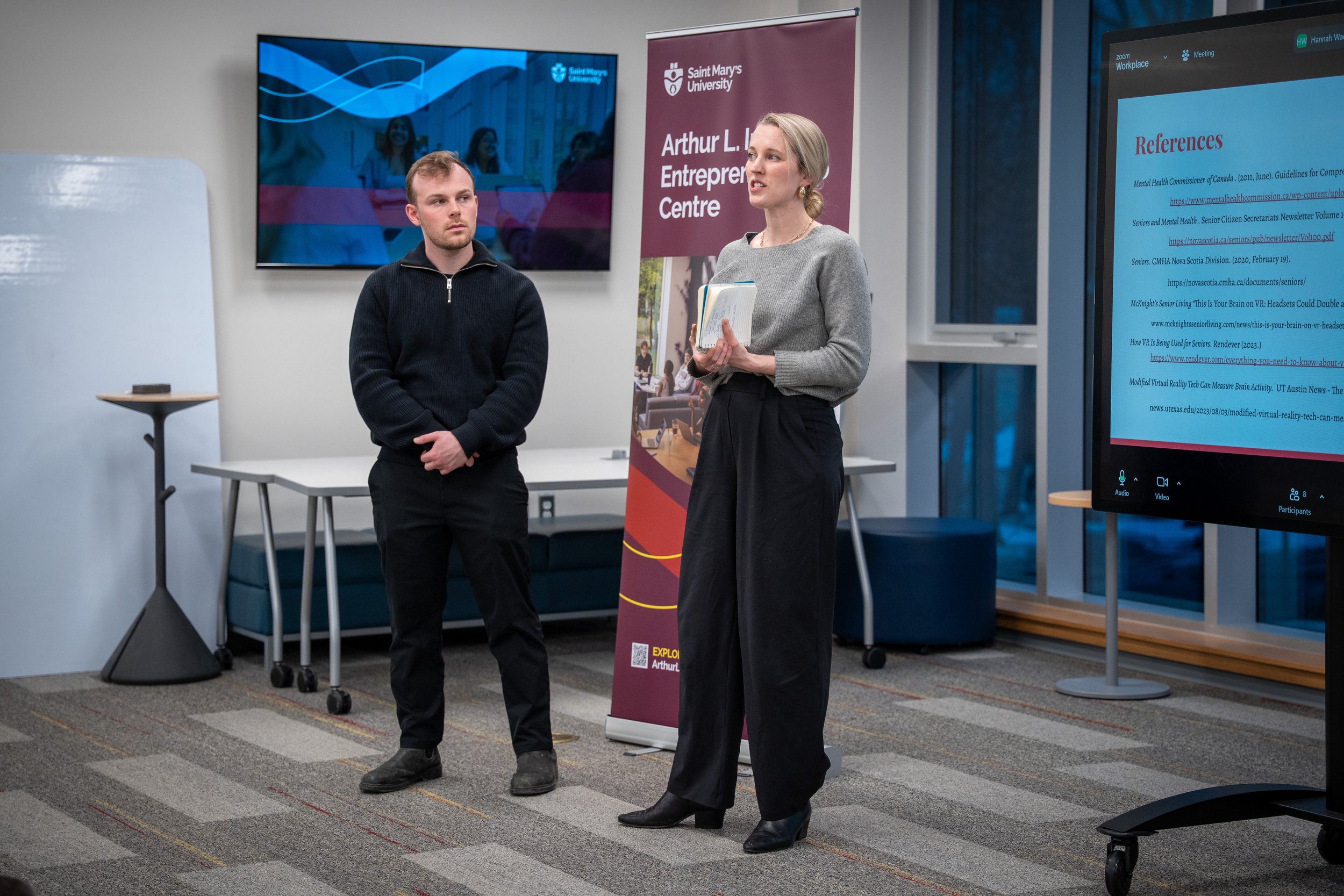
Throughout the program, students conducted detailed due diligence reports, market scans and final recommendations, presenting solutions to help Nova Scotia Health improve its care system. This initiative provided students with an unparalleled opportunity to gain industry exposure, develop research and analytical skills and contribute to meaningful healthcare advancements. The collaboration highlighted the power of innovation and the importance of interdisciplinary partnerships in healthcare transformation.

“It was my pleasure to be part of the Experience Ventures program, where I learned how to apply my skills to solving real-world problems. I also got to make friends in such a short time and collaborate with them on the project,”  said Gulizar Sheikh Muslim, phycology student at Saint Mary’s.

Celia Peters and Michael Warner, Business Development Coordinators with the Nova Scotia Health Innovation Hub, were excited by the work presented. “It was a pleasure collaborating with the future changemakers and exploring real healthcare scenarios together,” said Peters. “We were inspired by the students' innovative ideas and the potential impact they could have on both the healthcare system and patient outcomes." 

"It was inspiring to watch the final student presentations, where their passion and thoughtful approach to senior care shone through. Their innovative ideas highlighted the importance of prioritizing this area, showcasing the significant impact innovation can have on improving the status quo in senior care," said Warner.

Stay tuned for more exciting collaborations as the Experience Ventures program continues to foster innovation and create opportunities for students to lead the way in healthcare transformation.


Experience Ventures, powered by the Hunter Hub for Entrepreneurial Thinking at the University of Calgary, enables post-secondary students to make an impact alongside real-world innovators through entrepreneurial thinking placements. EV is funded by the Government of Canda and delivered in partnership with post-secondary institutions nationwide.

Exciting developments in healthcare programming at Saint Mary’s

When Saint Mary’s received a landmark investment of $25 million from the provincial government in 2023, the university leveraged existing expertise towards a new purpose and to support an area of life that impacts Nova Scotians every day: healthcare.  The university got to work developing academic and professional programming and pathways for healthcare leaders and innovators of the future.

The resulting Healthcare Pathways Initiative is a university-wide project, aligned with the Province of Nova Scotia's Action for Health strategy. Since 2023, a dedicated team of faculty and staff have worked to build programming, certificates and courses that apply our expertise in data analytics, management, and leadership to the healthcare sector.

Recent developments include the Healthcare Professional Development series, a suite of certificate and course offerings launched in June 2024, including:

•       Innovation in Healthcare with Design Thinking
•       Leading the Healthy Healthcare Workplace: The R.I.G.H.T Way
•       Data Literacy Intro in Healthcare Series
•       Conflict and Negotiations Certificate
•       Healthcare Leadership Certificate

Interest has been high; spots for the Fall sessions filled quickly, and the 2025 Winter/Spring courses are fully subscribed with a waiting list. 

The brand-new Master of Applied Health Services-Professional Stream also started in September with an inaugural cohort of 8 students, and an additional master's program and graduate diploma are in development.

Additionally, the team has been working to create pathways between the Nova Scotia Community College (NSCC) and Saint Mary’s. Since 2023, agreements have been made between the two institutions, including pathways in Occupational Health and Safety and Disability Support Services programs.

Interested faculty and staff are encouraged to learn more and follow updates at the  Healthcare Pathways Initiative website.

Health Data Analytics Symposium showcases student innovation

How can data transform healthcare? Can data help us make better decisions around patient care and even help manage the overall healthcare system in Nova Scotia?

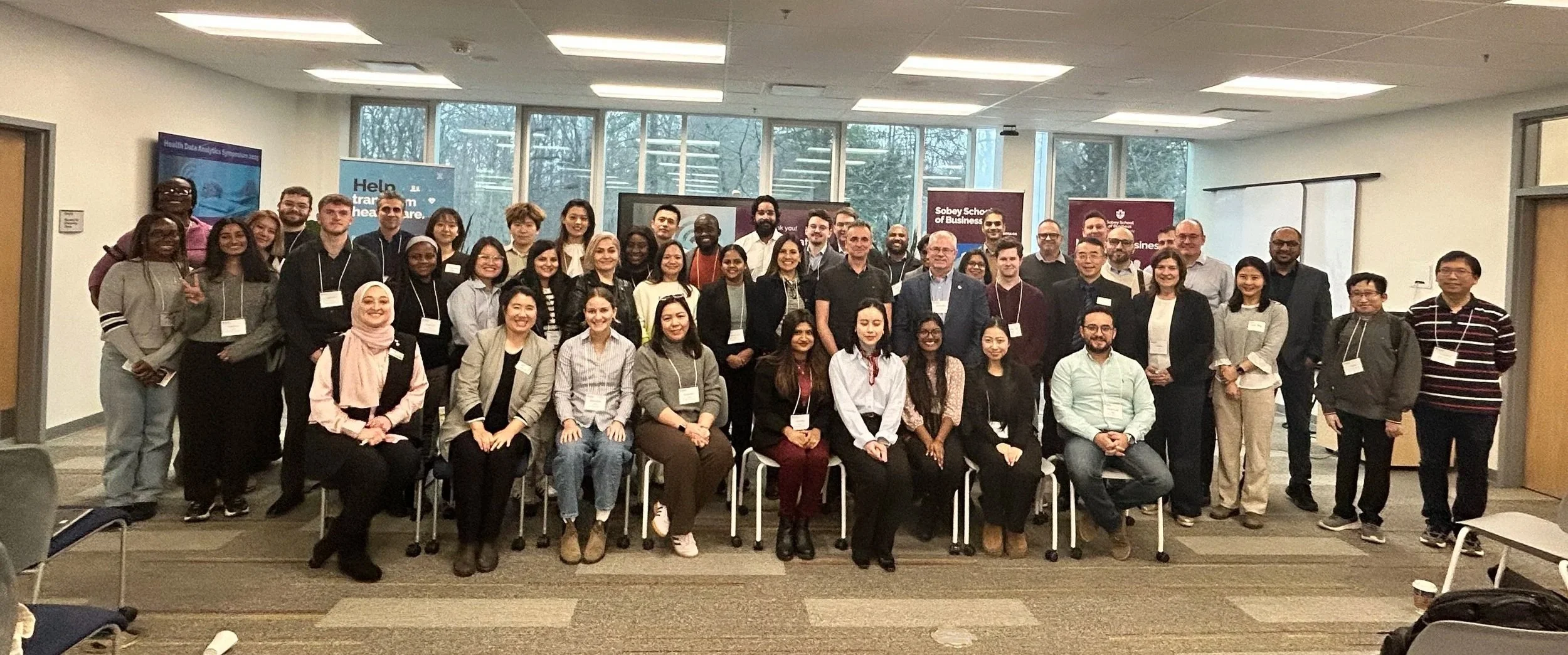
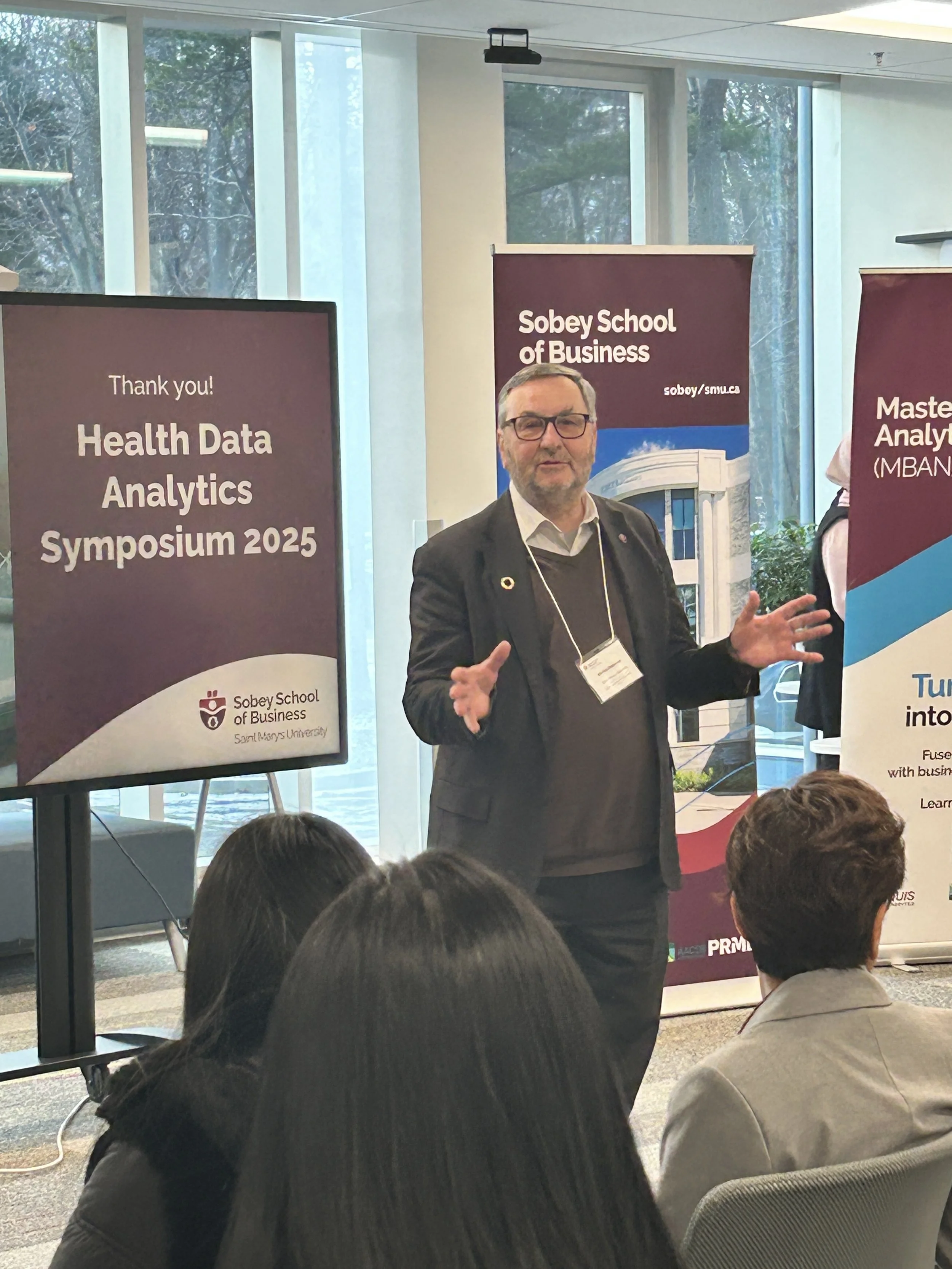
Those were the central questions at the Health Data Analytics Symposium, which was recently held at Saint Mary’s University. The symposium brought together a diverse group of experts from government, healthcare, and business.

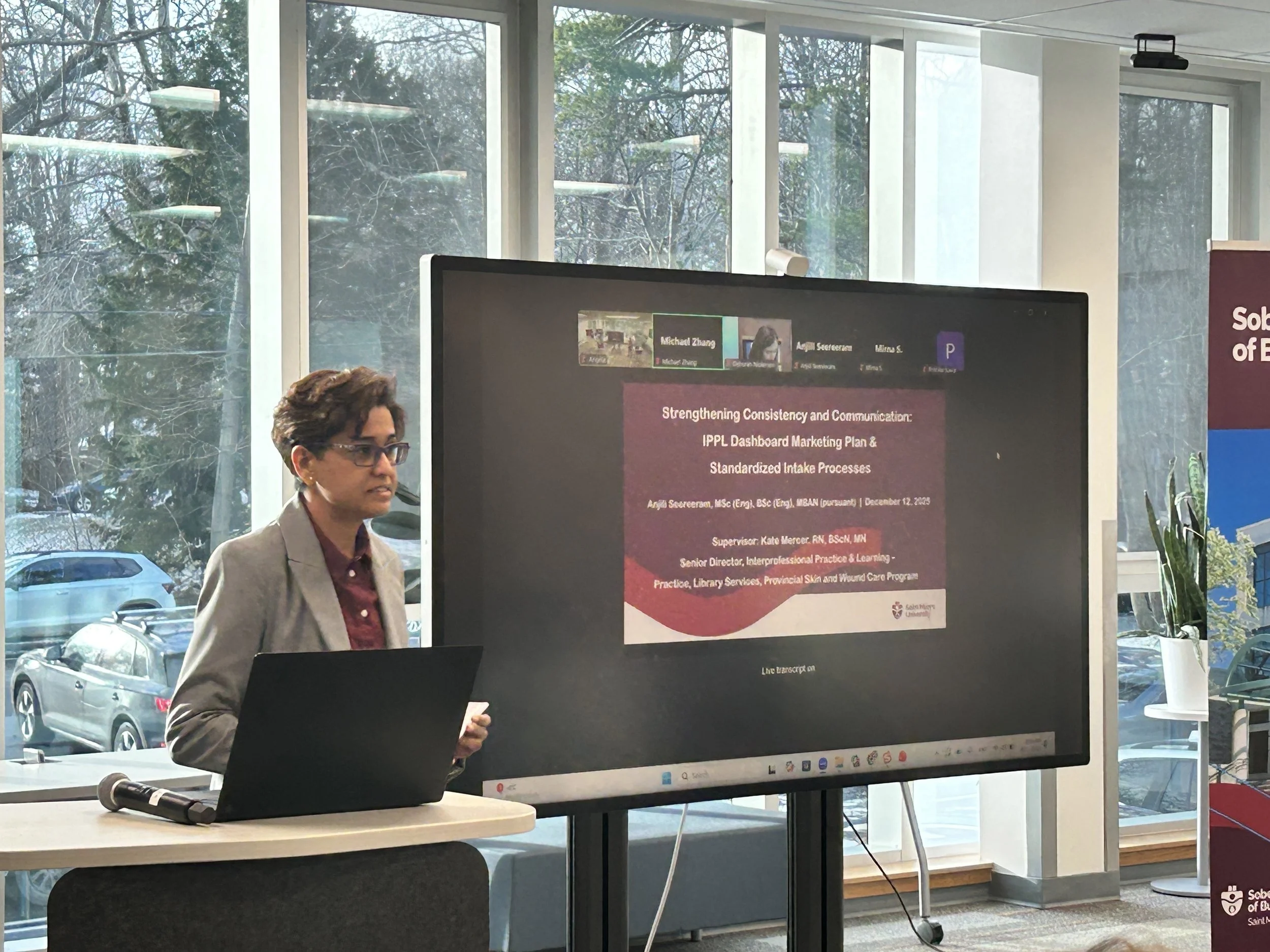
This annual event provides a platform for SMU graduate students in the Master in Business Analytics (MBAN) program to present their groundbreaking research. It is a place for them to share the results of their internships and co-ops with some of Nova Scotia’s largest healthcare providers, including Nova Scotia Health, the IWK and the Nova Scotia Department of Health and Wellness. This symposium is aimed at fostering partnerships between academia and healthcare, driving innovations that directly benefit Nova Scotians.

MBAN student Farhat Roopkatha

“My work with the IM/IT Business Intelligence Team at Nova Scotia Health […] has been a transformative experience, setting new standards for capacity planning and organizational transparency in healthcare,” says MBAN student Farhat Roopkotha.

“From customizing workflows to fostering collaboration across diverse teams, this project has demonstrated how tailored tools can drive impactful change. By integrating Agile methodologies, we’ve empowered teams to optimize resources and align goals for better outcomes across Nova Scotia Health.”

Healthcare experts questioned the students about the practical applications of data insights into various aspects of healthcare, from daily medical routines to long-term planning. These discussions highlighted examples of how data is being used to enhance patient care and streamline healthcare operations in local emergency rooms, long-term care facilities, and prescription management.

“The feedback from the Nova Scotia Health community was truly inspiring, reaffirming the importance of this project in improving data collection and patient outcomes,” says MBAN student Fana Abaynew Mandefro, who presented her work with the Wound Care Registry Project with the Nova Scotia Health Innovation Hub.

A notable session delved into the role of data in understanding the social determinants of health. Scott McKenna, Chief Information Officer, Nova Scotia Health and IWK, stressed the importance of analyzing social factors such as income and education. “Data and analytics have the power to bring tremendous insight to the health system.  Layering in important socio-economic information can give us a whole different perspective and influence how we design solutions for citizens and tailor them to respond to unique needs.”

Jordan Warford, Executive Director of Planning and Performance, Department of Health and Wellness

Jordan Warford, Executive Director of Planning and Performance, Department of Health and Wellness, posed the question, “How can we harness the power of data to plan for the longer term?”

Warford emphasized the importance of data analytics in uncovering hidden patterns and trends, which can lead to more informed decisions. “Data is the compass guiding us through healthcare’s complexities, revealing insights that turn information into better care and healthier communities. These students are proving that the smart decisions we make today can shape a stronger, more sustainable system for tomorrow.”

As the symposium progressed, attendees gained valuable insights into the critical role of data in shaping the future of healthcare. The event underscored SMU’s commitment to fostering innovation and preparing the next generation of healthcare leaders.

Matthew Murphy, Chief Data Officer, Nova Scotia Health Authority, expressed his deep appreciation for the partnership and commitment to further advancing internship programs with SMU. Saint Mary’s University continues to lead the way in equipping students with the tools to revolutionize healthcare through data. "Partnerships like the one between Nova Scotia Health and Saint Mary’s University are pivotal in shaping the future of healthcare. By leveraging the power of data, we are not only equipping students with practical skills but also creating real-world solutions that enhance care and improve outcomes for Nova Scotians.”

The work underway in SMU's health analytics space reflects the ecosystem's commitment to building a healthcare system that meets today’s demands and is prepared to adapt to future challenges with data at its core.

Master of Business Analytics at SMU

Students tackle health care, food security issues with Wicked Problem Lab awards  

Four Saint Mary’s students are gearing up to tackle some thorny issues in health care, food security and sustainability thanks to an award program from the Wicked Problems Lab.  

Now in its second year, the LeaderVision Atlantic Wicked Problems Lab Awards (sponsored by SMU alumnus Douglas Coll BComm’89), provide $2,500 to two undergraduate students who present a compelling idea to address a challenging problem. The Wicked Problems Lab grants two additional awards of the same value to one graduate and one undergraduate student.  

“Wicked problems, like poverty or climate change, are by definition almost impossible to solve because they are complex and always evolving, with no real end point,” says Dr. Mat Novak, a professor in the department of Geography and Environmental Studies and director of the Wicked Problems Lab. “But that doesn’t mean we shouldn’t work to address them. These awards inspire and encourage students to work towards solutions.” The Lab supports the students by providing data, analytical software and expertise. 

Twelve projects vied for the award this year. The successful candidates began working with Drs. Novak and Matsumoto–the WPL’s Research Analyst–shortly after they were notified of their prize and will continue to develop and implement their idea this winter. Surveys, spatial analysis and census data will help inform their projects along with meeting local partners to carry out their ideas. Students will showcase their projects at the end of the term. 

Congratulations to the winners:

Lydia Lee 
Bachelor of Commerce, Sobey School of Business 
Project: Sustainable Seconds 

Sustainable Seconds aims to address food insecurity by delivering affordable and sustainable home meal kits. Using second products from local farmers and donated ingredients to create affordable and sustainable meal packages, it’s a cost-effective solution with pre-measured ingredients and easy-to-follow recipes.

Sorav Sogy 
Bachelor of Commerce, Sobey School of Business 
Project: CARE ETA 
 
Sorav Sogy, along with fellow BComm students Vaishali Sachdeva, Ishaan Singh and Aarav Sen Mehta, want to tackle healthcare wait times through the development of an interactive app. CARE ETA aims to improve the experience of patients waiting in lengthy queues in emergency hospitals by implementing a real-time system that lets people stay informed about their status.


Melissa sits on a boardwalk on a sunny day

Melissa Alvarez Del Angel 
Bachelor of Science, Psychology major 
Project: Palm Oil Reduction and Healthier Food on Campus 

Melissa Alvarez Del Angel is promoting healthier food options to the SMU campus. In response to the environmental impact of widespread palm oil production, Melissa has proposed a comprehensive strategy for reducing the use of palm oil and advocating for healthier food alternatives at SMU.

Hasib poses in a button up shirt


Hasib Ahmed 

Master of Technology, Entrepreneurship and Innovation 
Project: Wellnex 

Hasib Ahmed is developing a platform to make blood collection more accessible. This project seeks to enhance urban and rural mobility by introducing a doorstep blood sample collection service facilitated by a visiting nurse/phlebotomist, eliminating the need for individuals to commute to the hospital.


About the Wicked Problems Lab 

Established in 2020, the Wicked Problems Lab harnesses the power of data and advanced analysis to address the world’s wicked problems. 

The lab is equipped with the latest software and curated datasets and is staffed with a full-time analyst to help address your wicked problem.  

The lab offers: 

  • One-on-one research help 

  • Undergraduate and graduate-level problem-based learning activities 

  • Workshops, seminars and group training 

  • Self-directed tutorials for data and software, including GIS 

  • Community-research help assistance