Student Success

Meet the advisors behind the World Cup winning Enactus Saint Mary’s team

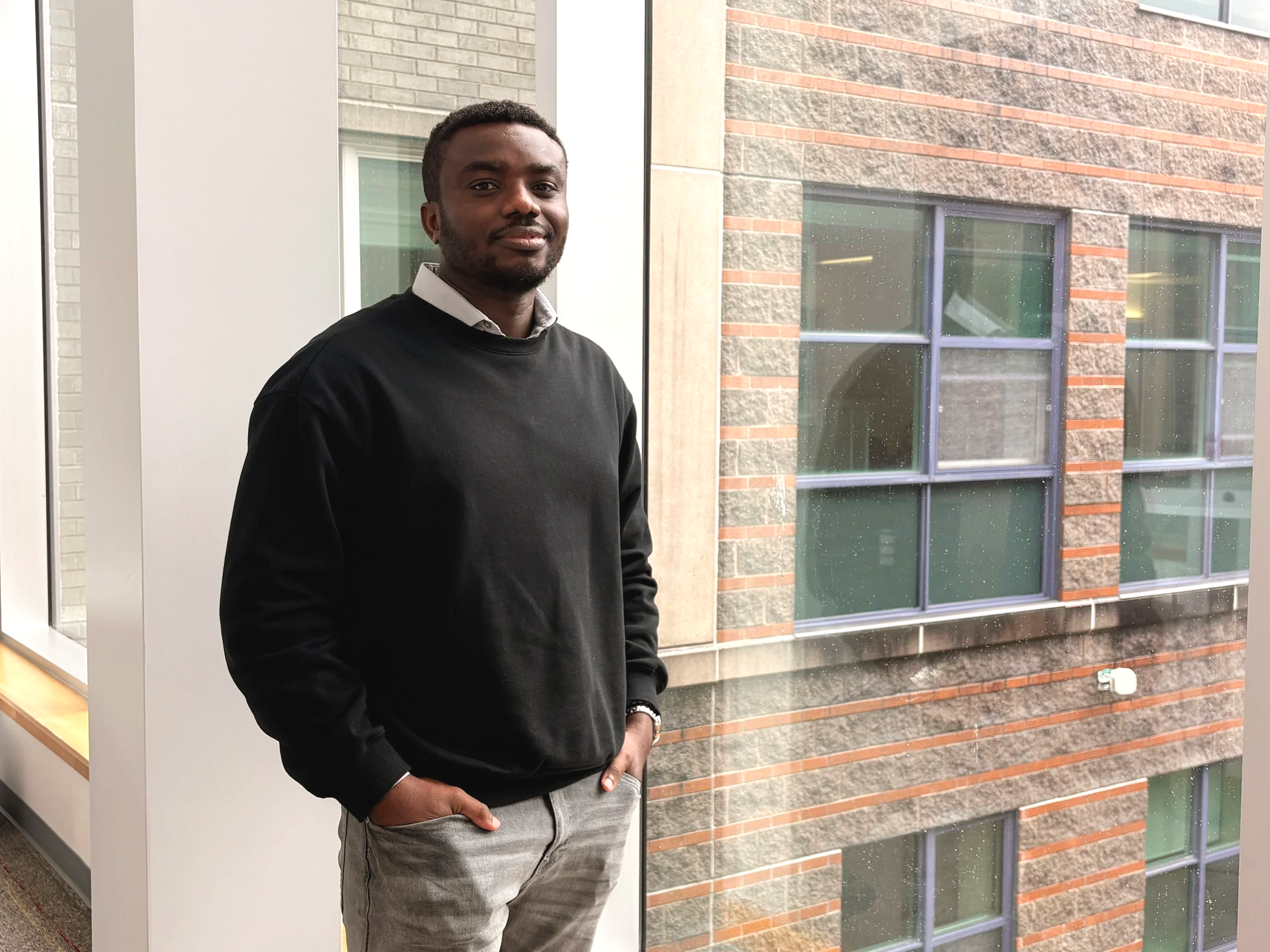
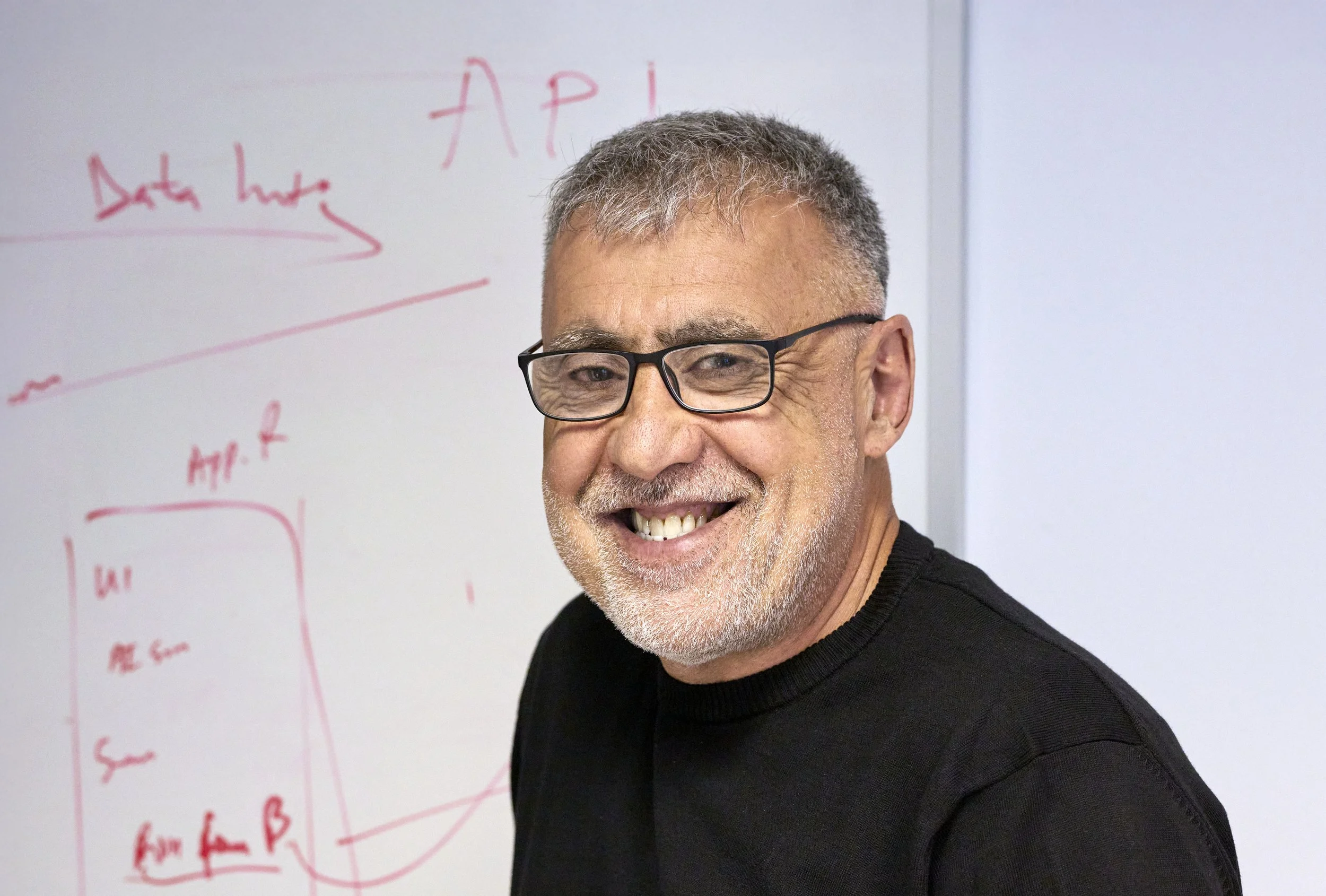
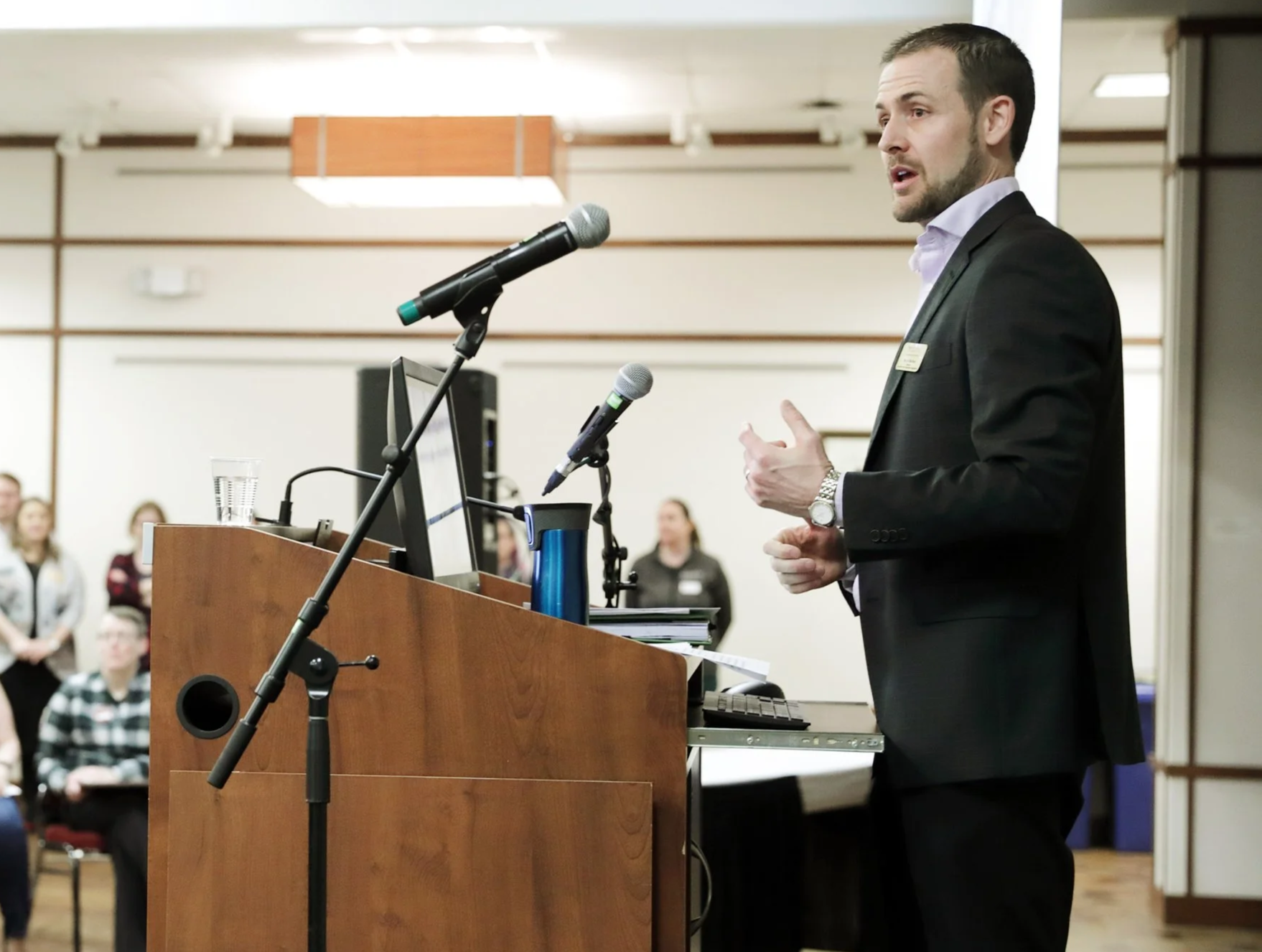
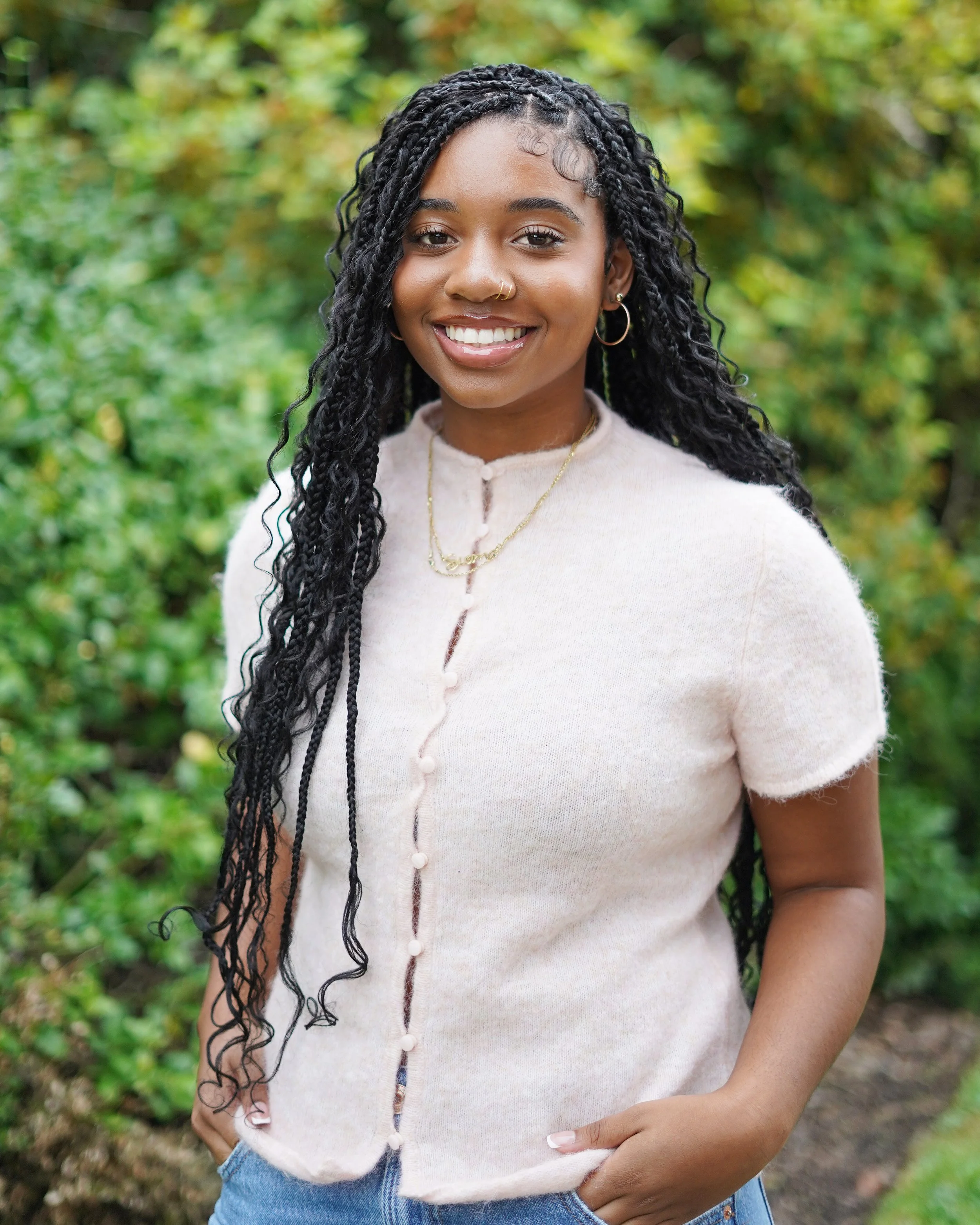
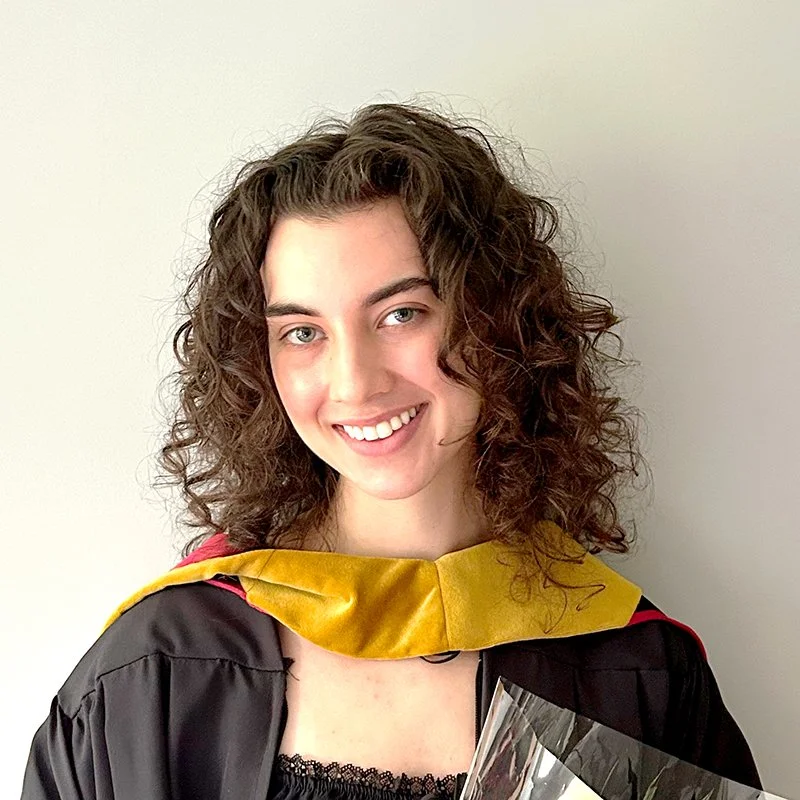
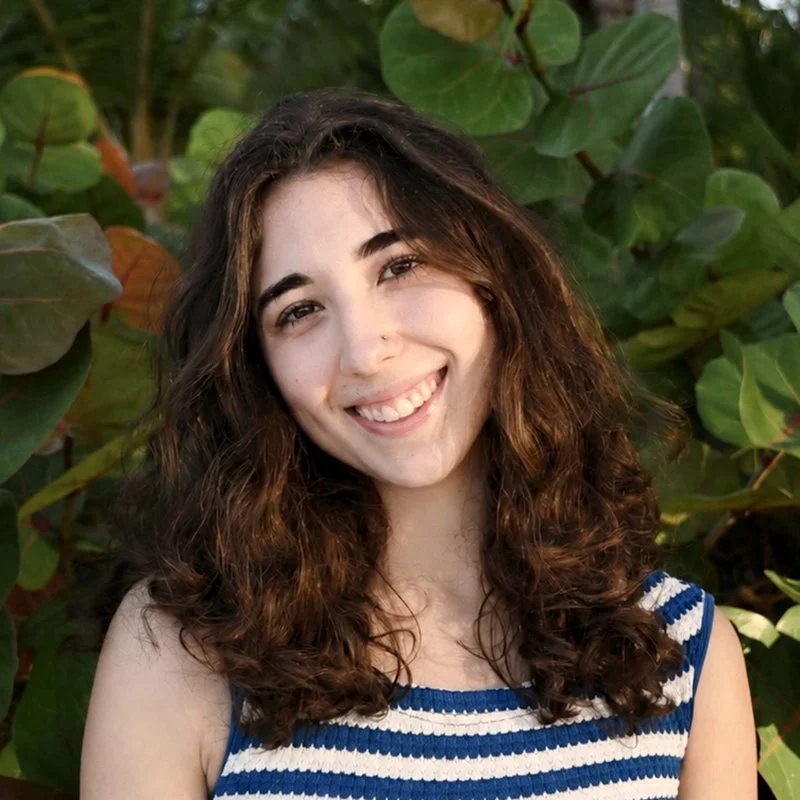
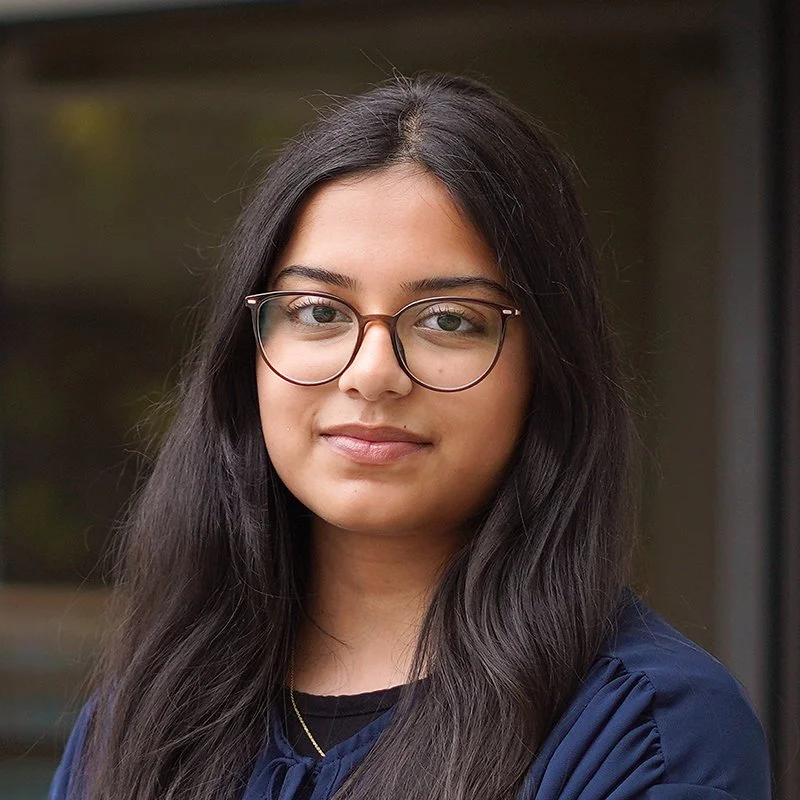
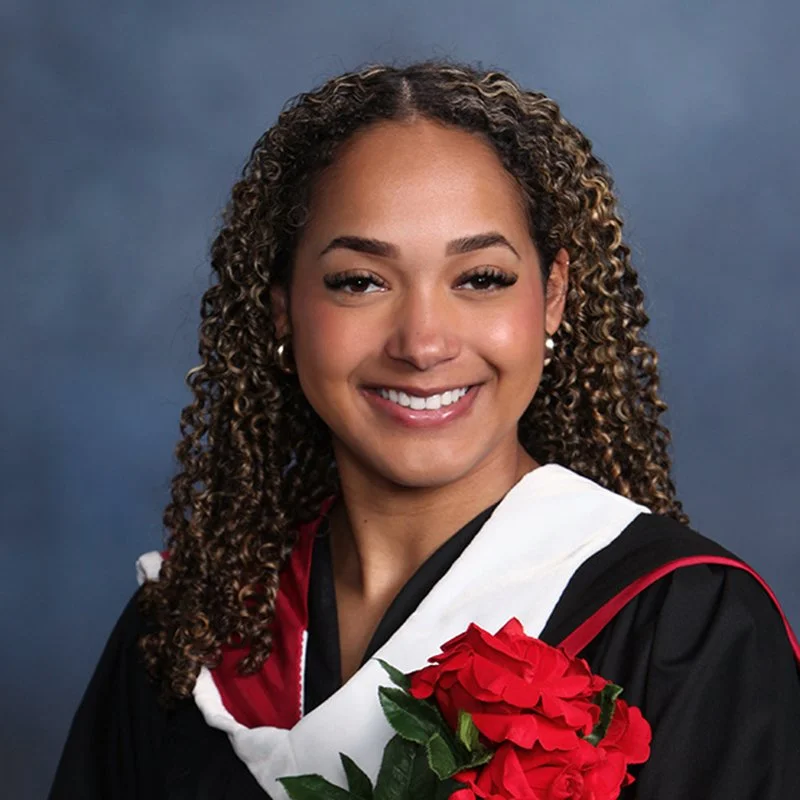
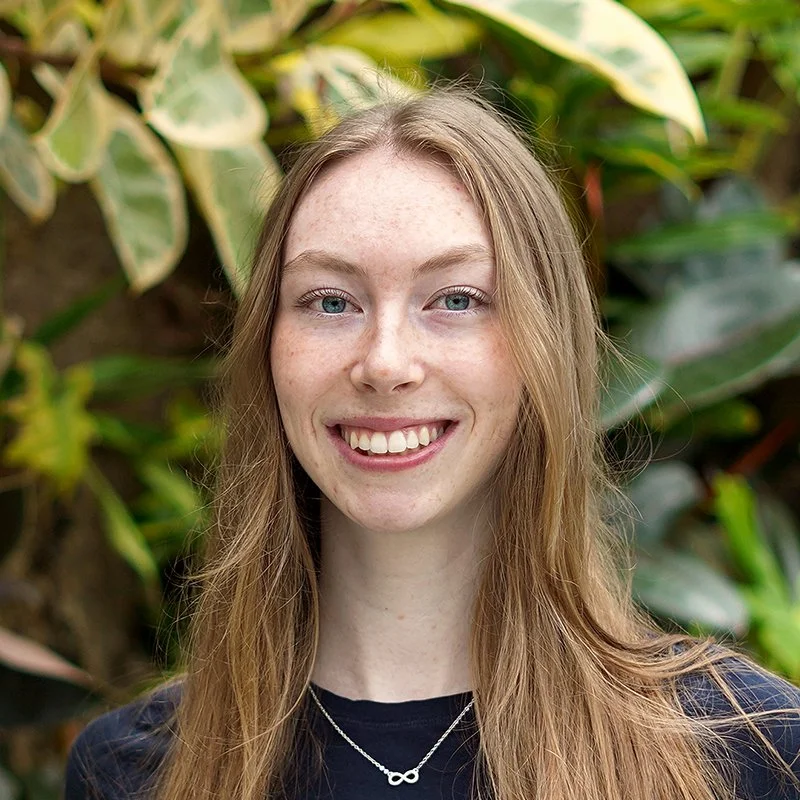
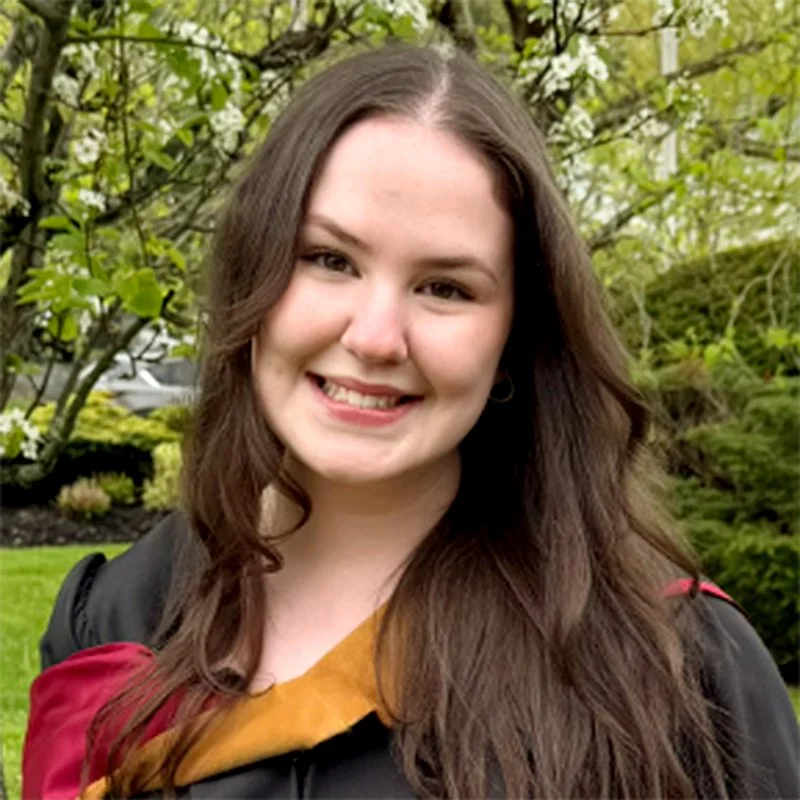
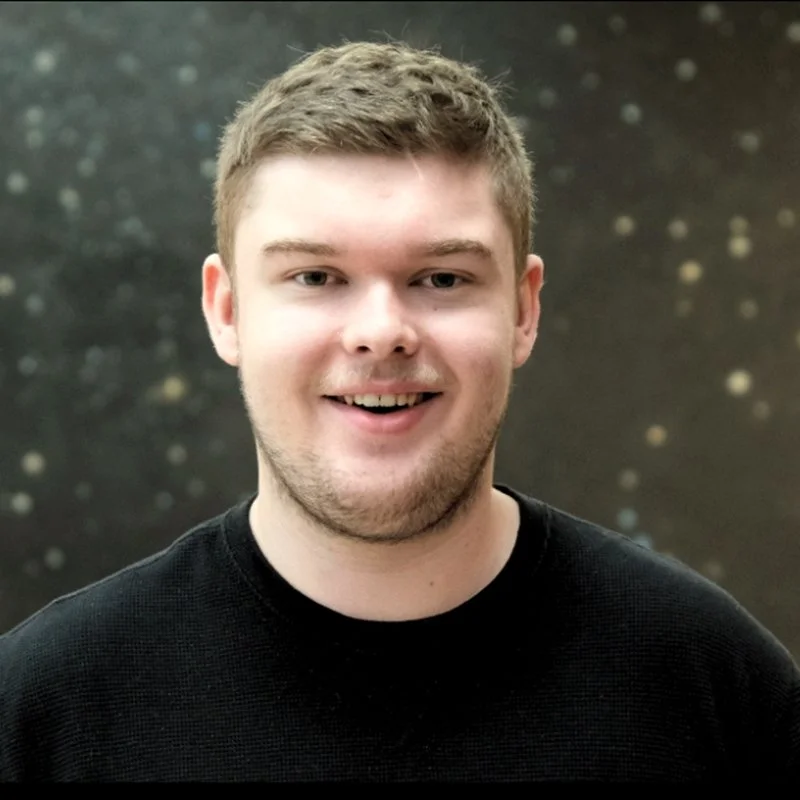
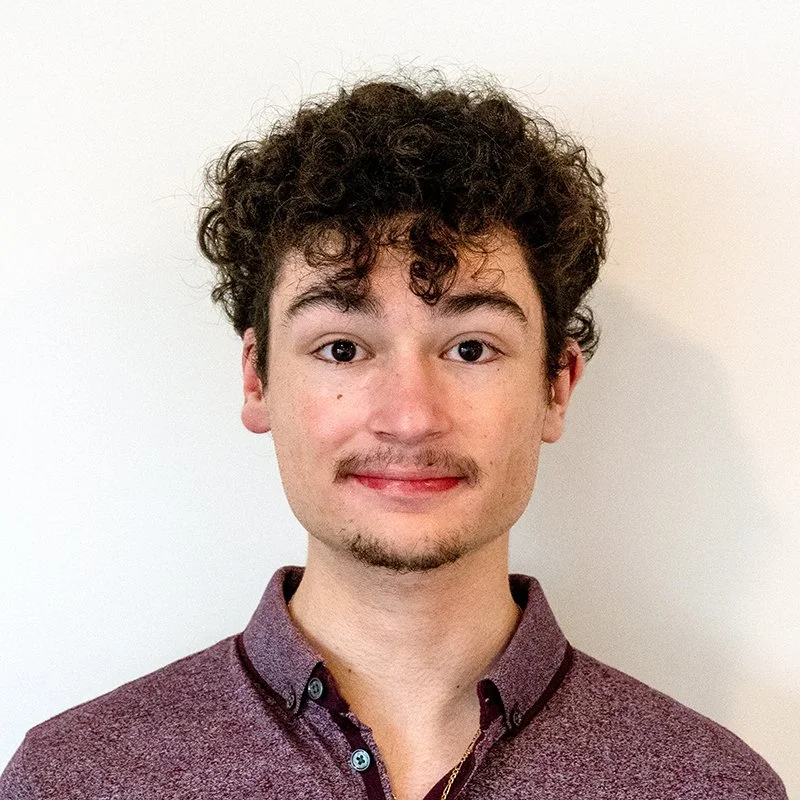
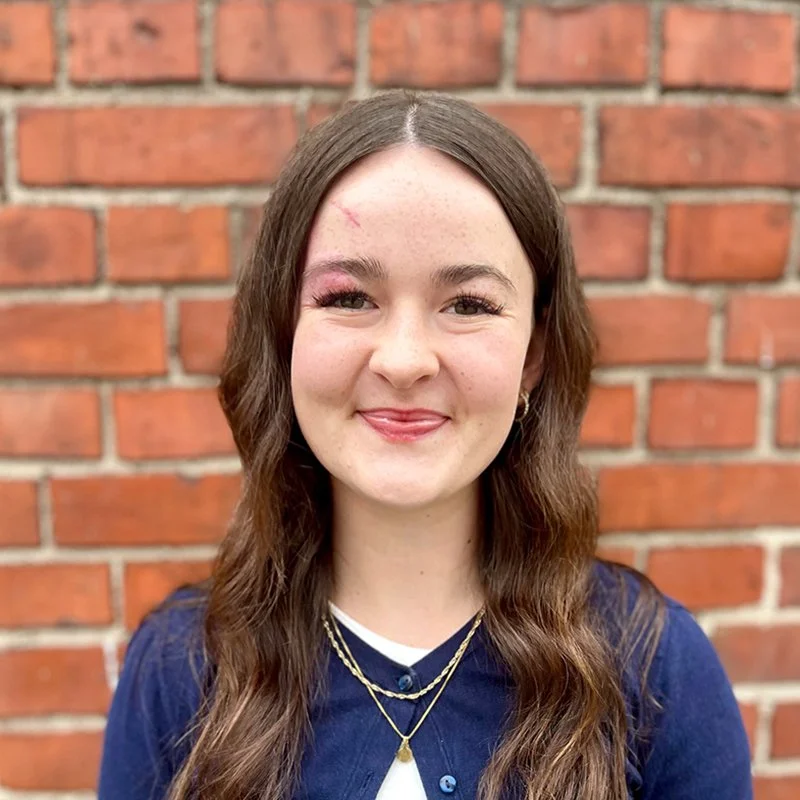
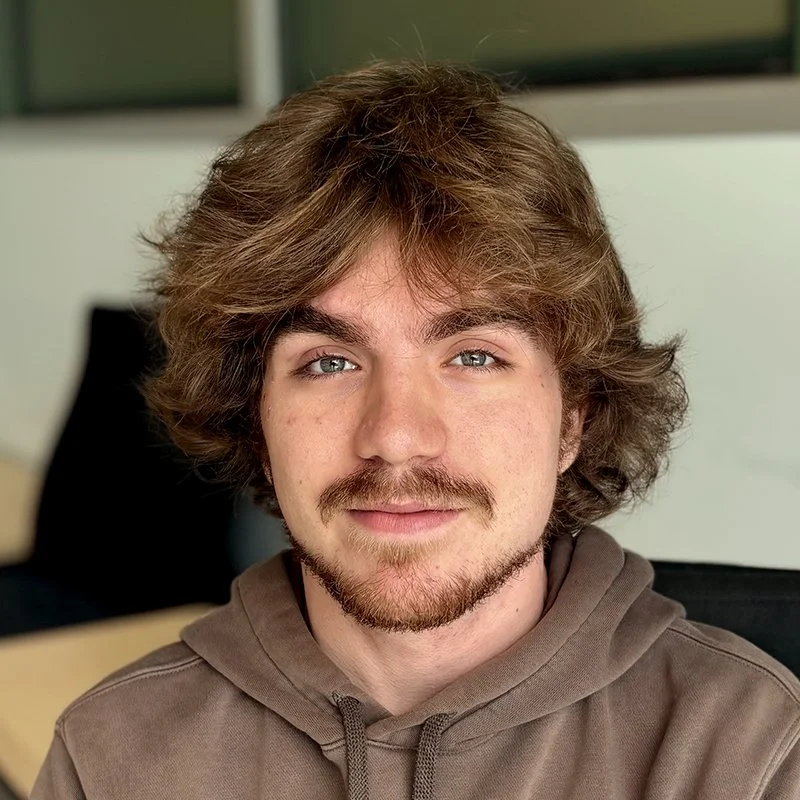
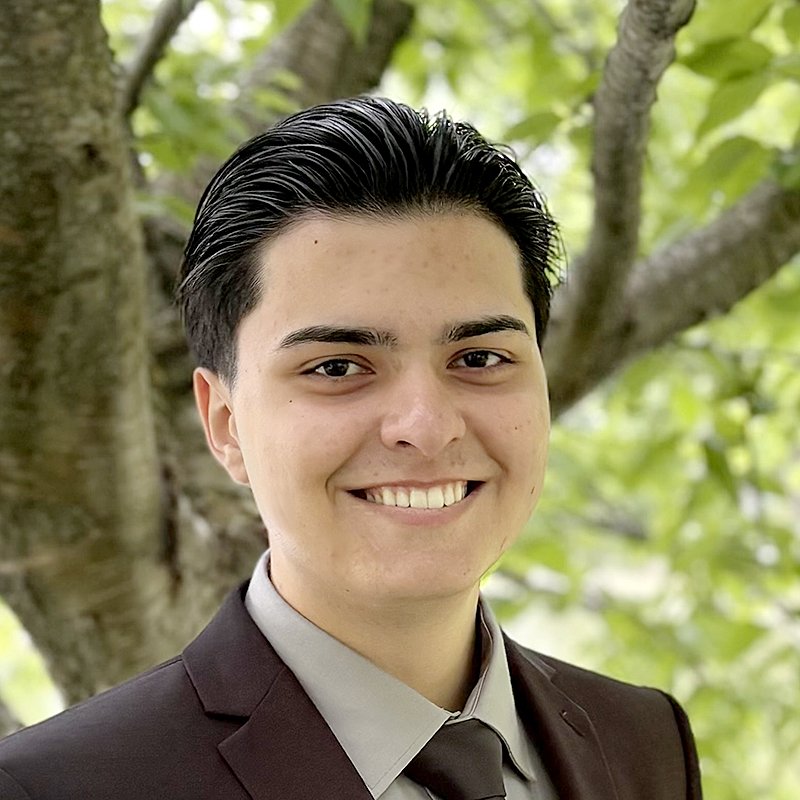
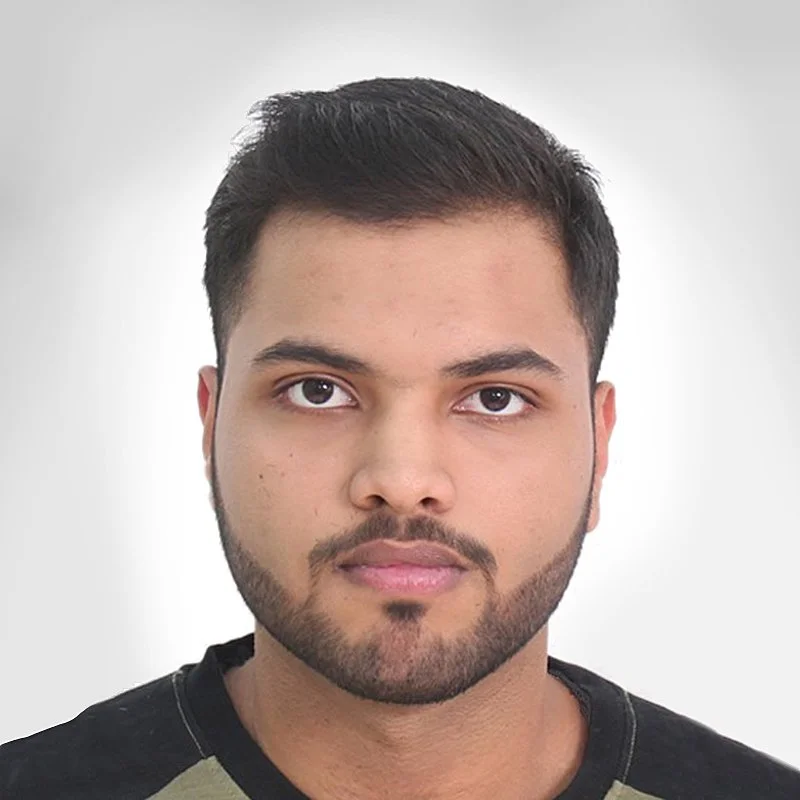
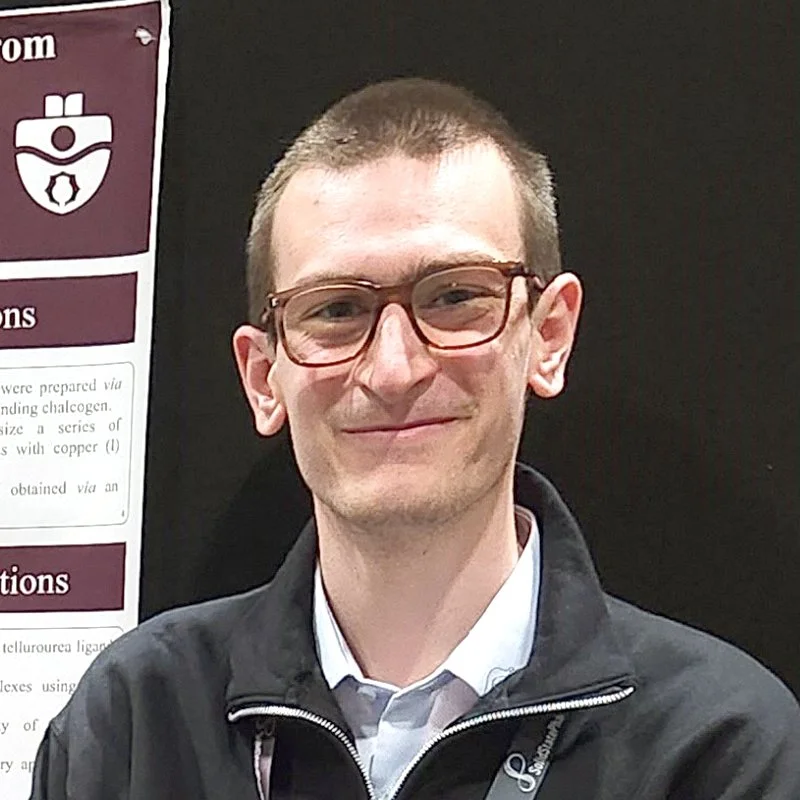
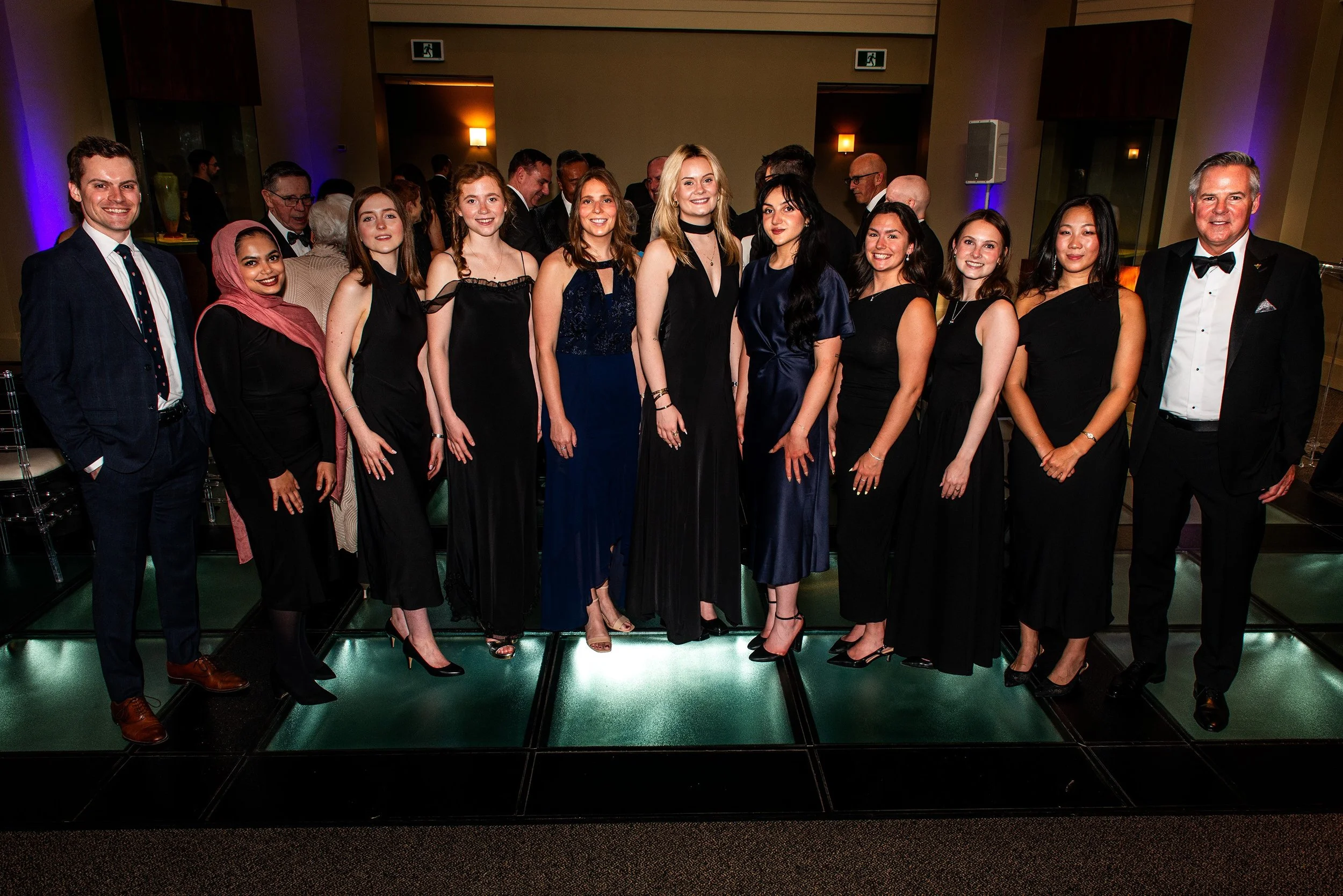
From left to right: Meredith Drost BComm’19 MTEI’25, Leslie Arsenault BComm’19, Jason Turner, Michael Sanderson MBA’08 and Brennan Daley BSc’16 

Behind the Enactus Saint Mary’s World Cup-winning team is a group of advisors who have quietly shaped generations of student leaders. Through mentorship, guidance and a shared belief in learning by doing, they help students turn ideas into meaningful action, often in ways that extend far beyond campus. 

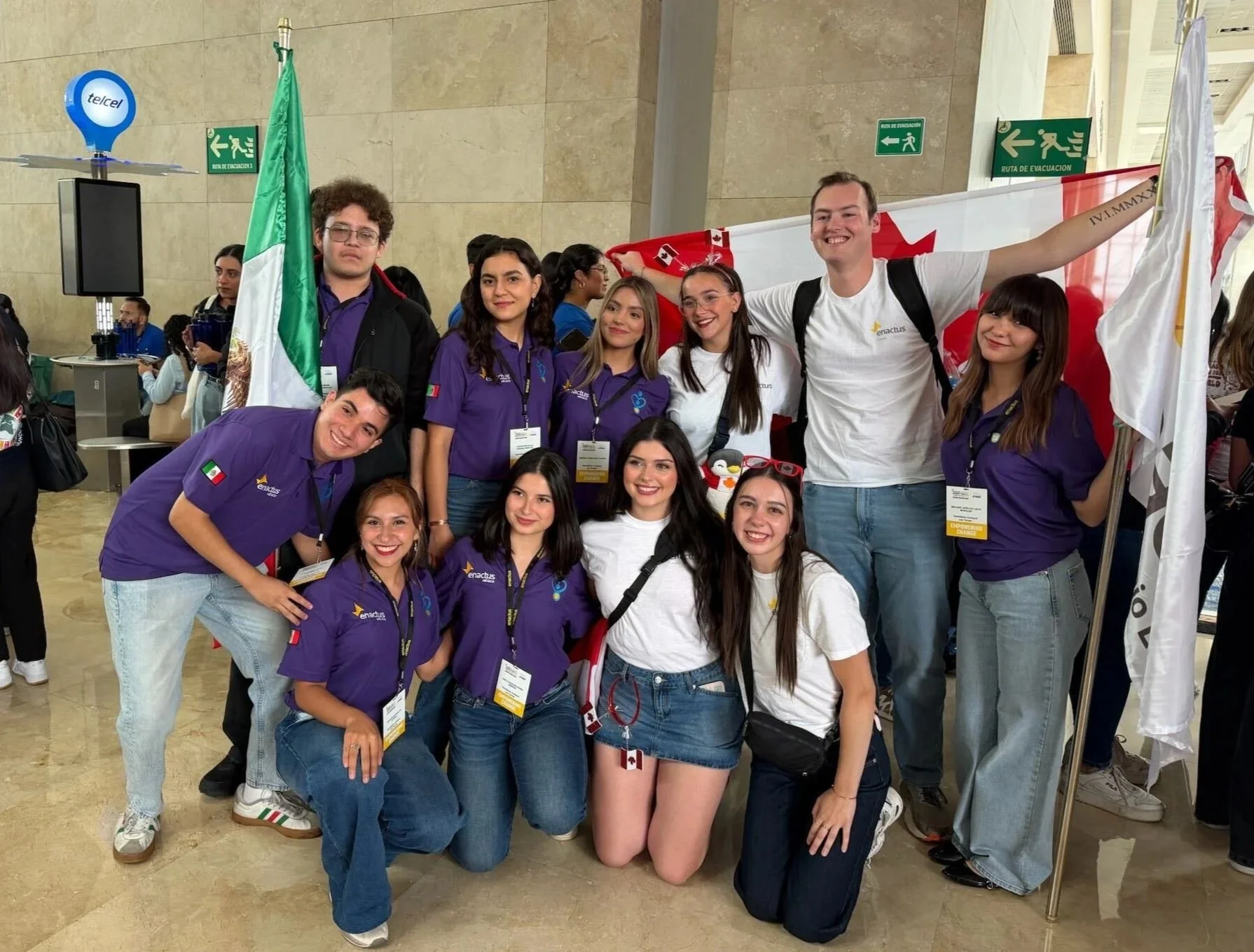
Enactus Saint Mary’s at the 2025 World Cup in Thailand

Enactus Saint Mary’s is a student-led organization, supported by the Arthur L. Irving Entrepreneurship Centre at Saint Mary’s University. Through entrepreneurship and innovation, students create meaningful social, environmental and economic impact. From early-stage ideas to ventures generating hundreds of thousands of dollars in revenue, the program gives students a platform to apply what they’re learning beyond the classroom, building real businesses and addressing the 17 Sustainable Development Goals (SDGs), a journey that led to them winning the World Cup in Bangkok, Thailand, in 2025. 

For Michael Sanderson MBA’08, who has been involved since 2003, Enactus Saint Mary’s has always been about leadership development. As one of the earliest advisors, he remembers when the team was just 11 students dreaming about how big Enactus could become. From taking the team to watch the World Cup in Toronto, Ontario, in 2005 to experiencing the monumental Saint Mary’s World Cup win, Michael has seen firsthand how confidence, presentation skills and belief can change the trajectory of a student’s life. 

That long-term growth is something Jason Turner, an advisor since 2007, holds especially close. He recalls the team placing in the top four at the National Exposition for the first time. This moment felt like a turning point for Enactus Saint Mary’s. Even more meaningful, he says, is seeing former students like Brennan, Meredith and Leslie step into advisory roles, a full-circle moment that reflects the strength of the Enactus community.  

Brennan Daley BSc’16, an advisor since 2016, is one of those alumni. Brennan helps ensure students have what they need to succeed. While he jokes about the travel opportunities, what truly keeps him coming back is watching students grow, mature and step confidently into their careers—a journey he understands deeply, having met his wife through Enactus. 

Leslie Arsenault BComm’19, an advisor since 2019, began her Enactus journey serving as a project manager for a program that helped neurodiverse entrepreneurs create business plans. She also travelled to Asembo, Kenya, to deliver entrepreneurship training and initiatives. For Leslie, Enactus was a place where academic achievements and community could intersect. She learned how to apply classroom learning in ways that could make a positive impact on the community. Today, she continues advising to be part of that same journey for the next generation of leaders. 

Meredith Drost BComm’19 MTEI’25, an advisor since 2023, was drawn to Enactus when she saw the impact it made on communities and students alike. After joining her first Enactus meeting, she knew she had found a group of people committed to creating real change. For the same reason, she now gives her time as an advisor, a commitment that earned her the John Dobson Fellow of the Year 2025 award from Enactus Canada for her dedication to advancing entrepreneurial learning and student success. 

Together, these advisors foster an environment where students from business, science, arts and beyond can grow into leaders, build impactful ventures and give back to their communities, all while addressing global challenges in meaningful ways. 

Learn more about Enactus Saint Mary’s

Saint Mary’s graduate student uncovers hidden barriers in PEI’s rental market 

A for rent sign sits in a window

When Brittany Cormier began scrolling through rental ads in Charlottetown, she was not looking for a research topic. She was trying to help people keep a roof over their heads. 

Brittany stands outdoors on a walking trail

Brittany Cormier

At the time, Brittany was working in a rent-geared-to-income program on Prince Edward Island, supporting tenants who were being displaced by renovations, short-term rental conversions, or landlords reclaiming units for personal use. Helping people find alternative housing meant hours spent reviewing online rental advertisements. 

What she noticed was language that quietly shaped who felt able to apply. “There were patterns that kept repeating,” Brittany recalls. “Requirements that seemed neutral, but in practice discouraged a lot of people before they ever had a chance.” 

Those observations stayed with her. Years later, as a student in Saint Mary’s University’s Master of Applied Health Services Research (MAHSR) program, they became the foundation of a research fellowship through the Canadian Centre for Housing Rights (CCHR) and a published report examining discrimination and exclusion in rental housing advertisements across the capital region of PEI. 

From lived experience to applied research 

Brittany has been a student in the MAHSR program since 2018, with research focused on hidden homelessness, evictions and inequities in the rental sector. Her academic work has always been closely connected to her professional experience. 

“I was already seeing these issues on the ground,” she says. “The fellowship gave me the opportunity to study what I had been observing for years, but in a systematic way.” 

As part of the Canadian Right to Housing Research Fellowship, Brittany manually collected more than 1,800 rental advertisements over a 22-week period in 2023. Ads were gathered from Facebook Marketplace and Kijiji, the two primary platforms used for rental listings on the Island. From that larger set, a representative sample was analyzed in depth. 

Each advertisement was reviewed individually, documenting rental type, pricing and language that could signal discrimination or exclusion. “That close reading is where patterns start to reveal themselves,” Brittany says. 

What the ads revealed 

The findings were striking. 

Seventy-seven percent of the rental ads in the sample contained discriminatory or exclusionary language. More than half included multiple barriers. Some of that language fell within protected grounds under the PEI Human Rights Act, such as source of income or family status. Other language did not technically violate legislation, but still discouraged certain people or groups from applying at all. 

“One of the most important distinctions in the study was between discrimination and exclusion,” Brittany explains. “Even when something is legal, it can still have real consequences for who is able to access housing.”

Even in the absence of evidence of intent or authorship, the findings highlight how the cumulative effect of exclusionary screening practices operating within a constrained housing market can meaningfully restrict access to housing. 

The type of barriers also differed by housing arrangement. For example, language related to source of income and family or marital status was more prevalent in standalone unit ads, while language related to sex and gender expression or gender identity was more prevalent in shared accommodation ads.   

Another unexpected finding was the volume of shared accommodation listings. Nearly half of all ads analyzed involved people seeking roommates. “To me, that really spoke to affordability constraints,” Brittany says. “People are sharing not because they want to, but because it’s the only way they can afford to live.” 

Why it matters 

While the research focuses on rental advertisements, Brittany is clear that the implications extend beyond housing. “Housing is foundational,” she says. “When people cannot access stable housing, the impacts show up everywhere, including health, education, and employment.” 

She points to economic exclusion as particularly urgent. Even without discriminatory language, rising rents alone are preventing low-income individuals and families from participating in the private rental market. “When housing is financially out of reach, people are left with overcrowding, unsafe arrangements or homelessness,” she says.  

For students and researchers, Brittany believes the study offers a clear example of how systemic barriers can operate quietly in everyday processes. “This isn’t just about bad actors,” she says. “It’s about how ordinary practices shape access.” 

The Saint Mary’s influence 

Brittany credits her experience at Saint Mary’s with shaping how she approaches this research.  

Supervision for her MAHSR thesis – a separate project looking at hidden and at-risk homelessness – falls under the Department of Social Justice and Community Studies, which helped her develop a human rights-based lens over time. 

“When I started my program, I didn’t fully understand the right to housing as a framework,” she says. “Through mentorship and coursework, that lens became central to my work.” 

The MAHSR program’s emphasis on applied, community-grounded research also mattered. Brittany completed the fellowship while continuing to live and work in her home community. “It meant I could study housing issues while being embedded in the place I was studying,” she says. “Small communities experience housing challenges too, but they’re often understudied.” 

Looking ahead 

While the report stops short of policy recommendations, Brittany hopes it contributes to broader conversations about housing access and fairness. 

“If we ignore barriers at the earliest stages of the housing search process, we miss a critical part of the problem,” she says. “Addressing housing supply alone isn’t enough if people are discouraged before they can even apply.” 

For anyone searching for their first apartment, her advice is practical. Learn your tenant rights. Ask questions. Keep records. “It’s okay not to know everything,” Brittany says. “But having information can make a real difference.” 

As for what she hopes readers take away: “Housing discrimination doesn’t always look dramatic,” she says. “Often, it’s quiet and easy to overlook, yet its effects can shape people’s lives in lasting ways.” 

From Pugwash to the World Cup stage: BComm student champions community, entrepreneurship and global impact

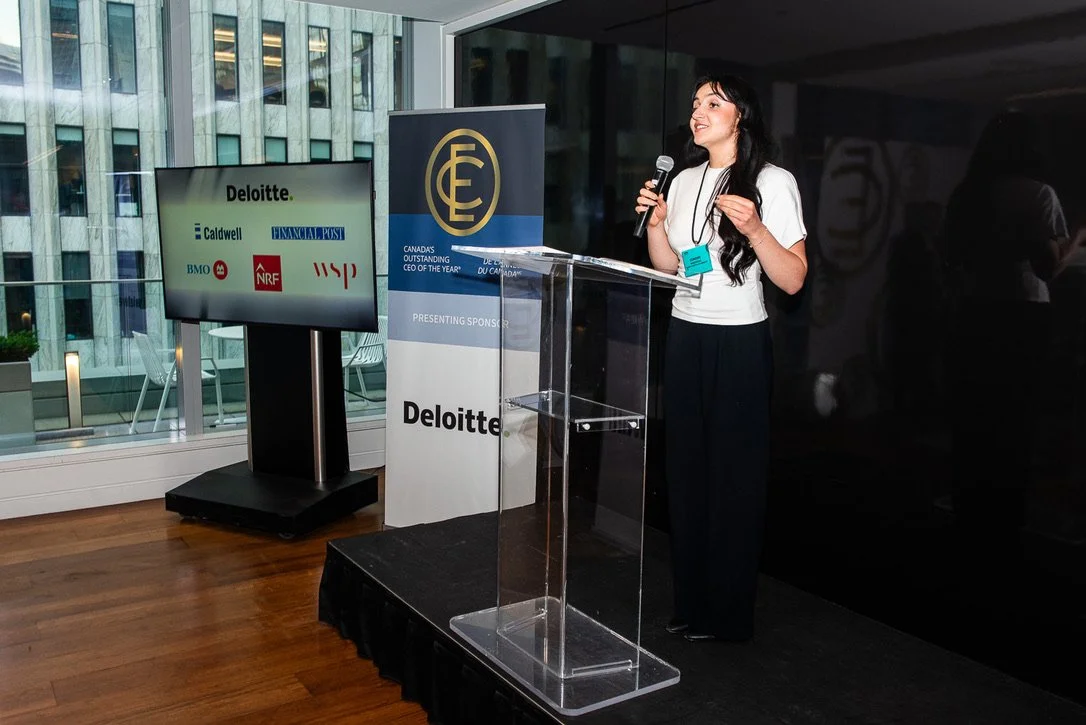
Olivian is a white woman with long dark hair. She speaks into a microphone on a stage

BComm student Olivian Sanderson presents at the Enactus World Cup stage in Bangkok, Thailand

Olivian Sanderson grew up in Pugwash, Nova Scotia—a rural, picturesque fishing village with approximately 800 full-time residents. In just a few short years since coming to Saint Mary’s, she’s had the chance to travel the world and make a meaningful impact in the community through her involvement with Enactus Saint Mary’s and the Arthur L. Irving Entrepreneurship Centre.

Growing up, Olivian learned from her parents the importance of hard work, community and seizing opportunities. She made an impression during her high school years as Chair of the Cumberland County Youth Council, Student Council President, Ambassador for the Nova Scotia International Student Program and recipient of the Lieutenant Governor of Nova Scotia Award (2022) and Governor General’s Academic Medal of Canada (2023).

Olivian poses in front of a building in Thailand

When considering universities, Olivian knew she wanted to experience city life and find a program that would allow her to pursue her passion for business and community building. Knowing its reputation as one of Canada’s best business schools, she applied to the Sobey School of Business at Saint Mary’s.

She was the successful recipient of a Sobey National Innovator Scholarship, including on her application: “Looking to the future, I have big dreams and aspirations. I am passionate about understanding how the economy works and plan to use my skills to be involved in projects that support the community, as it has provided so much for me. I want to make the best world for myself and the people around me.”

Now a third-year accounting and management student, she’s made great strides toward her goals as the Co-Founder of the Sociable start-up and presenter for the global award-winning Enactus team.

Launching Sociable

Despite being very involved in high school, Olivian found the first few weeks of university difficult and lonely. Determined to find her place at Saint Mary’s, she dove headfirst into everything – trying out multiple societies and volunteering. Ultimately, it was Enactus and the Arthur L. Irving Entrepreneurship Centre where she found her place among people who shared her passion for big dreams and doing business for good.

During a session with Enactus Saint Mary’s, the idea for the Sociable start-up was formed. Sociable is an online community platform that helps students connect, get peer support and gain access to campus events. It builds student engagement, boosting student retention, wellness and success. Olivian and co-founder of Sociable, Jason Phonchareon BSc’25, developed the start-up to address student loneliness and mental health concerns, something they both experienced.

In 2024, Sociable won the Dream Chaser Change Maker (DCCM) Foundation Social Impact Award, which included a $10,000 prize to support business development – bringing Olivian one step closer to making a positive impact on students’ lives.  

Seeing the world with Enactus

In 2024, Enactus Saint Mary’s won the National Enactus Championship for the first time. As a member of the presentation team, Olivian had the opportunity to travel to Astana, Kazakhstan, to represent Canada in the World Cup competition. While they didn’t win in Kazakhstan, it was an incredible learning experience for Olivian and her teammates.

In 2025, during Olivian’s second year as presentation team captain, the Saint Mary’s team earned their second National Championship win. This time, they travelled to Bangkok, Thailand, to compete against 28 of the best teams from around the world in the Enactus World Championship.

The team worked around the clock on their presentation about two student-run social enterprises—Alaagi and Square Roots—practicing, editing and preparing to answer questions. Olivian applied her work ethic and passion to the Enactus presentation, sharing the inspiring work being done by students at Saint Mary’s. Facing finalists from Zimbabwe, Tunisia and Germany, their presentation wowed the judges, and the team was crowned Enactus World Champion – the first world title for Saint Mary’s University.

Olivian with two presenters on stage

Olivian on stage at the Enactus World Cup in Thailand

Enactus team holds a trophy and Canadian flag

Enactus Saint Mary’s celebrates winning the World Cup

Reflecting on her first two years at Saint Mary’s, Olivian sometimes shakes her head at how much she has experienced. Her advice to new students: get as involved as you can.

“Classes are great, but you will have life-changing experiences in extra-curricular activities. The mentorship, the soft skills, and the network – so very valuable. It’s thanks to those experiences that I’ve been able to see the world.”


Opportunities at the Arthur L. Irving Entrepreneurship Centre are open to all Saint Mary’s students – check out their programs and events here.

Going for gold: Shining the spotlight on Saint Mary’s Olympians

Saint Mary’s has a history of excellence in athletics, and the accomplishments of our athletes extend far beyond Huskies stadium.  

Along with winning championships and producing Academic All-Canadians in spades, SMU students—past and present—have contributed heavily to Team Canada’s Olympic effort in a wide range of sports.  

As elite athletes gather for the 2026 Winter Games in Milan, we compiled a list of our own impressive Huskies with Olympic ties. From athletes to coaches, broadcasters and more, we are proud to celebrate our alumni and students’ athletic achievements.

Photo: CBC

Steve Armitage BA’68 DCL’09

Armitage is a fundamental part of Canada’s sporting history. During his time at Saint Mary’s, he served as a quarterback for the Huskies Football team while commentating for the CBC Halifax late-night sports slot. His career included a 38-year stint with CBC Sports, where he covered 13 Olympic Games, and, among other accolades, was nominated for a Gemini Award in 1998 for his work covering speed skating at the Olympic Games in Nagano, Japan. Armitage's last Olympic appearance was at the 2022 Beijing Games.  

He received an Honorary Doctorate from Saint Mary’s in 2009 to honour his longtime commitment to professional excellence.  


Photo: CBC

Signa Butler BA’96 

An athlete-turned-sports-broadcaster, Signa Butler knew from an early age that she’d pursue a career in sports. Growing up as a multi-sport athlete in soccer, basketball, gymnastics and field hockey, she ended up playing for the Huskies Women’s Soccer team during her incredible five years at SMU. Butler joined the CBC in 2000 and has covered 12 Olympic Games as a play-by-play commentator. She is one of the only women broadcasters to cover nearly every sport on the network.  We’ll hear her again during the upcoming 2026 Winter Games in Milan, Italy.  


Photo: Olympics.ca

Andrew RussellMBA’14 

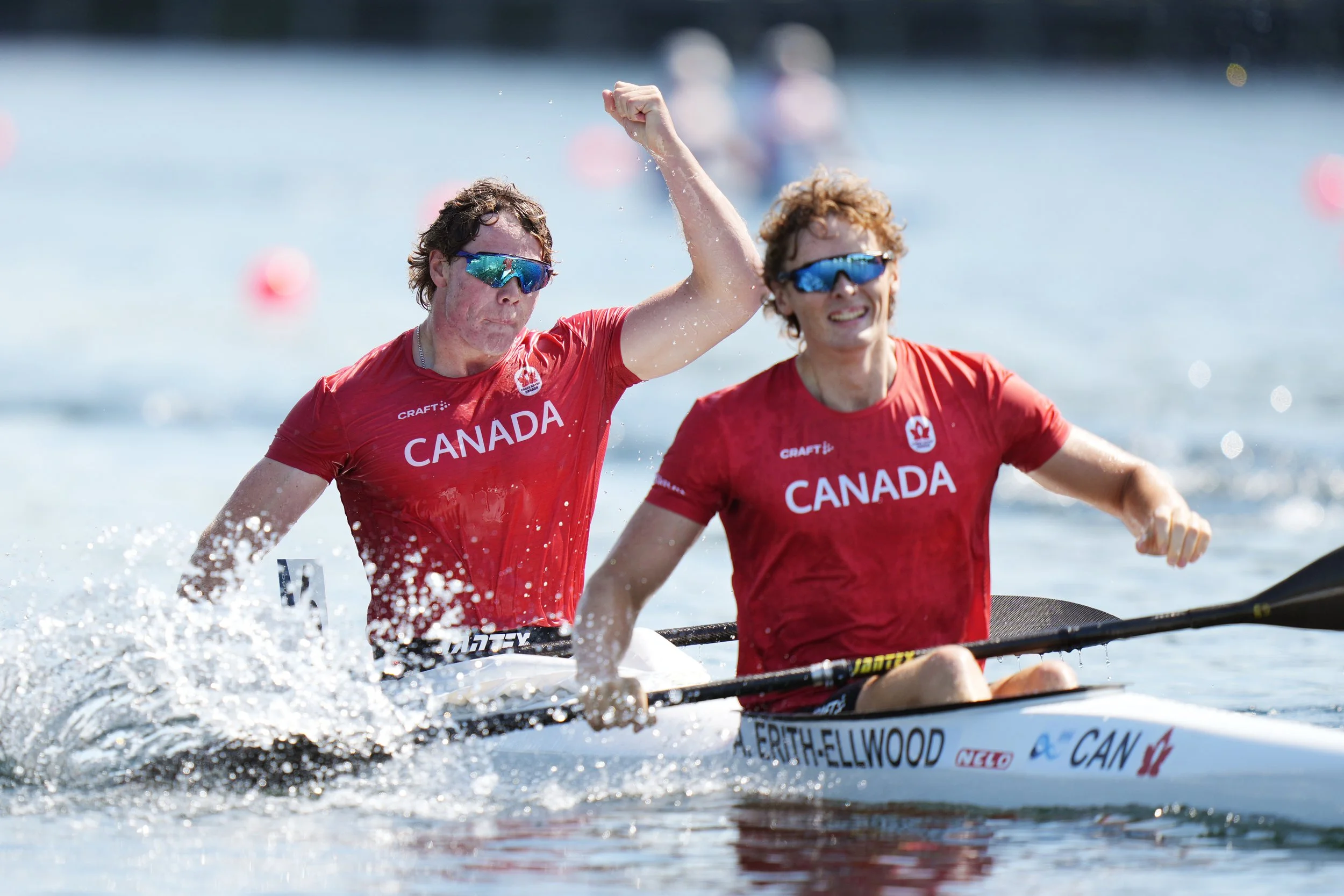
Now Chief Growth Officer (CGO) at Made with Local, the Dartmouth, NS-born Russell was a member of the Canadian Team at the 2008 Summer Games in Beijing, where he competed in Canoe/Kayak racing. He achieved Canada's best-ever combined results in the C-2 1000m and 500m events, placing fifth and sixth , respectively.  


Dylan Di Perna BComm’20 

After a stunning career with the SMU Men’s Hockey team, Ontario-born Di Perna is making his Olympic debut representing Team Italy in the upcoming 2026 Winter Games in Milan. This will be Italy's first return to Olympic hockey since 2006.

Photo: Nova Scotia Sport Hall of Fame

Jamie Bone BComm’89 

A legendary wheelchair sprinter and Paralympian, Bone dominated the 1988 Seoul Paralympics, where he was the only Nova Scotian on the Canadian team. Winning three gold medals (100m, 200m, and 400m) and setting multiple world and Paralympic records, Bone’s Olympic record eventually led him to being inducted into the Nova Scotia Sport Hall of Fame in 1997.  


Photo: Nova Scotia Sport Hall of Fame

Jackie BarrettBComm’98 

A prolific powerlifter known as the "Mississippi Moose," Barrett finished his career with 20 gold medals and 13 first-place finishes at the World Special Olympics. In his last year of competition, he set three Special Olympics records, lifting a combined 1,272.5 kg across the squat, deadlift, and triple combination events. He made history in 2021 as the first Special Olympics athlete inducted into the Canadian Sports Hall of Fame


Photo: Graham Hughes/The Canadian Press

Kori CheverieBA’12  

An alumna of the SMU Huskies Women’s Hockey team, Kori Cheverie served as an assistant coach for Team Canada during its gold-medal run at the 2022 Beijing Winter Olympics. She returns with fellow alum Troy Ryan to coach Team Canada again in 2026, an achievement highlighted by SMU’s Scott McCain & Leslie McLean Centre for Sport, Business and Health, which aims to support women in high-level coaching positions.


Photo: CBC

Katie Pegg (Current student) 

Current biology major and Paralympian Katie Pegg stunned in her first Paralympic games, bringing home Bronze in shotput for Team Canada in Paris in 2024. Finishing seventh in the world, Pegg—who was born with a missing radial bone in her right arm—had an eight-year football career as a defensive lineman before getting back into shotput here at Saint Mary’s.  

SMU Huskies basketball alumna receives prestigious award in Ottawa

Clara plays basketball on court wearing a white Huskies jersey

Clara Gascoigne BComm’23 MBA’25 leading the Huskies to greatness during her time on the court

Clara Gascoigne’s time at Saint Mary’s was anything but ordinary.

Breaking records in the classroom and on the court, the Sobey School of Business graduate made a name for herself as one of the most decorated players in U SPORTS women’s basketball, earning accolades like U SPORTS Defensive Player of the Year and AUS Most Valuable Player, while leading the Huskies to three straight AUS Championships.

Academically, she’s just as talented, earning five U SPORTS Academic All-Canadian selections and several scholarships.

Her road to success was carved through years of hard work, exemplary leadership and grit, culminating in her being recognized as a Top 8 Academic All-Canadian last week in Ottawa, Ontario.

Putting the “student” in “student-athlete”

Student-athletes have a unique blend of responsibilities as they balance study schedules and exams with training and competition. Reaching the top in both categories is difficult, and U SPORTS Top 8 recognition is a mark of that incredible achievement.

The Top 8 distinction represents the highest individual academic honour bestowed by U SPORTS, as student-athletes must maintain an academic average of 80 per cent or higher while continuing to compete in their chosen sport. From that group of high-achieving, high-performing athletes, only eight are selected annually to represent this dual achievement. See the 2024-2025 cohort of Top 8 Academic All-Canadians here.

Gascoigne represented Atlantic Canada over two days of recognition and celebration, earning private tours of the Senate and the House of Commons, as well as a Parliament Reception and a meeting with the Right Honourable Mary Simon, Governor General of Canada. She also met with Shannon Miedema, Member of Parliament for Halifax.

I got the call that I had won just before Christmas. I feel very honoured and humbled to have been chosen.
— Clara Gascoigne on being chosen as a Top 8 Academic All-Canadian

This experience isn’t just another feather in Gascoigne’s cap: it represents a journey of growth and evolution unique to the student-athlete experience she had at SMU.  

Journey to the top

Gascoigne’s road to academic success started during the first year of her Bachelor of Commerce – but not how you’d expect.

“The first couple of weeks can be slow, and you’re really enjoying the university experience – so it kind of lulls you into a more relaxed rhythm that changes very, very quickly once you get to midterm season,” she says. Between adapting to the increased time-management needs of university, adjusting to life outside of high school, and juggling training and game schedules on top of that, she was in for a shock when that first mid-term season came around.

“I remember I didn’t get the grades I wanted in that first set of mid-terms, and I immediately recognized that was completely self-inflicted.”

Gascoigne leaned on the resources available to her at SMU and took great advice from her coaches, classmates and teammates to get back on track academically.

“I feel like this is an experience a lot of people can relate to in their first year, and as a student-athlete, that experience was amplified by my training schedule and game commitments.”

Clara practices basketball on court wearing a maroon Huskies jersey
Time management was a very necessary skill to balance my academics with my athletics, and I felt very strongly about leading by example. I wanted to set a standard for our team and put an emphasis on the ‘student’ in ‘student-athlete’ – which is something I think SMU does really well.

Learning to manage her time and energy was essential to her success. As she grew into her role as Team Captain, she made a point of modelling those systems for her teammates – a trait that has stayed with her after completing her Master of Business Administration in May 2025.  

Life after sport

Clara speaks with team members on court

Although Gascoigne hasn’t touched a basketball since graduation, she continues to draw on her student-athlete experience in her work with Doane Grant Thornton Halifax, a job she secured in part through her robust education with the Sobey School of Business.

“Being a team player and understanding how to work collaboratively towards a common goal is a great skill to bring to the job market – and it’s a skill you build in spades as a student-athlete.”

With her BComm and MBA behind her, her eye is already on her next prize as she works towards her official designation as a Chartered Professional Accountant.

Once she’s made a name for herself in the workforce, she intends to return to sports as a coach — leading the next generation of athletes to follow in her footsteps.


Students put their skills to work over holiday break

18 people  shown on a Zoom call

Students from across Atlantic Canada participated in the Clarivue Holiday Challenge

While many students were unplugging for winter break, 17 students across Atlantic Canada were doing the opposite. From mid-December 2025 to early January 2026, students came together virtually for the Clarivue Holiday Challenge, a one-month experiential placement hosted through Experience Ventures, in collaboration with the Arthur L. Irving Entrepreneurship Centre.

The challenge paired students with Clarivue, a business that helps students build interview confidence and readiness. Acting as consultants, students worked to address three key business areas: pricing strategy, first impressions and market positioning. It was a full-circle experience, with students applying entrepreneurial skills to improve a platform built to support their own career success.

Designed as a Holiday Challenge, the program offered students a chance to gain real-world experience outside the traditional classroom during a time when many experiential opportunities pause. Working entirely online, teams collaborated across provinces, disciplines and institutions, bringing different perspectives to each problem.

Participants represented six post-secondary institutions: Saint Mary’s University, University of New Brunswick, New Brunswick Community College, College of the North Atlantic, Memorial University and the University of Prince Edward Island. This mix of academic backgrounds strengthened the quality of ideas and solutions presented to Clarivue.

For many, the experience was both challenging and rewarding. “The challenge was an engaging and motivating experience,” said Eman Alhamd, a student from NBCC. “It pushed me to think differently and work efficiently as part of a team. I’m grateful for the opportunity and the skills I gained.”

Courtney Dingle, Co-president of the World-winning Enactus Saint Mary’s team, also reflected on the impact of the program. “Being part of the Experience Ventures Holiday Challenge allowed me to apply classroom learning to a real company focused on student success. Collaborating with students from different universities strengthened our ideas and pushed us to think creatively. I’m grateful for the chance to contribute to a company like Clarivue.”

Learn more about the programs available to students through the Arthur L. Irving Entrepreneurship Centre.

Charting the universe: From Saint Mary's to the cosmos

Dr. Lousie Edwards MSc’03 is one of the first Black Canadians to earn a PhD in astronomy

By Tara Thorne

Dr. Lousie Edwards MSc’03

A quarter-century ago, Dr. Louise Edwards MSc'03 took a chance on a city she’d never visited, switched coasts and began her Master of Science in Astronomy at Saint Mary’s.

“It was on the ocean, which was familiar,” said Edwards, who grew up in British Columbia and received her undergrad at the University of Victoria. “I was very excited to go to Halifax. As a Black Canadian, I knew there was a large community of Black folks there, which in Victoria didn’t exist then. I was really excited about that.”

She arrived to a small cohort of four students, two a year ahead of her, Glenn Kacprzak and Edwards.

“We all became very good friends. People were very friendly – not just in the reputation of east coasters, but also in the close-knit nature of the department,” said Edwards from Washington, DC, where she’s a Program Director at the National Science Foundation until she returns to her job as associate professor of physics at California Polytechnic State University next year. “David Clark was one of my professors. He knew we were coming across the country for school, and he invited us to his home for Thanksgiving that year.”

Edwards reached a very particular height that few other scientists can claim – while at Saint Mary’s, she was chosen to appear on a stamp as part of a Canada Post series celebrating universities.

Edwards was featured on the Saint Mary’s stamp, part of the Canadian Universities Collection (2002) by Steven Slipp Design

“Saint Mary’s has had astronomy for a very long time, and they told me they wanted to honour that tradition.” Edwards and Kacprzak were each photographed for the stamp, “and we had no idea who would get chosen until it came out.” (Spoiler: It was her.)

“I was wearing a silver chenille super-fluffy sweater. But they had Photoshopped it so I’m wearing a Saint Mary’s sweatshirt,” she laughed. “My mom bought up a whole lot of stamps.”

Since receiving her master’s in 2003, Edwards has been travelling around North America teaching and studying. Her area of focus is, humbly, the largest objects in the universe, including the brightest cluster galaxies and the cosmic web. She received her Ph.D. from Université Laval – one of the first Black Canadians to earn the degree in astronomy – and conducted her postdoctoral research at Caltech and Trent University. She taught at Mount Allison and Yale before landing at Cal Poly.

She has been based in California since 2016, but has been on leave since the summer of 2024 to serve on rotation for the National Science Foundation, where she administers funding for research in astrophysics.

Hot-button topics include instrumentation; Edwards points to a new telescope at the Vera Rubin Observatory in Chile as an example. “It’s going to give us more galaxies and stars than have ever been observed in all of history.” There’s also a significant amount of research surrounding Artificial Intelligence. “AI is so much bigger than ChatGPT. It encompasses a range of computational techniques and advancements, including machine learning. Astronomers have been very involved and even crucial to the development of computation.”

Edwards’ role is to guide the process to determine which scientists should receive funding from the Foundation, which has a nearly $10 billion annual budget and accounts for a quarter of the federal funding received by American academic institutions for research. “One of the reasons that the U.S. and Canada have such strong science and economies is because there’s this investment – strong and steady in science and engineering.”

It’s a big, exciting job, and she’s having a blast doing it.

“I get to read everybody’s top ideas in the moment,” said Edwards. “I’m seeing the science everybody wants to do right now, today.”

Disclaimer: This material was written while Dr. Edwards was serving at the National Science Foundation. Any opinions, findings, and conclusions or recommendations are solely those of the authors and do not necessarily reflect the views of the National Science Foundation or the Federal government.


This story was featured in the Fall edition of the Maroon + White alumni magazine. Visit the online magazine to read more alumni stories!

The Arena 2026—Canada’s premier national pitch competition for student entrepreneurs—now open for applications!

The Arena promotional image

Applications are now open for The Arena 2026, with a chance to compete for the $10,000 grand prize.  

Hosted by the Arthur L. Irving Entrepreneurship Centre at Saint Mary’s University, The Arena returns for its sixth year, bringing together 64 student entrepreneurs from across Canada for a fast-paced, high-energy pitch competition. Participants go head-to-head for the title of National Champion, with prizes awarded to the top four competitors. The winner will take home $10,000, second place will receive $5,000 and third- and fourth-place finishers will each earn $1,000. All prize money is awarded to support the student’s idea or business. 

Inspired by the NCAA March Madness tournament, The Arena takes place in a bracket-style format throughout March. Selected students compete in live, head-to-head pitch matchups, advancing round by round as judges make real-time decisions. Throughout the competition, participants receive coaching and mentorship to help refine their pitches and strengthen their ventures. All matchups are held online and live-streamed, allowing audiences across the country to tune in. 

Image of an Arena competitor and judges in an online presentation

“The Arena pushes students to think on their feet and clearly communicate their ideas,” says Michael Sanderson, Director of the Arthur L. Irving Entrepreneurship Centre. “It’s exciting to watch their confidence grow as their ideas start to take shape in a real competitive environment.” 

To be eligible, applicants must be current undergraduate, graduate or PhD students or recent alumni (within one year of graduation) from a recognized Canadian post-secondary institution. Participants must own or co-own a business idea that has generated no more than $10,000 in annual revenue and has received no more than $10,000 in external funding or investment. 

The Arena is proudly sponsored by Metronomics, a business growth system founded in 1995 by CEO Shannon Susko BComm’89 BSc’92. Metronomics helps leadership teams build clarity, alignment and momentum to drive sustainable growth. Susko has been widely recognized for her leadership, including being named one of Canada’s Top 100 Most Powerful Women multiple times and receiving the Universal Women’s Network Game Changer Award. 

People are encouraged to follow the competition live via the Centre’s Facebook and LinkedIn channels. For more information, please contact Fatima Zohora at fatima.zohora@smu.ca

Learn more about The Arena and apply today. 

A new pathway for African Nova Scotian students begins at Saint Mary’s

A group of students pose for a photo at Saint Mary's

High school students visited Saint Mary’s University this fall as part of a new partnership with The PREP Academy, a community-based organization that provides mentoring, cohort programs, scholarship navigation and culturally-grounded supports for African Nova Scotian students.

The visit marked the first action under a recently signed Memorandum of Understanding between Saint Mary’s and The PREP Academy, aimed at strengthening connections and creating pathways for African Nova Scotian learners.

Ashley Hill, Founder & Executive Director of The PREP Academy, signs the MOU with Dr. Shannon Dea, Provost & VPAR at Saint Mary’s University

“Partnerships like this reflect what we value at Saint Mary’s,” said Tom Brophy, Associate Vice-President, Student Affairs and Services. “It’s about opening doors, building connections with African Nova Scotian communities, and ensuring all students feel seen and supported on their journey.”

Students spent the day meeting faculty, exploring classrooms and labs, and participating in sessions offered by Student Services and academic departments. For many, it was an early view of university life and a chance to imagine themselves as future university students.

The PREP Academy supports students throughout high school and into university by pairing them with mentors, offering leadership workshops and connecting families with post-secondary resources. Its approach blends academic preparation with cultural identity and community pride—helping young people see higher education as both attainable and meaningful.

“When we open doors for students and support that access with real mentorship, we give them the foundation they need to succeed,” said Dan Seneker, Associate Vice-President, Enrolment Management and Registrar.  “Partnerships like this help students see what’s possible here at Saint Mary’s and strengthen that early sense of belonging.”

Through this collaboration, Saint Mary’s and The PREP Academy aim not only to increase access to post-secondary education but also to help ensure the long-term success of African Nova Scotian students.

Turning a diagnosis into impact: How Emma McGill is building community through Gluten Free Living

Emma stands behind a podium

Emma McGill presents at a JA Nova Scotia event

Emma McGill sits comfortably between two worlds, science and entrepreneurship. An astrophysics and anthropology student, Emma is also the founder of Gluten Free Living. With support from the Arthur L. Irving Entrepreneurship Centre, the growing initiative focuses on supporting people with celiac disease and gluten intolerance.

Emma’s journey into entrepreneurship began long before she ever thought of starting a business. At 12 years old, she was diagnosed with celiac disease, a moment that quickly reshaped everyday life for her and her family. Suddenly, grocery shopping became expensive and time-consuming, with gluten-free alternatives costing significantly more and often falling short in quality.

“I was told by my doctor that celiac disease was one of the easiest illnesses to live with because you just have to change your diet,” Emma recalls. “But that doesn’t mean it’s easy.”

As she grew older, Emma became more aware of how isolating the condition could be. Eating out with friends, attending work events or finding reliable information often came with stress and uncertainty. What stood out most was the lack of accessible, centralized support for people navigating similar experiences.

This gap is what inspired Gluten Free Living, with the platform currently growing through community events and social channels. It aims to create safe spaces where people can connect, share information and find trusted gluten-free options. In the long term, Emma envisions Gluten Free Living as a fully developed app that brings together verified health information, restaurant resources and practical financial tools, including an AI-powered assistant to help users navigate Canada’s complex celiac-related tax credits.

“The cost of gluten-free food can be two to five times higher than regular food,” Emma says. “I wanted to build something that helps people not only protect their health, but also manage the financial reality that comes with it.”

While entrepreneurship might seem far from astrophysics, Emma sees more overlap than expected. Skills such as problem-solving, communication, teamwork and proposal writing transfer easily between the lab and the business world. Her involvement with Enactus Saint Mary’s has further strengthened those skills, connecting her with a community of students who are driven to create a meaningful impact.

That sense of momentum has only grown following Enactus Saint Mary’s recent World Cup win in Bangkok, Thailand, which Emma believes has energized the broader entrepreneurial community both on campus and beyond. “There’s this excitement now,” she says. “People feel encouraged to build things that matter.”

For Emma, Gluten Free Living is about more than food. It’s about visibility, connection and reminding people that they’re not alone.

“You shouldn’t have to struggle quietly just because something is labelled as ‘manageable,’” she says. “Community makes a difference.”

Interested in learning more about how entrepreneurship can blend with other areas of study? Explore programs and events here.


Watch Emma’s interview on CTV News

Custom apparel business partners with students for practical business solutions

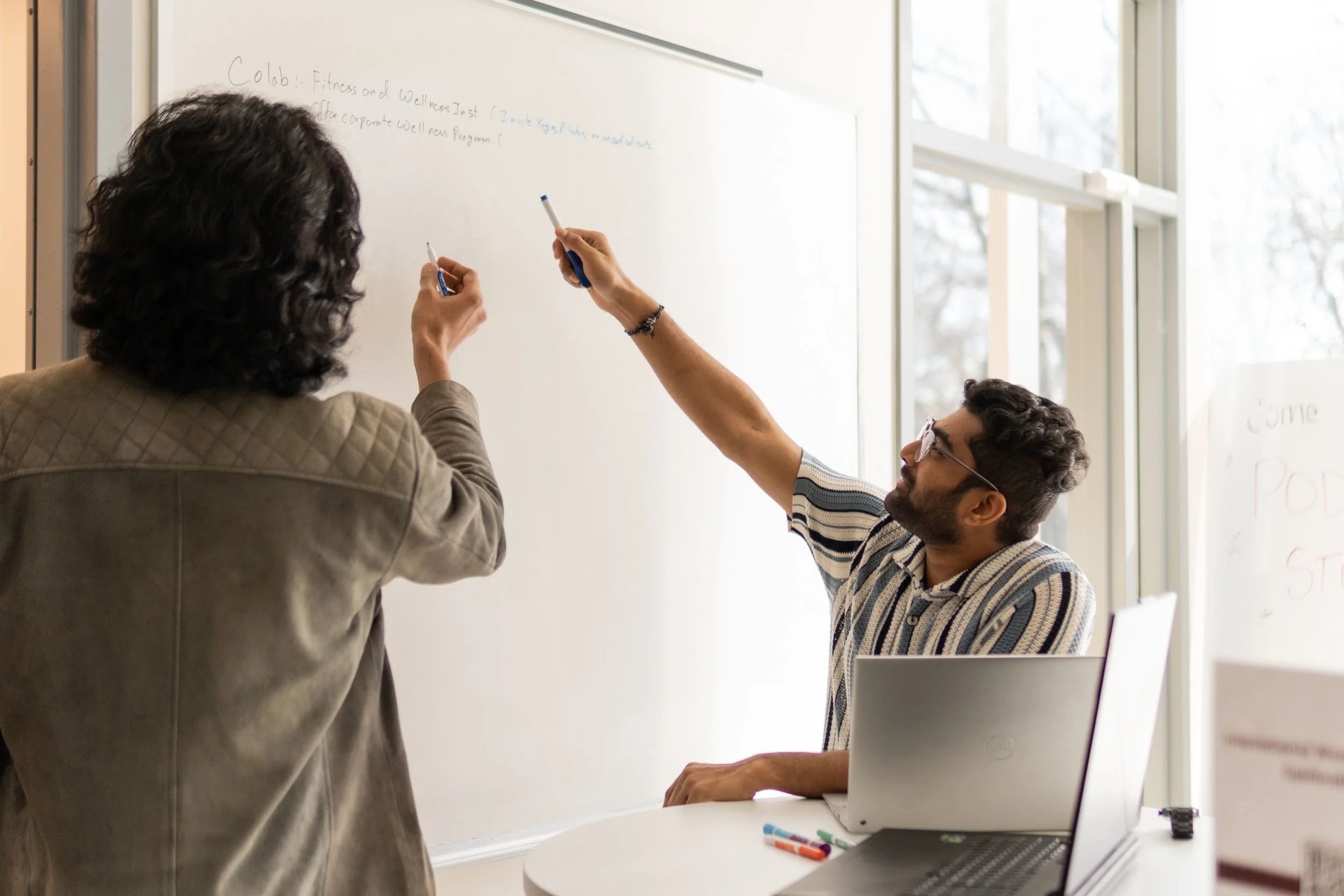
High Powered Customs, a Dartmouth-based custom apparel business, partnered with the Arthur L. Irving Entrepreneurship Centre and NSCC during the final Provincial Innovation Sprint of the fall term to connect with post-secondary students from across Nova Scotia and gather fresh ideas to support the growth of their business.

Founded by NSCC alumnus Stefan Williams, High Powered Customs offers customized printing services for T-shirts, hoodies, hats and toques. The business is rooted in community engagement and focuses on values of equality, sustainability and long-term growth. This Innovation Sprint was designed to help Stefan tackle key business challenges while giving students a real-world opportunity to collaborate, problem-solve and share innovative perspectives.

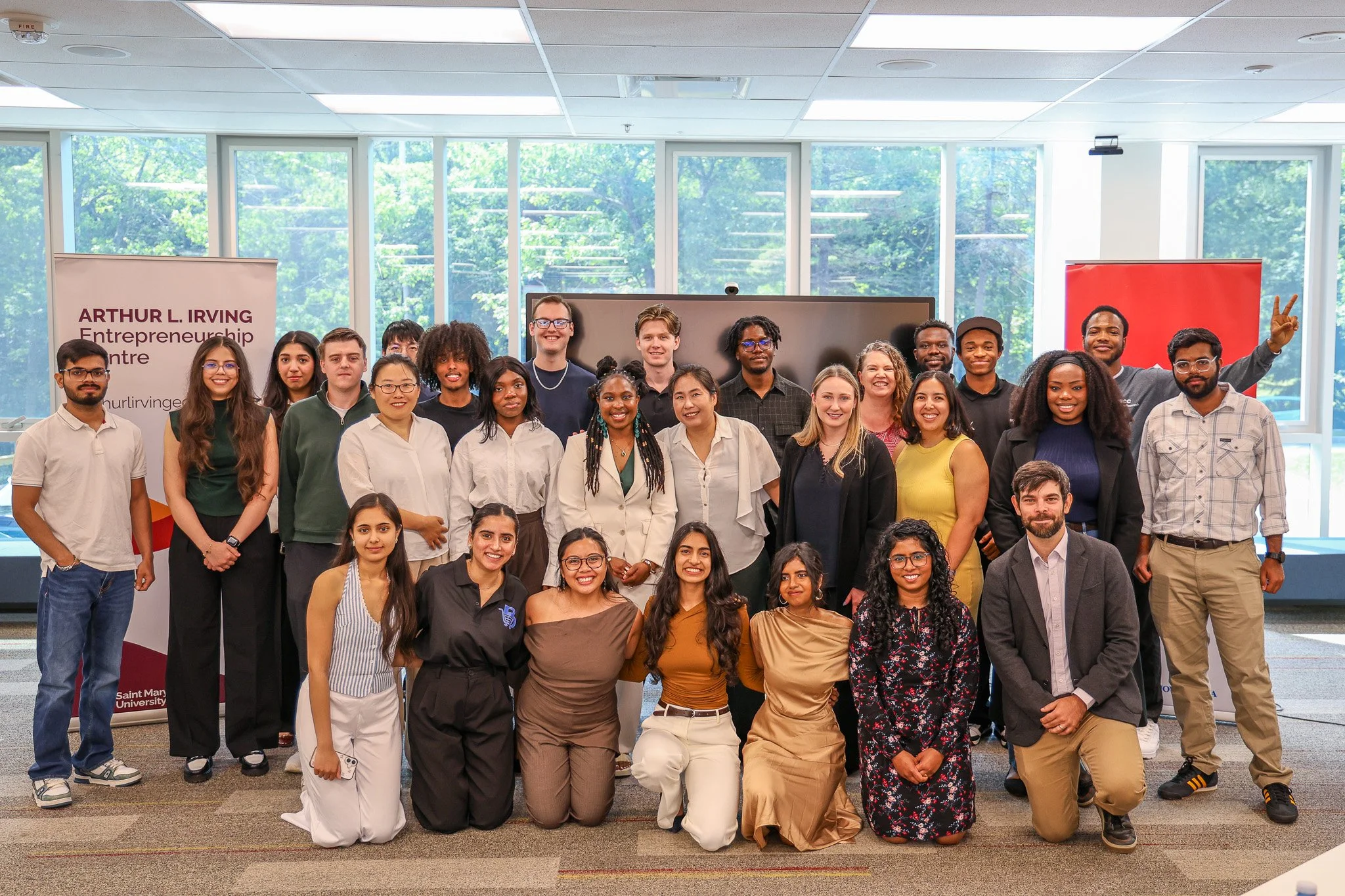
The event took place at the NSCC Makerspace in Dartmouth and brought together 25 students from Saint Mary’s University, Dalhousie University, NSCC and the University of New Brunswick. Notably, three students travelled from New Brunswick to participate, highlighting the strong interest and commitment from learners across the region. The Co-President of the Enactus NSCC Ivany Campus also took part in the day, contributing insights and energy throughout the sprint.

Students were presented with a challenge statement focused on improving pricing metrics to remain competitive in the custom apparel industry, scaling production with a small three-person team and creating a loyalty program to encourage repeat customers. Throughout the sprint, teams developed and pitched thoughtful, practical ideas aimed at supporting High Powered Customs’ next phase of growth.

“Even though we didn’t win, it was really valuable to see so many different ideas come together,” said Leo, an NSCC student who participated in the Innovation Sprint. “You can only come up with so much on your own, but when students put their minds together, it leads to ideas you can build even bigger things from.”

Some teams suggested implementing “give-back incentives,” such as offering discounts in exchange for donated clothing, which could then be repurposed or redistributed in meaningful ways. Others proposed partnerships with institutional societies and campus groups to build long-term customer relationships and encourage repeat business. Additional ideas included exploring opportunities within the tourism industry to reach new audiences and expand brand visibility.

The top-performing teams were recognized at the end of the sprint. First place was awarded to Haniel Lordwin, Martino Elias and Omar Dahleh, representing students from Saint Mary’s University and Dalhousie University. Second place went to Dalhousie students Prabhath Sundarapalli, Benison Ratheesh Amirvin and Hinesh Jayeshkumar Patel. Third place was awarded to NSCC students Vadym Smal, Tianhe Xu and Adrien Saxby-Smith.

Overall, the Innovation Sprint provided valuable insights for Stefan and meaningful, hands-on experience for students, reinforcing the value of collaboration between local businesses and the post-secondary community.