Sobey School of Business

Changing the game: how one sports business student is championing inclusion in sport

Van sits in a power wheelchair with the Huskies field behind him

Van Bernard began his Bachelor of Commerce at Saint Mary’s in Fall 2025

Van Bernard has known what he wants to do since he was eight years old.

Diagnosed with Spinal Muscular Atrophy (SMA) type 2 as an infant, Van uses a power wheelchair to navigate daily life and support his vast athletic endeavours—participating in para-sports like power wheelchair soccer, sledge hockey and para sailing. He also coaches baseball.

Van’s love of sports began as a young child, when his father and his uncle—both lifelong hockey fans—competed over which of their respective teams would become Van’s favourite. Van’s uncle won, and he’s been a diehard Ottawa Senators fan since. As time went on, and as Van and his family began travelling for specialized medical treatment in Toronto, his love affair with sports evolved from a passion into a calling.

“I remember going to a Blue Jays game in Toronto, and I realized that sport instills a feeling of excitement like nothing else,” Van says. “I knew being a professional athlete wasn't how I envisioned my career as a person living with a disability and using a wheelchair. I knew I wasn’t going to be a professional NHL player, but it wasn't over for me. I knew I could still be in the sports world and combine my passion for relationship building with my love for athletics.”
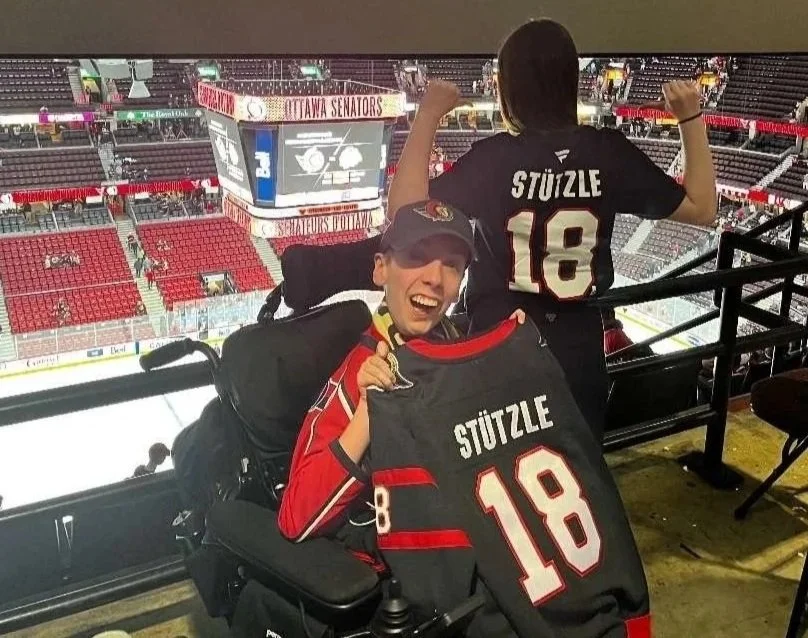
Van holds up a Stutzle jersey at the Senators arena
...sport instills a feeling of excitement like nothing else. I knew I could still be in the sports world and combine my passion for relationship building with my love for athletics.
— Van Bernard

Van has already begun to carve a path that blends these passions. His dedication to disability advocacy in sport was recognized earlier this year when he received the Terry Fox Humanitarian Award. Looking ahead to his career, Van has identified an area of the sports industry that he is uniquely suited to address—para-athlete sponsorship—and he’s come to Saint Mary’s to gain the education he needs to start making waves in the industry.
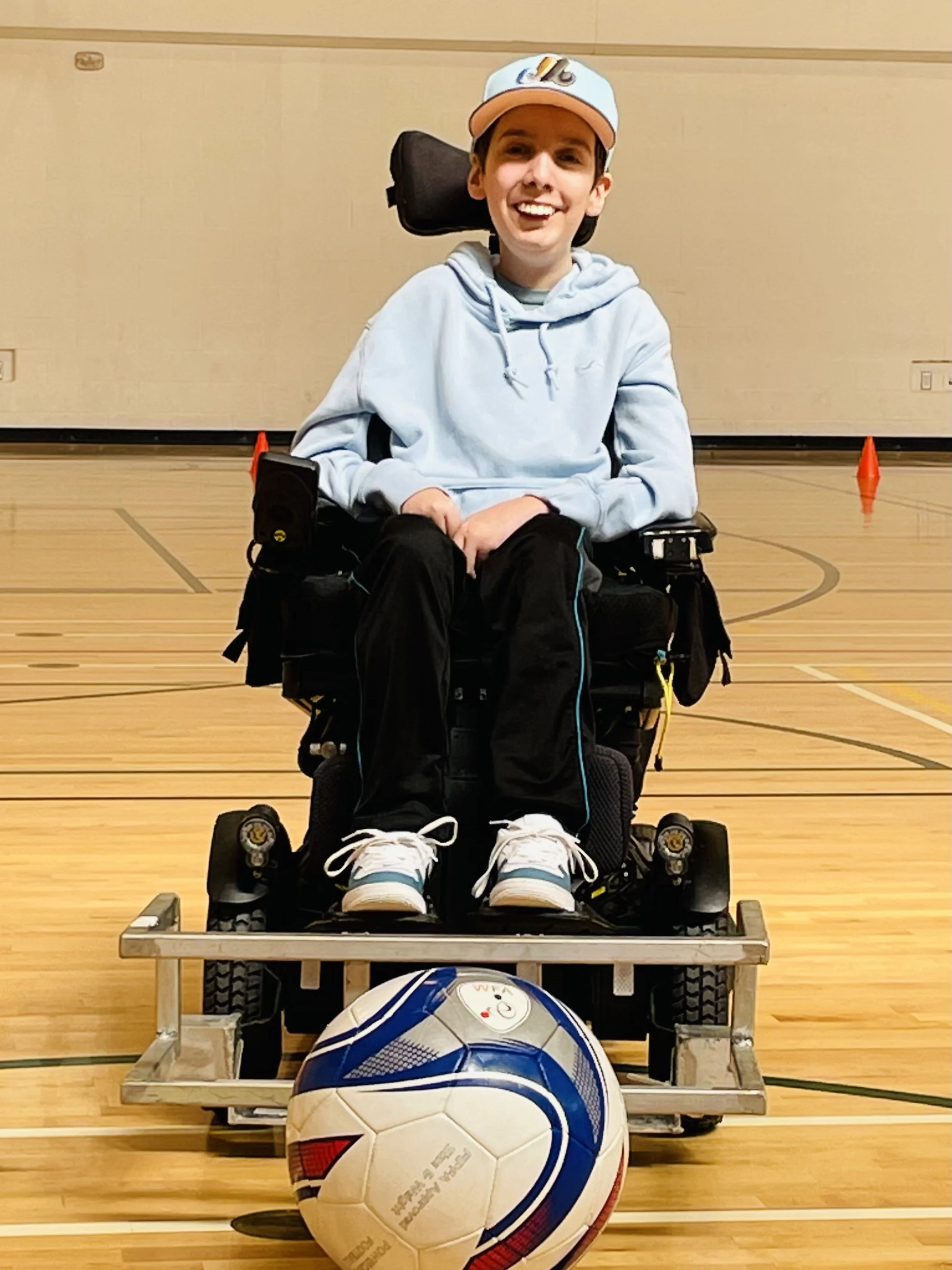
Van in a gym with a volleyball in front of him

Van plans to use his Sports Business degree to work with para-athletes

“I've always wanted to manage the sponsorships of para-athletes,” he says. “I love them. They're people like me, and giving them an opportunity to be a pro, to be recognized, and to get more recognition from able-bodied people is something I’m passionate about—because these athletes are extremely talented, and often, nobody hears about them.”

The Sports Business major is a new specialization within the Bachelor of Commerce program at Saint Mary’s. It’s designed to give students like Van hands-on experience that prepares them to work in the world of athletics. The program is also unique in Atlantic Canada, helping to nurture Maritime talent right here at home. The timing of the new major was perfect for Van.

“One of the main reasons I came to Saint Mary’s was the sports business program. I was looking at universities outside of Atlantic Canada because I knew this was what I wanted to do, and I was prepared to move to pursue the education I needed. The minute SMU announced that they were introducing a new major in sports business, I immediately applied. And when I got in, I was thrilled.”

The minute SMU announced that they were introducing a new major in sports business, I immediately applied. And when I got in, I was thrilled.

Offering courses in sports marketing, sports and sustainability, and sports law, the major combines classroom learning with experience-based projects to equip students to thrive in a fast-paced and in-demand industry. For Van, that education is an invaluable foundation to build the career of his dreams.

“I’ve done lots of advocacy work for disability rights,” Van says. “That’s my path, that’s what I want to do, and I’m continuing to do that work right here at Saint Mary’s.”
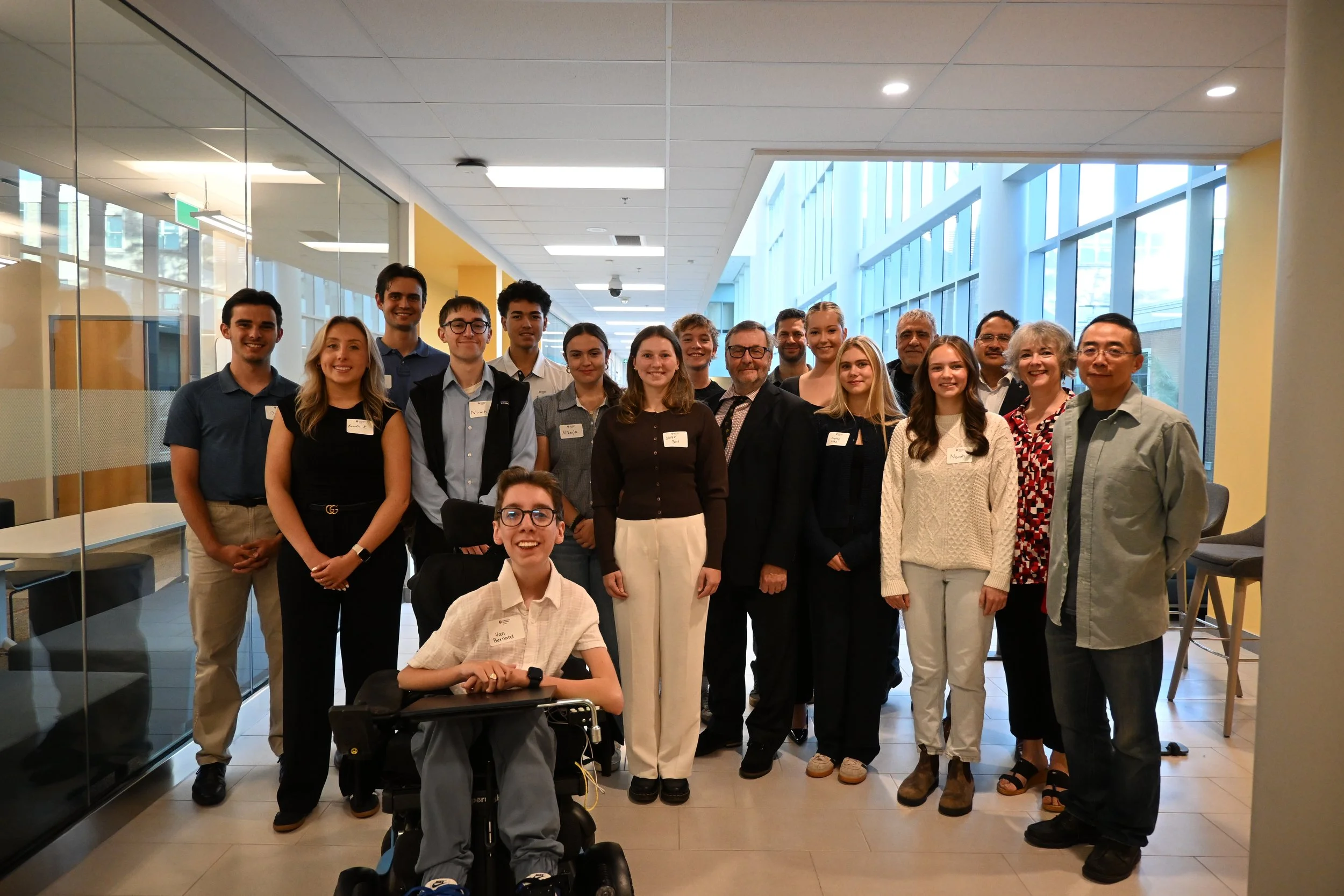
Van with a group of students and faculty

As one of the 2025 recipients of the prestigious Sobey National Innovator Scholarship, Van is part of the Sobey Scholars Network with fellow students, alumni and faculty (shown here).

Learn more about the Sports Business Program

STARS Gold: Saint Mary’s earns national recognition for sustainability

Powered by our people: A sustainability story by everyone at Saint Mary’s

Saint Mary’s University has achieved a STARS Gold rating for sustainability. This is a national recognition that reflects years of work by students, faculty, staff and partners across campus.

Awarded by the Association for the Advancement of Sustainability in Higher Education (AASHE), Saint Mary’s now joins a select group of universities around the world recognized for high performance in sustainability across academics, operations, planning and community engagement.

“This great accomplishment is a people story,” says Dr. Margaret McKee, Associate Professor of Management in the Sobey School of Business at Saint Mary’s University. “Hundreds of students, staff, faculty, alumni and partners have contributed. This rating reflects their combined efforts over a number of years across all aspects of our campus.” 

What Gold looks like on campus

In the classroom: Saint Mary’s is recognized for its strength in sustainability-focused courses, research, and immersive learning.

In your hands: The SMU Community Garden keeps growing, led by students who are growing food, supporting pollinators, and connecting climate to community well-being.

In your cup: As a Certified Fair Trade Campus, Saint Mary’s supports ethical sourcing with every purchase: real impact, brewed daily.

Under your feet: The Trees of Saint Mary’s project has transformed the university into a living arboretum with over 100 species planted: shade, biodiversity and habitats rooted in over 30 years of care.

On the skyline: The Loyola Residence tower is the tallest integrated solar wall in North America — 22 storeys turning sunlight into clean energy every day.

On the wall: A three-storey living wall in the atrium just outside the Patrick Power Library cleans the air, regulates humidity, lowers heating costs, and brings nature into the heart of campus.

On two wheels: A self-service bike repair station, secure bike lockers and e-scooter and bike rentals on campus make it easier for students and staff to choose active, low-carbon transportation every day.

Along the shoreline: Through a partnership with TransCoastal Adaptations, Saint Mary’s students are restoring tidal wetlands, supporting habitat resilience and infrastructure.

On the water: Saint Mary’s researchers are empowering small-scale fishers and the ecosystems they depend on.

Around the world:  The Saint Mary’s Enactus team won the 2025 World Championship with community projects reducing plastic waste through Alaagi and improving food security through Square Roots.

“This Gold rating reflects years of hard work and thoughtful planning on how we build and care for the university, from major infrastructure upgrades to everyday sustainable choices,” says Dennis Gillis, Senior Director of Facilities Management. “You can see that commitment in the way we plan and operate our campus. Each project brings us closer to a more sustainable future.”

Faculty continue to add sustainability across programs, linking classroom learning to real-world challenges. Students analyze data, propose solutions and field-test their ideas.

Student leadership is at the heart of the Gold rating. Through entrepreneurship, policy advocacy, energy audits and waste reduction campaigns, students are leading by example and proving that small teams can drive big change.

“We’re proud of this achievement, but we’re not done,” says Dr. McKee. “To everyone who contributed by planting seeds, teaching, thinking outside the box and pushing for innovation — this achievement belongs to you.”

Bill Linton BComm'75 DComm'22 and his wife Marilynne Day-Linton made a generous gift to the Sobey School of Business and Saint Mary's University. Funds from The Linton Family Sustainability in Business Trust provided the preliminary funding for this project. 

The Gold rating is valid through 2028. The full STARS report provides a transparent breakdown of scores.

View the full STARS Gold reportSaint Mary's University | Scorecard | Institutions | STARS Reports

Sustainability at SMU

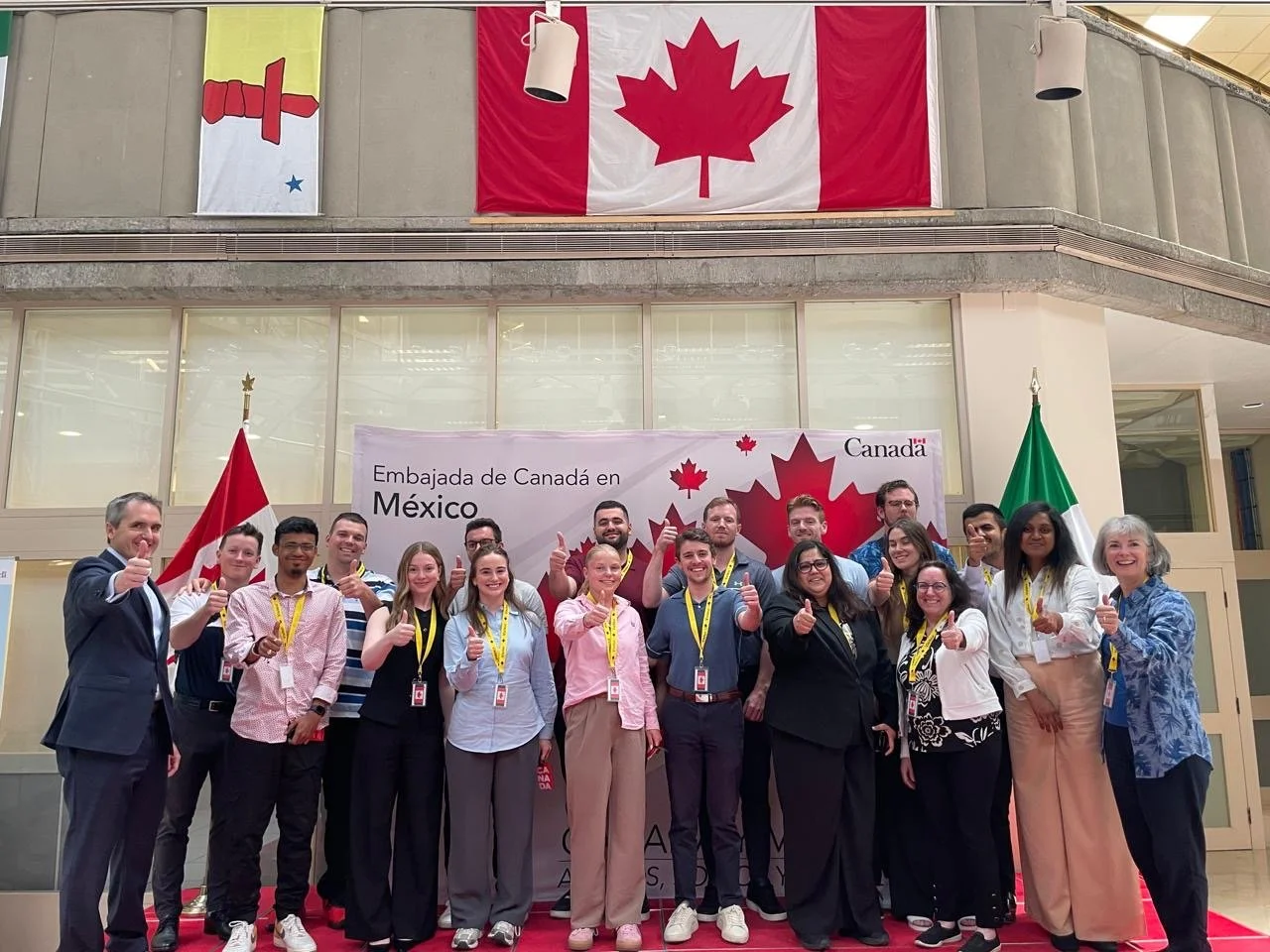
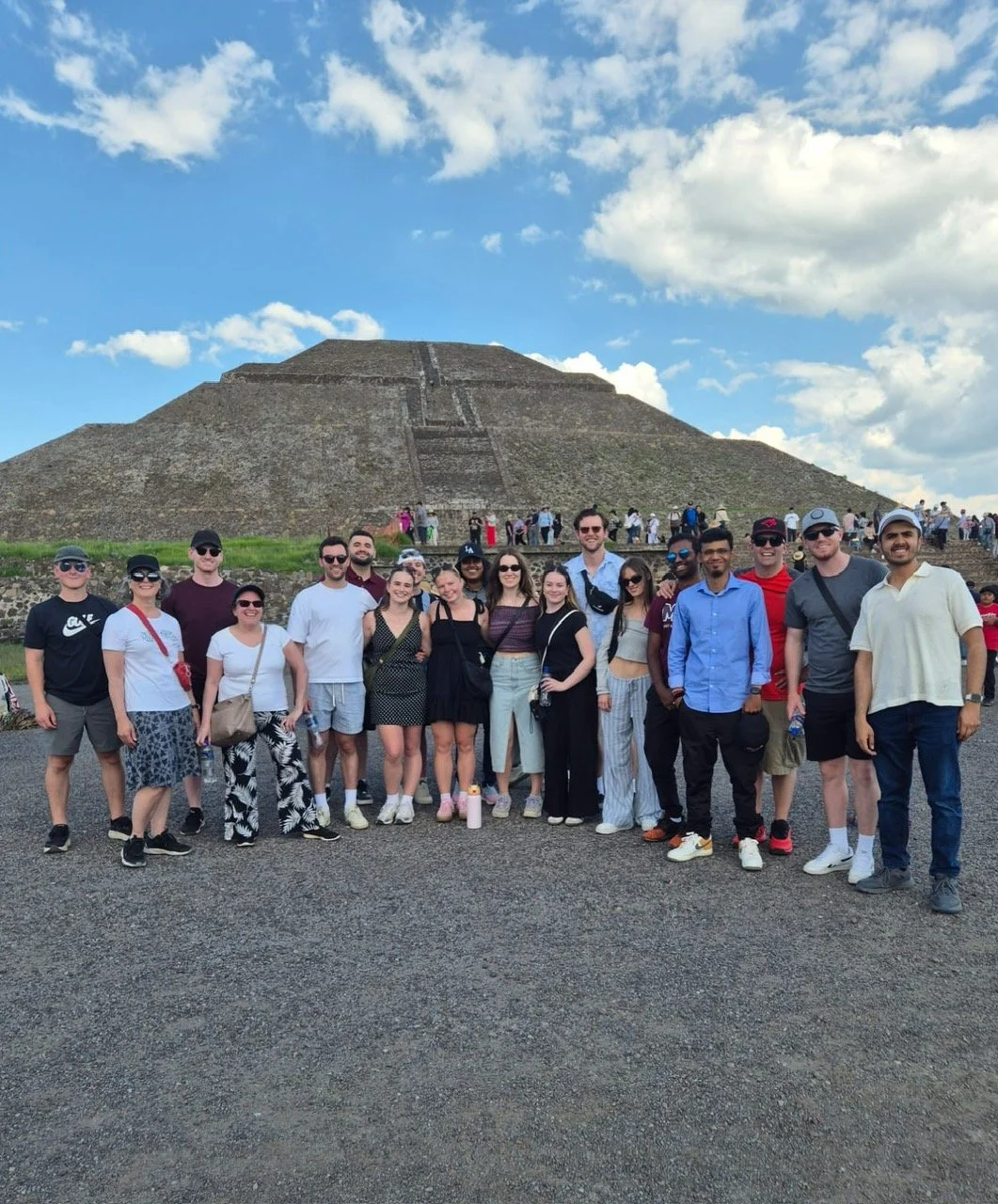
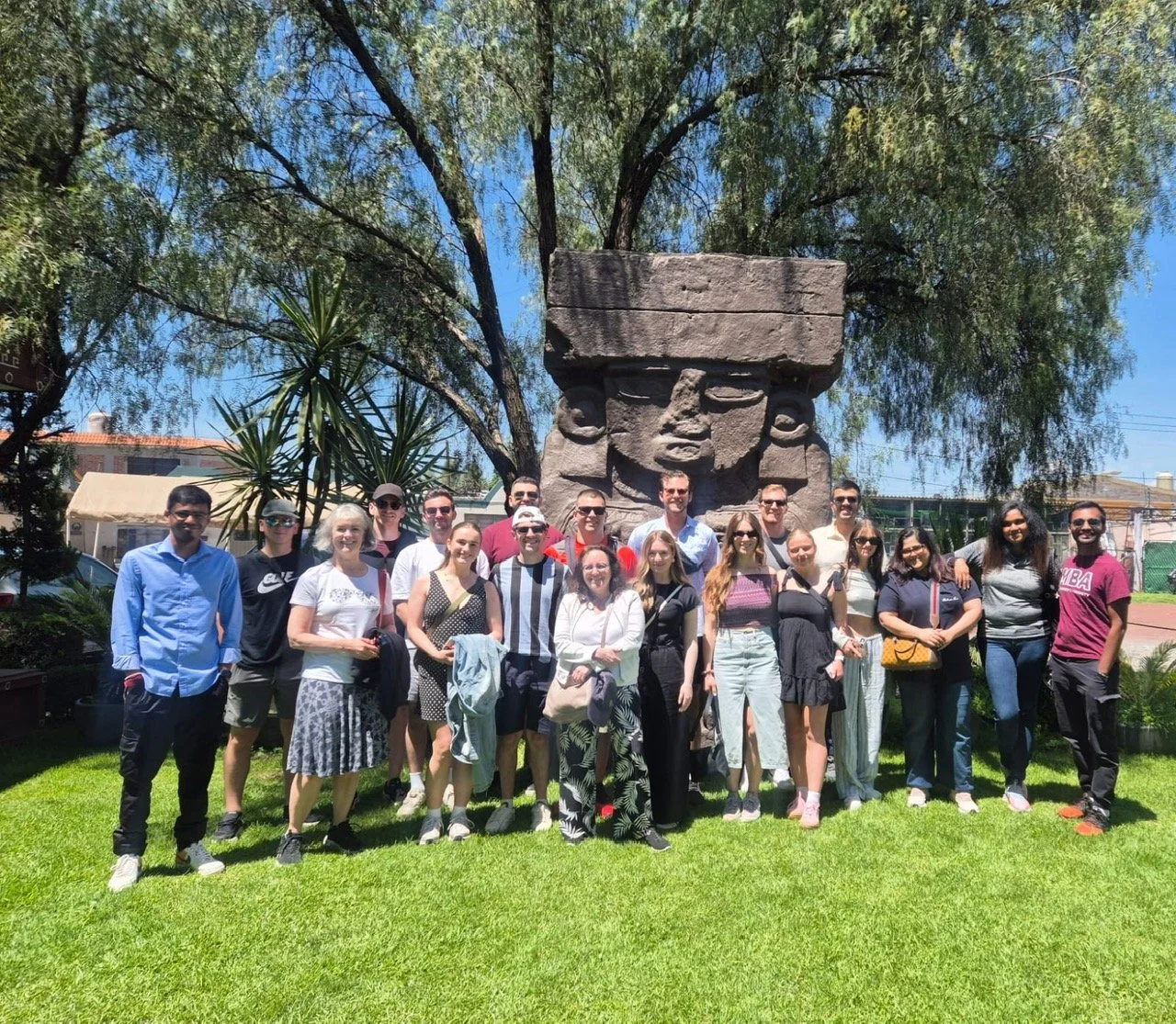
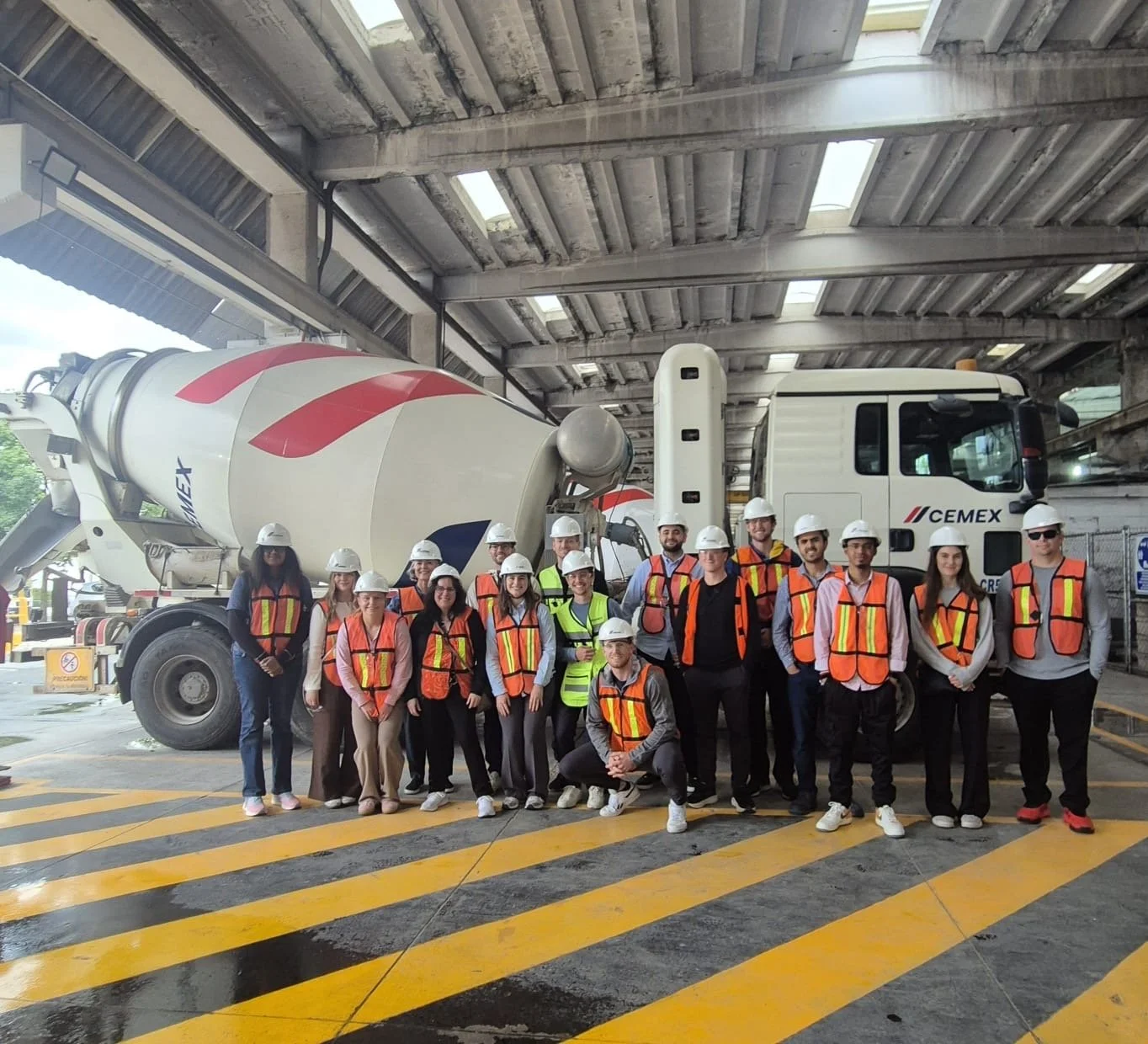
Sobey MBA students gain global perspective through immersive learning in Mexico

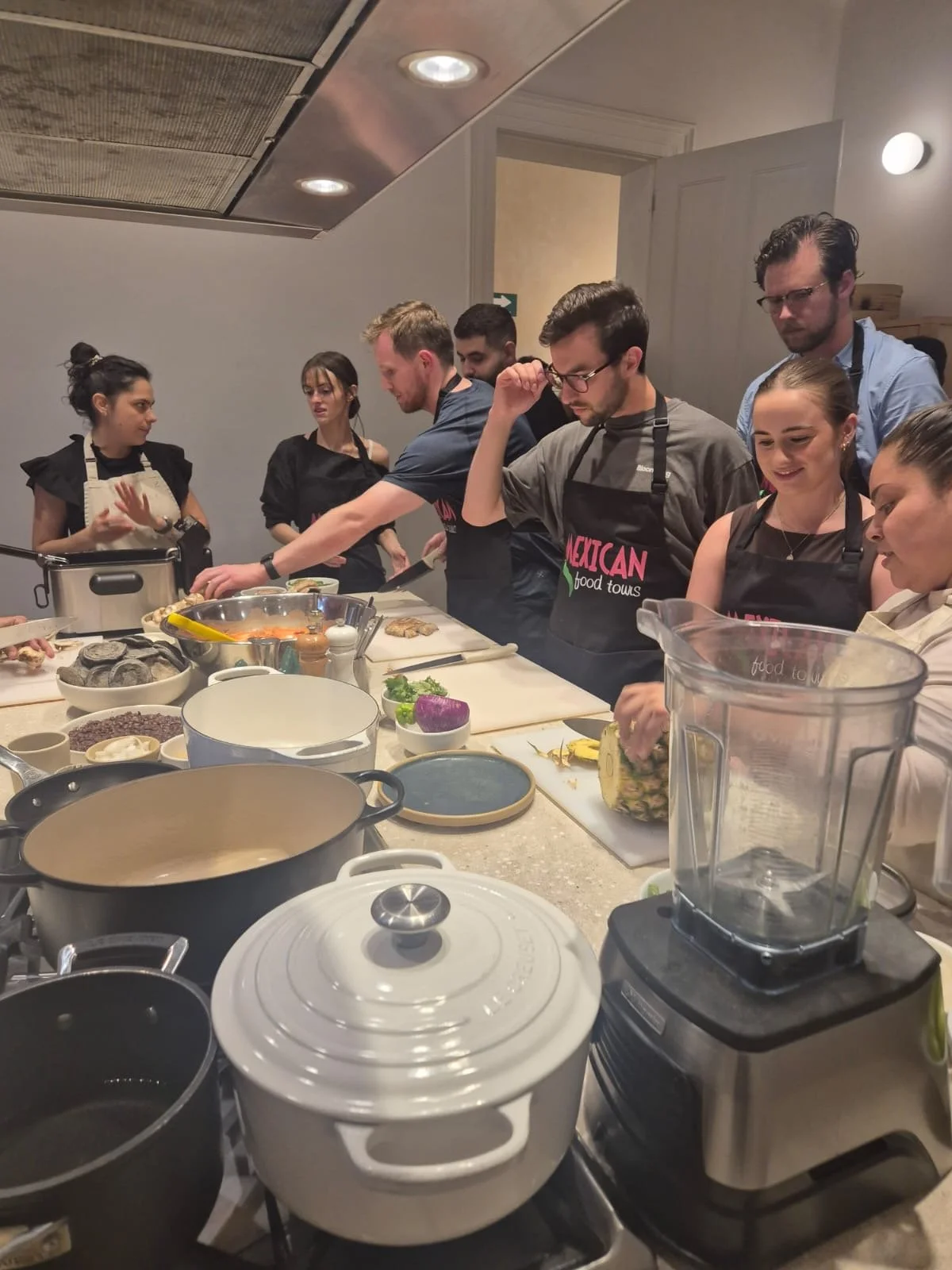
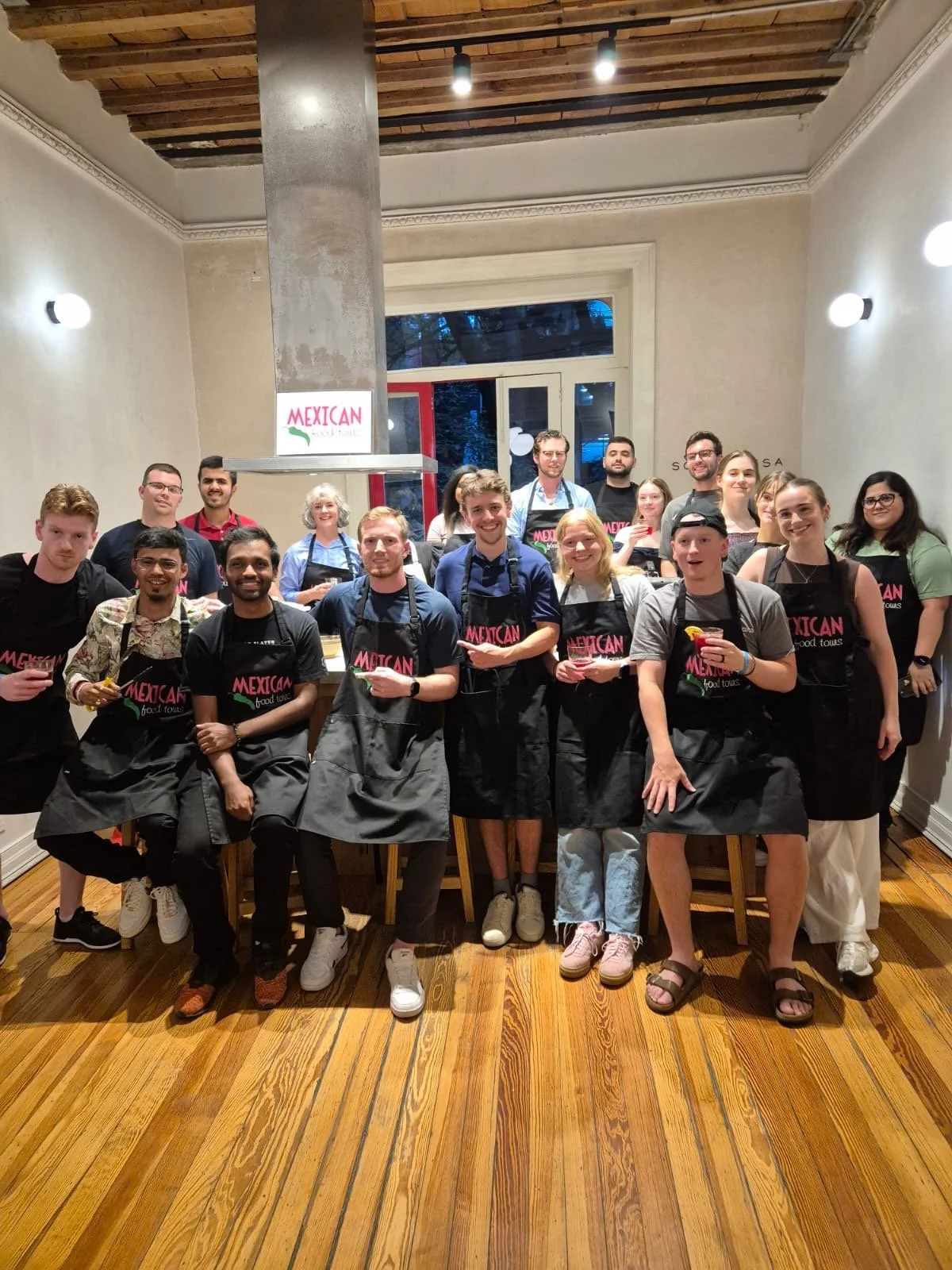
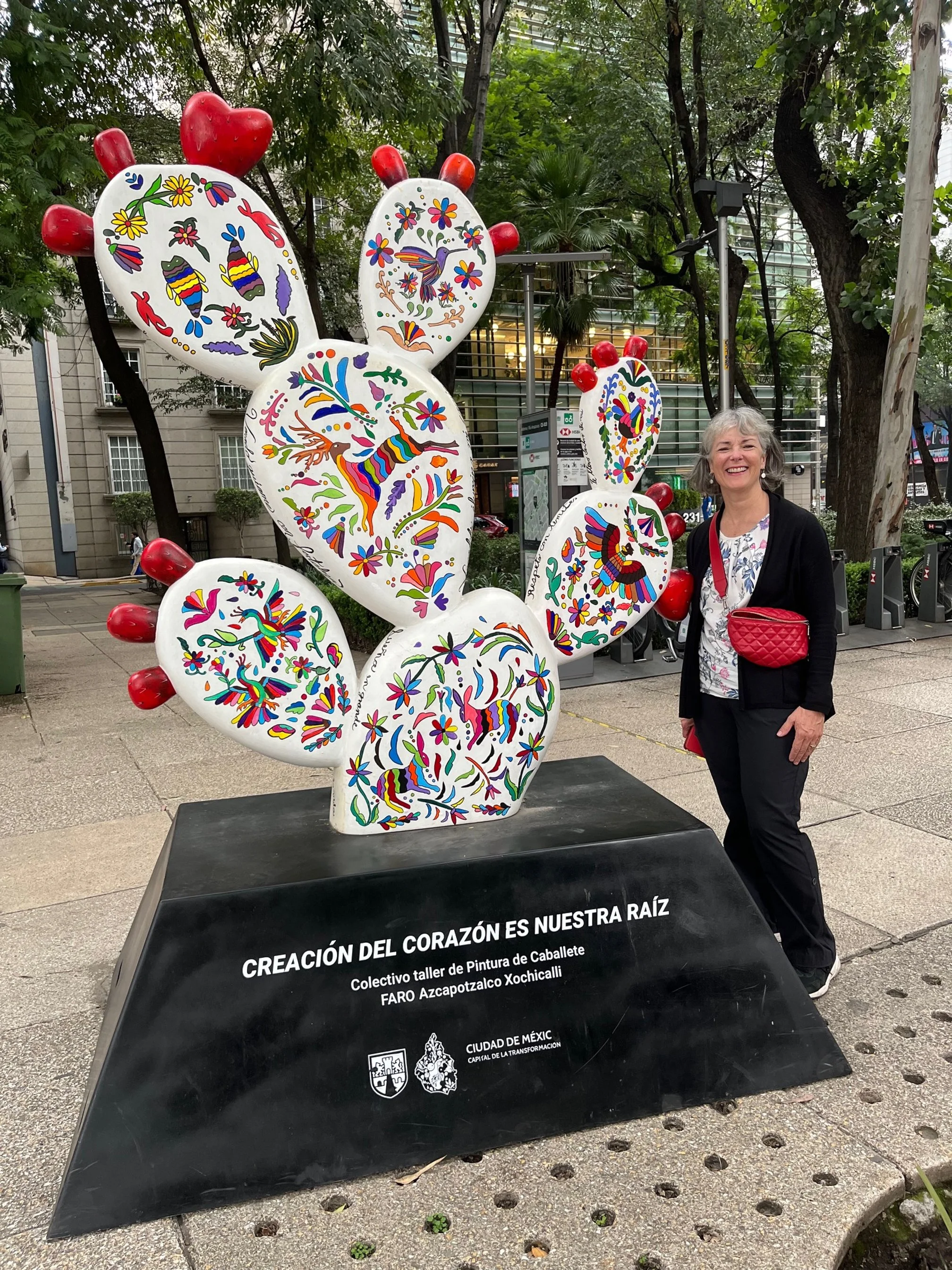
Business looks different when you step outside your own borders. That’s precisely what Sobey MBA students discovered in Mexico this summer, where they partnered with local companies to tackle real business challenges while gaining firsthand insight into global consulting practices. In July, Sobey School of Business MBA students travelled to Mexico for their International Immersion Experience (SMBA 6500)—a mandatory, three-credit course that is a signature element of the program. Each year, a new location is chosen for this course, with Mexico selected as the 2025 destination.

Over a week, students stepped beyond the Canadian classroom to work directly with Mexican businesses to complete consulting projects. They applied the skills and frameworks developed during their first year of the program, adapting to shifting client needs and delivering professional recommendations—all while navigating cultural differences that challenged them to think in new ways. Their experience extended beyond the boardrooms, with visits to local companies, cooking sessions, guided tours and historic sites that deepened their understanding of how culture and business intersect.

The program's businesses are carefully chosen to reflect the Sobey School of Business values of entrepreneurship, cultural awareness, innovation, sustainability and social responsibility. This ensures that when students step into international settings, they encounter work that is both relevant and meaningful, broadening their perspectives while reinforcing their skills.

The International Immersion Experience is designed to replicate the realities of international consulting. Students are challenged to apply classroom learning to real-world problems while navigating cross-cultural communication, diverse business practices, and the need to pivot quickly when expectations change.

“Every time we return, students tell us this was the moment they realized how much they had grown,” said Chantal Hervieux, Associate Professor and MBA Director. “They see their skills in action, pivot with confidence and come back with a new lens on both business and the world. It’s transformational.”

Beyond consulting practice, students return with broadened perspectives, deeper cultural awareness and a more comprehensive understanding of global business. The program also works to challenge common assumptions, encouraging students to recognize the sophistication and scale of businesses outside of North America and Europe.

Unlike many business schools, where international travel is offered as an elective, the International Immersion Experience course is a required component for the Sobey MBA. This commitment ensures that every graduate leaves with hands-on international consulting experience, cultural literacy and the ability to work across borders—skills that set Sobey MBA graduates apart.

By combining rigorous academics with experiential learning, the 16-month Sobey MBA prepares students to lead with purpose and impact in today’s interconnected world.

Learn more about the Sobey MBA

From student to mentor: how Experience Ventures came full circle for Hayden Ennis

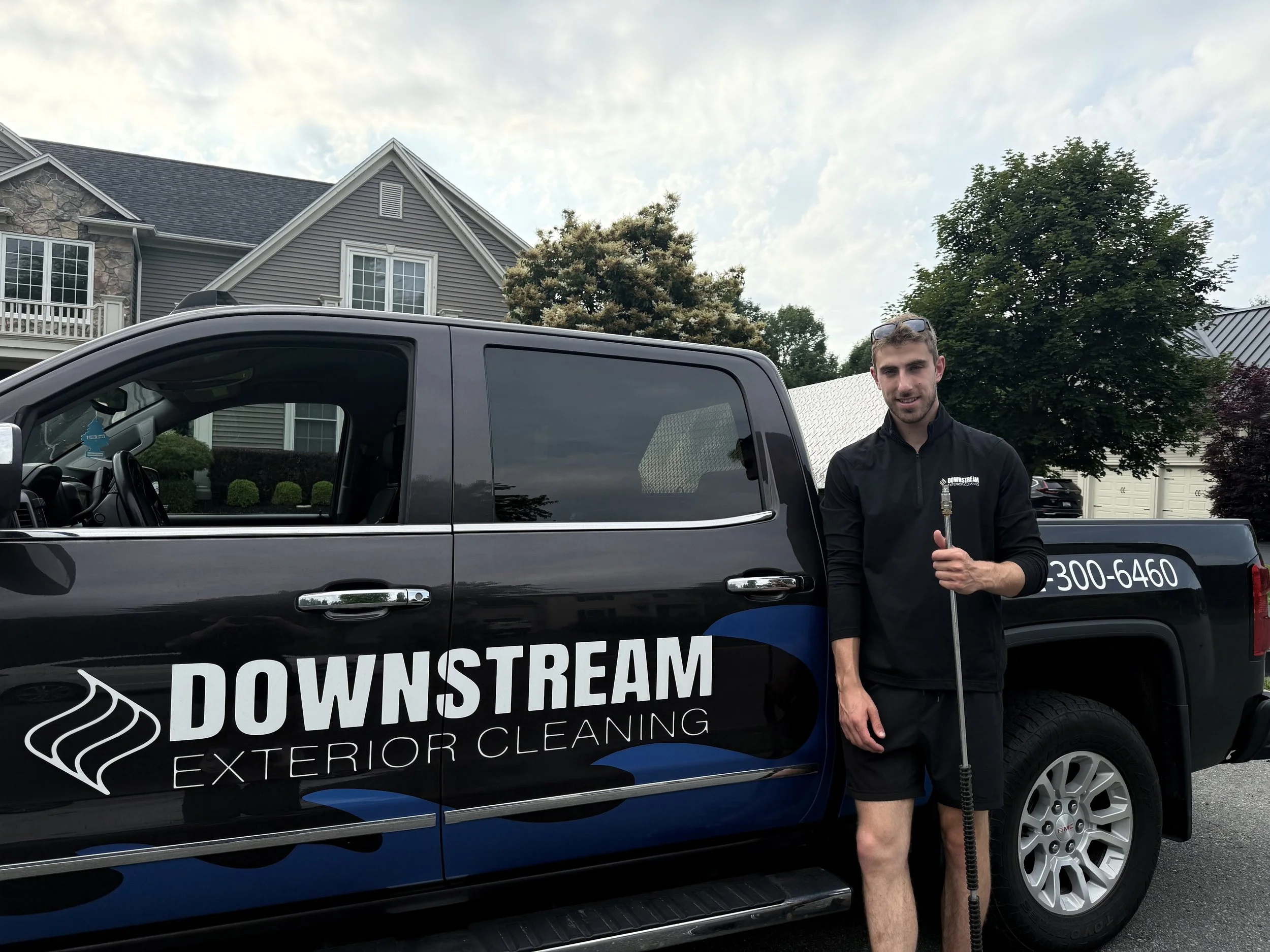
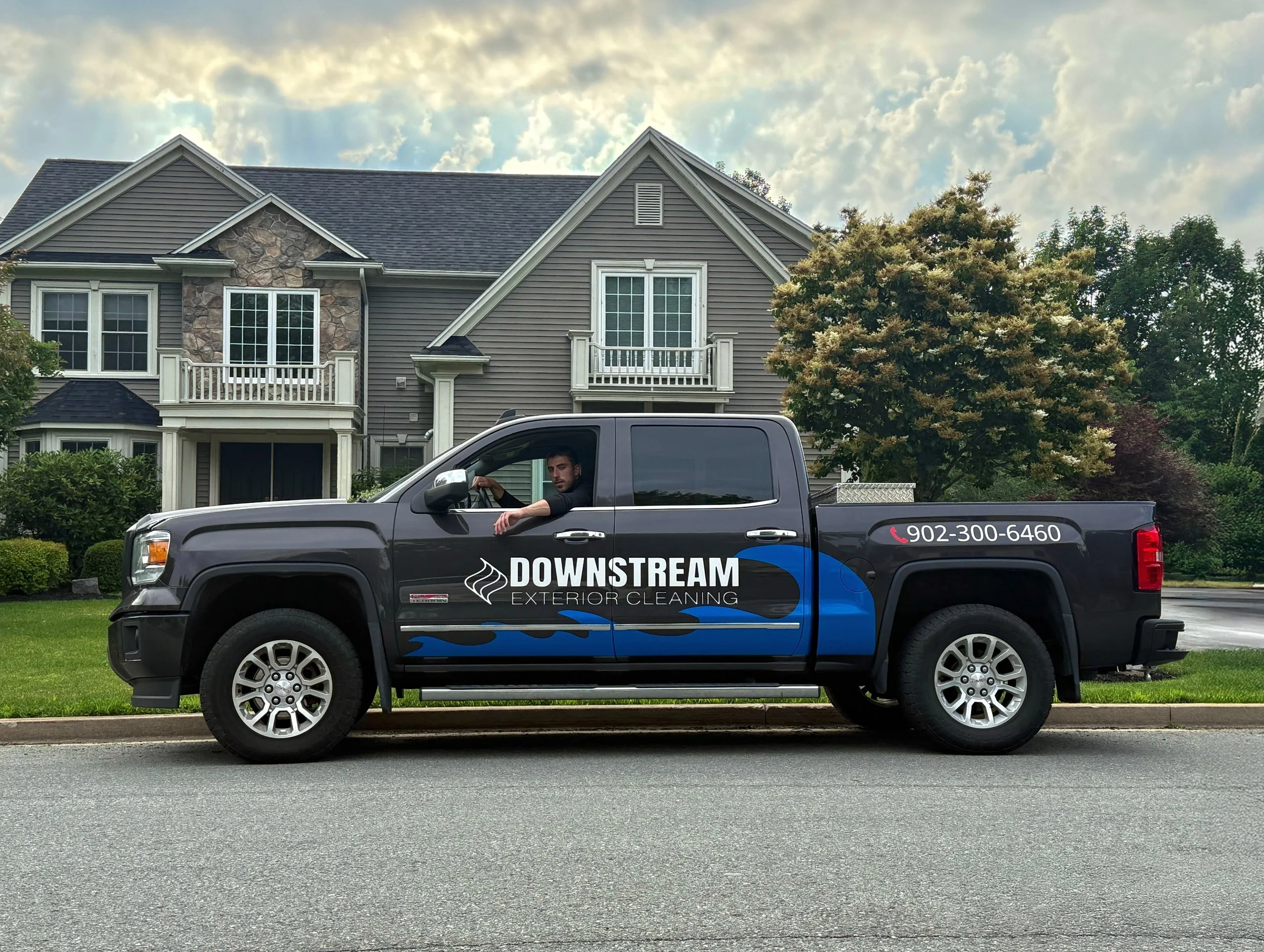
Hayden stands next to his business truck

Hayden Ennis BComm’25 participated in the Experience Ventures program for entrepreneurship. He now owns Downstream Exterior Cleaning.

When Hayden Ennis BComm’25 first signed up for Experience Ventures through the Arthur L. Irving Entrepreneurship Centre at Saint Mary’s University, he had no idea how the opportunity would shape his career path or that, just a few months later, he’d find himself on the other side of the experience—this time as a small business owner welcoming a student into his company.

“I saw the program as a great chance to put everything I’d learned into practice,” Hayden recalls. “I was placed with CanNova Construction in Halifax, and suddenly I was doing social media, content creation and graphic design — things that were totally new to me at the time.”

Hayden sits in his Downstream business truck

That placement wasn’t just a one-off learning opportunity. The skills Hayden gained during the project stuck with him. Now, they’re part of the foundation of Downstream Exterior Cleaning, the business he officially launched in January 2025.

Based in Nova Scotia’s Annapolis Valley, Downstream has already served nearly 100 customers since beginning operations in April, and it’s just getting started.

This summer, Hayden stepped into a new role in the Experience Ventures program, not as a student, but as a business owner. Through the same initiative that helped him gain hands-on experience, he’s now providing that opportunity to Alexi Melanson, a double honours student in finance and accounting at the University of New Brunswick.

And just like Hayden, Alexi didn’t waste a moment.

“Drawing on my background in corporate finance, I was able to step into a consulting-style role with Downstream,” Alexi explains. “I worked on refining the company’s approach to financial planning, building out cash flow projections, setting budgets and streamlining existing practices. It was amazing to work so closely with a small business and actually see my ideas implemented.”

For Hayden, watching Alexi’s impact has been a full-circle moment. “It’s surreal, honestly,” he says. “Experience Ventures gave me the space to learn and grow as a student. Now, I get to pass that on. Even if a student walks away with just one new skill or lightbulb moment, that’s a win.”

This story also highlights something bigger: the growing reach of Experience Ventures across Atlantic Canada. Hayden, based in rural Nova Scotia and Alexi, from New Brunswick, show how the program fosters meaningful cross-provincial connections by bridging classrooms with real businesses and students with entrepreneurs who were once in their shoes.

As Hayden looks ahead to 2026 with big goals for Downstream, he credits programs like Experience Ventures for helping him build the confidence and the community to take the leap.

“It’s more than just a resume line. It’s real growth, real people and real impact,” he says. “I’m proof of that.”


Powered by the Hunter Hub for Entrepreneurial Thinking at the University of Calgary and funded in part by the Government of Canada’s Innovative Work-Integrated Learning Initiative (I-WIL), Experience Ventures enables students to make an impact alongside real-world innovators through entrepreneurial thinking placements. See our upcoming Hackathons and Challenges. Honorariums are available for students.

Visit our website to learn more.

Empowering small-scale producers

A partnership for global food security and sustainability

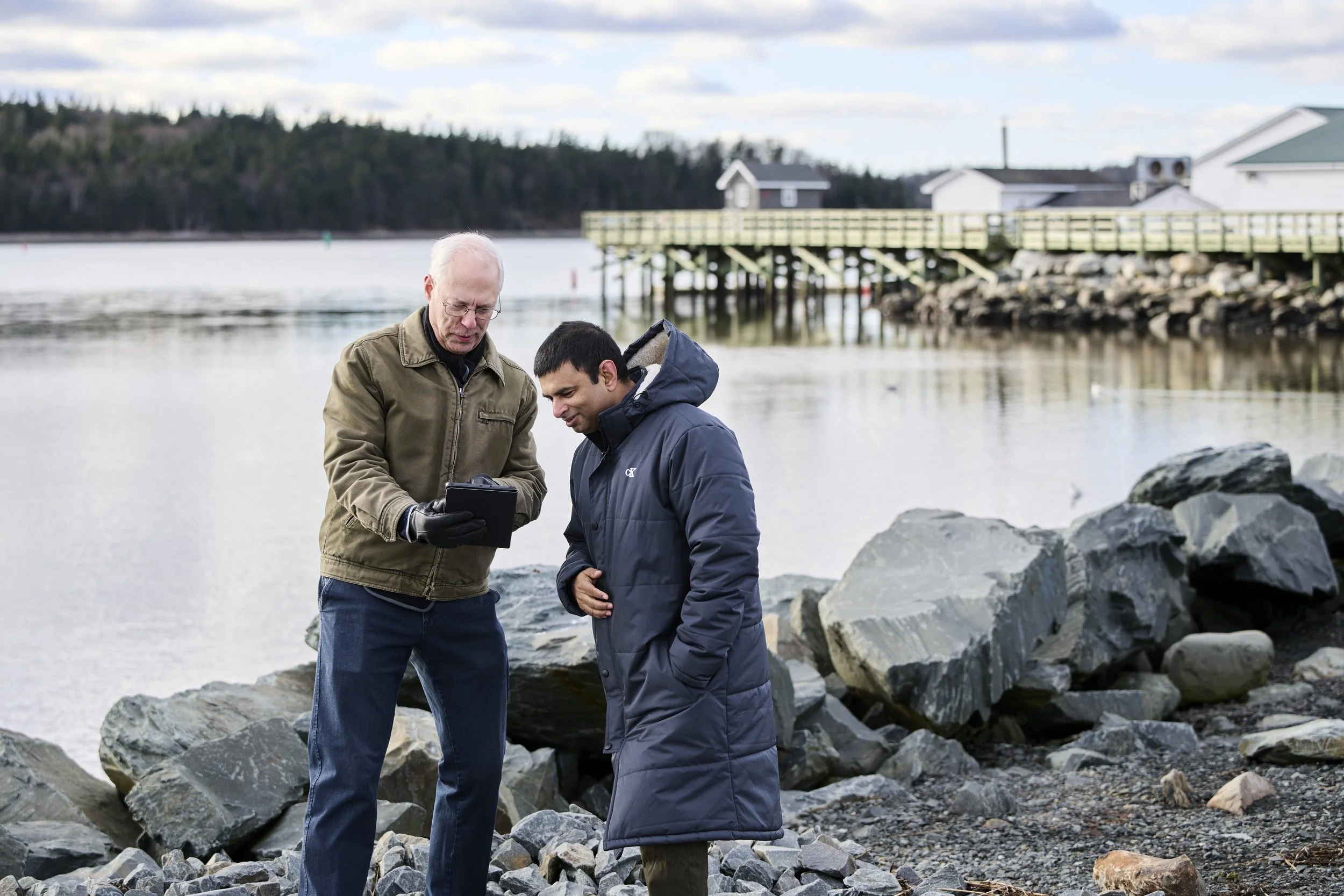
Dr. Tony Charles and Hasan Latif

A specialized agency of the United Nations that leads international efforts to defeat hunger, Food and Agriculture Organization of the United Nations (FAO) is working toward food security for all by ensuring regular access to sufficient, high-quality food for active, healthy lives.

Saint Mary’s University is engaged in a partnership with FAO through Dr. Tony Charles, Director of SMU’s School of the Environment and a professor in the Sobey School of Business.

Dr. Charles has a long history of supporting local communities worldwide in their stewardship activities, protecting the environment while maintaining their livelihoods, and connecting with governments to advance policies that support these grassroots initiatives.

Working with FAO, Dr. Charles created a stewardship database and a framework to assess conservation practices and environmental stewardship among small-scale producers in fishing communities. The impressive range of such stewardship achievements has been published by Dr. Charles in FAO’s report Environmental Stewardship by Small-Scale Fisheries.

“Dr. Charles’s work on small-scale fisher stewardship, community-based management, and the link between climate change and poverty has been pivotal in removing obstacles faced by small-scale producers,” said Dr. Daniela Kalikoski, Fishery Officer and Leader of FAO’s Priority Area on Small-Scale Producers’ Equitable Access to Resources, and Social Protection in Fisheries. “Saint Mary’s University has fostered a unique environment that integrates scientific and local knowledge, offering critical insights for policy creation and governance that emphasize openness, collaboration, and inclusion.”

This collaborative effort demonstrates the profound impact that integrating research, local knowledge, and global initiatives can have in empowering local people and their communities worldwide and building a more sustainable and food-secure future.


The Office of Innovation and Community Engagement (OICE) at Saint Mary’s University facilitates research partnerships between the University and companies, government departments and community organizations. OICE is the initial point of contact for faculty members and external partners wishing to collaborate. The office assists with finding suitable expertise, contract development and advising on funding opportunities.

This project highlight is from the 2025 OICE Report, which features researchers from Saint Mary's University and their external partners.

Read the 2025 OICE Report

Indigenous Youth Business Camp builds early pathways and community at Saint Mary's

This July, Saint Mary’s University welcomed Indigenous youth from Cape Breton for a week-long immersive business and university experience through the inaugural Indigenous Youth Business Camp.

Led in partnership by the Sobey School of Business and Kylar Johnson, Indigenous Student Advisor in Student Affairs and Services, the pilot initiative was designed to create early pathways to post-secondary education for Indigenous youth in Atlantic Canada. Over the course of the week, students lived in Saint Mary’s residence, explored life on campus and in Halifax, and participated in a range of programming focused on entrepreneurship and business fundamentals.

“This week was all about connection,” said Kylar. “It was about giving students a feel for what it’s like to live here and learn at Saint Mary’s, helping them build relationships with our Indigenous community at SMU, showing them what supports exist within Student Affairs and Services and beyond, and giving them a chance to explore what SMU has to offer.”

The Sobey School of Business programming focused on experiential learning with faculty, staff and student groups. Participants engaged in workshops on how to pitch a business idea, develop marketing strategies and manage key aspects of business operations. They also visited local businesses aligned with key business streams, including site visits to Sobeys headquarters, Clearwater, the Halifax Wanderers and Tribe Network, and took part in an on-campus session with the CEO of SimplyCast and prominent SMU alum, Saeed El-Darahali BSc’02 MBA’04. Participants also connected with members of the SMU Enactus team and learned how getting involved outside the classroom can enrich the university experience.

Camp participants visited a local Sobeys location

SMU Enactus members gave a presentation to students

According to Manar Salem, Manager of Strategic Initiatives and Special Projects at the Sobey School of Business, one of the most valuable aspects of the experience was its two-way learning model.

“We wanted to give students a realistic insight into university life – what to expect, how it differs from high school, and what opportunities exist across different areas of business,” Salem said. “But it was also a learning experience for us. Hearing their questions and seeing what sparks their interest helps us understand how to better connect with and support our future students. It shapes how we think about teaching business, and how we build community.”

Throughout the week, participants explored a variety of business disciplines, from marketing and sustainability to sport, retail, AI and non-government organizations. They gained a deeper understanding of the different academic pathways available at Saint Mary’s and how these are reflected in real-world business operations.

“It was validating to hear from presenters who wanted to learn from us too,” said Bethany, a participant in the program. “I make art, and I want to sell it, so this experience helped me start thinking through what I need to consider like expenses, pricing, even how to market to audiences. It also helped me think about how to find balance and not burn out.”

Indigenous student leaders played a key role throughout the week, with two current students serving as chaperones and mentors. “All it takes is one visit to campus and you're sold,” shared BComm student and Huskies Football player Cole Prosper. “Everyone here wants you to succeed - don’t be afraid to ask questions.”

The group also had the opportunity to experience campus life by staying in residence, touring spaces, including SMU’s newly renovated Indigenous Student Space, learning about available resources and supports, and going on social outings together.

“I loved the camp,” exclaimed Cheyanne, another student participant. “Everyone connected so quickly. I feel like I would be more likely to choose SMU now, having had the chance to meet some of the Indigenous students and seeing the student space they have here.”

A highlight of the week was the final presentation project. Participants worked in teams to develop and pitch creative solutions to real cultural issues, applying what they had learned throughout the week. Supported by student mentors from the Sobey School of Business, they presented their ideas to a panel of judges, impressing the judges with their innovation, confidence and thoughtful insights, and offering a glimpse of the potential these future leaders bring.

“This camp gives students a real chance to picture themselves here,” said Professor Vurain Tabvuma. “They’re not just hearing about university; they’re living it for a week, asking questions, meeting people and seeing what’s possible. That kind of experience can be a turning point in helping them figure out what they want and knowing they’d be supported if they came here.”

Indigenous Community at SMU

Crypto fraud on the rise: Saint Mary’s launches FinTech course

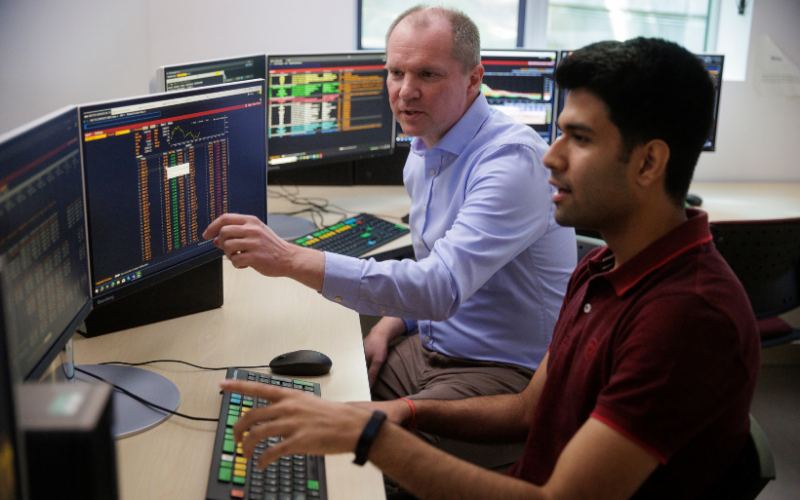
Dr. Muenkel helps a student who is working on a multi-screen computer showing financial figures

Dr. Florian Muenkel works with a student on the Bloomberg Terminals in the Sobey School of Business. The computer software system allows users to monitor and analyze real-time financial market data and place trades on the secure electronic trading platform.

As cryptocurrency fraud incidents increasingly dominate headlines, including a recent RCMP alert highlighting a local scam costing victims over $150,000, Saint Mary's University is proactively stepping forward to prepare students for the emerging realities of digital finance.

Dr. Florian Muenkel, Assistant Professor of Finance at Saint Mary's Sobey School of Business and Academic Director of the IMPACT Investment Fund, has expertise in financial technology (fintech), cryptocurrency, blockchain and digital security, among other areas of finance.

Recently featured on CTV News Atlantic regarding cryptocurrency fraud, Dr. Muenkel underscores the importance of real-world, practical education to protect students and communities.

“Cryptocurrencies, blockchain and other digital payment technologies are becoming integral parts of daily financial interactions,” says Dr. Muenkel. “It is critical that students learn more than financial theory alone.”

Starting in September 2025, Dr. Muenkel will lead an innovative new Special Topics course in FinTech (FINA 4826), open to all eligible Bachelor of Commerce students. Dr. Muenkel combines his expertise in financial technology and derivatives with practical, hands-on experience guiding students in exploring opportunities to disrupt existing financial processes.

The new course will explore the transformative impact of technology on finance, including Decentralized Finance, Robo-Advising, Blockchain, Open Banking, AI and Machine Learning applications in finance, and innovations in payments such as digital wallets and advanced credit card technologies. Students will also gain insights into practical applications from guest speakers in the fintech sector.

Dr. Muenkel is known for his rigorous yet engaging teaching style, equipping students with both theoretical knowledge and real-world financial decision-making skills, ensuring graduates leave Saint Mary’s well-prepared to responsibly navigate the complexities of digital finance.

“Our students will navigate the fintech world confidently but also learn how to shape it responsibly. They will be equipped to critically assess digital financial platforms, understand ethical implications and take proactive roles in preventing fraud.”

The launch of this course reflects the broader mission of the Sobey School of Business to anticipate market trends rather than merely respond to them, ensuring graduates are well-prepared to lead effectively in a rapidly evolving global financial landscape.

As new technologies reshape finance, Sobey School graduates will enter the workforce uniquely prepared, with tangible skills and the confidence to lead safely and innovatively in a complex, fast-paced digital economy.

Sobey School of Business undergrad programs

Addressing 2SLGBTQ+ poverty in Canada

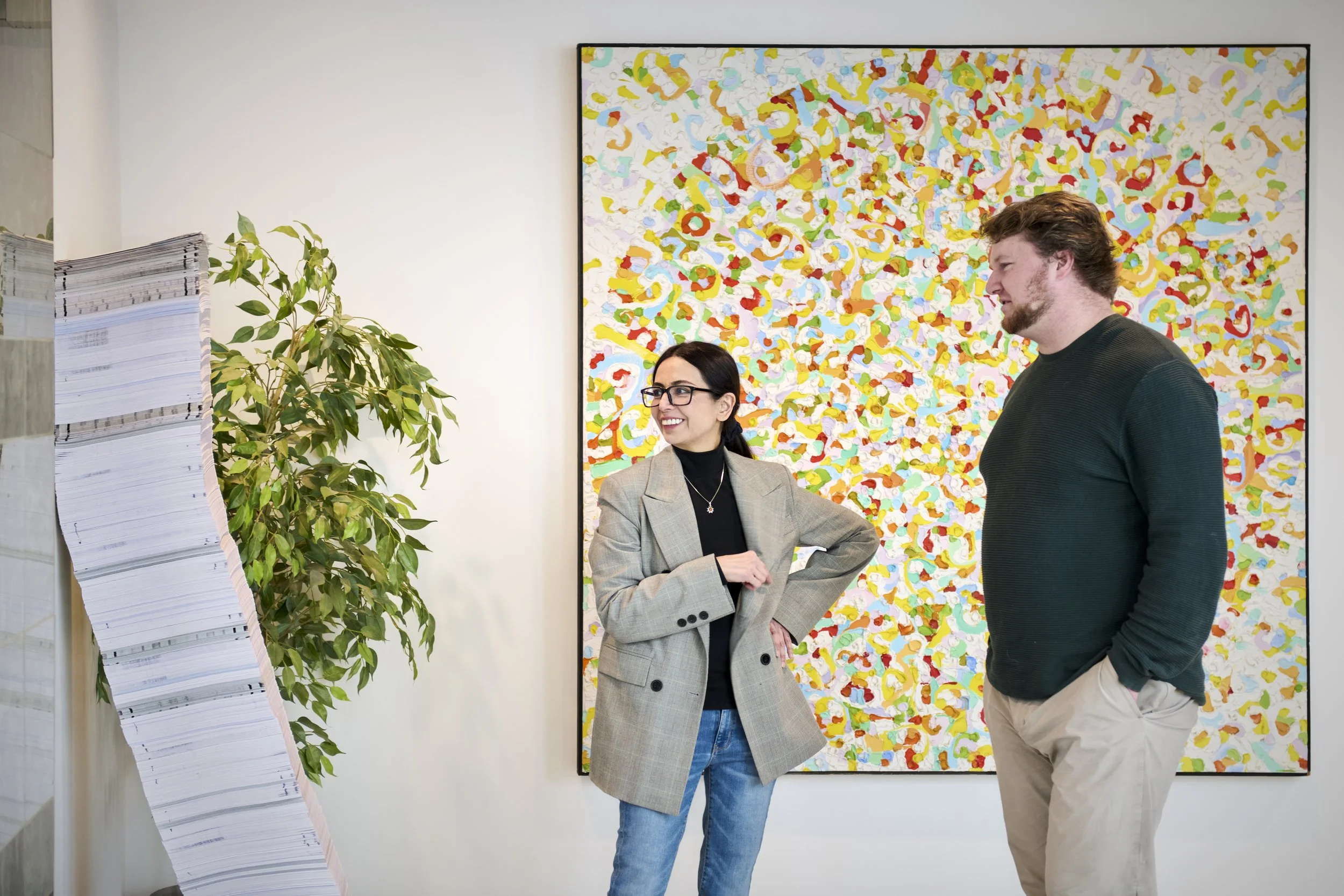
Maryam and Daniel look at research in front of a colourful mural

Dr. Maryam Dilmaghani and Daniel Keays, PhD Candidate

Poverty is a significant issue for people who experience social marginalization in Canada. Many two-spirit, lesbian, gay, bisexual, trans, queer, and other (2SLGBTQ+) individuals face workplace discrimination, housing insecurity, and limited access to supportive social programs.

Dr. Maryam Dilmaghani, a Professor of Economics at Saint Mary’s University, is co-directing with Project Director Dr. Nick Mulé, Professor of Social Work and Sexuality Studies at York University, a six-year research project aimed at understanding and addressing poverty in 2SLGBTQ+ communities. This national initiative explores sexual orientation, gender identity, religion, race, ethnicity, age, (dis)Ability, etc. and how they intersect with economic inequality.

2SLGBTQ+ Poverty in Canada: Improving Livelihood and Social Well-being” brings together over 25 academic researchers and 27 community partners, to produce high-impact, policy-driven research that drives meaningful change. The project seeks to quantify the extent of 2SLGBTQ+ poverty, identify its root causes, and develop an evidence-based action plan to serve as a resource for governments, non-profits, and businesses committed to creating lasting solutions.

A key partner in this initiative is the Community-Based Research Centre (CBRC), a national non-profit dedicated to improving the health and well-being of people of diverse sexualities and genders. Together, they aim to close a critical gap in anti-poverty research.

“Addressing the intersection of poverty and marginalization is critical for our communities,” said Michael Kwag, Executive Director of CBRC. “This initiative amplifies community voices and shared experiences, helping us better understand systemic disparities, advocate for more equitable policies, and improve health outcomes.”

With this research underway, policymakers and organizations will have the data needed to take meaningful action toward reducing 2SLGBTQ+ poverty.


The Office of Innovation and Community Engagement (OICE) at Saint Mary’s University facilitates research partnerships between the University and companies, government departments and community organizations. OICE is the initial point of contact for faculty members and external partners wishing to collaborate. The office assists with finding suitable expertise, contract development and advising on funding opportunities.

This project highlight is from the 2025 OICE Report, which features researchers from Saint Mary's University and their external partners.

Read the 2025 OICE Report

ARGEIAD 2025: Charting a bold new course for immigration in Atlantic Canada

Saint Mary's University recently held Resetting Canada's Immigration Policy and the Impact on Smaller Provinces, an event hosted by the Atlantic Research Group on Economics of Immigration, Aging and Diversity (ARGEIAD). This high-impact conference brought together influential voices from across the region to reimagine immigration policy through the lens of Atlantic Canada's future.

The keynote address, delivered by renowned economist Dr. Herbert Emery of the University of New Brunswick, set the tone for the day with powerful insights on how small provinces can leverage immigration to fuel economic growth in a national labour market. Dr. Emery emphasized that policies facilitating successful labour market integration of newcomers are essential to realizing their full economic potential—a particularly urgent message in light of recent federal immigration policy changes expected to reduce the number of newcomers to smaller regions like Atlantic Canada.

Lively panel discussions followed, tackling everything from policy reform to on-the-ground settlement challenges. Featured speakers included Omar Abdellatif (Nova Scotia Government), Gabriel Williams (Government of Newfoundland and Labrador), Paula Knight (Immigrant Services Association of Nova Scotia), Lisa Bamford De Gante (Multicultural Association of Fredericton), Dean Constable (Immigrant and Refugee Services Association of PEI) and James Murphy (Association for New Canadians, Newfoundland and Labrador)—all of whom shared real-world strategies and regional perspectives.

One key theme that emerged was the importance of improving immigrant retention and attracting newcomers from other regions to offset declining arrivals under the new national policy direction. In this regard, the settlement sector continues to play a critical, complementary role—not only in helping newcomers integrate, but also in supporting broader community and economic development.

Moderators Patrick Brannon of the Atlantic Economic Council and Wendy Luther, President & CEO of Halifax Partnership, kept conversations sharp, solutions-focused and rooted in economic impact.

While population growth driven by immigration contributes to economic vitality, several speakers also highlighted that it requires immediate attention to the infrastructure challenges it brings, including housing, education, and healthcare capacity, all of which must evolve in step with demographic changes to ensure successful long-term outcomes.

"Our goal with ARGEIAD was to create a space where policy leaders, researchers, and community organizations could engage meaningfully with one another," said Dr. Ather H. Akbari, Event Chair and professor at Saint Mary's University. "Smaller provinces face unique immigration challenges, and collaboration is key to crafting sustainable, regionally responsive solutions—especially now, given the shifting national immigration landscape."

ARGEIAD site
Presentations & Video

Meet your Winter and Spring 2025 Valedictorians

Convocation is a special time to celebrate the hard-working graduates of Saint Mary’s University and to reflect on their achievements over their years of study. This month, six students will address their convocation classes as Valedictorian—an honour which reflects their unique journeys as students and leaders at Saint Mary’s. As Valedictorians, they are recipients of the John and Heather Fitzpatrick Valedictorian Awards.

Students from the graduating class of Winter 2025 will be celebrated on May 27, while Spring graduates will cross the stage from May 28 to 30. Visit the convocation website for details on the ceremony and links to the live streams.

Sheheryar Khan

After relocating from Dubai three years ago, Sheheryar Khan quickly found purpose at the intersection of science, sustainability and innovation. Graduating with a Bachelor of Science and a Diploma in Engineering, he leads Alaagi, an award-winning startup tackling plastic pollution with seaweed-based bioplastics. From winning the Hult Prize National Championship to supporting fellow changemakers through the Arthur L. Irving Entrepreneurship Centre, Sheheryar is honoured to represent such a driven and ambitious graduating class and looks forward to contributing to a cleaner, greener future.


Maxinne Nana Ama Benyiwah Baddoo

Originally from Ghana, Maxinne Baddoo was drawn to Saint Mary’s for its close-knit academic community and hands-on learning environment. She graduates with a Master of Technology Entrepreneurship and Innovation. With a background in technology and banking, she brings global experience to everything she does. She has supported cross-border projects and mentored young leaders through organizations like YouthUp Global. Passionate about purpose-driven impact, Maxinne blends technical insight with a heart for service and looks ahead to shaping change through innovation, faith and empowerment.

Maria Mannette

Born and raised in Halifax, Maria Mannette graduates magna cum laude from the Sobey School of Business with a double major in Computing and Information Systems and Management. A consistent Dean’s List student, she balances multiple jobs with demanding coursework while taking on leadership roles that enrich campus life. As the founder of the Women in Business Society, a BComm Student Ambassador and a mentor in multiple academic roles, Maria brings both heart and hustle to everything she does. With plans to pursue law school and a career in human rights, she is passionate about using her voice to advocate for meaningful, lasting change.


Muhammad Usman

Born in Dubai and proudly rooted in Pakistani heritage, Muhammad Usman brings his entrepreneurial spirit to Canada and the Sobey School of Business. Graduating magna cum laude with multiple academic honours, he immersed himself in opportunities such as a co-op with the Halifax Wanderers FC and diplomatic dialogue at the Model UN in New York. Now preparing to launch a cultural fashion startup that celebrates diversity and innovation, Muhammad reflects the bold, borderless ambition of Saint Mary’s—and the power of family, community and purpose-driven leadership.

Lydia Hui-Qi Lee

Originally from Toronto, Lydia Hui-Qi Lee graduates summa cum laude with a double major in Economics and Marketing. From winning global case competitions to presenting research on food insecurity to Canada’s top economists, Lydia blends academic excellence with purpose-driven leadership. With plans to pursue a Juris Doctor and Master of Business Administration, she aims to build a career that combines corporate law with her ongoing passion for social entrepreneurship. She carries with her a deep appreciation for the mentors and communities that helped shape her journey.


Madeline Grace Dalzell

Coming from Welland, Ontario, Madeline Dalzell graduates summa cum laude with a Bachelor of Environmental Studies. Over the last several years, she has become a key part of the campus sustainability movement, serving as an executive member of the Environmental Society and leading initiatives to bring environmental awareness and integrate sustainability into daily student life. Her Honours thesis on old-growth forest conservation reflects her deep commitment to protecting natural ecosystems—a passion she will continue to explore in a master’s program in Natural Resource Management at Dalhousie University this fall.

Convocation news

New majors at SMU blend sport, health, business and social impact

A student in business attire speaks with a hockey player inside an arena

Career-ready skills, real-world interdisciplinary learning, co-op opportunities

This September, Saint Mary’s University is launching two innovative majors, Health, Wellness and Sport in Society and Sports Business, blending innovation and opportunity in a way that feels unmistakably of this moment.  

These new interdisciplinary programs are shaped by conversations across faculties and a clear-eyed view of what students—and the job market—need next. 

Built on Saint Mary’s longstanding strengths in community engagement, athletics and business, the programs offer real-world skill-building and co-op placements and will prepare students for high-impact careers in sport.

“These majors were developed with today’s world in mind—and tomorrow’s in sight,” says Dr. Augie Westhaver, associate professor of sociology and co-creator of the new majors. “We wanted to create something practical and forward-thinking, where students leave not just with a degree, but with a resumé and a sense of how to lead real change.” 

Flexible paths, focused careers 

A student wears a Halifax Wanderers jacket and works inside their merch store

Students can complete co-op placements relating to Sports Business and Health, Wellness and Sport in Society

The Health, Wellness and Sport in Society major, housed in the Faculty of Arts, draws on the social sciences, humanities and business to examine health, sport, equity and wellness through a broad, socially responsible lens. Students will explore everything from ethical leadership to diversity in sport, connecting their studies to global challenges like inclusion and sustainability. 

Offered through the Sobey School of Business, the Sports Business major combines marketing, data analytics, and management with big-picture thinking around ethics, leadership, and sustainability. The program prepares students to lead in a dynamic sports industry, whether in professional sport teams, corporate partnerships, or non-profit community organizations.

The programs see sport not just as a competition, but as a platform for equity, inclusion, and global citizenship. Both majors are aligned with the UN Sustainable Development Goals and emphasize socially responsible leadership.

“I wasn’t just looking for theory. I wanted something that would connect me to real careers, real communities and real change. This program brings everything together. I’ve already started exploring the business side of sport, and next year I’ll dive into the health and social issues that really matter. It’s equipping me with practical, relevant skills—and a degree that feels practical, relevant and truly interdisciplinary.”  
— Kyler Knocton, a current Bachelor of Commerce student who plans to declare Sport Business as his major.

The majors also build on SMU’s existing Certificates in Sports Business and Health, Wellness and Sport in Society, allowing students to stack credentials or shift into the full major as their interests evolve. 

Real-world learning starts here 

At the heart of both majors is a commitment to learning by doing, built on an interdisciplinary structure. Throughout their studies, students will engage with guest speakers, explore industry discussions, and analyze case studies, gaining insights from professionals working in the sport industry. Sample courses will include Sports Marketing, Human Resources in Sports, Sports Law, Data Analytics in Sports, and Sport, Diversity and Inclusion.

Through co-op placements, community projects and capstone courses, students will collaborate with sports teams, health organizations and non-profits on projects that reflect real industry challenges.  

Potential career paths for graduates include Health Promotion Specialist, Facility and Recreation Manager, Sports Marketing Manager, Wellness Program Director, Performance Analyst, and Diversity and Inclusion Officer in Sport.

Connecting academics and community through sport and wellness

Both majors are anchored by the Scott McCain & Leslie McLean Centre for Sport, Business and Health, of which Dr. Westhaver is the director. The Centre is an interdisciplinary hub connecting academic research, community engagement, and student learning.

A person gives a presentation. Halifax Wanderers FC is shown on a projection screen.

In March 2024, the Scott McCain & Leslie McLean Centre for Sport, Business and Health hosted “Sport Studies Outside the Classroom”, an experiential learning symposium in support of the development of sport studies on campus.

Over the years, the Centre has become a touchstone for students and scholars alike, championing mental health initiatives and creating space where community work and academic inquiry intersect. It has a rich history of hosting international conferences, supporting student-led wellness projects, and building industry partnerships that now help power these new majors.

The programs also arrive at a time when mental health in sport is gaining long-overdue attention. The Centre has supported initiatives like the Student Athlete Mental Health Initiative and Here for Peers, and both majors are designed with wellness, not just performance, in mind.

“In designing these programs, we aimed to reflect the interconnectedness of sport, health, and business in today's global landscape,” says Dr. Miguel Morales, associate professor of marketing and co-creator of the new majors. “Our goal was to equip students with the skills to navigate and lead in diverse environments, understanding that success in the sports industry now requires a blend of cultural insight, ethical leadership, and a commitment to social impact.”

Within the classroom, students are encouraged to explore the ethics of wellness, and its role in shaping both individuals and systems. Conversations around resilience, burnout and the emotional weight of high-performance sport are central to the learning, viewed through a socially conscious lens.

Learn more about the new programs

New talent helping to guide centre’s growth

Jacob has white skin and brown hair and a beard. He sits on a chair and holds his hands together.

Jacob Glover, Managing Director at the Scott McCain & Leslie McLean Centre for Sport, Business and Health

Jacob Glover is thrilled to join the Scott McCain & Leslie McLean Centre for Sport, Business and Health at such a pivotal time in the expansion of its programs. Well poised to support the centre’s vision as its new managing director, Glover brings experience in sport governance and policy work along with a background in law, philosophy and restorative justice.

Since arriving at Saint Mary’s in January 2025, he has focused on working with the university community “to think about nuanced ways of proactively attending to the well-being of our student athletes,” he says. “This includes working with academic supports as well as Student Affairs and Services and Athletics and Recreation, to connect our students to the resources that help to build a culture of holistic well-being.”

Enhancing the centre’s engagement with other sport institutions and organizations is another priority. In one project funded by the Canadian Olympic Committee, Glover is working with the Restorative Lab at Dalhousie University and Sport Nova Scotia to integrate a restorative approach to Team Nova Scotia’s culture and commitment to well-being at the Canada Games.

Glover joins the centre’s Academic Director Dr. Augie Westhaver and Operations Support Specialists Quinn MacDonald BA’24 and Cedric Ralph BA’25. On deck to help launch the new academic programs is Teaching Fellow Dr. MacIntosh Ross MA’08, whose own research explores the intersections of sport and human rights. Three students are on staff for the summer as varsity student-athlete research assistants: Ashley Brady, Ashley Penney and Chad Enwright. Learn more about the centre’s team.

Halifax high schoolers gain skills in AI at Saint Mary’s

Co-op mixes campus life, real-world skills and credit toward graduation

On March 21, students from several Halifax-area high schools gathered for the second session of a multi-week program at Saint Mary's University to experience university life firsthand and study one of today's most exciting and rapidly evolving fields—Artificial Intelligence.

Through SMU’s Youth Business Analytics & AI Co-op Program, students earn a high school credit while spending several Fridays on campus, learning from the university’s faculty, student mentors and industry professionals. Organized by the Sobey School of Business and hosted in the vibrant Sobeys Inspiration Hub, the program exposes students to university-level academics while building foundational skills in AI, machine learning, data analytics, and visualization.

Students will soon have an opportunity to showcase their skills in AI at the Atlantic Canada AI Summit Youth Pitch Competition on May 3.

Bridging Students, Research and Industry

The day opened with a presentation by Dr. Yigit Aydede, the current Faculty in Residence at the Sobey School of Business. The Faculty in Residence program strengthens collaboration between Saint Mary’s faculty and local business owners, connecting academic expertise with real-world entrepreneurship to drive innovation.

High school student Peter Lutz participated in the Youth Business Analytics & AI Co-op Program

The Co-op emphasizes real-world applications by bringing industry professionals to campus to engage directly with students. These experts, who could potentially become future employers, provide practical career advice and insights during engaging Q&A sessions. Students can openly ask critical questions about career paths, success strategies and the biggest lessons learned, offering a rare opportunity for authentic, practical mentoring.

"I am learning about how AI is being used by businesses to visualize and interpret data,” said Peter Lutz, a grade eleven student at Charles P. Allen High School. “I am hoping to learn more about market trends and what generative AI is. I am new to this, and we are living in a time when AI is being revolutionized. I want to be able to utilize it."

Showcasing Real-World AI Applications

As part of the session, Dr. Aydede introduced a series of AI-driven business applications developed by Novastorms.ai, a company he co-founded with former student Chukwuemeka Nwankwo MTEI’25. Built using publicly available data, these tools are powered by AI and are designed to empower communities by improving access to information and supporting more informed decision-making.

BComm student Simon Raymond (seated) presented to co-op students with Dr. Yigit Aydede

Dr. Aydede and his team demonstrated several of these applications, including the HRM Crime Dashboard (safe.novastorms.ai), Neighbourhood Explorer (hood.novastorms.ai), and the Nova Scotia Housing Wizard—all freely accessible to the public.

They also announced the upcoming release of In-House Insight, a new Agentic AI platform built on a secure, privacy-first architecture that processes sensitive data locally rather than through the cloud.

“When I first came to SMU, I had no idea what I wanted to do,” said Simon Raymond, a fourth-year Bachelor of Commerce student and Co-op presenter.

“My first year, I was still figuring things out. In my second year, I took a machine learning class and started working with Professor Yigit more and more. That’s when I really started to fall in love with this field of work—econometrics, data engineering and machine learning. Everything was real. Everything was practical."

Preparing for the Future

Beyond academic learning, these sessions offer a window into campus life, giving students the opportunity to interact with professors, connect with peers and imagine themselves as future university students.

The program wraps up with a Pitch Competition on May 3, where participating high school students will showcase their AI-powered ideas to peers, faculty, family, and industry judges. The Pitch Competition serves as a capstone to the SMU Co-op Program, offering students the chance to put their new skills to the test after eight weeks of immersive learning.

The competition is part of the larger Atlantic Canada AI Summit 2025, a three-day conference hosted at Saint Mary’s that brings together researchers, industry leaders, and policymakers. Key areas include healthcare, ethics, ocean tech, and climate solutions. The Summit positions Atlantic Canada as an emerging global hub for AI innovation.

With its blend of academic rigour, real-world relevance, and career-focused mentorship, SMU’s Youth Business Analytics & AI Co-op Program is empowering the next generation to step confidently into the fast-evolving world of AI and analytics.