President’s Award for Excellence in Research: Dr. Diane Crocker

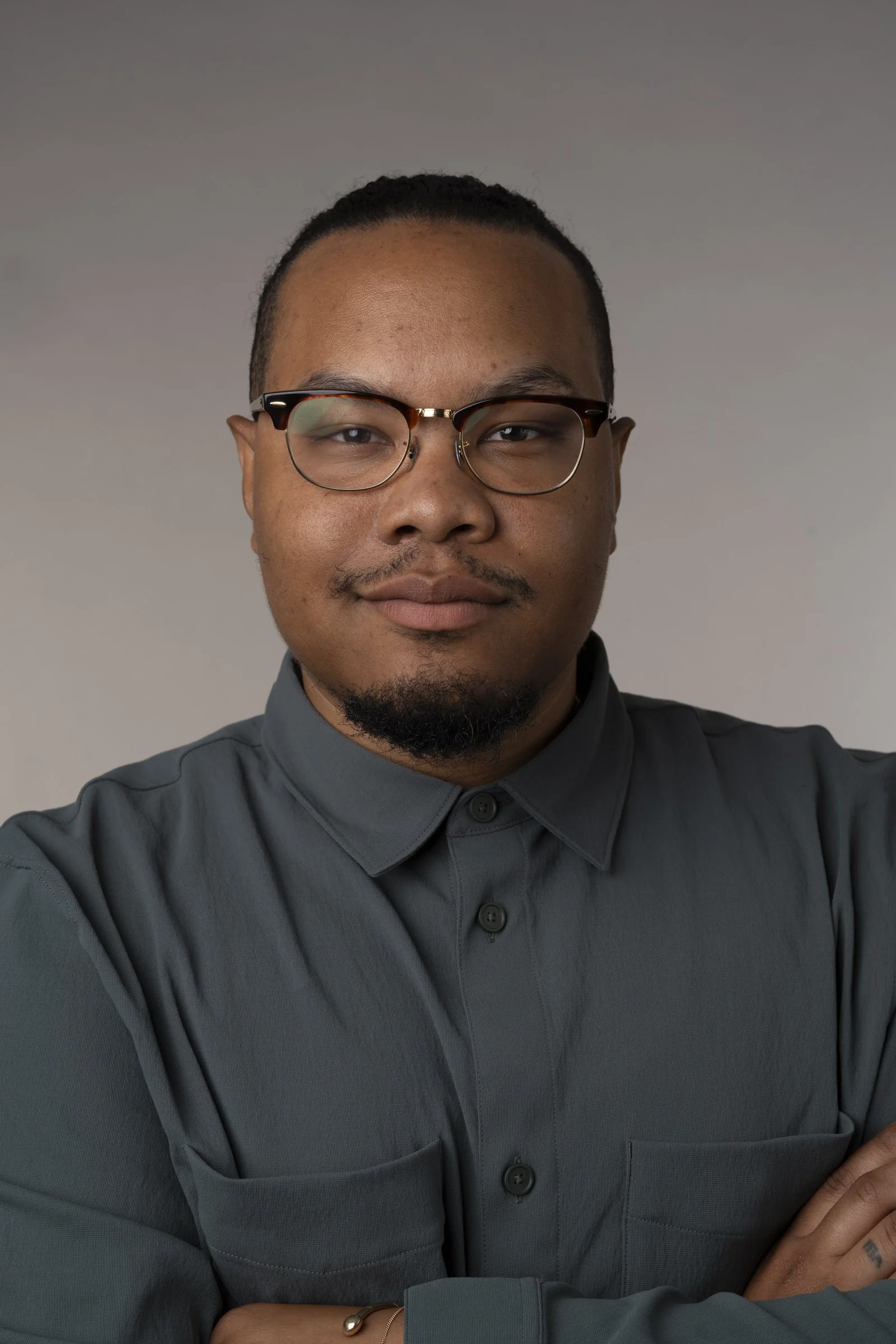
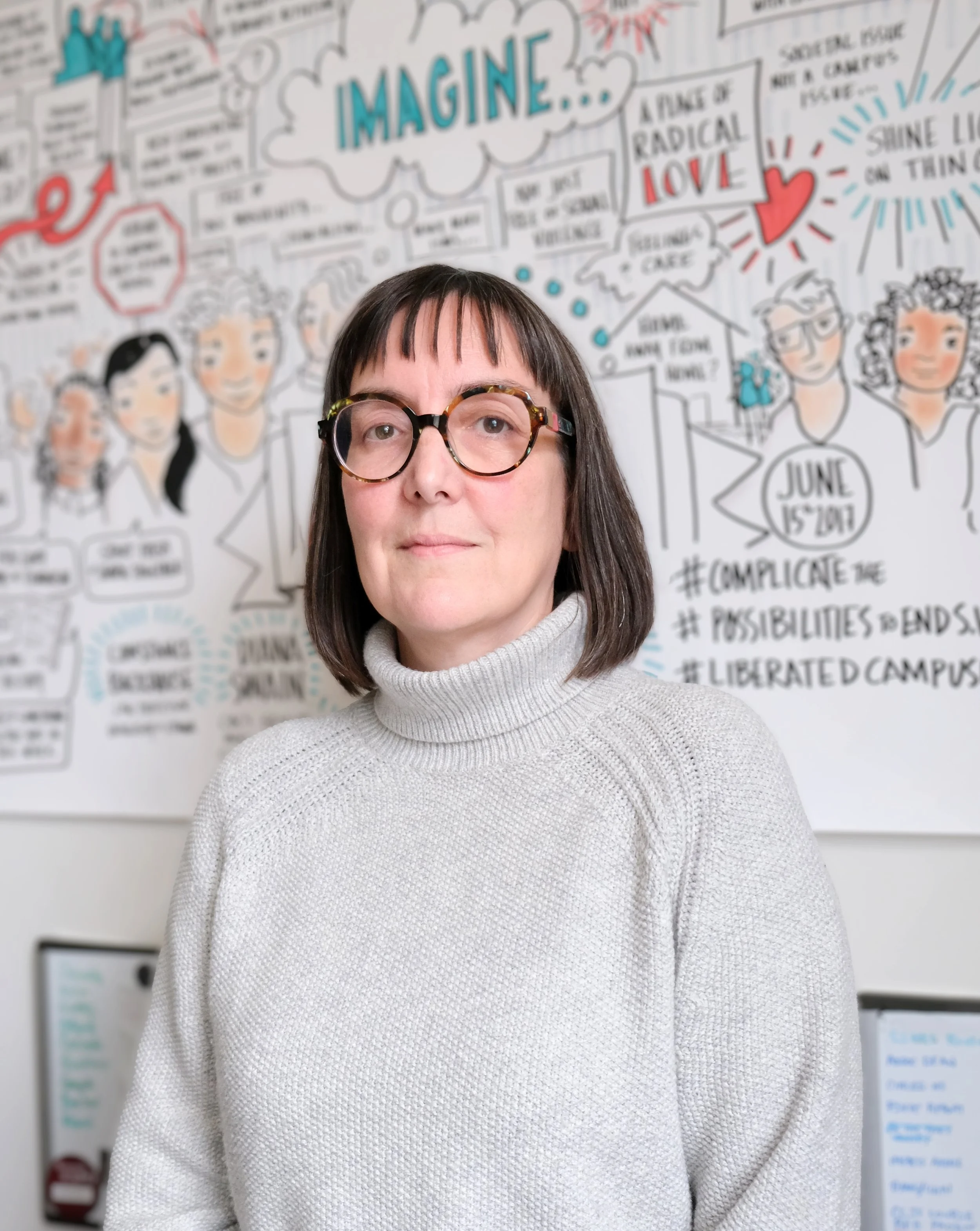
Diane is a white woman with shoulder-length brown hair. She wears round glasses.

Dr. Diane Crocker is a Professor in the Department of Criminology and Acting Associate Dean of Arts, Curriculum and Student Affairs

As a national leader in criminology and restorative justice research, Dr. Diane Crocker is transforming how our communities address gender-based violence. She is widely recognized for her innovation in bringing together diverse partners to design practical solutions for complex social issues. Her collaborative approach connects academia, government and community groups, centering the voices of survivors in policy and program improvements.

Research with meaningful community impact is at the heart of Dr. Crocker’s work. She is a current member of the Research Nova Scotia-funded project CIRCLES-NS (Creating Integrated Restorative Communities for Locally Engaged Solutions). She was a co-investigator with the Canadian Domestic Homicide Prevention Initiative and a member of the Policy and Research Advisory Board for the Mass Casualty Commission, the independent public inquiry created to provide recommendations to help keep communities safer in the aftermath of Nova Scotia’s mass casualty in April 2020.

With support from a team of student and community-based researchers, Dr. Crocker led an evaluation of Nova Scotia’s provincial action plan, Standing Together to Prevent Domestic Violence. She participates in the national effort iMPACTS: Collaborations to Address Sexual Violence on Campus, and works closely with Nova Scotia’s universities to develop effective sexual violence prevention and response policies. Her co-edited book, Violence Interrupted: Confronting Sexual Violence on University Campuses (MQUP, 2020), provides a collection of essays on research related to campus sexual violence in Canada. She has authored the book Crime in Canada (OUP, 2012) and many book chapters, journal articles and over 80 research and policy reports commissioned by government and community organizations.

She has received significant research funding, securing nearly 50 grants and research contracts, many in partnership with federal and provincial government departments. Dr. Crocker is a research partner with PREVNET: Canada's Healthy Relationship Hub and she holds a research fellowship at the Muriel McQueen Fergusson Centre for Family Violence Research in New Brunswick. She is a research associate with the Restorative Research, Innovation and Education Lab at the Schulich School of Law and a member of Justice Canada’s Advisory Committee for the National Restorative Justice Research Network. She has also advised the Department of National Defence and organizations as far away as Australia’s National Office for Child Safety.

Dr. Crocker is considered an essential ally in the work to eradicate gender-based violence. With Bridgewater’s Be the Peace Institute, she has helped amplify survivors’ voices through projects like Pathways to Justice and Voices of (In)Justice, promoting trauma-informed and restorative responses. Her collaboration with Circles of Support and Accountability (CoSA) has enhanced public safety by improving reintegration supports for individuals transitioning from incarceration.

As an educator and mentor, Dr. Crocker has supervised more than 25 honours and graduate students and trains early-stage researchers and community volunteers, fostering future leaders in community-engaged scholarship. In 2018, she received the President’s Award for Exemplary Service, having served on numerous committees and initiatives at Saint Mary’s, such as the Research Ethics Board and the Sexual Violence Prevention and Education Advisory Committee.

Dr. Crocker holds both a PhD and MA in Sociology from York University and a BA in Anthropology from Memorial University. Since joining Saint Mary’s in 2000, she has held increasingly senior academic roles, including Associate Dean of the Faculty of Graduate Studies and Research (2013-2018), Chair of the Department of Criminology (2019-2024), and currently Associate Dean of Arts, Curriculum and Student Affairs.

The President’s Award for Excellence in Research honours continued exceptional contributions to research and scholarship conducted by a full-time Saint Mary’s University faculty member. More information can be found at smu.ca/fgsr/presidents-award.
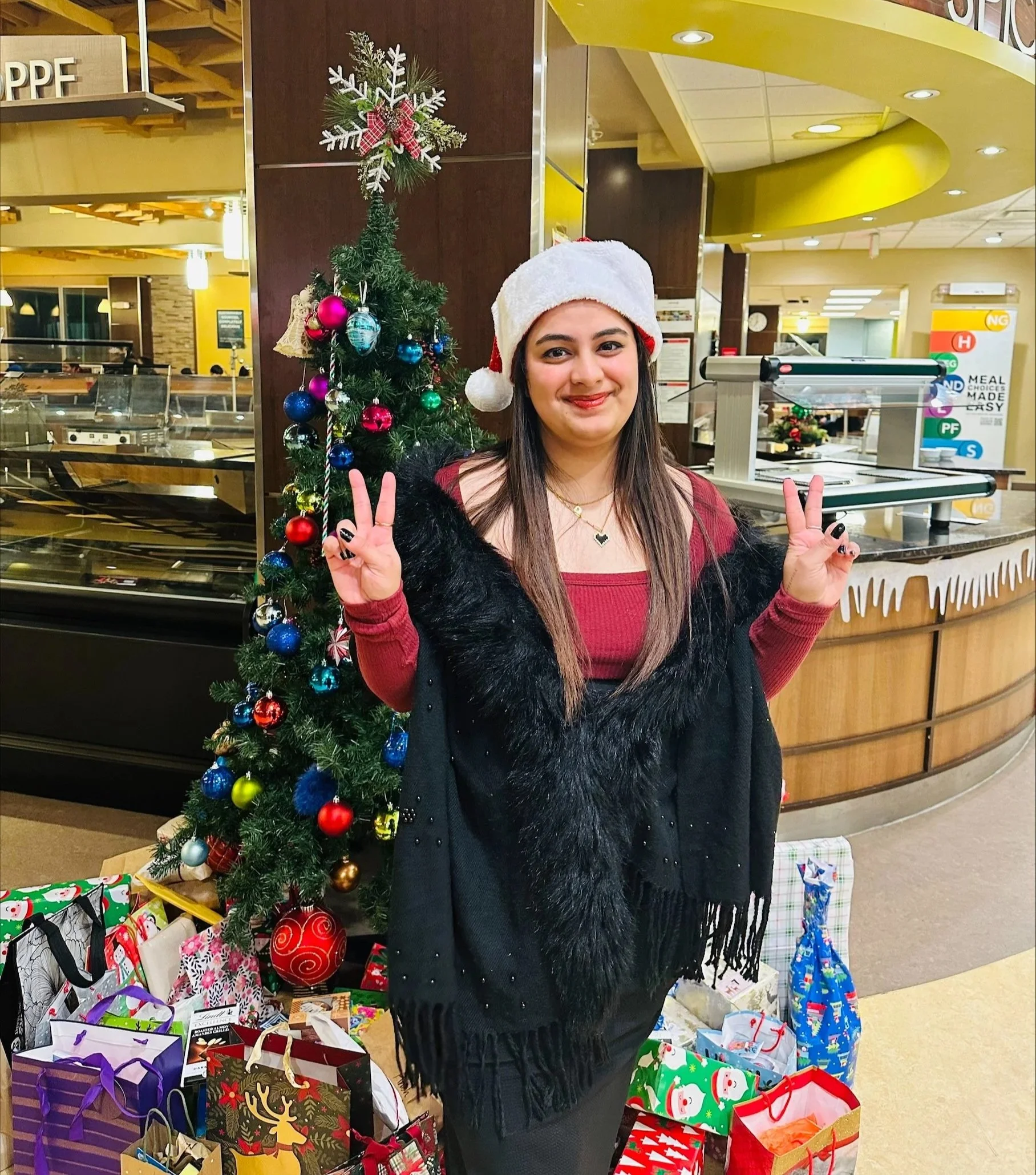
Meet your Valedictorian: Lipika Kharbanda, BSc

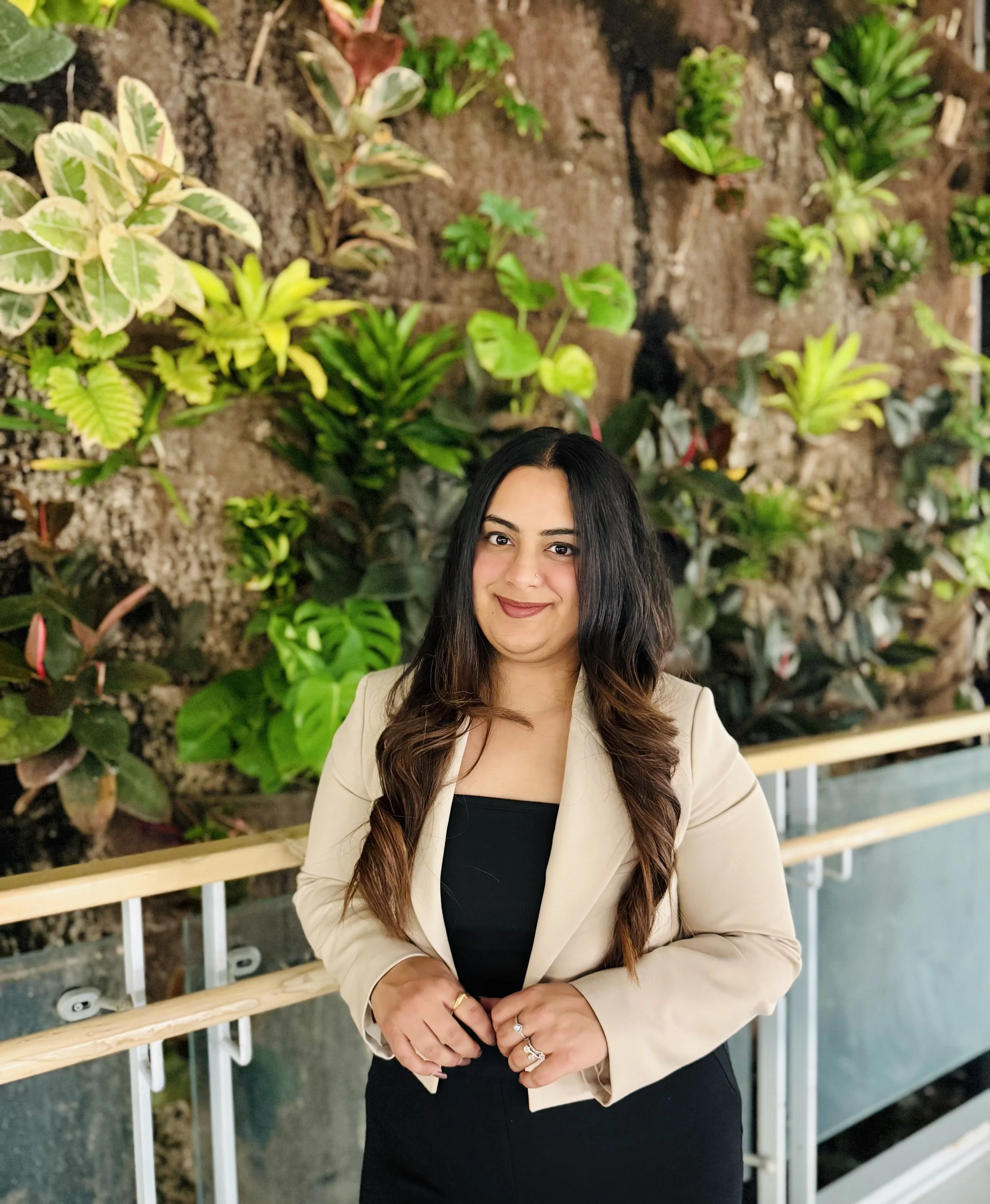
Lipika Kharbanda

Originally from New Delhi, India, Lipika Kharbanda is graduating from Saint Mary’s University with a Bachelor of Science in Biology. Since joining SMU in 2021, she has earned a place on the Dean’s List and served multiple times as a Chemistry Lab Demonstrator, helping her peers gain confidence in the subject through her guidance and enthusiasm.

Lipika’s time at Saint Mary’s has been guided by empathy and a belief in the value of human connection. She aspires to become a doctor and has recently begun her journey in healthcare as an Early Childhood Educator, continuing to demonstrate kindness and care in everything she does.

Learn more about Lipika in the Fall Convocation Program.

Q & A

Why did you choose Saint Mary’s University?
I chose Saint Mary’s University because of its small size and diverse community. The smaller campus environment allows students to focus more effectively, while professors can offer more individual attention. This creates a more personal and productive learning experience, rather than one that simply revolves around completing coursework.

How did you get involved in the SMU community?
I participated in numerous societies, contributed to the SMU Food Room, and served multiple times as a Chemistry Lab Demonstrator for various chemistry courses since my second semester. I accumulated over 900 hours of volunteering within the Saint Mary’s campus. Additionally, I have completed several online workshops that have enhanced my academic and personal growth.

Do you have a favourite space on campus?
Definitely the Patrick Power Library. Somehow, I always find myself sitting in the same spot I’ve occupied for the past four years. That library is more than just a study space; it’s a home filled with memories, friendships, meaningful conversations, and cozy corners. It truly feels like a second home to me, holding a lot of emotional significance.

Looking back, what was your favourite SMU memory?
My Pack Leader days and the fun evenings spent with students and staff, especially the bonfire nights with marshmallows and laughter, stand out as some of my best memories. I also cherish my time with the SMU Boat Club and all the experiences that came with the Pack Leader role.

What are your goals for the future?
I plan to pursue a career in healthcare, most likely in medicine, though I’m also open to following wherever life leads me. Saint Mary’s has played a meaningful role in preparing me for the future, providing a strong academic foundation, valuable volunteering opportunities, and essential life skills. It has also taught me important lessons and values that I will carry forward.

Did you or do you currently volunteer with any organizations?
I have volunteered with several organizations, including IWK Health Centre, Nova Scotia Health Authority, St. John Ambulance, Vedanta Hindu Temple, and the Maritime Sikh Society.

What advice would you give your younger self who was starting university?
Attend Welcome Weeks! It’s incredibly helpful and provides all the resources and guidance you need to start university life on the right foot. You’ll meet new people, find answers to your questions, and feel part of the SMU community right from the beginning.


Fall Convocation takes place November 13 & 14. See the schedule, live stream links and more information here: smu.ca/graduation

Meet your Valedictorian: Kjeld Mizpah Conyers-Steede, MTEI

Kjeld Mizpah Conyers-Steede

Kjeld Mizpah (KJ) Conyers-Steede is a graduate of the Master of Technology Entrepreneurship and Innovation (MTEI) program at Saint Mary’s University. His research explores how social finance and catalytic capital can empower rural and isolated communities to achieve sustainable economic transformation. Under the supervision of Dr. Chantal Hervieux, KJ’s thesis examined how seed funding shapes capital flows and governance in rural regions, providing new insights into how social innovation can reimagine development beyond traditional finance models.

As the founder and CEO of Future Civics, a nonprofit organization based in Nova Scotia, KJ continues to test ways to support rural innovation by merging business startup ideology with community-based approaches.

Learn more about KJ in the Fall Convocation Program.

Q & A

Where is your hometown?
I’m originally from Bermuda, but I’ve made my home in Hantsport, Nova Scotia. Both places are islands in their own way and have shaped how I see community, resilience, and innovation.

Why did you choose Saint Mary’s?
My father went to Saint Mary’s, and for him, it was the launching pad for his career. In many ways, it’s been the same for me. I chose SMU because of its reputation for connecting business with community impact, a balance that reflects both my roots and my goals.

Did you live on campus?
I lived off campus on my property, which I am turning into a small-scale farm while juggling work, research, and community projects. 

What’s your favourite space on campus?

The Inspiration Hub. It’s the heartbeat of the university — open, bright, and filled with the kind of energy that comes from people who believe they can make things happen.

What was your favourite course?
My thesis. It gave me a framework for understanding how ideas move from concept to impact, a lesson that’s shaped both my thesis and my career.

Which instructor had the biggest impact on you?
Dr. Chantal Hervieux. Her guidance pushed me to connect research with purpose, and to always ensure that my work, whether academic or practical creates space for others to lead and innovate.

What is your favourite SMU memory?
Defending my thesis. It was the culmination of years of research, travel, and collaboration. That moment wasn’t just academic; it was deeply personal. It represented resilience, purpose, and growth.

What will you miss most about Saint Mary’s?
The community. SMU has a unique way of bringing together people from every walk of life, each with a story that adds to the bigger picture. I’ll miss that daily exchange of ideas, cultures, and perspectives.

What are your goals for the future?
I want to continue bridging research and practice, especially in social financing and rural innovation. Whether in Bermuda or Atlantic Canada, my goal is to design systems that make it easier for communities to access capital and build sustainable futures.

How has Saint Mary’s helped to set you on this path?
Saint Mary’s gave me the language and confidence to turn ideas into action. The university’s focus on entrepreneurship and social impact helped me see that business can be a vehicle for systems change, not just profit.

What advice do you have for new students?
Be curious about everything — not just your program. The real magic of SMU is in the connections you make and the ideas you explore beyond the classroom. Don’t just chase a degree; chase understanding.


Fall Convocation takes place November 13 & 14. See the schedule, live stream links and more information here: smu.ca/graduation

Healthy for the holidays: Join the SMU Wellness Challenge!

The People and Culture team is bringing back the SMU Staff/Faculty Wellness Challenge from November 17–23! This week-long initiative builds on the success of our May challenge and is designed to help faculty and staff pause, recharge, and develop healthy habits as we move into the busy holiday season.  

This Wellness Challenge has a special focus on financial well-being, mindful habits, and preparing for the holidays. Activities are flexible, inclusive, and achievable—encouraging individual participation or small teams (up to five members).  

How It Works:  
Participants can complete daily wellness activities across a variety of themes including mindfulness, physical activity, nutrition and financial health.  Examples include guided breathing or meditation, reviewing spending habits, trying a new SMUfit class, or sharing a healthy budget-friendly recipe.  

Either Individual or Team participation is available!  Teams who share a photo of their group activity with wellness@smu.ca will be entered into a draw for the “Team Spotlight” bonus prize. 

Registration invitations will be shared during the week of November 10. Once registered, participants will receive a separate email with a link to their personal activity tracker (Qualtrics) and additional instructions for completing the challenge.  

Let’s take this opportunity to come together as a community, focus on well-being, and close out the year on a positive, healthy note!   


Featured Wellness Session: “Holiday Nutrition” – Friday, November 21 

As part of this year’s challenge, join us for an engaging Holiday Nutrition session with SMU Dietician Melanie Ingram, who will share practical strategies for enjoying the season while making balanced food choices. 

Learn tips for reading and understanding nutrition labels, planning ahead for festive gatherings, and maintaining energy and wellness through the holidays. 

Choose the session that fits your schedule: 

Saint Mary’s Art Gallery spotlights two Halifax artists in dreamlike exhibition: Two Pansies

Two Pansies is a vibrant, queer-themed art exhibition by emerging Halifax artists Autumn Star and Shay Donovan at the Saint Mary’s University Art Gallery (until December 7, 2025).

The show transforms the gallery into an immersive, dreamlike domestic space that explores what “home” means for queer people, featuring sculptures, paintings, and a film narrated by two pansy-headed alter egos. Built largely on-site, the installation invites visitors to sit, reflect, and inhabit a world of comfort, whimsy, and chosen family—blending playfulness, ecofeminism, and vulnerability in a celebration of identity and belonging.

Read/listen: What does a home for two pansies look like? (CBC Arts)

Student researcher digs into berry research in northern Canada

A group of researchers outdoors with berries and buckets

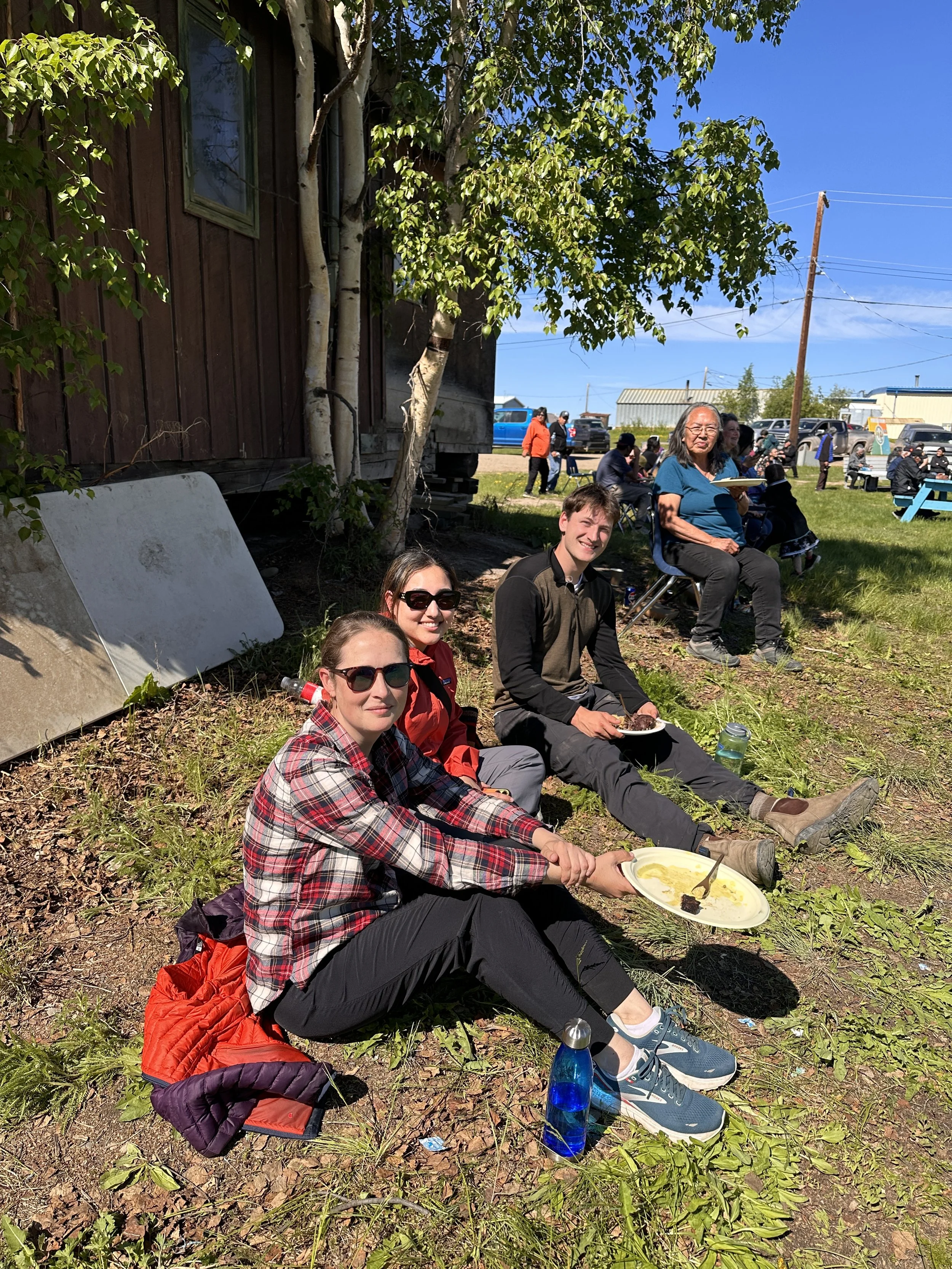
Claire Singer (far right, back) and Dr. Erin Cameron (far left, front) from Saint Mary’s University with members of the research project in September 2025 (“The Berry Happy Pickers”).

From back left: Elaine Lamalice (Hay River), Celine Proctor (Fort Good Hope), Lila Fraser Erasmus (Yellowknife), Beatrice Lepine (Hay River), Margaret Leishman (Ka'a'gee), Anne Thrasher (Paulatuk), Claire Singer. From front left: Dr. Erin Cameron, Megan Francisco (University of Victoria), Annie Buckle (Aklavik). Other project members missing from photo.

Curiosity about bears’ food sources led to years of research and collaboration with many people across the Northwest Territories in northern Canada

Claire Singer had been working at the Northwest Territories Species at Risk Secretariat for years when grizzly bears were assessed under the Species at Risk (NWT) Act in 2017.  

This review indicated a decline in berry crops—a key food source for the bears—but at the time, there was no definitive knowledge on the extent of the issue in the Northwest Territories. The Northwest Territories Species at Risk Committee recommended that this research be completed, focusing on the extensive knowledge held by Indigenous peoples in the region. 

“Berries are important ecologically, economically and culturally in the northern territories,” explained Claire. “There seemed to be a decline in this food source, and it was clear that more research was needed to gather information about the changes to the land and the habitat.”     

Around the same time, intrigued by a Facebook post to a page focused on the identification of Northwest Territories species by biology professor Dr. Erin Cameron, who was looking for graduate student researchers in her lab, Claire left her job with the government of the Northwest Territories after 13 years to start a PhD in 2020 at Saint Mary’s University. Her PhD examines changes in plant communities in the territory, with a focus on the status of berries. She lived in Halifax for her initial coursework during the COVID-19 pandemic, returning home to the Northwest Territories in 2022 to continue her research and PhD thesis, which she hopes to defend in the near future.

A small group sits on the ground outside

A few members of the team in Fort McPherson for the validation sessions: Claire Singer, Giannina Karki, Karl Hare, and Alestine Andre.

Conducting research in the Northwest Territories involved travelling and facilitating 118 interviews with elders across the region, as well as coordinating with various agencies, government groups and other stakeholders.  

Thanks in part to her work, cranberries will be assessed under the Species at Risk (NWT) Act in 2028. In her research, she learned about regional variations in berries across the territory. Changes in the landscape, from drought in the south to less predictable growing seasons in the north, and fires that saw two-thirds of the territory evacuated in 2023, all indicate that changes are occurring in this vital crop.  

Working with supervisor Dr. Cameron, master’s students and numerous collaborators helped make the sheer scale of the work possible. Project management, finding people to interview, arranging travel and translators, map making and transcribing and coding interviews to analyze data were all possible thanks to the team.  

“Summer students were a big part of the project; it never would have happened without their work,” explains Dr. Erin Cameron. “One student made maps to pinpoint areas where the berries were located. They also transcribed and coded interviews to analyze.” In particular, Giannina Karki, who graduated in 2024 with a BSc in Environmental Science from Saint Mary’s, worked with the team for one of her undergraduate summer co-op terms and continued to work with the project until this fall as a project manager, providing key logistical support. 

A report cover with illustrations of berries and leaves

A published book that arose from the project, called Guide to the Berries of the Northwest Territories”, has 14 author credits on the cover, including nine authors who act as the Indigenous knowledge advisory board for the project. One credit indicates a family connection for Claire—her mother, Lesley, created most of the beautiful illustrations throughout the book.   

The book documents Indigenous knowledge of berries throughout the NWT, outlines respectful harvesting principles, and identifies all known Northwest Territories berries and their habitat and uses. Other publications currently under development will summarize broader results from the interviews, including abundance, trends, interactions with animals, and threats, providing a picture of the status of berries across the territory. 

“It is a very collaborative process, and working with Elders who understand the scope of the history of the land is fascinating,” says Claire. “Elders see the changes to the land, and the effects of climate change vary from region to region, but they are generally more pronounced in northern latitudes.”  

A yellow labrador

As Claire continues her work on her PhD in a part-time capacity, she also operates an ecological consulting firm, Rubus Consulting, in Yellowknife, Northwest Territories. Her dog Rubus, after the Latin genus name for raspberries and cloudberries, is the namesake for the business. He loves eating berries.  

Huskies Indigenous Heritage Weekend creates space for community in sport

The SMU Huskies held a successful Indigenous Heritage Weekend in October during Mi’kmaq History Month, celebrating Indigenous contributions to athletics with a full lineup of home games. Teams showed support by playing the national anthem in Mi’kmaq and wearing “Every Child Matters” t-shirts to honour the National Day for Truth and Reconciliation. The weekend also featured a puck drop by SMU Huskies hockey alum Erin Denny BSc’25.  

Ceremonial puck drop with Erin Denny during the women’s hockey game

Denny’s work as a champion of representation and belonging in hockey has been recognized by Hockey Nova Scotia with the Erin Denny Award and the Erin Denny Scholarship, which were launched earlier this year.  

Denny’s hockey journey began as a child, watching her older sister learn to skate in their community rink. Although the girls’ skate time wasn’t hockey-related, they did wear hockey gear, and Denny’s curiosity was piqued.  

“The first time I tried skating as a kid, I hated it,” Denny says. “It was full ‘get me off the ice’, tears, everything.” It wasn’t until the next year that Denny took to the ice again, and the rest is history. Denny became increasingly involved in hockey, both in her community of Eskasoni and beyond. As her passion for the sport grew, so did her vision.  

“When I was younger, my goal was to play in the NHL, and young me didn’t realize that that wasn’t a possibility because they didn’t have women’s hockey.  My next goal, after that, was to play on the women’s Olympic team, because that was the next biggest opportunity. This really motivated me to become the athlete I wanted to see—I wanted to be an Indigenous athlete playing at that level—to be a role model for girls in my community.”   

I wanted to be an Indigenous athlete playing at that level—to be a role model for girls in my community.  
— Erin Denny BSc'25

Denny played for the SMU Huskies from 2021-2025

Reflecting on her time with the Huskies, Erin says, “Being part of the SMU Women’s Hockey team was an incredible way to make space for women and girls in hockey, as girls from my community could come out to games and watch me play on a university team with other women, who all looked different from me. An opportunity to ‘see her, be her.’” 

Initiatives like Indigenous Heritage Weekend and the Red Tape Movement are a vital elements when advocating for change, says Denny. Creating spaces dedicated to Indigenous athletes and their accomplishments creates pathways for the next generation to make sport more inclusive.  

“It makes a huge difference when you see someone that shares the same features as you,” says Denny. “To know they’re Indigenous, to know you share a community, and to see them succeeding has a real impact.”  


Want to get involved in supporting Denny’s vision? Stay tuned for more information on the SMU Huskies Red Tape Double Header at the end of November.

Engineering students tackle real-world medical challenge in hybrid hackathon

When 18 undergraduate students from Saint Mary’s University and Dalhousie University joined a week-long engineering hackathon this September, they weren’t just tackling a school project, they were helping shape the future of cancer care.

Through the Experience Ventures program at the Arthur L. Irving Entrepreneurship Centre, students took part in a hybrid Engineering Hackathon in partnership with Qalam Health Solutions, an Atlantic Canadian startup developing a product called the Osteoprobe: an AI-powered medical device that helps surgeons detect remaining bone cancer tissue in real time. The innovation could one day help reduce unnecessary amputations and lower relapse rates.

From September 19–26, students worked in small teams to design creative solutions for Qalam’s challenge — developing ways to improve their AI-powered medical device that helps surgeons detect bone cancer tissue in real time during surgery. Guided by Qalam’s founder and CEO, Haitham Shoman, the teams brainstormed, tested ideas and presented their final pitches at the end of the week.

One team stood out for more than just their idea. The winning team impressed Qalam so much that they were offered the chance for a future internship, a powerful reminder of how meaningful connections can be built.

“This program has been valuable to Qalam Health Solutions,” said Qalam’s founder and CEO, Haitham Shoman. “Students dove into real technical challenges mechanical, electrical and design to came up with solutions worth exploring.”

For many students, the experience was their first chance to apply classroom learning to real-world problems, working side by side with industry mentors.

“This hackathon helped me connect theory with practice,” said Aweer Yuang, a second-year Engineering student at Dalhousie. “It taught me to think like an entrepreneur and to keep finding solutions, even when things didn’t go as planned.”

The event was organized by Experience Ventures, which serves as the regional lead for Atlantic Canada. The program focuses on making hands-on opportunities accessible to all students. Over 80% of its experiences are offered virtually, allowing learners from across the region to participate and build valuable industry connections.

If you want to be a part of the Experience Ventures program or learn more, click here.

Celebrating excellence: Saint Mary’s faculty recognized for external research funding

Dr. Adam Sarty recognizes researchers during a recent reception

Researchers at Saint Mary’s University were recently recognized for their success in securing over $10 million in external funding to engage in important work in their fields. The funding received was in the form of research contracts, Canada Research Chair positions and tri-council grants.

Saint Mary’s researchers are focused on such diverse topics as black holes, seaweed-based bioplastics, generating resilience in youth service, improving small-scale fisheries, building healthy leadership systems, innovations in job interviews, and creating culturally sensitive, trauma-informed tools with First Nation communities.

A celebration to honour 116 researchers from the faculties of Science, Arts, the Sobey School of Business and two staff members from the Arthur L. Irving Entrepreneurship Centre took place in the McNally Theatre Auditorium on October 10.

Special mentions were given to Dr. Paul Muir in Mathematics and Computing Science for receiving consistent NSERC funding over 40 years. Dr. John Young, Professor Emeritus, was also acknowledged for becoming the fifth Honorary member of the Nova Scotia Institute of Science for his contributions to mathematics and chemistry over 75 years.

The calibre of research happening here at Saint Mary’s University is something that we should all be proud of, congratulations again to all of those that have been recognized.

Changing the game: how one sports business student is championing inclusion in sport

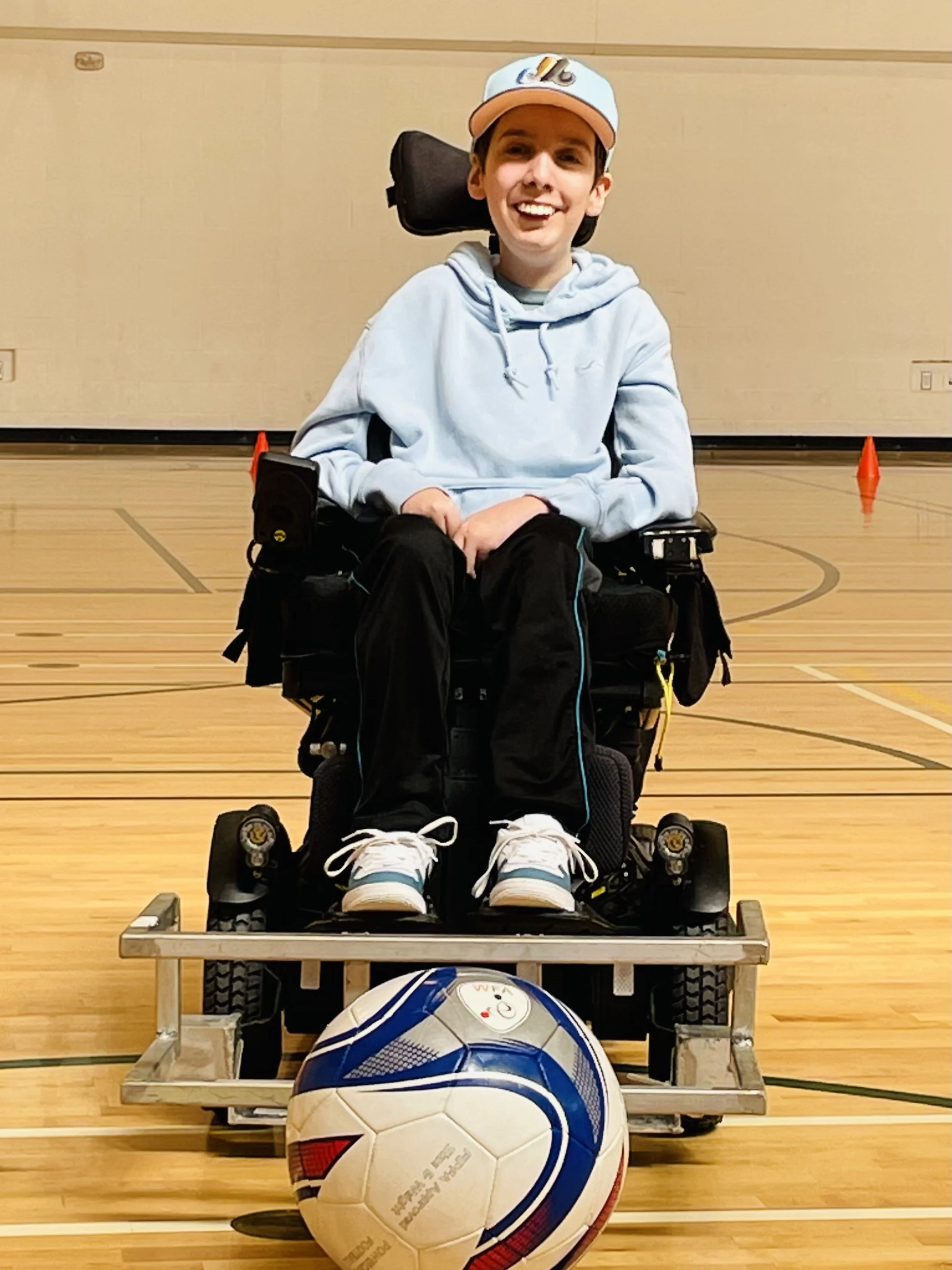
Van sits in a power wheelchair with the Huskies field behind him

Van Bernard began his Bachelor of Commerce at Saint Mary’s in Fall 2025

Van Bernard has known what he wants to do since he was eight years old.

Diagnosed with Spinal Muscular Atrophy (SMA) type 2 as an infant, Van uses a power wheelchair to navigate daily life and support his vast athletic endeavours—participating in para-sports like power wheelchair soccer, sledge hockey and para sailing. He also coaches baseball.

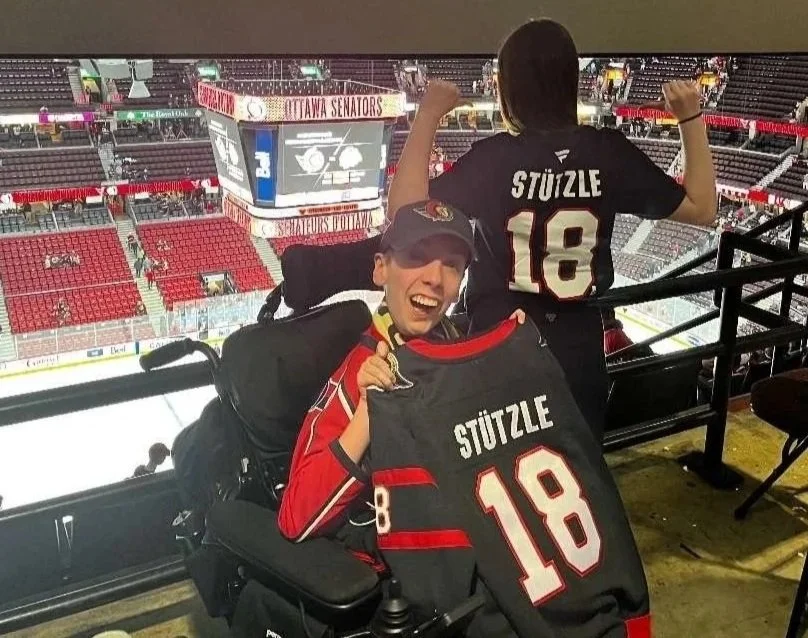
Van’s love of sports began as a young child, when his father and his uncle—both lifelong hockey fans—competed over which of their respective teams would become Van’s favourite. Van’s uncle won, and he’s been a diehard Ottawa Senators fan since. As time went on, and as Van and his family began travelling for specialized medical treatment in Toronto, his love affair with sports evolved from a passion into a calling.

“I remember going to a Blue Jays game in Toronto, and I realized that sport instills a feeling of excitement like nothing else,” Van says. “I knew being a professional athlete wasn't how I envisioned my career as a person living with a disability and using a wheelchair. I knew I wasn’t going to be a professional NHL player, but it wasn't over for me. I knew I could still be in the sports world and combine my passion for relationship building with my love for athletics.”

Van holds up a Stutzle jersey at the Senators arena
...sport instills a feeling of excitement like nothing else. I knew I could still be in the sports world and combine my passion for relationship building with my love for athletics.
— Van Bernard

Van has already begun to carve a path that blends these passions. His dedication to disability advocacy in sport was recognized earlier this year when he received the Terry Fox Humanitarian Award. Looking ahead to his career, Van has identified an area of the sports industry that he is uniquely suited to address—para-athlete sponsorship—and he’s come to Saint Mary’s to gain the education he needs to start making waves in the industry.

Van in a gym with a volleyball in front of him

Van plans to use his Sports Business degree to work with para-athletes

“I've always wanted to manage the sponsorships of para-athletes,” he says. “I love them. They're people like me, and giving them an opportunity to be a pro, to be recognized, and to get more recognition from able-bodied people is something I’m passionate about—because these athletes are extremely talented, and often, nobody hears about them.”

The Sports Business major is a new specialization within the Bachelor of Commerce program at Saint Mary’s. It’s designed to give students like Van hands-on experience that prepares them to work in the world of athletics. The program is also unique in Atlantic Canada, helping to nurture Maritime talent right here at home. The timing of the new major was perfect for Van.

“One of the main reasons I came to Saint Mary’s was the sports business program. I was looking at universities outside of Atlantic Canada because I knew this was what I wanted to do, and I was prepared to move to pursue the education I needed. The minute SMU announced that they were introducing a new major in sports business, I immediately applied. And when I got in, I was thrilled.”

The minute SMU announced that they were introducing a new major in sports business, I immediately applied. And when I got in, I was thrilled.

Offering courses in sports marketing, sports and sustainability, and sports law, the major combines classroom learning with experience-based projects to equip students to thrive in a fast-paced and in-demand industry. For Van, that education is an invaluable foundation to build the career of his dreams.

“I’ve done lots of advocacy work for disability rights,” Van says. “That’s my path, that’s what I want to do, and I’m continuing to do that work right here at Saint Mary’s.”

Van with a group of students and faculty

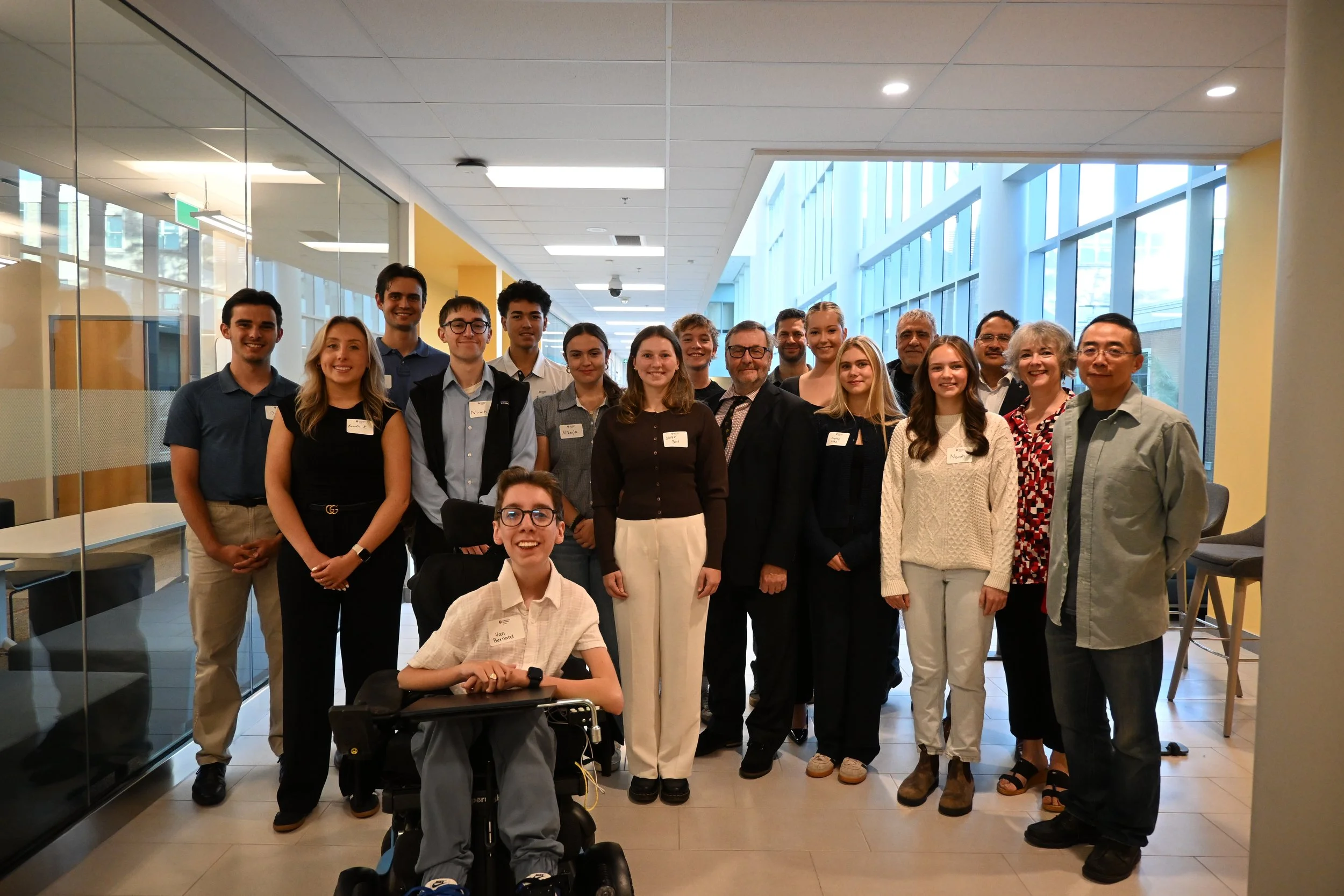
As one of the 2025 recipients of the prestigious Sobey National Innovator Scholarship, Van is part of the Sobey Scholars Network with fellow students, alumni and faculty (shown here).