Unique Education

Undergraduate students gain summer research experience across campus

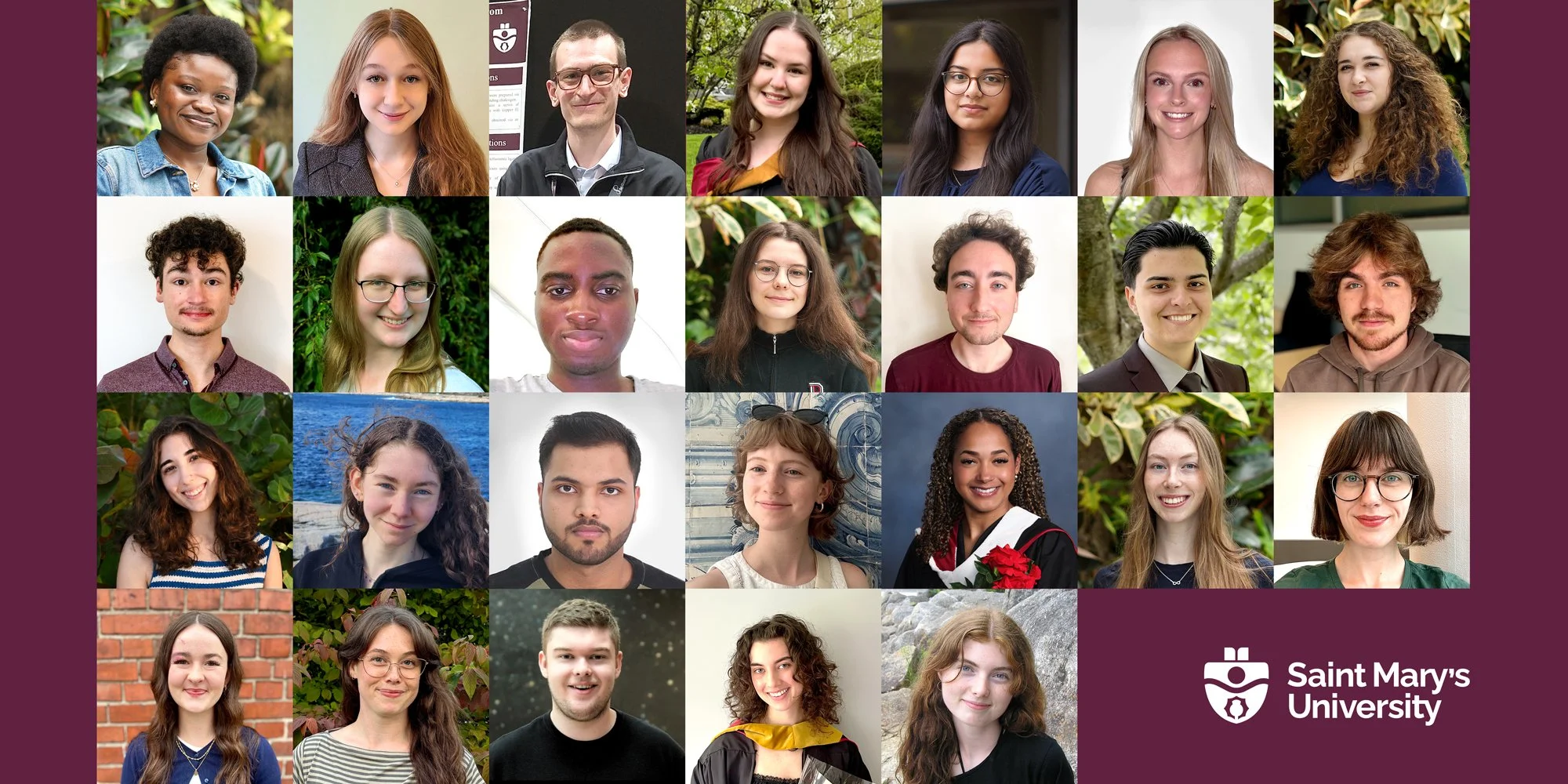
This summer, many Saint Mary’s Students were awarded paid positions to conduct research alongside their professors

With the fall term underway, we’re celebrating another successful summer of students working on research in their fields alongside their professors across campus.
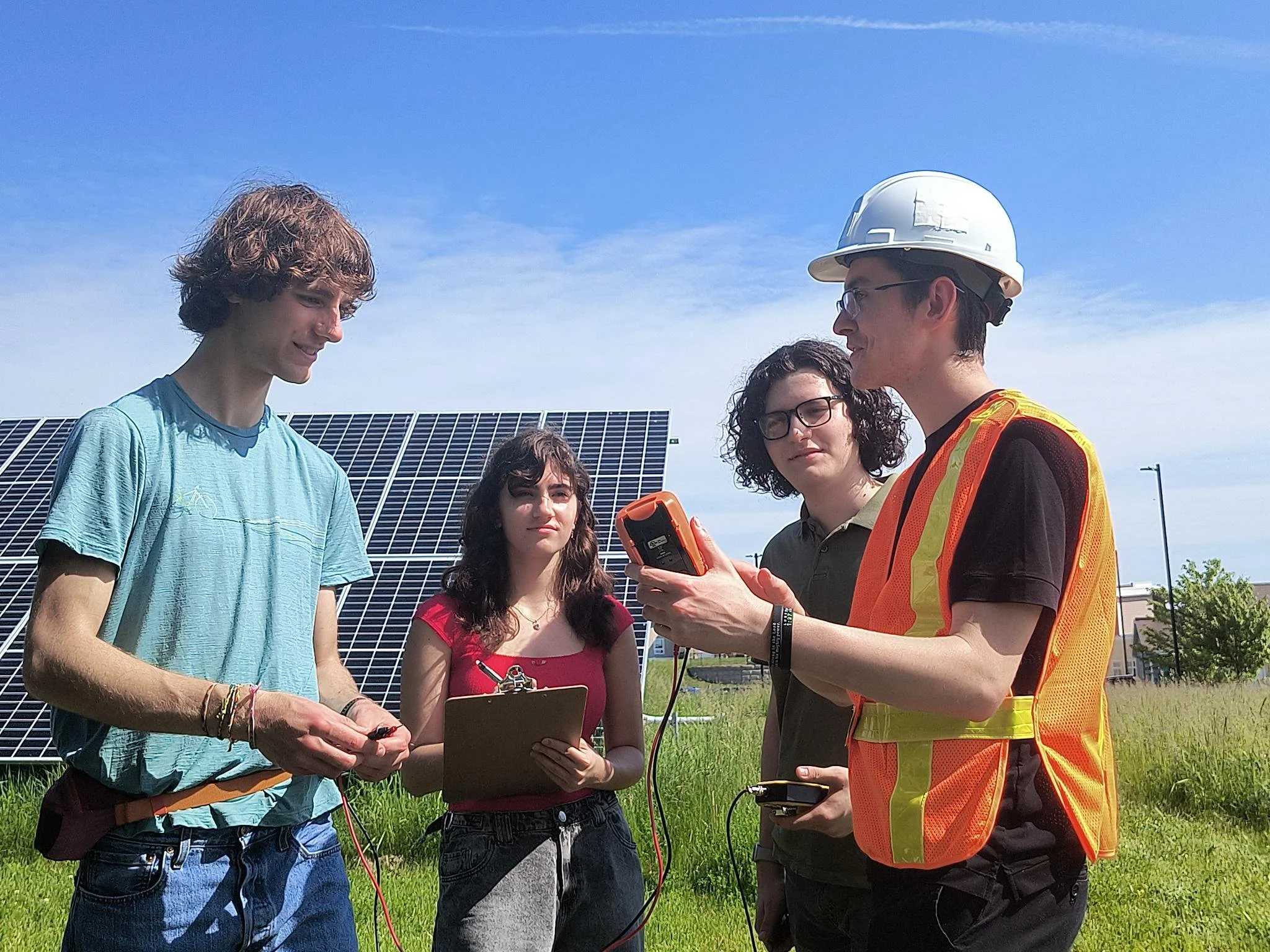
These paid positions in labs and in the field are an excellent way for students to expand on the lessons learned in their undergraduate classes and apply their skills to real-world applications.  

Students in the Faculty of Science are often found outside all summer—biology students wear hip waders to study fish, while others track birds as they grow and leave the nest. Chemistry students work on precision equipment in their labs, and psychology and environmental science students do key work that advances their fields of study. A team of astronomy and physics students focused on stars and black holes. Most plan to continue their research in subsequent summers and in graduate school.  

“Students are often part of long-term projects run by professors. The hands-on nature of this work advances their understanding of their chosen subjects beyond what they learn in the classroom,” says Dr. Laura Weir, interim Dean of Science.  

“On top of conducting meaningful research with their team, this work gives our students the tools to think creatively and to test, analyze, and follow projects through to completion — skills they will use in their undergraduate classes, future research and in their careers.”  

These paid research positions are funded by federal government agencies including the National Sciences and Engineering Research Council of Canada’s (NSERC) Undergraduate Student Research Awards program and the Social Sciences and Humanities Research Council (SSHRC). Others are offered thanks to generous donors, grants and funding from Saint Mary’s. In most cases, awards are made possible through contributions from professors’ research grants. Award recipients receive funding to undertake 12 to 16 weeks of full-time work between May and August. 

To provide research opportunities to even more Saint Mary’s students, the Faculty of Science introduced a new award category for full-time students two years ago. Designed for student-professor teams who propose a research project together, the Dean of Science Access to Research Awards focus on the proposed research project; as long as the student is in good academic standing, their GPA is not a selection criterion. These awards are jointly funded by the Dean of Science Office and various faculty grants.  

“Every year we are impressed with the background our most dedicated and capable students bring to these research positions,” says Dr. Adam Sarty, Associate Vice-President, Research and Dean, Faculty of Graduate Studies. “They add skills and a depth of knowledge that they can use immediately in their classes, but the true value is the way they strengthen students’ prospects for post-graduate studies and their careers. These invaluable experiences will serve them as they move through the workforce.”  

“Many students further their academic careers through undergraduate research opportunities like these,” says Dr. Sarty. “The competitive salary is a boost to students who need to work to support their studies, easing their financial burden.”  

How are students chosen?  

Most positions are earned based on academic record, breadth of experience and background, and the student’s application letter. Students can apply after their first year of full-time study.

Interested in applying for a summer research award for next year? Visit this website for updates later in the term, and follow your faculty’s social media for news and deadlines.


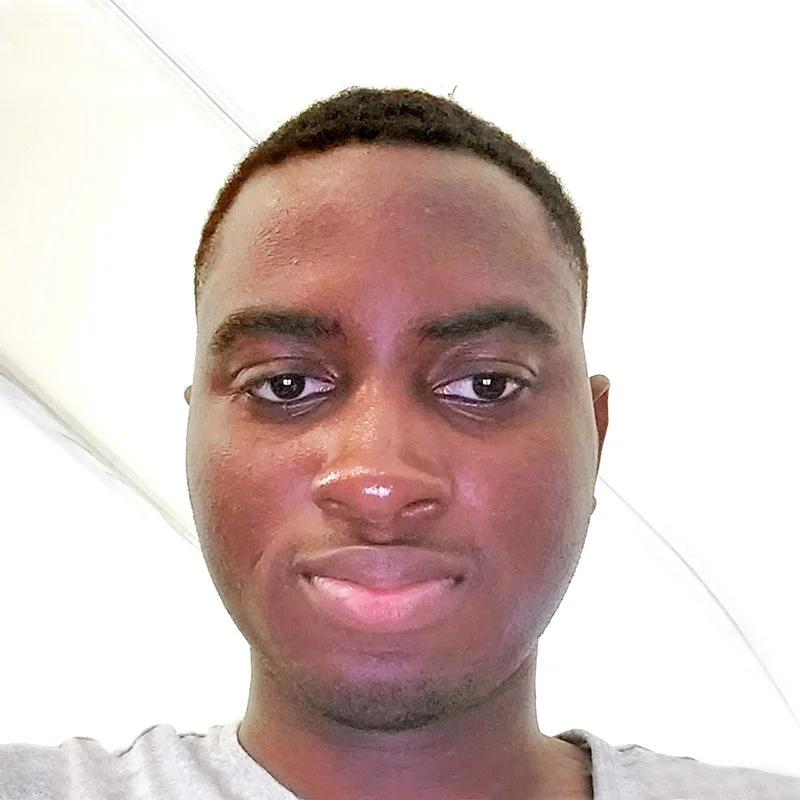
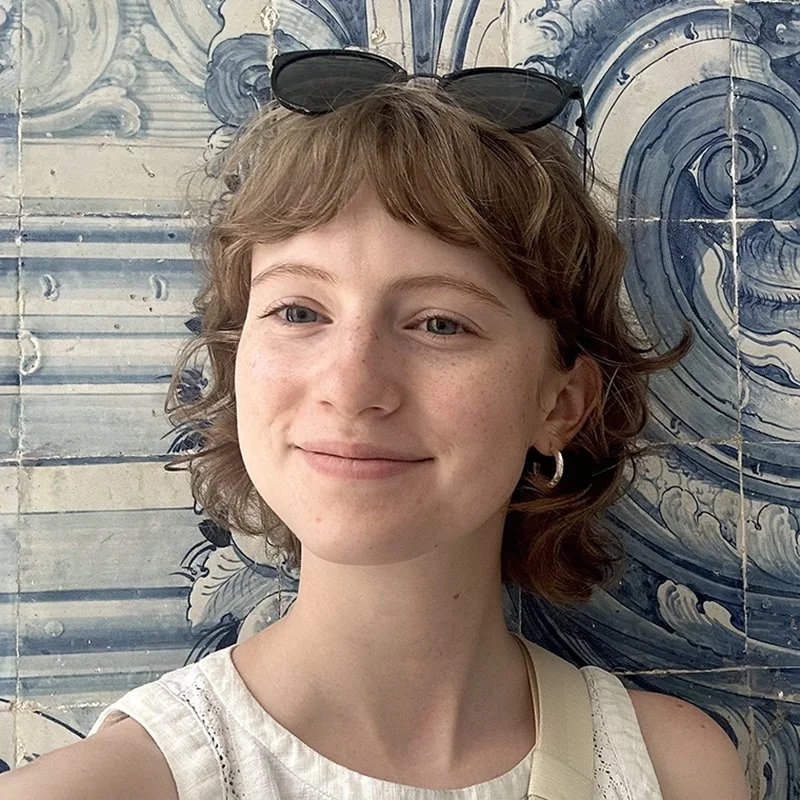
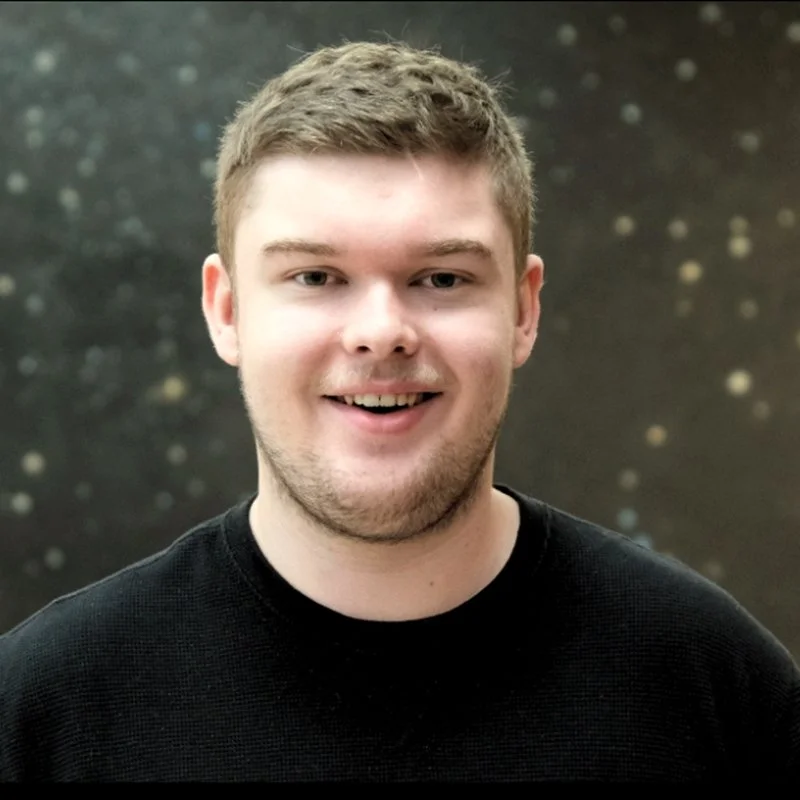
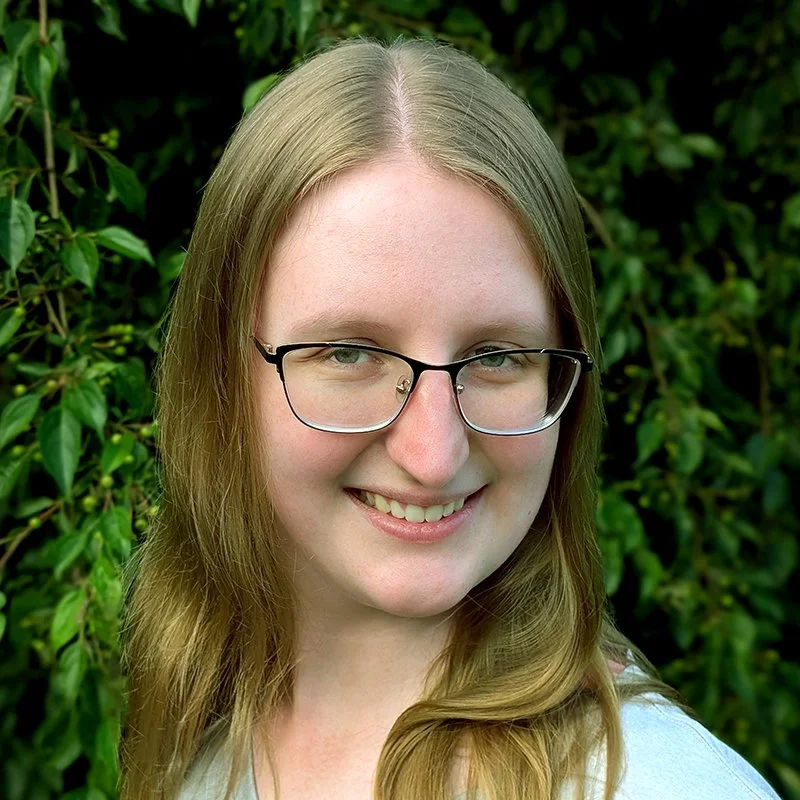
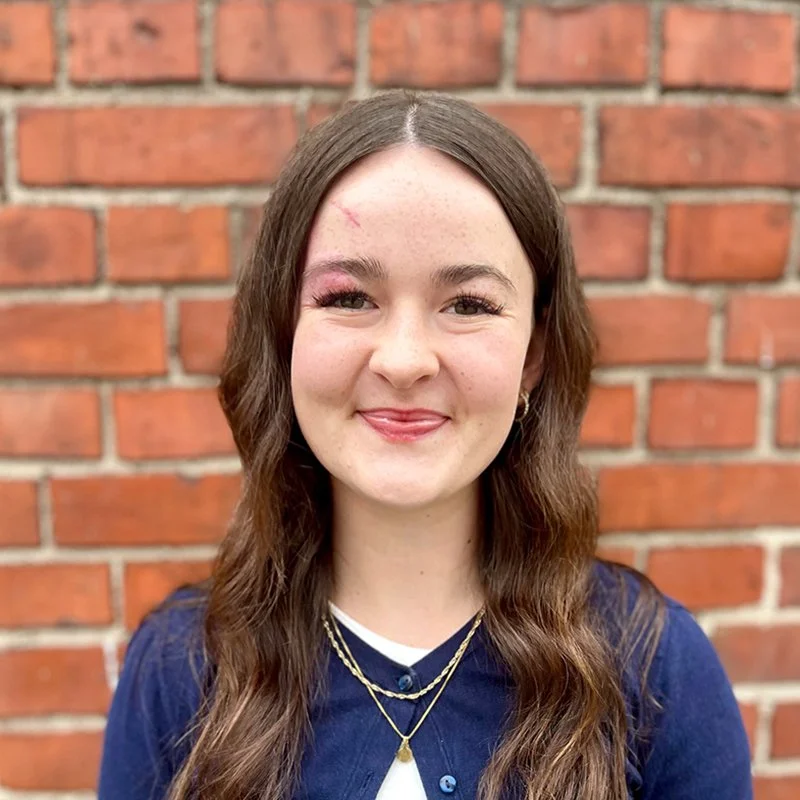
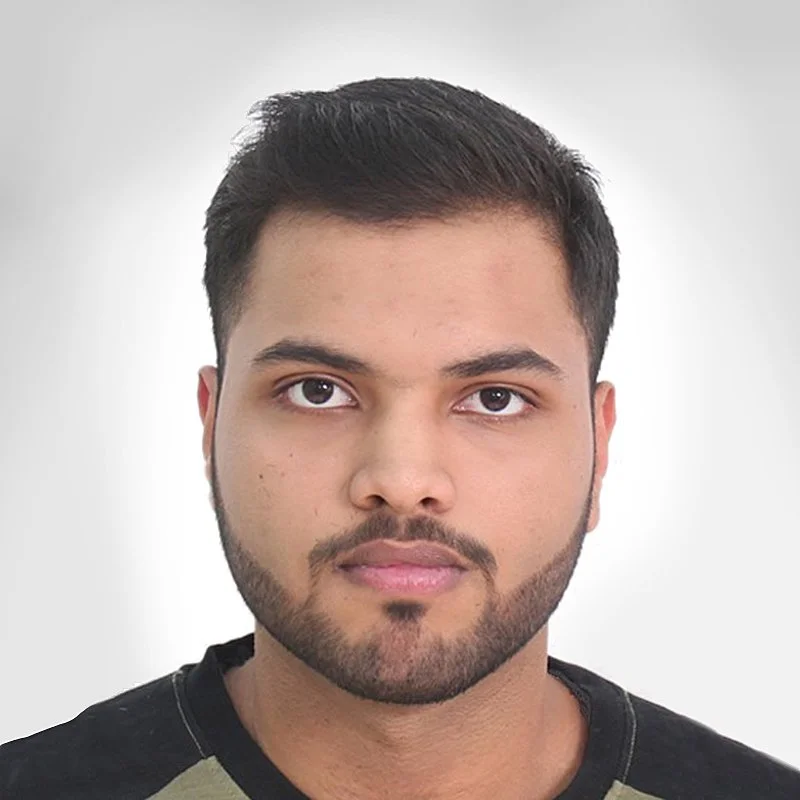
Iyinoluwa David Amore

Summer research award: First-Year Undergraduate Summer Research Award 

Faculty supervisor: Dr. Robert Singer (Chemistry) 

Project: I made lobster- and crab-shaped ligands that contain a pyridine group using a CEM microwave. 

Favourite thing about SMU: The Tim Hortons in the Loyola Building. 


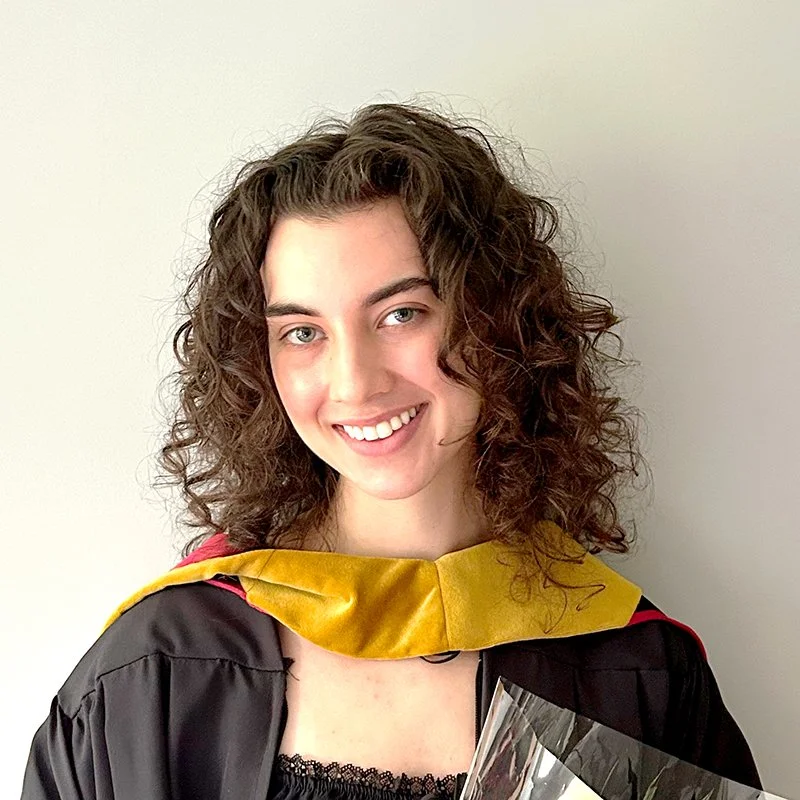
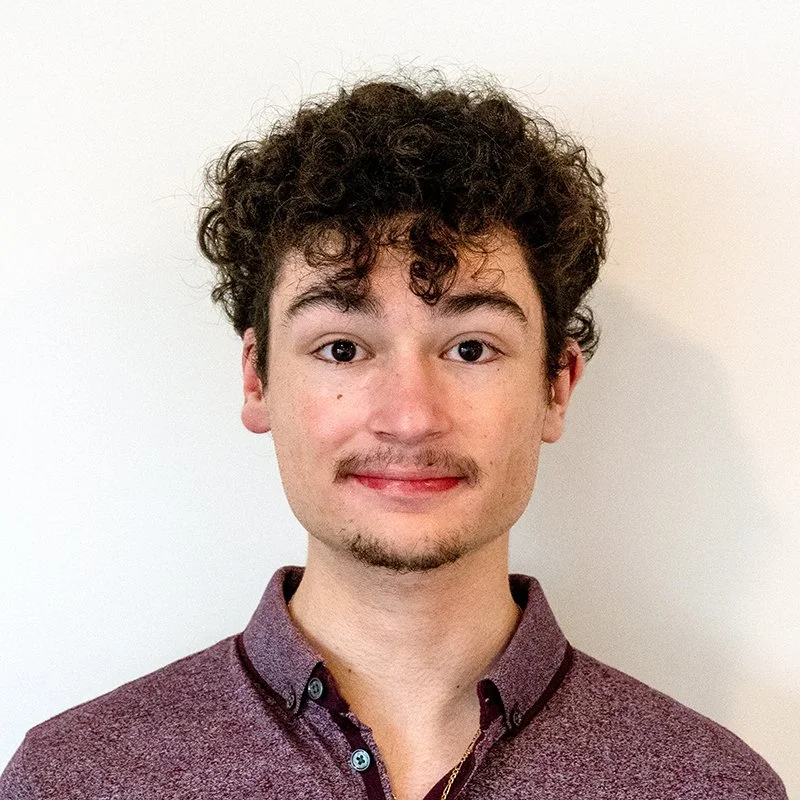
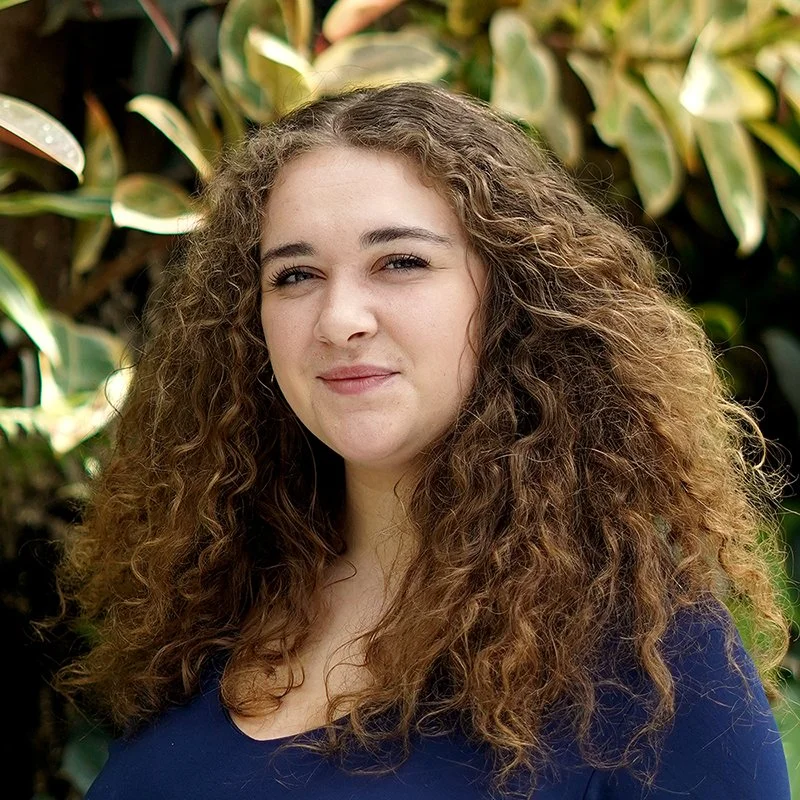
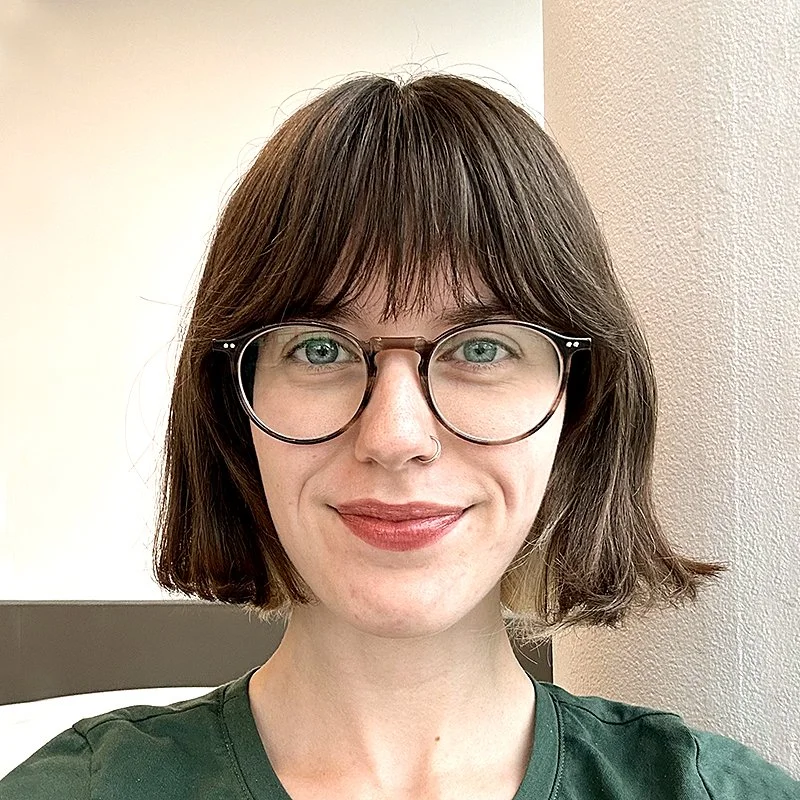
Laura Bartlett 

Summer research award: Social Sciences and Humanities Research Council (SSHRC) Explorer Undergraduate Summer Research Award 

Faculty supervisor: Dr. Vasiliki Athanasakou (Accounting)  

Project: The project examines strategic partnerships between corporations and nonprofit organizations, with a particular focus on understanding why firms form cross-sector partnerships and how these collaborations contribute to corporate governance and sustainability. My responsibilities include conducting qualitative analyses of corporate partnership announcements, developing databases of nonprofit organizations, and reviewing the academic literature. 

Future plans: I hope to complete a Masters of Economics and study abroad. 

Favourite thing about SMU: The Fred Smithers Centre and the staff there. 


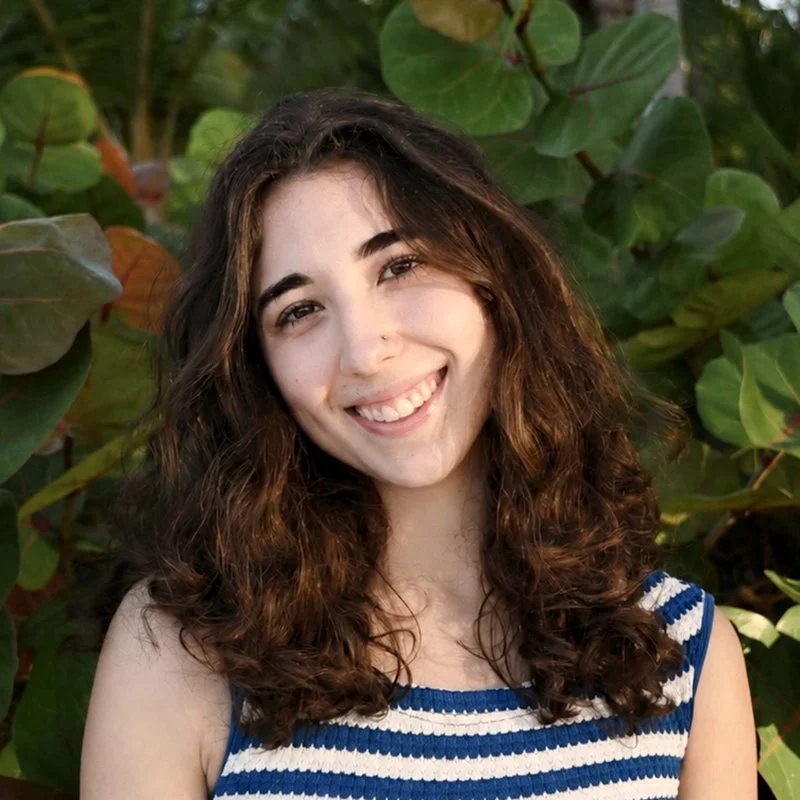
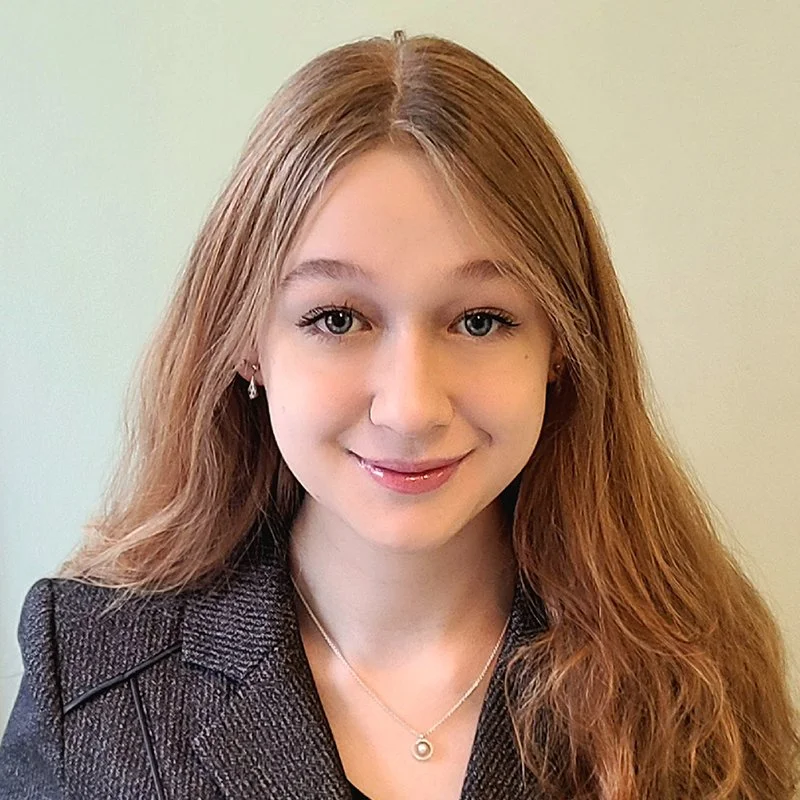
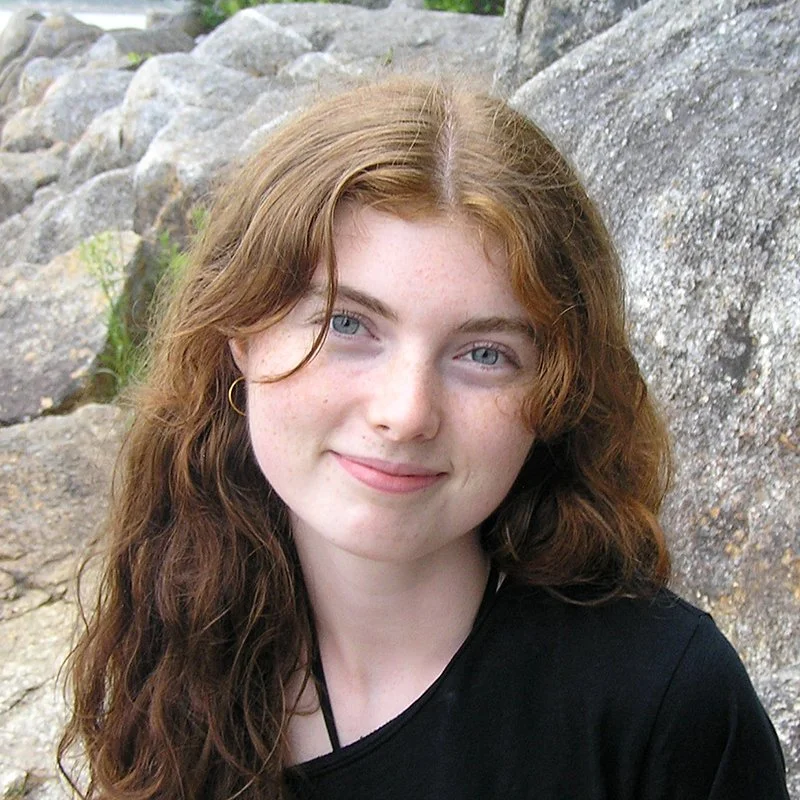
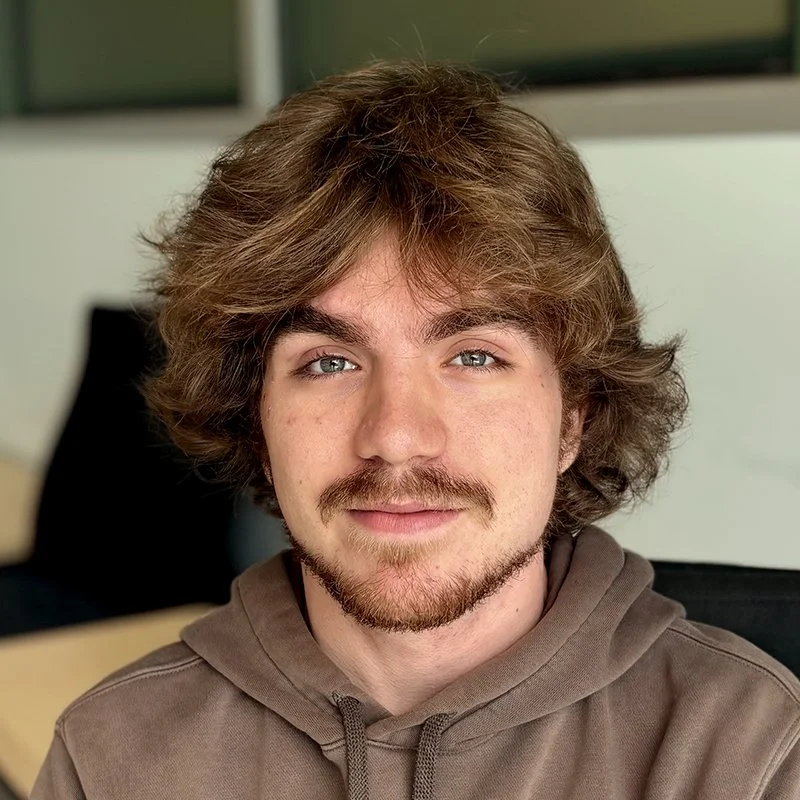
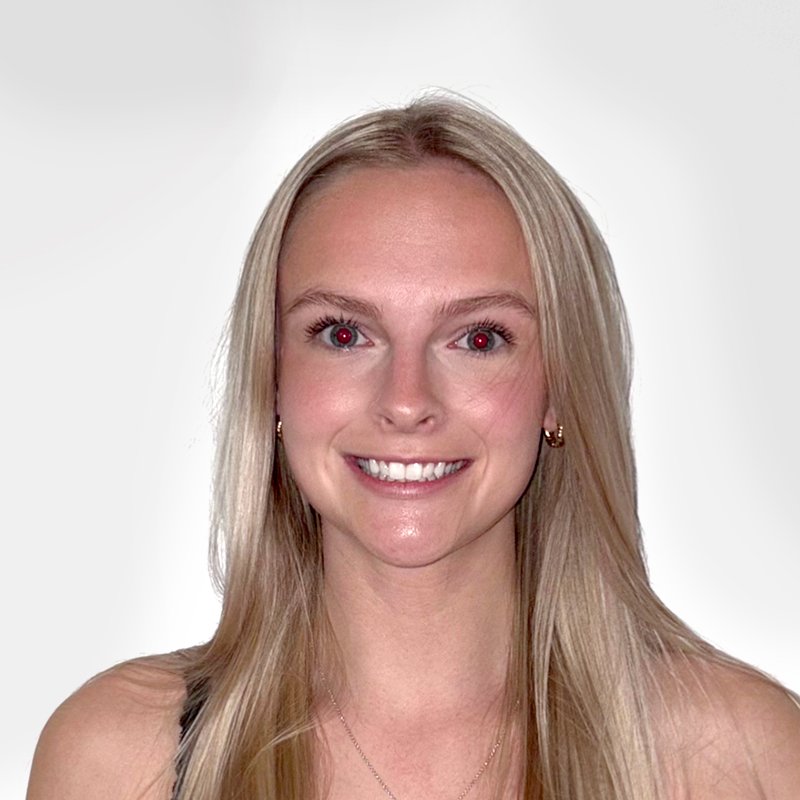
Sarah Chiasson 

Summer research award: Natural Sciences and Engineering Research Council of Canada (NSERC) Undergraduate Student Research Award 

Faculty supervisor: Dr. Colleen Barber (Biology) 

Project: This summer, I studied the European starlings nesting on the campus of Saint Mary’s University. This work involved recording bird songs, documenting materials used for nest building, and analyzing DNA samples collected in the field. I am also continuing my honours thesis project, which examines a specific reproductive strategy used by European starlings whereby females lay eggs in the nest of other females. 

Future plans: I am hoping to continue ornithological research as a graduate student. 

Favourite thing about SMU: The lovely people I have met and the community I have built. 


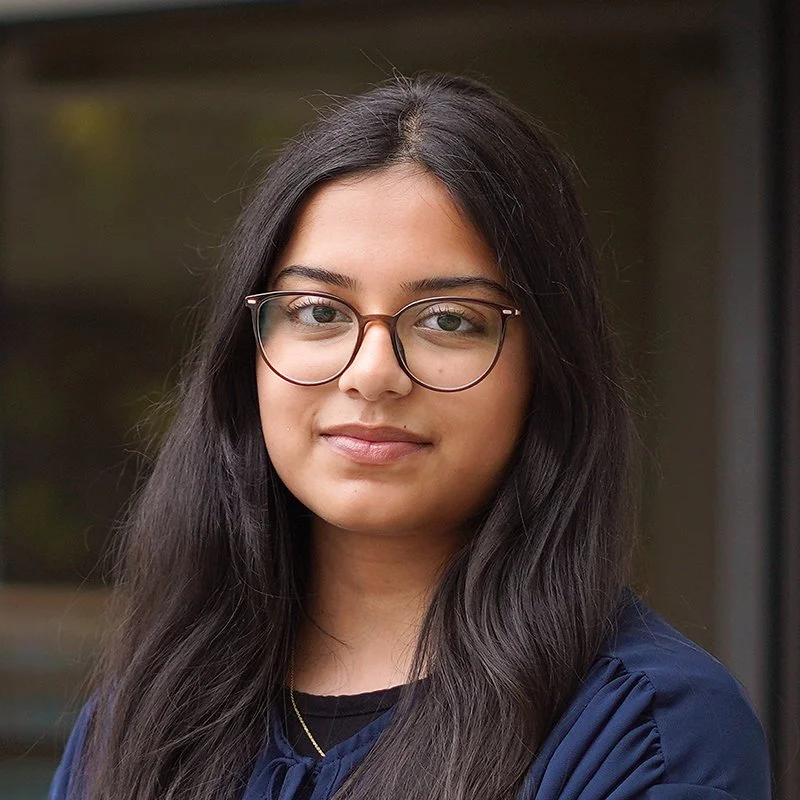
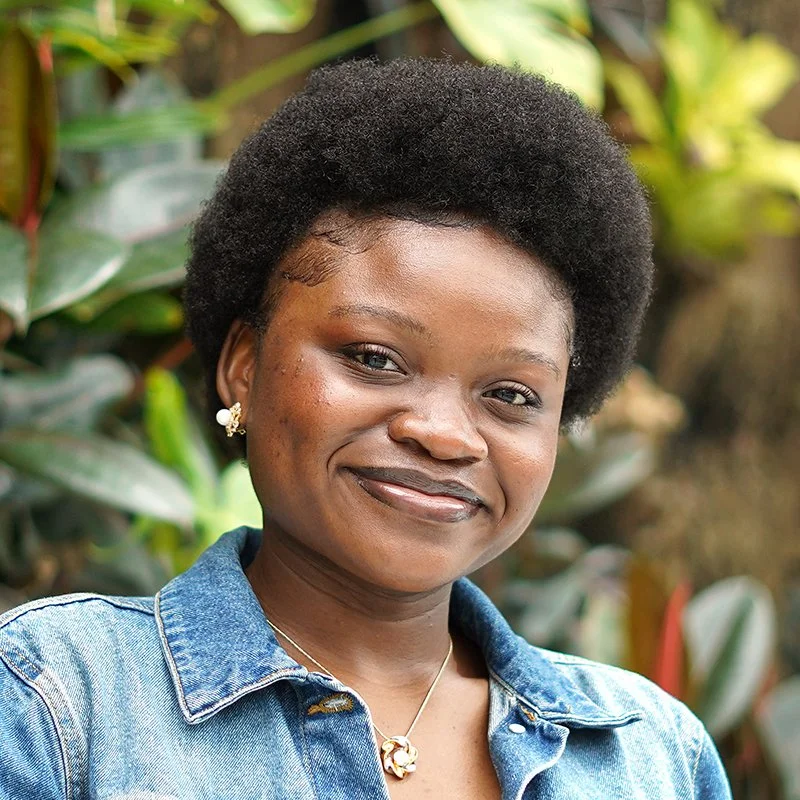
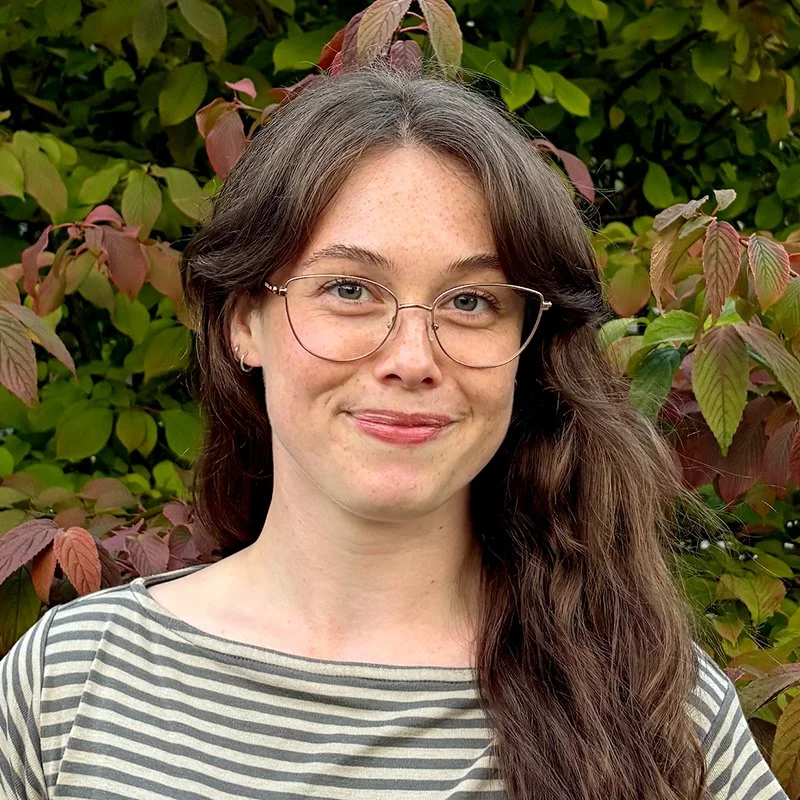
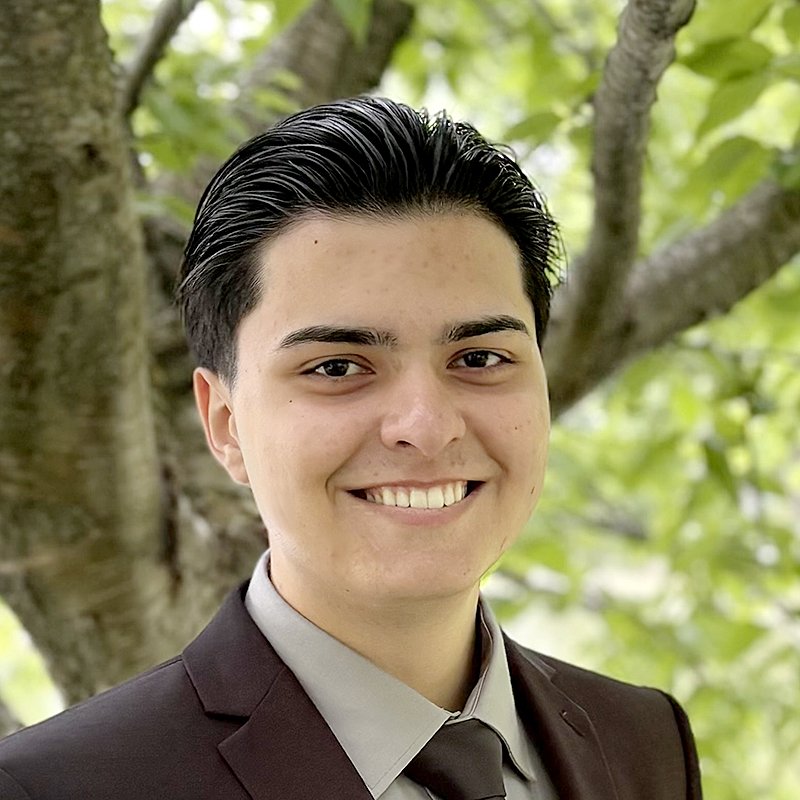
Claire Cullinan 

Summer research award: Natural Sciences and Engineering Research Council of Canada (NSERC) Undergraduate Student Research Award 

Faculty supervisor: Dr. Christa Brosseau (Chemistry) 

Project: I am working on wrapping up my honours project, which focused on developing a sensitive, low-cost, surface-enhanced Raman spectroscopy-based diagnostic assay using nanobody-functionalized gold nanoparticles for the detection of HER2 (a breast cancer biomarker), to enable more accessible breast cancer diagnostics. 

Future plans: I will be attending McGill University for a master's in the Integrated Program in Neuroscience. I will be working at the Douglas Research Centre examining whether alterations in cerebral blood flow network organization link modifiable lifestyle behaviours (e.g., physical inactivity, sleep disturbance, smoking) to persistent negative symptoms and cognitive deficits in severe mental illness. 

Favourite thing about SMU: My favourite thing about SMU is the Dr. Brosseau student office (which has a kettle for tea!). 


Chloe Delano 

Summer research award: Natural Sciences and Engineering Research Council of Canada (NSERC) Undergraduate Student Research Award 

Faculty supervisor: Dr. Jason Ivanoff (Psychology) 

Project: My summer project is to support ongoing cognitive neuroscience research in the lab. Over the summer, I will create training materials for EEG equipment and data analysis, assist with participant recruitment and data collection, help program research experiments, and conduct literature reviews and meta-analyses to support current studies. 

Future plans: I plan to continue my education by pursuing a master's degree in Sport Psychology, with the goal of expanding my knowledge and developing a career in this field. 

Favourite thing about SMU: My favourite thing about SMU was the opportunities it provided to grow both personally and professionally. I was able to explore potential career paths, gain valuable experiences, and build lasting friendships and connections that made my time at SMU memorable. 


Mackenzie Hayduk 

Summer research award: Natural Sciences and Engineering Research Council of Canada (NSERC) Undergraduate Student Research Award 

Faculty supervisor: Dr. Vincent Hénault-Brunet (Astronomy and Physics) 

Project: Intermediate-mass black holes could explain how supermassive black holes grow, but few convincing detections exist. This project finds the mass of an intermediate-mass black hole in the globular cluster Omega Centauri by modelling the orbits of five fast-moving stars. 

Future plans: My undergraduate research and conference experiences have only made me more excited to take the next step toward my Ph.D. in astrophysics (hopefully in Germany/Korea) after I graduate. My extracurricular experiences through SMU as a Varsity athlete, BGO tour guide, and outreach officer have also added to my long-term career goals of continuing community engagement and athletics throughout my career in research.  

Favourite thing about SMU: My favourite things are the communities I have been welcomed into as an astrophysics student, athlete, and outreach enthusiast. Whether discussing research-related problems with fellow undergrads, racing against my teammates, or meeting passionate high school students and teachers, I appreciate the opportunities SMU facilitates for building connections.


Alexa Ikejiani 

Summer research award: Social Sciences and Humanities Research Council (SSHRC) Explorer Undergraduate Summer Research Award 

Faculty supervisor: Dr. Nicole Conrad (Psychology) 

Project: This summer, we are investigating different exogenous factors that promote good mental health outcomes in children with reading difficulties. This review uses a dynamic systems framework that understands mental health as an emerging interaction between the individual and their environment. This framework helps highlight the role of environmental supports and the potential barriers that individuals may face in accessing them. 

Future plans: I plan to pursue a PhD in Clinical Psychology, with research focused on literacy development, early psychoeducational assessment, and improving the long-term outcomes for children with reading difficulties. 

Favourite thing about SMU: My favourite thing about SMU is the welcoming and supportive community. This community has been a major driving force behind my success as both a student and an emerging researcher. Here at SMU, I feel very connected to my peers, professors, and supervisors, making me excited to come to campus every day, even during the slower summer months! 


Sydney Lewis 

Summer research award: Dean of Science Undergraduate Summer Research Award 

Faculty supervisor: Dr. Danielle Tokarz (Chemistry) 

Project: Used ultrafast laser microscopy to investigate the structure of biological samples, such as collagen fibrils and banana starch, under various conditions. 

Future plans: Completing an Honours degree in Chemistry. 

Favourite thing about SMU: The small class sizes. 


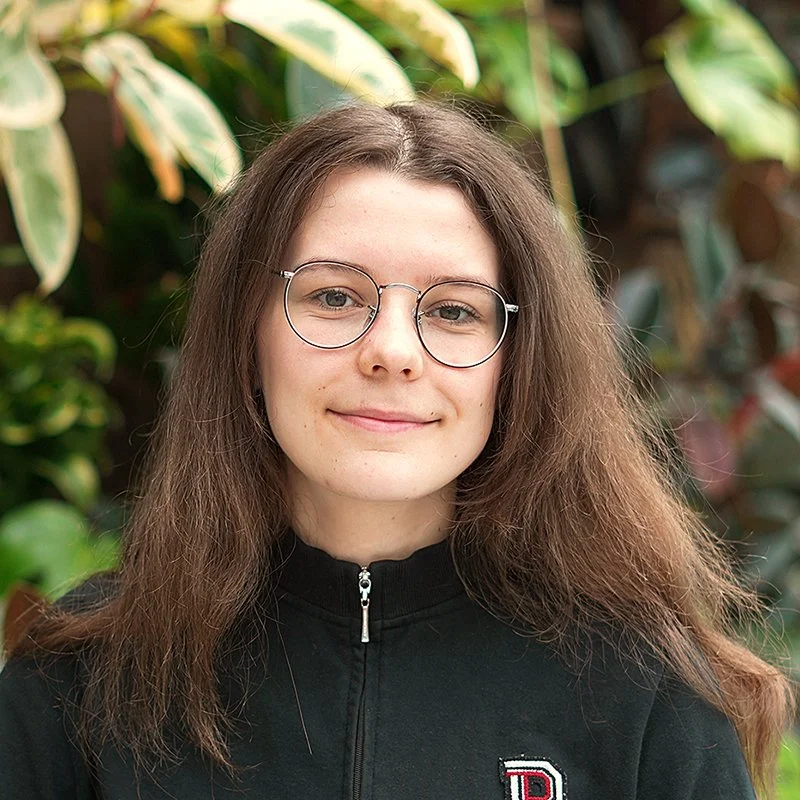
Claire MacLean 

Summer research award: Natural Sciences and Engineering Research Council of Canada (NSERC) Undergraduate Student Research Award 

Faculty supervisor: Dr. Christa Brosseau (Chemistry)  

Project: Examining redox processes of natural methylxanthines using a technique called electrochemical surface-enhanced Raman spectroscopy. 

Future plans: Gap year before continuing on with grad school 

Favourite thing about SMU: The small class sizes and access to research opportunities 


Benjamin McIsaac

Summer research award: Dean of Science Undergraduate Summer Research Award 

Faculty supervisor: Dr. Rob Thacker (Astronomy and Physics) 

Project: I am using computer simulations and statistical tools to study galaxy cluster mergers and how the gas within them mixes. More specifically, I am attempting to determine which regions are mixed primarily by diffusion and which regions are mixed primarily by folding. 

Future plans: I am currently exploring my options after completing my degree, including the possibility of pursuing graduate studies in astrophysics or a related field. 

Favourite thing about SMU: The smaller class sizes and the accessibility of professors 


Keegan Riggs 

Summer research award: Natural Sciences and Engineering Research Council of Canada (NSERC) Undergraduate Student Research Award 

Faculty supervisor: Dr. Luigi Gallo (Astronomy and Physics) 

Project: Using normalized excess variance to detect ultra-fast outflows in active galactic nuclei. 

Future plans: I’m planning on getting my master’s degree, then PhD, and becoming a professor 

Favourite thing about SMU: I like its location in the city. 


Daryan Schaefer 

Summer research award: First-Year Undergraduate Summer Research Award 

Faculty supervisor: Dr. Danielle Tokarz (Chemistry)  

Project: This summer, I’m working on improving our laser imaging system so that it can use backward Second Harmonic Generation (SHG), a technique that allows us to study thicker samples such as teeth. Using backward SHG imaging, I hope to gain a better understanding of how regenerative endodontic treatments promote healing and tissue regeneration, and how the regenerated tissue compares to original tissue. 

Future plans: Get my DDS at Dalhousie Dentistry and then complete an MD-integrated Oral and Maxillofacial Surgery residency. 

Favourite thing about SMU: The piano in the Student Centre. 


Chloe Staple 

Summer research award: First-Year Undergraduate Summer Research Award 

Faculty supervisor: Dr. Hany Fahmy (Economics)  

Project: I'm helping my economics professor complete textual analysis. This means I'm assisting machine learning in constructing a news-based climate policy sentiment index. After labelling a few thousand sentences, we will be training the AI, which will later be used by him. 

Future plans: As a first-year student, I'm still not completely sure of my future; however, I plan on doing a double major in Accounting and Finance, and after graduation, I will hopefully complete my CPA and CFA. 

Favourite thing about SMU: My favourite thing about SMU is the Enactus team. Everyone is so kind there, and being surrounded by like-minded students makes me want to work even harder towards my goals. Participating in the Enactus Regionals and Nationals in Montreal this year was an amazing experience! 

Megan Barkhouse 

Summer research award: Natural Sciences and Engineering Research Council of Canada (NSERC) Undergraduate Student Research Award 

Faculty supervisor: Dr. Anne Dalziel (Biology) 

Project: This summer, I worked on my Honours project researching the persistent effects of low salinity exposure on the gene expression of Eastern oysters, and how this affects their performance when re-exposed to low salinity. I am learning and using a lot of new procedures and skills in the lab. I also feed and care for the fish in the SMU fish lab. 

Future plans: I am very interested in medicine, and so I plan to continue my education and pursue a career in the medical field as either a researcher or a physician. 

Favourite thing about SMU: The campus is very beautiful in the spring when all the flowers are blooming! 


Kiera Blackadar 

Summer research award: Social Sciences and Humanities Research Council (SSHRC) Explorer Undergraduate Summer Research Award 

Faculty supervisor: Dr. Margherita Cameranesi (Psychology) 

Project: This summer, I have been assisting with the FYRe-NS Finding Your Resilience study, researching gender-based violence experiences of young newcomers to Nova Scotia. Participants are surveyed about their experiences of resilience, community, mental health and service needs upon their arrival in Nova Scotia. This project aims to identify service gaps in education, healthcare and social services to detail areas for improvement. 

Future plans: I plan to pursue a career in clinical psychology and am interested in both forensic and trauma therapy specializations. I hope to apply my educational experiences to advocate for policy and systemic changes, pushing for improved mental healthcare access and supports for justice-involved individuals. 

Favourite thing about SMU: My favourite thing about SMU is the shared dedication of both faculty and students in creating learning opportunities outside of the classroom and in building community. Regardless of year of study or your desired level of campus involvement, there are so many ways to get engaged in campus life. Be it volunteering, guest lectures, research participation, or societies and clubs, there are numerous accessible ways to broaden your horizons and build your circle at Saint Mary's. 


Kristen Cowan 

Summer research award: Dean of Science Undergraduate Summer Research Award 

Faculty supervisor: Dr. Vincent Hénault-Brunet (Astronomy and Physics)  

Project: This research project investigated the effect of forming fewer low-mass stars early on in Milky Way-like globular clusters. This distribution of stellar masses, known as a bottom-light initial mass function (IMF), is thought to fit observational data well and may be more suitable for studying globular clusters than the universally adopted Kroupa IMF (2001). 24 N-body simulations were run using the Cluster Monte Carlo Code (CMC) comparing the two IMFs to quantify their effect on long-term evolutionary properties of the cluster, and the Black Hole populations that form within. 

Future plans: I hope to further the scope of this study in future research and obtain a Master of Science in Astronomy. I hope to build a career in research on black hole formation channels and star cluster dynamics, as well as science communication and education. 

Favourite thing about SMU: The plant wall in the Atrium 


Ariel Day 

Summer research award: Social Sciences and Humanities Research Council (SSHRC) Explorer Undergraduate Summer Research Award 

Faculty supervisor: Dr. Veronica Stinson (Psychology) 

Project: I am working on several ongoing projects focusing primarily on victim impact statements (VIS) and offender character evidence (OCE) in court sentencing decisions. We are looking at how the submission of VIS and OCE impact the sentencing decision (length, 'severity', considerations) across Canada, as well as investigating the demographics of individuals who submit victim impact statements, to identify the barriers that victims face in the court process. We are also working on a project that explores the use of virtual or hybrid components in court proceedings in Nova Scotia. 

Future plans: I want to get my Master’s degree and PhD in forensic psychology. 

Favourite thing about SMU: The community 


Grace Hallewell 

Summer research award: First-Year Undergraduate Summer Research Award 

Faculty supervisor: Dr. Nicole Conrad (Psychology) 

Project: This summer I have been a research assistant as part of Dr. Conrad’s Literacy Lab in the Department of Psychology. Our main research this summer has focused on children who experience difficulties with reading. The aim of this research is to review previous studies and identify which aspects of these children’s environments have been shown to improve or maintain good mental health. 

Future plans: I plan to graduate from SMU in 2028 with Honours in Psychology and a minor in English. Afterwards, I will continue my education in the field of psychology by completing a master’s degree and a PhD. I am interested in pursuing a career that involves both research and working with clients. 

Favourite thing about SMU: I like SMU's size because it lets you get to know other students and faculty members better. 


Rohen Hayne 

Summer research award: Natural Sciences and Engineering Research Council of Canada (NSERC) Undergraduate Student Research Award 

Faculty supervisor: Dr. David Chiasson (Biology) 

Project: I am working on a project aimed at identifying key factors that support nitrogen-fixing symbiosis in legume plants. We use molecular biology, genetics, and microbiology techniques to study this relationship. 

Future plans: Explore future opportunities in science and healthcare. 

Favourite thing about SMU: The Atrium 


Enrique Jaldo 

Summer research award: Dean of Science Undergraduate Summer Research Award 

Faculty supervisor: Dr. Greg Christian (Astronomy and Physics) 

Project: Working together with my professor to understand the 26Al(P,y)27Si reaction that occurs in stars, by simulating them in particle accelerators and trying to determine the most optimal angle for neutron detectors 

Future plans: Astrophysicist 

Favourite thing about SMU: Working with a close-knit community that is always open to helping each other out 


Maddie Lloyd 

Summer research award: Natural Sciences and Engineering Research Council of Canada (NSERC) Undergraduate Student Research Award 

Faculty supervisor: Dr. David Chiasson (Biology) 

Project: Contributing to research on how plant signals influence bacterial gene regulation through protein expression, purification, and the study of protein–DNA interactions. 

Future plans: Become a dentist. 

Favourite thing about SMU: The campus. 


Dylan Main 

Summer research award: Social Sciences and Humanities Research Council (SSHRC) Explorer Undergraduate Summer Research Award 

Faculty supervisor: Dr. Jamie Livingston (Criminology) 

Project: Along with Dr. Livingston, I am conducting a scoping review to examine how civilian (non-police) mental health crisis response programs define and operationalize the concept of a crisis. As these programs continue to expand as alternatives to police-led responses, there is considerable variation in how crisis situations are understood, assessed, and managed. I am looking for evidence on definitions of crisis, eligibility and exclusion criteria, risk and safety assessments, and the circumstances under which police involvement is required.  

Future plans: Psychologist / Counsellor 

Favourite thing about SMU: The cool study spots around campus and great experiences with professors (shoutout Dr. Cameron and Dr. Bourgeois) 


Muhammad Arham Mussawar 

Summer research award: Dean of Science Undergraduate Summer Research Award 

Faculty supervisor: Dr. Stavros Konstantinidis (Mathematics and Computing Science) 

Project: This summer project will explore new ways to find patterns in two related pieces of information at the same time. 

Most existing research looks at how to match a pattern within a single word or sequence. In this project, we will study how to match two-dimensional patterns to pairs of words. These pairs could represent related data, such as two genes, two programming expressions, or two connected strings of information. 

The goal is to develop and analyze algorithms, using ideas from pattern expressions and finite-state machines, that can recognize these kinds of paired patterns efficiently. This work could help identify relationships between paired data in areas such as biology, programming languages, and data analysis. 

Future plans: I am entering my fourth and final year of an Honours Computer Science degree. My main academic interests are algorithms, theoretical computer science, and artificial intelligence. This summer research project connects closely to my future plans because I hope to continue studying this area through my honours thesis, especially topics related to pattern matching, finite-state machines, and formal languages. 

After completing my undergraduate degree, I am considering pursuing a master’s degree to further develop my research skills and deepen my knowledge in theoretical computer science and AI. In the future, I could see myself working either as a software engineer or continuing in academia with the goal of becoming a professor. Through this project, I hope to strengthen my skills in algorithm design, coding, research writing, and presenting research. 

Favourite thing about SMU: My favourite thing about SMU is the supportive academic community. As a Computer Science student, I appreciate the opportunity to learn from amazing professors who are approachable and passionate about their fields. The welcoming environment at SMU has made it a great place to learn, ask questions, and grow as a student. 


Evan Spencer 

Summer research award: Dean of Science Undergraduate Summer Research Award 

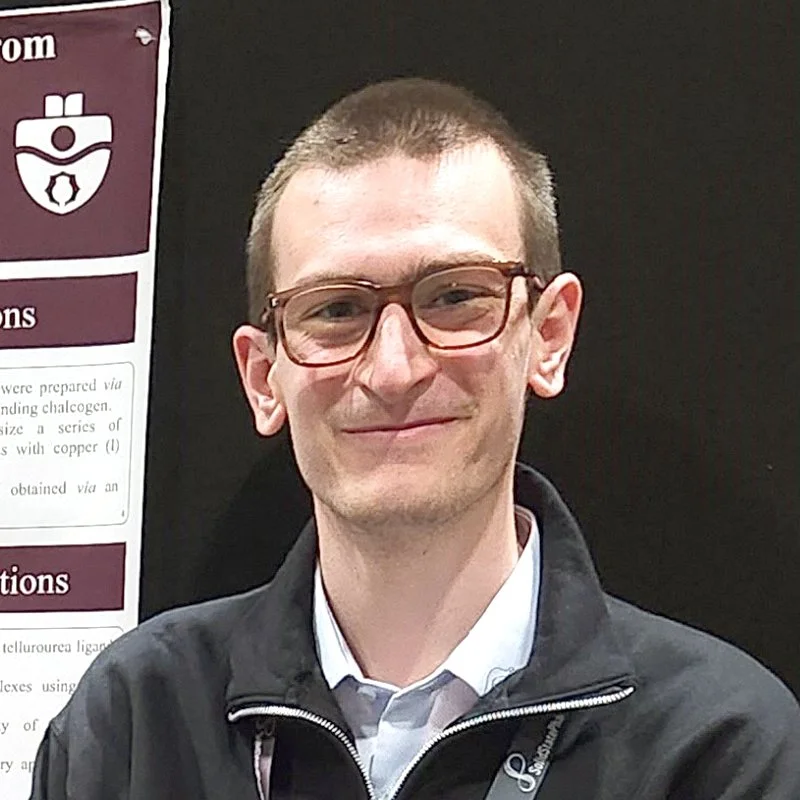
Faculty supervisor: Dr. Robert Singer (Chemistry)  

Project: The project is focused on the synthesis of N-heterocyclic carbene derived ligands with main group donors and studying their coordination to various transition metals and main group atoms. The main goal of the research is to study the bonding and geometry of these coordination complexes and discover structures that have never been synthesized before. This is made possible by characterization by single crystal X-Ray diffraction which provides data regarding the exact location of the atoms in a given crystalline material which can be used to determine the structure of the compound. 

Future plans: After finishing my Honours in Chemistry at SMU next year, I plan to attend graduate school to obtain my PhD in chemistry focusing on inorganic chemistry and X-Ray crystallography. I hope to stay in academia for my career as well, with the goal of becoming a professor of chemistry. I am passionate about teaching and research and hope to apply that to my own research group in the future, which would be directed towards providing undergraduate students with opportunities to perform meaningful research. 

Favourite thing about SMU: My favourite thing about SMU is access to research for undergrads. This is an opportunity that most students across Canada do not have, but due to the size of our institution, students are able to contribute to meaningful research and run their own research projects, which is not the case at larger institutions. My other favourite part about SMU is the size of my department. The chemistry department is small enough that I know all the professors and they know me, and most of the students as well. This allows for easier access to support and guidance while also having the ability to form connections much more easily. 


Benita Tabuku 

Summer research award: Dean of Science Undergraduate Summer Research Award (BSc student in Computing Science) 

Faculty supervisor: Dr. Hai Wang (Finance)  

Project: I am working on a research project that analyzes risk-related information in public firms' 10-K reports. Using Python, we extract and analyze relevant disclosures to assess the firms' Enterprise Risk Management (ERM) maturity. 

Future plans: I am currently considering career paths in either data analytics or computer networks and cybersecurity. This summer research position is a great opportunity for me to learn more about data analytics and gain hands-on experience, which will help me better understand the field and decide which career path is the best fit for me. 

Favourite thing about SMU: My favourite thing about SMU is living in residence. I like being close to my classes, there is no need to commute, and I can even wear heels during the winter semester! I am also close to my friends and campus activities. Some of my favourite moments have been the simple ones, like playing Uno with my friends in the floor lounge. Living in residence has been one of the best parts of my university experience :) 


185 learning opportunities connect Atlantic students with real-world challenges through Experience Ventures

Students across Atlantic Canada will have access to 185 opportunities to tackle real-world challenges with innovative businesses and organizations while building the problem-solving, collaboration, creativity and adaptability skills needed to thrive in a changing world.

For the third year, the Arthur L. Irving Entrepreneurship Centre at Saint Mary's University is bringing 185 experiential learning opportunities, offering honorariums to students across Atlantic Canada through its continued partnership with Experience Ventures for the 2026–27 program year.

Powered by the Hunter Hub for Entrepreneurial Thinking at the University of Calgary and funded in part through the Government of Canada's Innovative Work-Integrated Learning Initiative, Experience Ventures connects post-secondary students with businesses and organizations through hands-on learning experiences. Students apply their knowledge to real challenges, develop entrepreneurial thinking and contribute meaningful solutions while earning an honorarium.

The renewed partnership will expand opportunities for students at universities and colleges across Nova Scotia, New Brunswick, Prince Edward Island and Newfoundland and Labrador. At the same time, businesses gain access to talented students who bring fresh perspectives, creative ideas and new approaches to complex challenges.

Student Success

Experience Ventures gives students the opportunity to take what they’ve learned in the classroom and put it into practice through real-world projects with businesses and organizations.

For students like Subhan Nadeem, a Saint Mary’s student who took part in the Fall 2025 Project-Based Experience, the program provided an opportunity to apply his computer science knowledge to a real business challenge. During his placement, Subhan developed a tool for lead generation and email automation, using his knowledge of algorithms, APIs and AI systems to create a practical solution for a client.

A student presents at the Sustainable Retail Hackathon, an Experience Ventures event at Saint Mary’s in 2025

“The most impactful part of my Experience Ventures placement was developing an AI-driven solution for a business. It allowed me to combine my technical knowledge with real-world problem-solving, directly contributing to a client’s business growth.”

For Subhan, the impact extended beyond the placement itself. The hands-on experience strengthened his interest in technology development, AI and entrepreneurship, while giving him practical experience he can carry into his future career.

“I would gladly participate again. This experience helped me apply my technical skills to real business challenges … and gave me valuable hands-on experience for my future career.”

Stories like Subhan’s demonstrate the value of experiential learning: students gain more than experience for their resumes. They develop the confidence, adaptability, problem-solving skills and entrepreneurial mindset needed to navigate an evolving world of work.

The Impact of Experience Ventures

Experience Ventures continues to create meaningful connections between students, businesses and organizations across Atlantic Canada. Through hands-on projects and paid experiential learning opportunities, students gain practical experience while organizations benefit from fresh perspectives and new ideas.

Impact from 2024–26 

  • Students engaged: 335

  • Businesses and organizations engaged: 84

  • Atlantic provinces served: 4

  • Honorariums awarded: $198,350

  • Student satisfaction: 96.4%

These results highlight the growing impact of experiential learning across the region and the strength of the partnerships that make these opportunities possible.

“The broad reach of the Experience Ventures program is only possible through the strength of our national partner network. We are delighted to have our regional lead school, Saint Mary's University, leading the expansion of our program across Atlantic Canada,” said Sarah Topps, Senior Director, Partnerships and Strategic Initiatives (Acting), Experience Ventures.

Through its continued partnership with Experience Ventures, the Arthur L. Irving Entrepreneurship Centre is helping bring these opportunities to more students across the region while strengthening connections between post-secondary institutions and the business community.

“Experience Ventures gives students the opportunity to move beyond the classroom and tackle real challenges alongside innovative businesses. These experiences help students build confidence, strengthen their entrepreneurial mindset and develop the skills employers value most: the ability to collaborate, adapt, take initiative and find creative solutions. We're excited to continue expanding these opportunities across Atlantic Canada,” said Michael Sanderson, Director, Arthur L. Irving Entrepreneurship Centre.

Students participated in a Engineering Hackathon in partnership with Qalam Health Solutions in 2025

Learning by Doing

Experience Ventures is built around entrepreneurial thinking, identifying opportunities, approaching challenges creatively, taking initiative, collaborating with others and developing innovative solutions.

For students like Subhan, these experiences show how classroom concepts translate into solving real business problems. Working directly with organizations helps students navigate ambiguity, communicate across disciplines and apply their knowledge in practical settings.

These capabilities are increasingly valuable across every industry and help prepare students for their careers from day one.

Five Ways to Gain Experience

Students can participate in one of five experiential learning opportunities:

  1. Hackathons – One- or two-day intensive events where teams solve real business and social innovation challenges.

  2. Challenges – Multi-week interdisciplinary projects where students develop solutions for partner organizations.

  3. Project Experiences – Part-time placements where students complete defined projects with businesses over up to 80 hours.

  4. Student-in-Residence Placements – Opportunities to work with multiple businesses during a term, gaining diverse industry experience.

  5. Interdisciplinary Team Projects – Collaborative placements where students from different academic backgrounds work together to solve complex business challenges.

The 2026–27 program includes 185 opportunities across these five streams. Recruitment began in the summer for Project Experiences, Interdisciplinary Team Projects and Student-in-Residence Placements, while Hackathons and Challenges will launch throughout the fall.

Why Businesses Participate

Experience Ventures helps organizations access talented students from a wide range of disciplines who bring curiosity, creativity and fresh perspectives to real business challenges.

By working alongside students, businesses can explore new ideas, advance projects and gain insight from the next generation of innovators, while helping shape the skills and experiences students need to succeed.

“We're not hiring students just yet, but if an opportunity arose, we would hire the intern who worked on our project. It's a great way to get to know someone in a professional capacity in a very low-risk environment,” said Kevin Buchan of Novastorms Data Analytics Inc.

For businesses, Experience Ventures is more than an opportunity to get support on a project. It provides a chance to build relationships with emerging talent, see students in action and discover potential future employees

Get Involved

Students and businesses interested in participating are encouraged to submit an interest form to receive updates on upcoming opportunities and application dates.

Eligible participants must be undergraduate students enrolled at a Canadian post-secondary institution and legally entitled to work in Canada. Students may participate in one Experience Ventures placement during the 2026–27 program year.

Through its continued partnership with the Hunter Hub for Entrepreneurial Thinking, the Arthur L. Irving Entrepreneurship Centre is creating meaningful experiential learning opportunities that empower students, strengthen businesses and foster entrepreneurial thinking across Atlantic Canada.

Eclipse-viewers gather for Saint Mary’s event

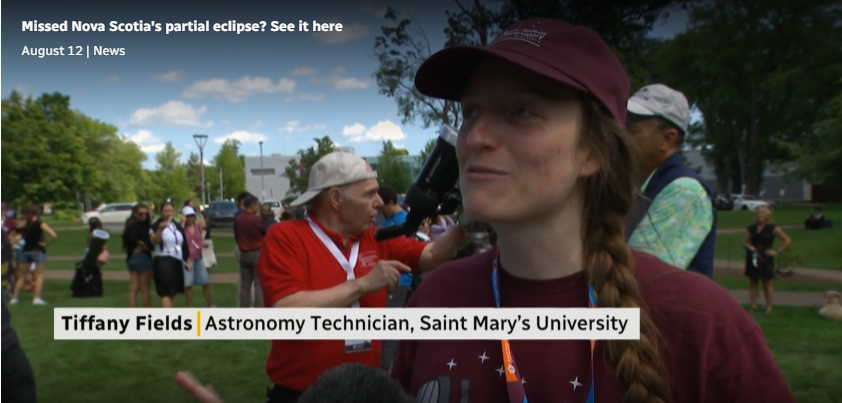
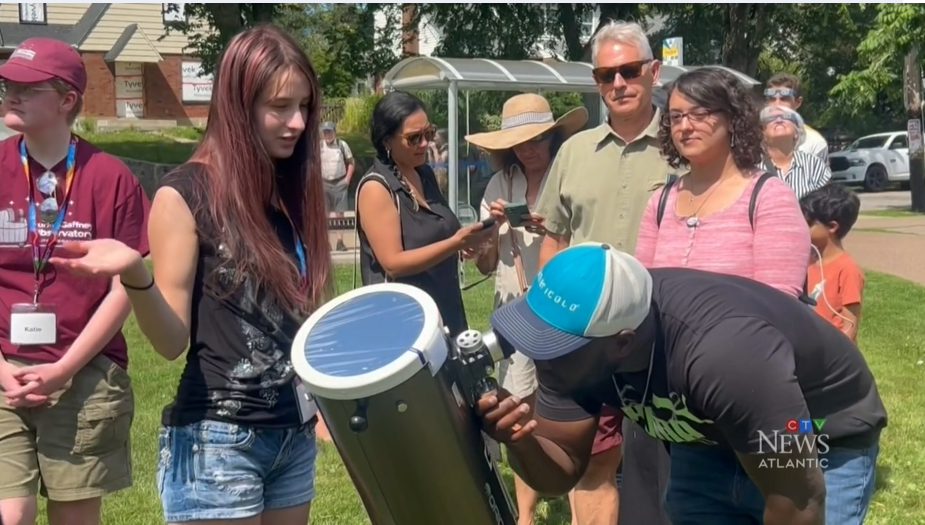
On August 12, astronomers and curious community members gathered in front of the Burke Building at Saint Mary’s to view the partial solar eclipse. Researchers and staff from SMU’s Burke-Gaffney Observatory (BGO) set up solar telescopes and provided eclipse glasses to anyone who wanted a safe glimpse of the event.

Halifax observed a partial eclipse with about 30% coverage, according to Tiffany Fields, Astronomy Technician for the BGO. In an interview with CBC News about the viewing event, Tiffany said, “Sharing this excitement, enthusiasm and wonder with the public is so vital and so important and also so fun. […] there’s sort of always that wonder of what’s going on in space. And so I really enjoy being able to share that with people.”

The Burke-Gaffney Observatory at Saint Mary’s is open to the public and focuses on education in the Department of Astronomy and Physics along with public outreach, including open houses and tours. Check the Burke-Gaffney Observatory website to learn more about upcoming solar and lunar events.

See videos below for news coverage of the event.

CBC News

CTV News

Powering the future from above

McNally East roof renewal turns a 70-year-old building into a clean energy engine

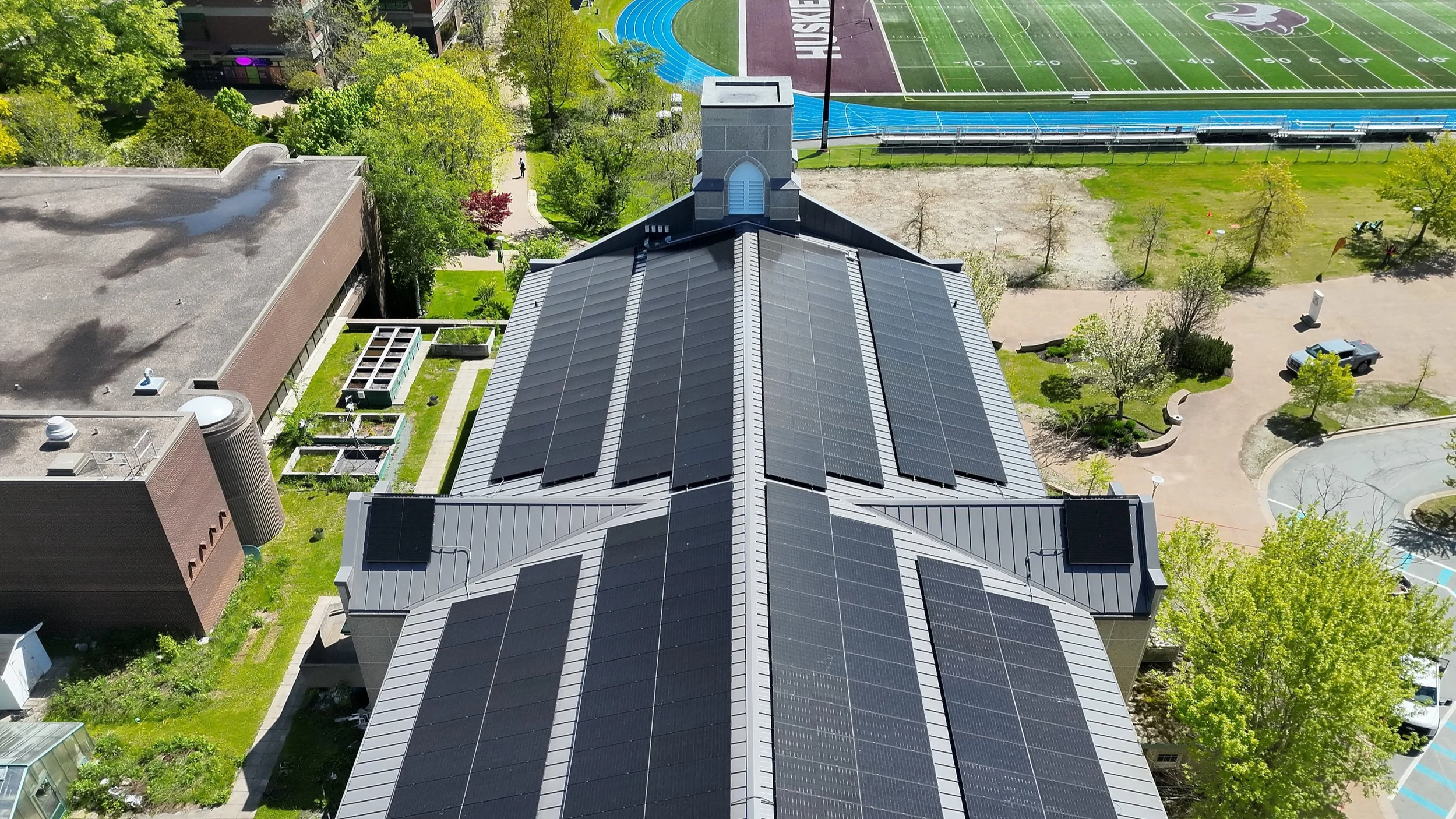
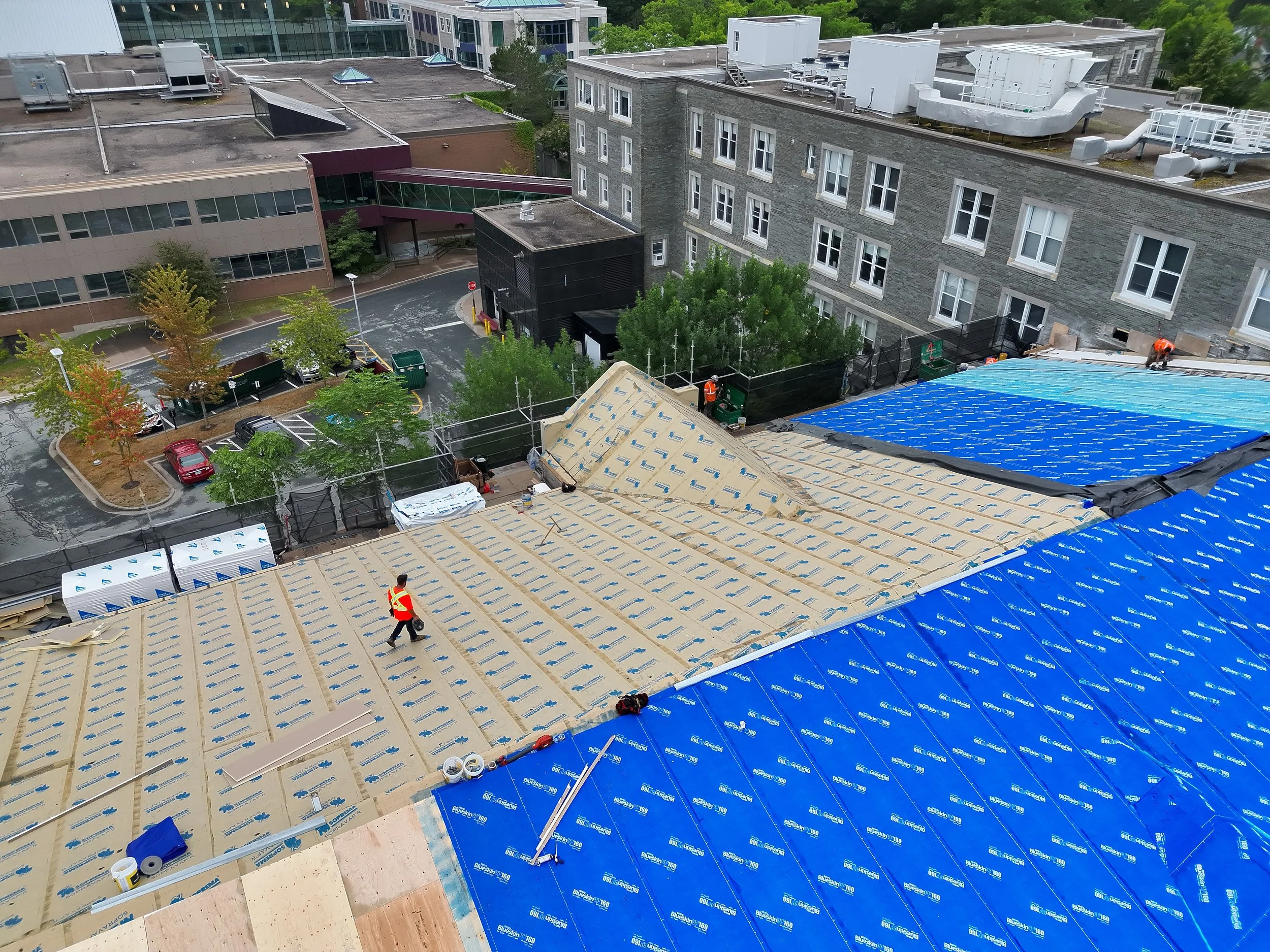
An aerial view of the McNally East roof with new PV panels

New PV panels on the rooftop of McNally East will generate electricity for the building

For seven decades, the roof of McNally East had exactly one job: keep the weather out. As of this summer, it has a second onepowering the building beneath it.

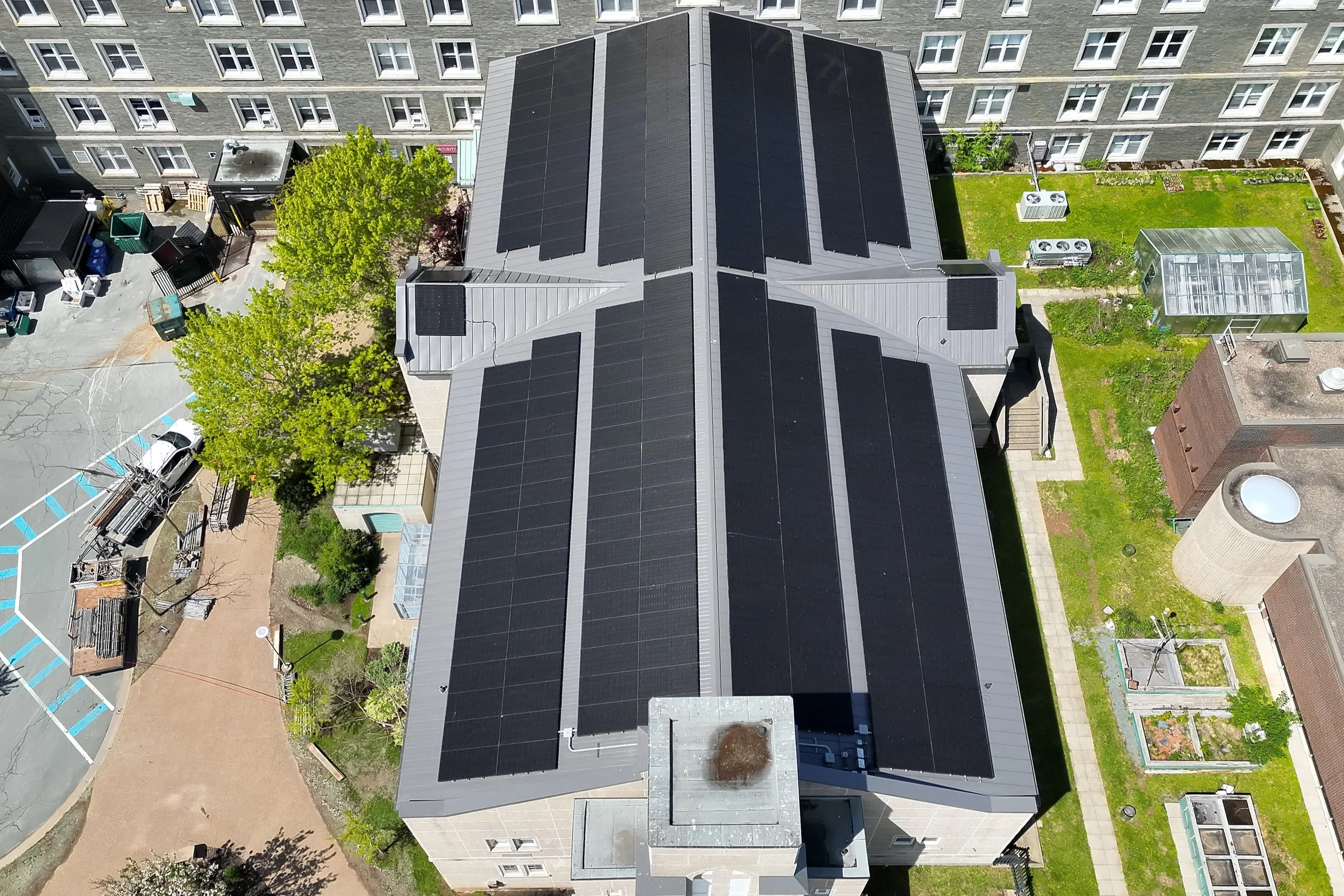
Saint Mary’s University has completed a full renewal of the 70-year-old roof on McNally East, part of the historic McNally complex at the heart of campus. The project pairs modern, climate-resilient construction with a new rooftop photovoltaic (PV) array.

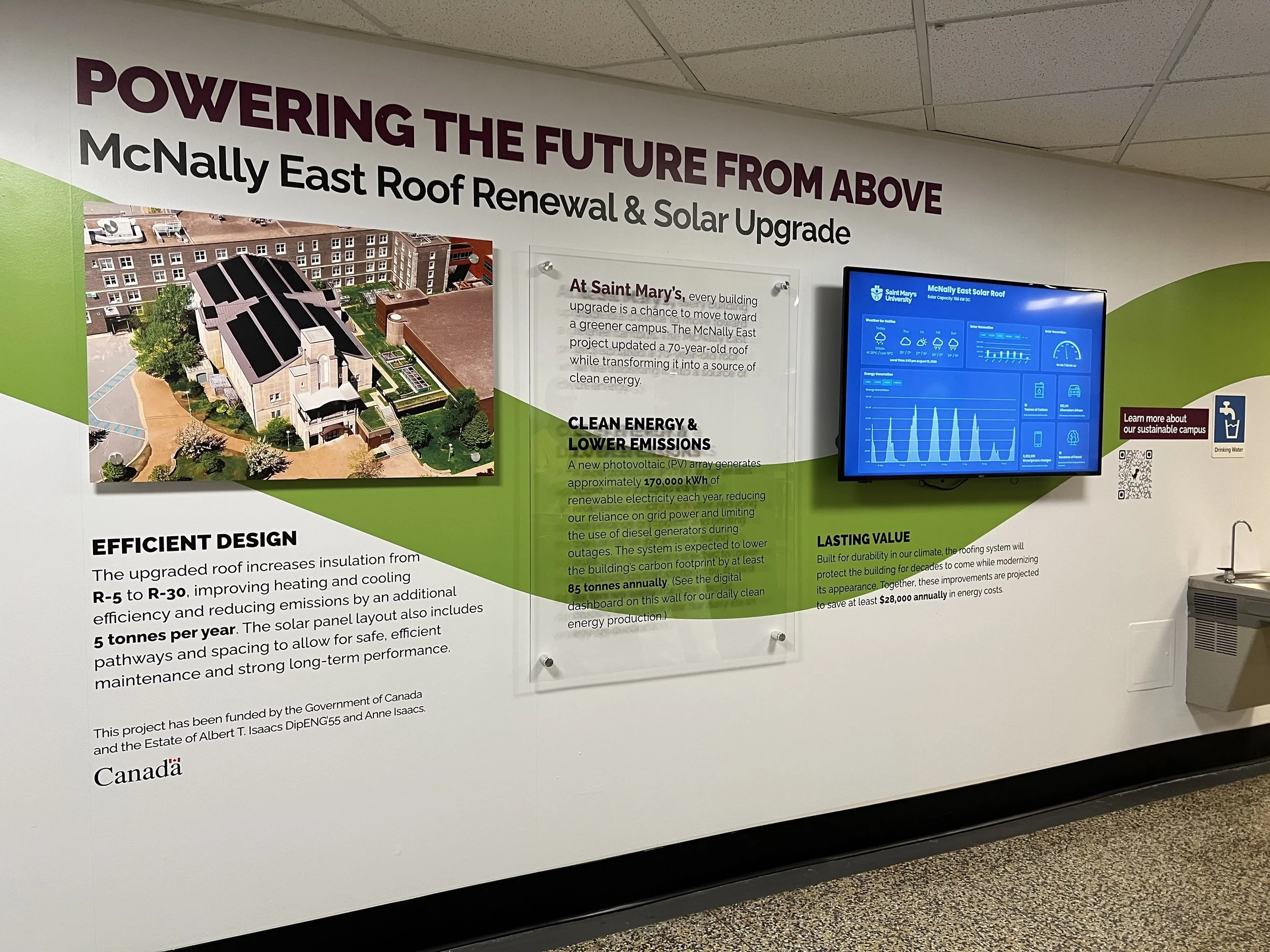
The system will generate approximately 170,000 kilowatt-hours of renewable electricity each year, reducing the university’s reliance on grid power. The installation is expected to cut the building’s carbon footprint by at least 85 tonnes annually.

An aerial view of the McNally East roof

McNally East after rooftop upgrades

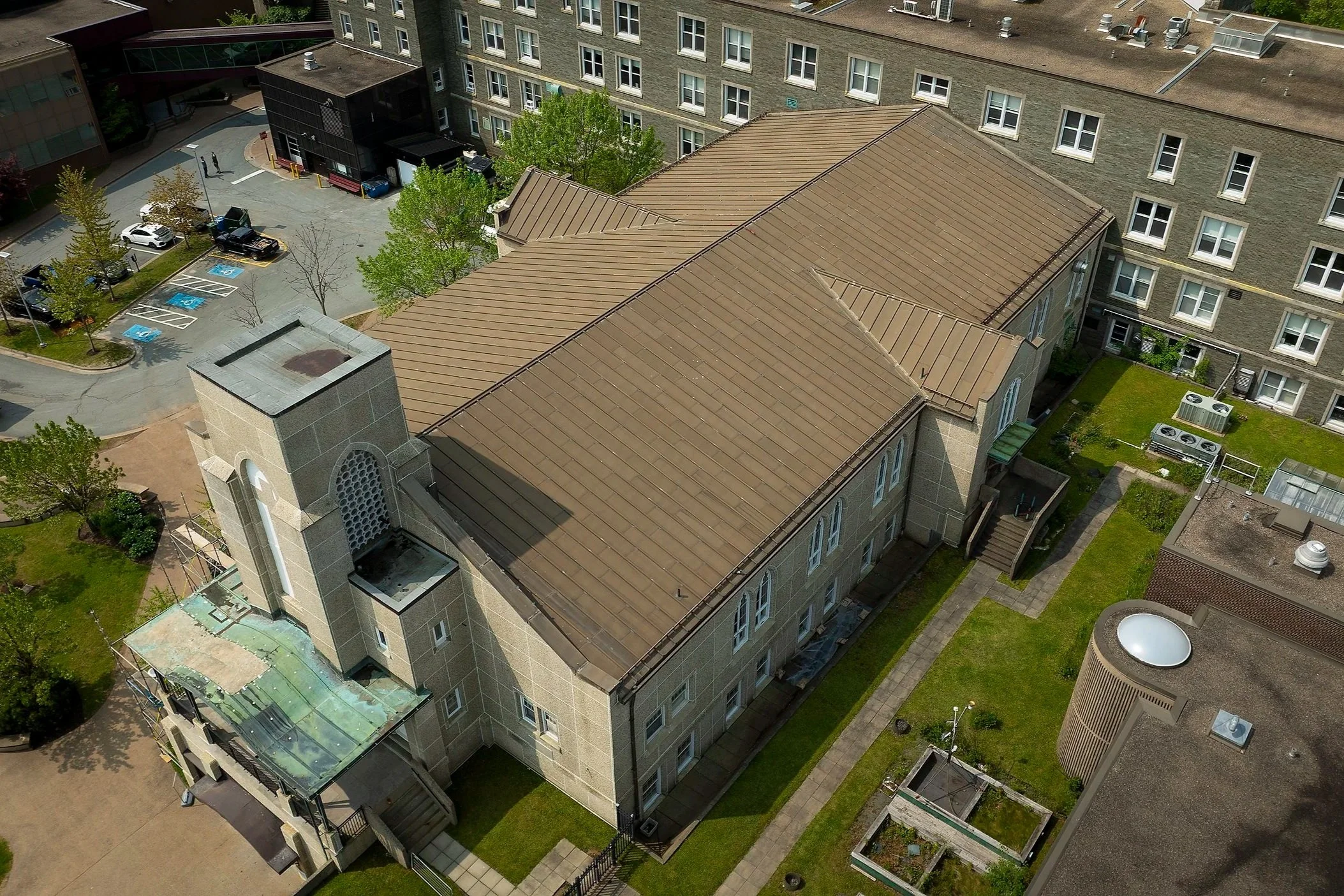
An aerial view of the roof before upgrades

McNally East before

"Every time we build or renovate on this campus, we ask the same question: how can this asset give more back?" says Dennis Gillis, Senior Director of Facilities Management at Saint Mary's. "McNally East needed a new roof either way. Now it keeps the weather out, keeps costs down and generates clean power every day. That's what responsible stewardship looks like in 2026."

The upgraded roof boosts insulation values six-fold, from R-5 to R-30, improving heating and cooling efficiency and eliminating a further five tonnes of emissions each year. Together, the improvements are projected to save at least $28,000 annually in energy costs.

Construction material and a worker shown on the McNally East roof

McNally East roof under construction

Our goal is a campus that produces its own energy, and we are accomplishing that one building at a time.
— Dennis Gillis, Senior Director of Facilities Management

The roof and solar array were designed for Halifax’s demanding coastal climate. The panel layout includes dedicated pathways and spacing for safe, efficient maintenance, protecting the system’s performance over the long term. The new roofing system will shield the building for decades to come.

A legacy seven decades in the making

On campus, a digital dashboard inside McNally East displays the building's clean energy production in real time, allowing students, employees and visitors to track solar generation as it happens throughout the day.

The project was funded by the Government of Canada and the Estate of Anne J. and Albert T. Isaacs DipENG'55.

McNally East’s original roof was built around the same time Albert Isaacs was completing his engineering diploma at Saint Mary’s. Seventy years later, his legacy is helping transform that same building into a source of clean power for the campus where the university’s newest generation of engineers will begin their studies this fall.

McNally East is the latest chapter in a clean energy story that has been drawing national attention to the South End campus for years. In 2024, Saint Mary's completed the recladding of the 22-storey Loyola Residence, wrapping the tower's south-facing wall in building-integrated photovoltaics (BIPV), solar technology that generates electricity while forming part of the building itself.

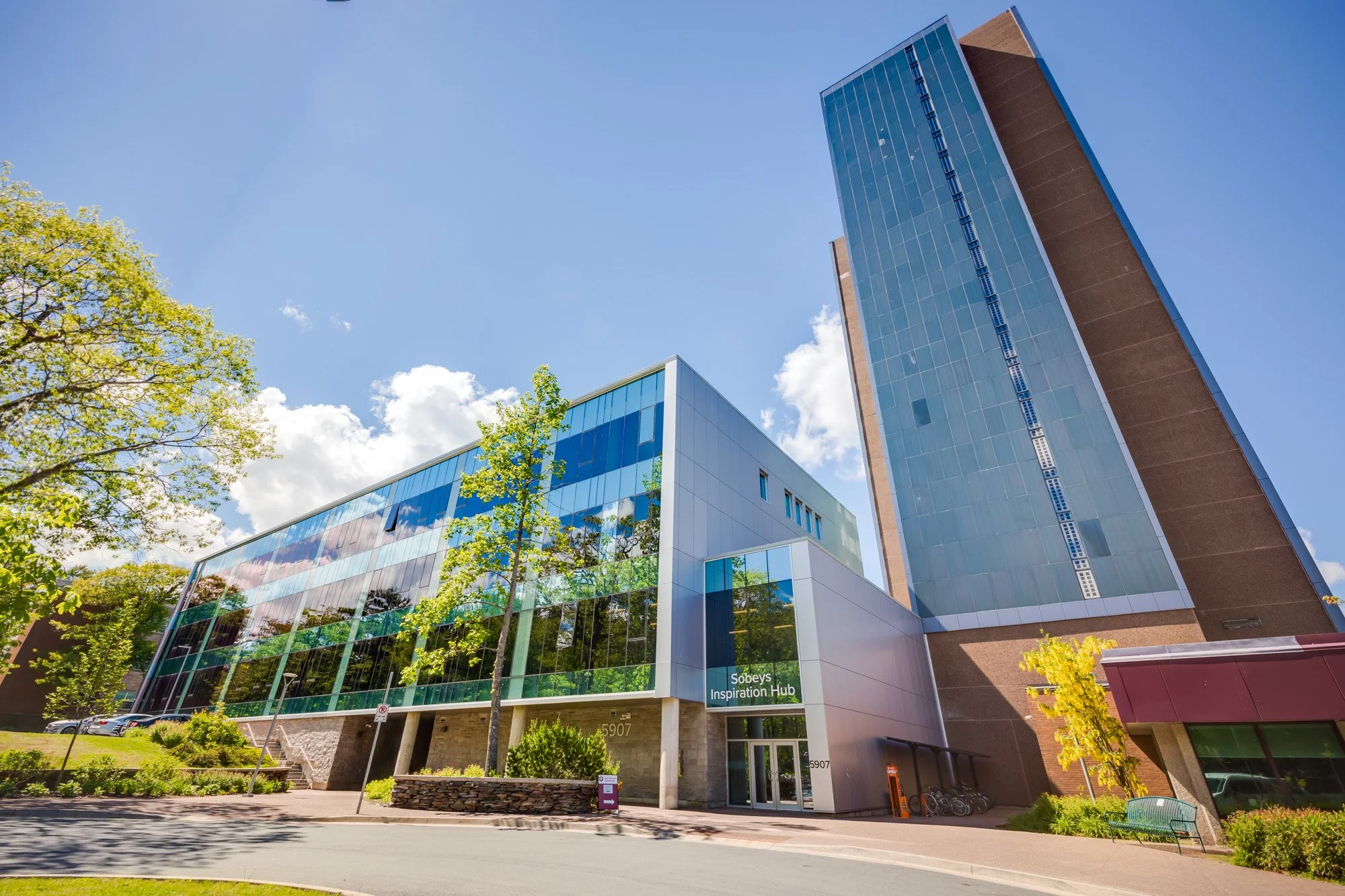
The south side of the Loyola residence tower and entrance to Sobeys Inspiration Hub

Loyola Residence was recladded with building-integrated photovoltaic panels in 2024

Rather than simply replacing deteriorating concrete on a 50-year-old residence, the university turned a maintenance challenge into a clean energy landmark. Delivered with Toronto-based Mitrex, the project earned Saint Mary's a Clean50 Top Project Award, recognizing it as one of Canada’s most innovative projects addressing climate change. It also drew national media coverage as the tallest solar-integrated building in North America.

Saint Mary’s has reduced its carbon footprint by 51.7 per cent since 2005 through a deliberate sequence of upgrades, including replacing its steam heating plant with a high-efficiency hot water system, switching from oil to natural gas for heating, converting campus lighting to LEDs, and benefiting from an increasingly renewable provincial electricity supply.

Future sustainability projects include a green roof for the Patrick Power Library, a new roof design for the Homburg Centre for Health & Wellness, and a solar canopy for the Science Building parking lot.

"A university's campus can teach as powerfully as its classrooms and show our values in action," says Dr. Michael Khan, President and Vice-Chancellor of Saint Mary's University. “Saint Mary's is part of the energy transition here in Halifax. We’re building it, measuring it and, starting this fall, teaching it through two brand-new programs."

In September 2026, Saint Mary's will launch two programs that connect the university's sustainability leadership with career-ready education on a campus that doubles as a working laboratory.

The new Sustainability Management major at the Sobey School of Business teaches students how organizations grow while protecting the environment and strengthening communities. Graduates will step into some of the economy's fastest-growing fields, from sustainable finance and ESG reporting to consulting and social enterprise.

The new Renewable Energy Engineering stream, one of two options in the just-launched Bachelor of Engineering in Resource Engineering, will train students to design, build and operate the clean power systems of the future. Coursework will cover solar and wind energy, biomass, grid integration and energy storage, supported by laboratory learning, fieldwork and paid co-op opportunities.

Carlos Fernando Aguilar Estavillo had planned to study industrial engineering while attending Saint Mary’s. That changed when he learned about the new Renewable Energy Engineering stream.

“When they announced it, I was super excited,” says Aguilar Estavillo. “I'm especially interested in wind energy here in Nova Scotia, but also battery storage and grid integration. I think universities should not only teach sustainability, but they should also demonstrate it. The new solar panels on campus let students see how renewable energy works in real life."

Four people stand outdoors near an industrial solar panel. Students take notes while the guide in safety gear gives a demonstration

Carlos, second from right, visits a solar farm on a tour led by SMU alum Karsen Cain with SwitchPace. He’s joined by engineering classmates Aiden Sheppard and Anabella Ferrari. Students will start the new Renewable Energy Engineering program at SMU this fall.

I think universities should not only teach sustainability, but they should also demonstrate it.
— Carlos Aguilar Estavillo, SMU Engineering student

Saint Mary's sits in Halifax's historic South End, on a walkable peninsula minutes from the Atlantic Ocean, in a province working toward 80 per cent renewable electricity by 2030.[1] As Nova Scotia’s role in the clean energy transition grows, Saint Mary’s is helping shape that future, both through the infrastructure it builds and the students it prepares.

The next time you are in McNally East, look up and then look at the digital dashboard; it will tell you exactly what the sun has done for Saint Mary’s that day.

Learn more at smu.ca/sustainabilty


Mapping the system: Beyond the waitlist

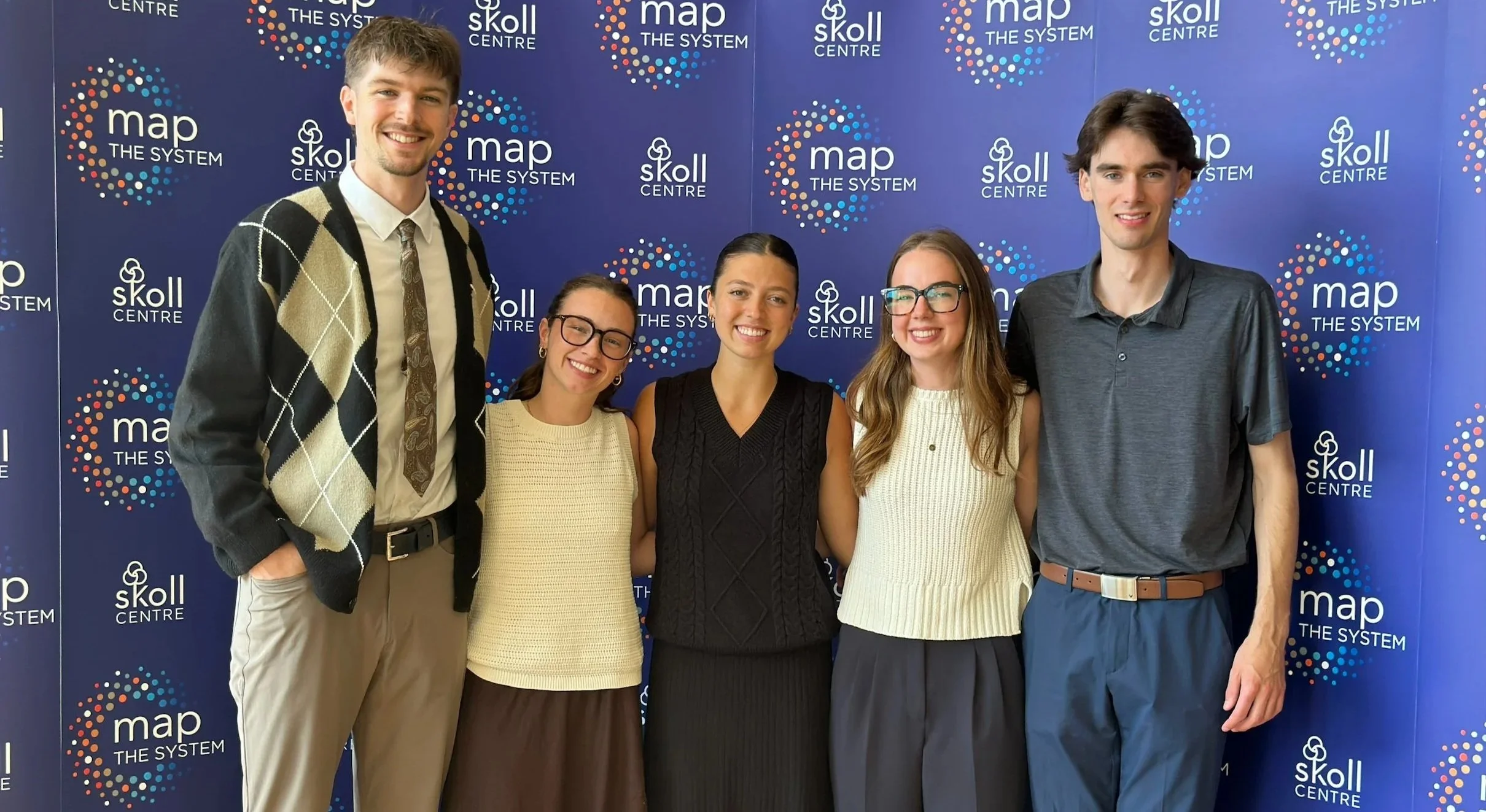
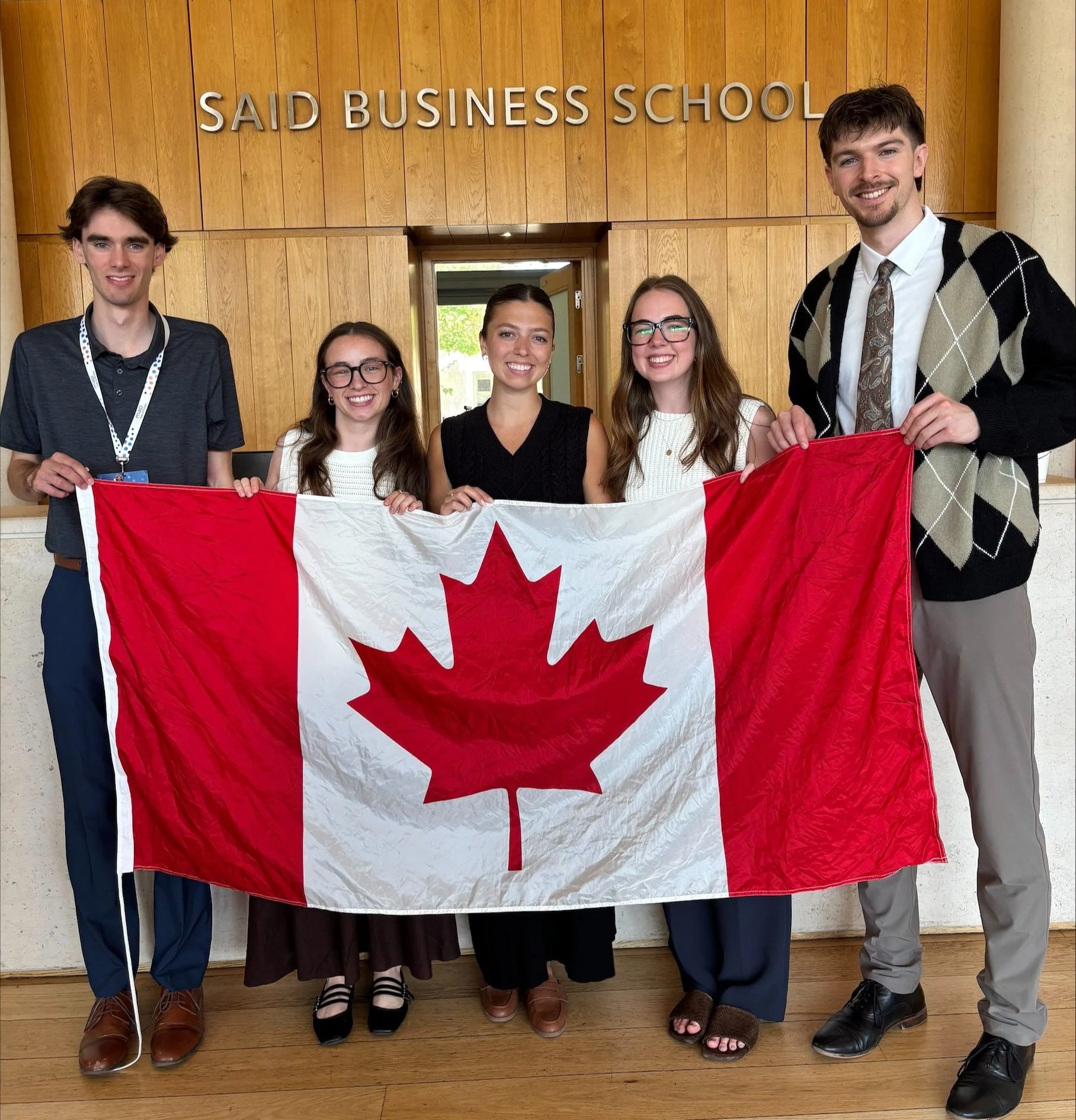
Jonah Crowther, Katie Brooks, Julia Faloon, Anna Streeter and Luke Pound represented the Sobey School of Business at Map the System in the UK

Sobey MBA Team recognized for mapping Nova Scotia’s family physician shortage

Last week, a team of Sobey MBA students received a Systems Mapping Excellence Award in a competition called Map the System (MTS), held at Oxford University, UK. It was the first time a Saint Mary’s University team had entered the competition. Julia Faloon, Anna Streeter, Luke Pound, Jonah Crowther and Katie Brooks analysed and presented on the systems around Nova Scotia’s family physician shortage.

Founded in 2016, the Map the System competition, held at the Skoll Centre for Social Entrepreneurship, builds a community of practitioners, educators and students around systems thinking, an approach to entrenched and intractable social and environmental problems that examines both mitigating and exacerbating factors. The competition stands apart from most others in that participating teams are not tasked with building solutions and recommendations. Instead, they are evaluated on how well they have mapped and analysed the contributing factors to a problem, their ability to translate data into a compelling story, and their understanding of root causes and potential leverage points for change.

The team holds a large Canadian flag under a sign reading Said Business School

The team received a Systems Mapping Excellence Award for their analysis of the Nova Scotia family physician shortage

In the SMU team’s analysis, some of the factors were immigration trends, rural versus urban realities, career perceptions of family medicine, public expectations, burnout and isolation. During the analysis, retention of doctors and perceptions about the attractiveness of family medicine as a career option appeared as weaker areas in the system.

In addition to traditional research, Anna said, “We got to listen to a lot of different perspectives throughout our entire project, whether they were from different organizations or different levels within the organization, but they all helped reveal something different about the system we were looking into, which we may have overlooked if we didn't reach out to them.”

Systems thinking in MBA

Annika Voltan teaches an MBA course called Sustainable Change Leadership, where she introduces systems thinking as an essential skill for future leaders. This past winter, students in her class participated in the campus-level Map the System competition.

In reflecting on why she feels that systems thinking and systems mapping are so important, she noted: "In today's busy world, we're often evaluated based on efficiency and productivity measures, which leads us to jump into solutions when faced with problems. But the complex challenges we're facing require deeper understanding of contributing factors, power dynamics and interconnections if we're going to be able to shift toward better outcomes. Systems thinking is increasingly being recognized as an essential skill set for navigating the wicked problems of our time."

Camaraderie and support

The team were impressed by the collegial and supportive atmosphere associated with the competition, all the way through. They received advice and encouragement from several Sobey professors, as well as from staff at the Arthur L. Irving Entrepreneurship Centre and Executive and Professional Development. MTS assigned the team three judges. Here in Halifax, they connected with a health researcher named Sam Petrie who competed at MTS in 2020. The others were Ishaw Sharma (Toronto) and Mariana Cardenas Marquez (Montreal). Even the judges were supportive, said Katie: “They were rooting for you to succeed in the questioning. They wanted to give you the opportunity to share more, if you missed anything and really show your understanding.”

Jonah added that after complimenting another team on their presentation, that team commented about the SMU team being all MBA students. Jonah said, “I kind of took a step back and thought, wow, they view almost us as the experts.” While the team may not be experts in healthcare, they were the people in the room who knew the most about the Nova Scotia healthcare system, thanks to their research and analysis.

Coming into the competition, Julia noted they had expected it to be intense and perhaps more rigid. “The camaraderie that we all felt, the gratitude that was in the room for everyone being there was super cool to experience.”

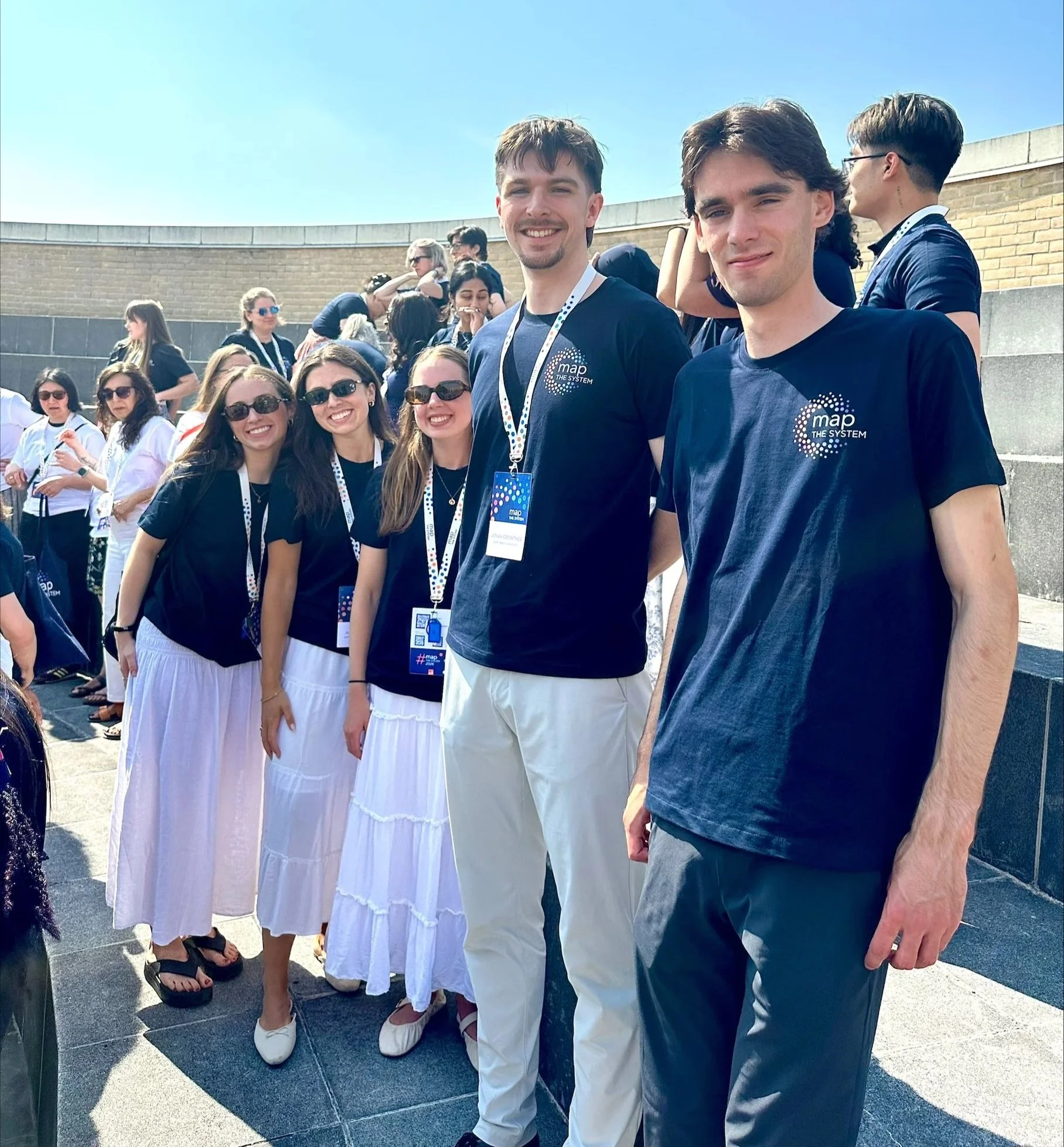
The students pose outdoors wearing Map the System tshirts

The team is excited to share their report findings at Lead With Purpose Day in November

Looking forward

Looking ahead, the team is excited for another SMU team to participate next year so they can share some of what they learned.

“How do you even articulate to the class that comes in next year? Like, how do you get people to feel like we feel right now about it, because we're so in it,” said Katie.  Anna noted they hadn’t expected the breadth or complexity of some of the issues being mapped.

The passion and storytelling of the finalist teams made a strong impression on Jonah. “I think what I really appreciated was not just learning about the issues happening in those countries, but also just seeing the passion they brought when they were presenting on those topics.”

What happens now with the report? They will be bringing it to the PRME research expo at the Sobey School of Business’ Lead With Purpose Day on November 20. Katie says, “You can do a lot with this. So many people in the community now want to read our report and our findings.”

From supporting founders to becoming one: David Campbell BComm’24

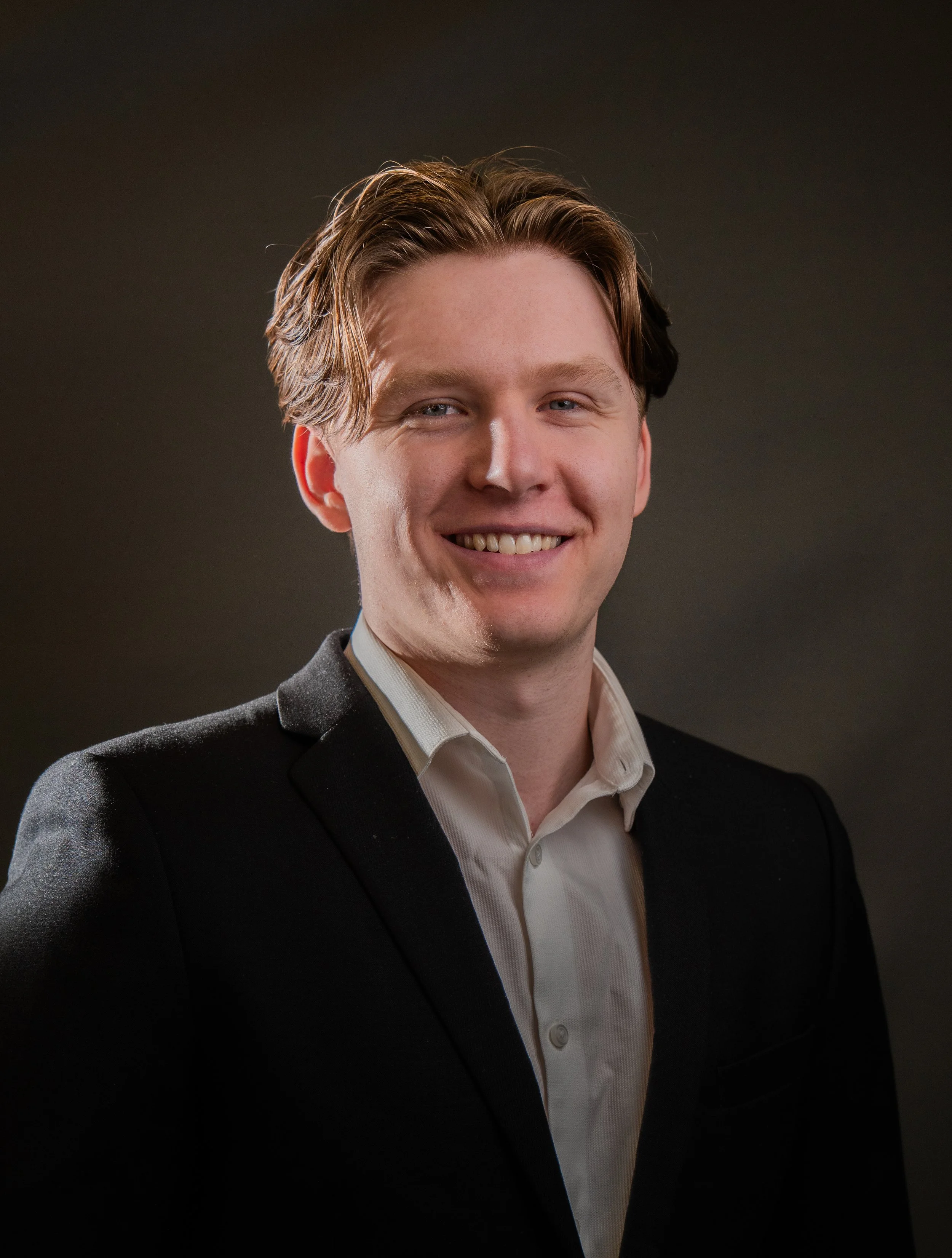
David Campbell BComm’24

For David, entrepreneurship wasn't always part of the plan. In fact, he says he never considered himself a naturally entrepreneurial person. But after spending years surrounded by founders and innovative ideas at Saint Mary's University, his mindset began to change.

Today, David works at the Arthur L. Irving Entrepreneurship Centre, where he supports student founders and helps create entrepreneurship programming. Outside of work, he's building his own startup, Recordium, alongside co-founders Harpreet Jaggi, an experienced B2B sales professional, and Max Mascini, a Dalhousie University master's student specializing in AI ethics, neuroscience and machine learning.

The team recently received a major boost after being accepted into the AI2Market Launch incubator, earning $10,000 in funding to help bring their business to life.

Recordium was born from a real-world problem. After hearing about the challenges Harpreet faced while attending sales conferences, the team realized that many professionals invest significant time and money into events without having the tools to prepare effectively or capture valuable conversations afterward.

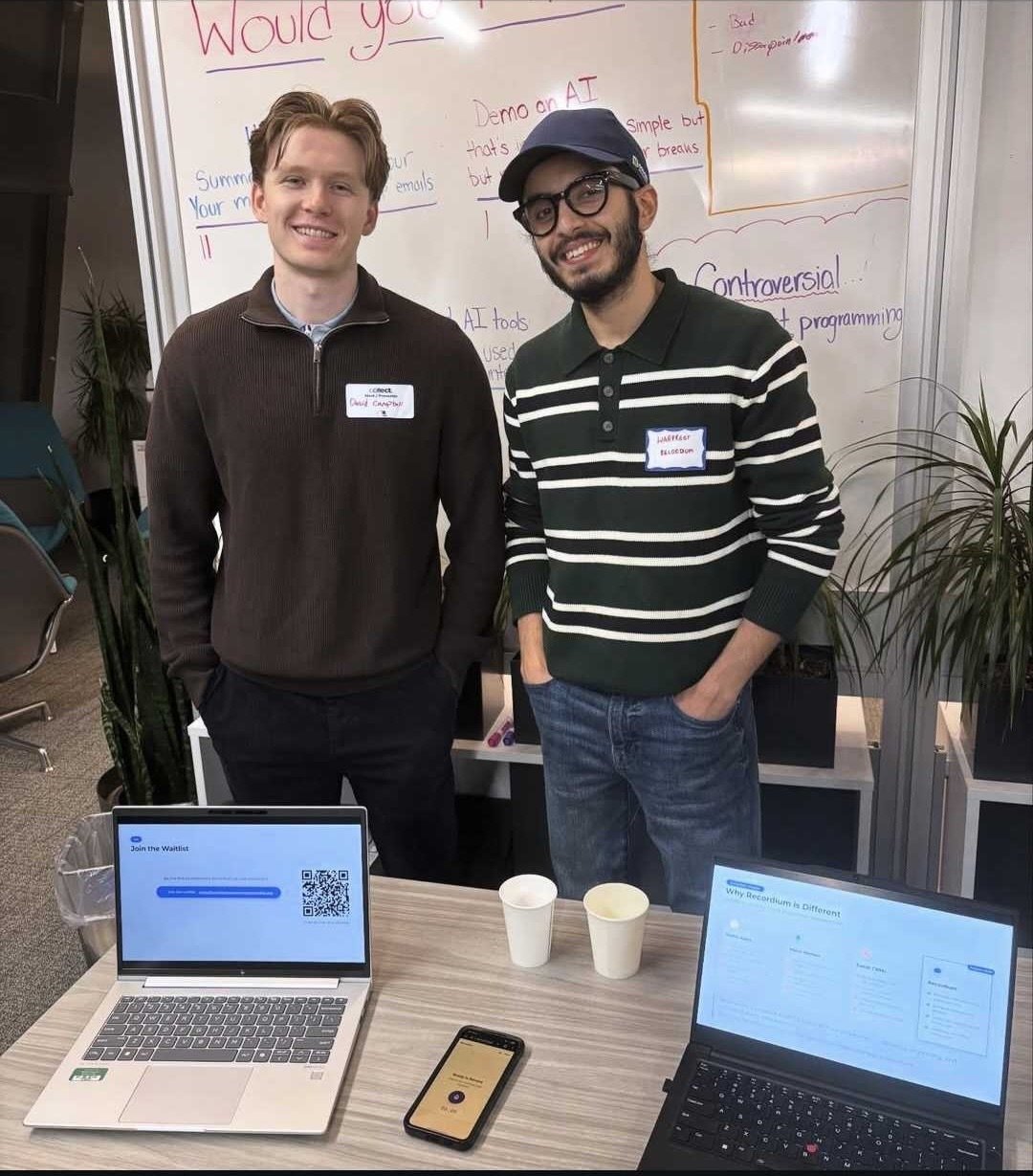
David and Harpreet, Co-Founders of Recordium

"There's no real system for remembering who you spoke to, following up or learning from those interactions," David explains.

That's why the team is developing a comprehensive conference assistant that helps users prepare before events, identify the right people to meet and use AI-powered note-taking and CRM updates throughout the day.

For David, building Recordium has reinforced many of the lessons he shares with aspiring entrepreneurs every day.

Working at the Entrepreneurship Centre taught him the importance of validating a problem before investing time into building a solution. Now, experiencing customer discovery, product pivots and pitching firsthand has also made him a stronger mentor for students.

“I’m now able to help students by using my lived experience,” he says.

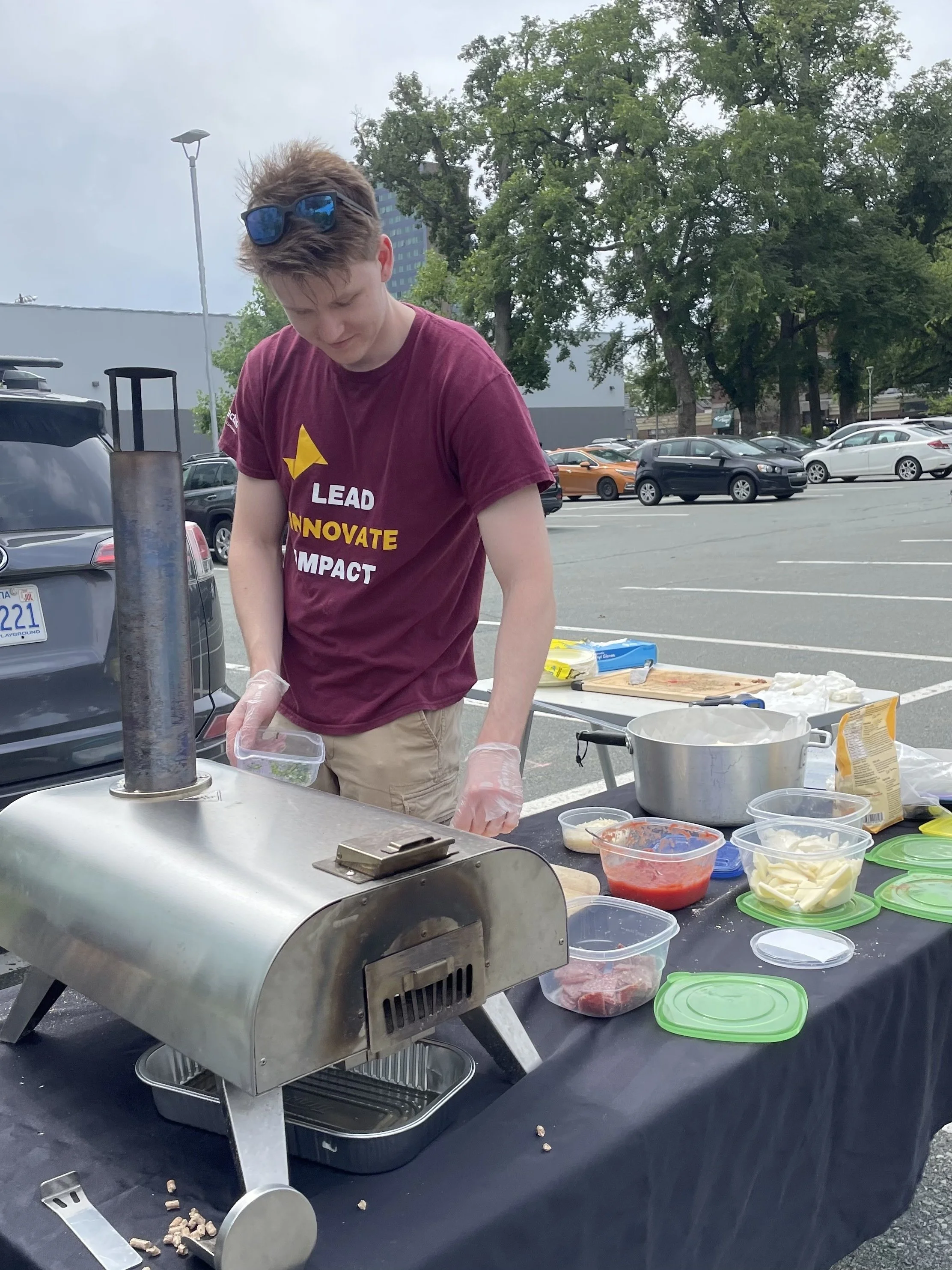
David’s previous ventures included a drive-thru wood-fired pizza business

His own entrepreneurial journey has included previous ventures, from a drive-thru wood-fired pizza concept to a woodworking business. While neither succeeded in the long term, each experience taught valuable lessons and helped build confidence to pursue his latest venture.

Looking ahead, the Recordium team is focused on getting the platform into the hands of sales professionals who regularly attend conferences and networking events. With support from AI2Market Launch and fresh funding behind them, they're eager to discover where the product can create the greatest impact.

David's advice for aspiring entrepreneurs is simple: talk to people before you build anything.

"The actual problem people are facing starts to emerge quickly when you're having real conversations," he says. "And just start, even if you think the idea is bad or you don't fully believe in yourself yet. What you learn along the way will be well worth it."

Discover how the Arthur L. Irving Entrepreneurship Centre supports entrepreneurs like Recordium. 

Sociology grad receives prestigious SSHRC Research Scholarship

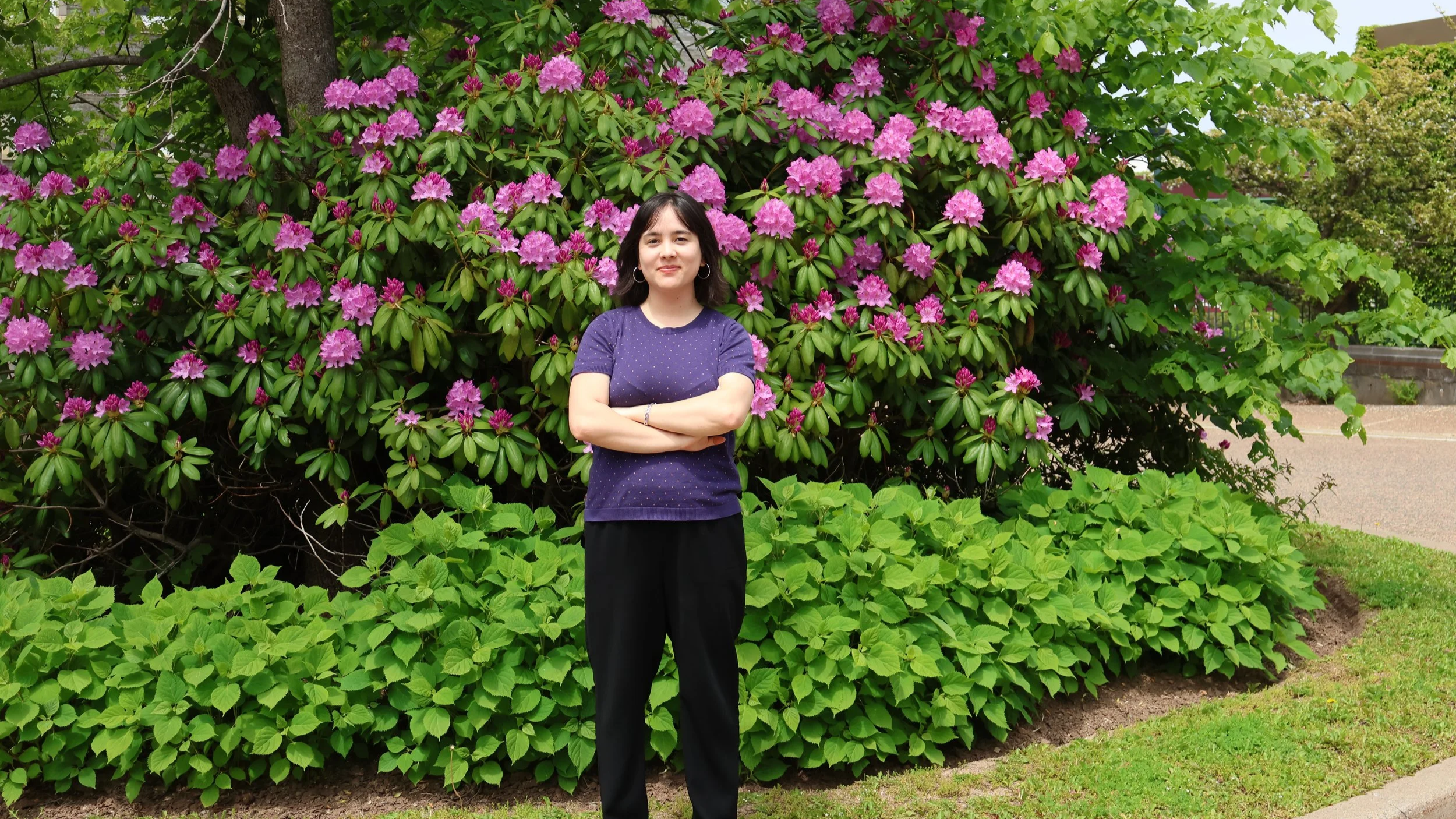
Sarah Delorme stands outdoors in a garden

Sarah Delorme BA’26

Sarah Delorme, a Sociology Honours graduate from Saint Mary's University, was recently awarded a $27,000 Canada Graduate Research Scholarship – Master's (CGRS-M) from the Social Sciences and Humanities Research Council of Canada (SSHRC). The scholarship will support her Master of Arts in Sociology at Concordia University beginning in Fall 2026. In addition, Sarah has been awarded a $6,000 Graduate Special Entrance Scholarship from Concordia University.

After completing the first two years of her Bachelor of Arts at Laurentian University in Ontario, Sarah transferred to Saint Mary's University, where she became deeply involved in academic and campus life. She first served as Secretary and later as Co-President of the SMU Sociology Society, helping to organize both small- and large-scale events for students.

Sarah also gained valuable research experience through several projects. She worked as a research assistant and newsletter assistant editor for the GBV-MIG Canada Research Program under the supervision of Dr. Evangelia Tastsoglou, contributing to research on gender-based violence and migration. Her broad interest in sociological issues also led her to work as a research assistant on Dr. Rui Hou's research on digital mental health interventions for Asian immigrant youth and on Dr. Pauline Hoebanx's research exploring misogynistic online movements.

Beyond her academic work, Sarah has contributed to the Saint Mary's community in numerous roles, including as a Sociology Teaching Assistant, Assistant for the Sobey School of Business Research Newsletter, Secretary of the SMUSA Board of Directors, Game Day Ticketing staff with Athletics & Recreation, and Peer Notetaker for the Fred Smithers Centre for Student Accessibility.

A consistent Dean's Honour List student, Sarah received a Bursary Award in 2022 and an Academic Excellence Award in 2023 from Laurentian University. At Saint Mary's University, she earned an Academic Achievement Award and several other merit awards. In 2026, she was awarded the Outstanding Graduating Sociology Student Award by the Canadian Sociological Association (CSA).

Inspired by her work with the GBV-MIG project, Sarah completed her Honours thesis on the resilience of migrant and refugee women who have experienced gender-based violence in migration contexts.

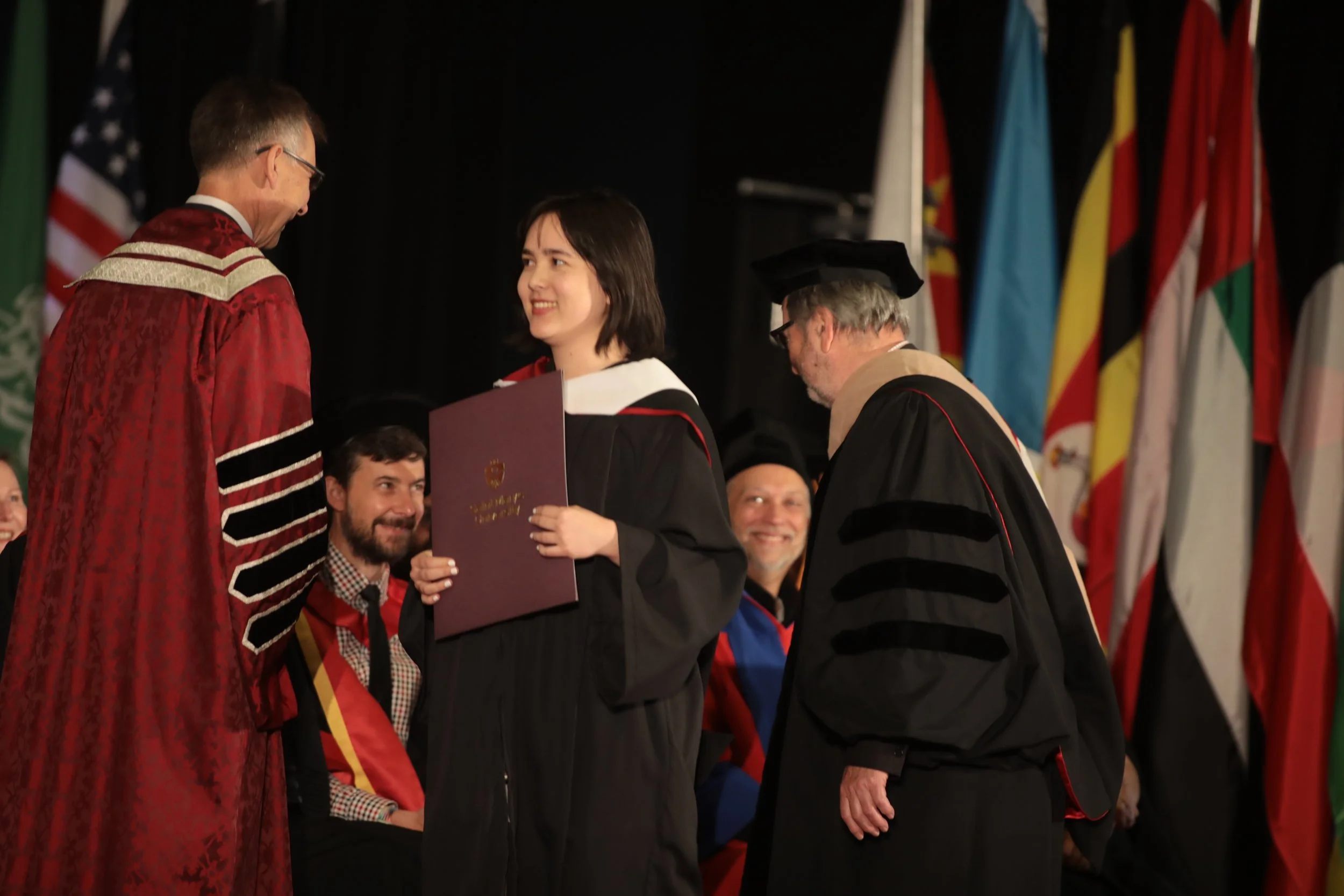
Sarah at Convocation in May 2026

Reflecting on the award, Sarah said she is grateful for the opportunities and mentorship she received throughout her time at Saint Mary's.

"Receiving this scholarship is incredibly exciting and affirming. My experiences at Saint Mary's gave me the opportunity to explore a wide range of sociological topics, work alongside inspiring faculty members, and contribute to research that addresses important social issues. Through those experiences, I discovered a passion for research and a desire to better understand how people navigate complex challenges. I'm excited to continue that work at Concordia and build on the foundation I developed at Saint Mary's."

Dr. Evie Tastsoglou, Professor of Sociology cross-appointed in Political Science and Global Development Studies, said Sarah's success reflects both her academic abilities and her commitment to meaningful research.

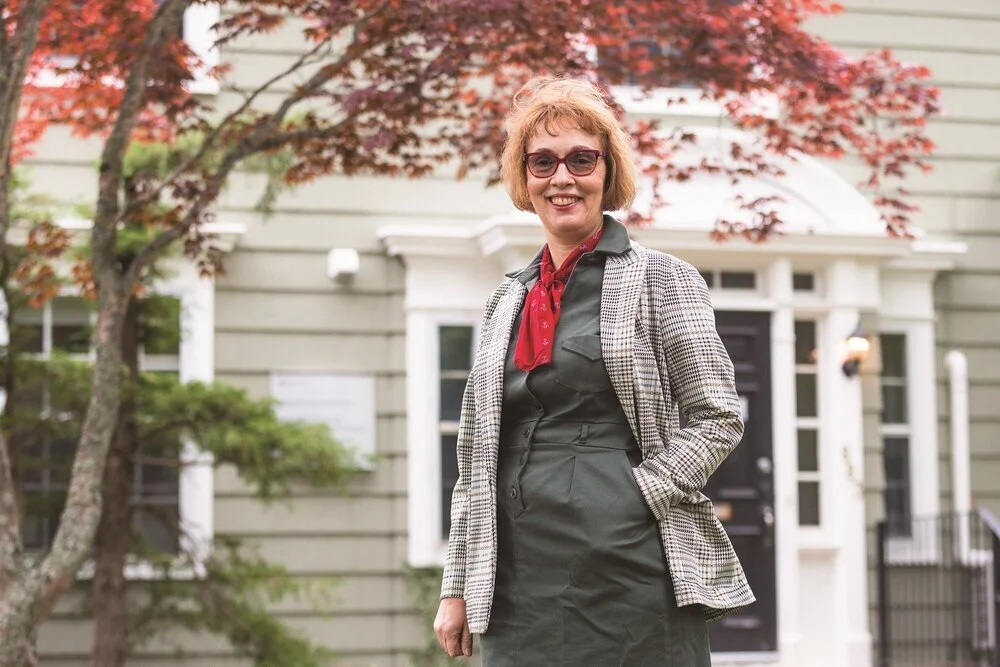
Dr. Evie Tastsoglou

"Sarah has distinguished herself through her intellectual curiosity, strong work ethic, and commitment to understanding issues that affect marginalized communities. Whether as a student, research assistant, or campus leader, she has consistently demonstrated thoughtfulness, professionalism, and a desire to make a positive contribution. This SSHRC award is a well-deserved recognition of her achievements and potential as a scholar."

As she prepares to begin her master's studies at Concordia University, Sarah looks forward to continuing her research and contributing to important conversations in sociology. Her achievements reflect a strong commitment to academic excellence, community engagement, and meaningful social research.

Automating for the future

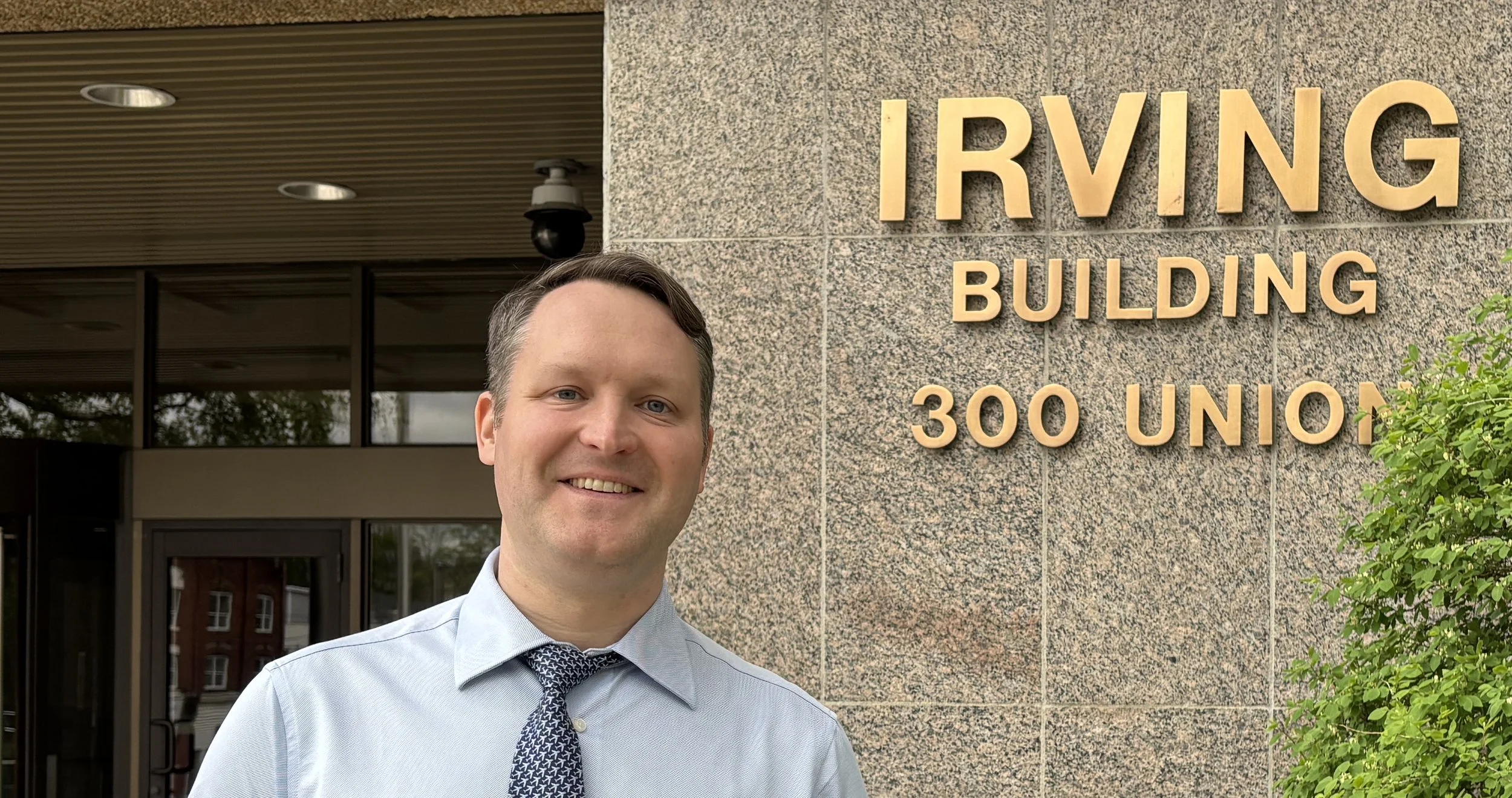
Michael pictured in from of the Irving building

Michael Toner has a restless drive to streamline and improve data analysis through AI automation

When Michael Toner completed his Screen Arts and Cultures degree at the University of Michigan, he didn’t anticipate that every job he would get would end up being about data.

The Los Angeles native says, “Whether it was ingesting footage for reality TV, mapping demographics for the city, or managing financial accounts at LA Metro, I kept finding myself automating the work and eventually realized that was the part I actually loved.”

He set out to identify a Master’s program that would let him focus on the intersection of business and data. A factor he had to consider was that he did not have a traditional STEM background, something many programs were looking for.

The Sobey Master of Business Analytics (MBAN) program was the right fit for Michael.

“Saint Mary's stood out in a narrow field. Only a handful of universities offer an MBAN program — most institutions go the MBA or Master of Data Science route,” says Michael. He plans to pursue a career in financial automation. He notes, “Financial data is unusually clean and structured compared to most domains, which means someone with the right skills can move fast and have real impact. And the demand is everywhere. Every company has a finance function.”

Testing his mettle

During the program, Michael has enjoyed competition opportunities to explore his enhanced skillset with coding and AI, developing promising innovative solutions for long-term intractable problems like food insecurity and emergency department wait times.

“At RBC Hubhacks, my team built an AI-powered financial engineering solution for food insecurity in Nova Scotia. We did well enough that we were invited to present to Halifax Partnership and then to Feed Nova Scotia directly. At CGI Datajam, we placed third out of 30 teams with an AI screening tool that cut emergency department wait times by roughly two hours per patient.”

Bringing automation to research insights

In January 2026, professor Chantal Hervieux hired Toner to work with the Centre for Leadership Excellence as a research assistant. CLE had built a relationship with a company called TrendAI, which was looking for background and industry research. TrendAI is an AI-powered demand planning and supply chain tool aimed at small to medium fashion retailers in Canada. It was founded by longtime friends, one with a background in textile manufacturing, the other in software-as-a-service.

Michael describes his research assistant role this way: “I ran background research on the Canadian fashion industry to identify TrendAI's best point of entry, surveyed small and medium enterprises, and from that built the product specifications, business model, development roadmap, and pathway to profitability.”

The survey was challenging. Response rates were so low, Michael needed thousands of contacts to reach statistical significance. When databases available through the library were insufficient, he created a solution: “I wrote Python to pull contacts from the Google Maps API and ended up with about 6,500 emails. The takeaway I'll carry forward is to think about response rates and outreach scale upfront, and to reach for technical solutions earlier rather than grinding manually.  Automating outreach was the only way the research worked at all.”

A glimpse of the future

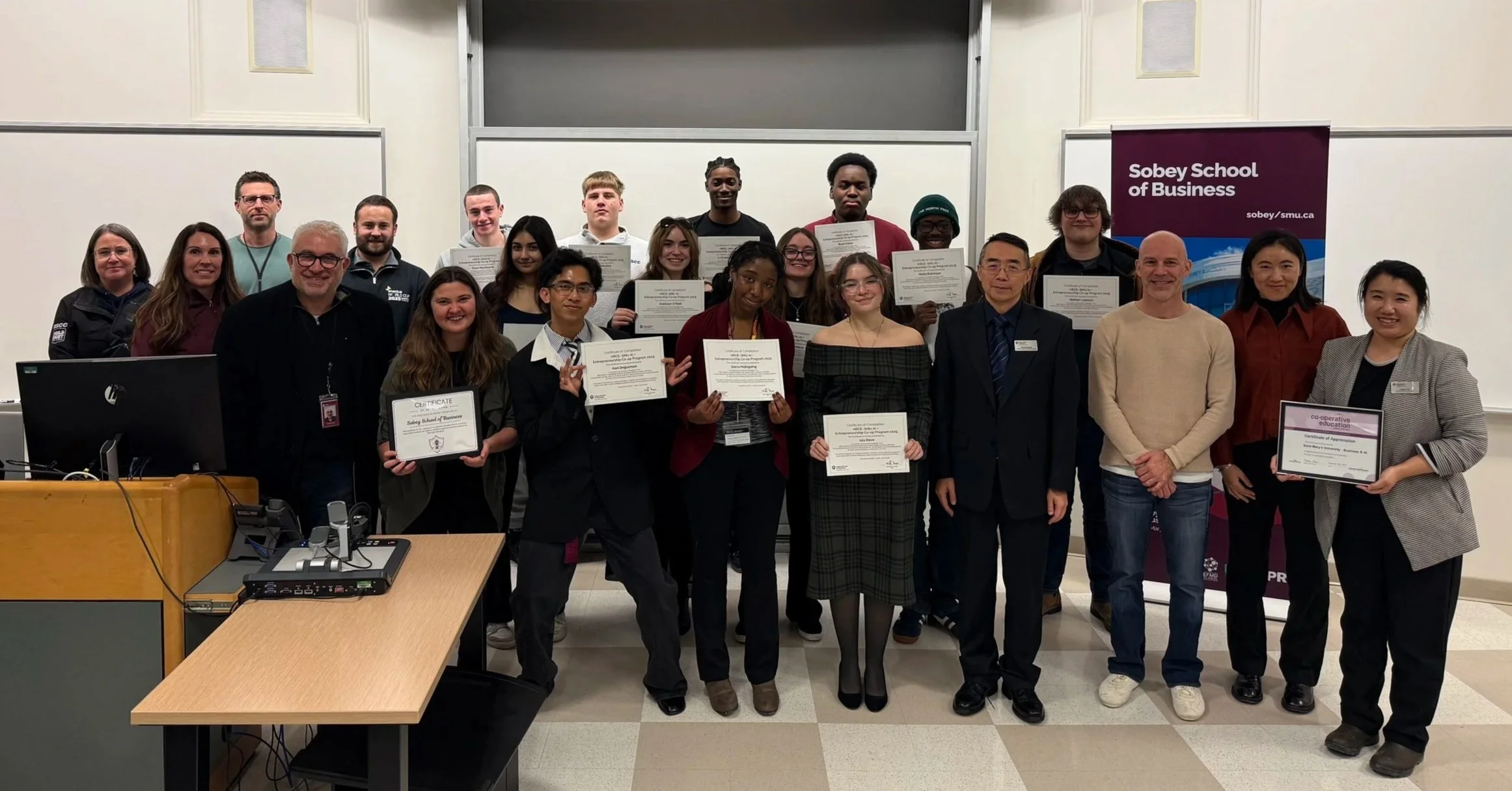
High school students participated in SMU’s AI co-op

Michael shares that there was a surprise for him in the research. “I interviewed three Canadian business owners running operations out of their garages with fewer than five employees. Twenty years ago, that same output would have required a hundred people. The headline finding from the surveys was that AI is acting as an equalizing force for small businesses, not a threat — and these three were proof. That's the future I want to help build.”

He is already working on building the future – last winter, he was one of the MBAN students who taught a cohort of high school co-op students about AI. Michael is currently doing an internship with JD Irving in Saint John while completing his degree. He will graduate next winter.

How one Saint Mary’s University student balanced school, entrepreneurship and visual storytelling

Prateek Tamta

Prateek Tamta has spent the past two years helping shape the visual identity of the Arthur L. Irving Entrepreneurship Centre while balancing being a student in university, entrepreneurship and leadership roles outside the classroom. 

Originally from India, the Saint Mary’s University arts student is a self-taught photographer, cinematographer and designer who built his creative business, Pixels by Prateek, alongside his studies. Through photography, videography and storytelling, he has helped capture the energy of the Centre’s events, programs and entrepreneurial community while continuing to grow his own brand in Halifax. 

Prateek’s creative journey started long before university. 

“My mom used to buy film cameras when I was a kid and print albums of photos,” he says. “As I grew older, I became very keen on all things tech-related, would take a lot of photos on my phone, draw in my free time and watch lots of tech tutorials to get better at design.” 

What began as curiosity quickly evolved into a passion for multidisciplinary storytelling. Over time, Prateek taught himself photography, videography and design through online tutorials, experimentation and trial and error. 

“The most important skill I learned was how to learn anything,” he says. “Since I am self-taught, most of my skills came from Googling, YouTube tutorials, Skillshare courses and just trying things out.” 

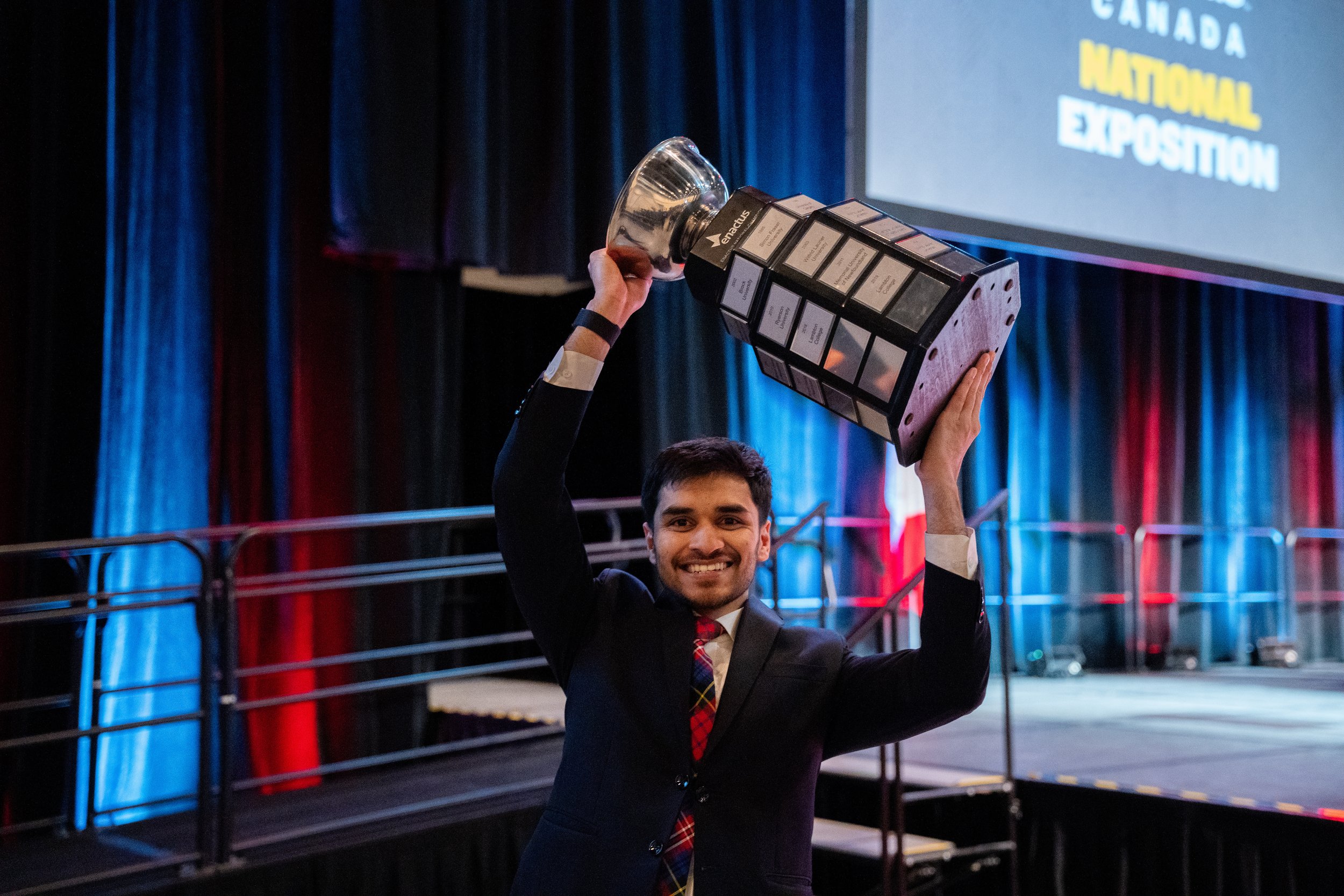
Prateek holds the Enactus World Cup trophy

While building Pixels by Prateek, Prateek was also balancing classes, his role at the Arthur L. Irving Entrepreneurship Centre and leadership responsibilities with Enactus Saint Mary’s University. As VP of Tech alongside Co-VP Maya Campbell, he helped lead the tech team during Enactus SMU’s World Cup win. 

“It was one of the most rewarding experiences of my life,” he says. “We pulled all-nighters, problem-solved and built a system that future tech teams could use as a base. The win felt worth it because everyone worked so hard to get there.” 

At the Arthur L. Irving Entrepreneurship Centre, Prateek’s visual storytelling helped strengthen the Centre’s online presence by capturing authentic moments from events, student ventures and the entrepreneurial community. Through reels, photography and creative content, his work helped showcase the people and stories behind the Centre. 

Balancing so many responsibilities was not always easy, but Prateek credits the Centre with helping him grow both personally and professionally. 

“I was lucky enough to get a job at the Entrepreneurship Centre that let me work more within my skillset while giving me enough time to do well in classes as well as business,” he says. “The EC also introduced me to a lot of people and ways I could find clients for my business.” 

As graduation approaches, Prateek will continue pursuing creative storytelling full-time. Looking back on his journey, he encourages other students to explore different interests and embrace the learning process. 

“Make sure you’re taking care of yourselves,” he says. “It’s very easy to neglect your health when you’re passionate about something. Just make sure you’re not burning out, learning lots and most importantly, having fun.” 

Pitch perfect

Meet the three unique women who made up the top Stock Pitch team in Canada

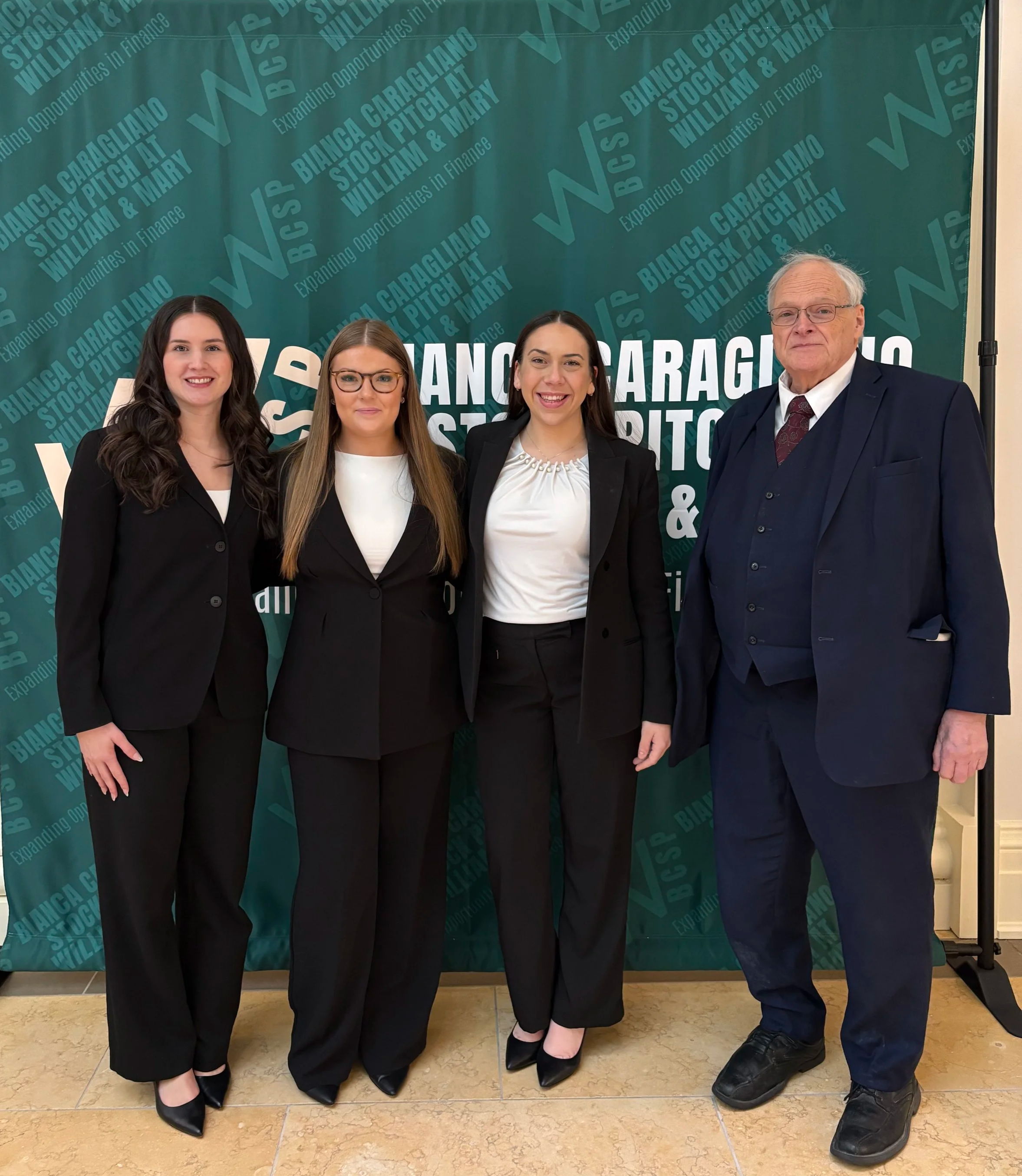
Keira Hennigar, Katelyn Abriel, Laura McAleese and coach/faculty advisor Ross Hallett

A team of three Sobey School of Business women are the top stock pitching team in Canada after competing in Virginia, USA, in March.

Laura McAleese graduated from the Sobey School of Business in 2025 with her Bachelor of Commerce in Finance. She “landed at Saint Mary’s after hip-hopping around a bit,” knowing that the Sobey School was where her mother had gotten her accounting degree. She says she toured SMU when she was a little girl and “vividly remembers the Atrium with the plant wall.”  

From her BComm, she applied to the Sobey Master of Business Analytics “on a whim,” although she adds that the future-facing AI-focused curriculum appealed to her.

Laura is an active participant in the Impact Fund program, which deepened her passion for, as she calls it, “the technical aspect of finance.”  Last year, in her first year on the Impact Team, she competed at the Stock Pitch.

Keira Hennigar is a third-year BComm student majoring in finance. She is a member of Saint Mary’s Equestrian Club and the Investment Society. Katelyn Abriel is also a third-year student, majoring in finance and accounting and aiming to get her CPA designation and pursue a career in accounting. Both are current Research Associates with the Sobey School Impact Fund, Keira for real estate investment and Katelyn for consumer staples.

In March, Keira, Katelyn and Laura entered the women-only Bianca Caragliano Stock Pitch Competition.  

So what is a stock pitch competition?

Participants are tasked with choosing the stock that they hope will beat the market over the next year. “After choosing a stock, we basically do equity research on that stock,” says Laura. “We look at the company, we look at its competitors, industries, and then we try to come up with an implied share price for the stock and see whether or not it's mispriced in the actual market. Then, we give a buy or sell recommendation.”

This preparation paid off. The team competed at William & Mary in Williamsburg, against 21 teams from across Canada, the US and beyond. They landed at number four, topping teams from the Ivey Business School, Memorial University, UBC and University of Regina, making them the highest-scoring Canadian team.

First cohort of Sports Business students prepare to launch their careers

Matthew Lloyd is one of the first students to graduate with the Saint Mary’s Certificate in Sports Business

At Saint Mary’s, preparing students to thrive in agile, competitive careers is a top priority for us—and the Sobey School of Business is one of the faculties leading the charge with innovative programming designed for lucrative, high-demand industries.

Working in tandem with the Scott McCain & Leslie McLean Centre for Sport, Business and Health, the recently unveiled Bachelor of Commerce in Sports Business major was launched last year as part of the Sobey School’s program offerings, with students like Van Bernard coming to SMU specifically for the program. As the only sports business program currently available in Atlantic Canada, we’re committed to developing talent right here at home—giving students the opportunity to build an education that supports their goals.  

The BComm in Sports Business didn’t launch overnight. It started as a Certificate in Sports Business in 2024. It’s still available as a certificate option for students interested in adding it to an existing major, and we’ve heard firsthand from students that it’s a fantastic pairing with other Sobey School programming.

Marketing major Matthew Lloyd is one of the first students set to graduate with the certificate in sports business, and he felt passionate enough about his experience in the program to write a profile of it in the SMU Student Journal.

“I had the option to go out of province for a sports business program, but I wanted to stay in the Maritimes. It aligned perfectly—with the sports business certificate, I was able to get sport-specific education while finishing my degree at Saint Mary’s.”

The courses required for the certificate—like sports marketing and sports data analytics—have given me extremely relevant experience and allowed me to practice applying my marketing education in sports-specific contexts.
— Matthew Lloyd

A longtime fan, Matthew is passionate about every aspect of sports. He played basketball in his youth, and he follows hockey and basketball closely. His dream job would be a marketing role with a team like the Toronto Raptors, and he took full advantage of our sports-related programming, taking that first step toward turning his passion into a lifelong career.  

“Marketing and sports business go hand-in-hand, as sports marketing is a key part of the industry. Between sponsorships, event promotions and broadcast opportunities, having sports-related education under your belt when you graduate gives you a competitive advantage when getting your foot in the door in sports marketing.”  

You don’t have to be planning a career in sports to benefit from taking these courses, Matthew says. Each of the sports business courses—Human Resources in Sports and Sports & Sustainability—give students ample opportunity to apply the learning they do to real-world examples through case studies in the sports industry.

I feel a lot better entering the job market because of my education at Saint Mary’s than I would otherwise. In addition to the education I received, I’m graduating with work experience. With the co-op program I participated in, I have 12 months of experience across three different organizations, so I have projects I can point to on my resume that give me an advantage in a competitive market.

Matthew will cross the stage with his cohort of Sobey School of Business graduates on May 27 during Spring Convocation. Soon after, he’ll begin his new role with Irving Shipbuilding in Halifax.

With Sports Business now offered at Saint Mary’s, students who want a clear path to a career in the sports industry are able to set themselves up for success. Whether you’re looking to double major, minor, or add a certificate to your education, Saint Mary’s offers flexible opportunities to prepare students like Matthew for a successful start in their chosen field.

TRIUMF triumph: Two Saint Mary’s science students awarded prestigious fellowships

Two Saint Mary’s University science students, Tehya Mohammed and Clara Wrightman-Dillon, will be travelling to Vancouver this summer for the Richard E. Azuma Summer Fellowships at TRIUMF, Canada’s particle accelerator centre.

Only two of these prestigious fellowships are awarded each year to students from TRIUMF’s 21 member universities across Canada, making it extra special that both students will be representing SMU.

The fellowships support promising Canadian undergraduate students in pursuing careers in TRIUMF’s research fields, including accelerator science and technology, detectors and instrumentation, life sciences, molecular and materials science, particle, nuclear, and theoretical physics, and scientific computing.

“Watching students succeed is the greatest reward for an educator. Having two SMU stu-dents win the only two fellowships at TRIUMF, and knowing that they competed against students from much larger institutions makes this a very proud moment.” says Dr. Sam Veres, Dean of Science. “These wins are a testament to Tehya and Clara’s dedication to their studies, and the exceptional education that our faculty and staff in the Department of As-tronomy and Physics provide.” 

Tehya Mohammed

Tehya Mohammed, from East Preston, N.S., just completed her third year of a BSc in Physics with an honours in Chemistry. She is excited to start working on a research project titled “Antimatter Physics with the ALPHA Collaboration” with Dr. Makoto Fujiwara at TRIUMF and at the CERN scientific research laboratory in Switzerland.

When she graduates in spring 2027, Tehya plans to attend graduate school; longer-term goals may see her staying in academia, teaching and doing research, and she credits her experience at Saint Mary’s with helping her land the fellowship this summer.

“I’m grateful for the experiences I’ve had at Saint Mary’s,” says Tehya. “I was able to do research with my professors each summer starting after my first year. There are more opportunities available to undergraduate students at smaller schools like SMU.”

Chemistry professor Dr. Christa Brosseau is Tehya’s honours supervisor; she also worked with Dr. Rob Singer in chemistry, publishing a paper with him. She credits these experiences with helping to round out her resume for the fellowship.

Clara Wrightman-Dillon

Clara Wrightman-Dillon, a physics major from St. Andrews, N.B., will be working with Dr. Adam Garnsworthy and researchers at the University of York. Their project, titled “Decoherence of Quantum Entangled Photons,” will involve the collection, sorting and analysis of data for research that could affect PET medical imaging.

This won’t be Clara’s first visit to TRIUMF; she was there last year thanks to her work alongside Dr. Greg Christian, a professor in the Department of Astronomy and Physics at Saint Mary’s.

After graduating from Saint Mary’s, Clara intends to pursue a Master of Science in physics.

Tehya and Clara have both spent the previous two summers at Saint Mary’s conducting research with their professors in positions funded by the Natural Science and Engineering Research Council (NSERC)’s Undergraduate Student Research Awards program and the Faculty of Science at Saint Mary’s.

The paid, four-month fellowship includes travel and a week's stay at TRIUMF House, a “home away from home for TRIUMF’s national and international visitors”. When fellowship winners complete their undergraduate degrees, a $5,000 scholarship is available to any of the 21 TRIUMF schools in Canada.


Meson Hall at TRIUMF. Credit: triumf.ca

About TRIUMF

Established in 1968 in Vancouver, TRIUMF is Canada’s particle accelerator centre. The lab is a hub for discovery and innovation inspired by a half-century of ingenuity in answering nature’s most challenging questions.

From the hunt for the smallest particles in our universe to research that advances the next generation of batteries or develops isotopes to diagnose and treat disease, TRIUMF drives more than scientific discovery. Powered by its complement of top talent and advanced accelerator infrastructure, TRIUMF is pushing the frontiers in isotope science and innovation, as well as technologies to address fundamental and applied problems in particle and nuclear physics, and the materials and life sciences.