Student Employment Initiative program expands to Canadian domestic students

Saint Mary’s is pleased to announce that the Student Employment Initiative Program (SEI) will expand to include Canadian domestic student candidates in consideration for employment opportunities through Saint Mary’s.

The Student Employment Initiative Program is designed to assist students with disabilities in securing employment contracts, gaining volunteer experience, and developing their professional skills and competencies. The Program is a shared initiative between Career and Experiential Learning (CEL) and the Fred Smithers Centre for Student Accessibility (FSC), which aims to increase equitable access to employment, help bridge gaps in opportunities, and reduce barriers that students with disabilities may experience.

Previously, the Program was restricted to students and recent alumni (up to six months after graduation) who are permanent Nova Scotia residents and are registered through Nova Scotia Student Loans with a declared government-verified disability. However, the newly established CIBC Accessible Student Employment Program has enabled the SEI Program to expand to include Canadian student participants from other provinces and territories within the Program. Canadian students and recent alumni must be active, registered students with the FSC or have their disability documentation verified by the FSC.

In addition to support in securing employment and volunteerism opportunities, the Program provides accommodation assistance to create supportive and equitable work environments. Once enrolled in the Program, students are also provided with professional career guidance, working one-on-one with a CEL Career Coach and Career Counsellor to plan and prepare for career readiness during and after their studies.

Five students wearing reflective gear work in a marsh

Students gain work experience in the field

Maddy sits with a laptop and headphones

Opportunities include working on accessibility and inclusion projects

Visit the Student Employment Initiative Program to learn more or register with SEI. For information and resources on experiencing disability at Saint Mary’s, visit the Fred Smithers Centre for Student Accessibility.


For Employers

Offered year-round for part-time or full-time work placements, the Student Employment Initiative Program team collaborates with employers to create job postings that are inclusive and welcoming. Offering employers subsidized employment opportunities when hiring through the Program, registered businesses receive a 50% wage subsidy, while not-for-profit organizations may be eligible for up to a 75% wage subsidy. Funding also supports employers in any additional workplace accommodations required for the student to fulfill the role, such as adaptive technology, furniture, and more.

During the 2022-2023 academic year, the Program generated an outstanding 75 work terms – the largest in the Program’s history – and invested $3,600 in work term accommodations, assisting in making work environments more accessible for all. The Program nearly matched its record in the 2023-2024 academic year, generating 71 work-term placements.

To learn more or create an SEI-registered career posting, visit the Student Employment Initiative Program. For more information on creating inclusive, accessible work and study environments, read A guide for faculty and staff: five ways to support institutional accessibility or visit the Fred Smithers Centre for Student Accessibility.

Breaking records: Omena Babalola MBA'92 sprints towards success

Omena wears a SMU jersery and runs on a track with three other women

Omena Babalola, center, runs at a university track event

Omena Babalola's story is all about pushing limits and reaching for the stars. The MBA'92 alum started on the tracks of Saint Mary's University and later made a big splash as a leader and role model in Winnipeg, Manitoba. Her time at SMU wasn't just about snagging a degree—it was about smashing records, setting the bar high and building a legacy that keeps on inspiring.

When she arrived in Canada in the fall of 1989, Omena was all about soaking up the culture, and she figured getting an MBA at Saint Mary's was the perfect shot at doing just that. Choosing Saint Mary's for its friendly vibe, top-notch outdoor track, and being close enough to family in Prince Edward Island, she kicked off an adventure that would forever stamp her mark on the university's history books.

Omena earned Athlete of the Week, shown here in a 1991 edition of the SMU Journal

Omena handled her sports career with great grit and grace. The fact there weren't any other women sprinters didn't get her down. If anything, it made her push even harder, often training with the guys who backed her up and pushed her forward. Her outstanding performances in the 60m and 300m sprints broke records that are still standing, showing just how unstoppable she is.

Her time at SMU was enriched by the wonderful African student community, who she could always count on to cheer her on at each race. Despite being the only woman sprinter on the team, her determination brought more women into sprint events and strengthened the women's sprint team at Saint Mary's.

Omena Babalola MBA’92

After leaving Saint Mary's, Omena brought the lessons of hard work, teamwork and resilience with her as she transitioned to professional and community life in Winnipeg. She has had a remarkable career as a Professional Auditor, earning numerous designations, all while dedicating herself to mentoring young people and supporting her community. Her success off the track is a testament to the excellence she strived for in her athletic career.

Omena is currently an Alumni-in-Residence with the Arthur L. Irving Entrepreneurship Centre and recently hosted a series of events: From New Horizons to Thriving Ventures: The Immigrant Entrepreneurial Odyssey. The final event of the summer series takes place on August 19.

Learn more about her Alumni-in-Residence position with the Arthur L. Irving Entrepreneurship Centre.

Back to B4: Class of '81 Vanier housemates reunite

Reliving glory days and cherished memories

Friends from the Class of 1981 reunited on campus

At the end of June, a few members of the Class of '81 reunited in town and requested a nostalgic tour of their old residence floor and rooms at SMU.

Leading the group was Casey Shouse BA'81, who traveled from New Hampshire. Accompanied by Shauna Prest Higgins BSc'81, Pat Faye Scallian BSc'81 and Heather Grant Rhodenizer BA'81, the group meandered through the familiar corridors of "Hen Alley." They admired the enduring murals and made their way up to Vanier House, where B4 still held a special place in their hearts.

"Not a lot has changed, but at the same time, so much has changed," Shouse reflected as they revisited their old residence rooms. "There are so many great memories."

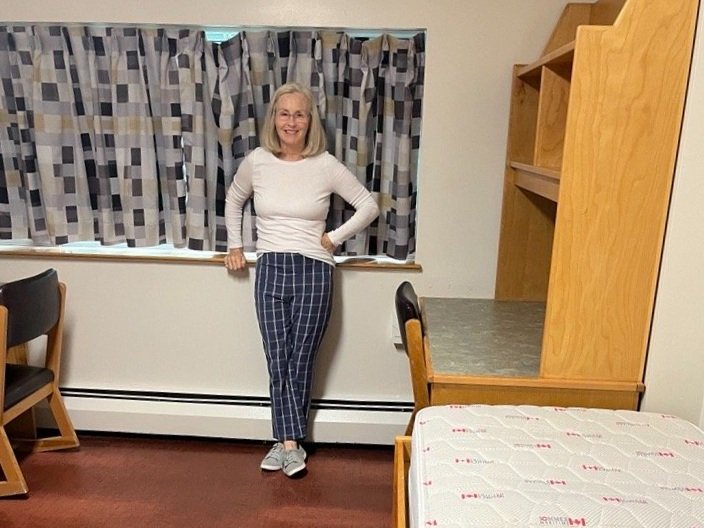
A woman stands in an empty residence room

Casey Shouse in her former B4 residence room

Their visit also included a search for a commemorative tree planted in honour of a classmate who had passed away. After exploring the quad, they eventually identified the now towering tree by the plaque nearby.

The day was a journey down memory lane for the group, whose friendships have stood the test of time since their residence days 43 years ago. They left with a bag of SMU goodies, a gift from the Alumni Office, and a renewed sense of Husky pride.

Campus community fights food insecurity

The shelves are full at the SMU Community Food Room after another successful Annual Food Drive Competition 

Thanks to the generous faculty, staff and alumni who participated in last month’s Food Drive Competition, more than 3,000 pounds of food was donated to the SMU Community Food Room! Hosted annually by the Alumni Office, this year’s food drive results exceeded the 2023 record.

The Arthur L. Irving Entrepreneurship Centre team “The IncrEDIBLES” won the 2024 Annual Food Drive Competition in support of the SMU Community Food Room

Congratulations to the Arthur L. Irving Entrepreneurship Centre team “The IncrEDIBLES”, who won the competition by contributing 1,207 lbs of food. As the winning team, they receive a trophy and a pizza party! The Accounting Department team “Rounding Errors” and the University Secretariat team “Get on board for food!” placed second and third.

In total, 11 teams participated and raised a total of 3,054 lbs of food, which was weighed in by student volunteers on July 25. Teams were awarded bonus points for collecting the most requested items by Food Room users, such as cereal, rice, and canned goods.

The Alumni Office would like to thank the faculty, staff, and alumni who made financial contributions during the competition. These contributions allowed the Food Room to purchase much-needed items with some flexibility. Members of the SMU community can donate to the Food Room anytime and receive a tax receipt for their donation.

"I am deeply grateful to every department that participated with such enthusiasm in the Annual Food Drive Competition,” says Yeshani Sugunendran, Community Food Room Coordinator. “The passion and excitement each participant brought to supporting this vital cause was incredibly inspiring. I would like to extend my heartfelt thanks to SMU Alumni for organizing this event and a special gratitude to the volunteers from the SMU Community Food Room, whose exceptional assistance was pivotal to the food drive's outstanding success. Their dedication to collecting, weighing, and stacking an impressive 3,054 lbs of food, compared to 2,100 lbs last year, was truly remarkable."  


About the Food Room 

The SMU Community Food Room is the on-campus food bank for the Saint Mary’s University community. The food room saw 3,855 appointments booked between May 2023 and April 2024, an increase from 3,248 in the previous year. Students can book an appointment with the Community Food Room.

Saint Mary's launches bold new recruitment campaign: Every one is unique

A colourful banner with an embedded video and campaign tagline

Click the image above to watch the new recruitment campaign video

The new Saint Mary's undergraduate student recruitment ad campaign went live this week with a bold new look that aims to grab the attention of Gen Z students.

As part of the university's updated recruitment strategy, the External Affairs and Recruitment teams partnered with creative agency STC to develop an ambitious campaign to attract prospective students in Nova Scotia and key Canadian markets.

The promotion is mainly digital and highly focused on reaching high school students and their parents or other influencers. The ads drive traffic to the newly updated Future Students webpage for more information.

"This campaign is decidedly different, with a fresh look to cut through the noise and clutter of the digital space where our target audience spends so much time," says Lauren Cullen, Acting Director, Domestic and International Recruitment and Marketing. "It presents Saint Mary’s as a supportive environment that recognizes the potential in each of our students and celebrates their uniqueness, and also highlights our distinctive campus experience, our place in the city and our programs." 

The ads' visual treatment puts a fun, distinctive twist on Saint Mary's brand framework to help it stand out in a competitive landscape and appeal to 16 to 18-year-olds. The treatment is temporary and campaign-specific and doesn't replace Saint Mary's institutional brand.

Faculty and staff may have seen a production crew shooting scenes on campus in late June. They were capturing footage of actual Saint Mary's students, each with their own unique pathways that are highlighted in the ads.

"We were thrilled to showcase some of our star students, Cameron Brown (Science), Jayrell Diggs (BComm), Theressa Jabbour (Arts), Kara Maclean (Arts), Lucy Pothier-Bogoslowski (Science) and Adrianna Timmons (BComm)," says Nadine LaRoche, Director, Integrated Communications. "We owe a huge thanks to them and to the many kind faculty and staff who helped in a multitude of ways to help with this important recruitment effort.”

The advertising campaign will continue throughout the Fall term. Look for bus shelter ads in the Halifax area this September and camera crews on campus to capture our students in action again!

A girl in a business outfit speaks with a hockey player. Campaign text overlays image.
A young man works on a small robotics project. Campaign text overlays image.
A female student carefully reads documents. Campaign text overlays image.

Researchers study effects of inbreeding on reproductive success in endangered North Atlantic right whales

A collaborative research team led by Saint Mary’s University researchers Carla Crossman, PhD candidate and Dr. Tim Frasier, professor of Biology and Forensic Science, has just published a peer-reviewed paper in the Royal Society Open Science on the effects of inbreeding on reproduction in the endangered North Atlantic right whale.

The population of North Atlantic right whales (Eubalaena glacialis) is currently represented by only ~356 individuals. The species faces ongoing threats from human activity (e.g., vessel strikes and entanglement in fishing gear), but it is also not reproducing as often as would be expected. With extremely low levels of genetic diversity, limited options for mates, and variation in reproductive success between females within the population, researchers wanted to understand if inbreeding is contributing to its poor reproductive performance.

This study quantified reproductive success in female North Atlantic right whales using reproductive history information collected over decades of field observations. Researchers also used genome sequencing to investigate how inbred each female was and assessed if and/or to what degree inbreeding accounted for this variation in reproductive success among females.

Credit: Florida FWC/taken under NOAA 0556-01

The researchers found that inbreeding did not explain the variance in reproductive success currently observed in females. However, combining these results with prior studies suggests that inbreeding impacts which fetuses survive to term and, therefore, is likely limiting the reproductive success of the species as a whole.

This process is likely a double-edged sword. On the negative side, this process is likely lowering the overall reproductive performance of the species, and, therefore limiting recovery. However, on the positive side, it also means that those calves that are born have higher levels of genetic diversity (are less inbred) than expected, which could be key in allowing the species to recover in the long run, if we can reduce mortalities.

Overall research project

This study builds on ongoing long-term research on North Atlantic right whales taking place at Saint Mary’s University and elsewhere. This specific work was partially supported by Genome Canada, Genome Atlantic, and Research Nova Scotia through a Large-Scale Applied Research Project (LSARP) award. The $6-million, four-year international collaboration is managed by Genome Atlantic in partnership with Saint Mary’s University, the New England Aquarium, Fisheries and Oceans Canada, the National Oceanographic and Atmospheric Administration, the Canadian Whale Institute, the Georgia Department of Natural Resources, and Duke University.

Dr. Erin Cameron co-authors paper on airborne DNA in Nature journal

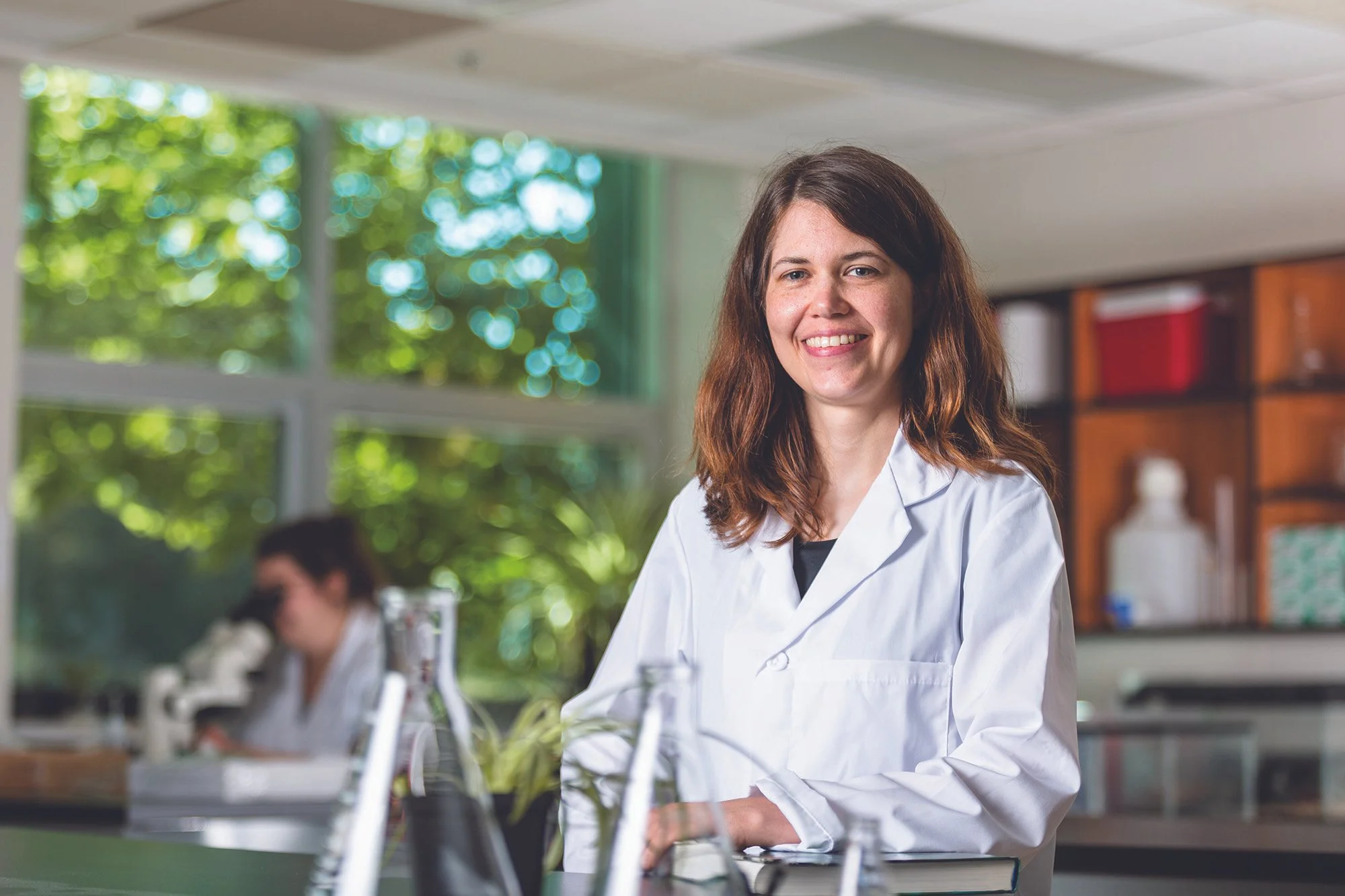
Erin Cameron is a white woman with long red brown hair. She wears a white lab coat and stands in a science lab.

Dr. Erin Cameron, an associate professor in the Department of Environmental Science, is a co-author of a recently published paper in the journal Nature

Researchers based at the University of Jyväskylä in Finland are using airborne DNA to map biodiversity. Dr. Cameron was part of an international, multidisciplinary team of scientists who used DNA sequencing to identify fungi from air samples collected around the world. 

Dr. Cameron ran the collection site in Alberta along with another researcher, Dr. Tan Bao (MacEwan University). The team’s lead researchers were able to use DNA sequencing to identify fungi in the air samples collected by Dr. Cameron and others around the world.

This new method increases understanding of the climatic and evolutionary factors that influence spatial and seasonal variations of fungi. Mean annual air temperature was the strongest predictor of fungal species diversity, and polar and continental sites (including the site in Alberta) showed greater turnover in species composition across seasons than lower latitude sites. The importance of temperature suggests that warming climates will play a major role in restructuring fungal communities in the future.

For more about this method, read the full article in NatureAirborne DNA reveals predictable spatial and seasonal dynamics of fungi

This project is far from the first international collaboration for Dr. Cameron, whose research examines the effects of global change on species distributions, community composition, and ecosystem functioning. She is a key member of research teams that are building a global biodiversity network focusing on soil and the organisms that live in it. The effects of human activities on soil biodiversity and the organisms that live within—a vital part of a functioning ecosystem—are not yet fully understood, and the research conducted by Dr. Cameron and colleagues plays an important role in environmental conservation globally.

Dr. Cameron was recently awarded a grant through the eDNA Innovation Funding program from Genome Atlantic to test the use of eDNA methods as a tool to monitor microbial communities in grazed ecosystems.

Her previous work in this field includes:

New travel bursary supports accessibility and inclusion in academic experiences

July is Disability Pride Month

July is Disability Pride Month, an opportunity to celebrate the experiences and achievements of the disability community while acknowledging the diverse challenges they may face. The 2024 theme for Disability Pride Month is “We want a life like yours,” which reflects the desire of the disability community to be given equal opportunity to engage in experiences they are often denied.

At Saint Mary’s, we use this month as a chance to further our ongoing commitment to creating equal opportunities for students to further their academic careers. “We aspire to create a learning environment that is fully experienced by all students,” says Becca Chaytor, Acting Manager, Fred Smithers Centre for Student Accessibility (FSC). “The Accessibility Travel Bursary helps reduce some barriers in travel-related academia, creating opportunities for students who experience disabilities to engage in hands-on learning they may not otherwise have been able to participate in.”

Launched in 2023, the Accessibility Travel Bursary was initiated by a generous donor to support accessible student travel for academic, co-curricular activities or research purposes.

Masters student Baden Mercer participated in a field course in Rome, Italy with support from the Fred Smithers Centre Accessibility Travel Bursary

Awarded throughout the year, students can receive funding to assist with the costs associated with travelling during their degree program. This can include travel to attend field schools and conferences, participate in study abroad opportunities and more. The financial assistance not only helps to cover travel expenses but also accommodation or assistive supports that may otherwise have been a barrier to travel experiences.

In its inaugural year, twelve bursaries were awarded, allowing students to participate in domestic and international travel relevant to their studies. Master’s student Baden Mercer BA’22 was one such recipient—his study travels led him to a field course in Rome. Currently in his third year as a graduate student in the Master of Theology and Religious Studies program, Baden’s trip focused on sacred spaces in Christian and ancient Roman settings.

“As a student with a disability, the financial assistance for the field course provided me with the support I needed while travelling away from home,” says Baden. “Not only was it an incredible experience, but the exposure to these places and the learning within the field course have greatly contributed to my Master’s thesis work.”

Payton McPhee MSc’24, third-year student in the Master of Science, Applied Psychology (forensic stream) program, was another 2023 bursary recipient. Travelling to Kingston, Ontario, Payton had the opportunity to shadow her former professor, Dr. Simone Cunningham, Clinical and Forensic Psychologist, at Millhaven Institution, a federal men’s maximum-security prison.

“As a Master’s student, there is an expectation to seek experiential learning opportunities and attend academic conferences,” acknowledges Payton. She was excited to learn about the Accessibility Travel Bursary as it was the first grant she had come across that provided academic travel-related financial assistance for students with disabilities. “The bursary provided me with an additional avenue of funding that made travel more accessible for me,” she explains.

In reflecting on her experience, Payton acknowledges that she would not have been able to travel to Ontario for the hands-on learning opportunity without the financial support through the bursary. “It provides students with funding to make their goals and aspirations more attainable,” claims Payton. “For many, travelling seems unrealistic and almost impossible, but the financial assistance provided through the bursary makes these experiences more realistic.”

Both Bayden and Payton emphasized the benefits of having the Accessibility Travel Bursary available to FSC-registered students. “Traveling abroad not only helped me to advance my academic studies,” affirms Bayden. “It also gave me a deeper understanding of the world beyond our campus. A true world without limits.”

To learn more about the Accessibility Travel Bursary, visit the Fred Smithers Centre website. If you have questions about the Accessibility Travel Bursary or the Fred Smithers Centre, reach out to fredsmithers.centre@smu.ca.

Saint Mary’s University appoints Ayo Makanjuola as Vice-President, Finance and Administration

Ayo is a Black man wearing a navy blue suit with a white shirt and tie.

Ayo Makanjuola

Saint Mary’s University is pleased to announce the appointment of Ayo Makanjuola as Vice-President, Finance and Administration. Mr. Makanjuola, CPA, FCCA, PMP, brings a wealth of knowledge and expertise to this critical leadership role.

Reporting directly to the President and Vice-Chancellor, Mr. Makanjuola will provide strategic leadership and direction with respect to financial management, operational oversight and business strategy. With a deep commitment to excellence, with a focus on delivering strategic financial management and fostering a culture of financial accountability, he will play a pivotal role in shaping the university’s future.

Prior to joining Saint Mary’s, Mr. Makanjuola has held key leadership positions, notably serving as the Chief Financial Officer (CFO) for the Millbrook First Nation, and previously as CFO of the Black Business Initiative of Nova Scotia, demonstrating his ability to drive positive change and enhance organizational effectiveness. His vision aligns with the university’s mission to provide an exceptional educational experience for students while maintaining fiscal responsibility.

President Robert Summerby-Murray, in welcoming Mr. Makanjuola, expressed confidence in his ability to lead and innovate. “We are pleased to have Ayo join our team. His strategic mindset, financial acumen, and commitment to student success make him an ideal fit for our university.”

Mr. Makanjuola’s appointment comes at an important time for Saint Mary’s University, as it continues to invest in student support, infrastructure and community engagement while prioritizing financial sustainability. His track record of driving financial excellence and implementing sound financial fiscal policies will contribute significantly to the university’s long-term success.

A board member at the YMCA and the NSCC Foundation, he is also currently serving as Chair of the Chartered Professional Accountants of Nova Scotia.

Ayo Makanjuola takes up his new role at Saint Mary’s on September 1, 2024.

President Summerby-Murray also acknowledged Interim Vice-President, Finance and Administration, Todd Williams, “I want to thank Todd Williams, our interim VPFA, for performing the role at a high level over the past year and at a time when the university’s financial sustainability took center stage. Todd will resume his position as Chief Information Officer where we will continue to benefit from his expertise.”

An exploration of Indigenous history, perspectives and culture through the Saint Mary’s lens

June was National Indigenous History Month (NIHM). At Saint Mary’s, we are committed to a campus and community that acknowledges, respects and values the contributions of Indigenous peoples, both within the Saint Mary’s community and the broader provincial landscape. NIHM reminds us to take time to learn and engage in respectful and productive discussions to explore where we have come from and how we move forward together as Treaty people.  

Outlined by the Government of Canada, each week of NIHM highlighted a different theme related to aspects of Indigenous ways of knowing and being: environment, traditional knowledge and territory; children and youth; languages, cultures and arts; and women, girls and 2SLGBTQI+ people. These themes are an excellent starting point in exploring Indigenous history, perspectives and culture through the Saint Mary’s lens.  


Week 1: Environment, Traditional knowledge and territory

Many within our SMU community are familiar with the land acknowledgement and our place in Mi’kma’ki. However, it’s important for us to understand its historical context, significance and meaning.  

Mi’kma’ki is made up of seven districts that span all of Nova Scotia and Prince Edward Island, as well as large areas of New Brunswick, the Gaspé Peninsula and Newfoundland. The districts include Epekwitk aq Piktuk, Ktaqmkuk, Unama’kik, Skikewa’kik, Kespukwitk, Siknikt, Kespe’k and Sɨpekne'katik.  

The Mi’kmaq are among the original inhabitants of the Atlantic region in Canada and have occupied their traditional territory since time immemorial. Archaeological evidence and oral history indicate a Mi’kmaq presence in this territory for more than 10,000 years, long before English settlers arrived in the mid-1700s. 


Week 2: Children and Youth

In Indigenous cultures, elders are the ones who hold knowledge, passing down information throughout generations. Nujikina’muet (someone who teaches) often use storytelling to pass down history, life lessons, sharing of experiences and guidance. Teaching is also done through kina’masuti (instruction), which is the method of passing on knowledge through hands-on learning and demonstration.

Lauryn Mason leaning against a railing on the second floor of the Atrium.

Lauryn Mason

With more than 6000 students pursuing their education here, Saint Mary’s University is focused on the academic growth, well-being and success of youth. Fostering the kekina’masuti (learning) of Indigenous students, like fourth-year student Lauryn Mason, supports opportunities for personal growth and developmental experiences as well as future readiness.

Lauryn is from Sackville, Nova Scotia; however, her family comes from Odawa M’nis (Manitoulin Island). Working to complete her Bachelor of Science with Honours in Chemistry, Lauryn recently defended her honours thesis entitled, An investigation of the applications of localization delocalization matrices on the prediction of reaction characteristics, which now resides in the Patrick Power Library. “Successfully defending my Honours thesis and having it submitted to the library is one of my proudest moments here at SMU,” reflects Lauryn.

While Lauryn prepares to close one chapter of her learning, she is already looking toward the next one as she is in the early stages of exploring the possibility of starting a Masters of Applied Science, where she may focus on working with small molecules here at Saint Mary’s.

In considering the future of Indigenous students at Saint Mary’s, Lauryn notes, “I think that Indigenous people are really strong, and there are more and more opportunities for Indigenous students every year. I think that these two factors combine to make a really bright image of the future for Indigenous scholars and academics.”


Week 3: Languages, Cultures and Arts

At Saint Mary’s, you will find a number of ways that Indigenous culture is reflected in the institution.

The Patrick Power Library is host to the Mi’kmaq Cultural Materials Display as part of an ongoing collaboration with the Nova Scotia Museum, the Indigenous Student Advising Office and the Indigenous Students’ Society.

Found on the main floor of the Library, the display includes beaver incisors for carving and woodworking, fragments of pottery, an axe head and other artifacts. This collection is accompanied by a selection of books written by indigenous authors, and books about indigenous cultures.

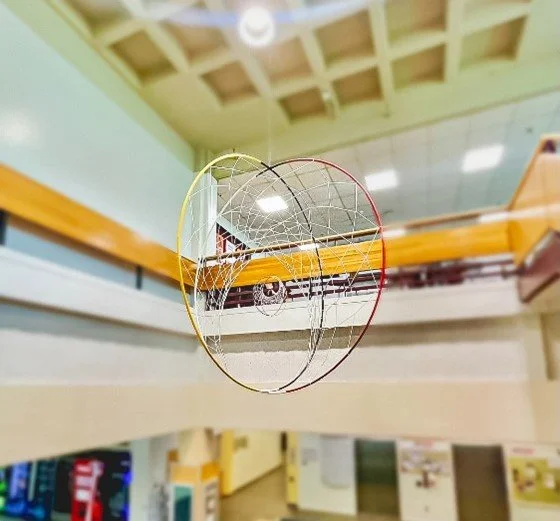
Around campus, you will also find a couple of pewitekemkewey (dream catchers). The main foyer of the O'Donnell Hennessey Student Centre and the Patrick Power Library are the home to these beautiful pieces. These pewitekemkewey were created by former SMU student Isaiah Bernard and his father, Wilbert Marshall, of Potlotek First Nation, in 2020.

Isaiah notes that the dream catcher originates from the Ojibwe nation. The design of the dream catcher mirrors that of the spider’s web, catching our bad dreams while allowing our good dreams to pass through as we sleep.

He shares the story of “a grandmother [who] patiently watched each day as a spider spun his web above her sleeping place until one day her grandson noticed the spider and tried to kill it.

“Don’t hurt him,” she told the boy in a soft tone, surprising him.

“But grandmother, you should not protect this spider.”

When the grandson left, the spider thanked the woman for her protection and offered her a gift. “I will spin you a web that hangs between you and the moon so that when you dream, it will snare the bad thoughts and keep them from you.”

At this, the grandmother smiled and continued to watch the spider spin his web.”


Week 4: Women, girls and 2SLGBTQI+ people

In 2023, Student Affairs and Services hosted the inaugural Paint Your Pride event, where the SMU community was invited to draw pride-centric chalk images in the Quad outside of the Student Centre. Among other things, the event gave the community a unique opportunity to explore the breakdown of the 2SLGBTQIA+ acronym and explore the associated flags that represent the many different identification components within the queer community.

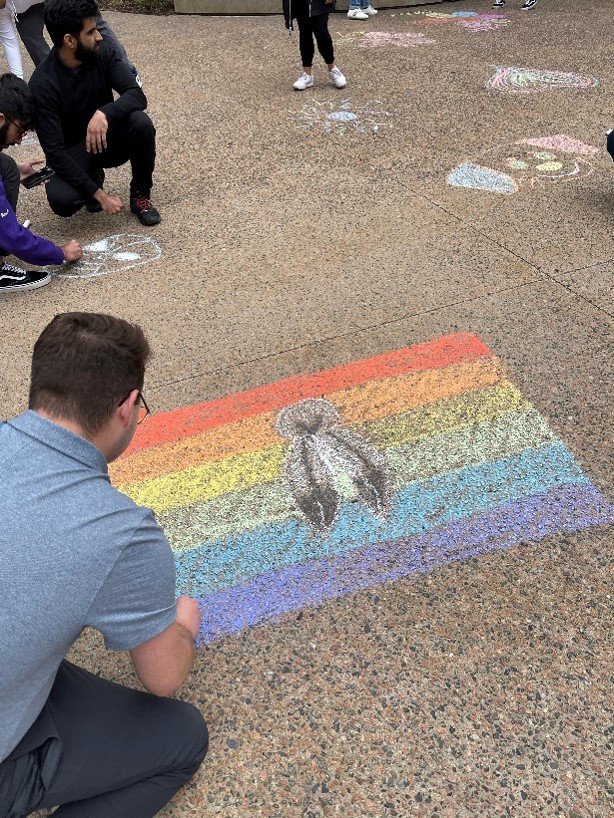
Kyle Cook drawing the two spirit flag.

During the Paint Your Pride 2023 event, Kyle Cook, then interim Indigenous Student Advisor, took the opportunity to sketch the flag as part of the chalk mural.

According to the Wabanaki Two Spirit Alliance (W2SA), the ”2S” in the acronym represents “two-spirit”, which is an umbrella term that encompasses Indigenous people “who demonstrate their identity primarily through culture and spirituality. They have emotional and sexual relationships with the same gender.”

The two-spirit flag depicts a rainbow with two feathers coming down from a circle. The feathers represent male and female, while the circle represents unification of masculine and feminine, reflecting dual spirit which transcends traditional gender roles.

As noted by John R. Sylliboy, co-founder of the W2SA, there is a “lack of ancestral knowledge or research about this concept in Mi’kmaq,” and the common Mi’kmaw term turning up in research is used in negative connotation. Instead, in his article Using L’nuwey Worldview to Conceptualize Two-spirit, John borrows from other Indigenous cultures for two-spirit concepts.

In exploring the final week’s theme, we cannot ignore the harsh truths of gender-based violence, hatred and systemic racism and oppression that significantly impact women, girls and 2SLGBTQI+ people.

Sensitive subject matter notice re: missing and murdered Indigenous women, girls and 2SLGBTQI+ people. If you need immediate emotional assistance, call 1-844-413-6649.

In its 2019 report, The National Inquiry into Missing and Murdered Indigenous Women and Girls (MMWG) concluded that “persistent and deliberate human and Indigenous rights violations and abuses are the root cause behind Canada’s staggering rates of violence against Indigenous women, girls and 2SLGBTQIA people.”

The National Day of Action for Missing and Murdered Indigenous Women and Girls and Two Spirit People, also known as Red Dress Day, is commemorated annually on October 4. In 2022, a Red Dress display was installed in the windows of the Patrick Power Library in collaboration with the Indigenous Student Advisor and the Indigenous Students’ Society. The dresses symbolize and honour the women, girls and Two-Spirit people who are missing and murdered.

Three red dresses hanging on display in the window of the Patrick Power Library.

Red Dress display in the Patrick Power Library

The 2SLGBTQIA+ Sub-Working Group published a MMIWG2SLGBTQQIA+ National Action Plan which, alongside the history and data, notes the resiliency and resurgence for two-spirit people and reimagining the possibility of a better future.

Since the early 1990s, Indigenous authors, scholars, and educators implemented the term Two-Spirit as a source of resurgence. The report states, “The movement by Two-Spirit People to shift the power of balance back in the hands of Two-Spirit People began by continuously acknowledging their traditional knowledge and cultural teachings as part of the ceremonial circles.”

Much like the Truth and Reconciliation Commission’s Calls to Action, the National Action Plan highlights necessary steps in developing a framework towards building change. As Treaty people, we are called to uphold the rights and responsibilities set forth for all of us residing within Mi’kma’ki. By learning the history of the land, people and culture, we can work towards repairing relationships and meaningful reconciliation.


To learn more about Indigenous community, culture and resources, along with relevant news and upcoming events at Saint Mary’s, visit the Indigenous Community Hub.

Students can connect with the Indigenous Student Advisor, Kylar Johnson, by reaching out to indigenous.advisor@smu.ca.

Saint Mary’s University celebrates extension of AACSB accreditation for the Sobey School of Business

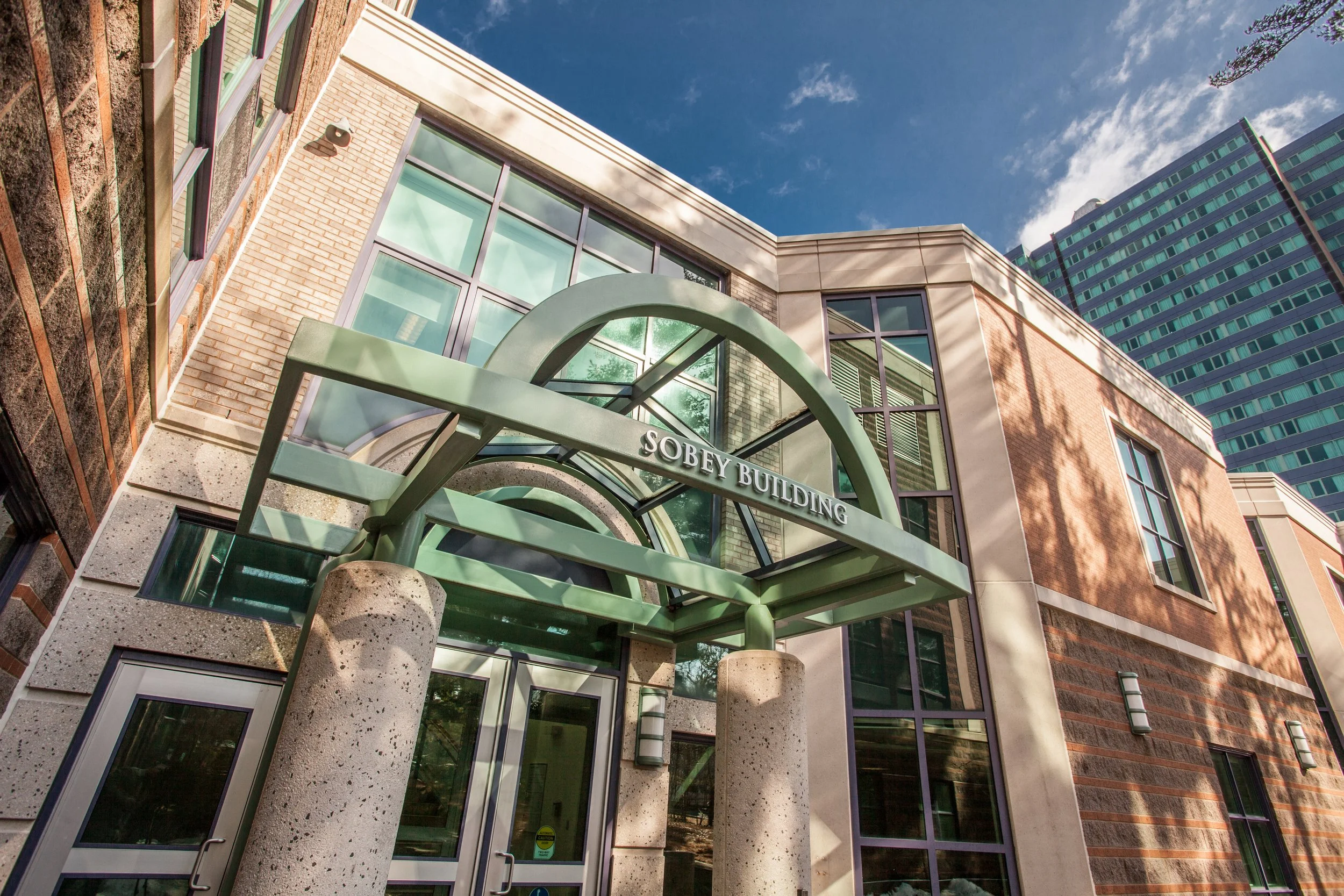
The Sobey School of Business

Saint Mary’s University and the Sobey School of Business proudly announce the extension of accreditation from the AACSB International Board of Directors for its esteemed business degree programs. This achievement marks a significant milestone, underscoring an unwavering commitment to excellence in business education. SMU’s Sobey School of Business was first awarded the prestigious recognition in 2003 and the accreditation will now be extended until 2030.

The rigorous academic standards, innovative teaching methods, and dynamic learning environment at Saint Mary’s have contributed to this remarkable endorsement. Driven by the dedication of faculty, the achievements of our students, and the steadfast support of our staff, we continue to shape future business leaders and professionals. The peer review team noted that the Sobey School "has demonstrated an impressive amount of innovation over the last five years as it changes its focus…to a global, impactful School of Business."

“This accreditation reaffirms our position as a leader in business education,” said Dr. Michel Delorme, Dean of the Sobey School of Business. “It enhances the prestige of our programs and reflects the hard work of our entire community.”

AACSB Accreditation is known worldwide as the longest-standing, most recognized form of specialized/professional accreditation an institution and its business programs can earn. AACSB-accredited schools have the highest quality faculty, relevant and challenging curriculum, and provide educational and career opportunities that are not found at other business schools.

Less than 6% of the world's 13,000 business programs have earned AACSB Accreditation.

The Sobey School of Business, one of Canada’s oldest and most respected institutions, remains committed to fostering purpose-driven leadership. As we celebrate this achievement, we extend our congratulations to all stakeholders who have contributed to this success.